


Likes
Comments
Share


@Horizon_Grow
Follow
Due to construction and revamping of our space, we had to leave all seedlings in their germination dome for approximately a month before getting them into veg. In order to not run into any space issues within the small dome, these young plants were kept under a low-wattage fluorescent tube to avoid any growth which may have been "too vigorous."
VEG WEEK 1:
03/09/2021: (Image 1)
Each plant was potted into, and fed with the following nutrients during transplant:
1. 5l FF F1 medium
2. GHF: Biogrow - 15g worked into medium
3. Wormcastings (workd into medium and astop dress)
4. Organics Matter Mycoroot Supreme -placed at the bottom of the planting hole.
5. Watered each plant with a Silicon Plus feed solution .
07/09/2021: (Image 2)
- All plants are now in 5l pos with Freedom Farms F1 medium, and are in their new veg home under a 3500K 320W Quantum Board.
- The 3 weakest seedlings of the total 19 seeds (1x Crit and 2x PC) were placed on the left side of the tent, and in different pots, as they are obviously struggling and may not even make it into our final flower room.


Likes
77
Share


@KingSalomonsWeed
Follow
11.01. day 105 Blüte 63 . Chop.
Schwere Arme voller Knospen.
Definitiv.
Mit dem Gewicht bin ich schonmal zufrieden.
Eine Woche trocknen, dann gibt's den Ernte-Bericht. Mit smoke Review.
Zur Ernte selbst: Yep, alles in Ordnung. Überraschend war sie gar nicht crispy. Na klar ein paar Blätter, aber der Rest und vor allem die Knospen waren aber schön saftig.
Harzig nicht sehr klebend, denn diese Trichome sind so hart, das sie abbrechen.
Ob das gut ist? Ja.
Begründung: da ist weniger Wasser, mehr Harz dein. Nur frisches Harz klebt. Schaut euch nen Baum an. Altes Harz kann Mann heraus schlagen, fast so hart wie Glas. Bei frischen kleben die Finger.
Macht's trotzdem, das riecht super.
Aber nicht an den Klamotten abwischen. Die sind sonst ruiniert.
Zum Geruch: Äh überraschenderweise ziemlich zurückhaltend, aber ich habe auch keine der Knospen geöffnet.
Wahrscheinlich wird der Geruch von diesen Trichomen, die sehr eng beieinander sitzen eingeschlossen.
Meine Tendenz liegt ohne Rauchbericht bei 9 Punkten. Pflanze gut, Buds gut,
Jetzt noch Geschmack...
12.01. Oh, das hatte ich vergessen zu erwähnen. Dieser Grow lief unter verschärften Bedingungen. Stealth mit wenig Frischluft. Sie hat eine Invasion von Spinnmilben abgewehrt, durch ne andere Pflanze übertragen.
Later: ich habe ne Knospe geknackt. Erst dran gerieben. Es roch nach Heu. Ungläubig und etwas Enttäuscht knackte ich ne Knospe.
Puff, wie in einer Wolke aus Duft.
Oh, das Riecht aber stark, und gut.
Das habe ich nicht erwartet nach dem äußeren Geruch.
Definitiv keine Geruchs Stealth Sorte.
Eher HALLO NACHBARN
MEIN NAME IST CANDY RAIN.
OH😳
So heftig?
Ja.
Der Geruch ist schwerlich zu beschreiben.
Ungefähr so: erdig mentholig mit keine Ahnung gelato Haschisch Aromen?
Nicht unangenehm aber überraschend stark und ausgeprägt.
Das habe ich so nicht erwartet.
Aber wer lesen kann, es folgt ein original Auszug
Wenn Du Cannabis mit köstlich fruchtigen Düften und Aromen sowie einem ordentlichen THC-Kick magst, hast Du mit Candy Rain einen neuen Favoriten gefunden.
So ist es.
13.11. Was ich total gut finde, Es machen die ja Grad mehrere. Alle die Toll geworden sind sehen sich sehr ähnlich. Wie eineiige Zwillinge.
Und von denen sieht meine Pflanze am härtesten rann genommen aus.
( Mann könnte auch sagen beschissen gepflegt sieht sie aus, aber das stimmt nicht. Die wollte einfach Krass sein. )
Ne Chance aufs gewinnen habe ich nur wenn die anderen Knospen nicht beim (harte Schale) knacken plötzlich in einer ziemlich heftigen Duft Wolke hängen.
Wie ne Nebelgranate bei aktuellen shootern ( Games ).
( Kurz überleg ) ne eher wie ne flashbang. Puff, Alles riecht.
Und ich habe noch nicht getestet.
Das sind nur Impressionen, von ihr als Grower.
( Nein Leute ihr merkt es vielleicht, ich bin von diesem "Puff" schwer beeindruckt. Hatte ich noch nie. Ist heftig gewesen. Das Gegenteil von Dezent. Ich höre jetzt auf zu schreiben, warte auf das trocknen und melde mich dann mit Photos und nem Rauchbericht zurück)
17.01.
Pre smoke Impressionen.
1. Nochmal machen, ansetzen
2. Nix machen beim smoken.
3. Ich bin so Fett das ich gerade ein Schlachtschiff im Hafen nicht finden würde.
4. 😍👍🤗😀😄😃😀
5. Der Geschmack ist jetzt schon vollmundig zitronig würzig lecker.
6.Ein Recht starker ( Nene, doch ), und das ist mir ganz wichtig "Angenehmer Turn".
Voller Enthusiasmus machst du Dinge.
Im Sitzen.
Kein couch lock, eher so entspannend.
Rauchst du mehr, oder größer werden die Augen immer kleiner.
Dein Atem wird ruhiger.
Wie eine Sanfte Brise kommt die Müdigkeit.
Atmest du sie ein, begrüßt du sie sogar,
Kommt ein süßer Schlaf.
Aber Sanft fragt er. ..
Einmal schütteln wie ein Hund, bumm bist du wach, und merkst, Oh doch couch Lock.
Ähem aber nur bei großen .
Bei normalem Konsum einfach nur Nett.
Indica lastig und interessant.
7. Langer angenehmer Turn.
8. Jetzt bekomme ich Hunger.
9. Nicht online zocken. Gar nichts. Bei Shootern geht das aim fail. Bei Strategie Spielen macht Mann plötzlich soo doofe Fehler. Selbst bei Wow ( World of warships ) vergisst Mann plötzlich das vor einem nen Gegner ist. Nen SCHXXXX DICKES SCHLACHTSCHIFF.
Übersehen auf einmal.
..... Nen Schlachtschiff.... Vergessen.
Kurz darauf schaute ich auf mein versinkendes Schiff....
10. Ich hoffe der Rauchbericht ist in Ordnung. Das sind meine Impressionen von CANDY RAIN.
Macht Spaß
18.01. Im Trocknungszelt : noch nicht ganz trocken, aber süß am Riechen 😍..


Processing
Likes
3
Share


@CreoWeed
Follow
Hey guys,
Another Explosive week has passed and the plant seems to not stop growing, I have some side branches reaching 80cm while the main branch stopped at 68cm.
I really hope it can produce nice buds. At the moment it still a little bit 'empty' hoping week 7 will make the flower explode, I really hope so...
For now it's all, stay tuned and stay high nice people!

Processing
Likes
14
Share


@kevgrow
Follow
Hey Growers, end of week 7 from seed :)
This is plant #2
Its a female
Took a while for me to reveal its gender. She is looking healthy and is growing fast.
Did some trimming
Slowing increasing nutrients, I am Currently feeding every three days 1 gallon of water with 1/2 of the recommended feeding schedule given from the manufacturer.
Will keep you guys posted with more, see you next week 😊
Likes
2
Share


@ESExPincheb00f
Follow
She started growing new nodes and I started raising the feed on nutrients and kept the ph at 6.5-6.6. She looks like she’s ready to flower soon. Started giving a little bit of a smell like citrusy.

Likes
83
Share


@RunWithIt
Follow
What a fun experience! This was my first time trying a mixed grow style of synthetics and organic. I think I may have found my new go-to strategy. This definitely wasn't a perfect run by any means - as a matter of fact, I botched the feedings earlier in her life. However this grow definitely taught me a lot more about how to treat this strain properly. Now I'm running her clones in the 3x3x6. So the legacy will continue! Let's see how this strain does during the summer months!
Cheers everyone! This has been an awesome grow. What I'm lacking in yield, I yet again make up for in quality. And I don't think yield will be an issue with the clones, they're week 6 veg - and quite massive!
- RWI out!! 😁 😶🌫️🤑

Processing
Likes
11
Share


@Sctanley007
Follow
9/30/18. She still looks great. No burn and no deficiencies so far. I fed her a liter and a half . The pot is now heavy but not totally soaked. I did not water to runoff but the lower portion of the pot is wet. I don't like soaking the pots because the bottoms take ay too long to totally dry and I have had issues watering schedules.
10/5/18 Still doing perfect with minimal attention. Bumped up the amount of Grow Big last feeding with no ill effect.
Looking ahead and having weeks before the auto is done I didn't know how to face the upcoming issue of vertical space. Shes too big to LST and I did not want to top her because shes doing incredibly well and want to see what she will produce. I rigged up a scrog contained within the bucket. I did a mod years ago to a smoker which gave me the idea in the middle of the night. I might change out the screen itself since it was just what I had on hand but will see how it works.. The openings are 2.5" so it should suit my needs. I have it set at 8 inches above soil but it is fully adjustable up and down by the nuts on the threaded rod.
I plan on keeping the main stem under the screen to induce the plant to keep producing shoots and fill the area. Im pretty excited about trying this and Stay Tuned.

Processing
Likes
5
Share


topped August 28th 2018

Likes
14
Share

@HOMEGROWBOOK
Follow
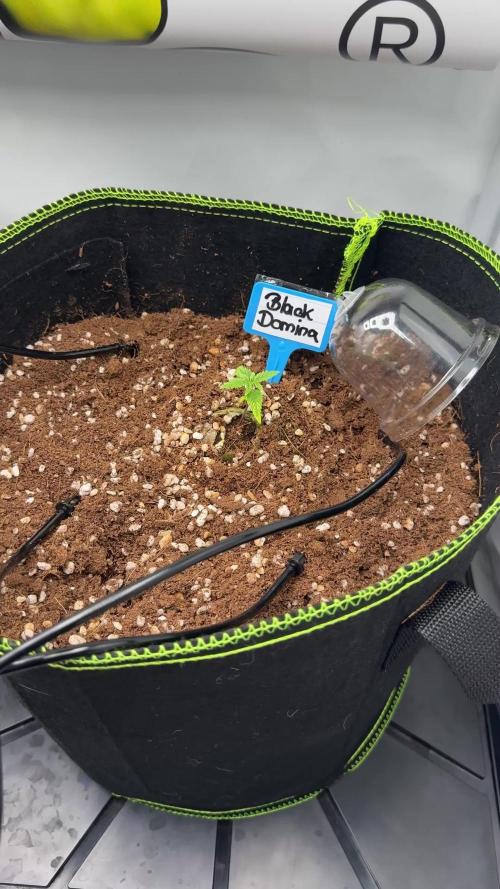
During Week 3, Black Domina is still developing at a slower pace than expected and remains quite small for this stage. However, the plant looks healthy and stable, with no visible signs of nutrient burn, deficiencies, or pest issues.
Growth appears compact, which suggests that the plant is currently focusing more on root development rather than above-ground growth. This can happen with indica-dominant genetics like Black Domina, especially in the early stages. Leaf color is consistent and healthy, indicating that the current feeding level is appropriate.
A mild nutrient mix based on Hy-Pro Coco A & B is being used, keeping EC low to avoid stressing the young plant. The medium is kept evenly moist, and watering is done carefully to prevent overwatering, which could further slow growth at this stage.
While overall size is still small, the plant shows signs of gradual progress and stability. With a stronger root system establishing now, more visible vegetative growth is expected in the coming week.
Likes
18
Share


@eldruida_lamota
Follow
Que pasa familia, vamos con la primera semana de floración de estas Tropicana Cookies Fast Flowering, de FastBuds.
Vamos al lío , las 3 plantas se colocaron en macetas de 7 litros definitivamente.
El ph se controla en 6.2 , la temperatura la tenemos entre 21/24 grados y la humedad ronda el 60%.
Ir van creciendo y no llevan ni mal ritmo ni mal color, veremos como avanzan las próximas semanas.
Mars hydro:
Code discount: EL420
https://www.mars-hydro.com/
Agrobeta:
https://www.agrobeta.com/agrobetatiendaonline/36-abonos-canamo
Hasta aquí todo, Buenos humos 💨💨💨
Likes
Comments
Share


Likes
2
Share


@LittleBigTrees
Follow
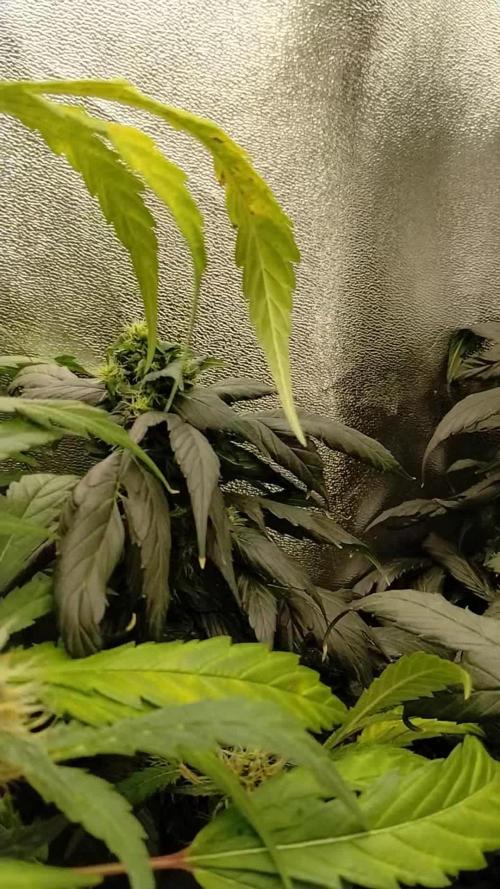
Feeding max recomended strength H&G soil A&B and they are loving it. Buds are swelling now and trichomes are more visable .
This plant is growing fast .
Likes
20
Share


Likes
7
Share


@Stickygreens420
Follow
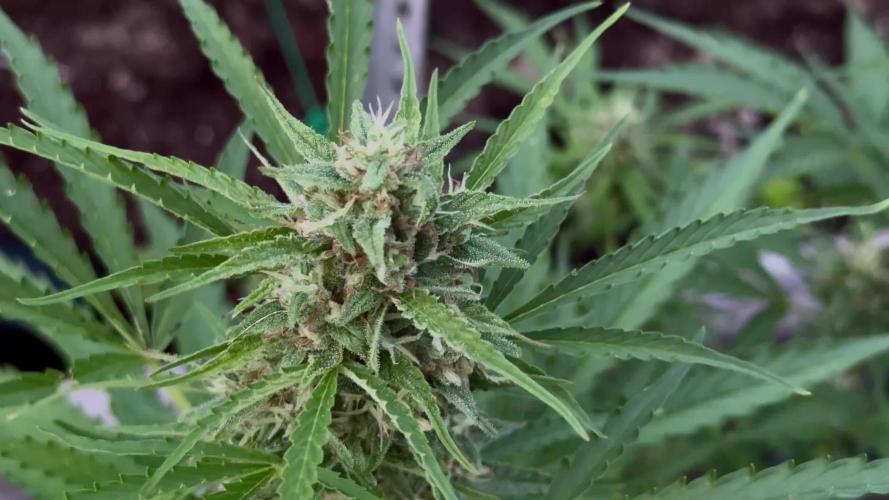
Starting week 2, all of the plants are healthy. Added the barley straw, which is helping to keep the top of the soil moist. Also, threw a few worms into each bag and planted some white dutch clover cover crop. The Orange Bubblegum is still growing the slowest, but I'm going to ride it out. This is an auto, so it's a little concerning, but I've heard good things about Twisted Tree genetics, so I'm rolling the dice.
Watered 1 liter per pot of filtered water at 6.7 ph on 10/12/2022. Also have been slowly increasing the light intensity. Started the week at 300 PPFD and plan to be at 400 by the end of the week. The two bigger plants are just reaching their 5th node, so I started some LST on 10/16/2022. Also watered another liter per plant using ThremX-70 and Rootwise Mycrobe complete.
Avg. VPD: .75
PPFD: 400
DLI: 26

Likes
38
Share

@LittleBigTrees
Follow
The tallest pheno is ready and being flushed for a couple of days now, rhe others are close but still consuming nutrients at a strong rate , I think they will take at least 1 more week.
They smell very much like gelato as a group but are all very different from one another .
Likes
7
Share


@Bmy88
Follow
Crecen muy rápido, esta semana apliqué top veg, y empezaré con microbita dentro de unos días.
Likes
11
Share


@Paradox_1ste1
Follow
When i harvest it it looked very good in quality but it took some time to get dry so it maybe had a bad drying so thats why.
Likes
3
Share


@Ieiogrow94
Follow
Eccoci qui...
Tutto va per il meglio, questa settimana ho eseguito Lollipopping e Defoliation per far si che le cime principali sprigionino al meglio il loro vigore.
Siamo verso la fine del progetto ora bisogna solo aspettare la fine...
Grazie a tutti per il supporto🔥🌲❤️

Likes
9
Share

@eldruida_lamota
Follow
Que pasa familia, estamos actualizando la primera semana de floración de estas Kritical de GrowBarato.
Cómo podéis apreciar en las imágenes el color que tienen es espectacular y con esa vegetación y vigorosidad pintan de miedo.
Además siendo tan rápidas , de 57/63 días, las tendremos listas como quien dice en un abrir y cerrar de ojos.
Agrobeta:
https://www.agrobeta.com/agrobetatiendaonline/36-abonos-canamo
Mars hydro:
Code discount: EL420
https://www.mars-hydro.com/
Las maximas de temperatura no superan los 26 grados y las mínimas no bajan 19, así que no me puedo quejar.
Los niveles de humedad también son los correctos van entre 50%/60%de humedad relativa.
Por supuesto el Ph lo estamos dejando alrededor de 6.
Hasta aquí es todo poco más la verdad, solo deciros que buenos humos 💨💨💨y nos vemos el finde en SPANNABIS.

Likes
54
Share


@GarciasGarden
Follow
WEEK 8 ~ Beginning of week 2 Flower
DAY 8 of Flowering
This week Has Been nothing but CRAZY GROWTH!! All plants are super healthy and starting to show their first signs of blooming 🌸 .. last few days I’ve been seeing a little discoloration on one of my kosher lush pheno’s turns out it’s just coco being a biotch again!( PH BEING TO LOW NOW) Lol .. I know it’s only a week in so for me it’s crazy to already see trichomes starting to form . I brought in some support for the plants that should help me with some LST . Next move is putting some bamboo/wooden sticks into a grid over all the plants and making those tops pop up all over this 5x5 !! I Just started some new wet Betty seeds and they are already taking off.. lol 180$ on 6 seeds I’ll die if they die🙏But hey guys thanks for checking in and keeping updated on this grow again any questions or any tips I’d love to hear thanks!! ~Garcia’s Garden

