


Likes
Comments
Share


Likes
9
Share


@FantasticBuds
Follow
Starting to smell very dank and musky, will start to lower nutrients next week and start ghe ripen. Lots of nice colors coming though as result of changing to LED . Had a humidity problem where it was about 80% I got a 2l dehumidifier on and has somewhat cured the issue , humidity is now as 45-50%

Likes
2
Share


@Northstar_cannabis
Follow
Growth has been consistent, made it to 30" where I believe it's done with vertical growth. Not much to report, letting buds build now.

Likes
16
Share


@Baron_Codelli
Follow
Hi growers. It's end of week 5 of flowering.
So far, all girls looks quite well, only OG is showing that he is missing some zink.. Hope to heal her...
Red mandarine is showing her true color as well.. Live that purple!!
Stay stoned and keep growing!
One love!


Likes
21
Share


@MiyaguiOkPolilla
Follow
Hola amigo!
Arrancamos un nuevo proyecto, esta grandísima cepa Feral Fuel ABC de @TERPYZ
Semillas regulares, con una mutación muy estable, de porte medio a grande, gran poder sativa, larga floración y poca necesidad hídrica.
La marca recomienda sembrar directamente al sustrato, aquí, en suelo vivo funcionó perfectamente, una no dio a luz pero ya tenemos dos nuevas representantes!
Debo decir que la marca me envió mi paquete de 10 semillas y dentro había 12!!!
Que alegría!!!
Los brotes tardaron 5 a 7 días en aparecer pequeños entre el húmedo ambiente inicial.
Se mantendrán en el tupper hasta que se vea estabilidad.
Saludos a todos y éxitos, este proyecto viene cargado de una gran aventura


Likes
5
Share


@Ninjabuds
Follow
It's amazing how quickly the weather can change. Just a few weeks ago we were bundled up in our warmest coats, and now it's finally starting to feel like springtime. With temps in the 40s and 50s, it's the perfect time to get outside and enjoy the sunshine.
My pound cake plant is finally getting somewhere. It's totally weird, because the stems turned this super cool purple color. Soon it's going to be covered in pound cake buds that'll be ready to eat. I'm thinking fancy frosting might be the way to go, but I'm also considering something fruity on top.
Likes
165
Share


@Tropicannibis_Todd
Follow
💩Holy Crap Growmies We Are Back💩
So what do you say we have some fun 👈 We got some EXOTIC SEEDS 👉 👻👻👻MONSTERMASH👻👻👻 😛
Well my friends we are just at the 28 day mark and as you can see shes doing great 👈
👉 So now i felt i need to start training her over to maximize her growth by doing some LST 👈 Just noticed she's starting to preflower 😛
Lights being readjusted and chart updated .........👍
👉I used NutriNPK for nutrients for my grows and welcome anyone to give them a try .👈
👉 www.nutrinpk.com 👈
NutriNPK Cal MAG 14-0-14
NutriNPK Grow 28-14-14
NutriNPK Bloom 8-20-30
NutriNPK Bloom Booster 0-52-34
I GOT MULTIPLE DIARIES ON THE GO 😱 please check them out 😎
👉THANKS FOR TAKING THE TIME TO GO OVER MY DIARIES 👈

Likes
29
Share


@Ganja_Victoria_Aus
Follow
Keeping my lady happy is a full-time job full of surprises, sometimes heavily exhausting long hours. I'm giving all my love to them. So thankfully, Respect and Love for my family for keeping me able to spend hours daily. 🌅🙏🤙
Unfortunately, grow diaries crash every time I update nutrients and photo 🤷

Likes
5
Share


Likes
12
Share


@NorthernChemist
Follow
Aug 12: Ideally would have left this go for another week or two but pest pressure (aphids) meant it couldn't wait. Chopped. Nice squat plant structure with a decent coating of the best smelling resin I've ever had on an auto - as I mentioned before, this one smells sweet and floral, like a mix or roses and bubblegum. Amazing. Very pleased with the outcome and would recommend to others who are looking for a 1:1 THC:CBD variety.
Likes
4
Share


@Nientjexo
Follow
Hi All,
This baby has become huge in the past 2 weeks.
I still tried doing LST on it and as far as I can see it really worked.
She became much wider and is even producing more side branches then before.
The smell is great, it actually does smell like lemon.
Still not using any nutrients (First time growing) to see how the plant is growing.
Any tips or tricks are always welcome.
Happy growing
xo Nien

Likes
10
Share


@Green_Dream
Follow
The NTfucks are looking great! Even the more rigid one got looser, so it's easier to work with it, it also showed signs of pre-flower, I guess it's because I stressed it quite a lot last week.
I'm really looking forward to seeing them flower!
Likes
Comments
Share


@GrowDiaries
Follow
Not Even The Rain Can Stop Us Fron Being At Spannabis
Spannabis 2025
Likes
5
Share

@Growfather1
Follow
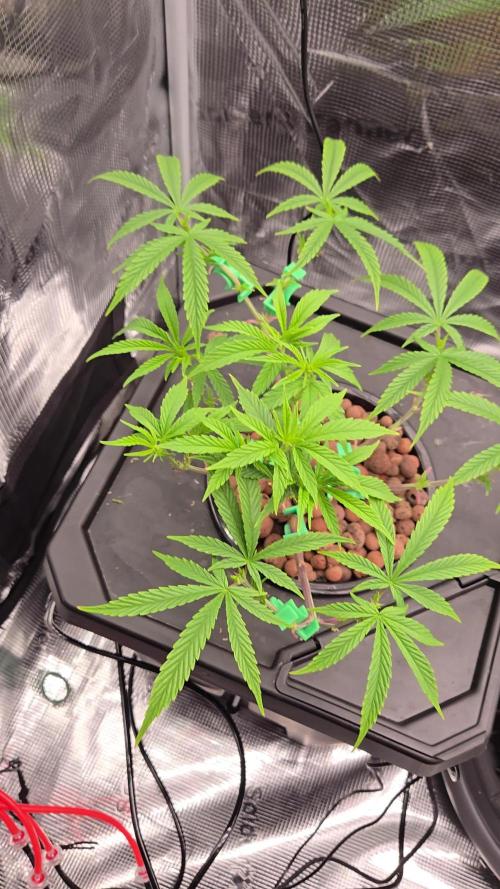
Hello everyone,
This week i decided to remove the peyote cookies from the dwc system because the roots kept dying and so i decided to translate her to coco soil.
I will start again after the summer with 2 dwc buckets for now i gonna continue with one, yesterday i changed the air pump to a stronger version because the spider farmer pump is way to loud and weak with the airflow.
The amnesia fast bounced back but i see the roots showing a brown color again i hope after the air pump change this will stop i will also stop adding canna rhizotonic to the water to make sure only minerals are in the water.
For the peyote cookies i gonna start a new diary.
Tomorrow i will update my other diary that grow is doing great.
Thanks for stopping by and have a nice week.


Likes
14
Share

@GERGrowDesigns
Follow
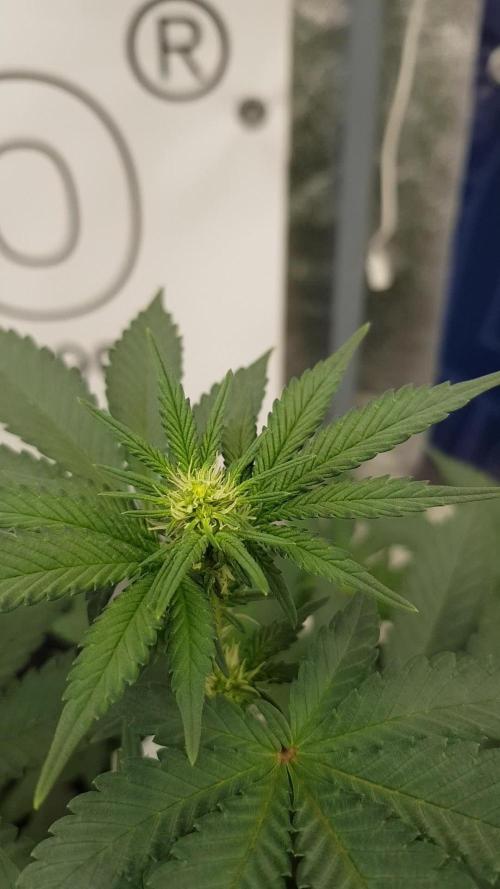
Welcome to Flower Week 2 of Kannabia Zoap Rosé
I'm excited to share my grow journey with you from my
Kannabia Seeds Project . It's going to be an incredible ride, full of learning, growing, and connecting with fellow growers from all around the world!
Check out Kannabia Seeds with my link [https://www.kannabia.com/de?ref=61966] and grab the germination device or the strains I used . Trust me – it’s worth it for sure !
Get another 20% Discount at all products using the code [GGD] at the checkout.
For this Project , I’ve chosen the Feminized Photo Strain Zoap Rosé :
Here’s what I’m working with:
• 🌱 Tent: 120x60x80
• 🧑🌾 Breeder Company: Kannabia Seeds
• 💧 Humidity Range: 60
• ⏳ Flowering Time: 56-63 Days
• Strain Info: 22%THC
• 🌡️ Temperature: 26
• 🍵 Pot Size: 20
• Nutrient Brand: Hy-Pro
• ⚡ Lights : 600W x 2
A huge thank you to Kannabia Seeds for allowing me to try my Best with this amazing collection from Photo Strains they managed to Sponsore . Big thanks for supporting the grower community worldwide! Your genetics and passion speak for themselves!
Let’s grow together – and don’t forget to stop by again to see the latest updates!
Happy growing!
Stay lifted and stay curious!
Peace & Buds!

Processing
Likes
1
Share


@nausicaahime
Follow
everything changed on week 4
grow tent and cob led came to show how a good light is important.
from now til last 2 weeks, only indoor growing
goodbye CFL's, you worked well.
+ LST and ferts (2ml + 0.25)
Defoliation started
Removed branches from 1st node
Likes
1
Share


@UDUDUDUDU
Follow
moved my babies down since icarus and higherus almost touched the bulb :)

Likes
7
Share


@MariRemediesLLC
Follow
Day 9: Diagnosis: Slight Nutrient Burn, Growth Normal. Treatment: Feeding Cal-Mg tomorrow
Day 12: 👍🏾(Looking Good!)
