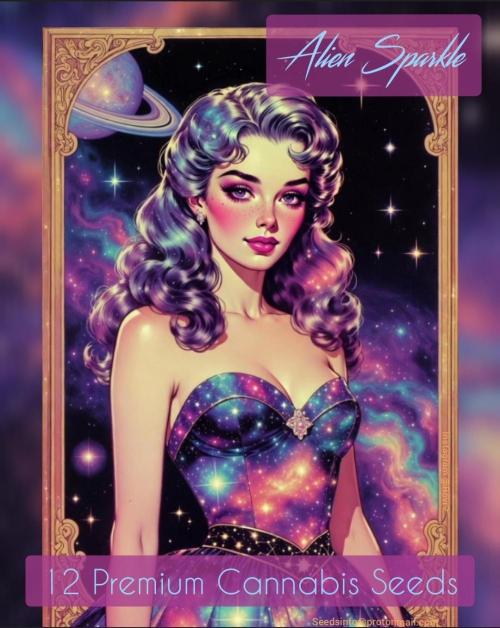
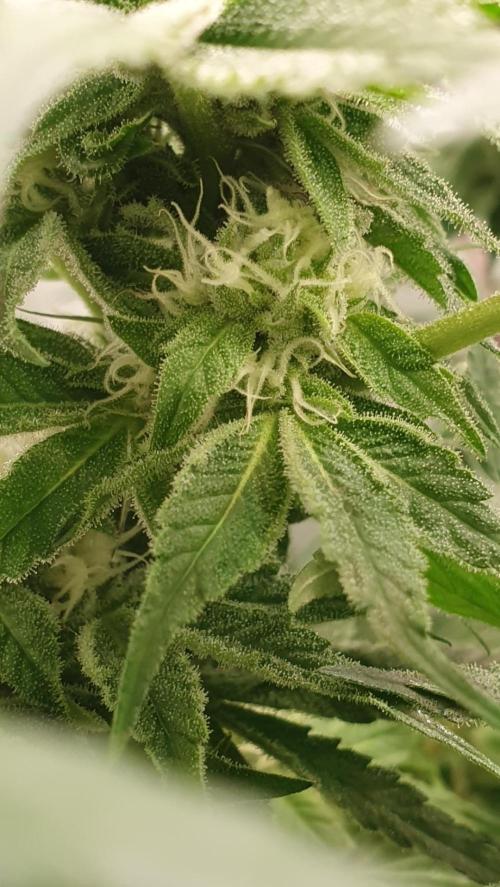
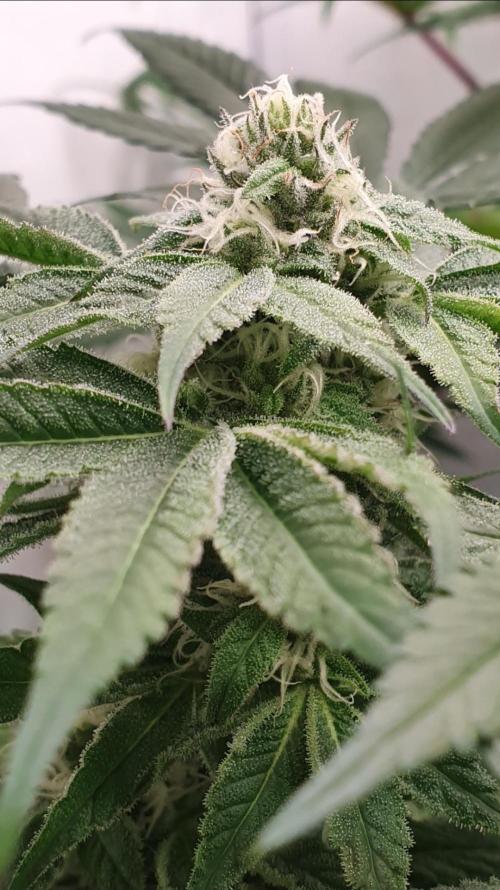
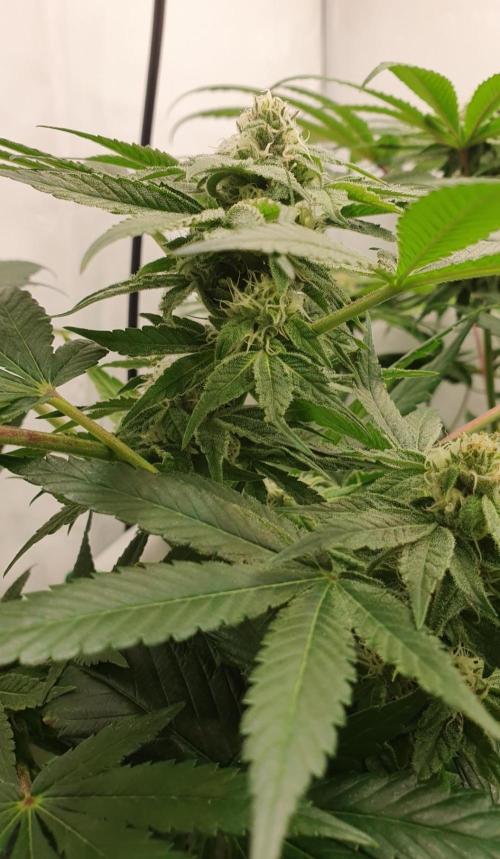
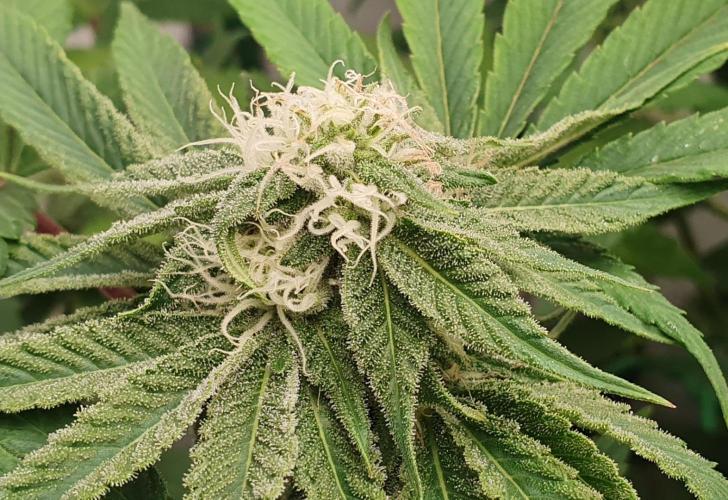
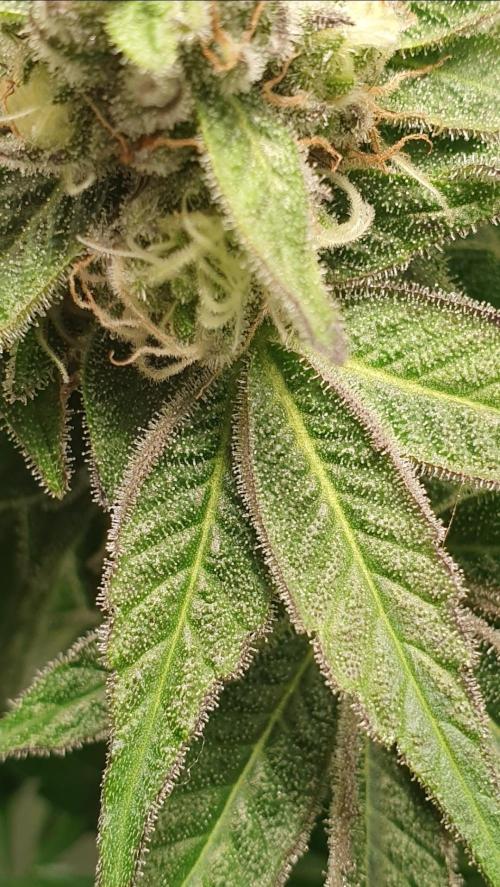
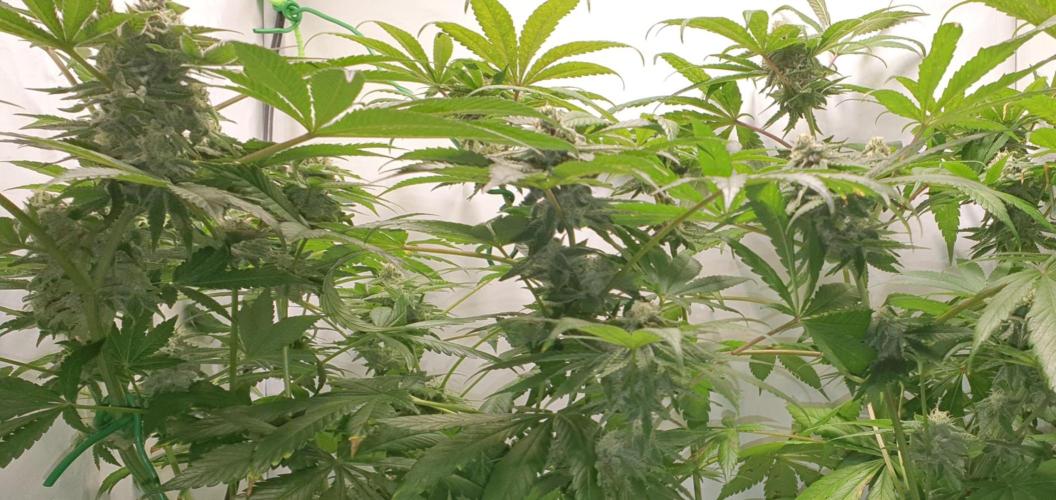
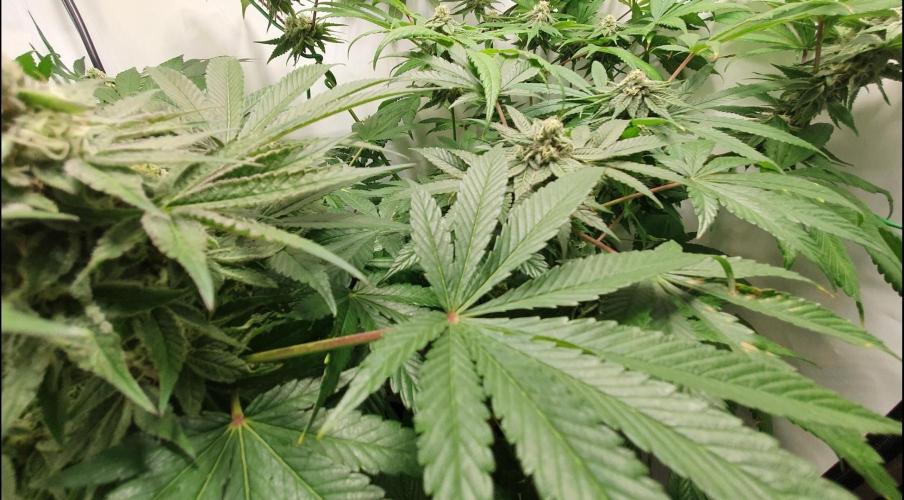
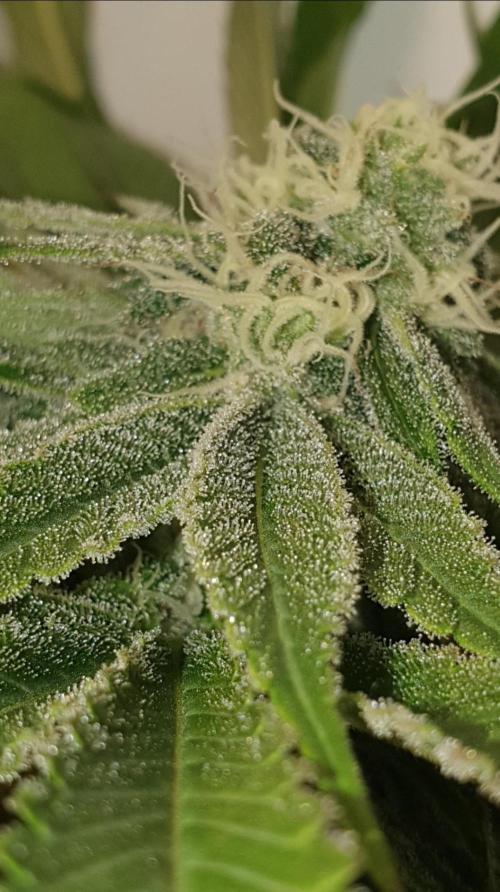
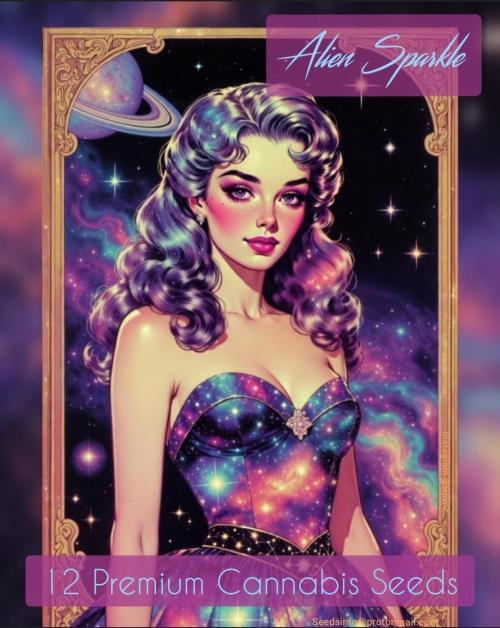
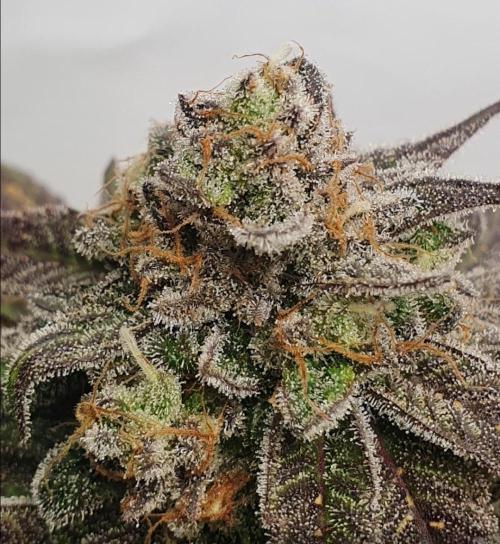
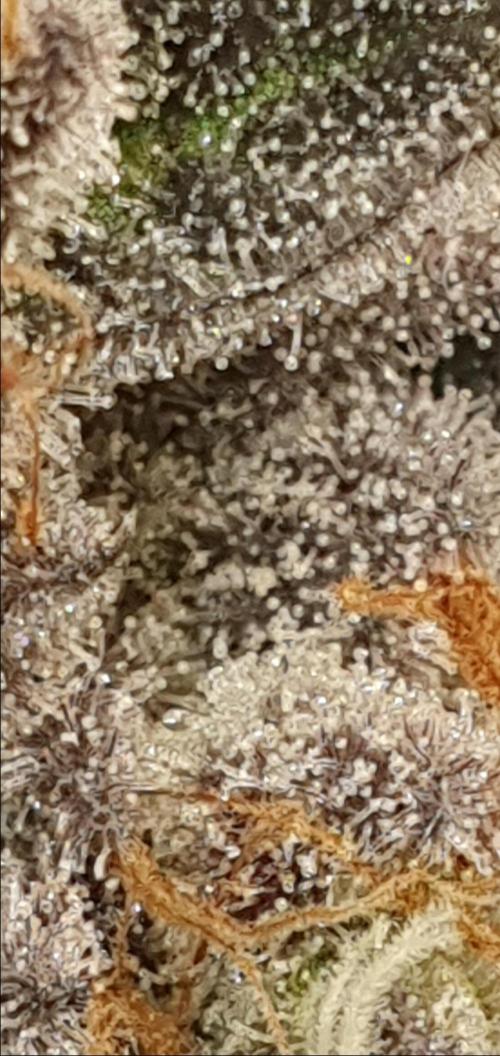
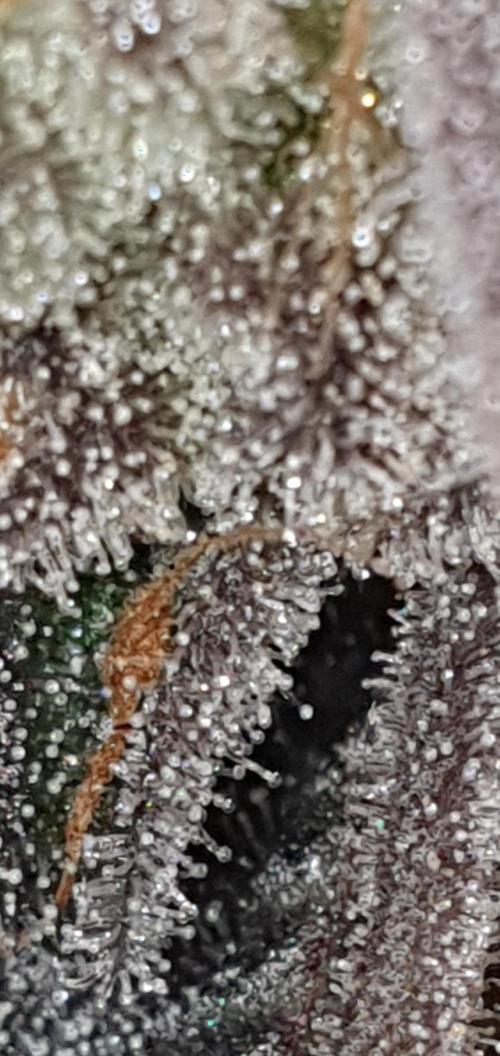
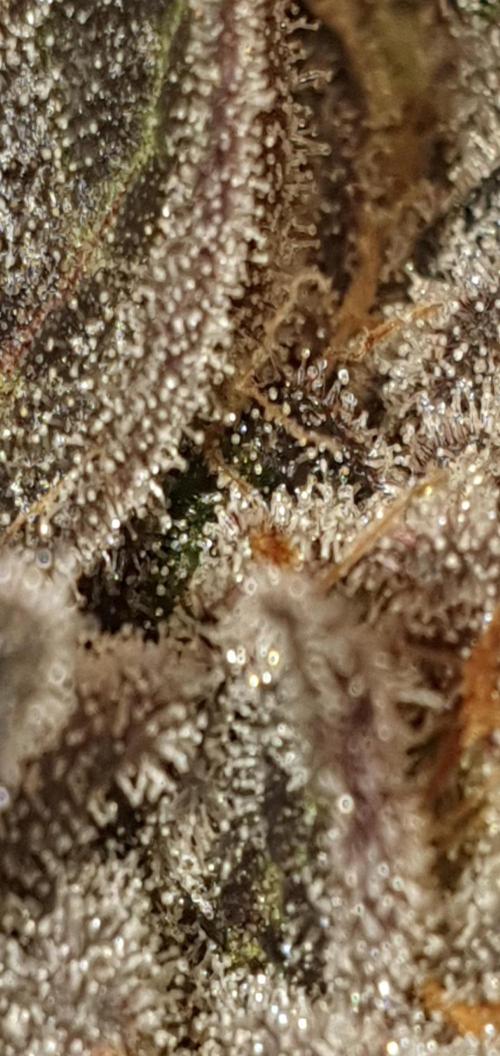
The_Wanderer Alien Sparkle. F1-Hybrid
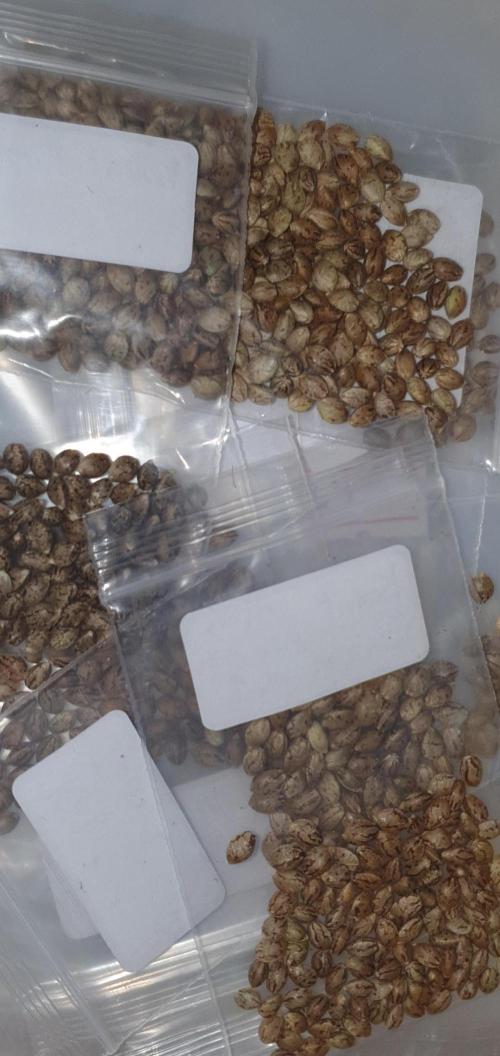
The cycle begins before germination. First we have to collect the seeds we have made for tomorrow's harvest.
The diary form asks me for nutrients on germination. I have to custom add "endosperm" because there is no option for it. Such is life for us in neo-cannabis-culture.
6 likes
1 comment
Share
Used method
Other
Germination Method
4
Week 4. Vegetation
1mo ago
1/6
15 hrs
Light Schedule
25 °C
Day Air Temp
6.0
pH
No Smell
Smell
55 %
Air Humidity
75.71 liters
Pot Size
30 cm
Lamp Distance
Nutrients 1
TNT Complex
5 mll
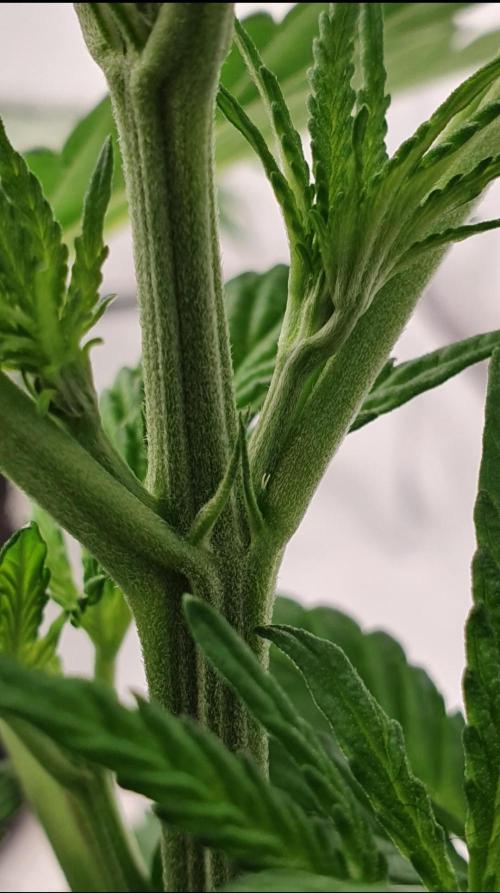
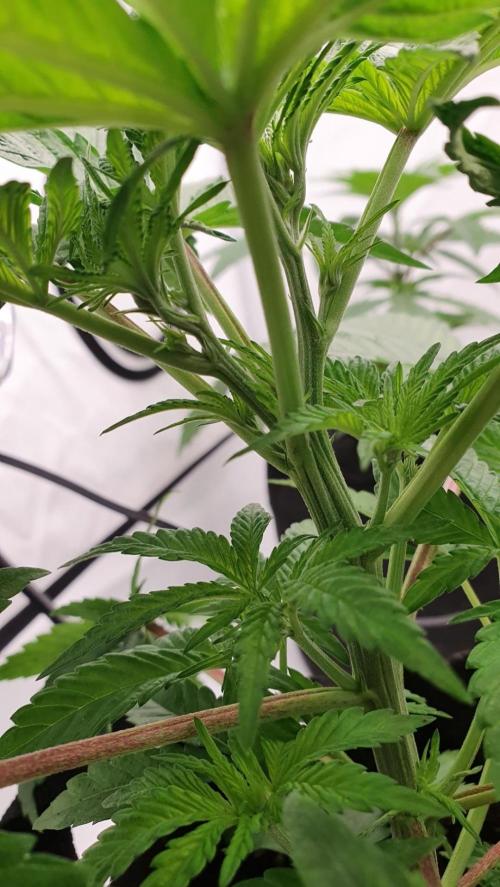
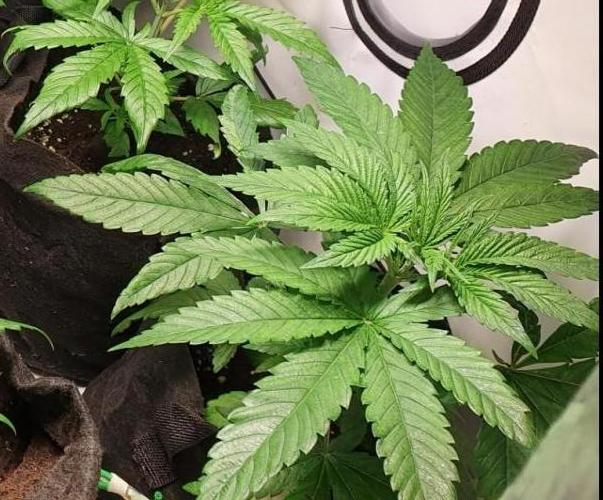
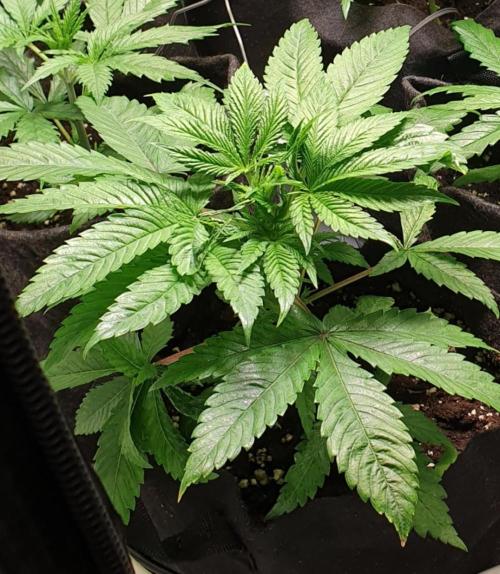
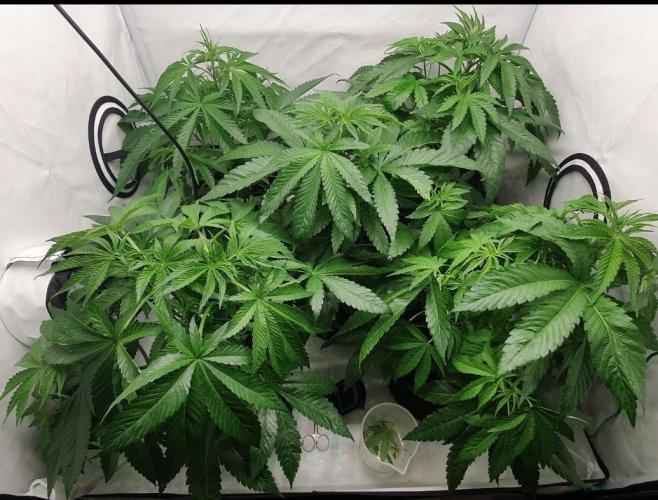
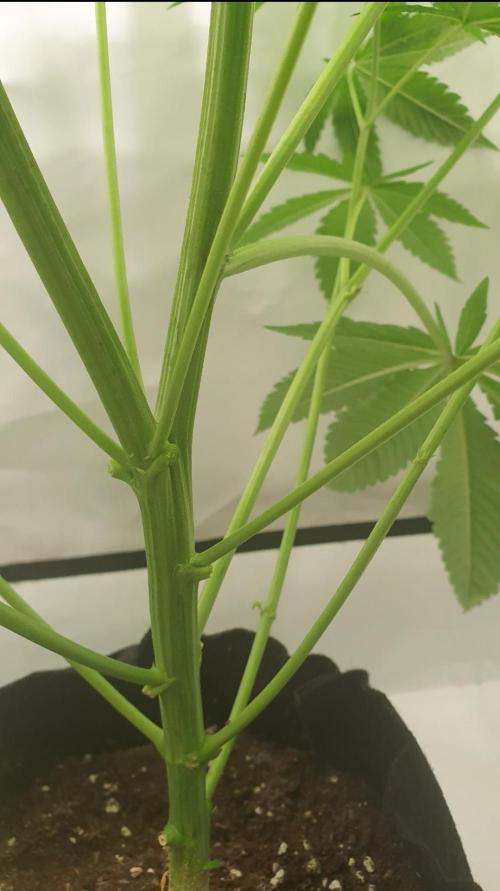
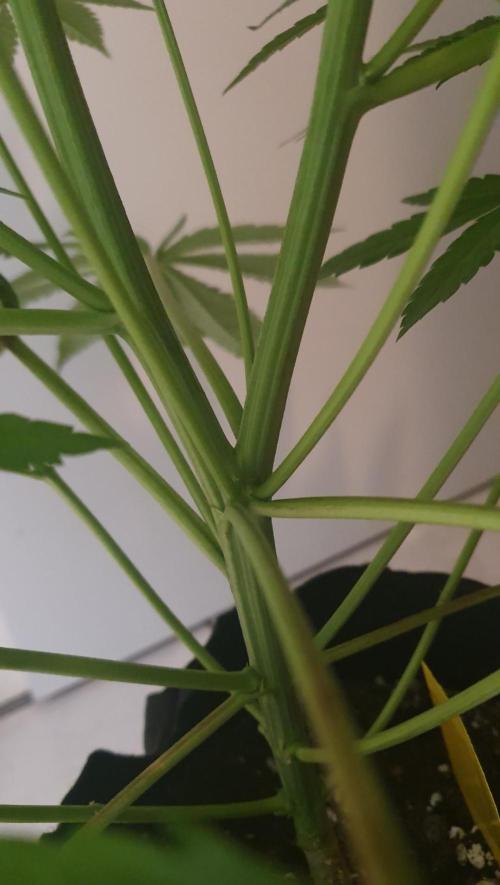
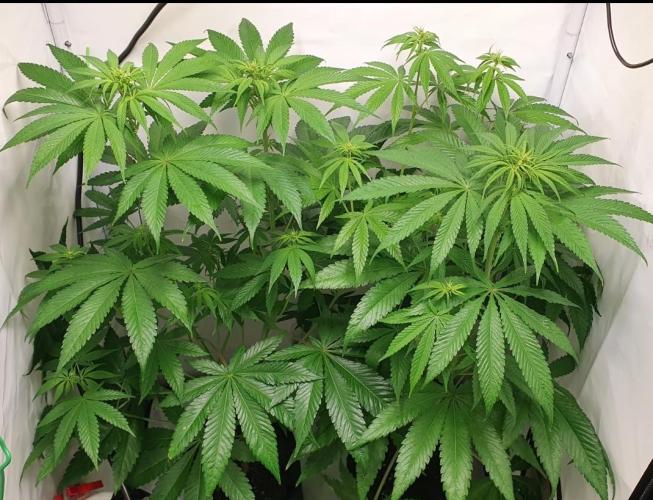
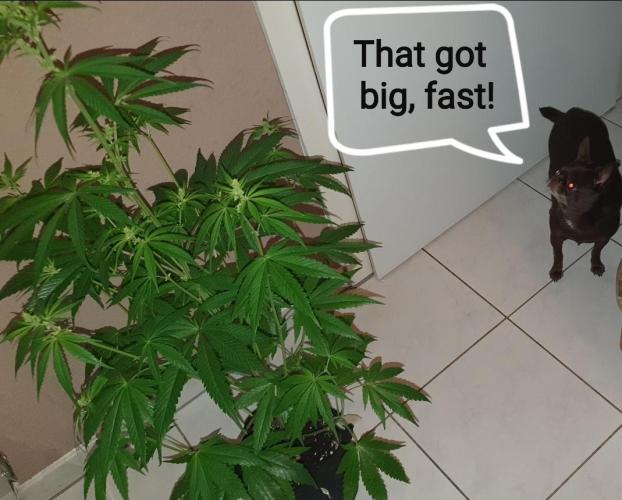
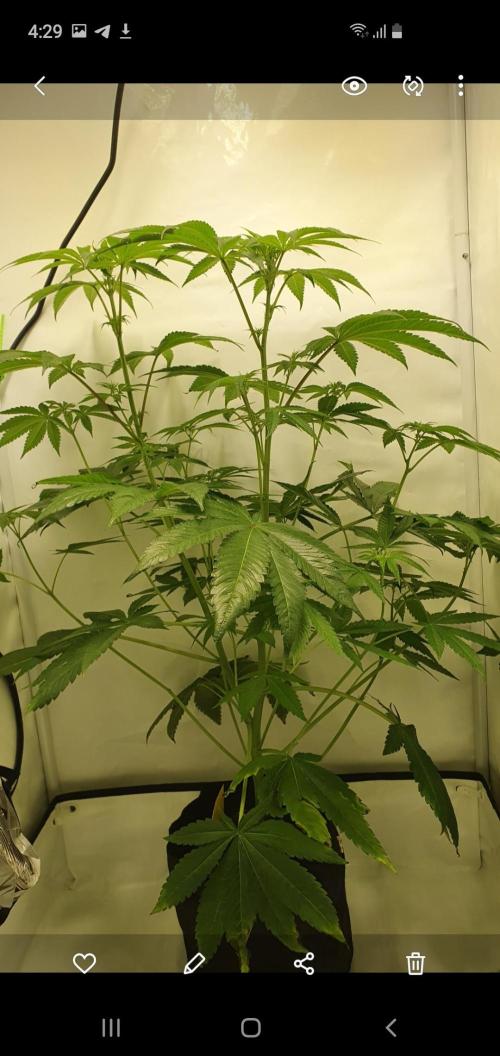
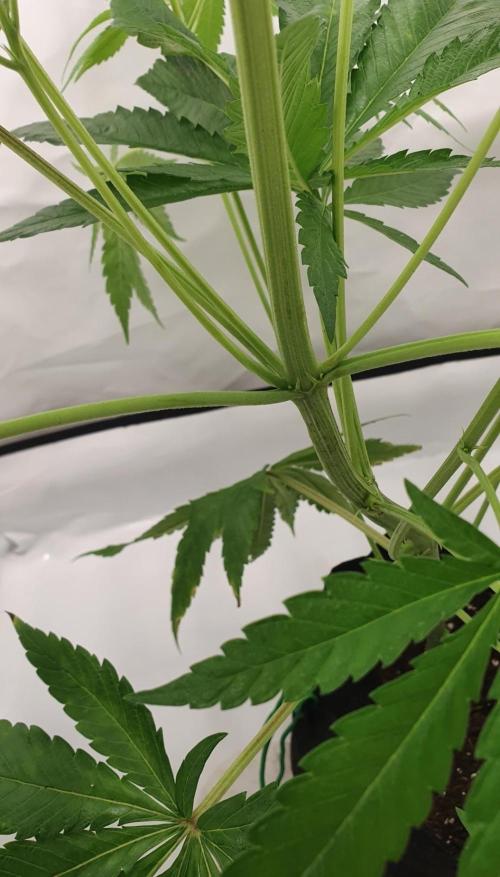
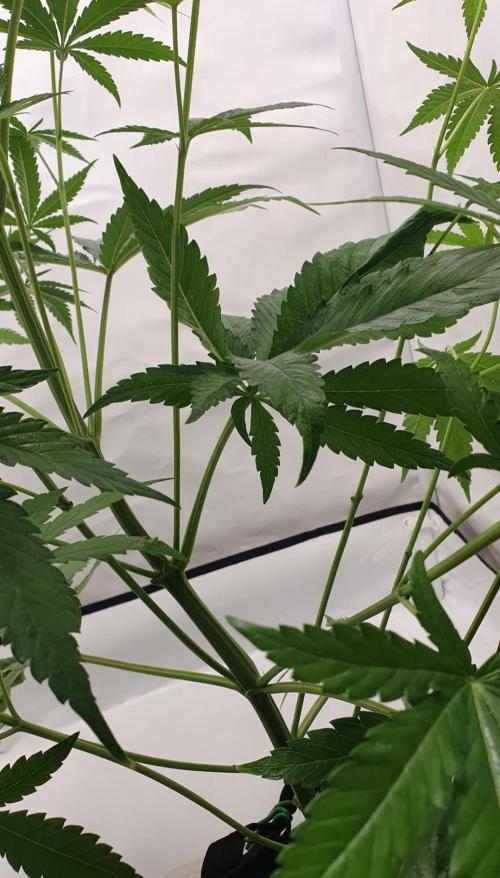
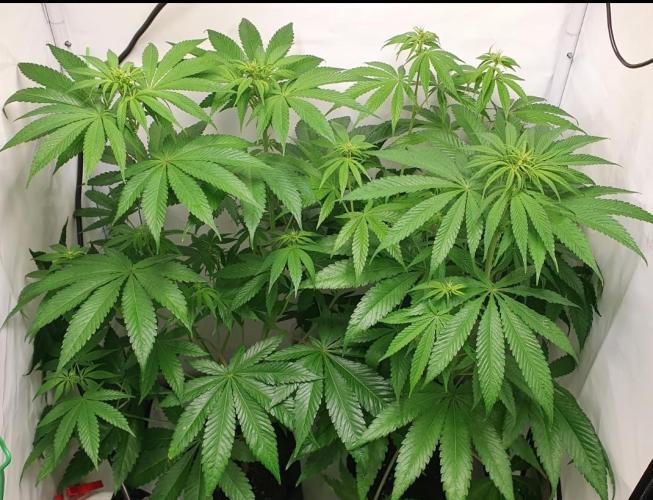
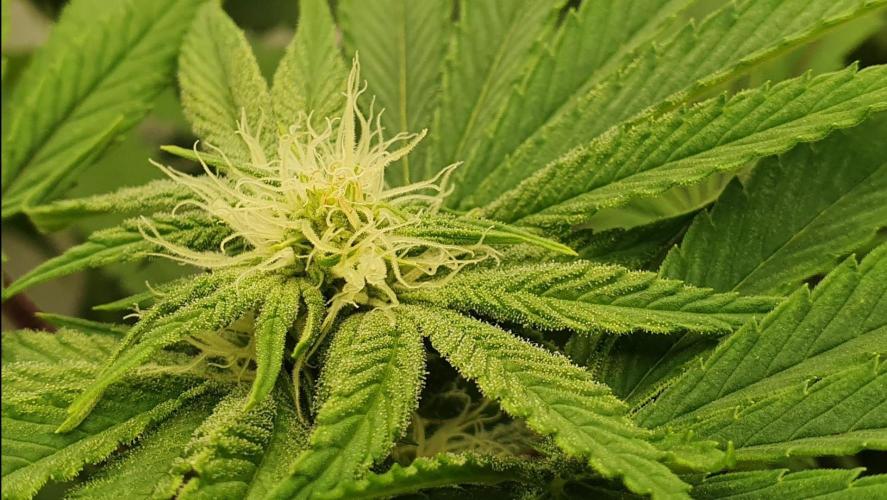
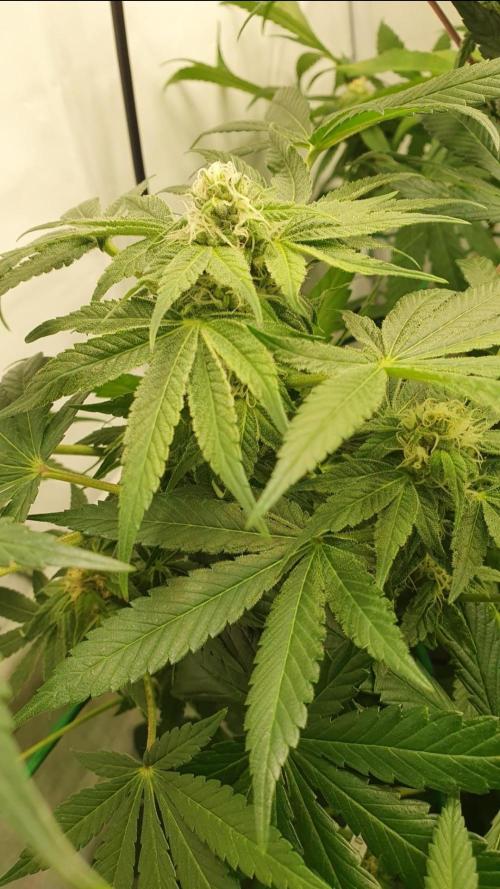
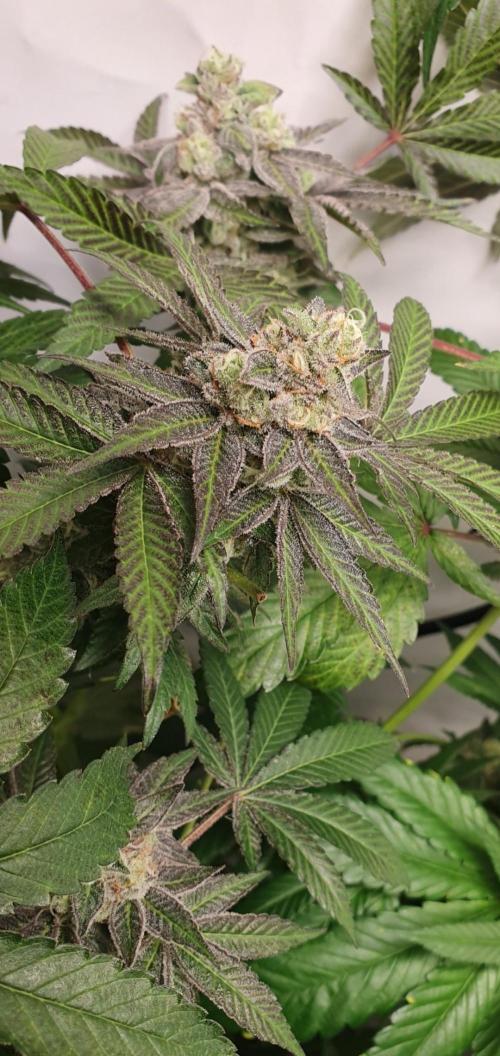
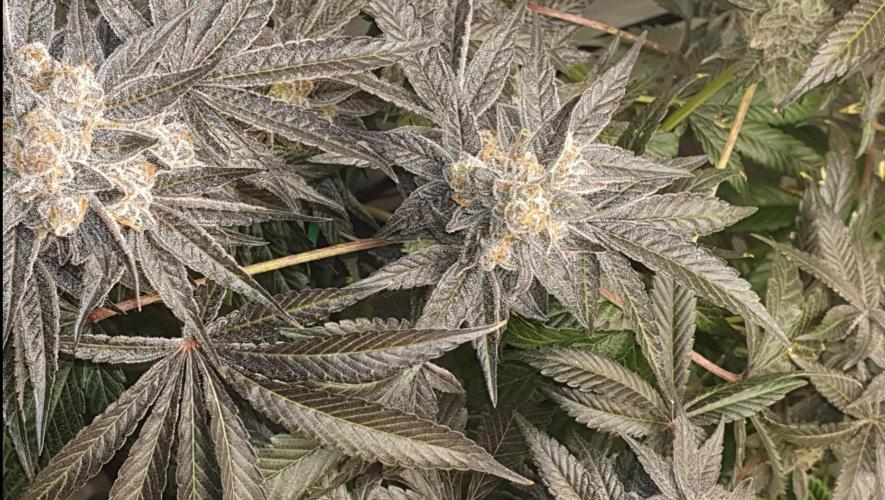
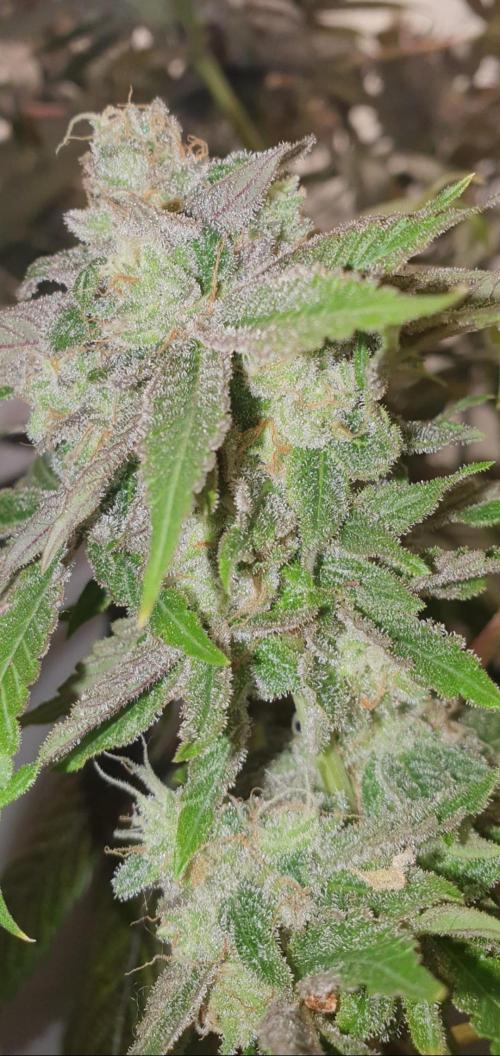
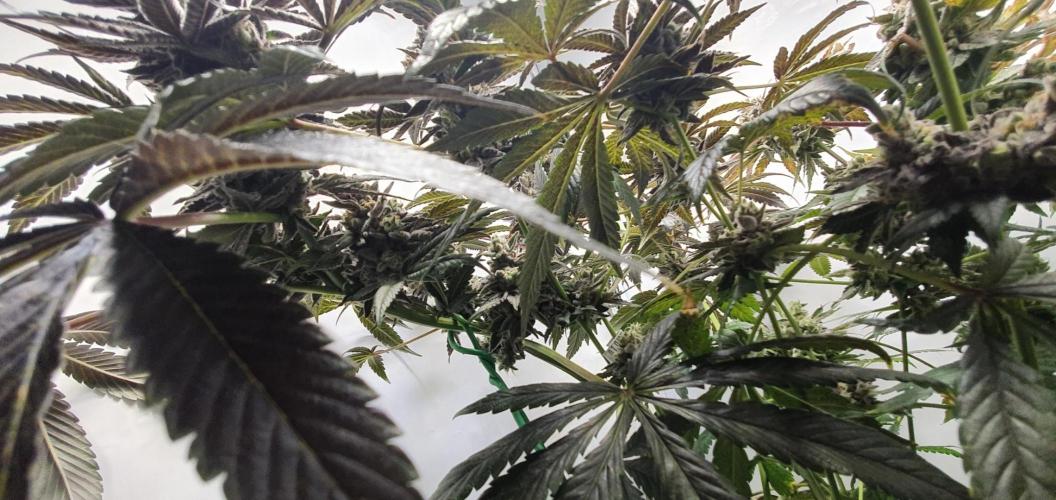
The_Wanderer Skipping ahead to week 4 to look at adult plants. 1 is clearly identifiable as female. Spontaneous polyaxial growth (natural apical splitting) happens on these. More on this later.
6 likes
comments
Share
Used techniques
Normal
Technique
5
Week 5. Vegetation
1mo ago
1/4
15 hrs
Light Schedule
25 °C
Day Air Temp
6.0
pH
No Smell
Smell
55 %
Air Humidity
75.71 liters
Pot Size
30 cm
Lamp Distance
Nutrients 1
TNT Complex
5 mll
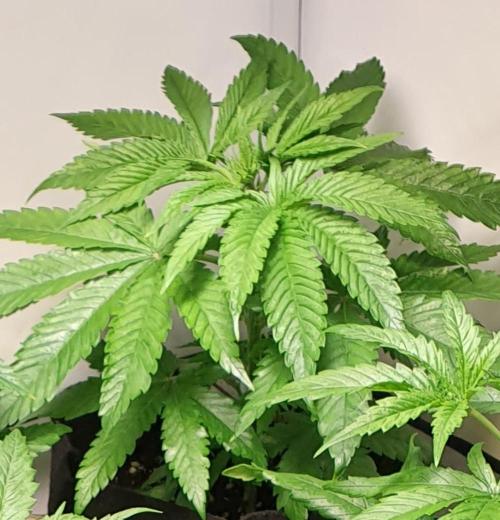
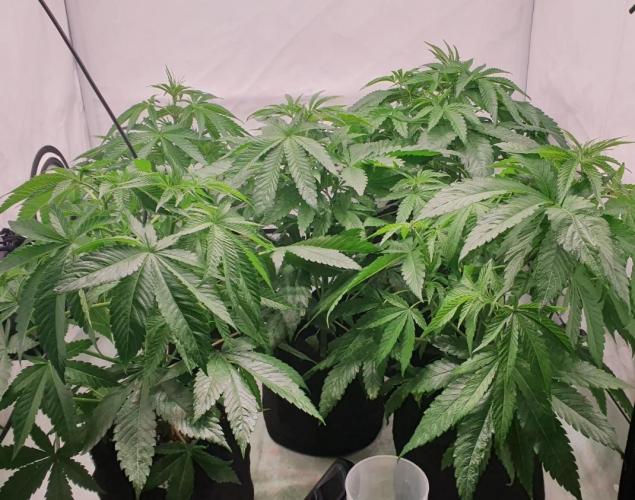
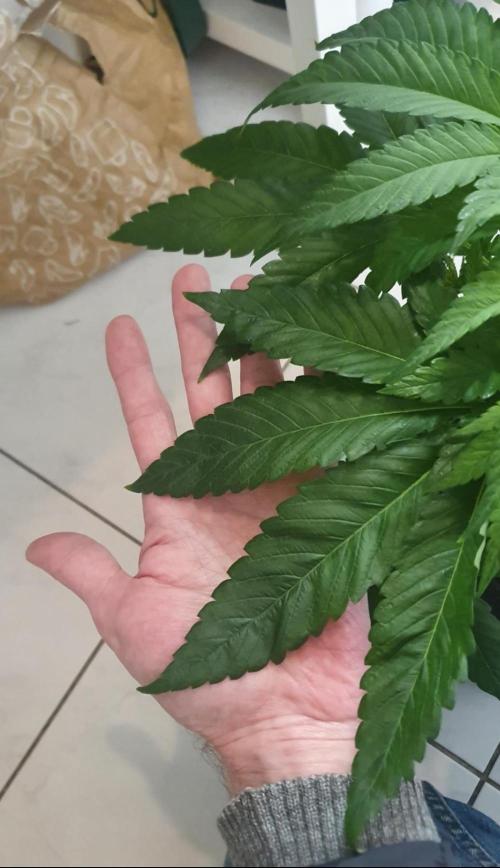
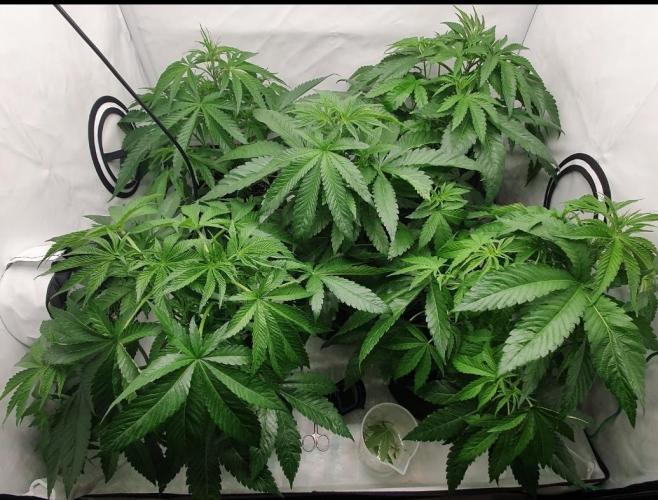
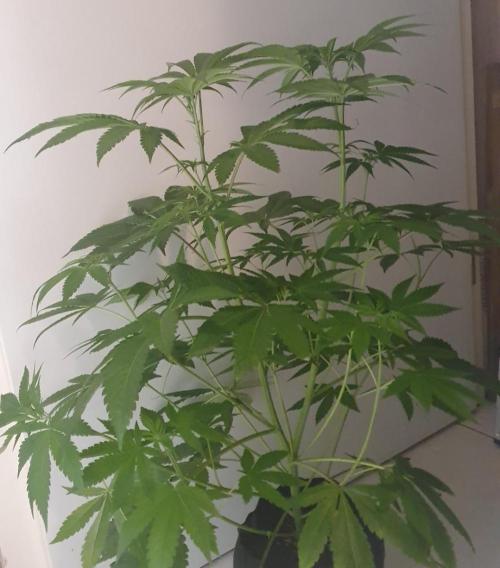
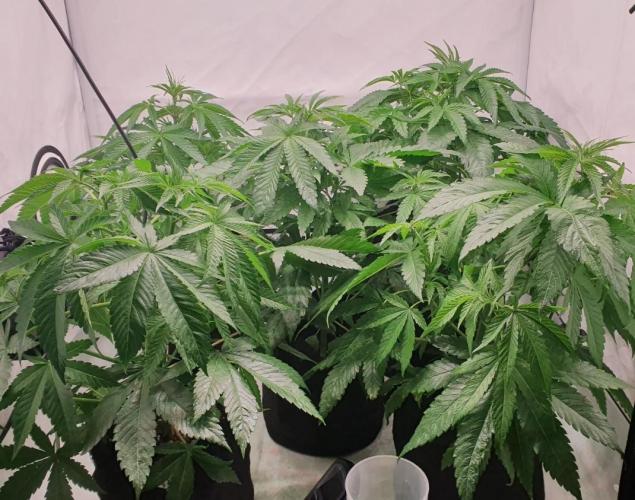
The_Wanderer Another week. Beautiful leaves. Let's put them into flower!
3 likes
comments
Share
7
Week 7. Flowering
1mo ago
1/15
11 hrs
Light Schedule
25 °C
Day Air Temp
6.0
pH
No Smell
Smell
55 %
Air Humidity
75.71 liters
Pot Size
30 cm
Lamp Distance
Nutrients 1
Bloom Complex
5 mll
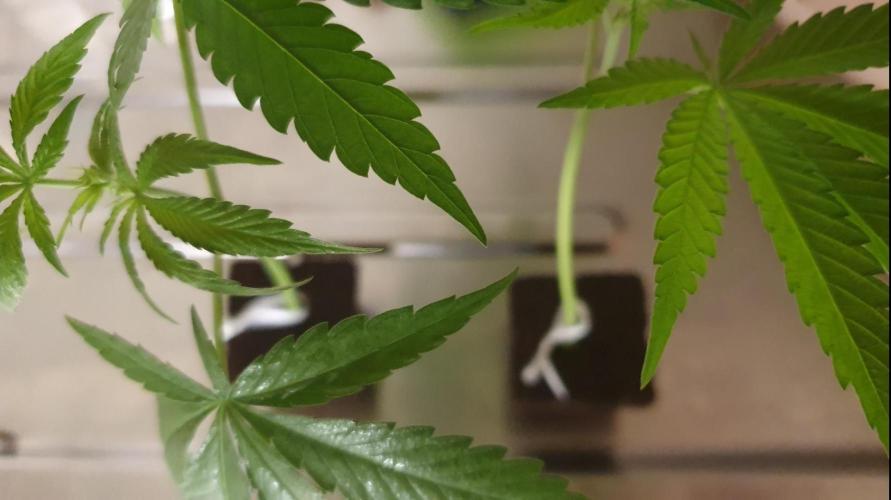
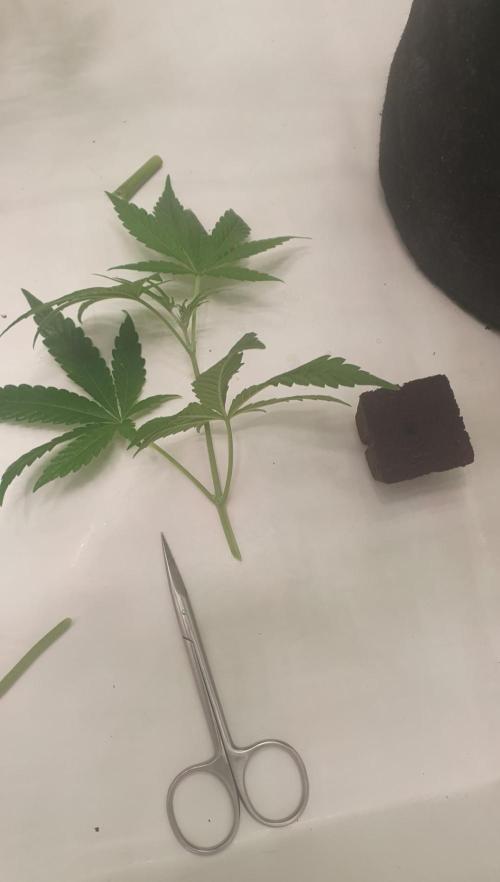
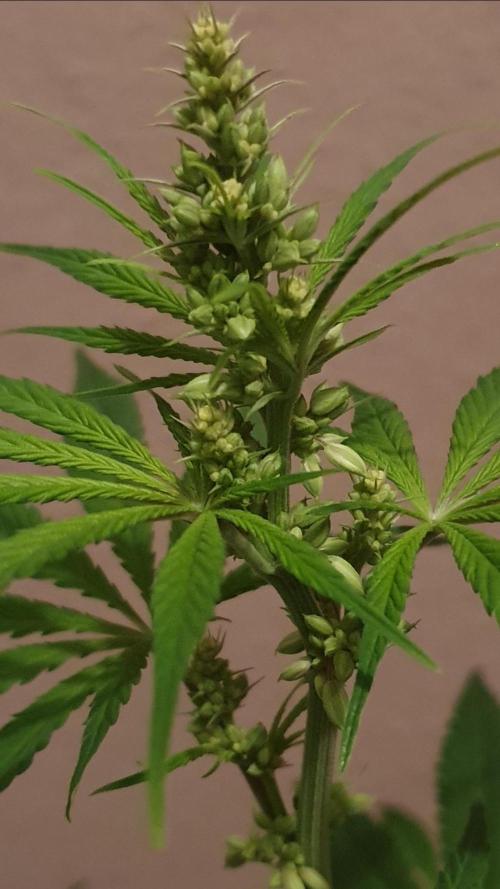
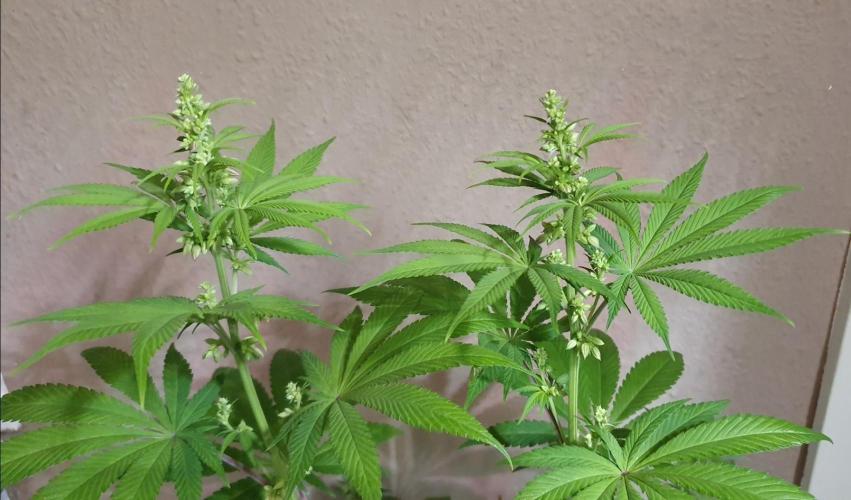
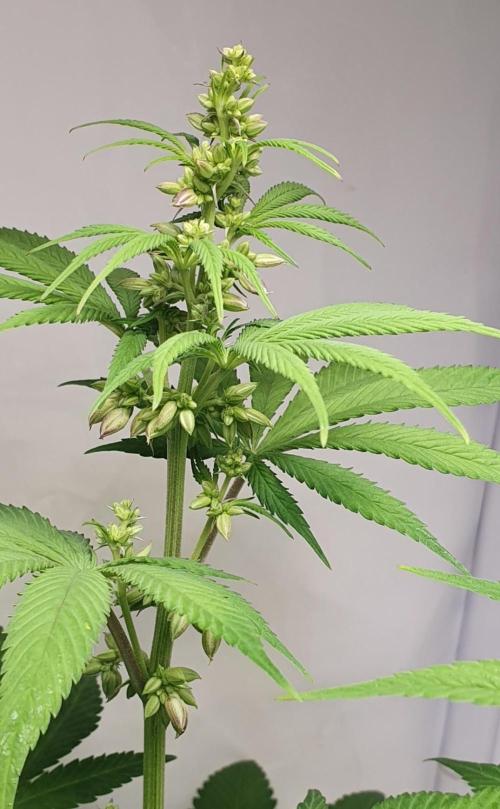
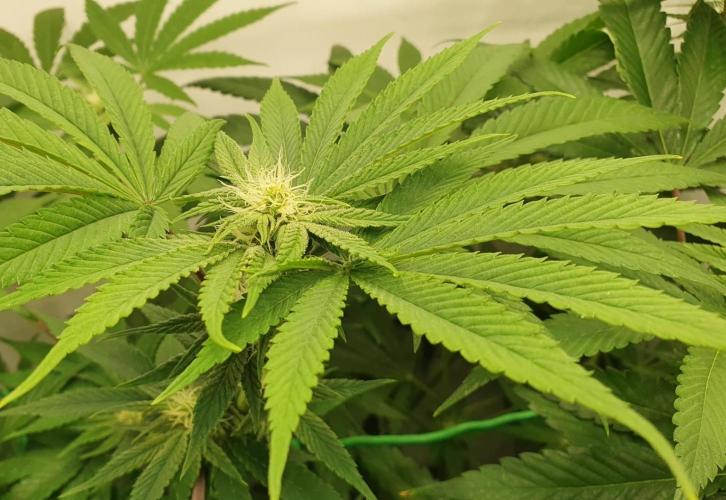
The_Wanderer Switched to flowering. Males respondef very fast! 2 weeks and they are almost opening the first flowers. Taking clones. Beautiful looking plants.
The_Wanderer Seems to be going in the right direction.
3 likes
comments
Share
Used techniques
LST
Technique
13
Week 13. Flowering
1mo ago
1/9
10 hrs
Light Schedule
25 °C
Day Air Temp
6.0
pH
No Smell
Smell
55 %
Air Humidity
75.71 liters
Pot Size
30 cm
Lamp Distance
Nutrients 1
Bloom Complex
5 mll
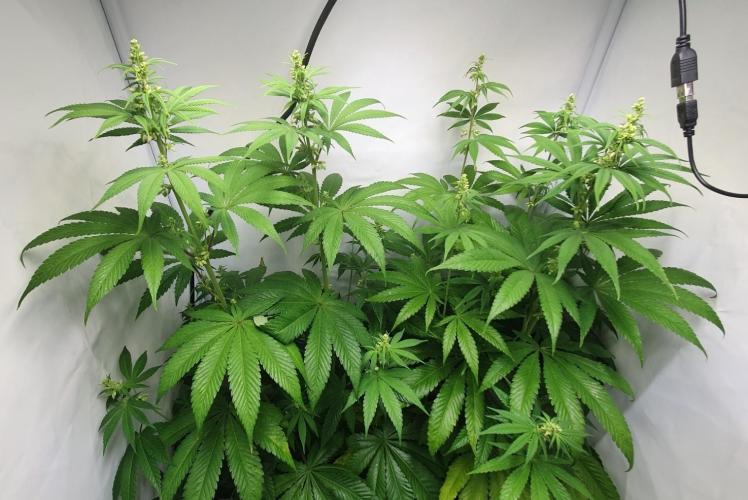
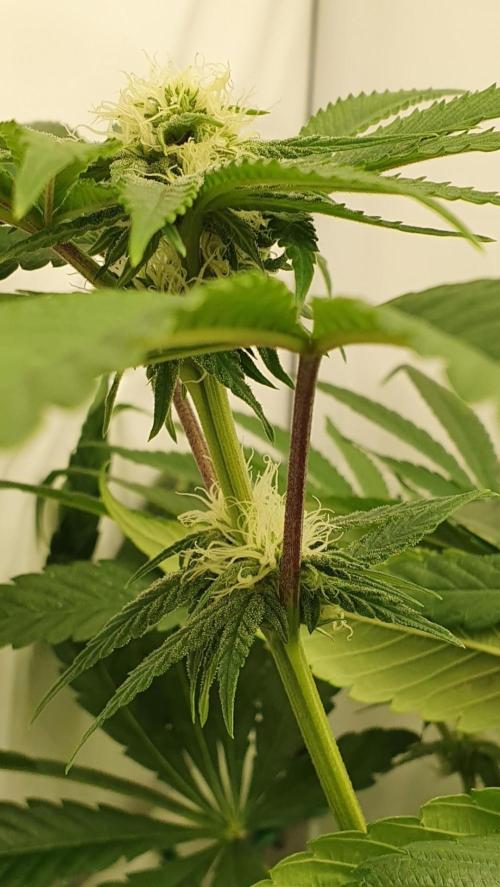
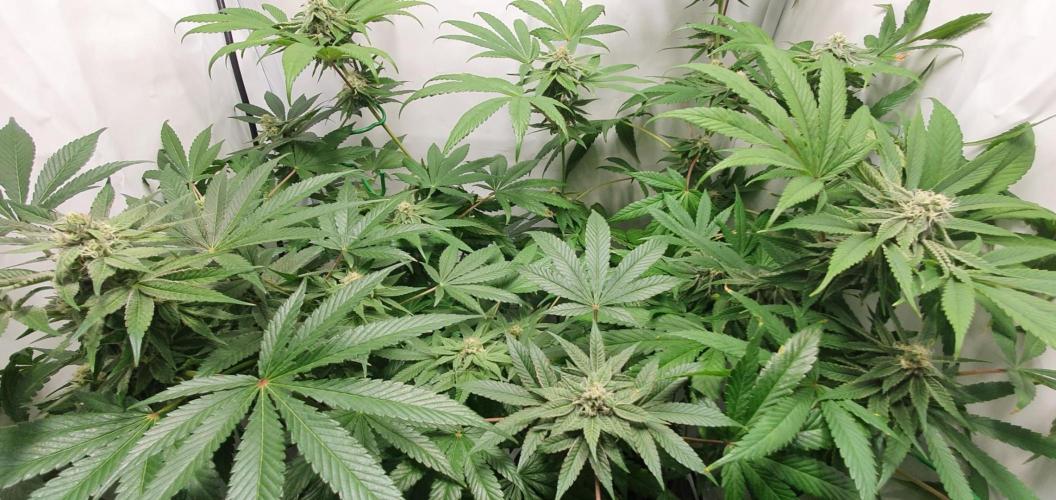
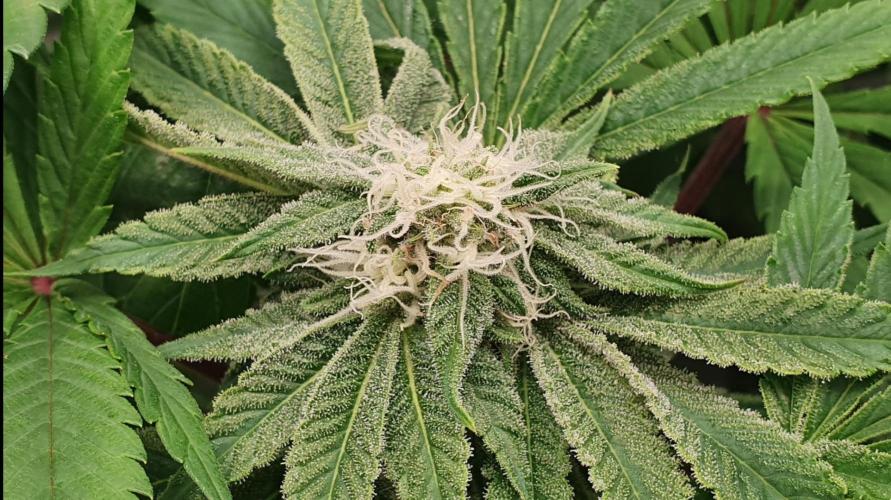
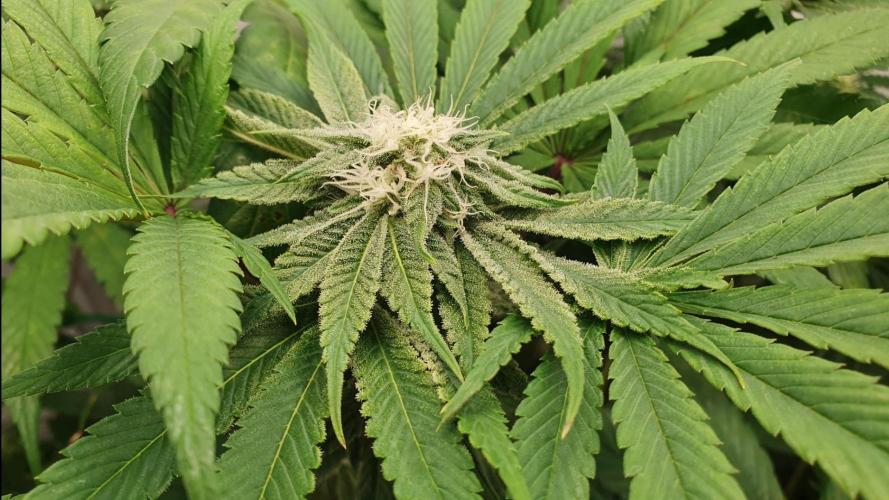
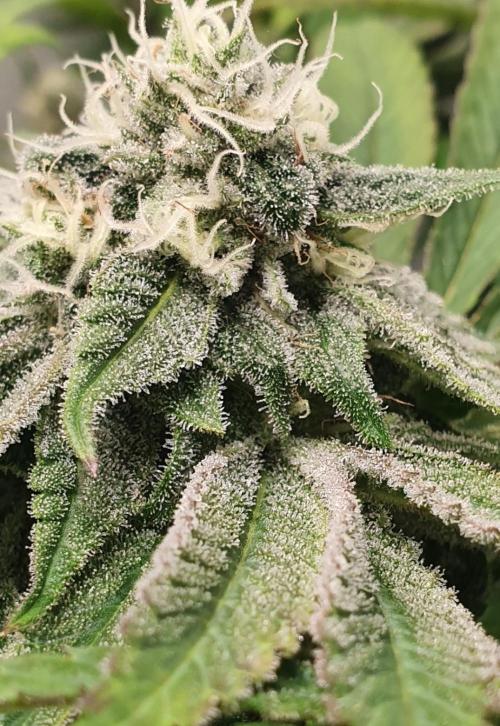
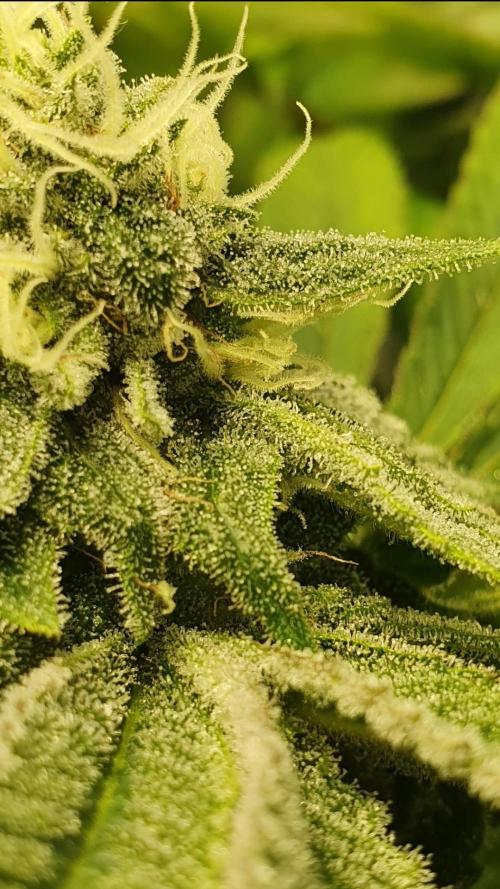
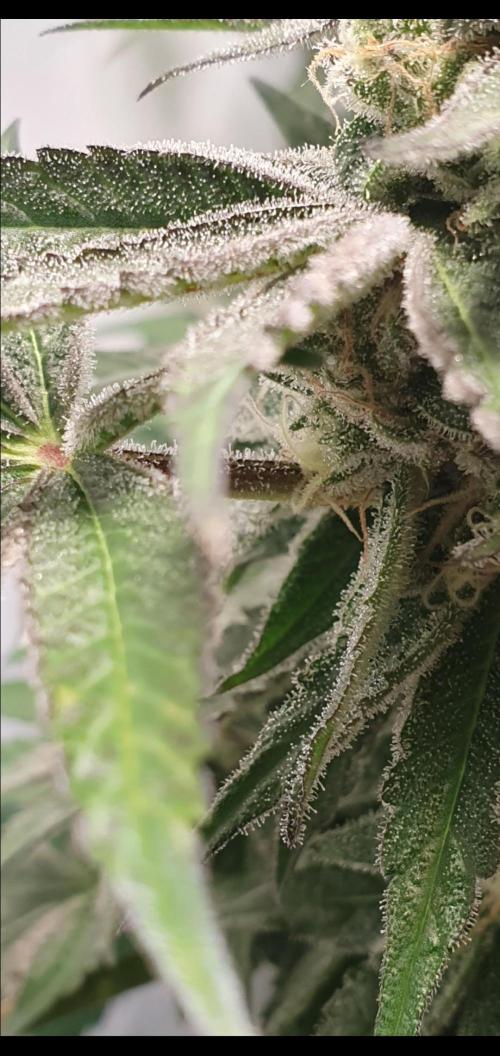
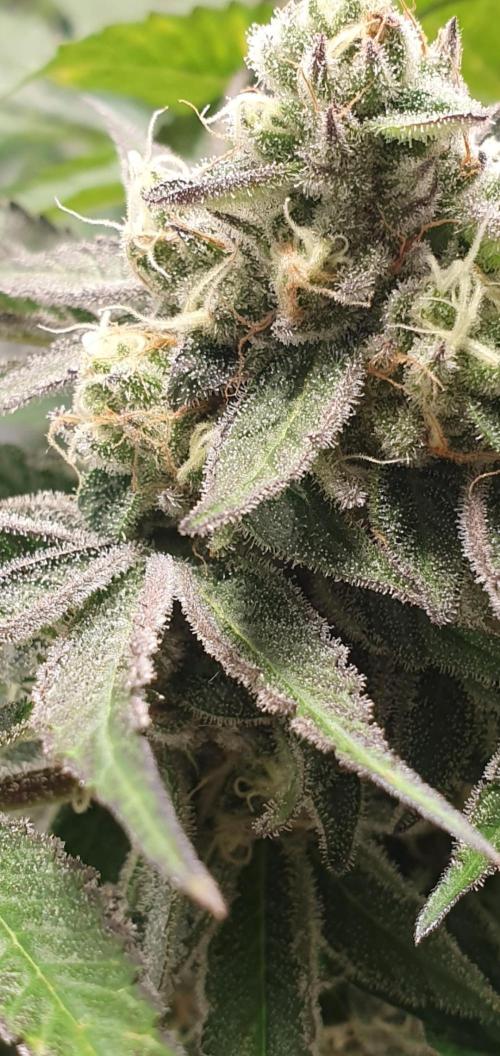
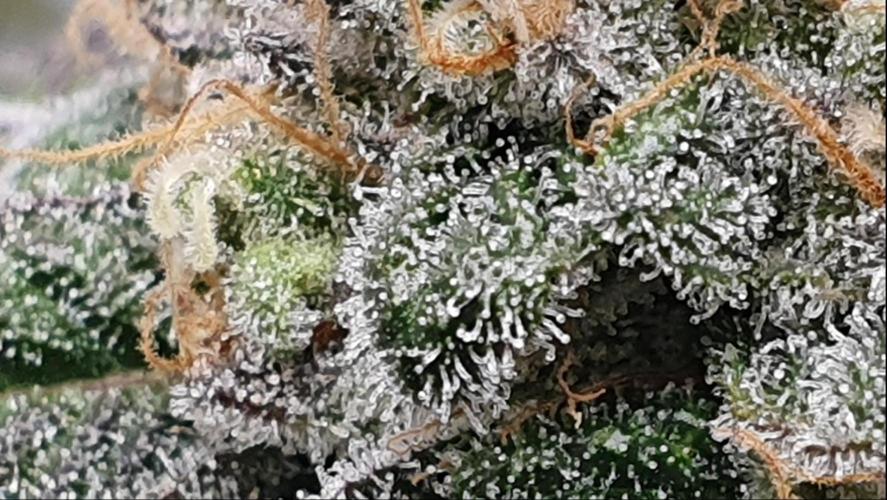
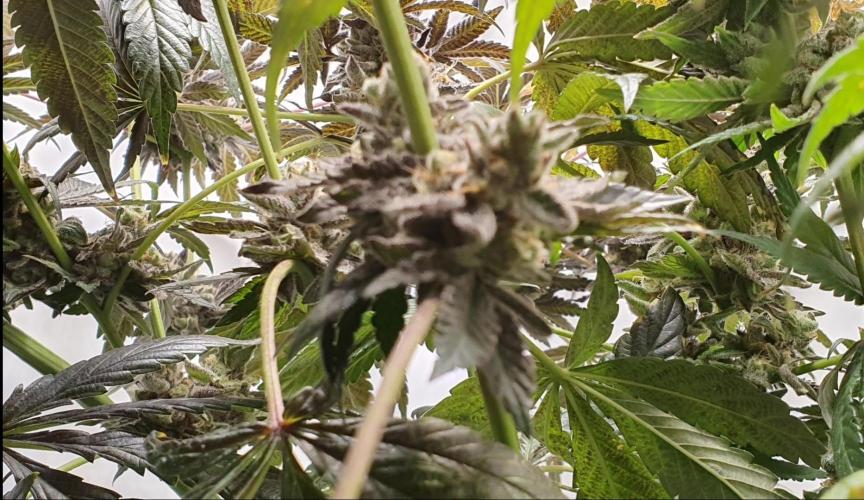
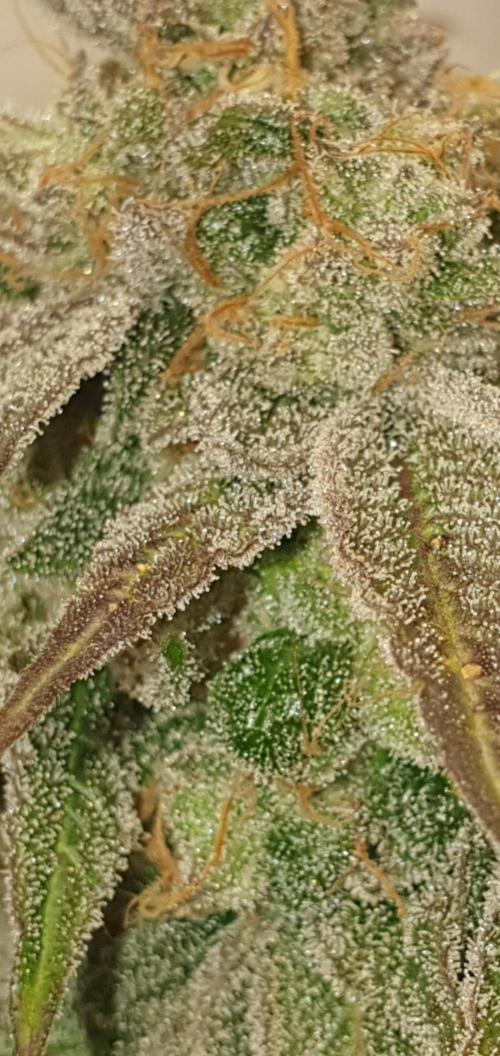
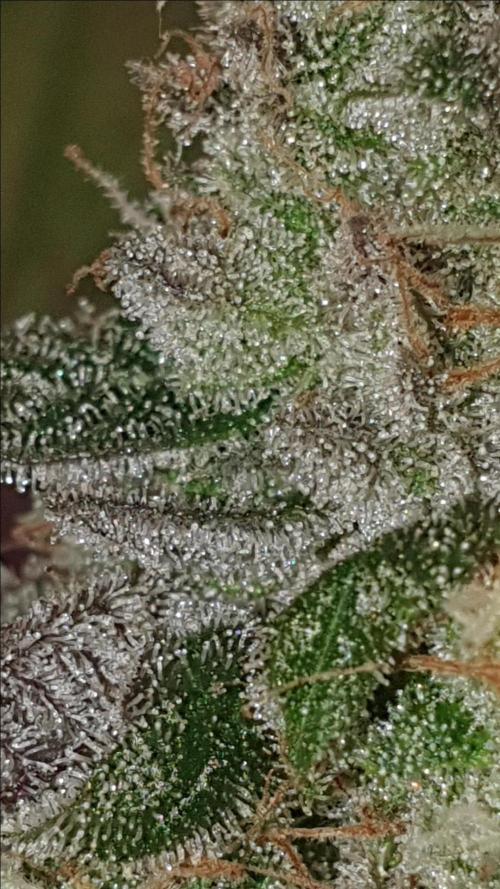
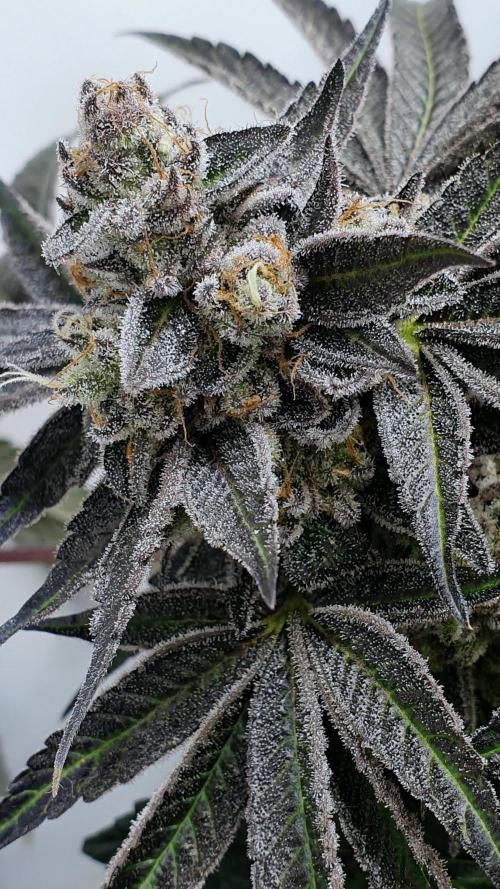
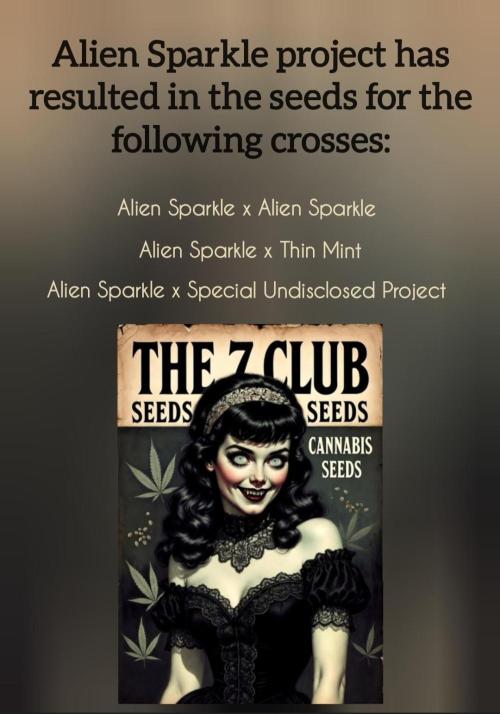
The_Wanderer And that is where it is at. Trichomes are looking good. Couple more weeks at least. I may harvest one early just for the fun of it. This hybrid is a modern masterpiece. Not only am I continuing the line, but crossing it with other lines. Crossed this with Thin Mint, and something else I'm not going to talk about yet. This cross with Thin Mint can be interesting because we have Thin Mint doing its special thing growing bud out of the center of leaves, and then Alien Sparkle doing the spontaneous bifrucation/trifucation. Why not try it and see?
6 likes
comments
Share
Used techniques
LST
Technique
14
Week 14. Flowering
25d ago
1/23
10 hrs
Light Schedule
2 °C
Day Air Temp
6.0
pH
Normal
Smell
55 %
Air Humidity
71.92 liters
Pot Size
30 cm
Lamp Distance
Nutrients 1
Bloom Complex
5 mll
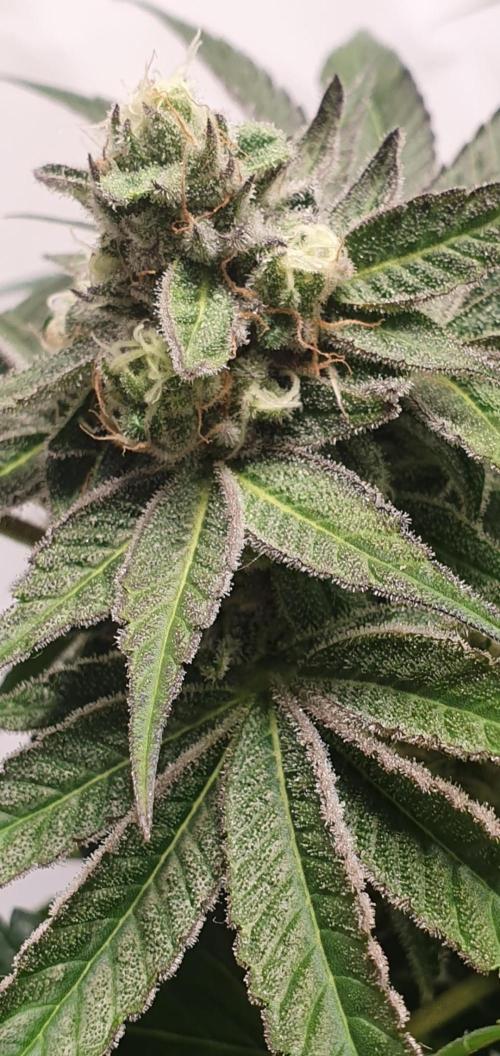
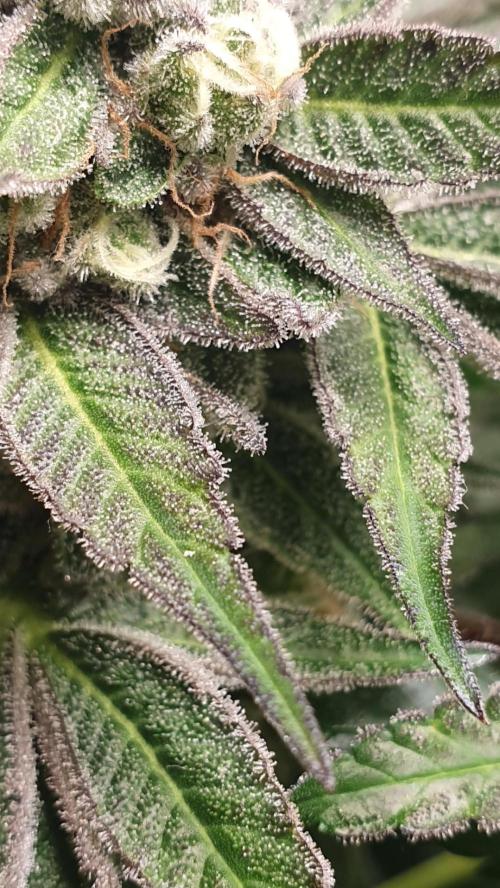
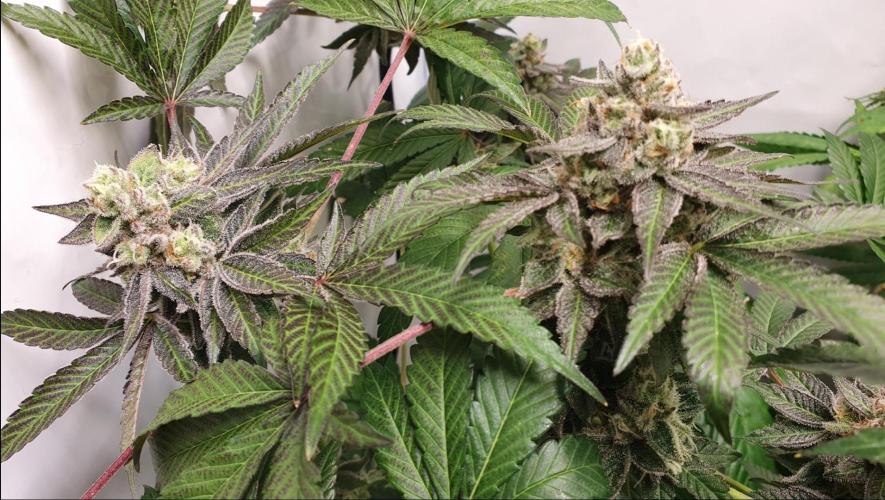
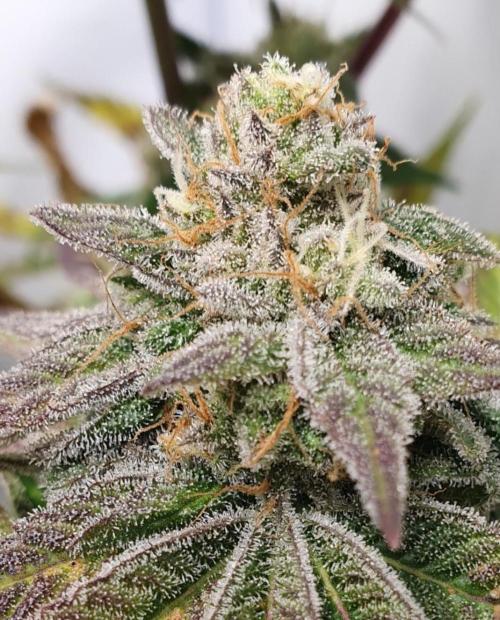
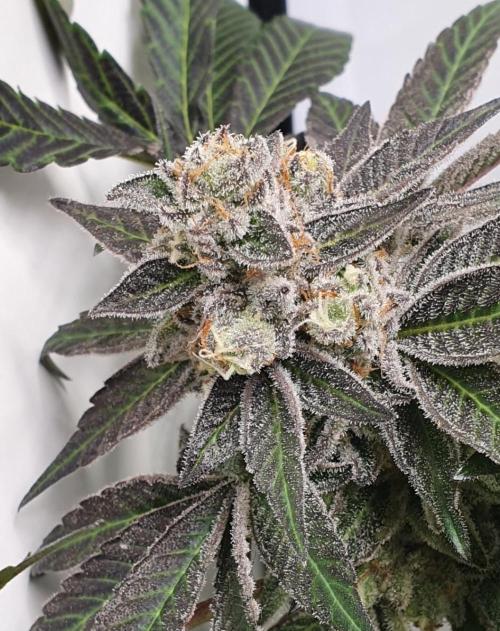
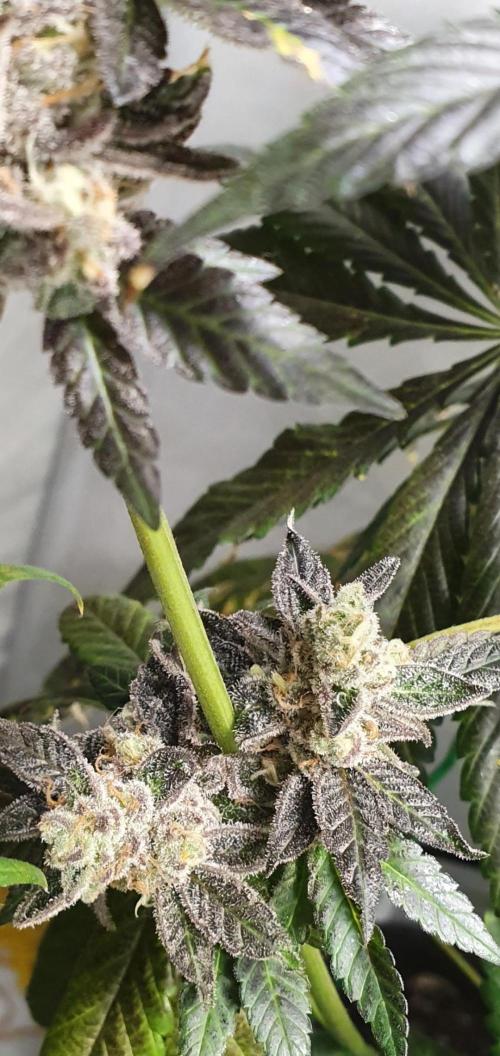
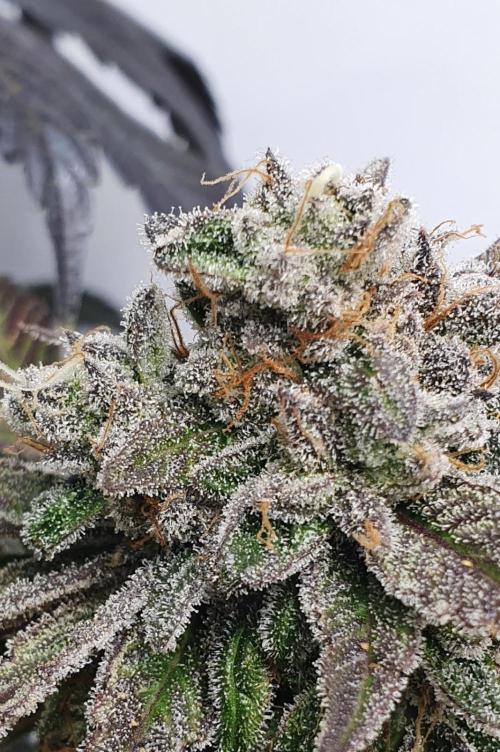
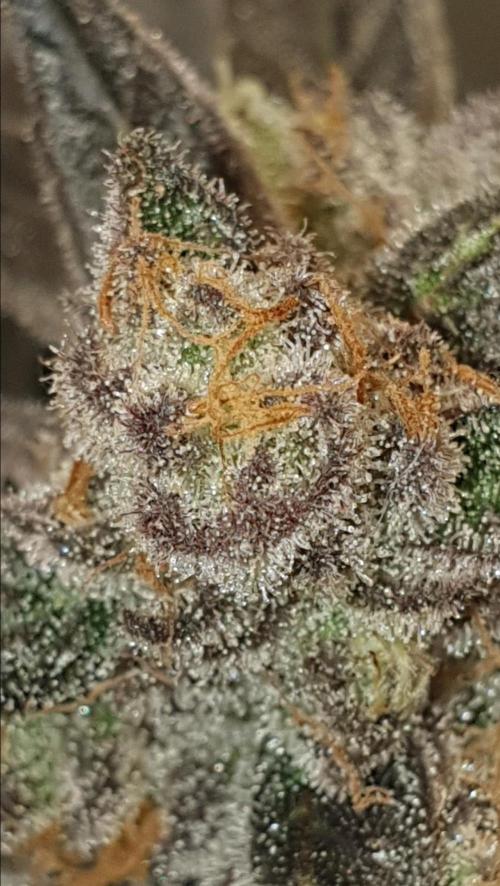
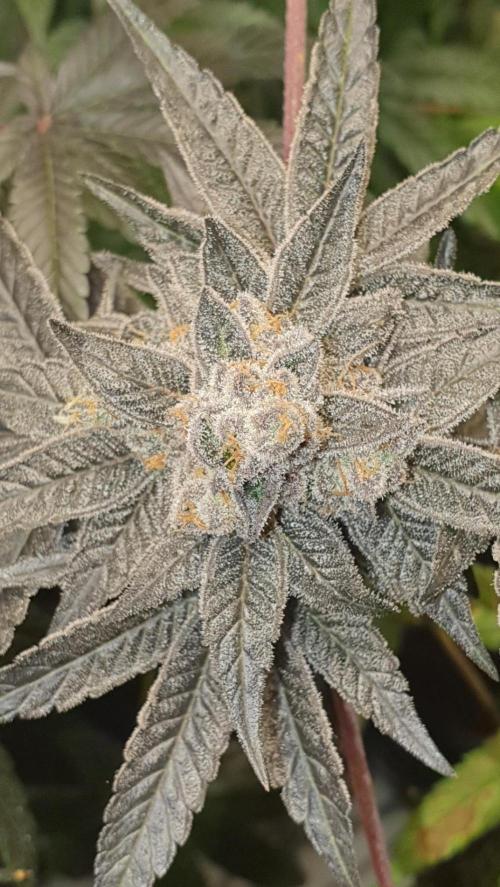
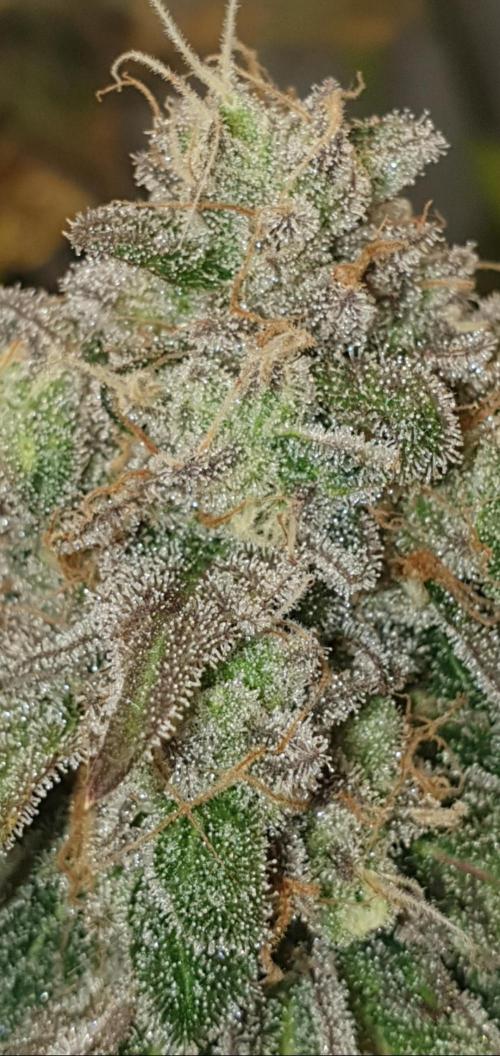
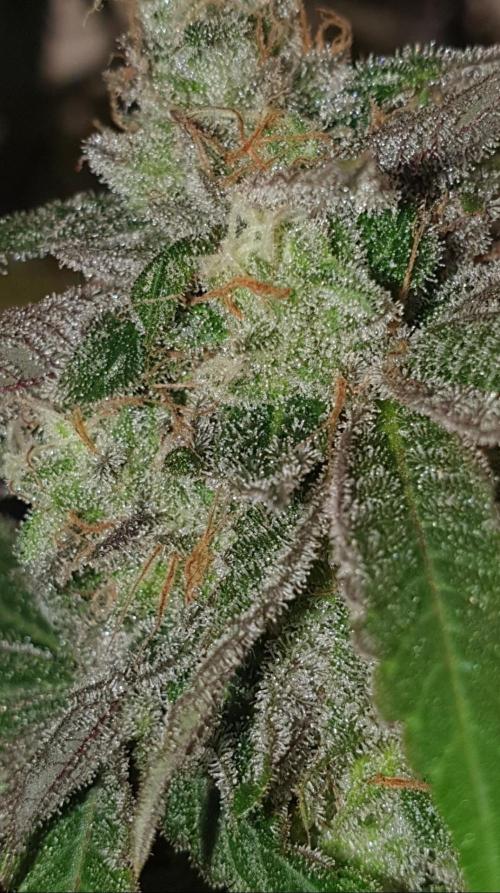
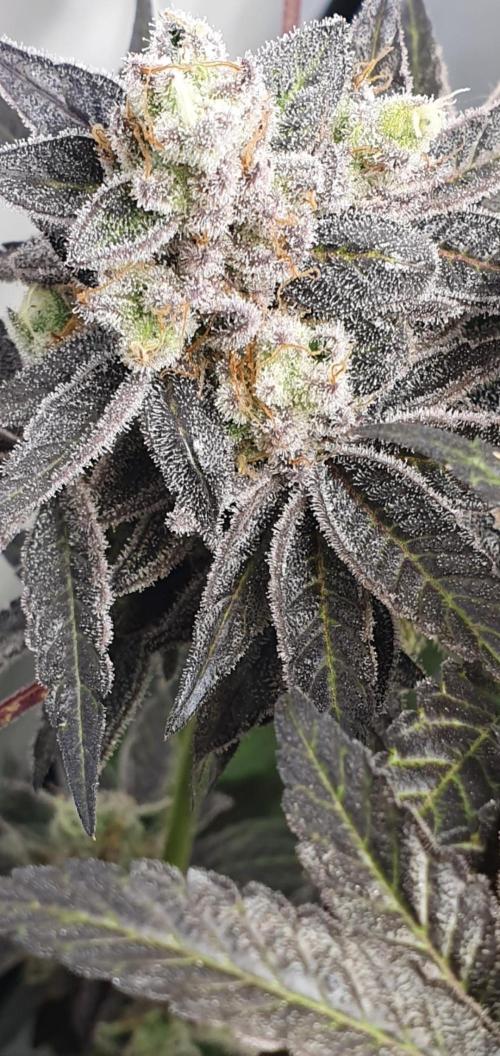
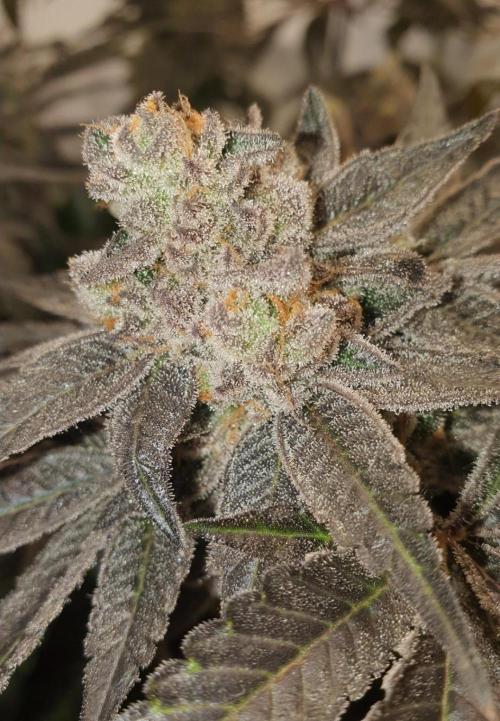
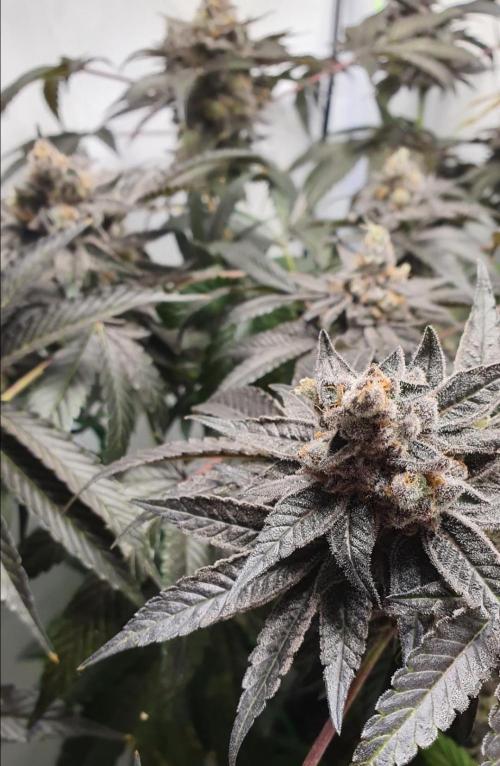
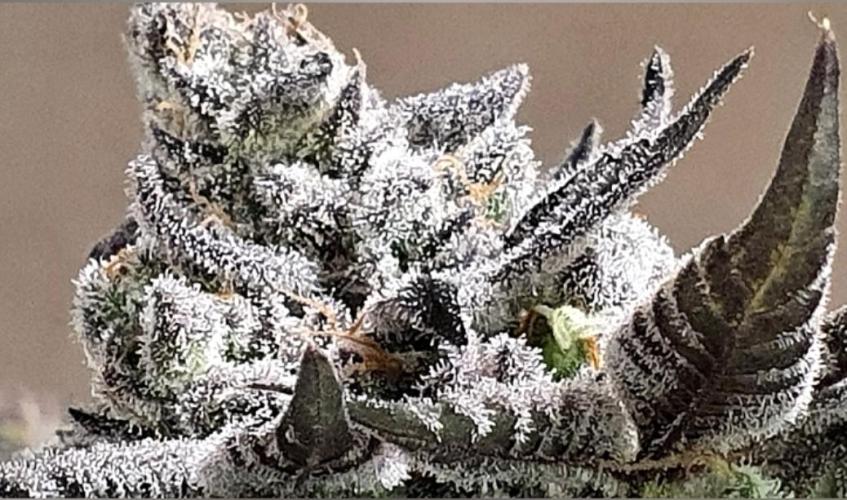
The_Wanderer And there we see both expressions. The wierd blackish and the purpley green. That's the alien and that's the Sparkle. It's hard not to harvest it right there it looks so delicious. 👽
Winter Soltice 2025.
Ok. Ok, I hear you. That was a fun, but what about the health benefits? Actually there is something to be said about the health benefits of black cannabis that sets it apart. Let's get into it.
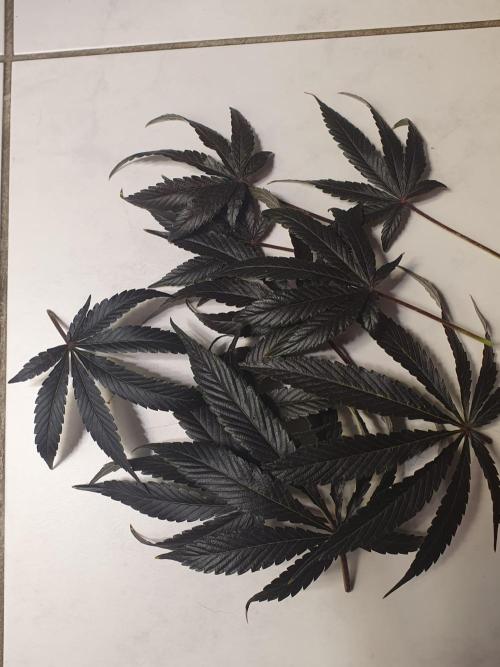
The black foliage and inflorescences is a classic example of high anthocyanin expression in cannabis.
That black appearance comes from anthocyanins, a class of flavonoid pigments that produce red, purple, blue, or black colors in plants. The same can be seen in blueberries, black rice, or red cabbage. In cannabis, genetics are the primary factor. Only certain strains have the potential for high anthocyanin production.
Cooler temperatures trigger it. Scotoperiod or late-flowering temperature dropping to around 50–65°F (10–18°C) break down chlorophyll, allowing anthocyanins to become visible and dominant. This mimics autumn leaf changes in trees. Just as certain trees can express certain colors, certain cannabis cultivars have their own fall color that's driven by the plants biology.
Other factors like slightly lower pH, moderate light stress, or natural aging in late flower can enhance it, but they're secondary to genetics and temperature.
This black appearance is not a nutrient deficiency, burn, or disease in this case with Alien Sparkle. It's a desirable trait not only for aesthetics, but also for compound boosts.
Health benefits of the blackish change indicates elevated anthocyanins, which act as powerful antioxidants. While the main therapeutic effects of cannabis come from cannabinoids (THC/CBD) and terpenes, higher anthocyanin levels may add supportive benefits.
Strong antioxidant activity neutralizes free radicals, potentially reducing oxidative stress linked to inflammation, aging, and chronic diseases.
Anti-inflammatory effects may help with conditions involving various types of inflammation.
Cardiovascular support. Some studies link anthocyanins to improved heart health and blood lipid profiles.
Neuroprotection. Preliminary evidence suggests protection against brain aging, cognitive decline, or neurodegenerative issues.
Other potential perks include anti-cancer properties, improved vision, and anti-diabetic effects.
These potential benefits are not dramatic when smoked or vaped because anthocyanins degrade somewhat when smoked/vaped, but consuming high-anthocyanin cannabis (especially in edibles or extracts) could provide a slight edge over greener buds with lower levels.
Research on cannabis-specific anthocyanins is still emerging, but they're the same compounds studied extensively in fruits and vegetables.
Overall, this is a very cool outcome. Healthy, beautiful black plants with a bonus antioxidant profile. The inflorescences follow suit and turn dark black, making the buds display jar kings!
So how do we do this? Its something easy you can do yourself fairly easy and quickly.
To maximize the antioxidant benefits from the anthocyanins in your black cannabis leaves from the trim harvest, focus on methods that minimize heat exposure, avoid high pH, and use gentle extraction.
Anthocyanins are heat-sensitive (they degrade significantly above 80–100°C/176–212°F, especially with prolonged heating, and most stable in acidic conditions like pH 1–3, but practical consumption is around pH 3–6.
The best option is eating the leaves fresh/raw. Wash and eat the leaves raw, add them to salads, smoothies, or juices. So before doing that, check to see if your pest management aligns with this safely for using the leaves for this. Mine does.
This preserves nearly 100% of the anthocyanins because no heat or processing involved.
Taste can be bitter/grassy, so blend with fruits, berries, greens, or what you like in case you are someone who eats for pleasure and not for health/sustenance. Raw leaves retain other nutrients like vitamins, fiber, and minor cannabinoids if present.
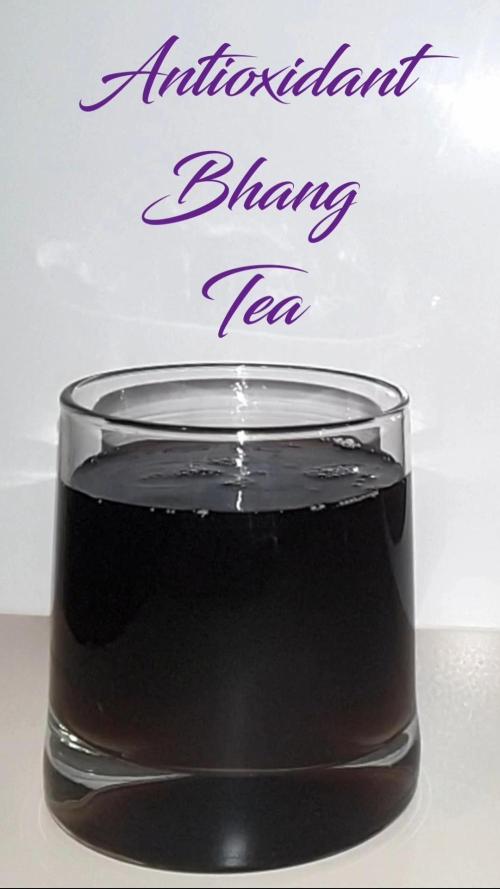
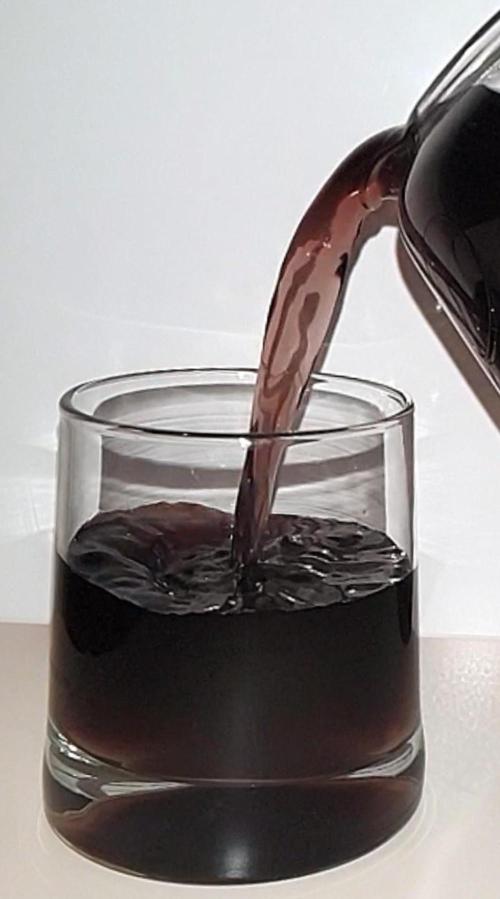
Cold Infusion or room temperature steeping is also good, and is my first choice. I'm more of a tea fan than a salad fan. Chop fresh or dried leaves and steep in cold or room temperature water and add a splash of lemon juice or citric acid to lower pH and stabilize pigments.Let sit in the fridge for 4–24 hours, then strain. This extracts water soluble anthocyanins gently without heat degradation. Similar to cold brew tea, there is minimal loss of compounds.
If you prefer hot tea, use water heated to no more than 70–80°C (158–176°F—below boiling), steep for 5–10 minutes maximum. Add lemon, lime, or a bit of vinegar to acidify which again helps keep anthocyanins in their colorful, stable form. Avoid full boiling for long periods, as it can degrade 20–50% or more of anthocyanins depending on time.
Simmering in milk or with fat like butteror coconut oil can extract other compounds but may increase heat exposure. keep it brief and low.
Cooking and edibles will cause loss of the anthocyanins. Perhaps incorporate into low heat recipes like lightly sautéed in acidic sauces, or in baked goods under 160°C/320°F.
High-heat cooking (frying, long baking) or neutral/alkaline conditions will destroy most anthocyanins. That's just not an option.
For cannabis edibles if aiming for cannabinoids is fine, but not ideal for anthocyanins specifically.
#plantmedicine #antioxidants #herbalmedicine #antiinflamitory #holistichealth #herbaltea #cannabisextraction #coldinfusion
Show more
Translate
Spent 72 days
Ger Veg Flo Har
Normal
Difficulty
Happy
Positive effects
Sour
Taste
Sleepy
Energy
Indica
Hybrid
Sativa
Day air temperature
Air humidity
PH
Light schedule
Pot size
Lamp distance
1/9
The_Wanderer Winter Soltice 2025.
Ok. Ok, I hear you. That was a fun, but what about the health benefits? Actually there is something to be said about the health benefits of black cannabis that sets it apart. Let's get into it.
The black foliage and inflorescences is a classic example of high anthocyanin expression in cannabis.
That black appearance comes from anthocyanins, a class of flavonoid pigments that produce red, purple, blue, or black colors in plants. The same can be seen in blueberries, black rice, or red cabbage. In cannabis, genetics are the primary factor. Only certain strains have the potential for high anthocyanin production.
Cooler temperatures trigger it. Scotoperiod or late-flowering temperature dropping to around 50–65°F (10–18°C) break down chlorophyll, allowing anthocyanins to become visible and dominant. This mimics autumn leaf changes in trees. Just as certain trees can express certain colors, certain cannabis cultivars have their own fall color that's driven by the plants biology.
Other factors like slightly lower pH, moderate light stress, or natural aging in late flower can enhance it, but they're secondary to genetics and temperature.
This black appearance is not a nutrient deficiency, burn, or disease in this case with Alien Sparkle. It's a desirable trait not only for aesthetics, but also for compound boosts.
Health benefits of the blackish change indicates elevated anthocyanins, which act as powerful antioxidants. While the main therapeutic effects of cannabis come from cannabinoids (THC/CBD) and terpenes, higher anthocyanin levels may add supportive benefits.
Strong antioxidant activity neutralizes free radicals, potentially reducing oxidative stress linked to inflammation, aging, and chronic diseases.
Anti-inflammatory effects may help with conditions involving various types of inflammation.
Cardiovascular support. Some studies link anthocyanins to improved heart health and blood lipid profiles.
Neuroprotection. Preliminary evidence suggests protection against brain aging, cognitive decline, or neurodegenerative issues.
Other potential perks include anti-cancer properties, improved vision, and anti-diabetic effects.
These potential benefits are not dramatic when smoked or vaped because anthocyanins degrade somewhat when smoked/vaped, but consuming high-anthocyanin cannabis (especially in edibles or extracts) could provide a slight edge over greener buds with lower levels.
Research on cannabis-specific anthocyanins is still emerging, but they're the same compounds studied extensively in fruits and vegetables.
Overall, this is a very cool outcome. Healthy, beautiful black plants with a bonus antioxidant profile. The inflorescences follow suit and turn dark black, making the buds display jar kings!
So how do we do this? Its something easy you can do yourself fairly easy and quickly.
To maximize the antioxidant benefits from the anthocyanins in your black cannabis leaves from the trim harvest, focus on methods that minimize heat exposure, avoid high pH, and use gentle extraction.
Anthocyanins are heat-sensitive (they degrade significantly above 80–100°C/176–212°F, especially with prolonged heating, and most stable in acidic conditions like pH 1–3, but practical consumption is around pH 3–6.
The best option is eating the leaves fresh/raw. Wash and eat the leaves raw, add them to salads, smoothies, or juices. So before doing that, check to see if your pest management aligns with this safely for using the leaves for this. Mine does.
This preserves nearly 100% of the anthocyanins because no heat or processing involved.
Taste can be bitter/grassy, so blend with fruits, berries, greens, or what you like in case you are someone who eats for pleasure and not for health/sustenance. Raw leaves retain other nutrients like vitamins, fiber, and minor cannabinoids if present.
Cold Infusion or room temperature steeping is also good, and is my first choice. I'm more of a tea fan than a salad fan. Chop fresh or dried leaves and steep in cold or room temperature water and add a splash of lemon juice or citric acid to lower pH and stabilize pigments.Let sit in the fridge for 4–24 hours, then strain. This extracts water soluble anthocyanins gently without heat degradation. Similar to cold brew tea, there is minimal loss of compounds.
If you prefer hot tea, use water heated to no more than 70–80°C (158–176°F—below boiling), steep for 5–10 minutes maximum. Add lemon, lime, or a bit of vinegar to acidify which again helps keep anthocyanins in their colorful, stable form. Avoid full boiling for long periods, as it can degrade 20–50% or more of anthocyanins depending on time.
Simmering in milk or with fat like butteror coconut oil can extract other compounds but may increase heat exposure. keep it brief and low.
Cooking and edibles will cause loss of the anthocyanins. Perhaps incorporate into low heat recipes like lightly sautéed in acidic sauces, or in baked goods under 160°C/320°F.
High-heat cooking (frying, long baking) or neutral/alkaline conditions will destroy most anthocyanins. That's just not an option.
For cannabis edibles if aiming for cannabinoids is fine, but not ideal for anthocyanins specifically.
#plantmedicine #antioxidants #herbalmedicine #antiinflamitory #holistichealth #herbaltea #cannabisextraction #coldinfusion
The green coloration, caused by the pigment chlorophyll, is no longer in the leaf because it has been broken down as the leaf ages or in preparation for winter [].
The disappearance of green coloration (de-greening) is due to several factors:
Chlorophyll Breakdown: As autumn approaches, trees begin the process of senescence (aging). This process involves breaking down chlorophyll molecules into simpler compounds. This allows the tree to recover and store valuable nutrients, such as nitrogen and magnesium, from the leaves before they fall off .
Changing Pigments: The green of the chlorophyll usually masks other pigments already present in the leaf, such as yellow and orange carotenoids. Once the green fades, these other colors become visible.
New Pigment Production: In some trees, new red or purple pigments (anthocyanins) are produced in the autumn, leading to vibrant fall foliage colors
Combination of reasons. Genetically expressed and brought out through a combo of gentical & environment. Nitrogen deficiency, cold temperatures and UV protection. Helps plants mitigate damage and enhance their tolerance to various abiotic stressors.
@farah4weed, The difference berween us is I never used feminized genetics because its common knowledge they are unfit for further breeding. Most commercial suppliers will tell you this up-front because they would rather lock you into repeat purchase cycles instead of empowering you with regular seeds of good quality you can breed forward to be self reliant. Feminized seeds are dead end genetics. I also never use chemicals to change or alter the sex of the plants.
Sexual reproduction of males and females just as nature intended is the best way. Man thinking he can do better than mother nature is a mistake in thought, very egoistic in its nature.
If you don't have access to high quality regular seeds, I can understand the desperate acts you have resorted to. You simply thought you had no other choice. But if you dig deeper and put real effort into the search, beyond what's readily available to everyone from the commercial market and do not compromise by accepting mass market seeds, you can find high quality alternatives. Staying reaching and never settling for the ordinary, you are bound to succeed.
Good luck in your experiments. If you are satisfied with what you are doing then it is a good gardening experience that enriches your life. Happy gardening.