


Shireen


Balochistan
Uncounted Generations of Farmers

VEG
Starlight Refektor Fluorescent/100W
Prima Klima
FLO
Attis pro Light Emitting Diodes/200W
Lumatek

Box
Ambient
Homebox


Indoor
Room Type
Normal
weeks 1
Start at Harvest
G
Germination10mo ago
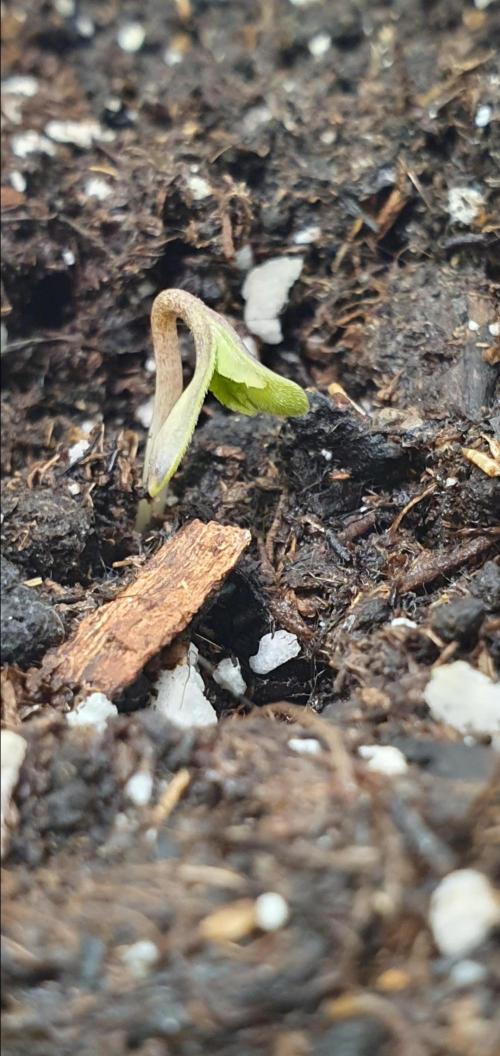
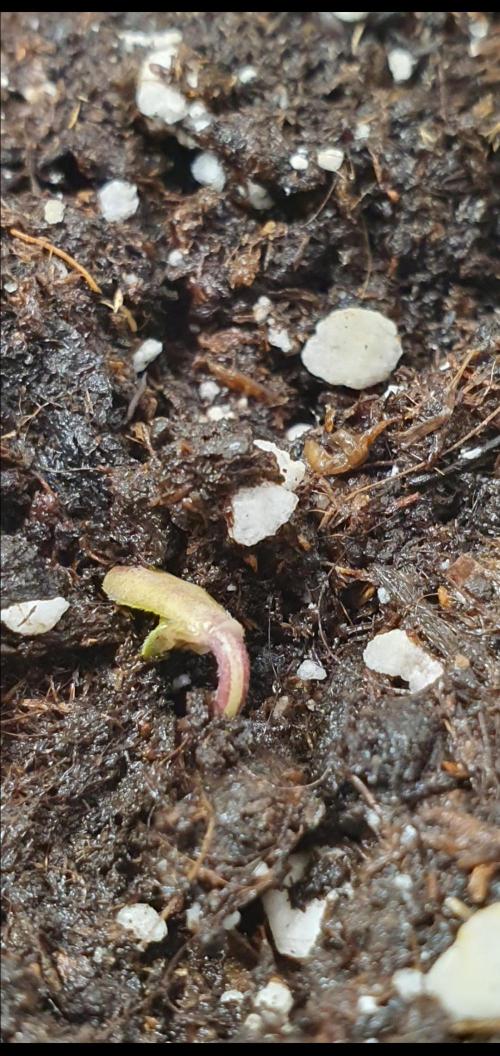
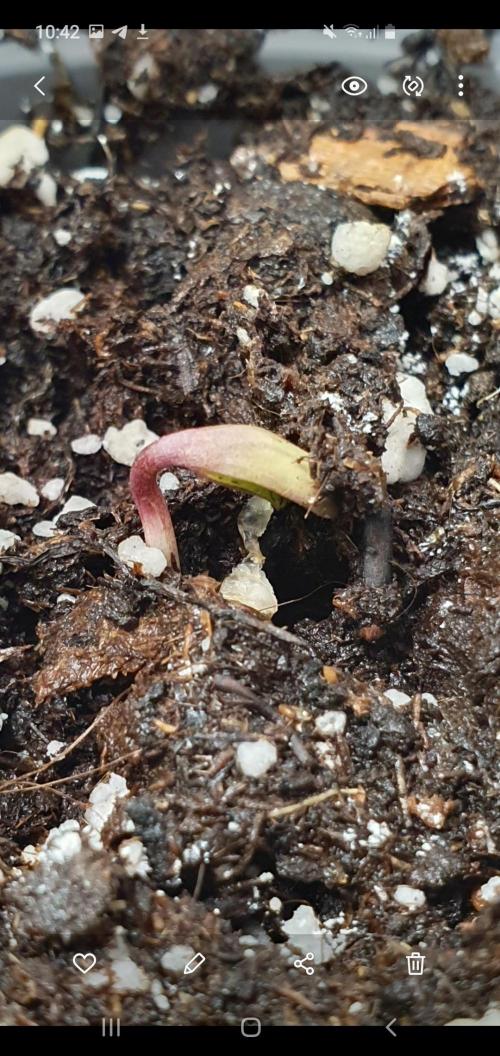
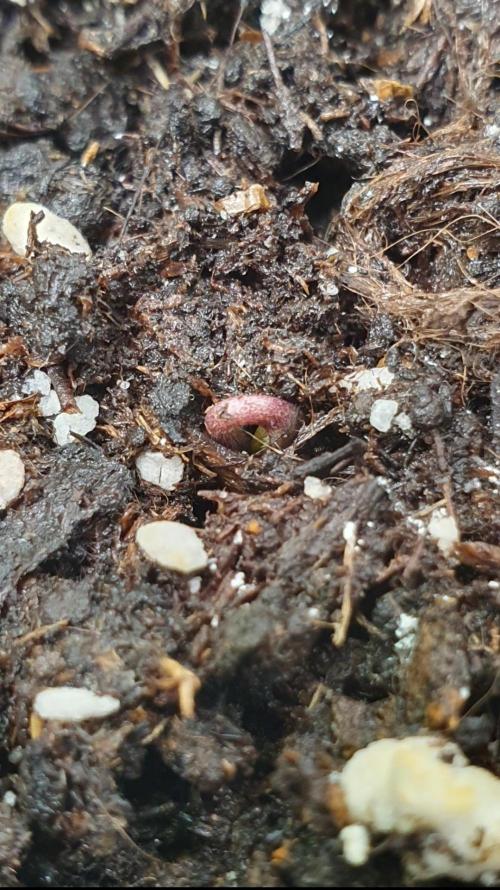

Nutrients 1
Endosperm
1 mll
The_Wanderer Harvesting history once again, this time with cannabis from Balochistan. "Shireen" is a rare and very enjoyable gardening experience to grow this landrace heirloom. The connection to the ancestors and the experiece is felt deeply to grow something with significance and meaning. I let these grow out more natural without training except for the 2 tallest, with minimal defoliation to enjoy how the plants actually are. This timeless beauty is a taste of the ancient world where cannabis played a pivotal role in daily life. For the end user, the unique effects are unmistakable. This is another time proven, true medical variety from the ancient world. Abshar-I-Afghani!
6 likes
5 comments
Share
Used method
Other
Germination Method
1
Week 1. Vegetation10mo ago

16 hrs
Light Schedule
24 °C
Day Air Temp
6.0
pH
No Smell
Smell
60 %
Air Humidity
10 cm
Lamp Distance
Nutrients 1
Biotrissol Kräuter Dünger
5 mll
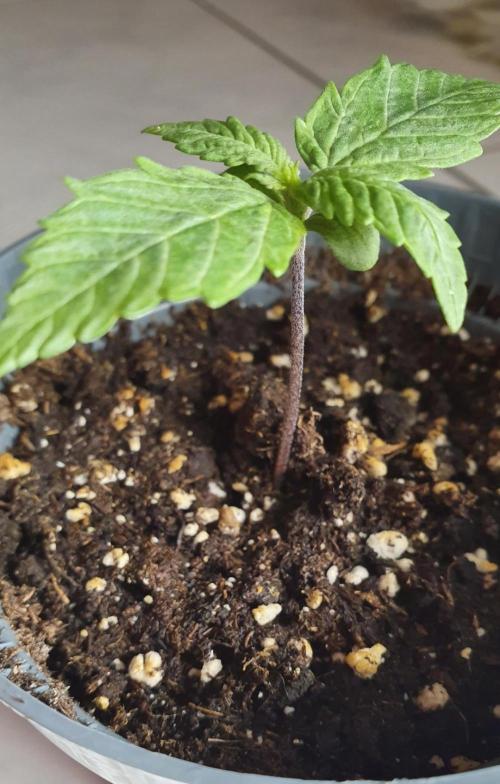
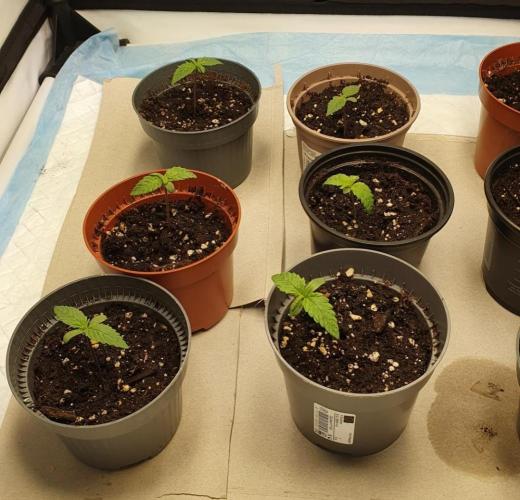
The_Wanderer Cannabis seedling.
4 likes
comments
Share
Used techniques
Normal
Technique
2
Week 2. Vegetation10mo ago

16 hrs
Light Schedule
24 °C
Day Air Temp
6.0
pH
No Smell
Smell
60 %
Air Humidity
10 cm
Lamp Distance
Nutrients 1
Biotrissol Kräuter Dünger
5 mll
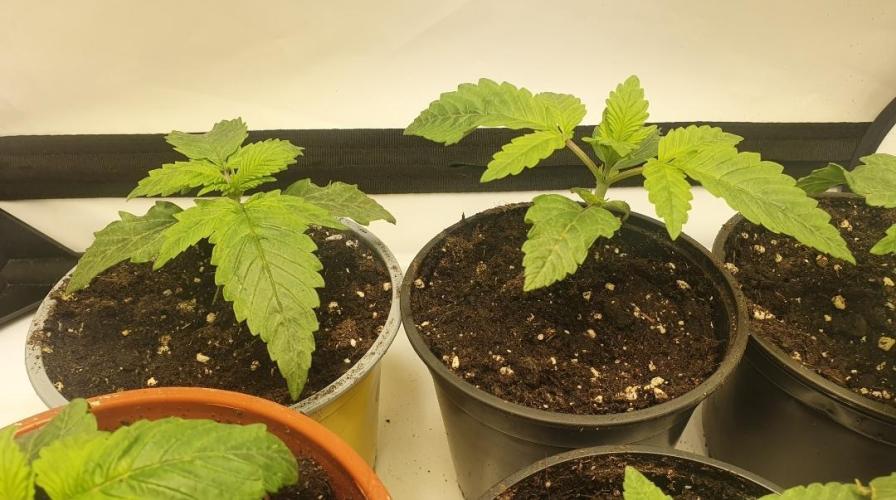
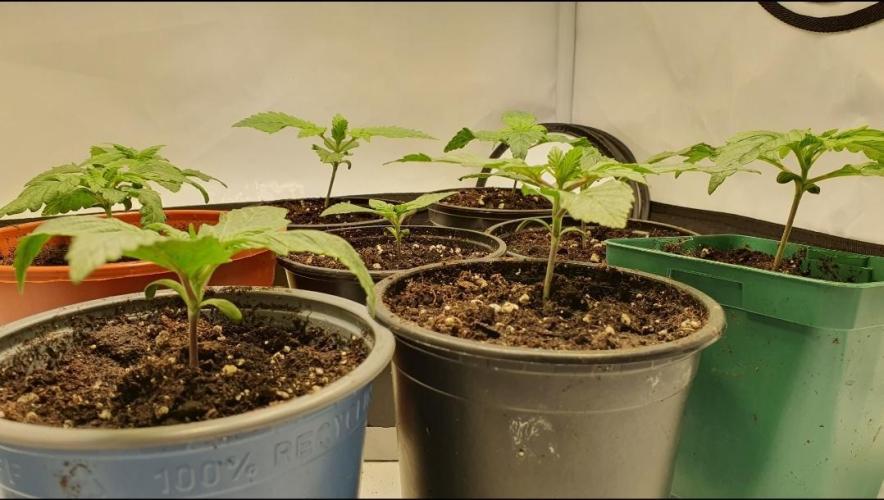
The_Wanderer Cannabis seedlings
3 likes
comments
Share
3
Week 3. Vegetation10mo ago

16 hrs
Light Schedule
24 °C
Day Air Temp
6.0
pH
No Smell
Smell
60 %
Air Humidity
10 cm
Lamp Distance
Nutrients 1
Biotrissol Kräuter Dünger
5 mll
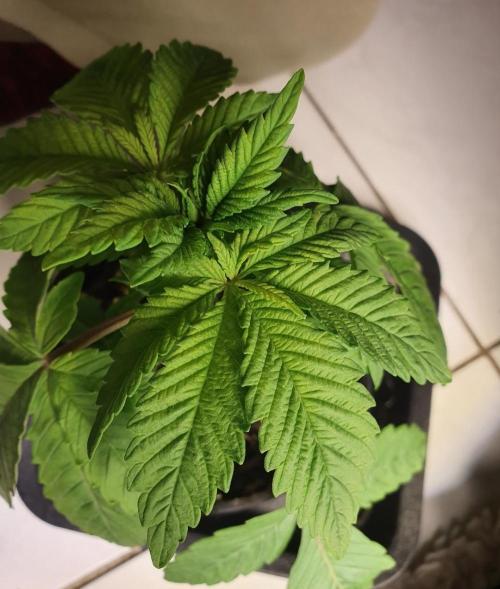
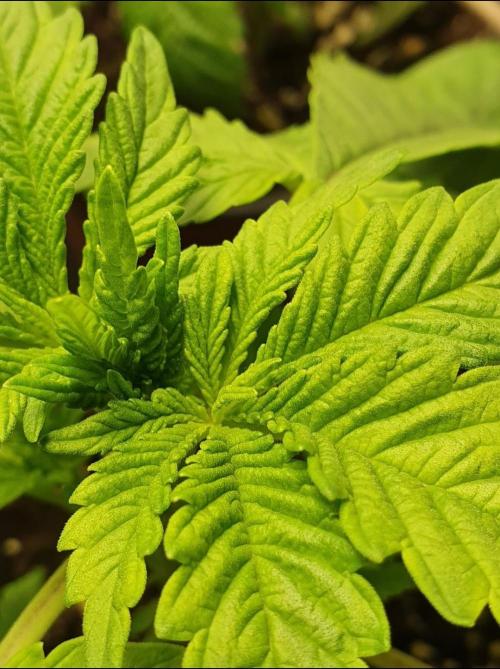
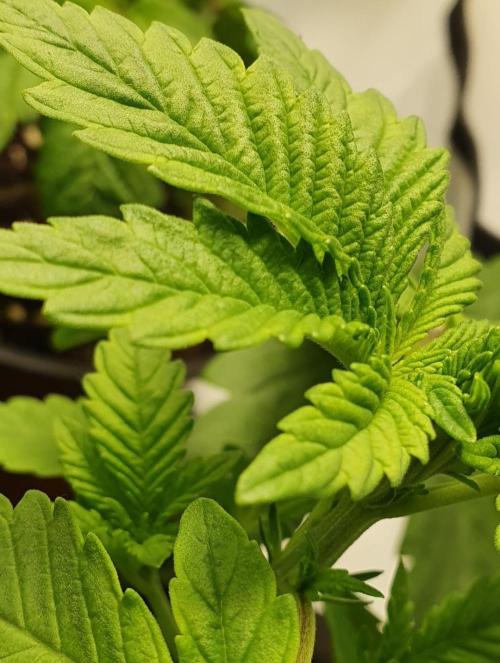
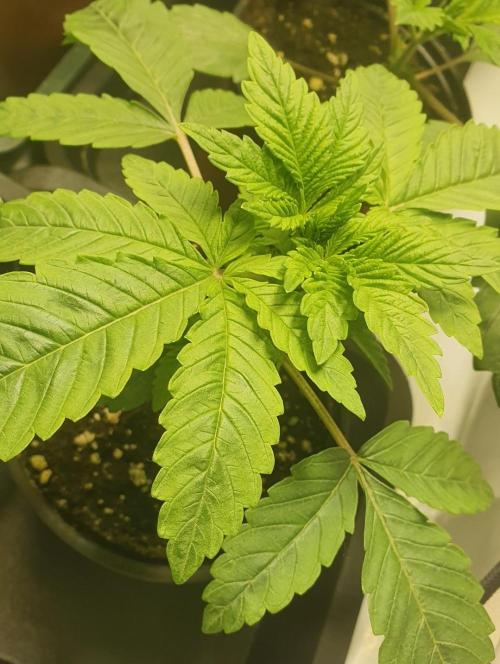
The_Wanderer 9 leaflets at 4th node.
4 likes
comments
Share
4
Week 4. Vegetation10mo ago

16 hrs
Light Schedule
24 °C
Day Air Temp
6.0
pH
No Smell
Smell
60 %
Air Humidity
10 cm
Lamp Distance
Nutrients 1
Biotrissol Kräuter Dünger
1.321 mll
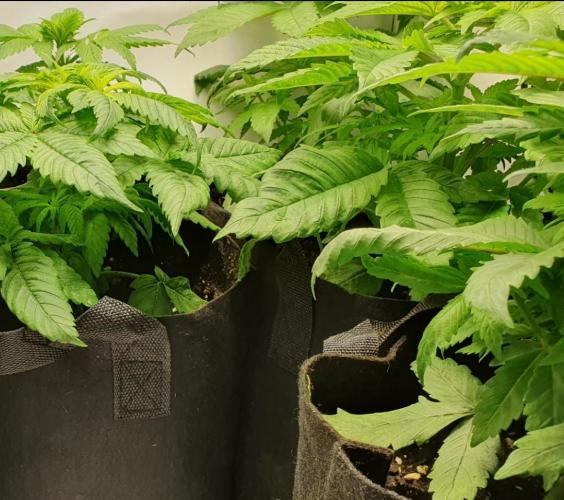
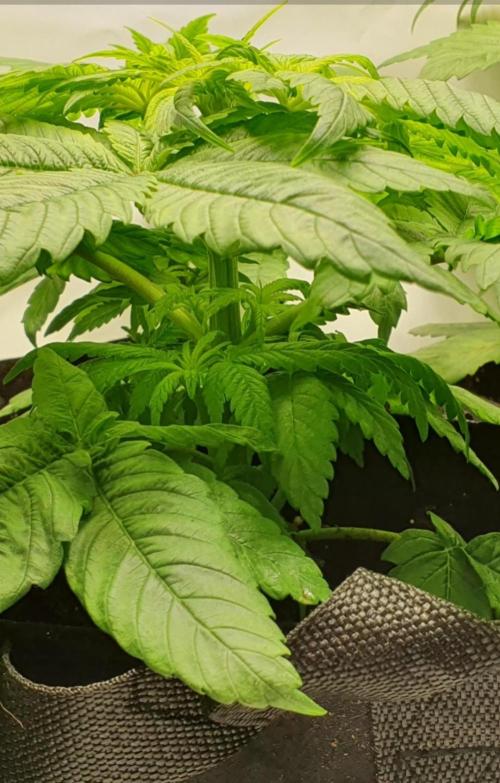
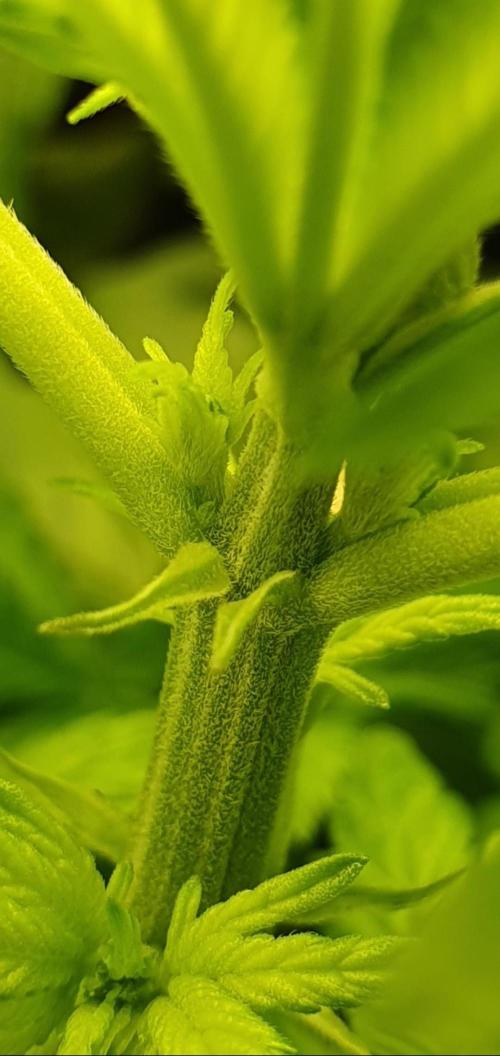
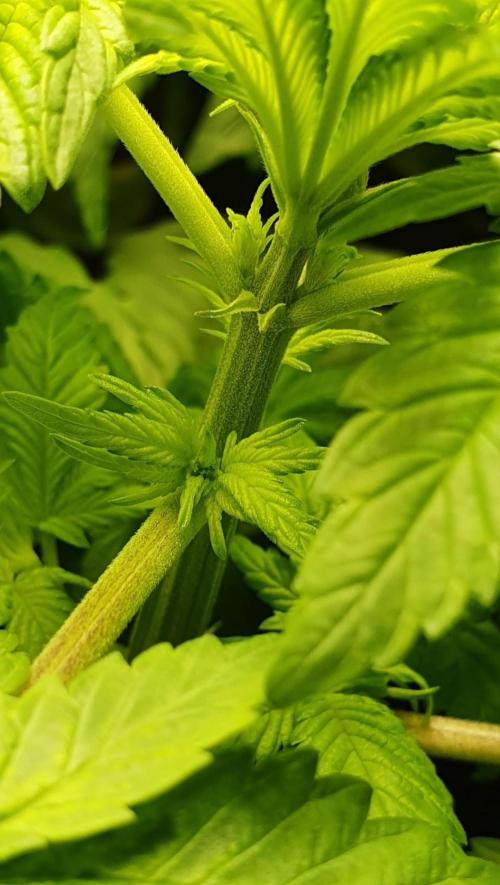
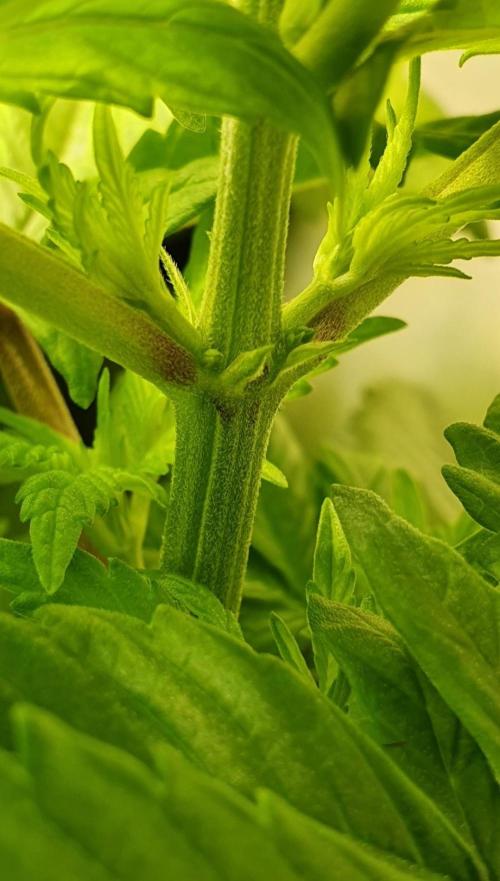
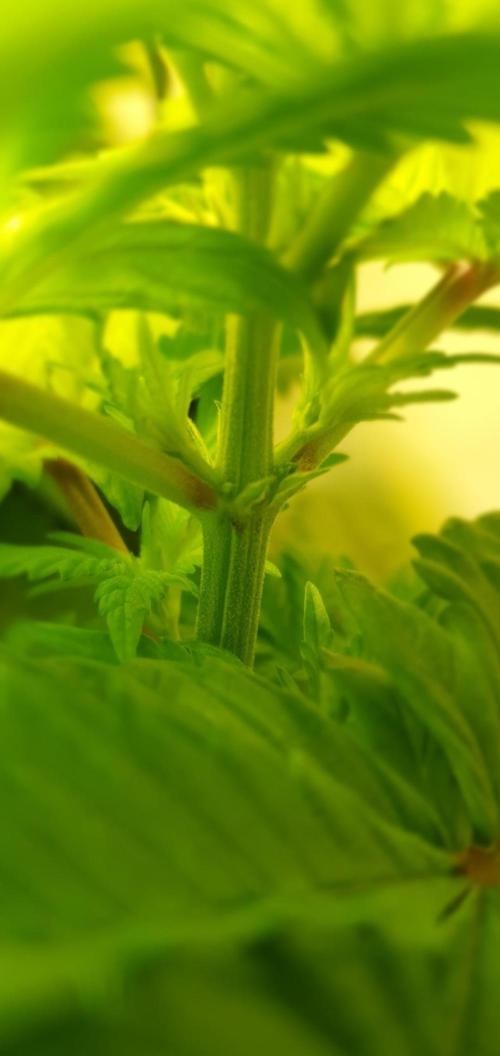
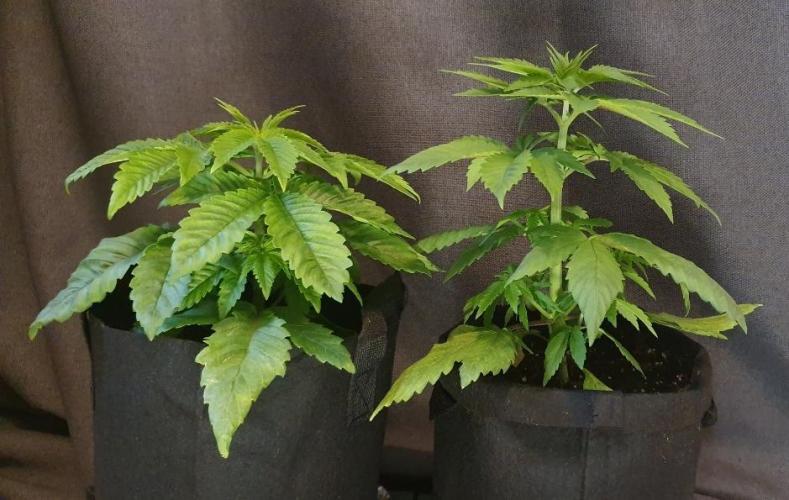
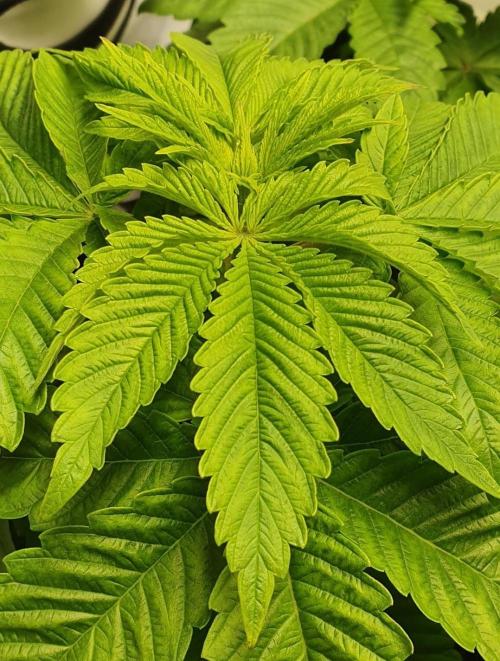
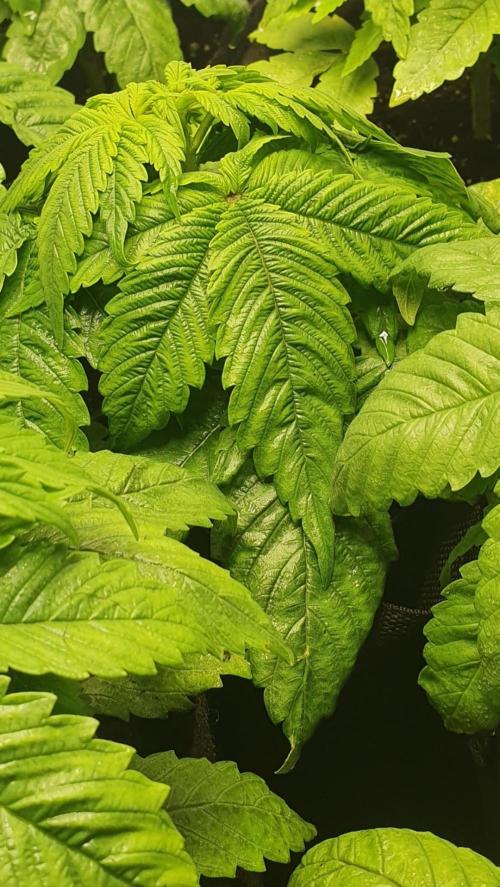
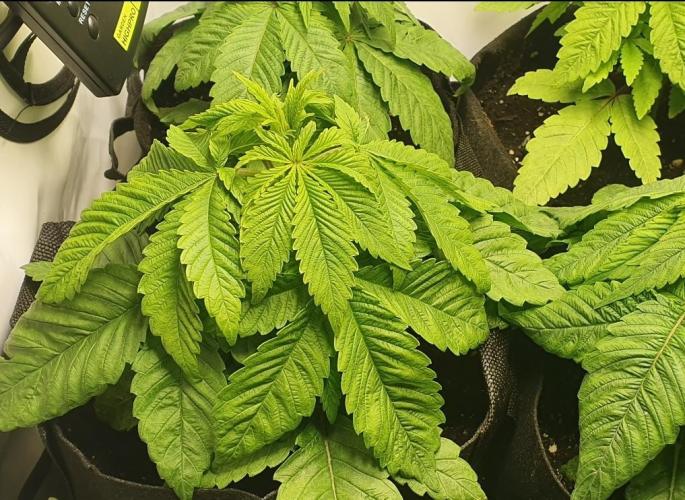
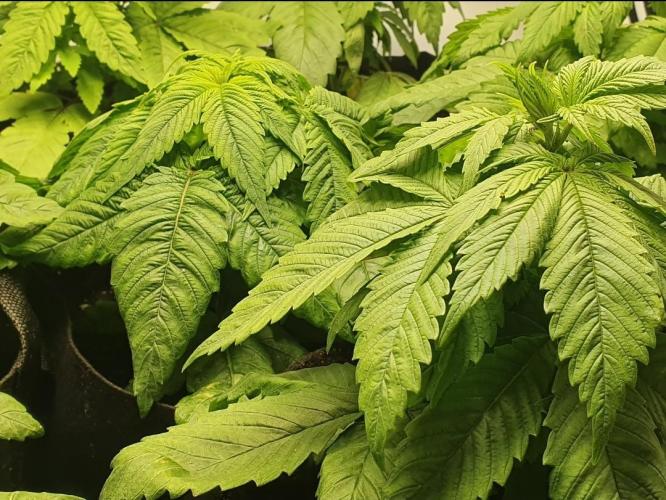
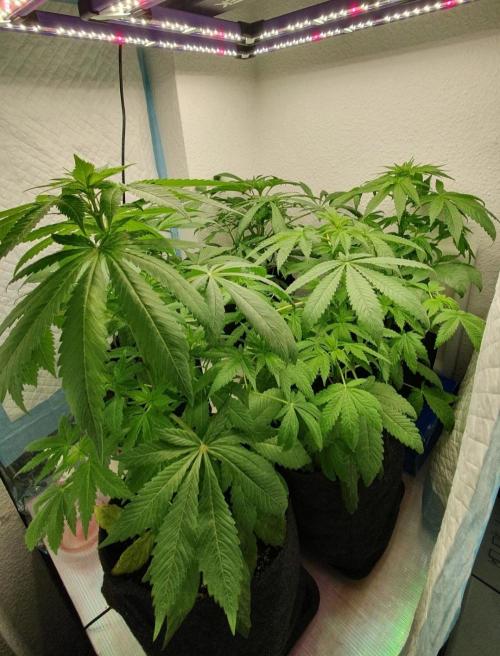
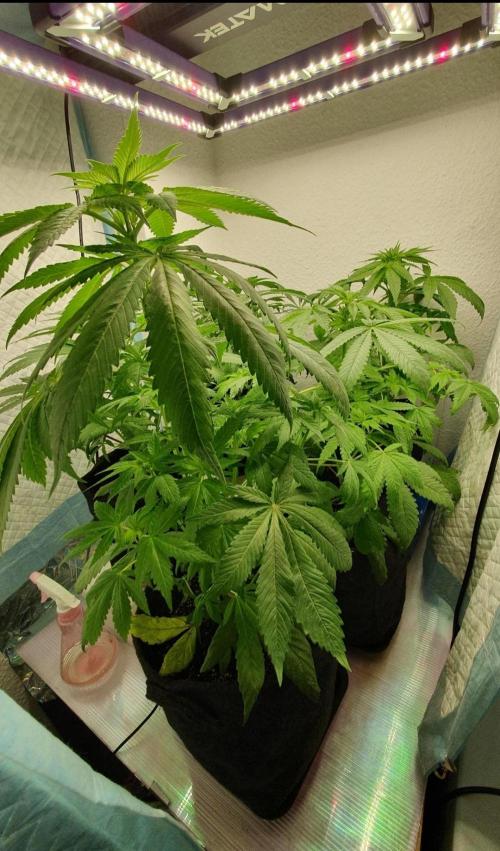
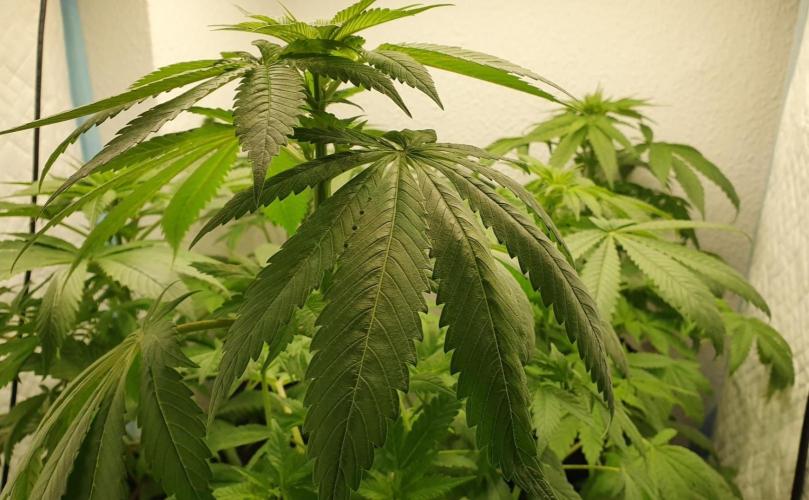
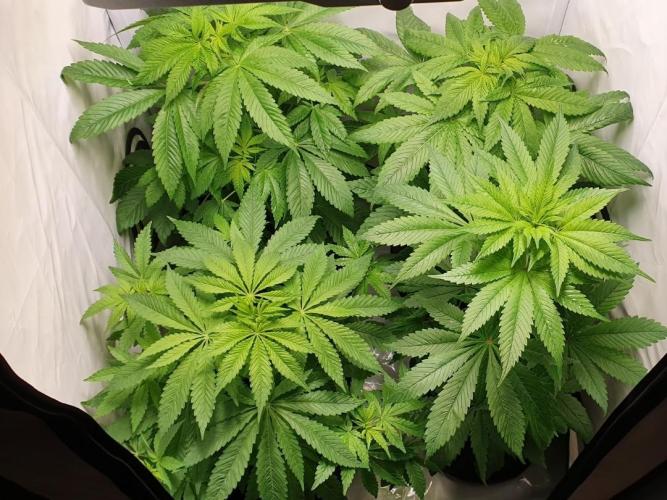
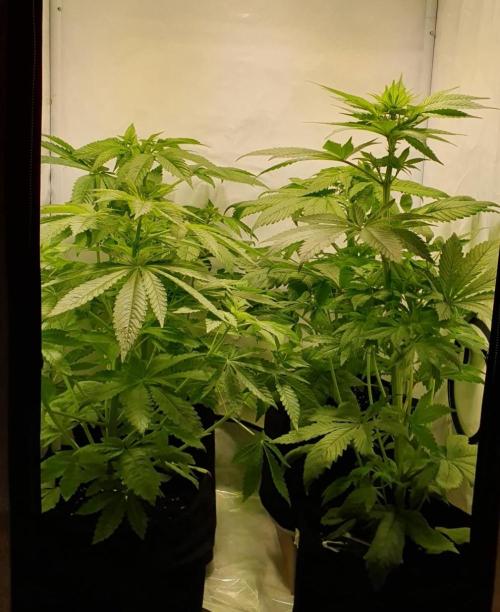
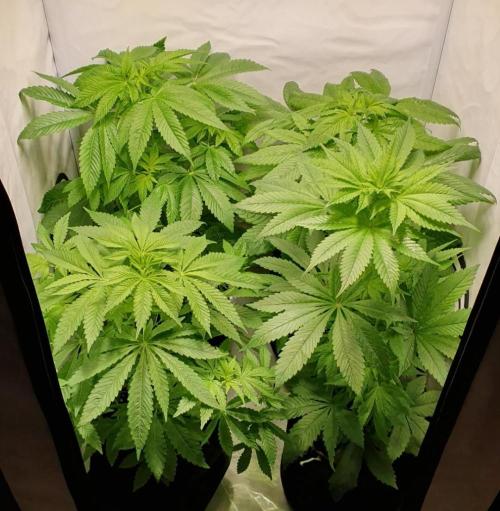
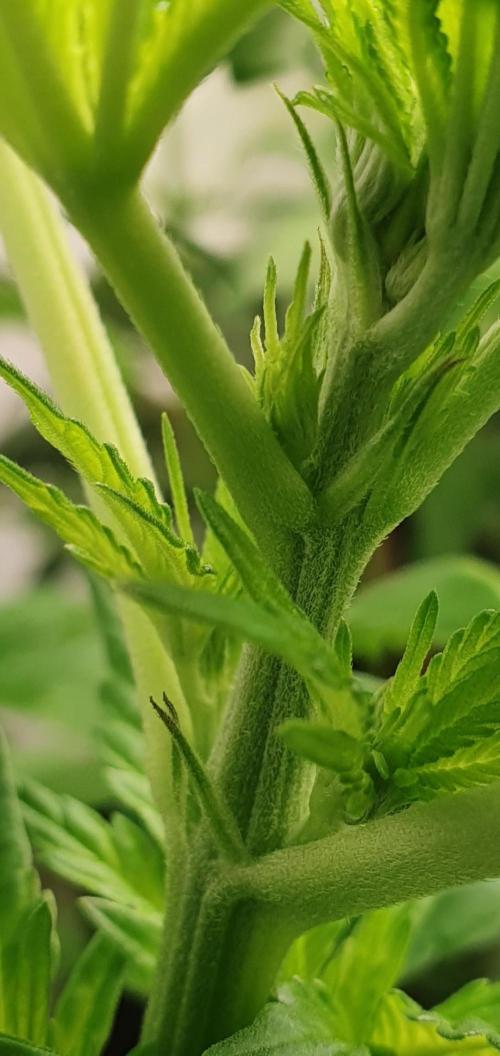
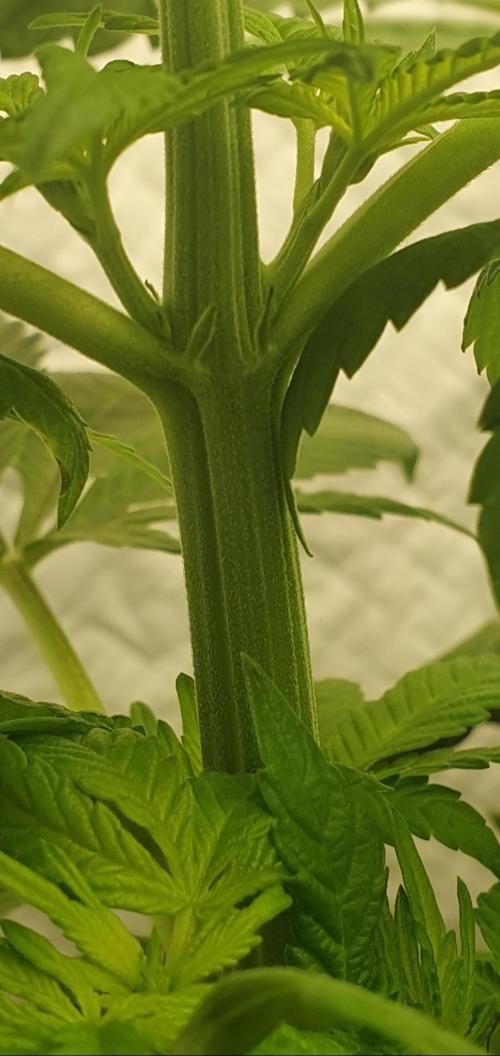
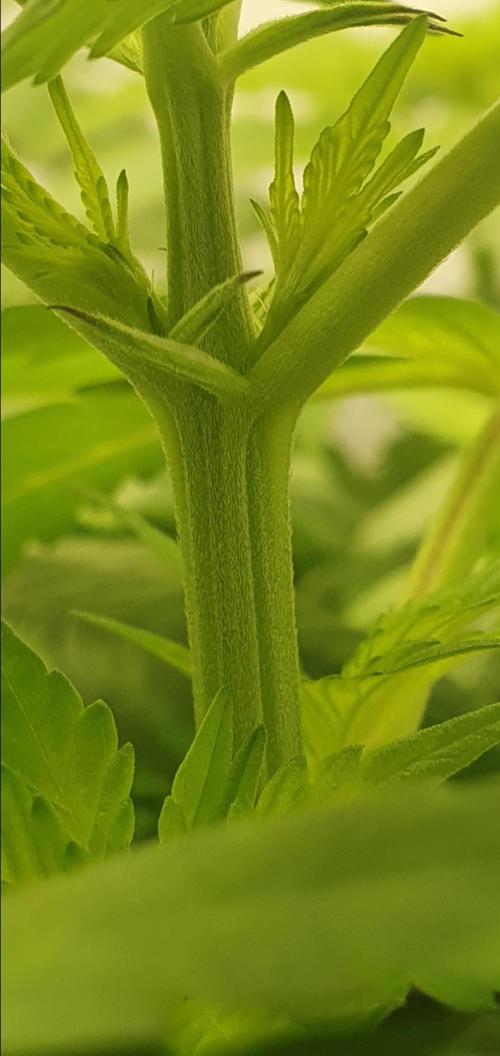
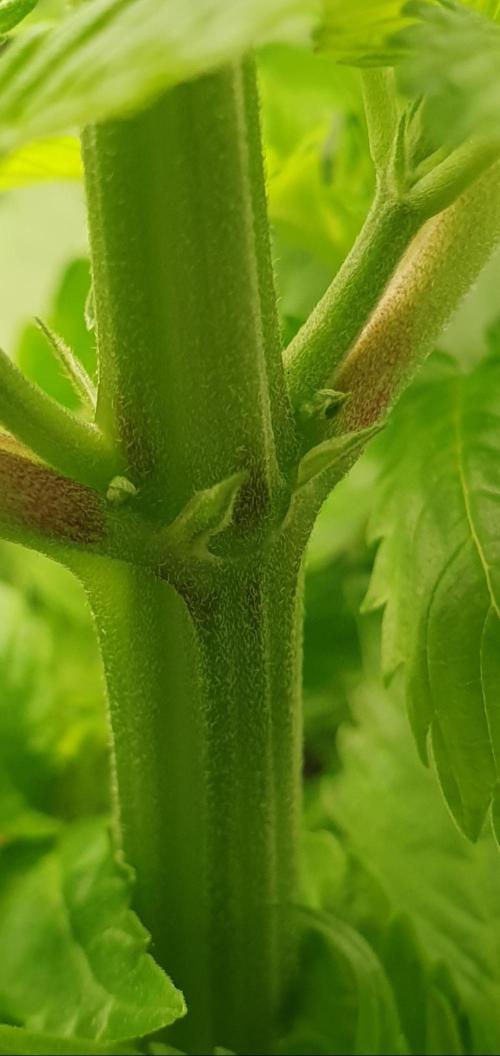
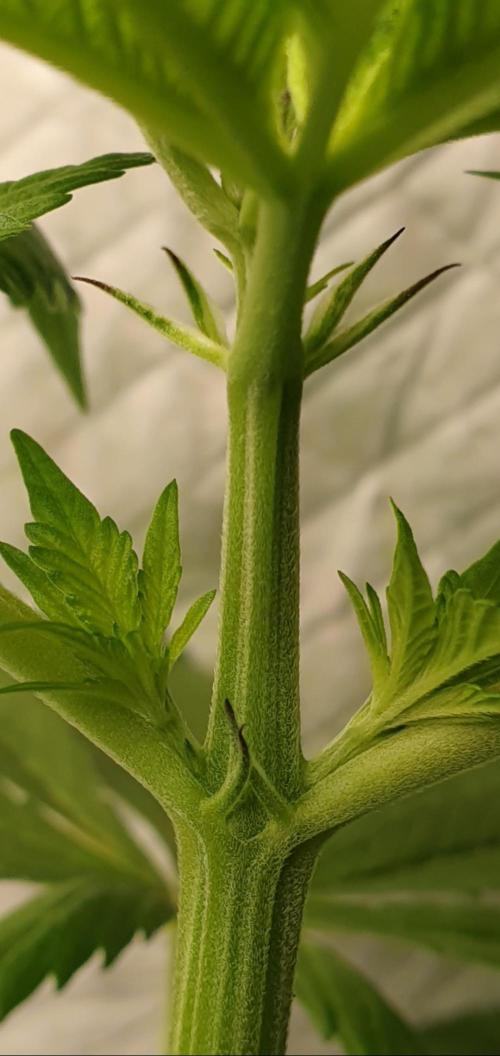
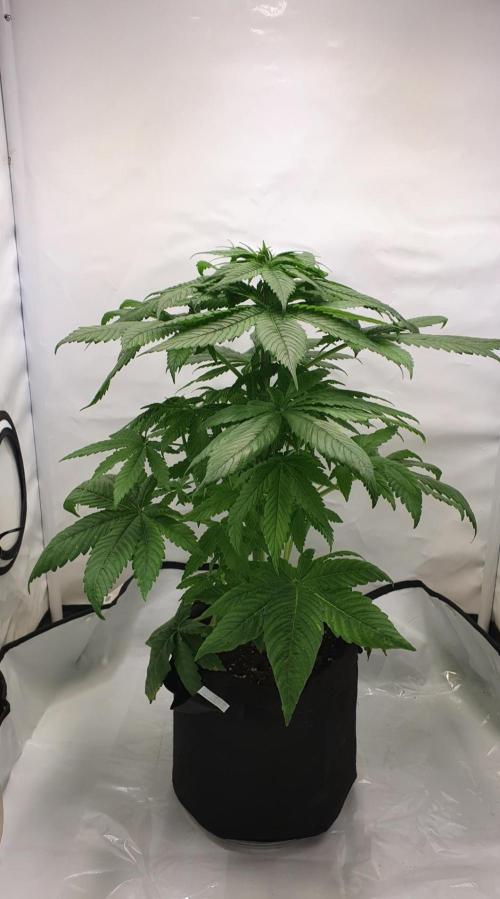
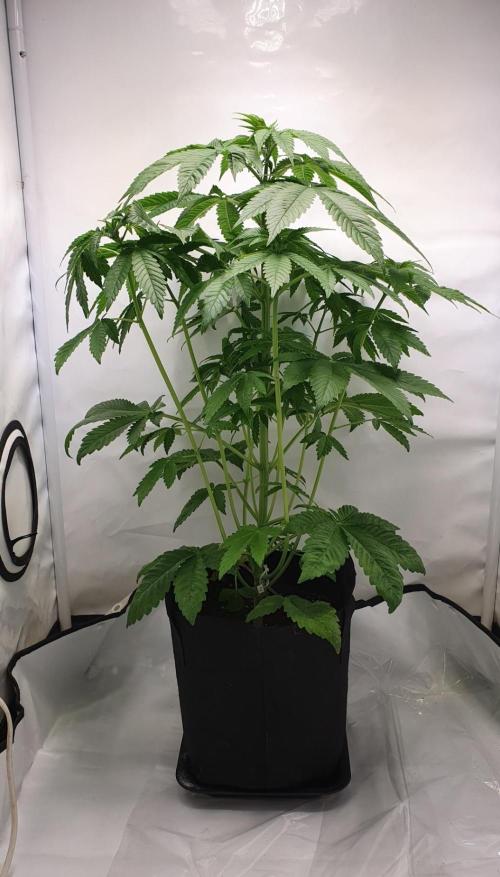
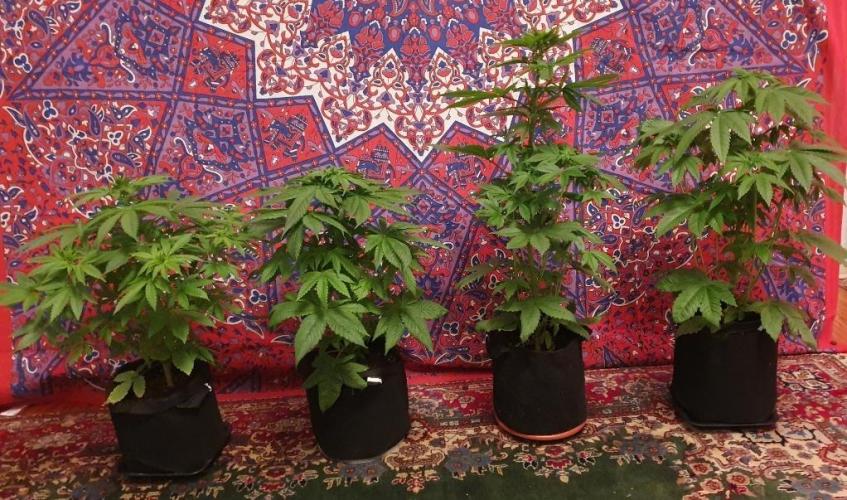
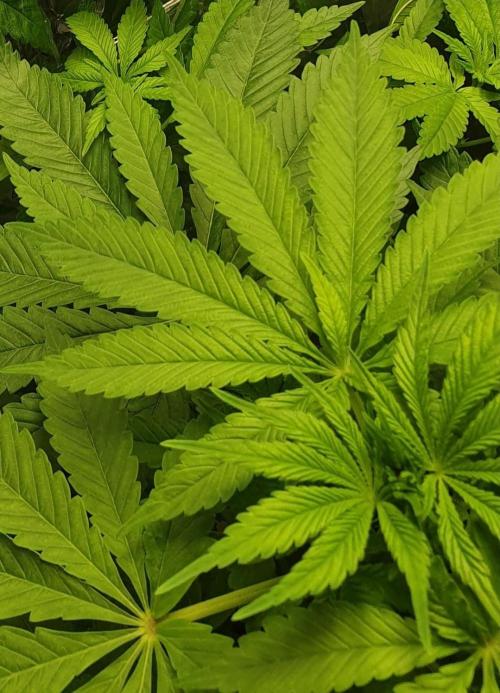
The_Wanderer Salad show. Showing interest in side branching. Some males showing their sex 5 weeks after germination. Females started showing a few days later. Males and females seperated now.
3 likes
1 comment
Share
5
Week 5. Flowering10mo ago

11 hrs
Light Schedule
24 °C
Day Air Temp
6.0
pH
No Smell
Smell
60 %
Air Humidity
30 cm
Lamp Distance
Nutrients 1
Biotrissol Kräuter Dünger
5 mll
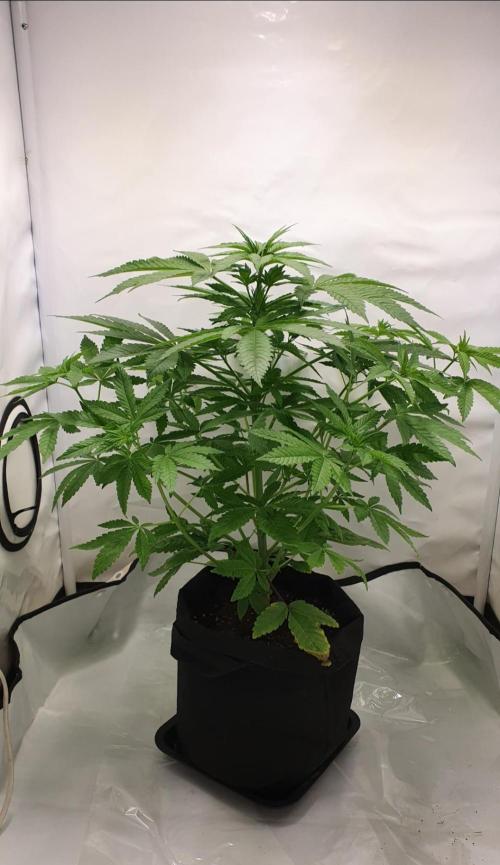
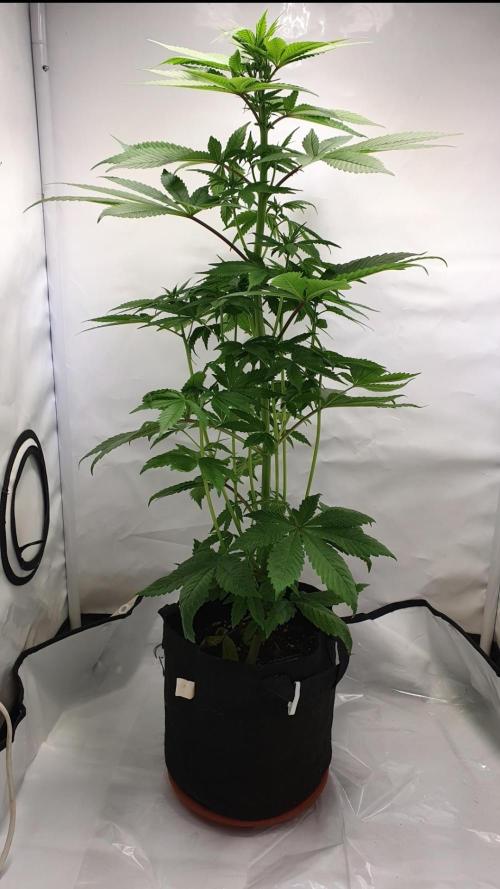
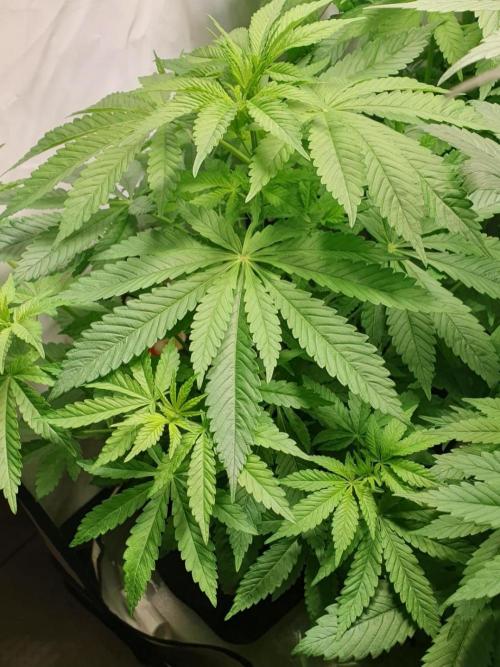
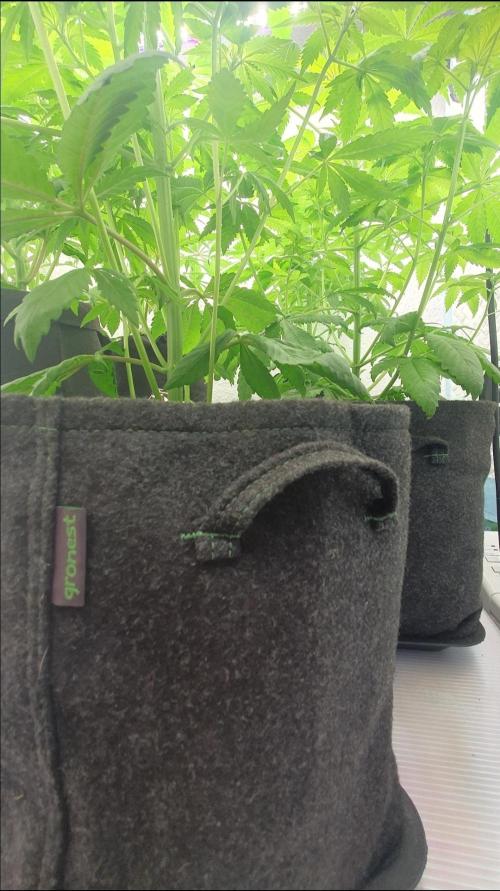
The_Wanderer Starting flowering.
2 likes
comments
Share
6
Week 6. Flowering10mo ago
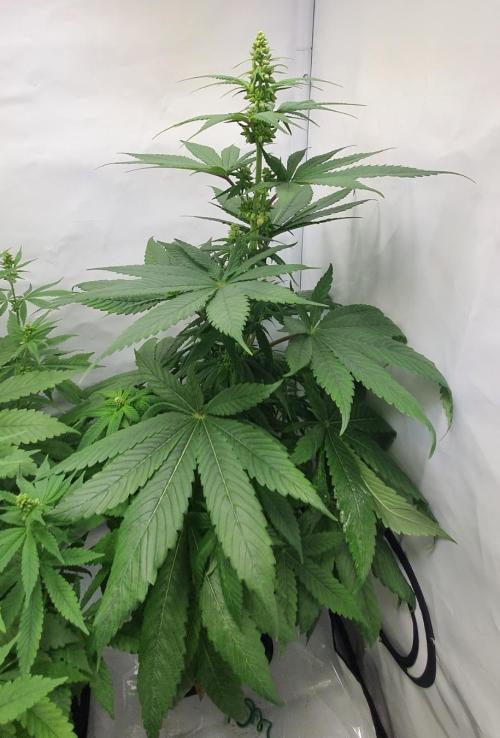
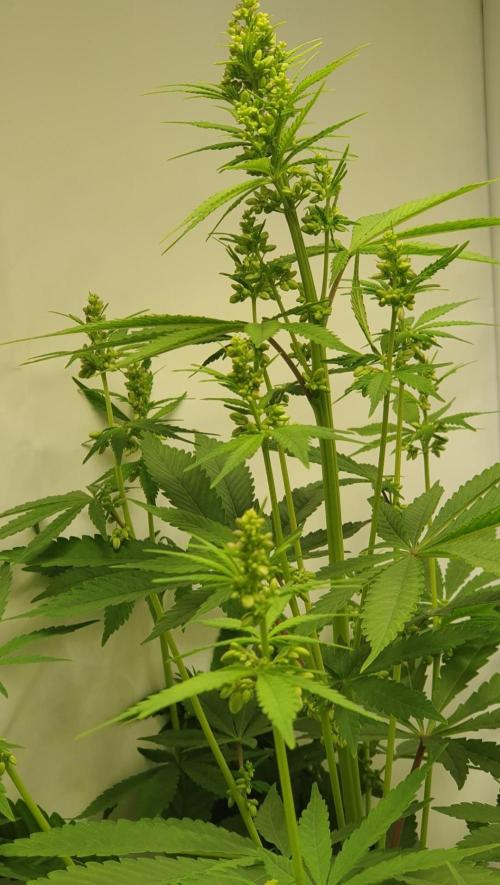
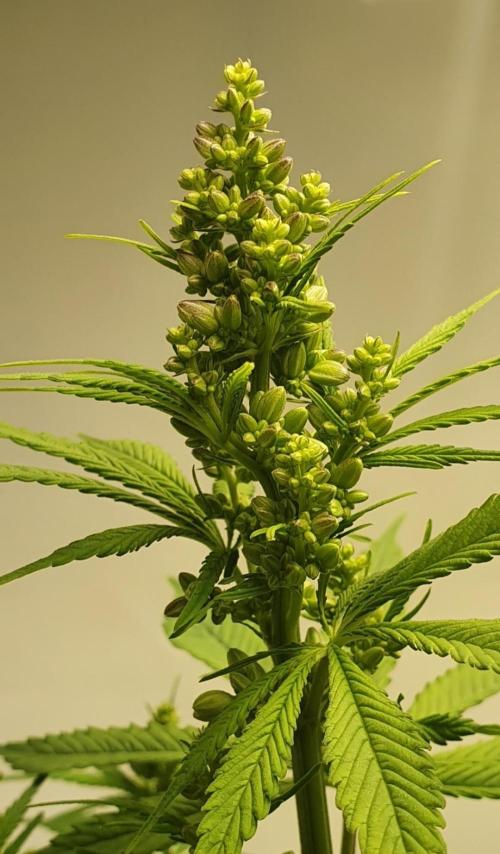
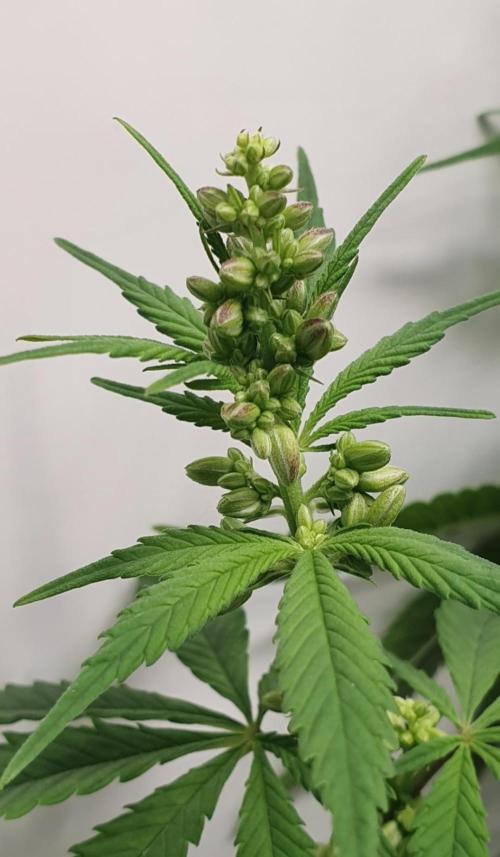

11 hrs
Light Schedule
24 °C
Day Air Temp
6.0
pH
No Smell
Smell
60 %
Air Humidity
30 cm
Lamp Distance
Nutrients 1
Biotrissol Kräuter Dünger
5 mll
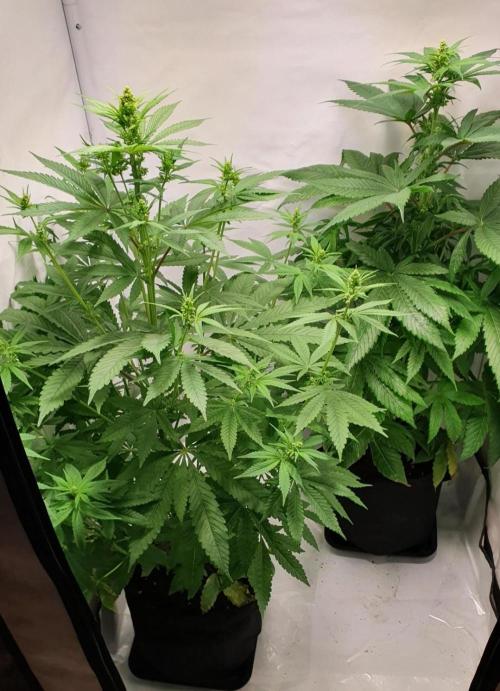
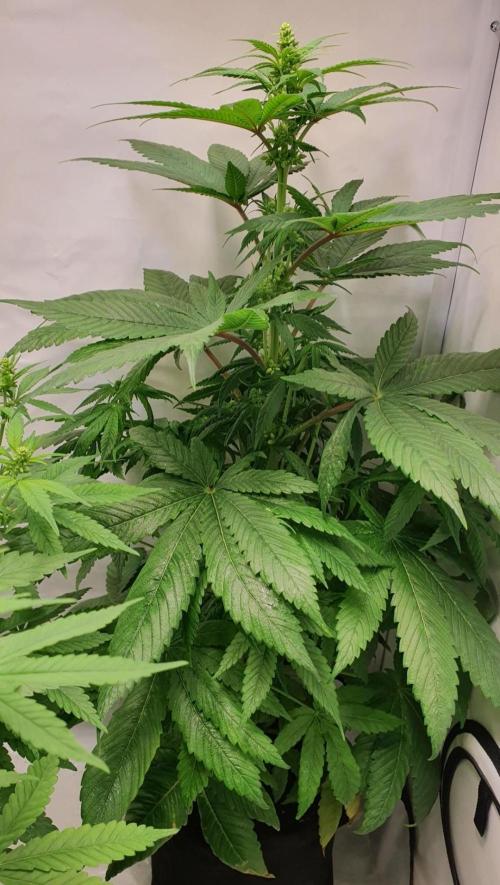
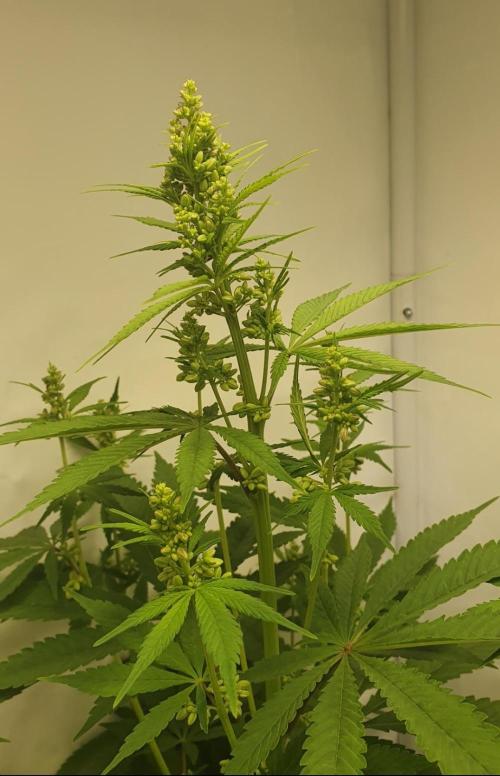
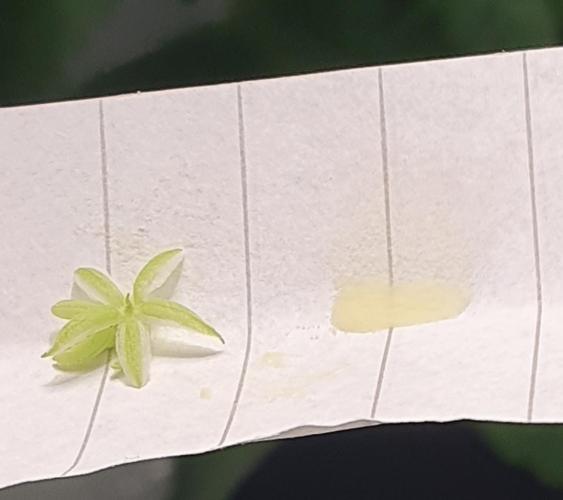
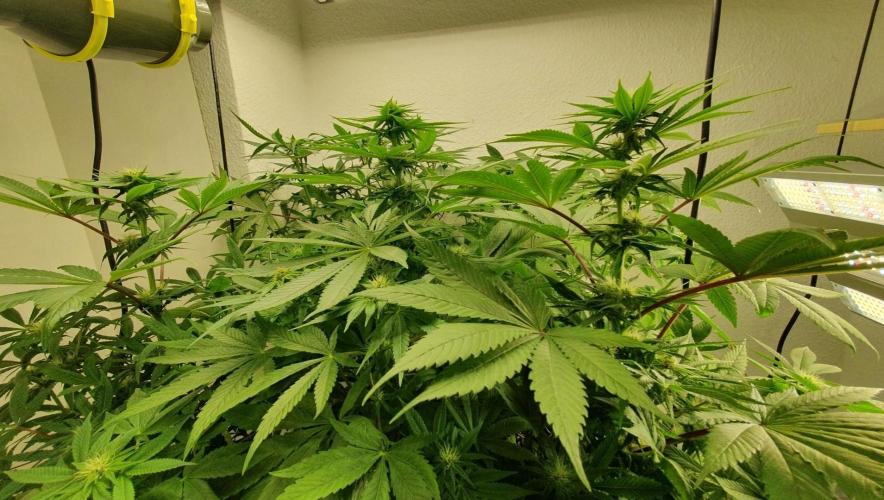
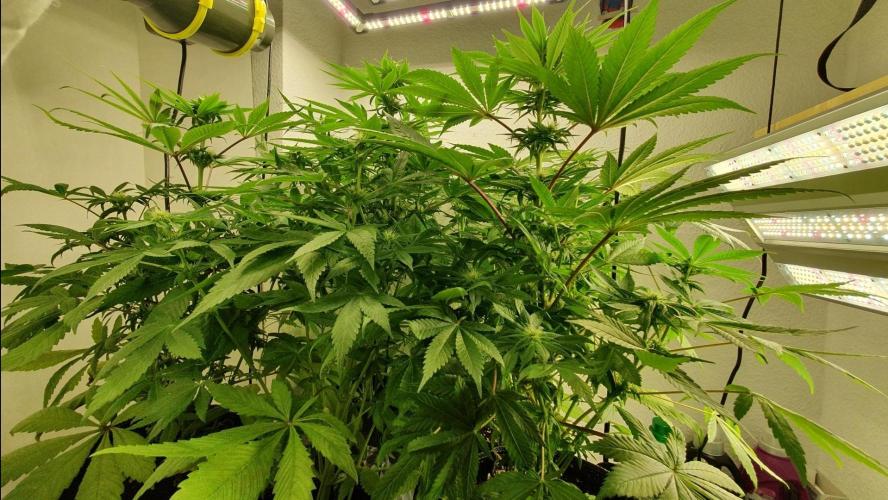
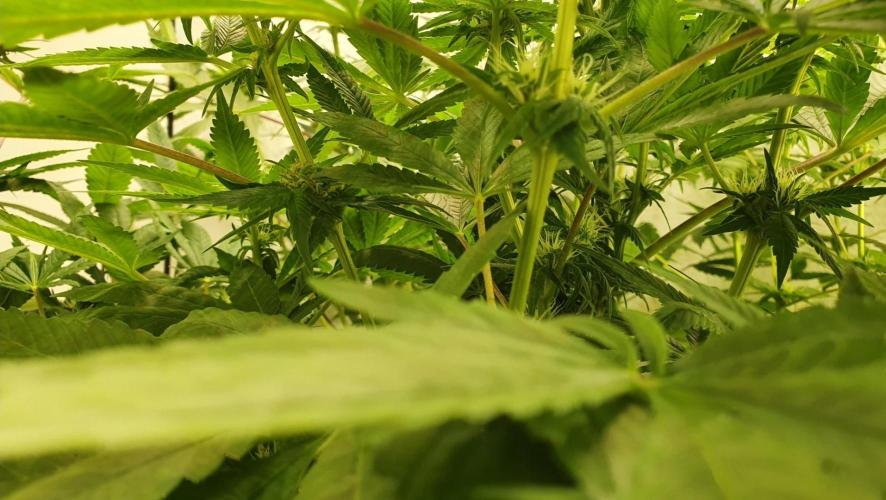
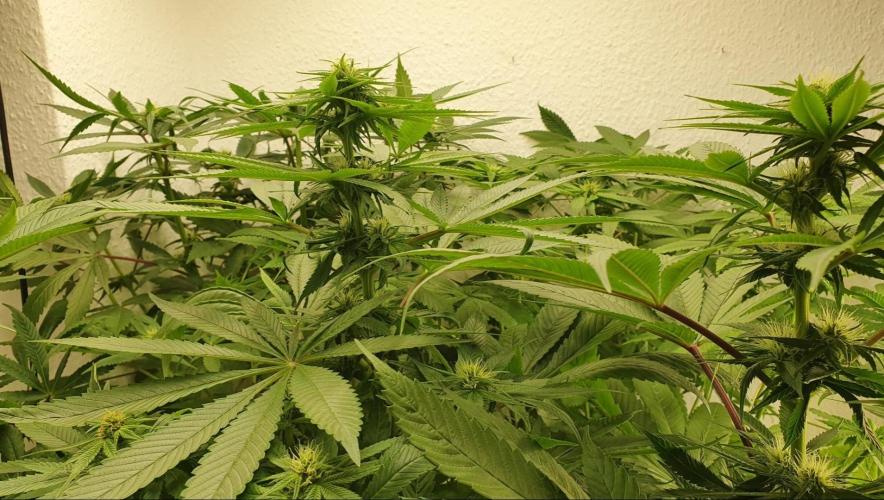
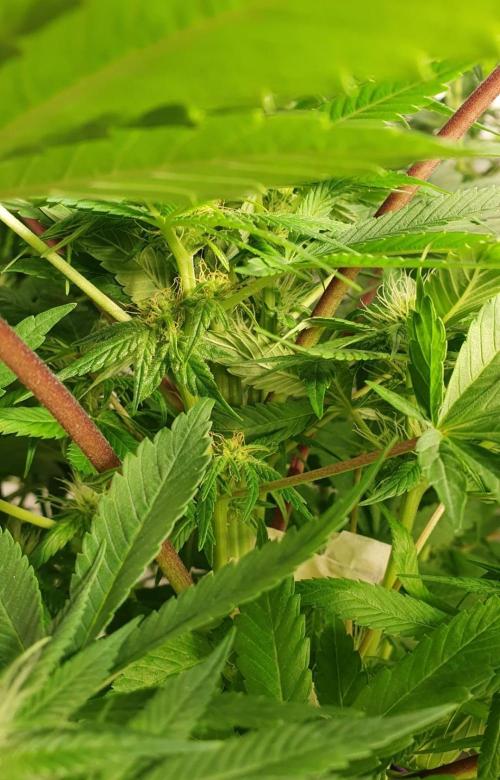
The_Wanderer Selected 2 very beautiful males and harvested the leaves from the other males to make bhang chai. This is their natural form. No pinching, no training.
5 likes
comments
Share
Grow Questions
The_Wandererstarted grow question 10mo ago
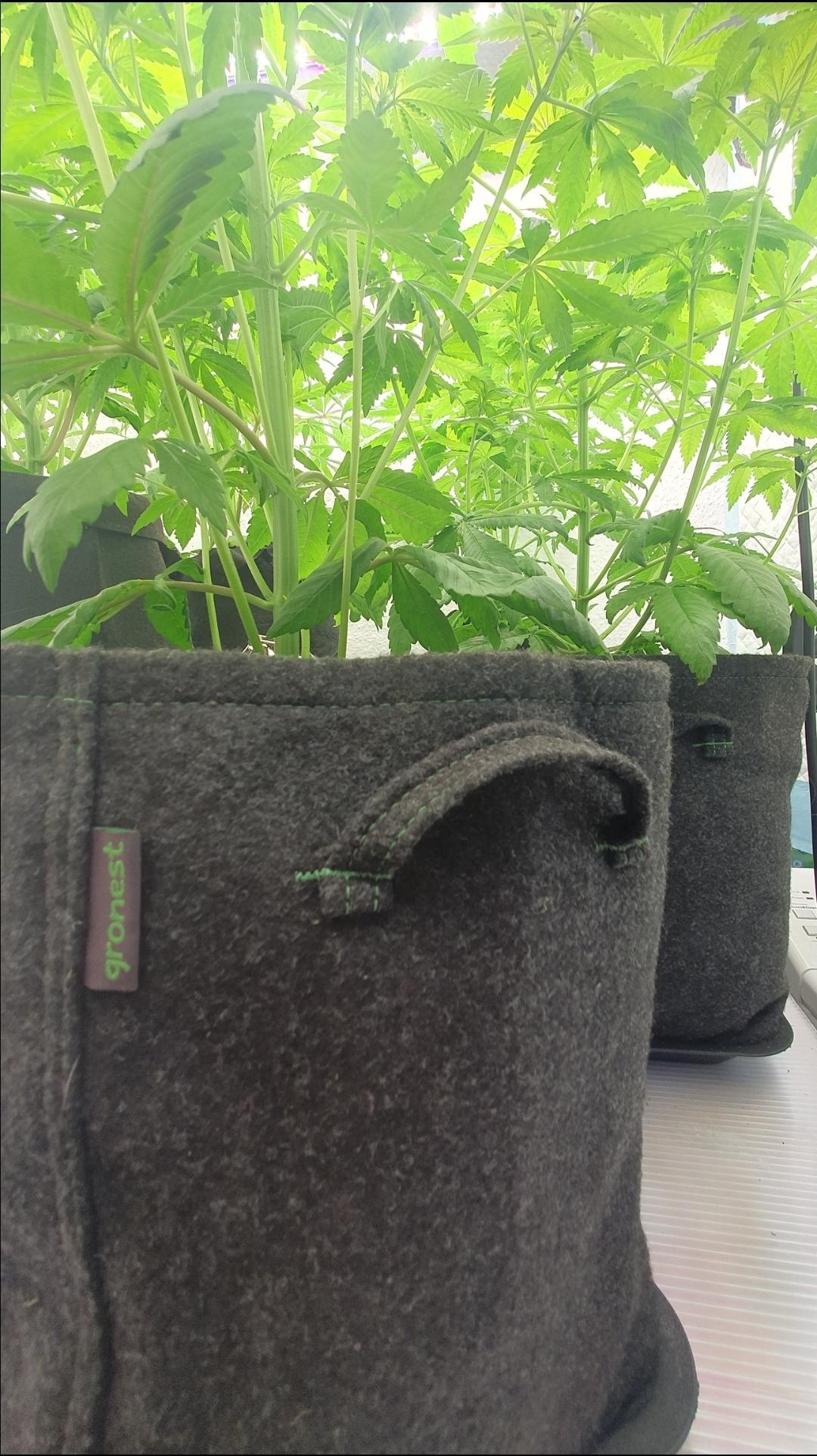
Anyone play music or sing to their plants?
Solved
Buds. Other
1 like

ATLien415answered grow question 10mo ago
I do.
When bacterial colonies respond differently to different music, I'm sure the plants do. This is an old humboldt hills type trick, have a radio and some classic rock or whatever. Your dog. A shotty. just hanging out farmin'.
7
Week 7. Flowering10mo ago

11 hrs
Light Schedule
24 °C
Day Air Temp
6.0
pH
No Smell
Smell
60 %
Air Humidity
30 cm
Lamp Distance
Nutrients 1
Biotrissol Kräuter Dünger
5 mll
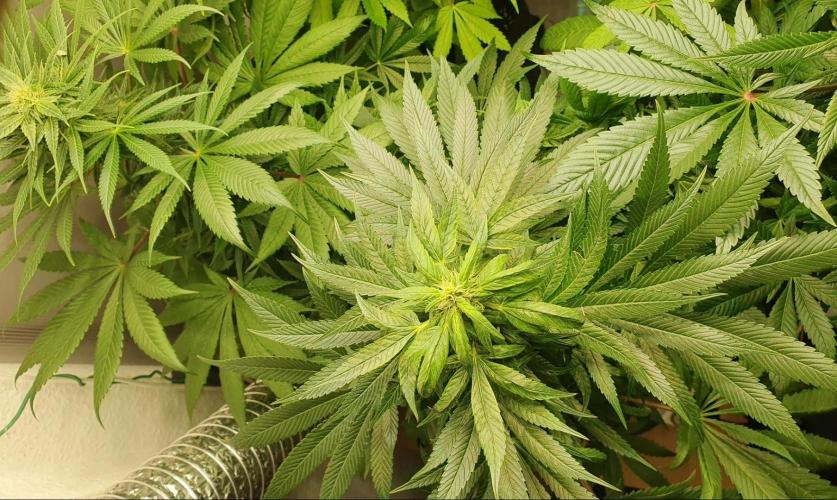
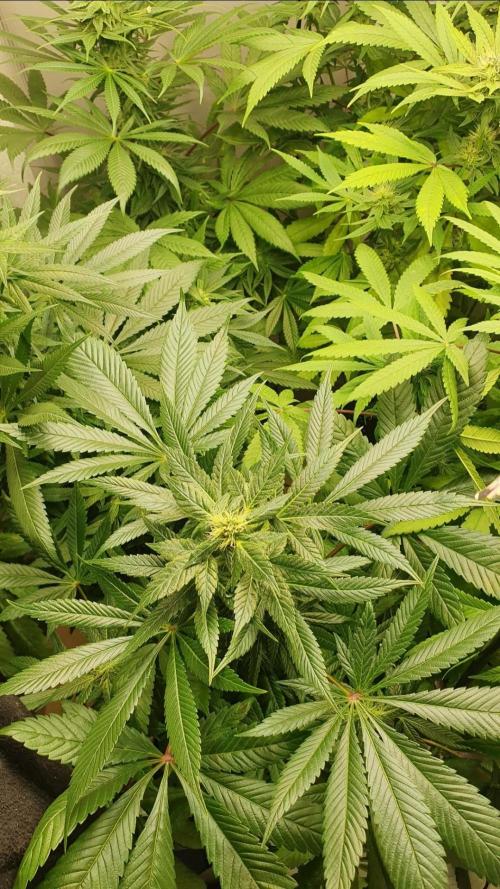
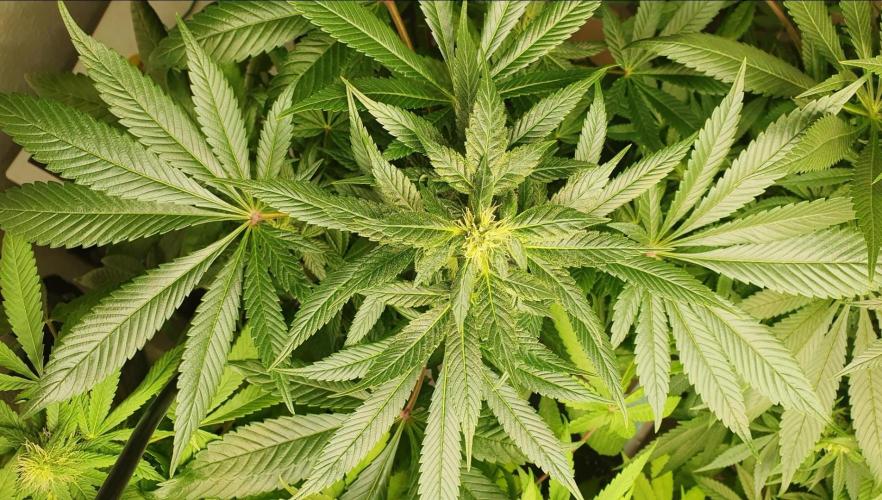
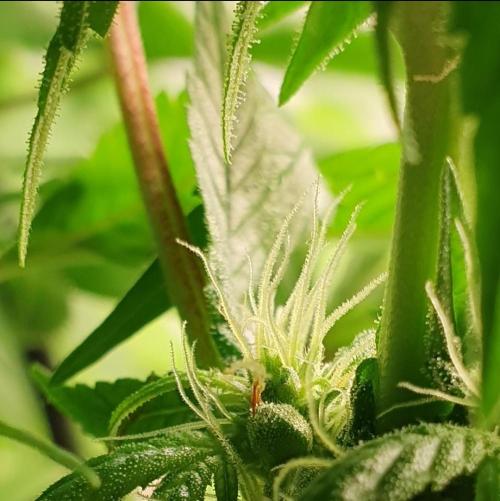
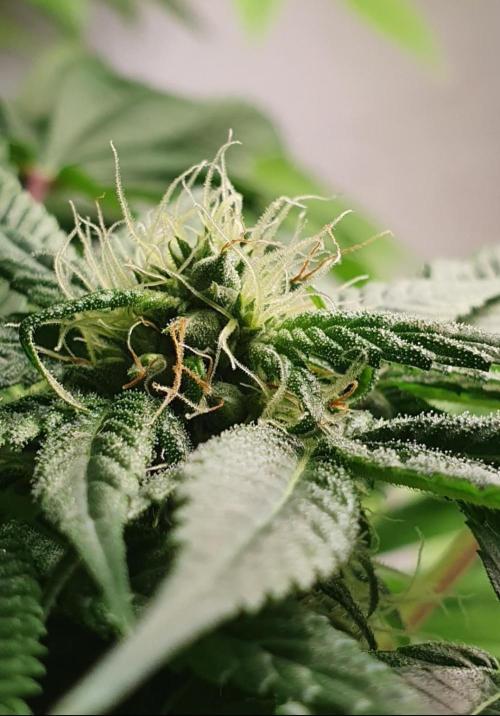
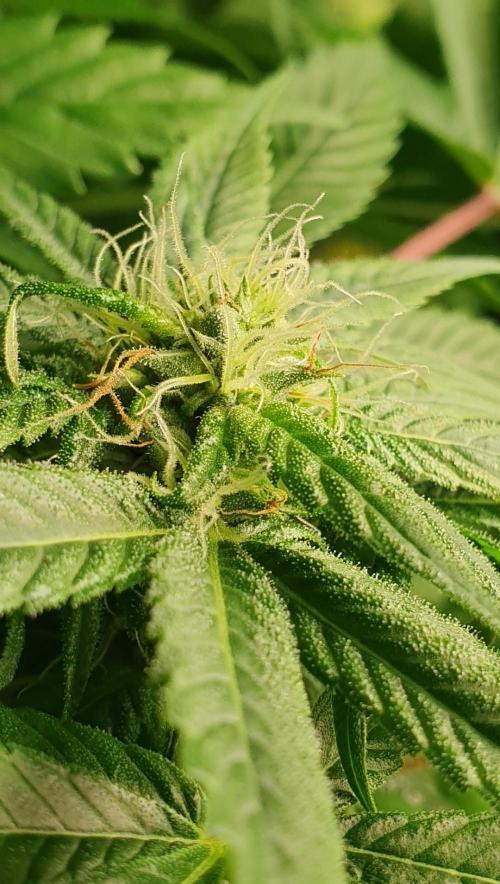
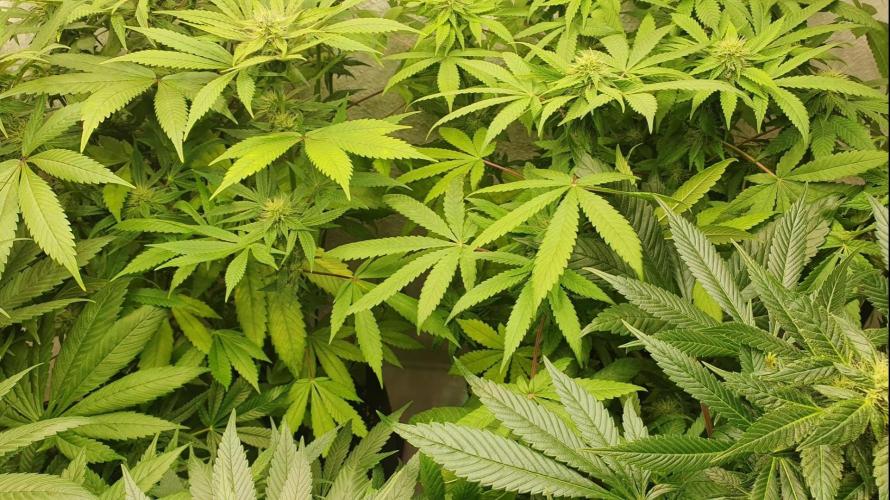
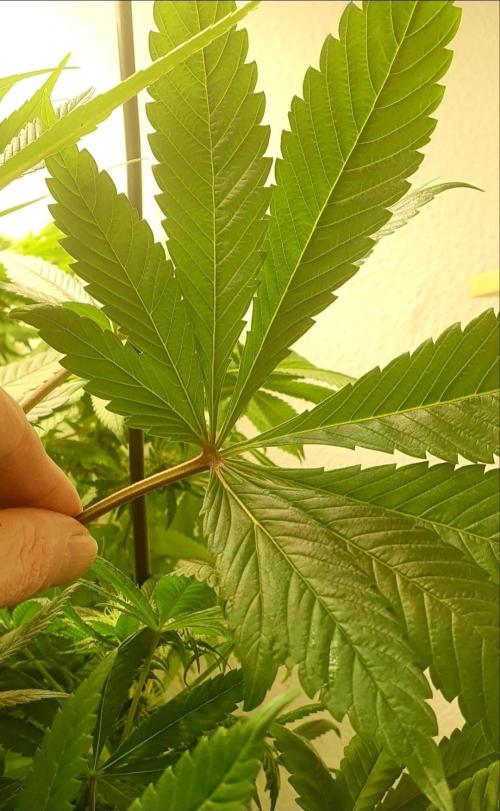
The_Wanderer Seeds and trichomes are forming. Females starting to show their individuality.
5 likes
1 comment
Share
8
Week 8. Flowering10mo ago
10 hrs
Light Schedule
24 °C
Day Air Temp
6.0
pH
No Smell
Smell
60 %
Air Humidity
30 cm
Lamp Distance
Nutrients 1
Biotrissol Kräuter Dünger
5 mll
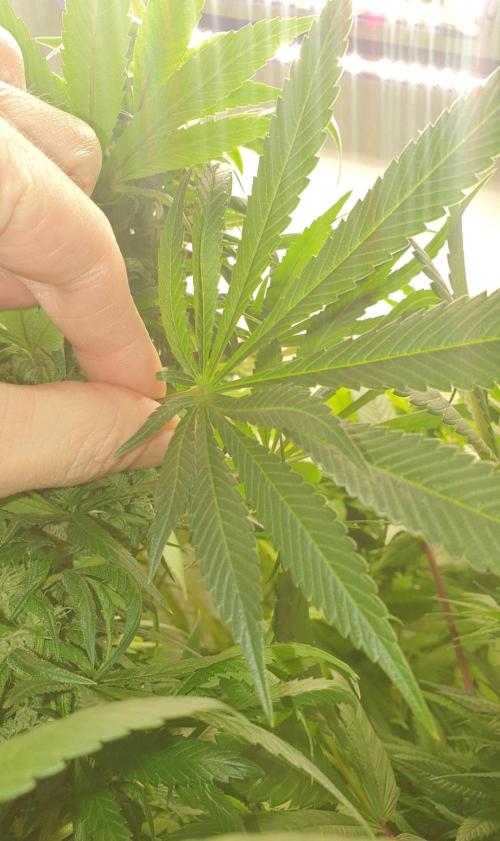
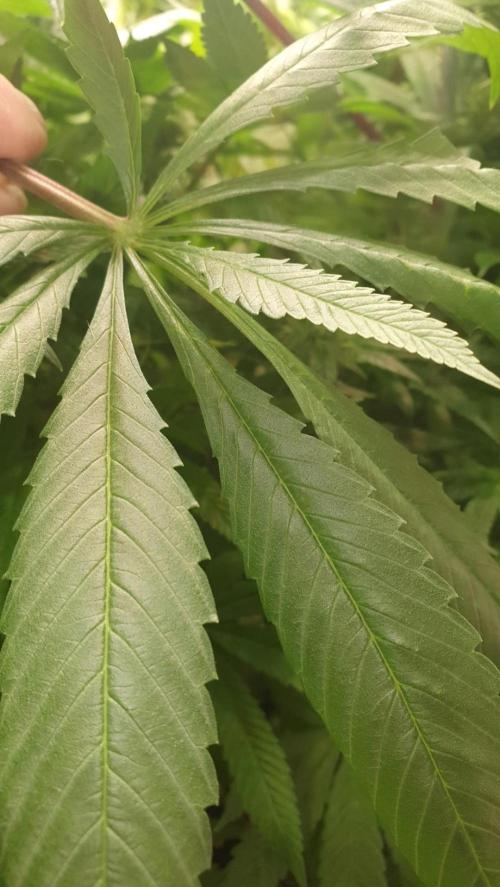
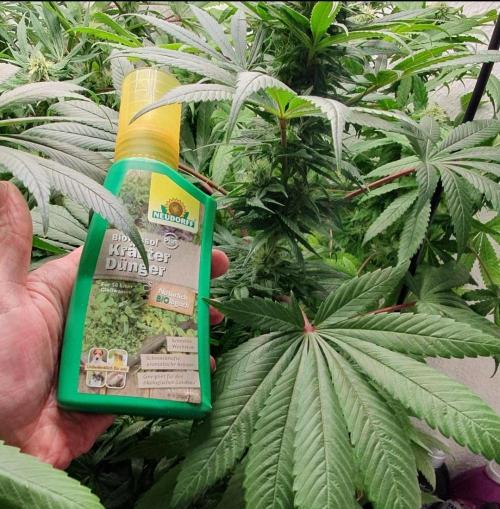
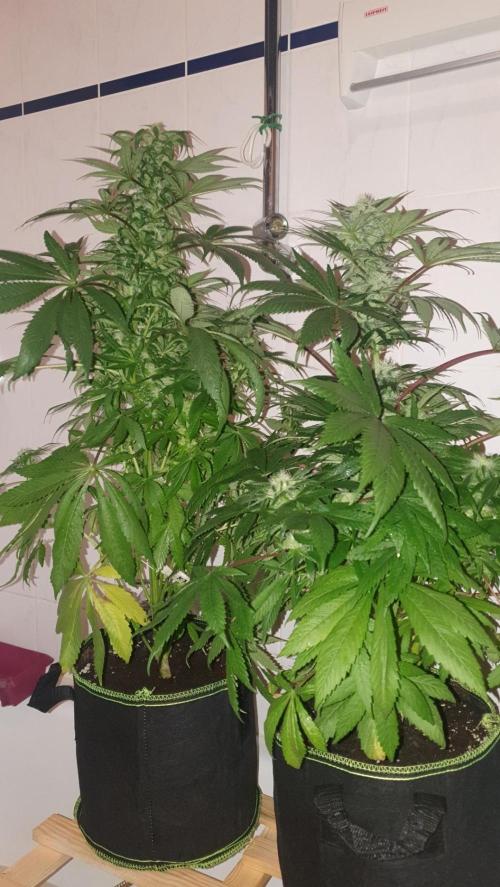
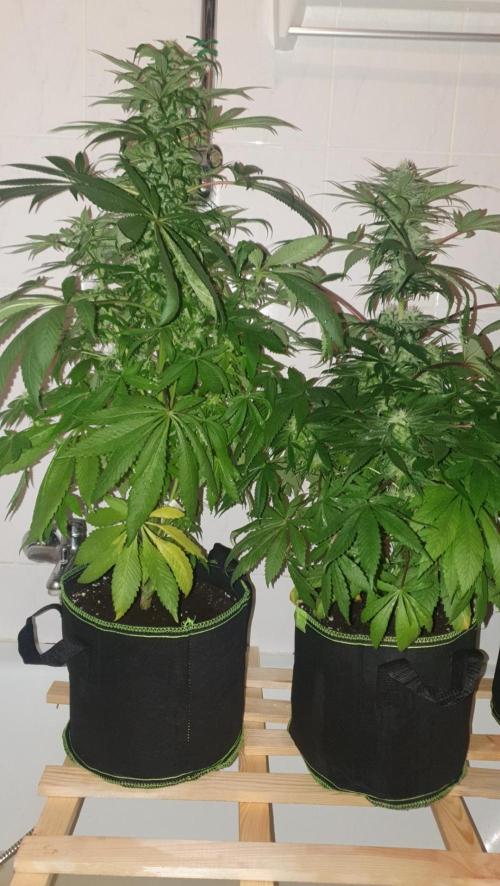
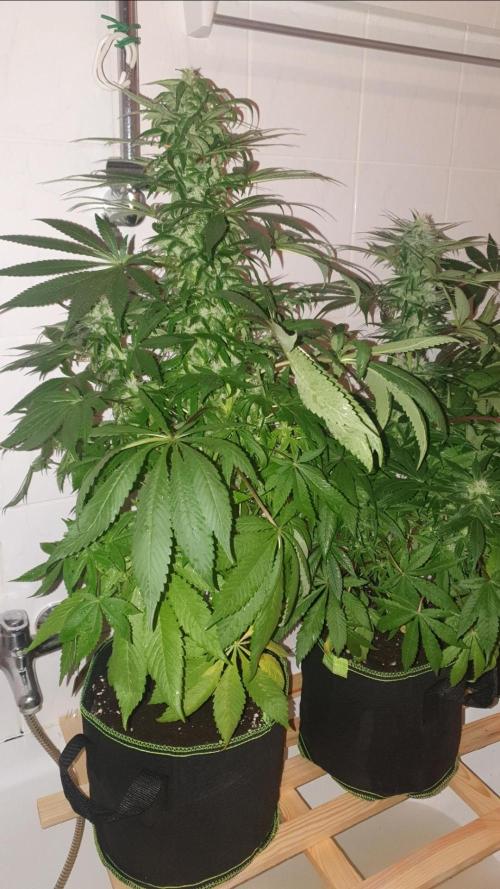
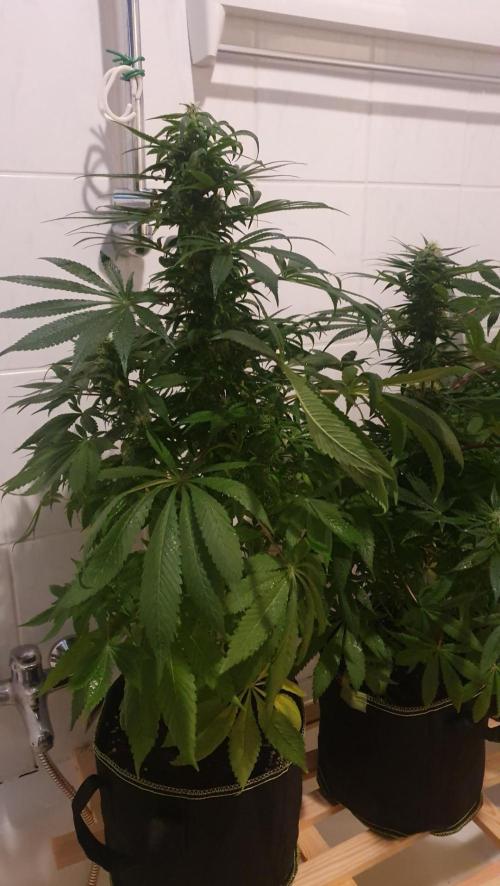
The_Wanderer I put up a picture of the fertilizer I used throughout the grow from seedling to harvest. Its Neudorff Biotrissol Kräuter Dünger, used as directed from the label on the back. I got it from the local garden center. I have a dog, and its pet safe. If you are growing herbs, they like this fertilizer. They also have a bottle for houseplants, orchids, and some other stuff. Really nice quality without being overpriced. If they put a cannabis leaf on the bottle it would cost triple the amount I paid... at least.
Sometimes I just rinse the plants. Any hidden dust or debris is washed away. I put some wood slats over the bathtub and use a shower wand to rinse the plants. Monsoon!
5 likes
comments
Share
10
Week 10. Flowering10mo ago
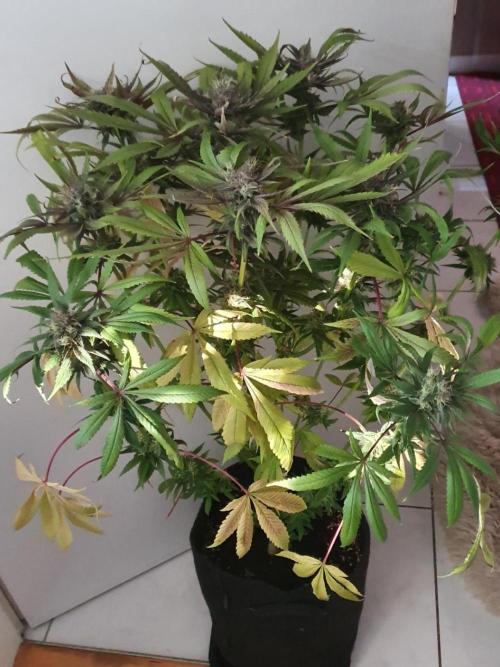
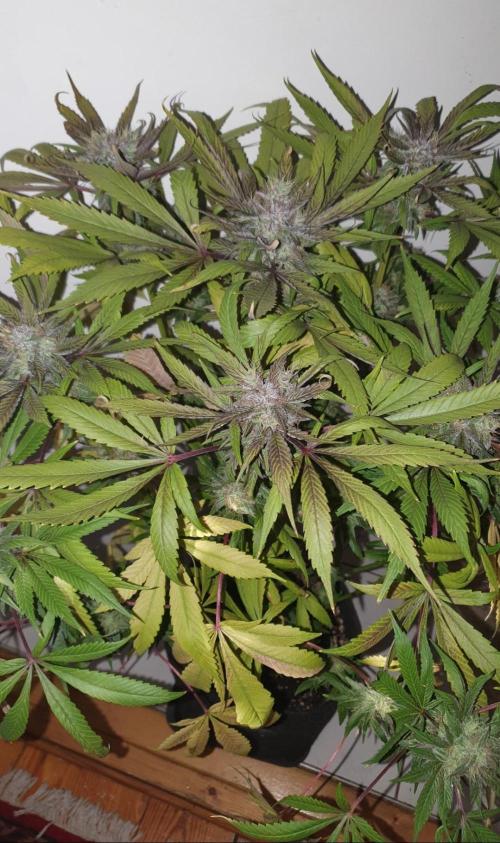
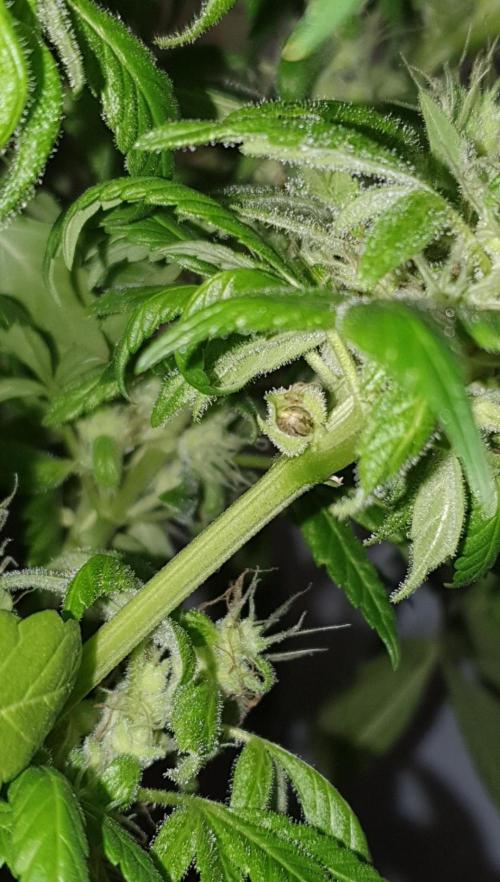

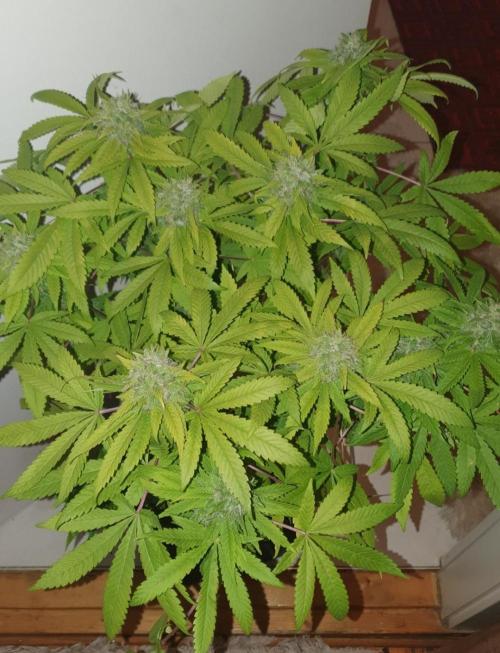
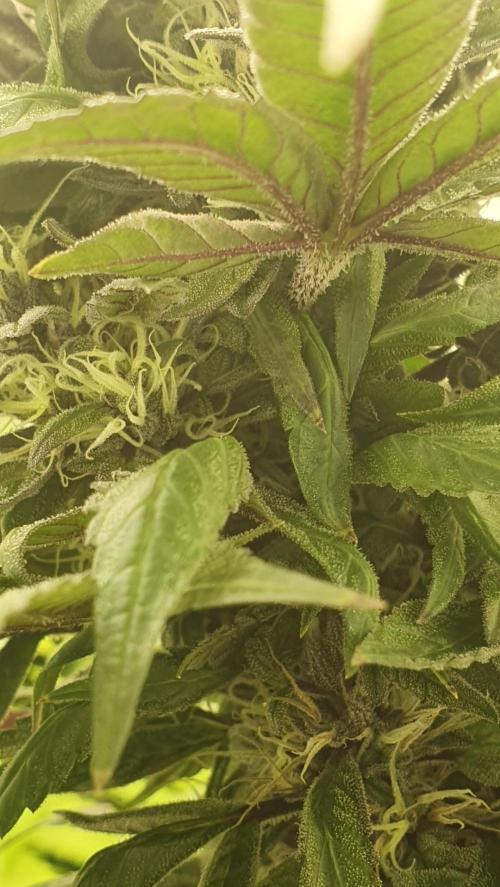
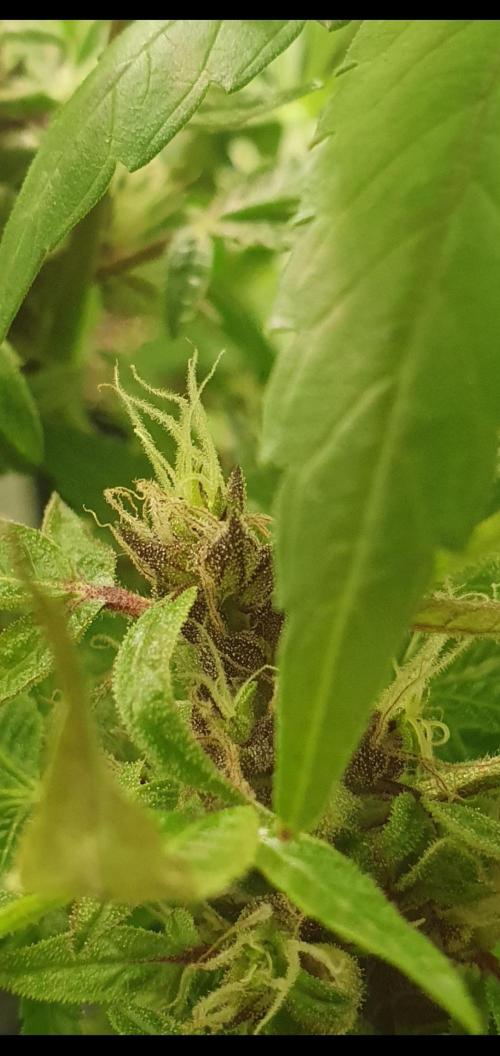
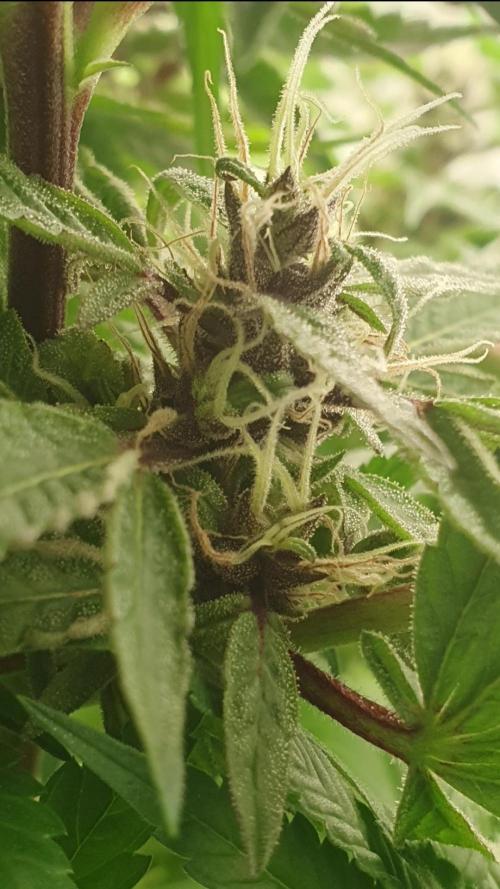
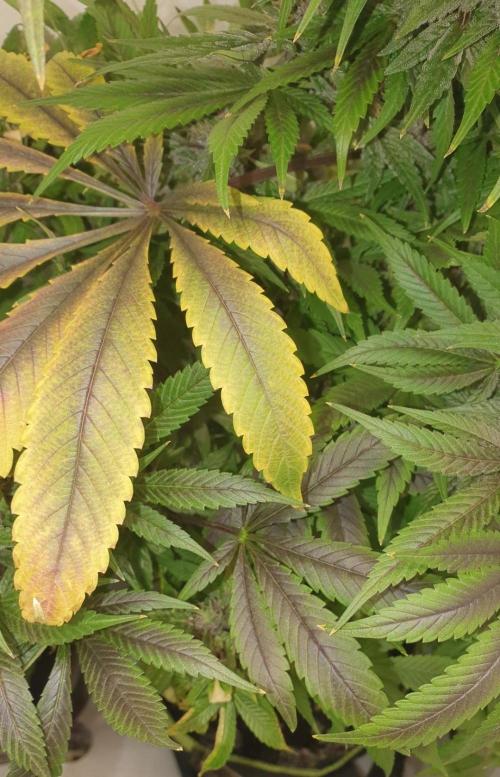
10 hrs
Light Schedule
24 °C
Day Air Temp
6.0
pH
No Smell
Smell
60 %
Air Humidity
30 cm
Lamp Distance
Nutrients 1
Biotrissol Kräuter Dünger
5 mll
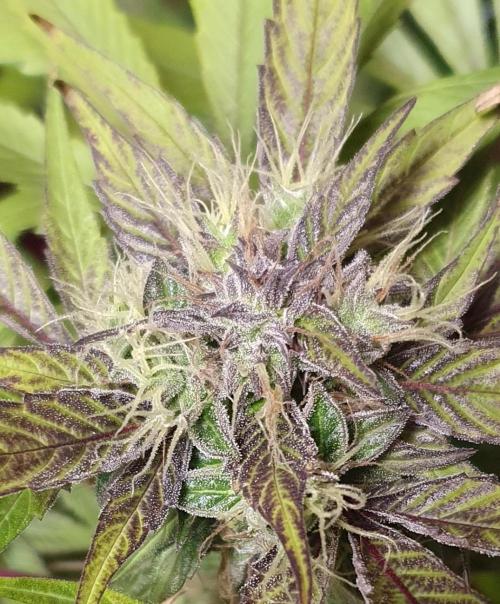
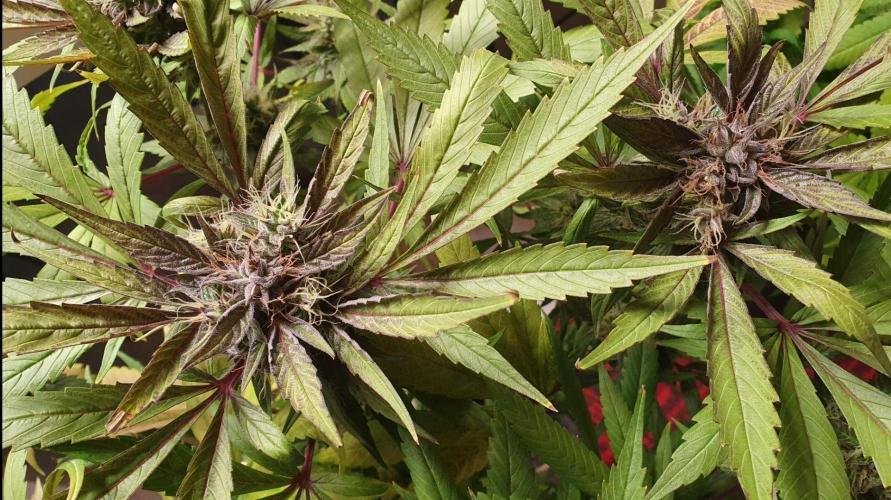
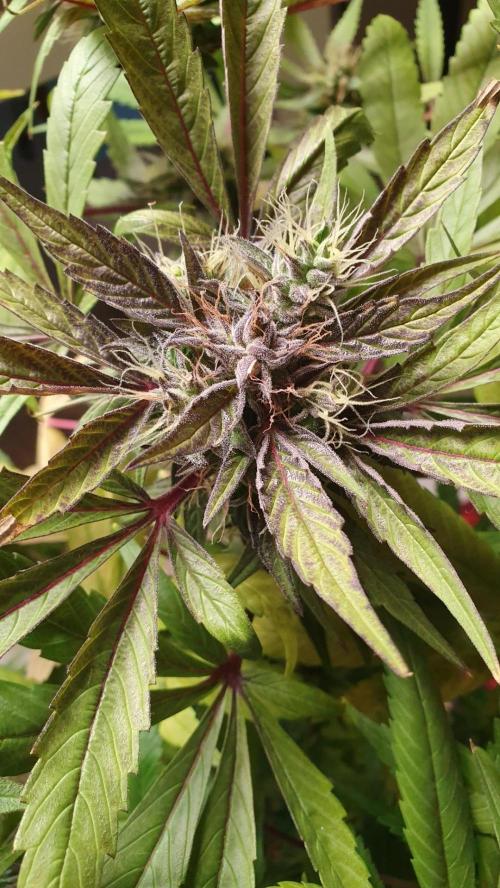
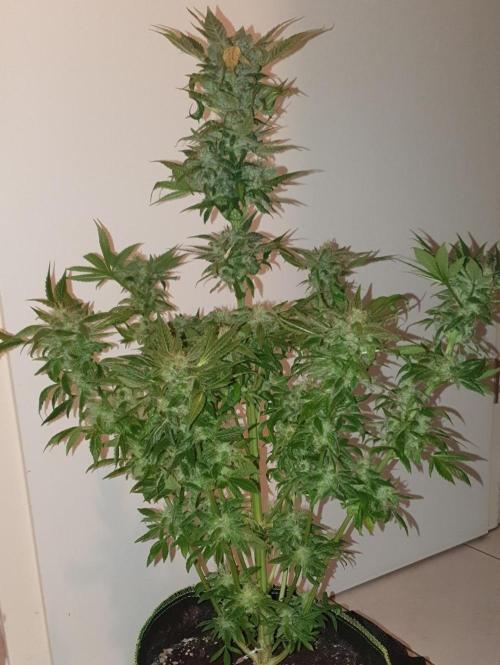
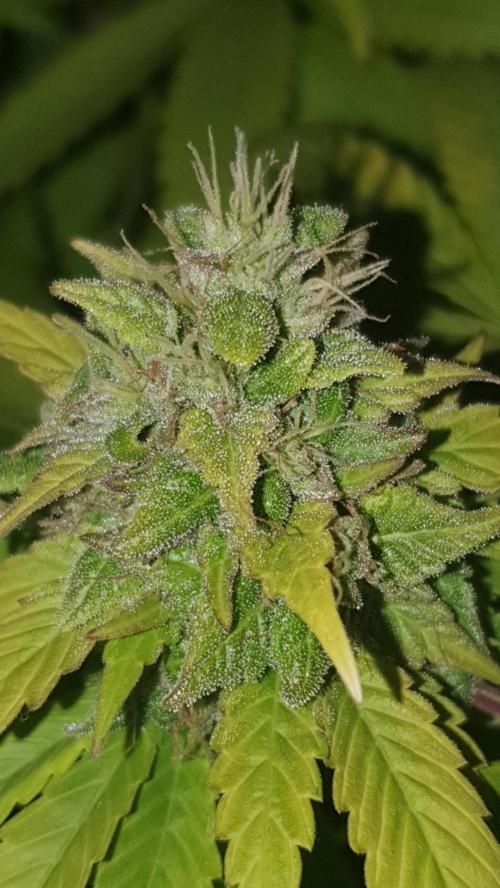
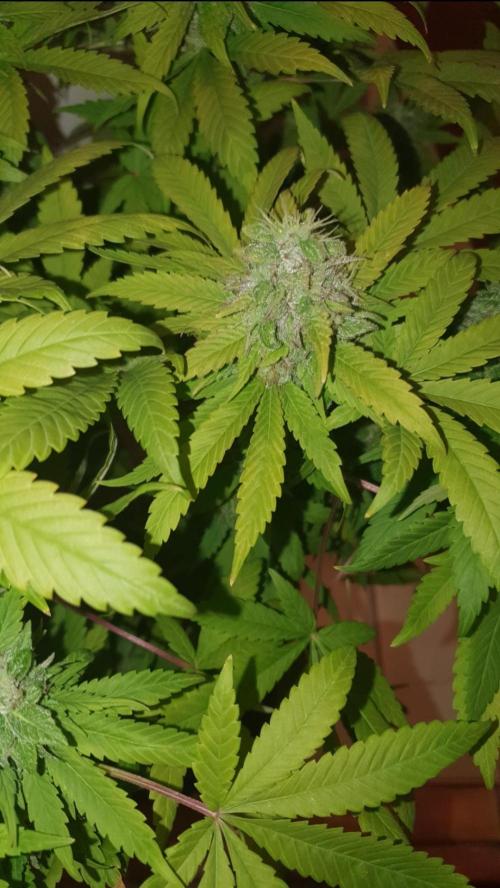
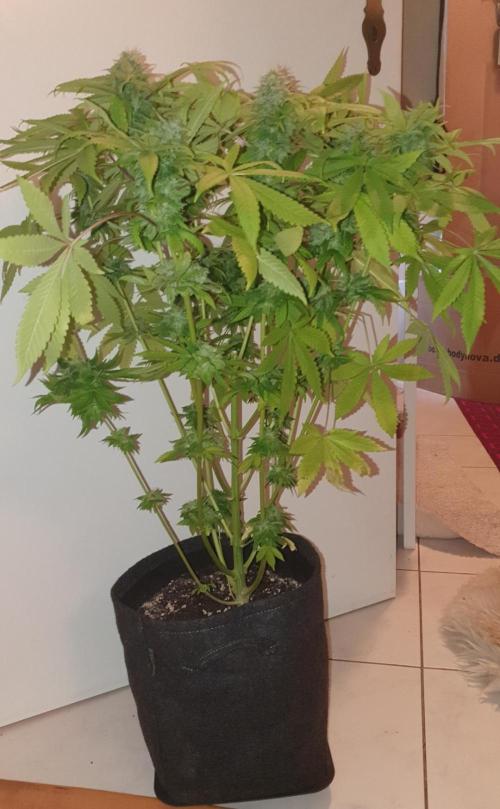
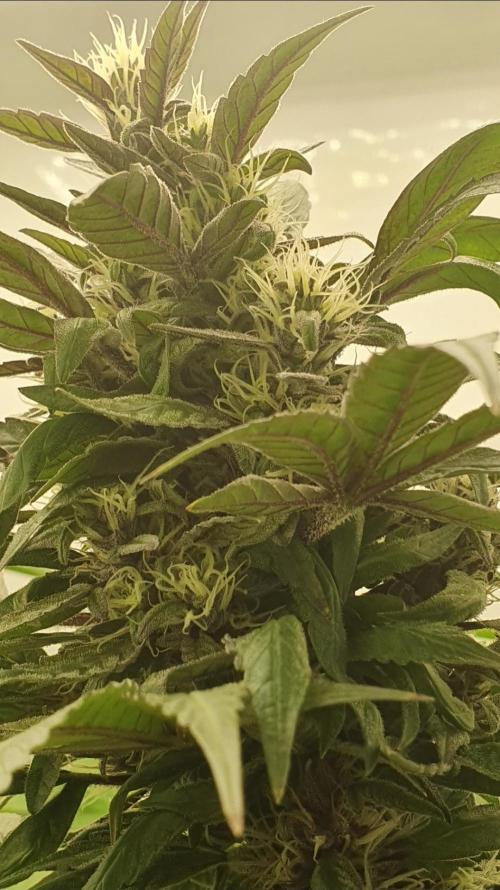
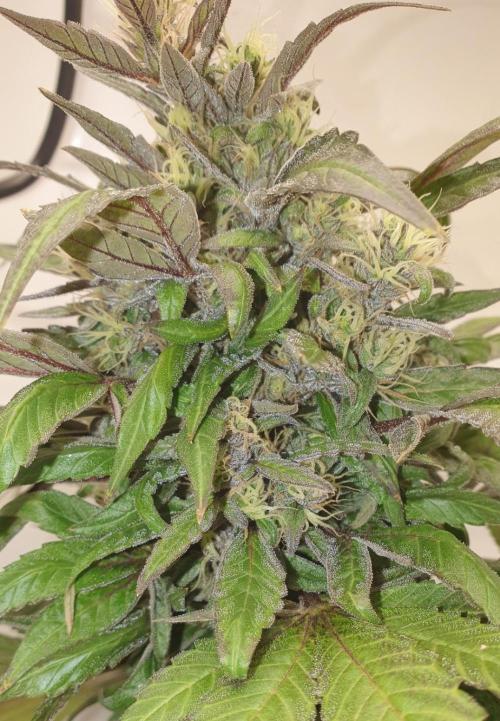
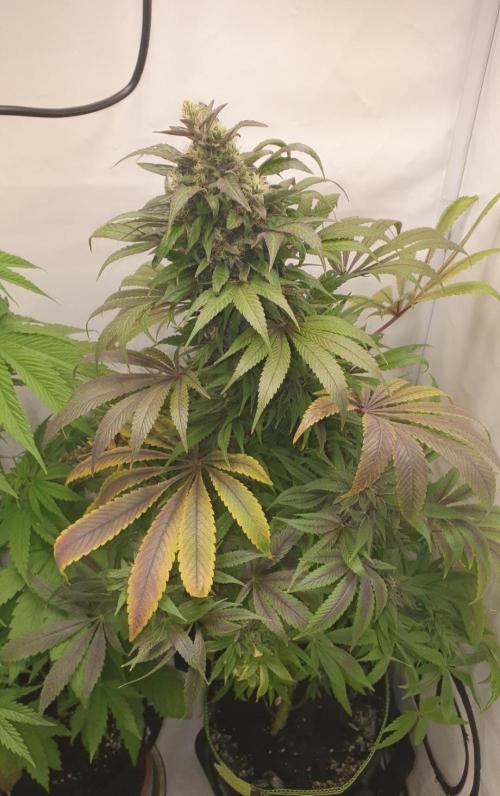
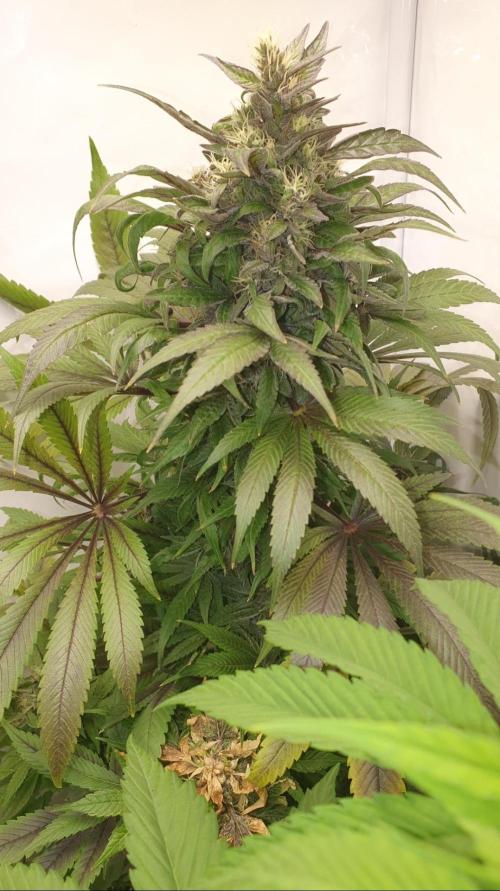
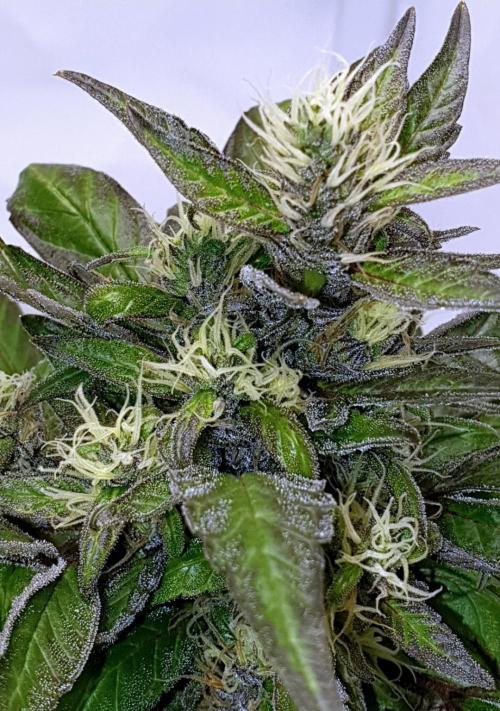
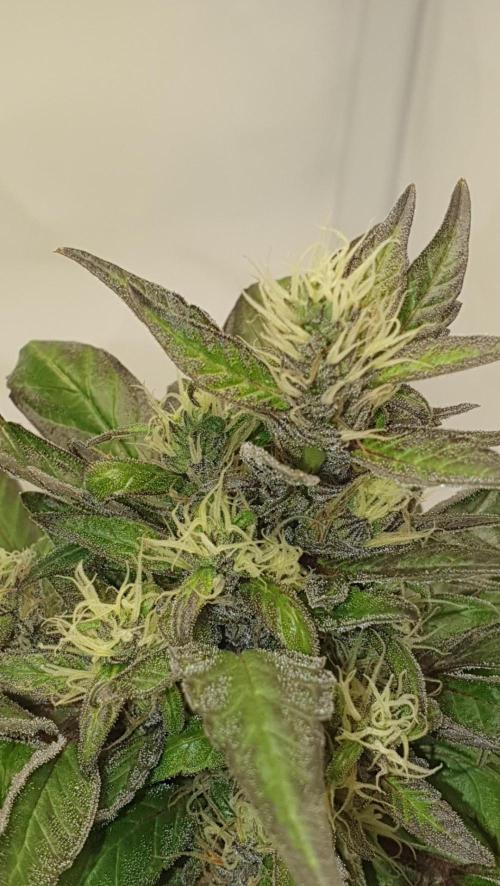
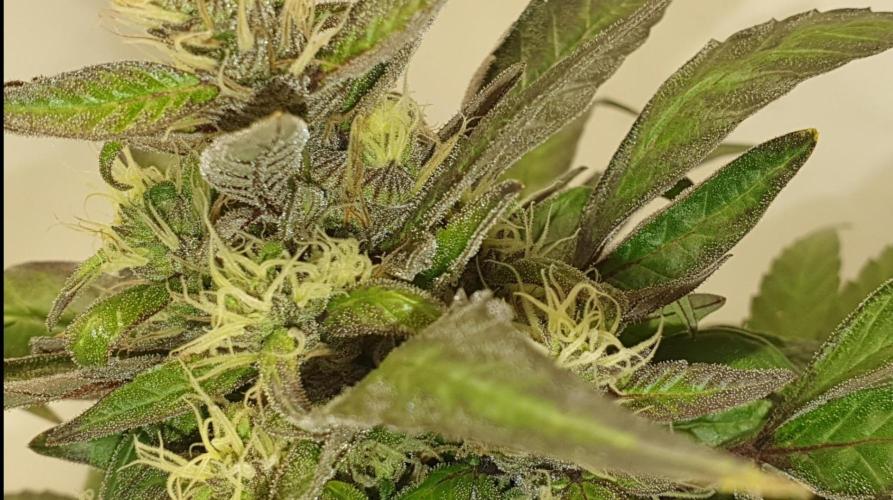
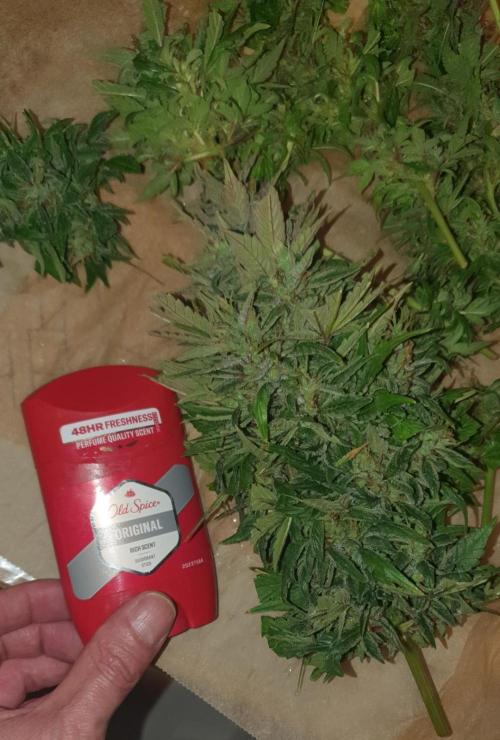
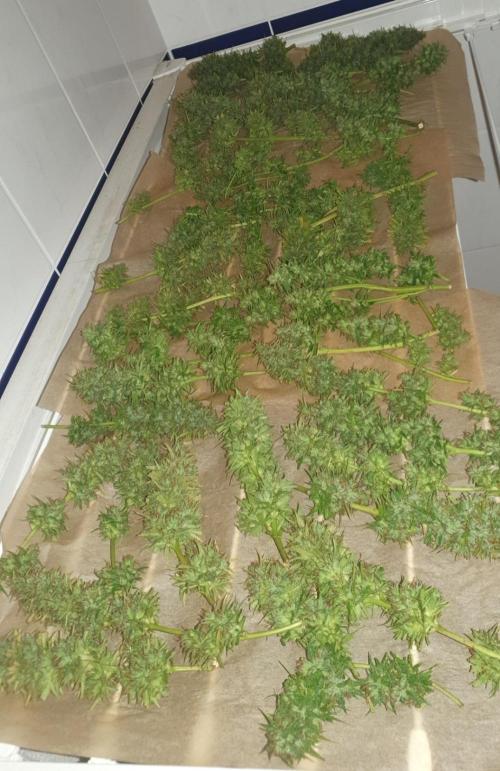
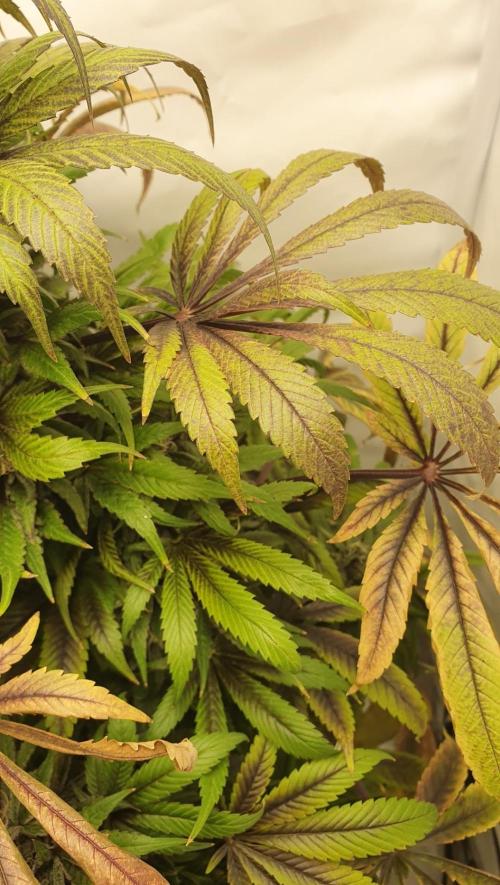
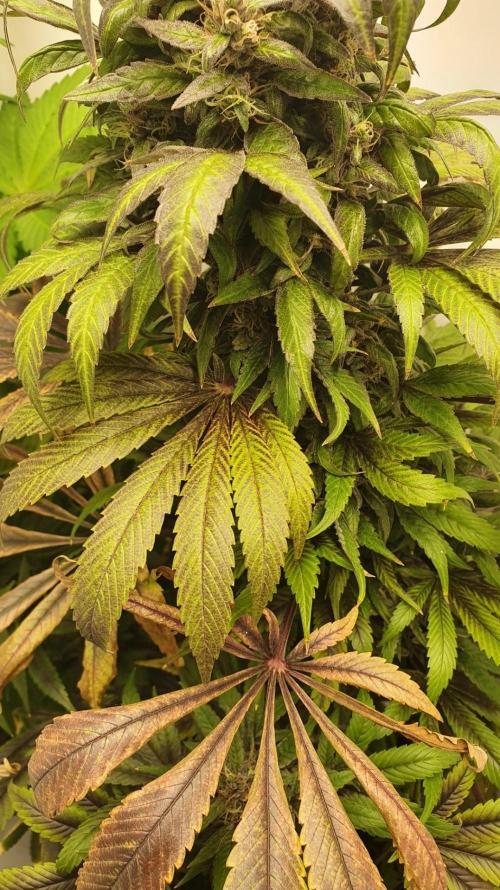
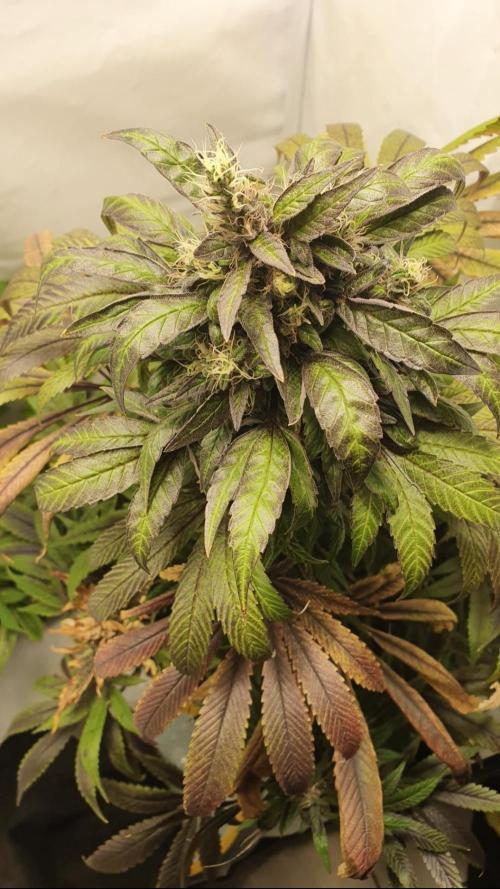
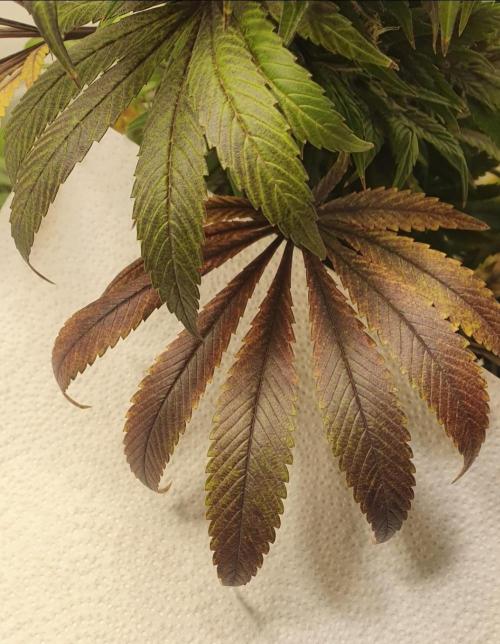
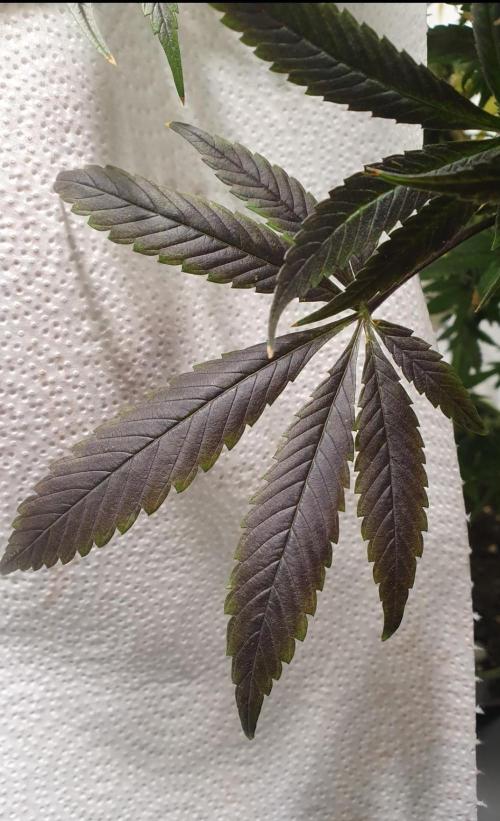
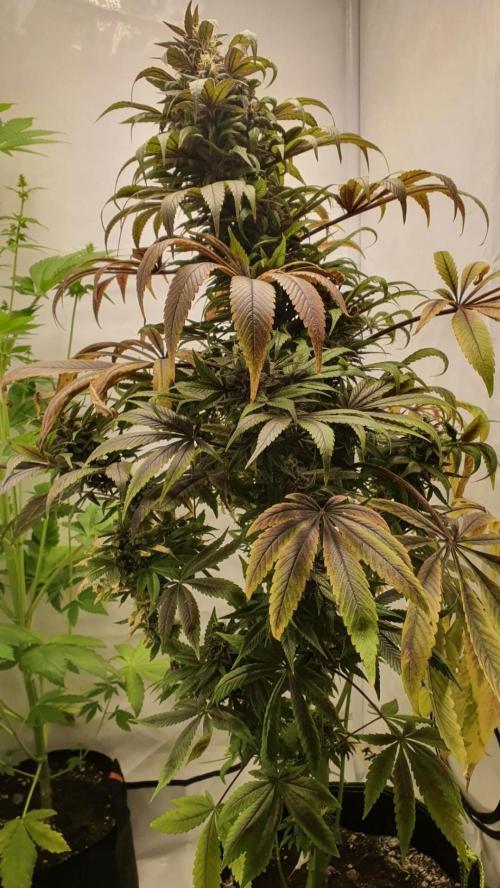
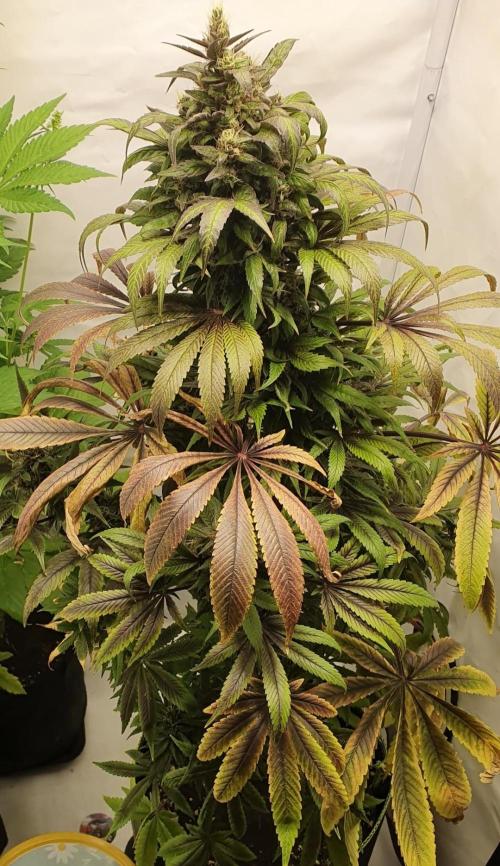
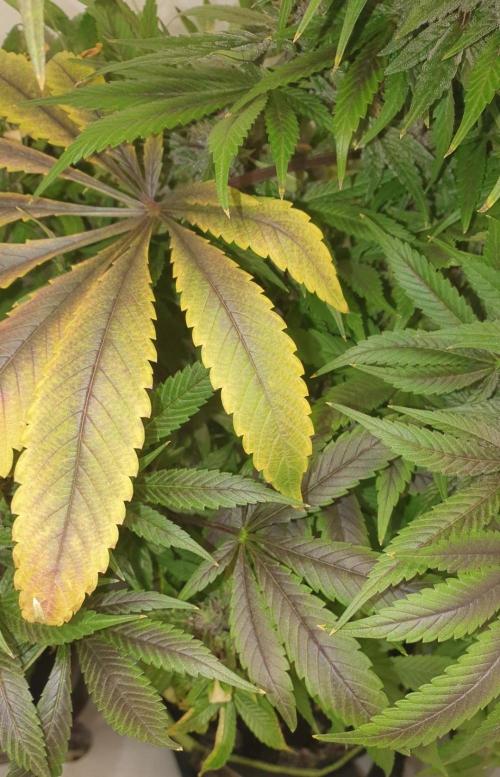
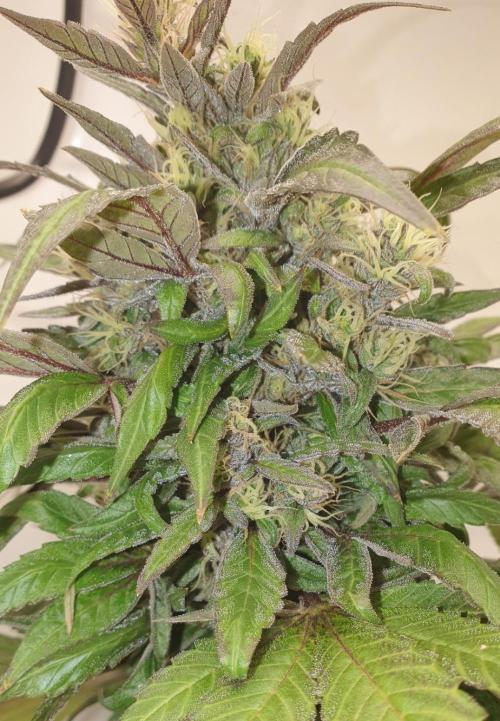
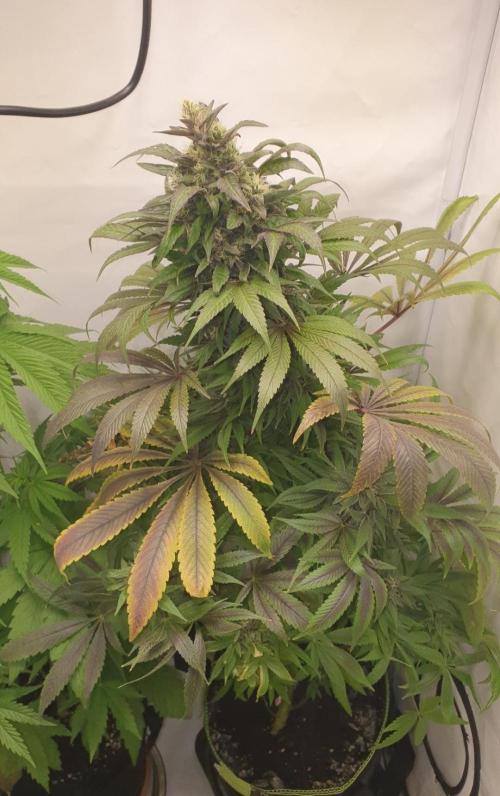
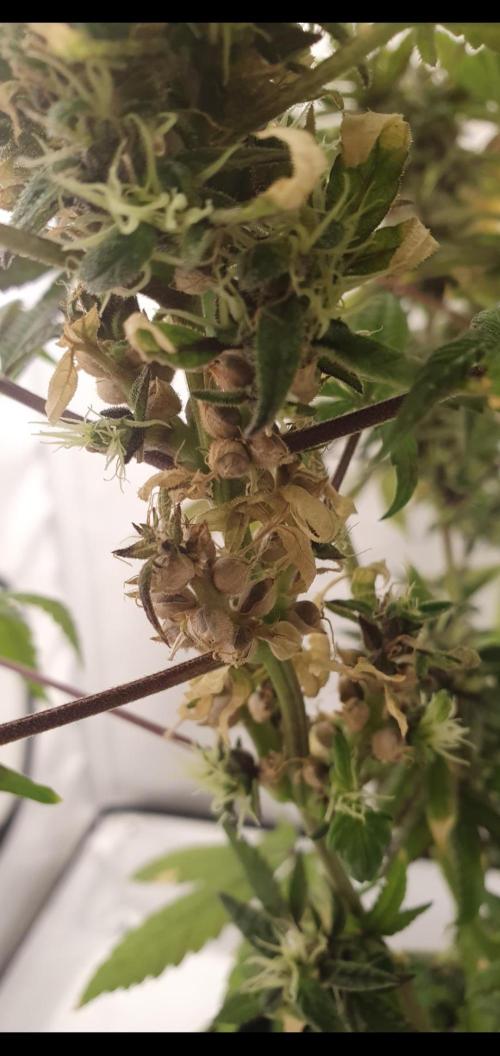
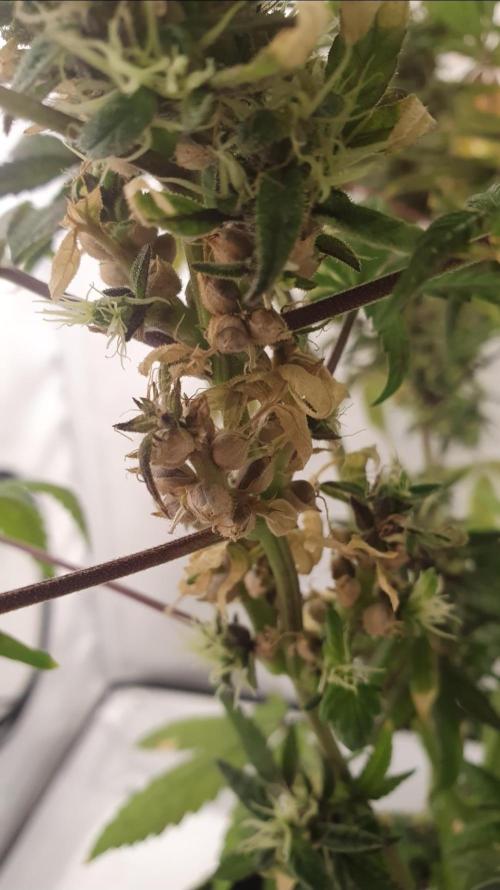
The_Wanderer Sad times fell. A loved one health has taken a turn for the worse. I am harvesting the light green, dark green, as well as the purple plants early in preperation. One of the traditional medical uses of this variety is to help ease the pain and loss of loved ones and was used in funeral ceremonies. That information was in the video along with supporting archeological evidence if you haven't watched it. To be prepared, harvesting some of the plants now (3- 4 weeks early) is necessary. The seeds are matured in these so there is no loss to these particular phenotypes. I'm leaving only one, which is the dark purple type (striped calyx) to fully mature. From here it will rapidly show its fall colors. The stem with senescence is the seeded branch. The senescence is a sign that nutrient delivery to the seed is completed.
It it auspicious that the timing of these comes with the decline of a loved one. I am happy to have the right medicine available when needed.
6 likes
comments
Share
11
Week 11. Flowering10mo ago

9 hrs
Light Schedule
24 °C
Day Air Temp
6.0
pH
No Smell
Smell
50 %
Air Humidity
30 cm
Lamp Distance
Nutrients 1
Biotrissol Kräuter Dünger
5 mll
The_Wanderer This week the remaining plant is quickly displaying the fall colors.
3 likes
comments
Share
12
Week 12. Flowering10mo ago

9 hrs
Light Schedule
24 °C
Day Air Temp
6.0
pH
No Smell
Smell
50 %
Air Humidity
30 cm
Lamp Distance
Nutrients 1
Biotrissol Kräuter Dünger
5 mll
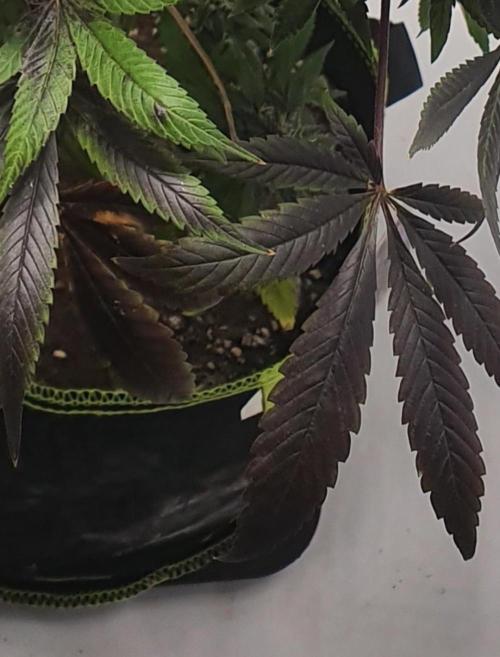
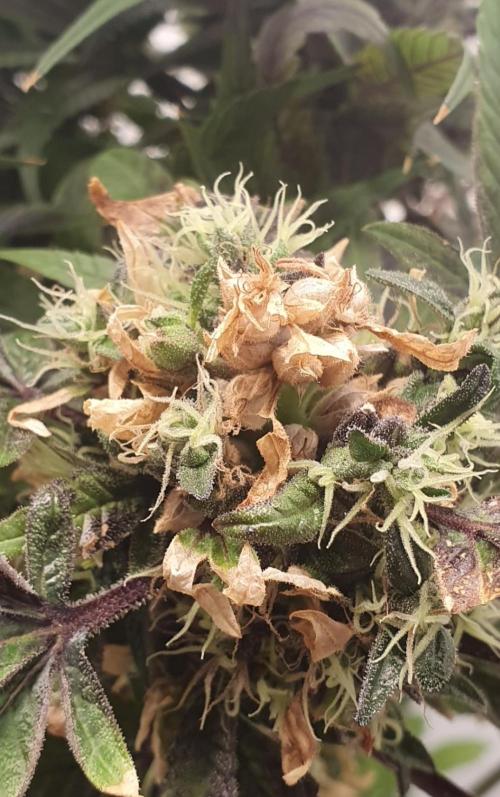
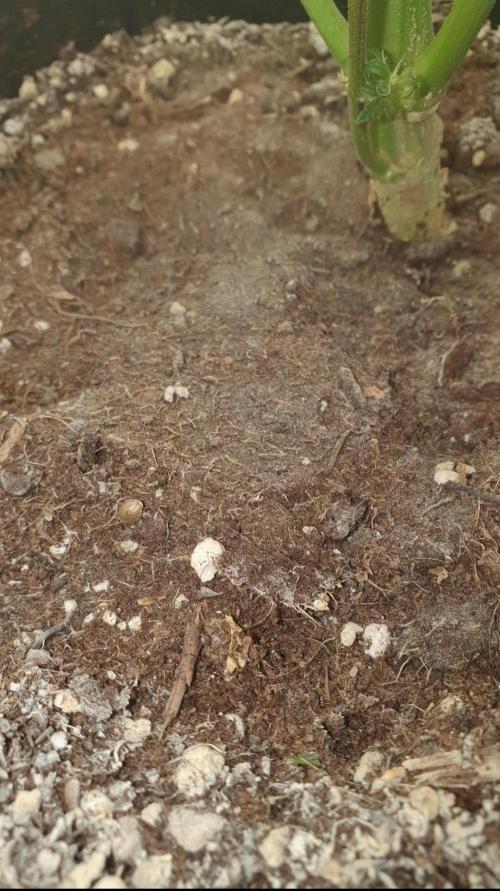
The_Wanderer No training, no pruning. You see the plant as it is. Left to mature the plant has almost no visible stem besides at the very base. It develops flowers along all the branches. The main cola is huge. I could have let this mature longer because it needed another week or 2 to gain size, but I needed the space and ended up harvesting this one early too. Sometimes this happens. I have so much to say on the harvest post, I will likely be adding and editing for a few weeks trying to capture the right words for this amazing experience with a true medical variety from antiquity.
4 likes
comments
Share
13
Week 13. Harvest10mo ago
Happy Harvest Day!

10/10
Rated
The first time I tried a Balochistan cured bud I had a powerful new experience. It hits hard and immediate. The first thing I noticed was immediate relaxation of the body. This is followed by a quietening of the mind like a background noise is removed and you are left with a clear focus that can be used as you wish.
I took 2 puffs from a glass pipe, walked away to the next room, and headed right down to the floor. Curled up in what is "child pose" in yoga. Sort of like fetal position but with your face downward and your back upward, knees bent, legs beside you, so you are like an egg/blob. I had my arms pulled in hands next to my face. Felt like paralysis, but with a clear mind and single focused energy I could direct to problem solving, creative thinking, wherever I needed.
After about 10 minutes of submitting to paralysis, someone asked if I was ok. I said yes, got up, and it was like waking up in the morning feeling. I sat on the couch and didn't want to move. I could move if I wanted to, but my body was so relaxed I just didn't want to. The effects last many hours perhaps 8-10 before it tapers off leaving me a little hungry and soft feeling.
This is really good medicine.
For the body it would be good for treating pain, tension, cramps, inflammation, soreness, RSI, injuries, perhaps arthritis. Who knows what else.
For the mind, this stops the "chatterer" and sends you into a meditative state with functionality. I can see this being used to treat or relax the body but still being able to use the mind in a more enhanced, undistracted way than normal. Can help with sleep problems as well. It seems to have some sort of mood regulation or effects on neurotransmitters. Good for mental pain.
For the spirit, it is peaceful, ego dissolving. Fostering consideration, listening, and clear communication with clarity and creativity because the mind feels razor sharp. Coming to new ideas, creative solutions, and receptivity in social situations.
It's for the users that want to remain functional in the mind with enhanced clarity and concentration yet treat symptoms specific to the body or just for the benefits of physical relaxation.
The taste is nuanced between phenotypes. All have a moderate and pleasant floral and sugary sweet smelling aroma that is inviting. Like some desert or candy. A stand out is the dark purple (black) that has a stronger, more present aroma like chocolate and mangos along with the floral sugary sweet smell. They all smell like a sweet candy in the jar. Just different nuanced candies.
During flowering they give of a pleasant and inviting floral smell, (linalool), perfume with a clean fresh soap (ocimene) or fabric softener quality and slight incense. The black is more aromatic with added chocolate and mango, overripe fruit smell. These can be hung in the home to add pleasant fragrance that doesn't even seem like cannabis, but some perfume or air freshener with incense notes. These were after all used in funeral ceremonies, not only to treat the sorrow of death and loss but also likely to mask the bad smell of a corpse with a pleasant fragrance.
The gardening experience is something not to be missed. This used in breeding projects can enhance varieties that need a refresh or improvements in areas like yield, potency, pest/pathogen resistance.
The end user experience is very unique. Nothing I have experienced comes close to being similar. You have to try this. If you do, don't be surprised if you become a caretaker of this historical cannabis.
For me, it's something I insist be available on the shelf here. The ancestors made a medicine that is relevant to all humanity and our shared troubles and problems. We all experience loss, death of a pet or a loved one at some time, we feel down, we get pain, injured, our bodies suffer old age, we get sick, sometimes diseases. Our minds get overloaded and distracted, egoistic...yet we need to feel good, have a break from the ailments, solve problems, think clearly, and be peaceful to arrive at solutions and new ideas. This medicine was relevant thousands of years ago and it remains relevant today. I am astonished at the ability of our ancestors and feel deep gratitude for this gift that is part of our human heritage. Harvesting history is an absolute honor.
Show more
Translate
Spent 79 days
Ger Veg Flo Har
Easy
Difficulty

Relaxed
Positive effects

Pain
Medical effects

Flowery
Taste
Day air temperature
Air humidity
PH
Light schedule
Lamp distance
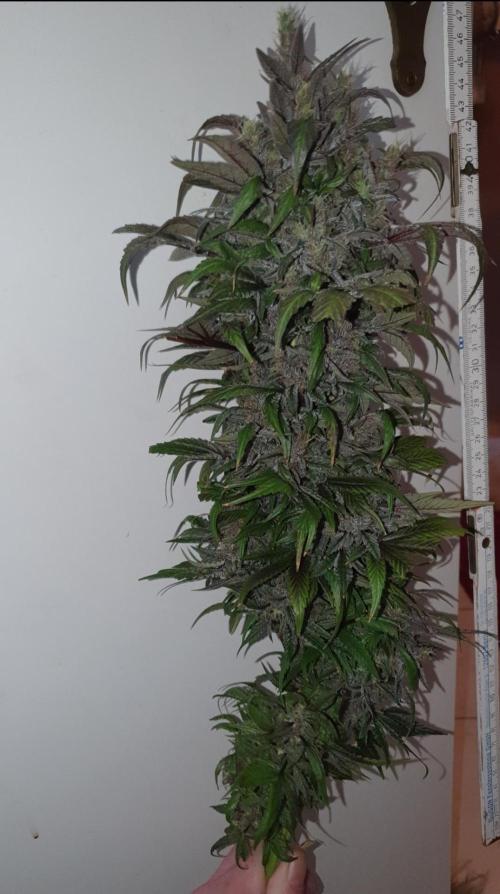
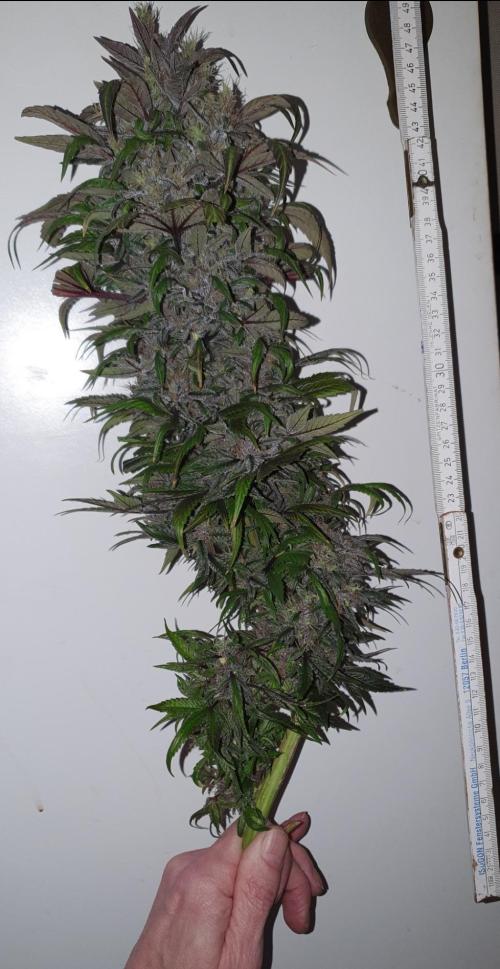
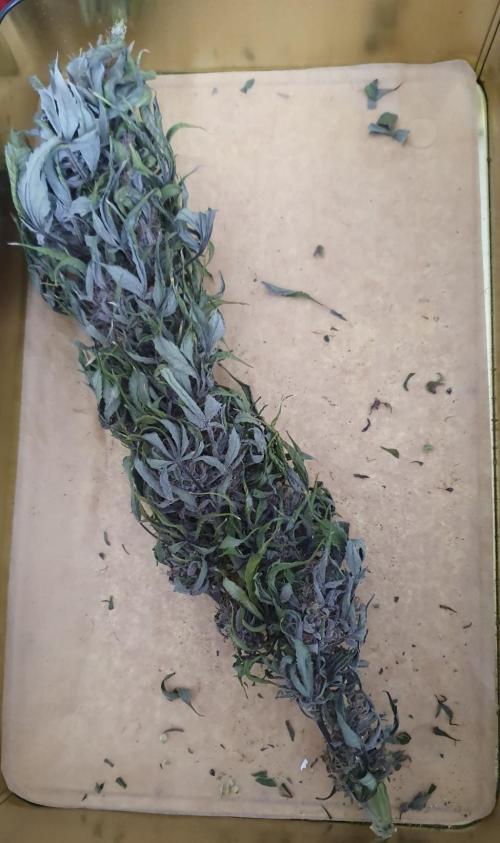
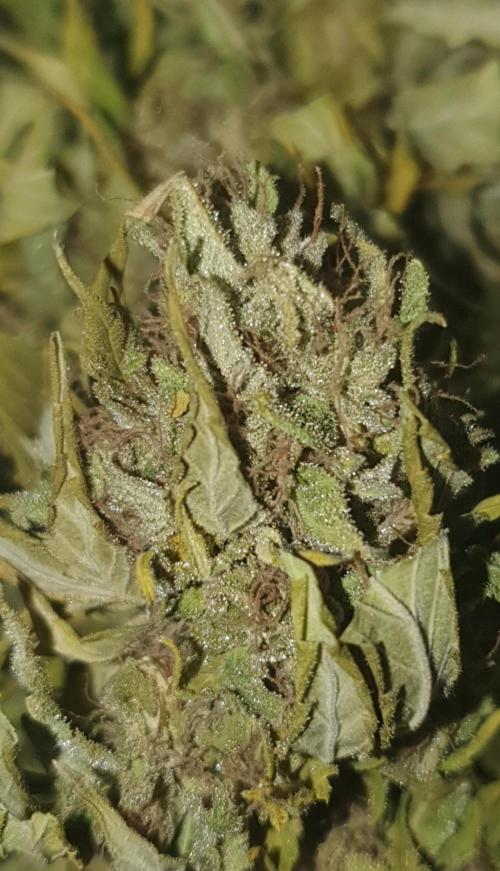
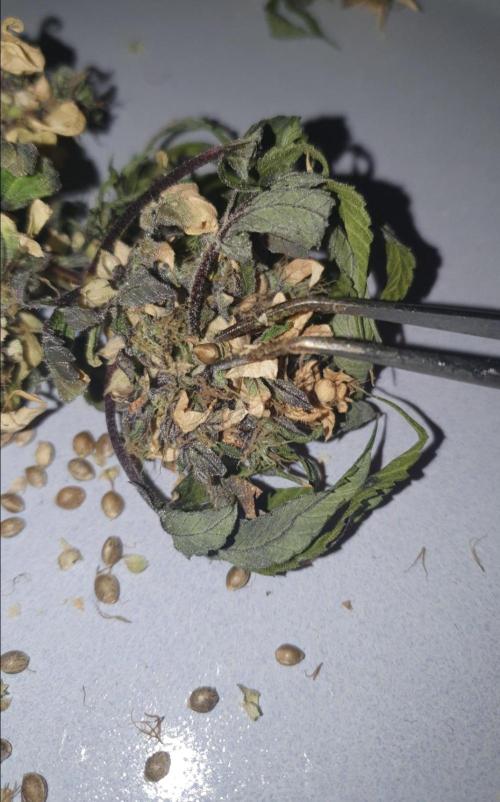

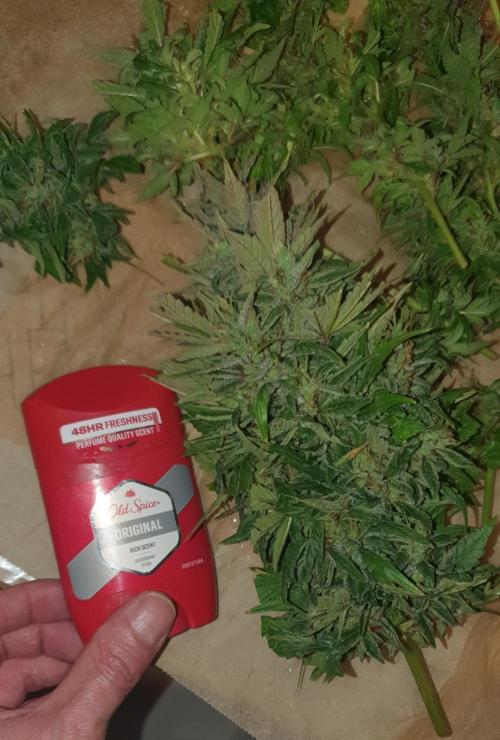
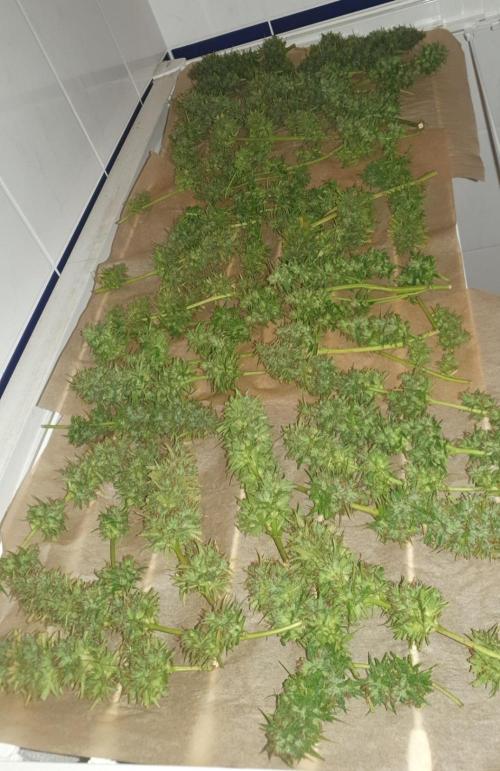
The_Wanderer To grow the Balochistan cannabis is the most intimate and deeply personally affecting. The plants exude a strange energy, like they are somehow more sentient beings than just a plant. When I touch them I almost expect them to be warm. They just seem more alive, more vibrant in energy than other cannabis. These plants are a class of unique beautiful warriors.
Great results using only a bottle of Neudorff Biotrissol Kräuter Dünger from the local garden center at Hellweg. Neudorff has always made good products for plants and I highly recommend it. You shouldn't be paying 2, 3 times more something marketed for cannabis. It's just another plant in the plant kingdom. I would assume that using this same Neudorff product on some commercial genetics intended for the mass market would not give similar results because those genetics tend to be weaker hybrids that require more nutrients, more water, and are easily overdosed, and are very sensitive. The Balochistan is a landrace that is rugged, a survivor of harsh desert climates and poorish soil that has sand and clay, and not much rainfall. It's like the wild wolf compared to poodles, pugs, collies, and labradors of the commercial cannabis. It costs less to grow this in nutrients and water, the pest and pathogen resistance is way better, the potency and yield is much better than what's widely available from the mass market seed suppliers. This is a more ecologically friendly choice. Quality begins with the seed... and so does saving money! Let's get back to mindful grows instead of hyped up mediocrity. The obvious difference and superiority has made it the most useful and demanded genetics I have.
Be sure to watch the informational video on this variety posted at the germination section.
6 likes
8 comments
Share
Equipment Reviews

Grow Questions
The_Wandererstarted grow question 10mo ago
The longer video on the germination entry on the diary "Shirren" is not playing on my device in old or new diary view. Is it working for you all out there? growdiaries.com/diaries/296486-grow-journal-by-the-wanderer

Solved
Other. General questions
1 like

Antifameanswered grow question 10mo ago
The harvest history and the other video are playing on my end. Is there another?
The_Wandererstarted grow question 9mo ago
What other archeological evidence is there on cannabis use from this area I didn't mention?
Solved
Buds. Other
1 like

Purrple_Hazeanswered grow question 9mo ago
Good question. Beyond what you already mentioned, there are a few other bits of archaeological evidence from Balochistan and nearby regions that sometimes get overlooked.
At Mehrgarh (Neolithic period), there are plant fiber impressions in pottery and traces of bitumen that could point to hemp use. It’s not 100% proven, but hemp is often suggested because it fits the tech and materials they were using at the time.
In the wider Indus cultural sphere, there’s decent evidence for strong bast fibers being used for ropes, nets, and textiles. We rarely get perfect plant IDs that far back, but hemp is a very plausible candidate given how well it grows in the region and how useful it is.
There are also seed finds from various sites in and around Balochistan that match cannabis pretty closely. Whether that was wild or cultivated is hard to say archaeologically, but it does show the plant was present.
For psychoactive use, the evidence is more indirect. Later sites in Iran and Central Asia have ritual fire altars and burning residues linked to intoxicating plants, and Balochistan sits right in the middle of those cultural exchange routes. So while there’s no clear “proof,” it fits the broader regional pattern.
Bottom line: no single smoking gun, but a lot of small clues that suggest cannabis/hemp was known very early in that area—at least as a fiber plant, and possibly more.
15 comments
Sort by
popularity
popularity
newest
oldest

Cauli commentedweek 1310mo ago
Congratulations on your harvest – that's a really big cola 💚
like 1
Cauli commented10mo ago
@The_Wanderer, It depends a bit and varies from 150-300W
like 1
Cauli commented10mo ago
@The_Wanderer, you seem to have a lot of old and unique strains. Is this your personal collection?
like 1
The_Wanderer commented10mo ago
@Cauli, Thats cool you to noticed the uniqueness! I give credit to our ancestors for the ancient medical weed. All the ancient weed was used as medicine. For the more modern stuff, I didn't do the cross breeding on all of it, but I am friends with who did work the lines. My own work hasn't been shared yet, so I have my personal projects that will be added later. Unique F1-hybrids and complex crosses. The commercial market genetics is mediocre at best. Market trends shape the genetics there, not wisdom. The result of this blind hybrid blender is hundreds of hybrids with different names and descriptions yet the overwhelming majority of commercial genetics falls into just 3 different terpene profiles. So its like weed/effect A, B, or C. And shrinking. There is actual science to prove this. The study is "phytochemical diversity of commercial cannabis." I would like more options than A, B, or C while certain interest parties whipe out, contaminate, and keep unique cannabis locked away from people to use it as a way to exploit them by limiting access to medicines. I believe people should have open access to mother nature and the medicine, so I'm part of the other side. A rebel force in a sense, for the people. Every dollar spent on commercial genetics empowers them even more to keep the blender churning. I may be the last to blow some of these names in the wind, especially the unique ancient ones. I just wanted to get the information out there before we are all buried. If you want to talk about this further, send me a message sometime. It's hard to give a short answer to such a good question. I appreciate the love! Maybe you can carry on our legacy and be a caretaker of some truly unique weed yourself. We sure could use the help!

like 1
Show More (2)

wolfvb commentedweek 010mo ago
Traditional methods always produce really good results, I was experimenting with different methods and always the traditional one producing better taste and high
like 1
wolfvb commented10mo ago
@The_Wanderer, I would love to know more about your method. Always happy to learn more!
like 1
The_Wanderer commented10mo ago
@wolfvb, My method right now seems to grow plants like they are plants and not science experiments or some alien species with bizarre needs. Sounds silly but it is what works for me.
As for real information it seems we get better information from studying basic gardening, horticulture and plant biology to build a general understanding of plants. If you can recognize nitrogen deficiency in cannabis, you can recognize it other houseplants too. All this cannabis specific info tends to be the least useful and most incomplete. On top of that there is a lot of superstitions and marketing has been polluting the the cannabis specific information. We can keep learning together. A big take-away that helped me a while back was learning about photoperiodism and photoprotection mechanisms. By studying photoprotection in plants you start a journey of understanding plant biology, learning about cells that are photoreceptors, what they do, what other cells do, what a plant does in the scotoperiod (dark period), what hormones do what, where they come from. Just take it a little at a time. In my coming diaries I will write out any tips I can think of, try an experiment, or what I learn on the way so you and others can also think about it. I see plenty of sick plants even though people are spending a lot. I have plant problems too, but instead of following some directions, I try to understand what happened. We have hardwater here, ph 7.5 which I adjust and battle constantly. it was just recently I learned that adding affordable dolomitic lime to the soil will keep the soil buffering to self regulating and save me a lot of headache. I've been looking for that solution for a while now. So I'm going to try that next and see if it makes a difference.
I learned how to make things myself and use what's around the house. We bought some calcium carbonate in a tub for cleaning. If I dissolve that in white vinegar and add water it makes that calcium ready for uptake and available to the plant. You can even spray it on the leaves. Finely crushed egg shells work too! Turn a waste product into a help for the garden! For magnesium I put a little epsom salt in some water. A bit of used coffee grounds mixed in the soil is slow release nitrogen. Stuff like that. I will go into more details, recipes in future dairies.
Oh! did you know plants like aspirin foliar spray? It helps them recover fast after transplant or defoliation and they seem to like it. I'll do that next time too and other foliar sprays that worked great for me.
Good suggestion!
I appreciate the interest, and we can always chat privately too. I have time for my extended family out there.
Stay rooted my friend!
likes 3
The_Wanderer commented10mo ago
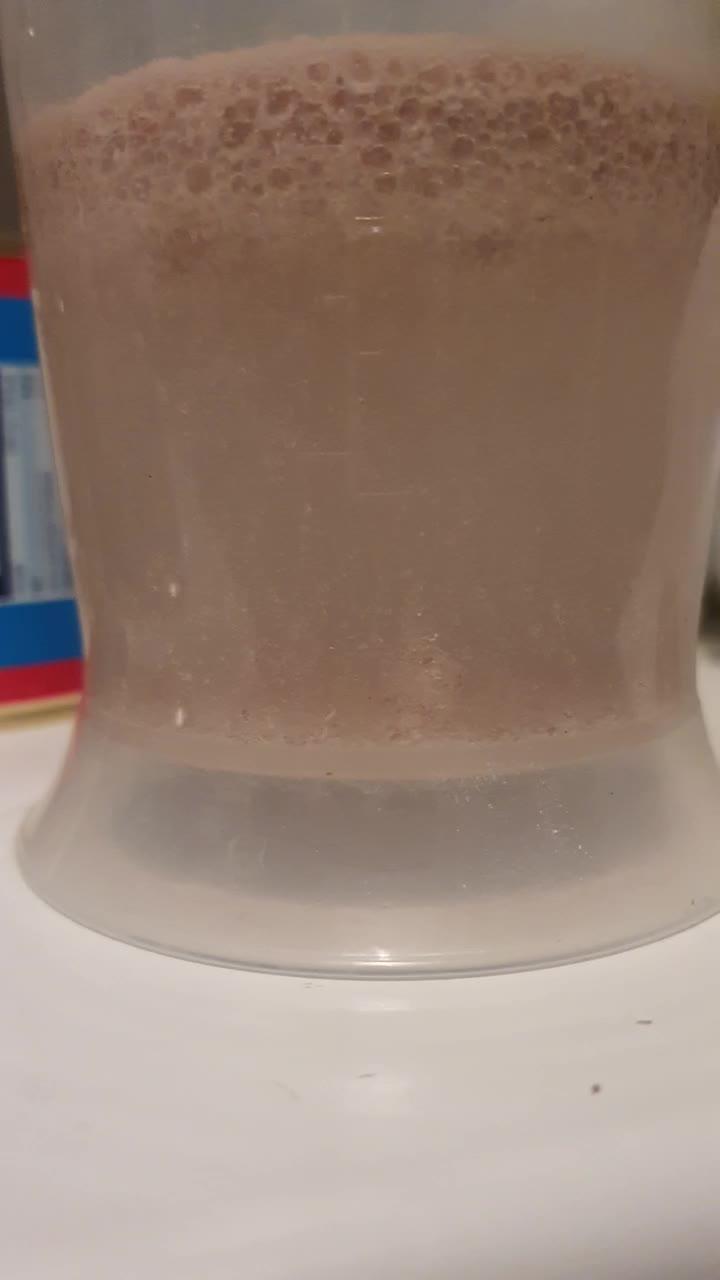
@wolfvb, Some people might be interested in making their own calcium and magnesium solutions. For pennies. That could be a good starting point. Magnesium is easy, epsom salt. Added benefit of sulfur for bringing out nice flavor. Dissolves in water. But calcium carbonate or egg shells crushed finely have to be dissolved by the white vinegar and then added to feed water. Then the plants have access to it. If rhe chemistry is off and the vinegar isn't neutralized by the calcium carbonate that is a problem, so just add a little extra calcium carbonate and run through a coffee filter to remove excess solids and it's safe. Never have to buy one of those expensive plastic bottles of water again. I take 40 ml of 20% white vinegar, 200 ml of water, and add in a teaspoon of calcium carbonate. Stir it up, let it bubble fizz and react until it stops about 30 minutes. That's the fun part. Then you strain out the excess calcium. The vinegar is now water. Carbonate evaporated as CO2 gas. Not enough to matter to a plant though. Then I add water to get 5 liters to the concentrate that was made. Put in pinch or quarter teaspoon of Epsom salt. Stir it up and that's it. Money saved, plant happy, less waste. Empowerment.
likes 3
Show More (1)

farah4weed commentedweek 1310mo ago
Happy harvest my friend😍
I have a cross genetic project on my page, I would be happy to see it🙏👽💥
like 1

GERGrowDesigns commentedweek 410mo ago
Good Luck with this unique Strain ⭐
like 1
wolfvb commentedweek 710mo ago
Good luck ☘️
like 1
The_Wanderer commentedweek 1310mo ago
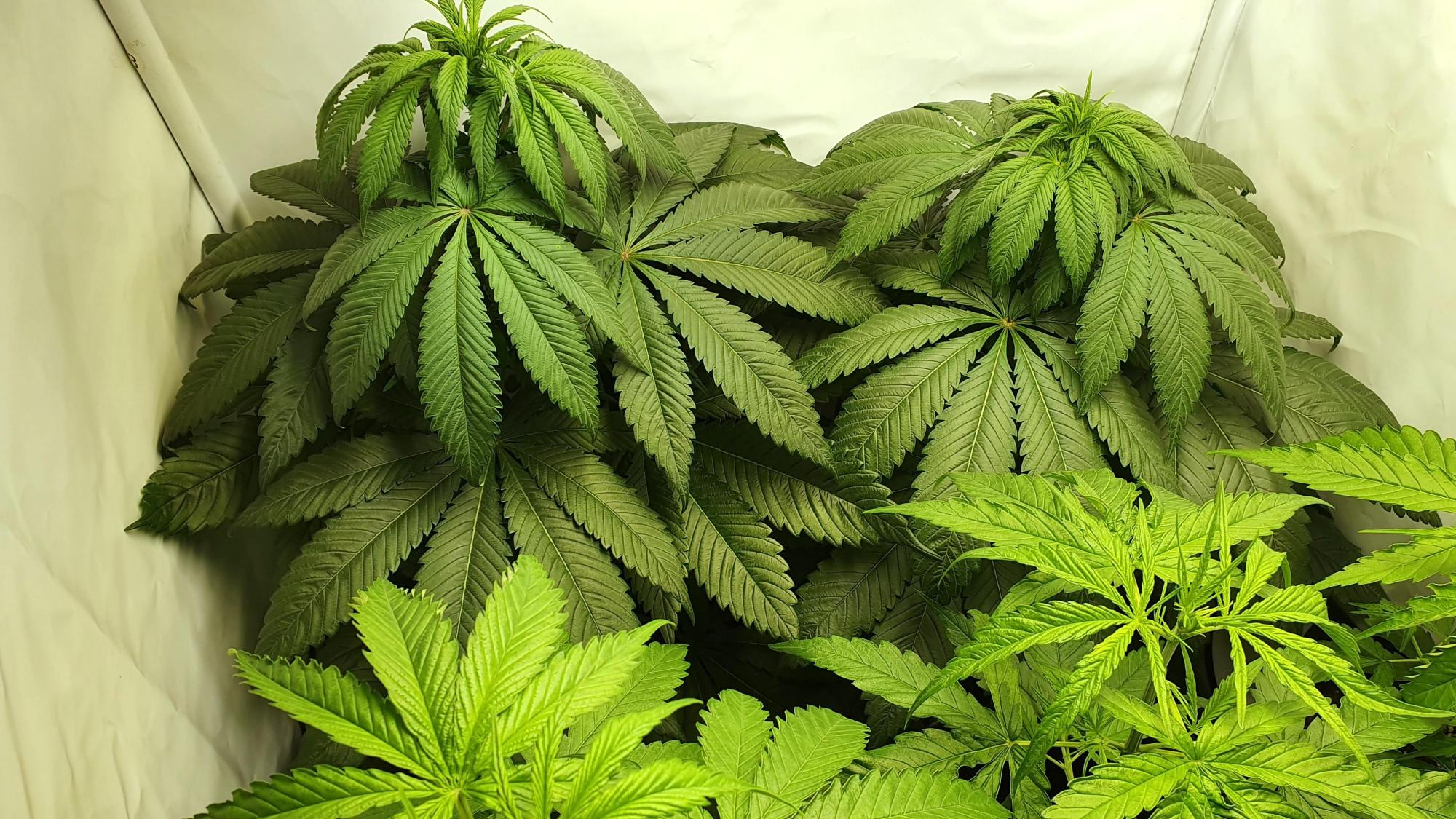
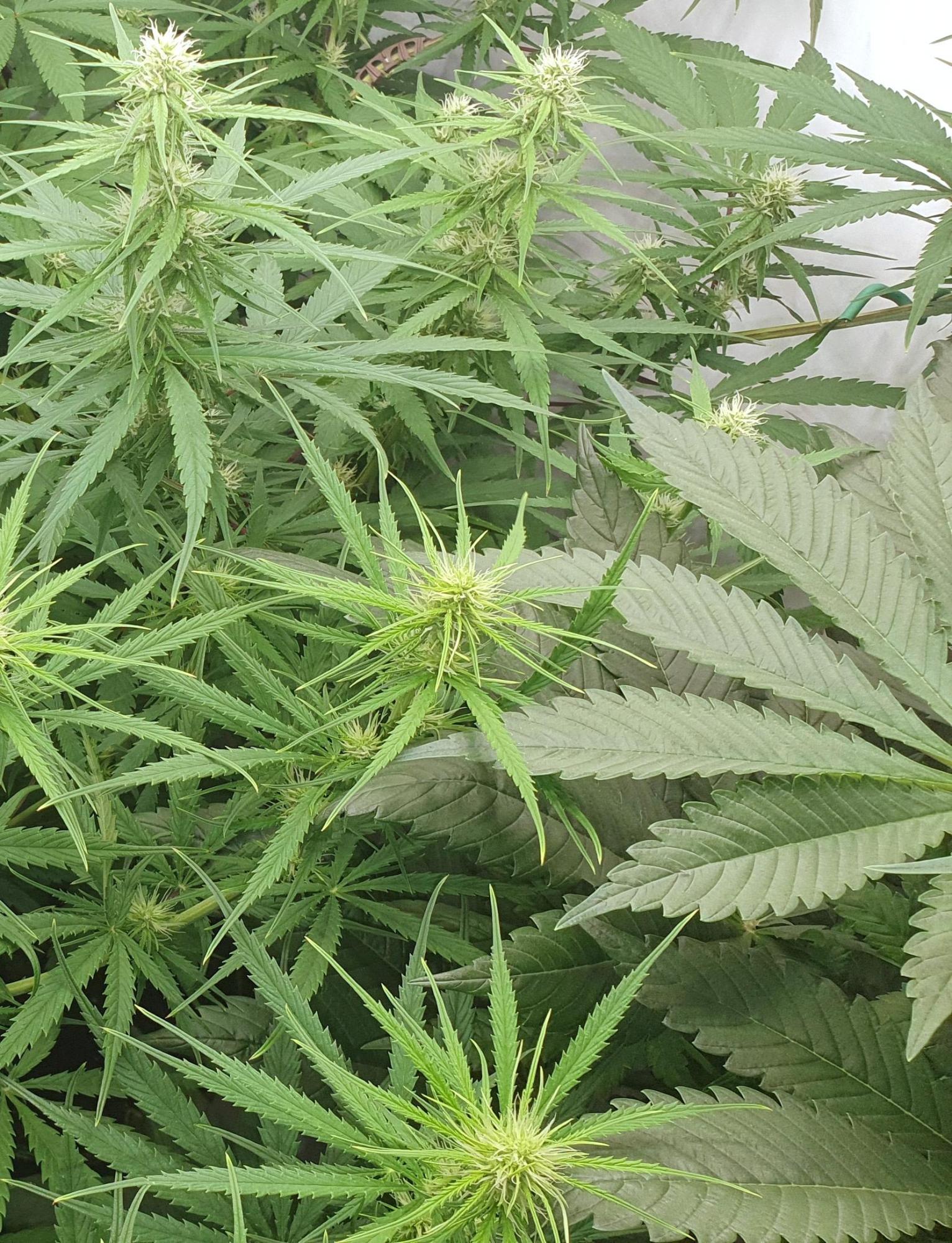
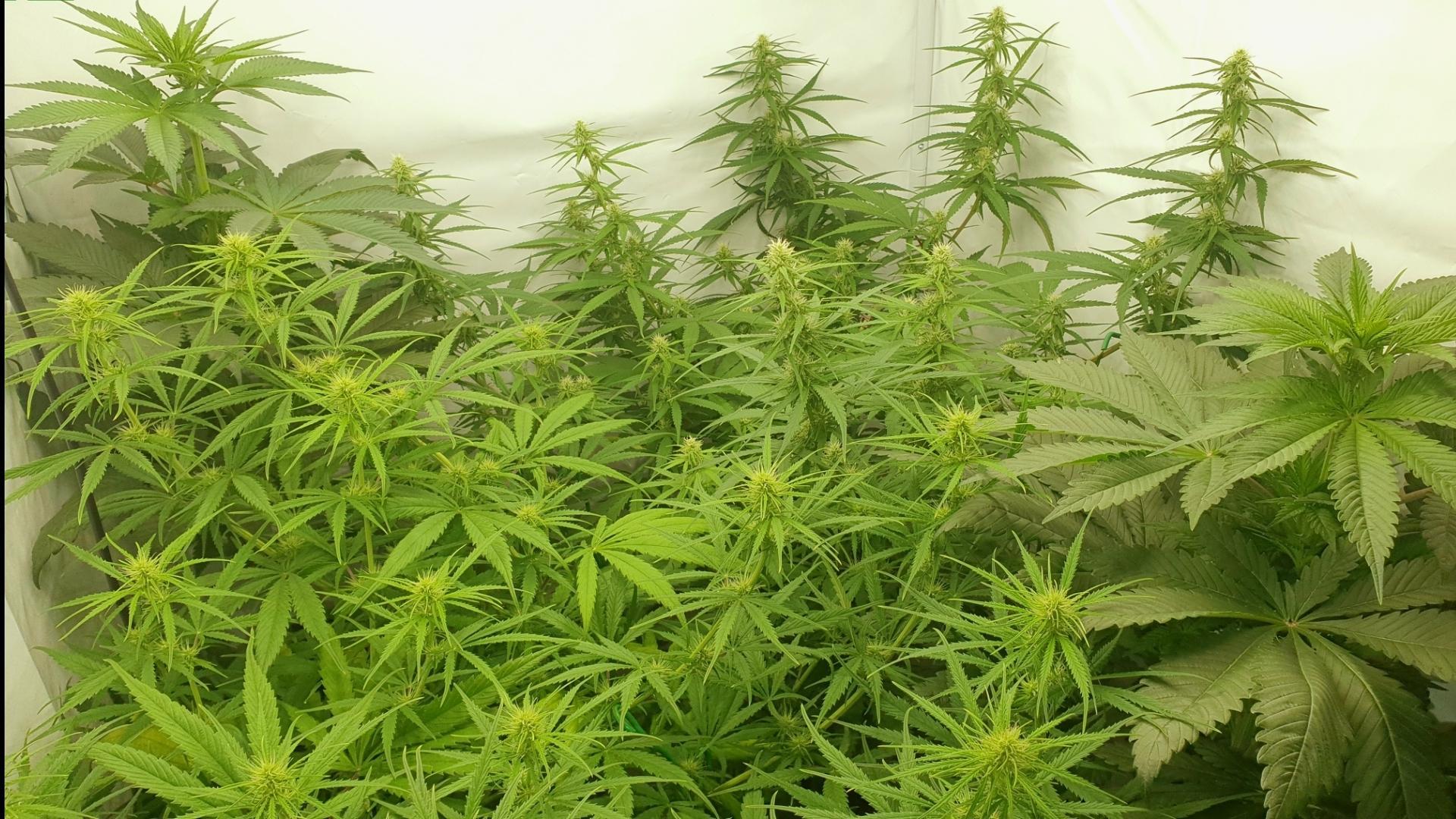
Found some older pictures of Shireen in some mixed grows. Can you find her hiding amongst the other types of cannabis? 🤣
The second picture is one of my favorite pictures of the Abshar-i-Afghani attitude. It is pushing aside Thin Mint with a giant fan leaf while towering over it.

likes

the end.
Enjoying this diary? Follow for more updates!

Prefer the old Diary view?
Go back to the old Diary view