The Grow Awards 2026 🏆

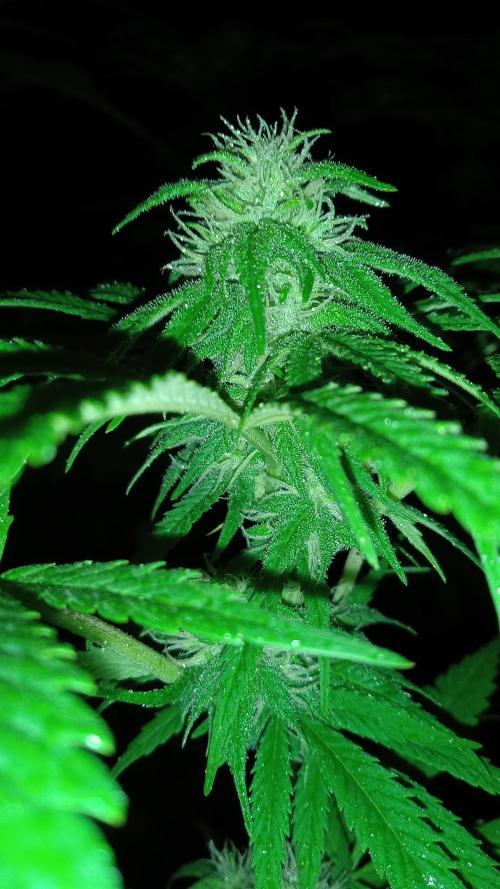
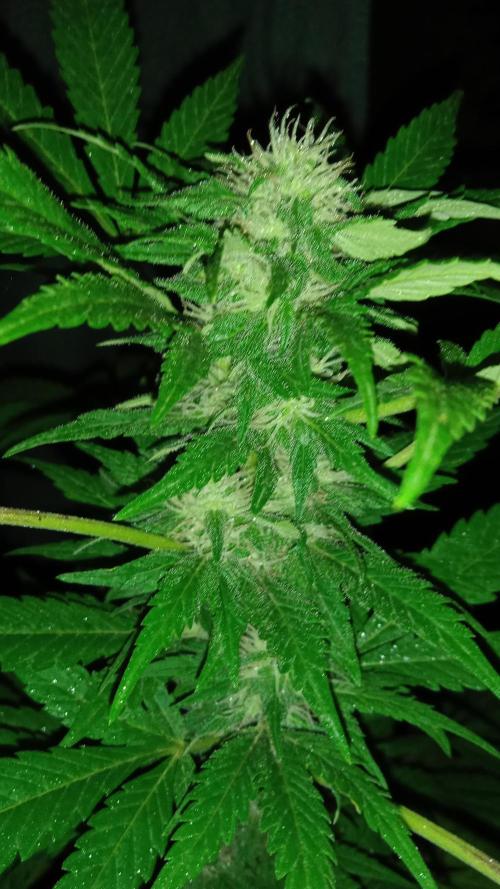
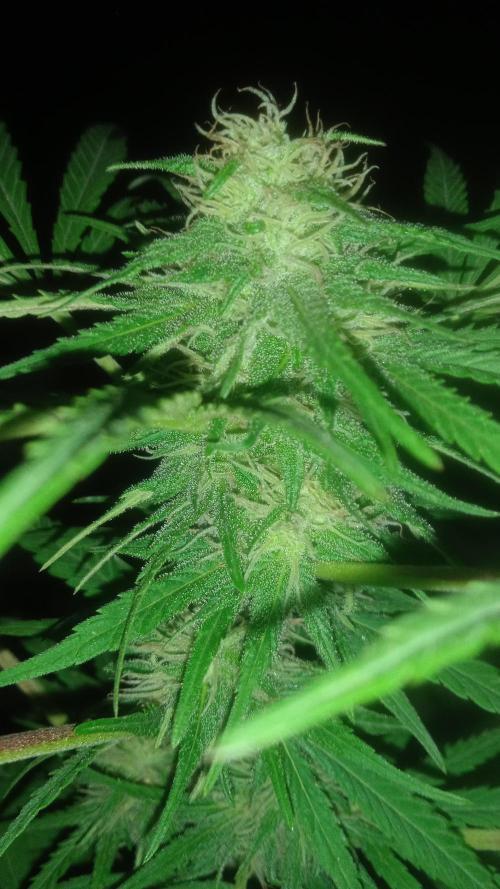
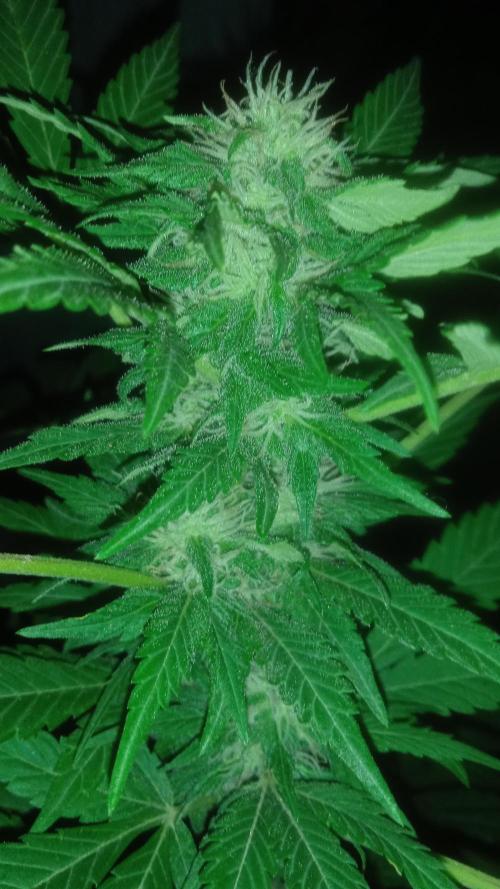
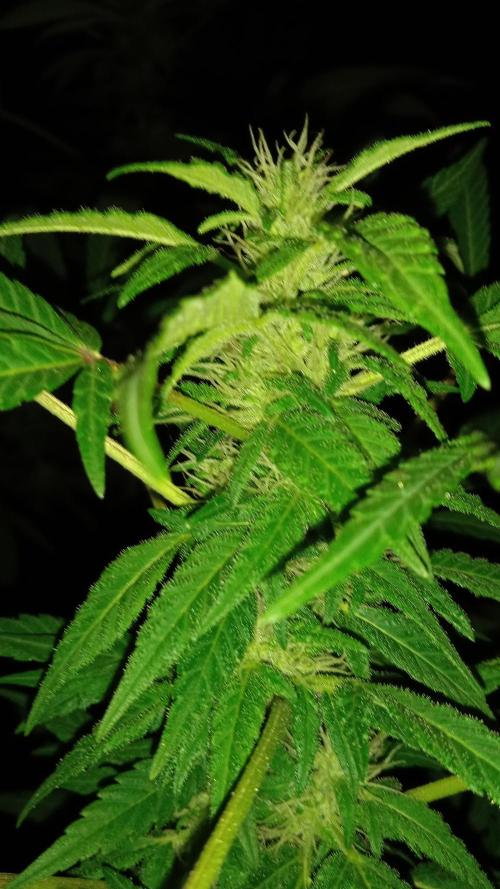
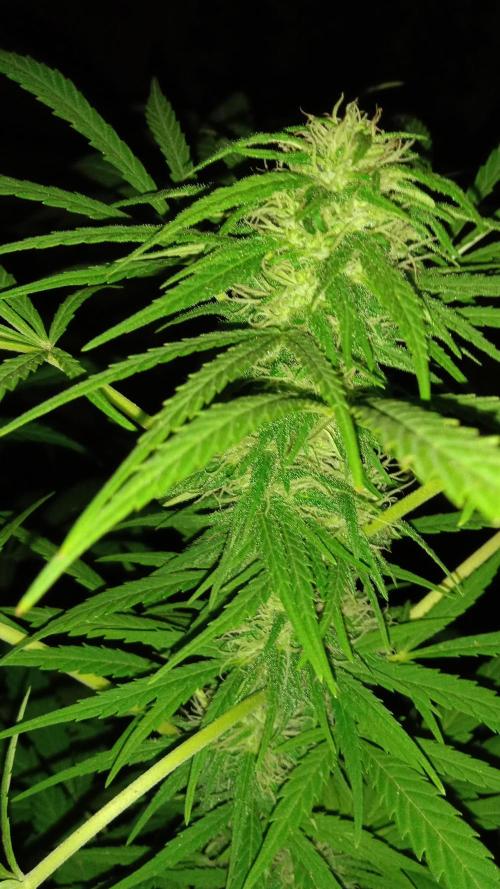
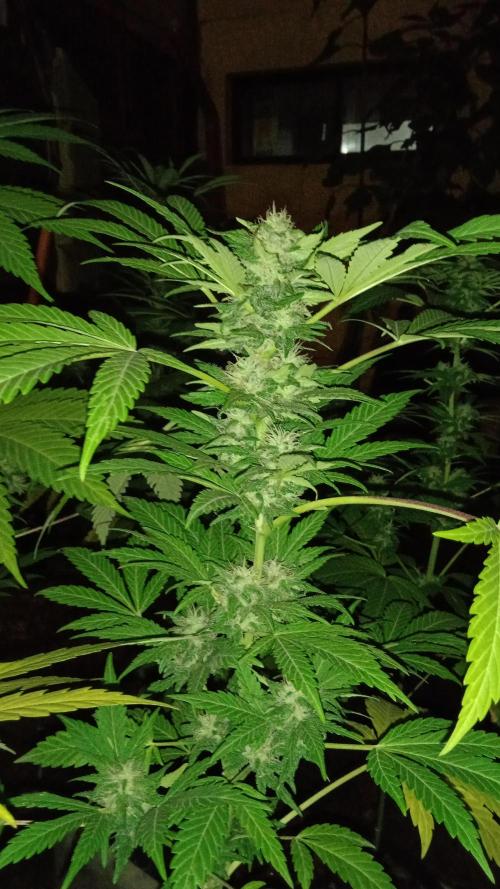
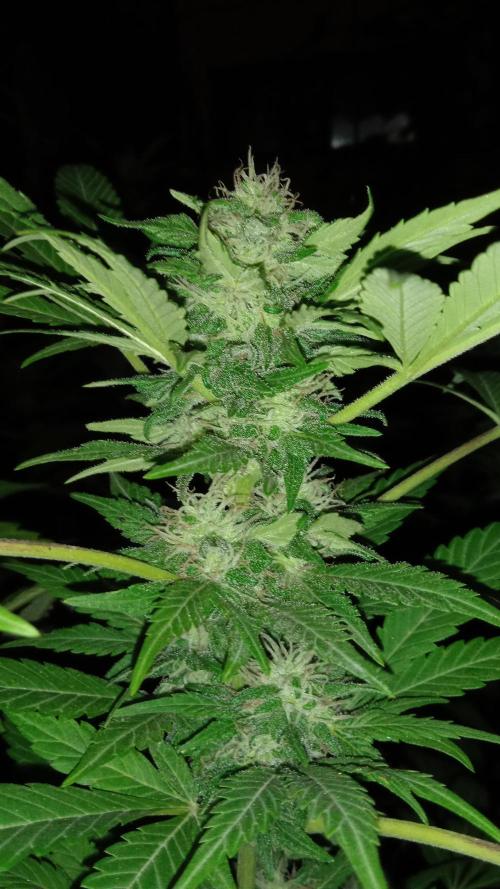
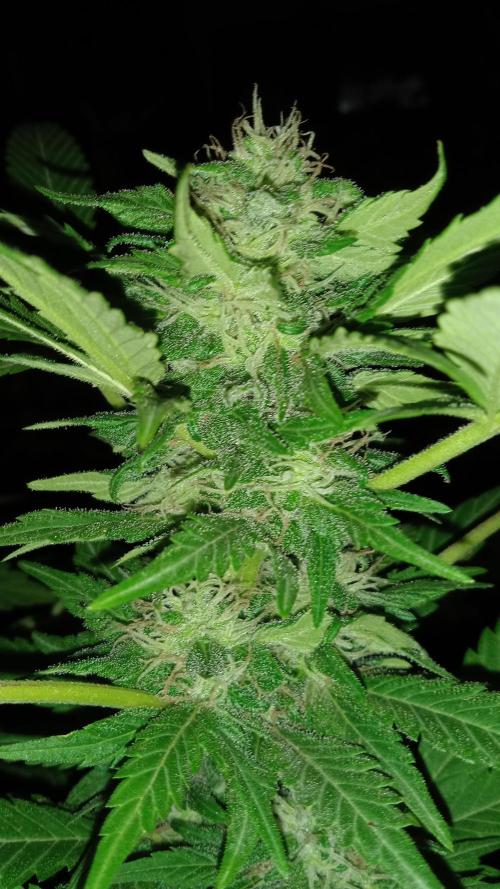
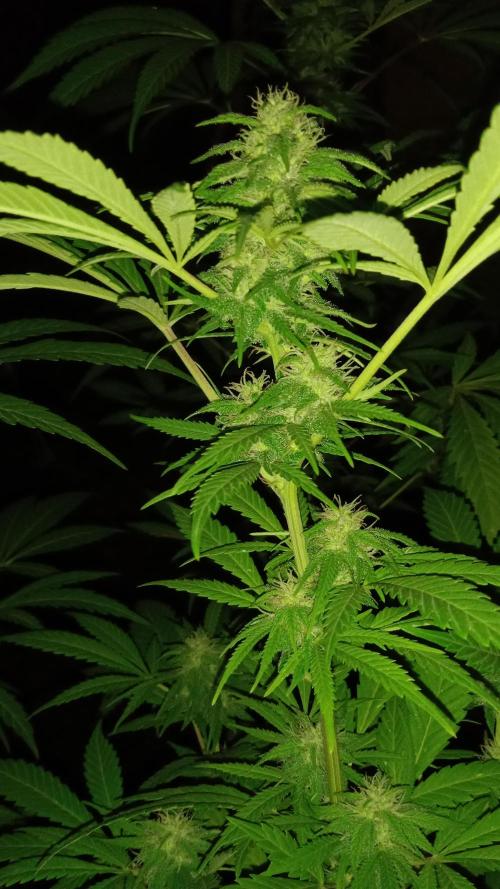
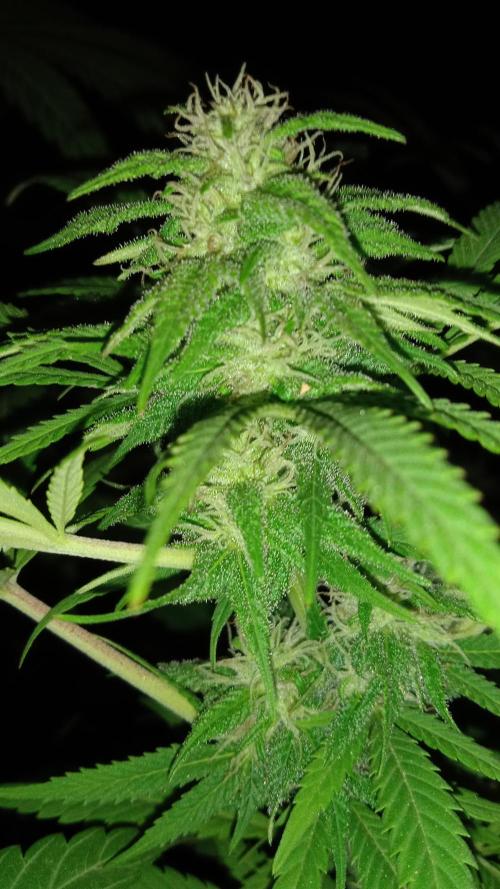
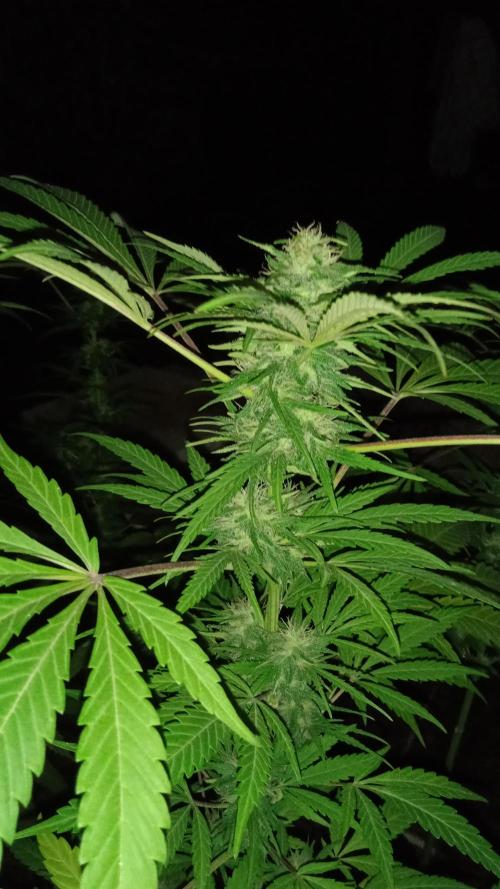
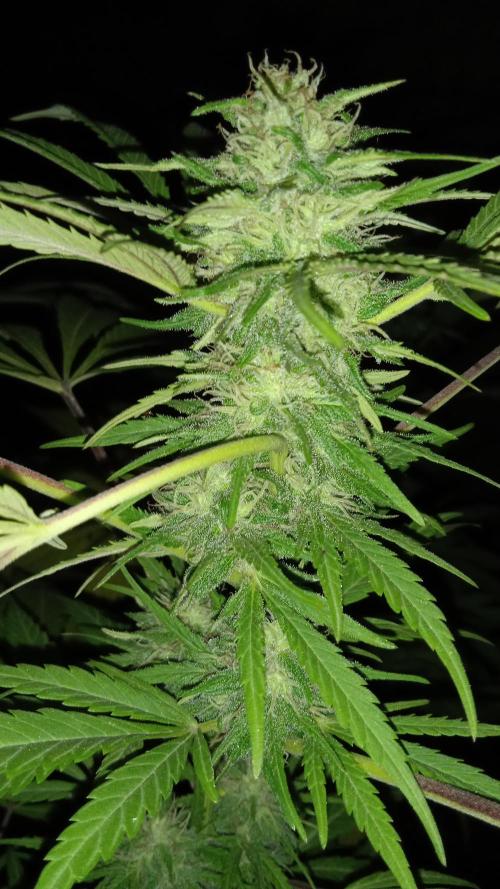
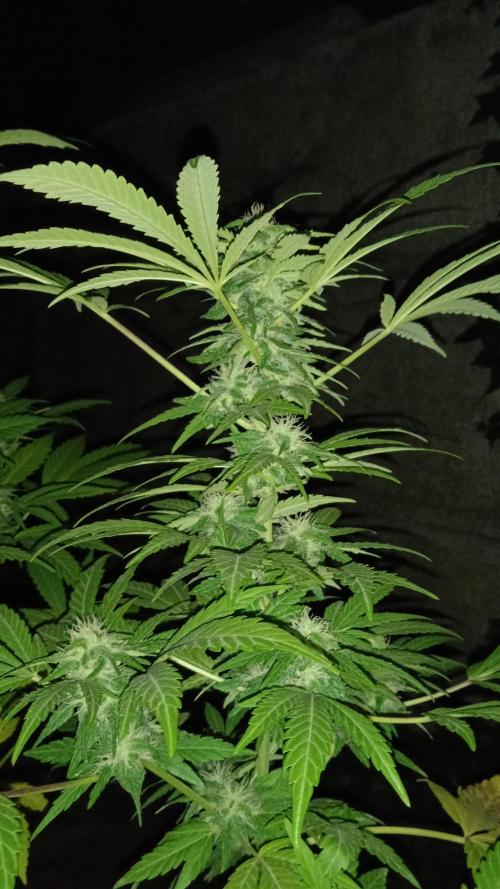
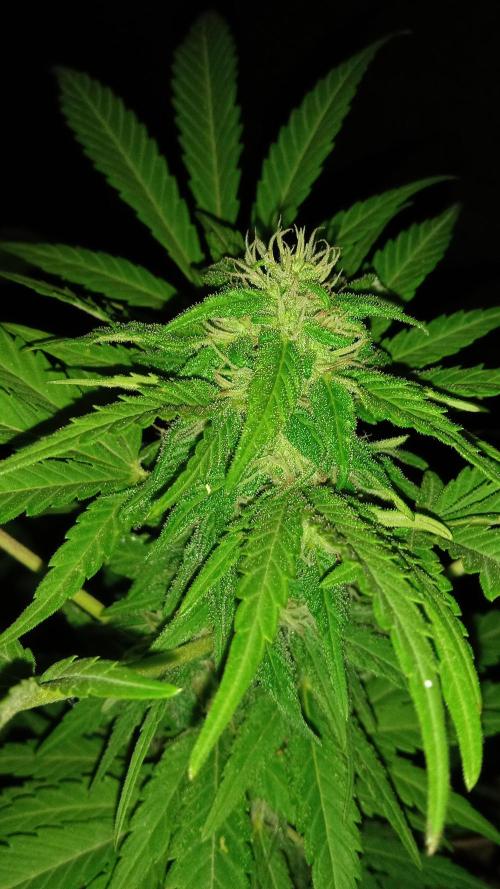
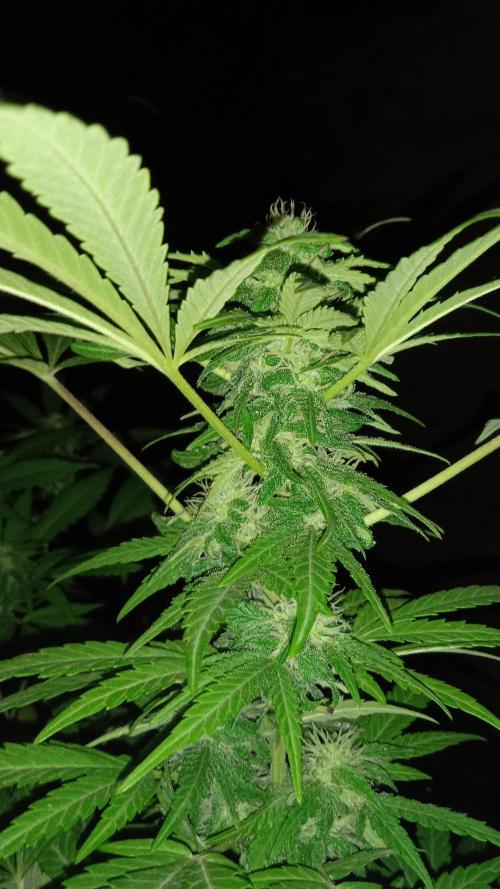
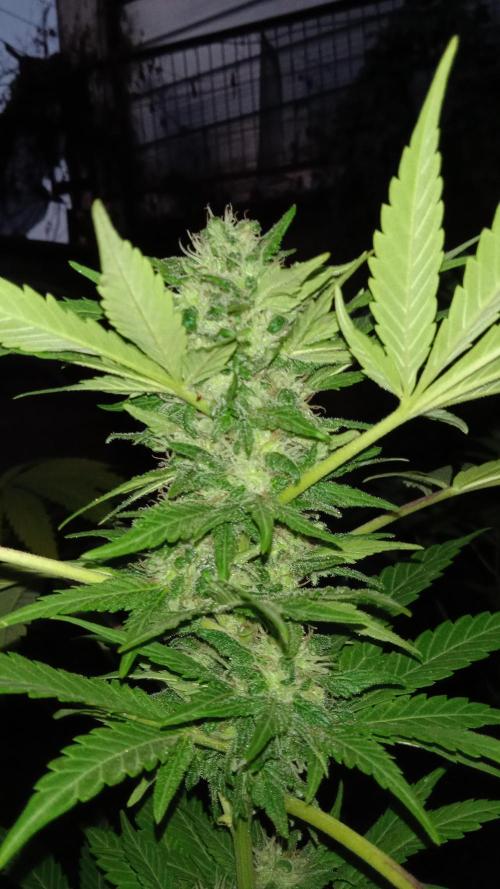
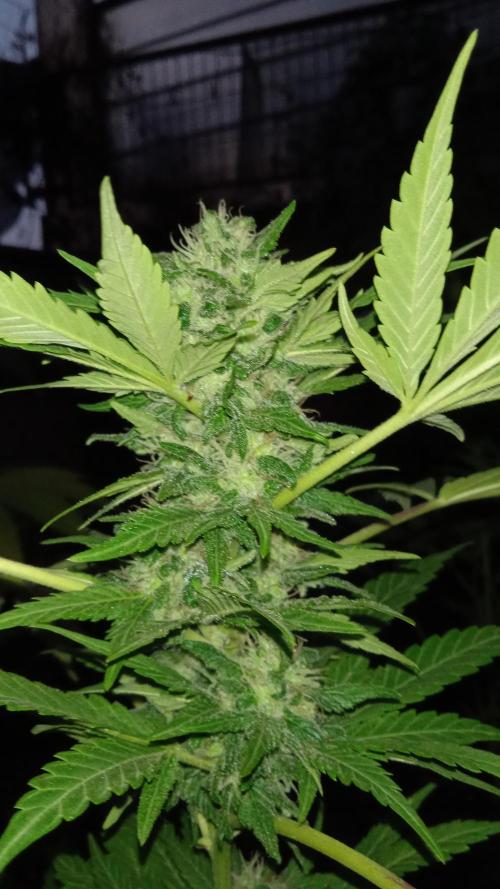
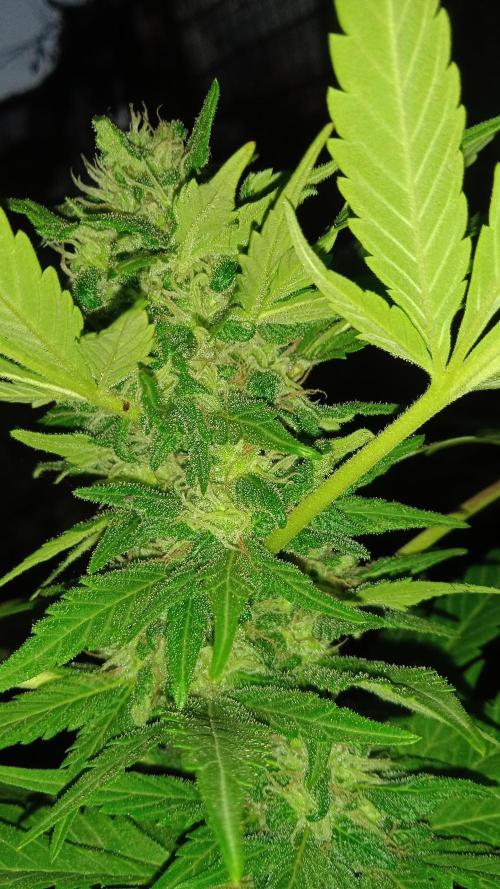
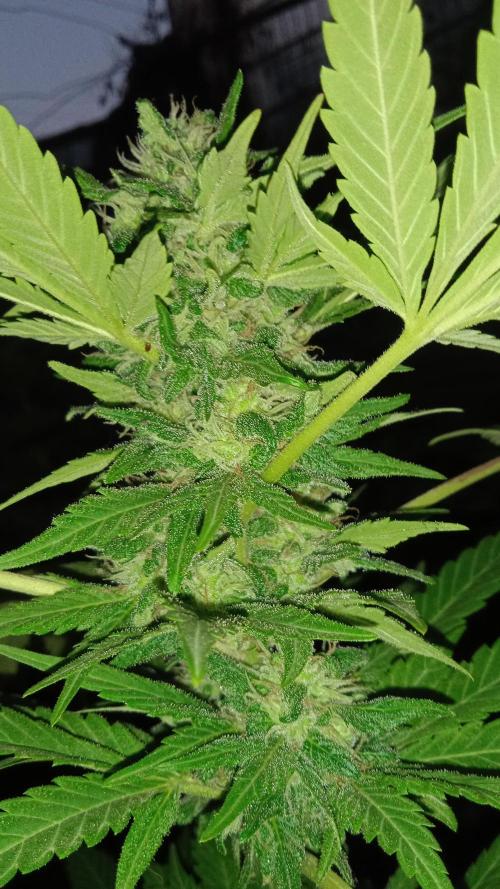
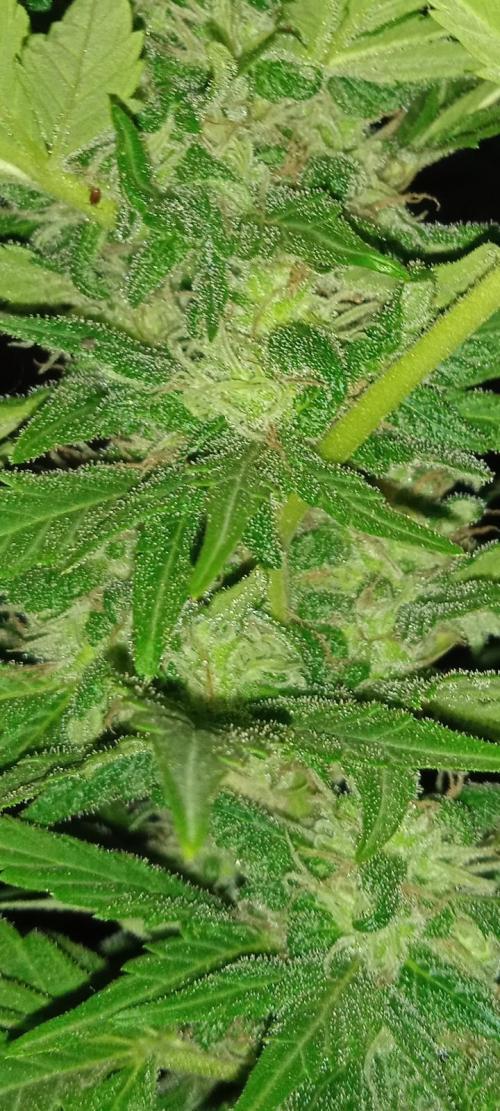
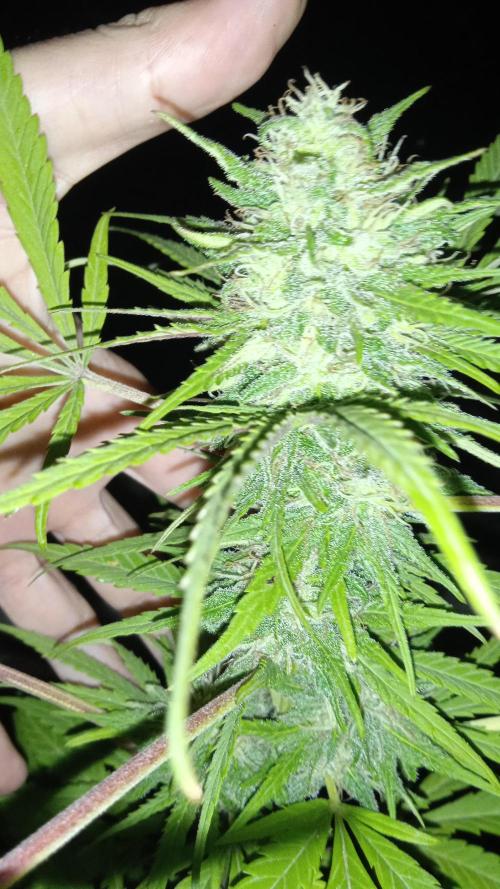
E.SkunkHaze x HinduKush Organic Regular

3
6
2h ago
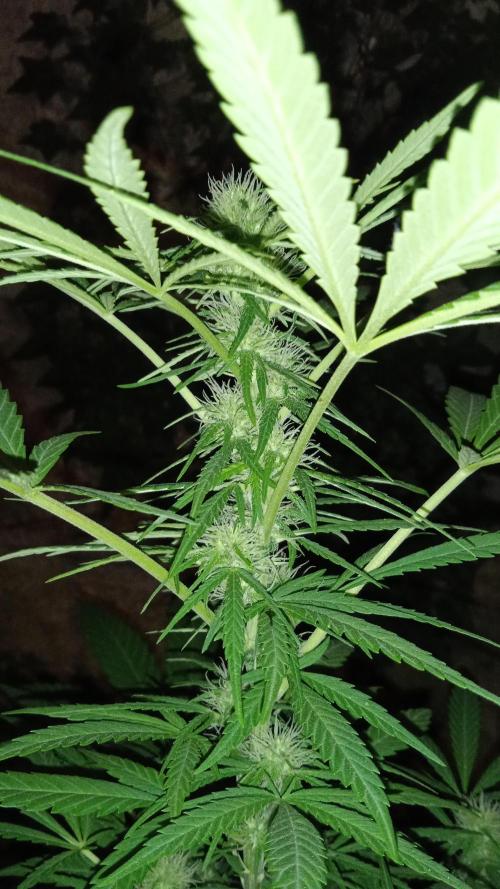
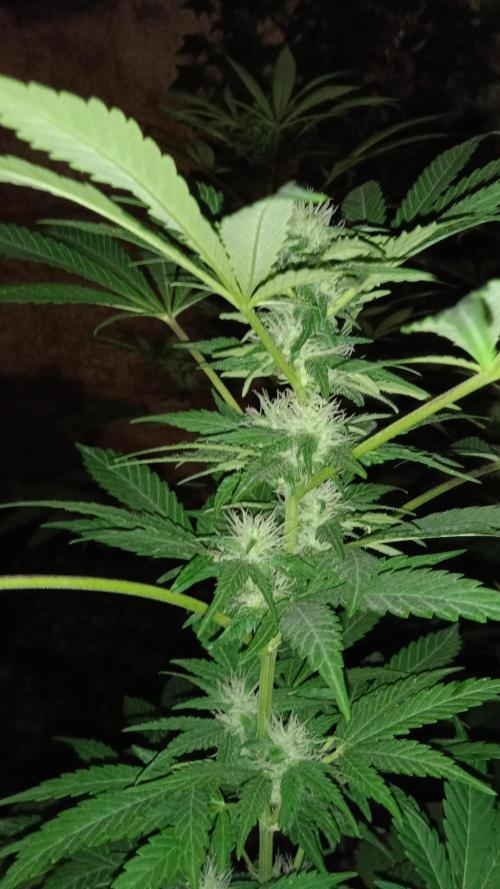
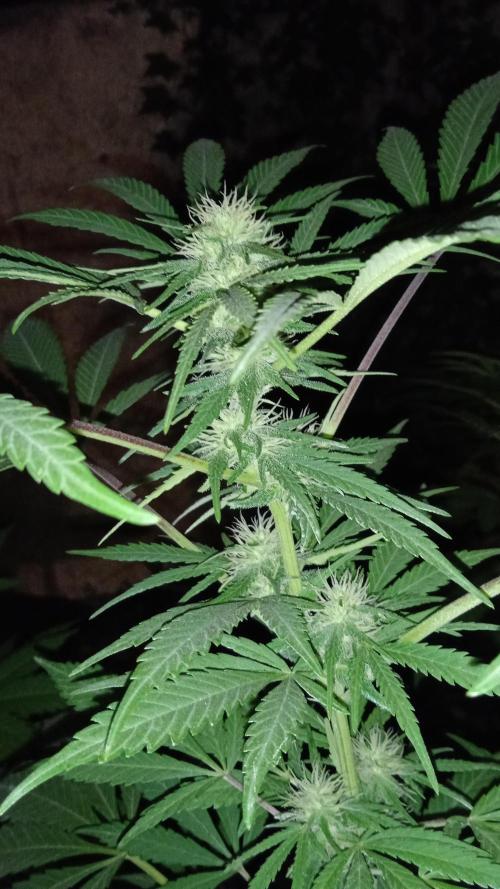
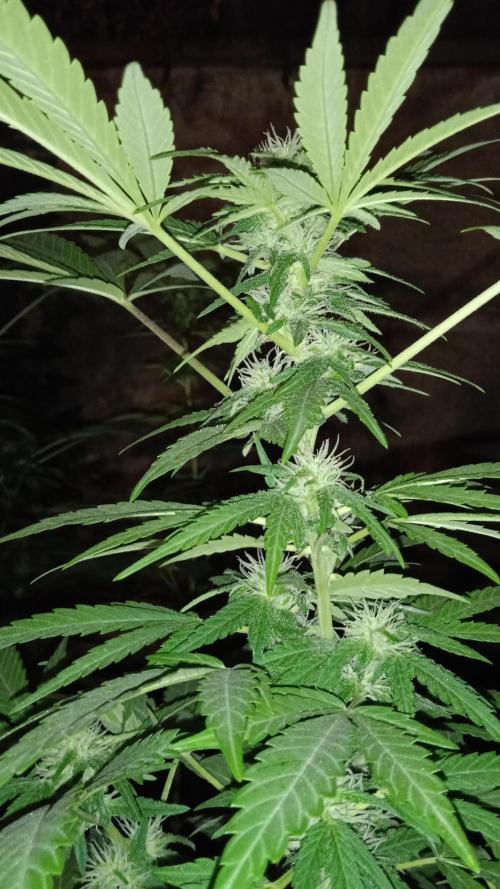
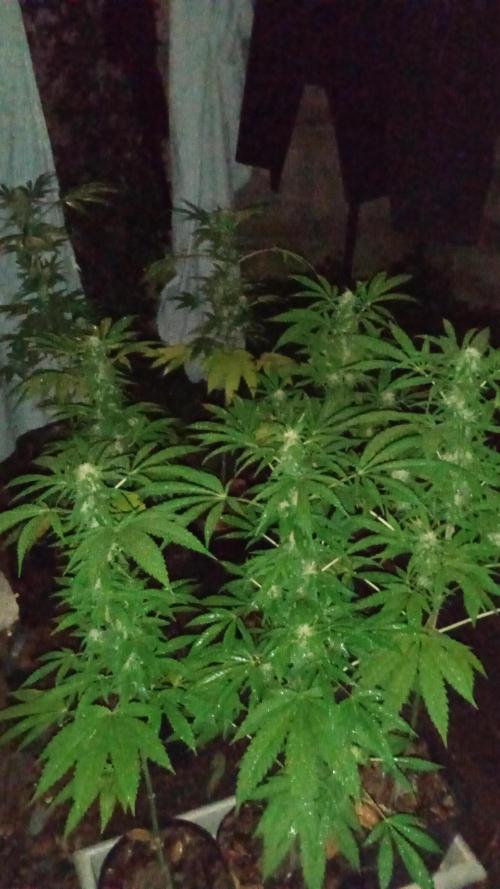
Early Skunk Haze(Mr.Nice) x Hindu Kush(Sensi) REG.
Sebas Collection
Soil
Super-Living Soil
Perlite
no named
Coco Coir
no named
Other
biochar
Other
Pumice
Other
Hummus
Outdoor
Room Type
Analysis
weeks 2-3
1 liters
Pot Size
0.2 liters
Watering
Start at 3 Week
G
Germination
3h ago
Nutrients 5
52.834 mll
Bio-Heaven - BioBizzWWO
Bio-Heaven
1.057 mll
Synergy - Grotek
Synergy
5.21 mll
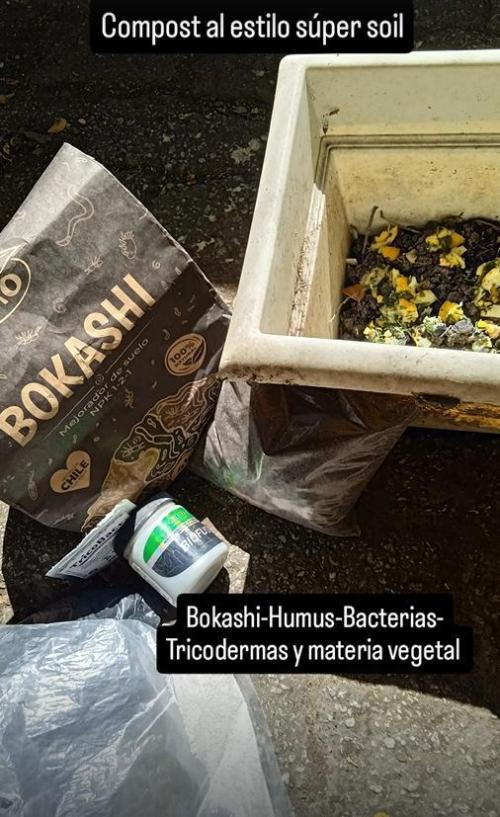
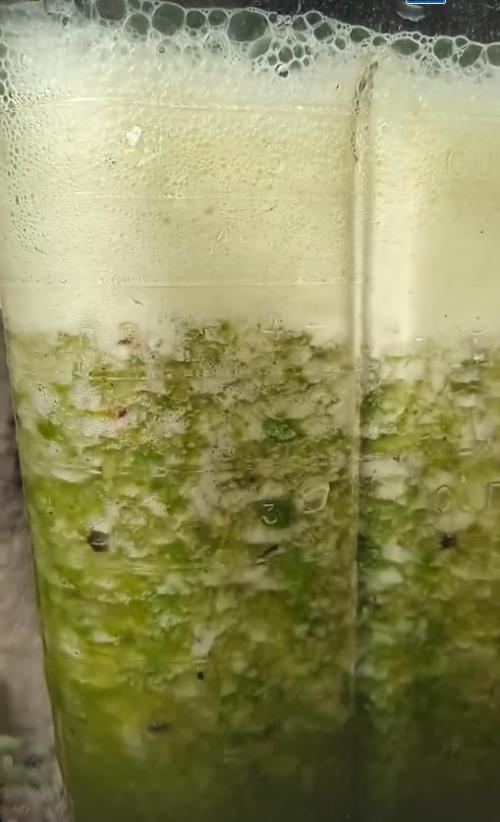
Phytosopher One month before starting the cultivation, I began by preparing my recipe for "Super-Living Soil." This mixture contains (among the ingredients I'm willing to share): bokashi, humus, mycorrhizae, trichoderma, beneficial bacteria (primarily bacillus), phytohormones, nematodes, and rapidly decomposing plant matter (which helps balance pH levels). My goal is to achieve the perfect synergy between these elements, creating a custom-designed compost for the vegetative stage. I also incorporate biochar, coco coir, perlite, pumice stone, and other components. By doing this 30 days in advance, I ensure the activation of the "Super-Living Soil." This activation period allows the trophic chain (food web) within the soil to become fully functional. As a result, the seedling has a rich and immediately available supply of nutrients right from the very beginning of its growth. To activate the living soil (Image 2), I used a mixture of enzymes, sugars, and readily available phytohormones. This serves as a targeted "kick-starter" or fuel to feed and stimulate the entire trophic chain within the soil. The logic behind this is: Enzymes accelerate the breakdown of organic matter, making nutrients accessible to microbes. Sugars (like molasses) provide a direct, fast-acting food source for the beneficial bacteria and fungi, causing their populations to multiply rapidly. Phytohormones directly stimulate plant growth processes and can also influence microbial activity. This combination effectively "wakes up" and multiplies the microbial life (bacteria, fungi, nematodes) I had introduced. A robust and active microbial community is the engine of a living soil, as they are the ones that will continually process organic matter, cycle nutrients, and make them bioavailable to the plant roots throughout the grow.
likes
comments
Share
Used method
Paper Towel
Germination Method
Grow Questions
Phytosopher
Phytosopherstarted grow question 3h ago
What is one indispensable ingredient you would add to a "Living Soil" and why? 💬
Open
likes
Answer
The_Wanderer
The_Wandereranswered grow question 16m ago
Cannabis seeds. Because its a cool plant.
likes
Complain
Organoman
Organomananswered grow question 1h ago
Mycorrhizae........because they just work........... the results and benefits are REAL. Also......... Volcanic rock dust.......excellent source of trace minerals Bone meal.......excellent source of slow release calcium Insect frass.........excellent source of auxins and other bio stimulants Worm casts..........just wonderful Bio char..........excellent source of carbon Aged chicken manure.........excellent source of nitrogen Kelp meal..........excellent source of potassium Aged cow manure..........great for soil structure and soil fertility Compost, compost compost!
likes
Complain
Green_claws
Green_clawsanswered grow question 1h ago
Alfalfa pellet.. Has macros/micros. Triacontanol, carbon
likes
Complain
2
Week 2. Vegetation
3h ago
16 hrs
Light Schedule
-2 °C
Day Air Temp
No Smell
Smell
60 %
Air Humidity
-6 °C
Solution Temp
-4 °C
Substrate Temp
-8 °C
Night Air Temp
0.5 liters
Pot Size
0.2 liters
Watering Volume
Nutrients 2
Custom Vegetal Juice
0.528 mll
Bio-Heaven - BioBizzWWO
Bio-Heaven
0.528 mll
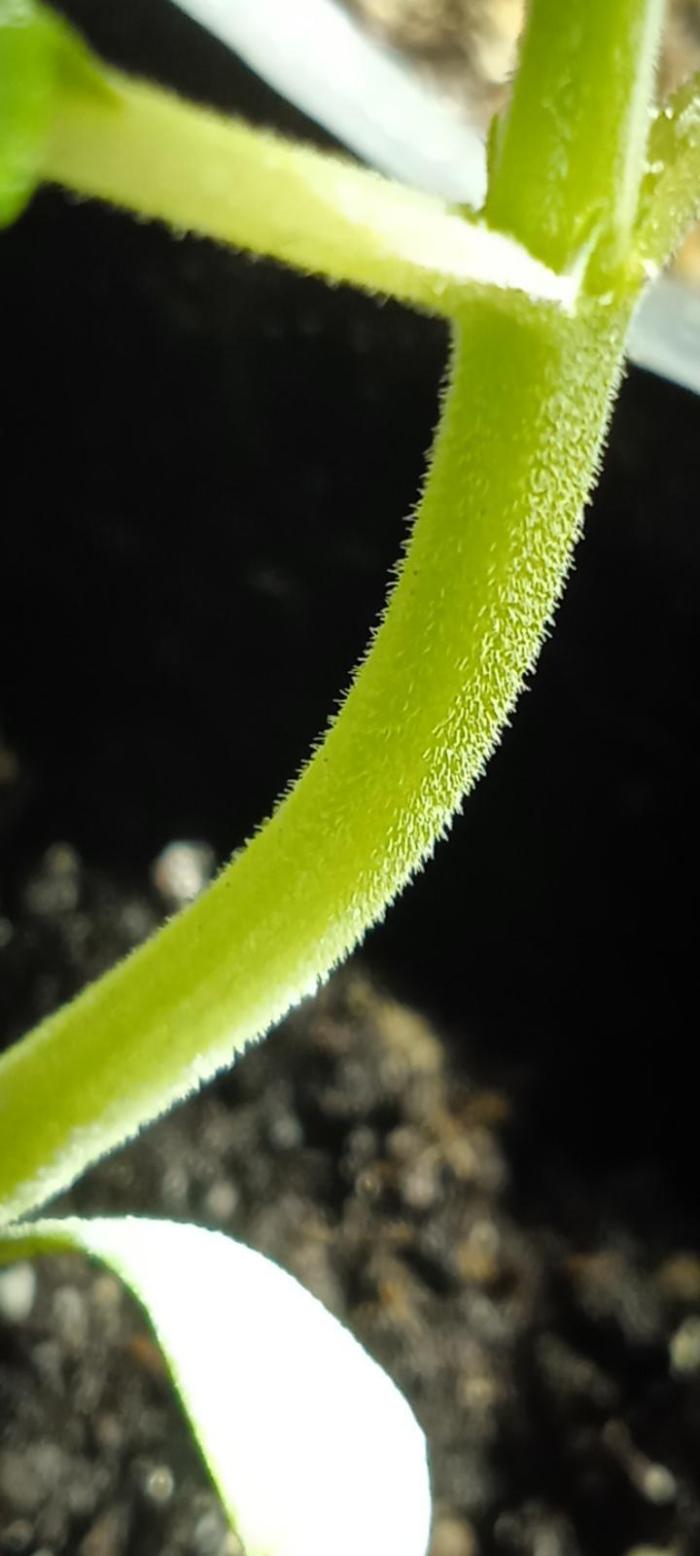
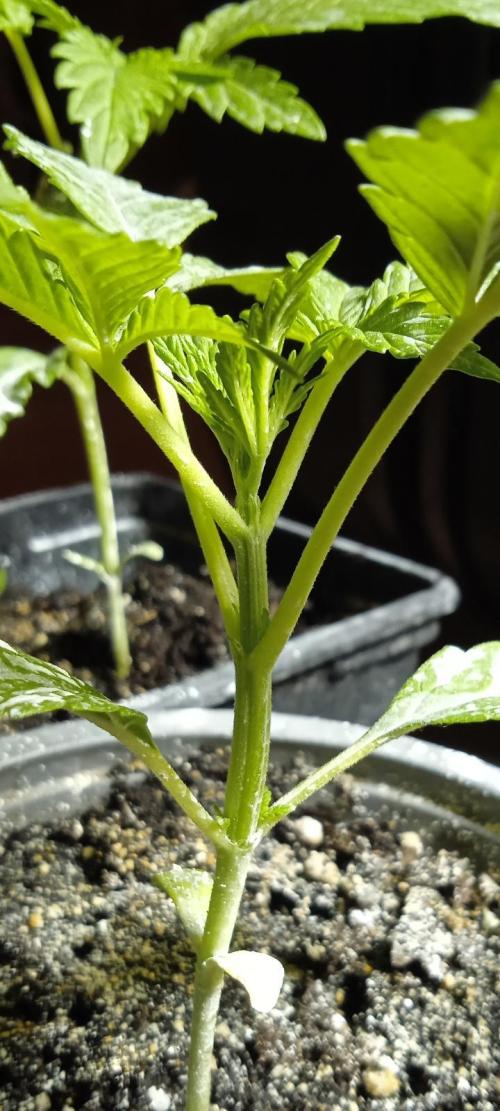
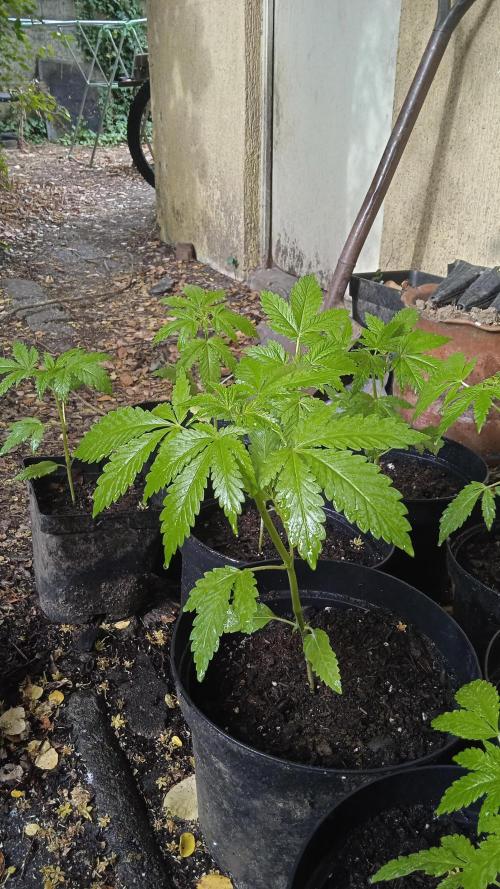
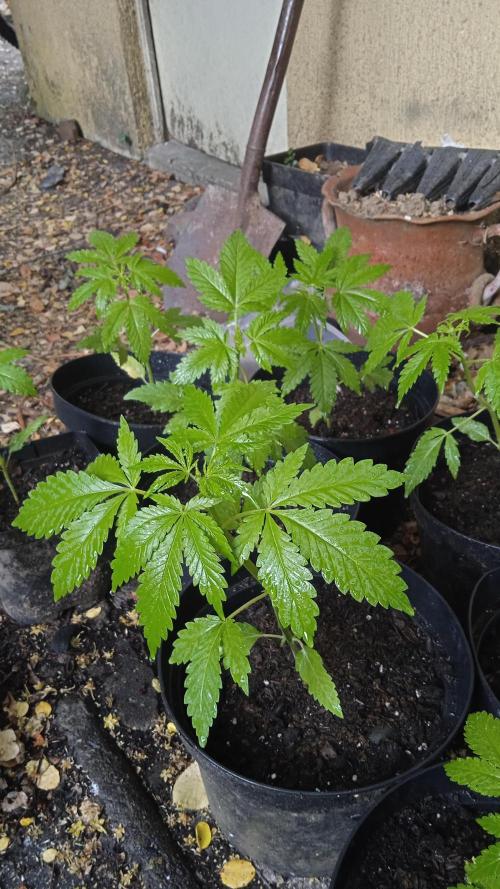
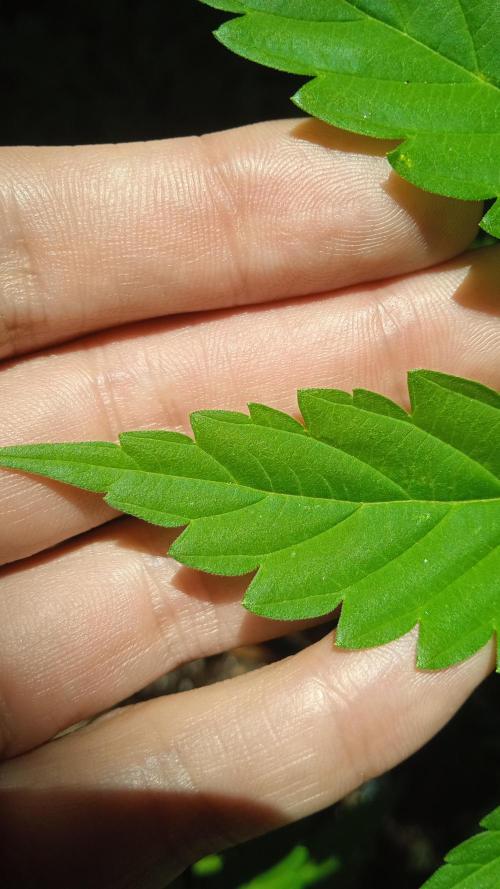
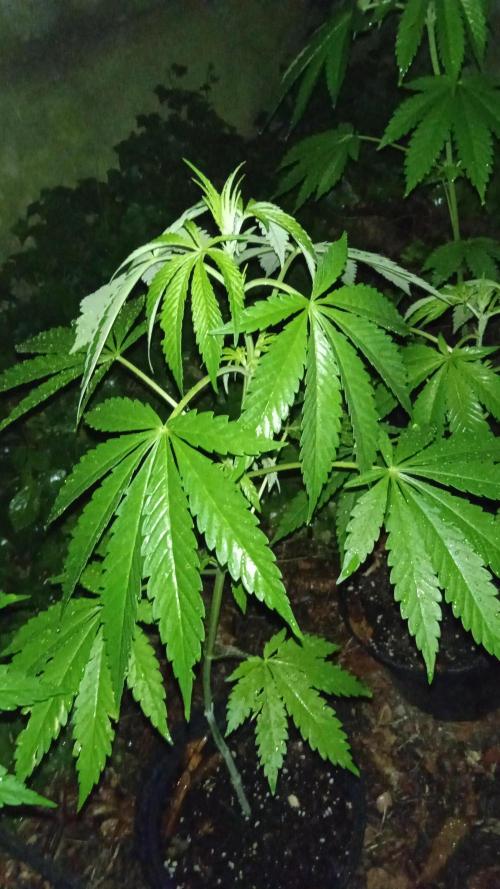
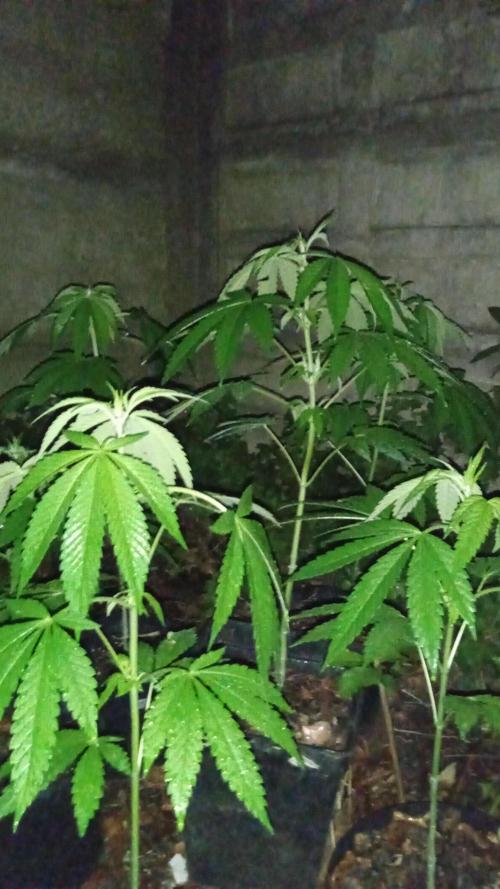
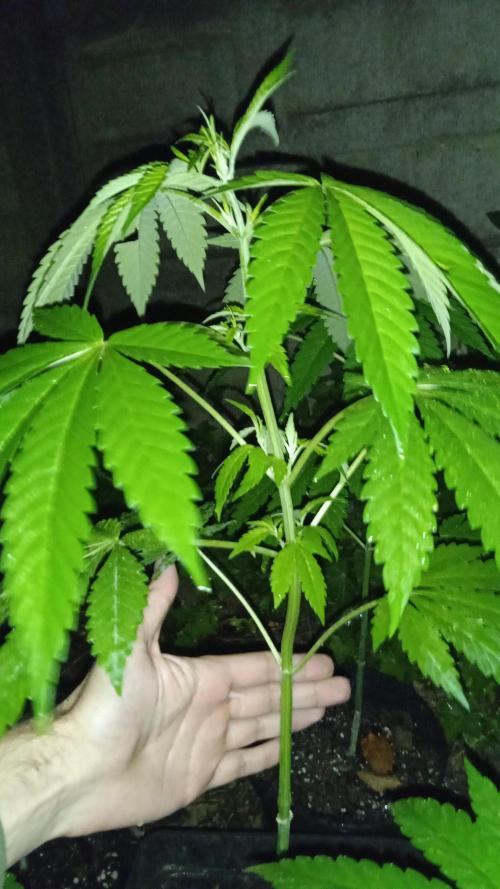
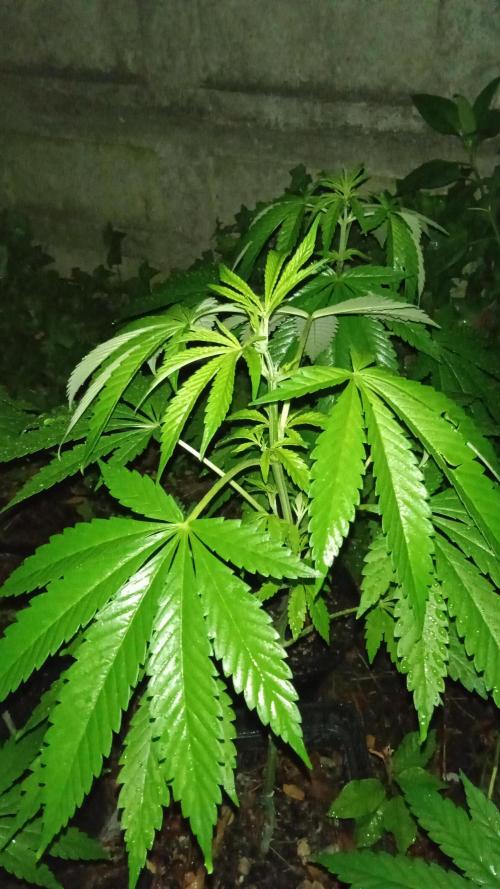
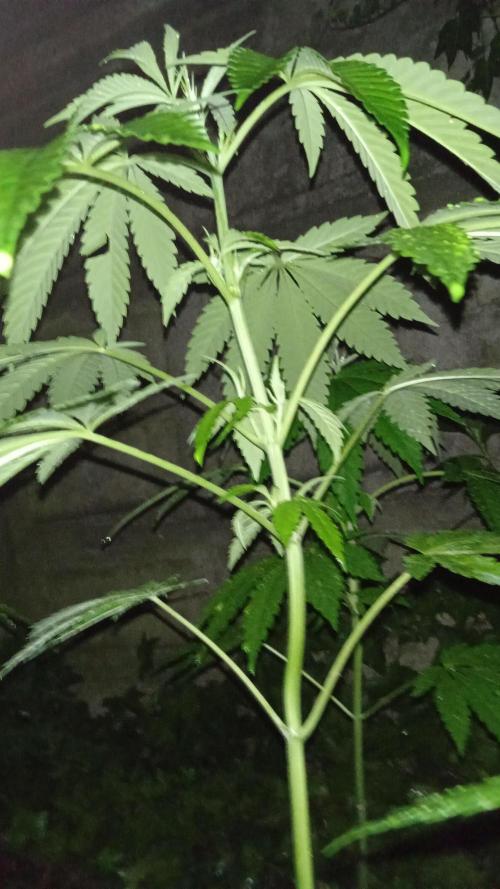
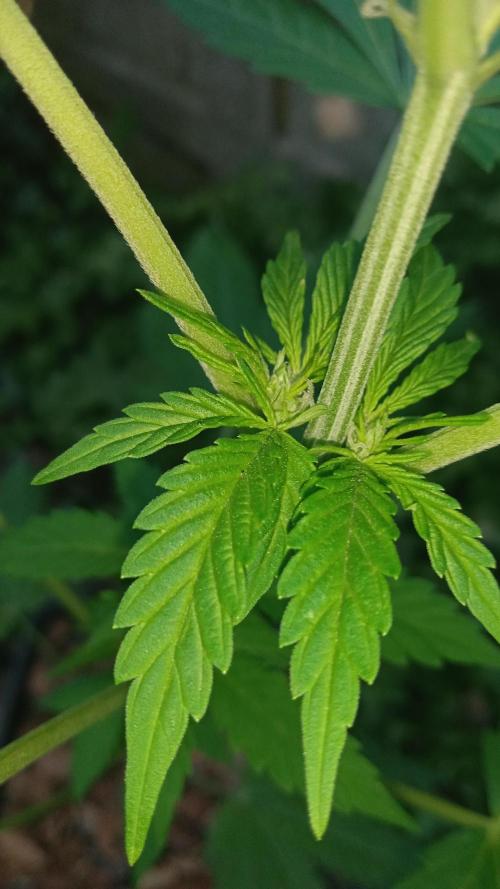
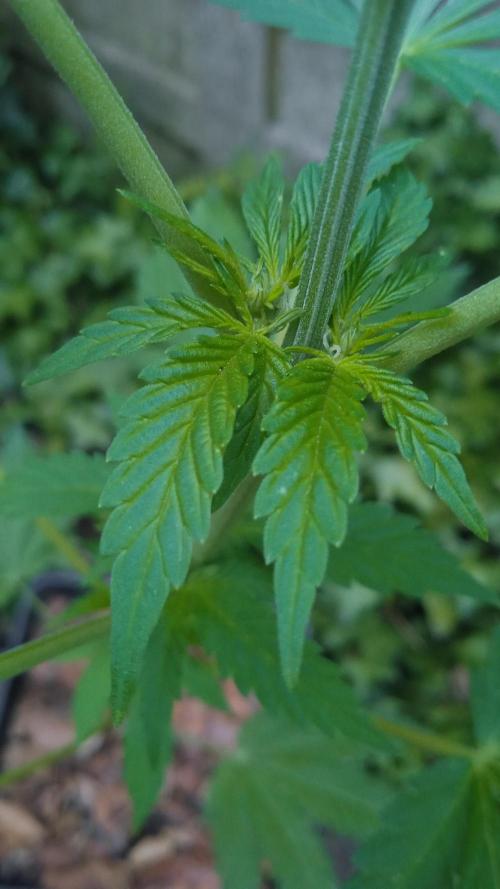
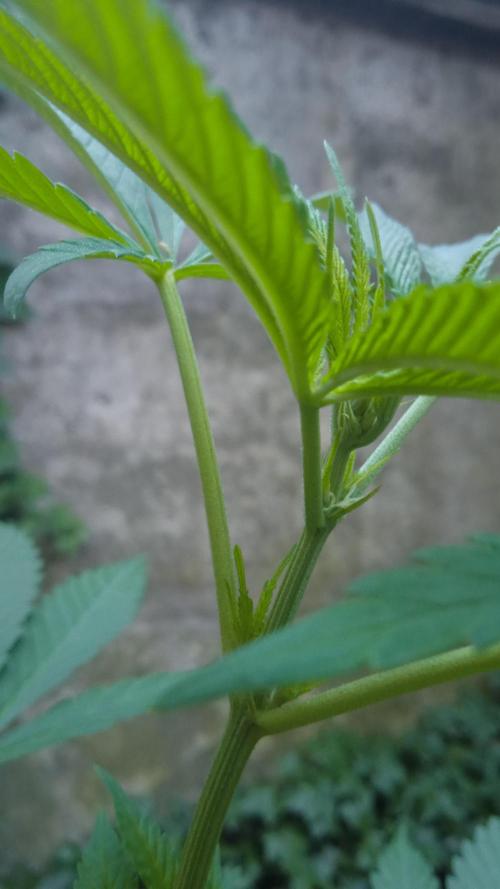
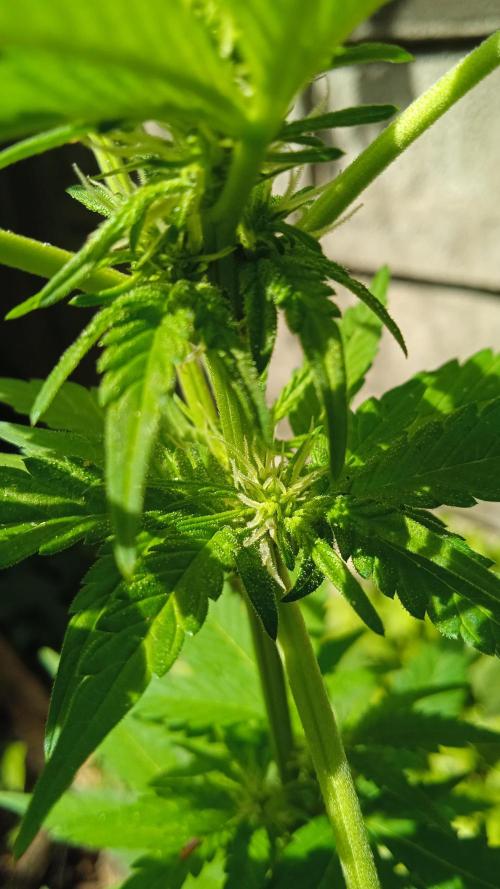
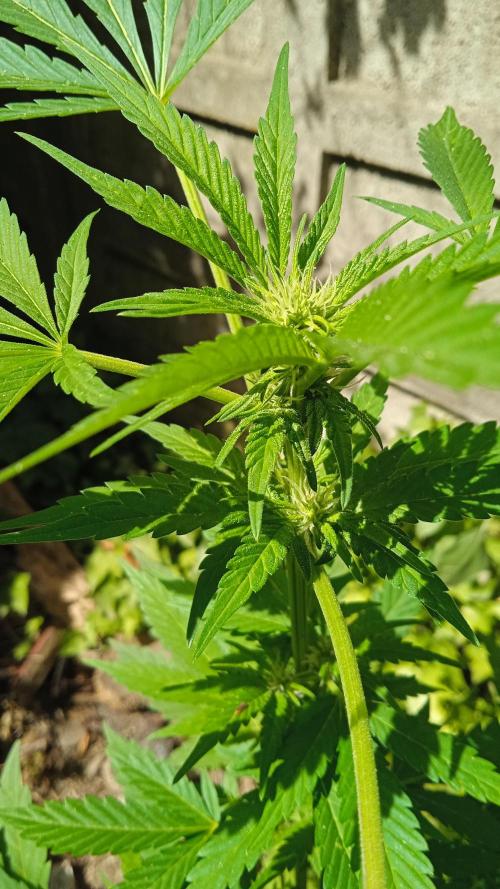
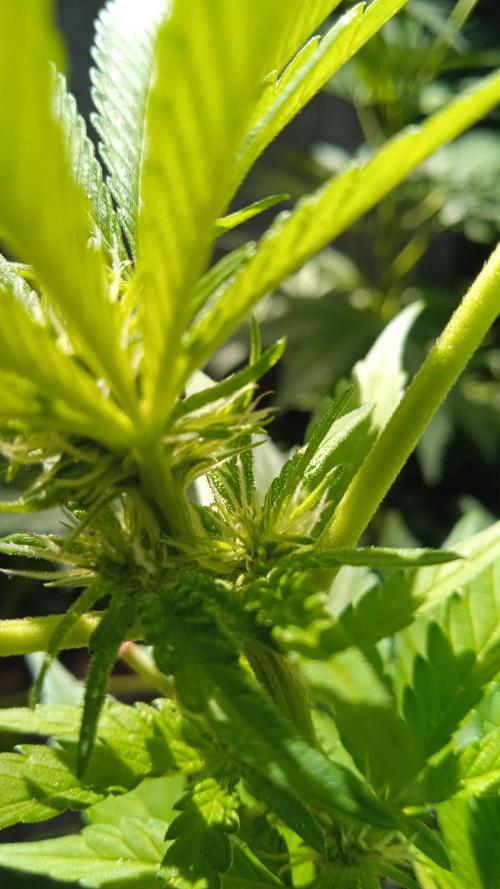
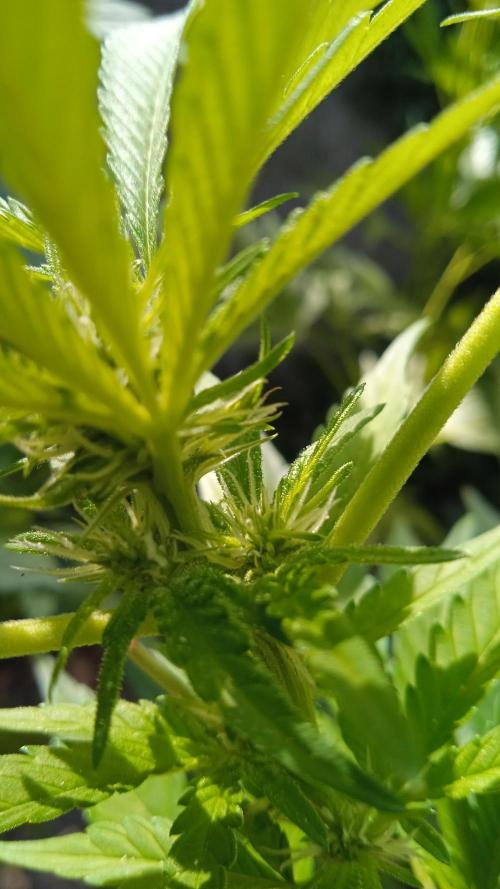
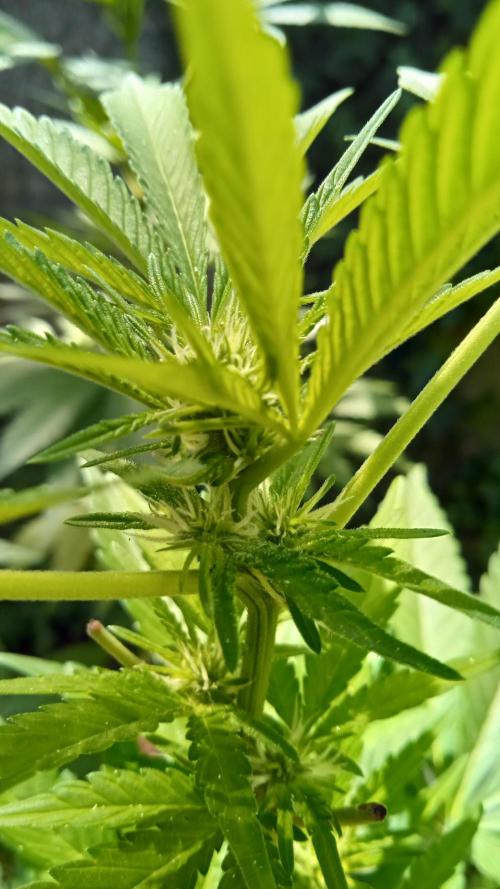
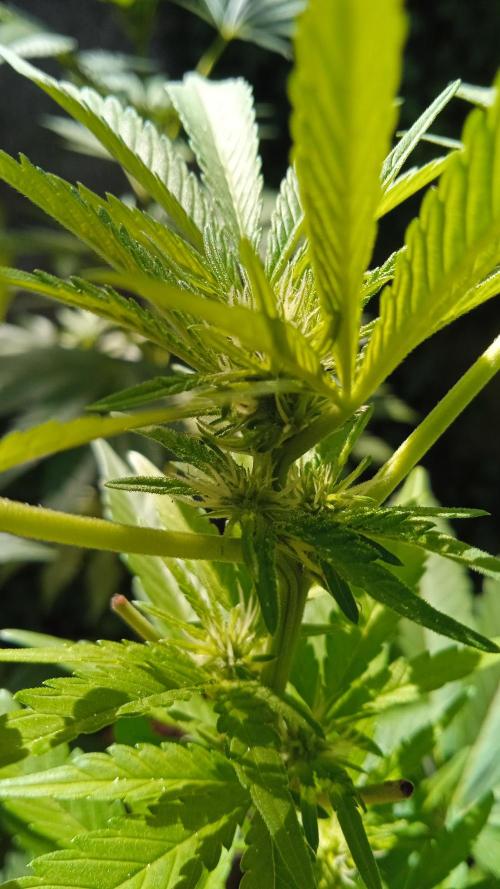
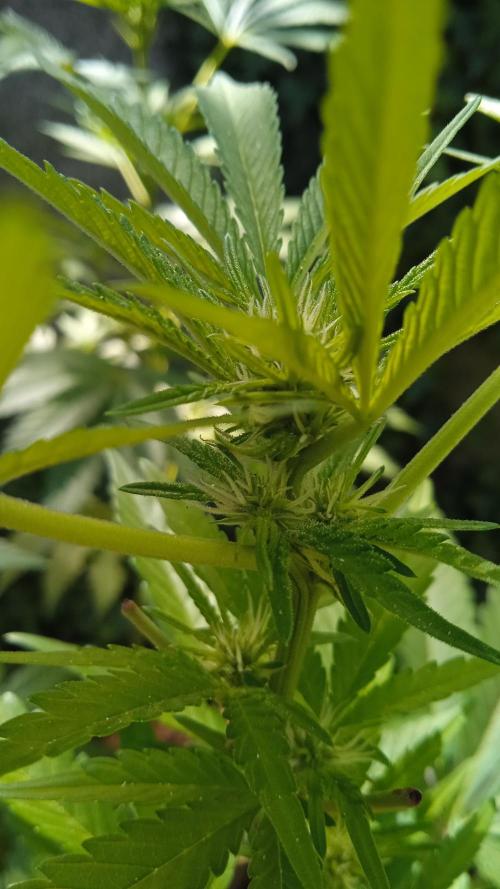
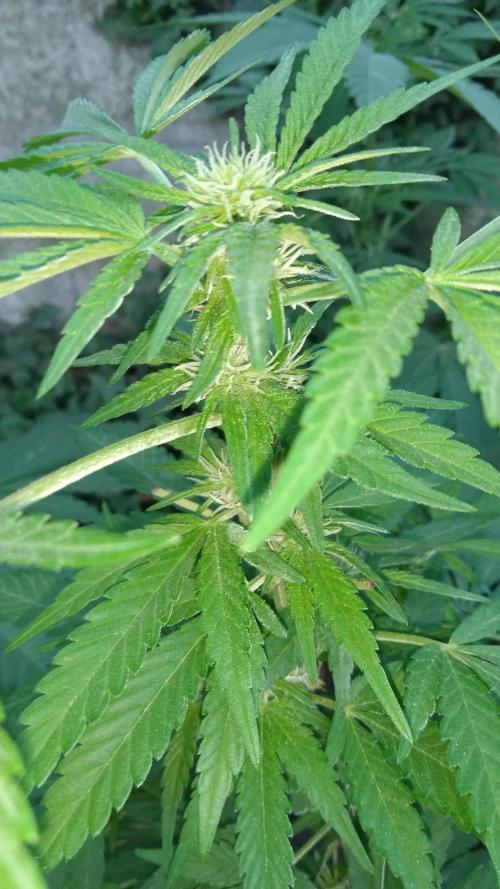
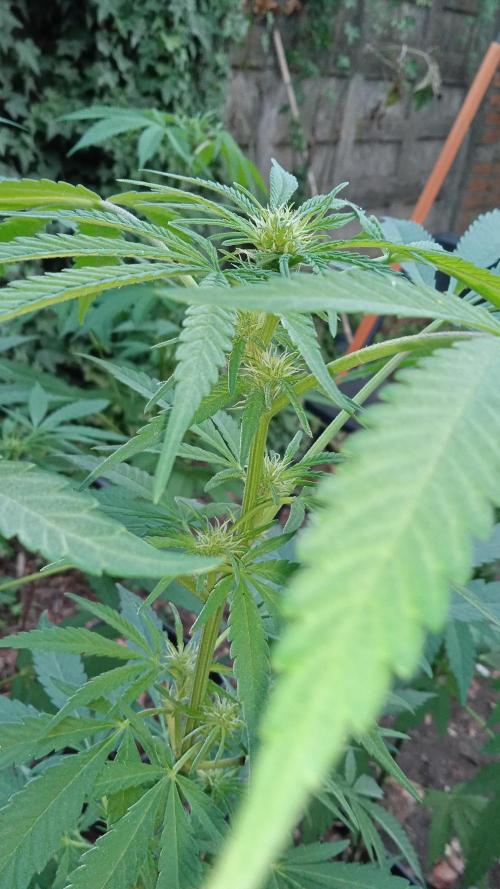
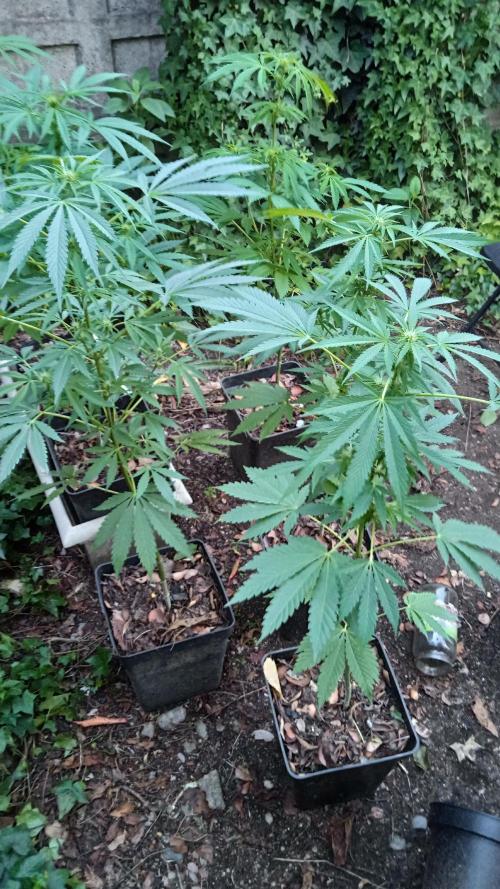
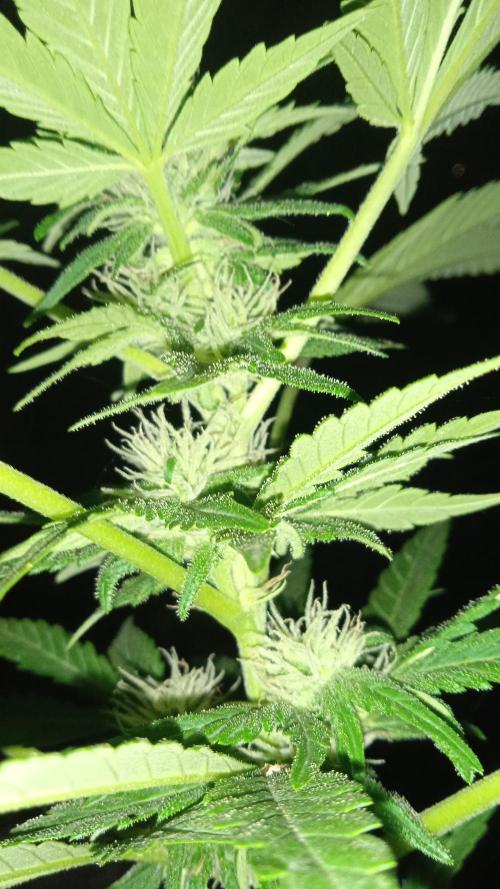
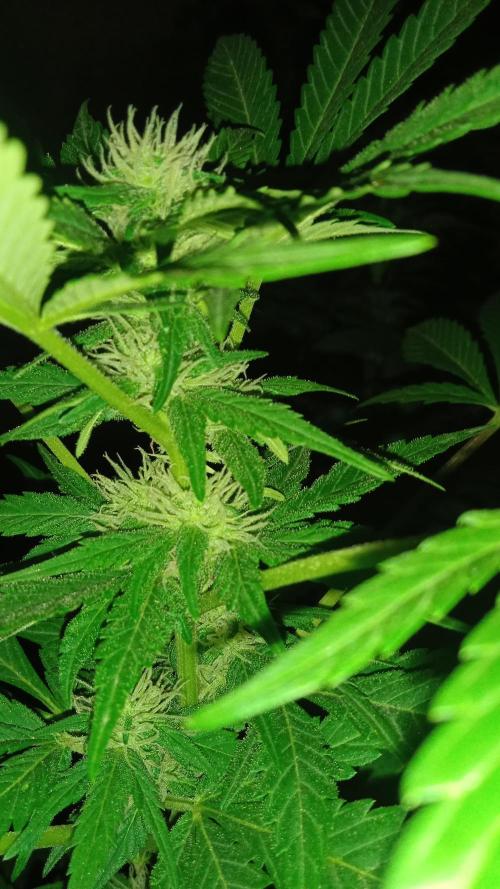
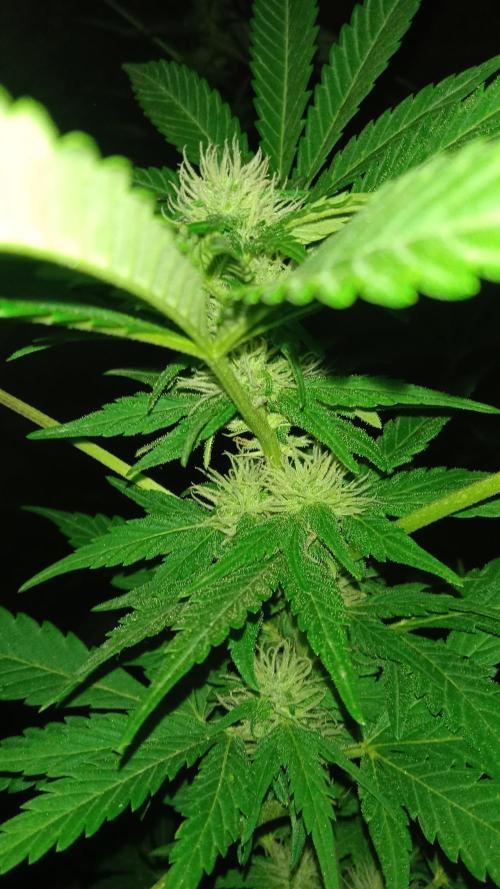
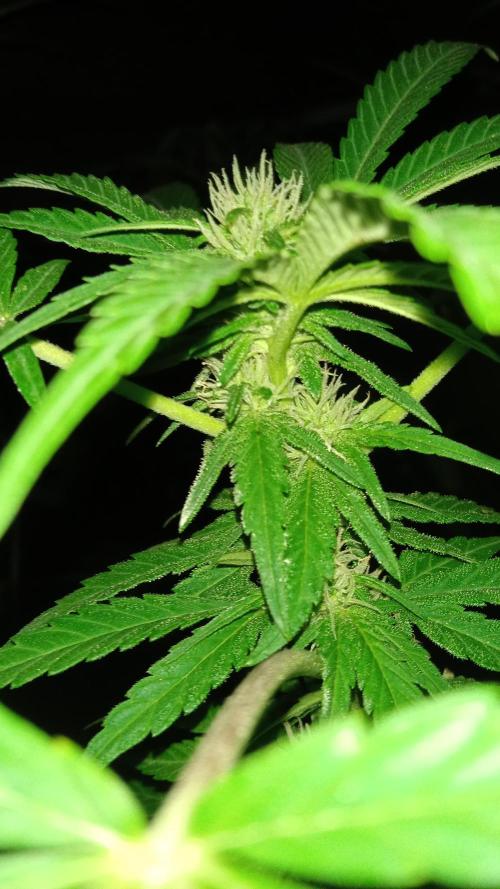
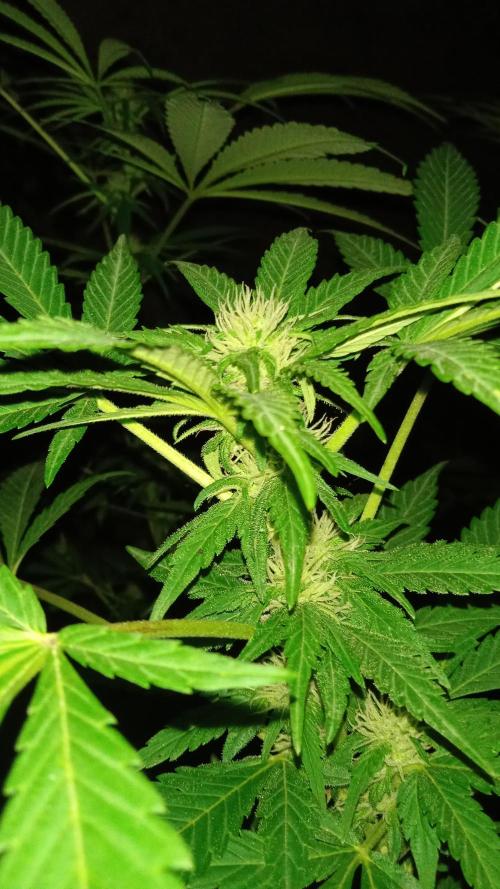
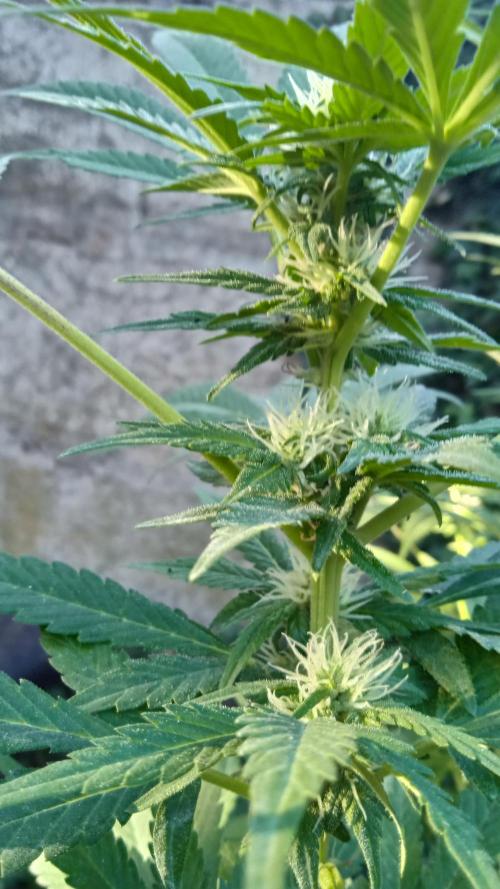
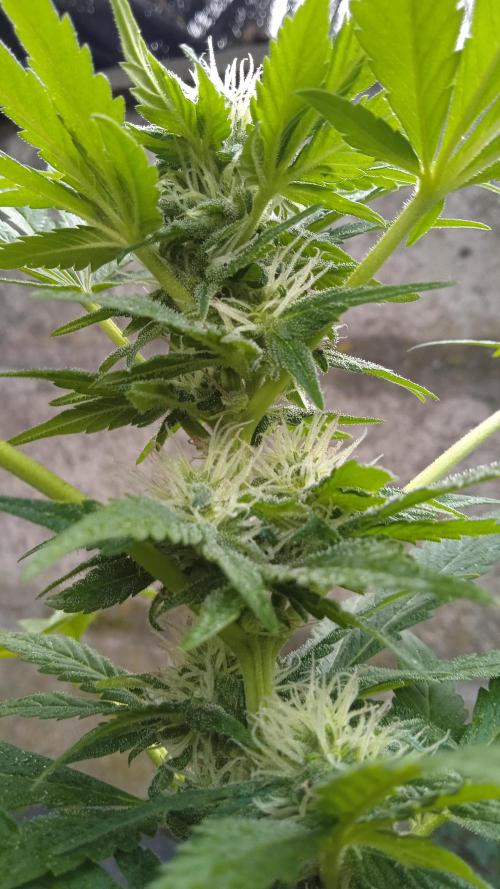
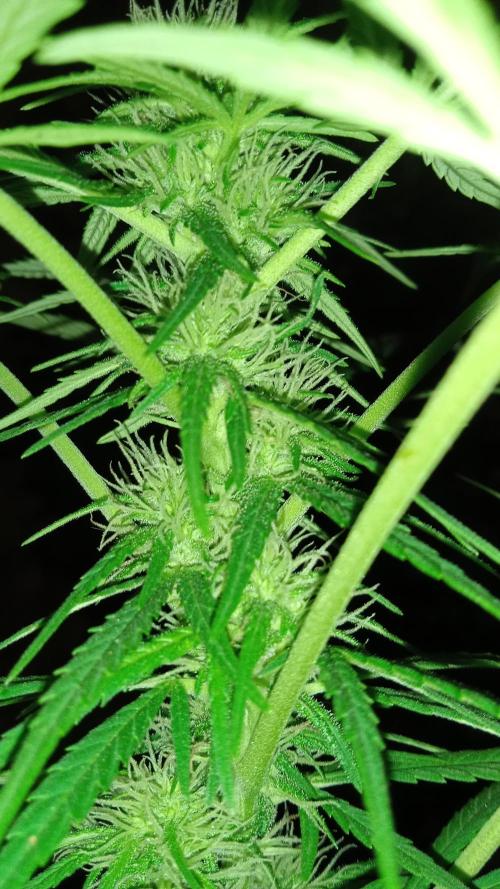
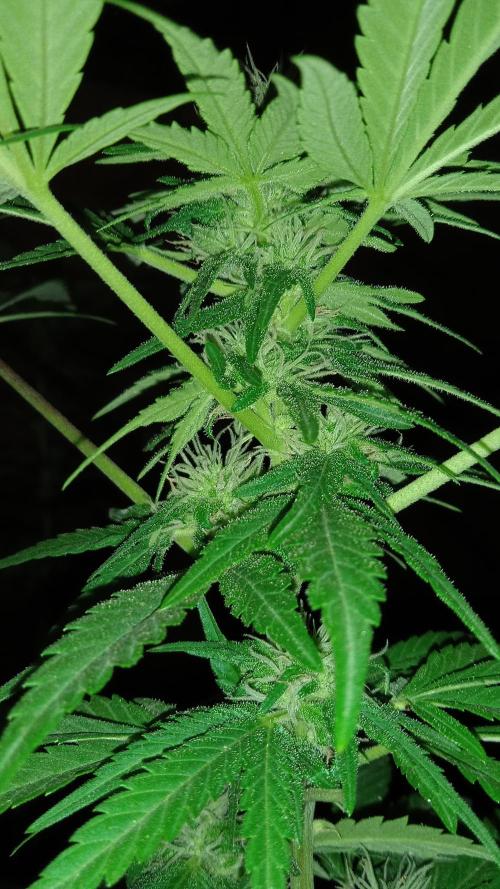
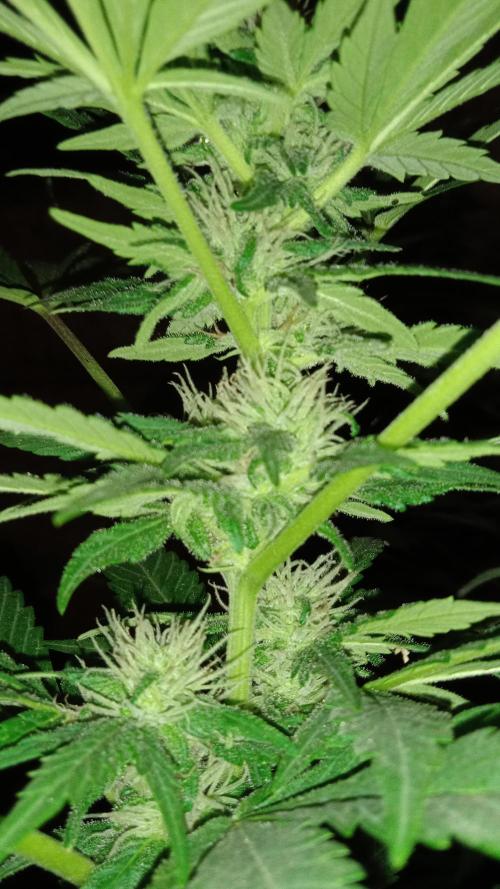
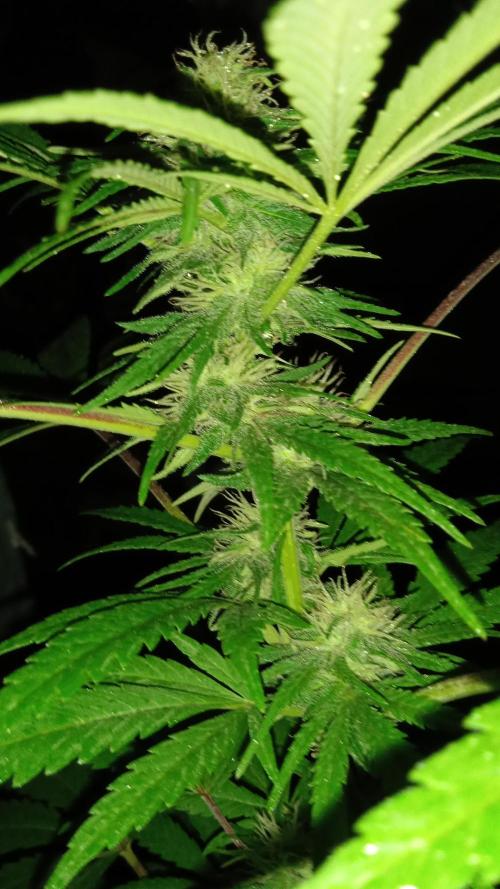
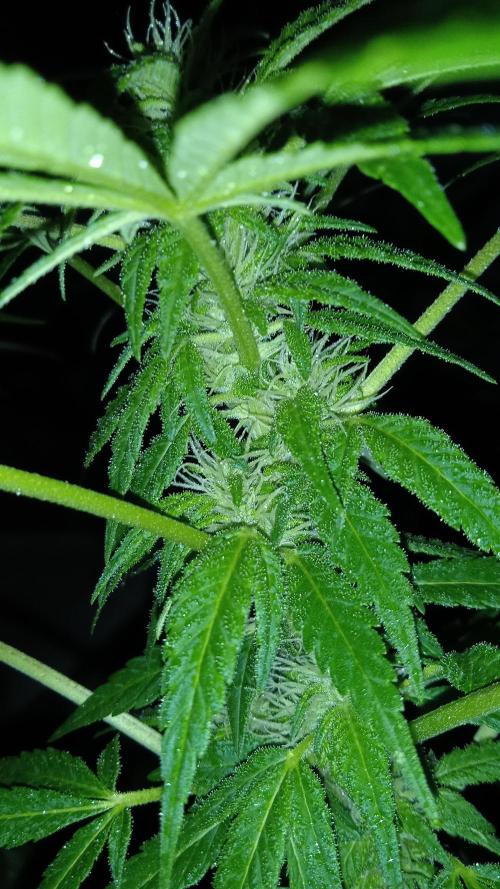
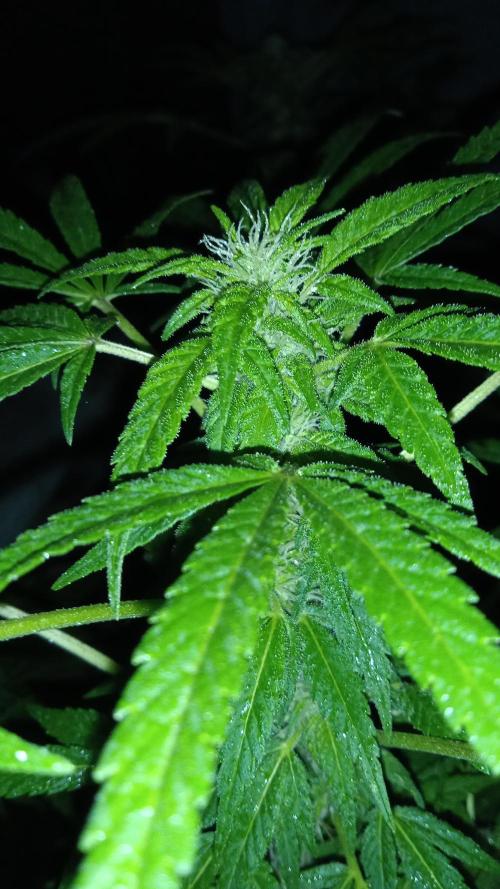
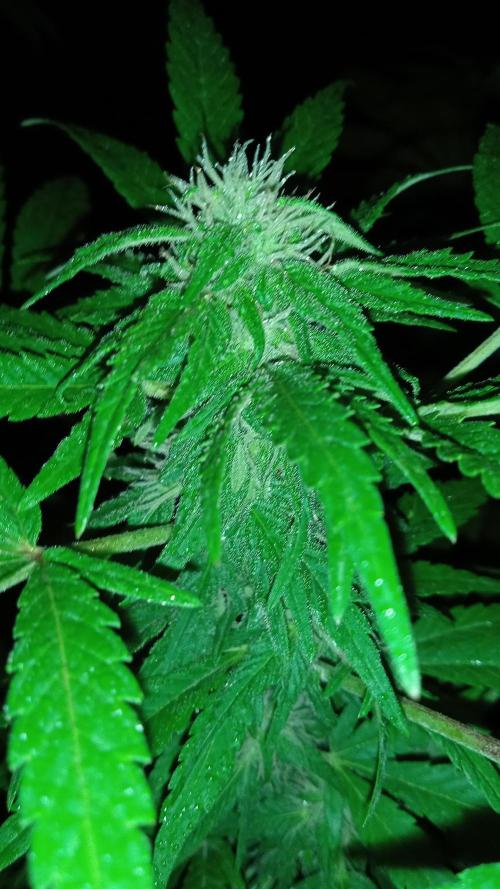
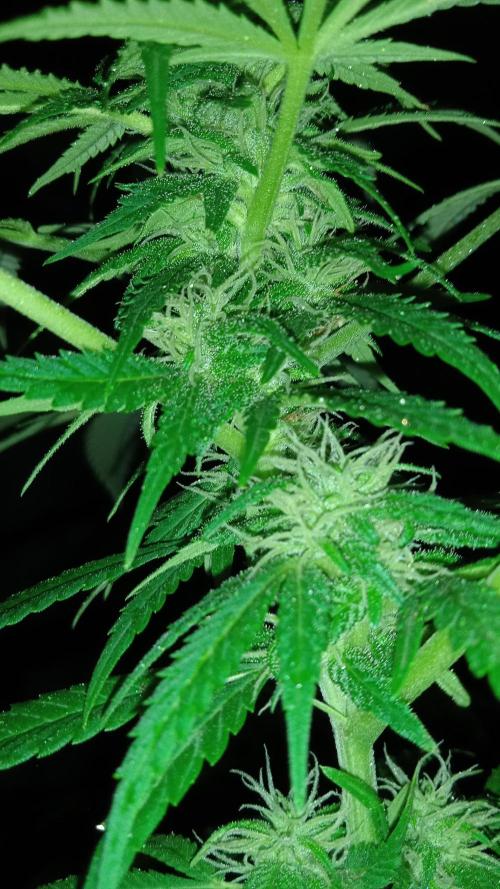
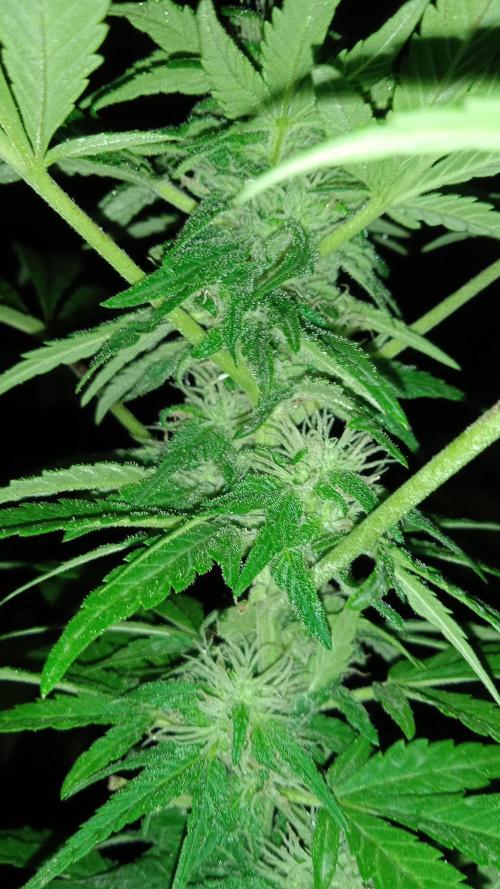
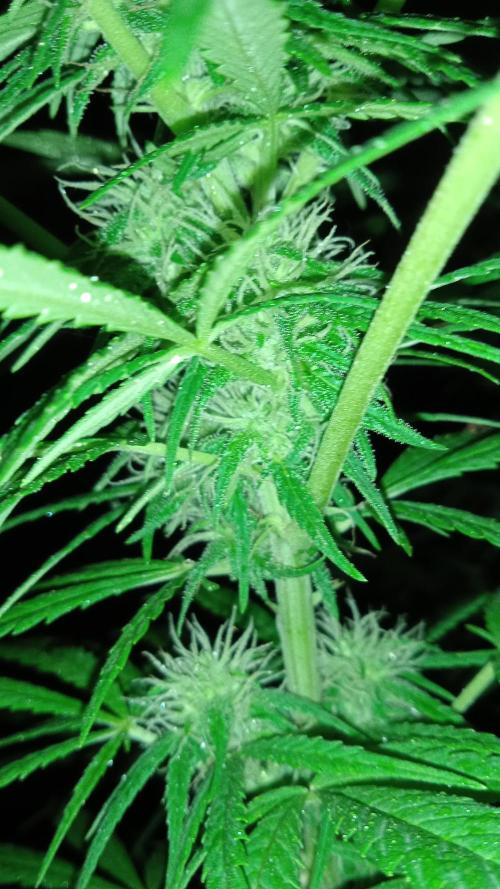
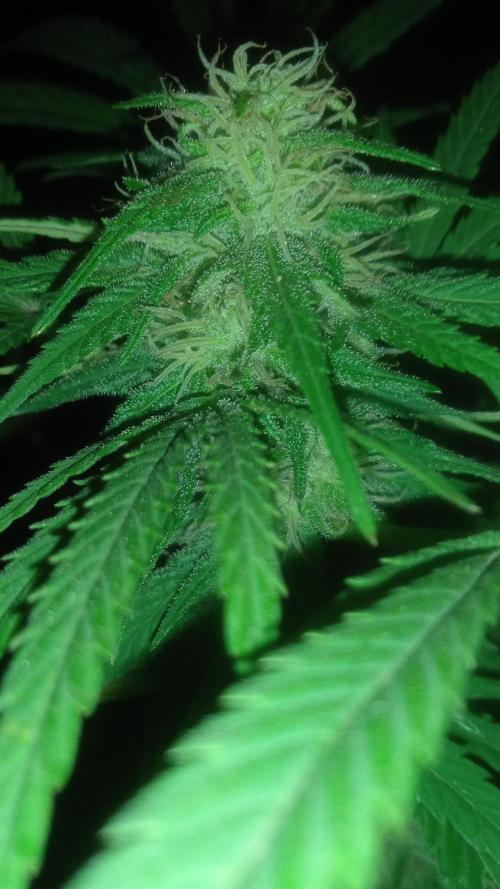
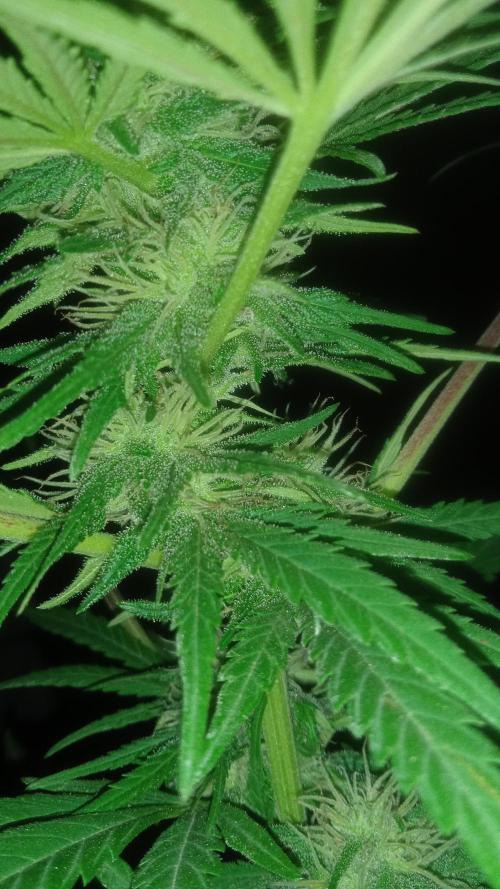
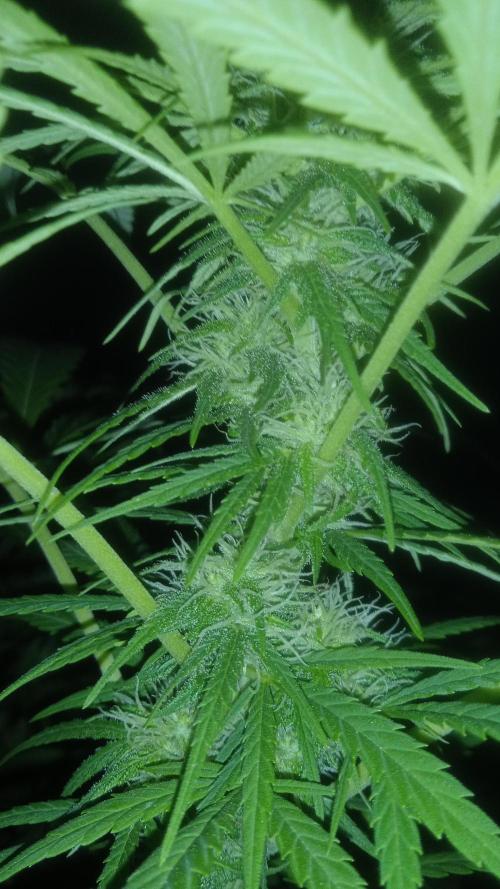
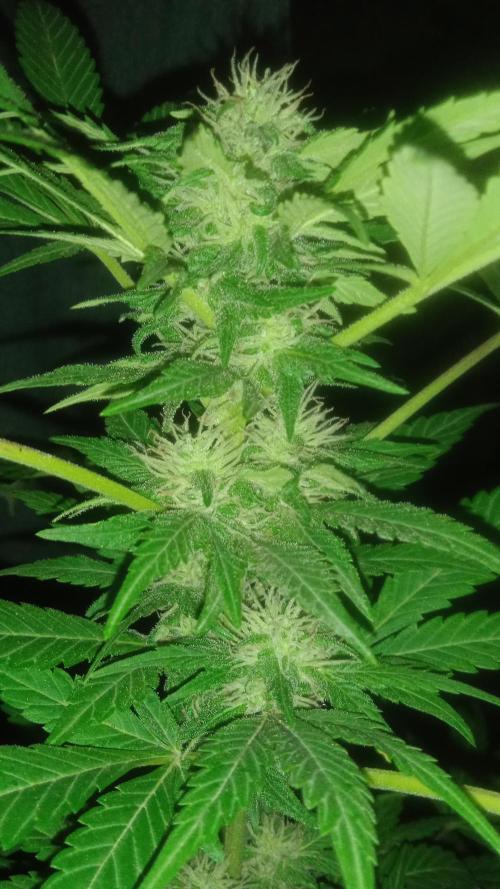
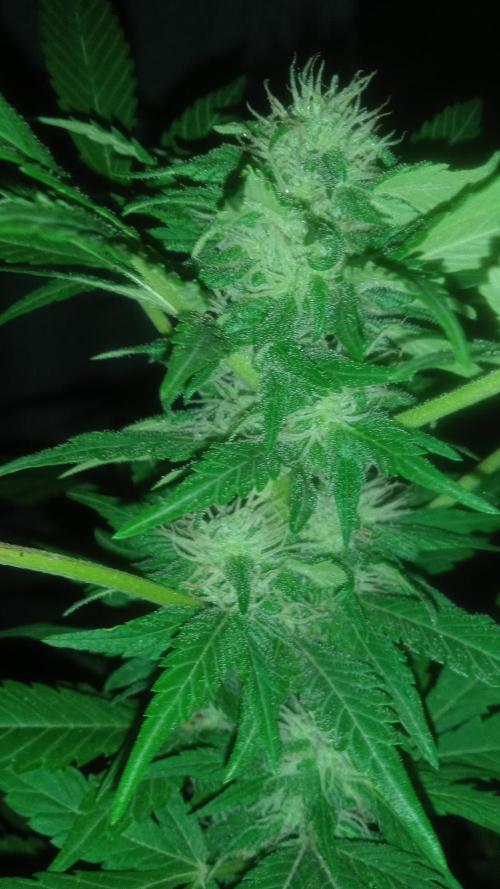
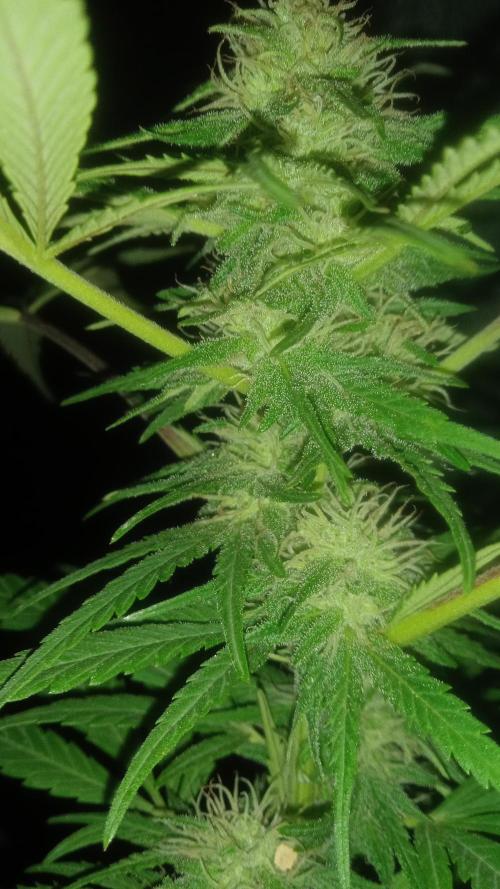
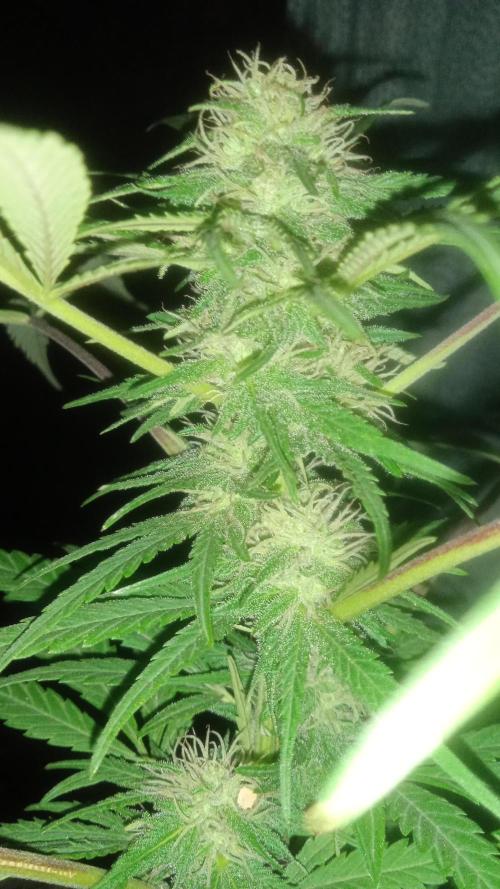
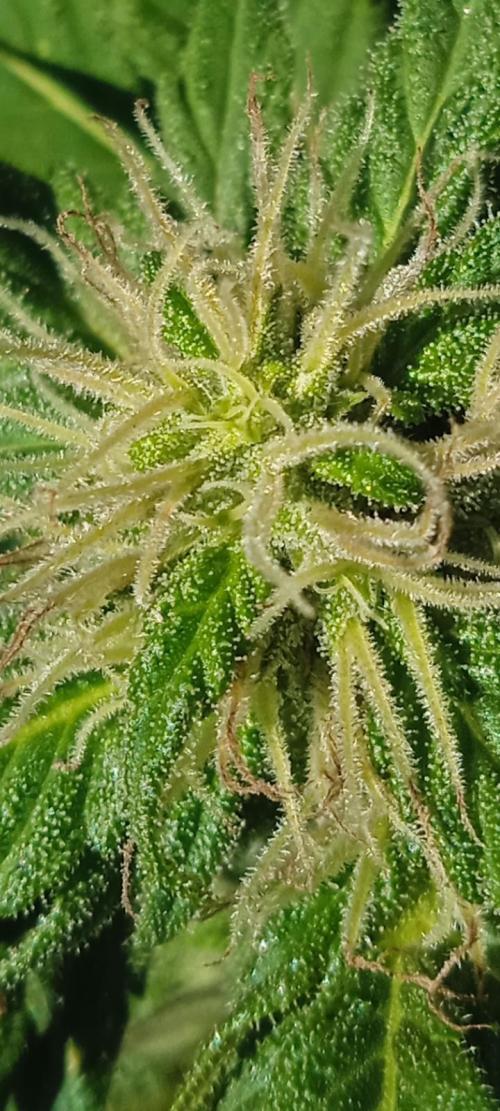
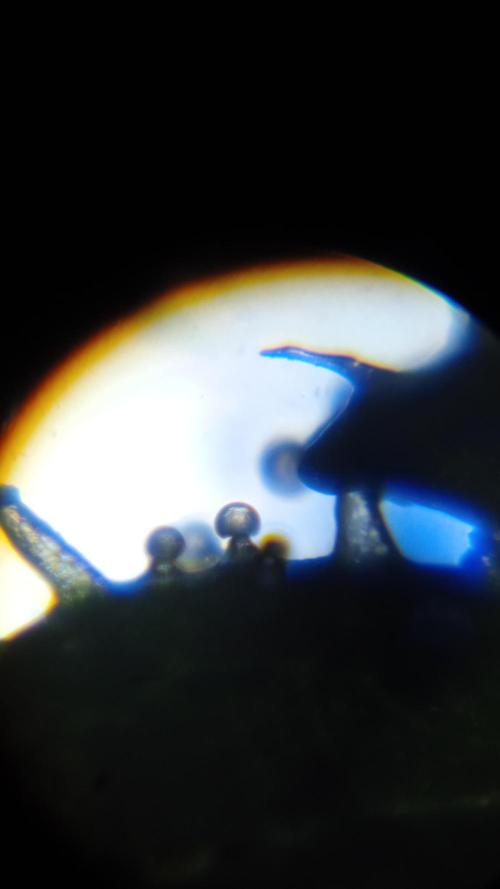
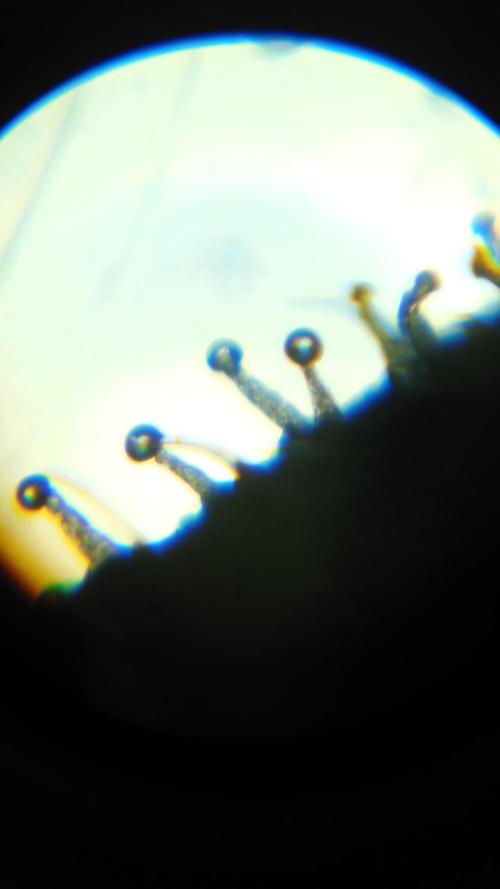
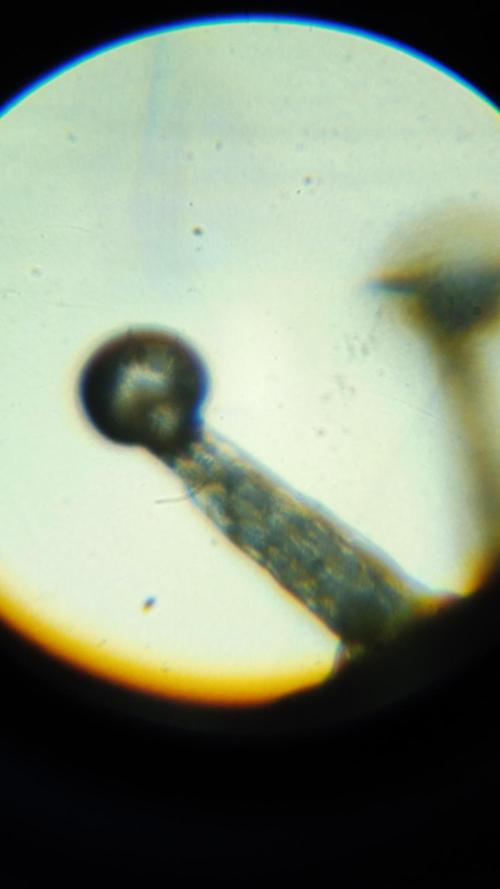
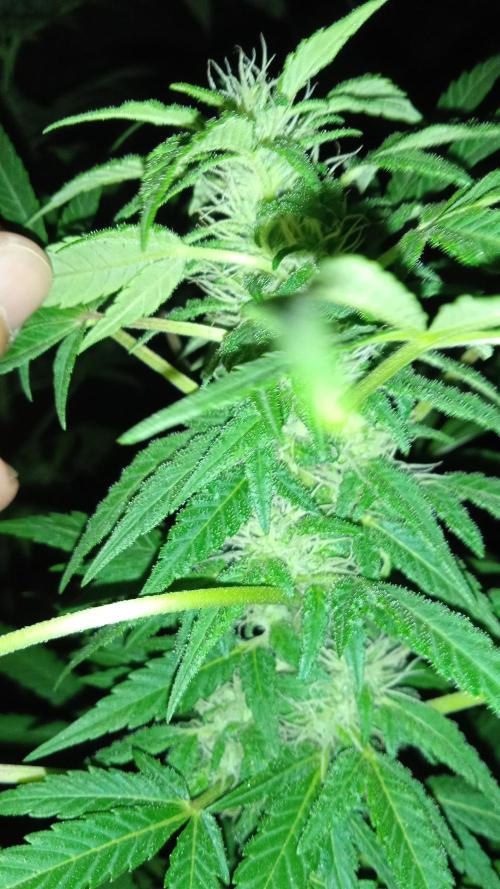
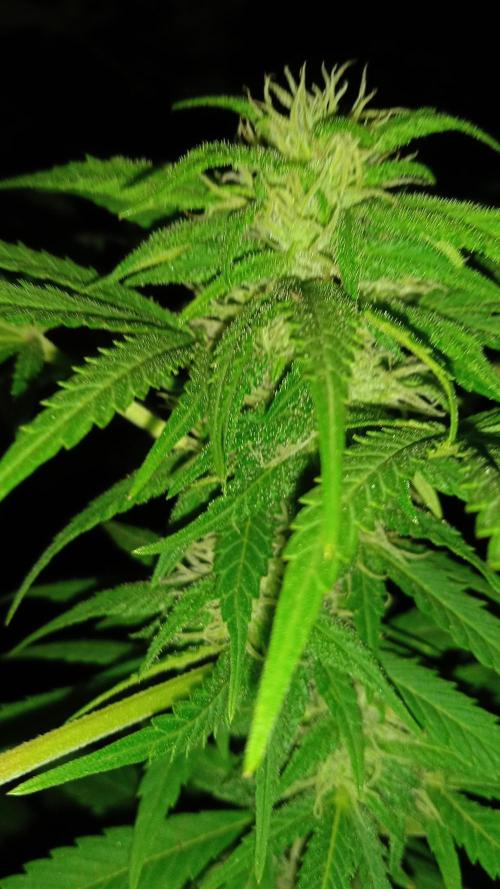
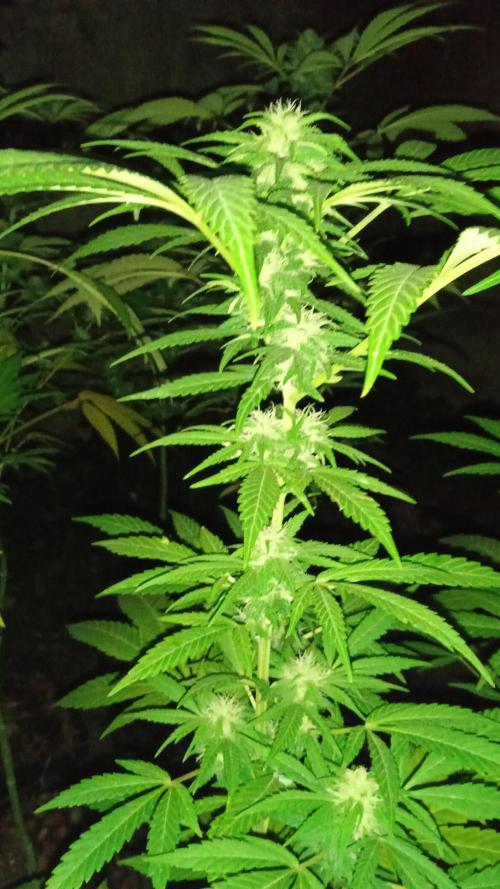
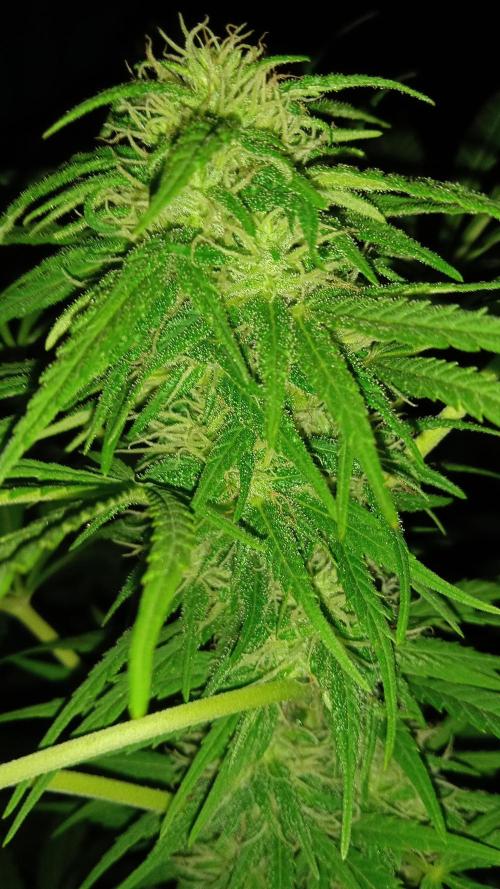
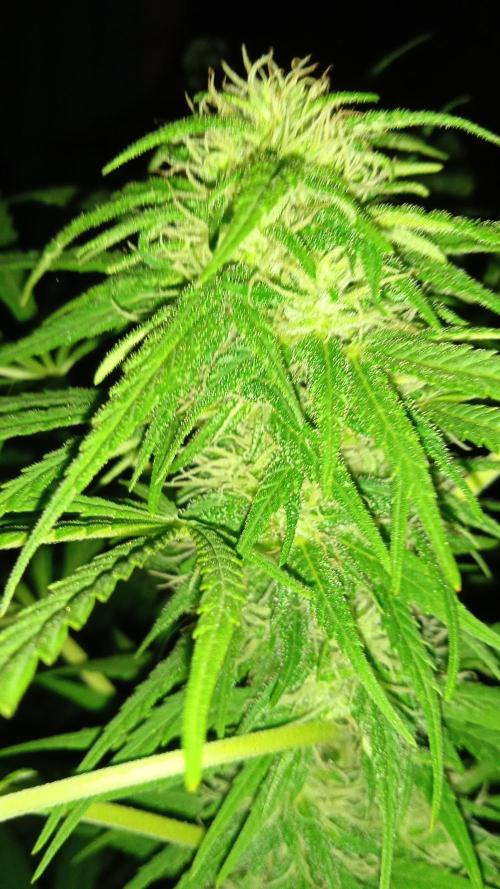
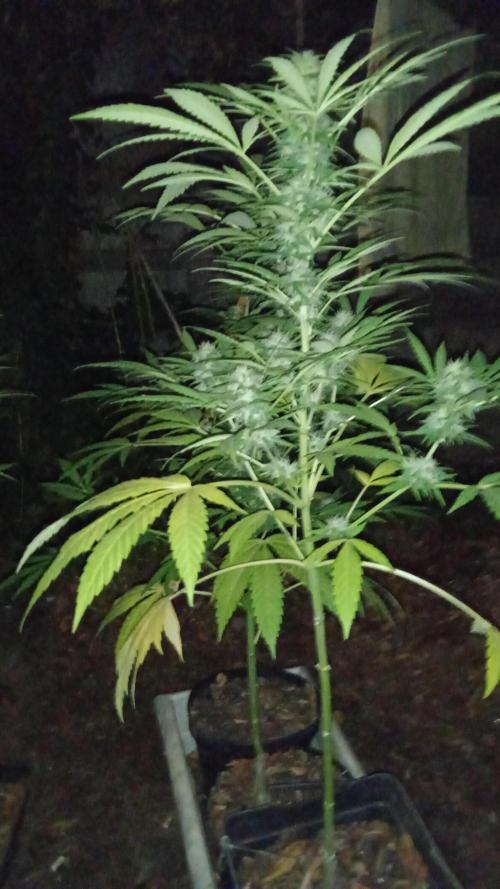
Phytosopher The second week has centered on establishing a foundation of vigorous, structural growth. The plants are dedicating energy to building a robust physical architecture, a clear indicator of their response to the living soil environment. The prominent development of non-glandular trichomes (simple, hair-like structures) along stems and petioles is a classic and positive sign of a healthy plant in a supportive vegetative state The observation of dense, non-glandular trichomes and compact vegetative structure confirms the plants are in an optimal state of growth and early defense preparation. The living soil system is performing its foundational role: providing steady, balanced nutrition that allows the plant to follow its natural developmental blueprint without stress or deficiency.
likes
comments
Share
Used techniques
Analysis
Technique
3
Week 3. Vegetation
2h ago
16 hrs
Light Schedule
30 °C
Day Air Temp
No Smell
Smell
56 %
Air Humidity
20 °C
Solution Temp
24 °C
Substrate Temp
19 °C
Night Air Temp
0.5 liters
Pot Size
0.2 liters
Watering Volume
Nutrients 3
Super-Juice
0.528 mll
Super-Living Soil (a bit)
10.42 mll
Bio-Heaven - BioBizzWWO
Bio-Heaven
0.528 mll
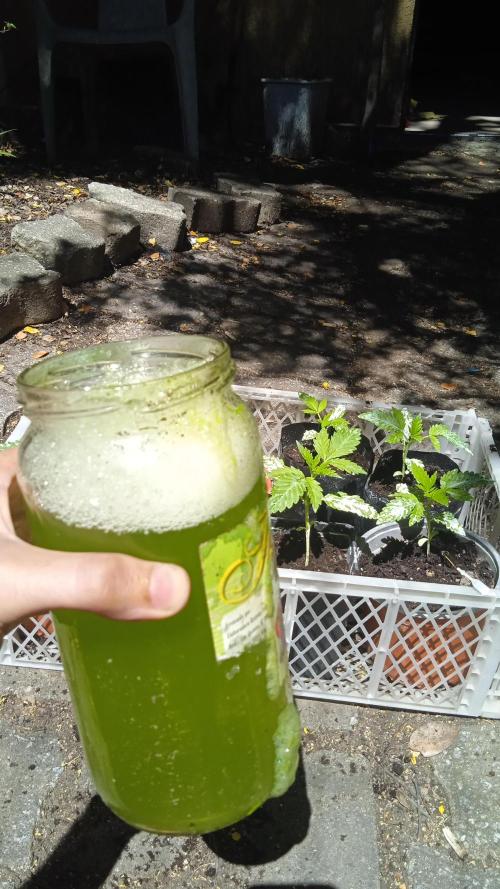
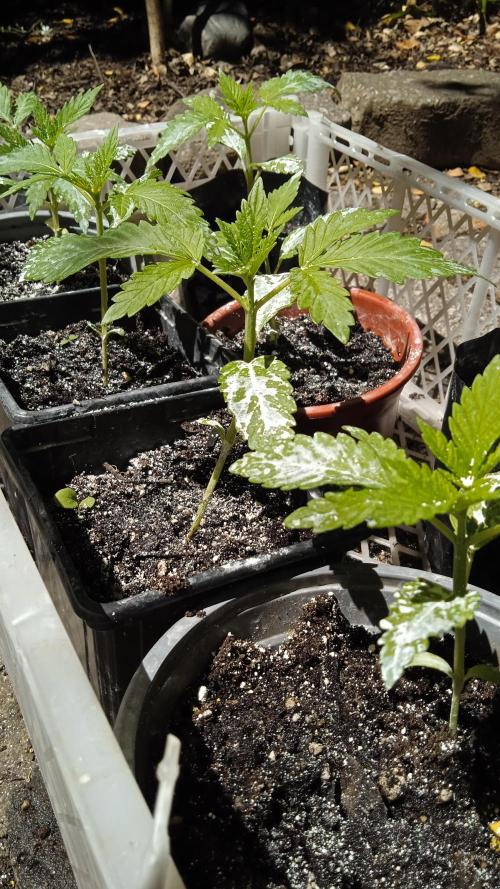
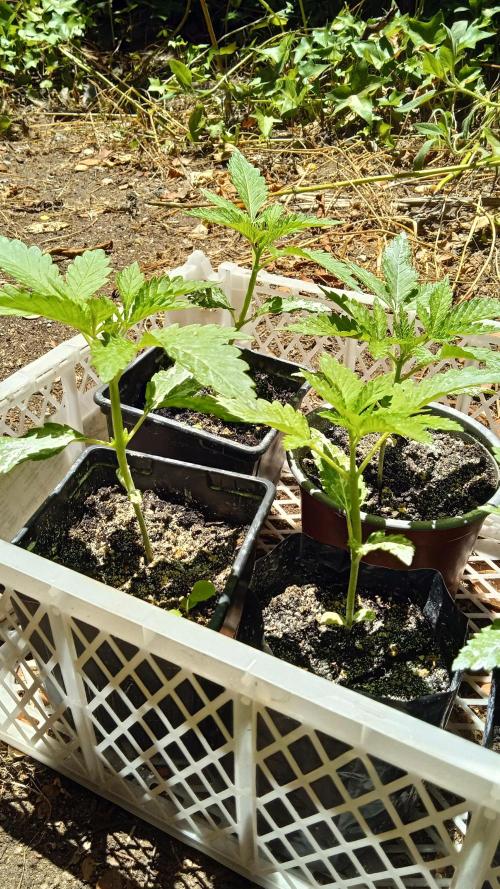
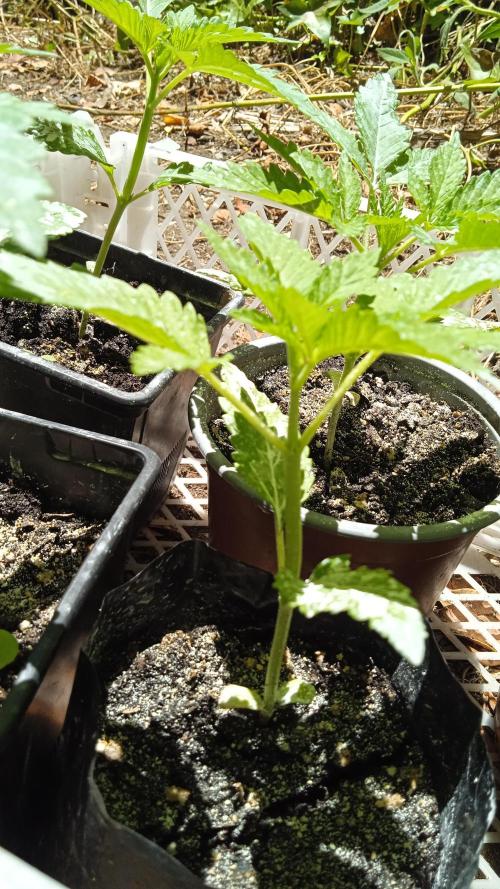
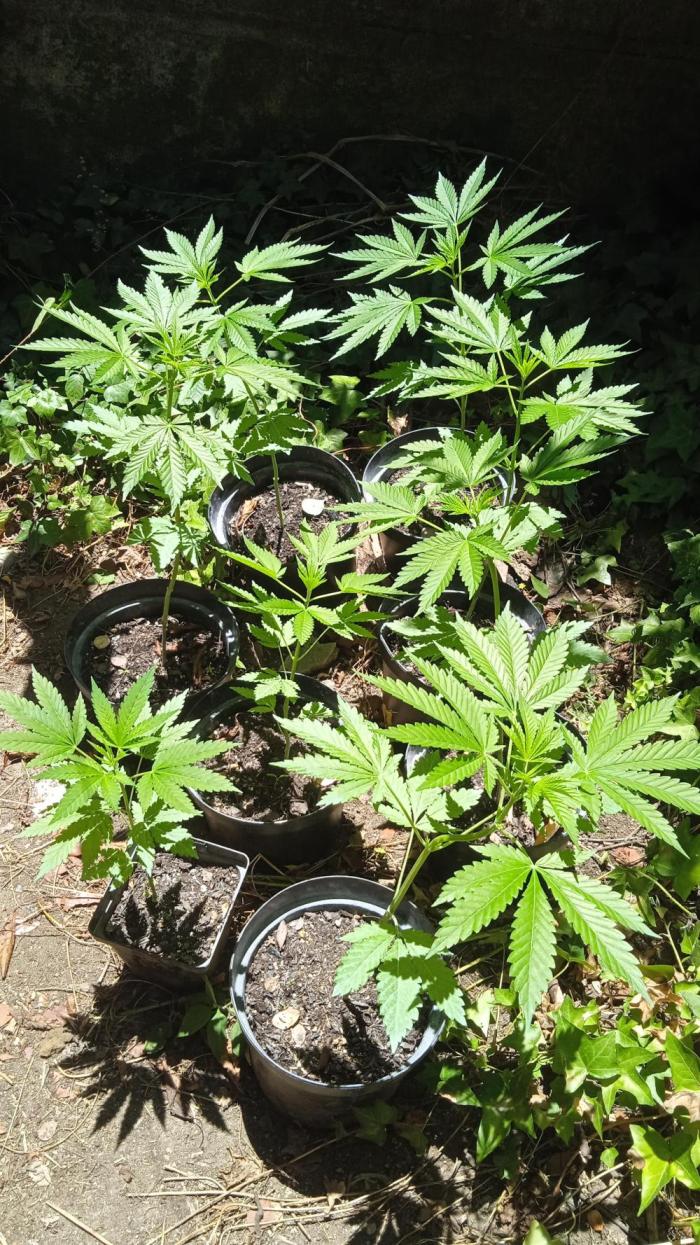
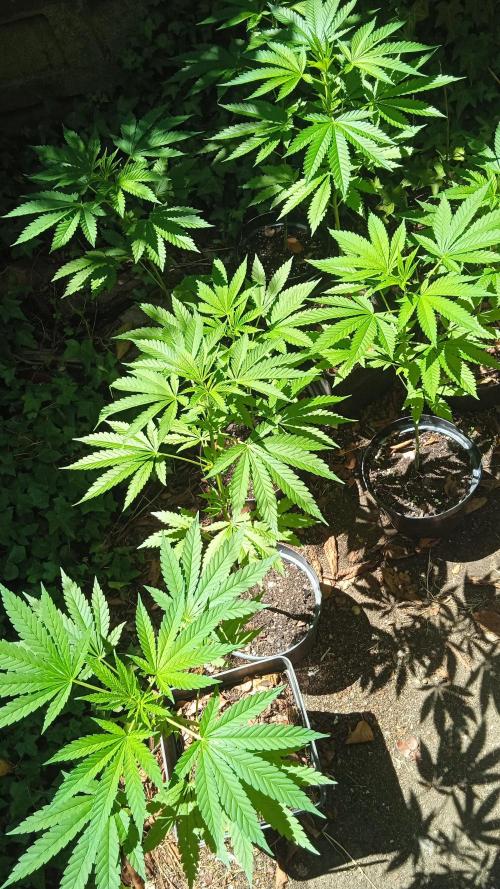
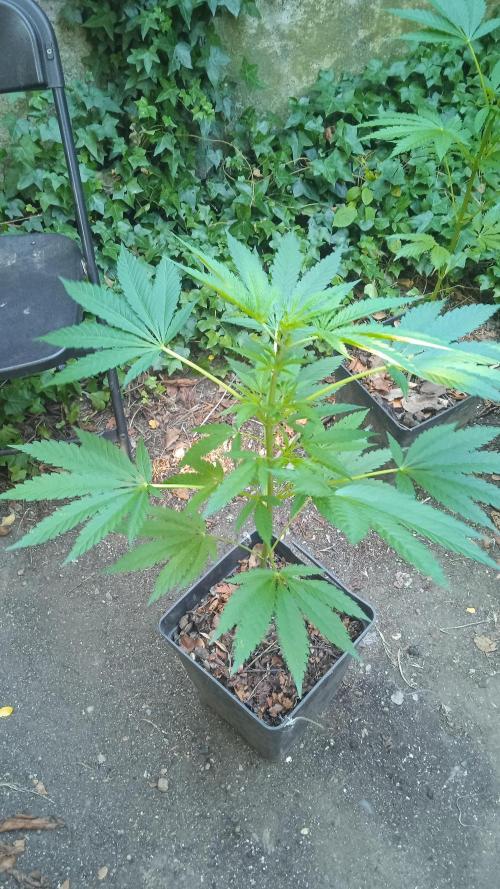
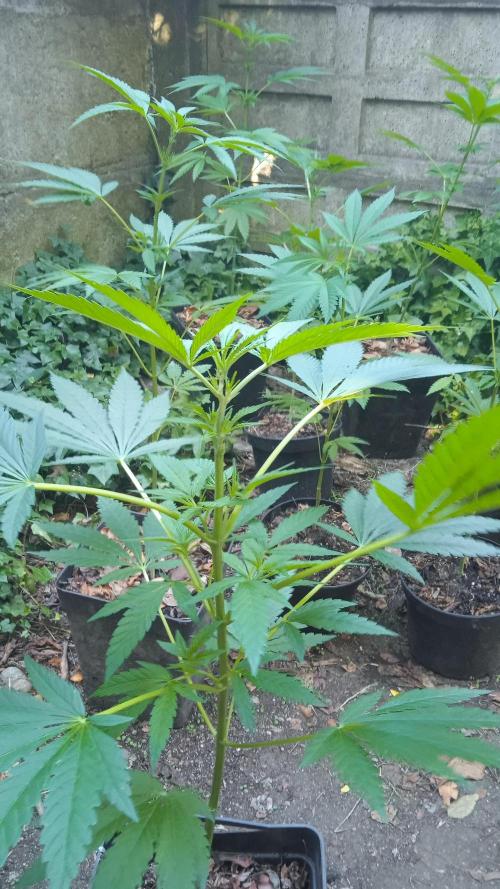
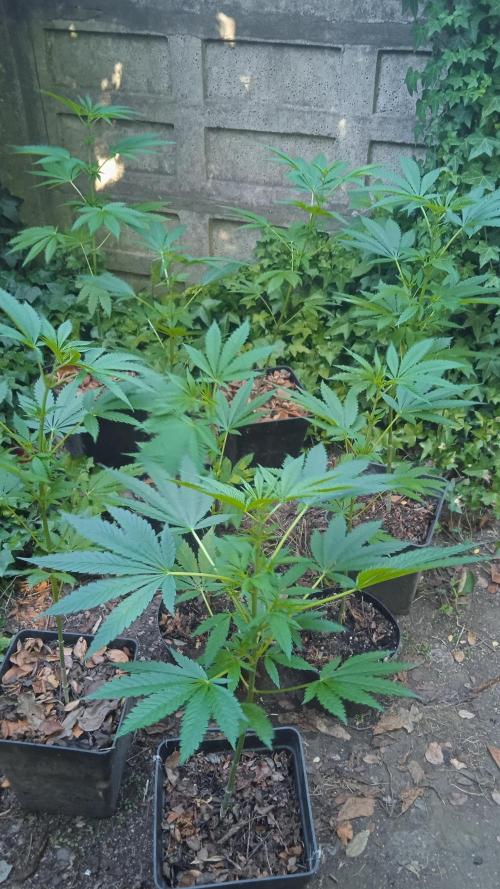
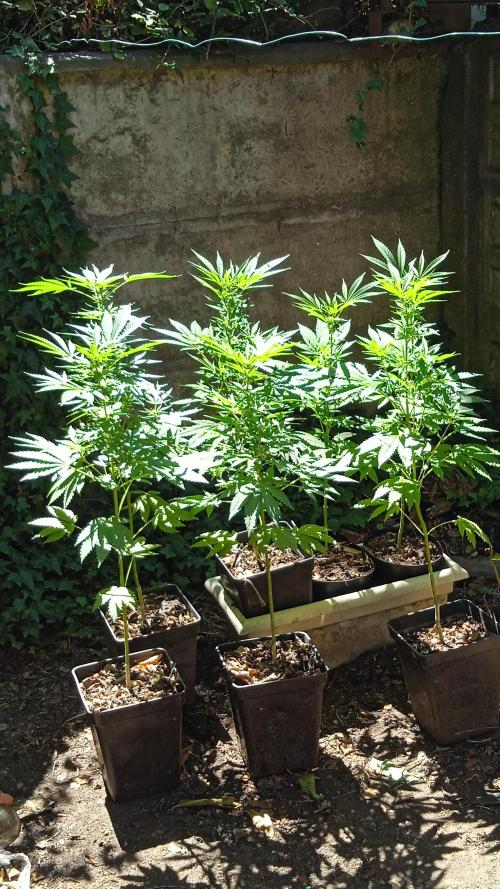
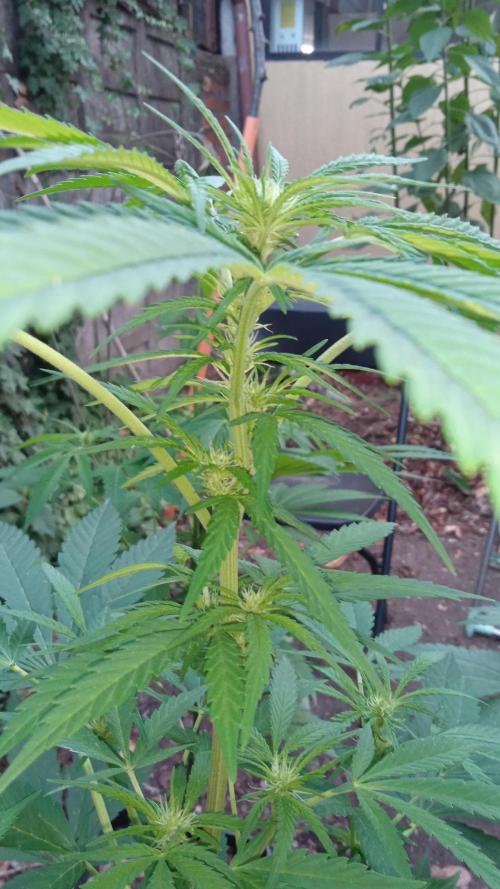
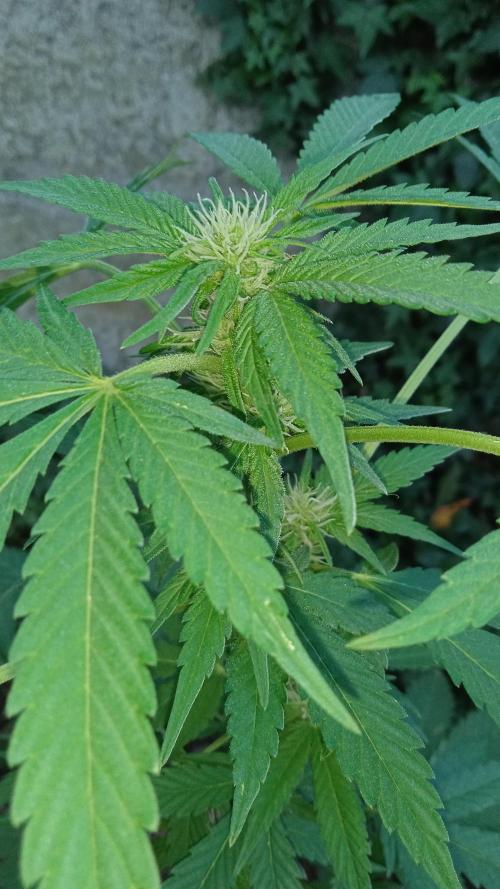
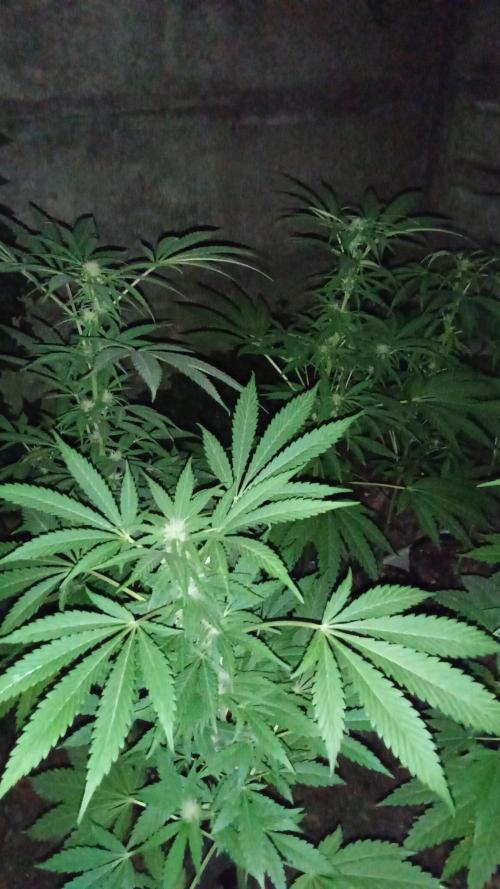
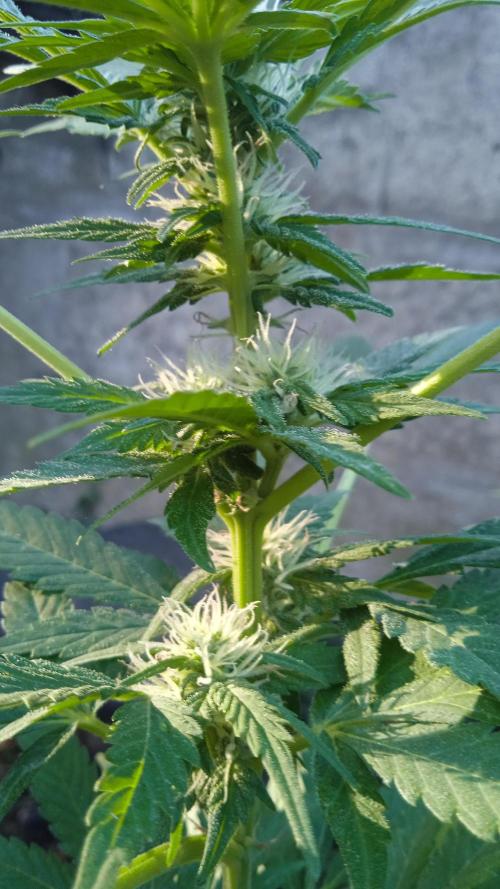
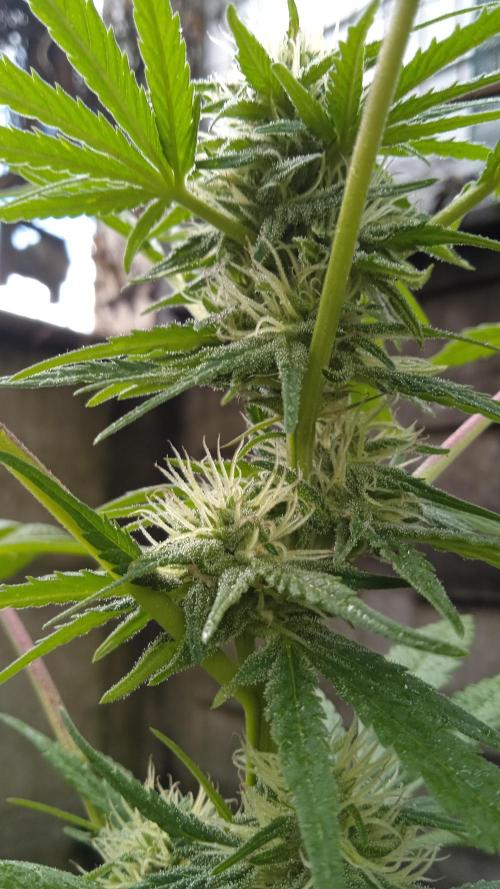
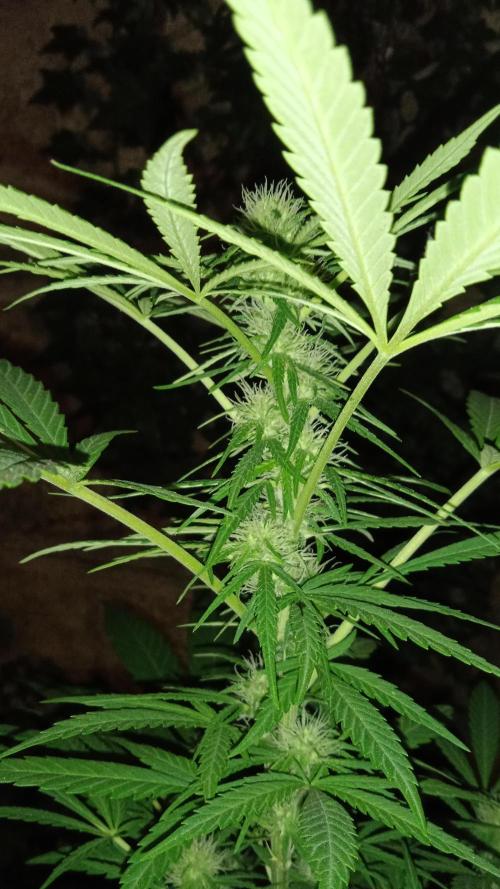
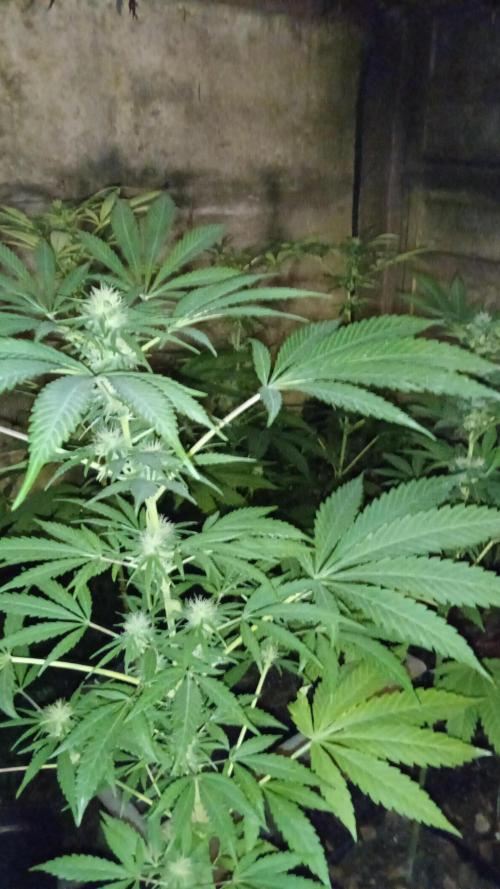
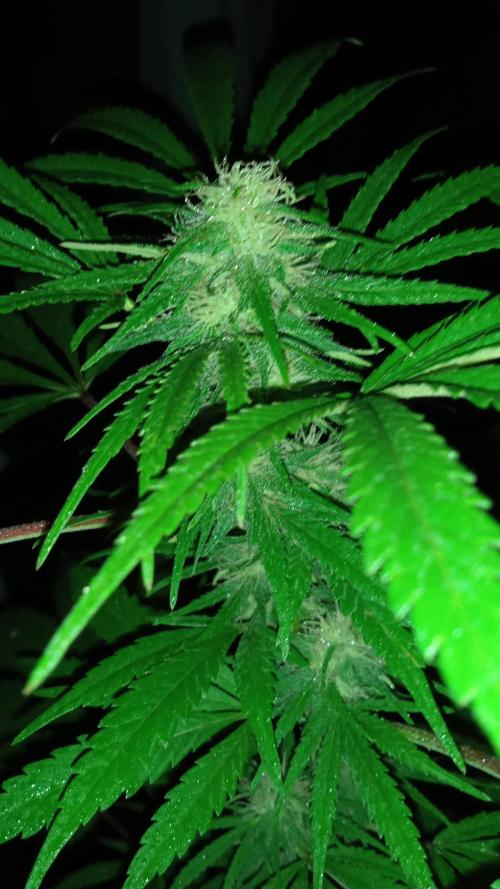
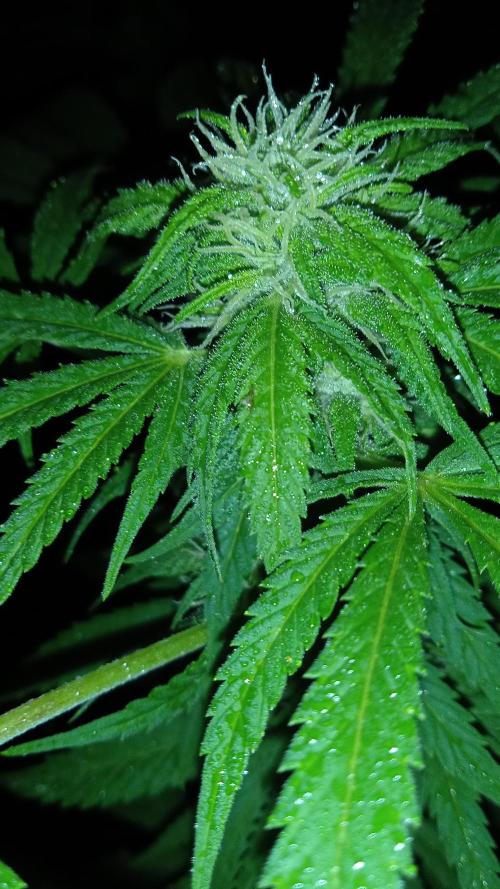
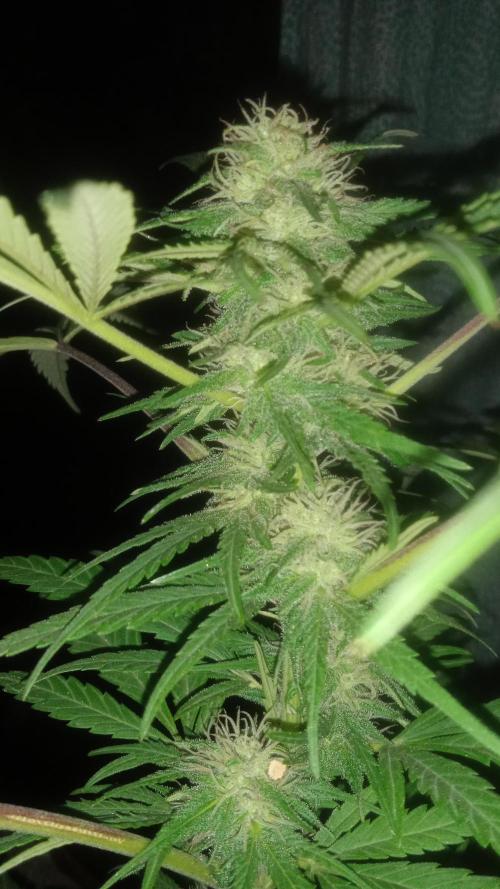
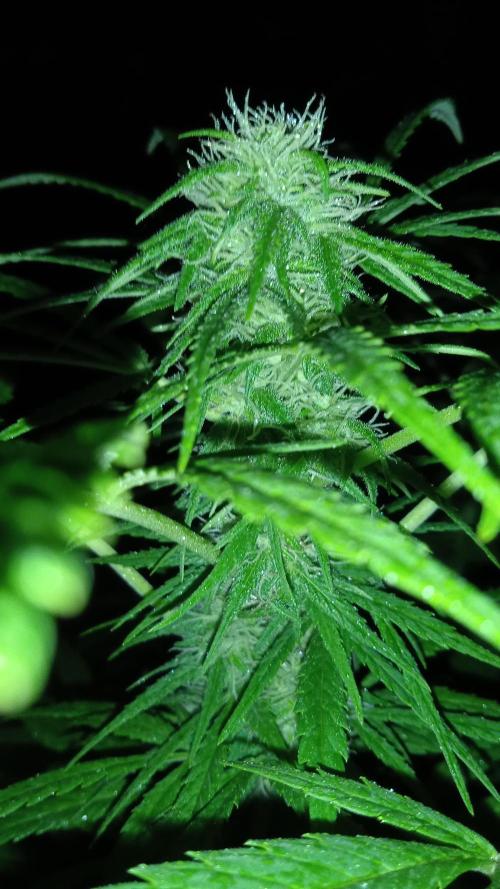
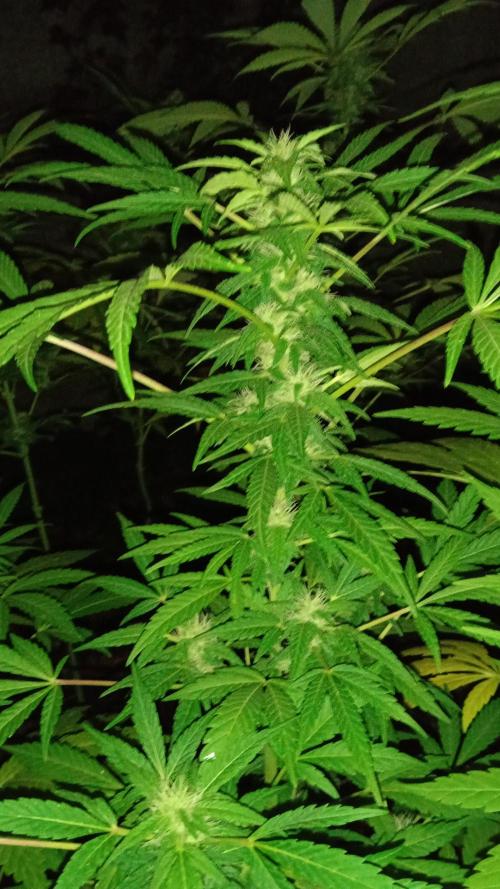
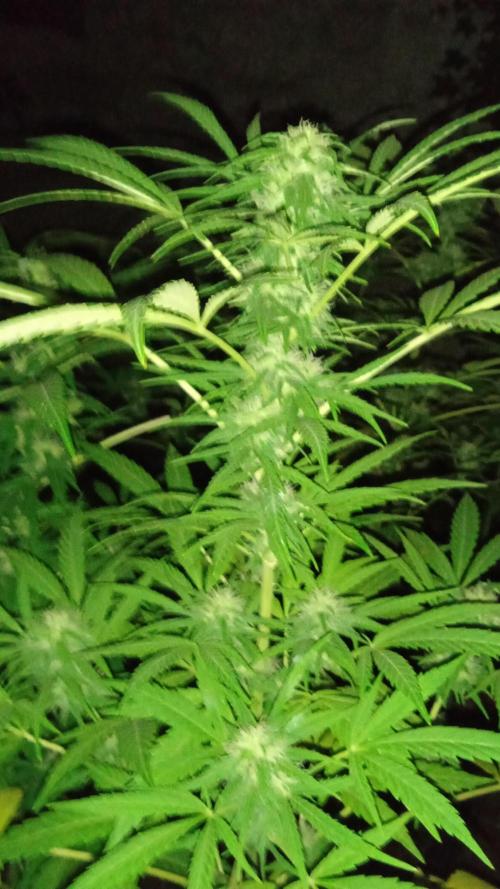
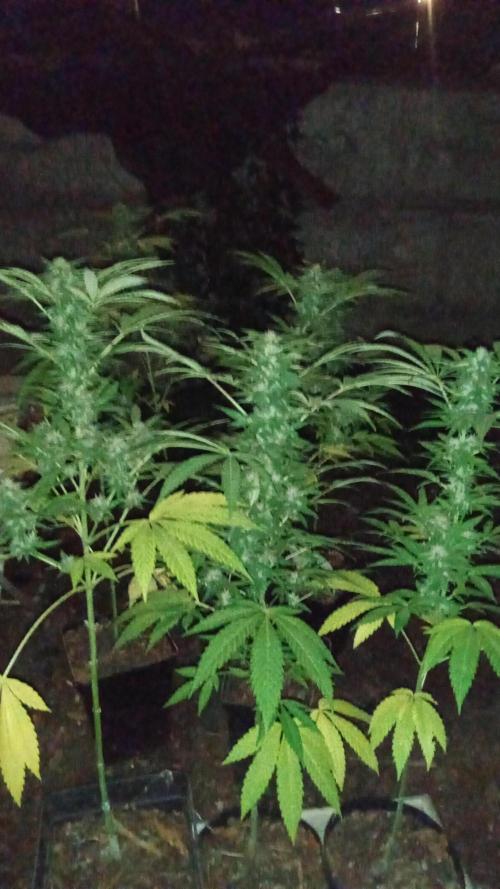
Phytosopher The third week was a reminder that growing outdoors is a dance with nature. The challenges came together, but the organic solutions worked perfectly. The main thing was moving the plants to a corner of the garden where the sun reaches them for more hours a day. You could see they were stretching too much, desperately seeking more light, especially with their Haze genetics that already tend to grow tall. While relocating them, I noticed those little black flies flying around the substrate when I moved the pots. Fungus gnats! They're not the worst, but their larvae can bother young roots. I took out my infallible ally: diatomaceous earth. I sprinkled a fine white layer over the entire surface of the soil and a little on the lower leaves. It's a magic powder made of fossilized algae, completely harmless to us and the living soil, but deadly for soft-shelled insects. By the afternoon, you could already see several gnats trapped in the powder. It worked immediately and without chemicals! With the plants now bathing in better light and protected from the flies, it was time to give them extra support with the usual preparations. The Activation Tea: This special watering is like a nutritious and hormonal smoothie for the life of the soil and the plant. This week it contained: Auxins and Cytokinins: These phytohormones are like messengers. The auxins tell the plant: "focus on putting out more roots!", which is perfect after moving them. The cytokinins, on the other hand, whisper: "sprout more side branches and get bushy!", to counteract the stretching. Salicylic Acid and Enzymes: It's the plant's "immune system." The change of location and the powder are minor stresses, and these compounds help the plant stay strong and keep its guard up. Sugars and Amino Acids: They are the gourmet food for the billions of beneficial bacteria and fungi that live in my substrate. If they are happy and well-fed, they transform nutrients for the plant. The Solid Amendment (The Soul of the Soil): This is the foundation of everything, my "secret recipe" that makes the soil truly alive. It's not just dirt; it's a complete ecosystem. It contains: The Organic Matter: Bokashi fermented for more than 40 days, very specific compost and humus. This is the slow-release food bank. The Life (The Most Important Part): Bacteria, mycorrhizal fungi, nematodes and protozoa. They are the cooks. They break down the organic matter and, in doing so, release nutrients in a form that the roots can absorb. It's a microscopic food chain working for the plant. The Nutrients and Minerals: Everything the plant needs: from Nitrogen, Phosphorus and Potassium (NPK) to a full range of minerals like Calcium, Magnesium, Zinc, Iron, Copper, Boron, Silicon and Molybdenum. But here they don't come from a chemical bottle, but from ground rocks, ashes and natural complexes. The Enhancers: Humic and fulvic acids (which improve absorption), polysaccharides (which bind soil particles), and compounds like flavonoids, tannins and lignin that improve the overall health of the soil. The stretch is under control (i hope), the gnats are gone, and the soil is being fed from all sides. The garden feels back in balance.
3 likes
comments
Share
Used techniques
Analysis
Technique
Grow Questions
Phytosopher
Phytosopherstarted grow question 2h ago
What's your foolproof (organic) trick for dealing with pests outdoors? 🌱
Open
1 like
Answer
The_Wanderer
The_Wandereranswered grow question 17m ago
High quality genetics with evidence based proven pest resistance.
likes
Complain
Organoman
Organomananswered grow question 1h ago
Do nothing...........pests come followed by the predators, which get rid of the pest. Start spraying crap everywhere and you kill the good with the bad, destroying the natural balance. The more biodiversity, the less chance of pests building to harmful levels. Pests are inevitable, but if you can resist doing anything for a week, the problem usually sorts itself out........as in......aphids may appear, but are then followed by ladybirds or hover flies which then clean the aphids up. Planting companion plants such as marigolds, brings in the good guys. Can't say I have ever in 40 years of outdoor cultivation, had a pest problem that caused any sort of real issue...........a bit of damage, yes, but destroyed crops.........never.

likes
Complain

Login

Be the first to comment it
Enjoying this diary? Follow for more updates!
Prefer the old Diary view?
Go back to the old Diary view