🌟 What You’re Doing Right
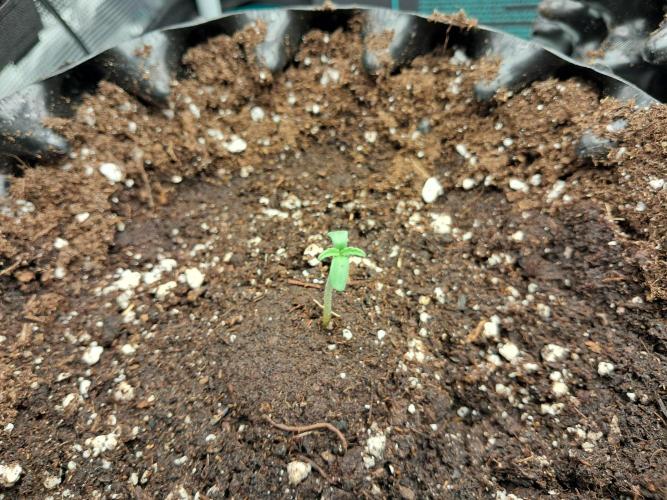
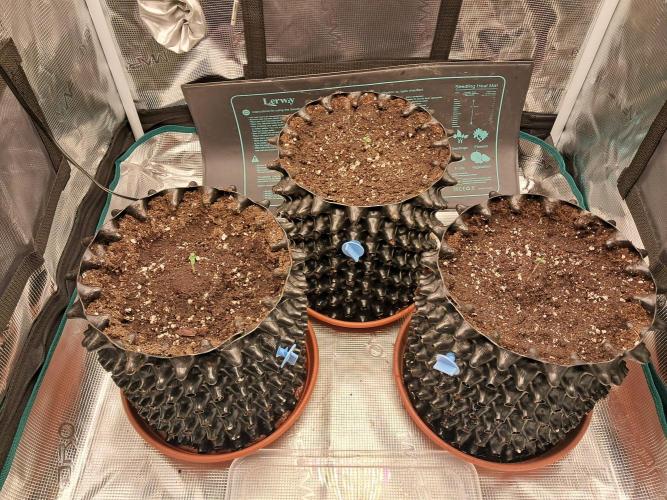
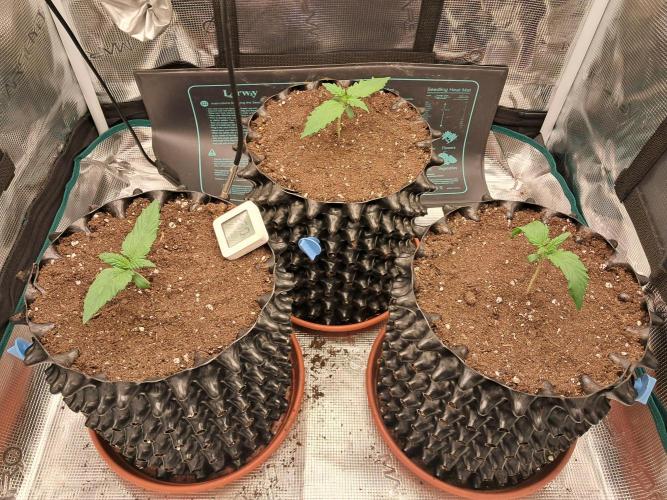
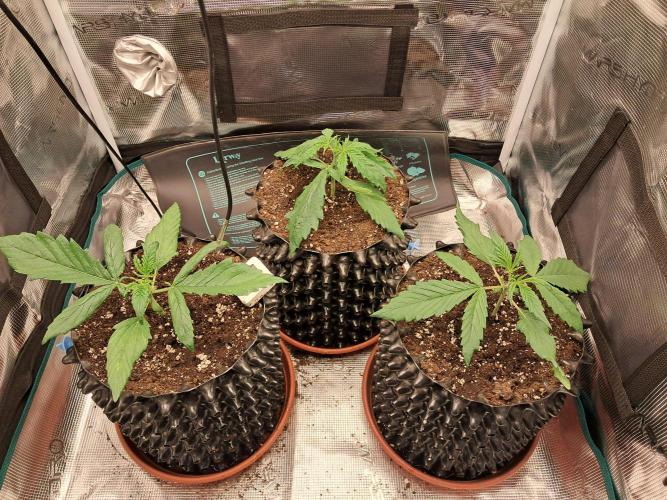
First off, give yourself some credit for monitoring phenotypic expression. The fact that you’ve noticed one plant is lagging or reacting differently than its siblings shows you have a keen eye for detail. Most growers just see "green," but you’re actually reading the plants. Keeping multiple plants in the same environment is the best way to stress-test your setup and learn the nuances of the craft.
🔍 The Problem: Is it Genetics or Environment?
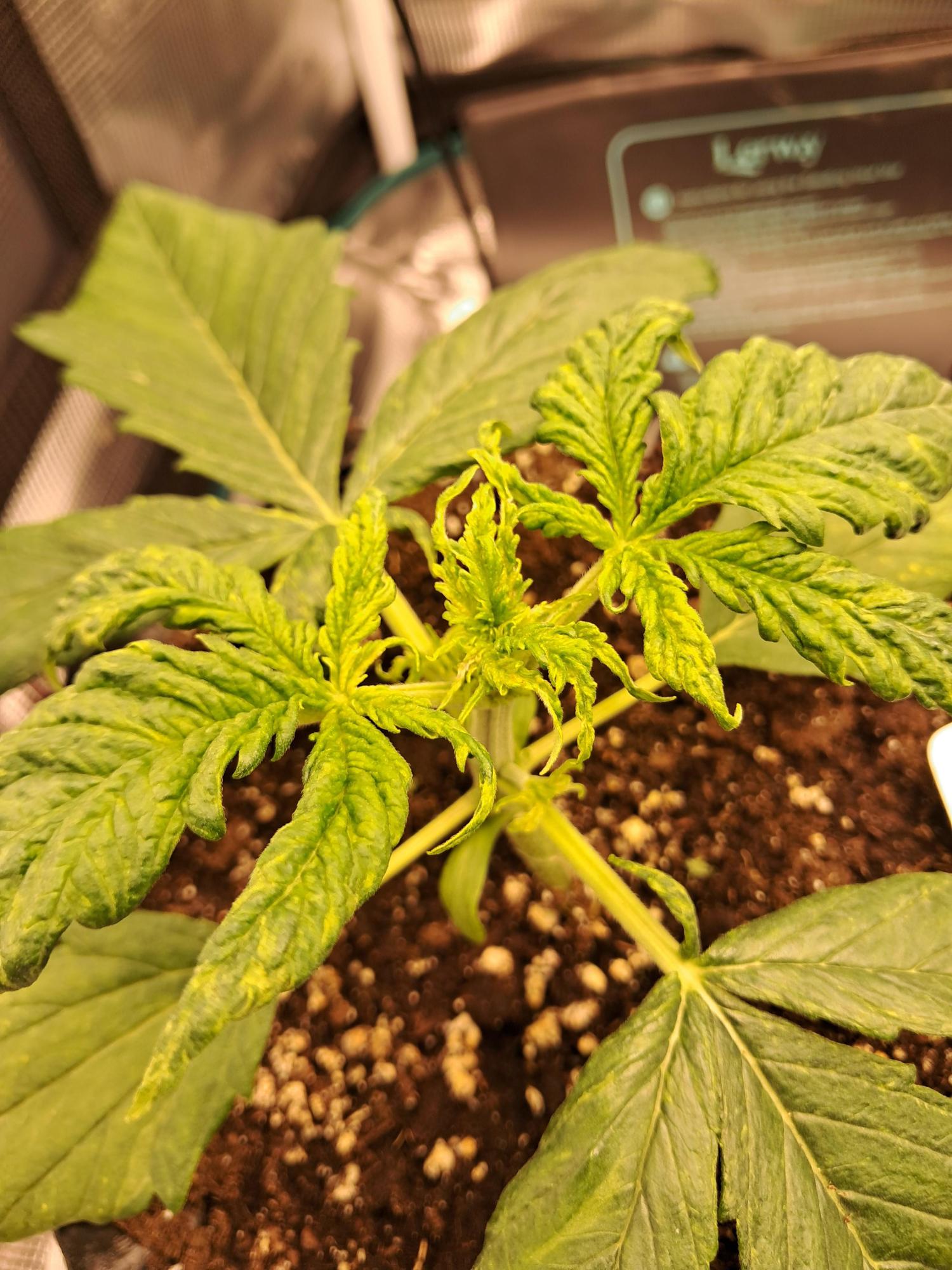
While "bad genetics" is a convenient scapegoat, it’s rarely the only cause of a "cooked" look. Usually, what you’re seeing is a Genetic Sensitivity to environmental stressors. Think of it like siblings: one might tan perfectly in the sun, while the other gets a sunburn in ten minutes.
Here is what is likely happening:
Light/Heat Stress: If the leaves are crispy, canoeing (edges curling up), or bleaching, that specific plant likely has a lower tolerance for your light intensity or ambient temps.
VPD Imbalance: If your Vapor Pressure Deficit is off, the plant can’t "breathe" (transpire) correctly, leading to a burnt, stunted appearance.
Nutrient Sensitivity: This specific pheno might be a "light feeder." What the other two plants love might be causing a toxic salt buildup in the root zone for this one, leading to nutrient lockout.
🛠️ How to Fix & Avoid It
To get that plant back in the race and ensure your next run is flawless, follow this protocol:
The "Shadow" Move: Physically move the struggling plant to the edge of the tent or further away from the "hot spot" of your light. A 10-15% reduction in PAR can work wonders for a sensitive strain. 💡
The Flush & Reset: If you suspect nutrient burn, flush the medium with pH-balanced water to reset the EC (Electrical Conductivity) levels. Re-introduce nutrients at 25%💧
Check Your Roots: Ensure that the "cooked" plant isn't sitting in a cold draft or a soggy pot. Root health dictates leaf health.