


Auto pot run #1





VEG
Ironframe EV06 Light Emitting Diodes/500W
FLO
Ironframe EV06 Light Emitting Diodes/500W
Ironframe EV06




Hydro
15 Gallons
Auto pot


Indoor
Room Type
LST
weeks 3-6
Defoliation
weeks 4-5
ScrOG
weeks 4-6
SoG
weeks 5
15 liters
Pot Size
Start at 8 Week
G
Germination6mo ago
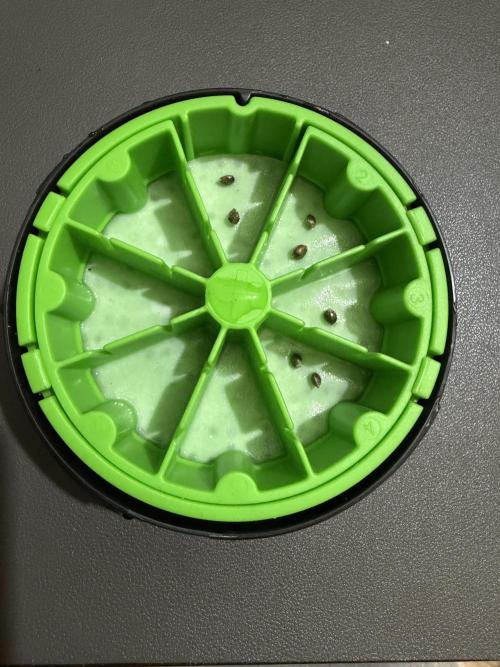
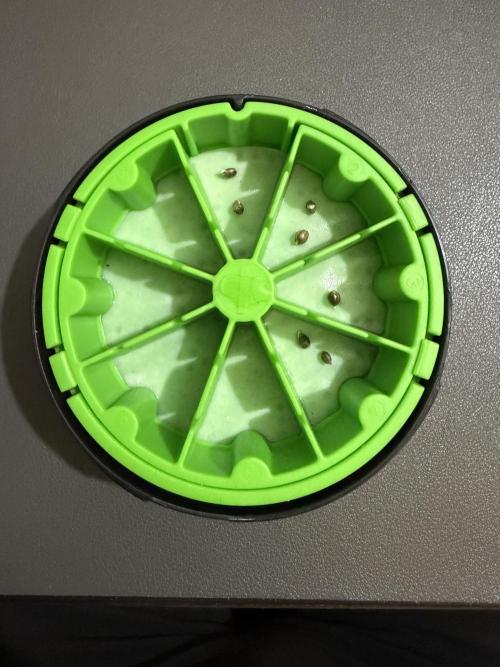
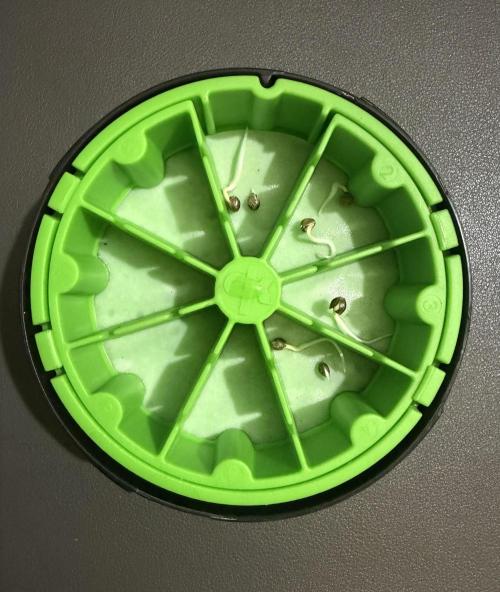
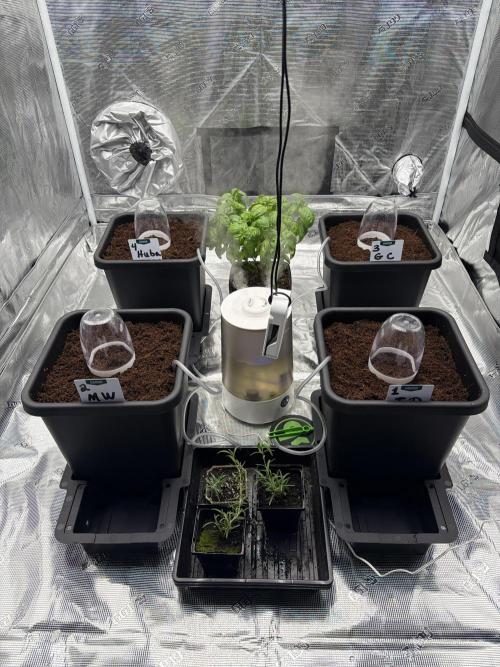
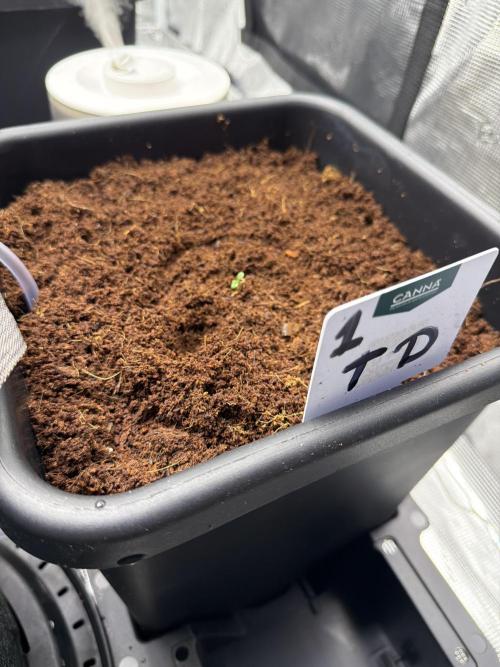
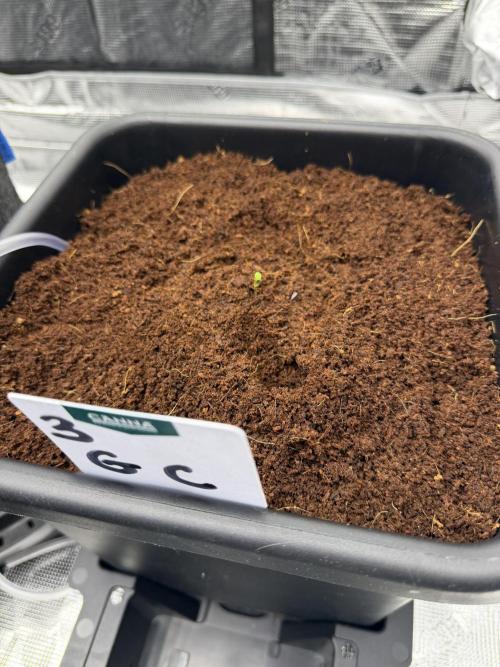
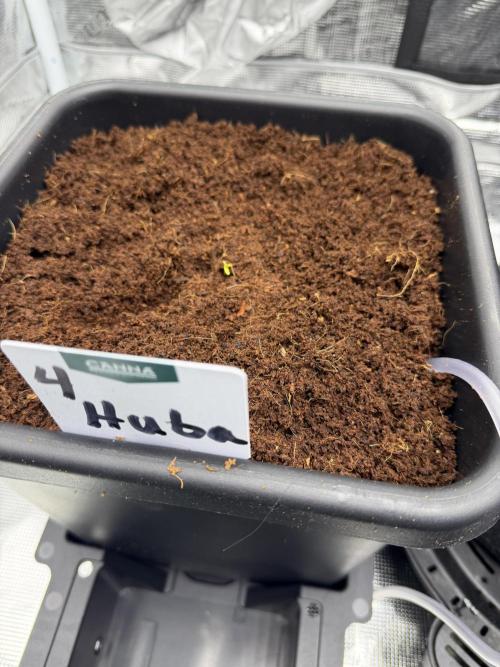
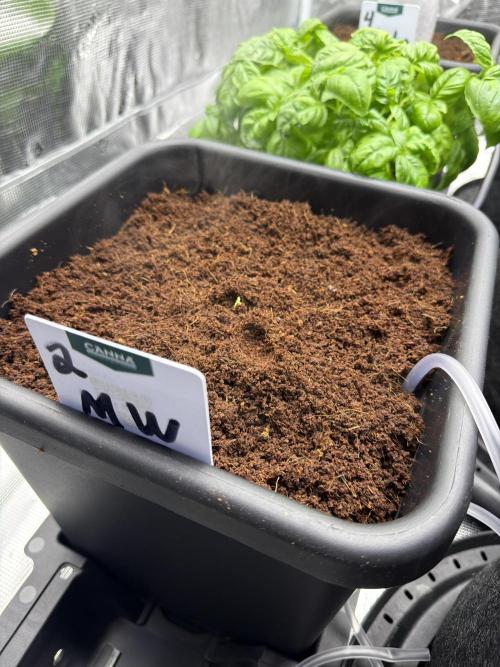
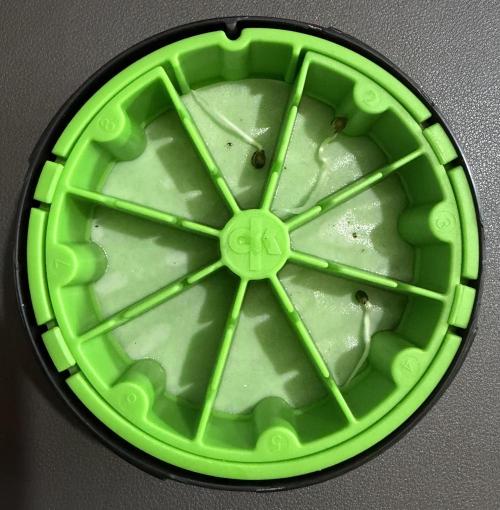
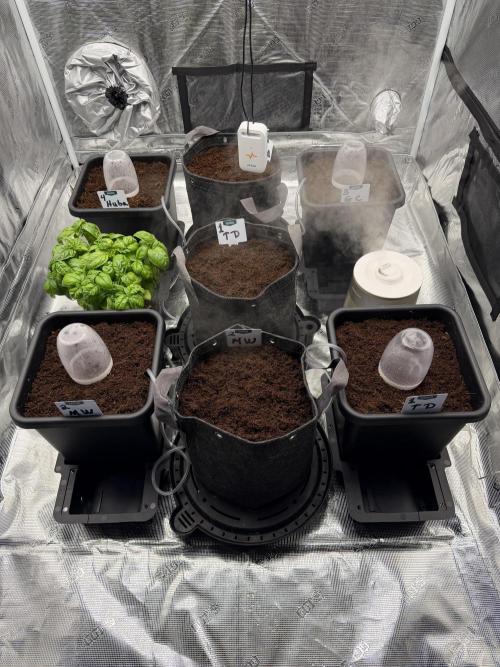
Thebeardserkers I put in a few more seeds just to be sure!
5 likes
1 comment
Share
Used method
Other
Germination Method
1
Week 1. Vegetation6mo ago
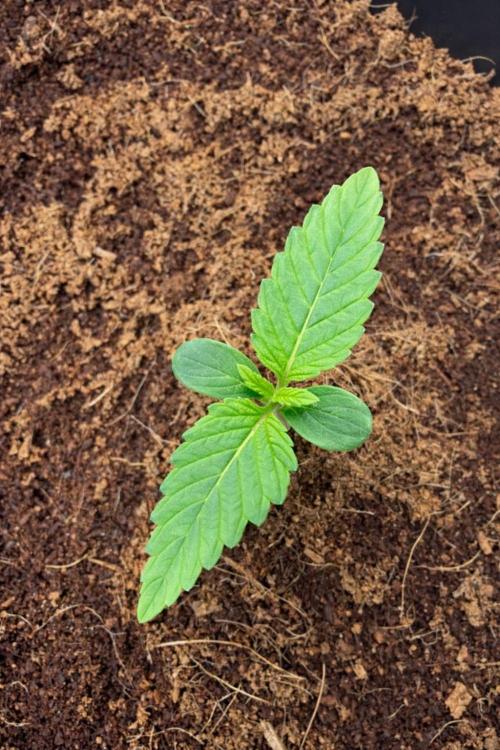
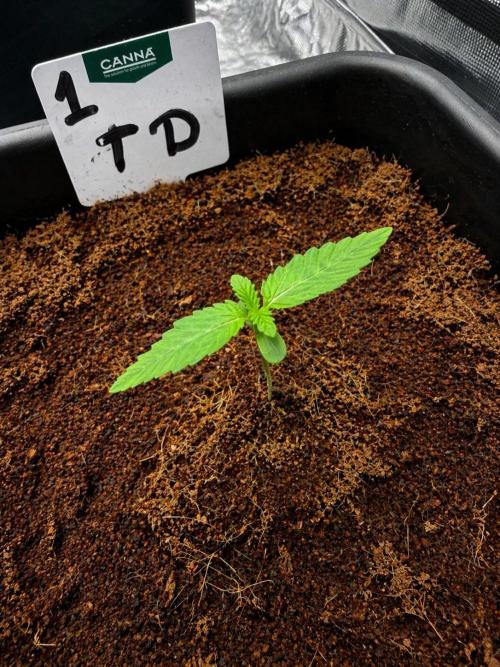
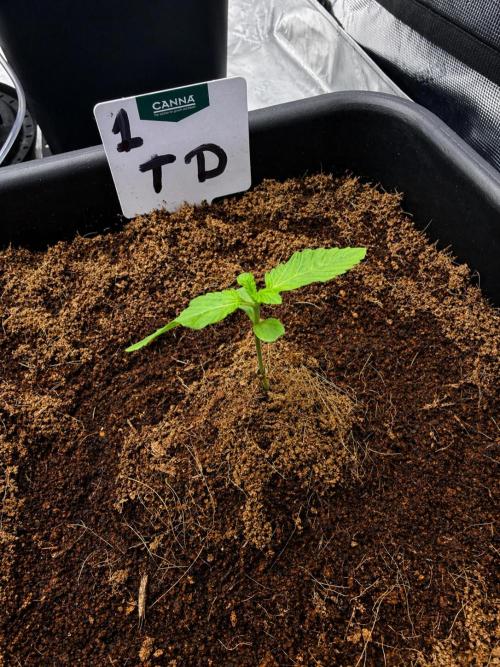
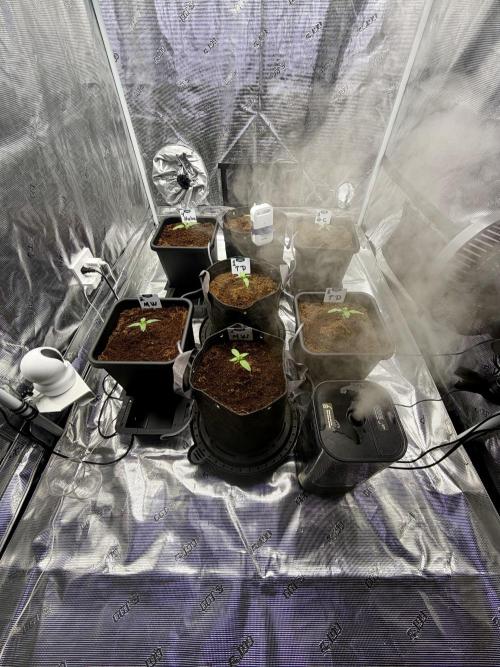
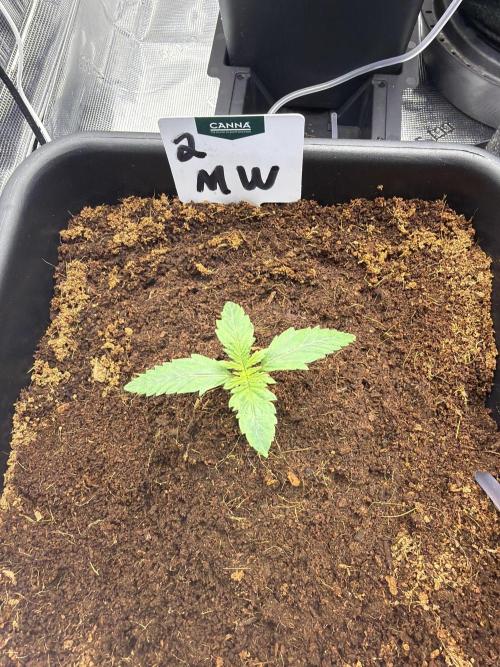
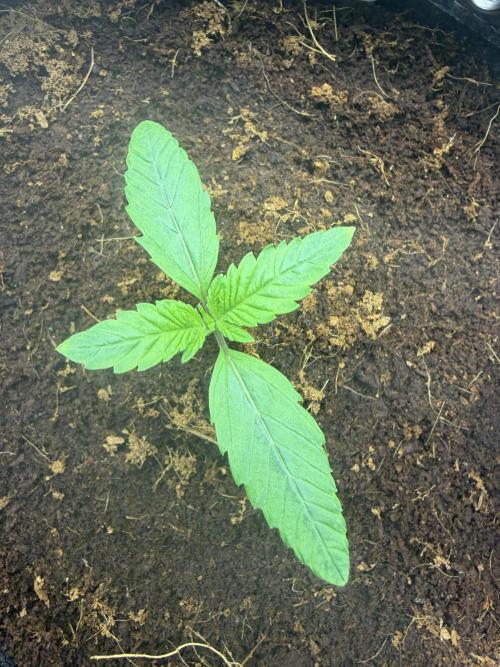
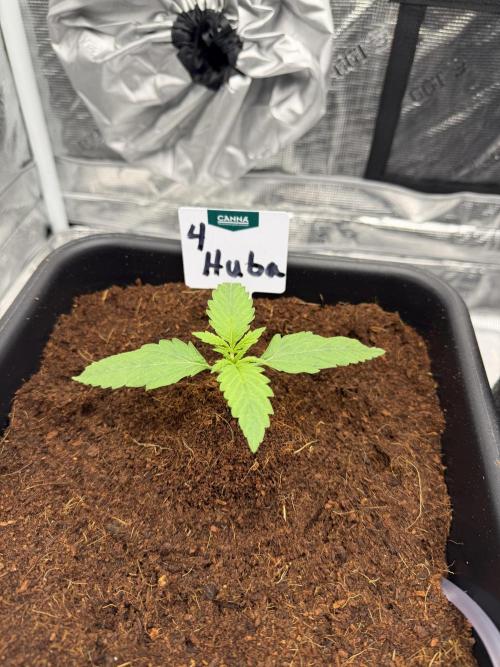
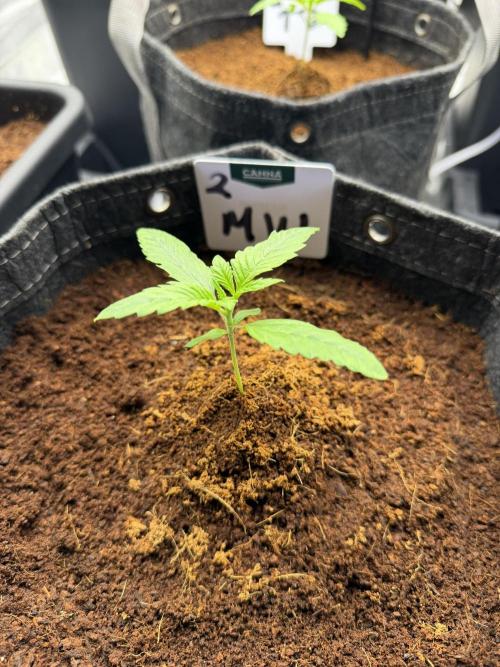
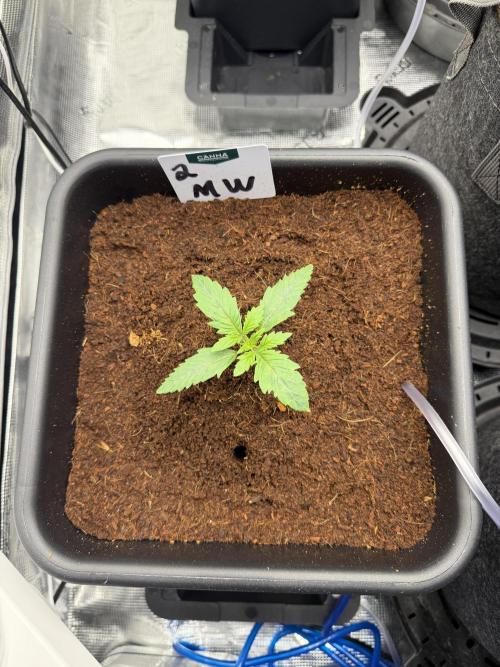
5.08 cm
Height
20 hrs
Light Schedule
25 °C
Day Air Temp
5.8
pH
No Smell
Smell
300 PPM
TDS
77 %
Air Humidity
24 °C
Solution Temp
24 °C
Substrate Temp
24 °C
Night Air Temp
14.99 liters
Pot Size
0.11 liters
Watering Volume
91.44 cm
Lamp Distance
Nutrients 6

B-52
0.5 mll

Sensi Cal-Mag Xtra
0.5 mll

pH Perfect Bloom
0.5 mll
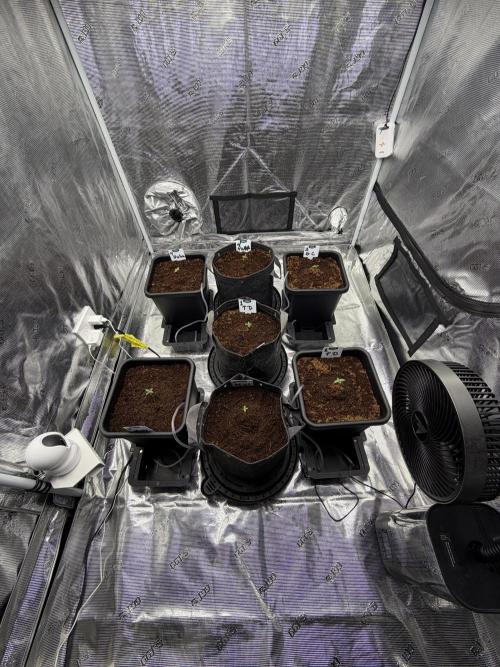
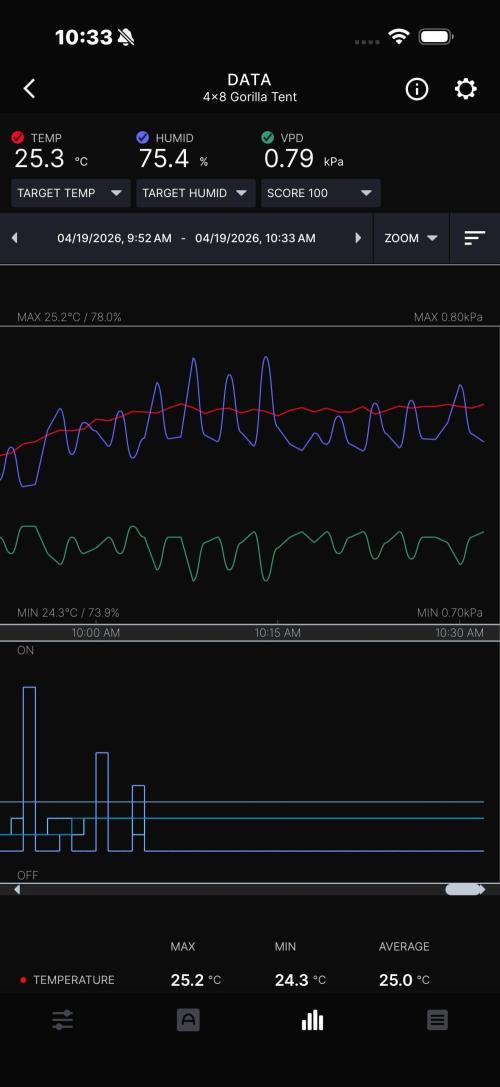
Thebeardserkers Week 1 begins, my setup is new, they had a bit of stress at first but now everything is in place. I changed my controller 69 for an AC Infinity 69 pro + which allows me to set the system to auto VPD and it's really nice. The curves on my PULSE ONE are more stable.
5 likes
comments
Share
2
Week 2. Vegetation5mo ago
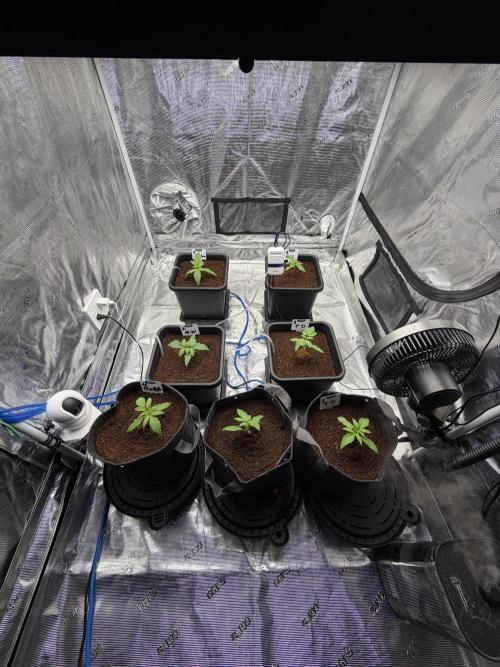
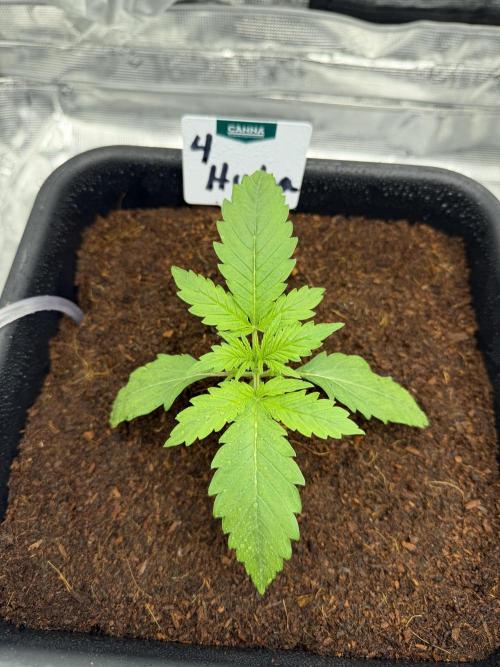
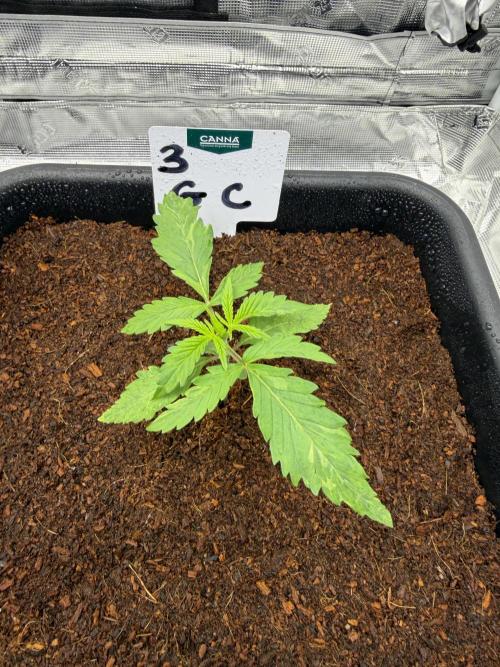
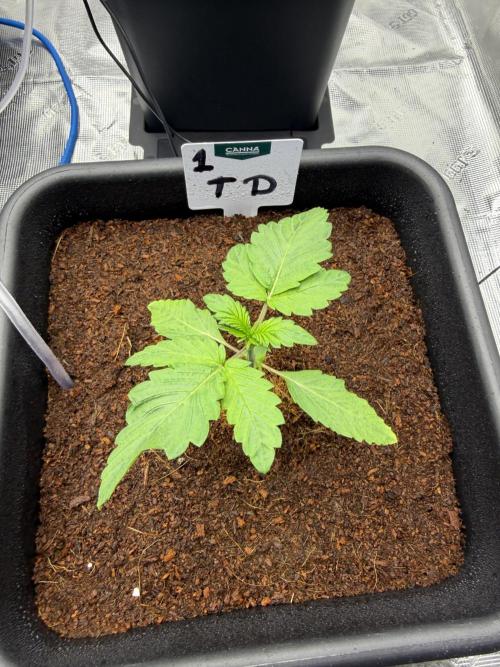
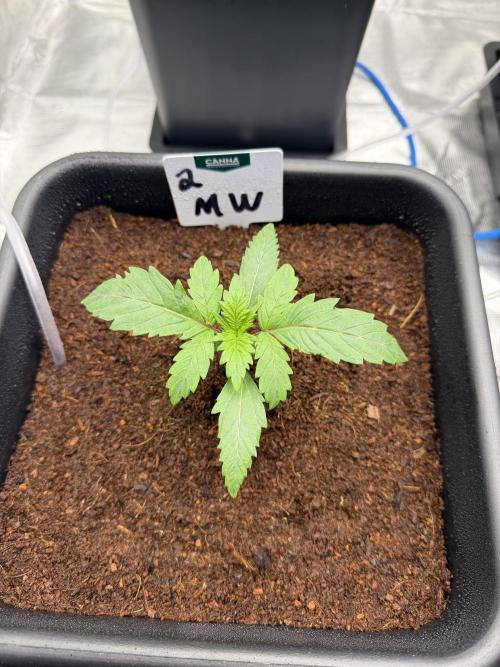
12.7 cm
Height
20 hrs
Light Schedule
26 °C
Day Air Temp
5.8
pH
Weak
Smell
400 PPM
TDS
65 %
Air Humidity
25 °C
Solution Temp
25 °C
Substrate Temp
24 °C
Night Air Temp
14.99 liters
Pot Size
0.5 liters
Watering Volume
76.2 cm
Lamp Distance
Nutrients 6
B-52
0.5 mll
Sensi Cal-Mag Xtra
0.5 mll
pH Perfect Bloom
0.5 mll
Thebeardserkers Week 2 — growth is clearly settling in. The plants are entering a more active phase and structuring their development. The start of the AutoPot system is expected within 3 to 5 days, when the growth becomes more vigorous and stable, signaling the beginning of the exponential vegetative phase.
4 likes
comments
Share
3
Week 3. Vegetation5mo ago
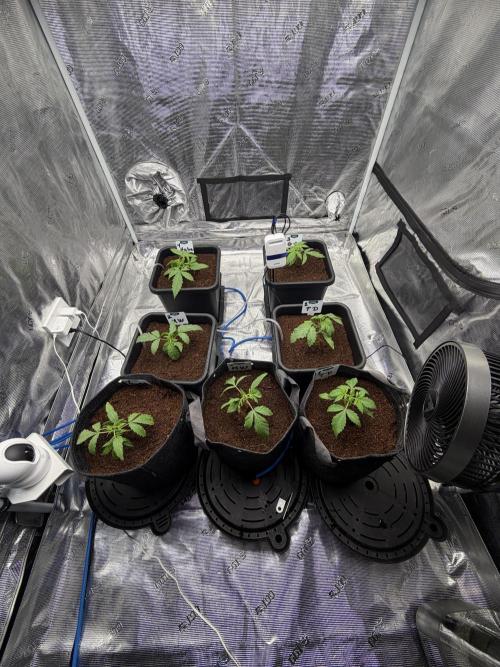
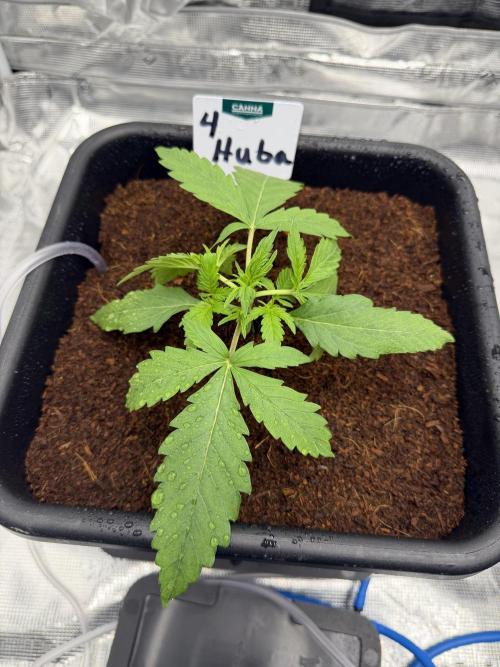
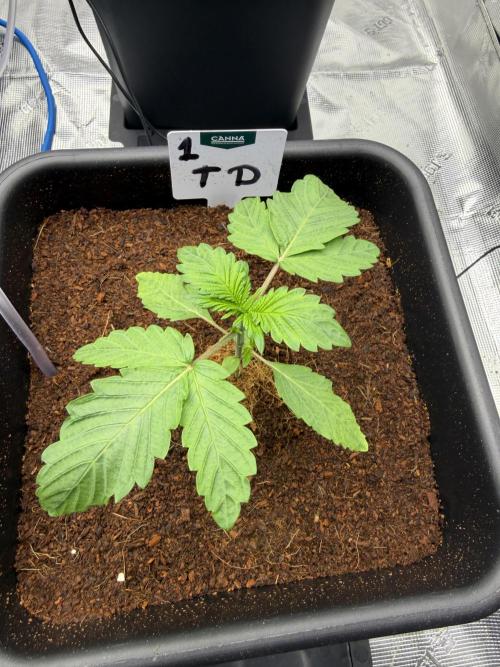
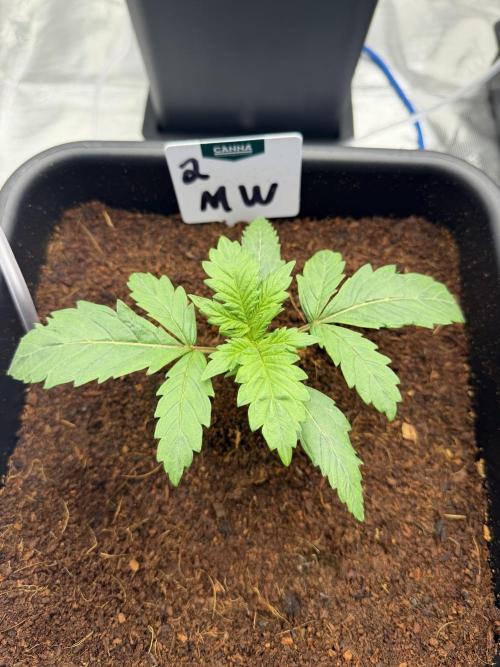
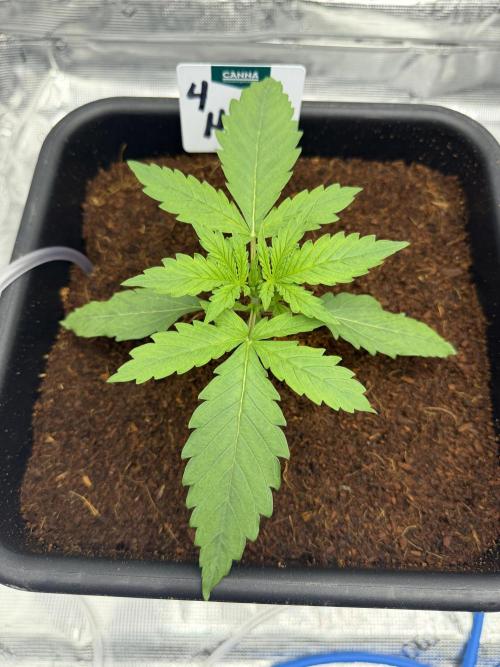
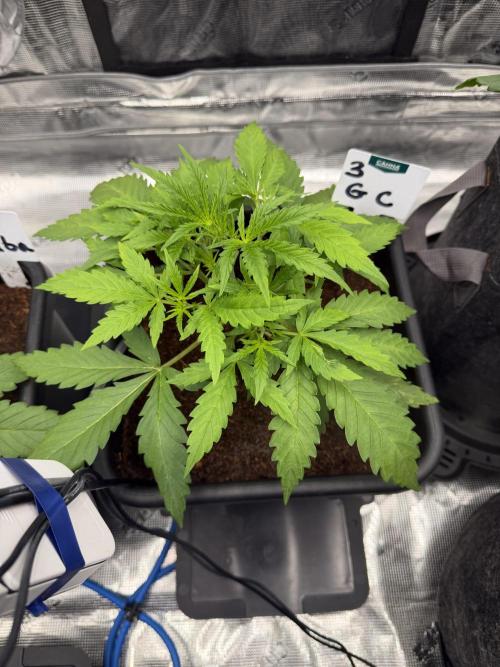
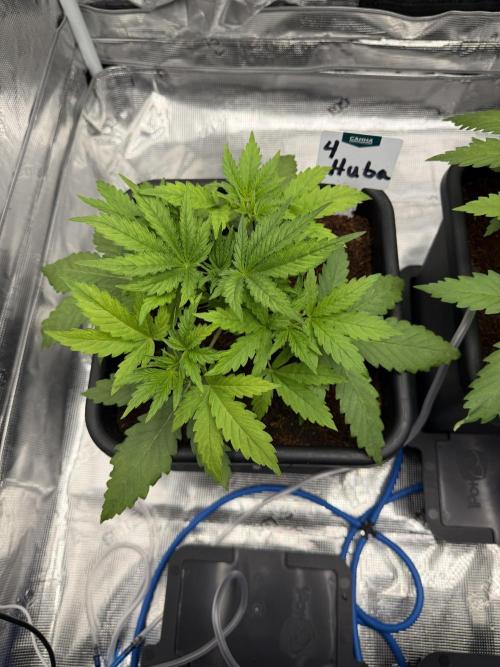
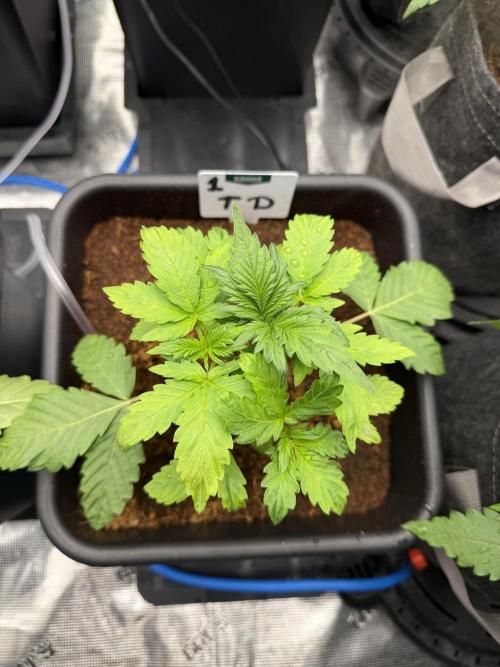
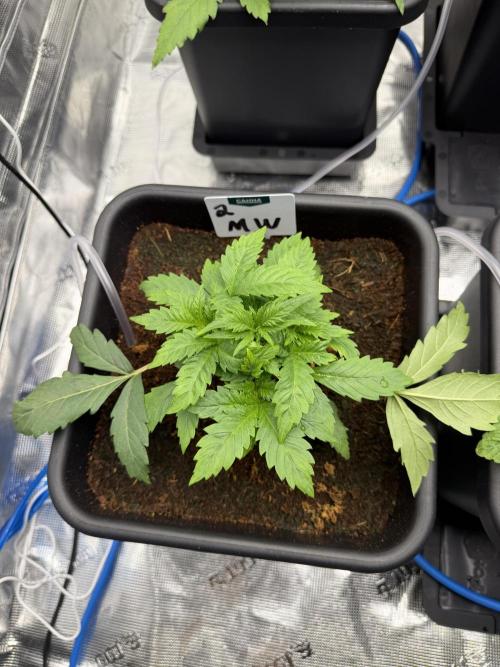
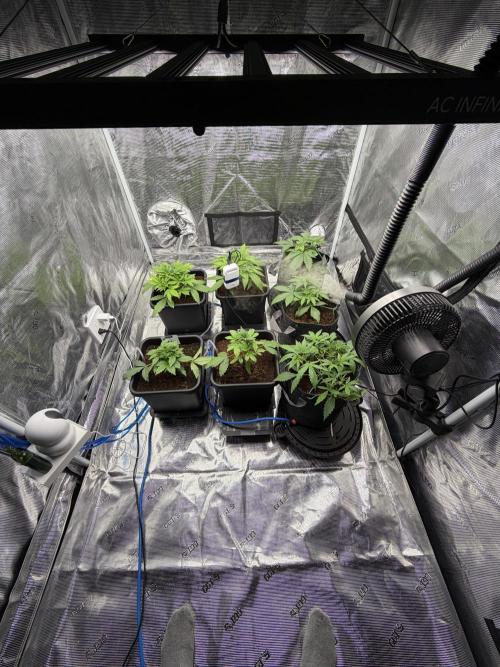
30.48 cm
Height
20 hrs
Light Schedule
26 °C
Day Air Temp
5.8
pH
Weak
Smell
400 PPM
TDS
65 %
Air Humidity
25 °C
Solution Temp
25 °C
Substrate Temp
24 °C
Night Air Temp
14.99 liters
Pot Size
0.5 liters
Watering Volume
60.96 cm
Lamp Distance
Nutrients 8
B-52
1 mll
Sensi Cal-Mag Xtra
1 mll
pH Perfect Bloom
1 mll
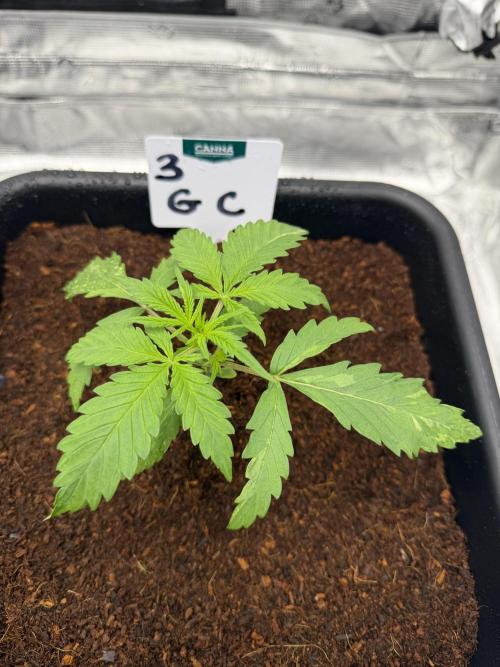
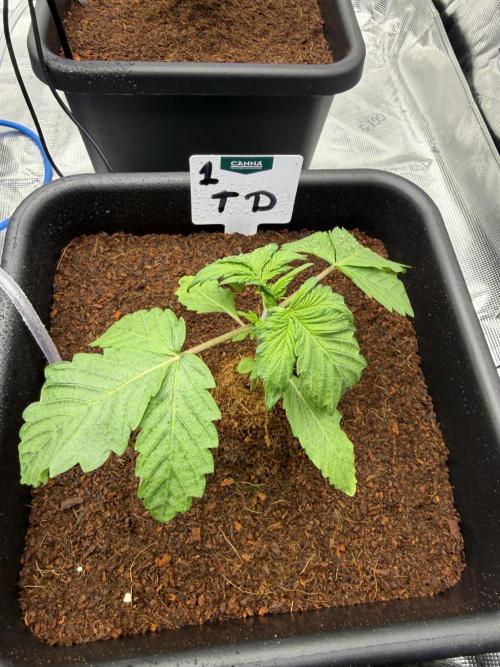
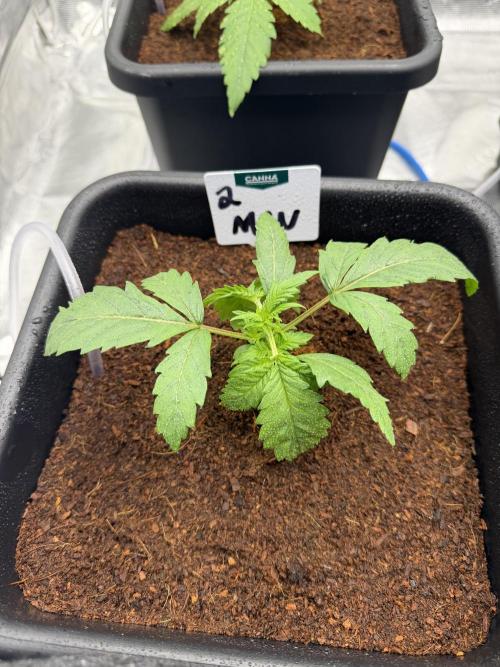
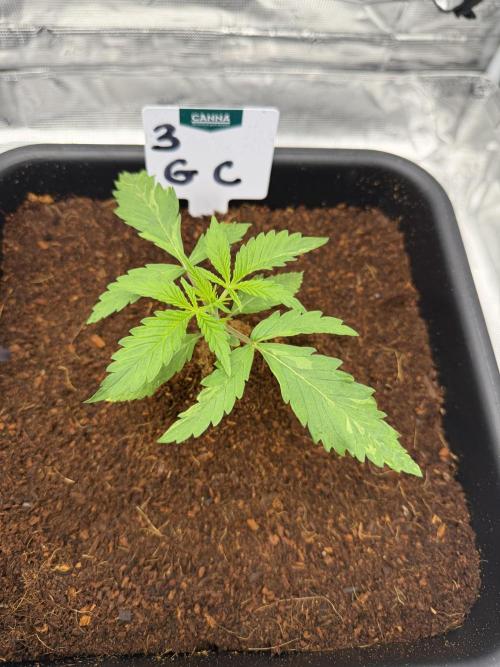
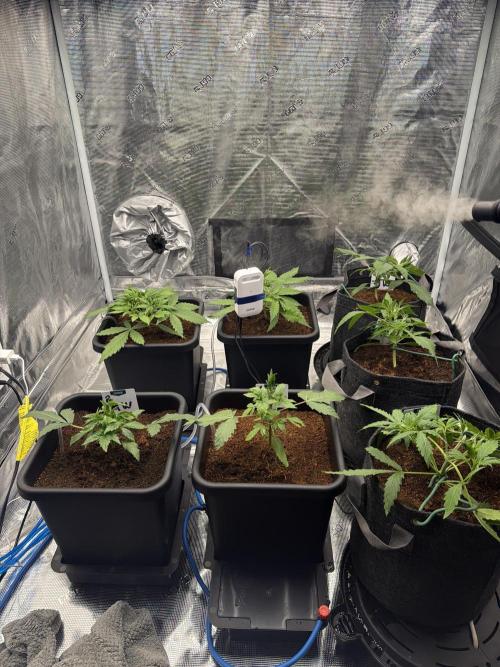
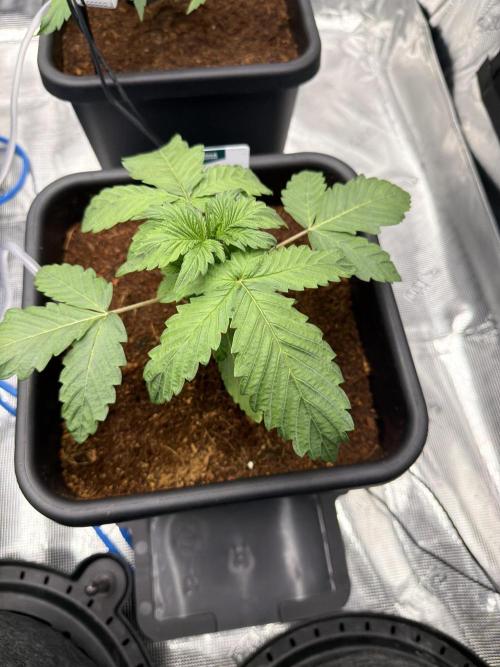
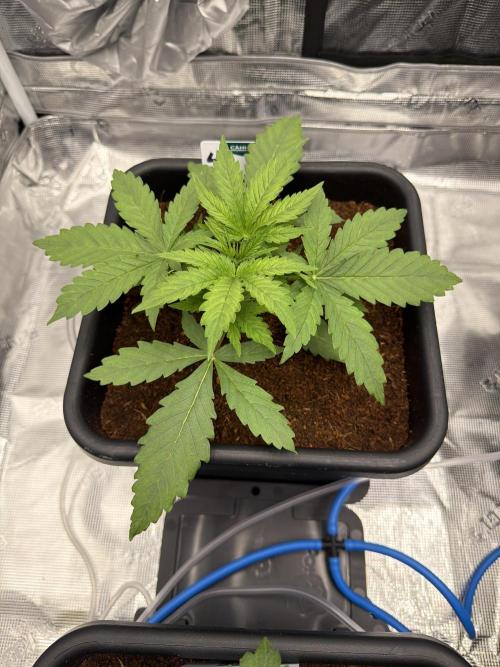
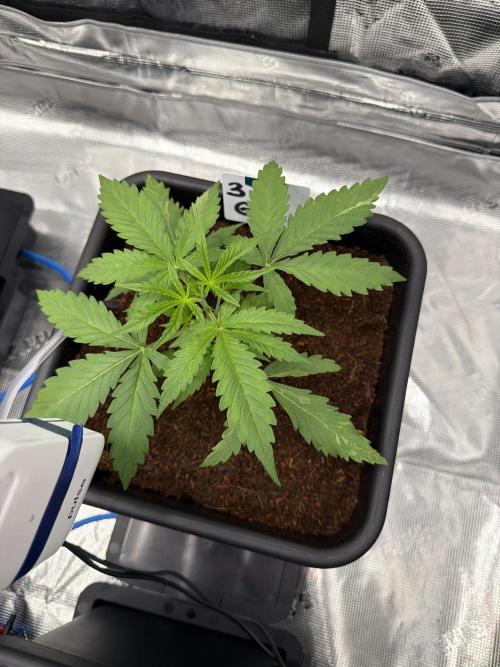
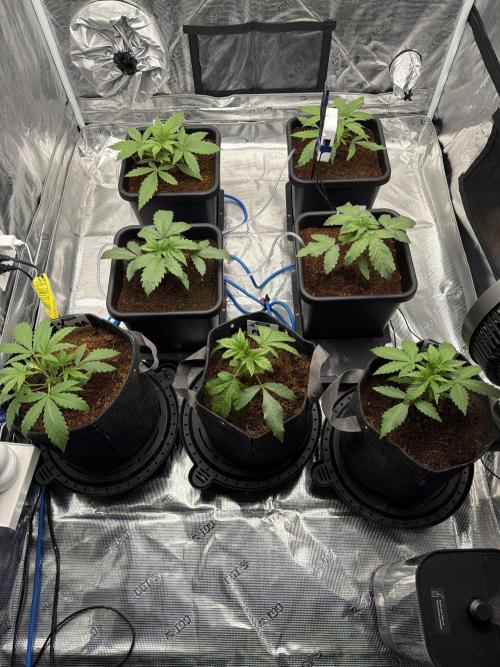
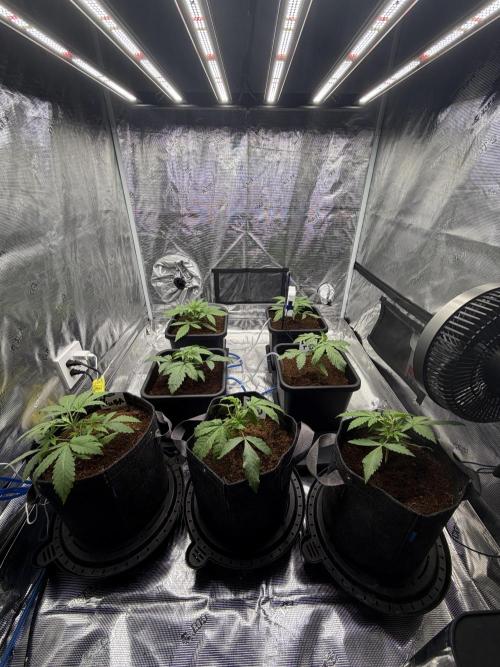
Thebeardserkers Week 3 — the vegetation really kicks off, growth becomes more vigorous and structured.
For tracking, I define day 1 as the moment when the seeds were soaked for germination. The seedlings emerged on day 5, marking the start of visible growth.
5 likes
1 comment
Share
Used techniques
LST
Technique
4
Week 4. Vegetation5mo ago
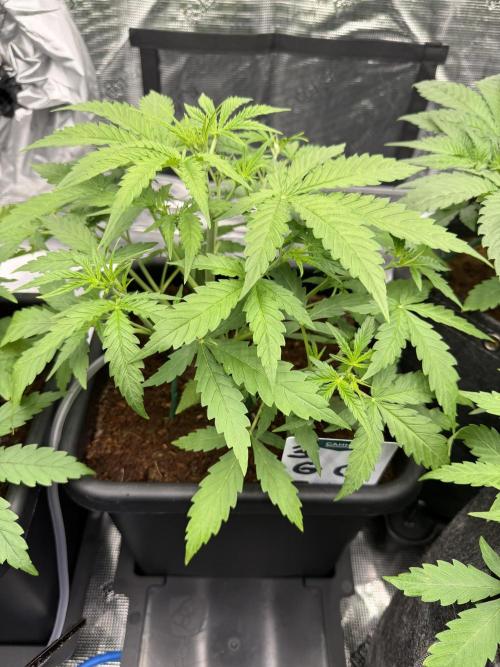
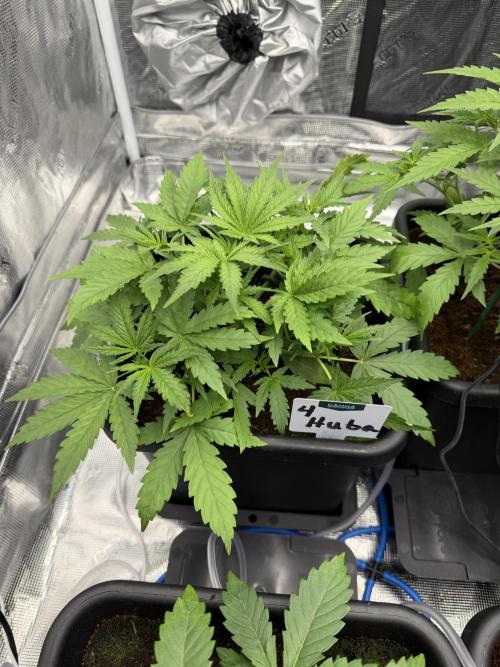
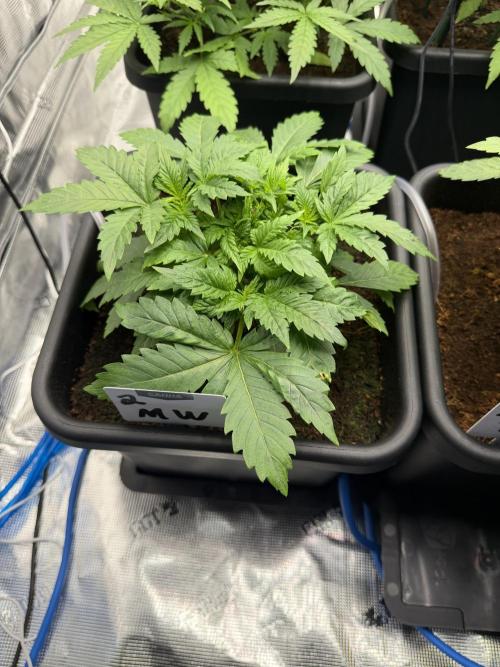
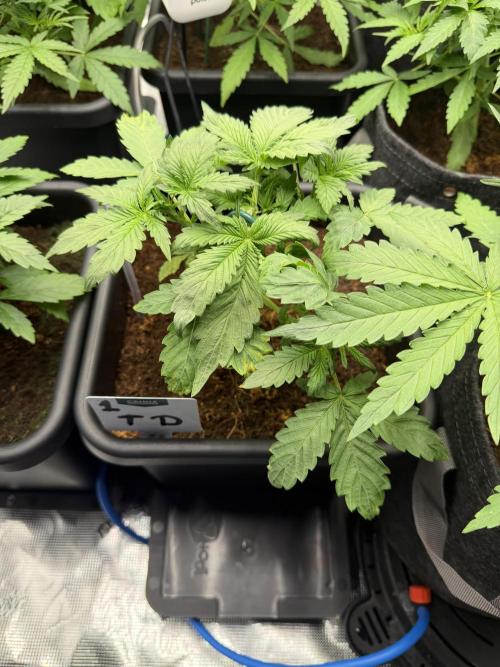
30.48 cm
Height
20 hrs
Light Schedule
26 °C
Day Air Temp
5.8
pH
Weak
Smell
400 PPM
TDS
65 %
Air Humidity
25 °C
Solution Temp
25 °C
Substrate Temp
24 °C
Night Air Temp
14.99 liters
Pot Size
0.5 liters
Watering Volume
60.96 cm
Lamp Distance
Nutrients 8
B-52
1.5 mll
Sensi Cal-Mag Xtra
1.5 mll
pH Perfect Bloom
1.5 mll
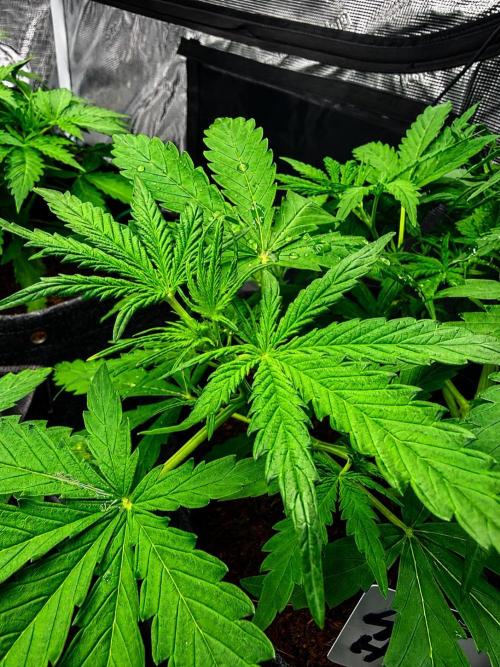
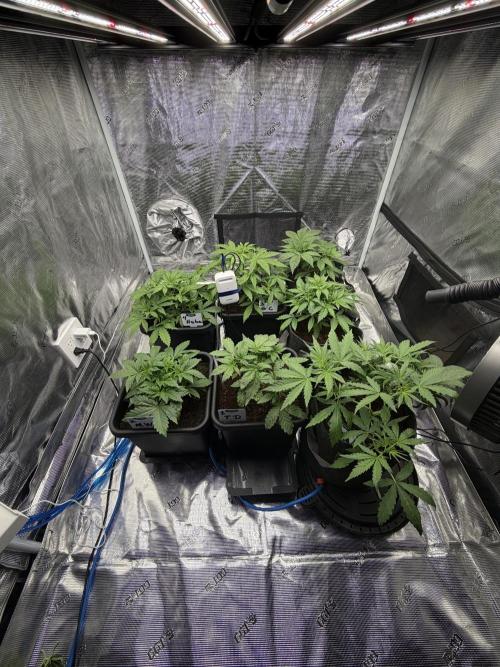
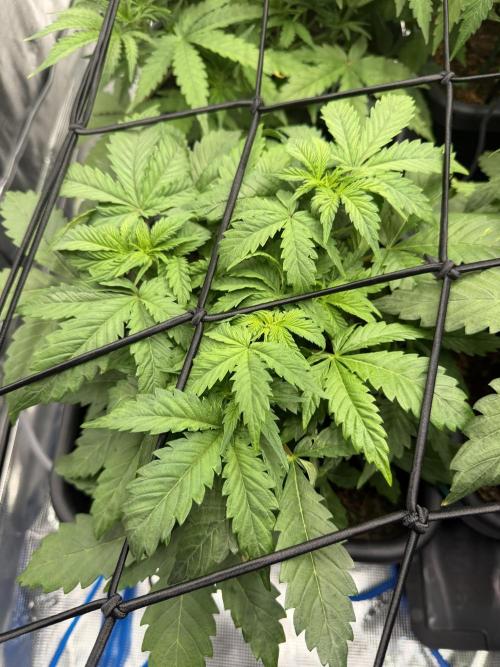
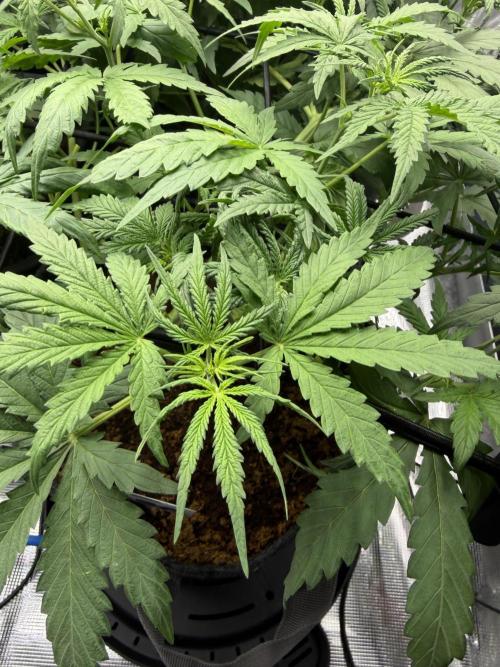
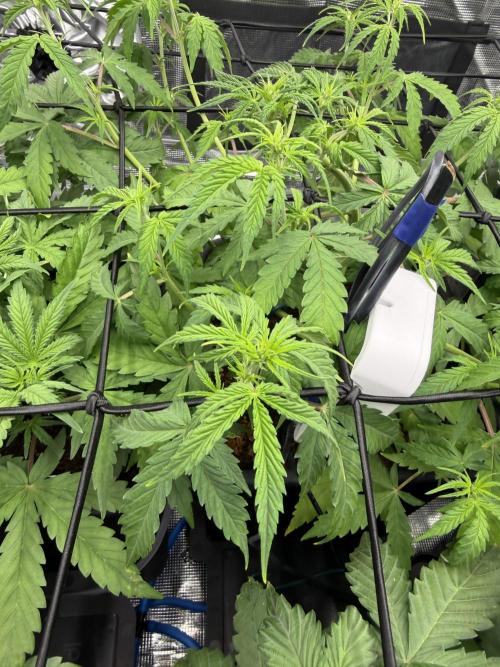
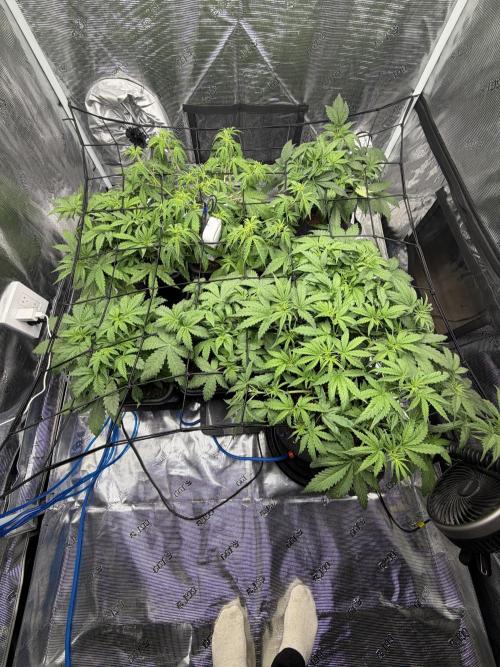
Thebeardserkers Week 3 of vegetation.
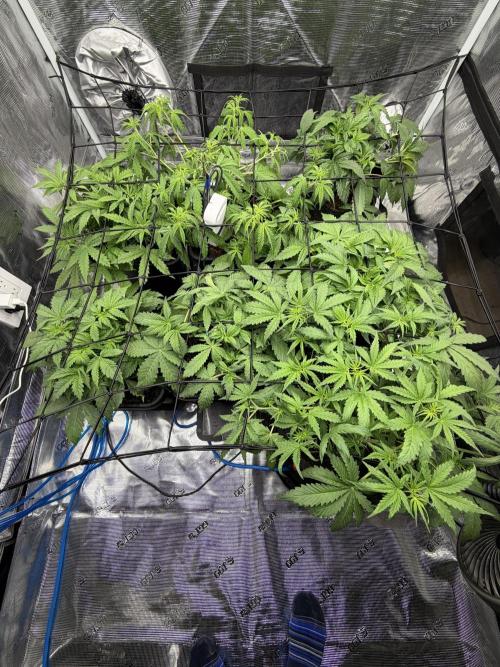
Growth is accelerating rapidly, and the plants are starting to develop a more mature structure with several secondary branches. The AutoPot system is now active, and the plants are responding well to coco with fast growth and healthy foliage. The climate has been much more stable since optimizing VPD control, and the installation of the trellis net is starting to better open the canopy before the stretch. Light LST and minimal defoliation to improve light penetration and air circulation.
4 likes
comments
Share
Used techniques
LST
Technique
ScrOG
Technique
Defoliation
Technique
5
Week 5. Vegetation5mo ago
50.8 cm
Height
20 hrs
Light Schedule
26 °C
Day Air Temp
5.8
pH
Normal
Smell
650 PPM
TDS
60 %
Air Humidity
25 °C
Solution Temp
25 °C
Substrate Temp
24 °C
Night Air Temp
14.99 liters
Pot Size
60.96 cm
Lamp Distance
Nutrients 8
B-52
1 mll
Sensi Cal-Mag Xtra
1 mll
pH Perfect Bloom
1 mll
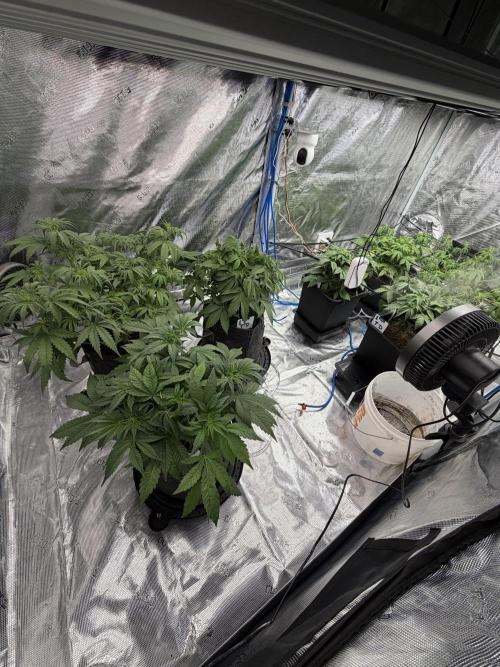
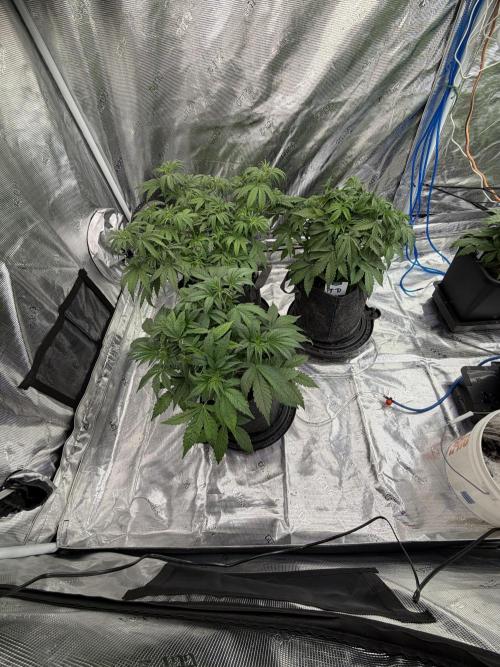
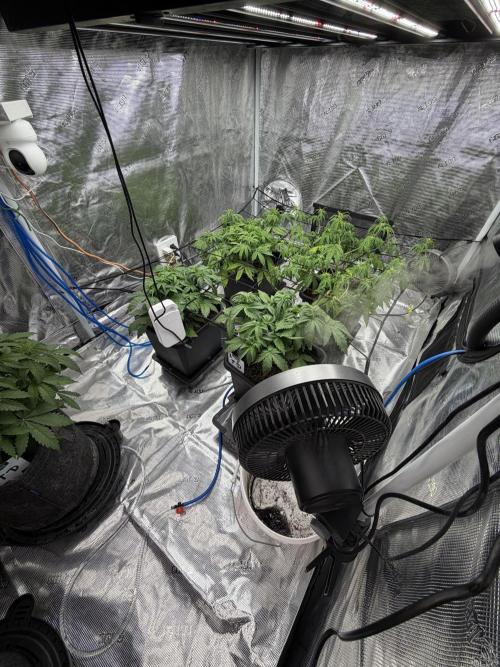
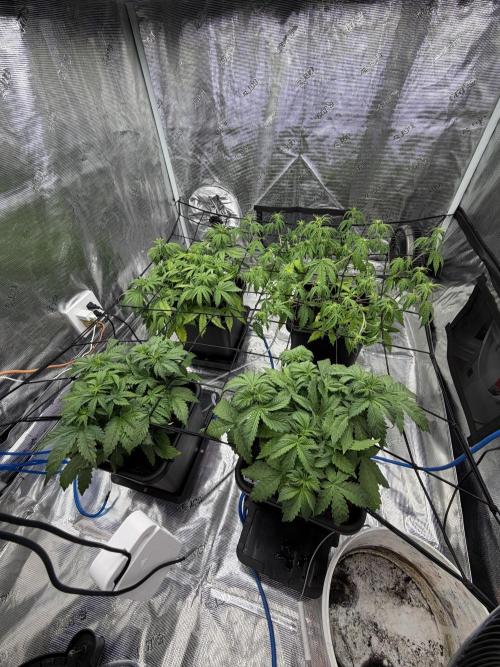
Thebeardserkers We're entering week 5 with a run that's going really well overall. The 4x8 Gorilla tent houses 7 plants in 100% coco under two 500w lights, with the AC Infinity IronForge IF500 as the main light, along with an AutoPot system with 4 AQUAValve 5.0 pots active since day 17, complemented by 3 plants in AC Infinity bases watered manually via the drain valve of the network.
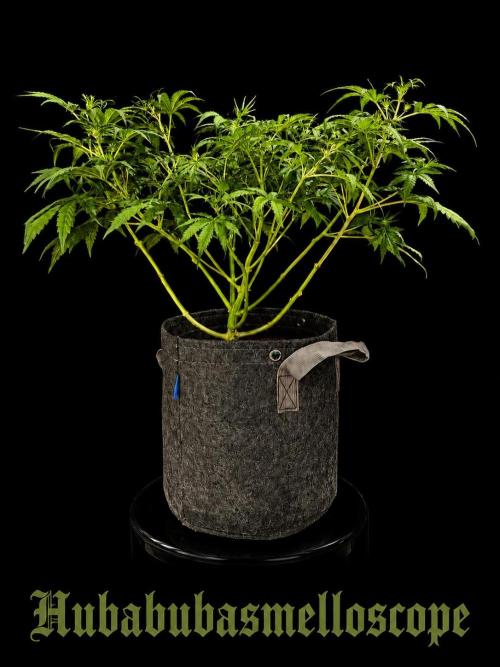
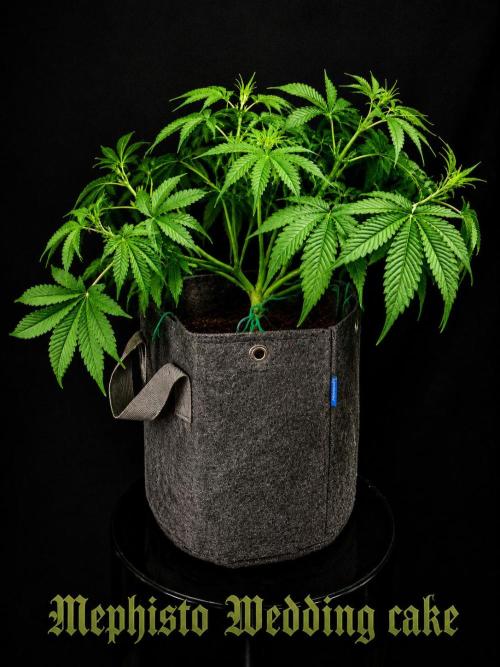
The Gorilla Cookies is the first to enter confirmed flowering by the end of week 4, with well-visible white pistils on several sites. The Toof Decay should follow in the next few days. The Mephisto’s Wedding and Hubbabubbasmelloscope are still in advanced veg but the transition is imminent.
We've noted slight deficiencies in calcium and magnesium on the Hubbabubbasmelloscope and the Gorilla Cookies, corrected by manual applications of Cal/Mag directly on the pots and by increasing the dose in the reservoir to 2 ml/L. The reservoir is currently running at 545 ppm with Bud Ignitor, Voodoo Juice, Grow/Micro/Bloom in a 1:1:1 ratio and enhanced Cal/Mag.
The environment is stable and performing well: temperature 24-25°C, RH 62-64%, VPD 1.17-1.21 kPa, score 100/100 continuously. The reservoir consumption has reached 10L per 24h, a sign that the roots are well established and that water demand is rising with the onset of flowering.
Goal for week 5: monitor the floral transition of the other genetics, maintain Cal/Mag, and prepare to switch the recipe to flowering as soon as 3-4 plants are in bloom.
3 likes
comments
Share
Used techniques
LST
Technique
SoG
Technique
ScrOG
Technique
Defoliation
Technique
6
Week 6. Flowering5mo ago

60.96 cm
Height
20 hrs
Light Schedule
26 °C
Day Air Temp
5.8
pH
Normal
Smell
650 PPM
TDS
60 %
Air Humidity
25 °C
Solution Temp
25 °C
Substrate Temp
24 °C
Night Air Temp
14.99 liters
Pot Size
60.96 cm
Lamp Distance
Nutrients 7
Sensi Cal-Mag Xtra
2 mll
pH Perfect Bloom
1.5 mll

pH Perfect Grow
1.5 mll
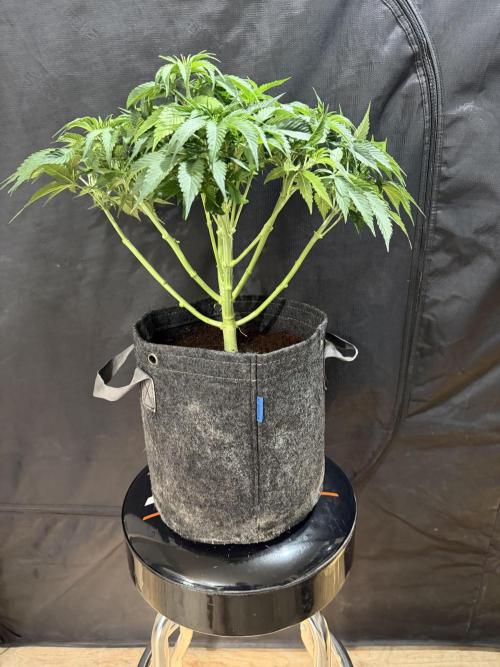
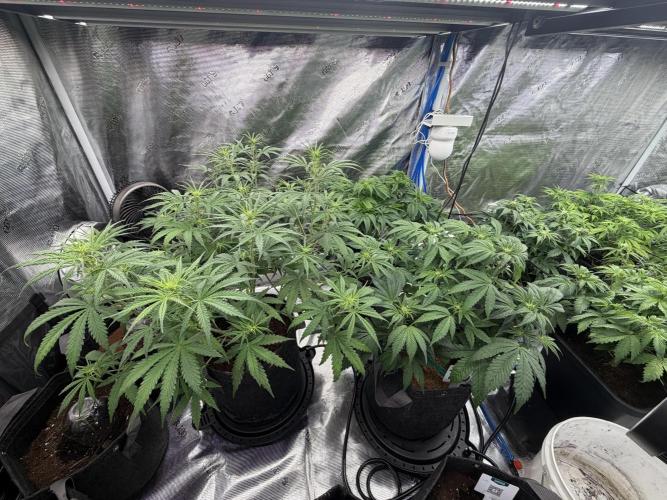
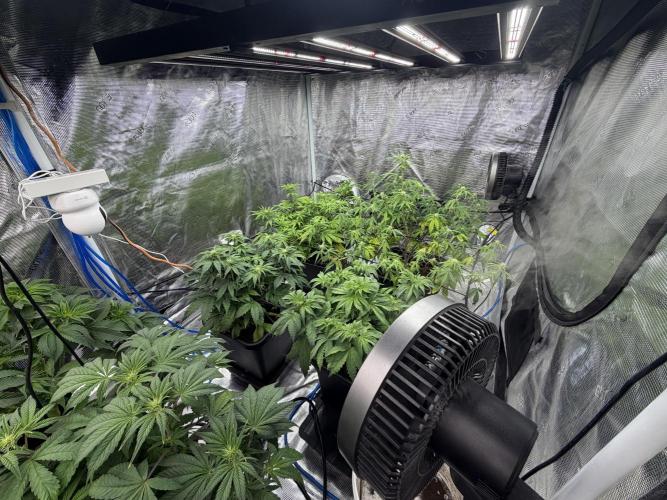
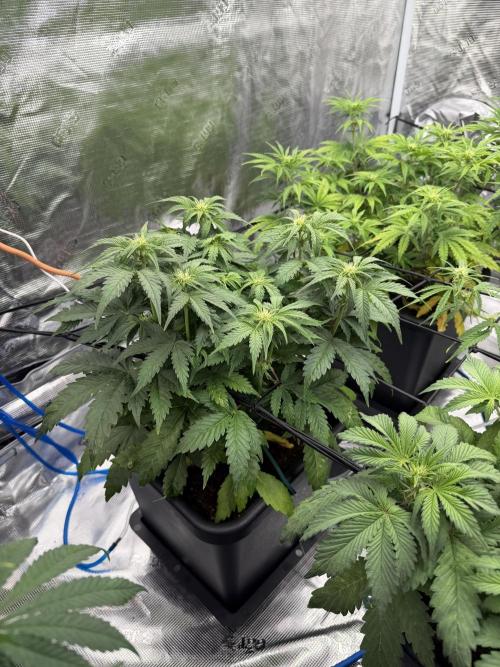
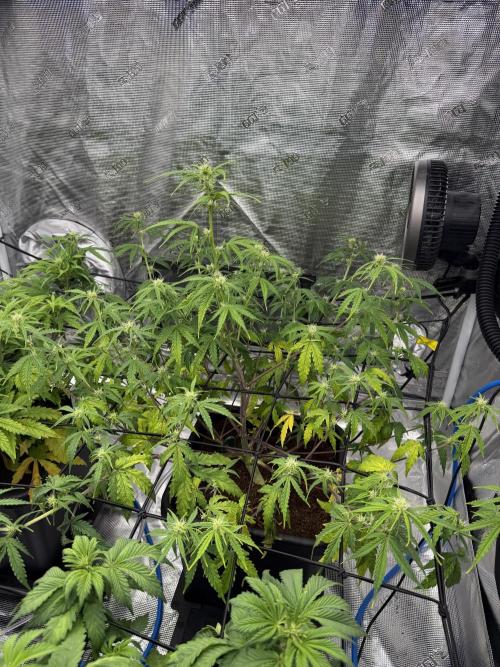
Thebeardserkers Week 6 – Flowering Transition: Pistils and Nutritional Challenges
Days 35–41 (April 17 – May 23)
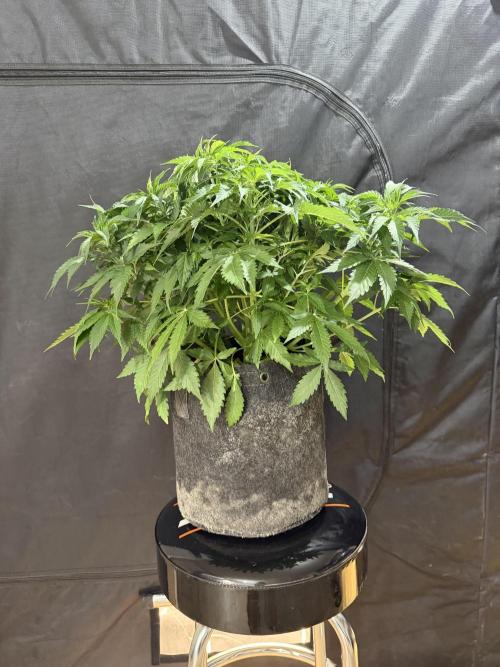
Week 6 officially marks the start of flowering. Gorilla Cookies kicked things off with its first pistils last week, followed by Toof Decay. The other genetics (Mephisto’s Wedding, Hubbabubbasmelloscope) are showing early signs of flowering. The environment remains stable: 24–25°C, RH 62–64%, VPD 1.17–1.21 kPa, conditions close to ideal.
Nutrition and PPM
Transitioning to Bud Ignitor (1 ml/L) and maintaining GMB 1:1:1 at 1.5 ml/L. Cal/Mag increased to 2 ml/L. = ~570–610 actual ppm.
Identified Issues
Cal/Mag deficiency on Hubbabubbasmelloscope and Gorilla Cookies (interveinal chlorosis, yellowing foliage). Direct treatment: 2–3 ml/L Cal/Mag applied per pot. Positive reaction after 3–4 days.
Critical Observation: The 4 plants in AutoPot (AQUAValve 5.0) show 2x less vigor than the 3 plants in AC Infinity bases with fabric pots. Hypothesis: the AQUAValve system keeps the substrate too continuously wet, while the AC Infinity bases create better oxygenation. Also, it’s only on the auto pots that I observed deficiencies, possibly due to a nutrient blockage. To be evaluated for future canopies.
Light and PPFD
IF500 (500w) + Mars Hydro 500w maintain 660–700 µmol. No light stress, well-colored foliage (except for identified deficiency).
Reservoir Status
47L, 15L coco pots 100%. Stable water consumption. Complete change expected mid-flowering.
Next week: follow-up on corrected deficiency, gradual adjustment of the Advanced Nutrients feeding schedule for the flowering development phase.
Tent: 4x8 Gorilla | AC Infinity 69 Pro + Pulse One | 20/4 | 7 autoflower plants | Day 35
TECHNICAL REPORT — INDOOR RUN #1 2026
AutoPot Issue and Solution
Diagnosis Date: May 24, 2026 (Day 37)
System: AutoPot 4-pot, AQUAValve 5.0, 47L reservoir
Affected Genetics: Hubbabubbasmelloscope (1), Gorilla Cookies (1)
IDENTIFIED ISSUE
Observed Symptoms
- Interveinal discoloration (yellowing) on upper leaves
- Initial diagnosis: calcium/magnesium (Cal/Mag) deficiency
- Plants: Hubbabubbasmelloscope #1 & #2, Gorilla Cookies
Water sampling from the bottom of the AutoPot pots (day 37) revealed:
- pH: 6.8 (off-target 5.8–6.2 for coco)
- Stagnant water since AutoPot activation (day 17 = 20 days)
Stagnation Analysis
1. Early AutoPot timing → Young plants, low consumption
2. Remaining water in pots → Prolonged contact with air domes
3. Air domes + new coco → Gradual oxidation, pH drift towards alkaline
5. pH 6.8 in coco → Cal/Mg absorption blockage (40–50% reduced availability)
Result: Deficiency symptoms while nutrients were present = nutrient blockage, not a real deficiency
APPLIED SOLUTION
Step 1: Immediate Correction (May 24)
- Water sampling from the bottom of the 4 AutoPot pots
- Gradual pumping to pH 5.8
- Volume pumped: ~1-2 L per pot (estimate)
- New pH: stabilized at 5.8
Step 2: Localized Treatment (days 20–24)
- Direct Cal/Mag application: 2–3 ml/L per pot (non-reservoir) Top watering
- Applied on: Hubbabubbasmelloscope Mephisto, Gorilla Cookies Fast Bud
- Method: manual pouring at the roots
- Frequency: 2 applications spaced 3–4 days apart
Step 3: Reservoir Maintenance
- Main reservoir PPM: maintained at 400–420 ppm (Hanna HI98301, scale 500)
- Note calibration: True PPM = reading × 1.4 = ~560–588 ppm
- Cal/Mag reservoir: maintained at 2 ml/L
- Reservoir pH: daily check post-correction
Step 4: Continuous Monitoring
- Established weekly routine: Sampling from pot bottoms, pH check
- Goal: Detect pH rise before accumulation
- Intervention threshold: pH 6.2 = corrective pumping
RESULTS & OBSERVATIONS
Short term (5–7 days post-correction)
- Accelerated pistil development visible on Gorilla Cookies (confirmed day 37)
- Discoloration did not progress → blockage lifted
- Mephisto’s Wedding plants: stable vigor (10% affected)
- Toof Decay: stable vigor (10% affected)
System Comparison
Important observation: Plants in AC Infinity fabric bases (manual feed via bleed valve) showed more vigor than AutoPot plants
- Likely reason: Regular wet/dry cycle vs stagnant water
- Implication: AutoPot unsuitable for slow initial growth timing
LESSONS LEARNED
On the AutoPot system
1. Late activation recommended → Day 25–30, not day 17
1. Weekly pH monitoring mandatory → Coco + air domes = natural pH drift
1. Stagnant water = problem → Even with correct nutrients, alkaline pH = blockage
On new coco
- Requires more frequent pH adjustment early on
- Stabilizes after 3–4 weeks of use
- Minerals accumulate slowly → weekly cleaning beneficial
System Choice for Run #3
AutoPot downgraded for future runs
- Switching to: 8× AC Infinity bases + 8× individual automatic floats
- Advantage: regular drainage, no stagnation, more stable PPM/pH
- Actual setup: coco/Bio-Urbain, 5 gallons, 75L centralized reservoir
COMPLETE DATA
CONCLUSION
Problem: Stagnant water + alkaline pH = nutrient blockage (not deficiency)
Solution: pH correction + localized Cal/Mag + weekly monitoring routine
Status: Resolved, plants recovering, early flower progression normal
Yield impact: Minimal — correction before severe damage
4 likes
comments
Share
Used techniques
LST
Technique
ScrOG
Technique
7
Week 7. Flowering4mo ago
60.96 cm
Height
20 hrs
Light Schedule
26 °C
Day Air Temp
5.8
pH
Normal
Smell
900 PPM
TDS
60 %
Air Humidity
25 °C
Solution Temp
25 °C
Substrate Temp
24 °C
Night Air Temp
14.99 liters
Pot Size
30.48 cm
Lamp Distance
Nutrients 7
Sensi Cal-Mag Xtra
2 mll
pH Perfect Bloom
1.5 mll
pH Perfect Grow
1.5 mll
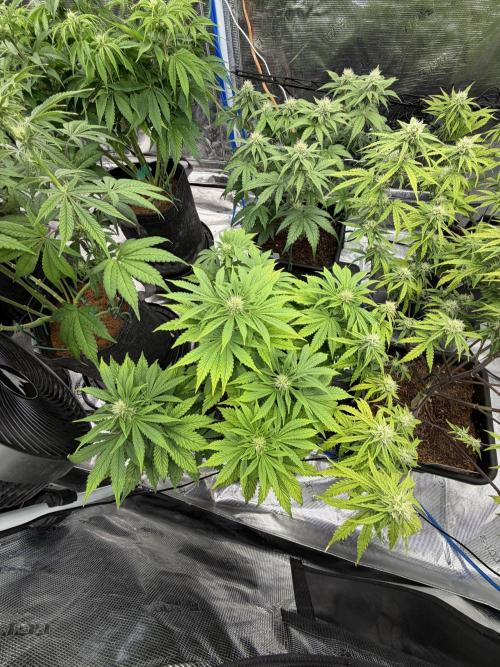
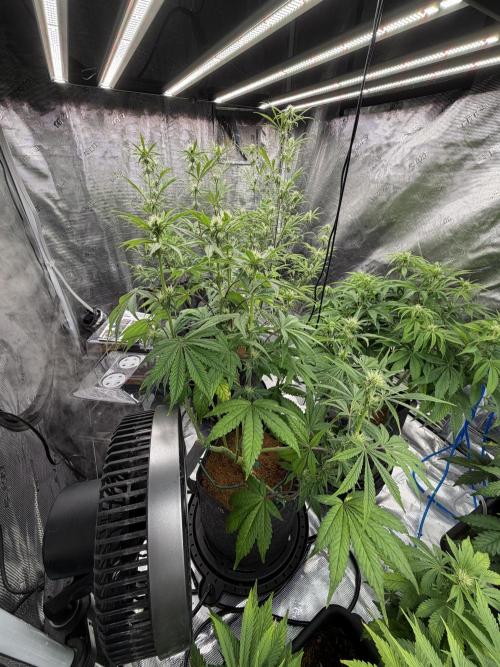
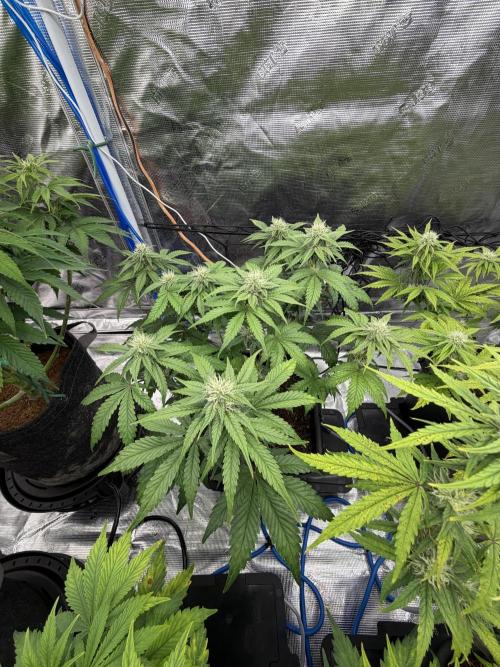
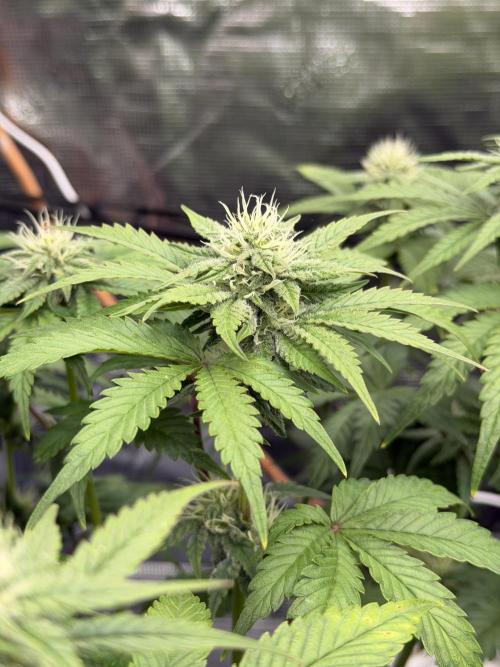
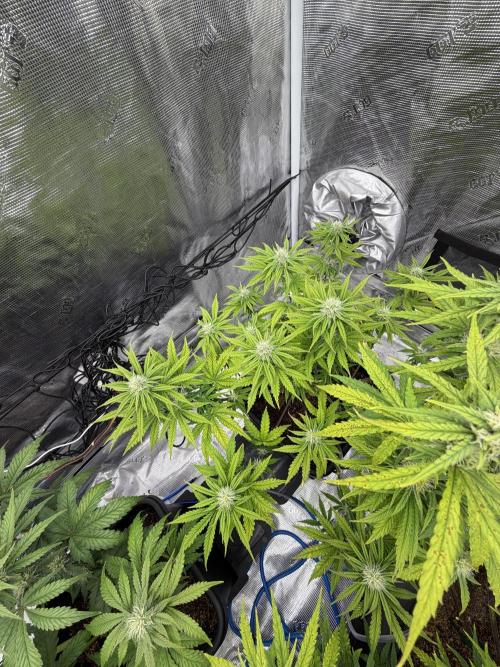
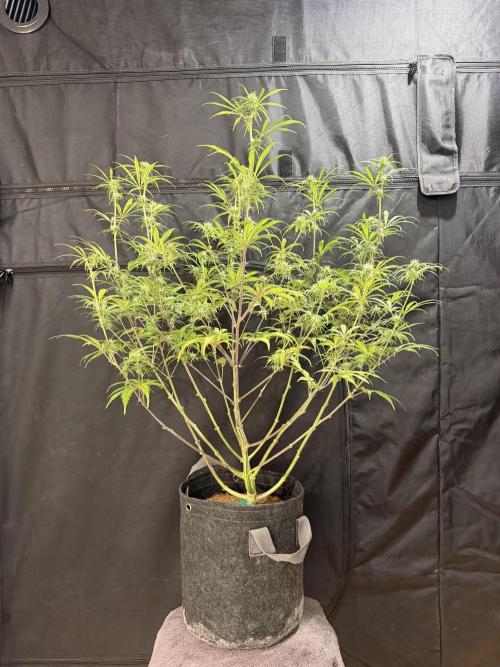
Thebeardserkers The flowering is well underway!
3 likes
comments
Share
8
Week 8. Flowering4mo ago
60.96 cm
Height
20 hrs
Light Schedule
26 °C
Day Air Temp
5.8
pH
Normal
Smell
900 PPM
TDS
60 %
Air Humidity
25 °C
Solution Temp
25 °C
Substrate Temp
24 °C
Night Air Temp
14.99 liters
Pot Size
30.48 cm
Lamp Distance
Nutrients 7
Sensi Cal-Mag Xtra
2 mll
pH Perfect Bloom
2 mll
pH Perfect Grow
2 mll
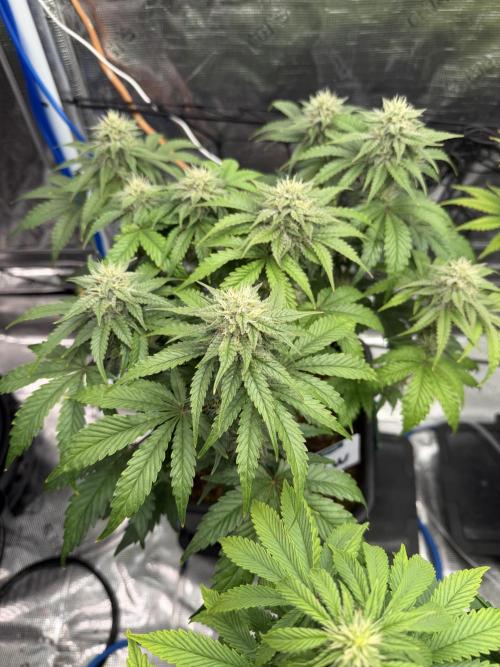
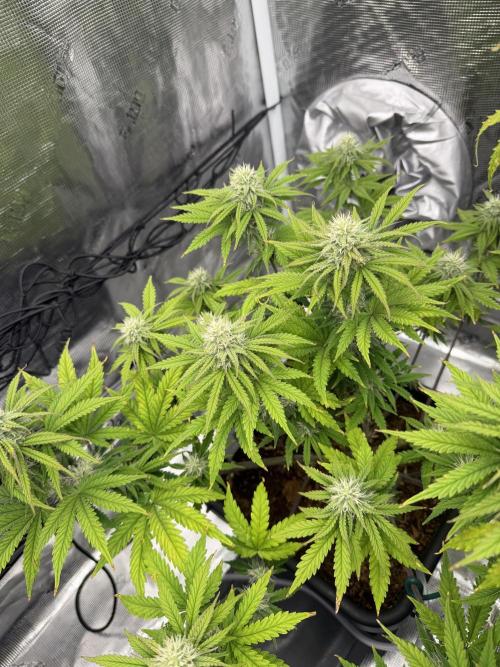
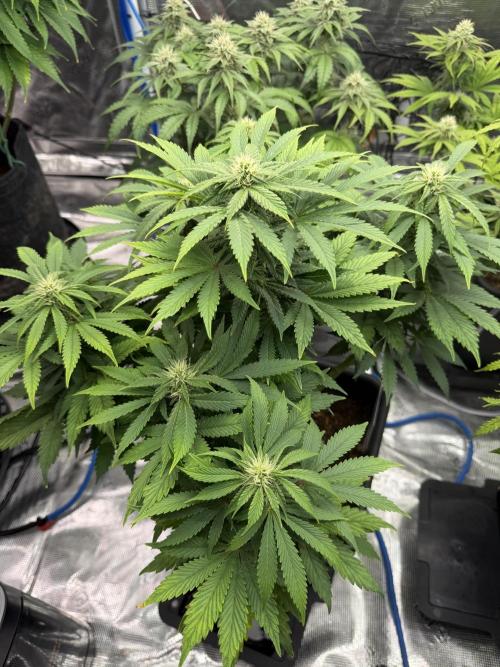
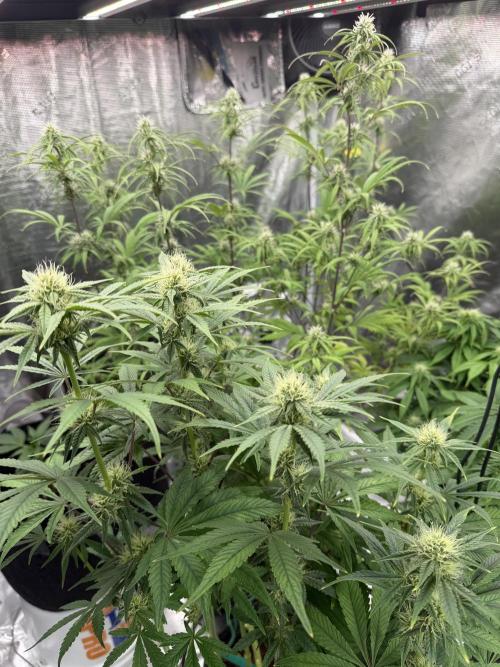
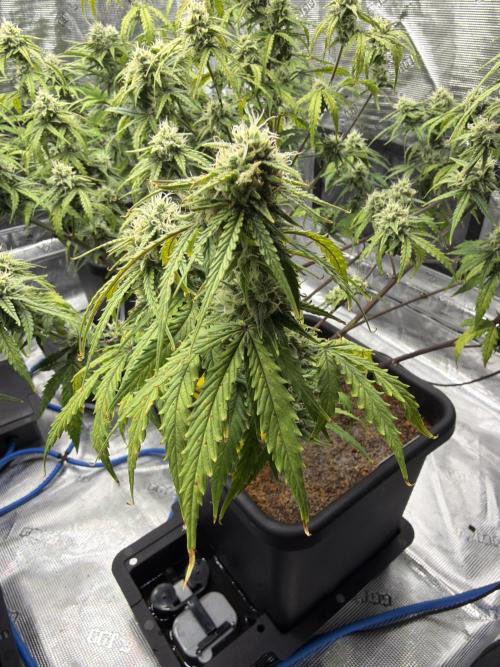
Thebeardserkers Week 8 — Day 50 to Day 56
The run is now clearly in advanced flowering. The plants have finished their main stretch, and energy is focused on flower development. The buds are gaining mass, the pistils are well present, and the overall structure is now established.
This week, the AutoPot system has become fully active again. The measurements of the reservoir and saucers are now consistent with each other, around 1280 ppm with a pH around 6.2. The pH tends to drift slightly upwards, so the reservoir is regularly recalibrated to stay within an acceptable range for coco. The target remains to gently bring the pH back to 5.8–6.0, without making overly aggressive corrections.
The plants seem to be consuming properly, but the nutrient solution is now quite strong. The priority is therefore stability: not increasing the ppm, monitoring for burnt tips, signs of clawing or overfeeding, and allowing the plants to use what is already available. In coco with AutoPot, it's important to avoid large variations and overcorrections.
The Gorilla Cookies remains the plant to watch closely, as it had more difficulty at the start with the AutoPot. Despite this, it is well into flowering and continues to progress. The other plants are doing well, with nice flower formation and a good transition into mid-flowering.
On the environmental side, the goal is to maintain a stable temperature around 25–26 °C during the day, humidity around 45–55%, and a VPD in the flowering zone, about 1.15–1.35 kPa. Ventilation and extraction are becoming important to limit humidity in the canopy and prevent mold risks as the flowers swell.
No major defoliation is planned at this stage. Just a light cleaning of dead, damaged, or air-blocking leaves. The goal for the week is simple: maintain stability, avoid stress, control salt buildup, and support the swelling of the flowers.
Weekly summary: well-established flowering, stable AutoPot, strong but consistent nutrition, pH to monitor, priority on stability and flower development.
3 likes
comments
Share
Enjoying this diary? Follow for more updates!

Prefer the old Diary view?
Go back to the old Diary view