


Purple CousKush Auto By Zamnesia Pheno A


Purple CousKush


VEG
Black series Light Emitting Diodes/600W
FOG
FLO
Black series Light Emitting Diodes/600W
FOG







Indoor
Room Type
Transplantation
weeks 1
12-12
weeks 1-4
LST
weeks 4
15 l
Pot Size
0.9 l
Watering
Start at 4 Week
G
Germination1mo ago
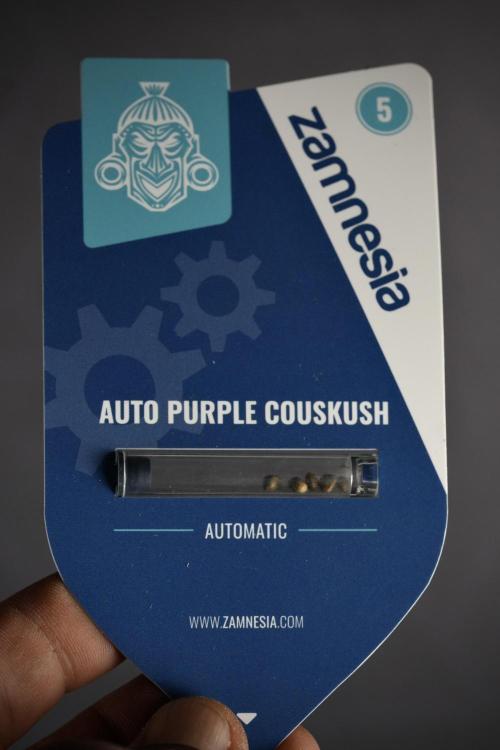
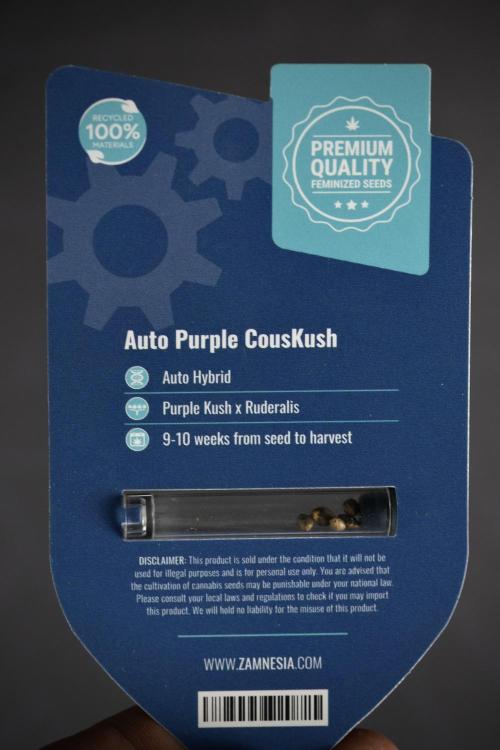
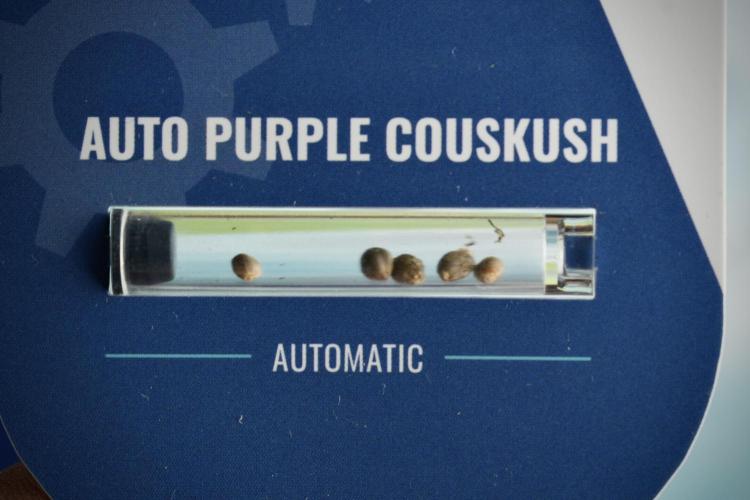
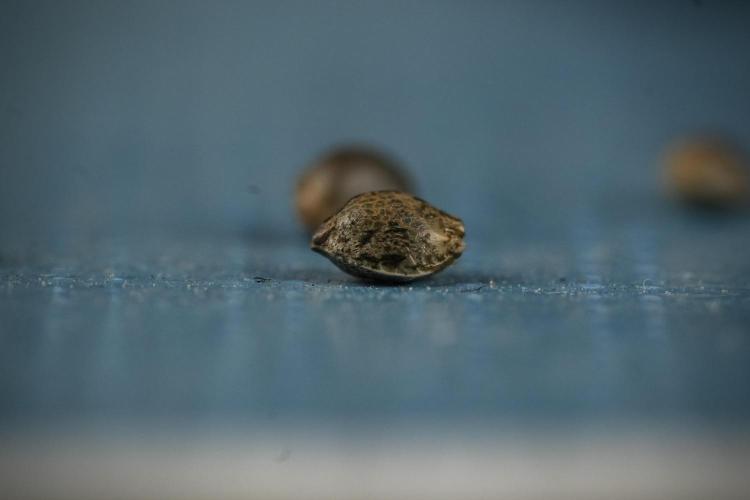
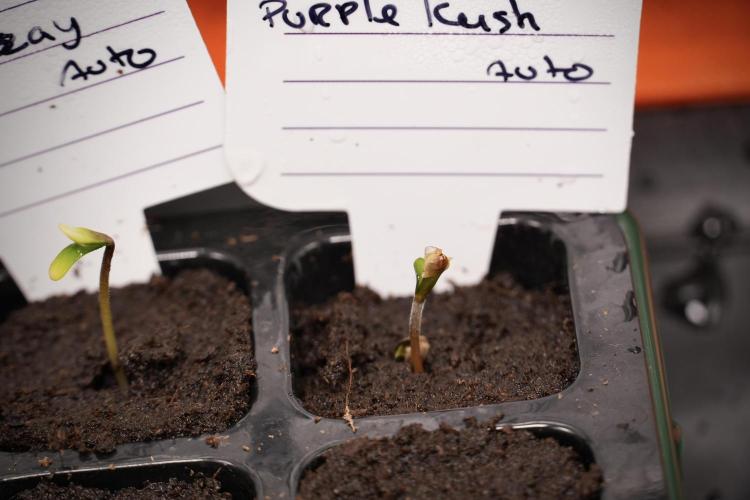
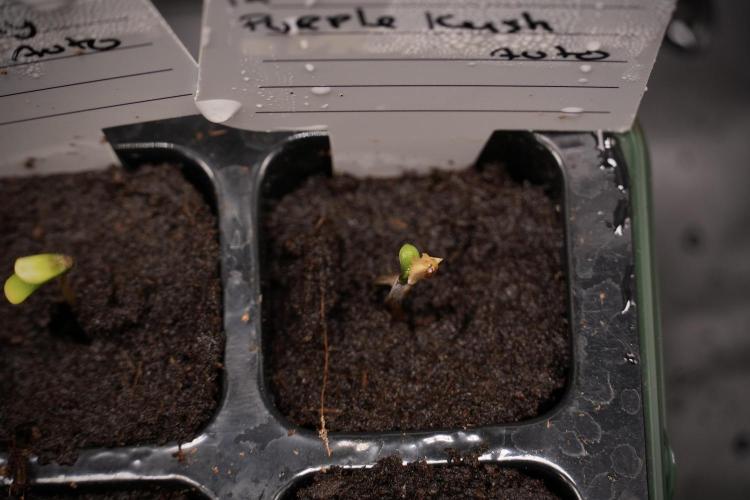
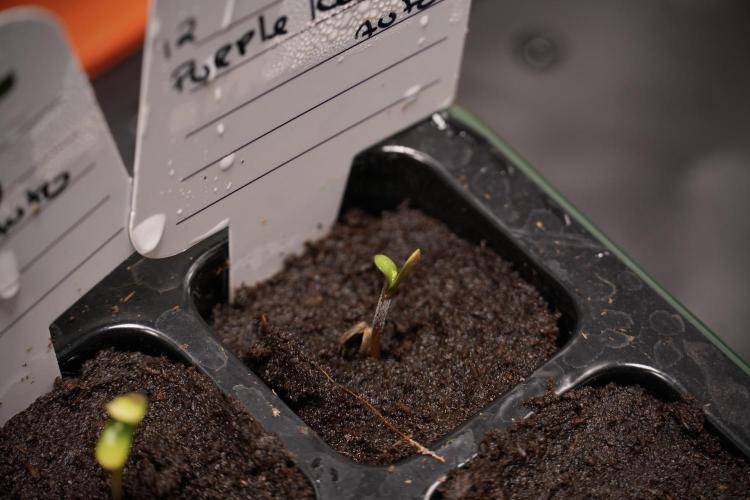
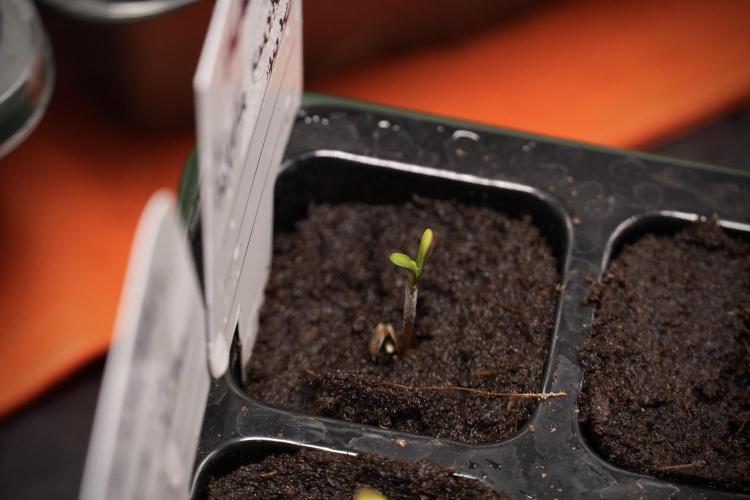
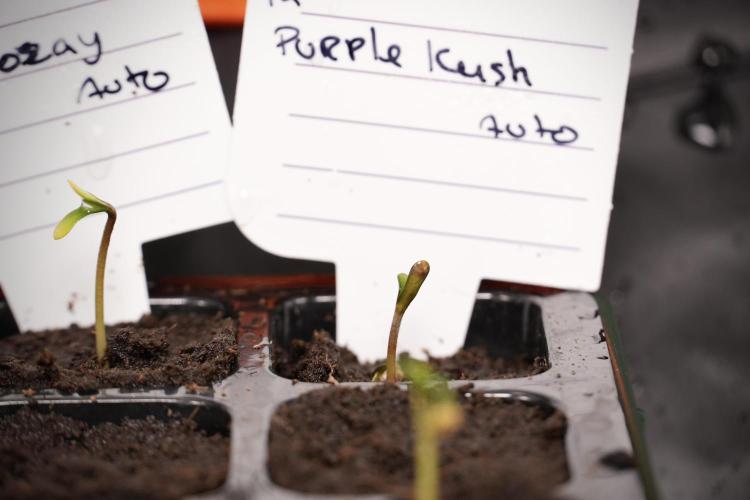
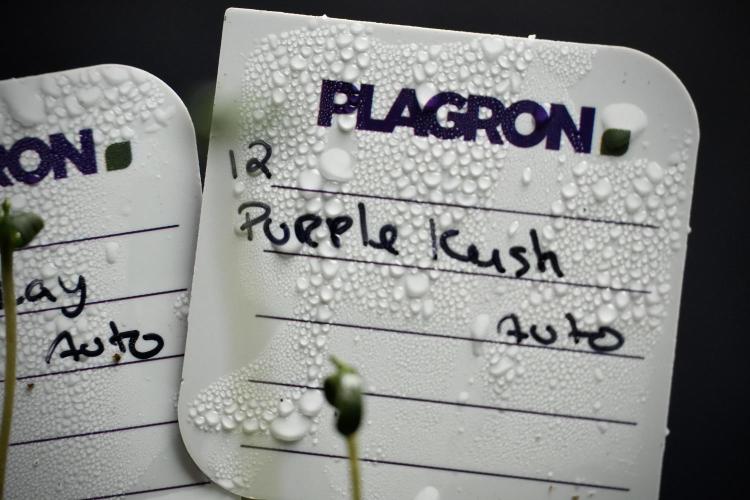
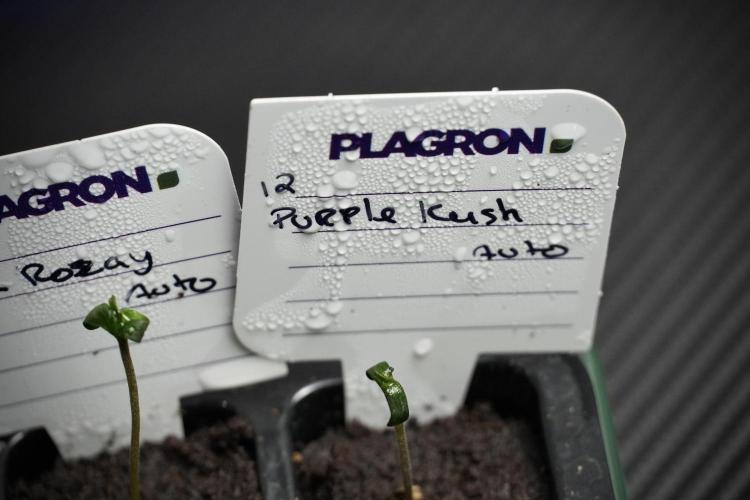
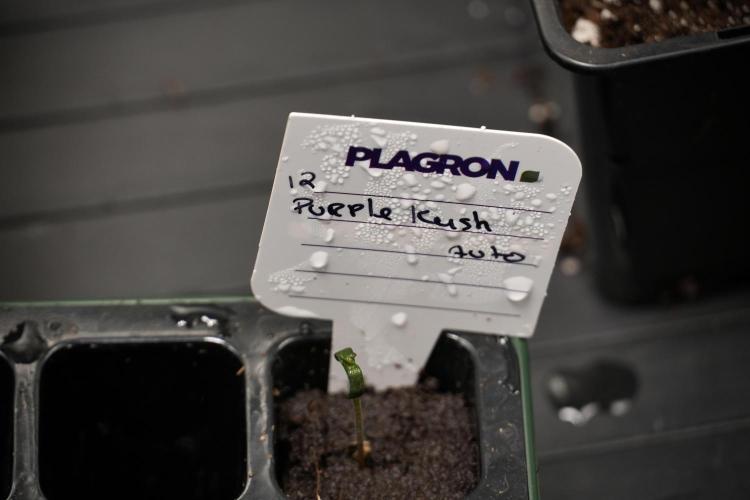
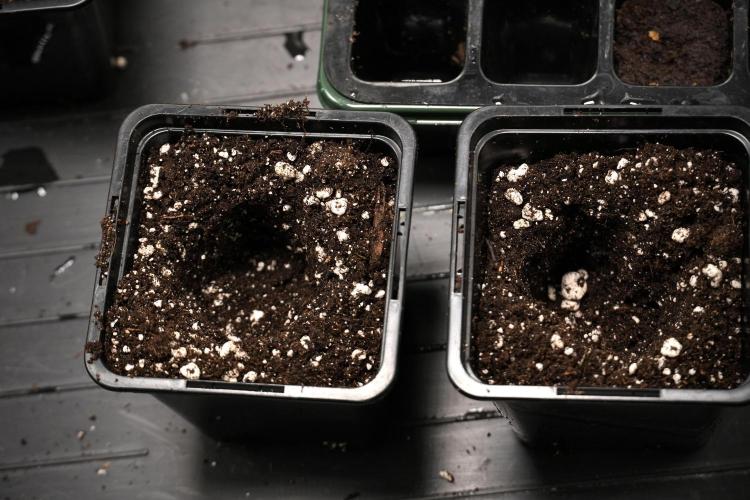
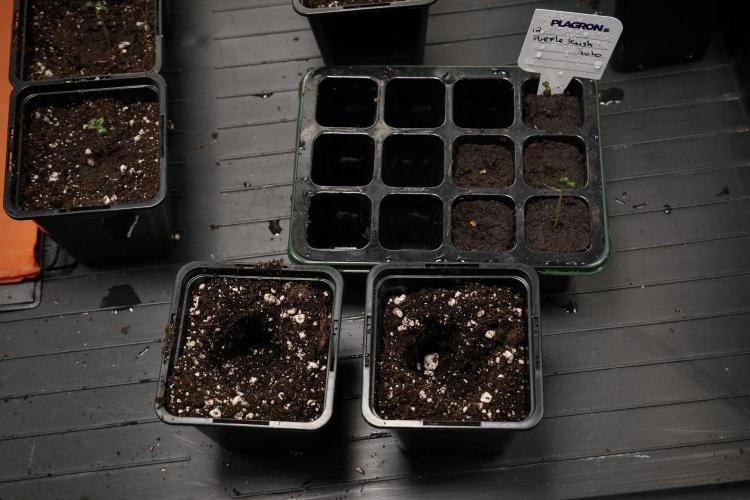
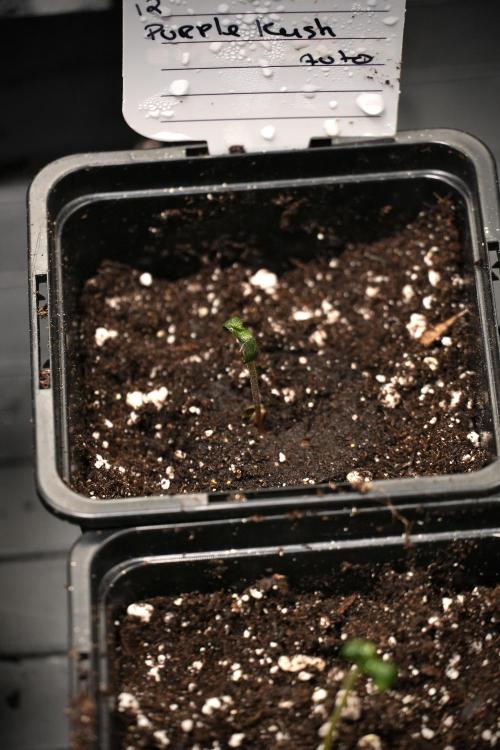
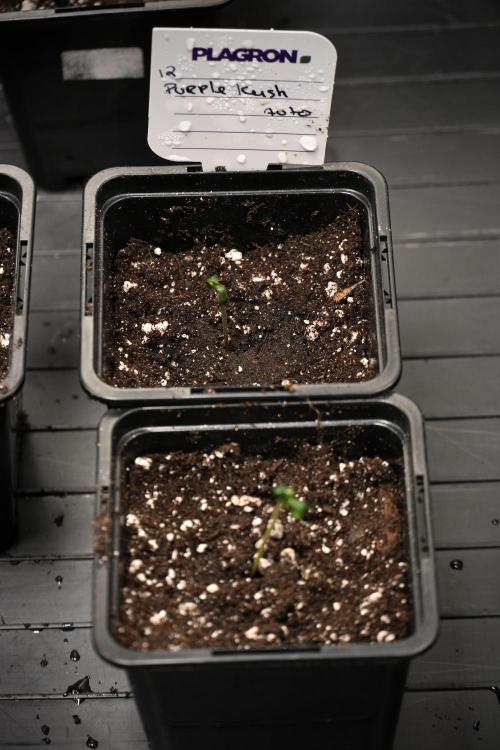
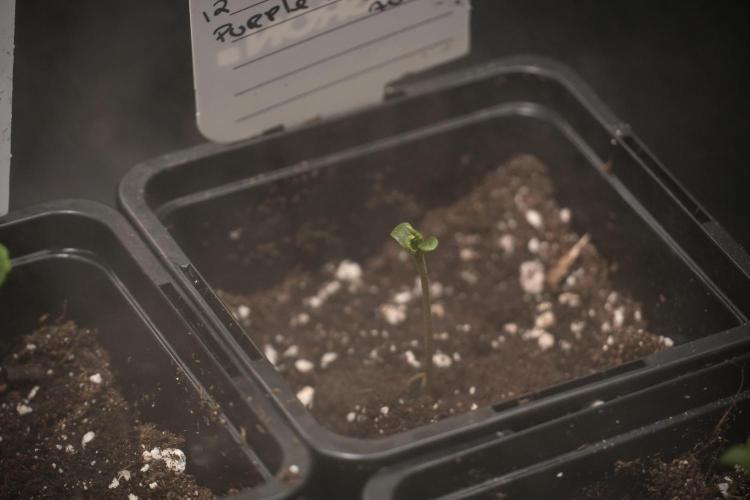
DogDoctorOfficial # Purple CousKush Auto by Zamnesia | Pheno A 🌱💜
## Germination Week | The Beginning of a New Story
Hello GrowDiaries family! 👋🌱
Welcome to another new journey.
As some of you may have noticed, I've recently adjusted the way I document my grows. With the current photo limitations on GrowDiaries, each phenotype now receives its own dedicated diary rather than sharing a single journal with its sisters.
This allows me to continue documenting every stage of development while selecting the best photographs from each week and keeping everything organized from seed to harvest.
The goal remains exactly the same as always:
To create an honest, educational, and complete record while sharing observations, successes, lessons learned, and everything in between.
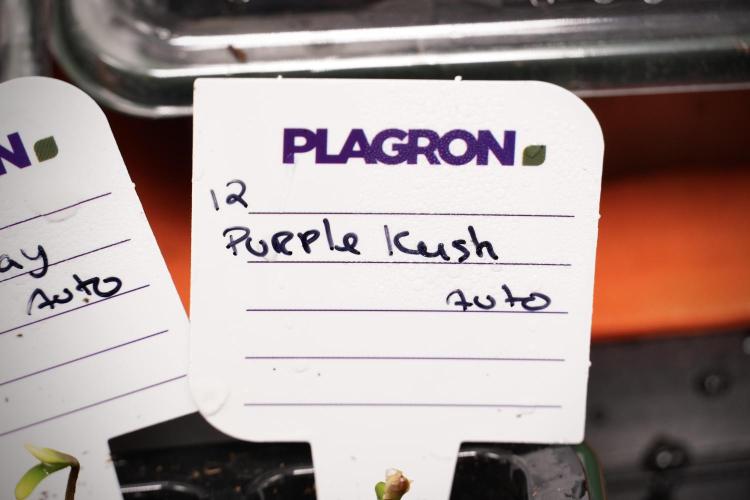
Today, we begin following Purple CousKush Auto Pheno A.
Another seed.
Another journey.
Another opportunity to learn.
---
## Continuing the Autoflower Adventure
The autoflower section of this project continues growing one cultivar at a time.
One of the things I enjoy most about running multiple genetics simultaneously is watching how every plant begins from the same simple starting point while carrying its own unique potential.
A seed.
A little water.
A little patience.
And months of possibilities hidden inside.
For this run, we're following Purple CousKush Auto from Zamnesia Seeds, cultivated under a 12/12 from seed schedule from the very first day of life.
A method that is a little different from what most growers choose, but one that has become part of my own cultivation style over time.
Throughout this diary, I'll explain not only what I'm doing, but also why I'm doing it, allowing anyone interested to follow the process from beginning to end.
---
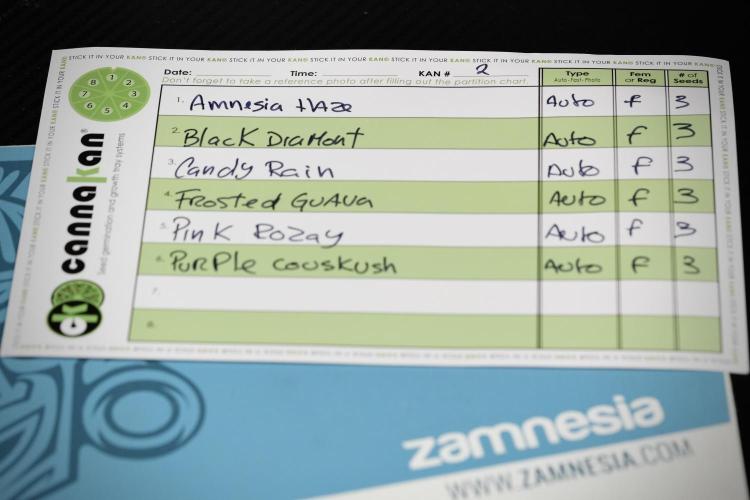
## Germination Using the Cannakan System
To begin this run, I used the Cannakan germination system.
For organizational purposes, the autoflower section was germinated using my second Cannakan unit, while the photoperiod section used the first.
The methodology itself remained exactly the same.
Simple.
Organized.
Reliable.
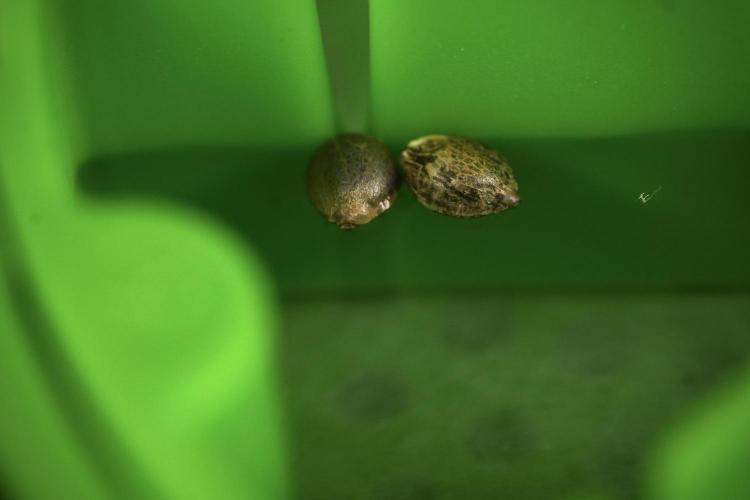
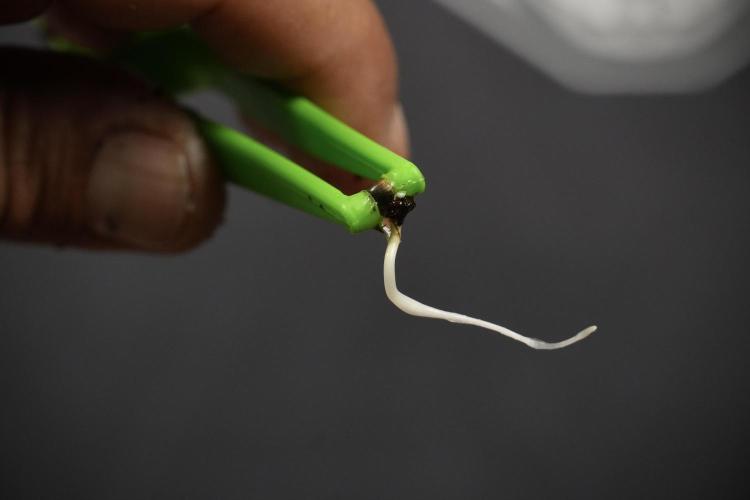
The seed was placed inside using only plain water.
No nutrients.
No additives.
No stimulants.
Just water.
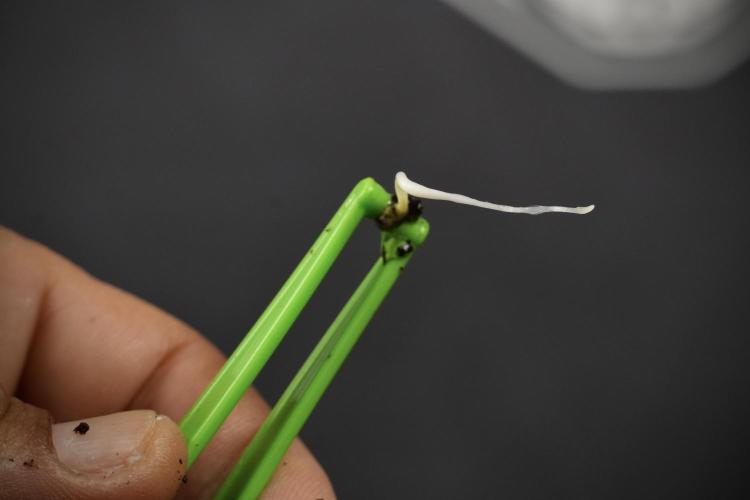
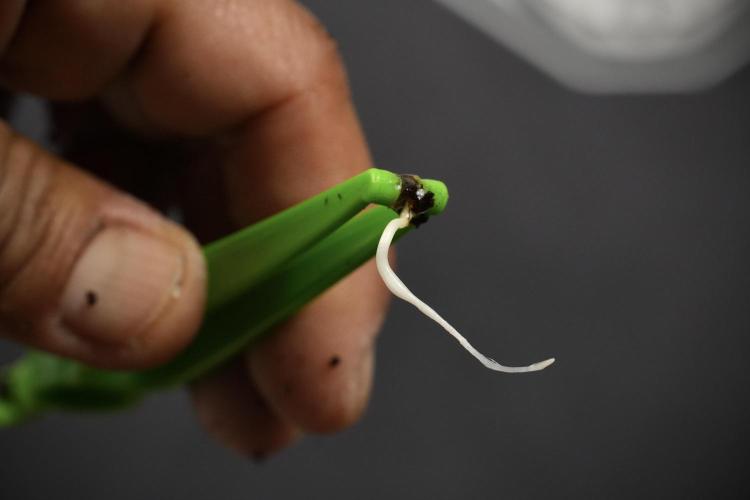
Within approximately 24 hours a healthy taproot had emerged and the seed was ready for planting.
Exactly what we hope to see from healthy, vigorous genetics.
---
## Why Only Water?
One question that often appears during germination is:
"Why not feed the seed immediately?"
The answer remains simple.
The seed already contains everything required for its first stage of life.
Inside that shell are the energy reserves needed to establish roots and begin development.
At this stage, I prefer allowing the seed to use those reserves naturally.
The objective is not to feed the plant.
The objective is simply to wake it up.
Water is enough.
Nature has already prepared the rest.
---
## Coco Starter Plugs
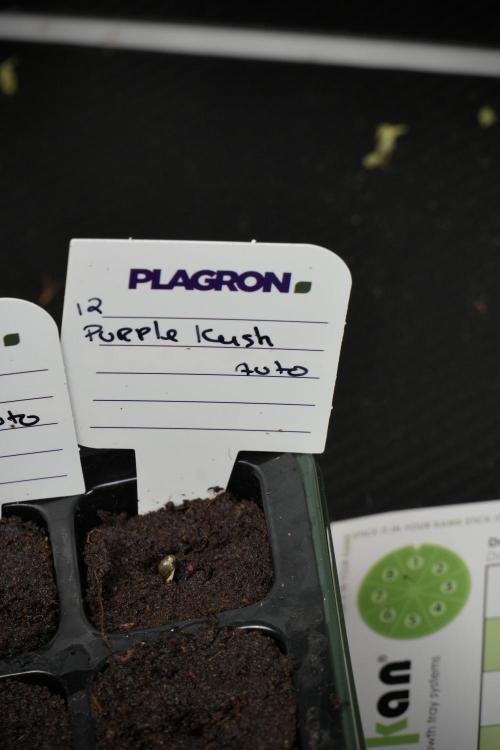
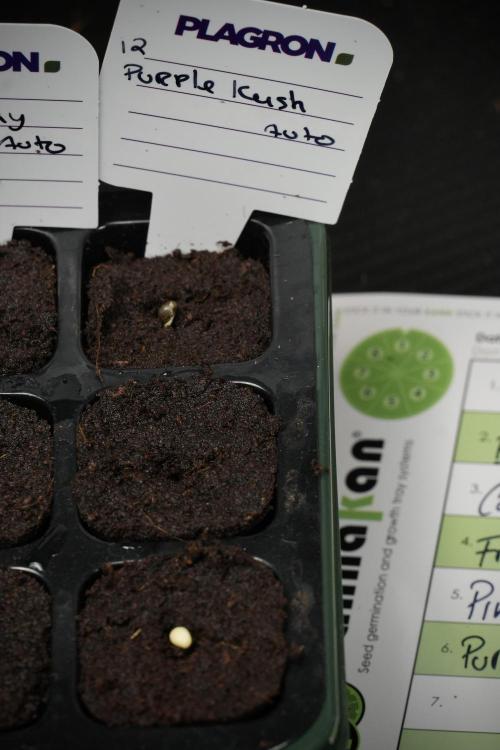
Like many of the other plants in this project, this seed began life inside a coco starter plug.
The plug was fully hydrated and then gently squeezed to remove excess moisture while maintaining a healthy balance between water retention and oxygen availability.
Once germinated, the seed was carefully inserted into the plug and placed inside a humidity dome.
The dome remained useful for only a short period.
Within less than 24 hours the seedling had already emerged and was ready for the next step.
At that point, she was transplanted directly into a small container filled with Plagron Lightmix.
---
## Environmental Conditions
Environmental conditions remained intentionally simple and stable.
Temperatures stayed around 26–27°C.
Humidity was maintained between approximately 65–70% using a Spider Farmer humidifier.
Rather than keeping seedlings inside extremely humid conditions for extended periods, I prefer introducing them relatively early to the environment they will actually experience throughout their life cycle.
The objective is adaptation.
Not dependence.
Airflow remained extremely gentle.
Just enough movement to keep fresh air circulating without creating unnecessary stress.
---
## Lighting
Lighting during germination remained intentionally soft.
Young seedlings simply do not require intense light levels at this stage.
The goal is healthy establishment rather than rapid growth.
Once properly established, this girl will move under the Future Of Grow Black Series 600W full-spectrum LED system where the next stage of development begins.
For now, healthy roots and healthy growth remain the priorities.
---
## First Observations
Everything has progressed exactly as hoped so far.
Fast germination.
Healthy taproot.
Strong emergence.
Healthy color.
Good vigor.
And perhaps most importantly:
A healthy beginning.
At this stage every seedling remains an unwritten story.
A tiny plant carrying months of possibilities inside it.
And that mystery remains one of the most rewarding parts of cultivation.
---
## Looking Ahead
Over the coming weeks we'll follow Purple CousKush Auto Pheno A through every stage of development.
We'll document:
- Root establishment
- Early growth
- Environmental management
- Watering practices
- Structural development
- Flowering progression
- And whatever unique characteristics this phenotype chooses to reveal
Because every seed deserves the opportunity to tell its story.
Huge thanks to Zamnesia Seeds for the genetics, Plagron for the substrate and nutrition, Future Of Grow for the lighting, and everyone following along for another seed-to-harvest adventure.
Grower's Love everyone. 🌱💚
7 likes
comments
Share
Used method
Other
Germination Method
1
Week 1. Vegetation1mo ago

3.6 cm
Height
12 hrs
Light Schedule
27 °C
Day Air Temp
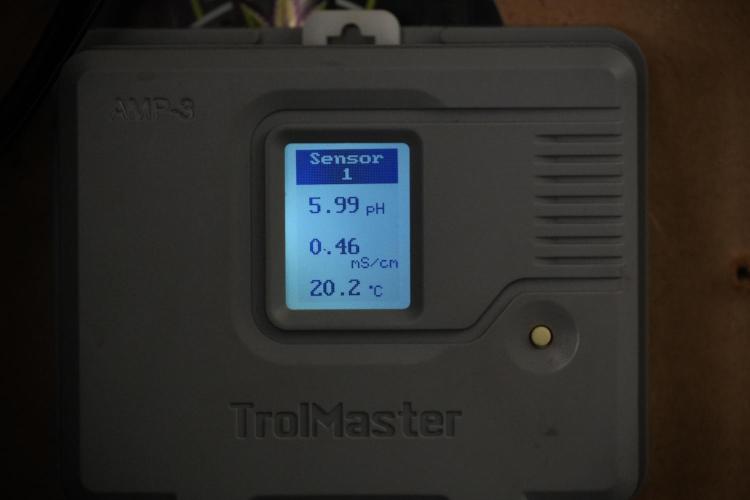
6.0
pH
No Smell
Smell
230 PPM
TDS
55 %
Air Humidity
21 °C
Solution Temp
21 °C
Substrate Temp
25 °C
Night Air Temp
15 l
Pot Size
0.75 l
Watering Volume
600 PPM
CO₂ Level
Nutrients 4

Terra Grow
1 mll

Pure Zym
1 mll

Sugar Royal
1 mll
DogDoctorOfficial # Purple CousKush Auto — Pheno A 🌱💜
## Week 1 Vegetation | From Rough Beginnings to a Strong Finish
Hello GrowDiaries family! 👋🌱
Welcome back for another Week 1 update.
This time we're following Purple CousKush Auto Pheno A, a plant that delivered one of the most interesting transformations of the week.
Because if someone had only seen the first photographs, they might have been tempted to worry.
Fortunately, plants rarely read our concerns.
And this little lady spent the week proving exactly why patience remains one of the most valuable tools a grower can have.
---
## A Challenging Start
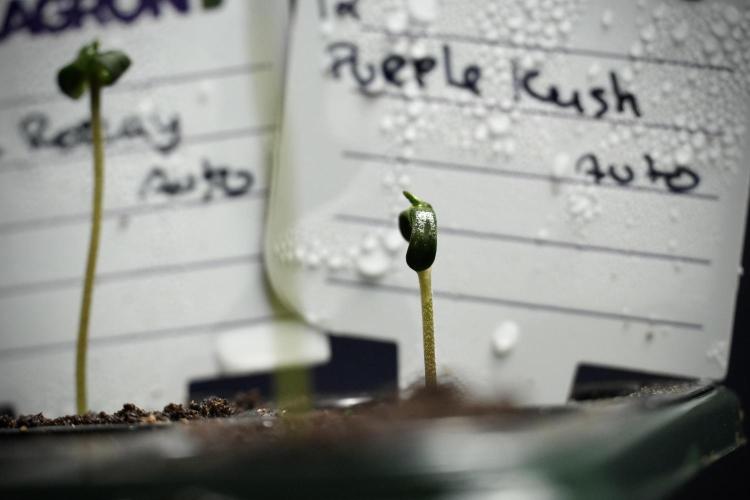
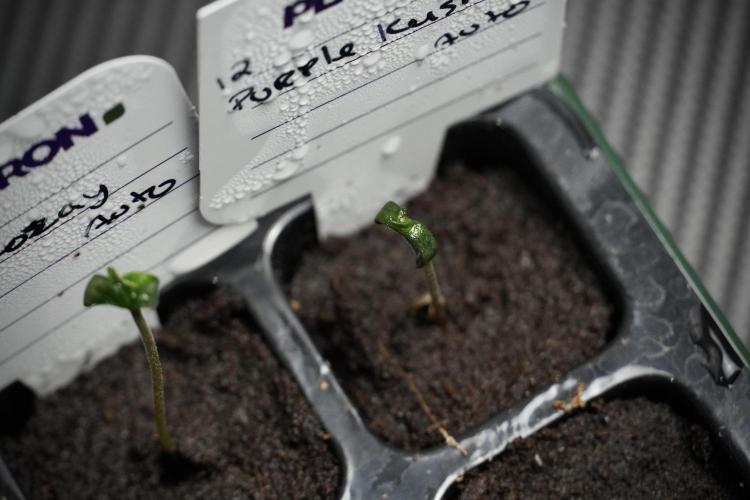
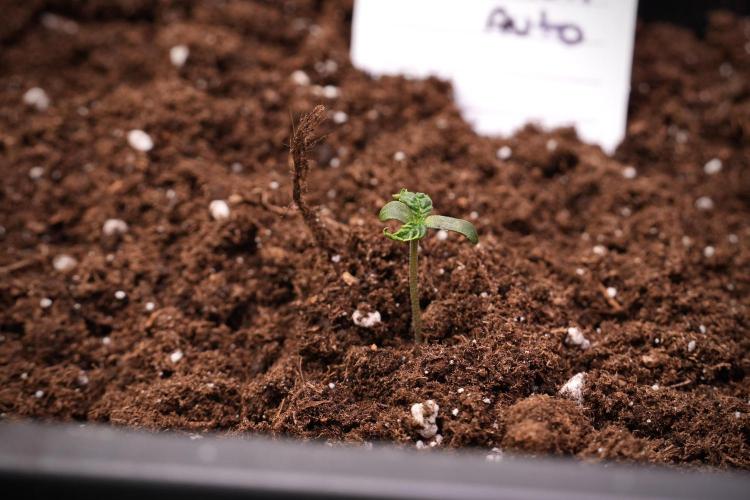
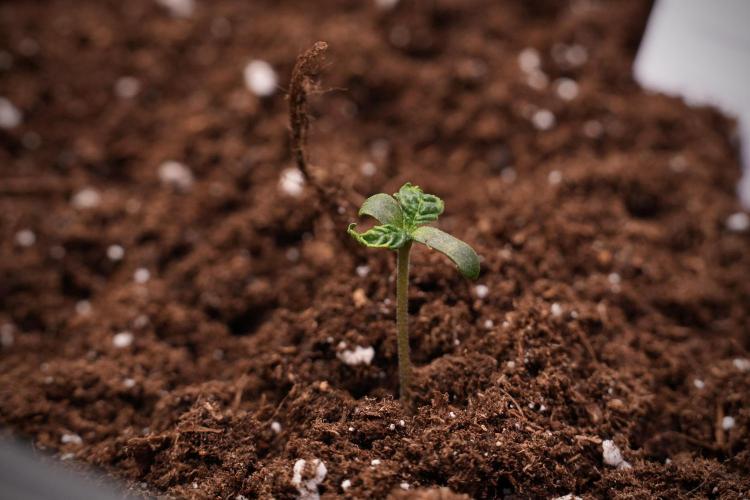
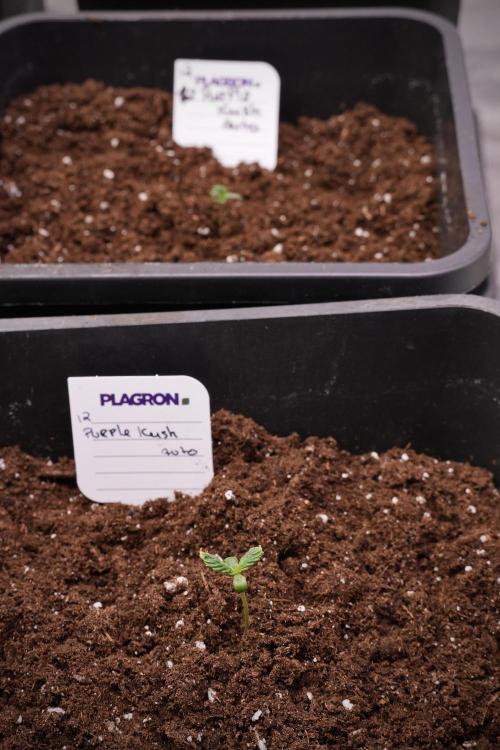
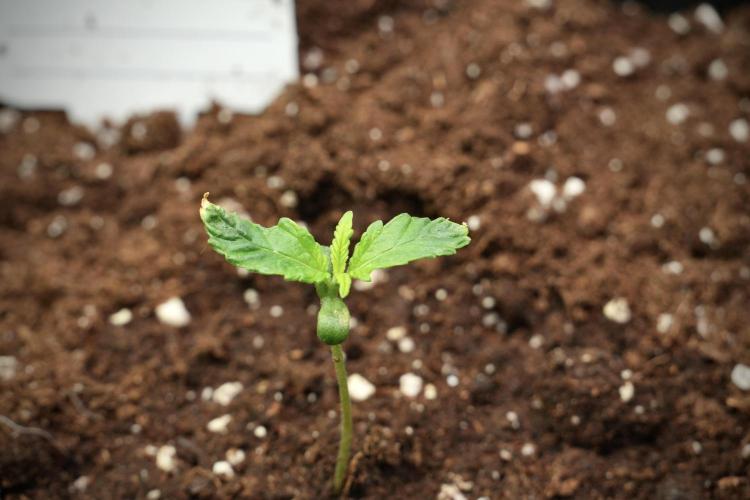
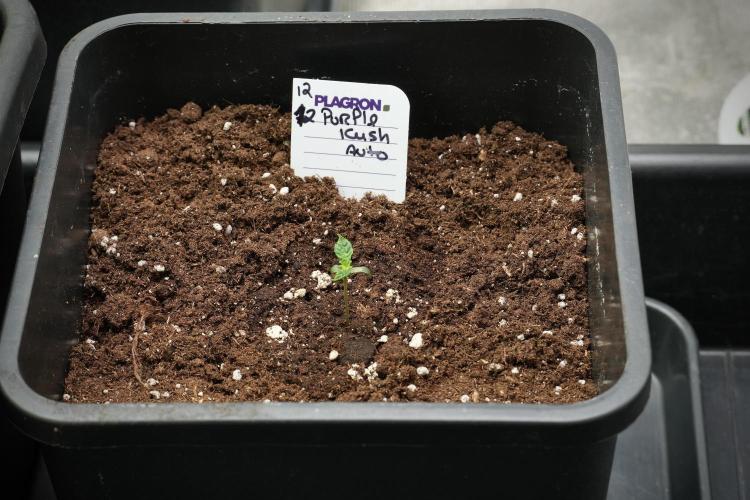
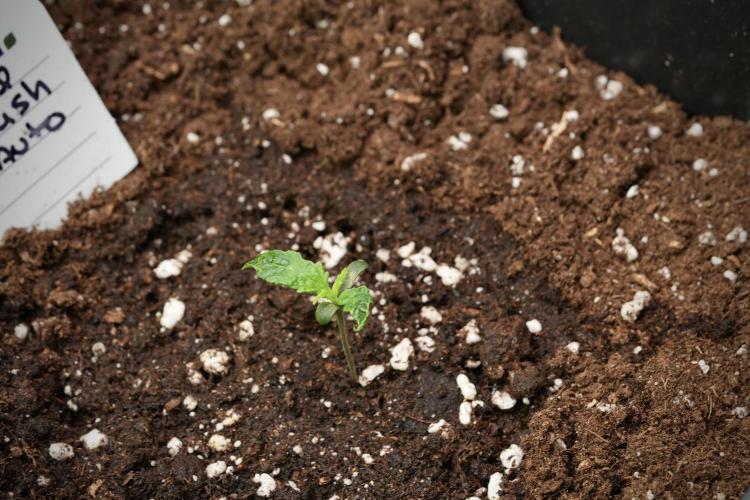
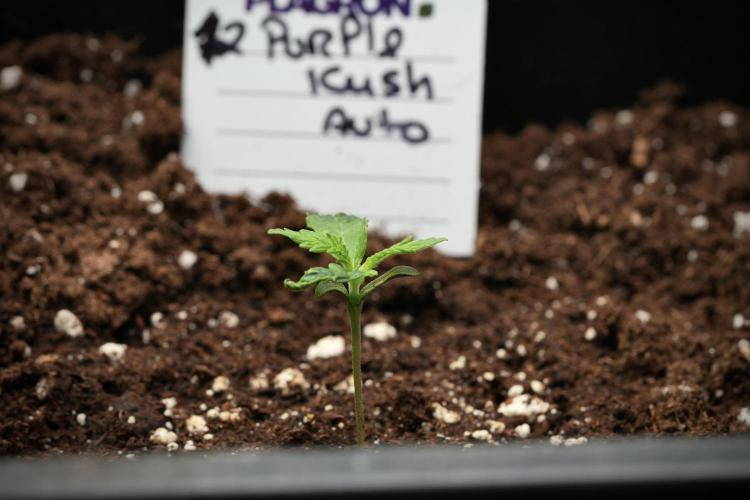
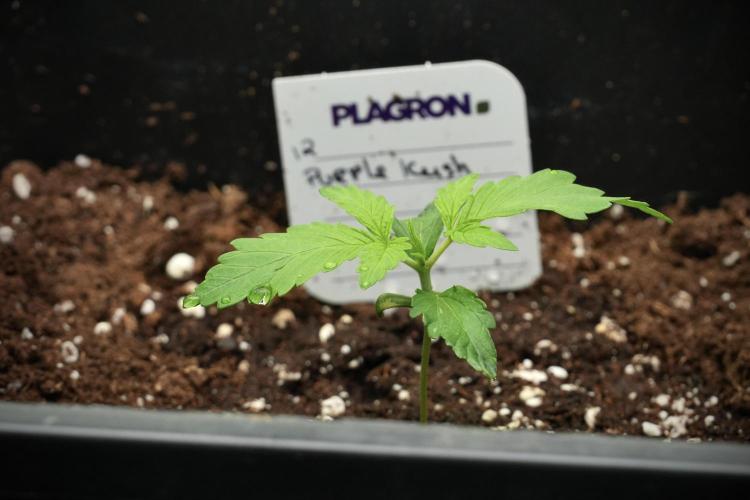
From the moment she emerged, Purple CousKush Auto Pheno A looked a little different from many of her sisters.
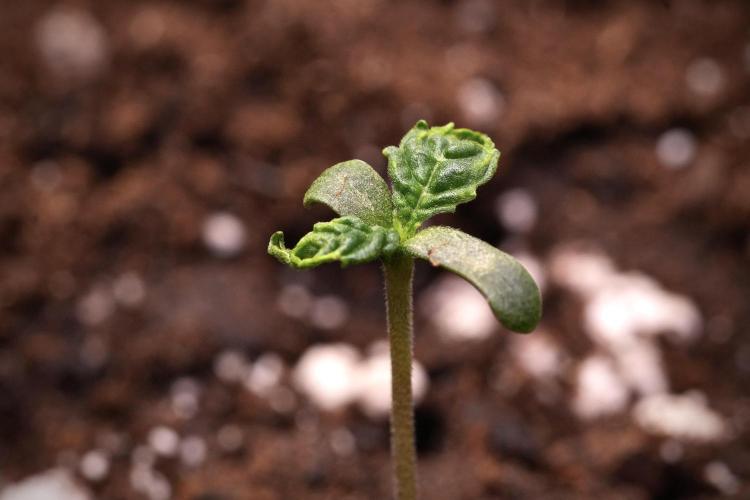
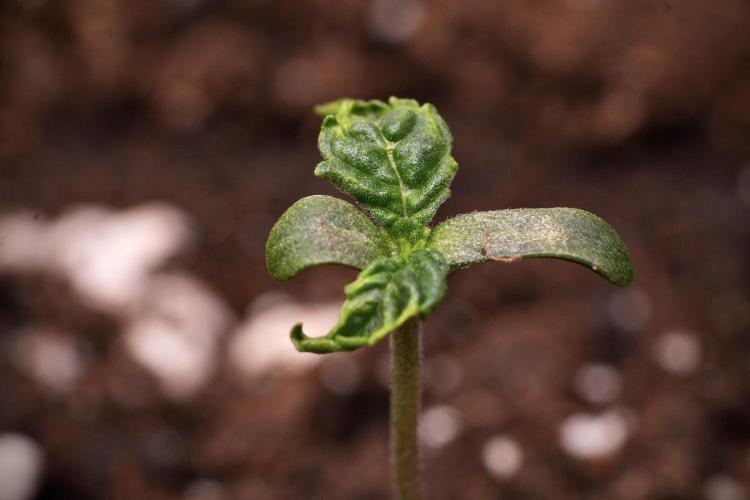
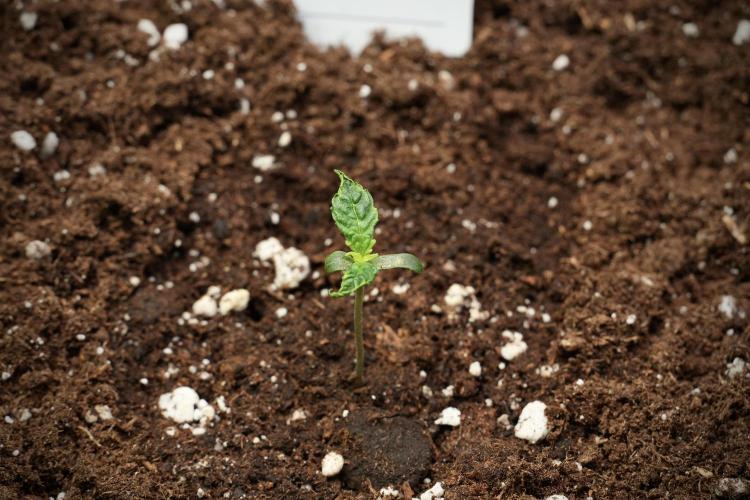
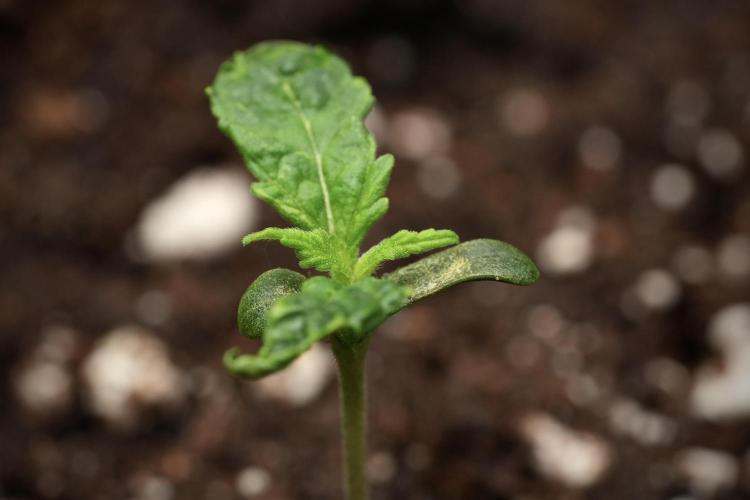
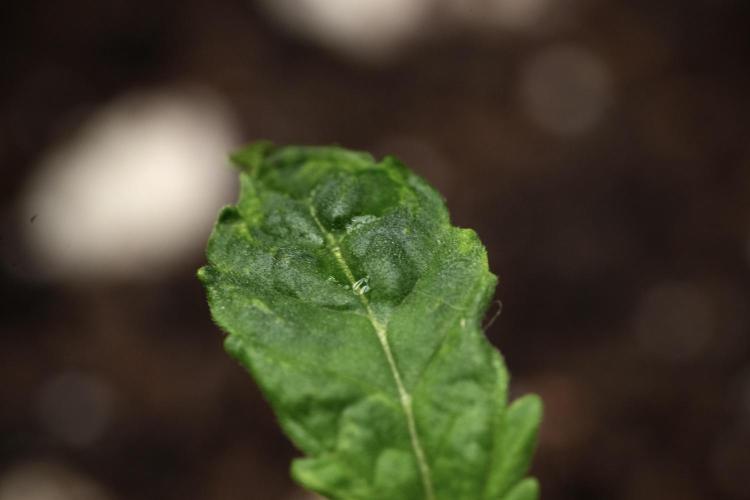
The earliest growth showed unusual leaf development.
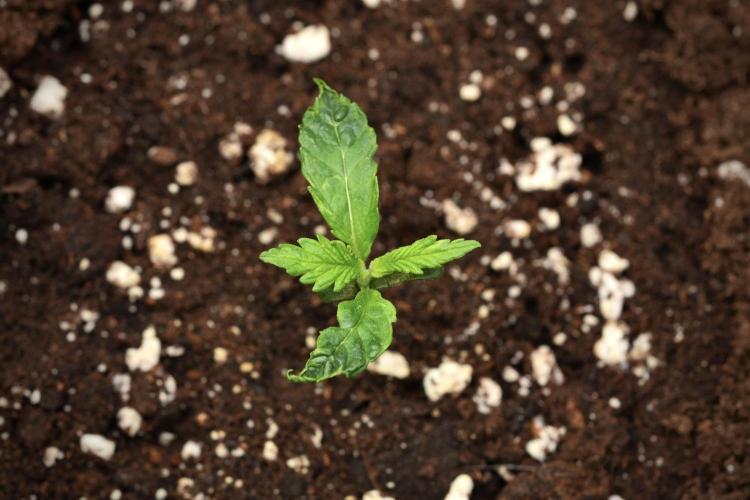
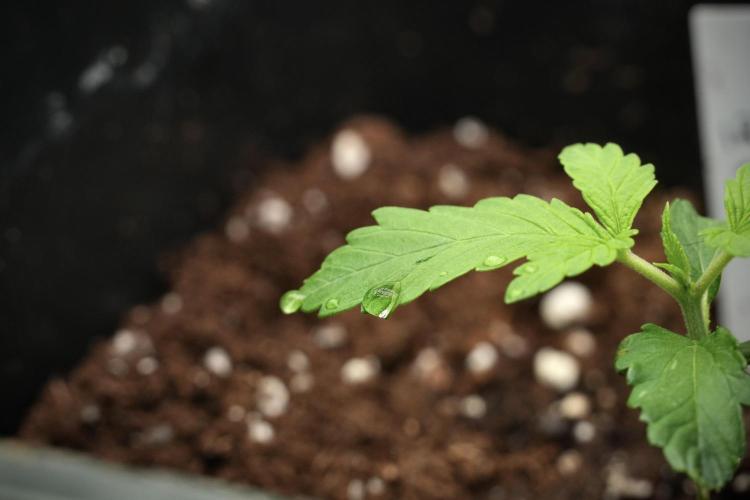
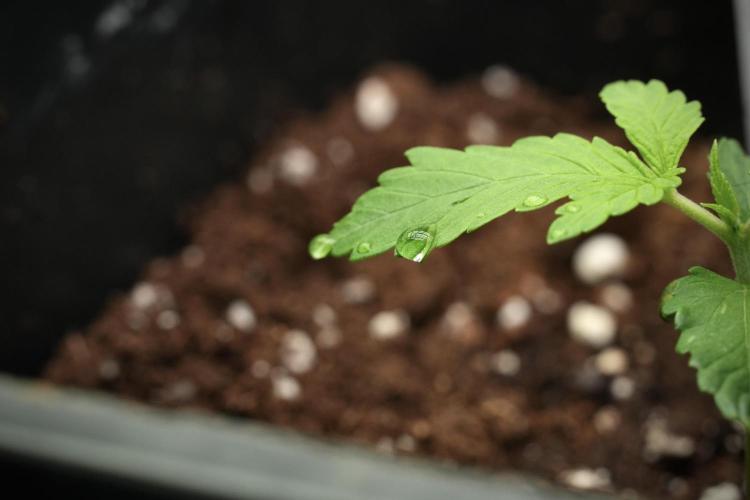
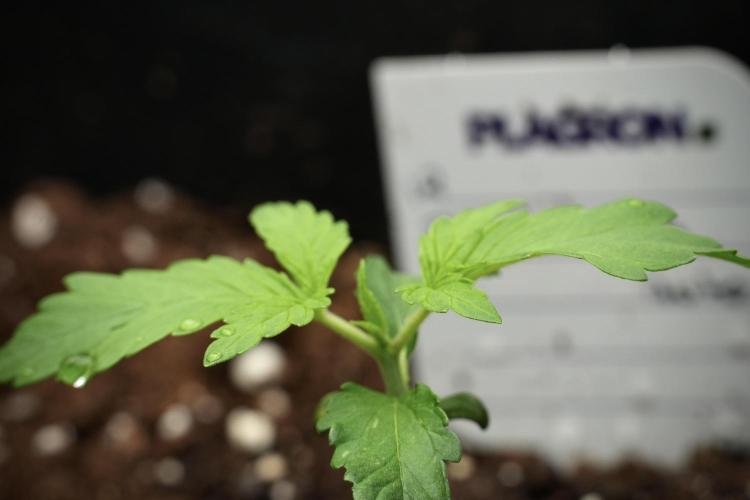
The first leaves appeared twisted, folded, and somewhat crumpled.
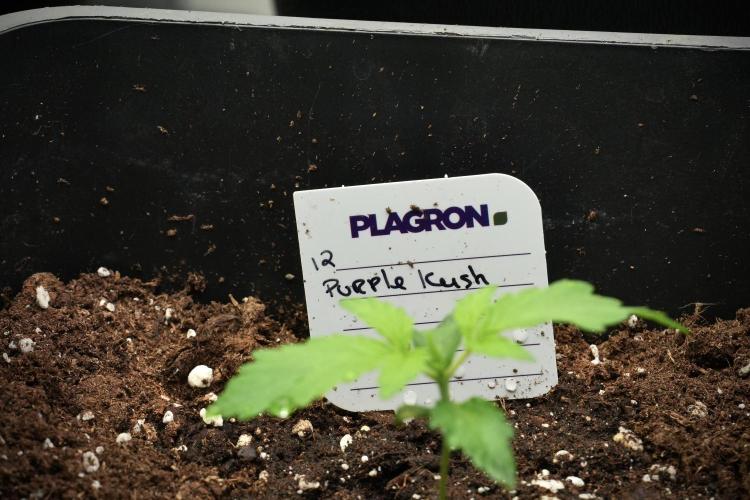
Even the close-up photographs reveal just how unusual those first few days looked.
At first glance it could easily raise questions.
Was it genetics?
A minor developmental quirk?
A seedling simply figuring itself out?
At this stage, it was impossible to know.
What mattered most was not how she started.
What mattered was what happened next.
---
## The Importance of Watching New Growth
One lesson that seedlings constantly teach us is this:
Always watch the newest growth.
Not the oldest.
Not the damaged tissue.
Not yesterday's leaves.
The newest growth tells the real story.
And throughout this week, the newest growth on Purple CousKush Auto became increasingly encouraging.
Each day the center growth appeared healthier.
Each new leaf emerged more normally.
Each photograph showed improvement.
Instead of declining, she continued moving forward.
And that is exactly what growers want to see.
---
## Finding Her Rhythm
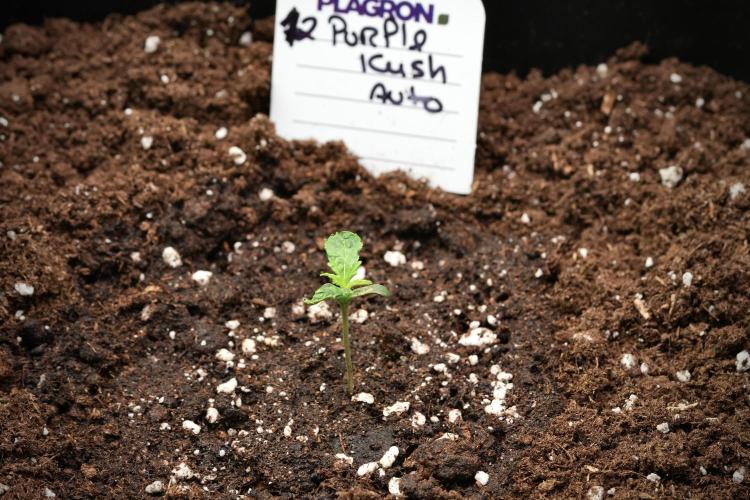
As the week progressed, the transformation became obvious.
The twisted appearance slowly began giving way to better leaf formation.
The structure improved.
The canopy widened.
The plant settled into a more natural growth pattern.
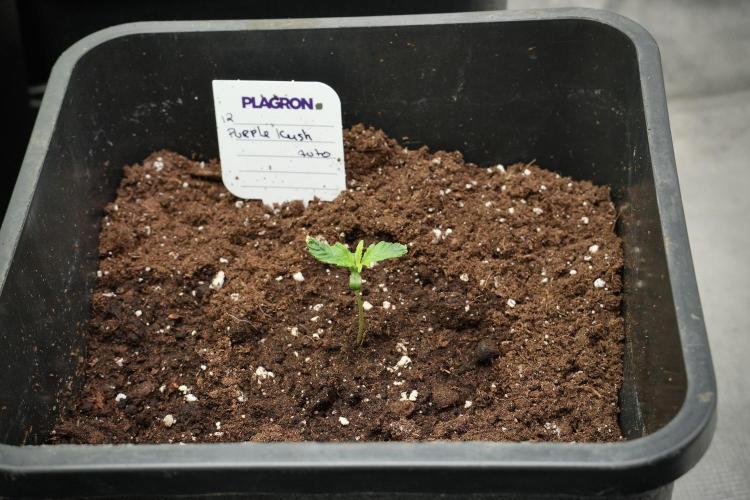
By the final photographs, she looked almost like an entirely different seedling compared to where she started.
The rough beginning was still visible in some of the older growth.
But the future growth?
That looked promising.
Very promising.
---
## A Strong Finish
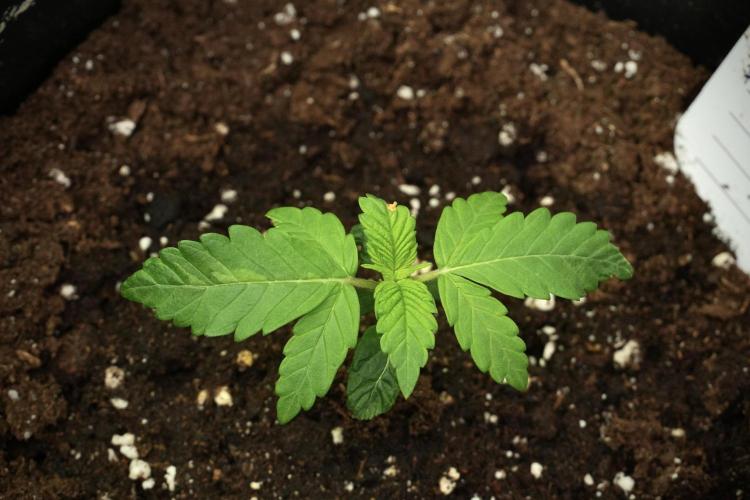
The final photographs of the week tell the story better than words ever could.
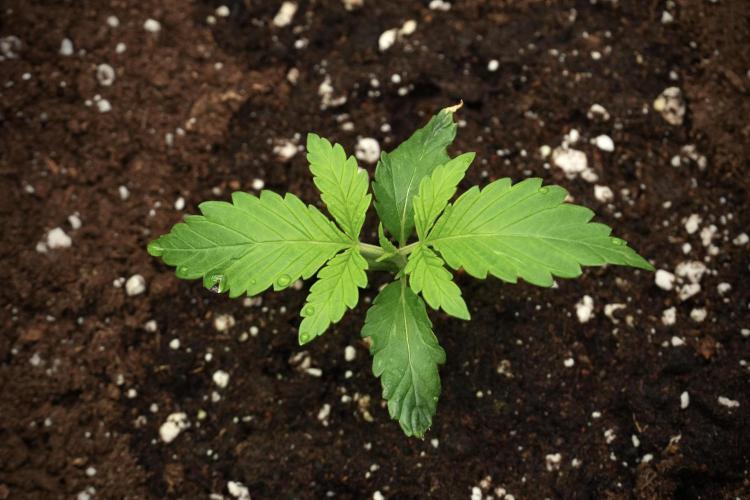
By the end of Week 1, Purple CousKush Auto had developed:
🌱 Healthy new growth
🌱 Improved leaf structure
🌱 Better symmetry
🌱 Stronger overall vigor
🌱 A noticeably more confident appearance
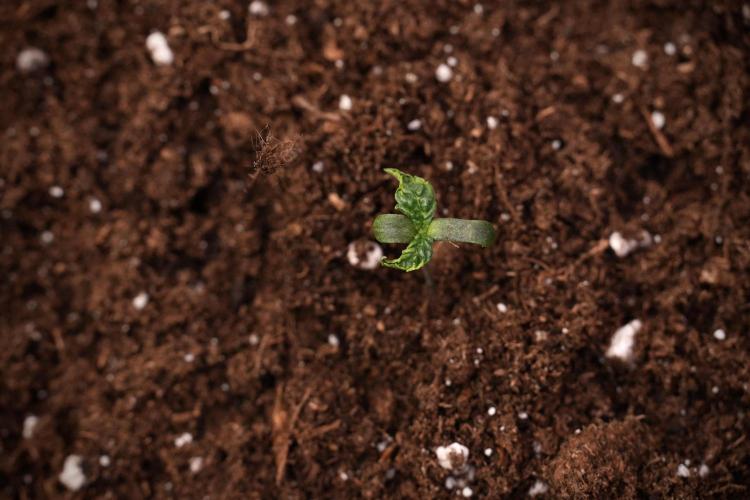
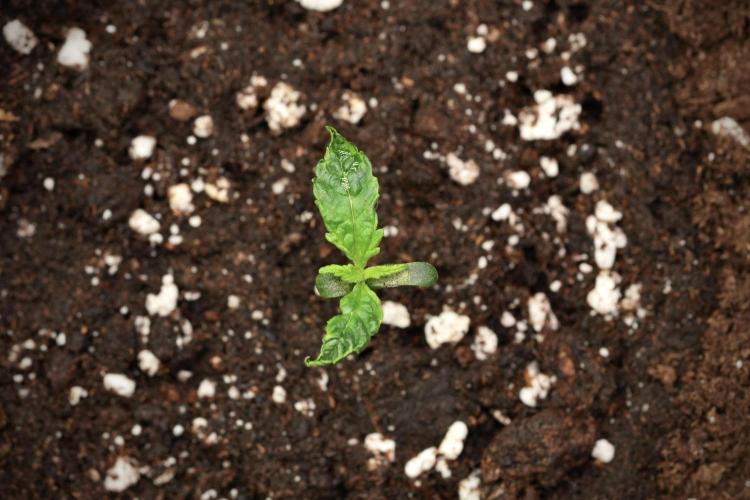
The bird's-eye photographs are especially satisfying.
The canopy has begun opening up nicely.
The leaves are expanding.
The center growth is active.
And the plant looks fully committed to moving forward.
Sometimes seedlings simply need a little time to sort themselves out.
This appears to be one of those cases.
---
## Early Personality
One of the reasons I enjoy documenting every stage from seed to harvest is because every phenotype tells its own story.
Some plants emerge looking perfect from day one.
Others arrive with a little extra personality.
Purple CousKush Auto Pheno A definitely belongs in the second category.
She made us pay attention.
She made us wonder.
And then she quietly started fixing the situation herself.
Those are often the plants that become the most interesting later in life.
---
## Environmental Conditions
Conditions remained stable throughout the week:
🌡️ Day temperature: 27°C
🌙 Night temperature: 25°C
💧 Relative humidity: 55%
⚡ 12/12 from seed
🌱 Plagron nutrient program
💡 Future Of Grow Black Series LED lighting
💨 Gentle airflow and stable environmental control
With the environment remaining consistent, the plant was free to focus entirely on root establishment and early development.
And despite the unusual start, she responded well.
---
## Looking Ahead
Moving into the next week, I will be watching closely for:
🌱 Continued normalization of the new growth
🌱 Canopy expansion
🌱 Structural development
🌱 Growth rate compared to her sister phenotype
🌱 Any unique traits that may emerge as she matures
Because if Week 1 taught us anything, it's that first impressions do not always tell the whole story.
This girl started with a rough hand.
But she finished the week looking stronger every day.
And honestly?
Those are some of my favorite plants to follow.
Huge thanks to Zamnesia Seeds for the genetics, Plagron for the substrate and nutrition, Future Of Grow for the lighting, and everyone following along on another seed-to-harvest adventure.
Grower's Love everyone. 🌱💚💜
"Sometimes the strongest starts are not the prettiest ones. Sometimes they're the ones that learn to grow through the struggle." 🌱
8 likes
comments
Share
Used techniques
12-12
Technique
Transplantation
Technique
2
Week 2. Vegetation15d ago
8.8 cm
Height
12 hrs
Light Schedule
27 °C
Day Air Temp
6.0
pH
No Smell
Smell
450 PPM
TDS
55 %
Air Humidity
21 °C
Solution Temp
21 °C
Substrate Temp
25 °C
Night Air Temp
15 l
Pot Size
0.9 l
Watering Volume
600 PPM
CO₂ Level
Nutrients 4
Terra Grow
1.8 mll
Pure Zym
1 mll
Sugar Royal
1 mll
DogDoctorOfficial Purple CousKush Auto – Pheno A | Week 2 Vegetation
Hello everyone, and welcome back to another week of the 12/12 From Seed adventure.
This update belongs to Purple CousKush Auto Pheno A, and from the very beginning she has made one thing clear:
She has absolutely no interest in being ordinary.
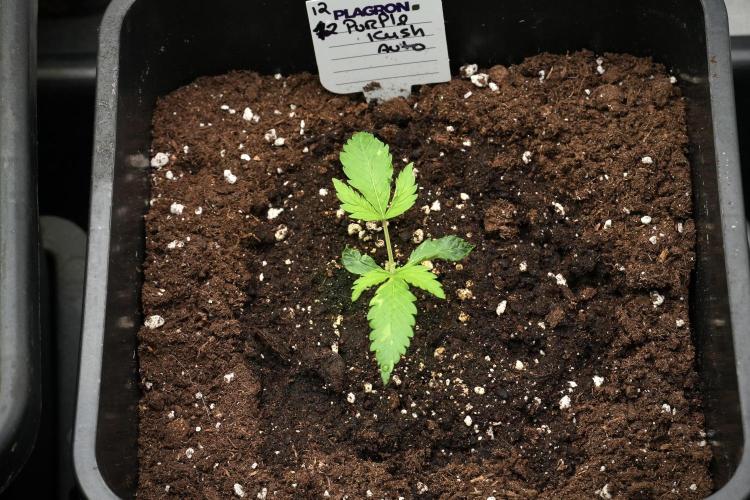
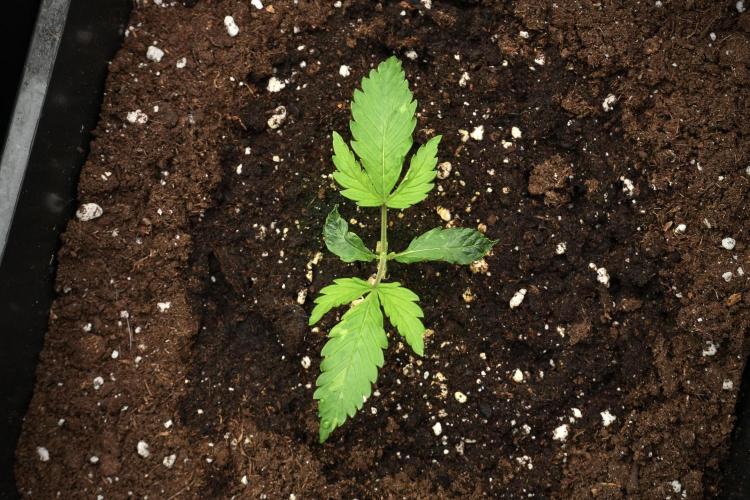
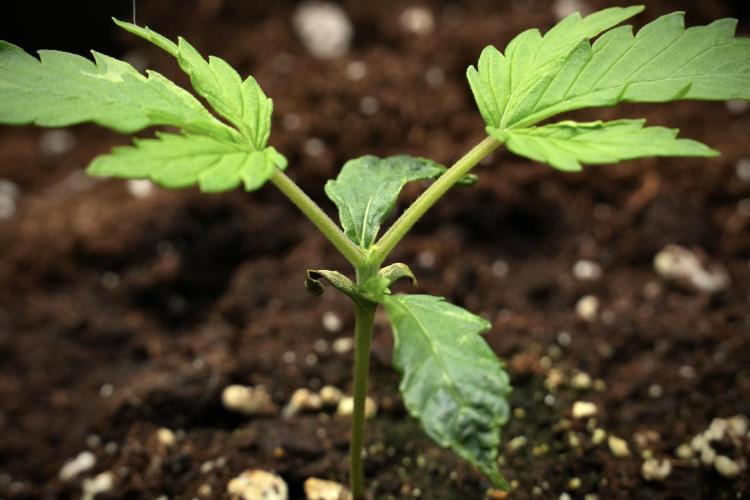
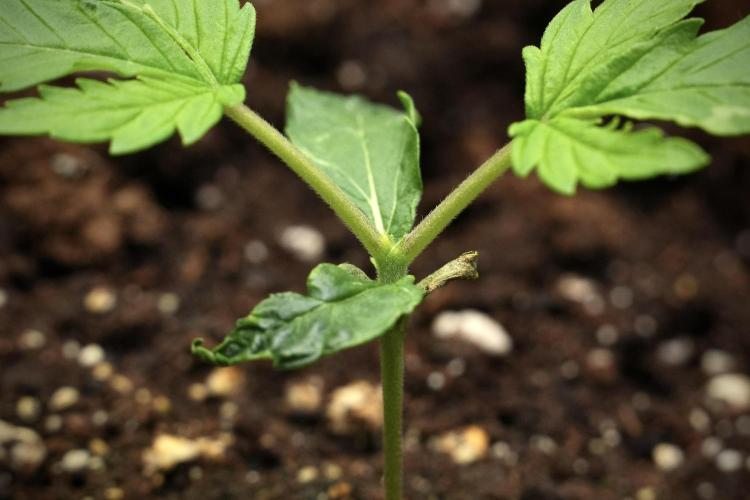
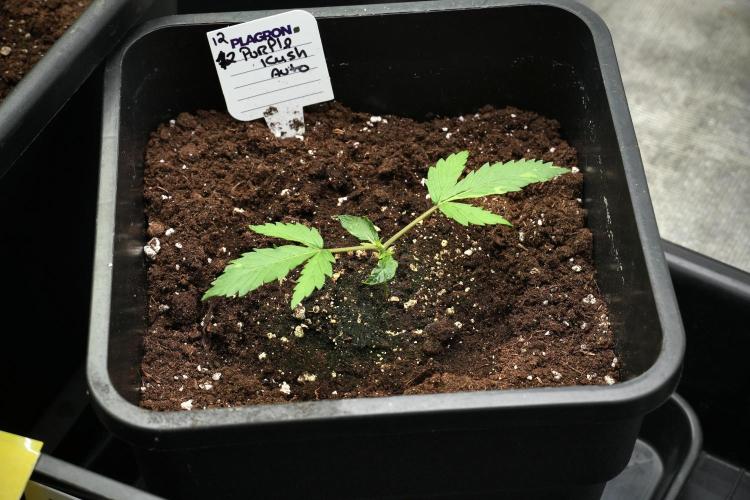
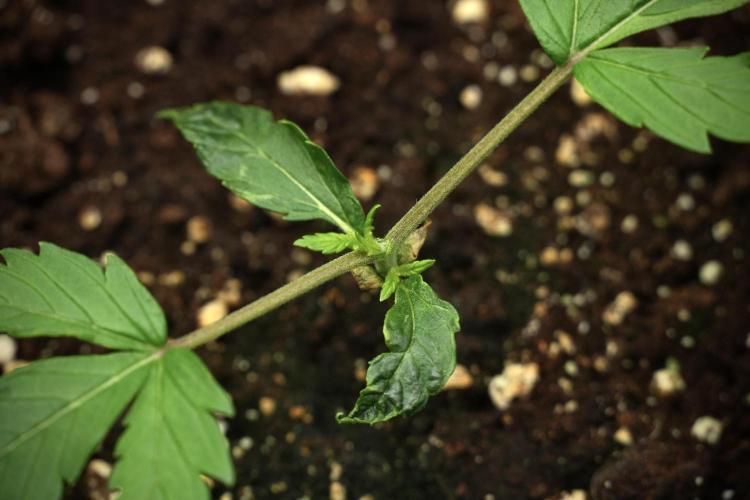
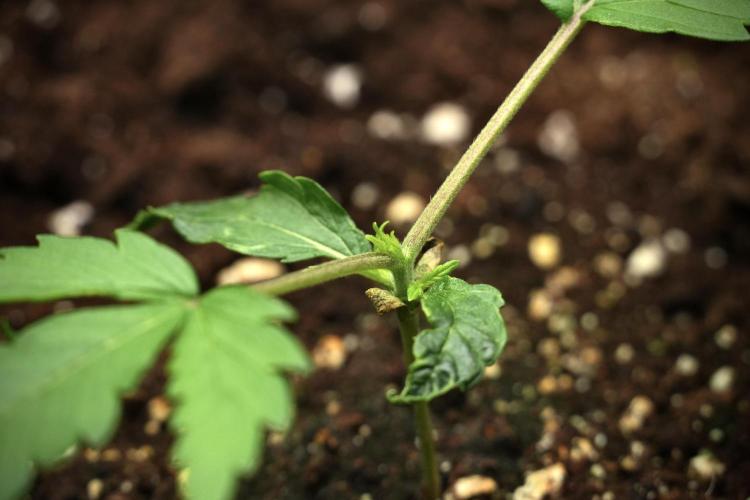
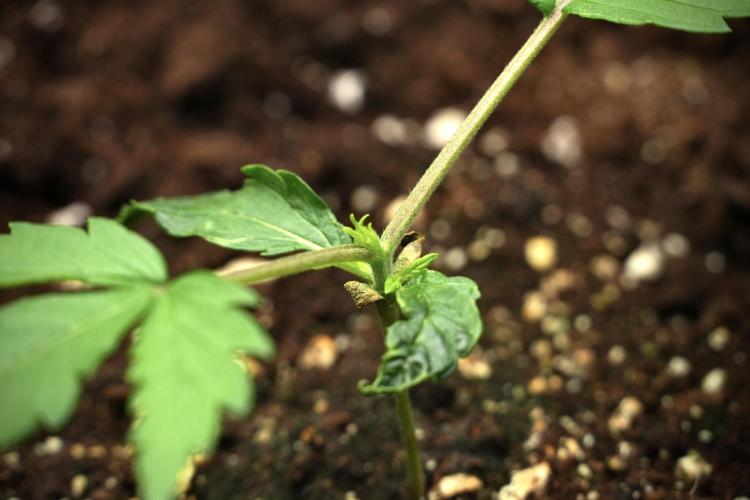
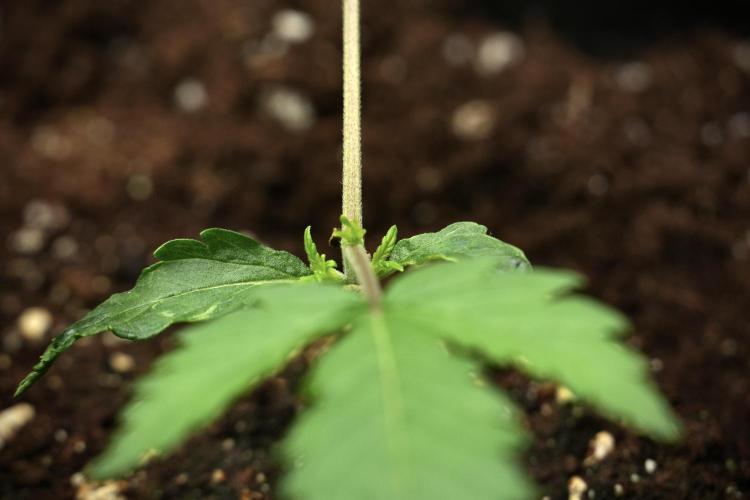
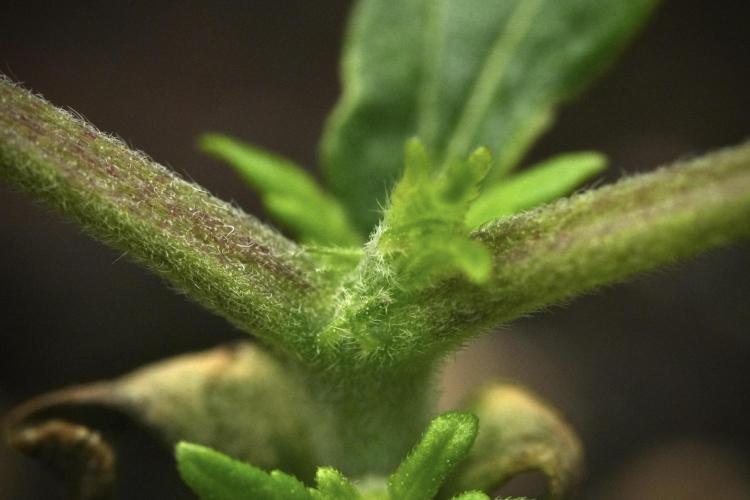
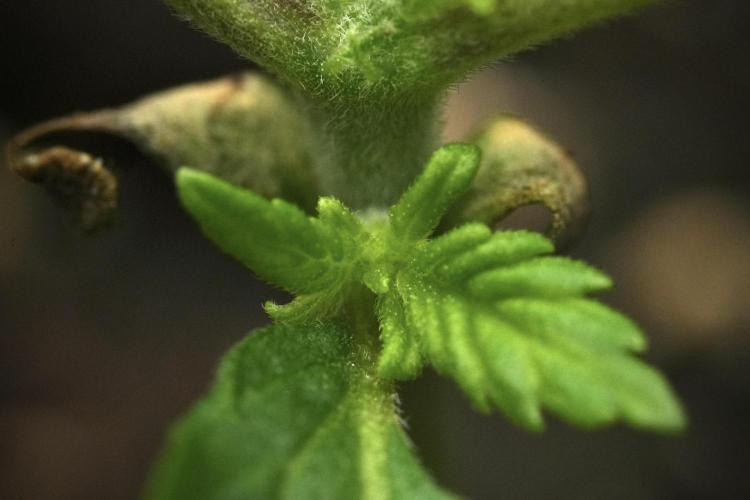
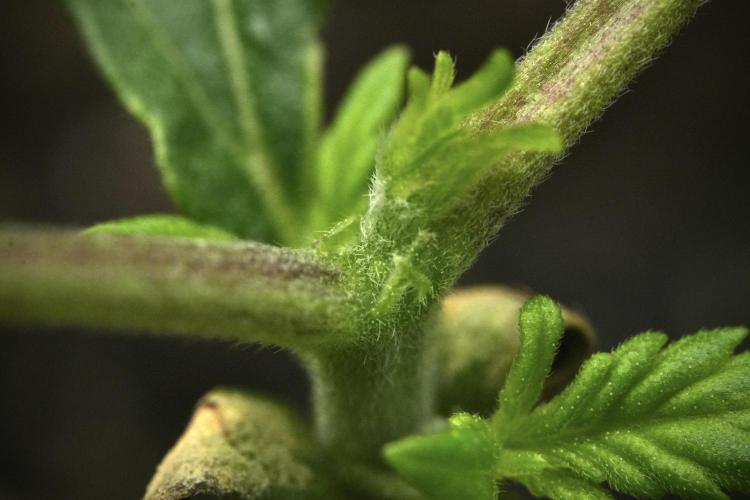
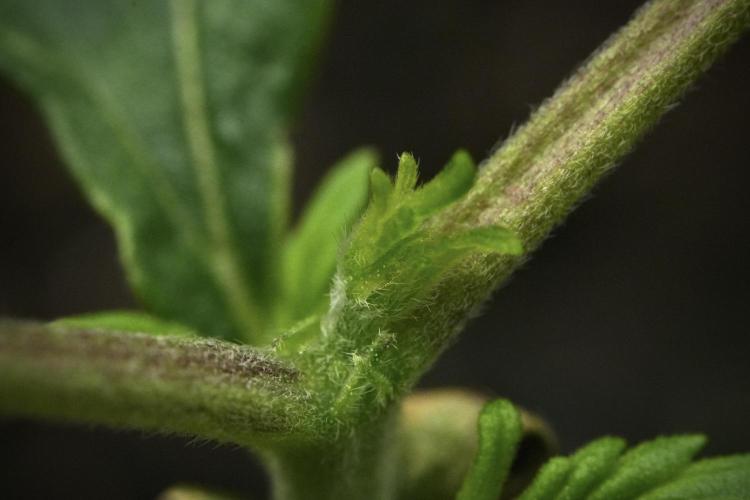
While many seedlings spend their first weeks following familiar patterns, this phenotype has chosen a very different path, producing one of the most unusual growth structures currently present in the entire project.
And honestly?
That is exactly what makes her fascinating.
⸻
One of the greatest joys of growing from seed is witnessing personality emerge.
Every now and then a plant appears that refuses to follow the script.
Purple CousKush Auto Pheno A seems determined to become that plant.
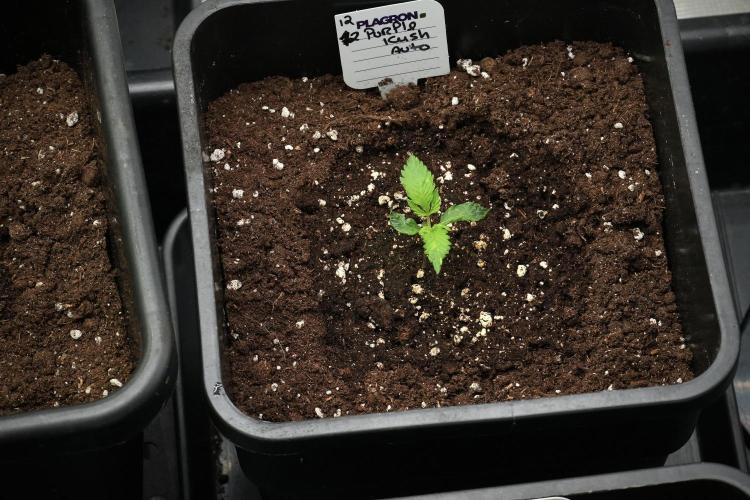
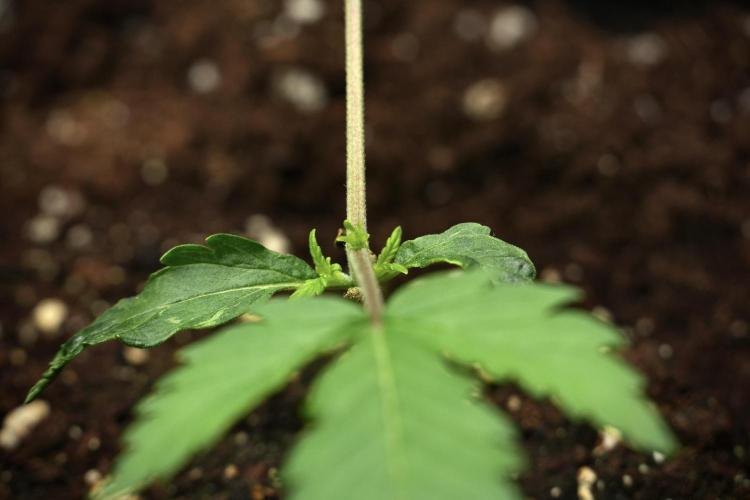
At first glance the plant is healthy, vigorous, and actively growing. Coloration remains excellent, the stem is strengthening nicely, and fresh growth is emerging from every active point.
But once you begin studying the structure more closely, things become considerably more interesting.
⸻
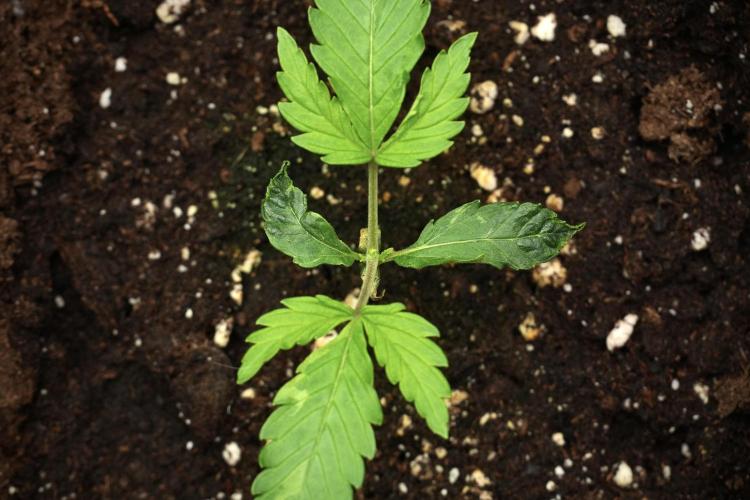
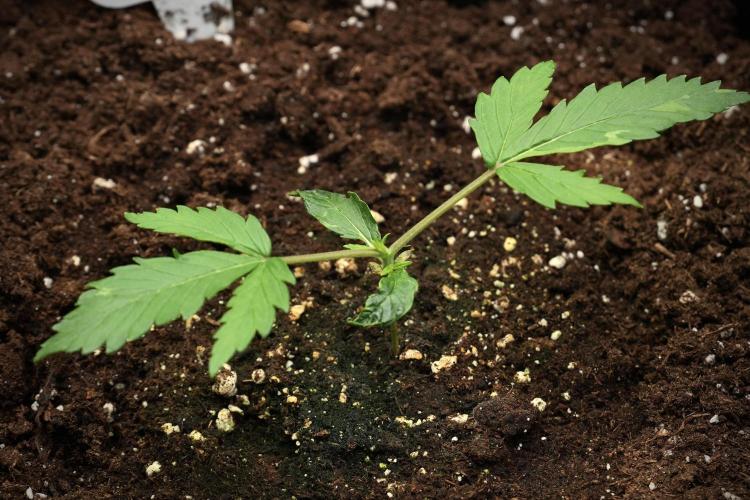
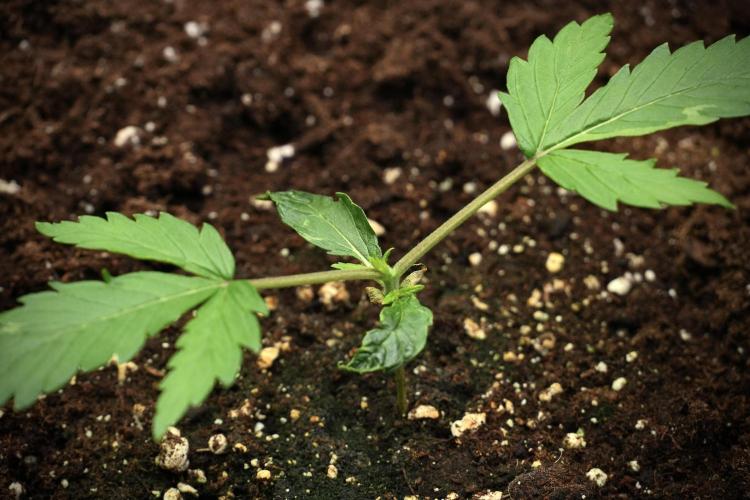
The first pair of true leaves developed normally and expanded beautifully.
However, as subsequent growth appeared, the architecture began diverging from what we would normally expect.
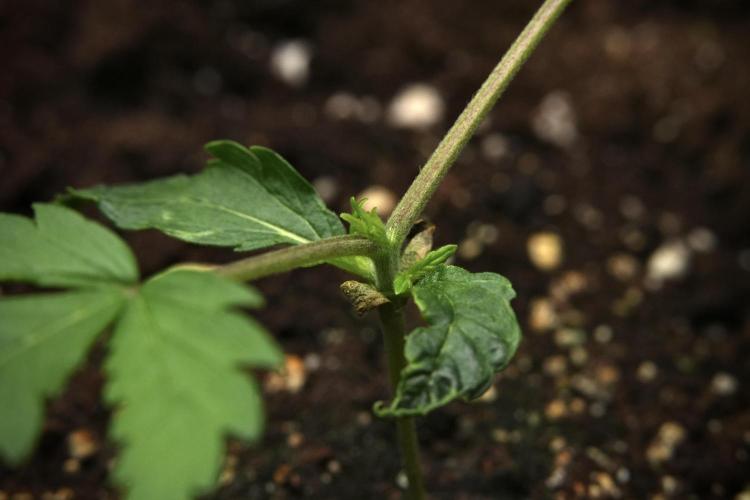
Instead of building a perfectly predictable symmetrical structure, the plant appears to be directing energy into an unusual arrangement of growth points.
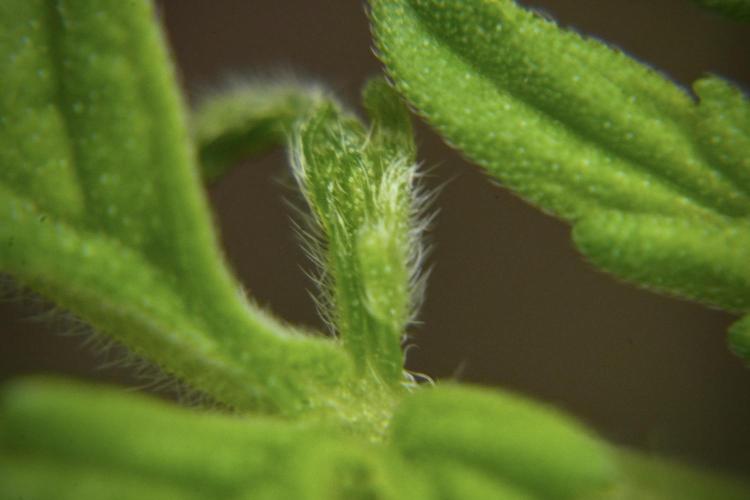
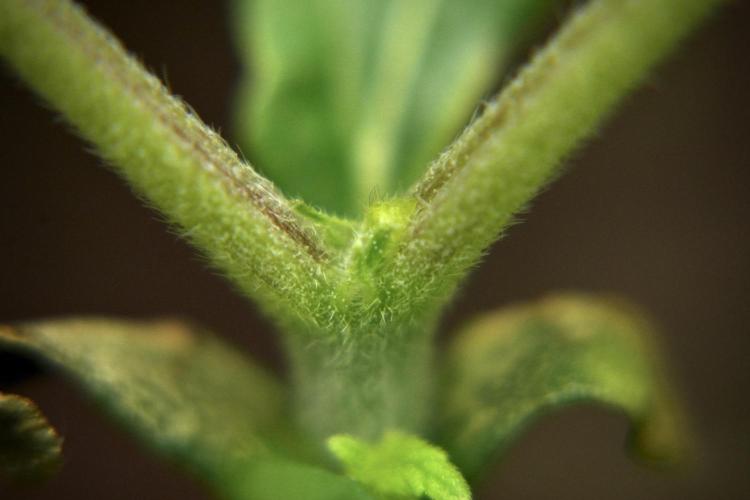
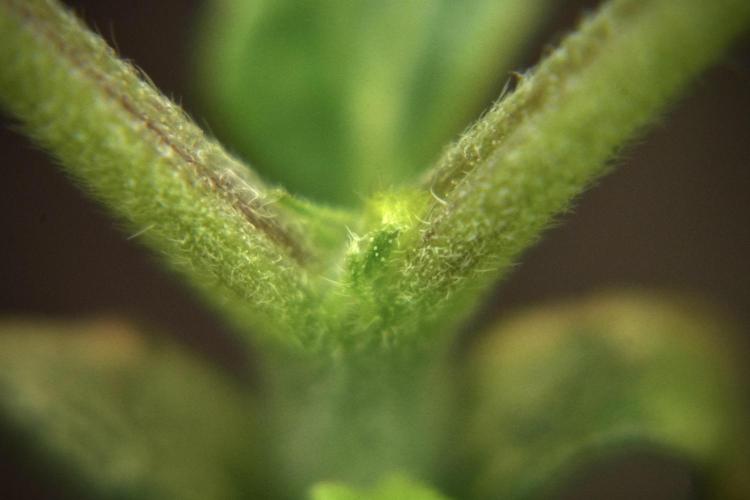
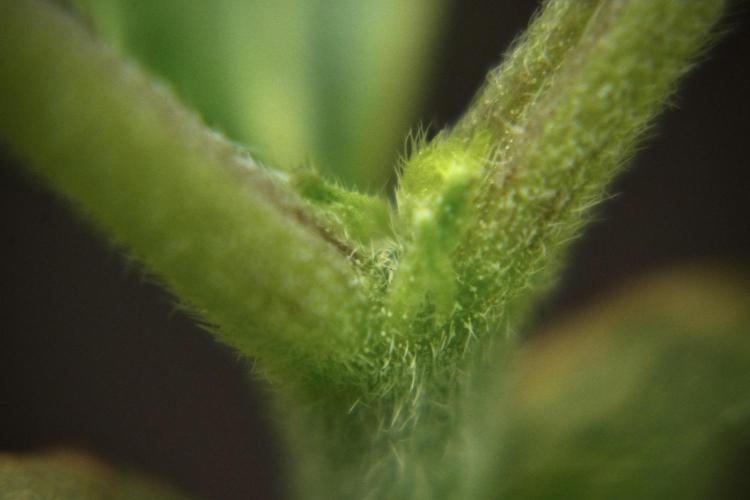
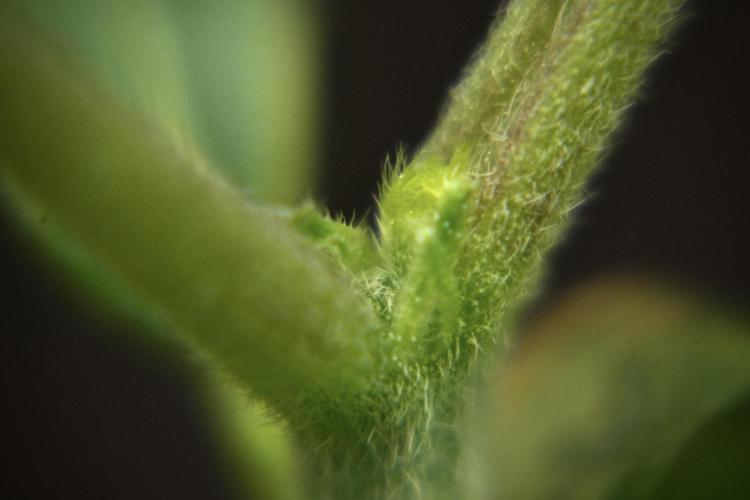
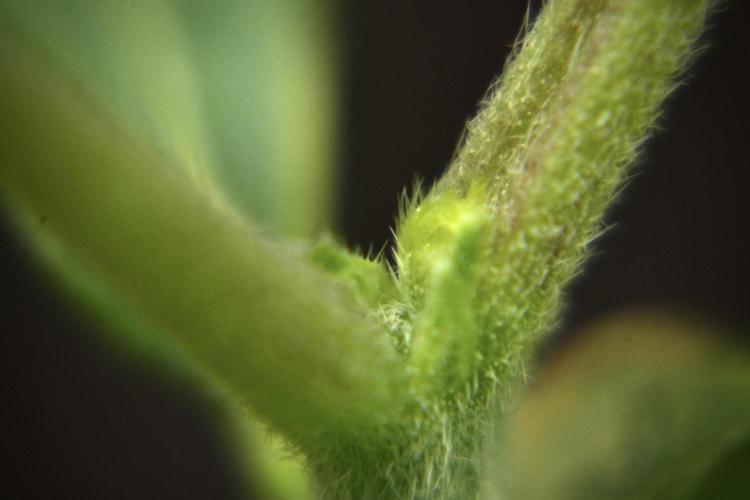
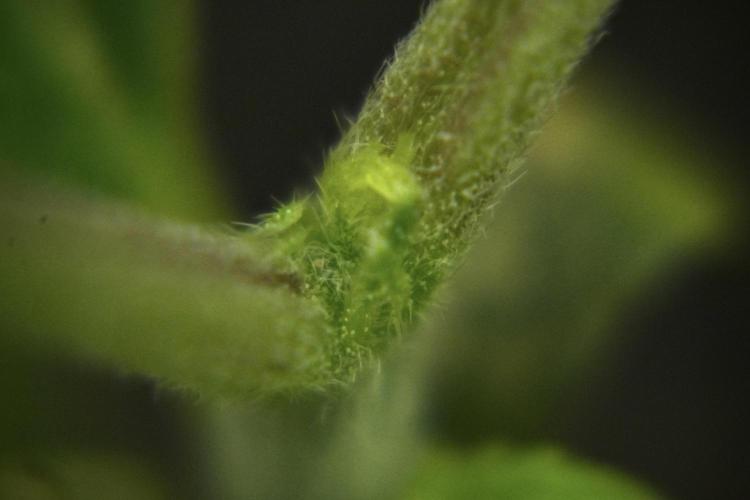
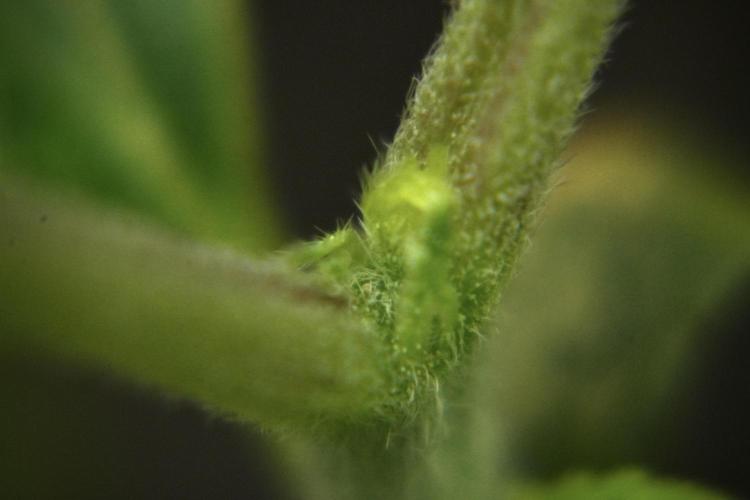
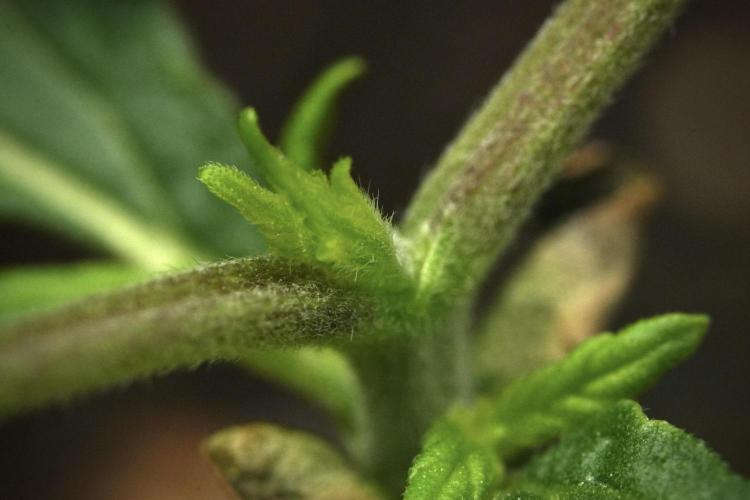
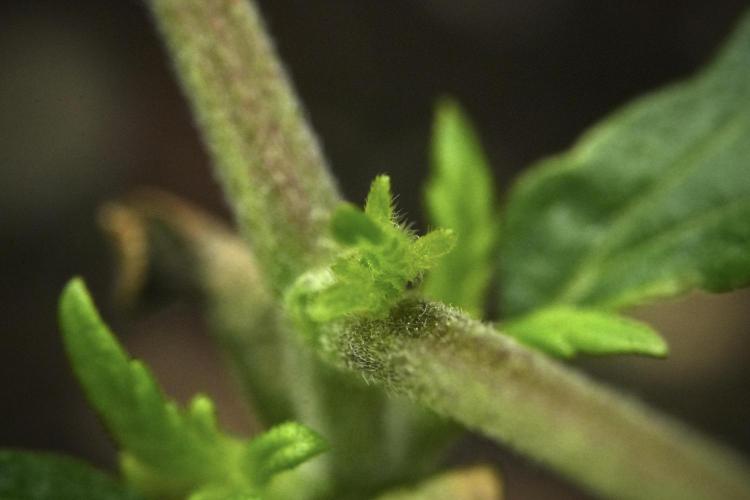
The macro photographs reveal multiple developing shoots emerging around the central region, creating a structure that almost resembles the aftermath of an early topping event.
The interesting part?
No topping occurred.
Nature did this entirely on her own.
⸻
At this stage it is impossible to say exactly how the phenotype will continue developing.
Several possibilities exist.
The plant may eventually establish a dominant central leader and continue normally.
It may produce a naturally split growth pattern.
Or it may develop into one of those wonderfully quirky phenotypes that generate multiple competing tops without any intervention from the grower.
All of these outcomes remain possible.
And that uncertainty is part of what makes this phenotype so exciting to document.
⸻
What is important to understand is what this observation does not mean.
It does not automatically indicate a problem.
It does not suggest nutrient issues.
It does not indicate disease.
And it certainly does not mean the plant is unhealthy.
In fact, quite the opposite appears true.
Despite her unconventional structure, growth remains active and vigorous throughout the plant.
The new growth is healthy.
The foliage is vibrant.
The stem is thickening nicely.
And the plant continues pushing forward with confidence.
⸻
Comparing her to her sister only highlights how unique this phenotype truly is.
Where her sibling is following a more conventional developmental path, Pheno A has chosen experimentation.
One sister is writing neatly inside the lines.
The other is drawing all over the page.
Both are healthy.
Both are beautiful.
But only one is creating this particular mystery.
⸻
The stem itself deserves special mention.
The close-up photographs reveal excellent development, dense trichome-like stem hairs, and noticeable pigmentation beginning to appear along portions of the stem and petioles.
Combined with the compact internodal spacing, this creates a sturdy framework capable of supporting whatever architectural surprises may come next.
⸻
Current nutrition remains unchanged:
• Plagron Terra Grow – 1.8 ml/L
• Plagron Power Roots – 1 ml/L
• Plagron Pure Zym – 1 ml/L
• Plagron Sugar Royal – 1 ml/L
The response has been excellent.
No nutrient stress is visible, growth remains active, and the plant appears perfectly comfortable with the current feeding program.
⸻
Environmental conditions throughout the week remained stable:
• 12/12 lighting schedule from seed
• Day temperatures around 27°C
• Night temperatures around 25°C
• Relative humidity around 55%
• CO₂ approximately 600 ppm
• Solution temperature around 21°C
• Substrate temperature around 21°C
These consistent conditions continue allowing each phenotype to express its genetics naturally, and Purple CousKush Auto Pheno A is certainly taking advantage of that freedom.
⸻
Looking ahead, the objective remains simple:
Observe.
Document.
Learn.
This is not a plant that needs correcting.
This is a plant that deserves watching.
The next week will likely reveal whether these unusual growth points become multiple dominant tops, a naturally divided canopy, or simply a temporary developmental quirk.
Whatever the outcome, it promises to be interesting.
And that alone makes this phenotype one of the most exciting plants currently growing in the room.
A huge thank you to Zamnesia for the genetics, Plagron for the nutrition, and everyone following along on this seed-to-harvest journey.
Until next week, growers love and happy growing everyone. 🌱💚
9 likes
comments
Share
Used techniques
12-12
Technique
3
Week 3. Vegetation6d ago
15 cm
Height
12 hrs
Light Schedule
27 °C
Day Air Temp
6.0
pH
No Smell
Smell
650 PPM
TDS
55 %
Air Humidity
21 °C
Solution Temp
21 °C
Substrate Temp
25 °C
Night Air Temp
15 l
Pot Size
0.9 l
Watering Volume
666 PPM
CO₂ Level
Nutrients 6
Terra Grow
1.8 mll
Pure Zym
1 mll
Sugar Royal
1 mll
DogDoctorOfficial 🌱 Week 2 — Purple CousKush Auto | Pheno A | The Little Rebel Finds Her Way
Every grow has that one plant that keeps you guessing.
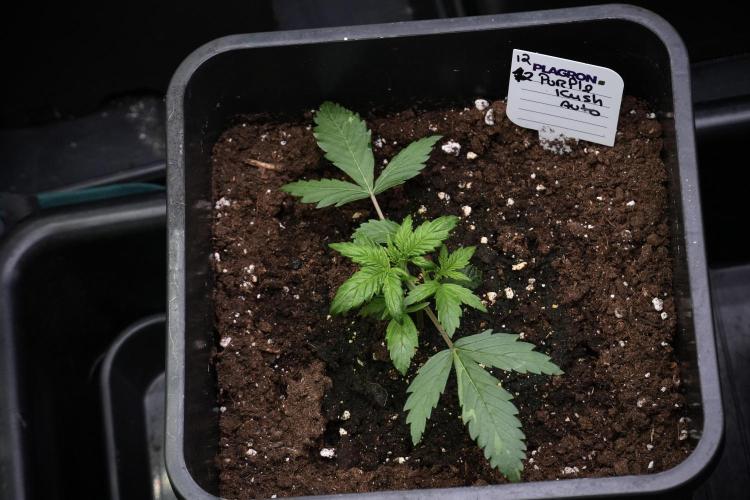
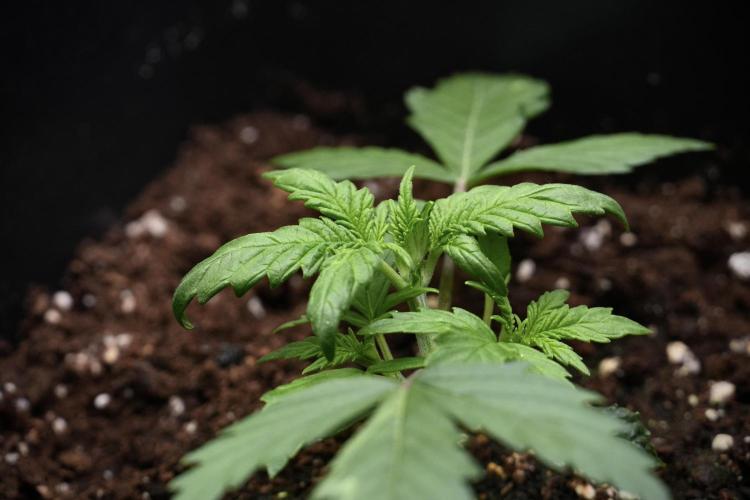
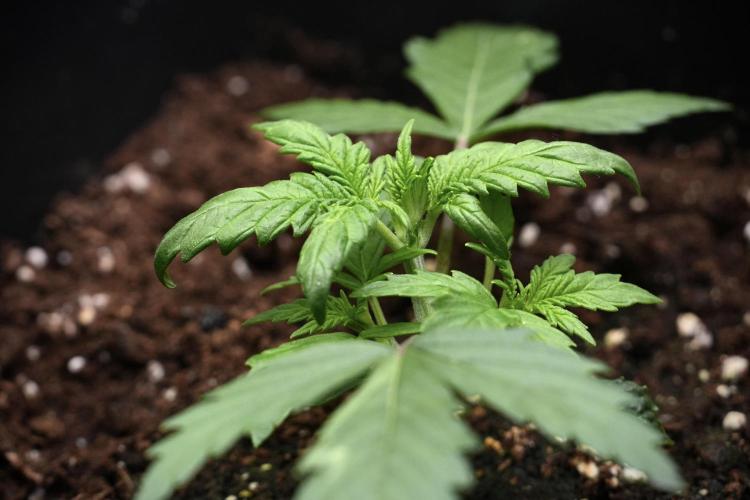
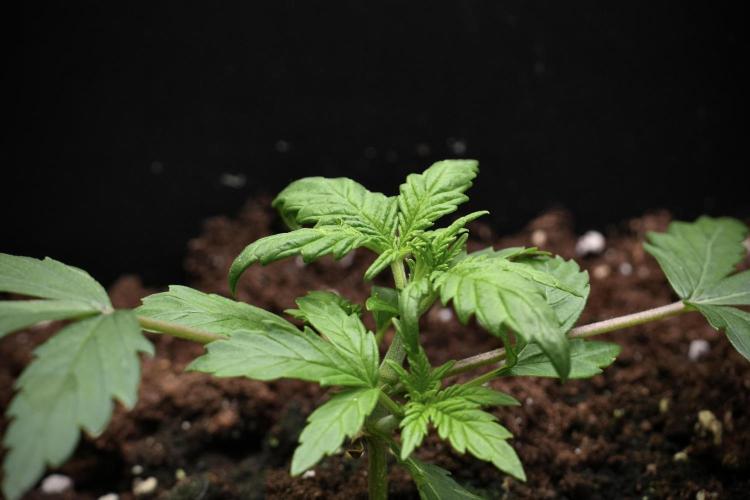
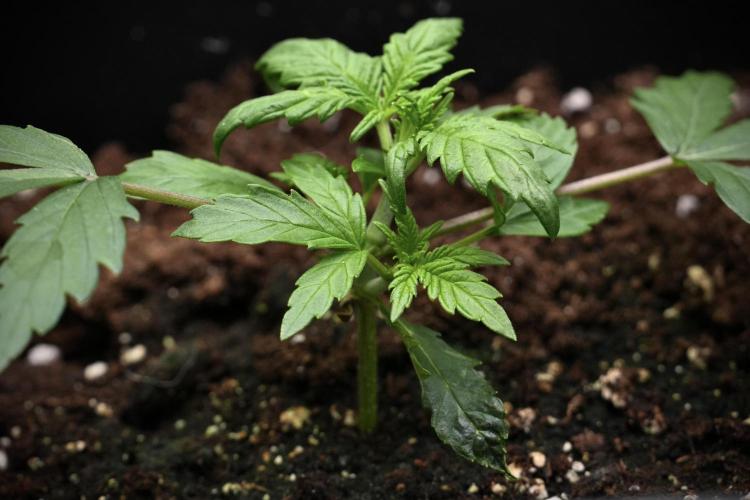
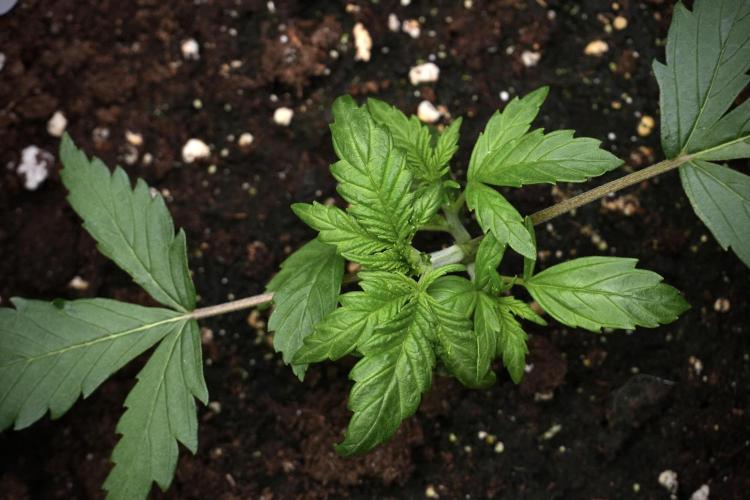
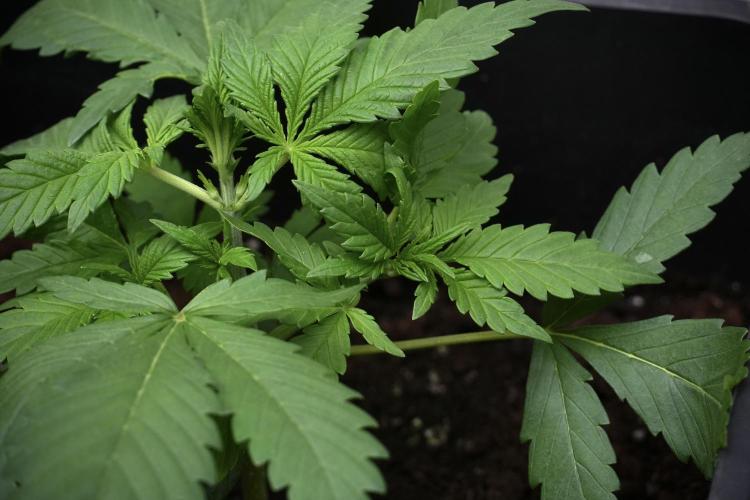
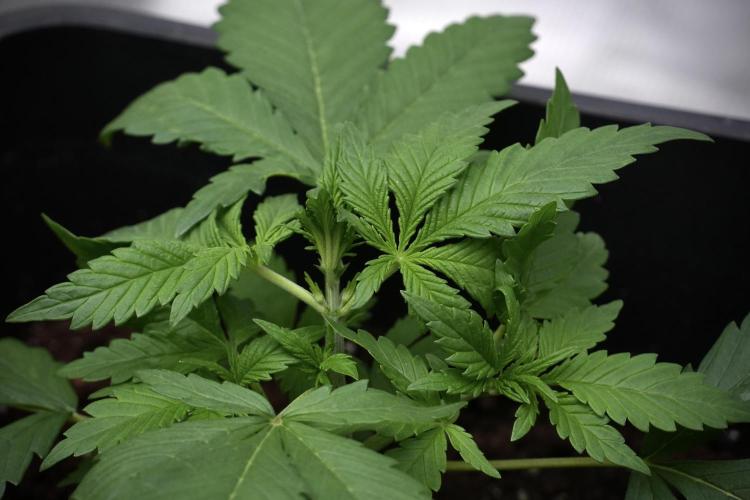
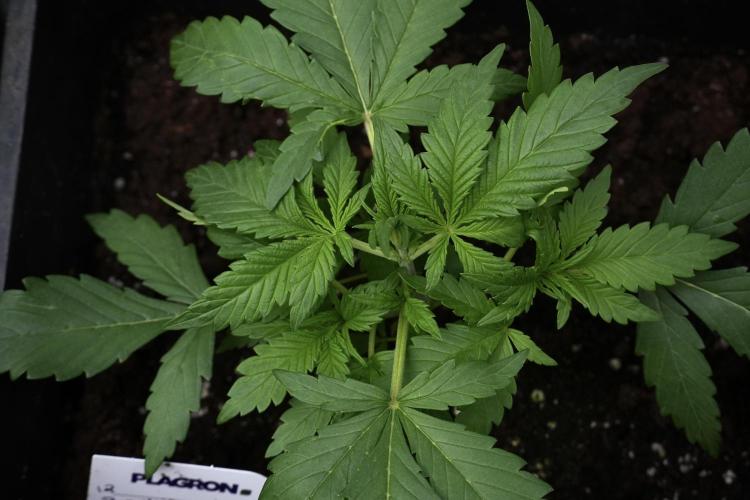
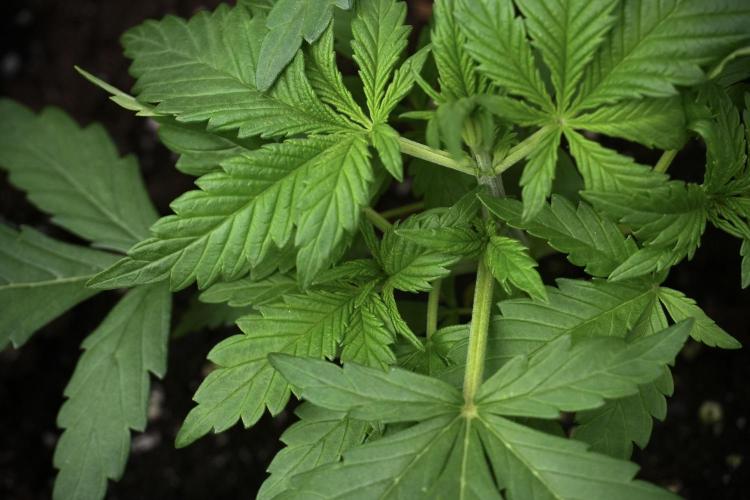
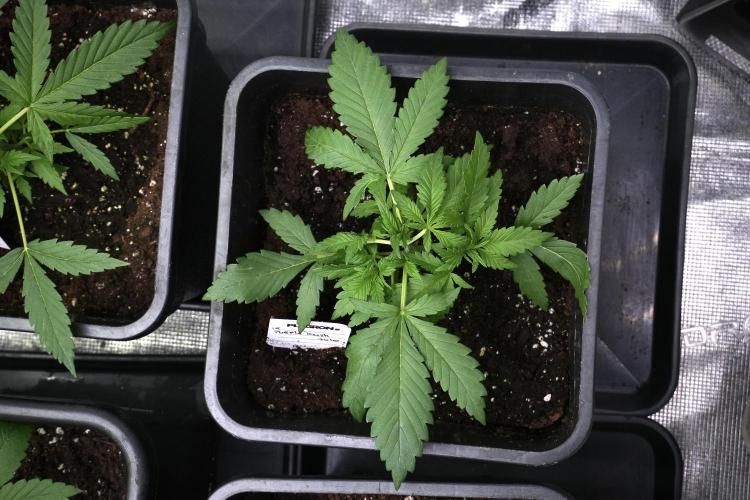
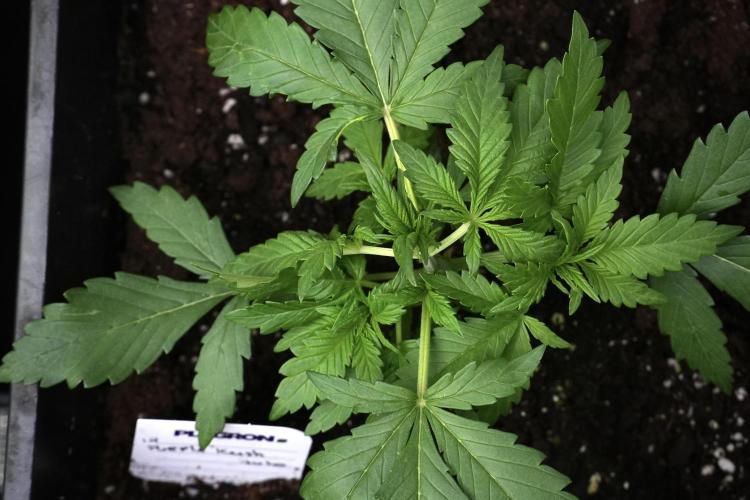
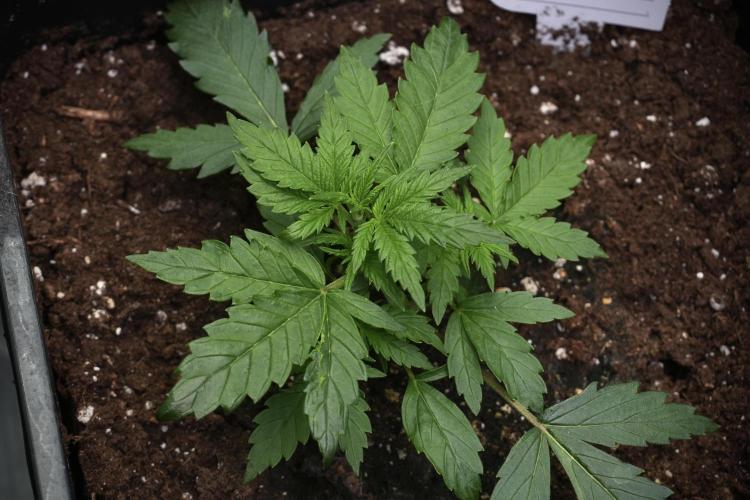
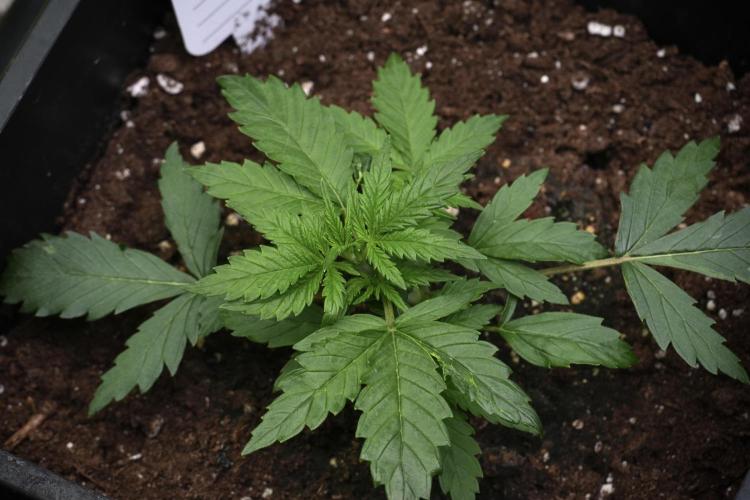
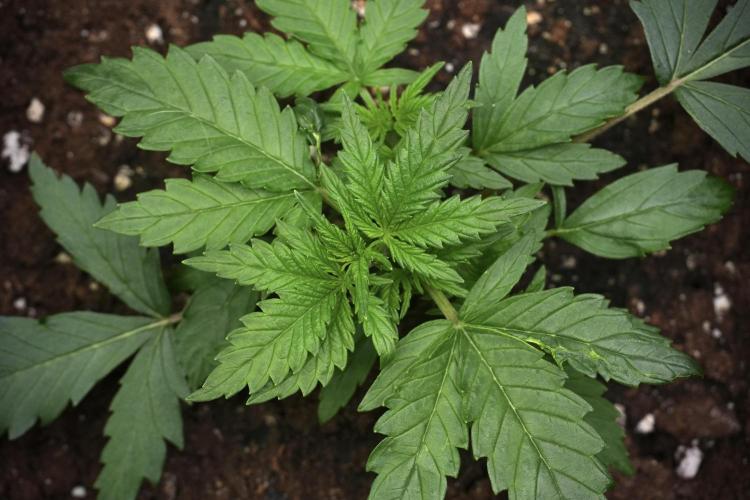
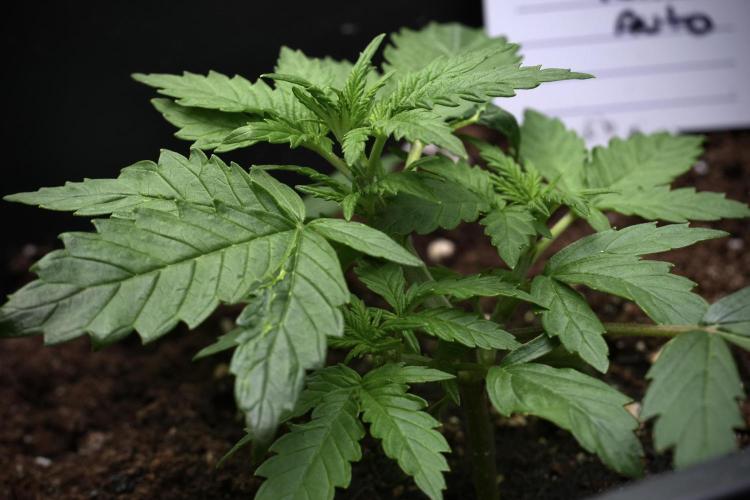
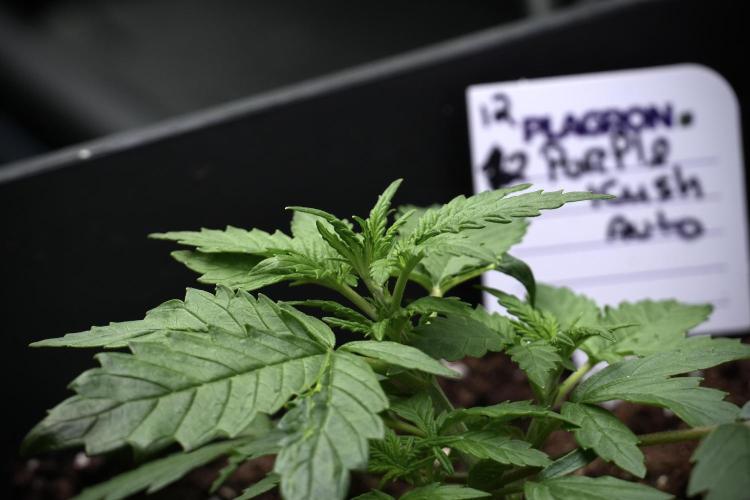
When Purple CousKush Auto Pheno A first emerged, she immediately stood out from her sisters. Instead of developing the classic central growing tip, her apical meristem seemed confused, almost as if nature had decided to improvise. At first glance I honestly wondered if she had naturally topped herself, if the main shoot had stalled, or if she was simply going to remain a tiny mutant.
Rather than intervene, I decided to do what every grower should occasionally do…
Nothing.
Sometimes the best decision is to step back and allow the plant to tell her own story.
A week later, she has done exactly that.
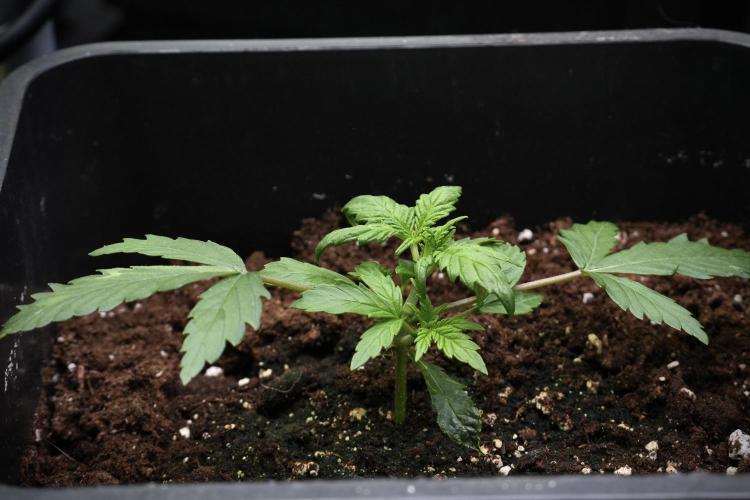
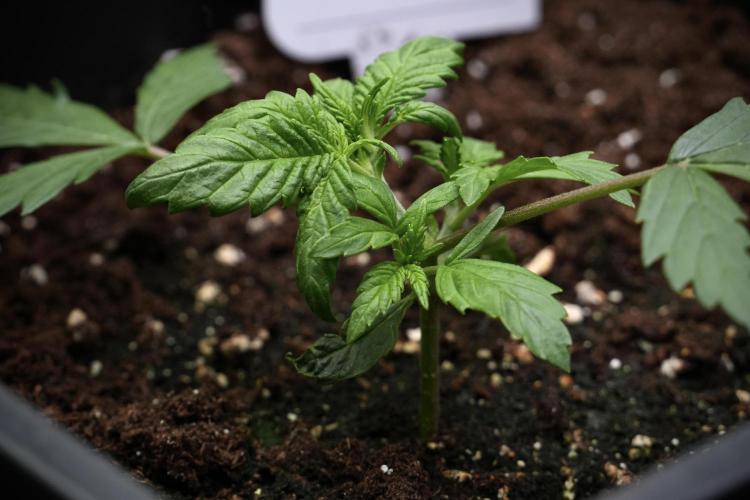
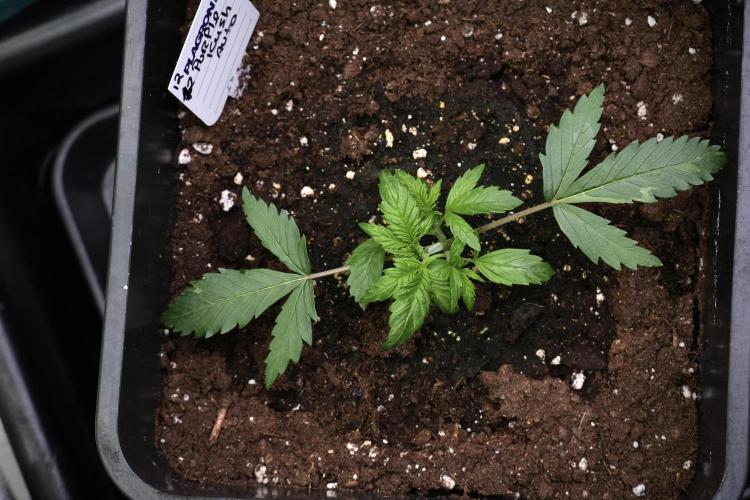
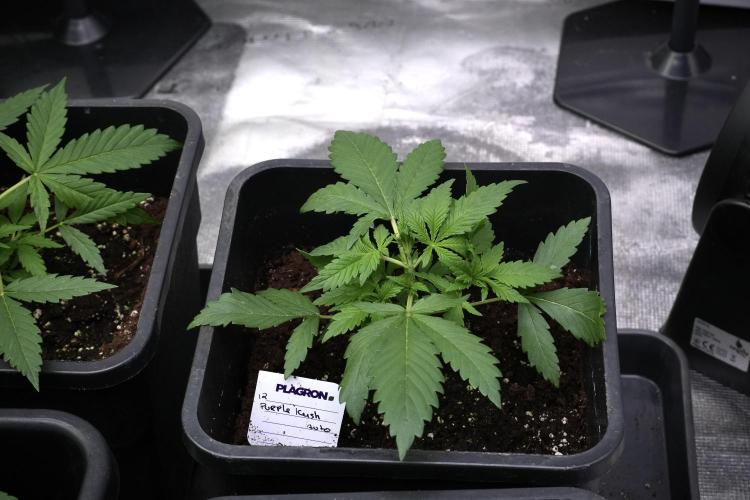
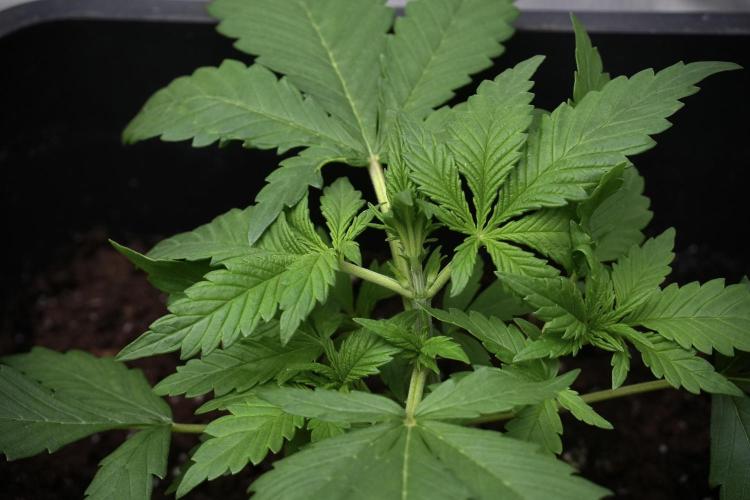
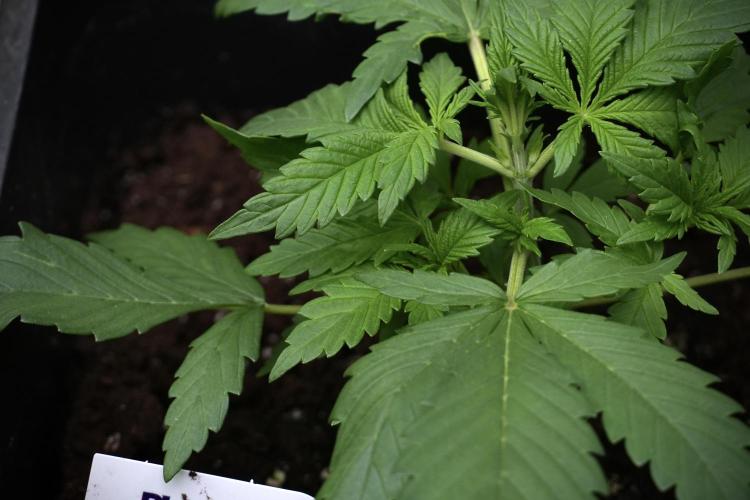
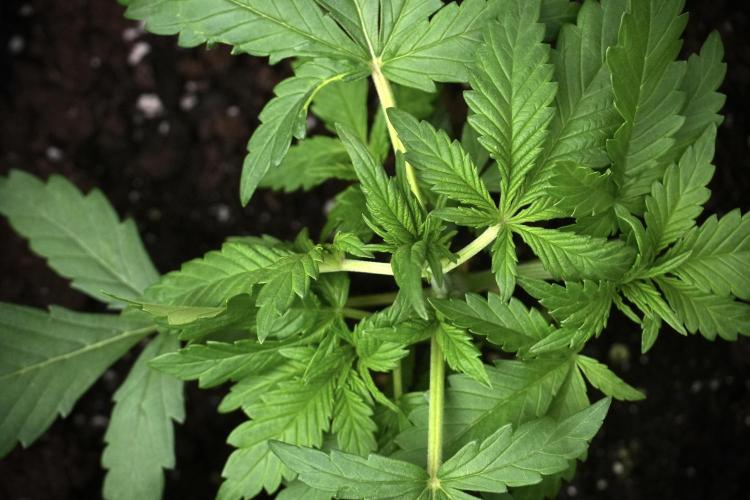
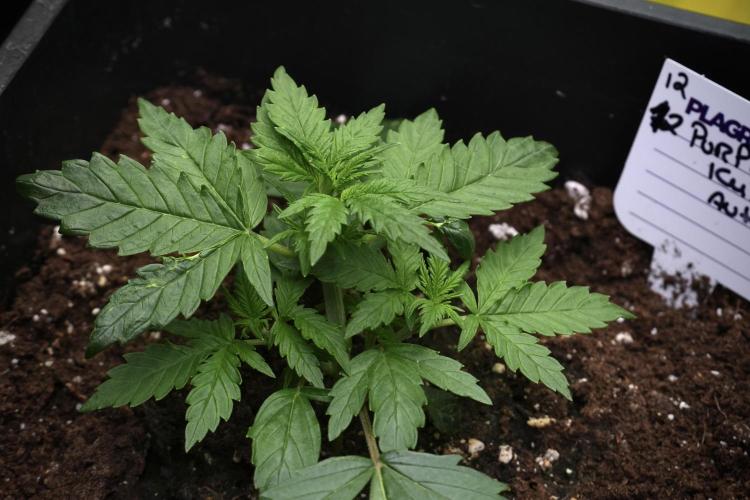
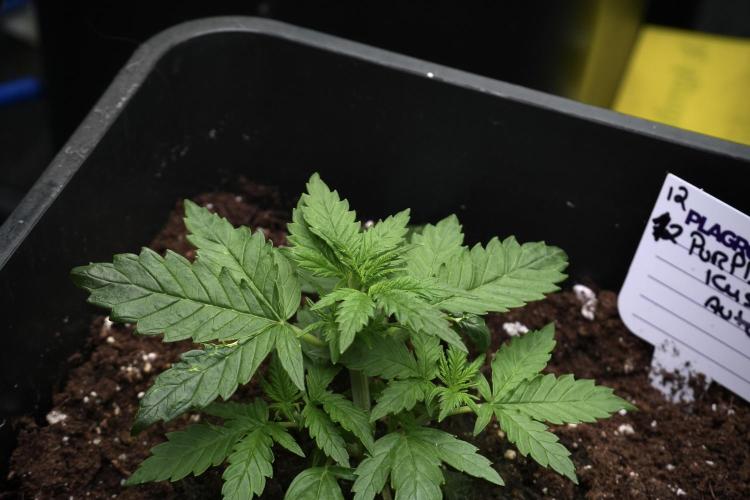
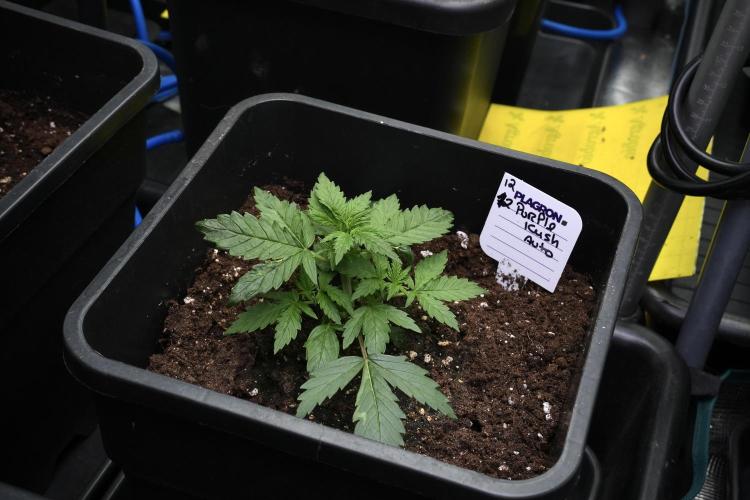
The strange beginning has transformed into one of the most interesting phenotypes in the room. Instead of forcing a single dominant leader, she has begun producing multiple vigorous growing tips from the center, creating a naturally compact structure that already looks fuller than expected for her age.
She may be smaller than her sisters, but she certainly isn’t weaker.
In fact, she seems to have invested her energy into building a sturdy frame with very tight internodal spacing. The stem is becoming thicker every day, side branches are developing evenly, and the new growth is vibrant, healthy, and full of life.
Her architecture is completely different from the other Purple CousKush phenotypes, reminding us why growing from seed is always such an adventure. Every individual expresses the genetics in its own unique way.
This is exactly why I love documenting these grows.
If I had judged her during Week 1, I might have assumed she would never become anything special. Instead, patience has rewarded me with one of the most fascinating little plants in the entire 8×8 Adventure.
Sometimes the odd ones simply need a little extra time before revealing their true personality.
Environment remains stable inside the tent, with temperature, humidity and VPD staying right where I want them. The Plagron substrate continues to provide an excellent home for healthy root development, while the Zamnesia ecosystem keeps everything running smoothly under consistent lighting and airflow.
For now, there is nothing to correct.
No stress.
No intervention.
Just observation.
I’ll continue letting her write her own story while I simply provide the conditions she needs to thrive.
If Week 2 has taught me anything, it’s this:
Not every champion starts with a perfect beginning.
Some simply take the scenic route.
💚 Growers Love and thank you to Plagron, Zamnesia, Grow Diaries, and everyone following this 8×8 Adventure. Every week reminds me that every seed carries its own personality, and this little Purple CousKush has already become one of the most memorable characters in the garden.
11 likes
comments
Share
Used techniques
12-12
Technique
4
Week 4. Flowering1d ago
25 cm
Height
12 hrs
Light Schedule
33 °C
Day Air Temp
6.1
pH
No Smell
Smell
675 PPM
TDS
63 %
Air Humidity
25 °C
Solution Temp
21 °C
Substrate Temp
25 °C
Night Air Temp
15 l
Pot Size
0.9 l
Watering Volume
639 PPM
CO₂ Level
Nutrients 6
Terra Grow
1.9 mll
Pure Zym
1 mll
Sugar Royal
1 mll
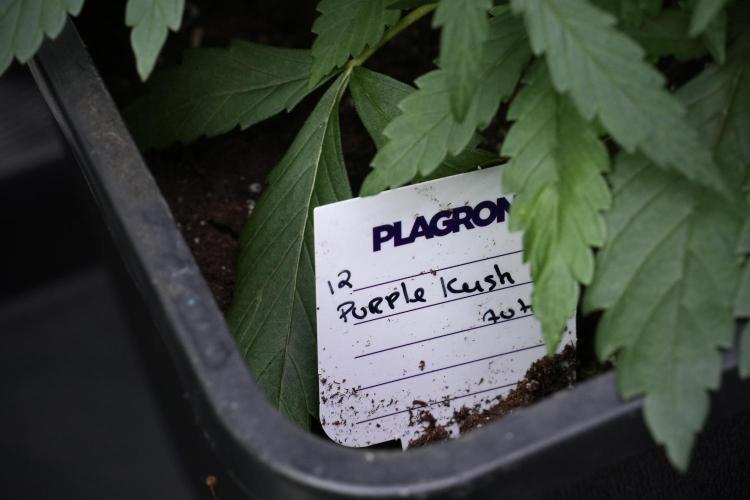
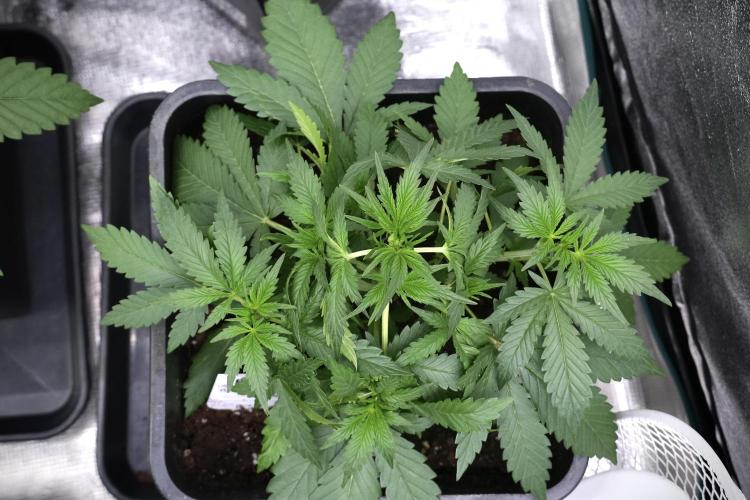
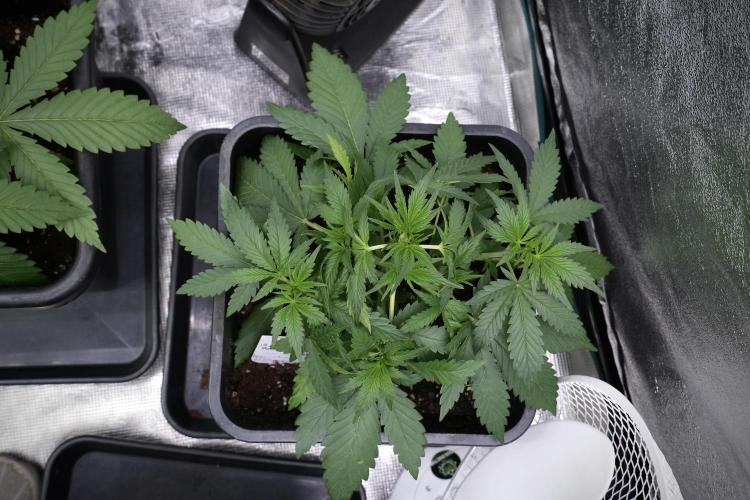
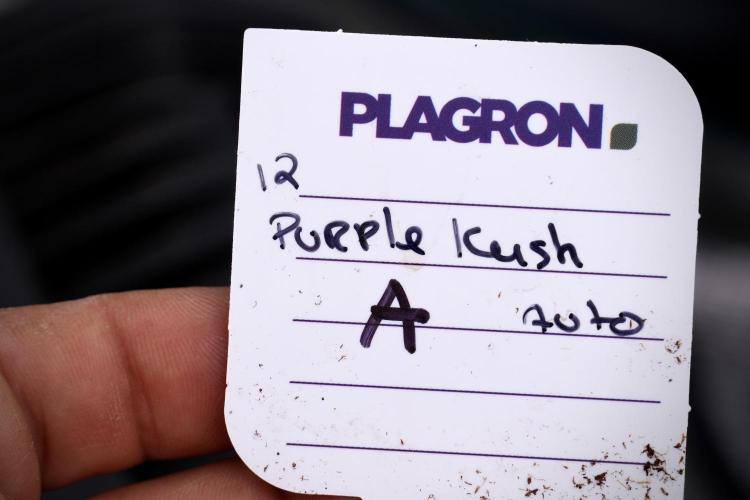
DogDoctorOfficial 🌿 Week 4 – Purple CousKush Auto #12 | Plant A
Taking the Lead | 8×8 Adventure
One tent.
One lighting schedule.
One feeding program.
The exact same environment.
Yet every single plant continues to write her own story.
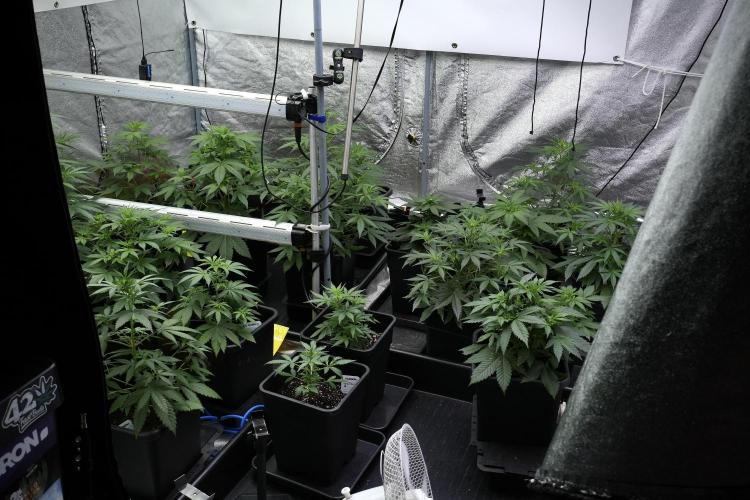
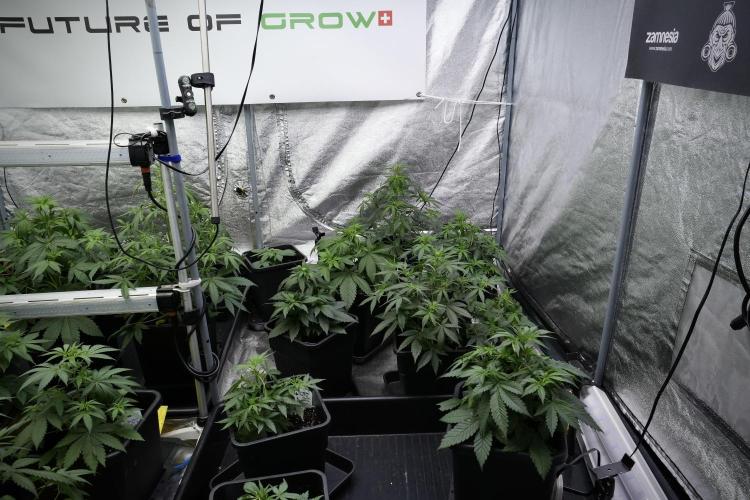
That’s the beauty of this 8×8 Adventure and one of the main reasons I’ve chosen to document every phenotype individually. Growing from seed always brings surprises, and under the 12/12 From Seed experiment, those differences become even more fascinating.
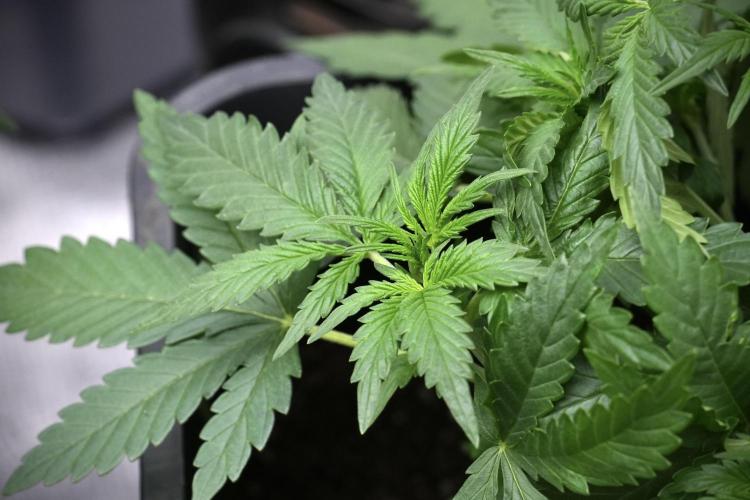
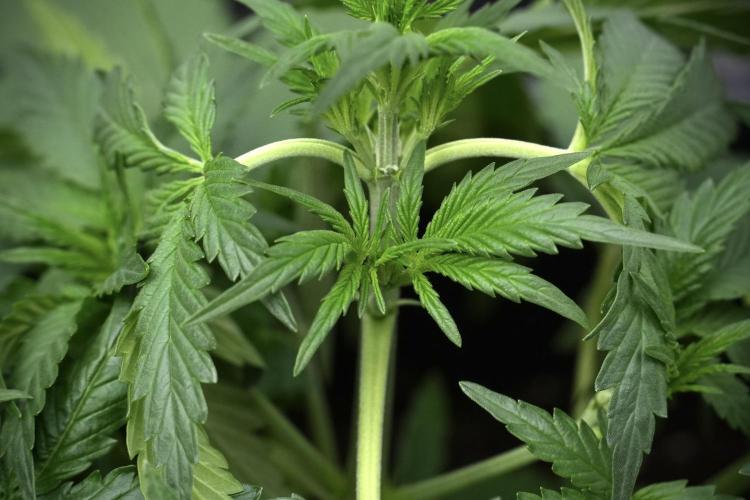
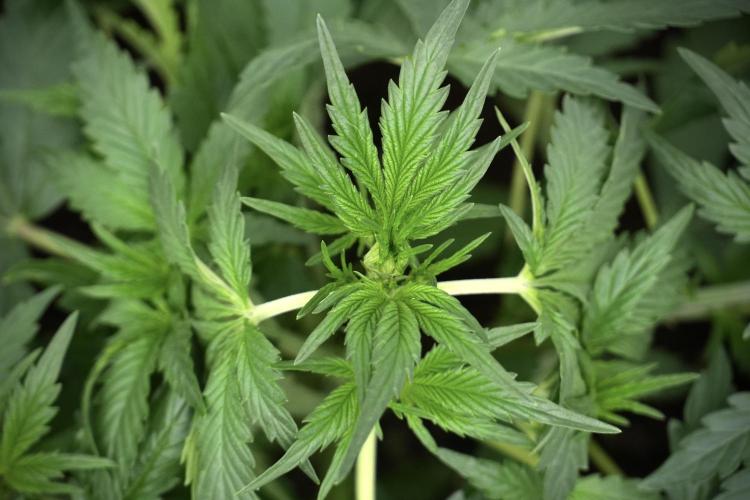
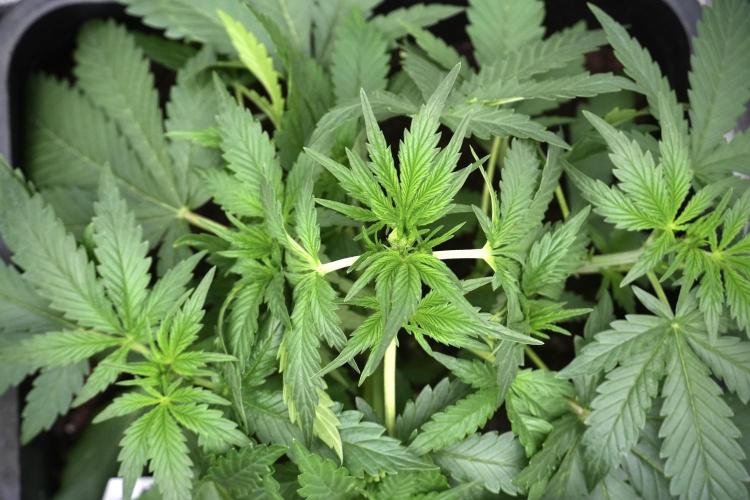
This week, the spotlight belongs to Purple CousKush Auto #12 – Plant A.
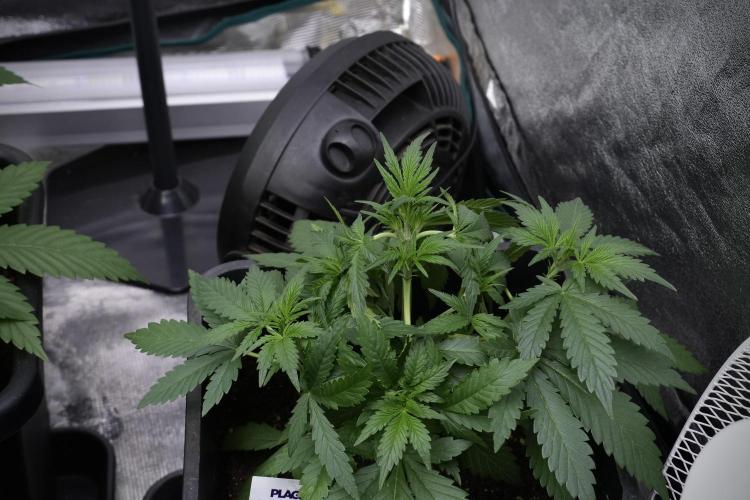
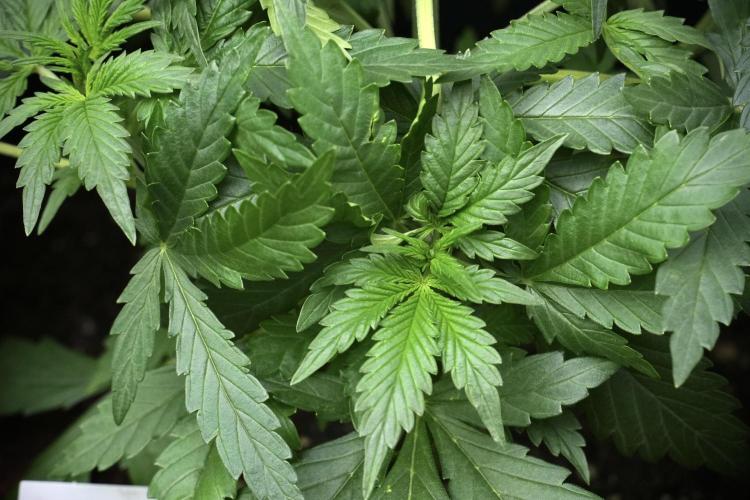
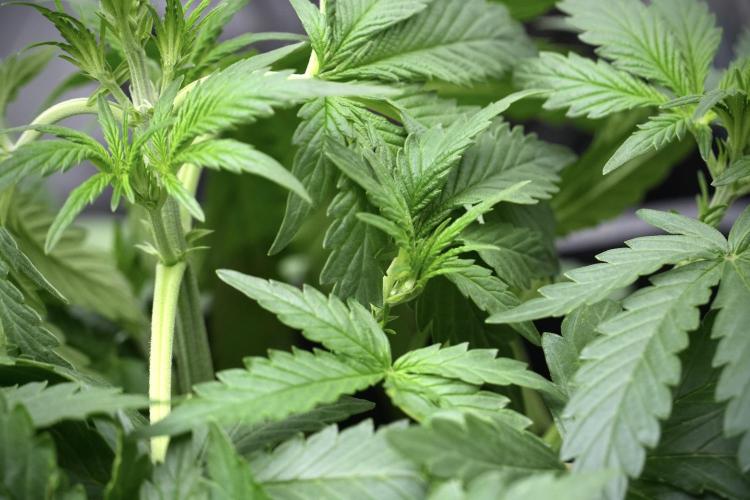
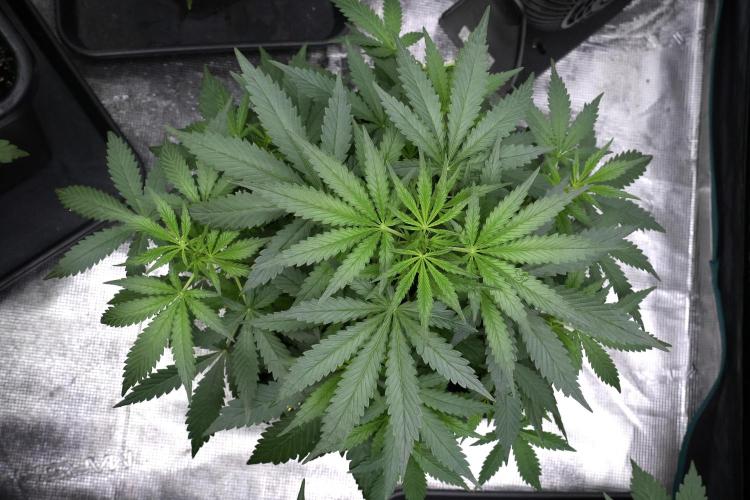
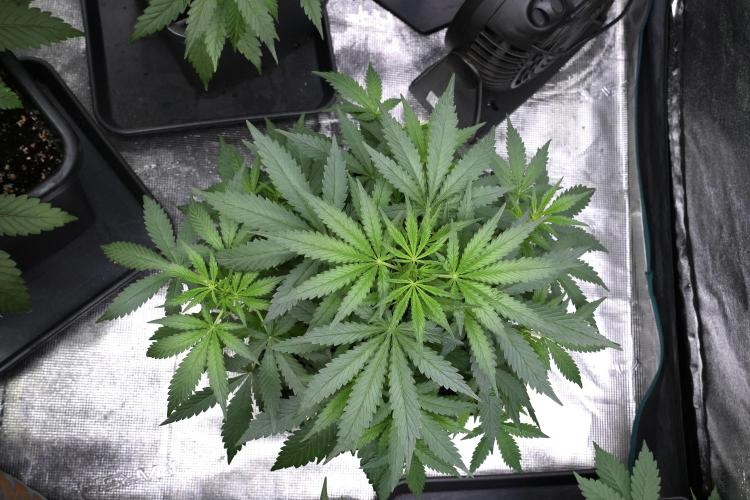
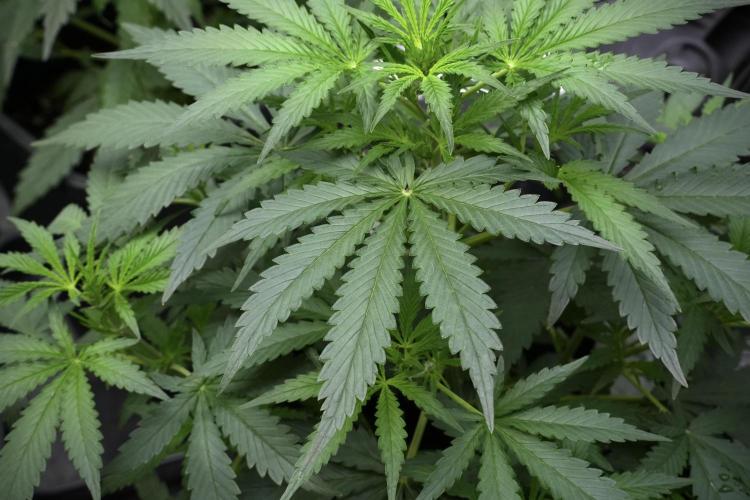
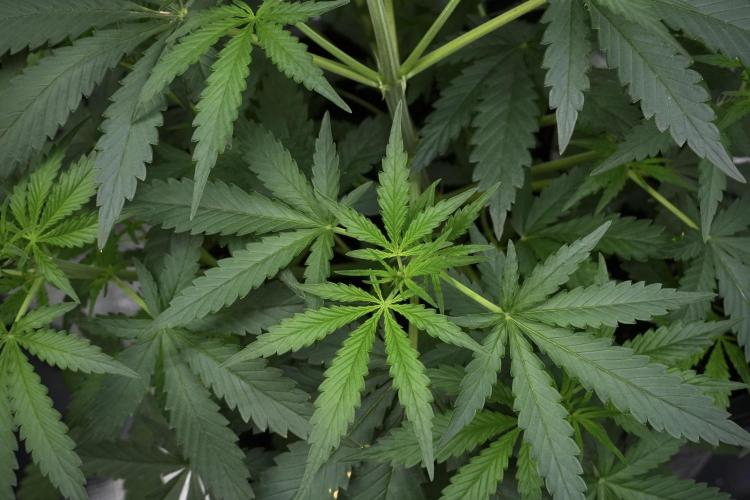
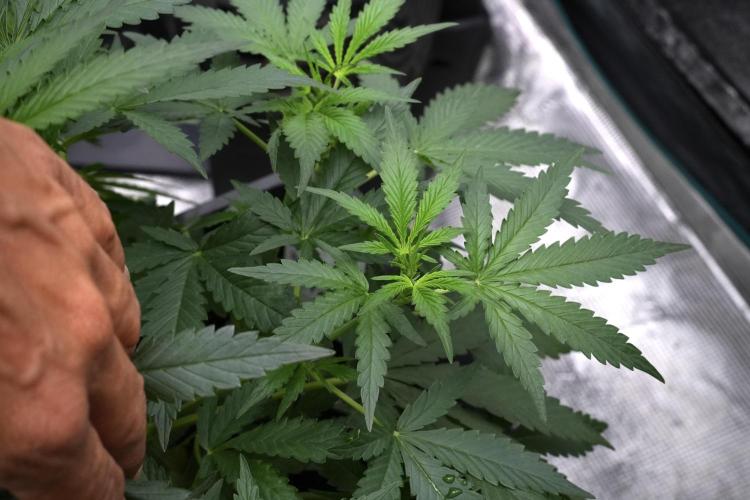
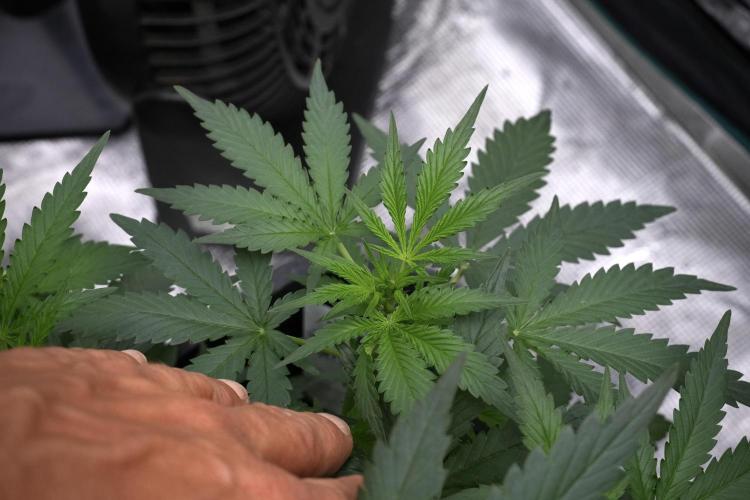
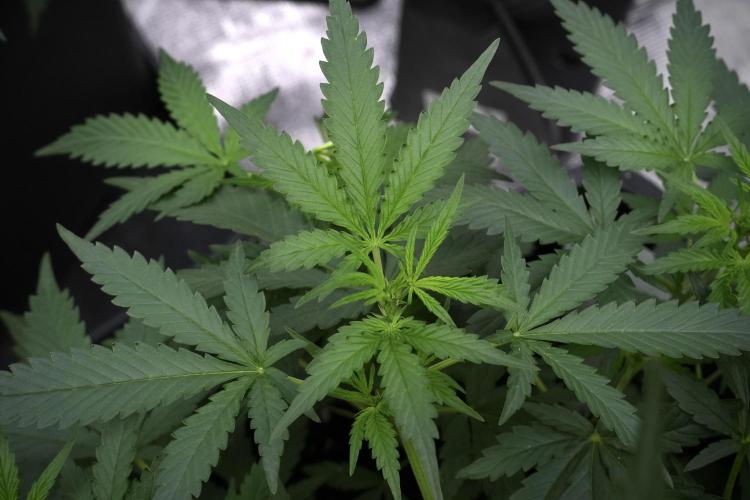
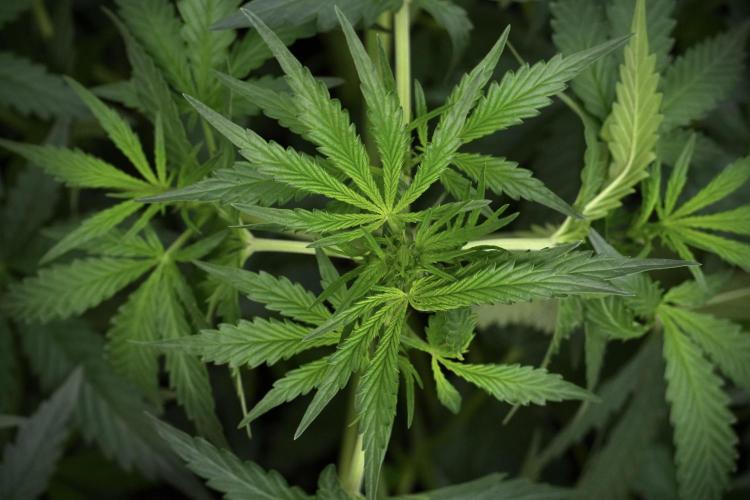
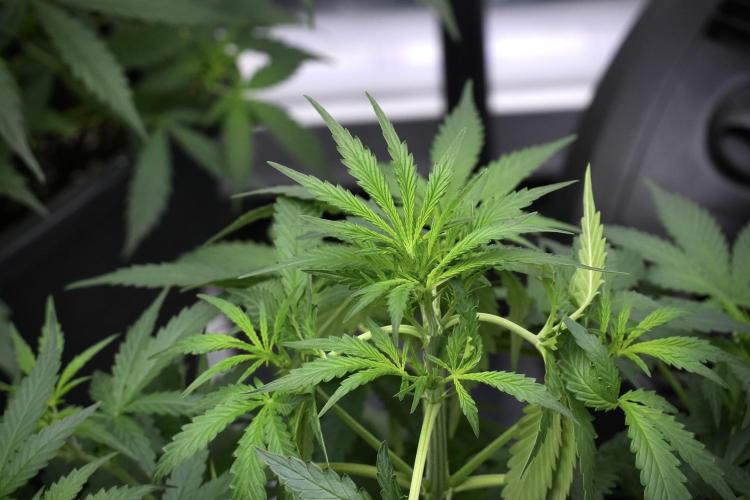
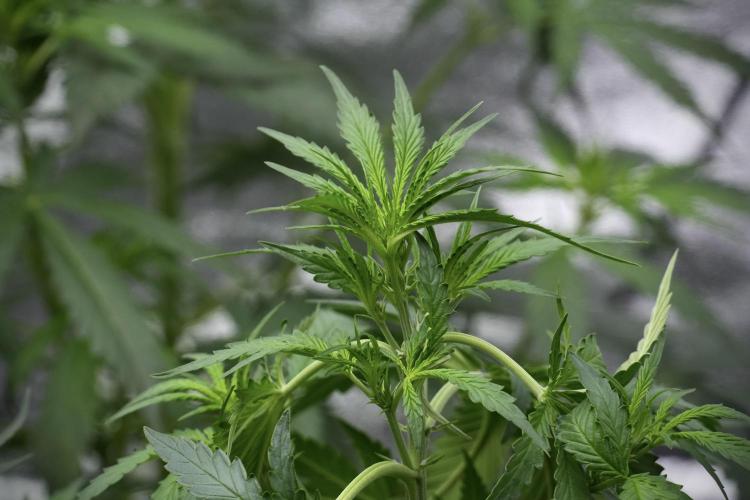
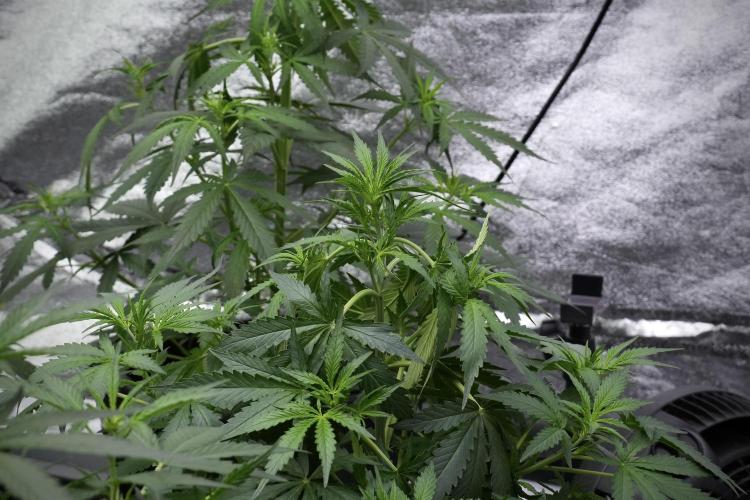
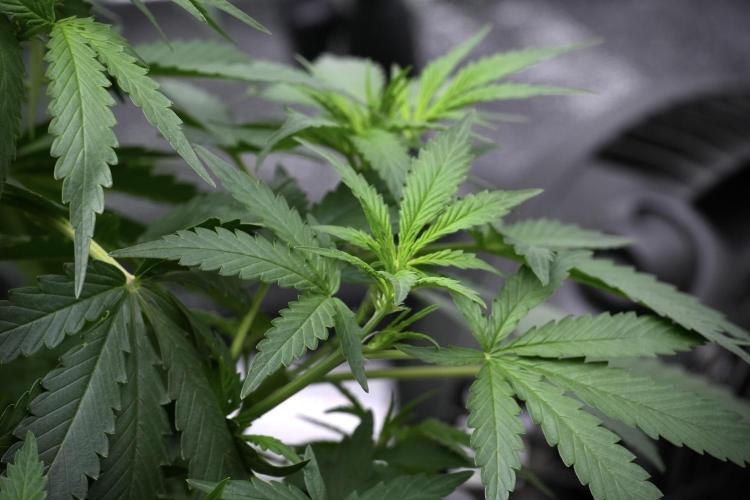
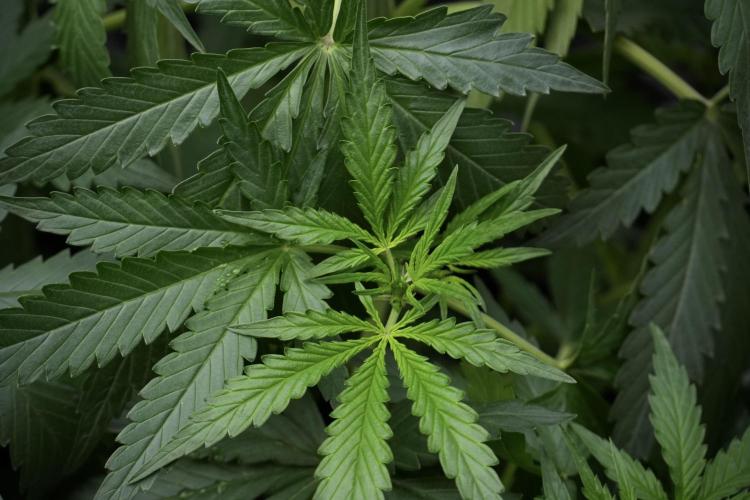
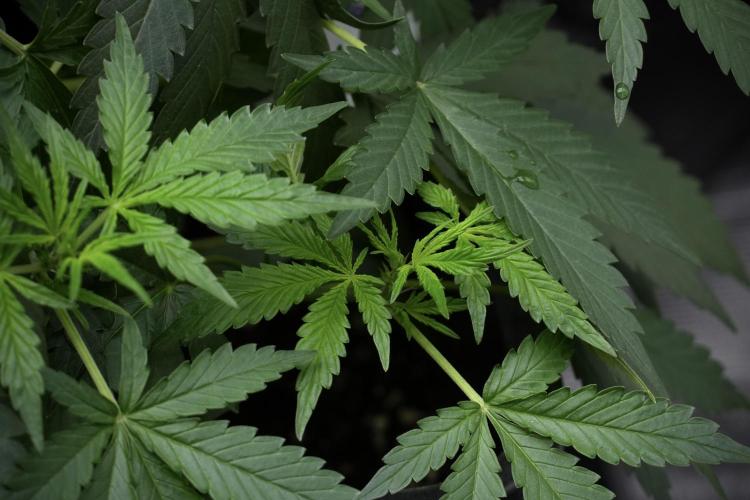
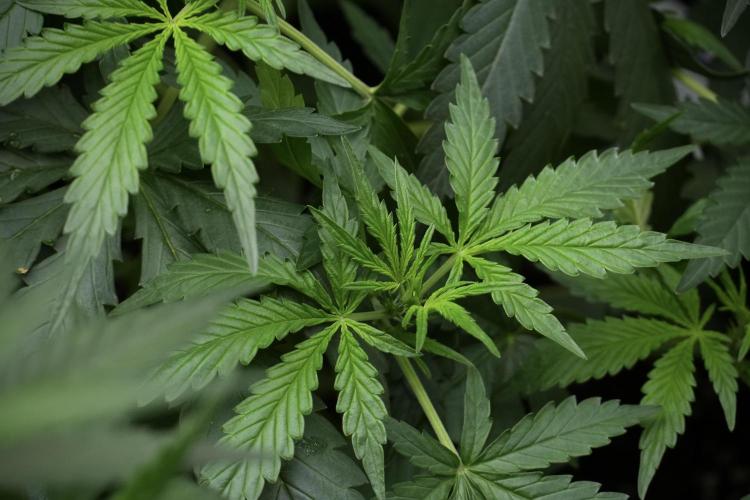
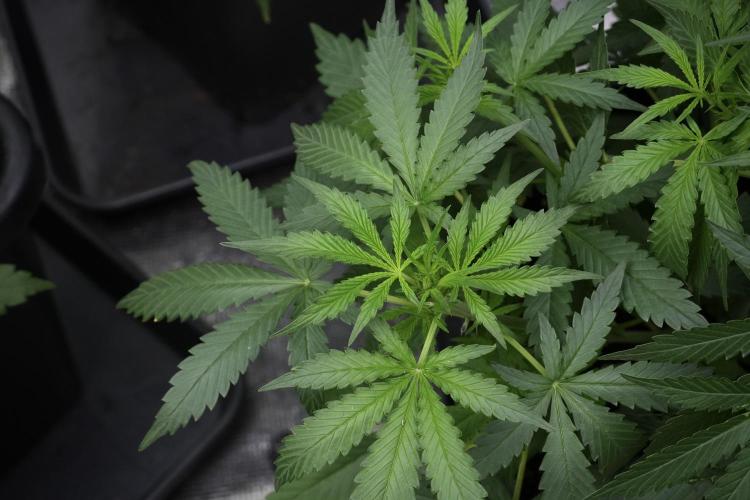
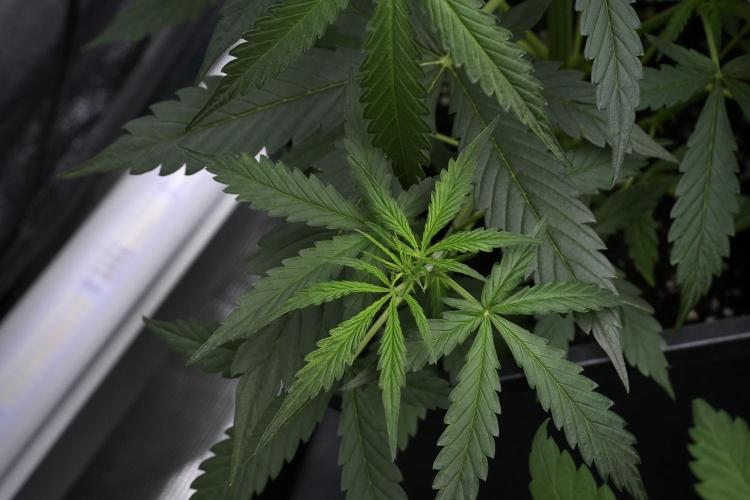
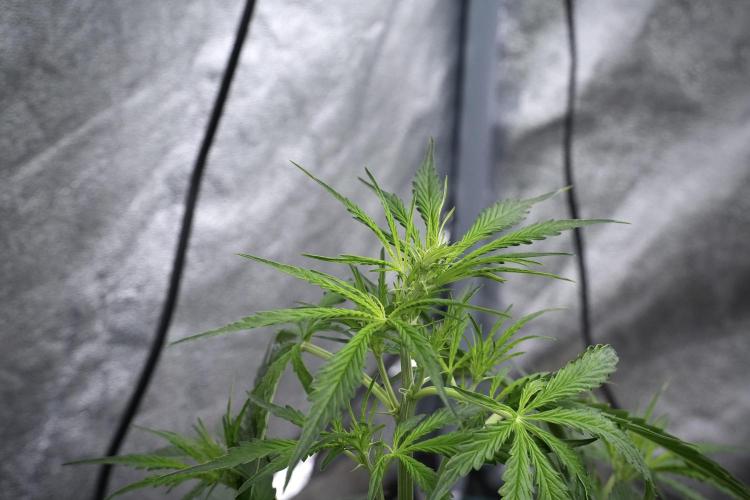
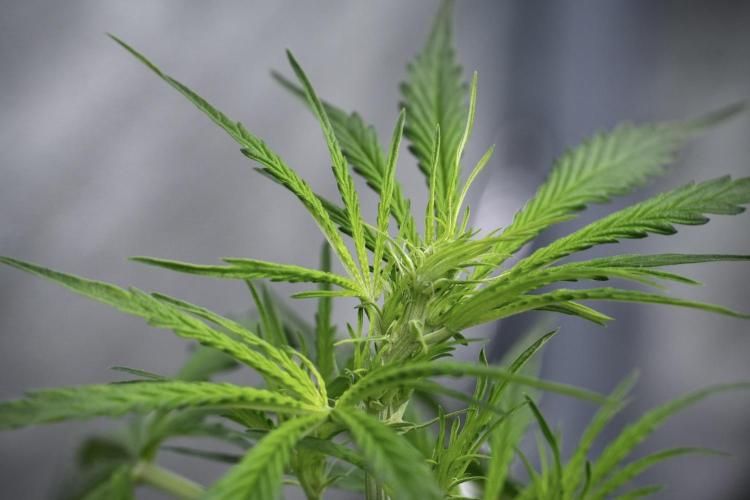
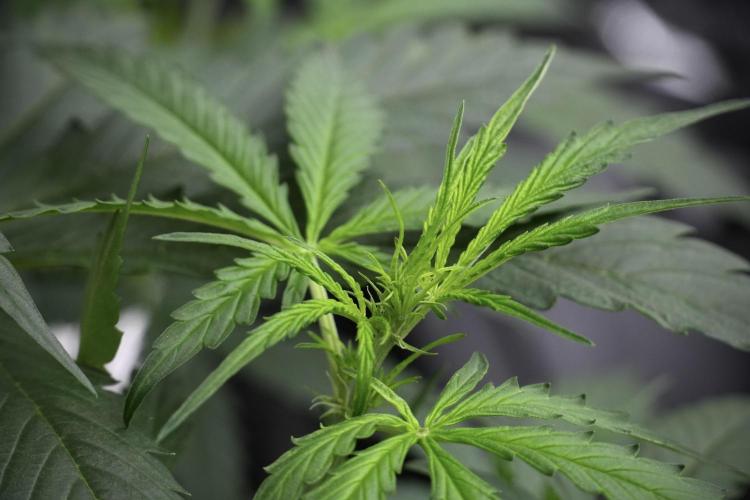
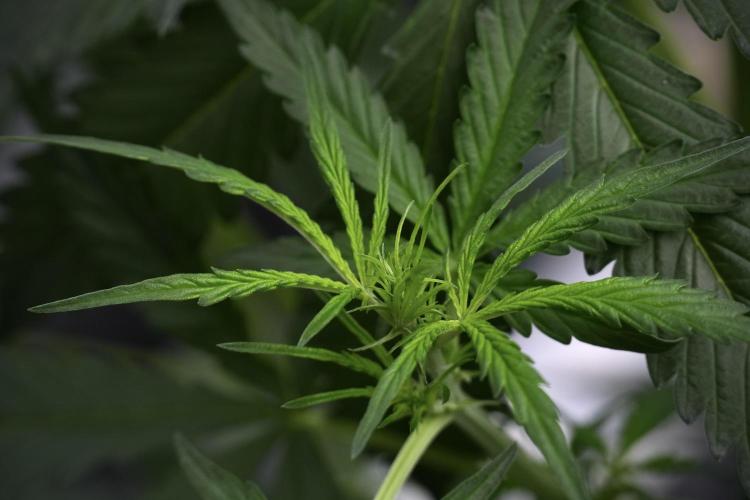
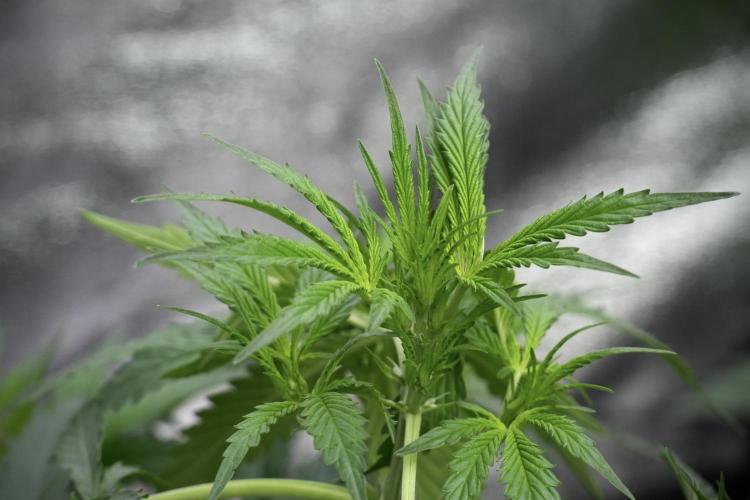
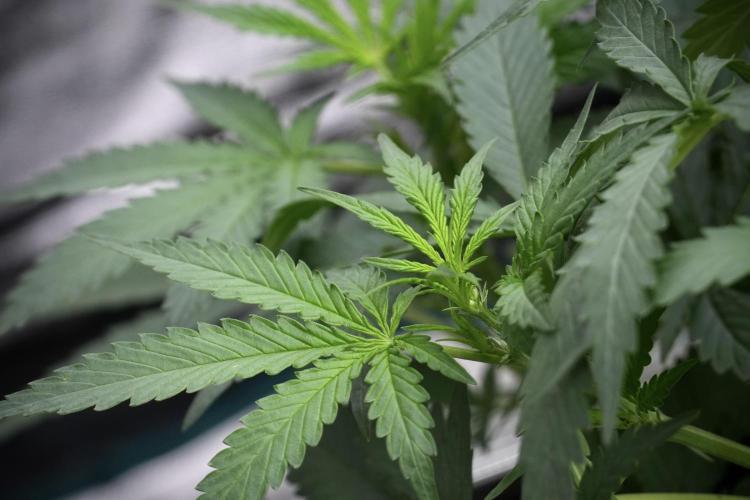
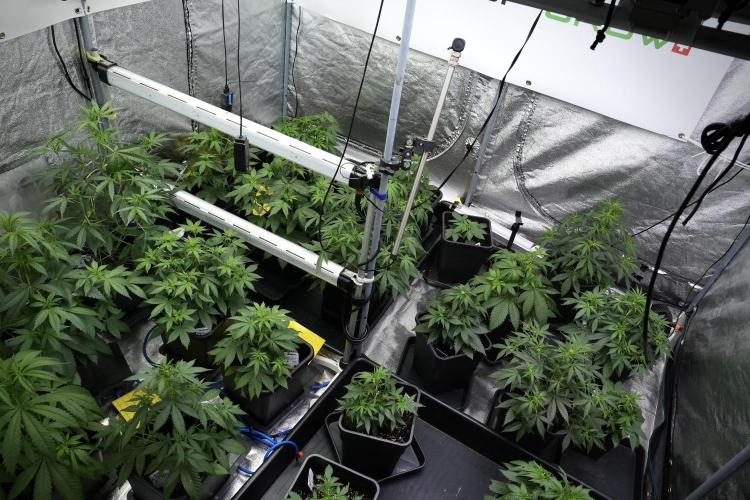
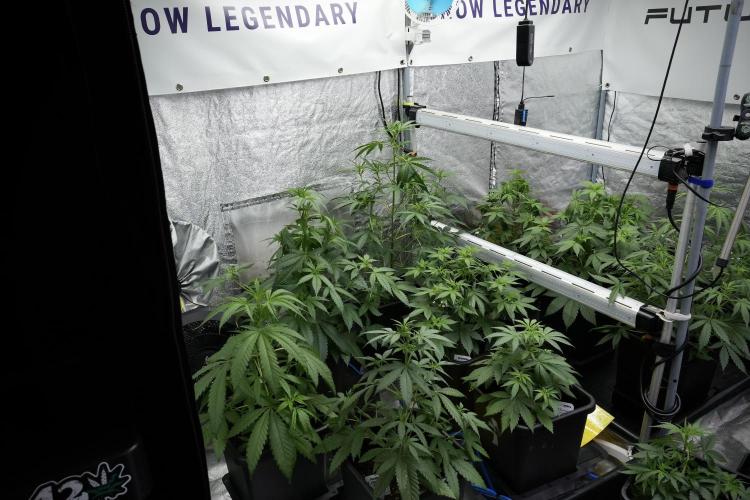
While her sister (Plant B) is only just beginning to settle into pre-flowering, Plant A has already taken a noticeable step forward. Her structure has become more defined, the stretch has quietly begun, and those first flowering sites are now appearing all across the canopy.
She’s clearly telling me she’s ready for the next chapter.
⸻
🌱 The 8×8 Adventure Continues
Every week inside this room reminds me that no two plants ever read the same script.
Running twelve different cultivars together under a fixed 12-hour photoperiod has become an incredible learning experience. Some varieties rush toward reproduction almost immediately, while others prefer investing more time building branches before flowering.
Purple CousKush Plant A seems to have found a wonderful balance between the two.
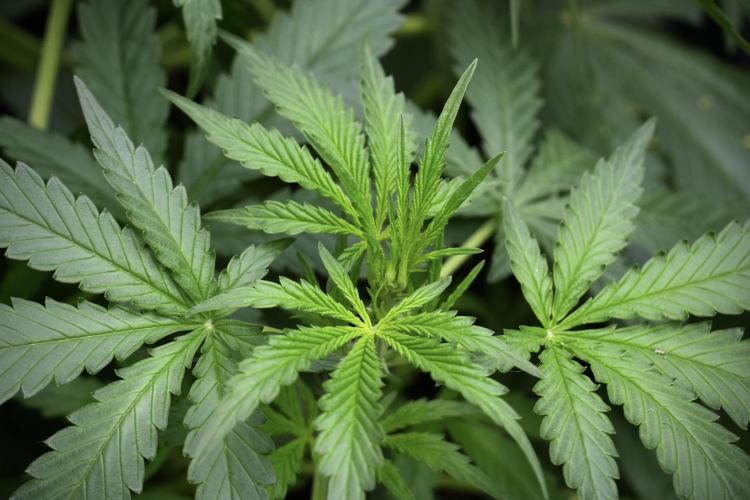
She has built a compact yet well-structured canopy and is now confidently transitioning into bloom without sacrificing healthy vegetative growth.
Watching these individual personalities develop is what makes this project so rewarding.
⸻
🌿 Gentle guidance instead of heavy intervention
Training this week remained simple and intentional.
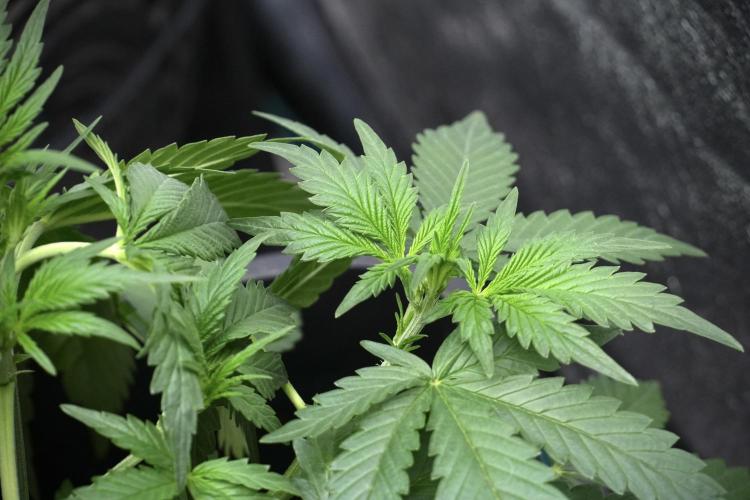
The majority of the work has consisted of leaf tucking, allowing larger fan leaves to be repositioned rather than removed. It’s amazing how much additional light can reach developing shoots simply by moving a leaf a few centimeters.
Alongside that, I’ve continued some very gentle Low Stress Training, encouraging the branches to spread naturally and create a more even canopy.
With autoflowers, I always try to let the plant lead the conversation.
Rather than forcing a particular shape, I simply guide the branches where they already want to grow, opening the structure without slowing her momentum.
Plant A has responded beautifully.
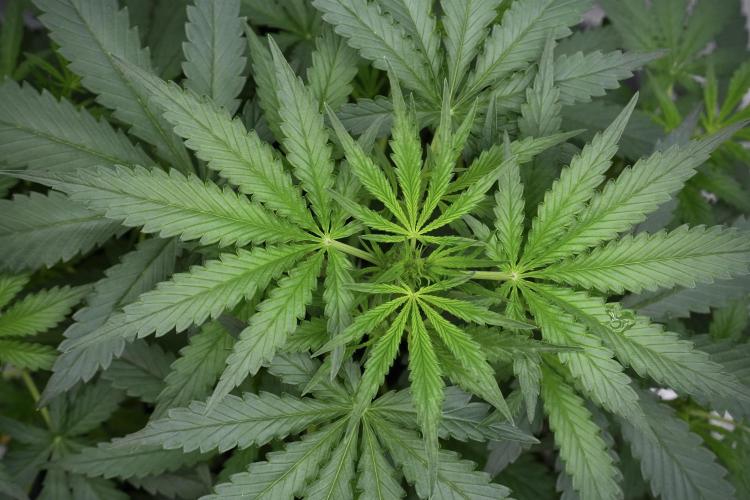
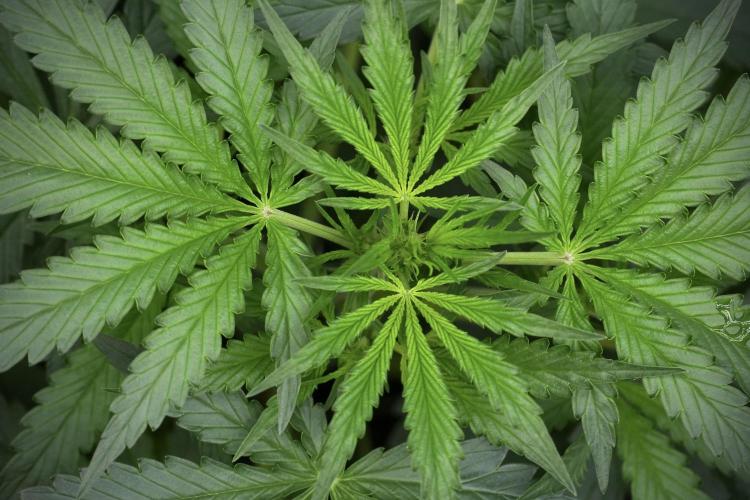
The side branches are now catching up, the center remains open, and new flowering sites are beginning to appear across almost every growing tip.
⸻
☀️ Beating the summer heat
Summer has definitely arrived here.
Keeping a grow room comfortable during these warmer weeks becomes a challenge all on its own, even with air conditioning running continuously.
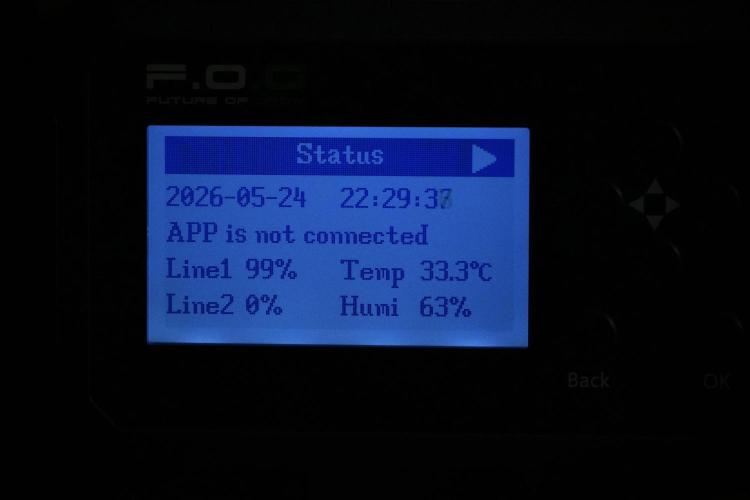
Daytime temperatures have been reaching 33°C, while humidity has remained around 63%, creating conditions that demand constant monitoring and small environmental adjustments.
Fortunately, the plants continue responding extremely well.
Healthy green leaves.
Strong stems.
Excellent vigor.
No signs of nutrient stress or environmental fatigue.
Sometimes successful growing isn’t about having perfect numbers…
It’s about maintaining stability when nature refuses to cooperate.
⸻
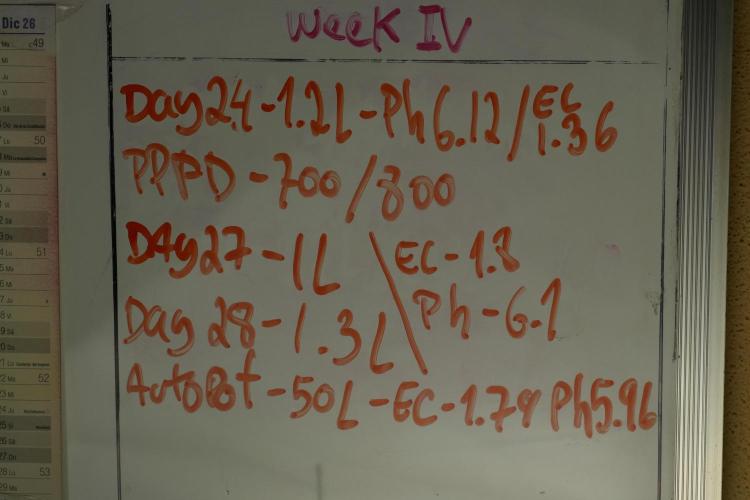
💧 Week 4 Feeding
The nutrient program remains unchanged, providing everything the plants need as they transition into early flower.
Feed per litre
• Terra Grow — 1.8 ml/L
• Power Roots — 1 ml/L
• Pure Zym — 1 ml/L
• Sugar Royal — 1 ml/L
Solution parameters:
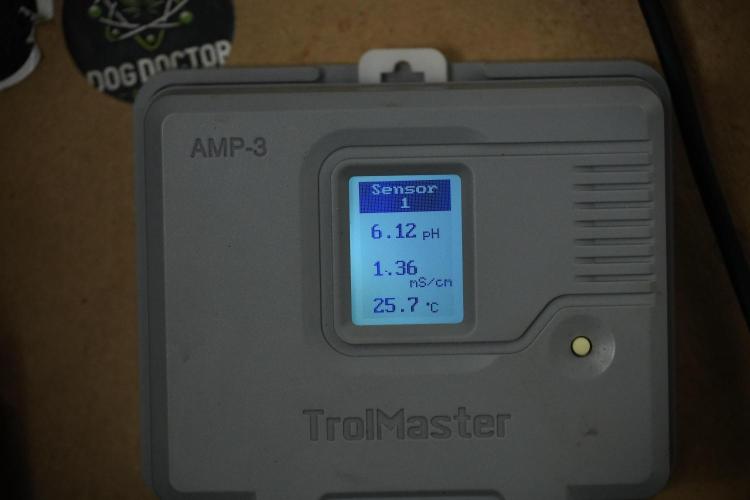
• EC: 1.35 mS/cm
• pH: 6.1
The combination continues producing exactly what I like to see—healthy colour, vigorous new growth, and a plant that’s asking for more light every single day.
⸻
🌸 First signs of flower
Plant A is now clearly ahead of her sister in development.
Pre-flower is becoming increasingly obvious, with fresh pistils emerging throughout the upper nodes and new growth beginning to take on that unmistakable early flowering appearance.
The stretch is only just beginning, but it’s already easy to imagine how this canopy will develop over the coming weeks.
The gentle LST performed earlier is paying off nicely, creating multiple future flowering tops instead of relying on one dominant main cola.
It’s still early…
But the foundations are there.
And they’re looking very promising.
⸻
🌱 Looking ahead
Over the next week I’m expecting Plant A to continue stretching while stacking more flowering sites throughout the canopy.
The goal remains exactly the same:
Maintain an open structure.
Keep every future bud site exposed to quality light.
Support healthy root development.
And simply let the plant express her genetics at her own pace.
One of the greatest lessons from this project has been learning not to compare plants against each other, but to appreciate each one for what she naturally wants to become.
Purple Kush Plant A is already showing plenty of character, and I have a feeling she’s only just getting started.
⸻
A huge thank you to everyone following this 8×8 Adventure, reading these updates, leaving comments, sharing ideas, and making this journey even more enjoyable. Your support genuinely motivates me to document every phenotype individually so we can all learn together.
Massive thanks as well to Plagron for keeping these ladies thriving with an outstanding nutrient line, and to Zamnesia for providing fantastic genetics that make projects like this possible.
Growers Love and see you all next week, where Plant A will continue writing her own story—one leaf, one branch, and soon… one beautiful flower at a time. 🌿💚
6 likes
comments
Share
Used techniques
12-12
Technique
LST
Technique
Enjoying this diary? Follow for more updates!
Prefer the old Diary view?
Go back to the old Diary view