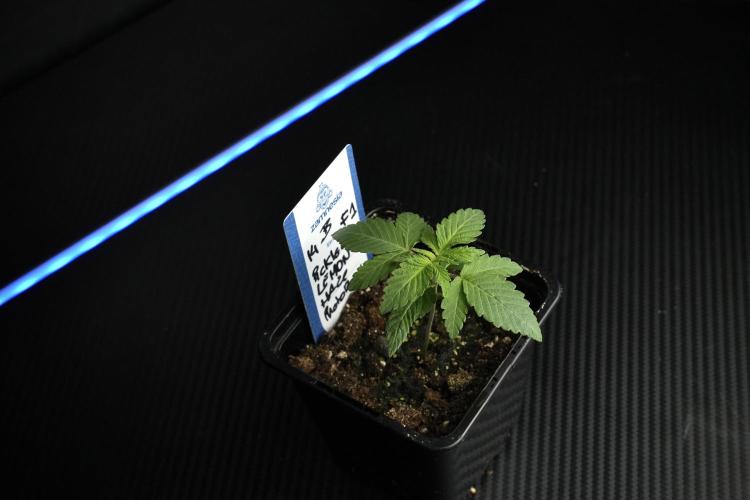
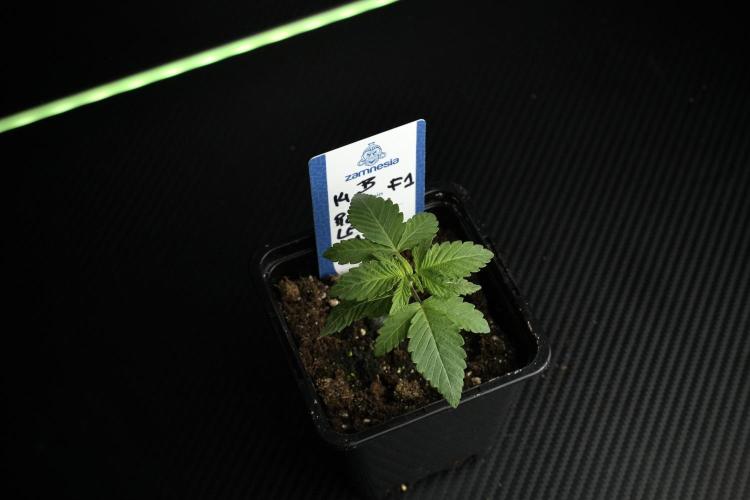
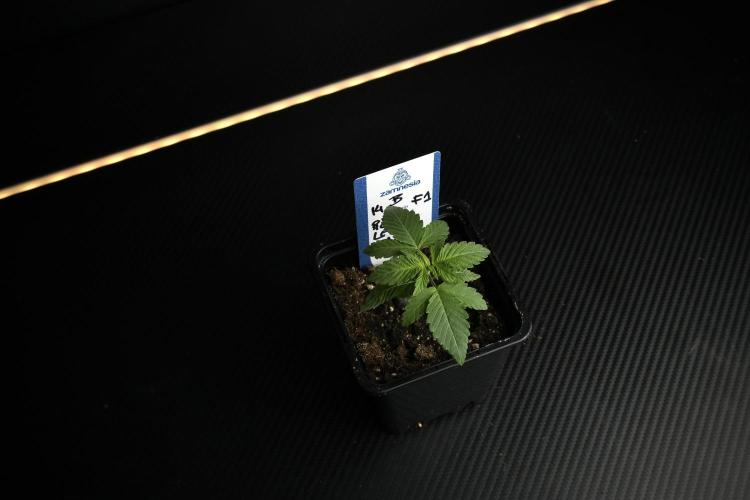
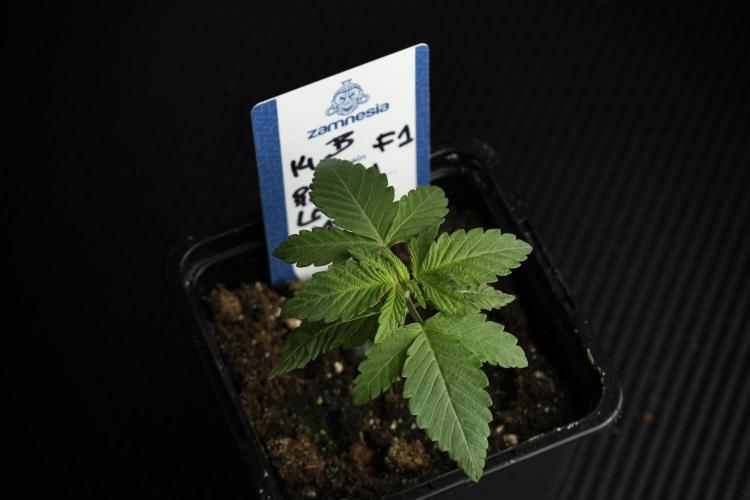
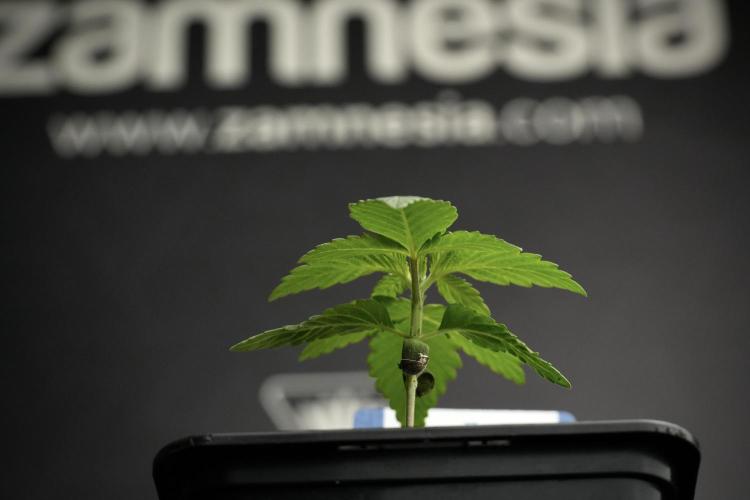
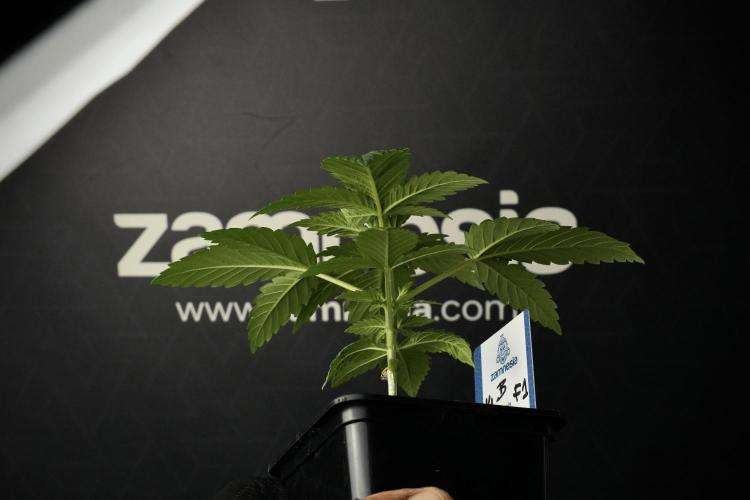
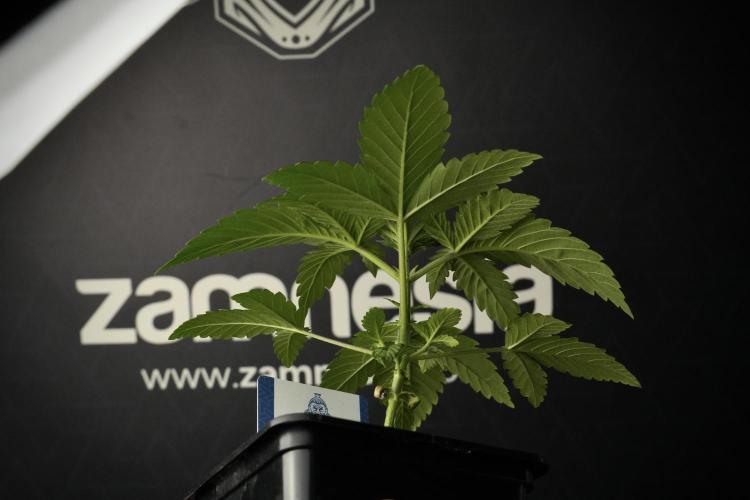
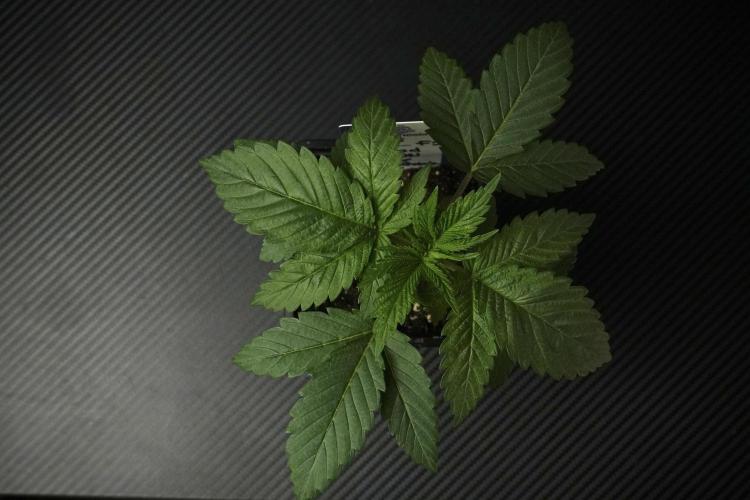
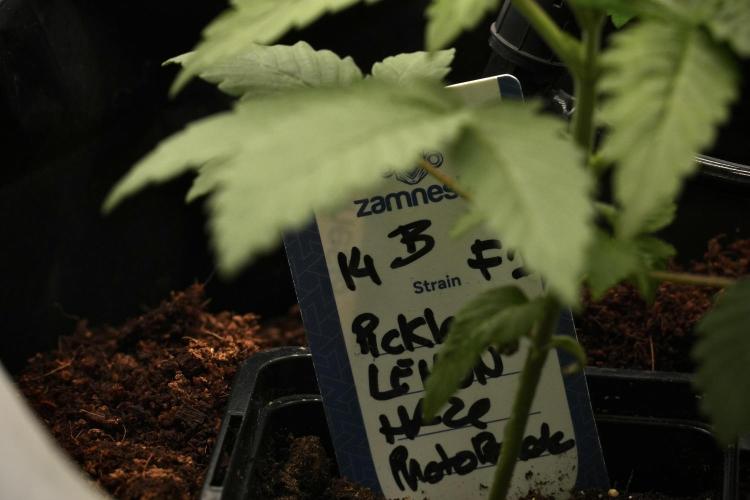
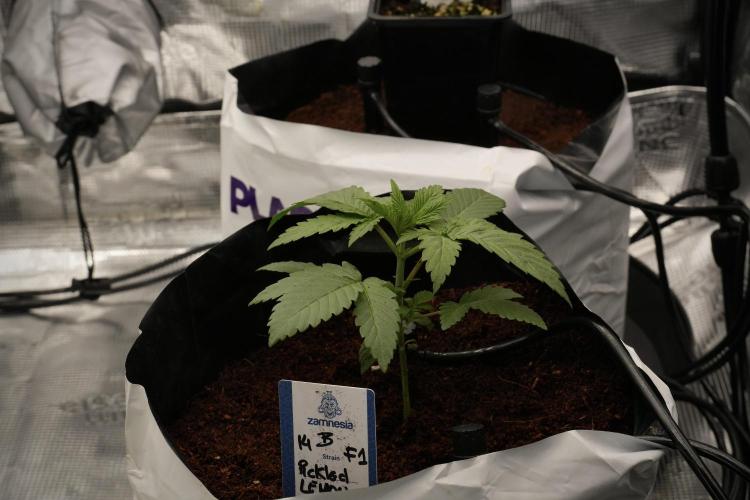
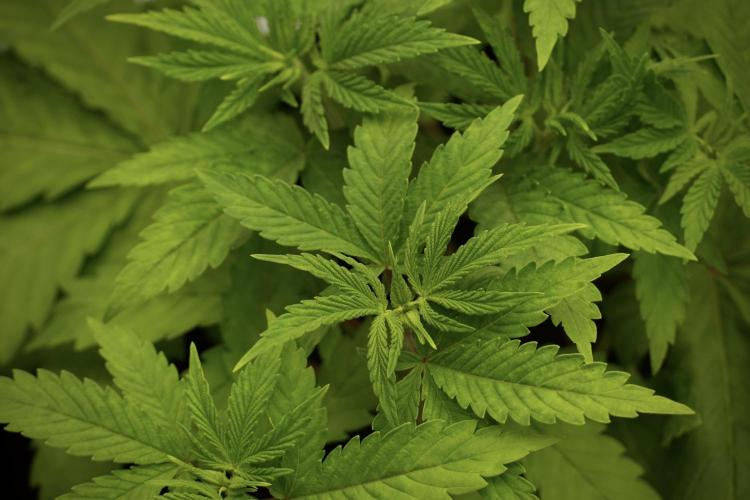
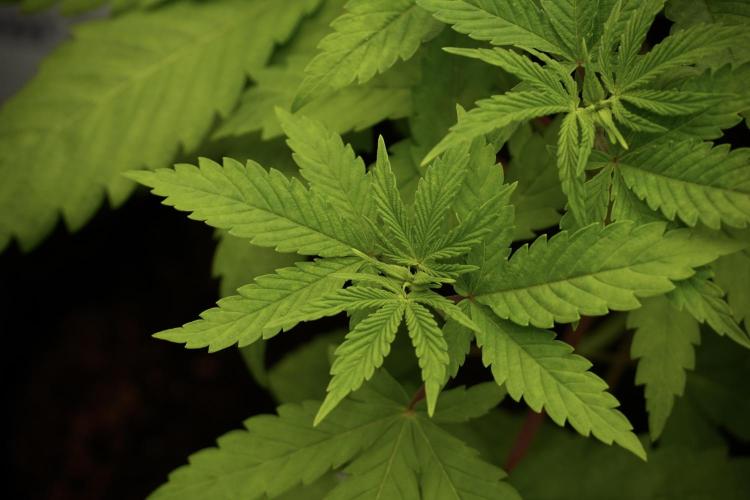
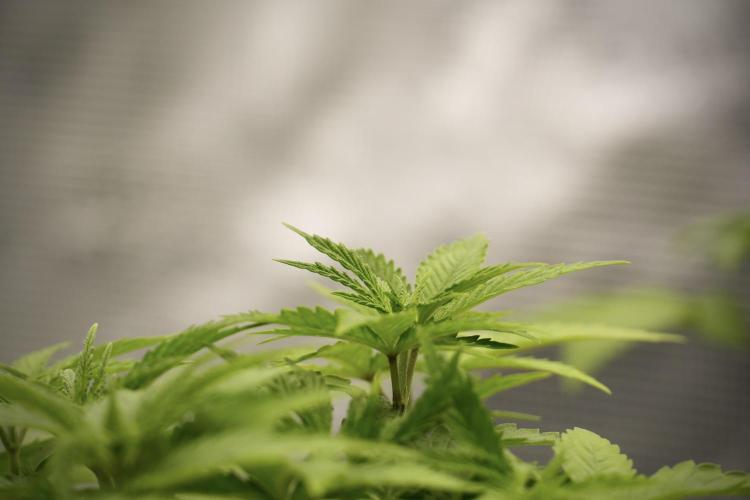
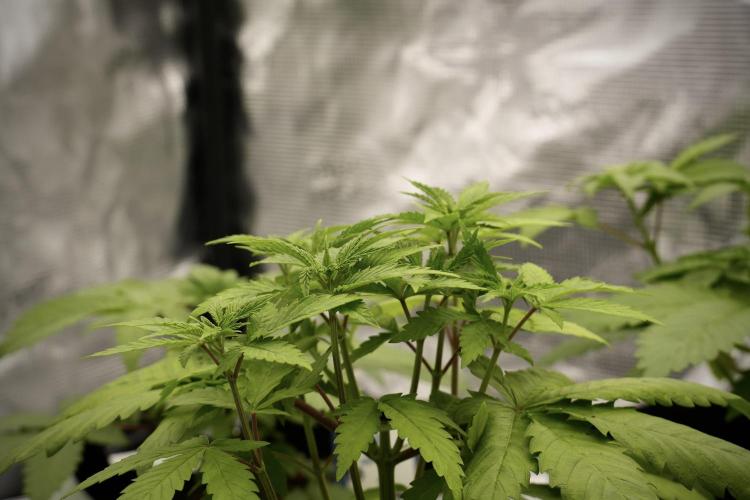
DogDoctorOfficial # 🍋 Pickle Lemon Haze F1 — Pheno B
## Germination Week | Quiet Confidence
Hello GrowDiaries family! 👋🌱
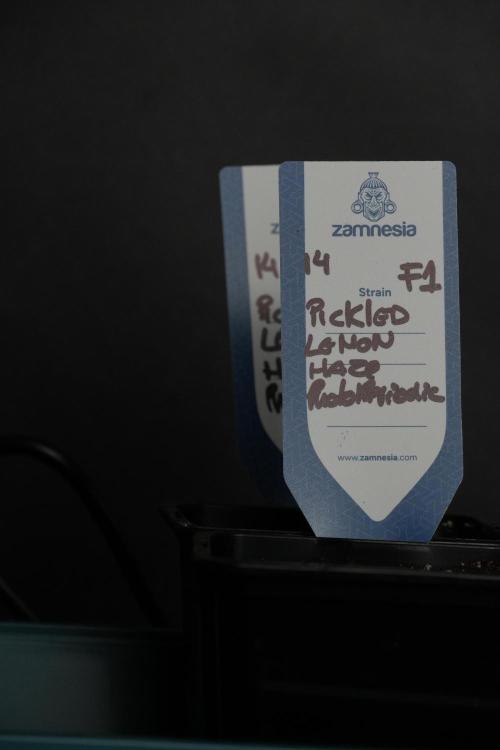
Welcome to the first official entry for Pickle Lemon Haze F1 Pheno B.
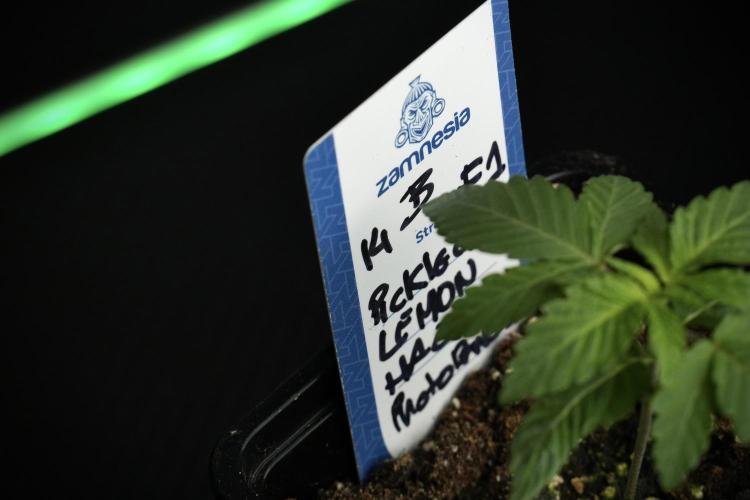
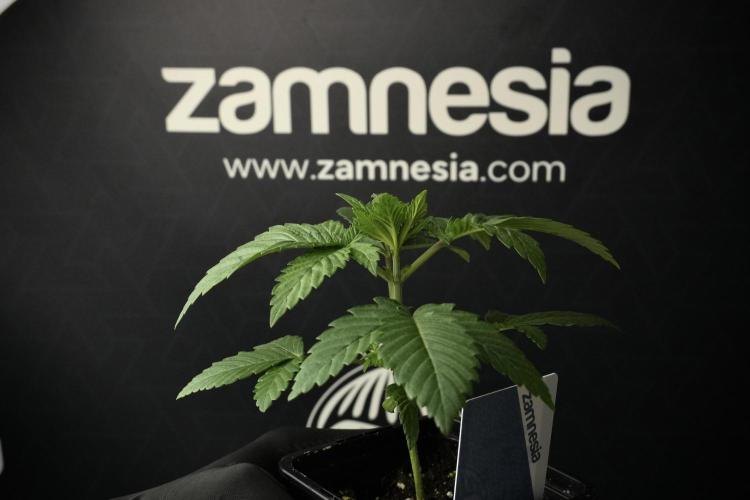
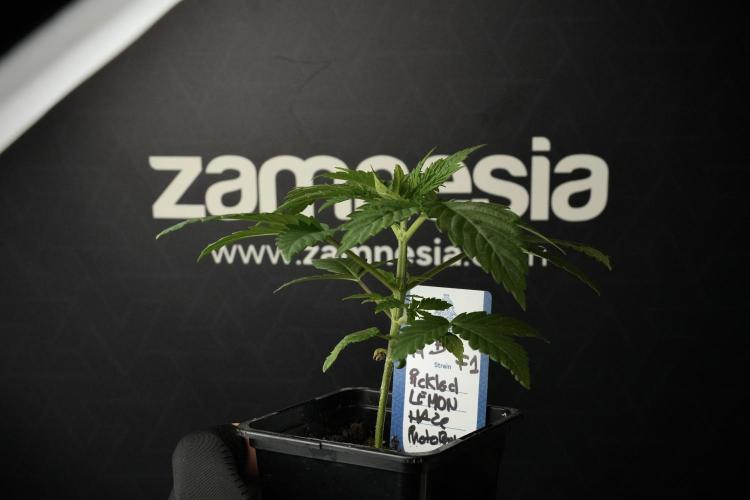
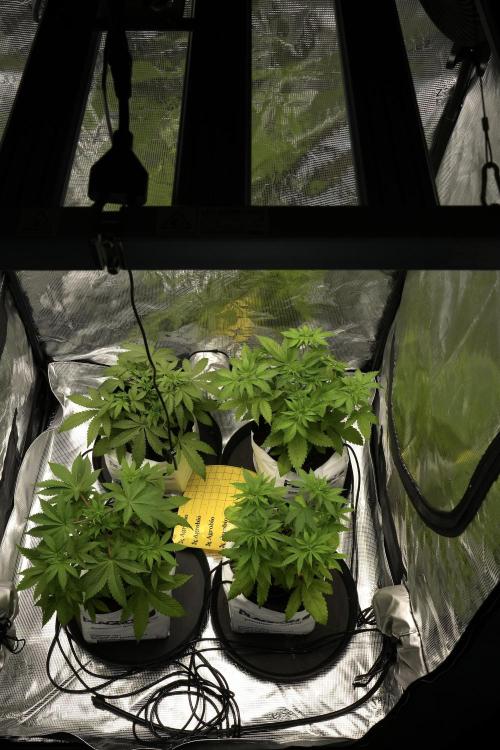
Today we continue documenting the second phenotype of this exciting new F1 project growing inside the Zamnesia tent setup.
While her sister may have grabbed attention early with an impressive taproot and rapid emergence, Pheno B followed a slightly different approach.
Not slower.
Not weaker.
Simply different.
One of the most rewarding aspects of growing cannabis is learning that every seed has its own pace and personality.
And from the very beginning, this girl seemed perfectly comfortable doing things her own way.
---
## A New Project Begins
This diary is part of a completely separate project from my ongoing 12/12-from-seed garden.
For this run, the objective is very different.
Rather than flowering from day one, these plants are being given the opportunity to fully develop under a traditional vegetative schedule.
Current plans include:
- 18/6 light schedule
- Full vegetative development
- Potential Low Stress Training (LST)
- Potential topping
- Possible Scrog implementation
- Structural development observations
- Full seed-to-harvest documentation
At this stage, however, everything begins with a healthy germination.
---
## The Cannakan Germination Method
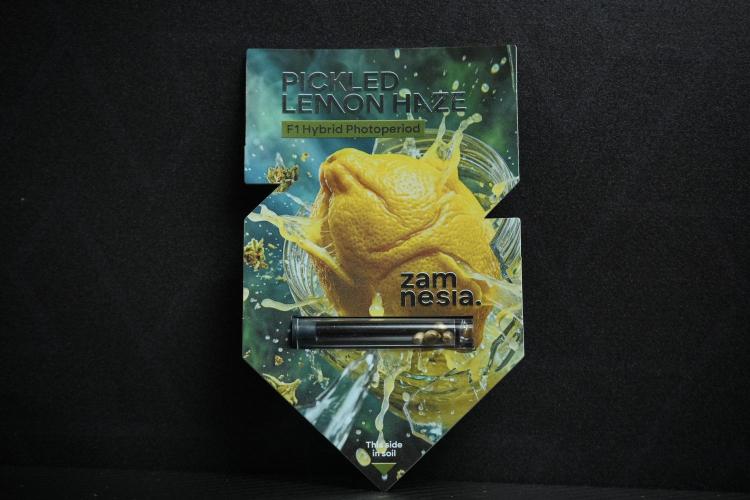
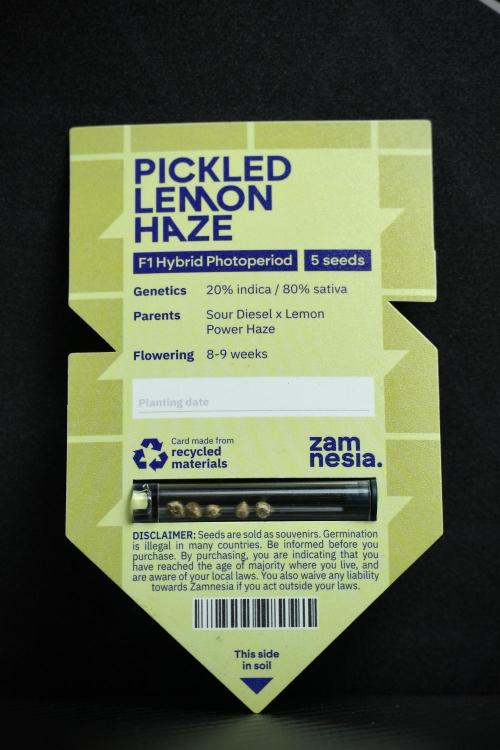
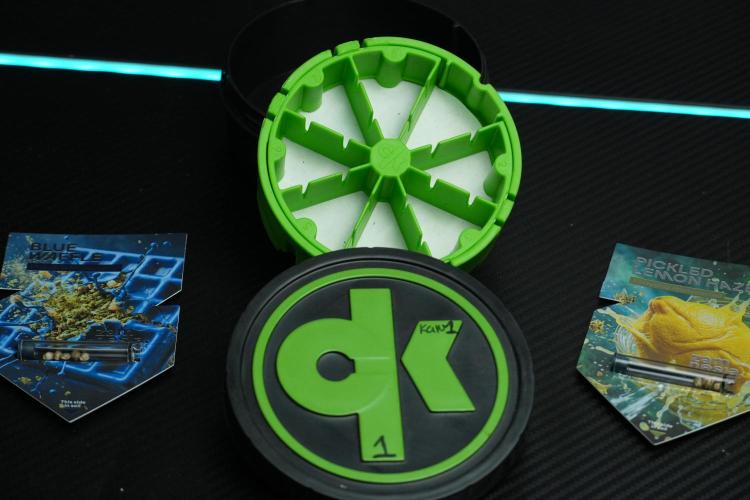
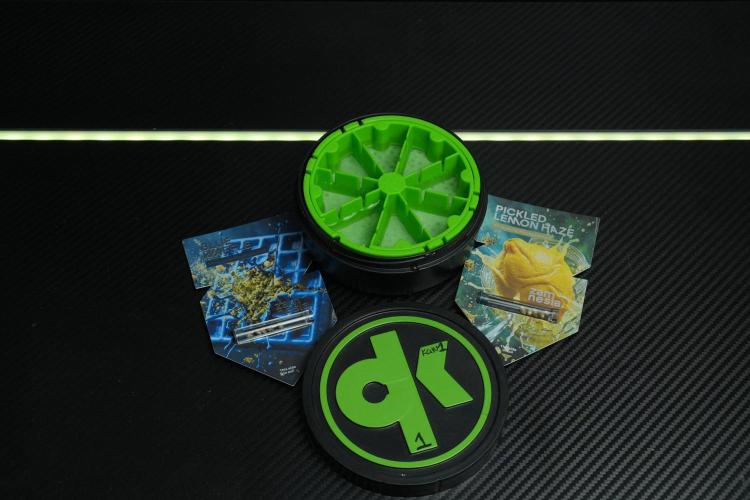
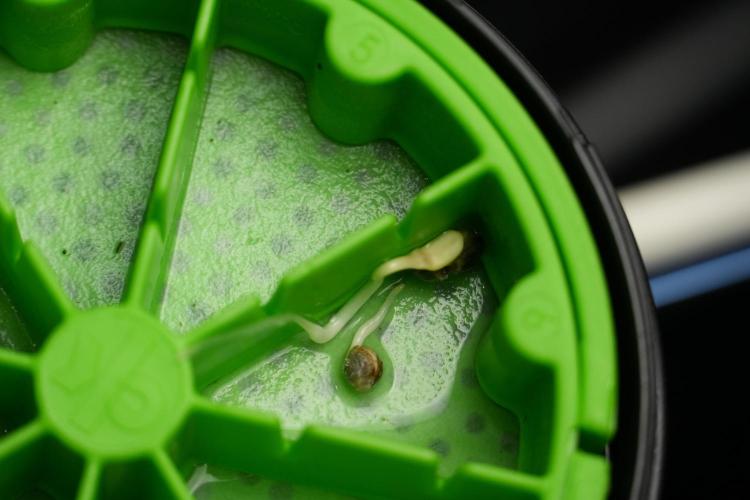
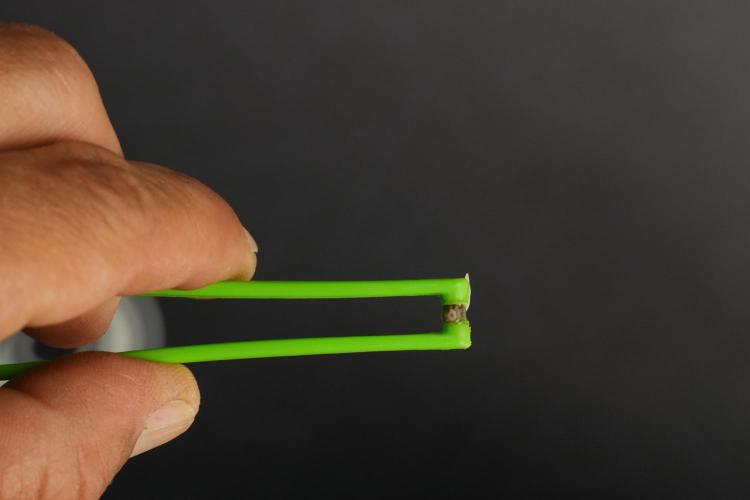
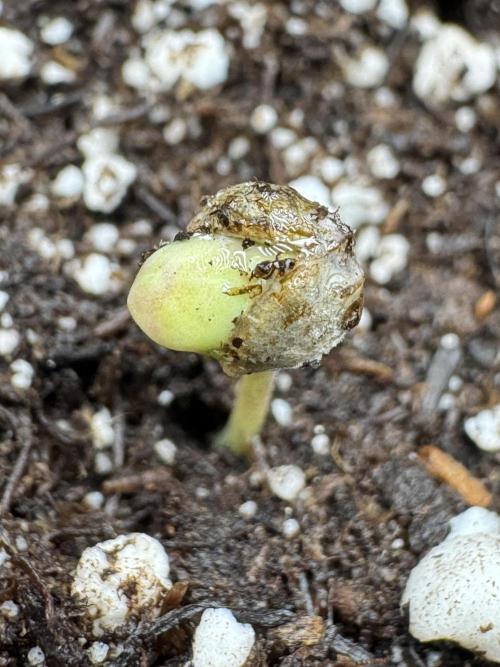
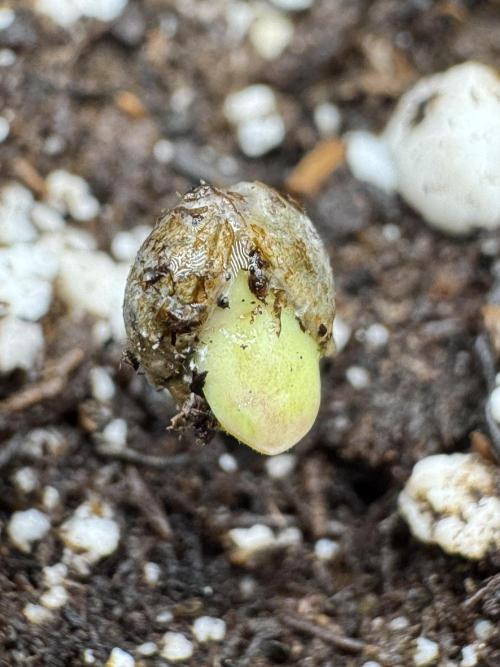
Like all the plants in this project, Pickle Lemon Haze F1 Pheno B began life inside the Cannakan germination system.
The process remains intentionally simple.
The seed was placed into the system using only plain water.
No nutrients.
No additives.
No stimulants.
Just water.
After approximately 24 hours of soaking, most of the water was removed while leaving enough moisture to maintain ideal germination conditions.
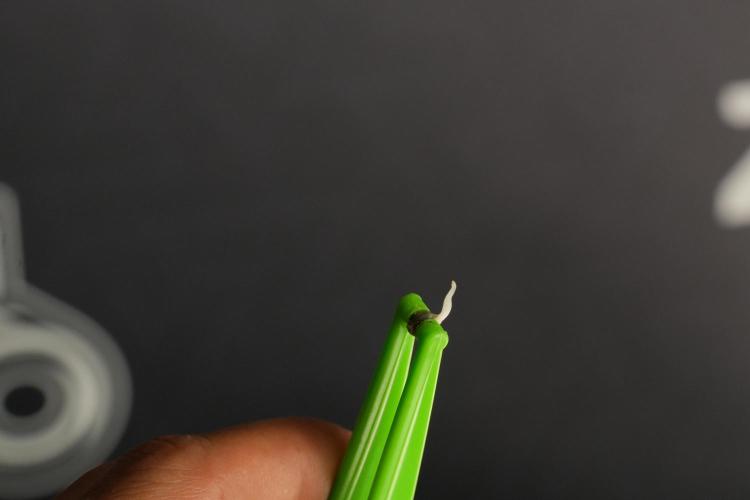
Before long, a healthy taproot appeared and the seed was ready for planting.
Perhaps not quite as dramatic as her sister's impressive root, but healthy, vigorous, and exactly what we hope to see.
Sometimes consistency is just as beautiful as speed.
---
## Why Only Water?
One question that often appears during germination is:
"Why not feed the seed immediately?"
The answer remains simple.
The seed already contains everything required for the earliest stage of life.
Inside that shell are all the energy reserves needed to establish roots and begin development.
At this stage, I prefer allowing the seed to use those natural reserves exactly as intended.
The objective is not to feed the plant.
The objective is simply to wake it up.
Water is enough.
Nature already prepared the rest.
---
## From Seed To Seedling
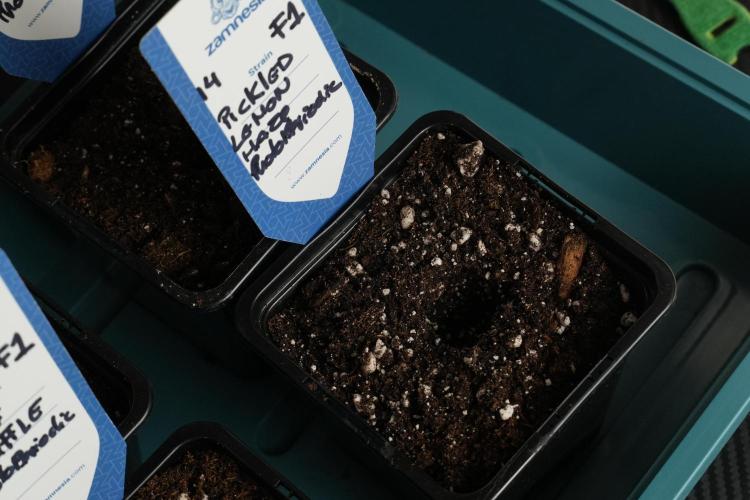
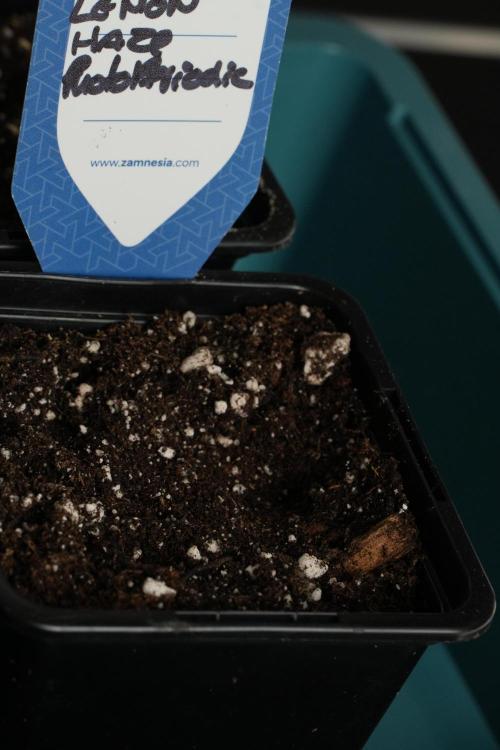
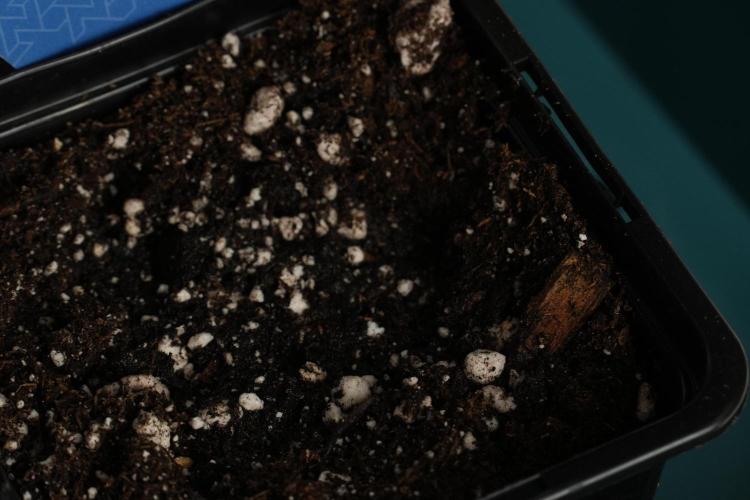
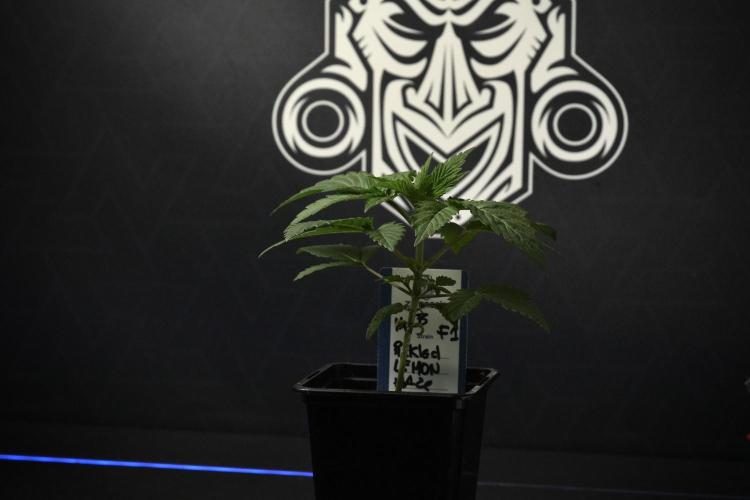
Once a healthy taproot emerged, Pheno B was transferred into Plagron Lightmix.
This substrate continues to be one of my preferred starting mediums due to its excellent aeration, forgiving nature, and reliable performance during early development.
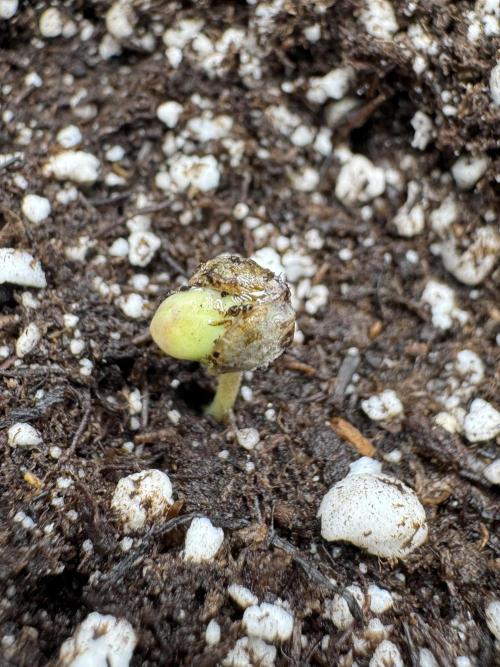
The seed settled into its new home and quickly began establishing roots.
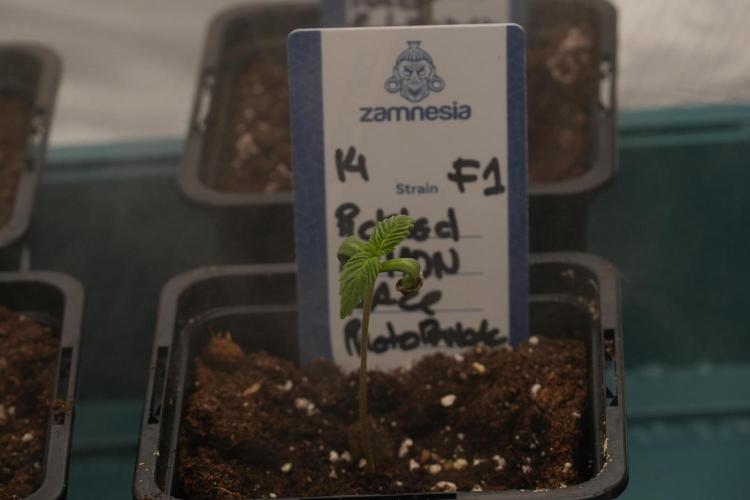
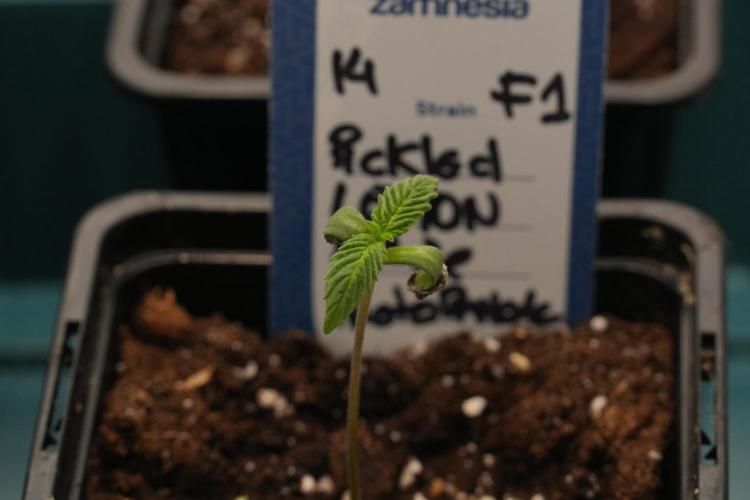
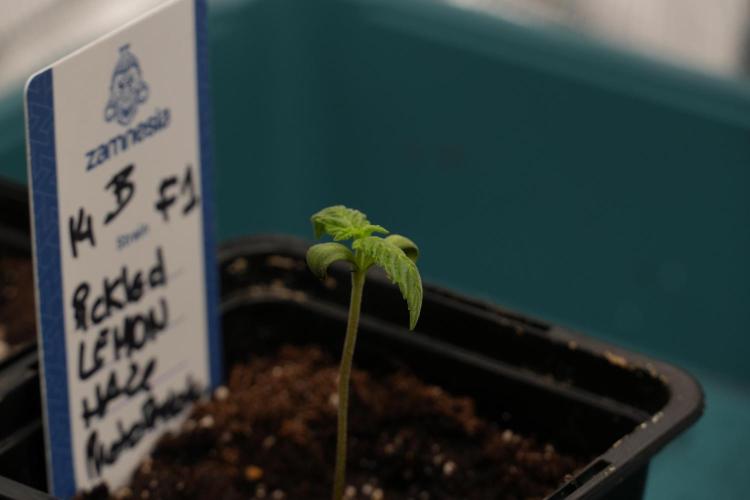
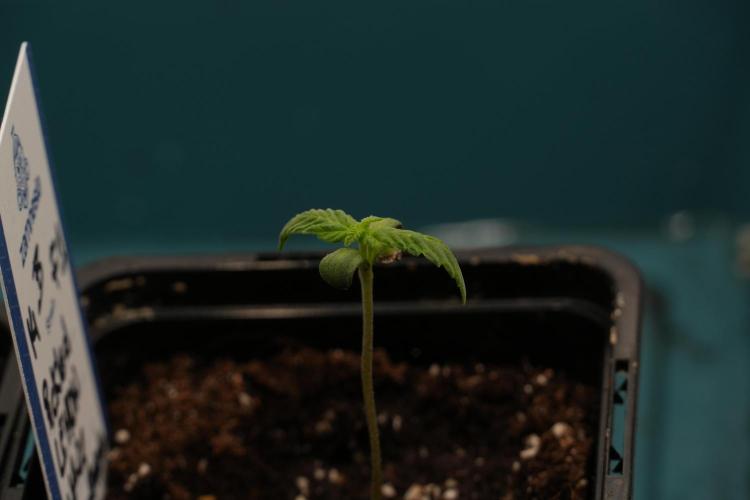
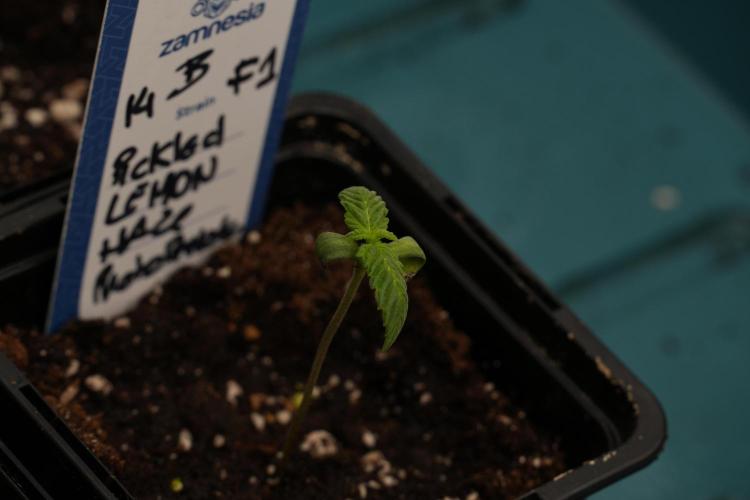
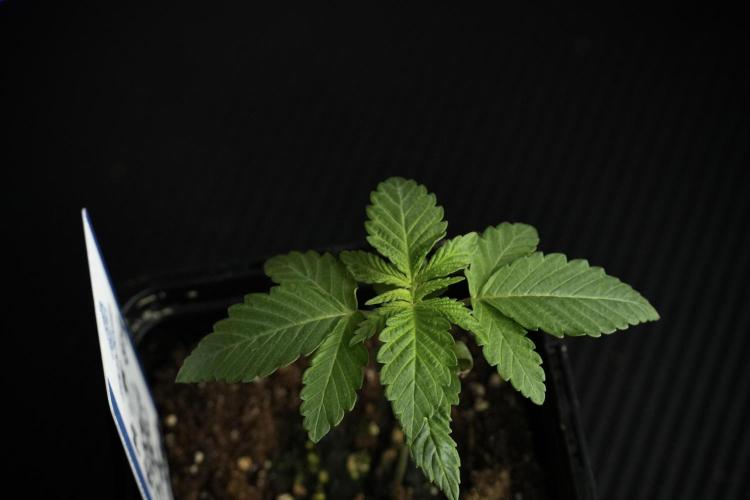
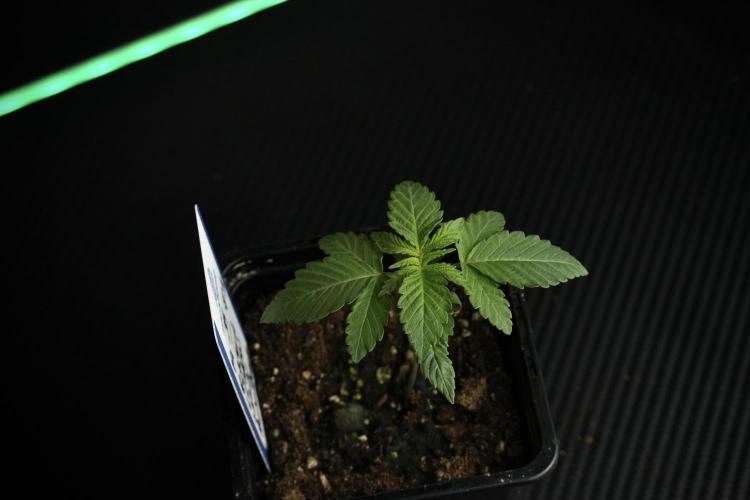
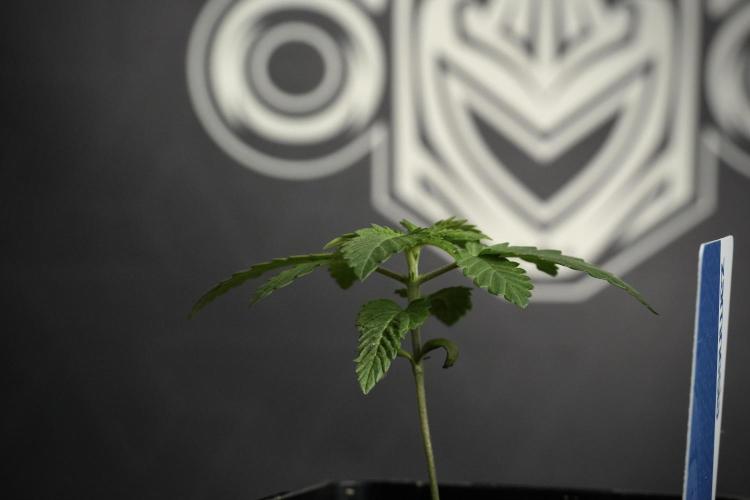
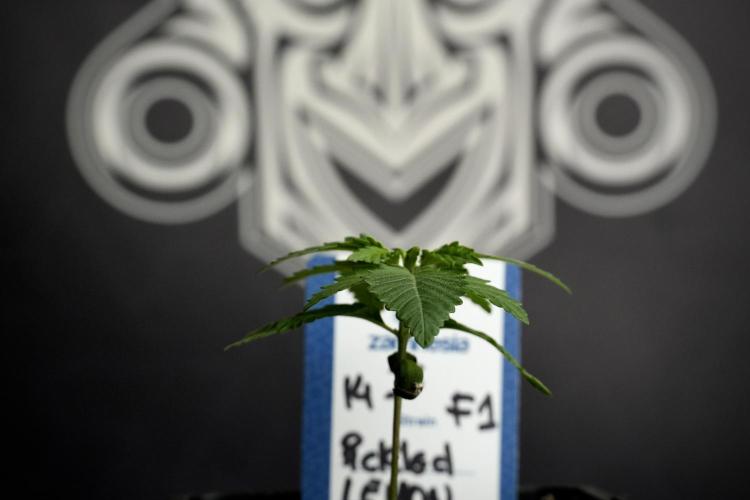
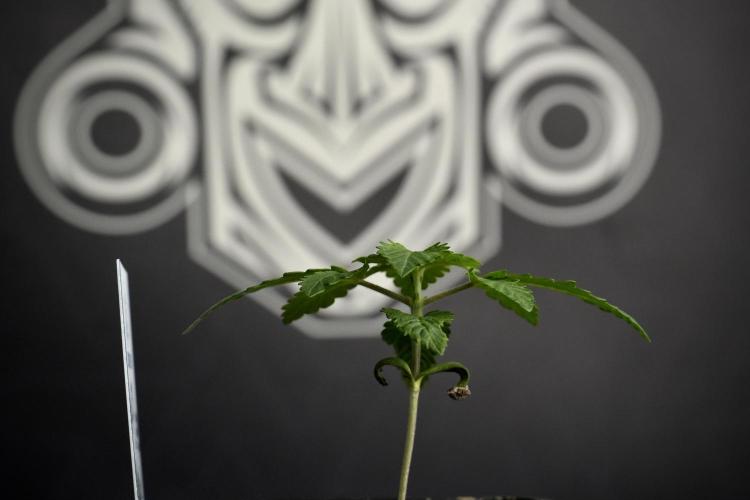
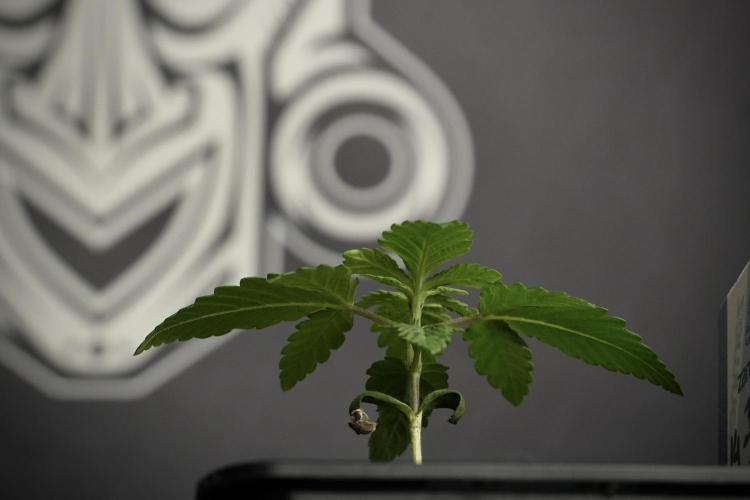
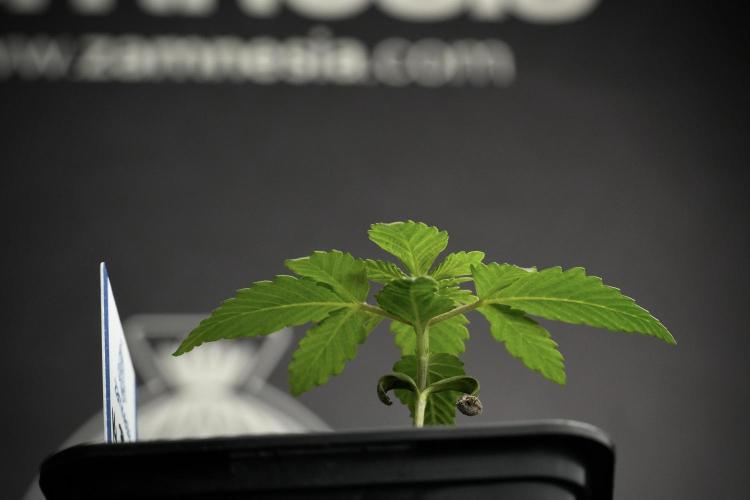
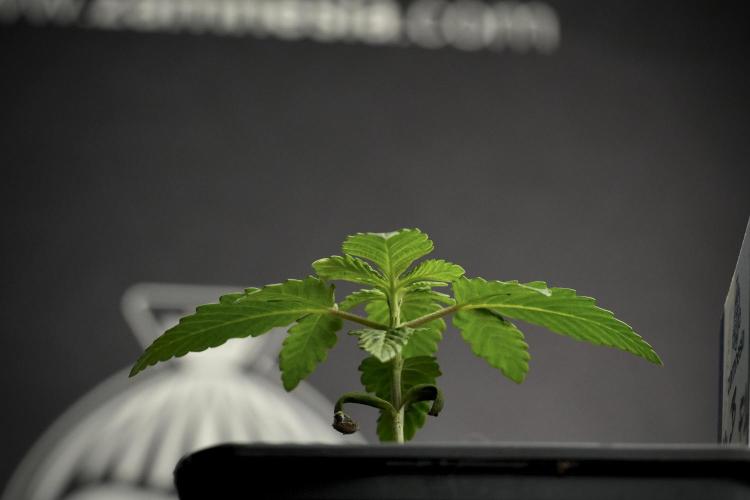
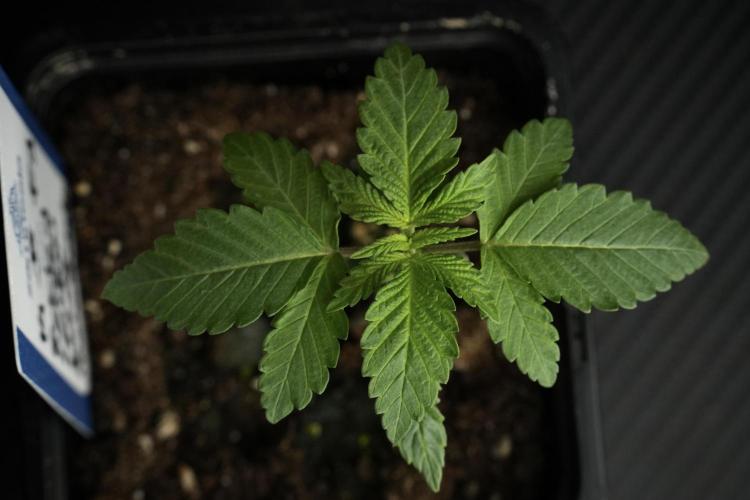
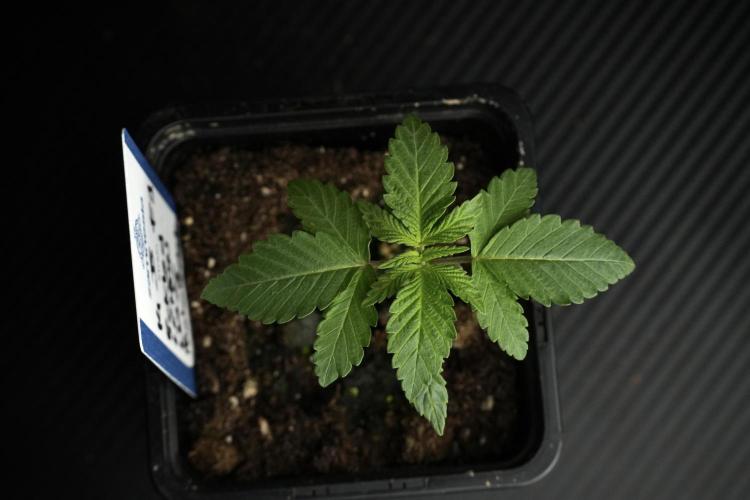
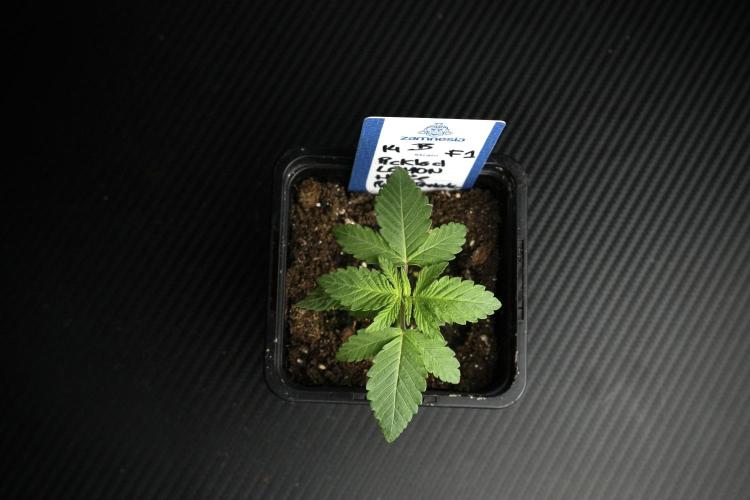
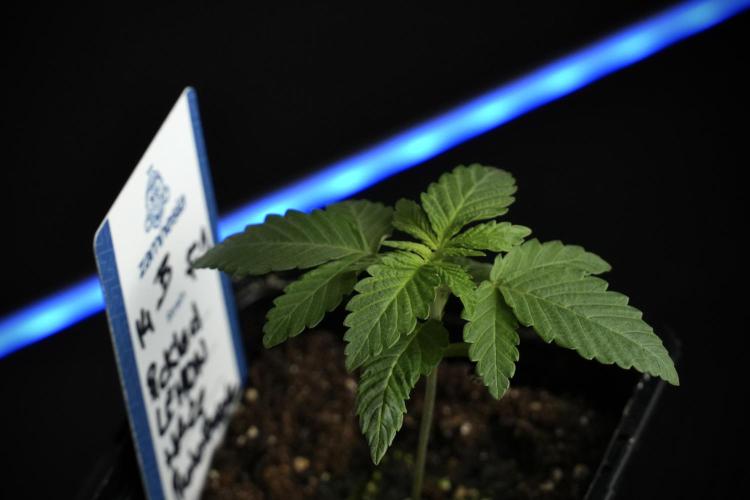
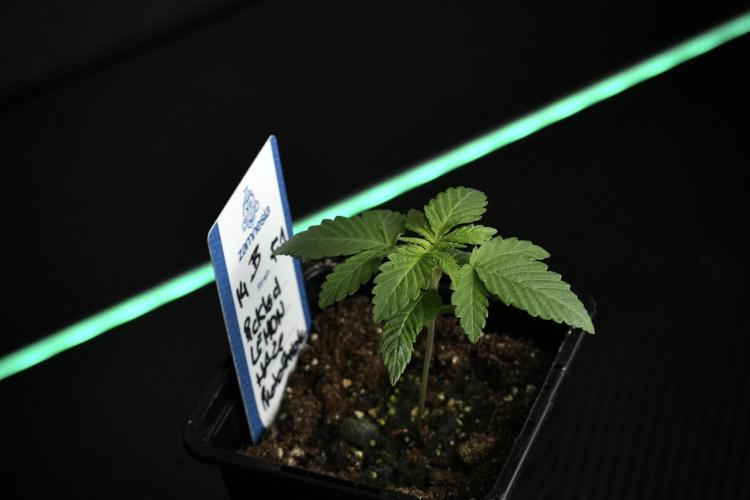
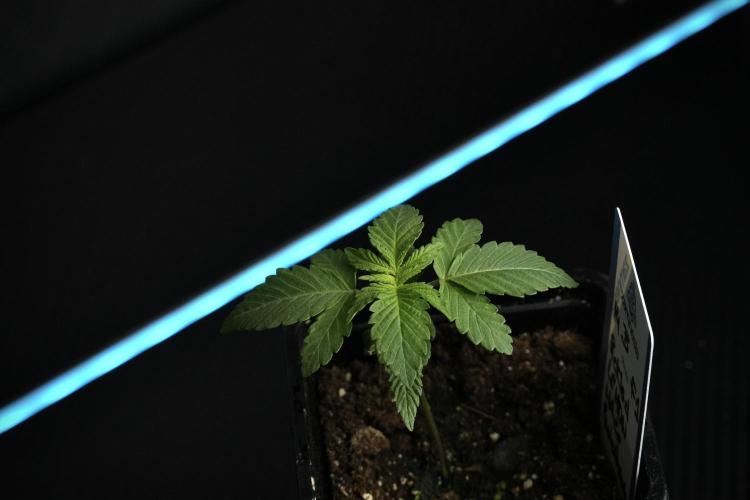
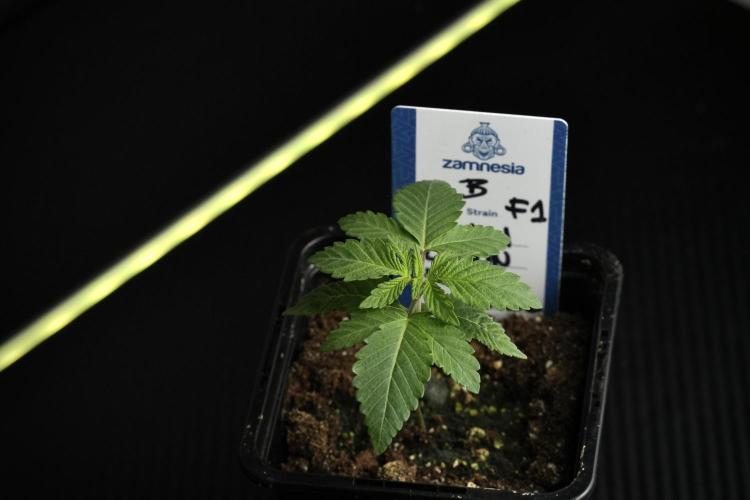
Before long, she emerged above the soil surface and began searching for light.
Healthy stem.
Healthy cotyledons.
Healthy color.
Everything exactly where it should be.
The start may have been slightly less dramatic than her sister's, but the destination remains exactly the same.
A strong foundation for the weeks ahead.
---
## Why Use A Humidity Dome?
During the first few days after emergence, the seedling spent time inside a humidity dome.
Young seedlings have only a limited root system and therefore limited access to water.
Maintaining slightly elevated humidity helps reduce moisture loss while roots continue developing beneath the surface.
The humidity dome is not intended to become a permanent environment.
It is simply a temporary support system during one of the most delicate phases of growth.
As roots develop, the dome is removed and the plant begins adapting to the environment it will experience throughout the remainder of its life.
The goal is adaptation.
Not dependence.
---
## Building The New Zamnesia Grow Tent Kit
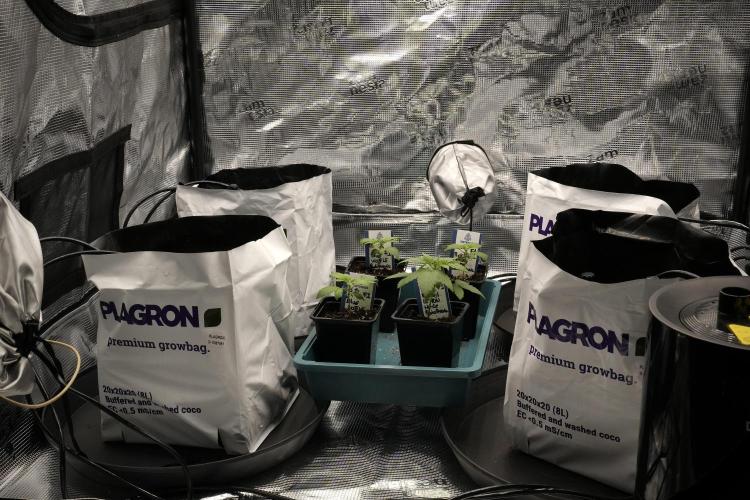
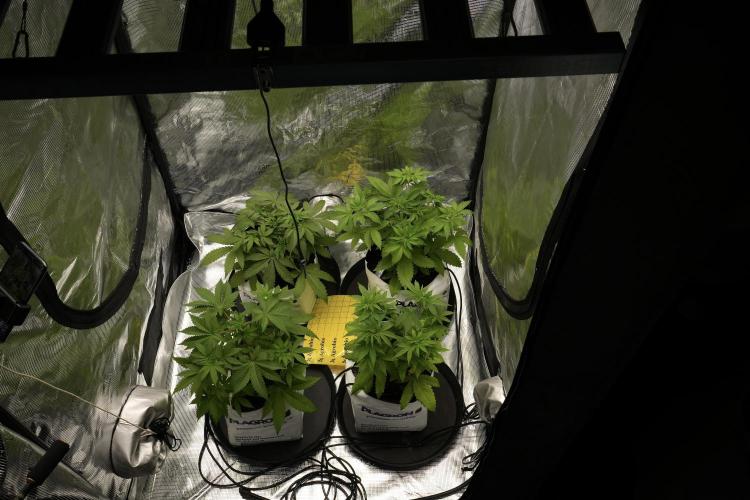
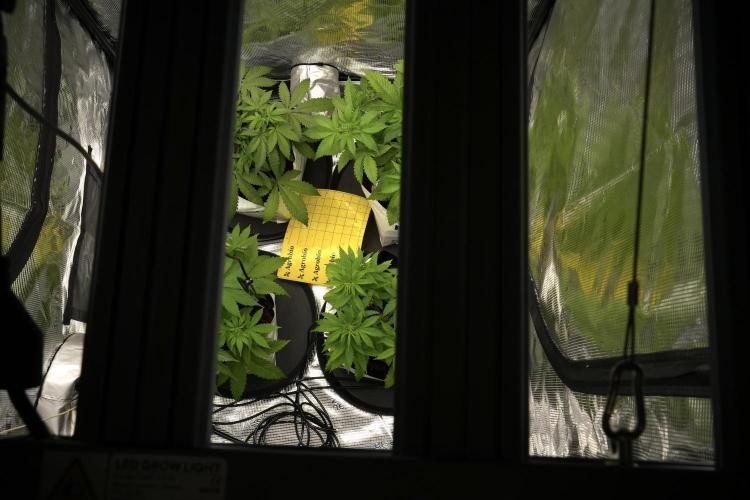
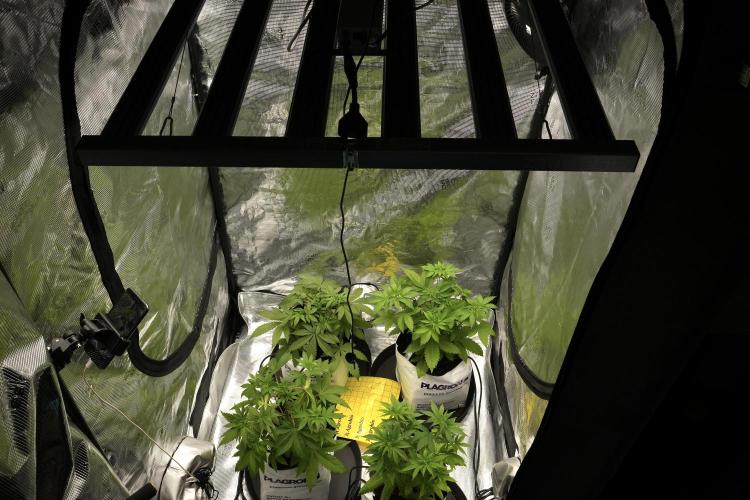
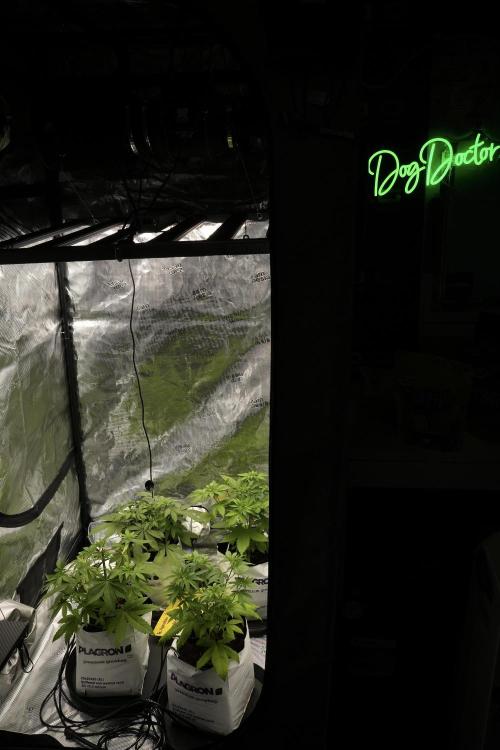
This project is being grown entirely inside the new Zamnesia Grow Tent Kit.
One of the biggest surprises during setup was just how straightforward the assembly process turned out to be.
The entire system was assembled by one person.
Tent.
LED.
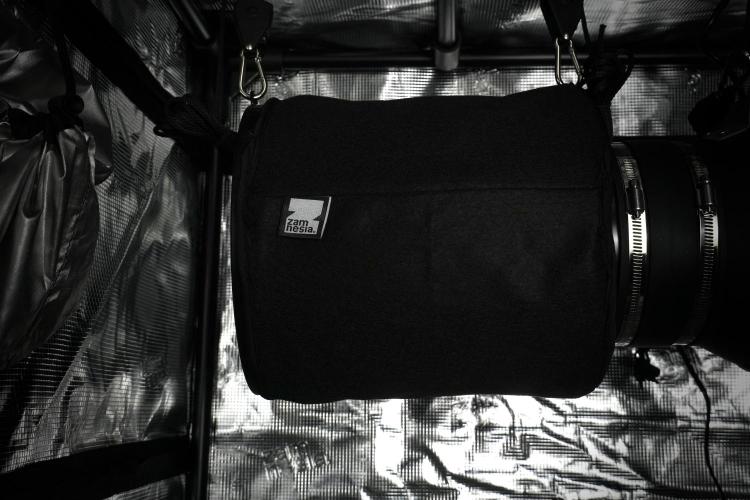
Carbon filter.
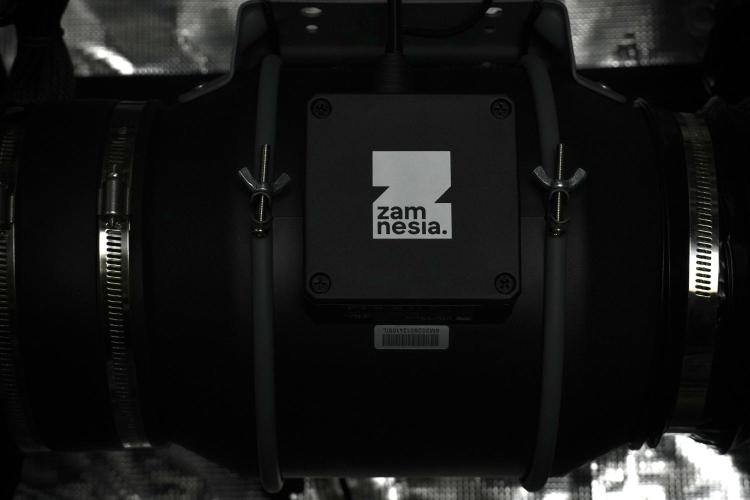
Inline fan.
Ducting.
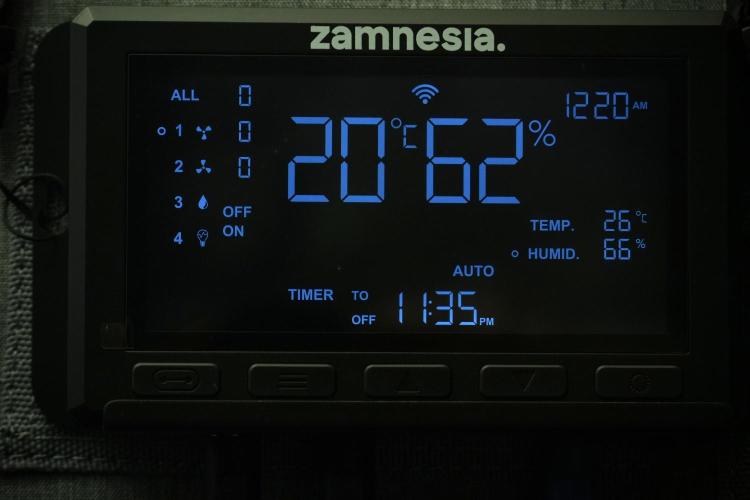
Controller.
Cable management.
Everything.
Even with a few adjustments required due to space limitations, the entire setup was operational in less than an hour.
The instructions are clear and easy to follow, and the overall build quality immediately left a very positive impression.
The frame feels solid.
The materials feel durable.
And the system feels thoughtfully designed from the start.
Now the plants get to deliver the real review.
---
## What's Included In The Kit?
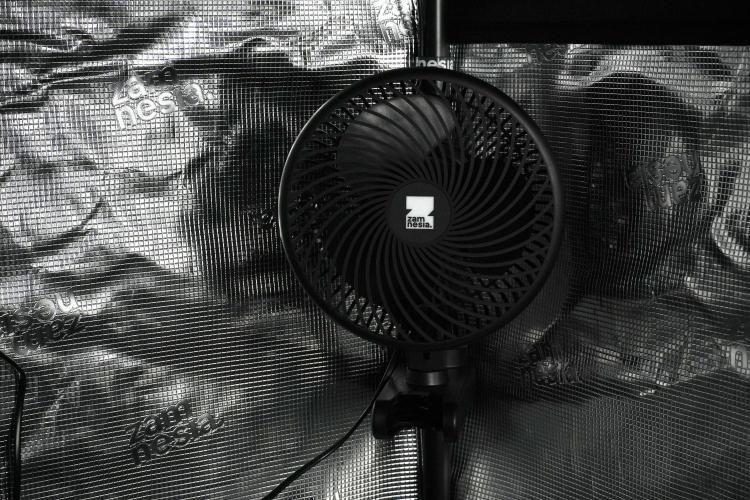
The complete Zamnesia Grow Tent Kit includes:
- Grow Tent 100×100×200 cm
- Phytonaut LED Grow Light 320W
- Inline Duct Fan 150 mm
- Carbon Filter Air Purifier 150 mm
- Grow Environment Controller
- Grow Tent Clip Fan
- Flexible Ducting
- 24-Hour Timer
- Rope Ratchet Hangers
- Velcro Cable Management Accessories
Everything currently operating inside this tent comes directly from this package.
No substitutions.
No upgrades.
No modifications.
This allows a genuine evaluation of the complete system exactly as supplied.
---
## Environmental Conditions
For this first week, lighting remained intentionally gentle.
Using a PAR meter, light intensity was measured at approximately:
~200 PPFD
Young seedlings simply do not require high light levels during this stage.
The objective is healthy establishment and strong root development rather than rapid vertical growth.
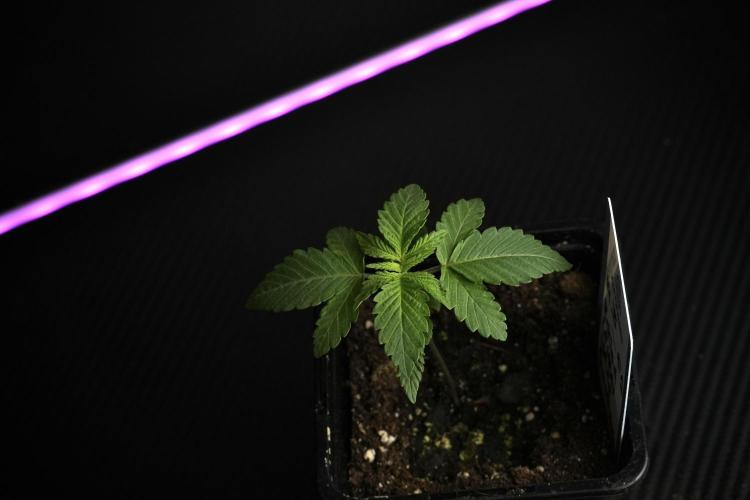
Environmental conditions remained stable throughout the week and the plant responded beautifully.
Healthy posture.
Healthy color.
Good development.
And no signs of stress.
Exactly what we hope to see from a successful start.
---
## First Impressions Of Pickle Lemon Haze F1 Pheno B
Although her sister may have been the first to catch the eye, Pheno B has quietly built an excellent foundation of her own.
Healthy germination.
Healthy emergence.
Balanced development.
Strong color.
Good vigor.
And a calm, steady progression that inspires confidence moving forward.
I've learned over the years not to make too many predictions this early.
Plants have a wonderful habit of surprising us.
So rather than creating expectations, I prefer creating opportunities and allowing the plant to show us who she wants to become.
That approach rarely leads to disappointment.
Only discovery.
---
## Looking Ahead
Over the coming weeks we'll continue documenting every stage of development.
We'll follow:
- Root establishment
- Vegetative growth
- Environmental management
- Structural development
- Training decisions
- Nutrient progression
- Genetic expression
- And whatever unique characteristics this phenotype chooses to reveal
For now, Pickle Lemon Haze F1 Pheno B has completed a healthy and successful germination week and has settled comfortably into her new home.
The roots are growing.
The leaves are reaching.
And the adventure has officially begun.
Grower's Love everyone. 💚🌱🍋
Sometimes the plants that arrive quietly end up making the loudest impression later on.
12 likes
1 comment
Share
Used method
Other
Germination Method
1
Week 1. Vegetation
1mo ago
1/30
6 cm
Height
18 hrs
Light Schedule
26 °C
Day Air Temp
6.0
pH
No Smell
Smell
765 PPM
TDS
71 %
Air Humidity
24 °C
Solution Temp
24 °C
Substrate Temp
25 °C
Night Air Temp
0.3 l
Pot Size
0.3 l
Watering Volume
450 PPM
CO₂ Level
Nutrients 4
Hydro A
1.4 mll
Hydro B
1 mll
Hydro Roots
1 mll
DogDoctorOfficial Folder 14 — Pickle Lemon Haze — Pheno B
Week 1 Vegetation — Early Signs of a Front Runner
Hello growers,
Welcome back to another update from the Zamnesia Tent project.
As with the rest of this grow, each phenotype is being documented individually from seed to harvest. Even when plants share the same genetics and environment, subtle differences often begin appearing very early, and those differences can become some of the most interesting parts of the entire journey.
This week we are taking a closer look at Pickle Lemon Haze Pheno B, a seedling that has already started hinting that she may have slightly bigger ambitions than her sisters.
It is still extremely early, of course, but sometimes the first clues reveal themselves sooner than expected.
⸻
The Environment
Week 1 focused on creating a stable foundation for growth.
The Zamnesia ecosystem maintained steady conditions throughout the week, allowing the seedlings to establish themselves without unnecessary environmental fluctuations.
Conditions averaged:
* Temperature: 26°C
* Relative Humidity: 71%
Lighting was set to provide approximately 250 PPFD, a level chosen to encourage compact and healthy development from the very beginning.
The LED fixture operated at:
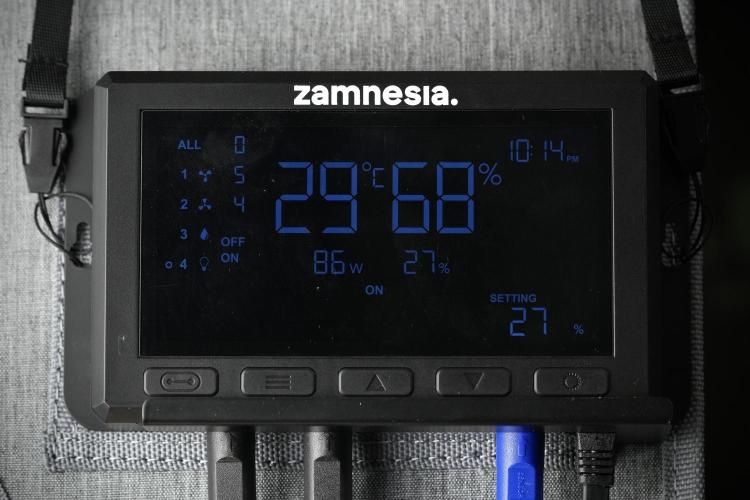
* 27% intensity
* Approximately 86 watts drawn from the wall
Air movement and environmental control were handled through:
* Zamnesia extraction fan running at Level 5
* Circulation fan running at Level 4
Together, these settings created a comfortable environment with gentle airflow and excellent air exchange.
⸻
Feeding Program
Although the earliest days were supported using collected rainwater, this week marked the introduction of the nutrient program.
The first feeding consisted of:
* Plagron Hydro A
* Plagron Hydro B
* Plagron Hydro Roots
Mixed to:
* EC: 1.53 mS/cm
* pH: 5.96
* Water temperature: 24.2°C
The objective remains simple: establish a healthy root system before entering the coco phase of the project.
So far, Pickle Lemon Haze Pheno B appears to be responding extremely well.
⸻
Preparing The Coco Transition
While the seedlings remain in their starter pots for now, preparations for next week’s transplant are already complete.
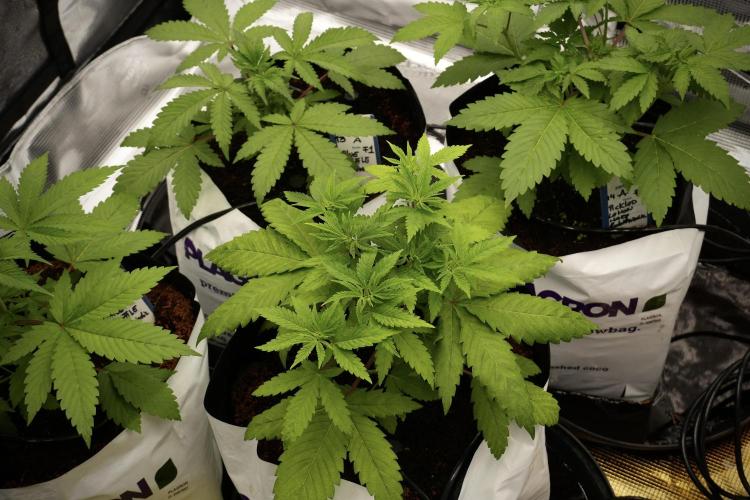
The Plagron Premium Grow Bags have been filled and hydrated using distilled water only.
Rather than soaking the coco all at once, a slow-release reservoir system is being used to gradually distribute moisture throughout the medium. This allows the compressed coco to expand evenly while maintaining consistent hydration from top to bottom.
By the time transplant day arrives, the medium should be fully conditioned and ready to support rapid root expansion.
This upcoming move into coco will be one of the first major milestones of the project.
⸻
Pickle Lemon Haze — Pheno B
While all four seedlings have had excellent starts, this phenotype is beginning to separate herself ever so slightly from the pack.
The difference is not dramatic.
It is not night and day.
But at this age, even small differences can be meaningful.
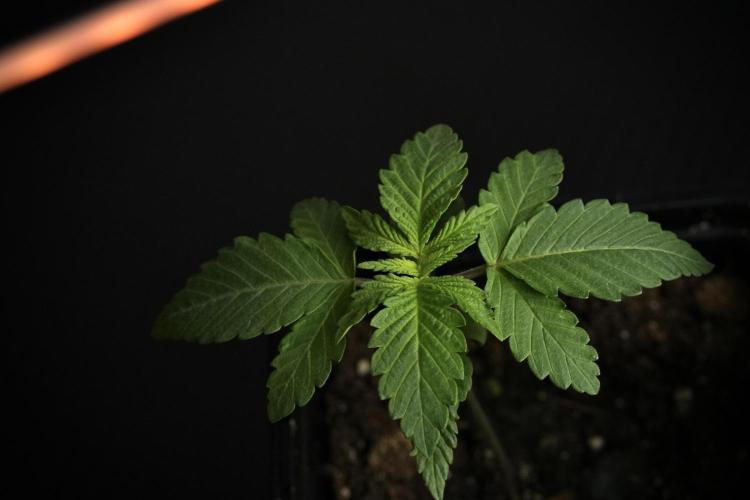
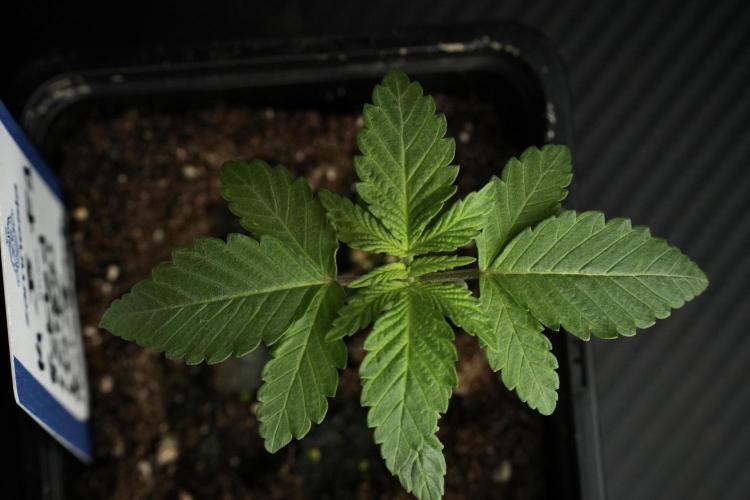
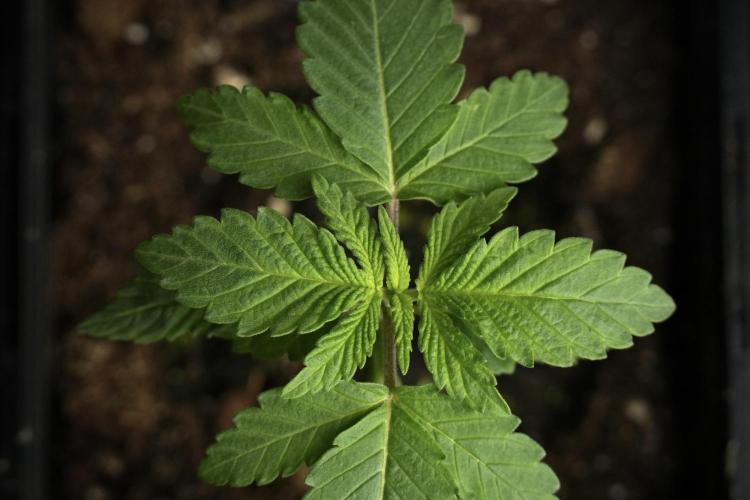
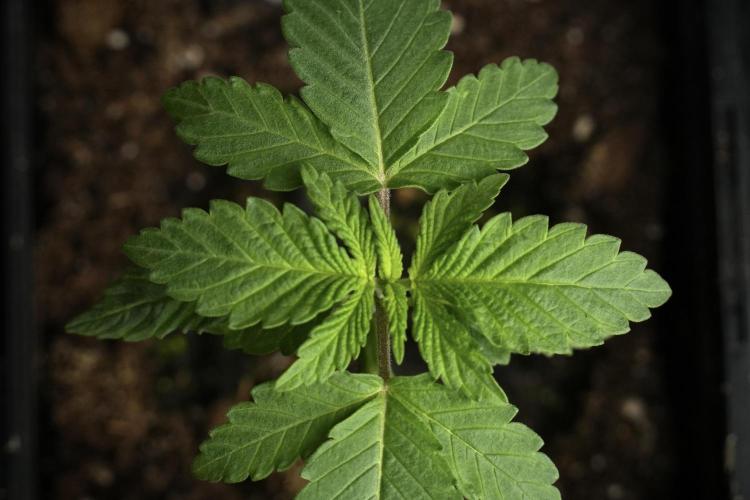
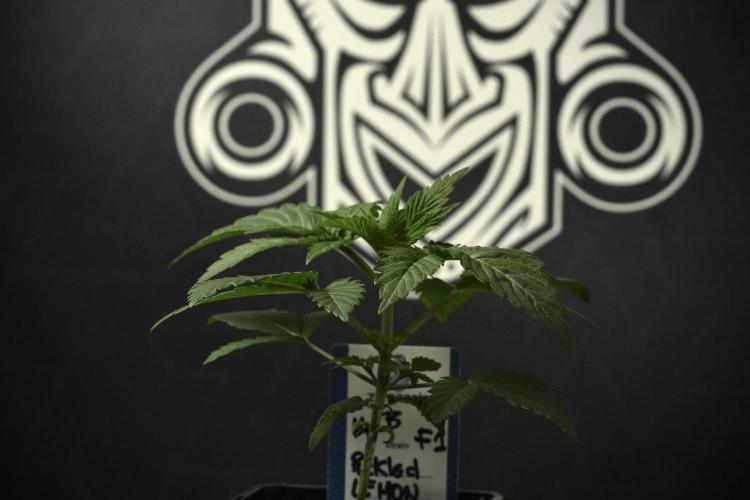
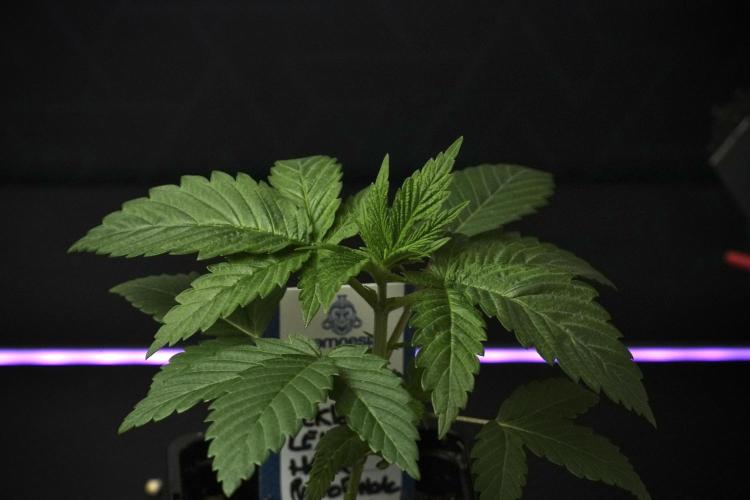
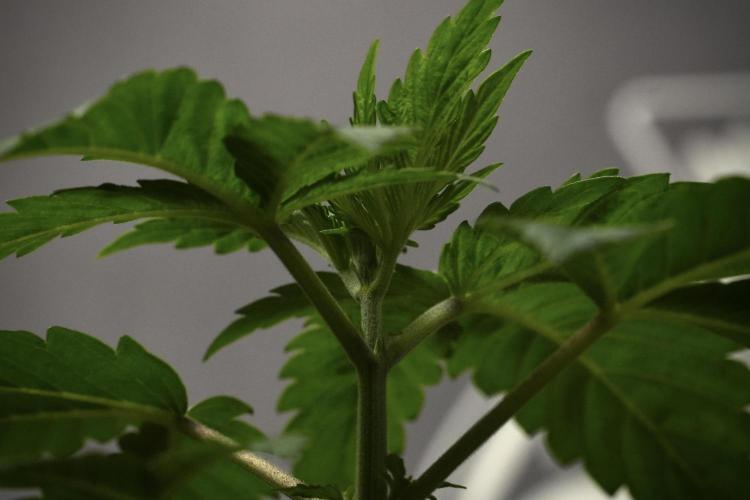
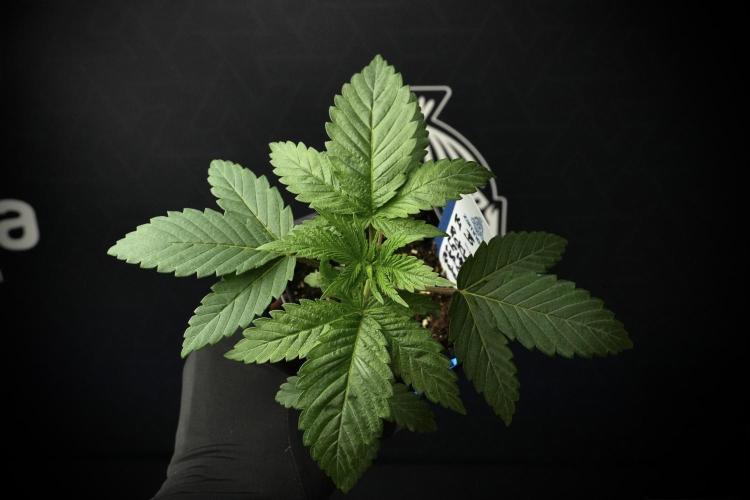
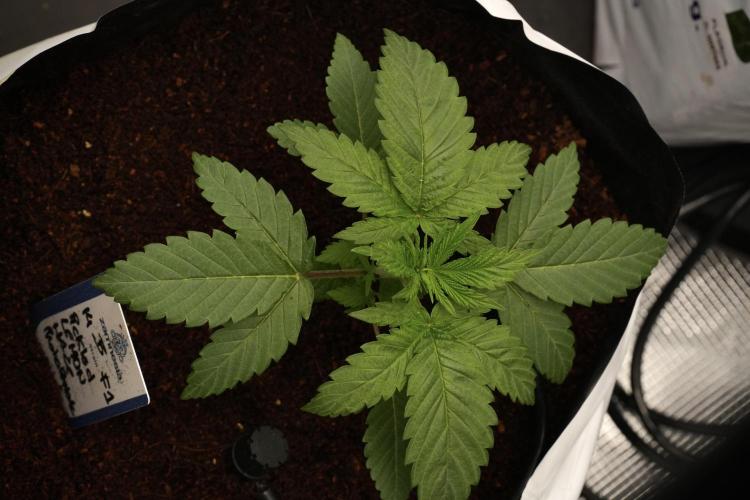
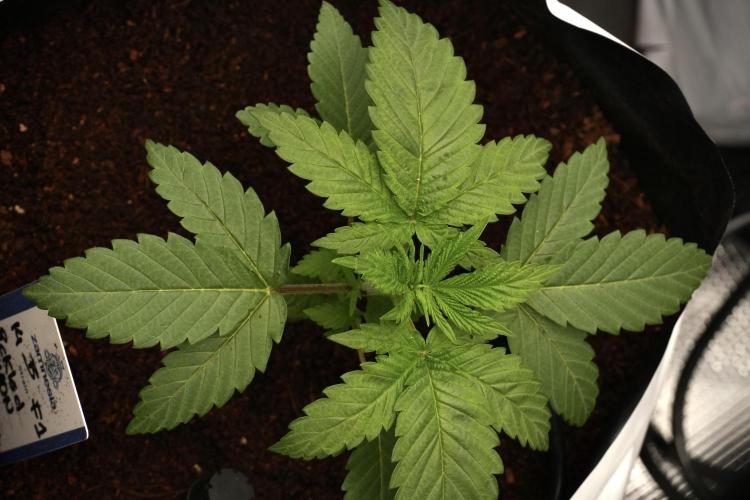
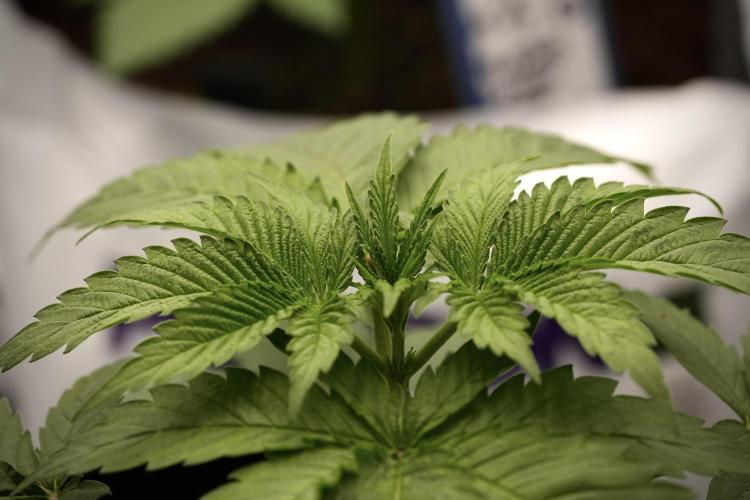
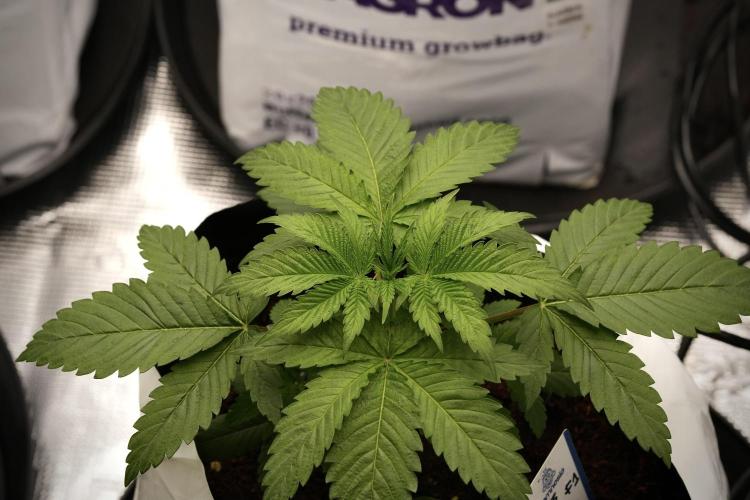
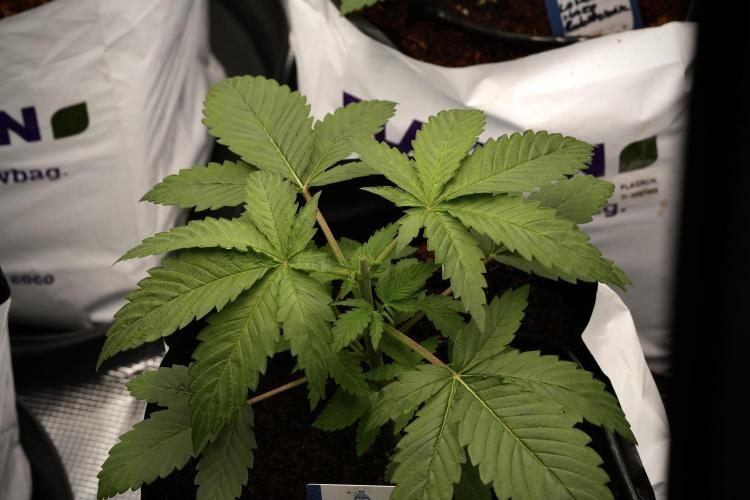
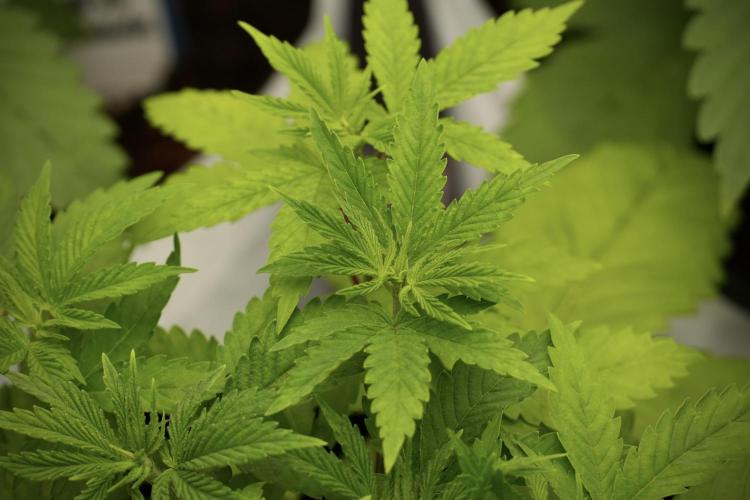
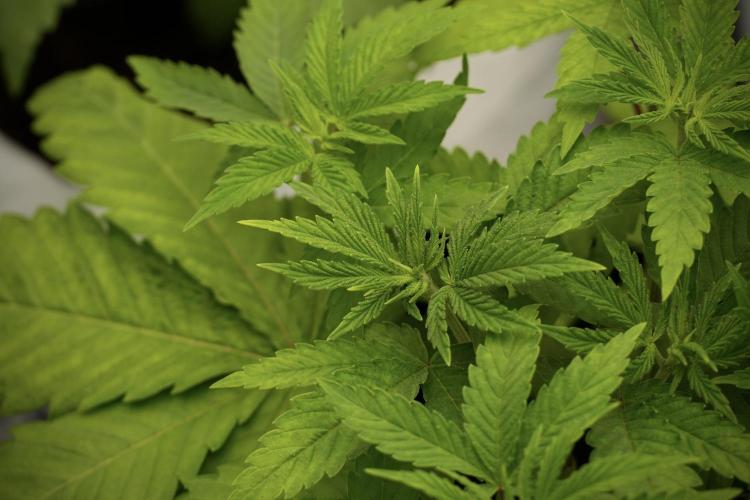
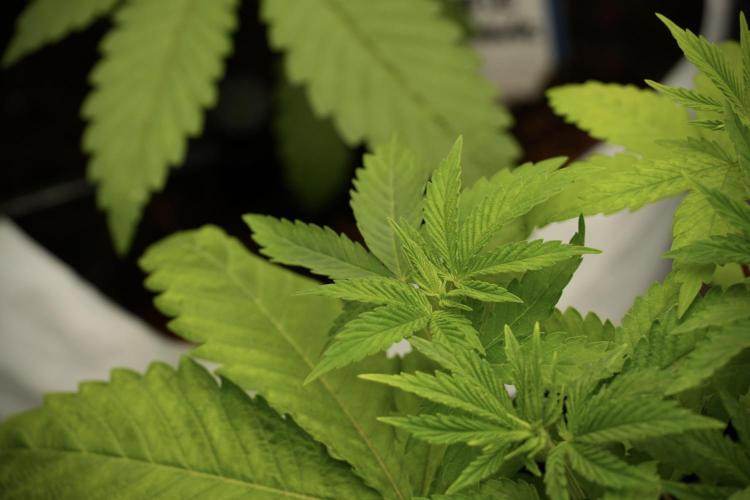
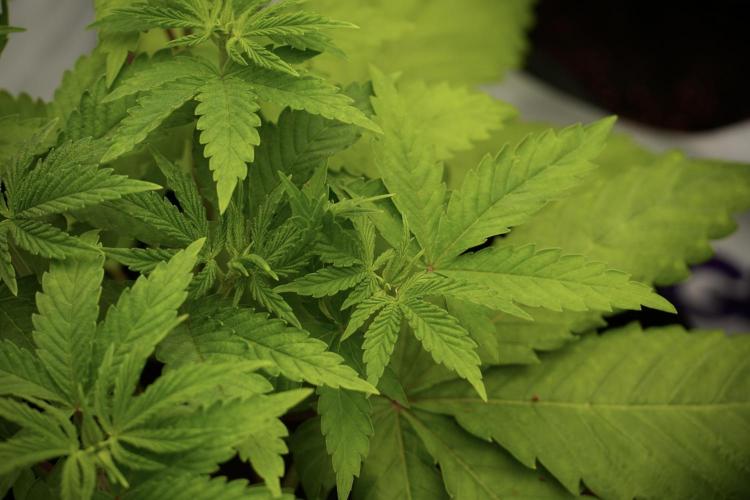
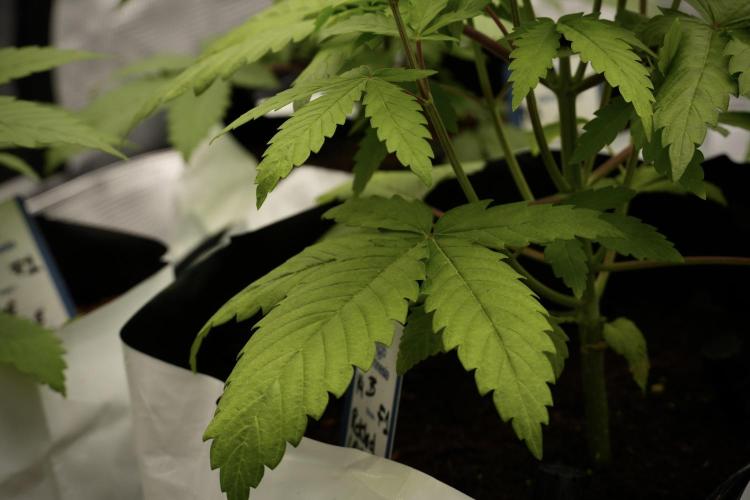
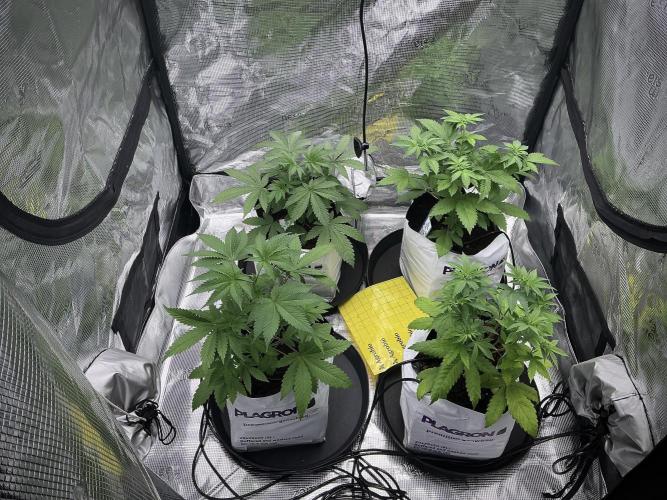
Compared to her sister, Pheno B is showing noticeably stronger early development. She appears slightly larger overall, has produced more leaf mass, and is already pushing aggressively toward her next set of growth.
While several of the other plants are entering their third set of true leaves, this phenotype already looks eager to begin working on the next chapter.
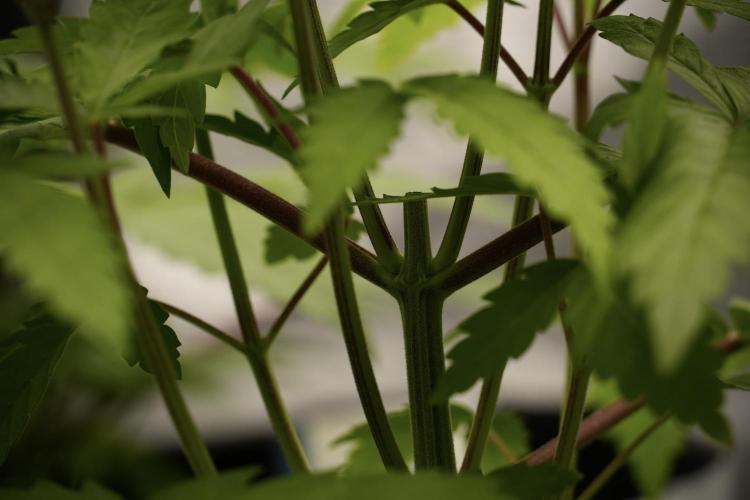
The internodal spacing remains extremely tight, which is exactly what we want to see under these conditions. Rather than stretching vertically, the plant is investing energy into building a dense, compact structure with broad, healthy foliage.
The leaves themselves are one of the standout features.
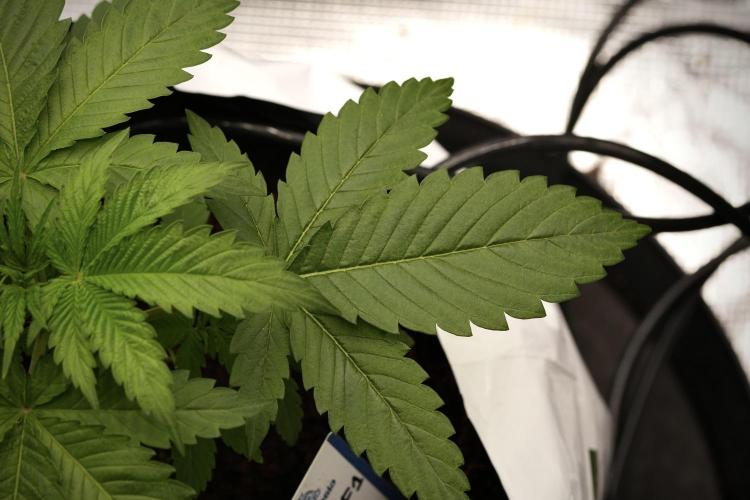
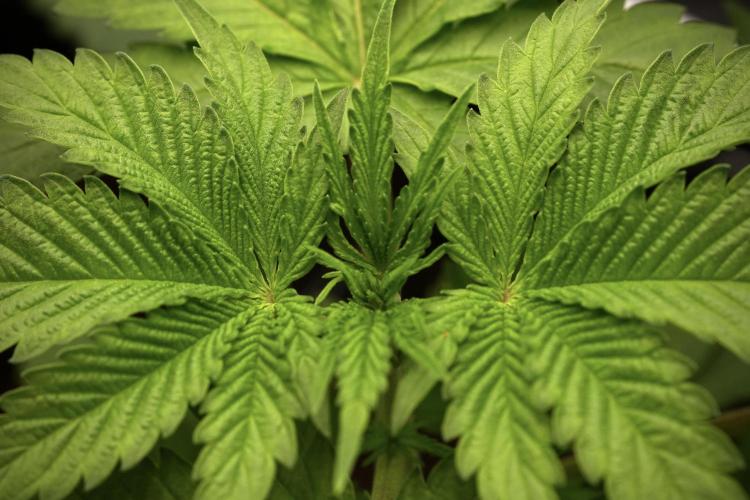
Large, symmetrical, and beautifully formed, they create an appearance that feels mature beyond the plant’s age. The structure already suggests a vigorous growth habit and excellent energy production potential moving forward.
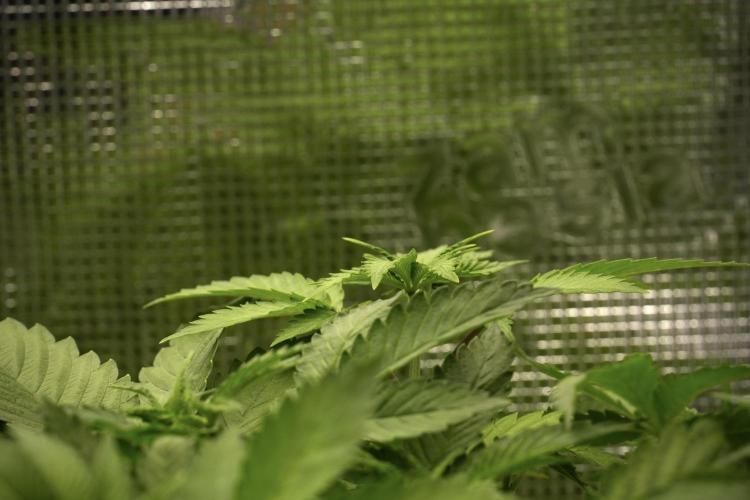
Color remains healthy throughout the plant, with strong green pigmentation and vibrant new growth emerging from the center.
Most importantly, the plant simply looks comfortable.
Comfortable plants grow.
And this one looks very comfortable indeed.
Of course, Week 1 observations should always be taken with a grain of salt. Seedlings can surprise us many times throughout a run, and today’s front runner is not always tomorrow’s champion.
Still, if first impressions count for anything, Pickle Lemon Haze Pheno B has made a very strong one.
⸻
Looking Ahead
The upcoming transplant into coco should provide an excellent opportunity to see whether this early momentum continues.
With a significantly larger root zone becoming available and a fully established feeding program already in place, growth rates are expected to increase noticeably over the coming weeks.
If this phenotype maintains the pace she has shown so far, she may become one of the more interesting plants to follow within the Zamnesia Tent.
For now, however, patience remains the goal.
Strong roots first.
Everything else follows.
⸻
Thank You
A huge thank you to everyone following along with this project and supporting these diaries.
Special thanks to:
* Zamnesia for providing the genetics, equipment, and support behind this grow.
* Plagron for supplying the nutrients and growing media used throughout the project.
* The GrowDiaries team for continuing to provide a home where growers can learn, document, and share their experiences.
* And, of course, the entire growing community whose passion, knowledge, and encouragement help make projects like this possible.
Week 1 is officially complete.
The coco bags are ready.
The roots are developing.
And Pickle Lemon Haze Pheno B already seems eager for the next step.
Growers Love and let’s see where she decides to take us.
🌱🍋💚
6 likes
comments
Share
2
Week 2. Vegetation
20d ago
1/30
6 cm
Height
18 hrs
Light Schedule
29 °C
Day Air Temp
5.8
pH
No Smell
Smell
630 PPM
TDS
68 %
Air Humidity
23 °C
Solution Temp
24 °C
Substrate Temp
25 °C
Night Air Temp
8 l
Pot Size
0.5 l
Watering Volume
450 PPM
CO₂ Level
Nutrients 4
Hydro A
1.4 mll
Hydro B
1 mll
Hydro Roots
1 mll
DogDoctorOfficial 🍋 Project Blue Tent – Folder 14B
Pickled Lemon Haze F1 – Pheno B | Week 2 – Finding Her Rhythm
Every phenotype tells its own story.
Although both plants share the same genetics and are growing under identical conditions, nature always leaves its own signature. That is exactly why Project Blue Tent was created—to document each phenotype individually and discover the subtle differences that make every plant unique.
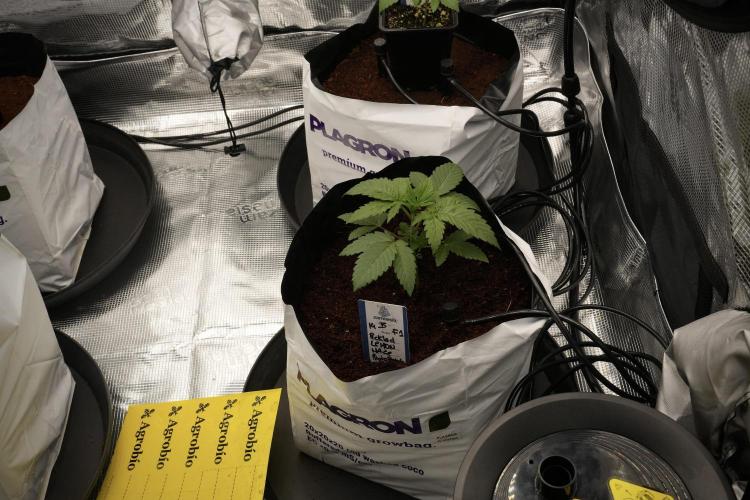
This project is built around consistency. Both phenotypes are grown inside the complete Zamnesia ecosystem, rooted in Plagron Premium Coco Grow Bags and fed exclusively with the Plagron Hydro line. Every environmental parameter, every feeding adjustment, and every observation is recorded so this diary becomes more than just a grow log—it becomes a learning experience.
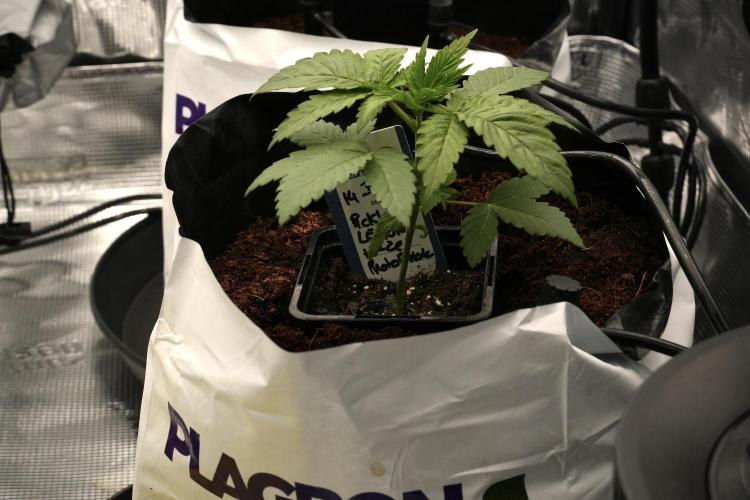
This week marked one of the most important moments of early vegetative growth: transplant day. Thanks to the outstanding root development inside the starter pot, Pheno B was ready to move into her permanent home, where she can now fully explore the coco substrate and begin building the foundation for the weeks ahead.
⸻
🌱 Environment & Ecosystem
Everything inside the Blue Tent is designed to remain as stable and repeatable as possible.
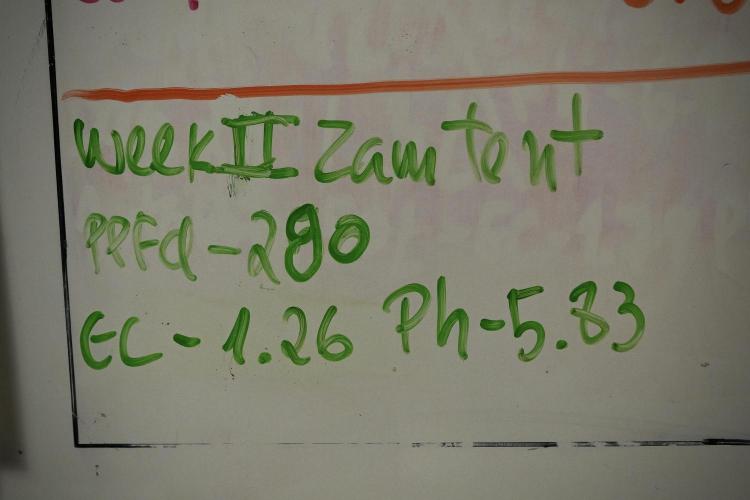
• Light Schedule: 18 hours ON with 280PPFD / 6 hours OFF
• Growing Medium: Plagron Premium Coco Grow Bags
• Nutrient Line: Plagron Hydro A & B + Hydro Roots
• Water pH: 5.83
• EC: 1.26 mS/cm
• Reservoir Temperature: 23.1°C
Environmental Conditions:
• Temperature: 29°C
• Relative Humidity: 68%
These conditions provide excellent transpiration while encouraging vigorous vegetative growth and rapid root expansion throughout the coco.
⸻
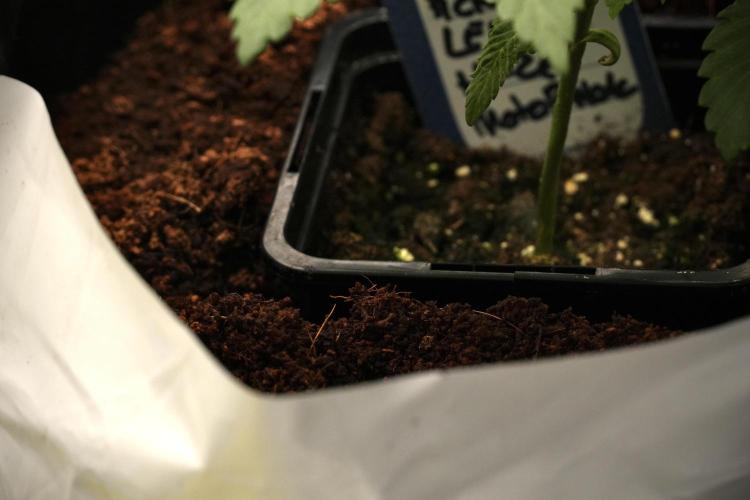
🥥 Why the Starter Pot Is Buried Inside the Coco Bag
One detail that often surprises people in this project is that I don’t remove the starter pot area from the final grow bag.
Instead, I bury the entire root ball directly into the centre of the hydrated coco.
There are several reasons for this approach.
First, it completely eliminates transplant shock. The roots never need to recover from disturbance—they simply continue growing exactly as they were.
Second, the original root zone remains perfectly intact, allowing moisture levels to transition gradually into the fresh coco rather than forcing the plant to adapt overnight.
Finally, positioning the starter pot in the centre naturally creates a perfectly symmetrical root expansion. Instead of favoring one direction, the roots are encouraged to colonize the entire grow bag evenly, producing a balanced foundation for the remainder of the grow.
Sometimes the simplest techniques deliver the biggest long-term advantages.
⸻
🌿 Root Development
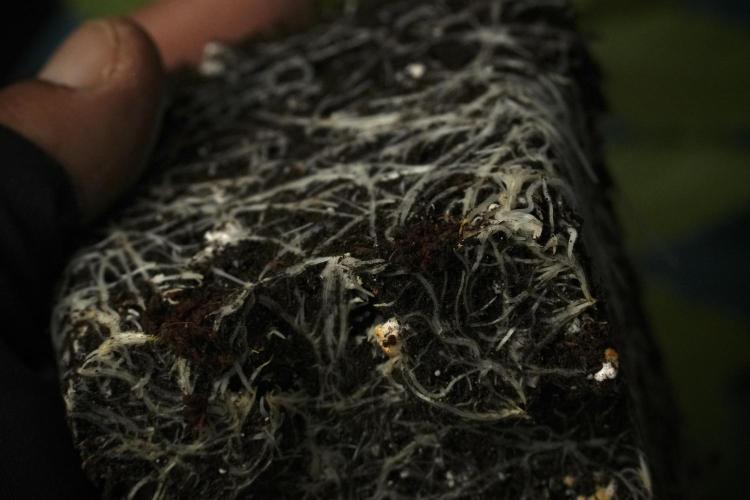
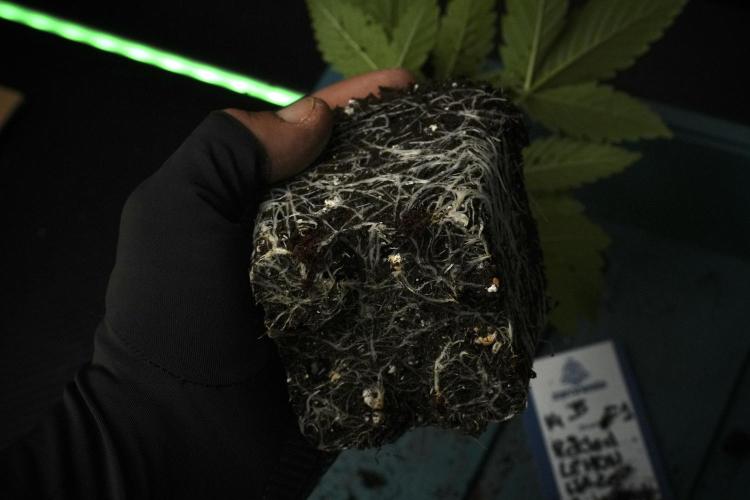
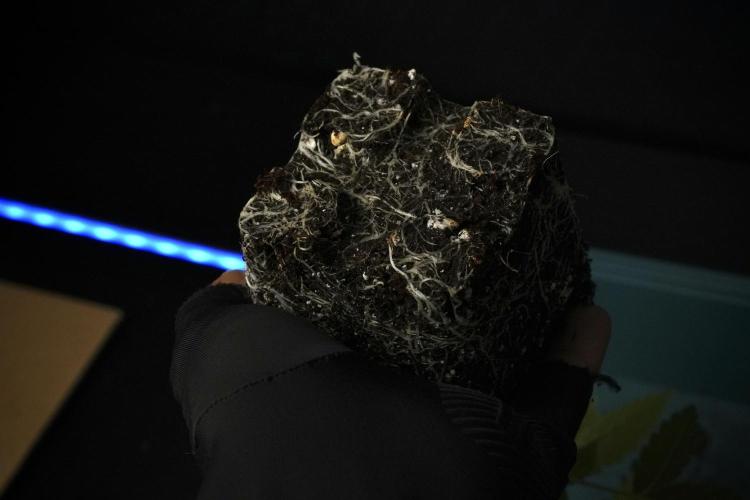
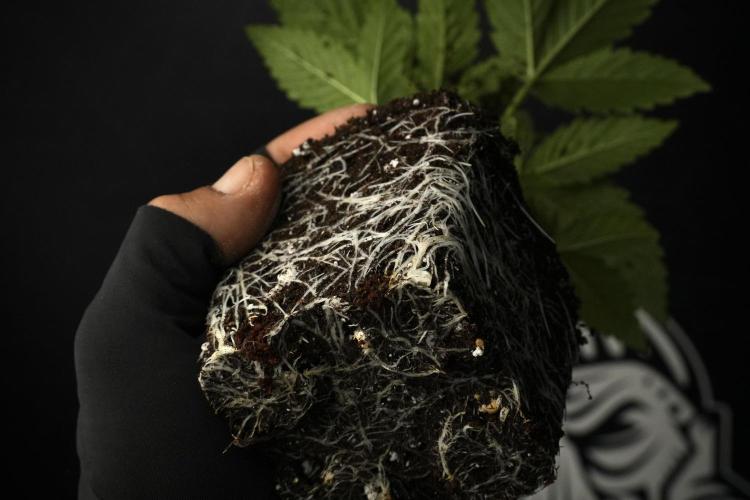
When removing the starter pot, the first thing that stood out was the incredible density of healthy white roots wrapping around the entire root ball.
Every side of the cube showed active growth.
The roots were bright white, thick, and evenly distributed, exactly what I hope to see before transplanting into the final container.
Healthy roots create healthy plants.
Strong roots improve nutrient uptake, increase resistance to environmental stress, and provide the engine that will support explosive vegetative growth over the coming weeks.
Looking at this root system, it’s clear Pheno B made excellent use of every cubic centimetre of her starter pot before graduating into her final home.
⸻
🌿 Meet Pheno B
While her sister impressed me with compact structure and balanced symmetry, Pheno B immediately revealed a different personality.
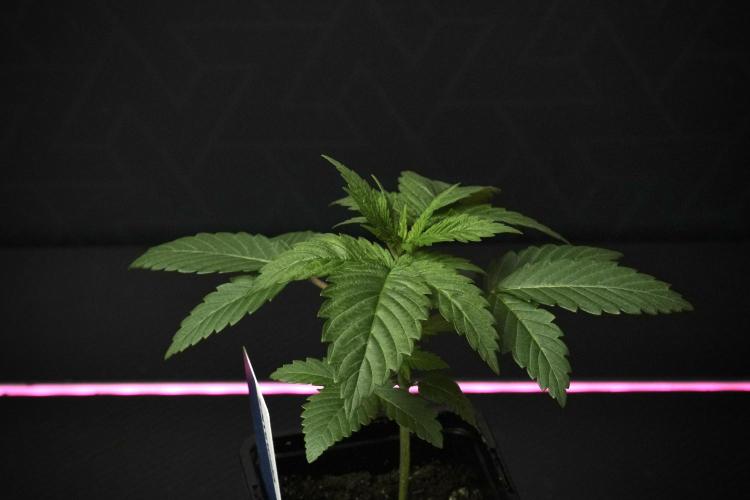
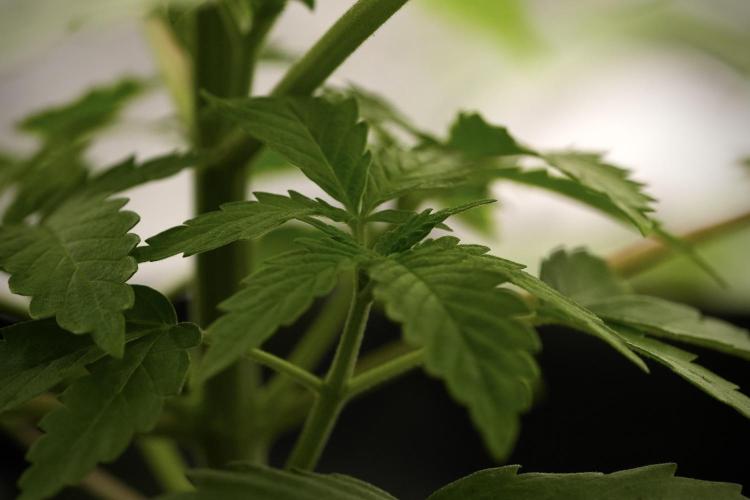
She has a little more stretch through the stem, creating slightly wider internodal spacing while still maintaining excellent structural strength.
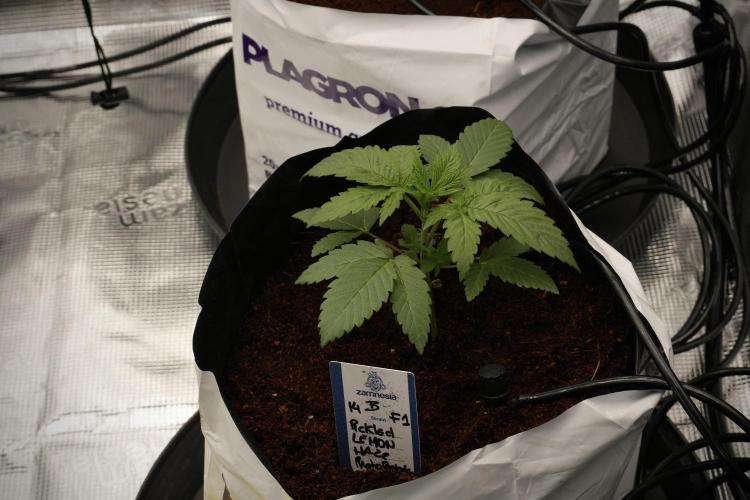
Her leaves are broad, richly coloured, and beautifully layered around the main stem, giving her a vigorous, energetic appearance. The newest growth is bursting from the centre with exceptional colour and excellent leaf formation, showing that she has settled comfortably after transplant.
One detail that really caught my attention is her natural openness. Instead of stacking tightly, her branching already hints at a phenotype that may naturally create better airflow and light penetration as she matures.
Every day she seems to move with confidence, reaching upward while expanding outward at the same time.
It’s still far too early to know how she’ll express herself during flowering, but she’s already demonstrating a personality of her own—and that’s exactly why I love documenting individual phenotypes.
⸻
💧 Feeding Strategy
After transplant, I continued feeding with the Plagron Hydro line, allowing the young roots to immediately colonise the fresh coco surrounding the original root ball.
Current feed:
• Plagron Hydro A & B
• Plagron Hydro Roots
Maintaining a stable EC together with a properly adjusted pH ensures nutrients remain immediately available while encouraging continuous root expansion into the surrounding substrate.
Rather than pushing rapid top growth, the goal right now is to build an exceptionally healthy root system that will support vigorous development throughout the vegetative stage.
⸻
🔍 Looking Ahead
The transplant has gone exactly as planned, and Pheno B has already resumed active growth without showing any signs of stress.
Over the next week I’ll be watching closely as the roots continue to colonise the coco bag and the canopy begins to expand.
As her structure develops, I’ll also start evaluating her branching pattern and natural growth habits to see how this phenotype differs from her sister. Those small differences are often what make phenotype hunting so rewarding.
For now, she looks healthy, confident, and ready to show what she’s capable of.
⸻
💙 Final Thoughts
Watching two sisters grow side by side under identical conditions is one of the most fascinating parts of this journey.
Same genetics.
Same environment.
Same feeding.
Yet each plant begins writing her own story.
Pheno B is already showing a unique character—slightly more open in structure, full of energy, and growing with quiet confidence. It’s exciting to watch her develop, and I can’t wait to see how those early traits translate once flowering begins.
The adventure is only getting started.
⸻
🙏 Thank You
A huge thank you to everyone following Project Blue Tent and sharing this journey with me.
Special thanks to Zamnesia for providing the incredible genetics and building an outstanding ecosystem around home growing, and to Plagron for supplying the Hydro nutrient line and Premium Coco Grow Bags that make this project possible.
Thank you as well to the GrowDiaries community for the constant encouragement, feedback, and inspiration. Sharing these weekly updates is one of my favourite parts of every grow, and I hope they continue to educate, inspire, and encourage growers of every experience level.
Growers love and see you all in the next update. 🌱💙
10 likes
1 comment
Share
Used techniques
Transplantation
Technique
3
Week 3. Vegetation
14d ago
1/30
25 cm
Height
18 hrs
Light Schedule
27 °C
Day Air Temp
5.8
pH
No Smell
Smell
805 PPM
TDS
68 %
Air Humidity
18 °C
Solution Temp
24 °C
Substrate Temp
25 °C
Night Air Temp
8 l
Pot Size
0.9 l
Watering Volume
450 PPM
CO₂ Level
Nutrients 4
Hydro A
1.6 mll
Hydro B
1.6 mll
Hydro Roots
1 mll
DogDoctorOfficial 🥒 14B – Pickled Lemon Haze F1 | Week 3
The Second Sister Takes the Crown
Welcome back to the Project Blue Tent, my little experiment where every plant receives individual attention from seed to harvest.
For anyone joining the journey for the first time, this project follows multiple Zamnesia Genetics grown side-by-side inside the same environment. Every phenotype gets its own diary so we can truly appreciate how genetics express themselves under identical conditions.
This week certainly wasn’t boring.
A malfunction in the irrigation system flooded the entire tent, leaving every growbag sitting in far more water than intended. Thankfully, the problem was caught quickly, the system was repaired, and every bag was allowed to drain naturally. Thanks to the incredible aeration of Plagron Cocos Premium, the roots never complained, oxygen remained available, and the plants simply carried on growing as if nothing had happened.
If anything, this little accident became another reminder that good substrates forgive our mistakes.
And this beautiful Pickled Lemon Haze F1 was no exception.
⸻
Week 3 Development
She has been an absolute pleasure to watch.
Although sharing the same genetics as her sister, she’s already showing her own personality. Her structure became incredibly symmetrical during the week, producing thick internodes, broad leaves and, most importantly, exceptionally vigorous lower branching.
Sometimes a plant tells you exactly what she wants.
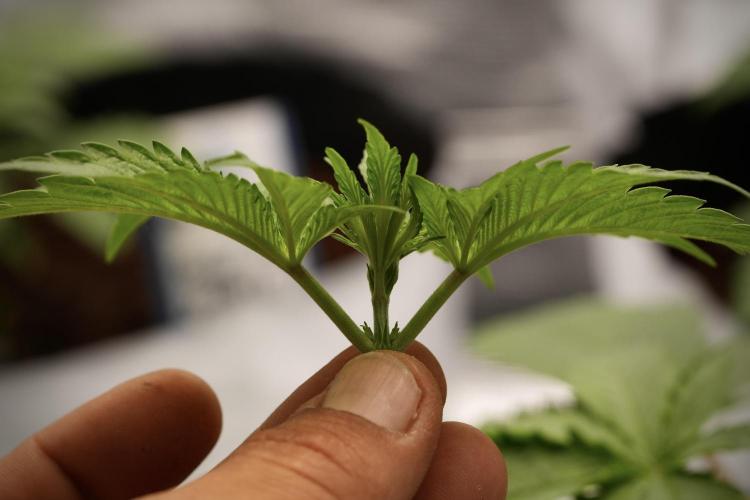
This one practically asked to be topped.
Instead of growing vertically with a single dominant apex, she was already investing heavily into her side branches, making this the perfect candidate to redirect her energy and begin building a much wider canopy.
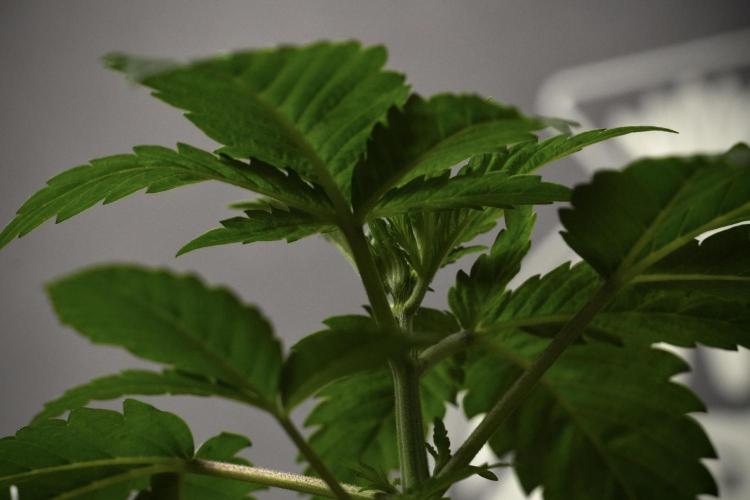
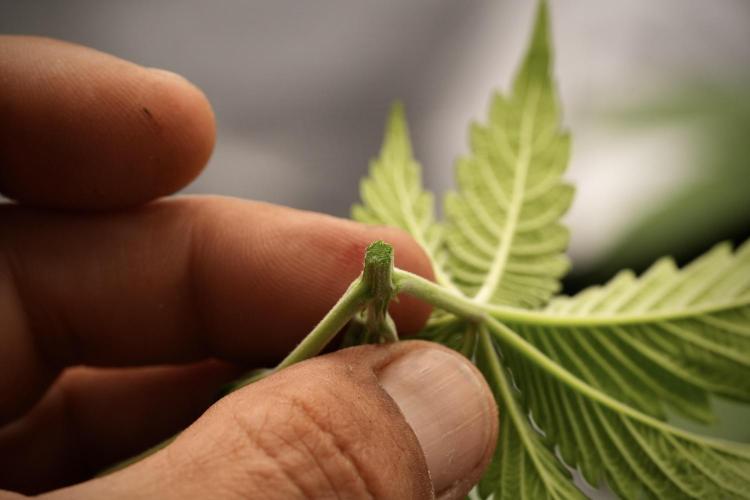
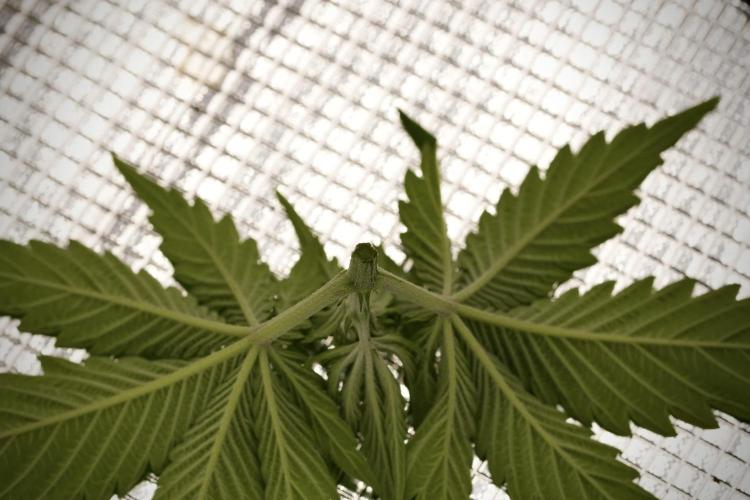
Looking underneath the plant was enough to make the decision.
Healthy secondary shoots were already racing upward, ready to become future main colas.
⸻
Why I Chose to Top This Plant
Many growers see topping as simply cutting the tip off.
It is actually much more than that.
The main growing tip naturally produces auxins that suppress the lower branches through what’s known as apical dominance. By removing that single growing tip, the plant redistributes hormones and allows the side branches to take over.
Instead of one dominant leader…
…we create several.
Since this Pickled Lemon Haze already had such impressive lower development, topping should allow those branches to explode with growth over the coming weeks, producing a much flatter, more even canopy.
For indoor cultivation, that means:
• Better light distribution
• More productive flowering sites
• Stronger structural balance
• Easier canopy management
Of course, topping is a high-stress technique, so timing matters.
I only perform it when the plant is completely healthy, actively growing, and has enough established nodes to recover immediately.
Judging by her response only days later, she barely noticed the haircut.
⸻
A Tiny Surgery
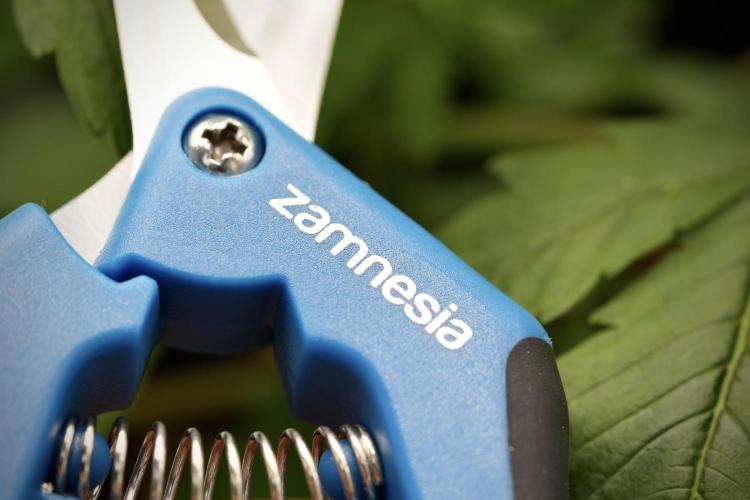
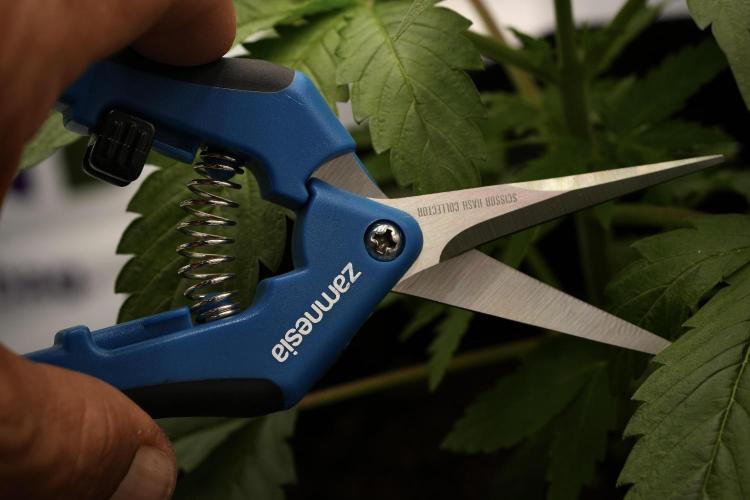
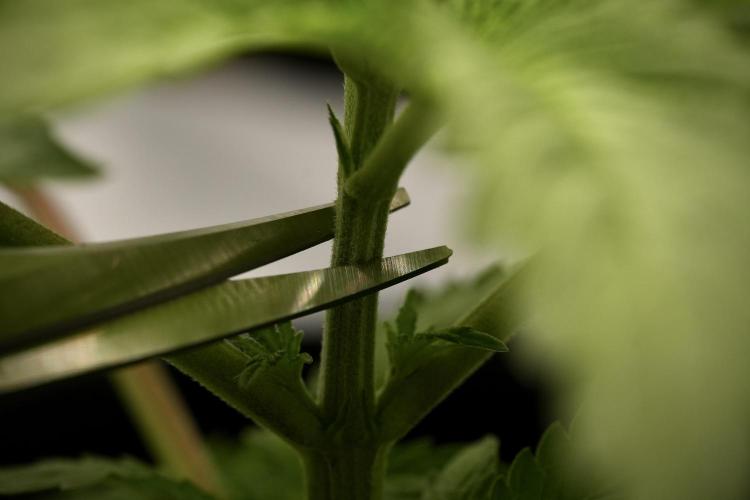
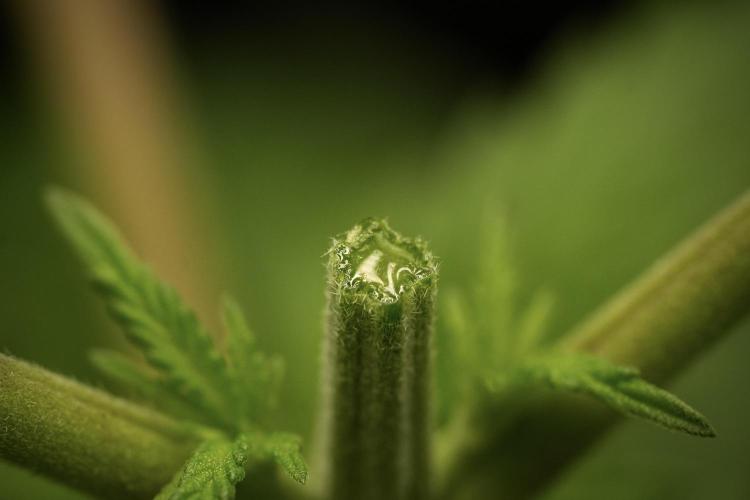
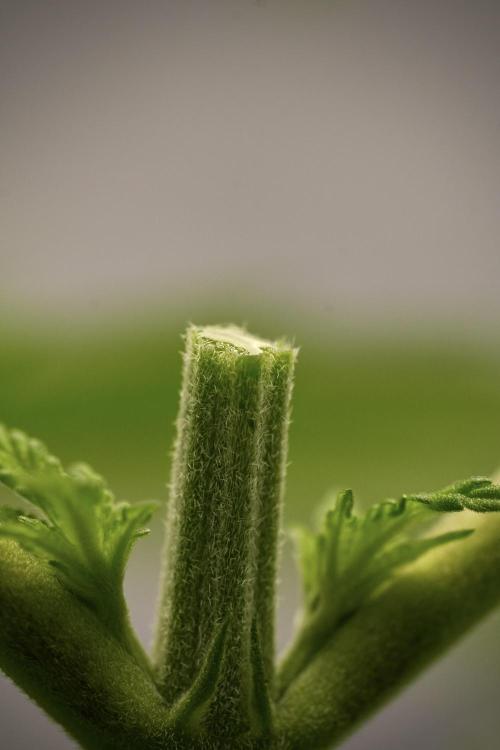
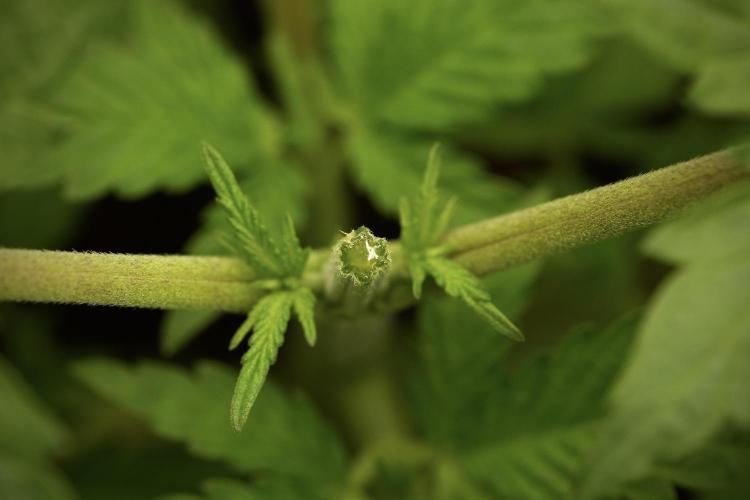
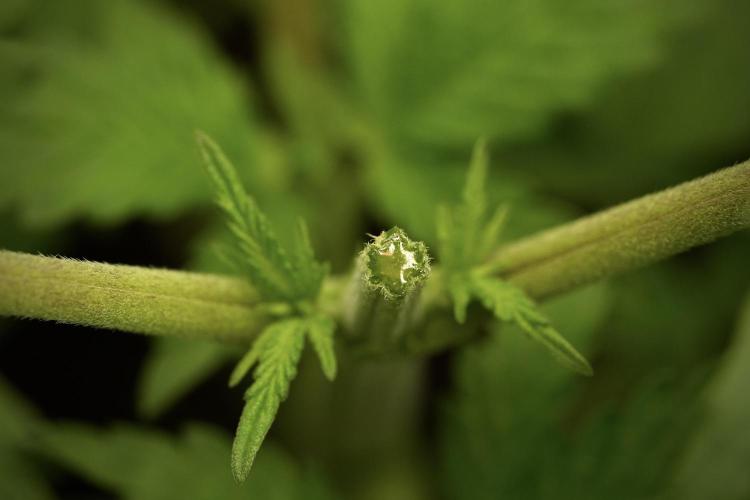
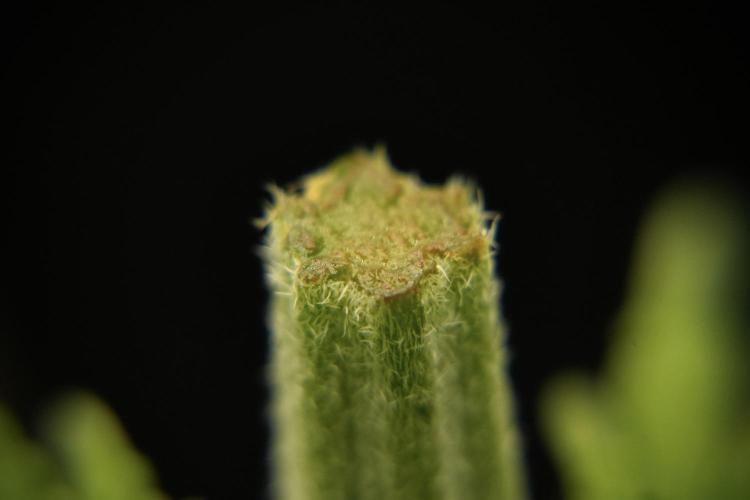
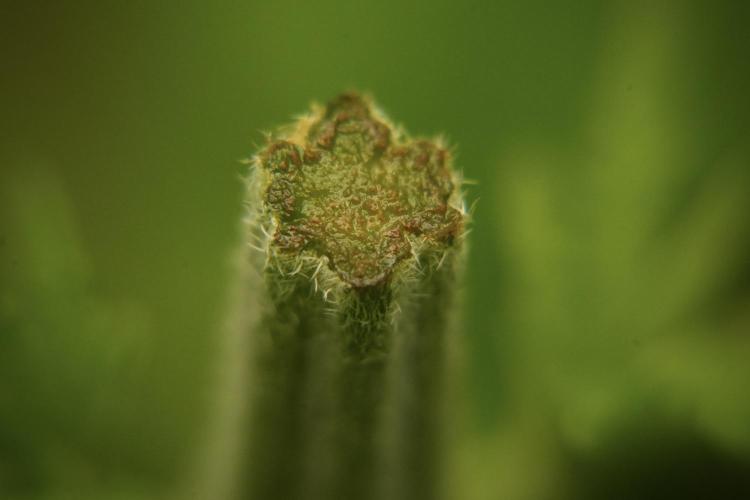
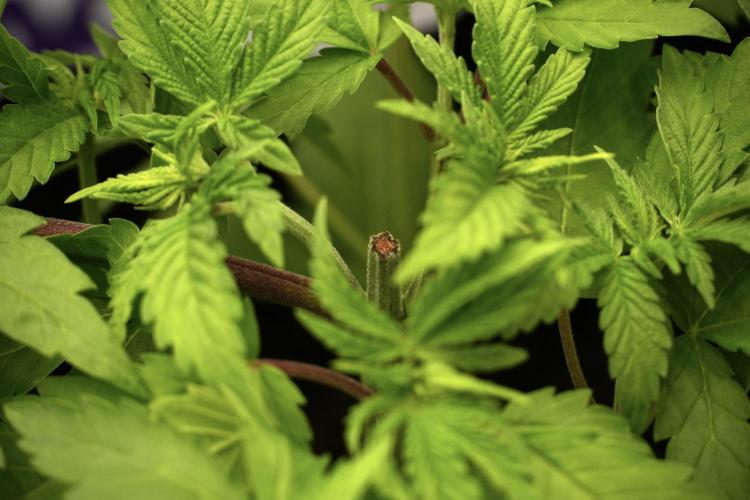
Using the Zamnesia trimming scissors, I carefully removed the apical shoot just above the selected node.
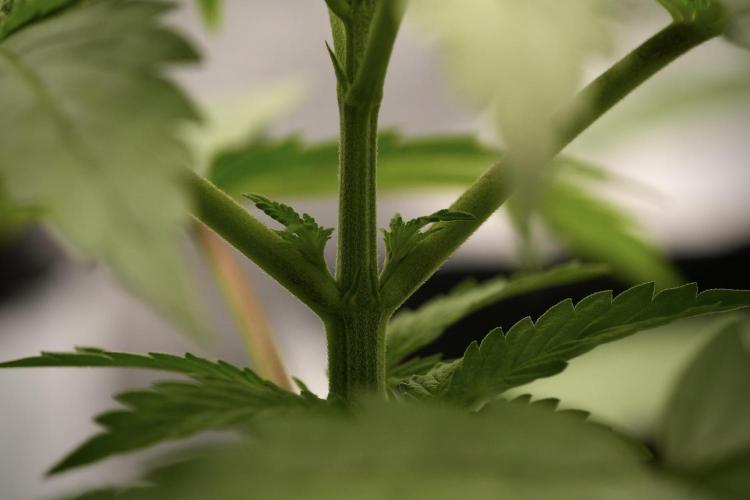
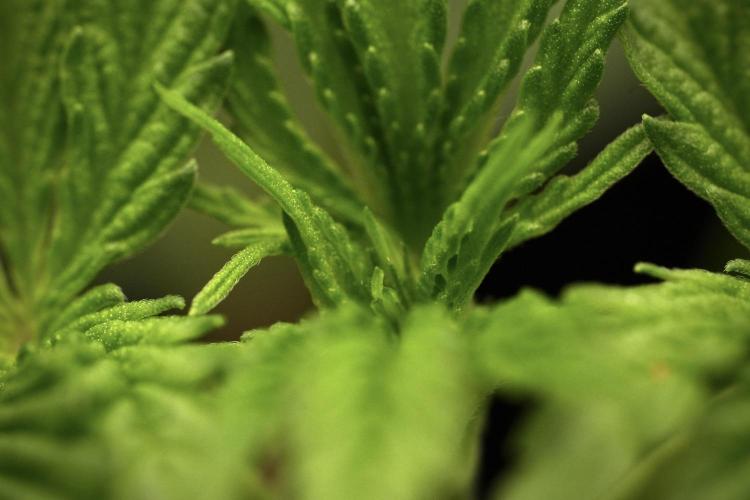
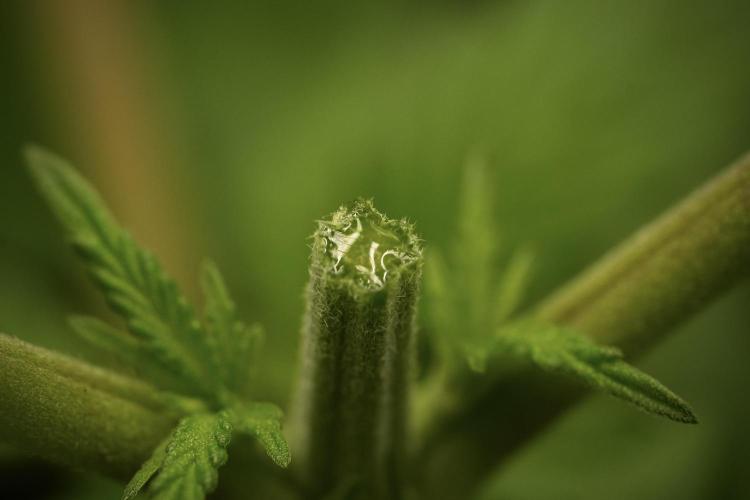
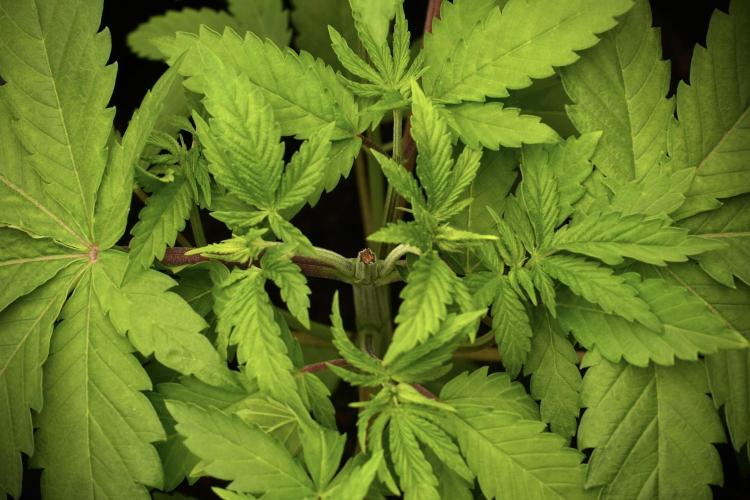
One of my favorite macro photographs this week captures the fresh cut perfectly.
Looking through the lens, it almost resembles a tiny green well filled with crystal-clear sap. It is fascinating how much beauty exists in details we rarely notice with the naked eye.
Nature never disappoints.
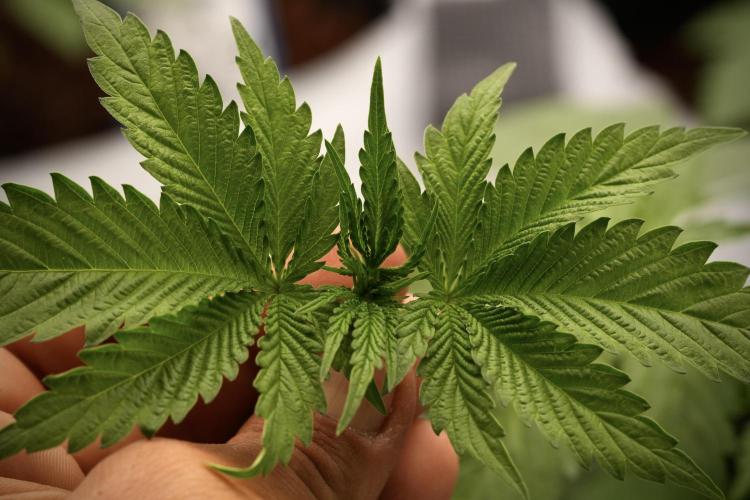
The removed growing tip itself was almost too pretty to throw away.
Sometimes I think photographers become sentimental about the strangest things.
⸻
Recovery
Recovery has been outstanding.
Within a very short time the remaining growth tips had already begun pointing upward, clearly responding to the hormonal redistribution.
There is no sign of stress, drooping or stalled development.
The stem continues thickening nicely, while the side branches seem eager to compete for dominance.
Exactly what I hoped to achieve.
⸻
Environment
The entire tent continues sharing the exact same environmental conditions.
🌡️ Day temperature: 27°C
🌙 Night temperature: 25°C
💧 Relative humidity: 67%
🌱 Root zone: 24°C
💡 Light schedule: 18/6
⚡ EC: 1.61
💧 pH: 5.8
? Pot size: 8 L Plagron Premium Growbag
💨 CO₂: Ambient (~450 ppm)
Everything remains stable, giving the plants every opportunity to recover from both the flooding incident and the topping session without unnecessary stress.
⸻
Feeding
As the plants continue accelerating their vegetative growth, I increased nutrition slightly.
Current feeding per litre:
• Plagron Hydro A — 1.6 ml/L
• Plagron Hydro B — 1.6 ml/L
• Plagron Hydro Roots — 1 ml/L
• pH adjusted to 5.8
The slight increase in EC is already being rewarded with faster growth and richer colour throughout the canopy.
The new growth remains bright lime green—a perfectly normal characteristic of rapidly dividing young tissue—while the older leaves continue holding a healthy medium green without burnt tips or nutrient deficiencies.
Everything points toward a happy, hungry plant.
⸻
Looking Ahead
Now comes the fun part.
Over the next several days I’ll simply let nature do its work.
The goal is to allow the two new dominant tops to establish themselves while the lower branches continue stretching upward.
Once the canopy begins filling evenly, gentle LST will likely follow to keep every future flowering site exposed to as much light as possible.
She has all the ingredients to become a beautifully balanced bush.
⸻
Thank you so much for stopping by and following another chapter of Project Blue Tent.
Every week these plants continue reminding me that growing isn’t just about producing flowers—it’s about observing, learning, adapting and appreciating how incredibly resilient these genetics can be.
I truly appreciate everyone who takes a few minutes to read, comment, share advice or simply enjoy the journey with me.
Happy growing, and I’ll see you all next week! 🌱💙
⸻
PS
A huge thank you to all the amazing companies making this project possible.
💙 Zamnesia for the outstanding genetics, the fantastic trimming scissors that made this topping effortless, and for believing in this adventure from day one.
? Plagron for providing the Premium Growbags, Cocos Premium substrate and the Hydro nutrient line that continues delivering healthy, vigorous growth week after week.
Your support allows this project to become the detailed educational diary I always dreamed of creating.
Growers Love and see you all in Week 4! 🌿💙
9 likes
comments
Share
Used techniques
Topping
Technique
4
Week 4. Vegetation
6d ago
1/30
50 cm
Height
18 hrs
Light Schedule
27 °C
Day Air Temp
5.8
pH
No Smell
Smell
940 PPM
TDS
68 %
Air Humidity
18 °C
Solution Temp
24 °C
Substrate Temp
25 °C
Night Air Temp
8 l
Pot Size
0.9 l
Watering Volume
450 PPM
CO₂ Level
Nutrients 5
Hydro A
1.8 mll
Hydro B
1.8 mll
Hydro Roots
1 mll
DogDoctorOfficial 🥒 Project Blue Tent – Week 4
Pickle Lemon Haze F1 – Pheno B (Folder 14B)
Hello everyone, and welcome back to another chapter of Project Blue Tent! 💙🌱
For those joining the adventure for the first time, this project follows four individual plants, each grown under exactly the same conditions while being documented separately from seed to harvest. By giving every phenotype its own diary, we get to appreciate how different personalities can emerge even when genetics, lighting, nutrition, and environment remain identical.
Today we're visiting Pickle Lemon Haze F1 – Plant B.
⸻
🌱 Week Four – Trusting the Process
Last week was an exciting one for this beautiful lady.
After showing excellent structure and vigorous lower branching, she received her very first topping, redirecting her energy away from a single dominant leader and encouraging a wider, more balanced canopy.
This week, however, wasn't about making more cuts or introducing new training techniques.
Instead, it was about stepping back.
After putting a plant through any high-stress training, I always like to give her time to recover naturally before asking anything else of her. Healthy plants often know exactly what to do when we simply provide the right environment and stay out of their way.
Plant B proved that once again.
Rather than slowing down, she responded with impressive vigour, pushing both new leaders upward while the surrounding side branches continued filling out beautifully.
Sometimes the best training technique is simply patience.
⸻
🌡️ Environmental Conditions
Consistency remains one of the biggest goals inside Project Blue Tent.
Stable environmental conditions allow the plants to recover quickly while maintaining uninterrupted vegetative growth.
This week's average conditions were:
• 🌡️ Day temperature: 27°C
• 🌙 Night temperature: 25°C
• 💧 Relative humidity: 68%
• 🥥 Root zone temperature: 24°C
• 💦 Nutrient solution: 18°C
• ⚗️ pH: 5.8
• ⚡ EC: 1.88 mS/cm
• 💨 CO₂: approximately 450 ppm
• 💡 Light schedule: 18/6
The combination of stable temperatures, proper irrigation, and the even light distribution from the Phytonaut LED continues creating an ideal environment for vigorous vegetative growth.
⸻
🥥 Feeding Adjustments
Over the last couple of weeks, all four plants developed a slightly lighter shade of green.
Since every plant displayed the same colour while remaining healthy and growing vigorously, it became clear that they weren't struggling—they were simply asking for a little more food as their metabolism accelerated.
Rather than waiting for deficiencies to develop, I responded by increasing the base nutrients slightly.
Current feeding now consists of:
• Plagron Hydro A — 1.8 ml/L
• Plagron Hydro B — 1.8 ml/L
• Plagron Hydro Roots — 1 ml/L
By the end of the week, the results were already becoming visible. The newest growth across the room is gradually deepening in colour while maintaining the vigorous pace of development that has characterised this project from the beginning.
It's always satisfying when small adjustments produce exactly the response you were hoping for.
⸻
🌿 Pickle Lemon Haze F1 – Plant B
Plant B continues proving why every phenotype deserves its own diary.
Although she shares the same genetics as her sister, she's expressing herself in her own unique way.
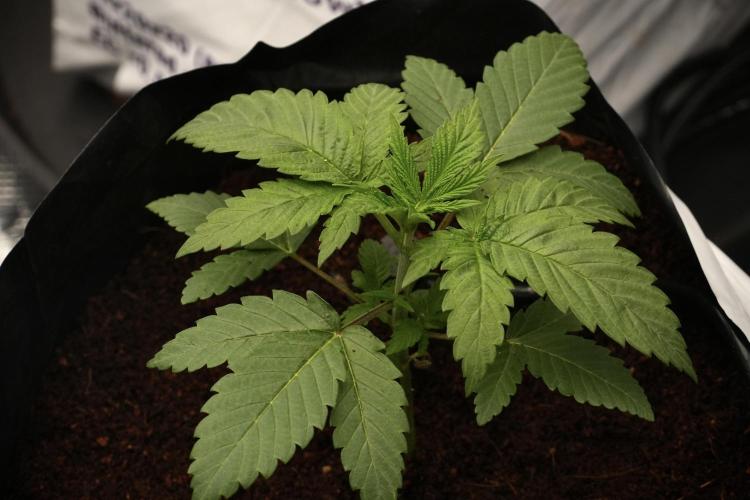
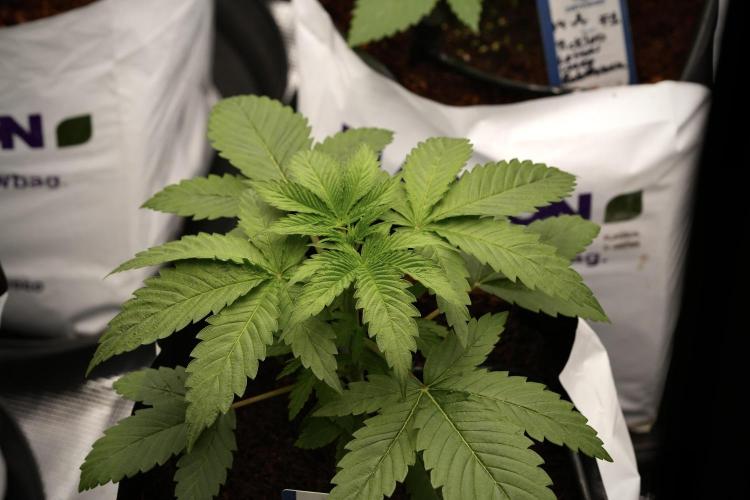
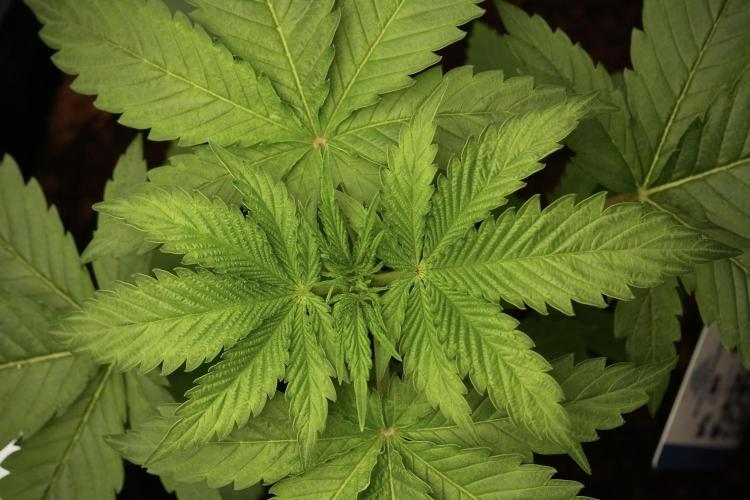
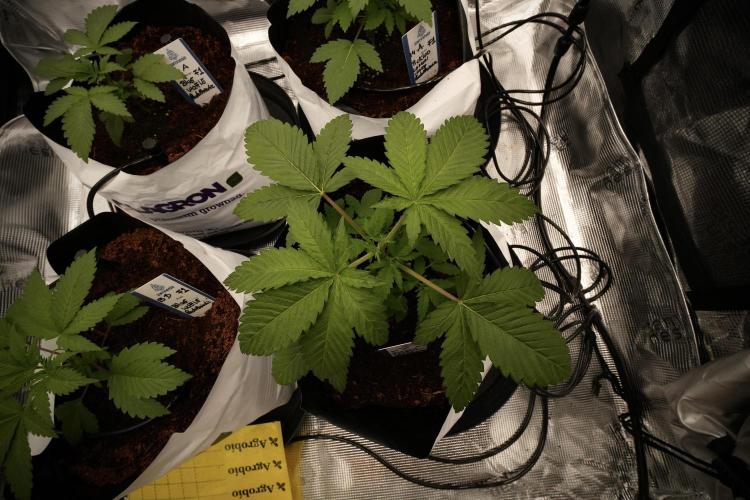
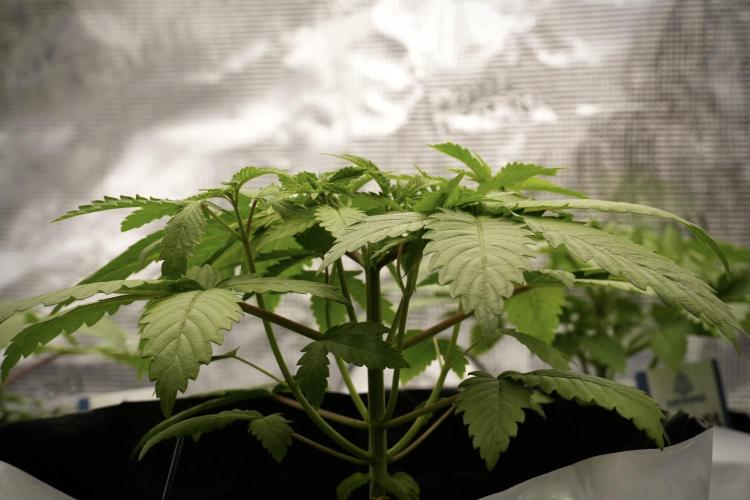
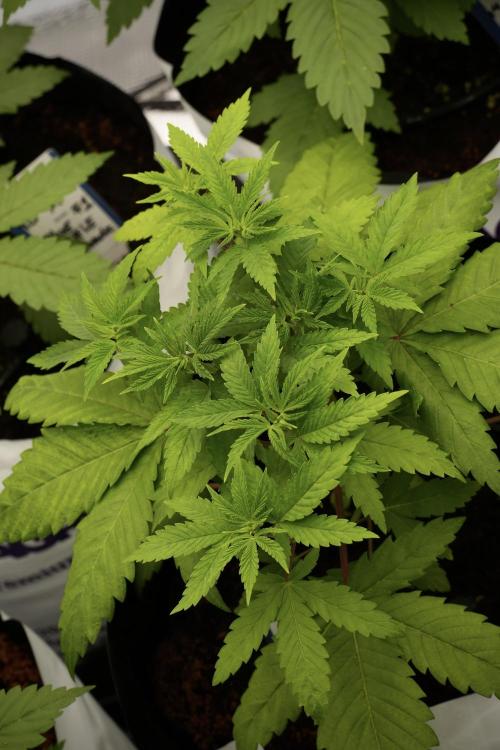
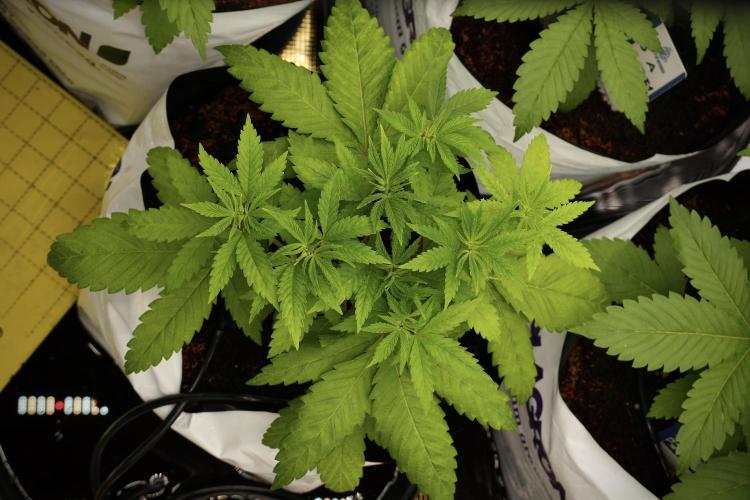
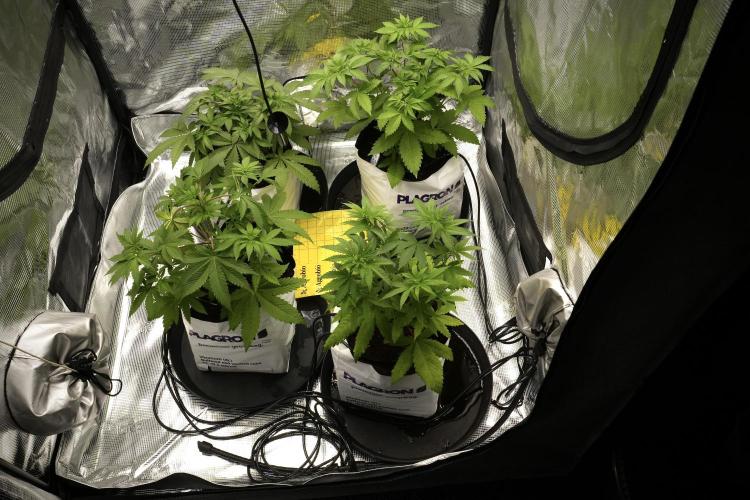
Her recovery after topping has been incredibly smooth, and the two new dominant tops have quickly established themselves. Around them, the secondary branches are climbing confidently, creating a naturally balanced and increasingly bushy structure.
One of the things I enjoy most about this phenotype is how symmetrical she has become. Looking down from above, it's easy to see the canopy beginning to spread evenly in every direction, giving her the kind of architecture that should work beautifully once future training begins.
Her stem continues thickening nicely, the internodal spacing remains compact, and the leaves stay upright throughout the day, showing no signs of stress following last week's topping.
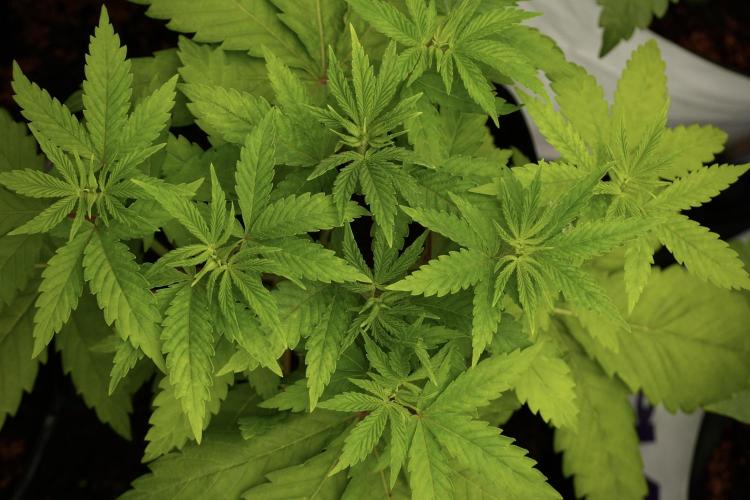
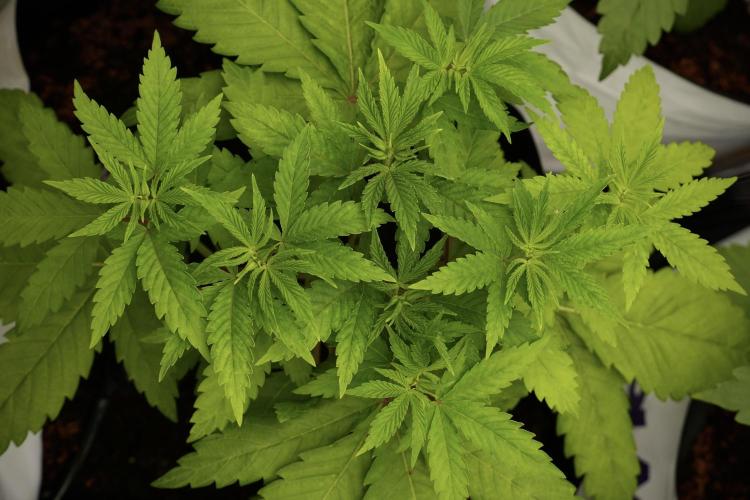
The lighter green colour that was present earlier is already beginning to improve following the feeding adjustment, while the constant production of fresh growth leaves no doubt that she's thriving.
Healthy plants have a way of speaking without words.
This one certainly looks happy.
⸻
🔍 Looking Ahead
With the topping now fully behind her, the next stage will simply be allowing this beautiful framework to continue developing.
The goal is to let both new leaders strengthen naturally while encouraging the lower branches to catch up, creating the even canopy that will later make training and flowering far more efficient.
For now, there is no need to rush.
She's building exactly the kind of foundation I was hoping for, and sometimes letting the plant dictate the pace is the smartest decision a grower can make.
Every day she becomes a little fuller, a little stronger, and a little more interesting.
⸻
💙 Thank You
A huge thank you goes to Zamnesia for the incredible Pickle Lemon Haze F1 genetics and for providing the complete ecosystem that makes Project Blue Tent possible.
Another heartfelt thank you goes to Plagron for supplying the Premium Coco Growbags together with the Hydro nutrient line, helping these ladies develop strong roots and healthy growth week after week.
I'd also like to thank GrowDiaries for giving growers around the world a place to share knowledge, document their journeys, and inspire one another every single day.
And finally, thank you to everyone following this project.
Whether you've been here since germination, recently joined the adventure, leave comments every week, or simply enjoy watching these plants evolve, your support truly means a lot.
Project Blue Tent is about learning together, celebrating every stage of the grow, and showing that every phenotype has its own story worth telling.
I hope you're all having an amazing week, and I can't wait to share the next chapter with you.
Until next time...
Growers Love, happy growing, and take care everyone! 💚🌱
@Natrona, thank you my friend 💚💚💚 so so sorry just now seeing this 🙏🙏🙏 Growers Love and thank you for all the love support and for everything to be true 💚💚💚