


Roger #1 Series: Finding Cannabranium


Roger #1 Stanky Zion Train
MtZion Seed Cooperative







Contr
AC Infinity
Controllers


Indoor
Room Type
LST
weeks 1
1 liters
Pot Size
Start at 1 Week
G
Germination4mo ago

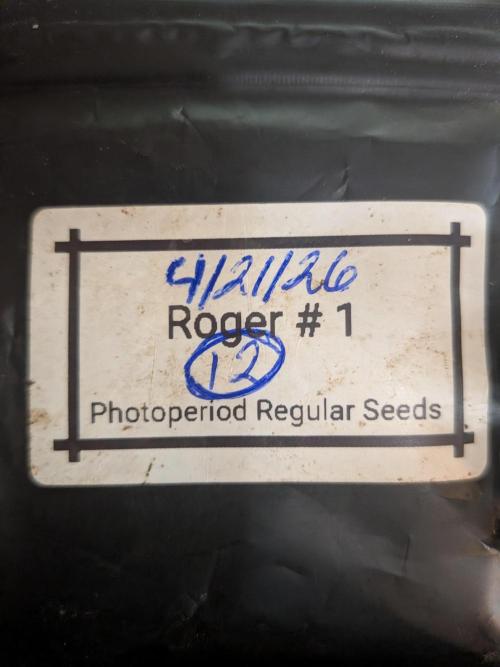
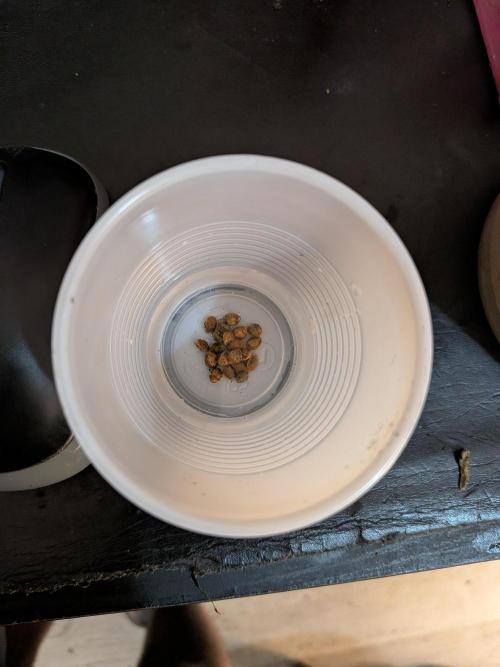
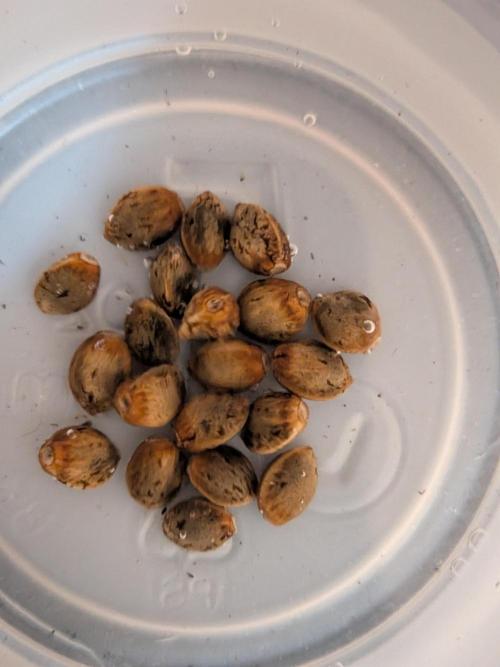
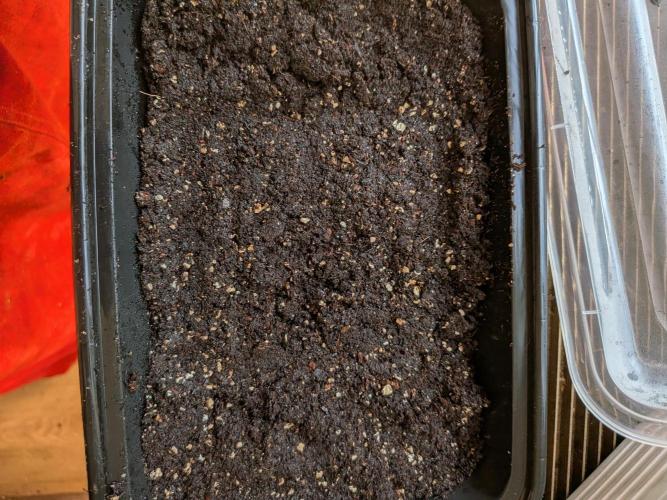
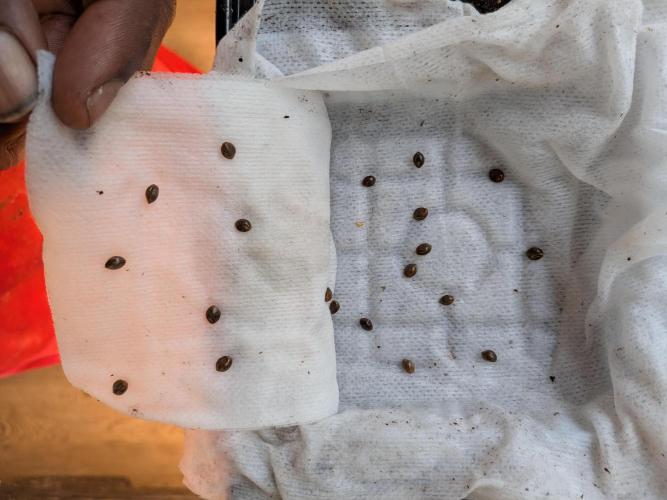
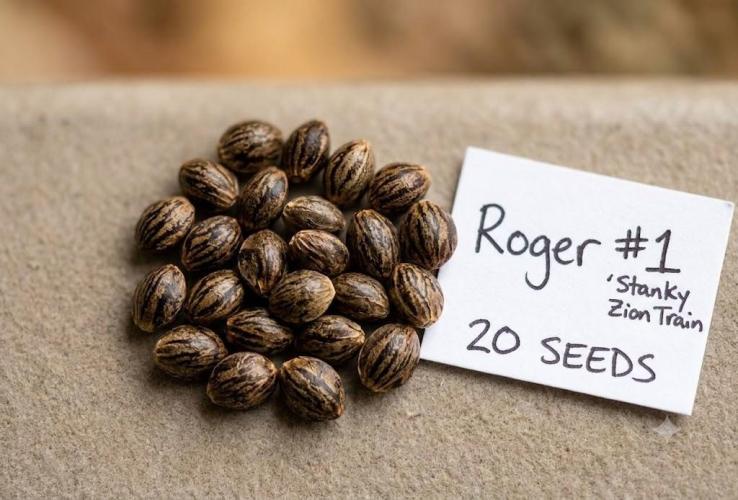
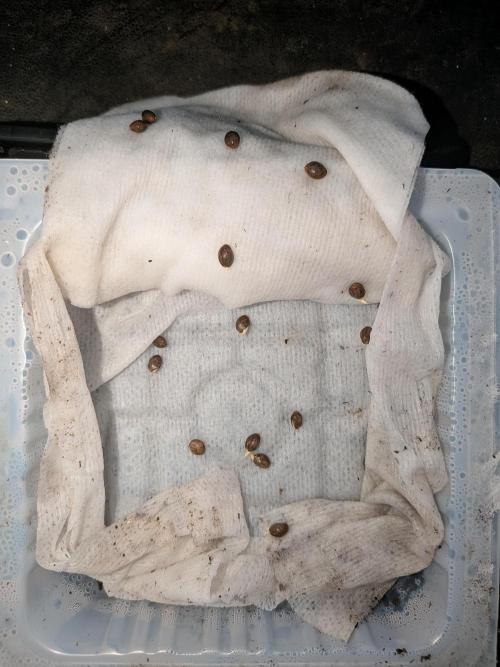
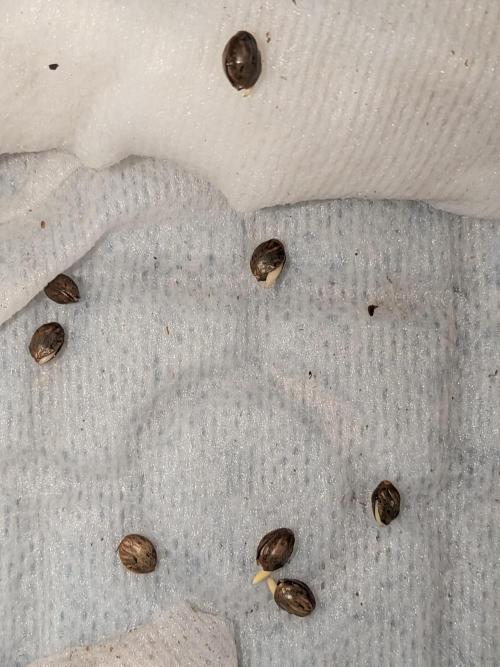
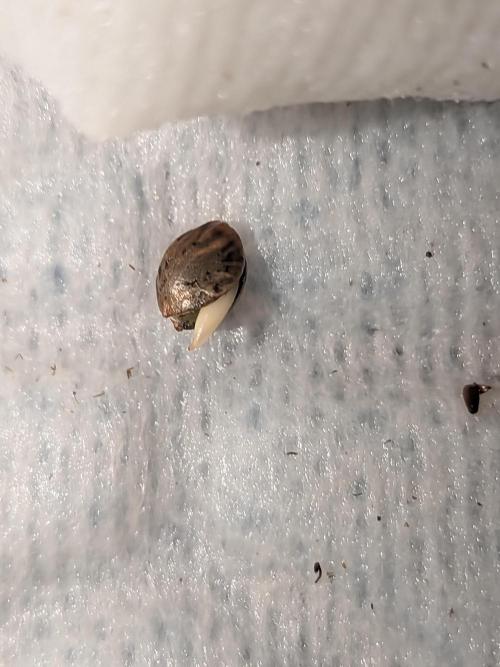
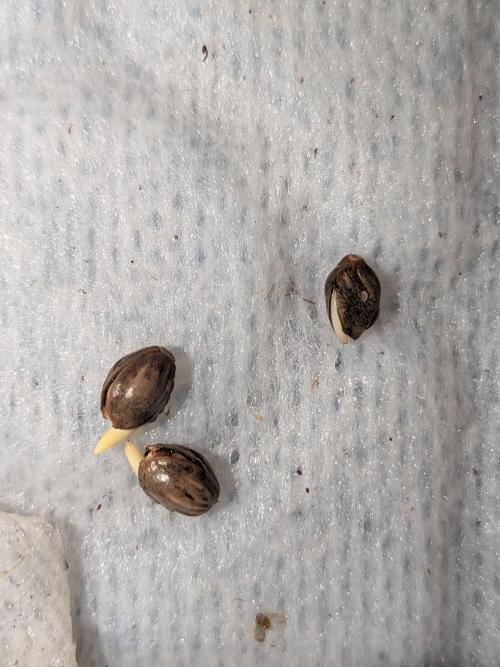
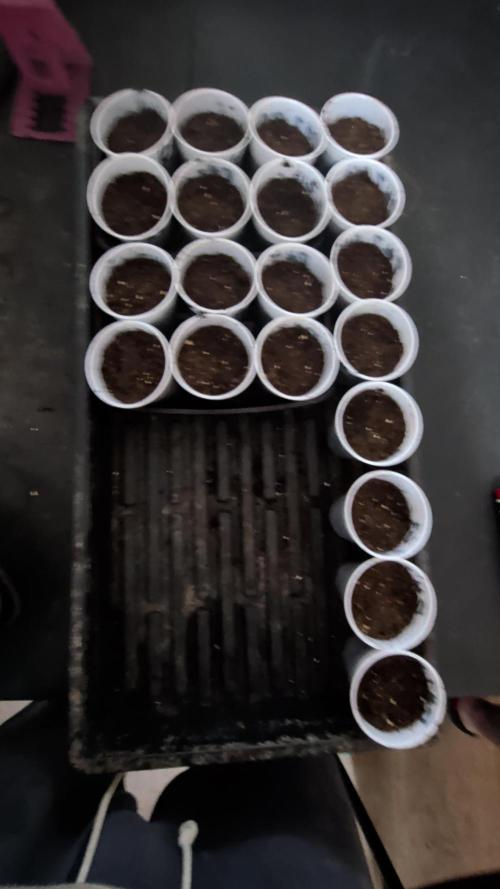
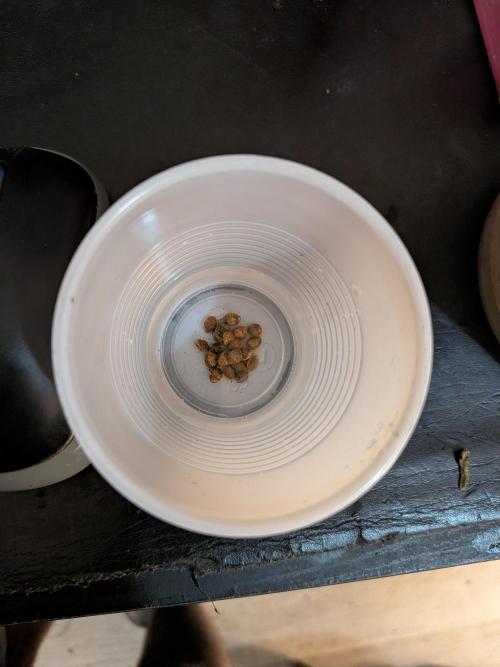
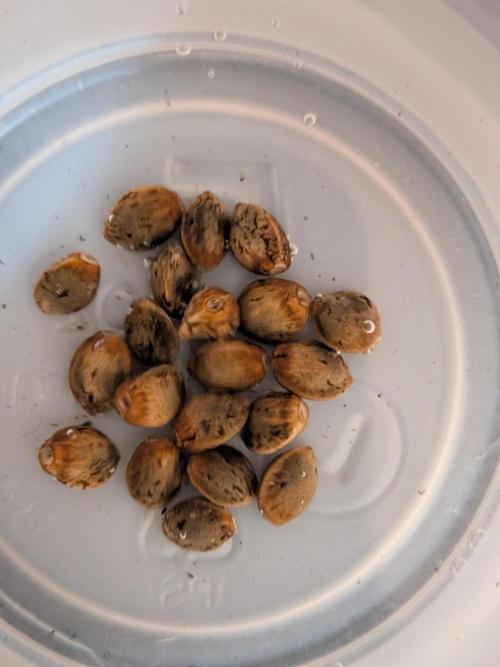
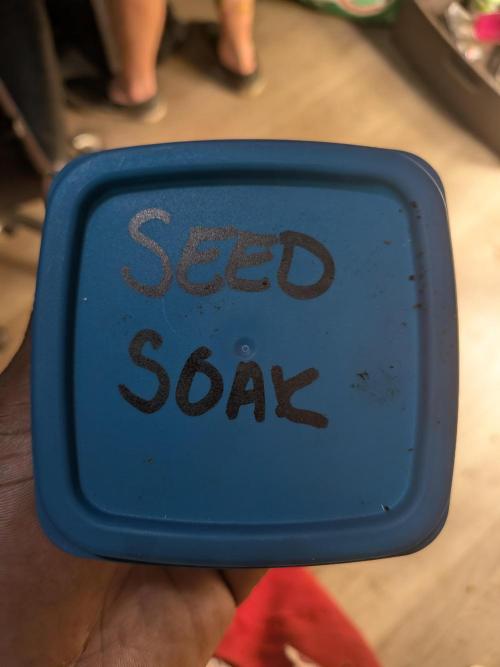
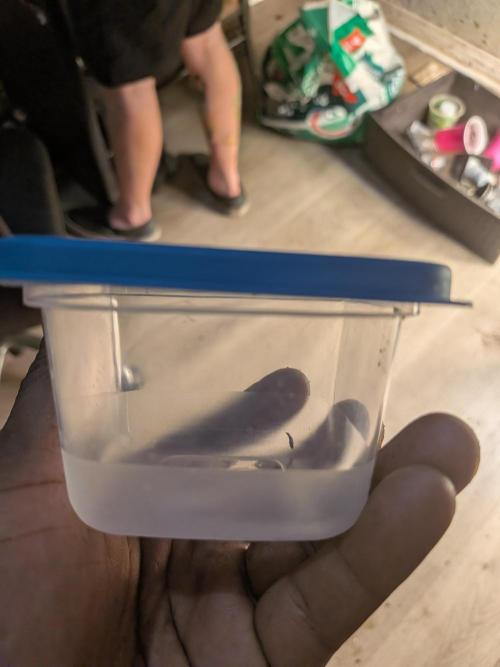
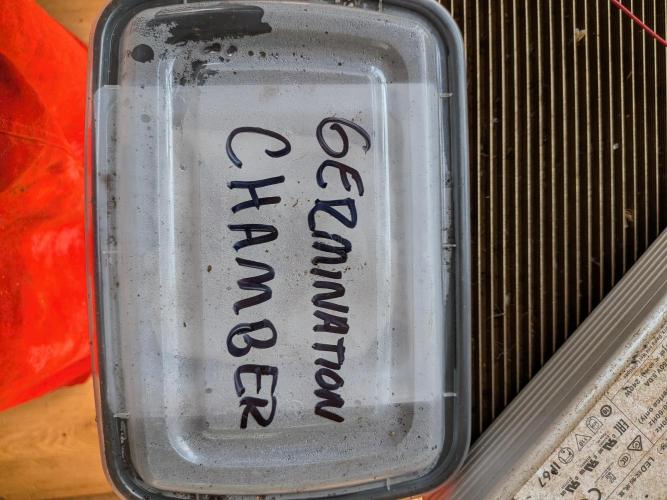
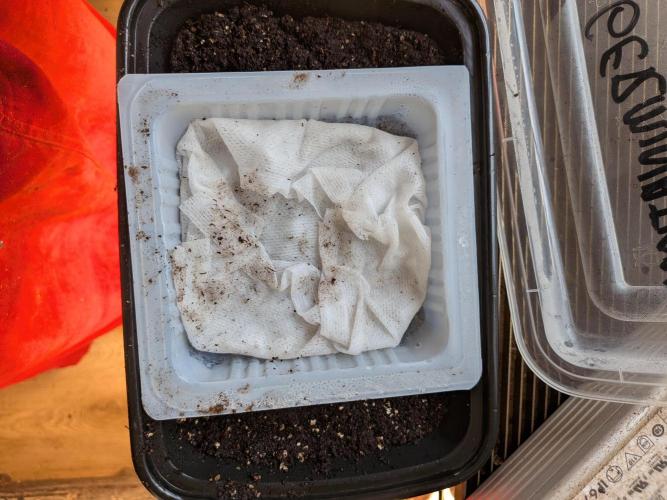
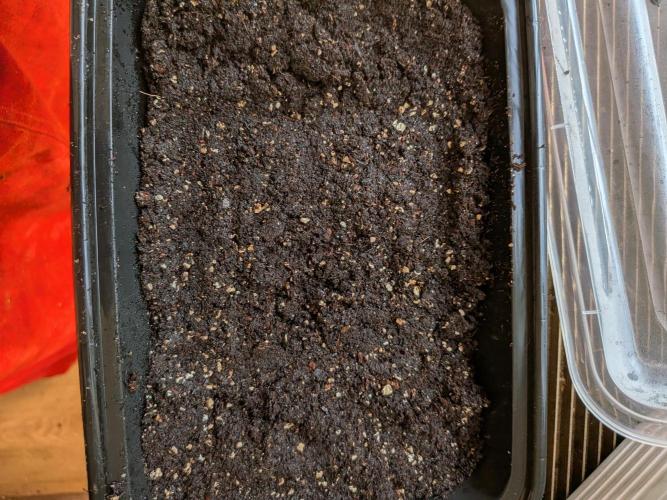
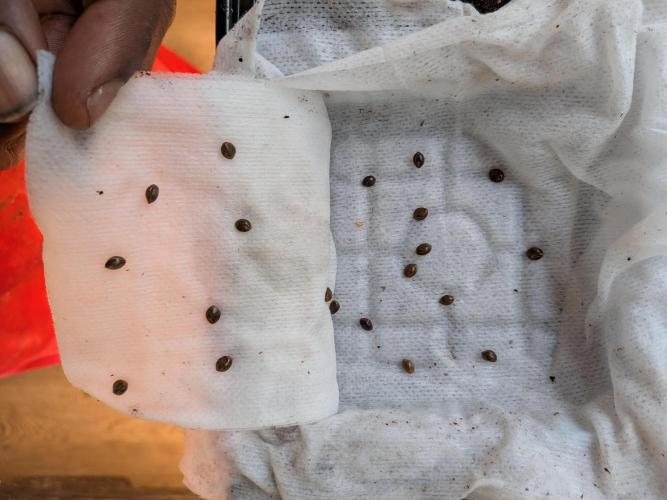
BASA666 The journey officially begins today, marking the inaugural chapter of an ambitious cultivation project. On 06/12/2026, 20 premium seeds of Roger #1, famously known as the "Stanky Zion Train," were introduced into a water soak to initiate the germination process. Upon inspection, the seeds appeared exceptionally high-quality, displaying mature, healthy coloration and distinct, sharp tiger striping that signaled elite genetic potential. We achieved a perfect 100% success rate during this initial stage, as all 20 seeds sank within the expected timeframe, confirming their robust viability and readiness for development.
This week serves as the definitive kickoff for the "Roger X Series: Finding Cannabranium" project. Sourced directly from the Mt. Zion Seed Cooperative, this exotic poly-hybrid stands as a profound tribute to the legacy of Roger, a cultivator whose meticulous hand-selection process involved carefully filtering through 6,000 individual females to isolate these specific, elite genetics. Given the storied history behind this strain and the sheer, explosive vigor shown during this initial soaking phase, these plants are being meticulously set up for a rigorous pheno-hunting evaluation. Our primary focus throughout this grow will be stress-testing the progeny and identifying the most potent, aromatic, and resilient candidates within the population.
Key Strain Highlights:
*
**Strain Name:** Roger #1 (Stanky Zion Train)
*
**Breeder:** Mt. Zion Seed Cooperative
*
**Genetics:** Exotic Poly-Hybrid
*
**Project Goal:** Comprehensive phenotype hunting focused on environmental resilience and complex terpene expression.
*
**Initial Observation:** Rapid, uniform germination rates and high structural integrity across the entire batch.
As we move forward, the focus shifts to establishing a highly controlled, stable environment for these seedlings as they transition into their early vegetative growth stages. We are committed to providing the precise support required to allow these plants to fully express the loud, skunky, and gas-forward potential that this lineage is historically expected to produce. We look forward to documenting the development of these 20 unique phenotypes as they begin their journey under our care.
2 likes
comments
Share
Used method
Paper Towel
Germination Method
1
Week 1. Vegetation4mo ago
2.54 cm
Height
24 hrs
Light Schedule
35 °C
Day Air Temp
Weak
Smell
60 %
Air Humidity
24 °C
Solution Temp
29 °C
Night Air Temp
0.95 liters
Pot Size
91.44 cm
Lamp Distance
Nutrients 3

Grow A
1 mll

Grow B
1 mll
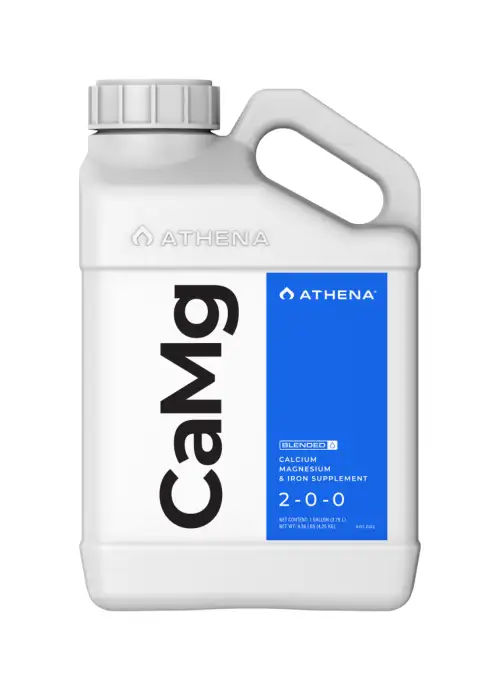
CaMg
1 mll
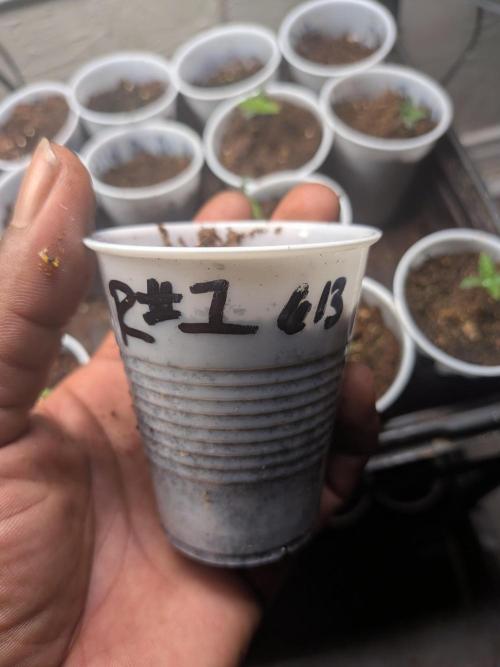
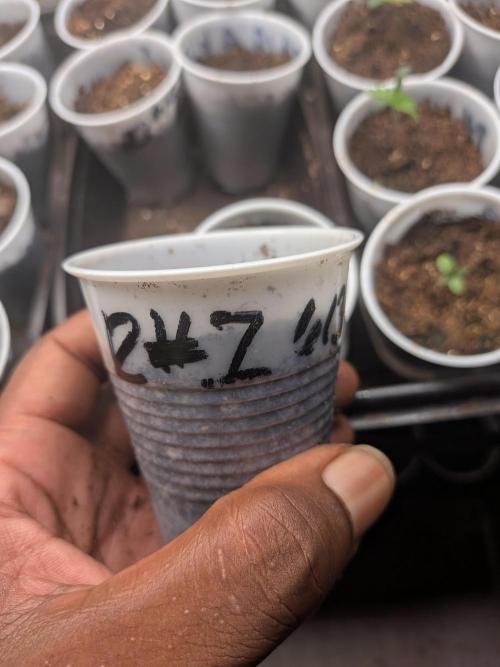
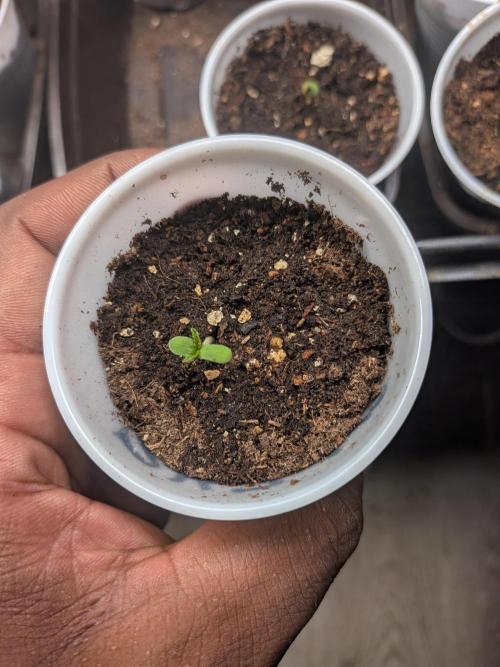
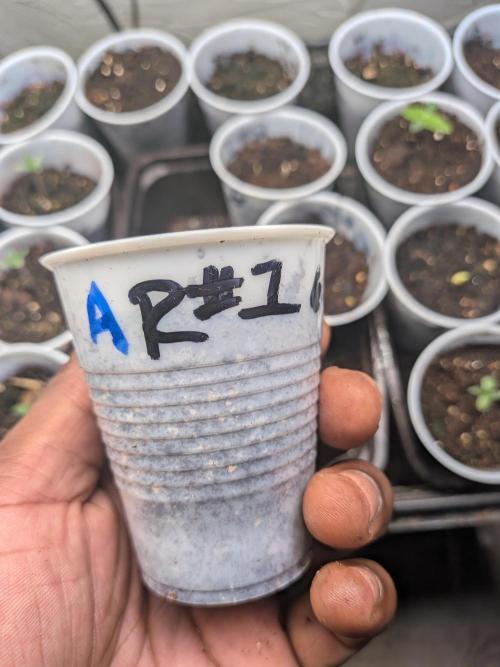
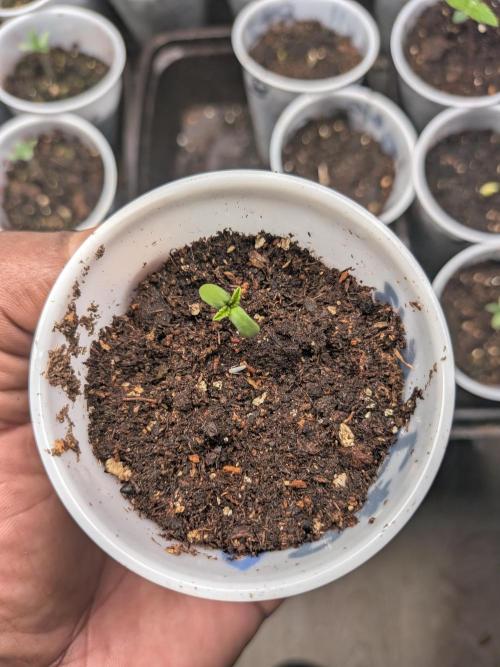
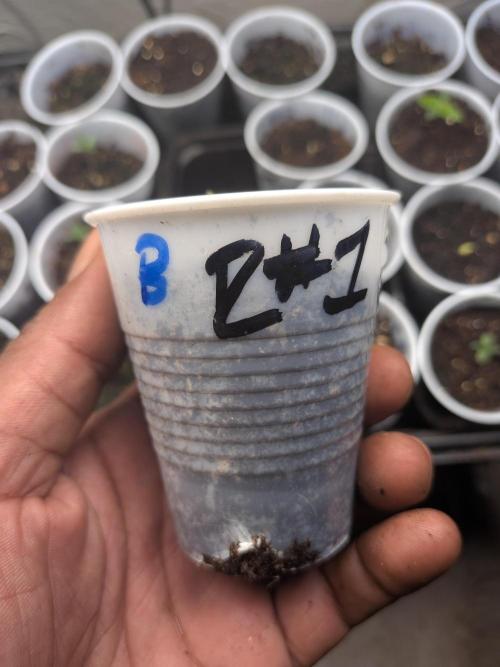
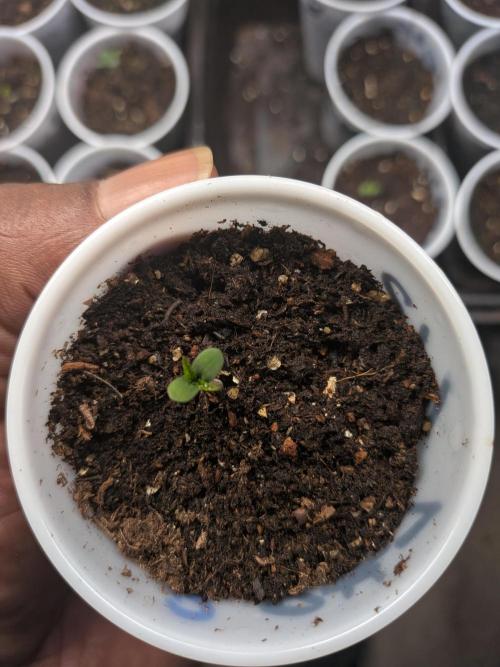
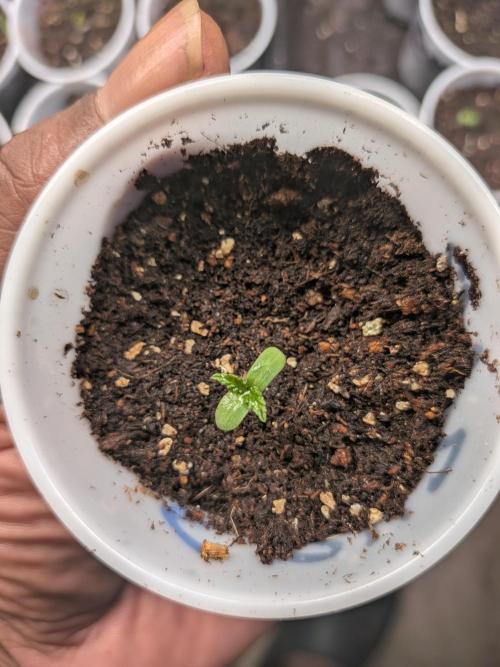
BASA666 The first week of vegetation, following initial germination and the emergence of cotyledons, marks a critical period for assessing plant health and overall growth potential. These initial structures are vital for establishing a robust root system and initiating early-stage photosynthesis, serving as the first reliable indicators of seed quality and overall physiological vigor within the Cannabranium poly-hybrid program.
When documenting cotyledon development, I am maintaining a rigorous focus on symmetry, turgidity, and coloration. A healthy, high-performing seedling should exhibit vibrant, deep green, upright, and perfectly symmetrical cotyledons; conversely, any signs of premature chlorosis, drooping, or localized necrosis at this stage are key indicators of substrate moisture issues, nutrient imbalances, or genetic weakness that would necessitate immediate culling.
As the first set of true leaves begins to unfurl, the scope of my research intensifies significantly. The "Roger X" series is being meticulously selected for highly specific, stealth-oriented, and exotic morphological traits—such as those observed in Australian Bastard Cannabis (ABC), Freakshow, and Duckfoot varieties. Unlike standard, broad-leaf cannabis, these plants exhibit intricate leaf structures and serration patterns that mimic entirely different botanical species. To document these developmental patterns effectively, I am utilizing a systematic, macro-level photography approach, maintaining a strictly standardized distance and lighting environment to create a clear, actionable visual baseline. This longitudinal data is absolutely essential for long-term phenotyping and identifying the most desirable, structurally unique individuals as this grow cycle progresses toward the next stage of development.
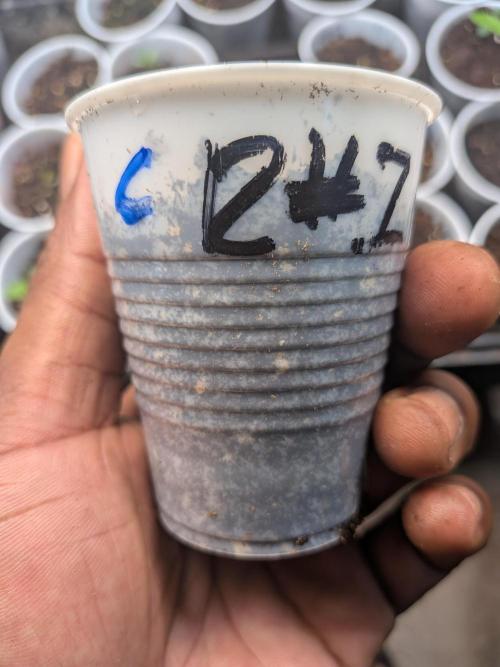
Establishing a Quantitative Baseline: To effectively transition from purely qualitative observations toward rigorous, actionable data, I am implementing a comprehensive and consistent scoring system for the phenotypes currently under study. Each individual plant, ranging from serial identifiers 11-405-F1-01 through 11-405-F1-09 within the "Squanto Skunk Hunt" selection, will be monitored through a dedicated, systematic entry to ensure no developmental nuance is overlooked. For each specimen, I am assigning a precise numerical score on a scale of 1 to 5 based on the following specific metrics:
Vigor Score: Evaluated by the consistent rate of expansion of the first true leaves, serving as a primary indicator of metabolic efficiency and seedling health.
Trait Expression Score: Determined by the degree to which the individual plant exhibits the targeted stealth and morphological thickness, specifically looking for the unique, atypical leaf structures characteristic of the breeding project.
Symmetry Score: Assessed based on the structural integrity and developmental uniformity of the plant’s canopy, ensuring that early growth patterns remain stable and consistent with the project's long-term phenotyping goals.
By standardizing these metrics across the entire population, I aim to create a longitudinal dataset that will allow for a more objective selection process as we advance toward the subsequent stages of the Cannabranium program.
2 likes
comments
Share
Used techniques
LST
Technique
Enjoying this diary? Follow for more updates!

Prefer the old Diary view?
Go back to the old Diary view