









Last Dance - Crimson Clay (Wizard Tress)

47
5
76
7d ago
Coco Soil
Perlite
Perlit
Indoor
Room Type
12-12
weeks 1-2
LST
weeks 1-3
Defoliation
weeks 1-3
ScrOG
weeks 2
Topping
weeks 2
Supercropping
weeks 3
11 liters
Pot Size
2.35 liters
Watering
Start at 3 Week
1
Week 1. Flowering
25d ago
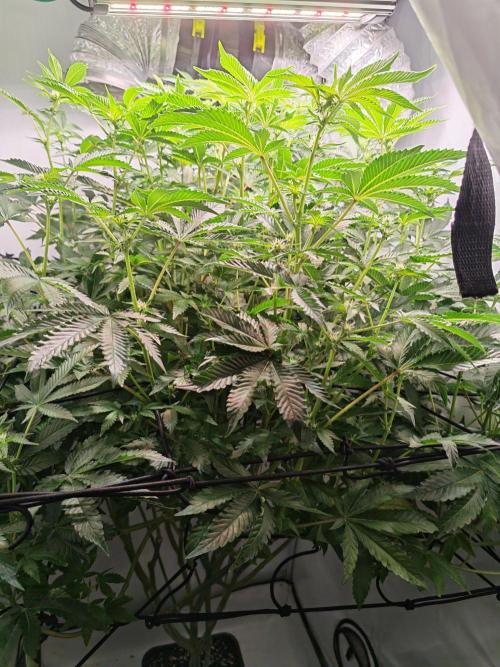
70 cm
Height
12 hrs
Light Schedule
28 °C
Day Air Temp
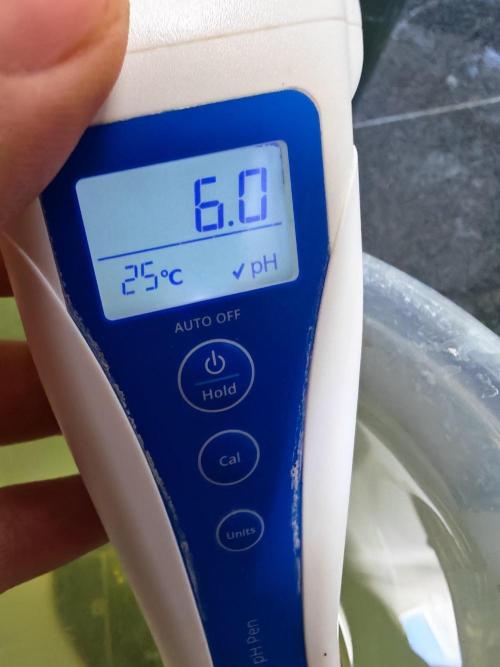
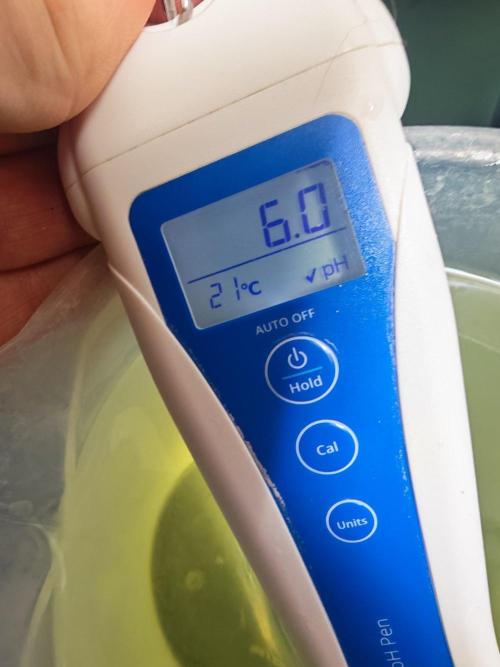
6.0
pH
No Smell
Smell
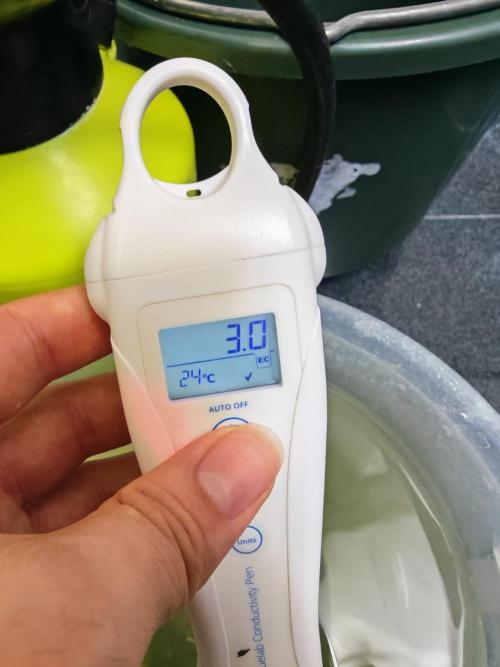
1500 PPM
TDS
65 %
Air Humidity
23 °C
Solution Temp
25 °C
Substrate Temp
24 °C
Night Air Temp
11 liters
Pot Size
2.35 liters
Watering Volume
25 cm
Lamp Distance
800 PPM
CO₂ Level
Nutrients 6
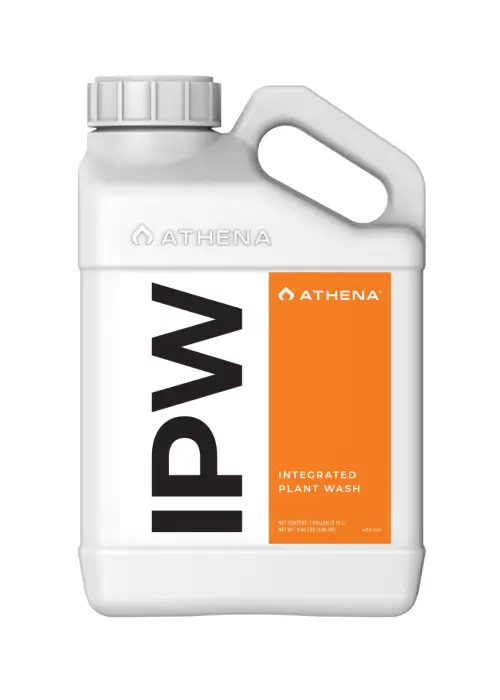
IPW - Athena
IPW
25 mll
Stack - Athena
Stack
2 mll
Balance - Athena
Balance
1.35 mll
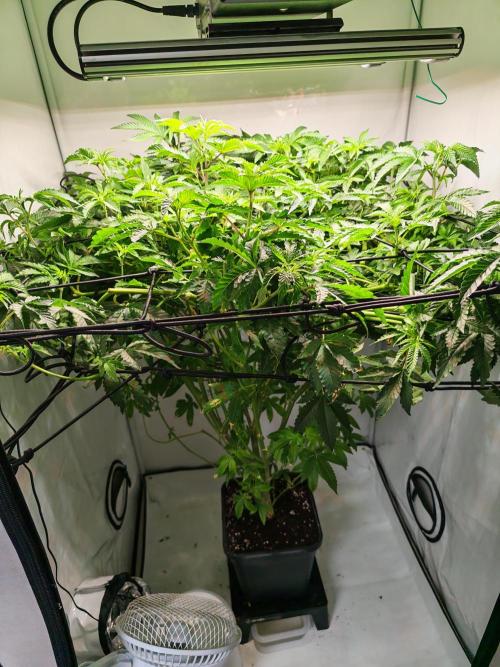
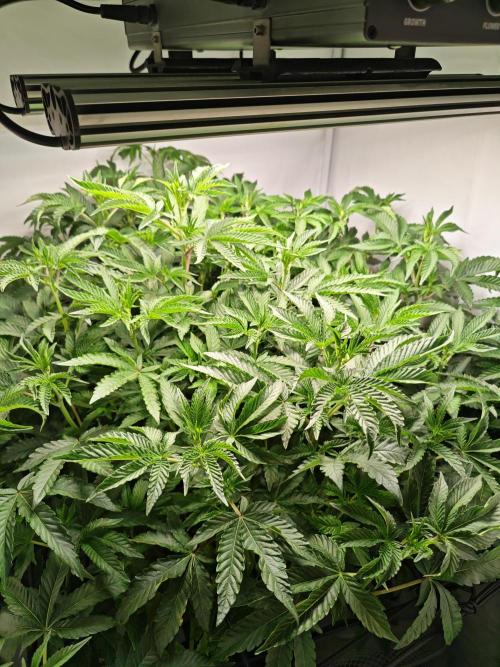
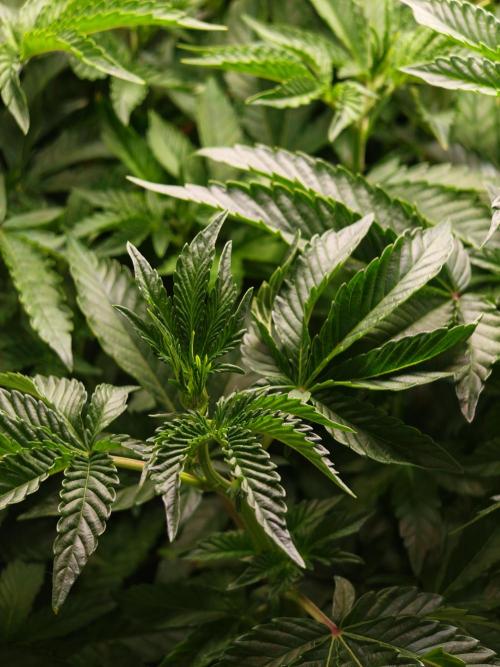
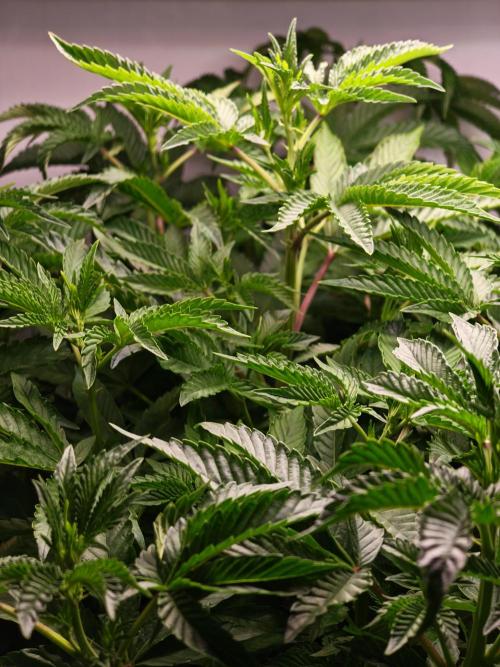
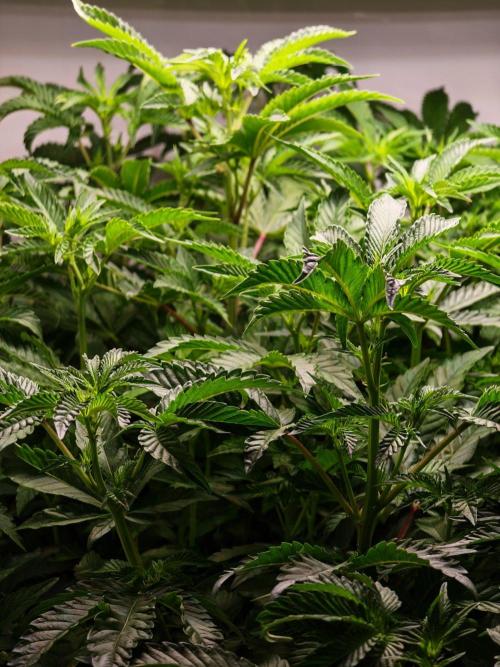
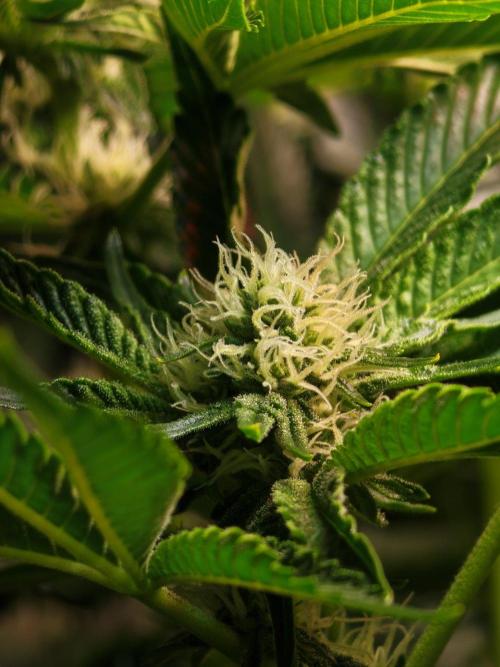
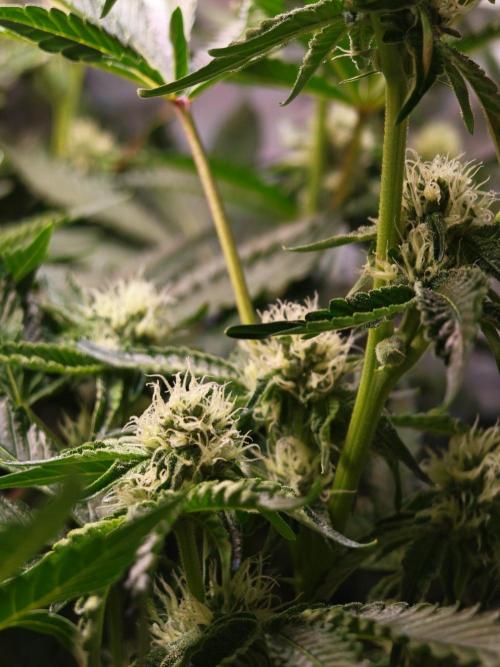
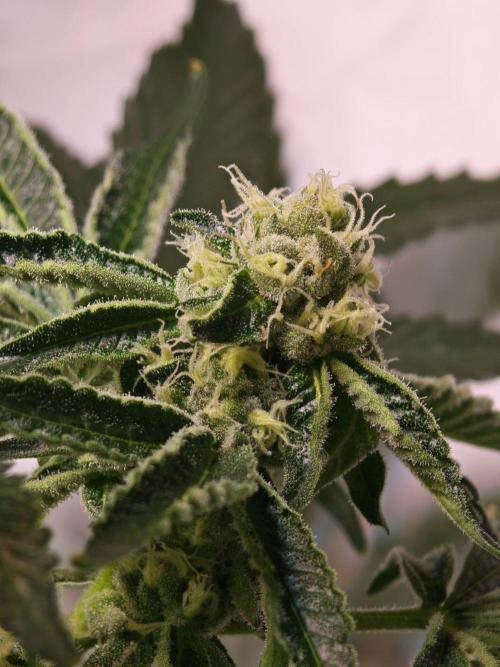
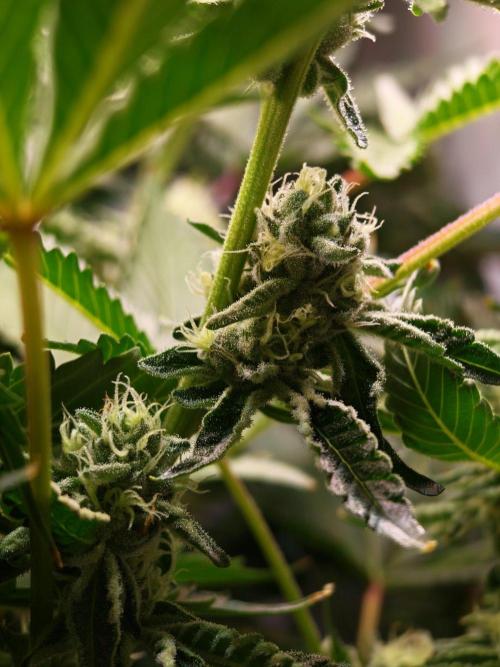
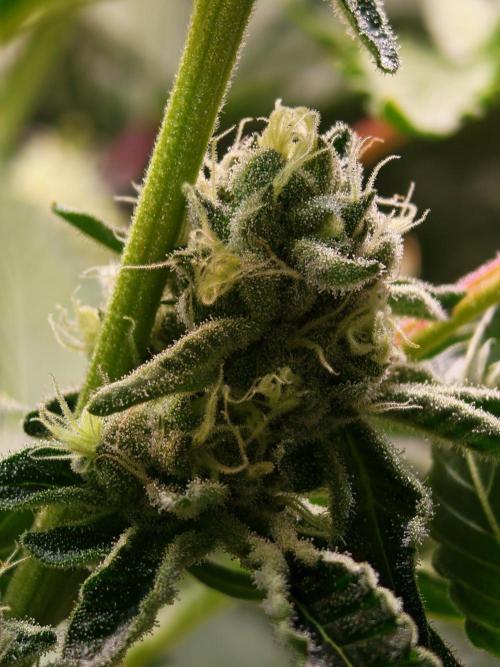
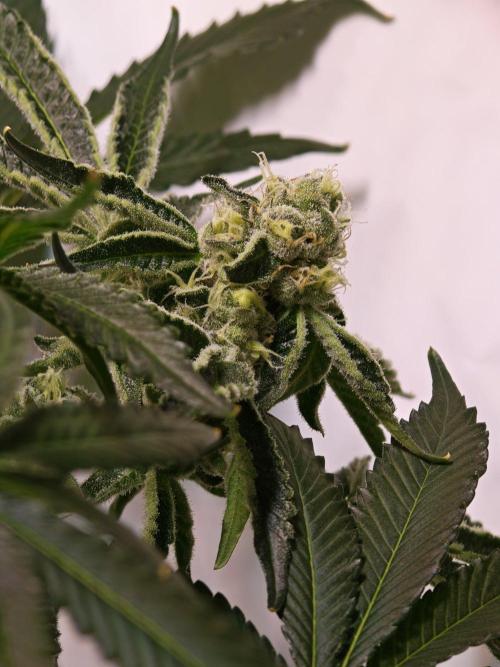
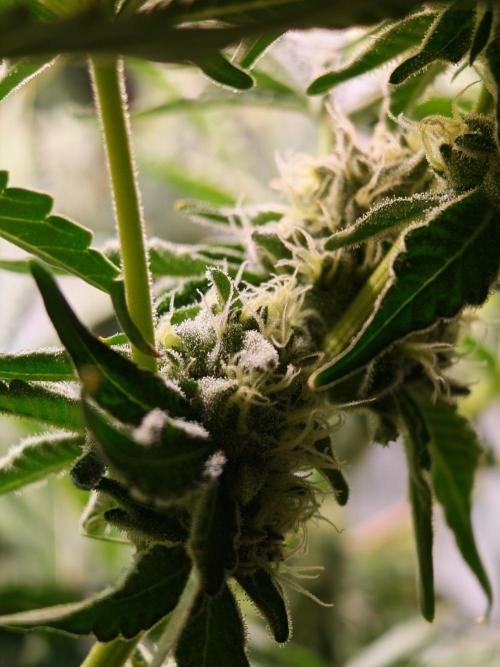
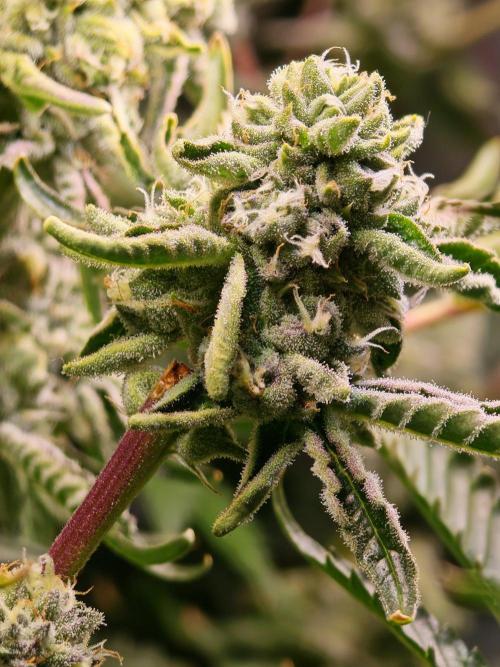
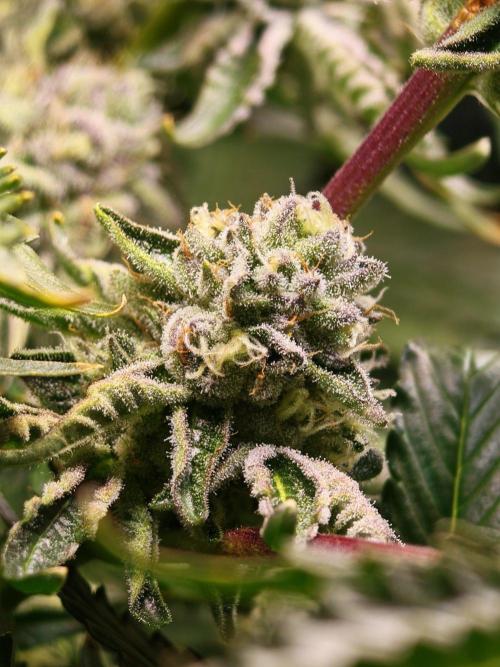
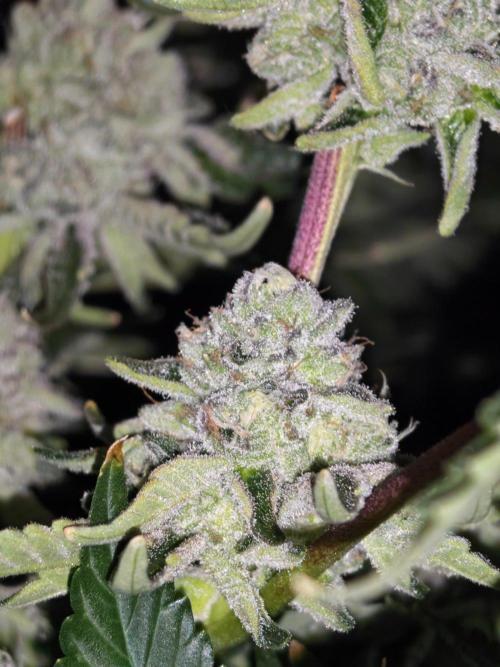
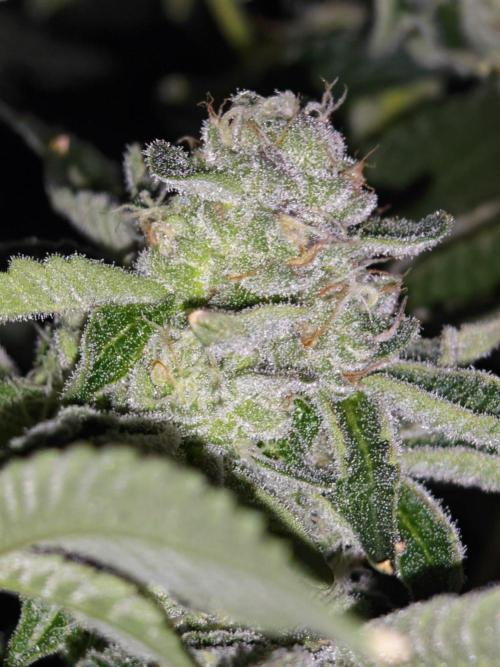
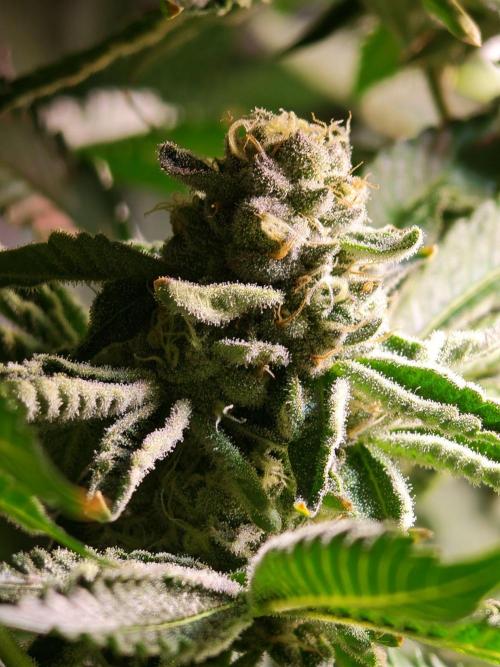
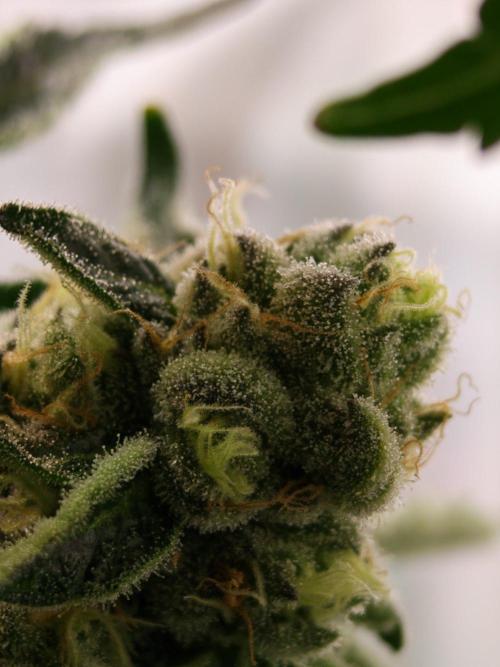
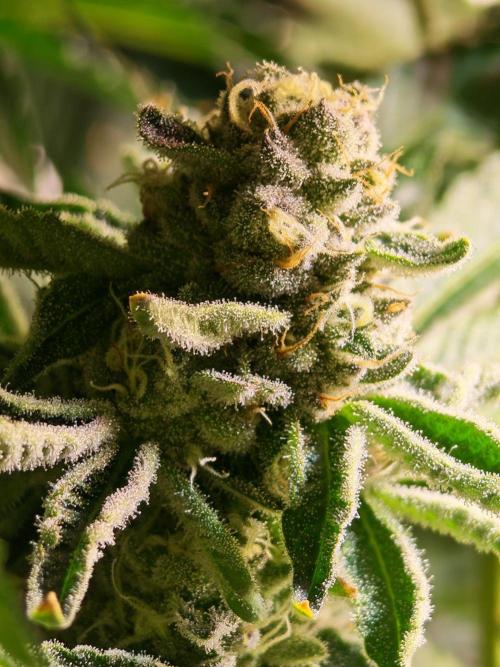
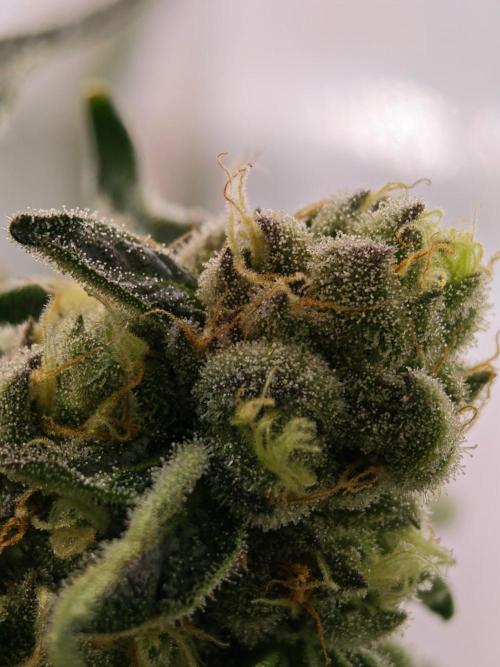
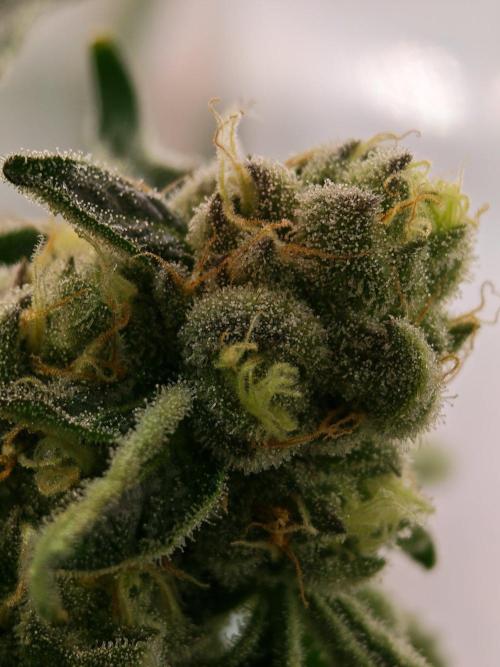
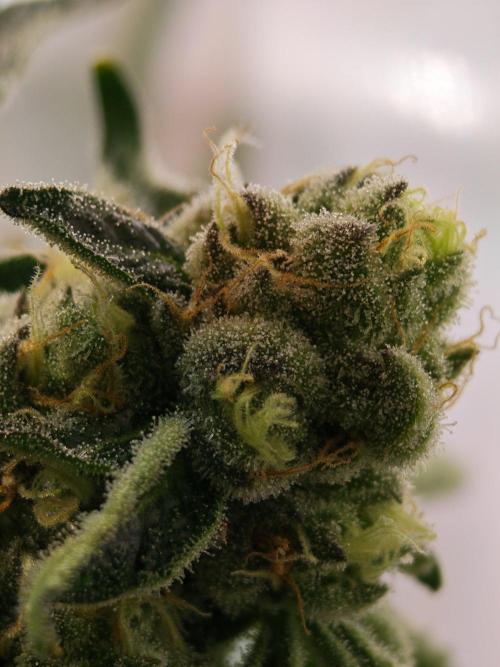
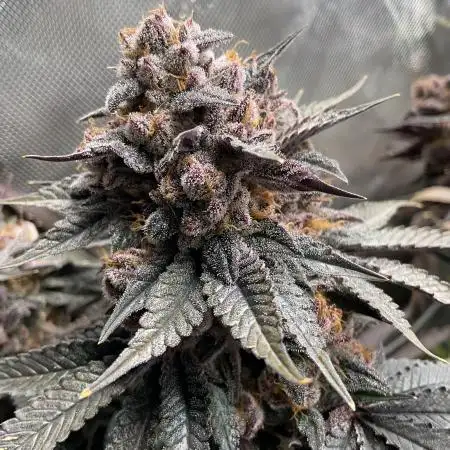
Kevs_Best Week 1 – The Final Dance This will be the final run of Last Dance: Crimson Clay. Through revegging and several generations of cloning, the phenotype managed to retain the qualities that made it special: heavy resin production and a distinctive terpene profile built around dark fruit, red wine, gas, pine, menthol and earthy clay-like notes. However, the later clones also developed persistent nutrient sensitivity and recurring fan-leaf issues, even with stable pH, EC, temperature and humidity. The flowers remained exceptional, but keeping the phenotype healthy became increasingly difficult and no longer feels worth the space required. Crimson Clay taught me a huge amount about revegging, cloning, phenotype preservation, harvest timing, drying and curing. It will always remain an important part of my growing journey, but every dance eventually has to end. The terpenes are truly special—but something even more exciting is already waiting in the shadows. Next up: Black Light. DE: Dies wird der letzte Run von Last Dance: Crimson Clay. Durch das Reveggen und mehrere Generationen von Klonen konnte der Phänotyp seine besonderen Eigenschaften behalten: eine starke Harzproduktion und ein außergewöhnliches Terpenprofil aus dunklen Früchten, Rotwein, Gas, Pinie, Menthol und erdigen, tonartigen Noten. Die späteren Klone entwickelten jedoch zunehmend eine starke Nährstoffempfindlichkeit und wiederkehrende Probleme an den Fächerblättern – trotz stabiler pH- und EC-Werte sowie passender Temperatur und Luftfeuchtigkeit. Die Blütenqualität und die Terpene blieben außergewöhnlich, aber den Phänotyp dauerhaft gesund zu erhalten, wurde immer schwieriger und rechtfertigt den benötigten Platz nicht mehr. Crimson Clay hat mir unglaublich viel über Reveggen, Klonen, den Erhalt eines Phänotyps, den richtigen Erntezeitpunkt sowie Trocknung und Curing beigebracht. Dieser Cut wird deshalb immer ein wichtiger Teil meiner Grow-Reise bleiben – aber jeder Tanz muss irgendwann enden. Die Terpene sind wirklich etwas Besonderes. Doch im Schatten wartet bereits etwas Neues, das noch besser werden könnte. Als Nächstes: Black Light.
17 likes
5 comments
Share
Used techniques
LST
Technique
Defoliation
Technique
12-12
Technique
Grow Questions
Kevs_Best
Kevs_Beststarted grow question 17d ago
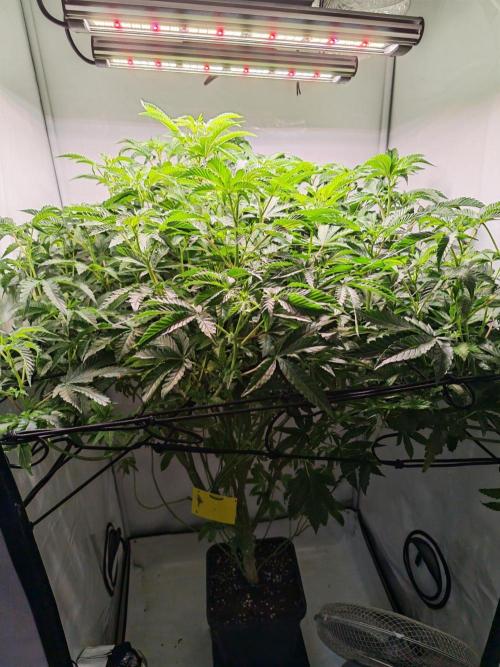
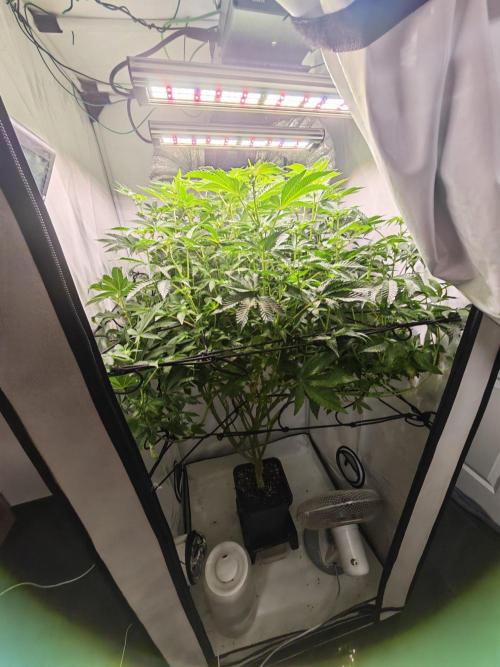
At the end of flowering week 2, after supercropping and removing a few of the highest tops because of limited height, how much additional stretch would you still expect from this point, with such training at this phase?
Solved
Plant. Too tall
likes
Condocannibus
Condocannibusanswered grow question 18d ago
During the stretch week 2 I added lst clips to keep them away from light it worked well. Personally no super cropping after week 2. Recovery time might slow them down. Not science just the way I got by
2
Week 2. Flowering
17d ago
100 cm
Height
12 hrs
Light Schedule
28 °C
Day Air Temp
6.0
pH
No Smell
Smell
1500 PPM
TDS
65 %
Air Humidity
23 °C
Solution Temp
25 °C
Substrate Temp
24 °C
Night Air Temp
11 liters
Pot Size
2.35 liters
Watering Volume
25 cm
Lamp Distance
800 PPM
CO₂ Level
Nutrients 5
IPW - Athena
IPW
25 mll
Balance - Athena
Balance
1.35 mll
Cleanse - Athena
Cleanse
1.5 mll
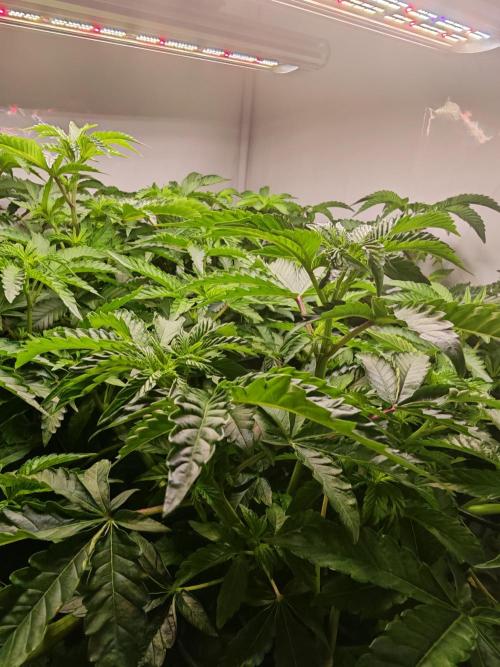
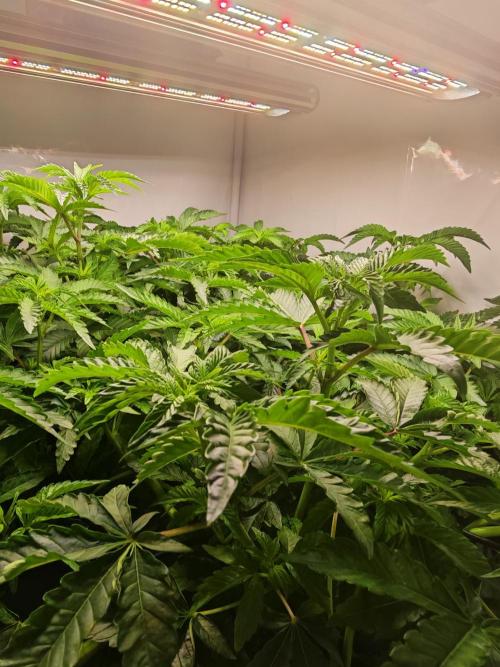
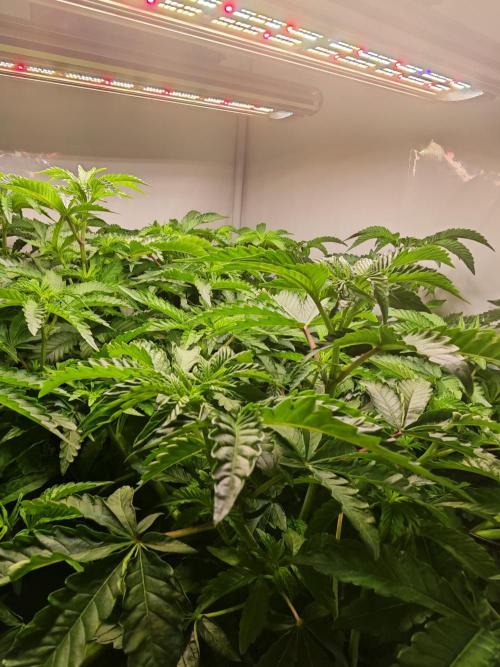
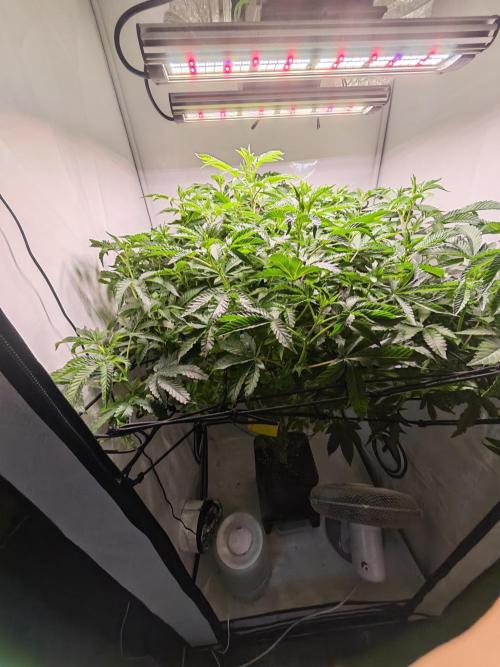
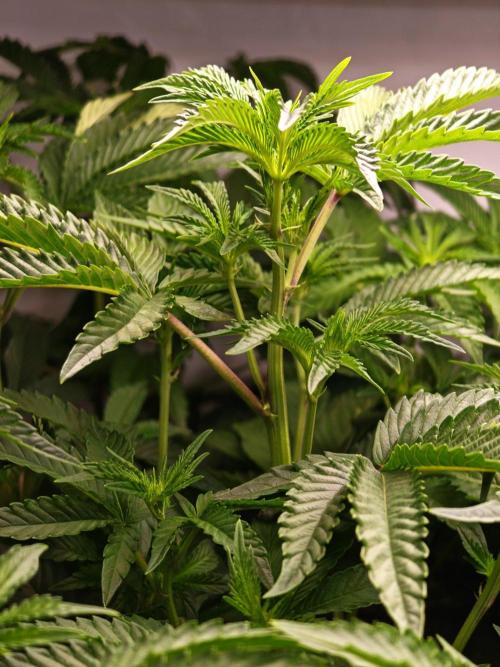
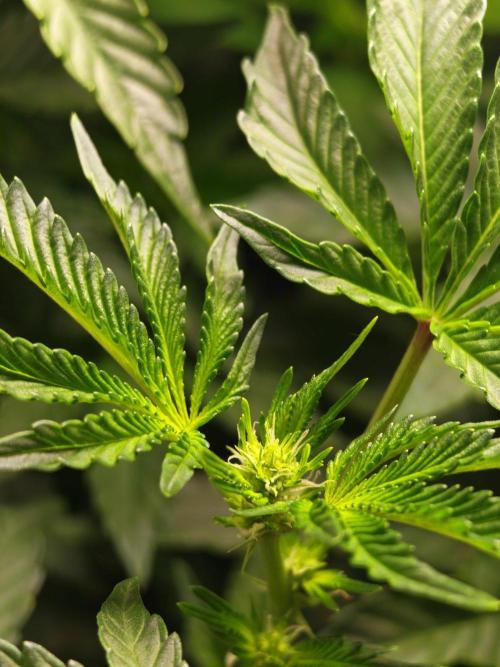
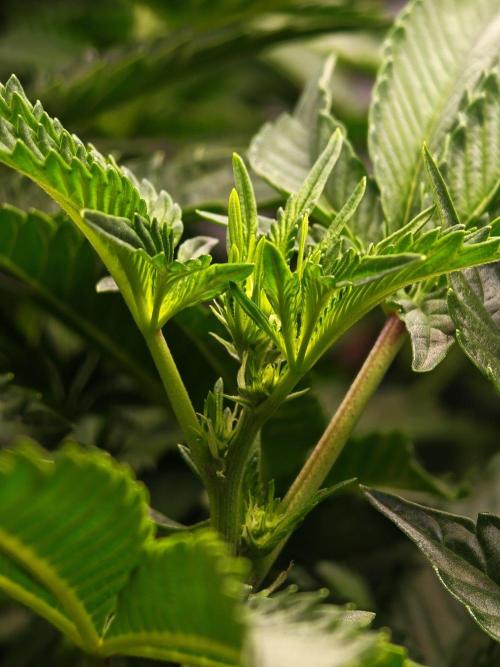
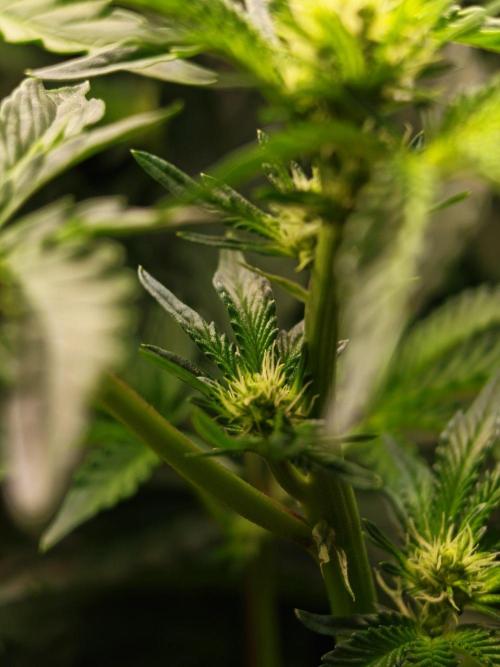
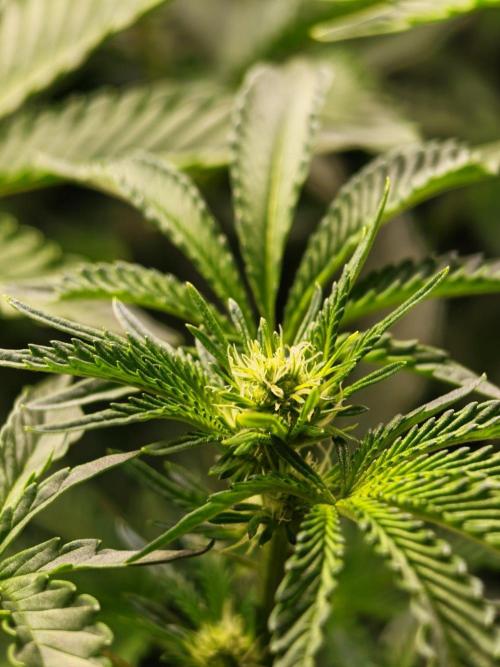
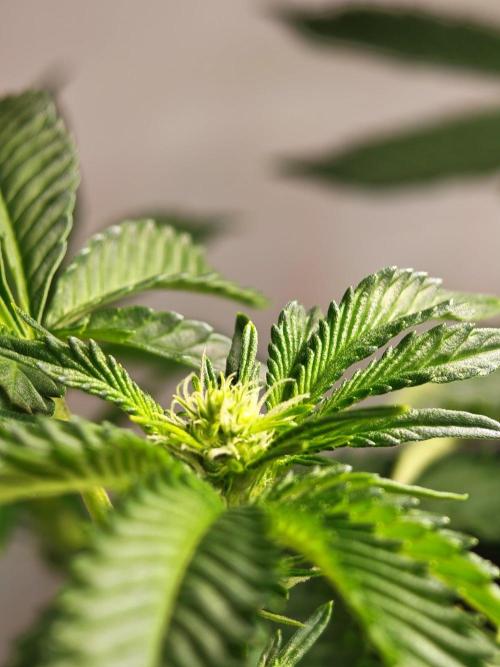
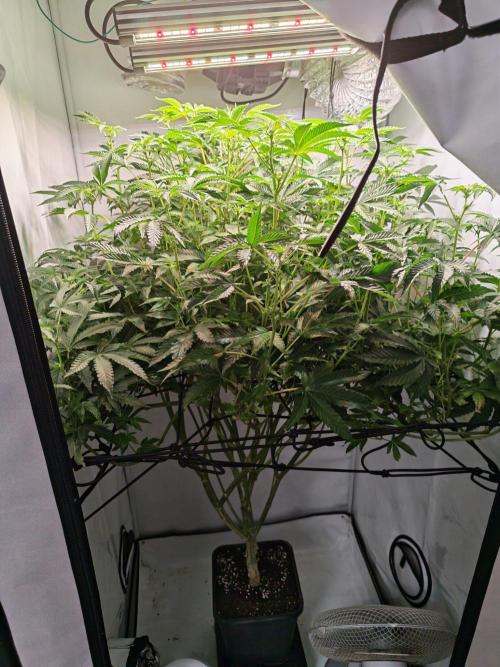
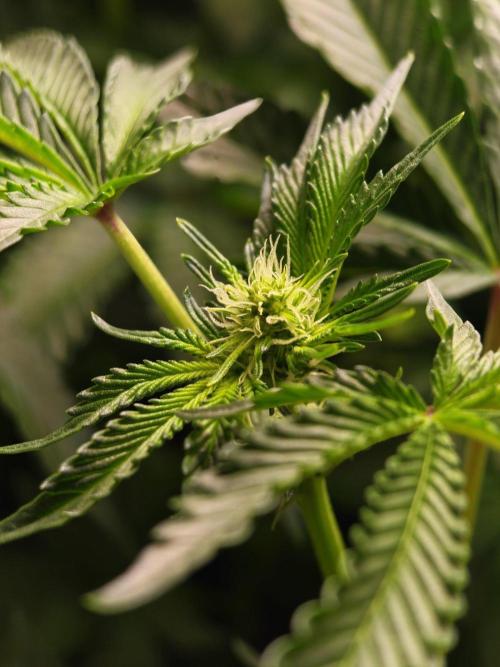
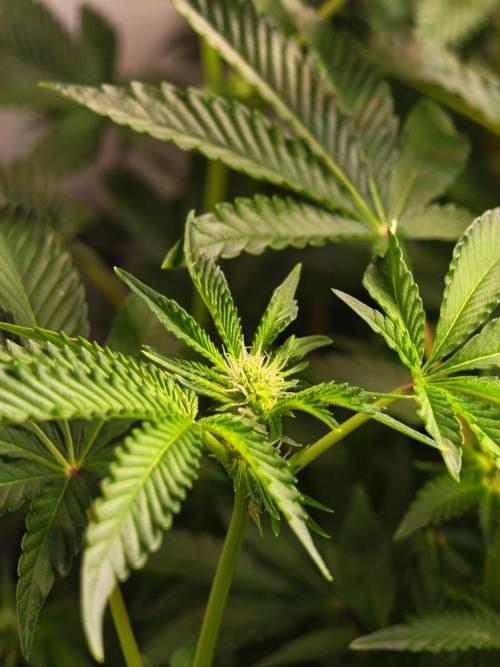
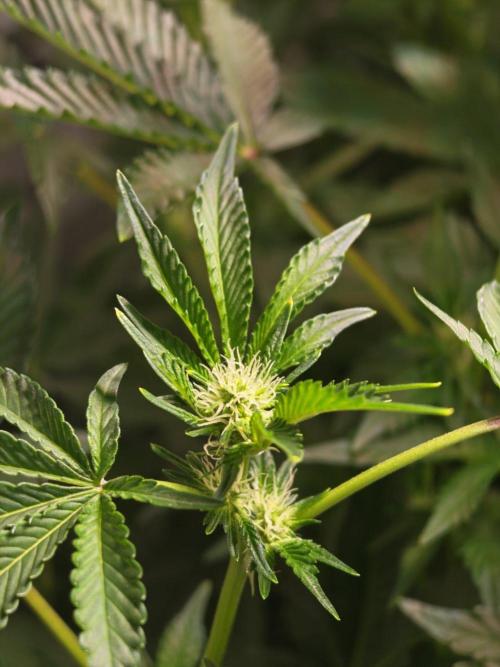
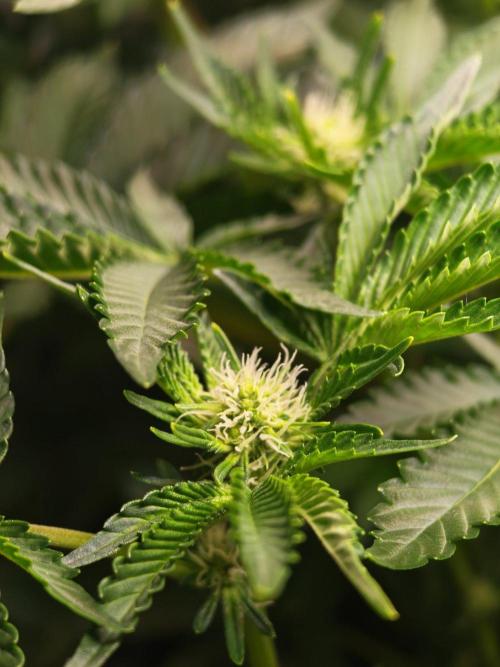
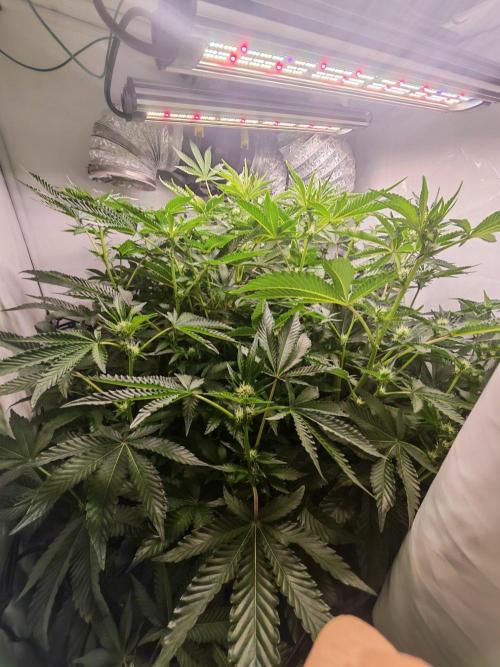
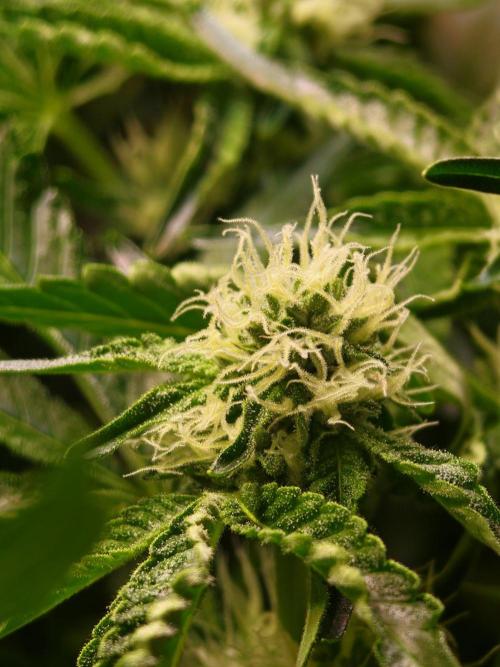
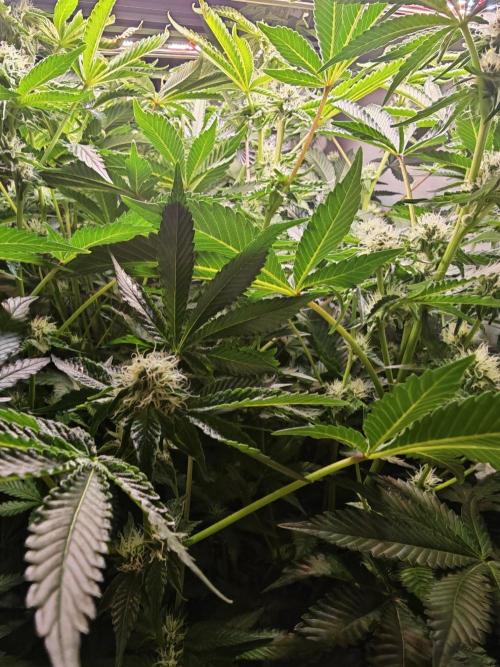
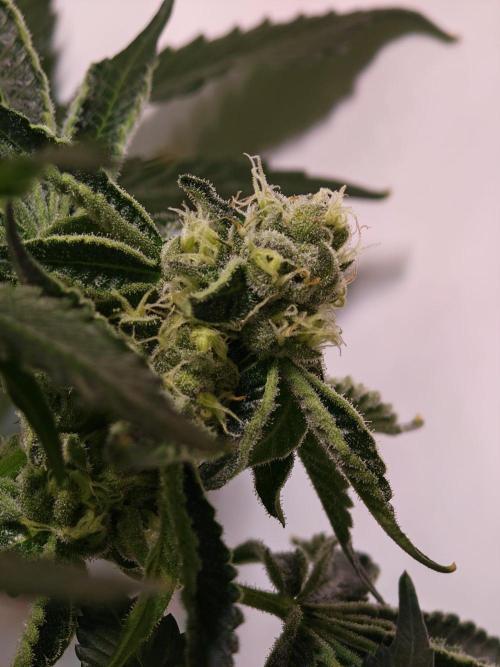
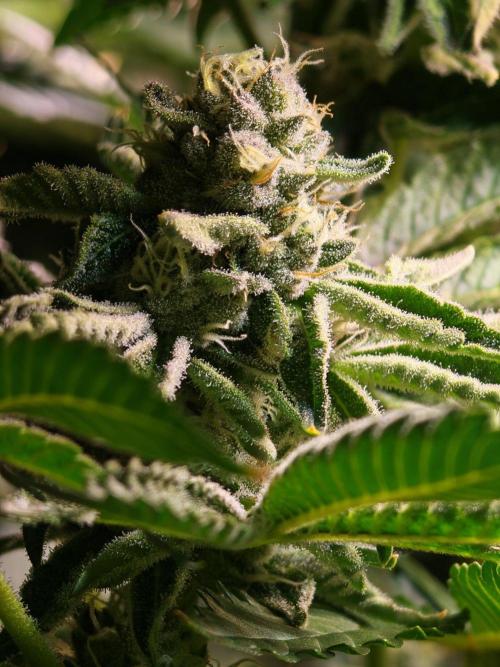
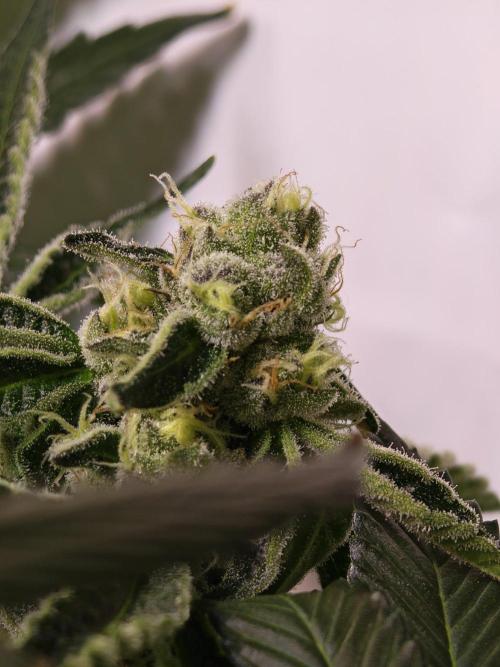
Kevs_Best Week 2 – Stretching the Limits The stretch hit much harder than expected this week. Because the canopy was already getting dangerously close to the light, a few of the tallest branches had to be supercropped. Some of the highest headbuds were also removed to prevent them from growing directly into the LEDs and bleaching later on. Hopefully, the vertical stretch will slow down soon and the plant will start focusing more of its energy on flower development. Apart from the height issue, everything is looking good. The upper canopy remains very green and healthy, and by the end of flowering week two, Crimson Clay is already showing some very promising early flower formation. Now the goal is to keep the canopy under control and let the remaining tops develop properly without further major intervention.
17 likes
comments
Share
Used techniques
12-12
Technique
Topping
Technique
LST
Technique
ScrOG
Technique
Defoliation
Technique
3
Week 3. Flowering
7d ago
120 cm
Height
12 hrs
Light Schedule
28 °C
Day Air Temp
6.0
pH
Weak
Smell
1500 PPM
TDS
65 %
Air Humidity
23 °C
Solution Temp
25 °C
Substrate Temp
24 °C
Night Air Temp
11 liters
Pot Size
2.35 liters
Watering Volume
25 cm
Lamp Distance
800 PPM
CO₂ Level
Nutrients 4
Balance - Athena
Balance
1.35 mll
Cleanse - Athena
Cleanse
1.5 mll
Pro Bloom - Athena
Pro Bloom
9 mll
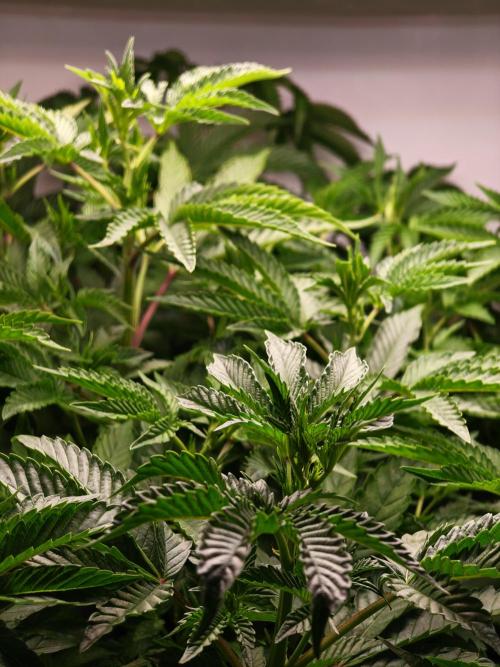
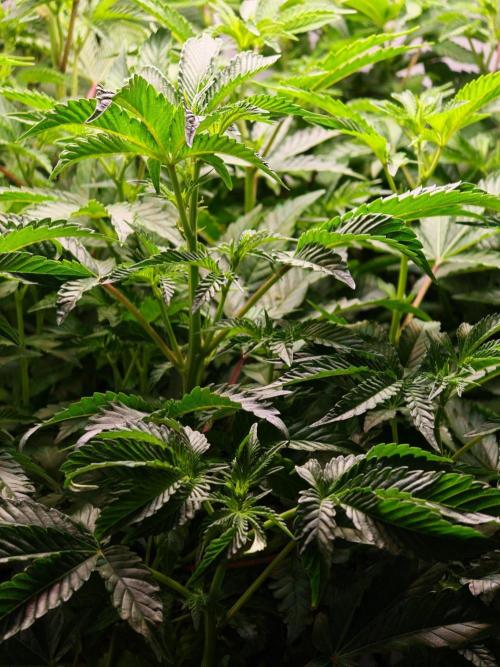
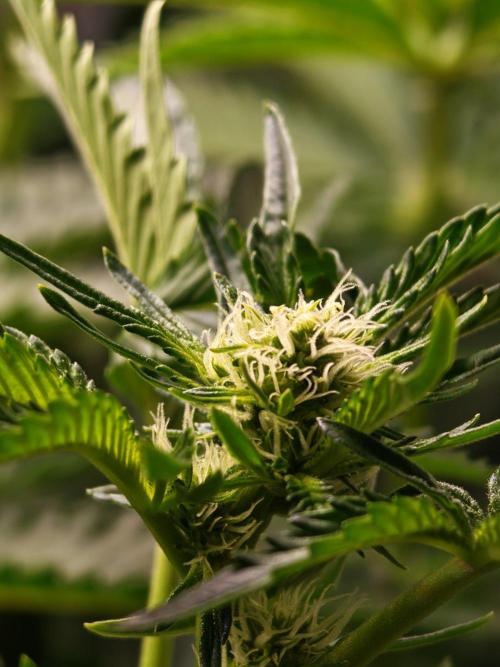
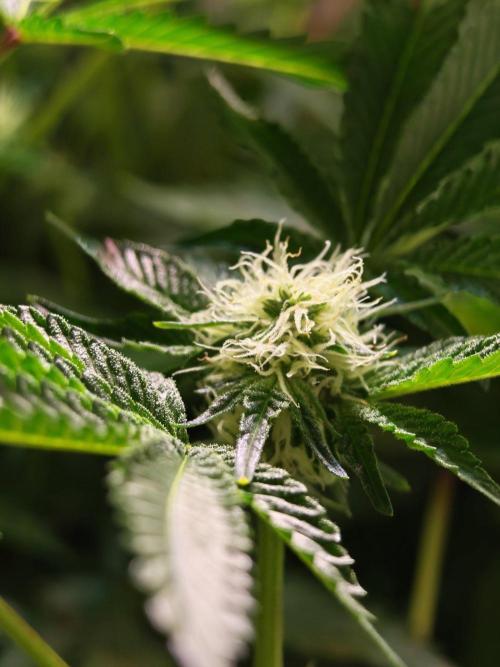
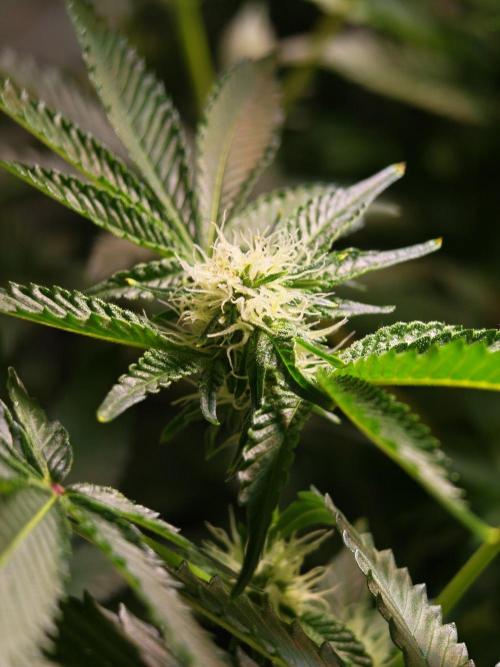
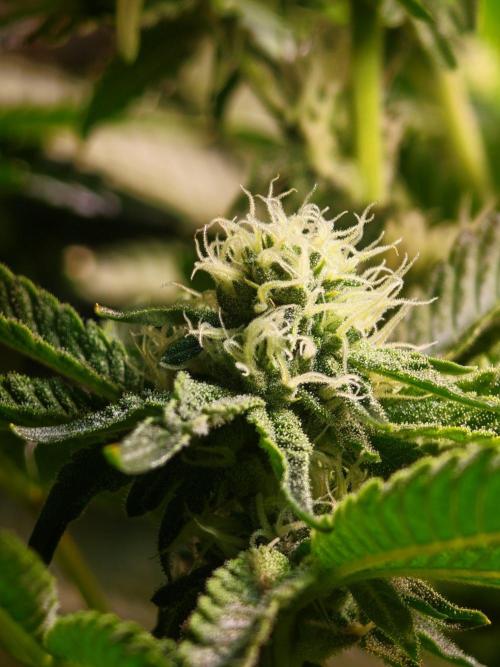
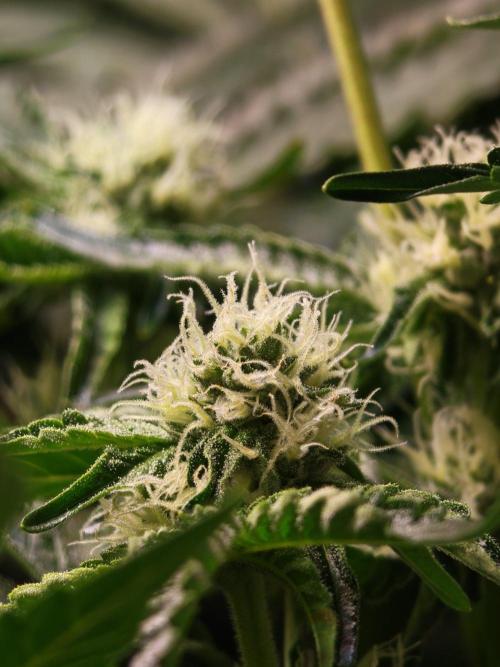
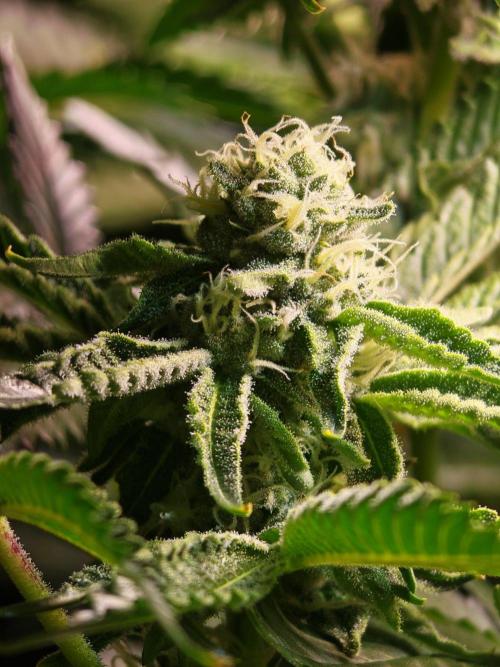
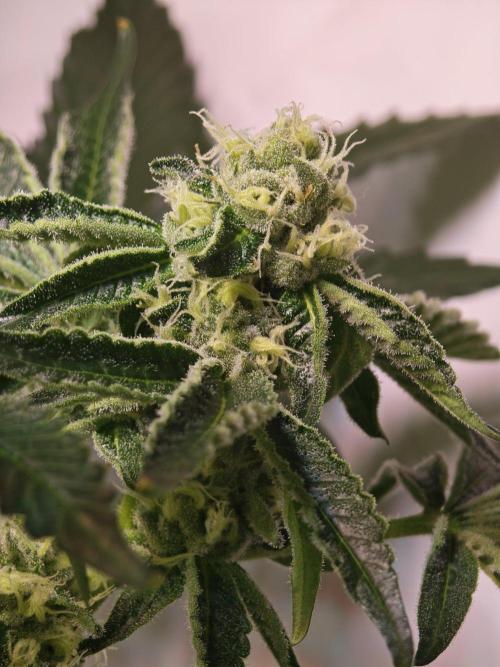
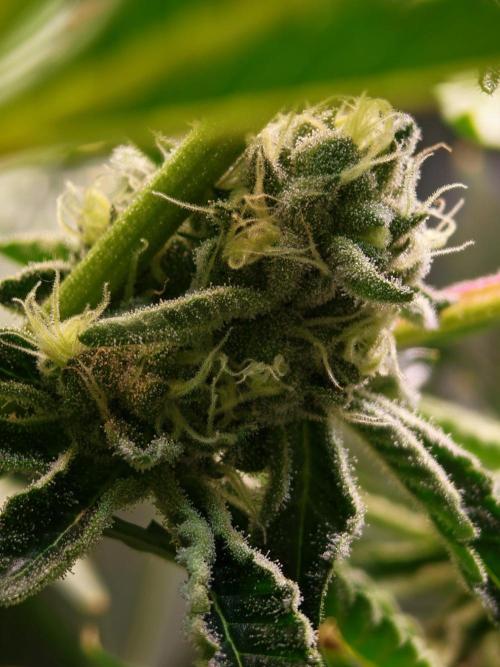
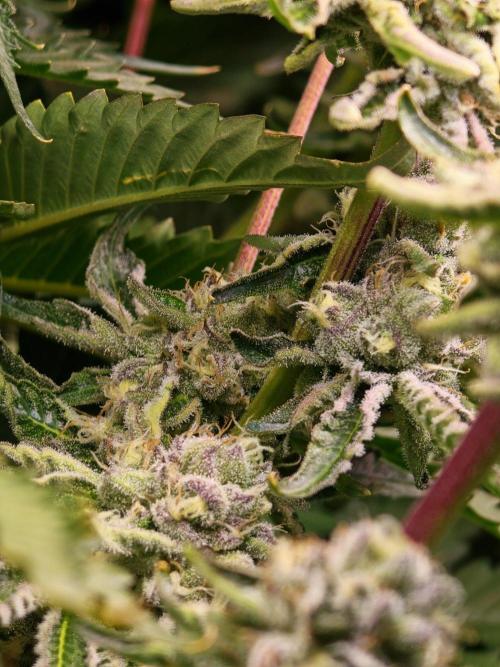
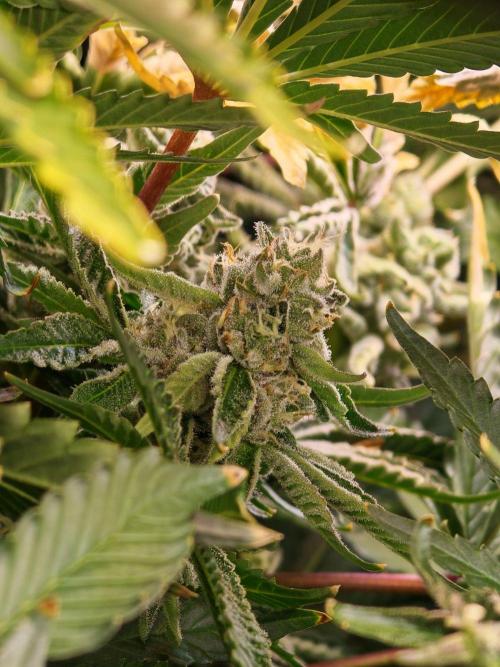
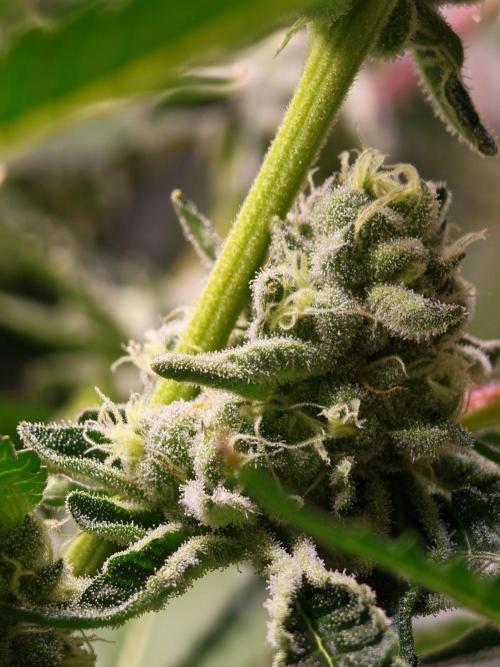
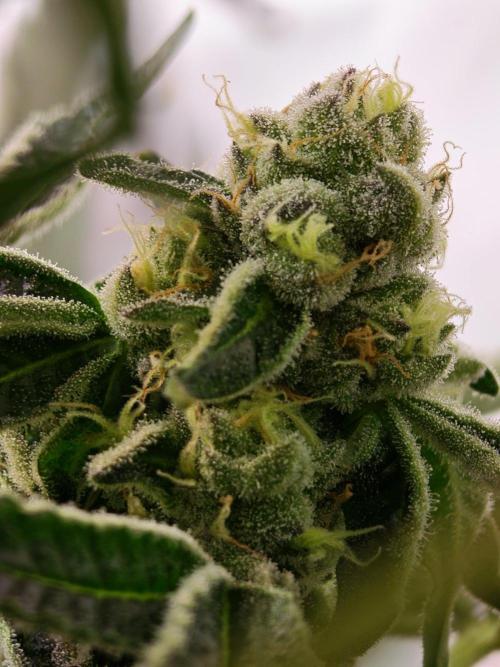
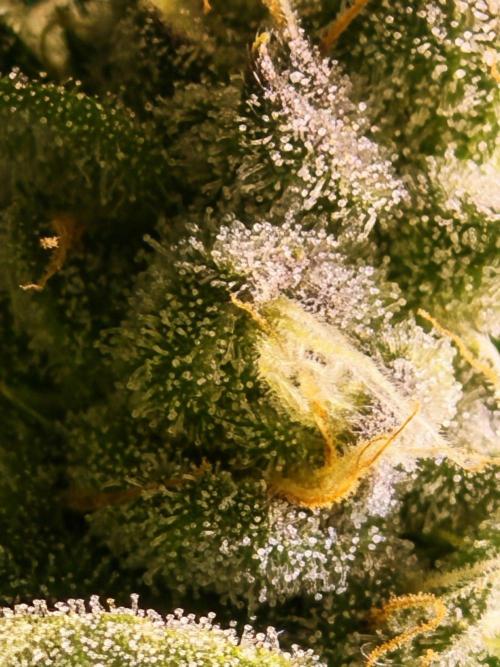
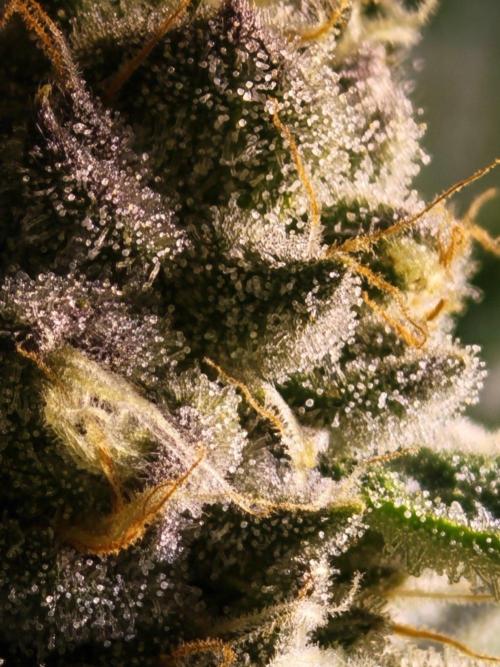
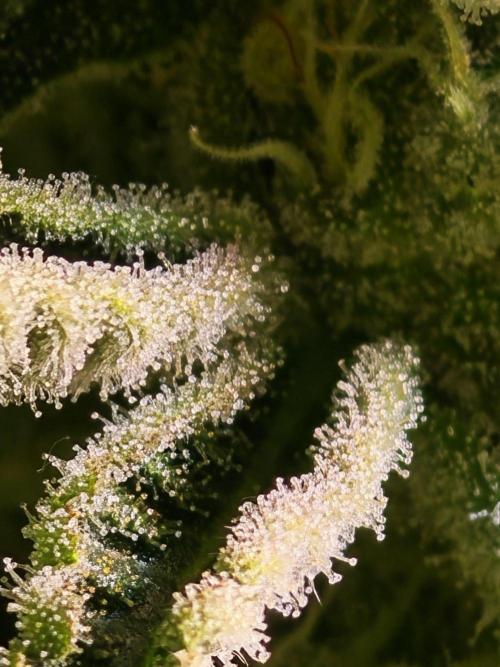
Kevs_Best Week 3 – Still Pushing Hard Crimson Clay continued to develop extremely well throughout the third week of flower. The stretch remained stronger than expected and a few of the highest tops had to be removed because they were getting too close to the light. At this point there was simply no more useful space available above the canopy, so sacrificing a few headbuds was the better option than letting them bleach or burn. Even with the additional stress from supercropping and removing some of the highest tops, the plant handled everything surprisingly well. Flower development continued without any noticeable slowdown and by the end of Week 3 the buds were already showing very strong early structure. The first real resin production is also becoming clearly visible, especially around the sugar leaves and developing calyxes. The flowers are stacking nicely and the amount of fresh white pistils already gives a good idea of how quickly this phenotype starts building mass. Hopefully the vertical stretch is finally beginning to slow down now, so the remaining tops can focus entirely on flower production for the next few weeks. So far, even with the height problems and additional stress, Crimson Clay is once again proving how aggressively she can develop in early flower. DE: Woche 3 – Weiterhin Vollgas Crimson Clay hat sich auch während der dritten Blütewoche weiterhin extrem gut entwickelt. Der Stretch blieb stärker als erwartet und einige der höchsten Tops mussten entfernt werden, da sie bereits zu nah an die Lampe herangewachsen waren. Über dem Canopy war praktisch kein sinnvoll nutzbarer Platz mehr vorhanden, weshalb es die bessere Entscheidung war, ein paar Headbuds zu opfern, anstatt sie später bleichen oder verbrennen zu lassen. Trotz des zusätzlichen Stresses durch Supercropping und das Entfernen einiger der höchsten Tops hat die Pflanze alles überraschend gut verkraftet. Die Blütenentwicklung lief ohne sichtbare Verzögerung weiter und bereits zum Ende der dritten Woche zeigen sich sehr schöne und kräftige frühe Bud-Strukturen. Auch die erste deutliche Harzproduktion wird inzwischen sichtbar, besonders auf den Sugar Leaves und rund um die sich entwickelnden Calyxes. Die Blüten beginnen bereits schön zu stacken und die große Menge an frischen weißen Pistillen zeigt erneut, wie schnell dieser Phänotyp in der frühen Blüte Masse aufbaut. Hoffentlich lässt der vertikale Stretch nun endgültig nach, sodass sich die verbleibenden Tops in den kommenden Wochen vollständig auf die Blütenentwicklung konzentrieren können. Trotz Höhenproblemen und zusätzlichem Stress zeigt Crimson Clay bisher erneut, wie aggressiv dieser Phänotyp bereits in der frühen Blüte entwickeln kann.
13 likes
comments
Share
Used techniques
Defoliation
Technique
LST
Technique
Supercropping
Technique

Login

5 comments
Sort by
popularity
popularity
newest
oldest
Pi_growing
Pi_growing commentedweek 16d ago
Due to nutrient sensitivity, do you fertilize the clones with veg or bloom nutrients? And you always have to keep in mind that a cutting doesn't have a taproot and generally absorbs fewer nutrients than a seed plant.
Kevs_Best
Kevs_Best commented5d ago
@Pi_growing, Thanks, that’s actually a good point. I usually root the clones under a humidity dome with very light veg feed at first, then once they are clearly rooted and growing I increase the EC quite quickly. Looking back, I think part of the instability might also have come from my rooting method itself rather than only from the phenotype. I had a few clones that never developed the strongest root system, so that could definitely have made the nutrient sensitivity look worse later on. With the Black Light clones I can test this differently now: cleaner rooting, lower stress in the beginning and a slower EC increase after rooting. That should give me a better comparison and show whether the issue was really genetics or partly my propagation process.
Pi_growing
Pi_growing commented5d ago
@Kevs_Best, most people use veg nutrients for cuttings, me too. Until I read that P and K are more important at the beginning to develop the roots ✌️
GrowerBaal
GrowerBaal commentedweek 123d ago
Good luck with your new project! 💪
Kevs_Best
Kevs_Best commented23d ago
@GrowerBaal, 🙏💚💯🔥thx bro
Enjoying this diary? Follow for more updates!
Prefer the old Diary view?
Go back to the old Diary view