









Platinum Lantz | Treasure Genesis

3
124
73
282
7h ago
Start at 16 Week
G
Germination
4mo ago
Nutrients 4
Pro Bloom - Athena
Pro Bloom
0.264 mll
Pro Core - Athena
Pro Core
0.264 mll
Pro Fade - Athena
Pro Fade
0.264 mll
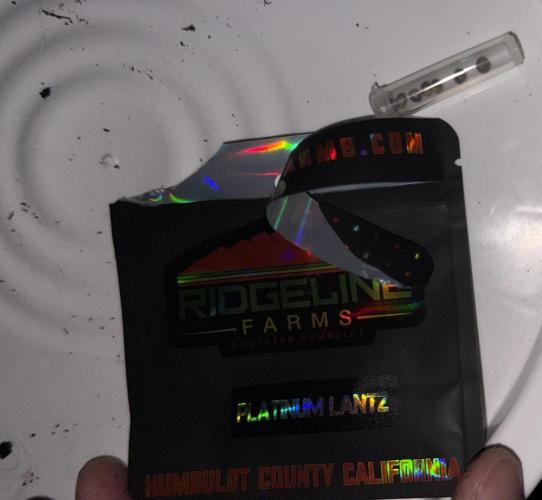
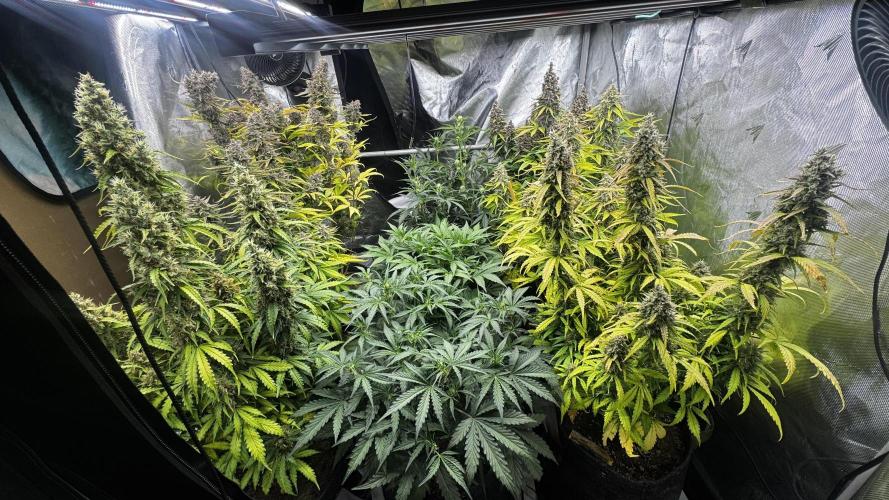
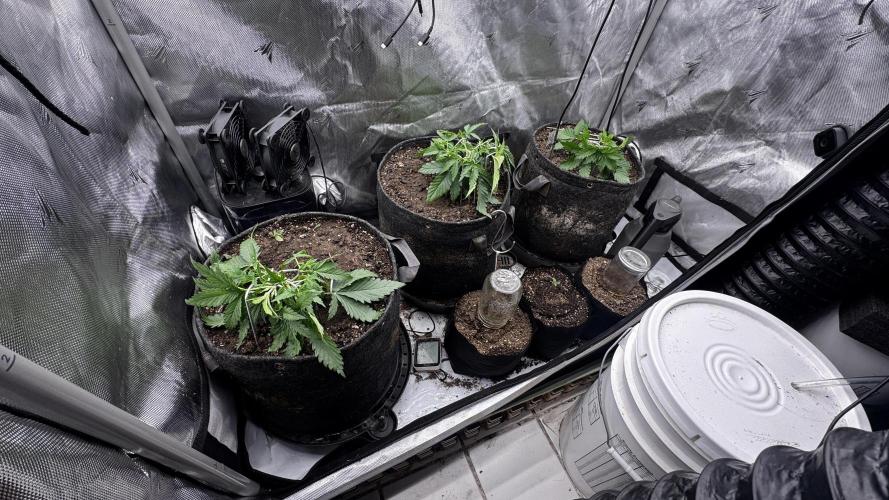
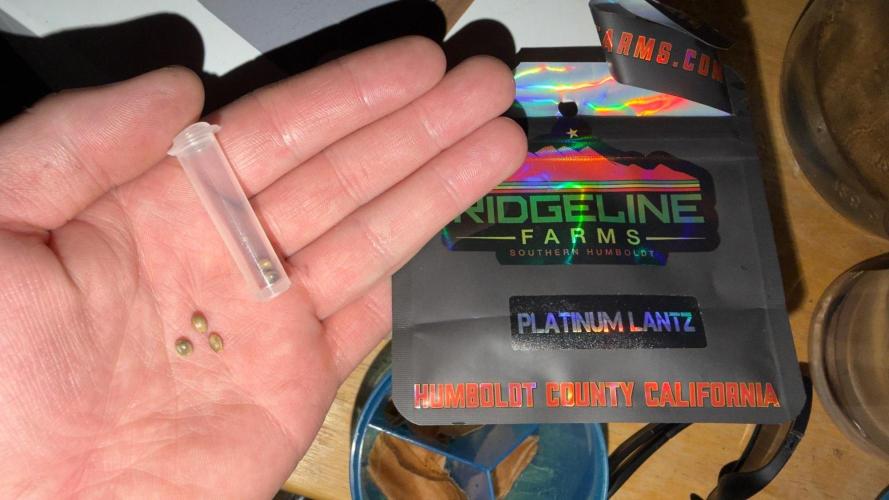
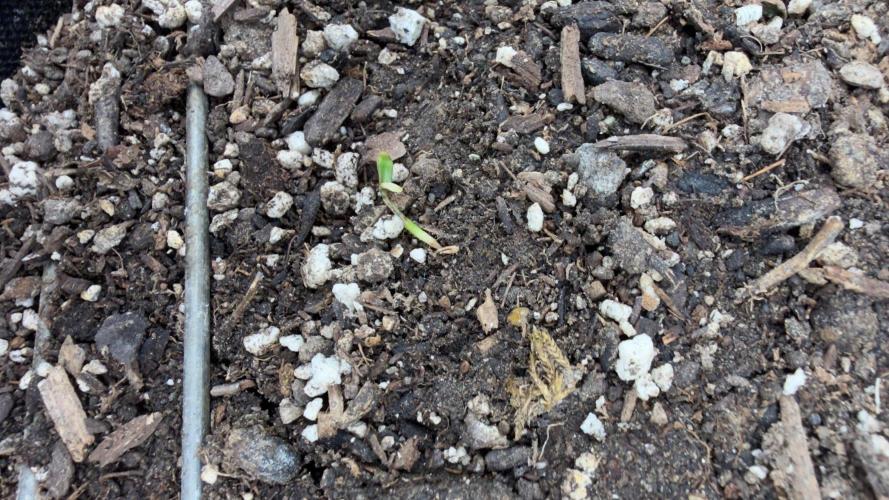
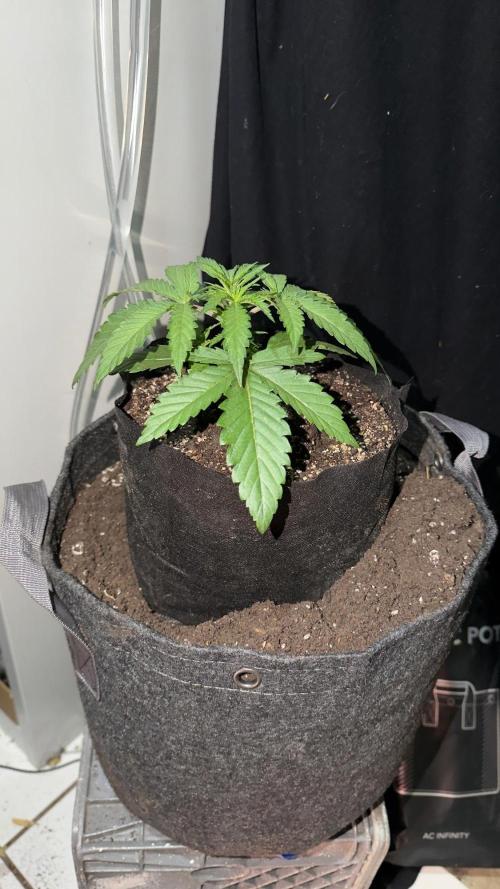
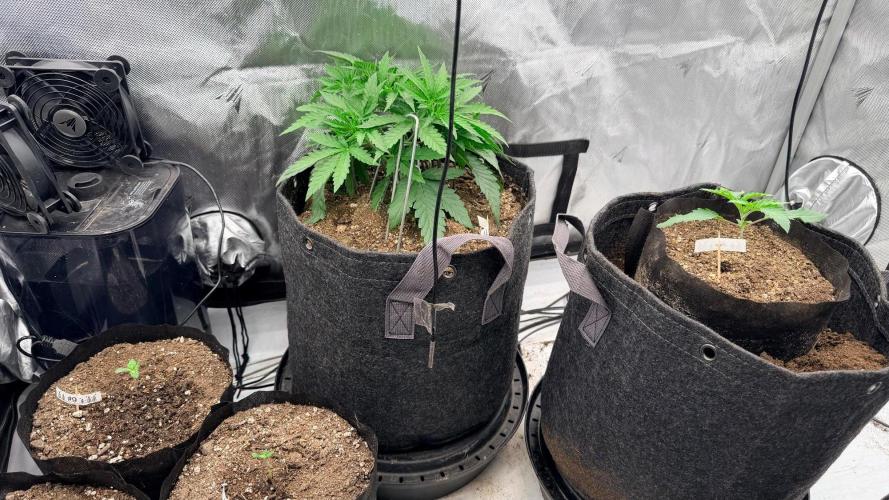
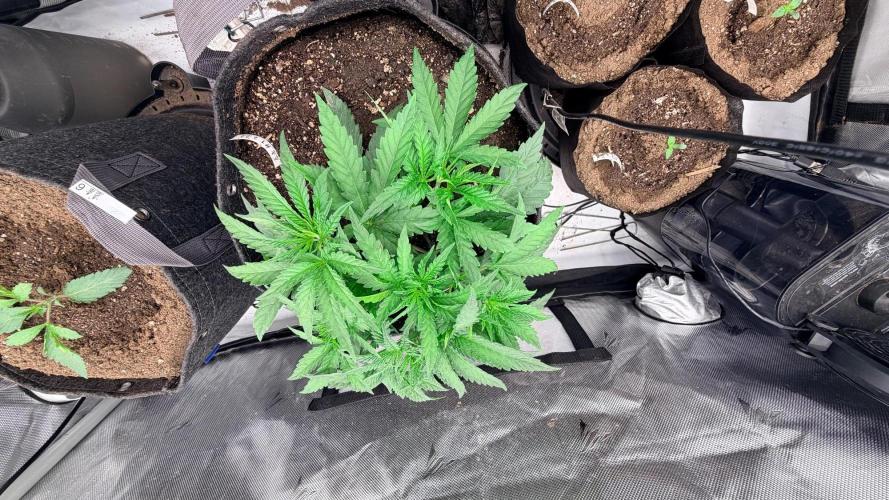
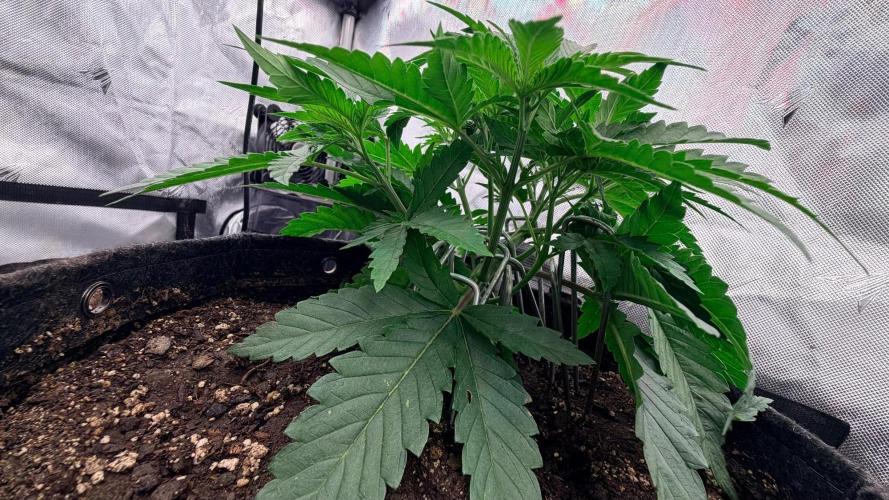
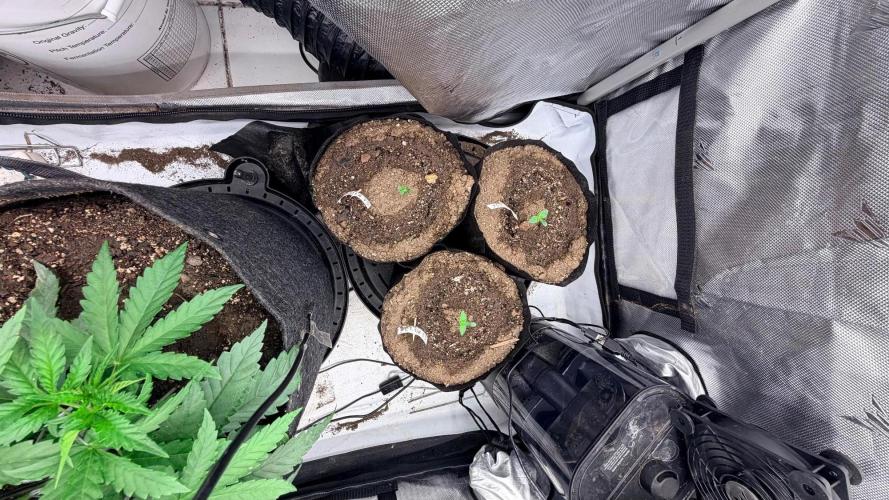
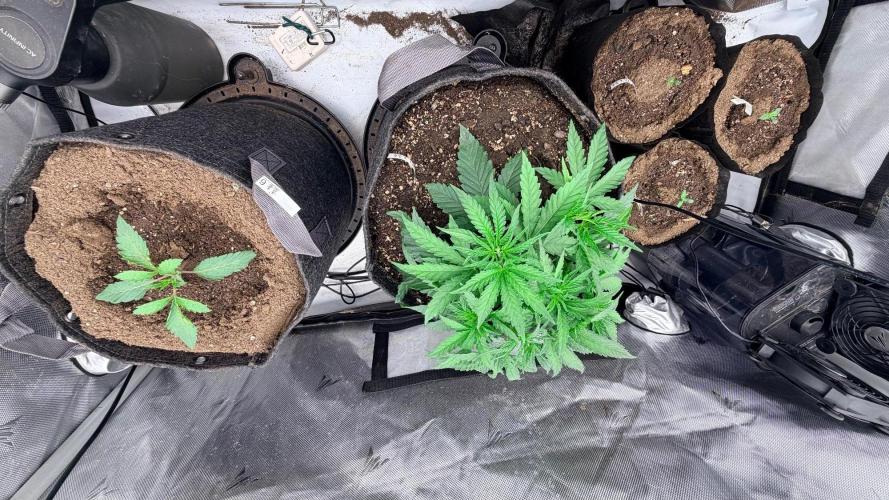
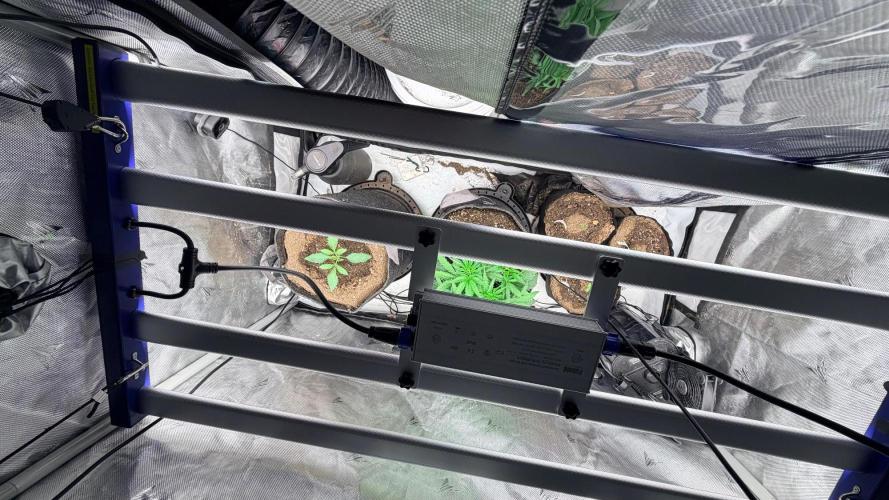
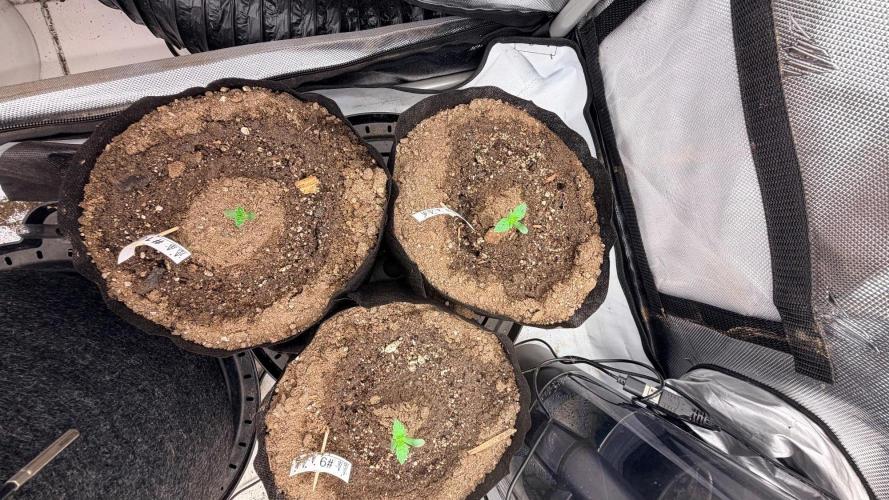
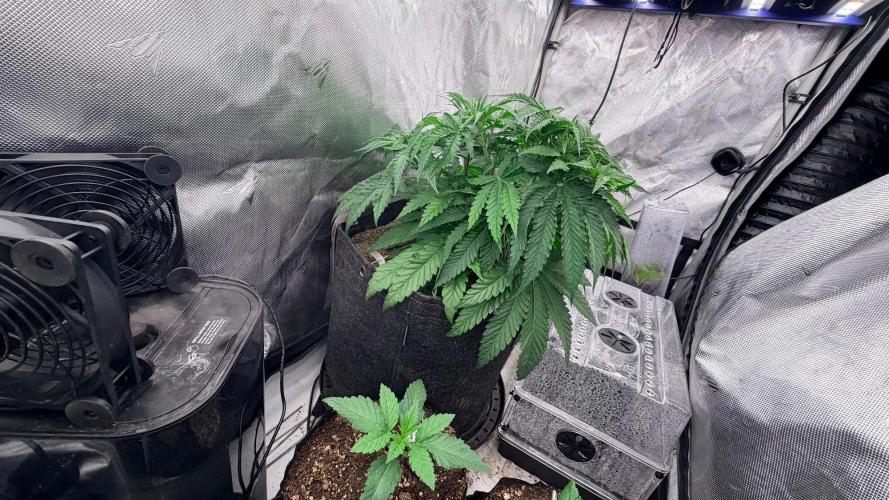
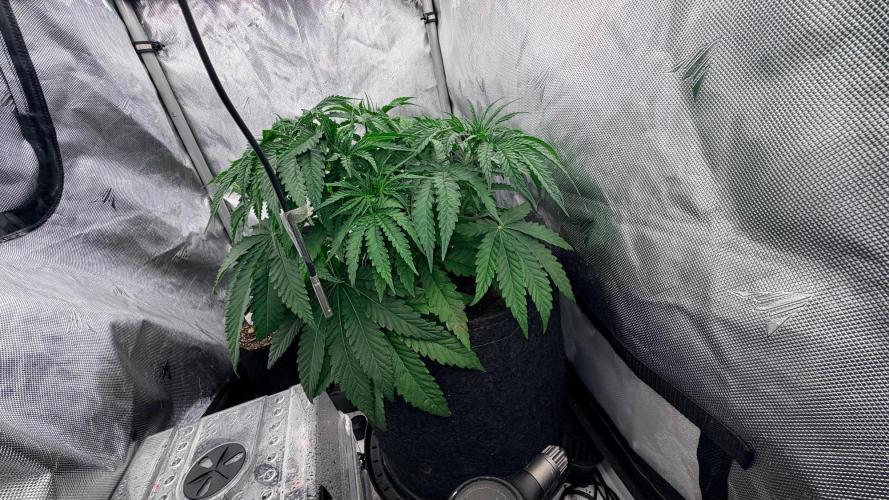
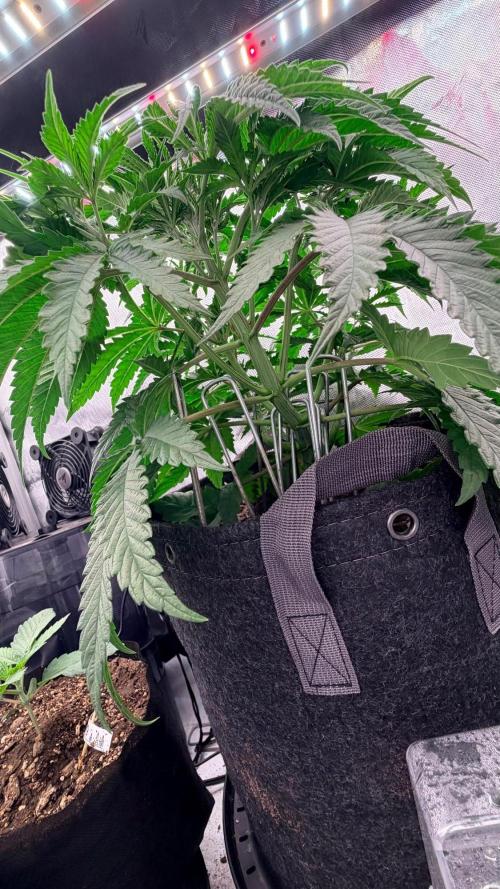
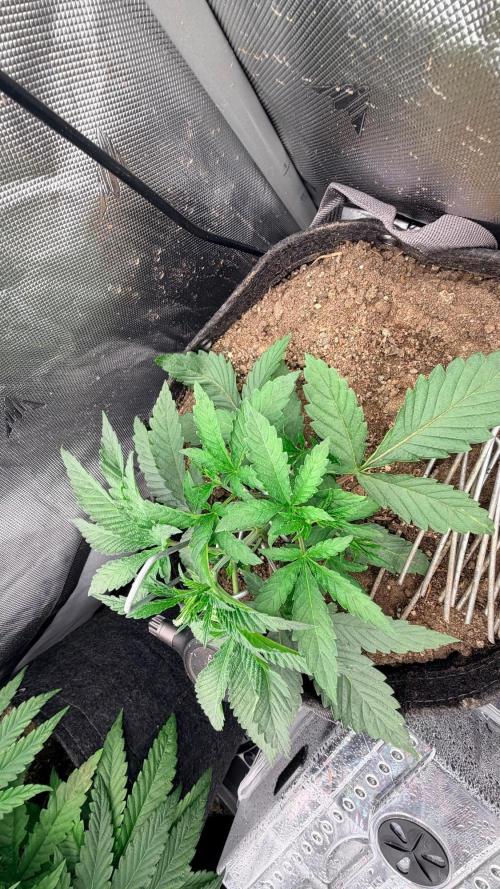
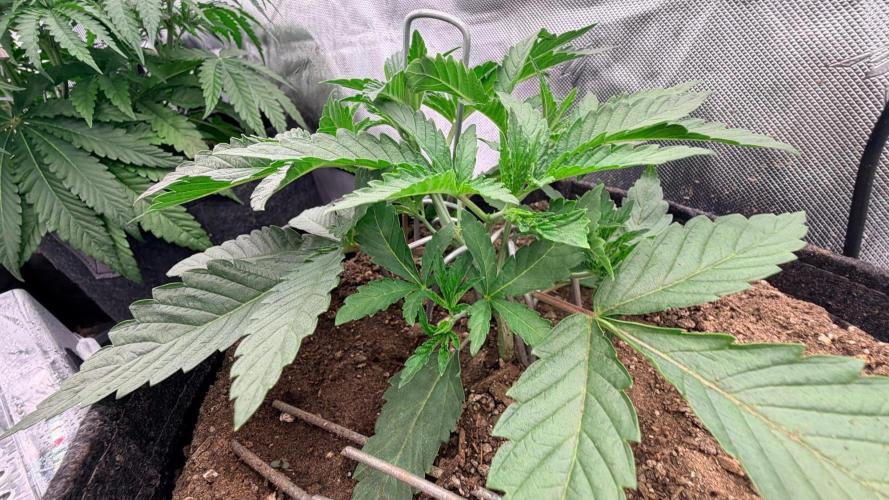
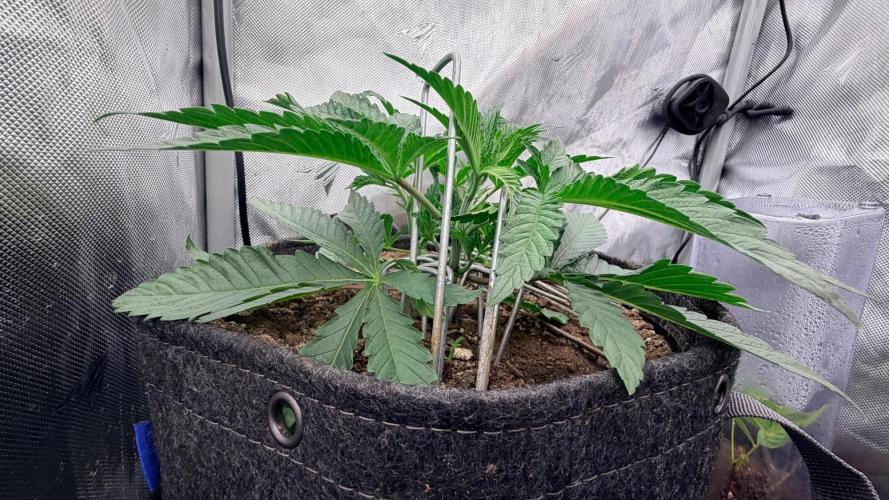
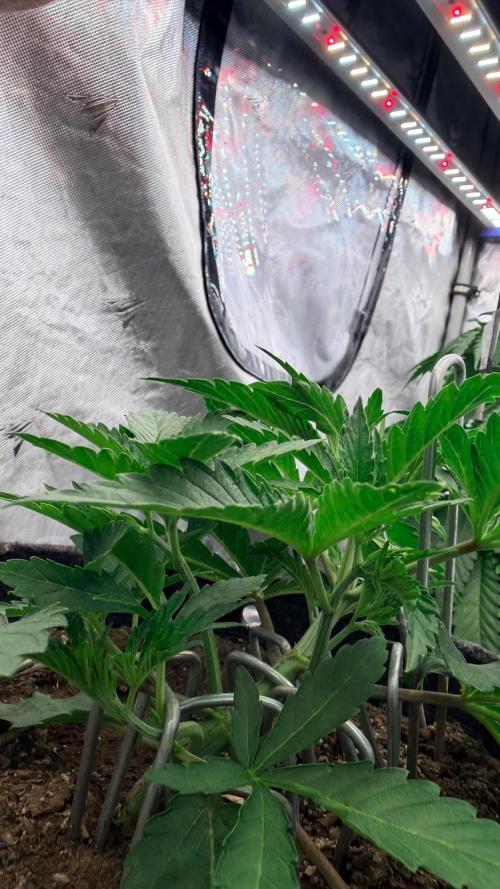
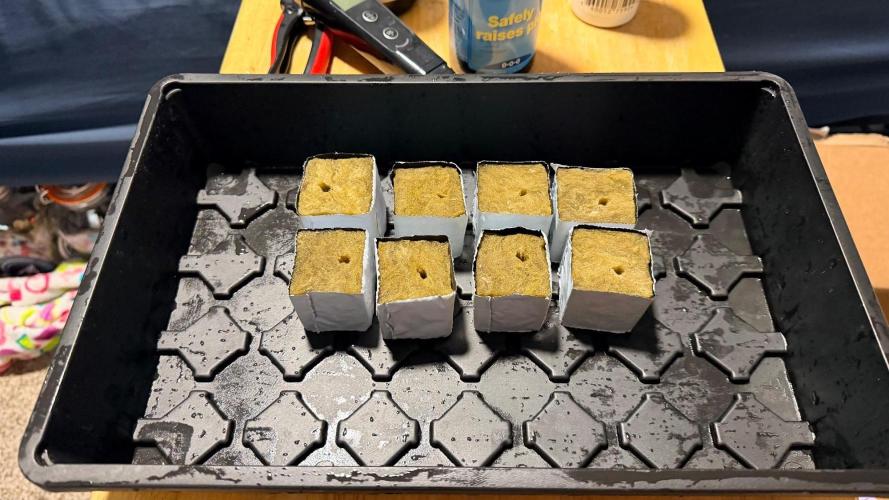
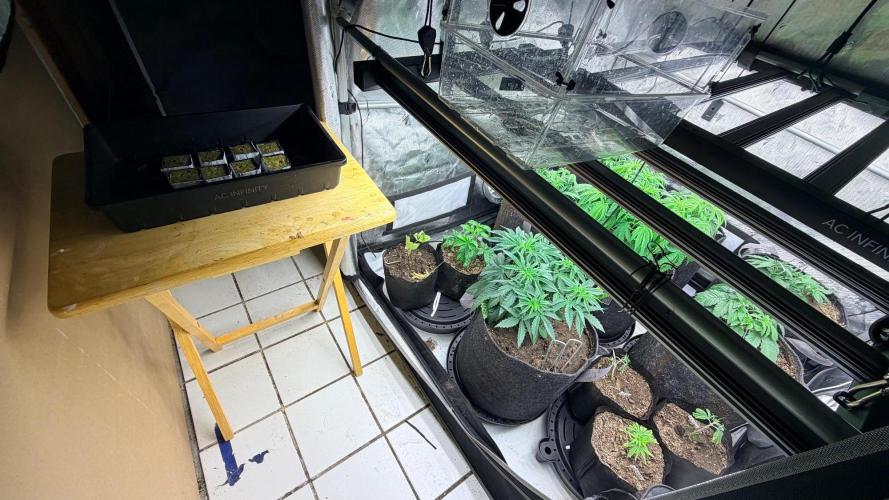
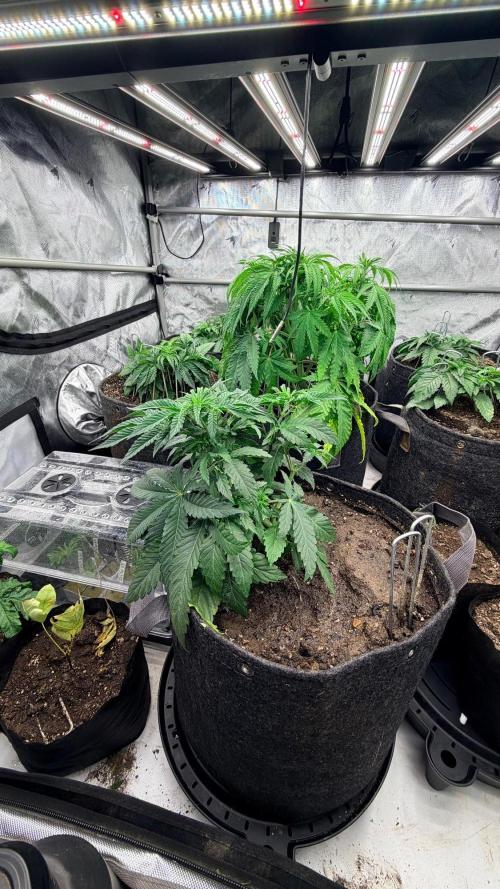
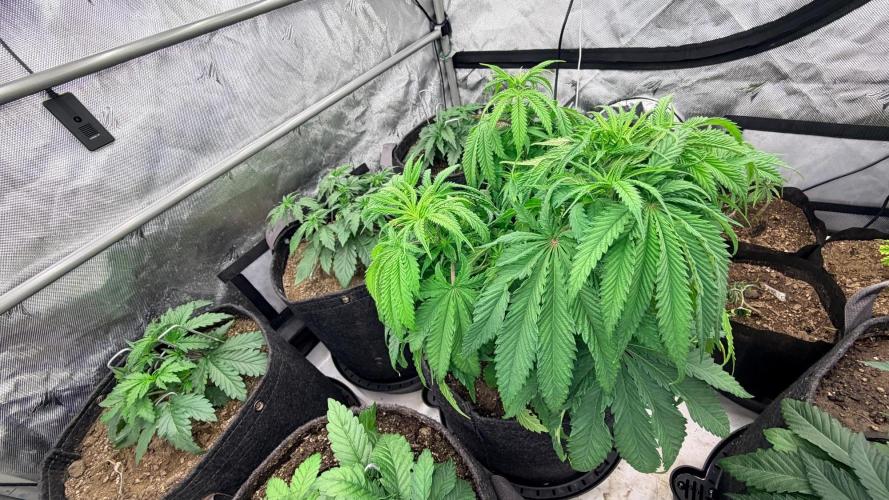
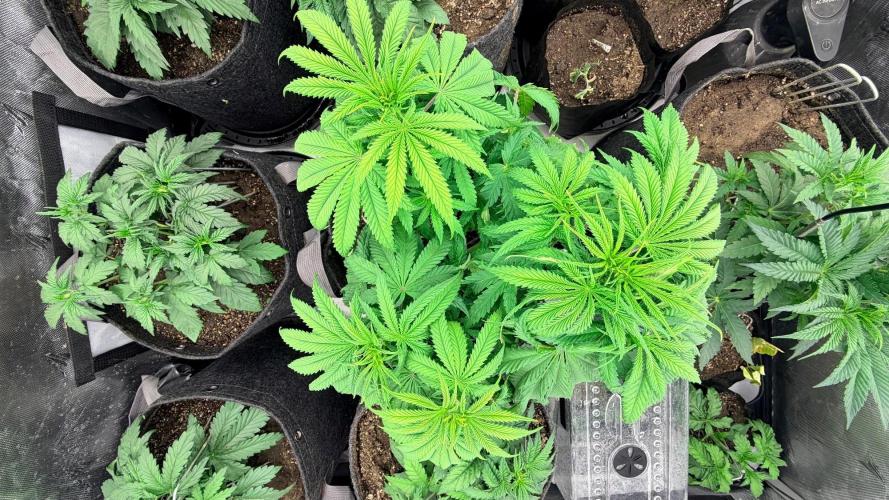
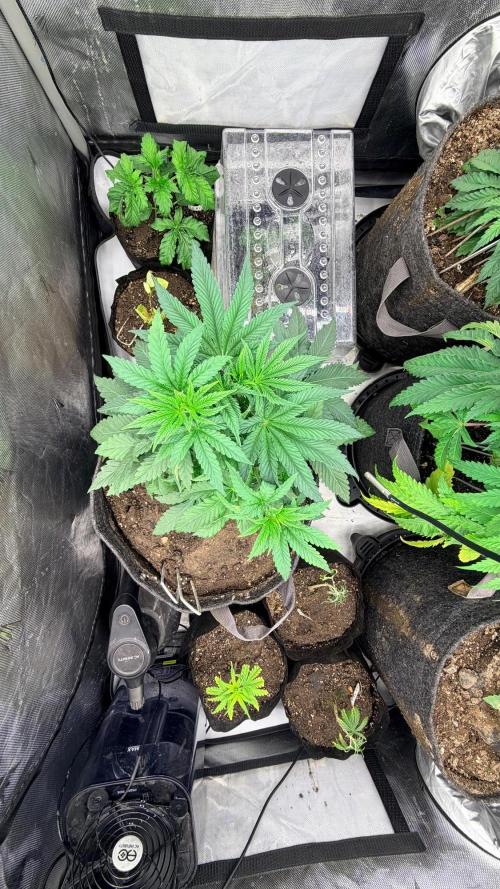
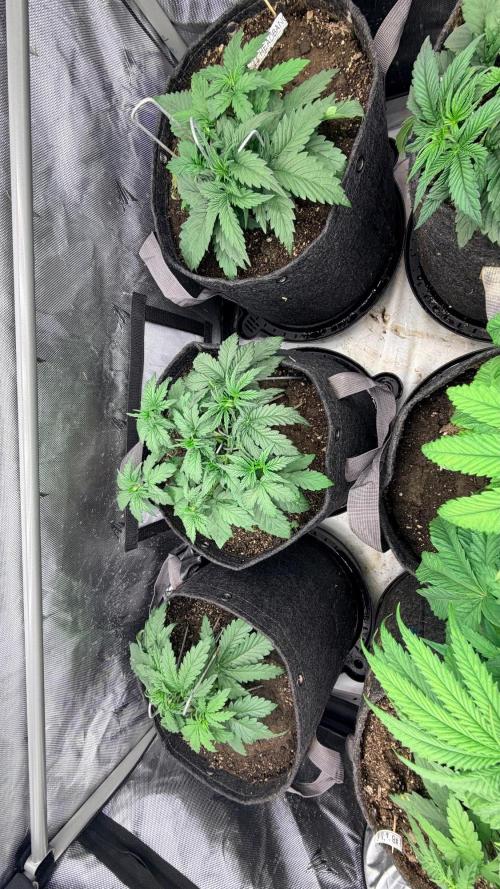
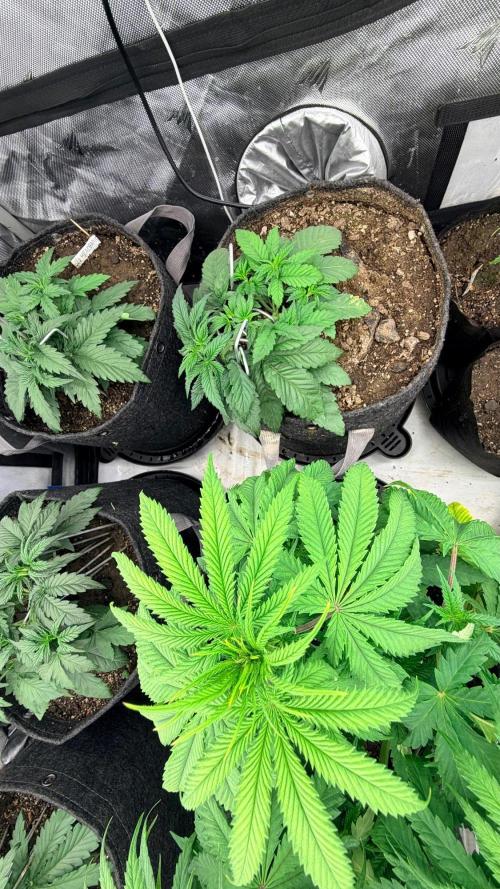
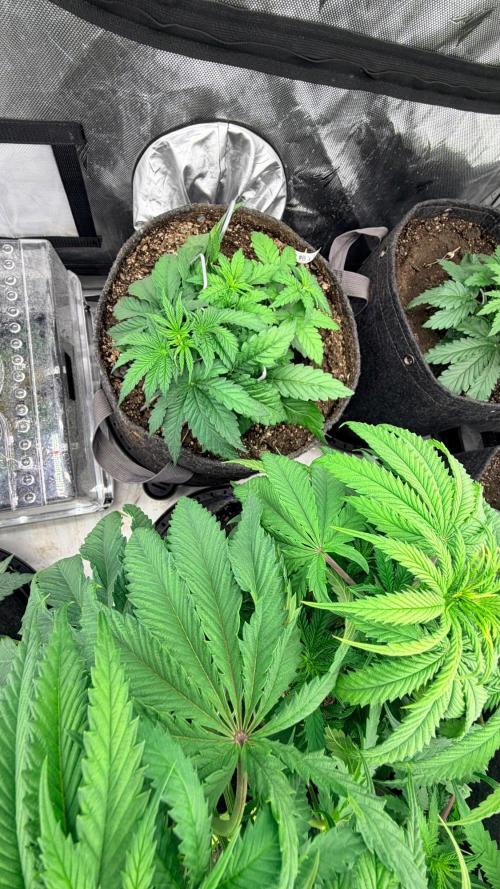
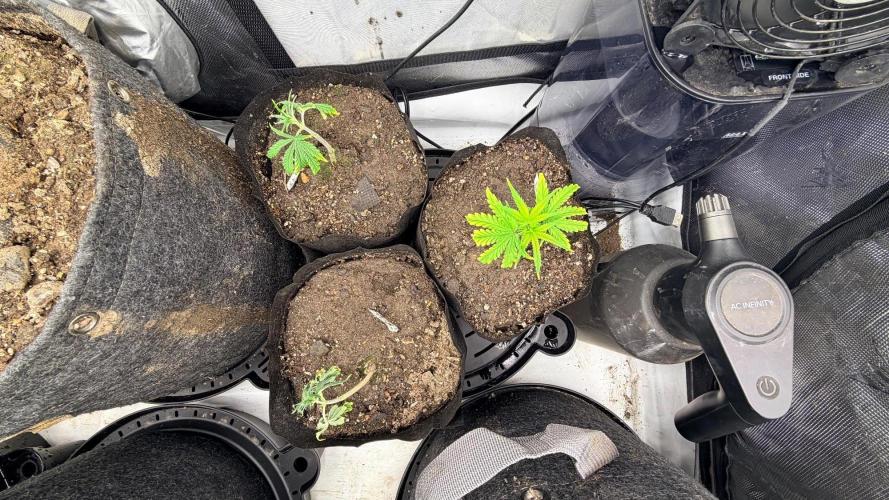
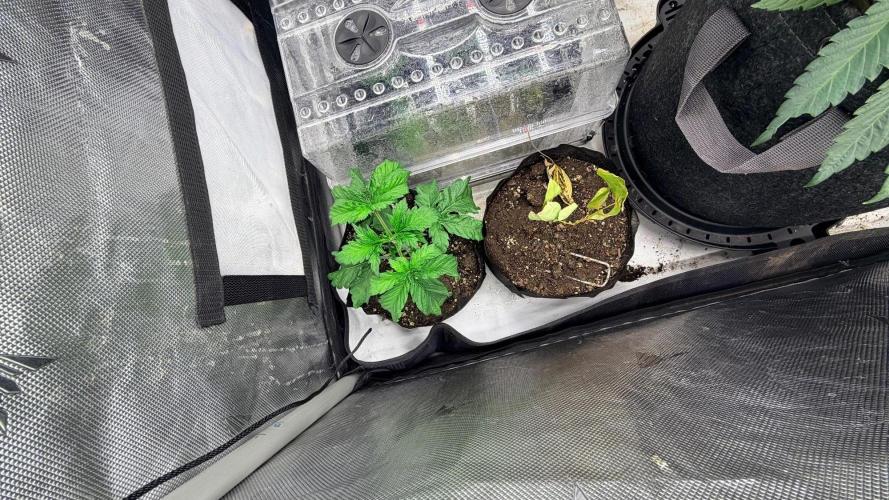
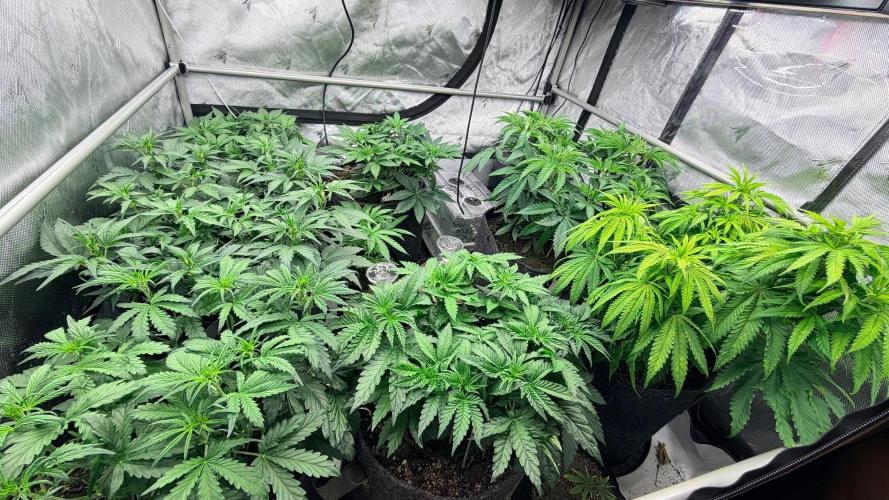
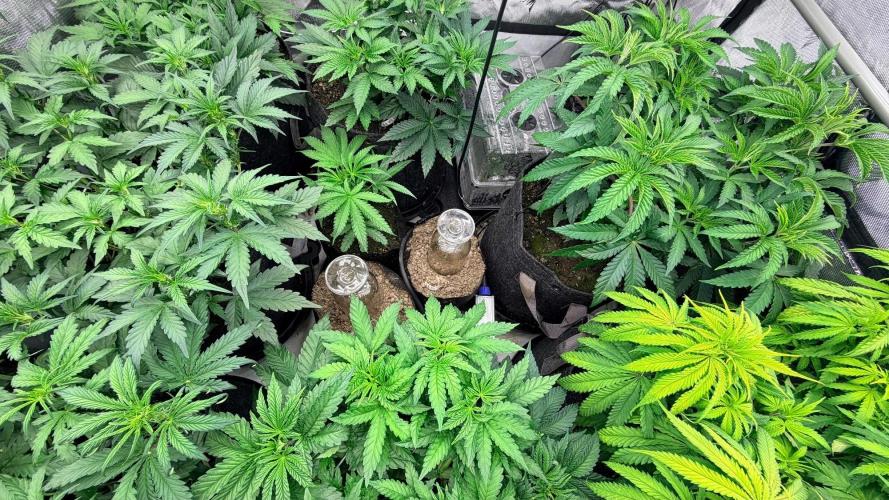
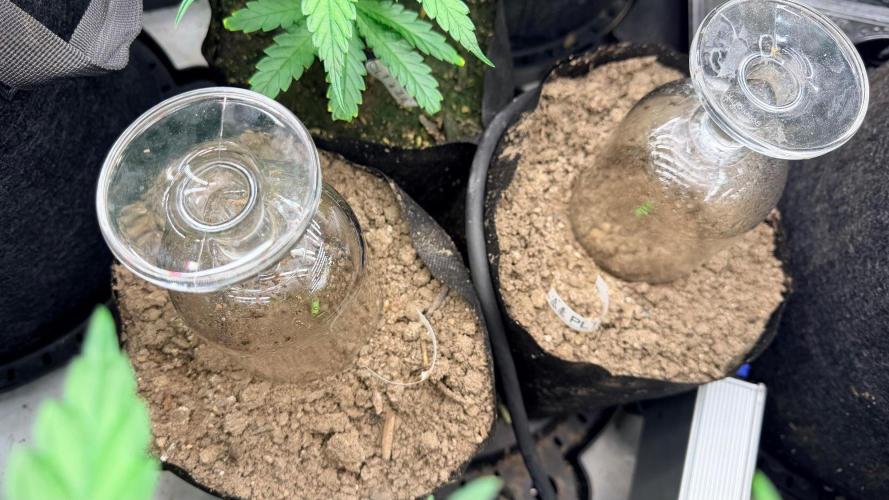
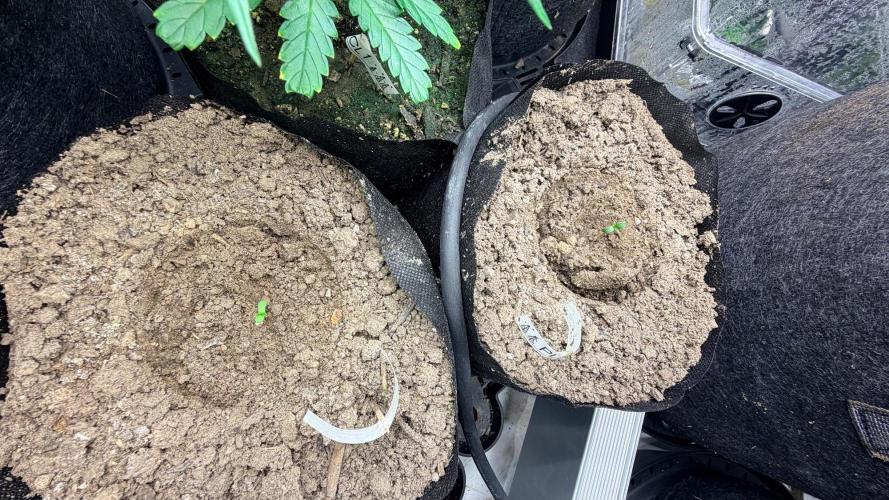
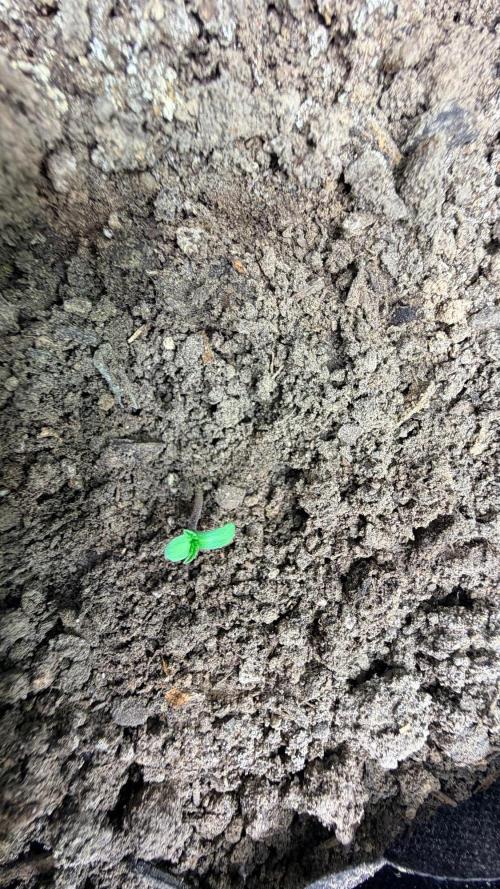
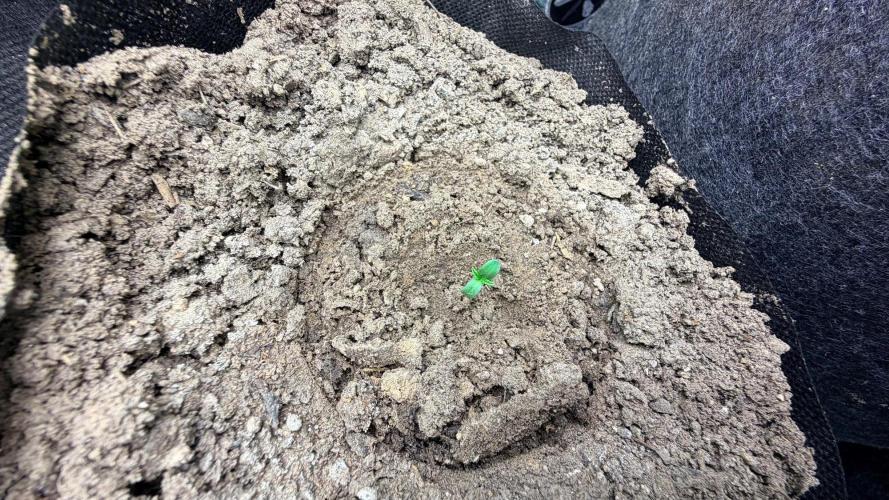
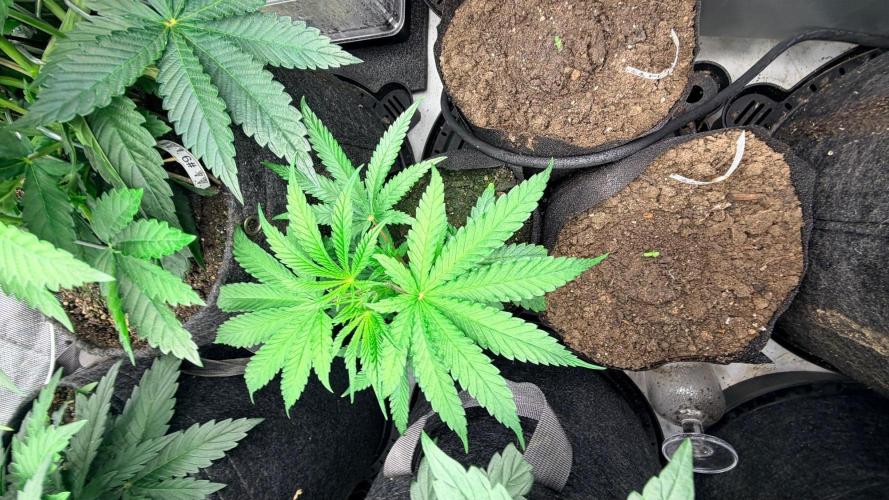
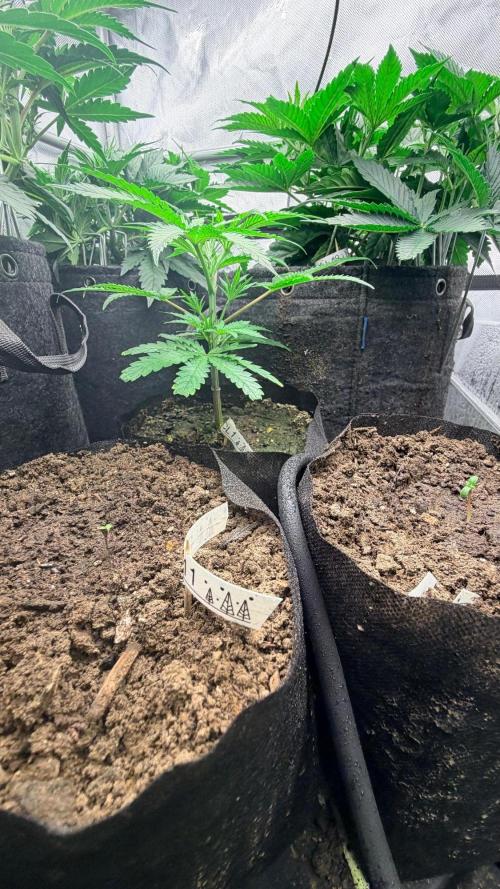
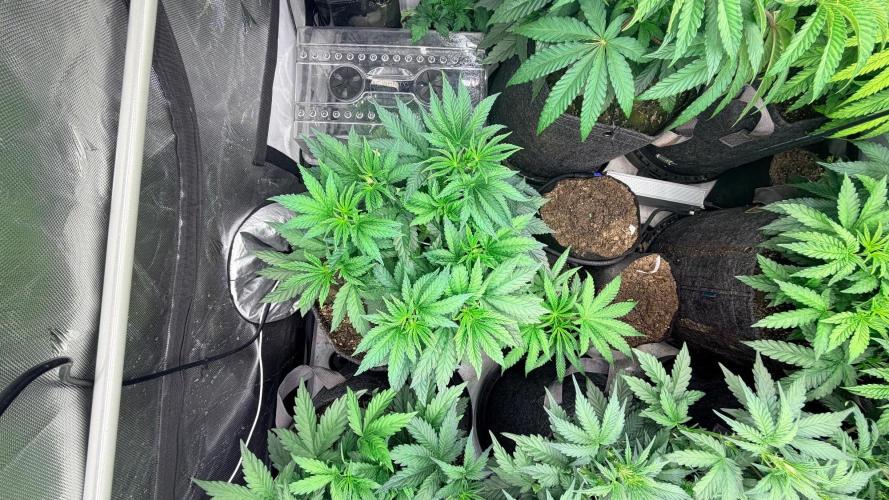
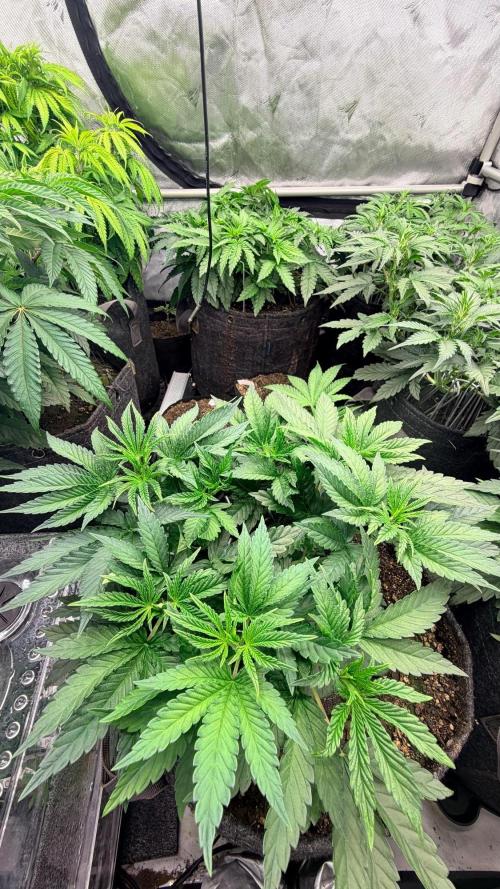
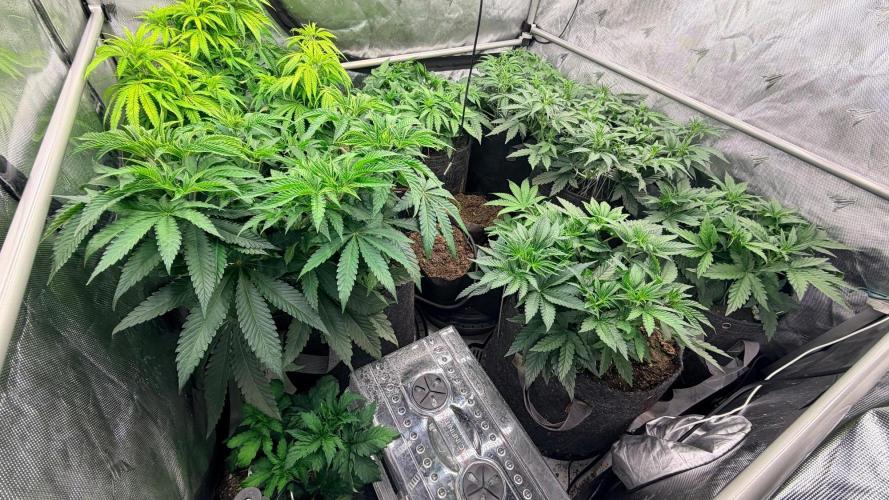
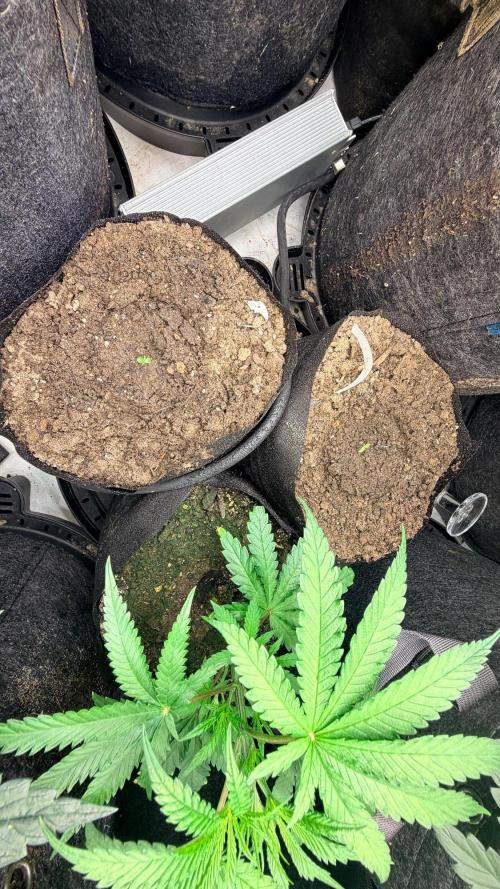
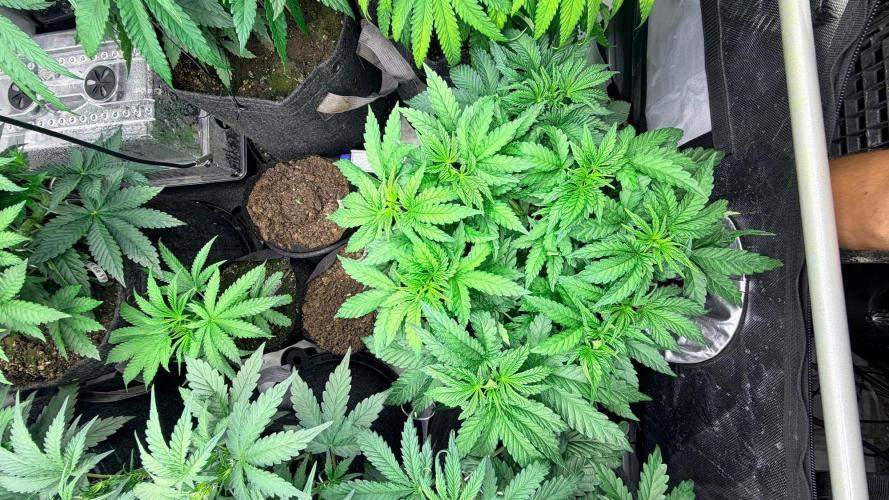
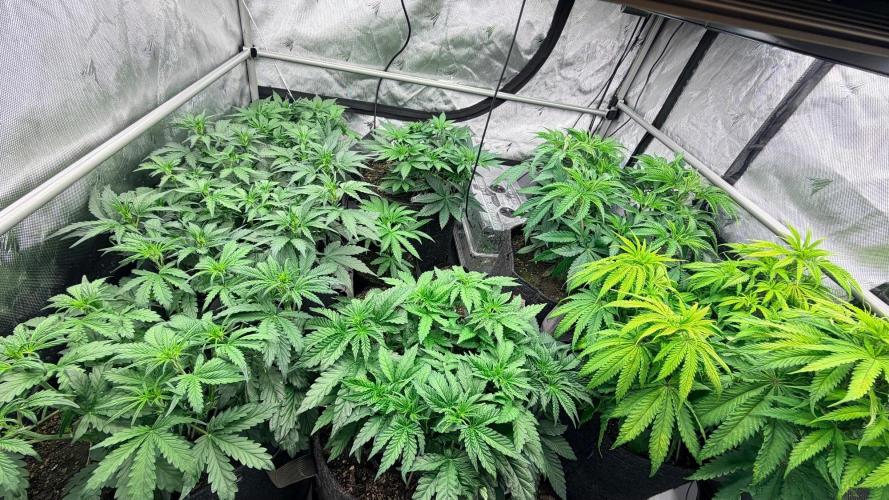
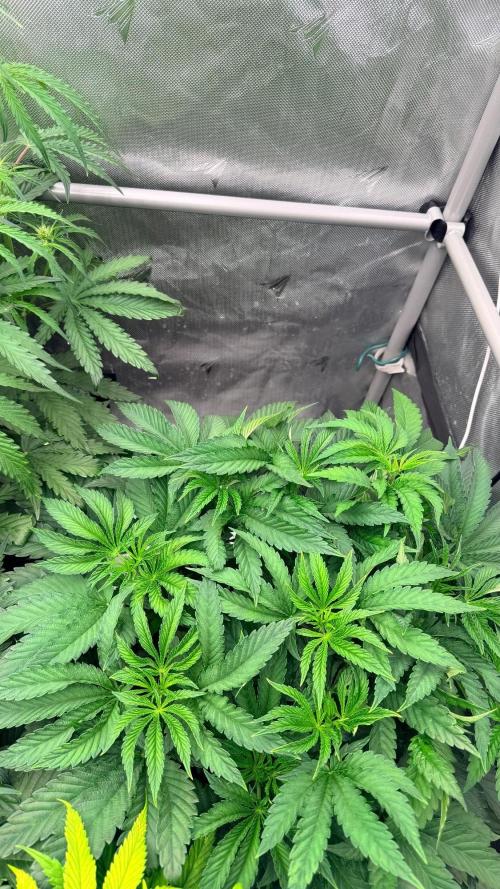
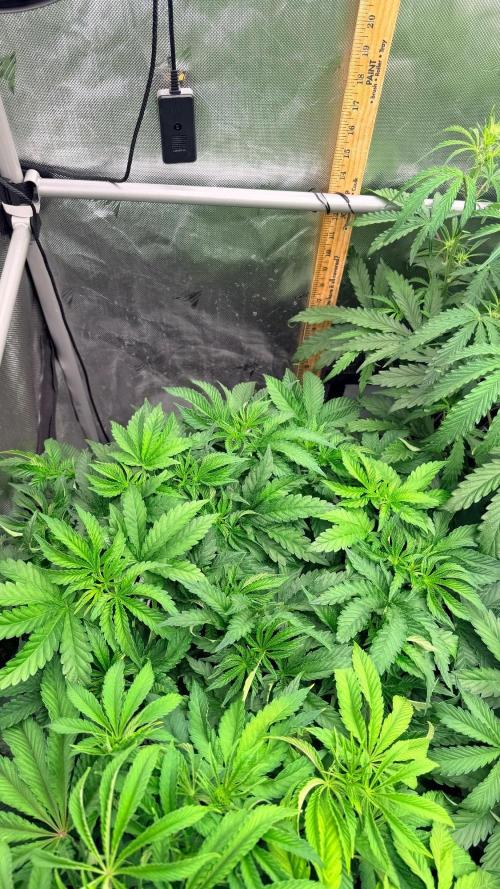
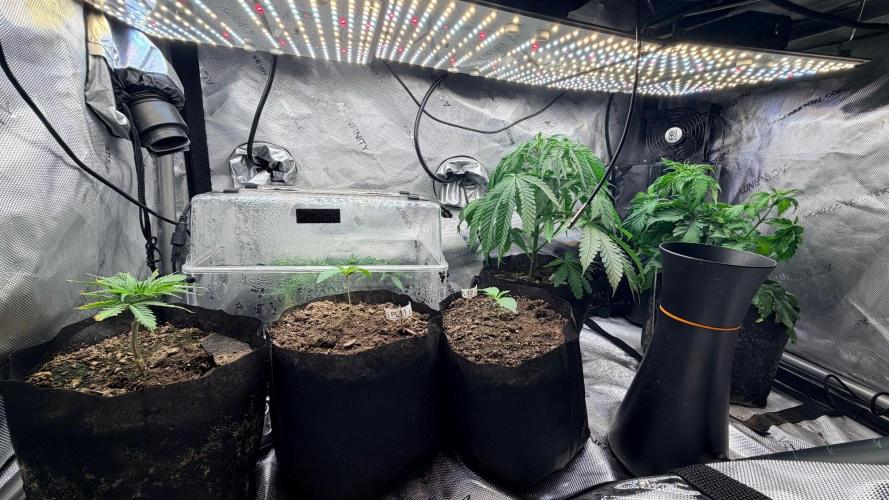
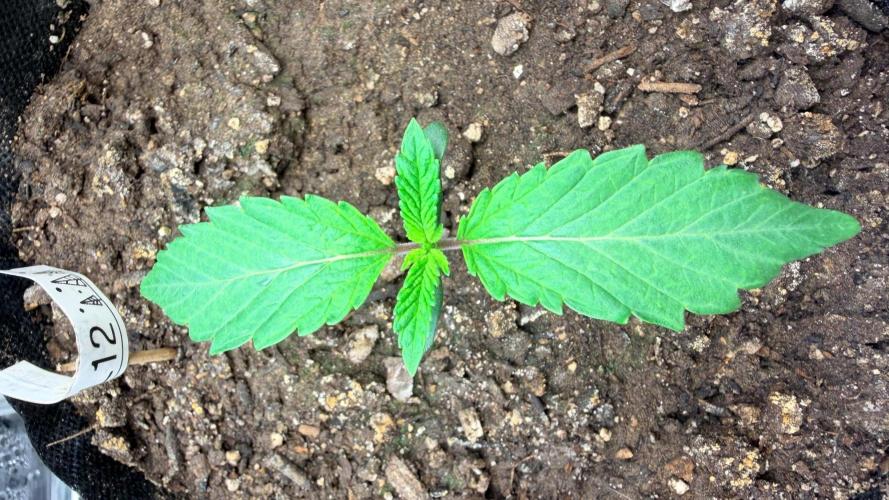
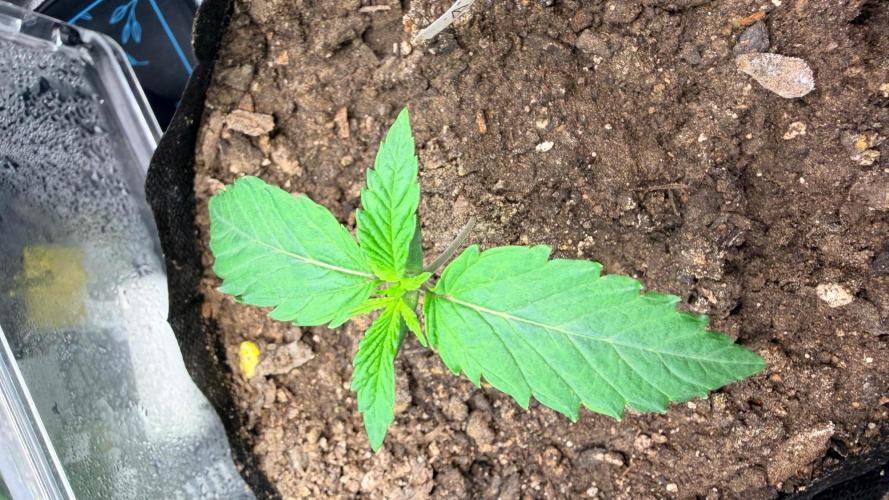
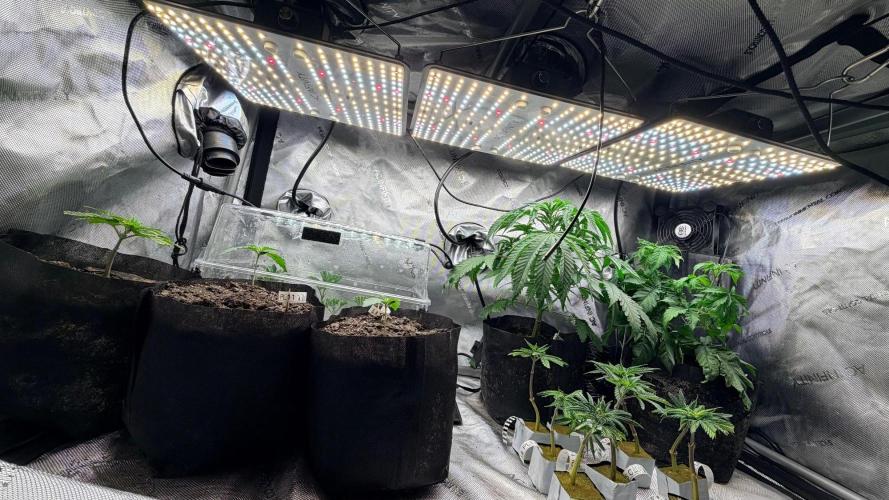
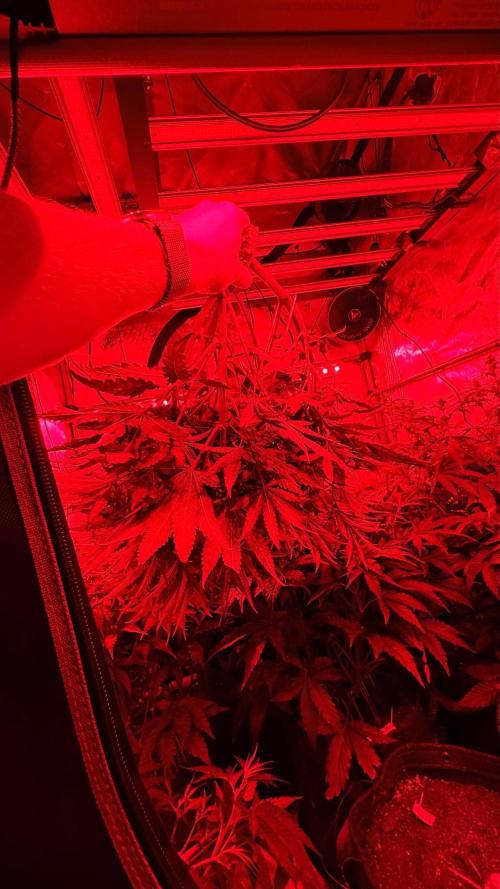
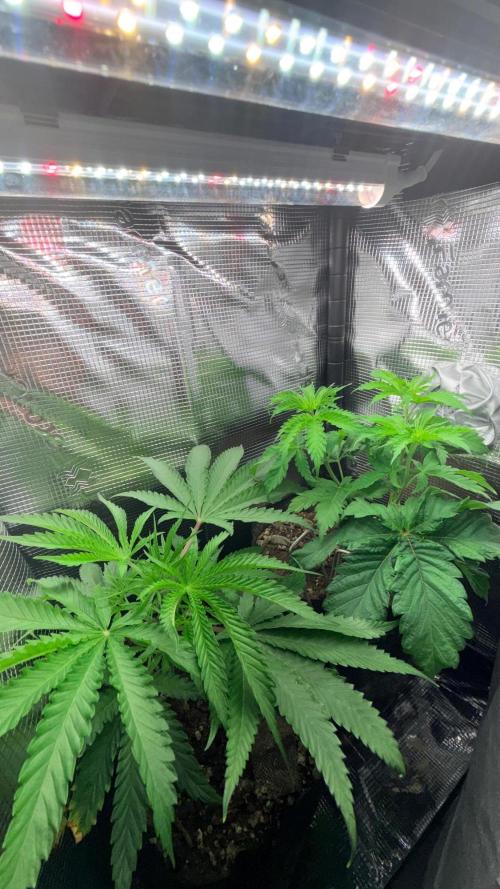
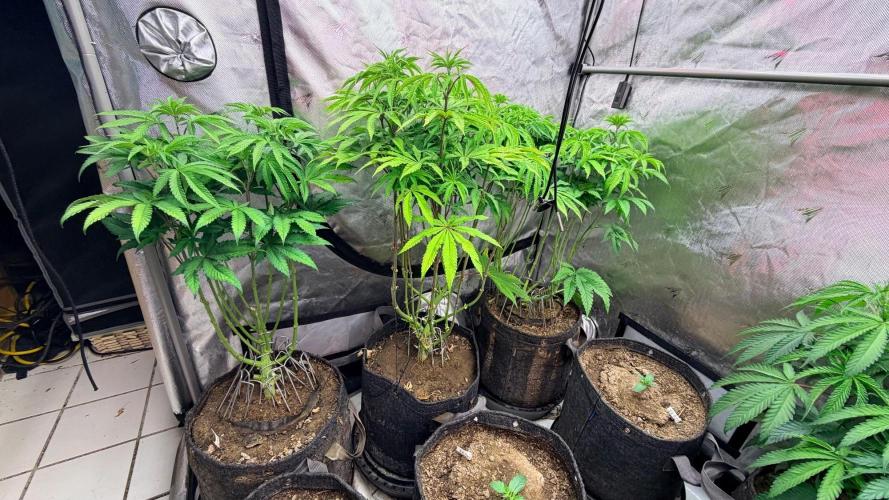
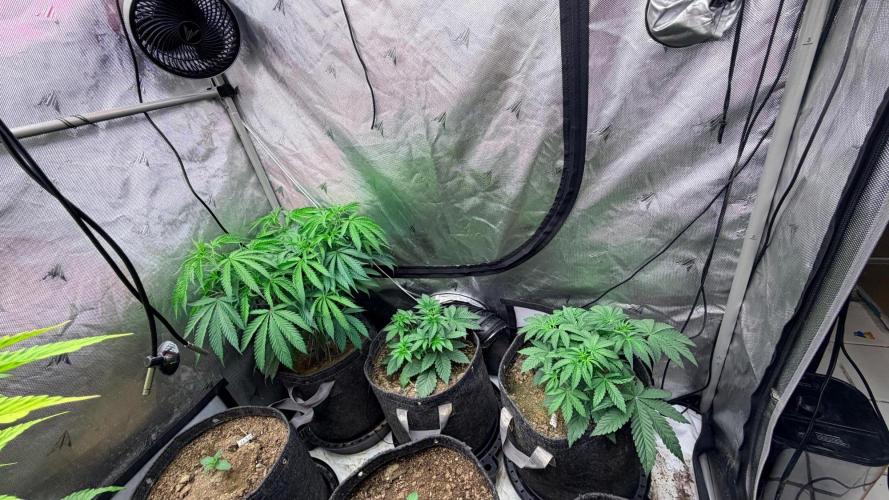
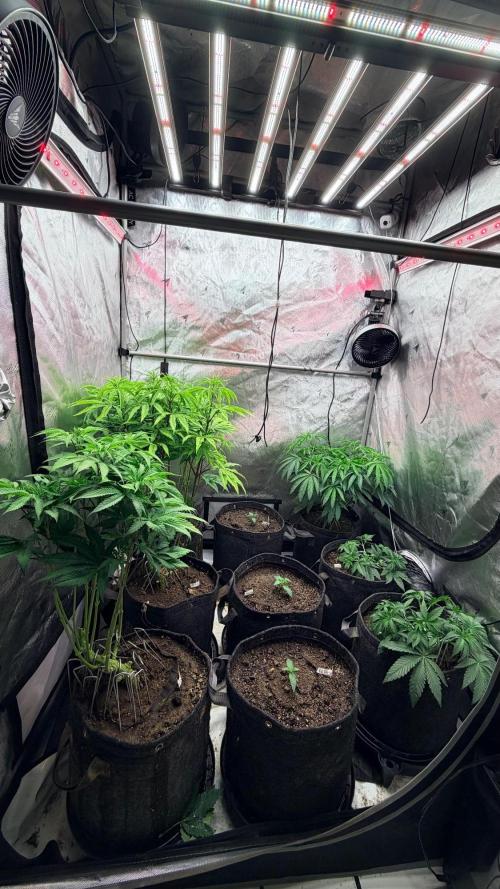
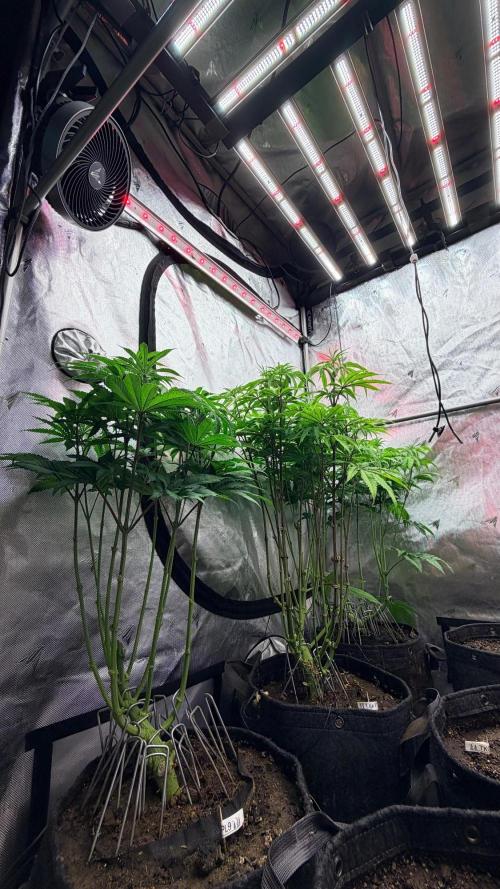
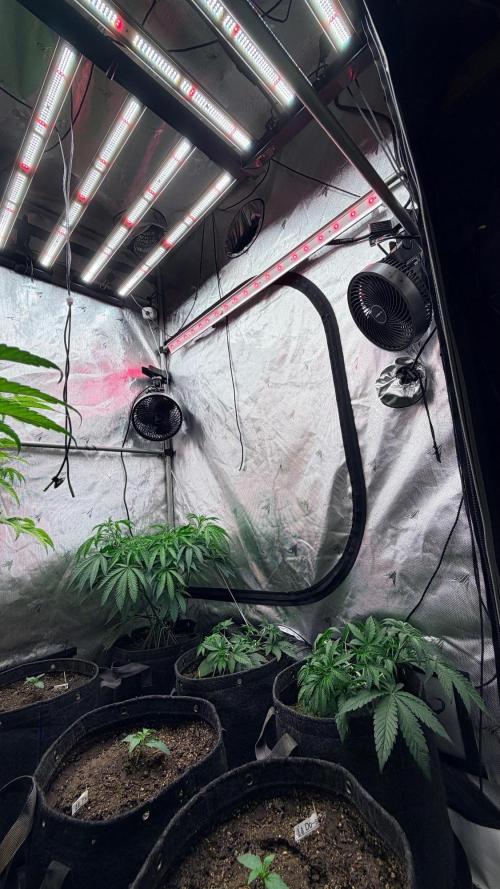
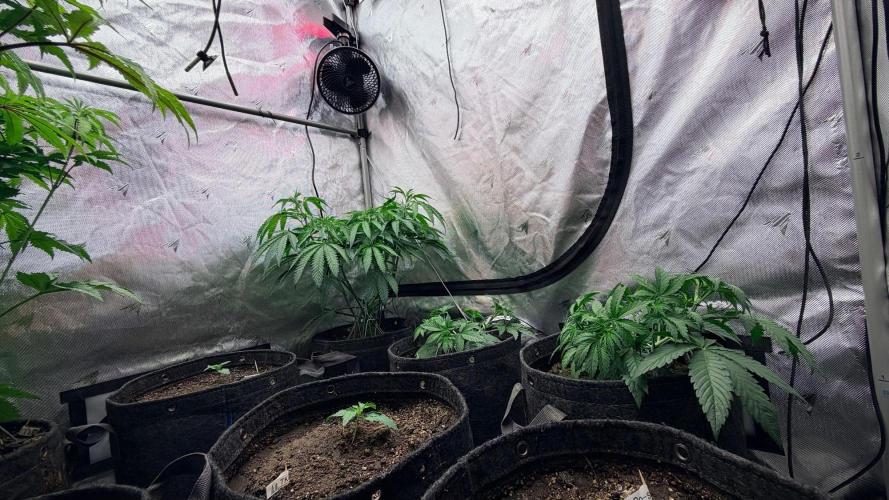
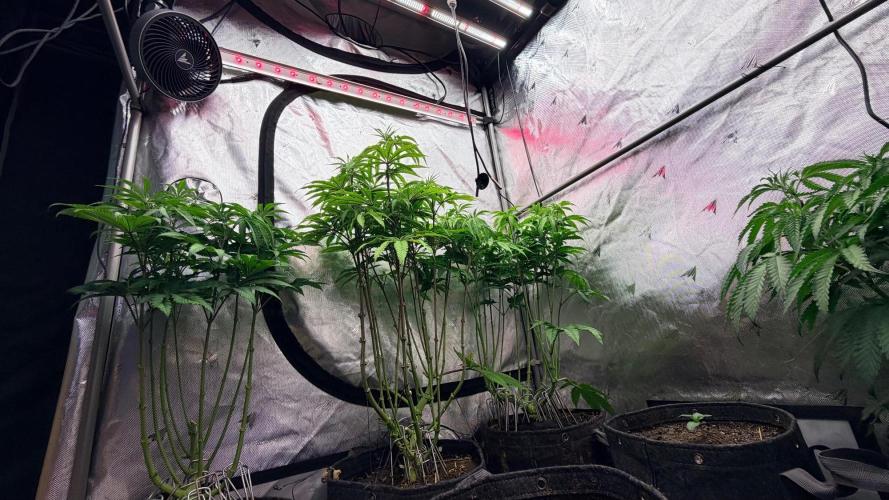
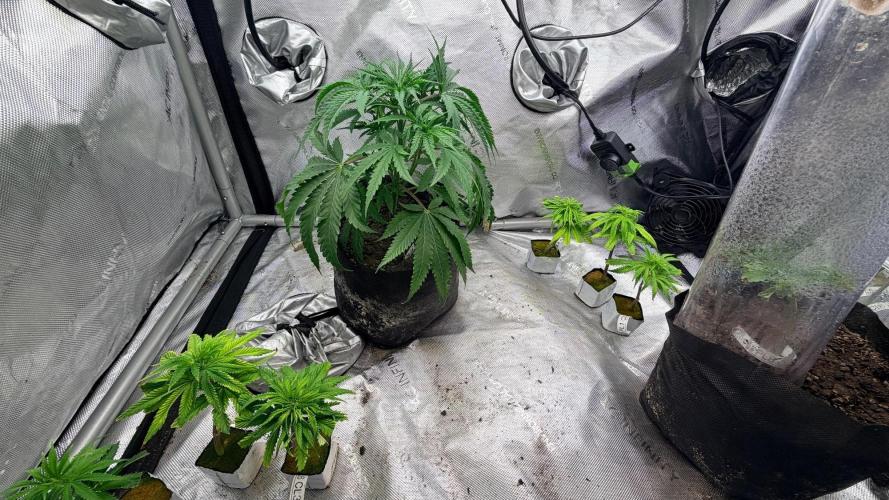
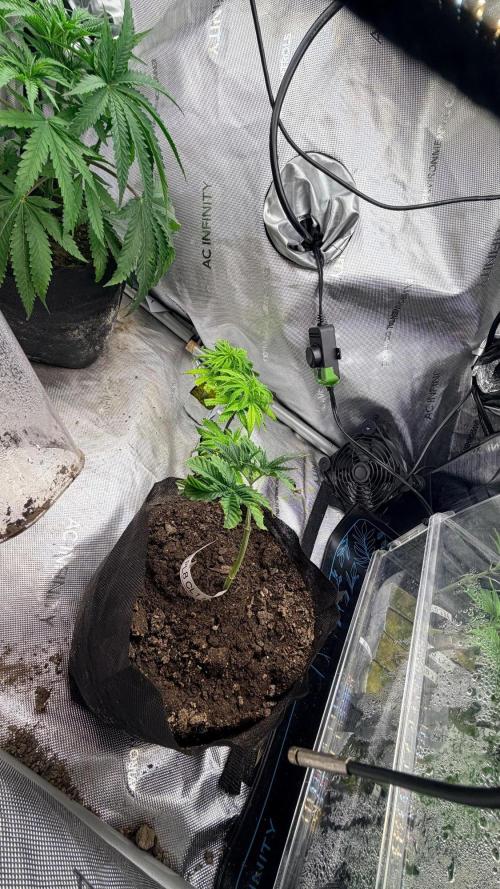
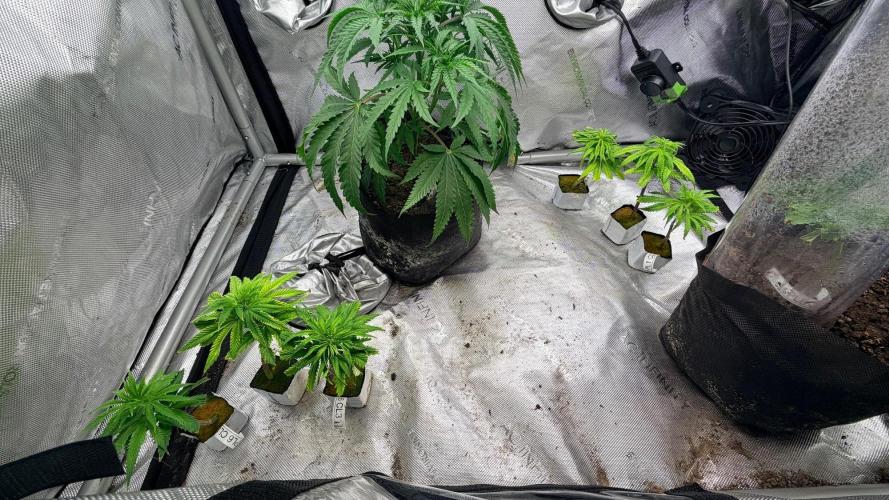
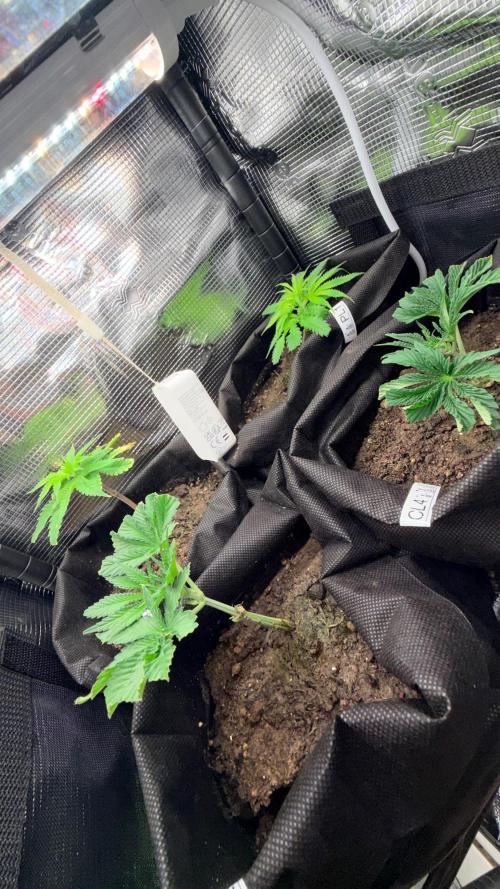
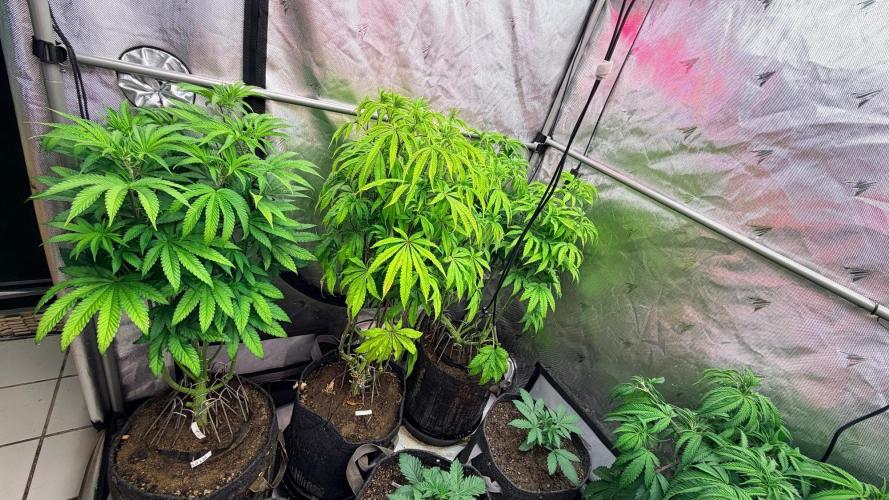
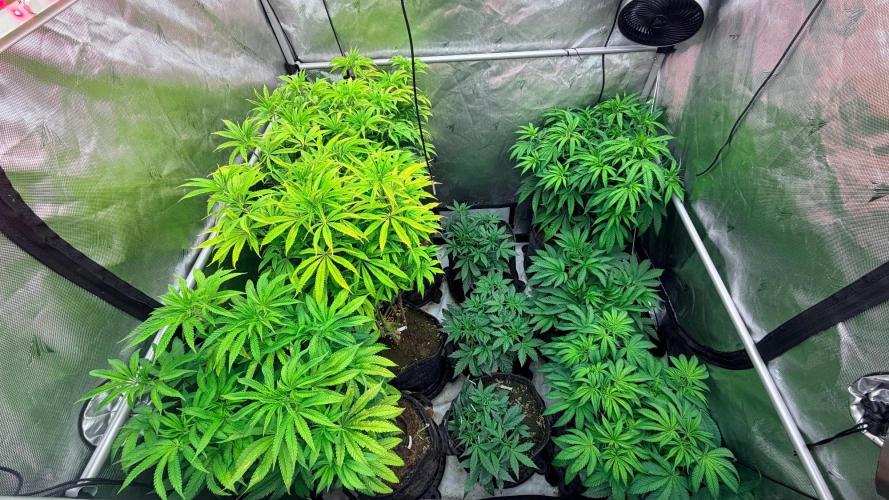
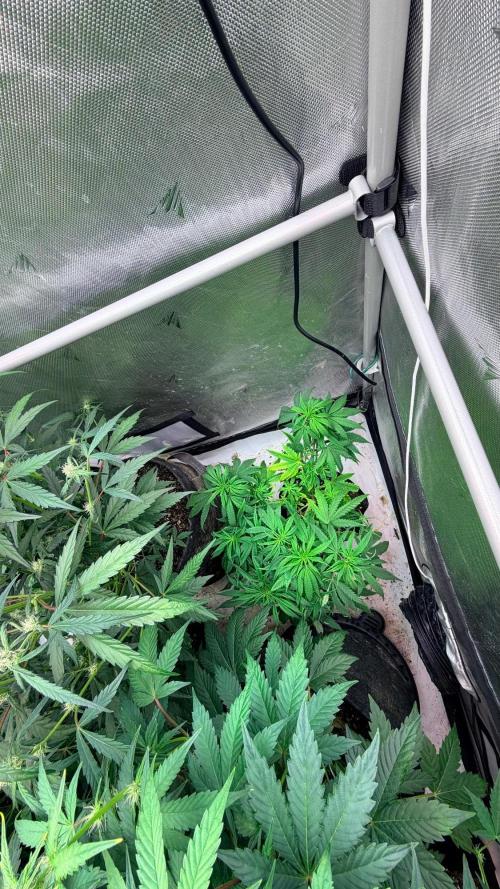
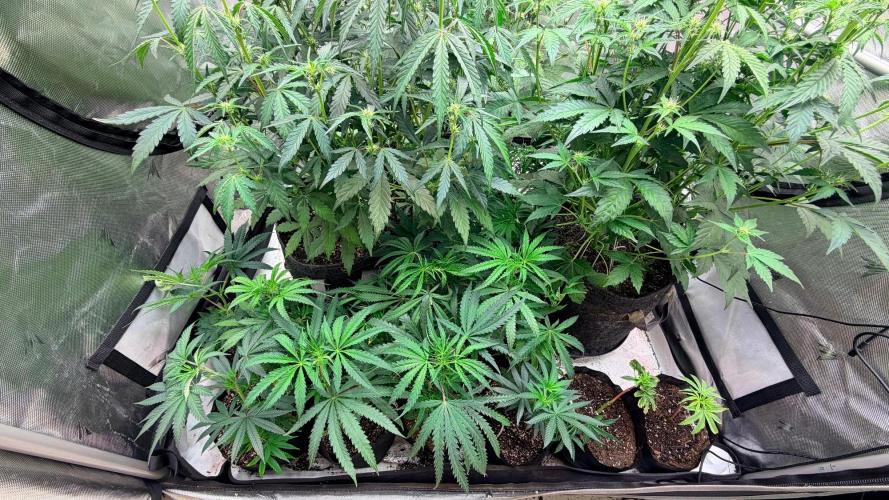
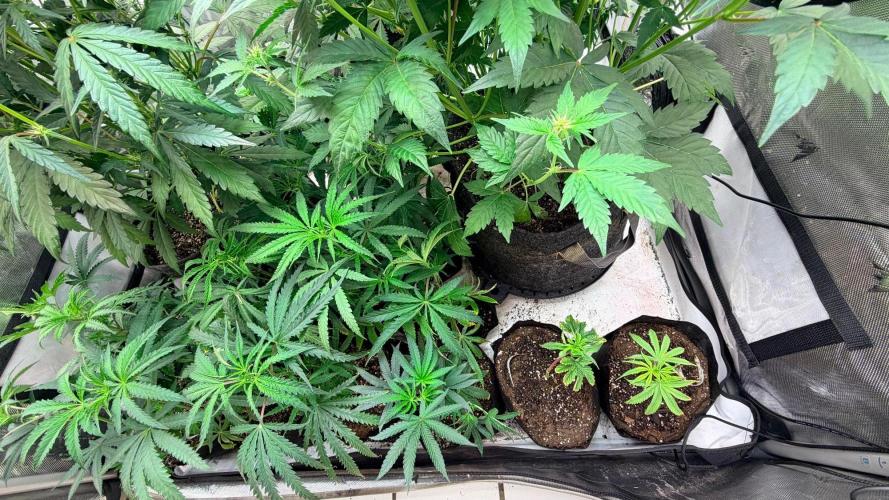
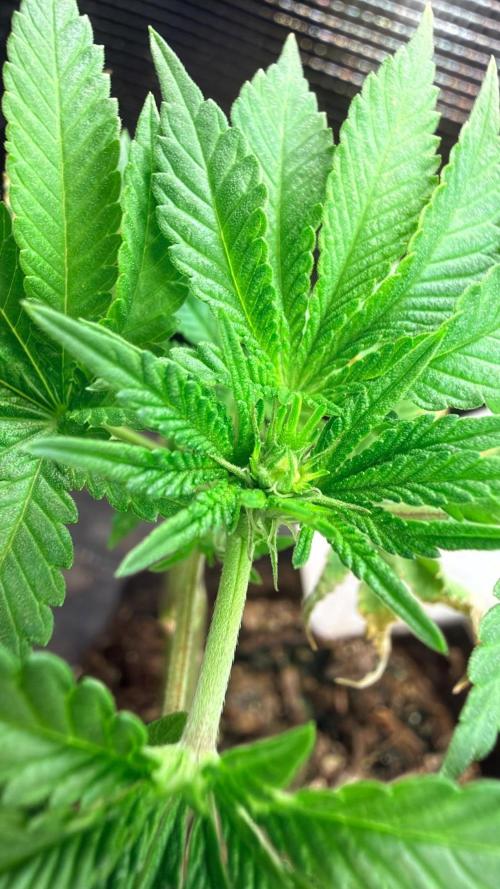
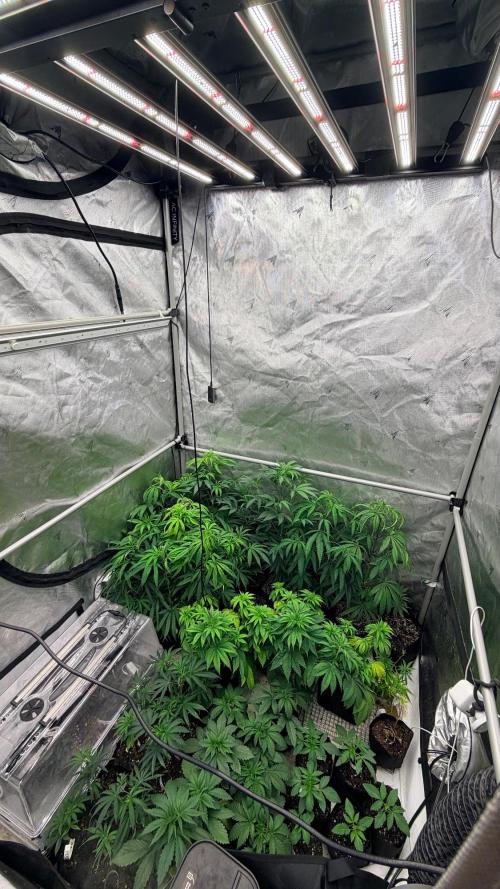
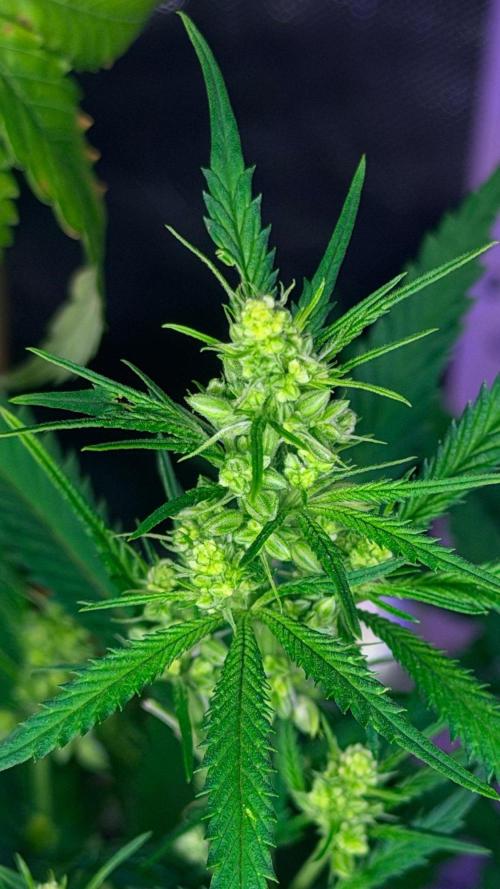
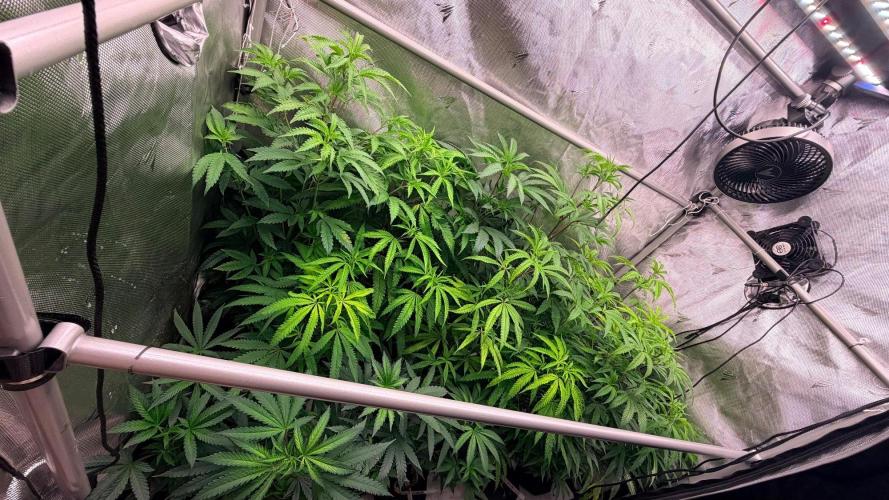
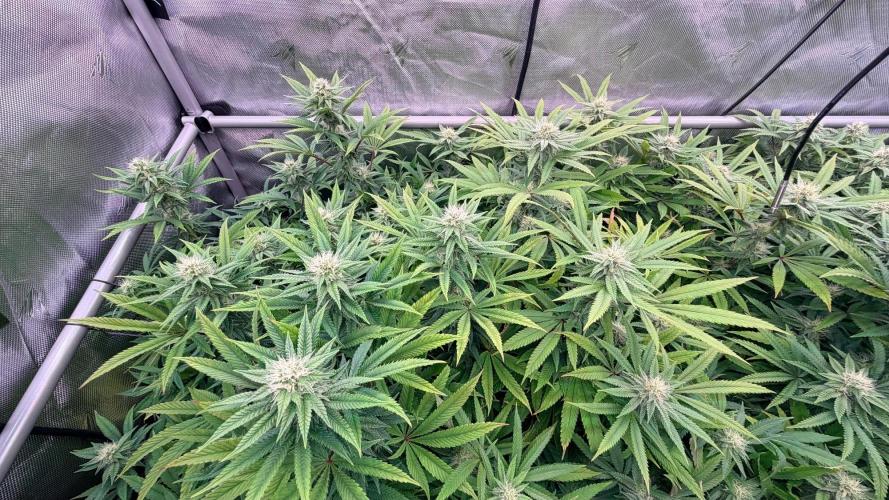
ChillSpace Ok so a few of these are already germinated of course (13 out of 15). I actually was looking for more information for Platinum Lantz and decided I found this site again and wanted to do another diary. 6 of these ladies are actually very close to harvest (Strawberry Gorilla RF3 x3, Gorilla Zkittlez, Tropicana Cookies, Toof Decay x Walter White). 3 are starting to bloom (Lime Light, Rainbow Road, Princess Cake). 3 just started training (Jelly Donutz, mix pack RF3 ?, Jungle Juice). And currently there is only 1 Platinum Lantz, my first ever photoperiod plant! Plus 2 more (hopefully) on the way. This journal isn’t going to be the best for breaking down each strain as I have too much going on. My intention here is to track progress for this project, not to make the best journal ever, but to actually start the search and find a gangster Platinum Lantz male. I added all the plants I’m running because I am currently evaluating each for potential breeding. Current plan is to take Platinum Lantz and cross with Strawberry Gorilla RF3 and Toof Decay x Walter White then search those for the best and continue from there, eventually leading back to autos. I’ve never done any breeding before and am a total newbie but decided natural breeding instead of using silver is the best way. This has been a long time coming and I’m excited to kick it off!
12 likes
14 comments
Share
Used method
Paper Towel
Germination Method
1
Week 1. Vegetation
4mo ago
5.08 cm
Height
19 hrs
Light Schedule
28 °C
Day Air Temp
6.5
pH
70 %
Air Humidity
20 °C
Solution Temp
20 °C
Night Air Temp
1 liters
Pot Size
0.2 liters
Watering Volume
45.72 cm
Lamp Distance
375 PPM
CO₂ Level
Nutrients 2
Pro Core - Athena
Pro Core
1.321 mll
Pro Grow - Athena
Pro Grow
2.113 mll
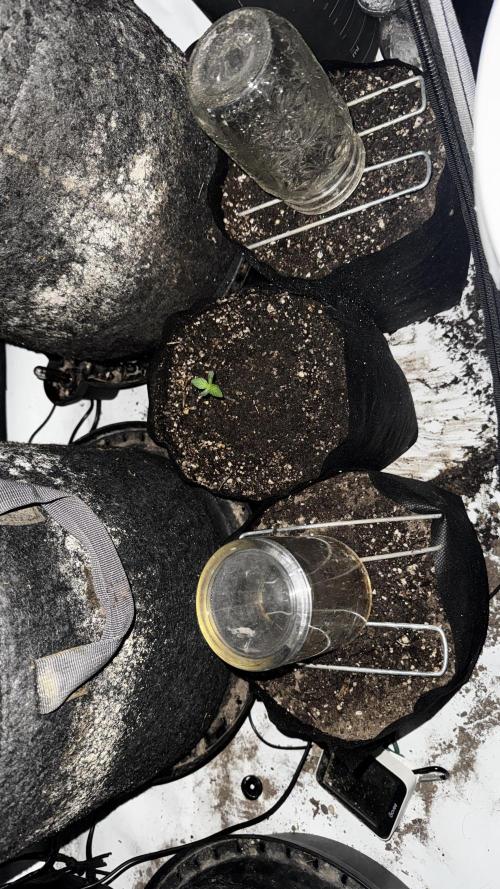
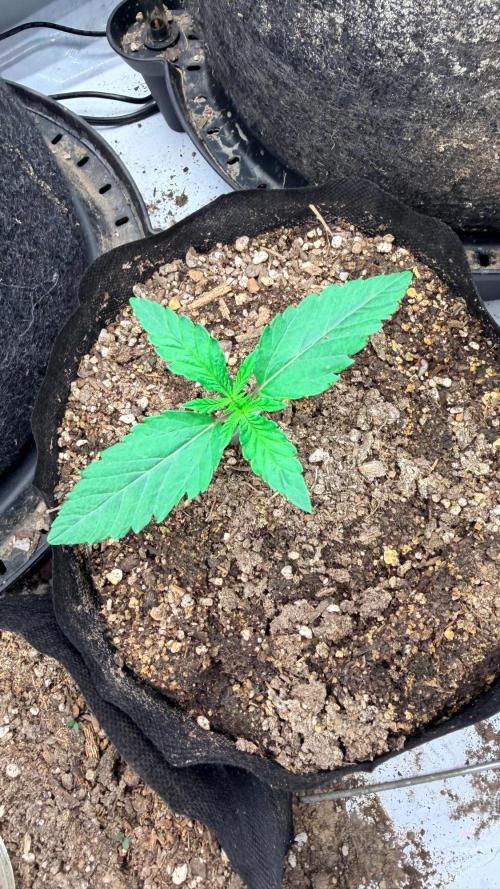
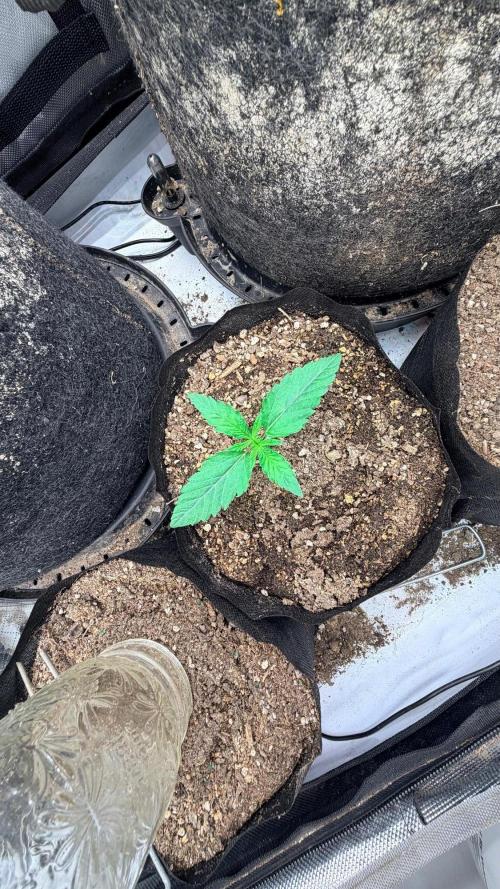
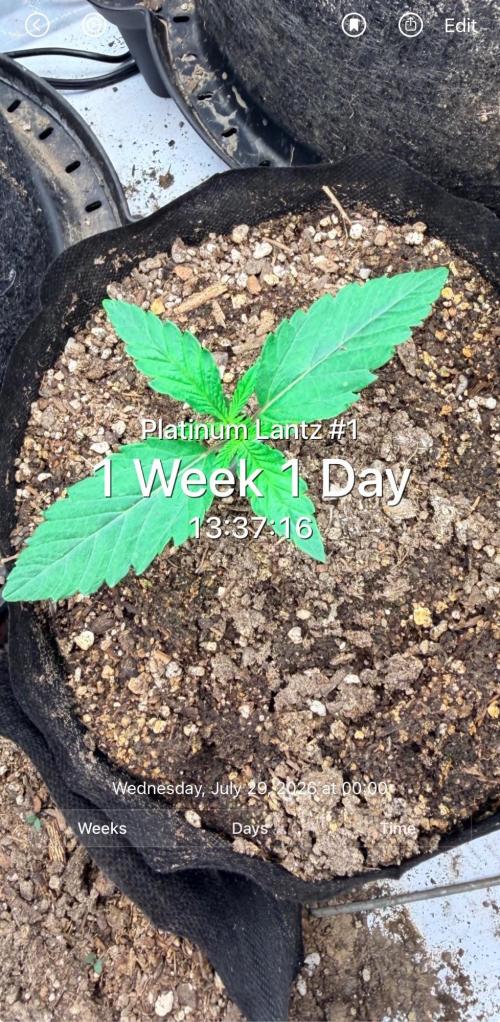
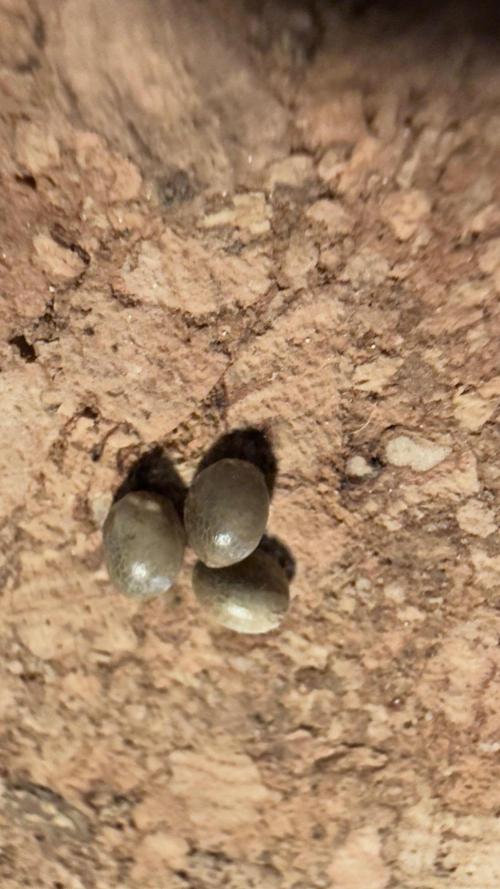
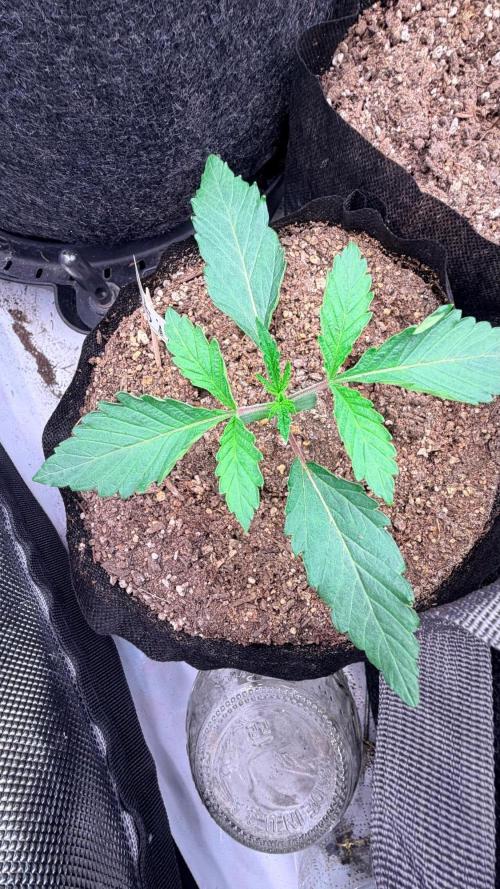
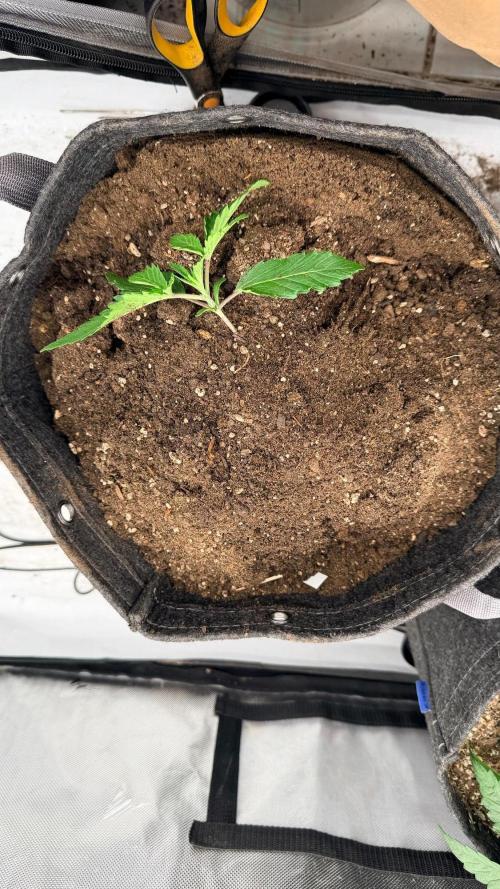
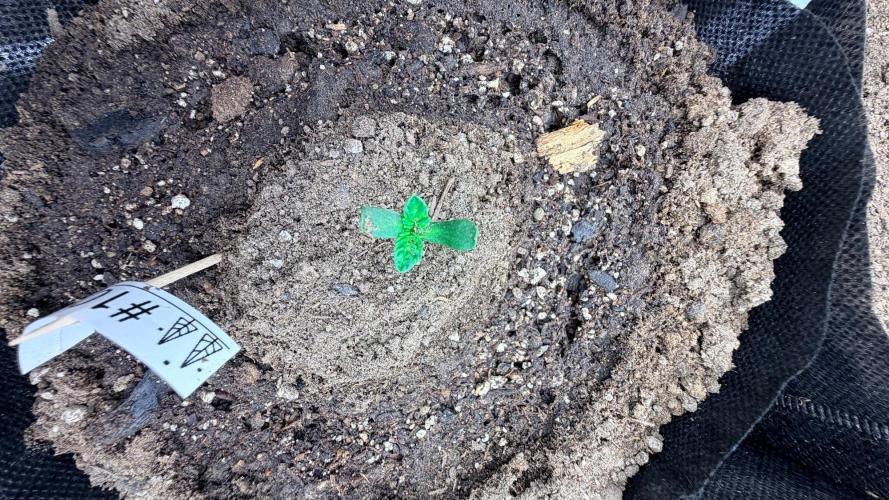
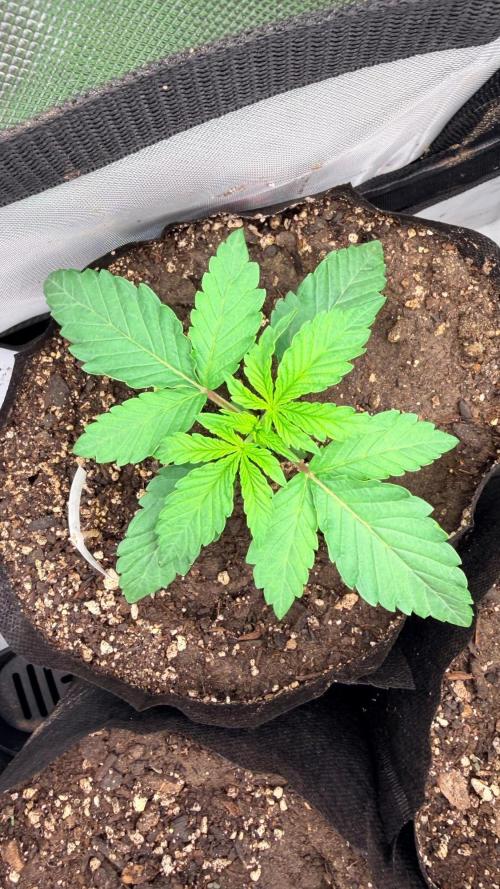
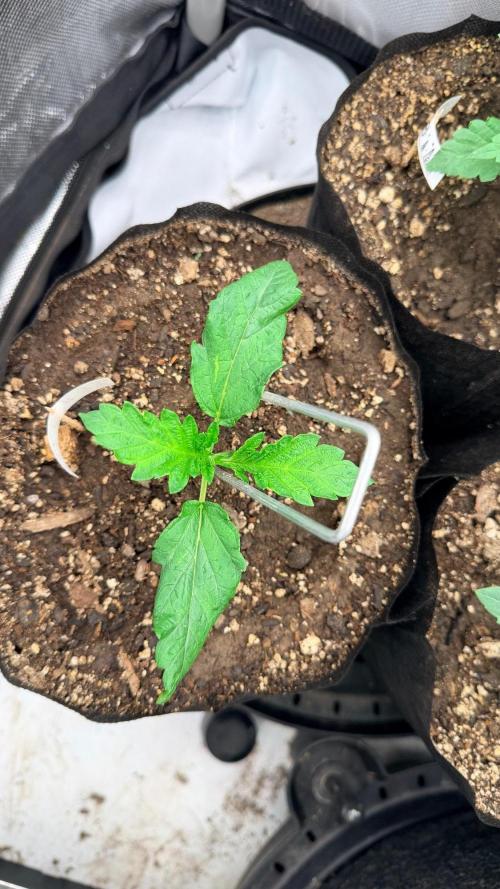
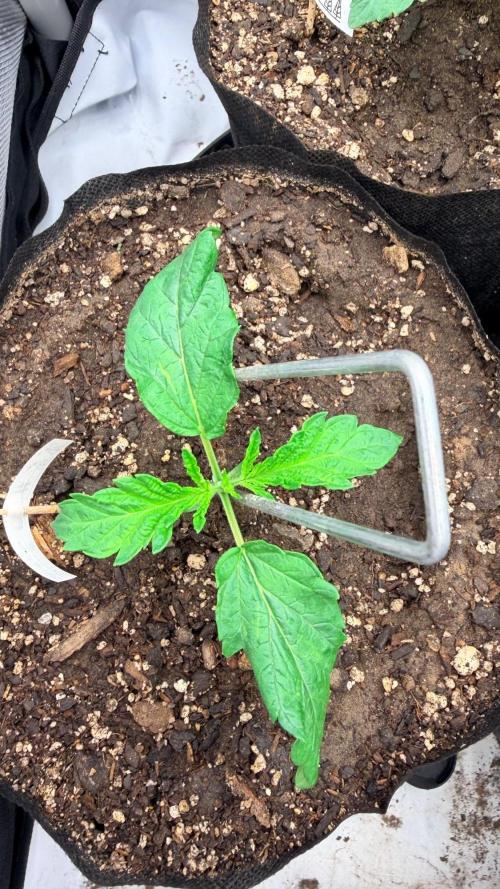
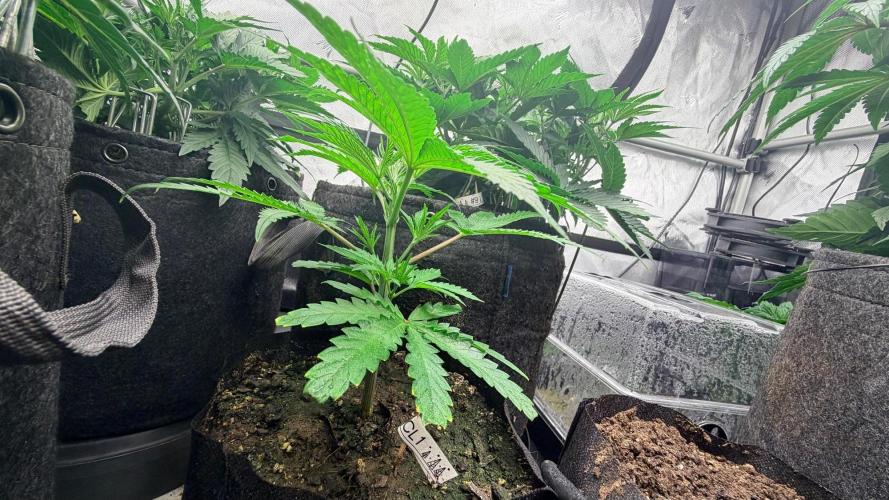
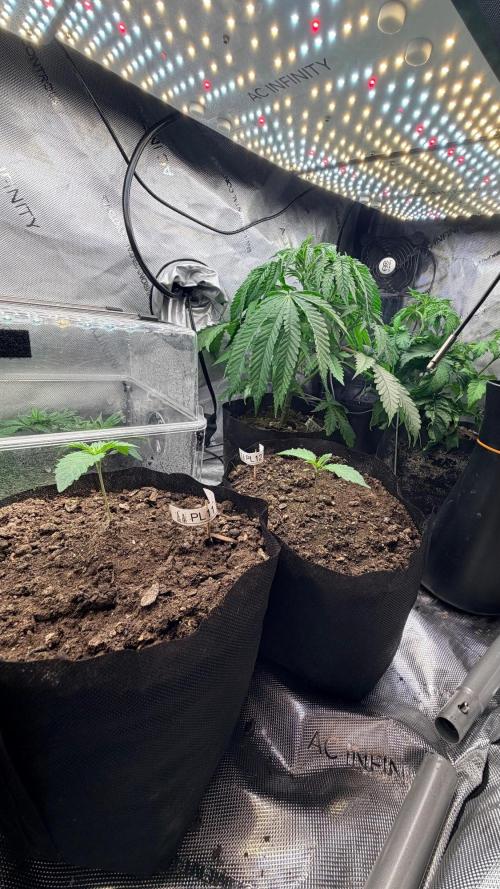
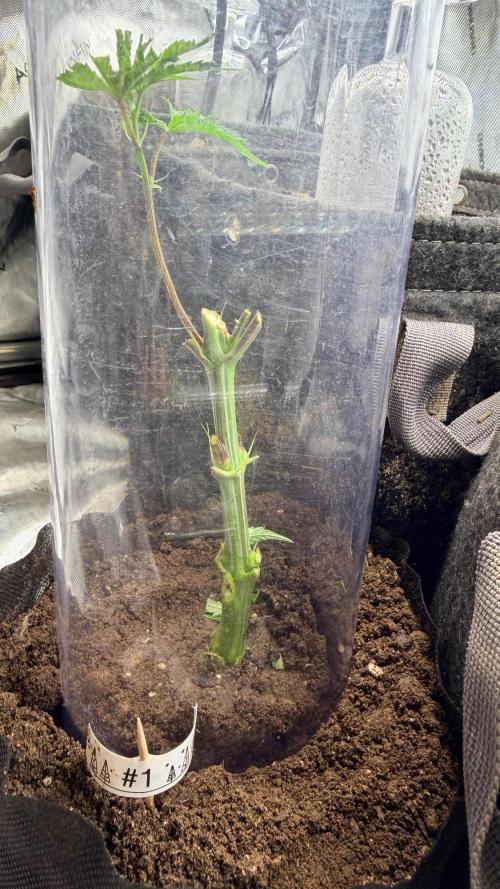
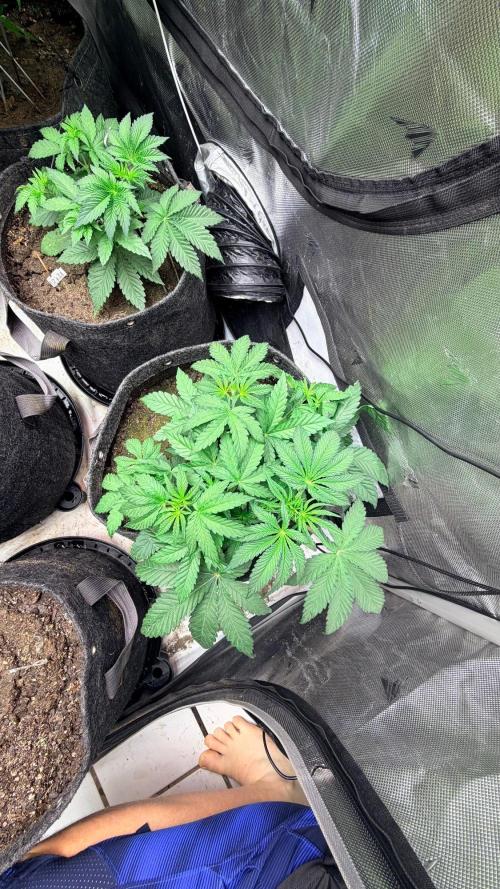
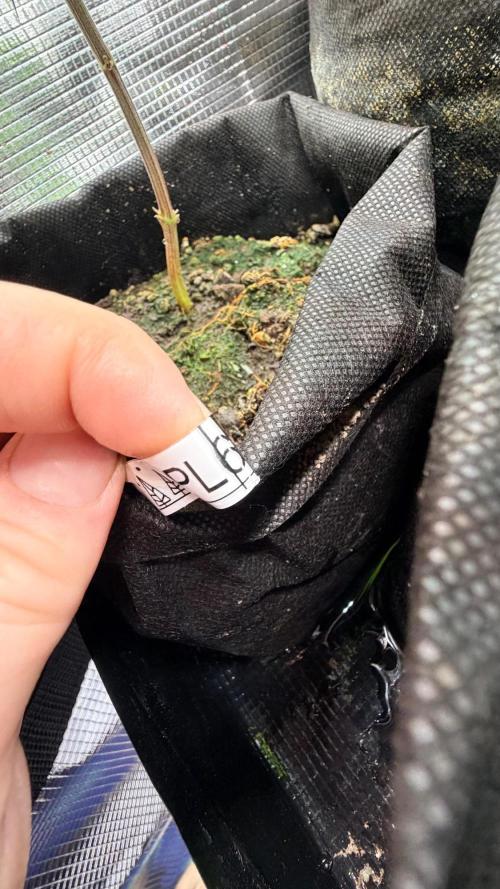
ChillSpace The recent seed failures are the first real uncertainty in my Platinum Lantz project. I have known about Ridgeline Genetics for a long time and deliberately chose them as the source for my photoperiod genetics, so I came into this expecting a stronger start than I have gotten. I rarely have this many seeds fail either during germination or after being placed into soil, and because I have never grown Platinum Lantz before, I do not yet know whether I am dealing with bad luck, older or poorly stored seeds, environmental mistakes, or a weakness connected to this particular batch. I am hoping the failures do not represent the line itself, especially because I eventually want to use Platinum Lantz as a foundation parent and cross it into plants I already know and value. At the same time, one difficult germination run is not enough evidence to condemn the genetics. Platinum Lantz #1 germinated quickly, emerged successfully, and has shown strong early growth, so the living plant is already proving that the line is capable of producing a healthy and vigorous seedling. The two new seeds I started will give me more information. Right now, I am cautious but not discouraged. I have gotten into a project with more uncertainty than I expected, but that is also part of working with regular photoperiod seeds and starting a breeding line I have never personally evaluated before. Platinum Lantz #1 is still healthy, still growing, and still has the opportunity to become the male foundation plant I was hoping to find.
7 likes
23 comments
Share
2
Week 2. Vegetation
3mo ago
15.24 cm
Height
19 hrs
Light Schedule
28 °C
Day Air Temp
6.5
pH
70 %
Air Humidity
20 °C
Solution Temp
20 °C
Night Air Temp
1 liters
Pot Size
0.2 liters
Watering Volume
45.72 cm
Lamp Distance
375 PPM
CO₂ Level
Nutrients 3
Pro Core - Athena
Pro Core
1.585 mll
Pro Grow - Athena
Pro Grow
2.642 mll
Balance - Athena
Balance
1.057 mll
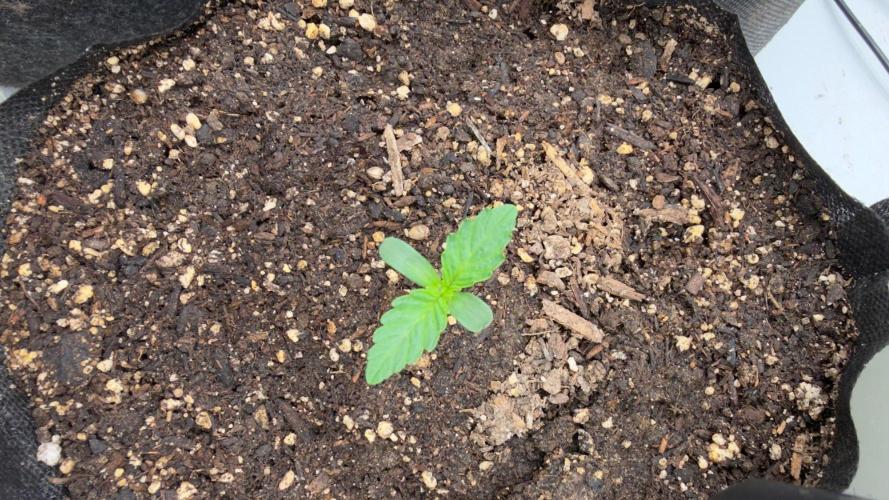
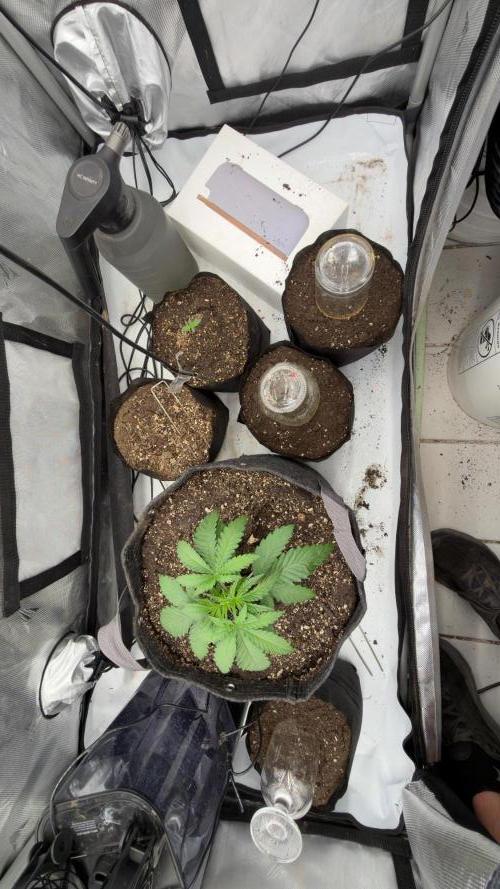
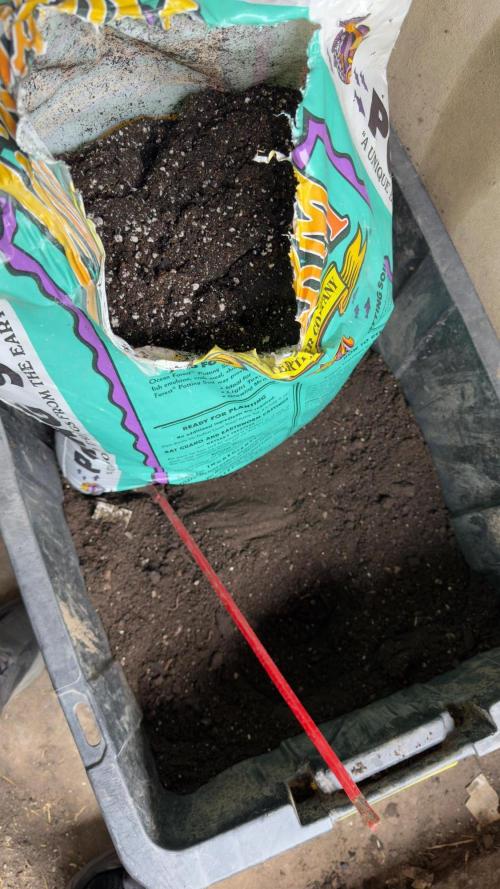
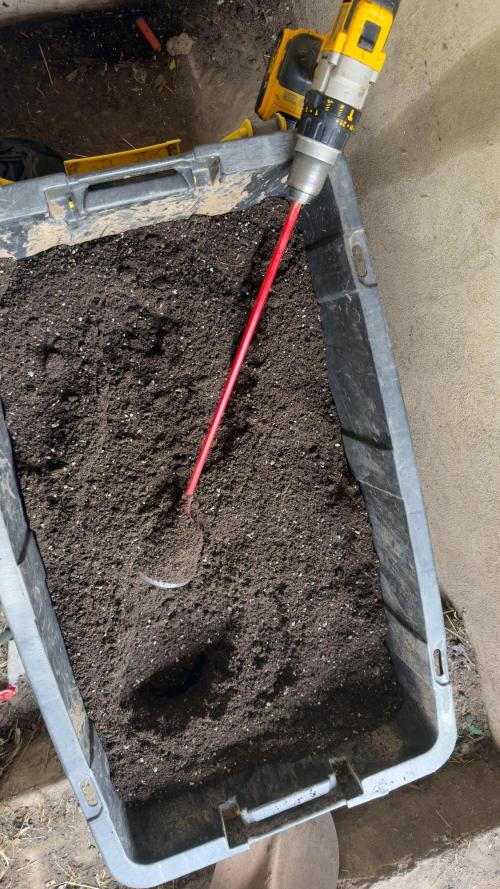
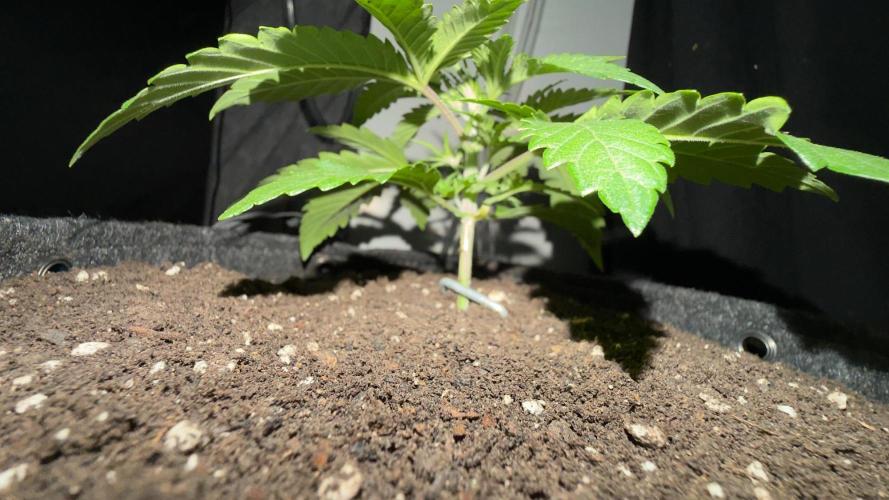
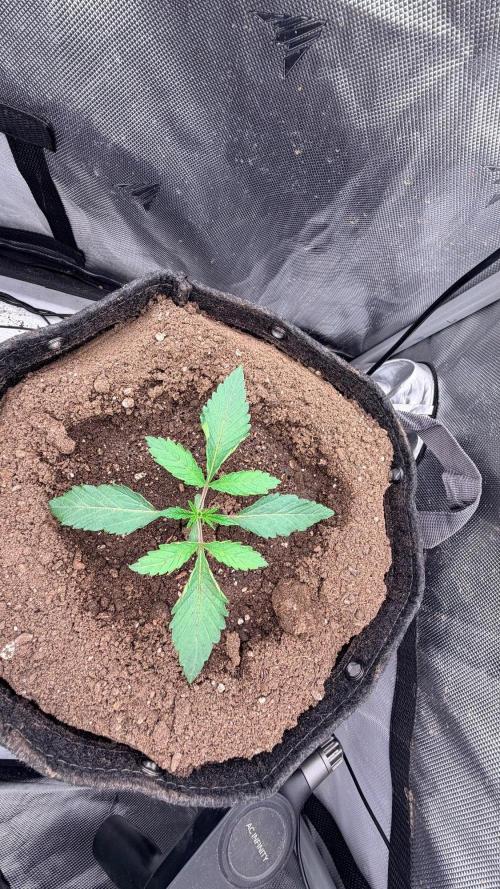
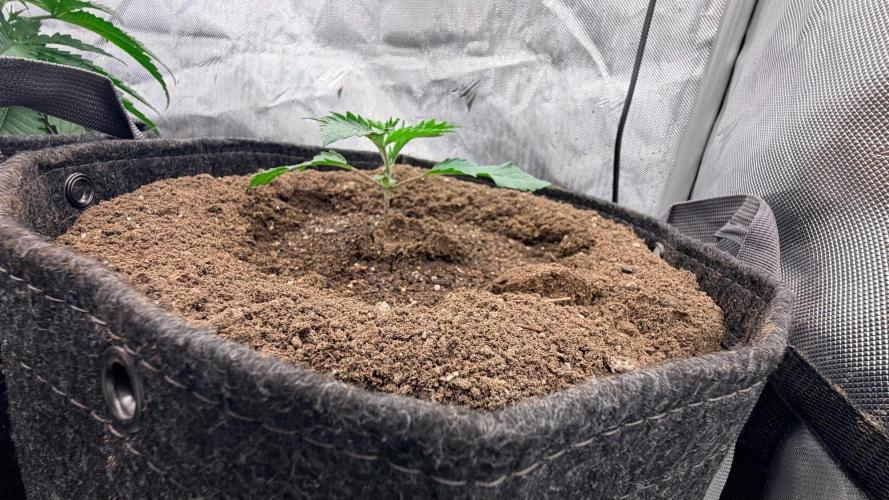
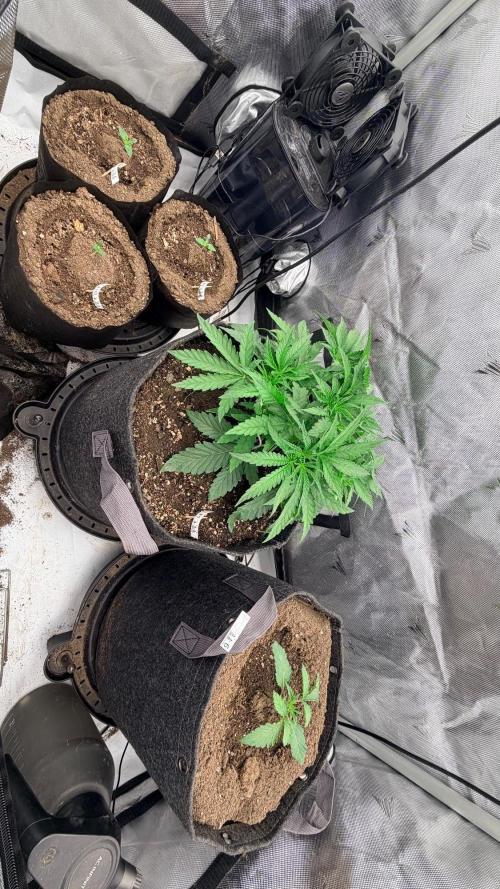
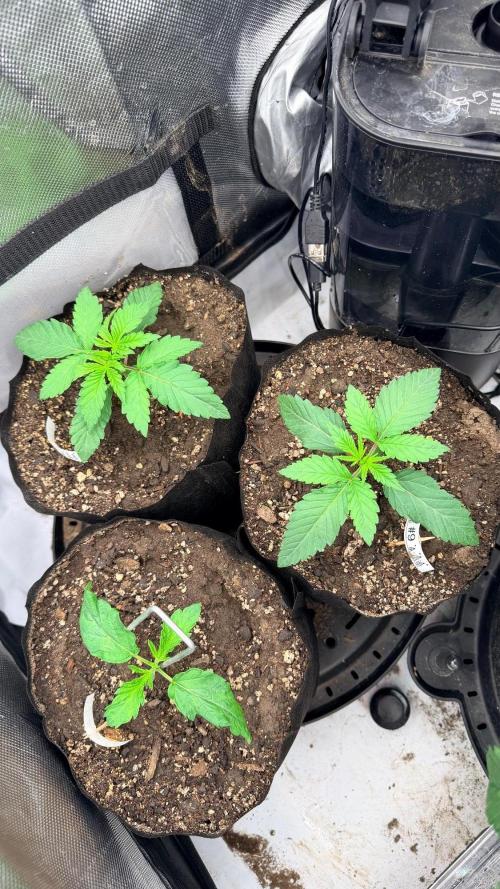
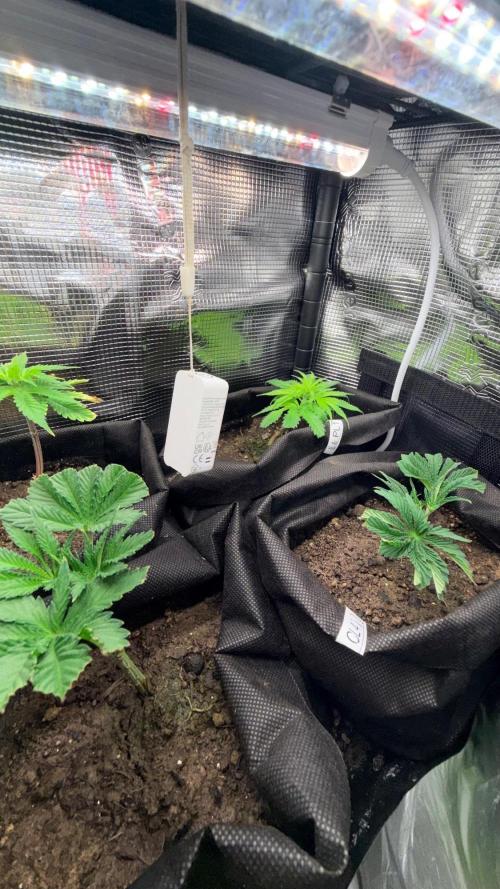
ChillSpace Honestly, very happy with how Platinum Lantz # 1 & #2 turned out. #3 didn’t make it It was actually stuck above soil for a day or so and I helped it open and it just wasn’t meant to be. It was like super pale yellow to begin with it greened up slightly, but I’m giving up on it. I started three new seeds and we’ll see how that goes. Hoping to have all three germinate and give me a few to select from for the final three that end up in this tent. I could possibly squash a fourth in there, but I wouldn’t have the self watering bases. But we will see. I ended up whipping up a batch of reused soil and compost that’s been aged for a few years now probably if not longer and then a fresh bag of ocean forest mixed everything up put together a 5 gallon pot for PL #1. And then I whipped up three new gallon bags for the next three seeds
10 likes
9 comments
Share
Used techniques
Transplantation
Technique
3
Week 3. Vegetation
3mo ago
20.32 cm
Height
19 hrs
Light Schedule
28 °C
Day Air Temp
6.5
pH
70 %
Air Humidity
20 °C
Solution Temp
20 °C
Night Air Temp
18.93 liters
Pot Size
45.72 cm
Lamp Distance
375 PPM
CO₂ Level
Nutrients 3
Pro Core - Athena
Pro Core
1.585 mll
Pro Grow - Athena
Pro Grow
2.642 mll
Balance - Athena
Balance
1.057 mll
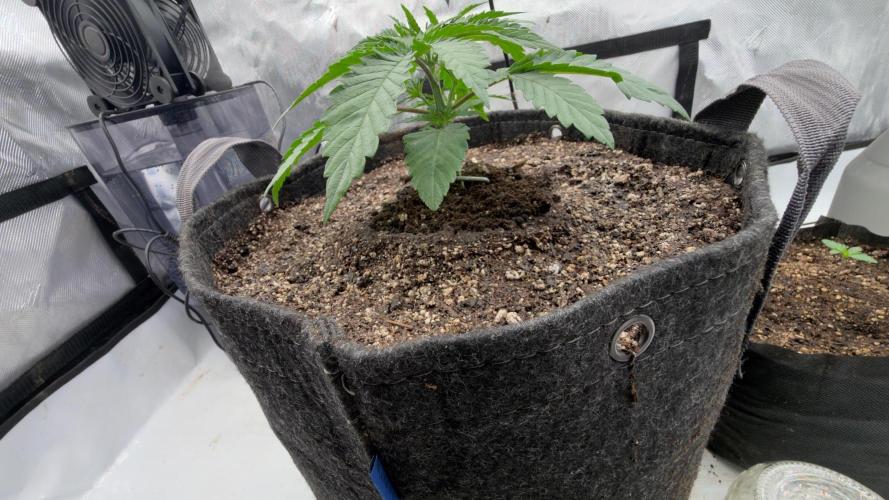
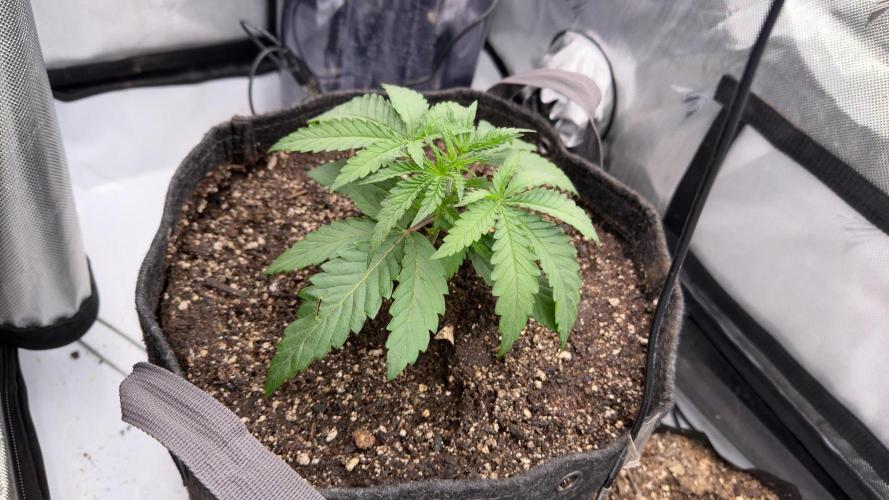
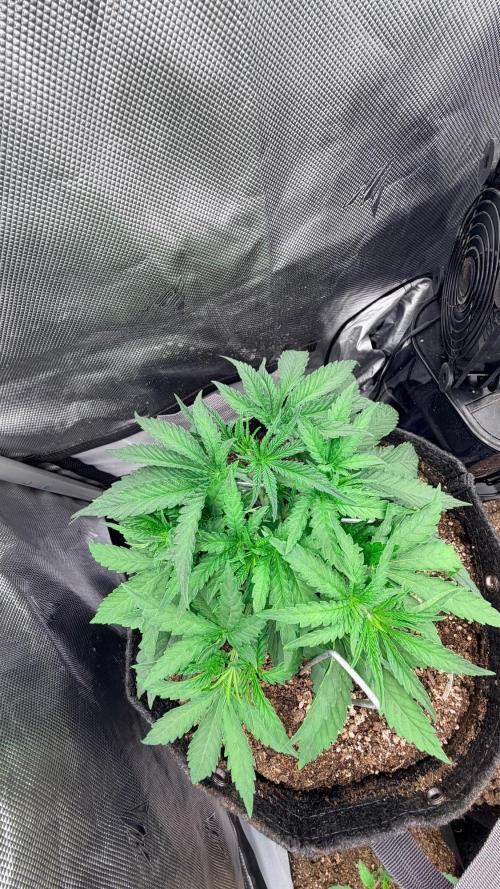
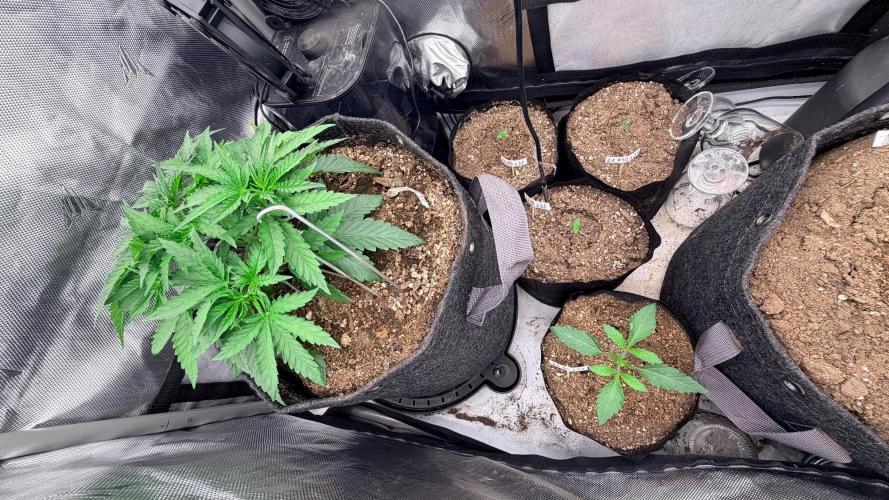
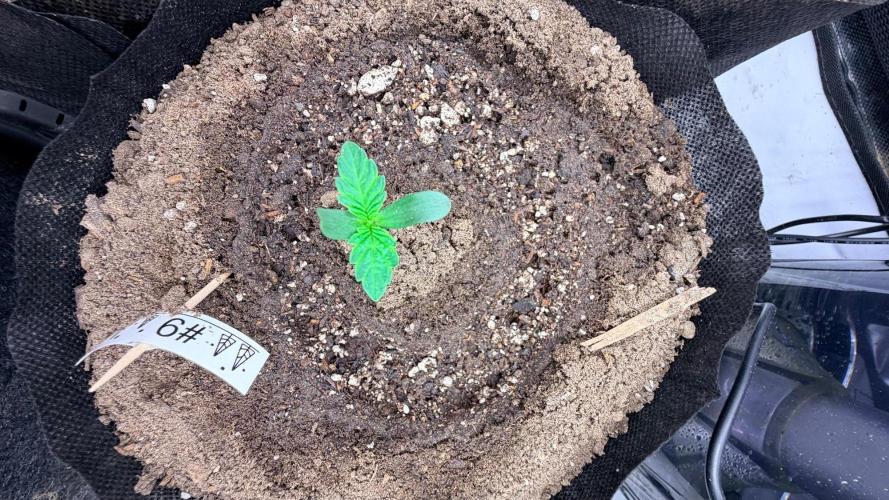
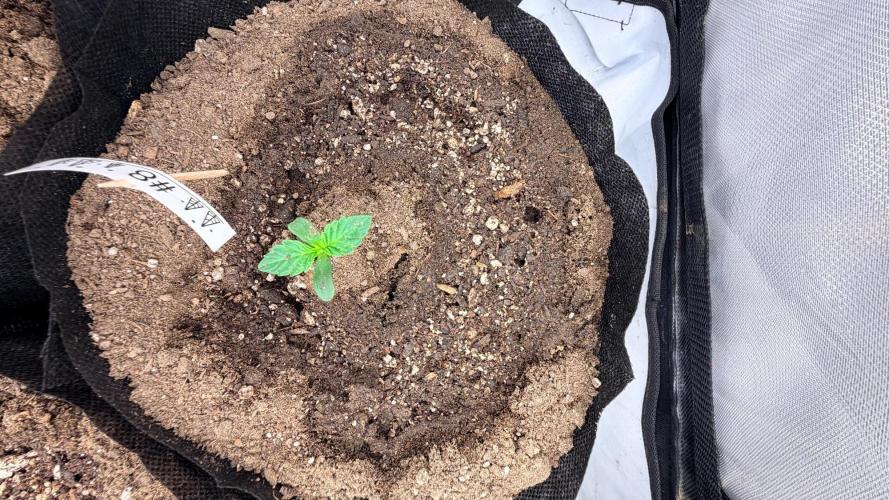
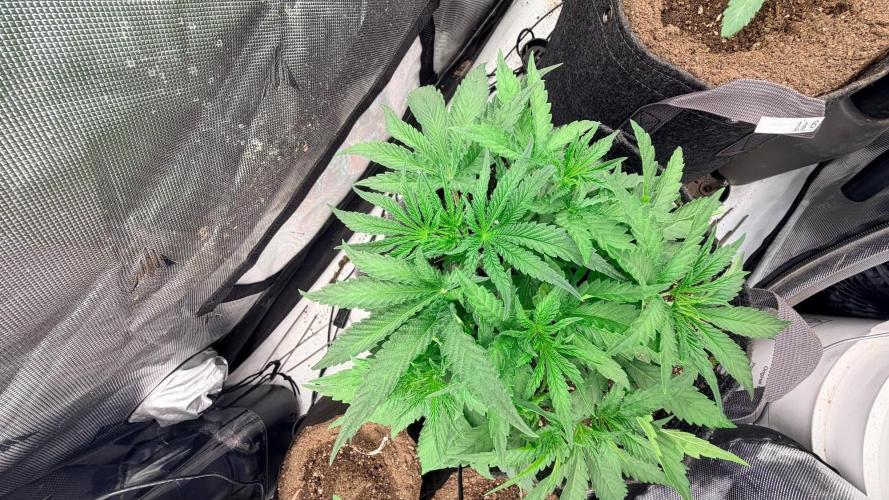
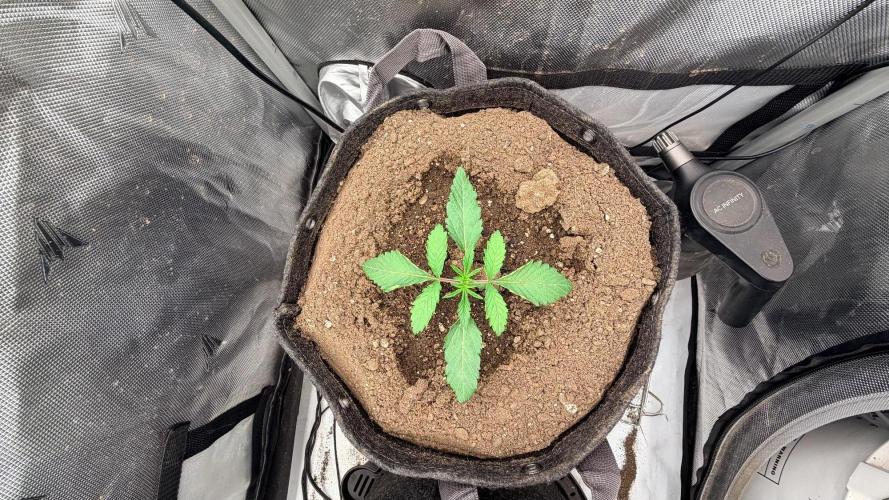
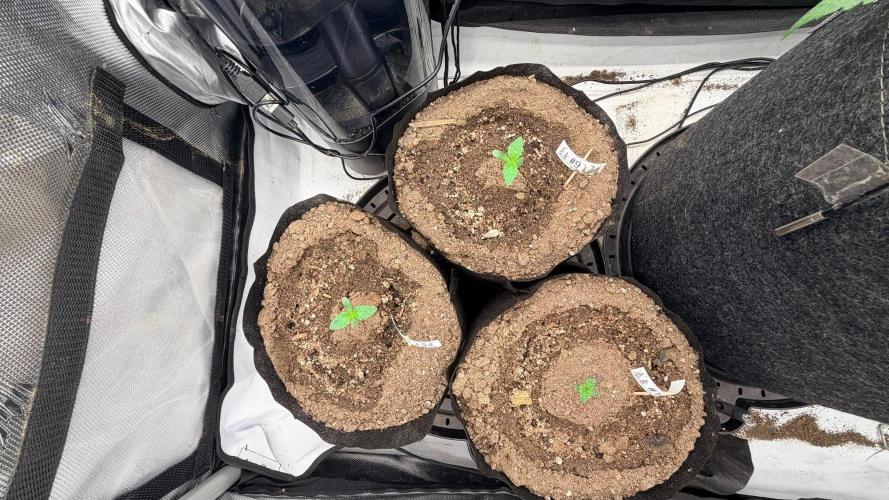
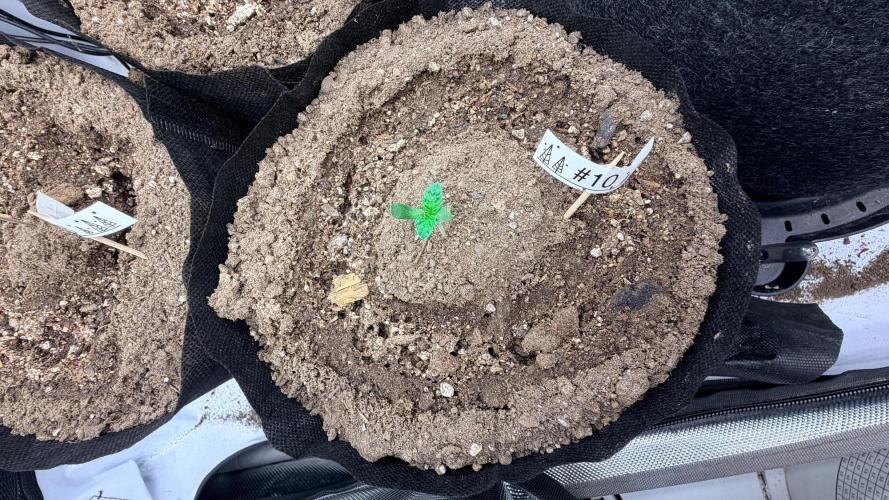
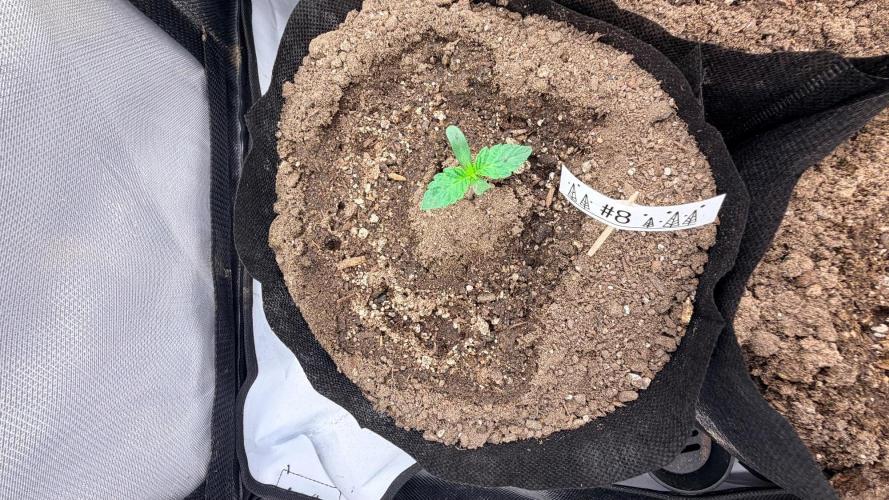
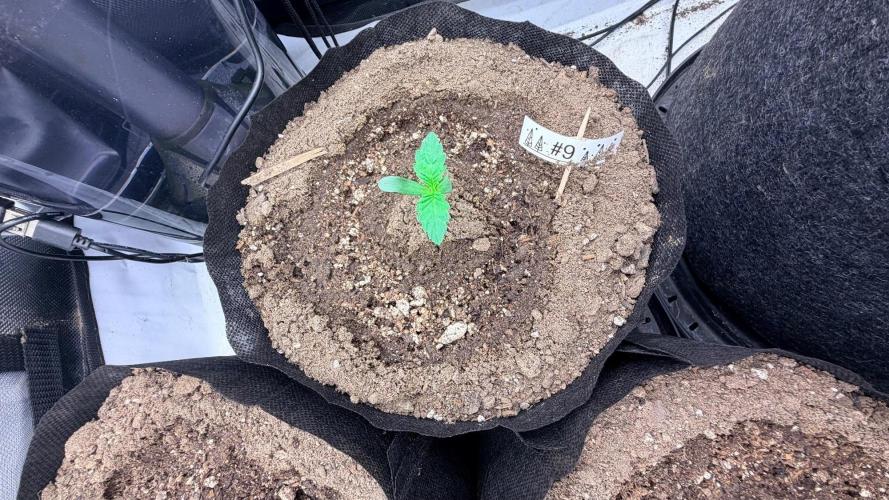
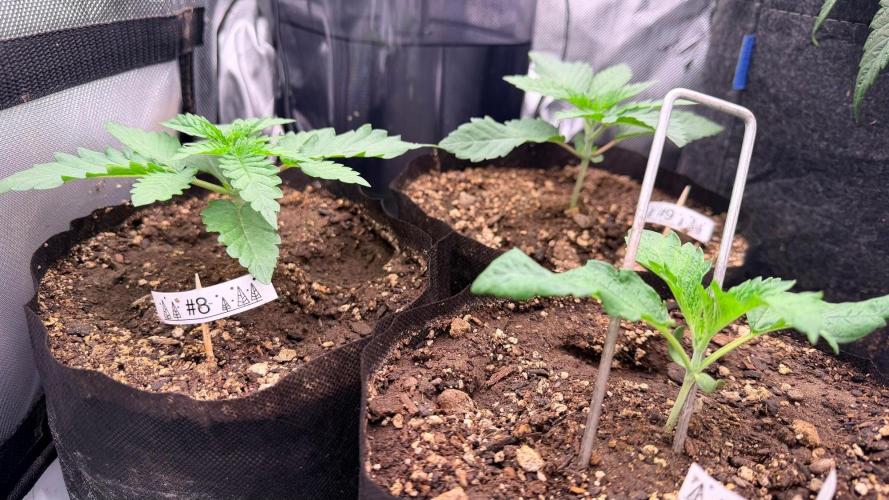
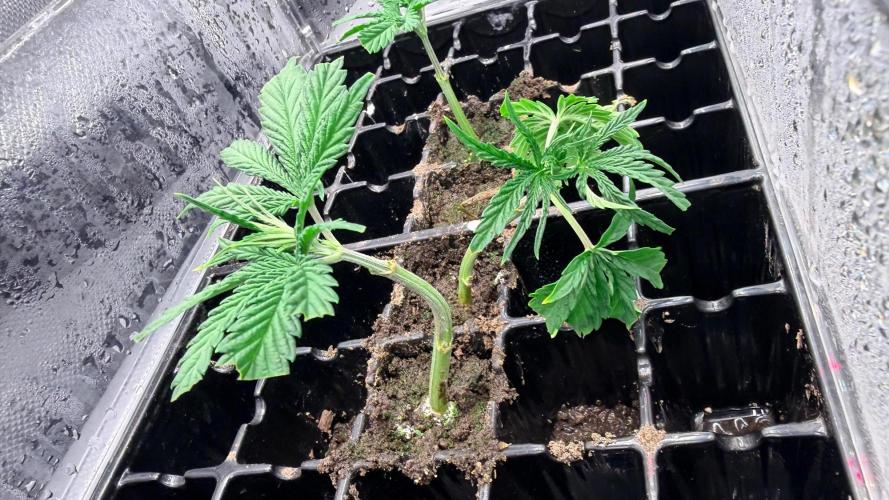
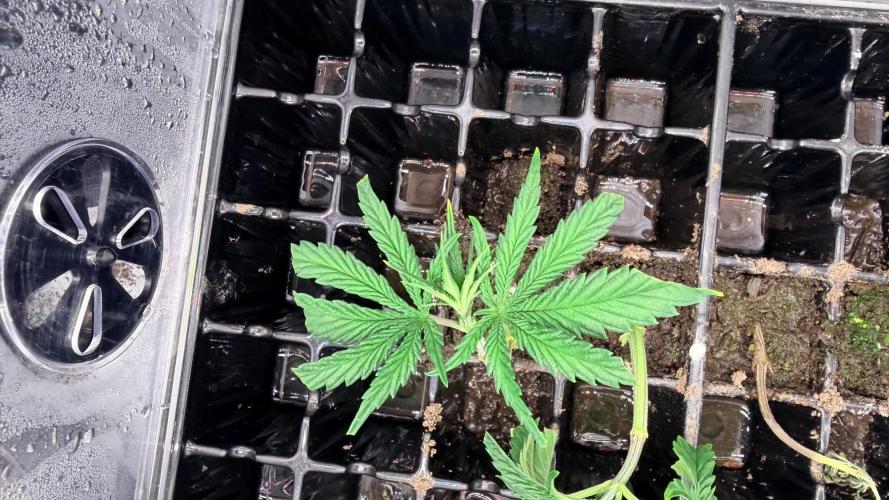
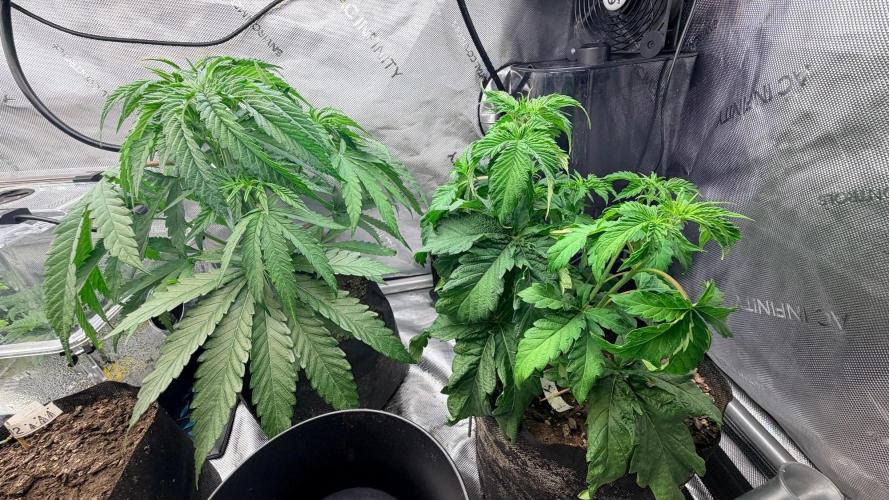
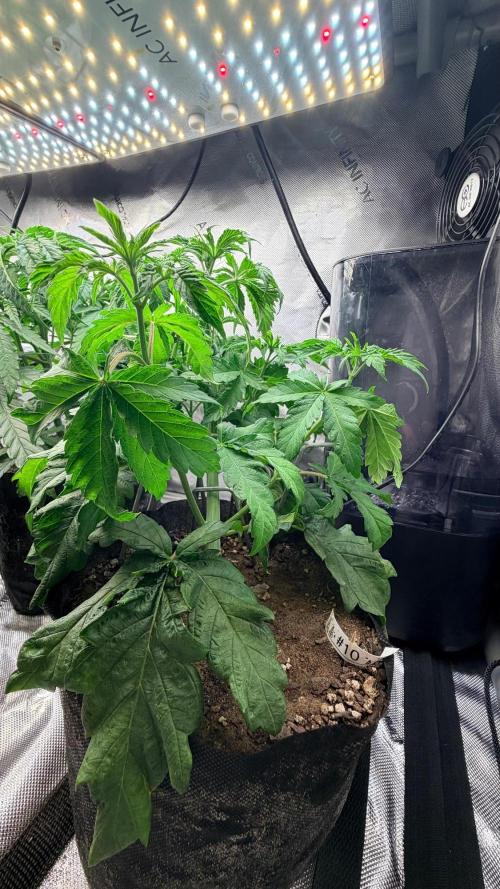
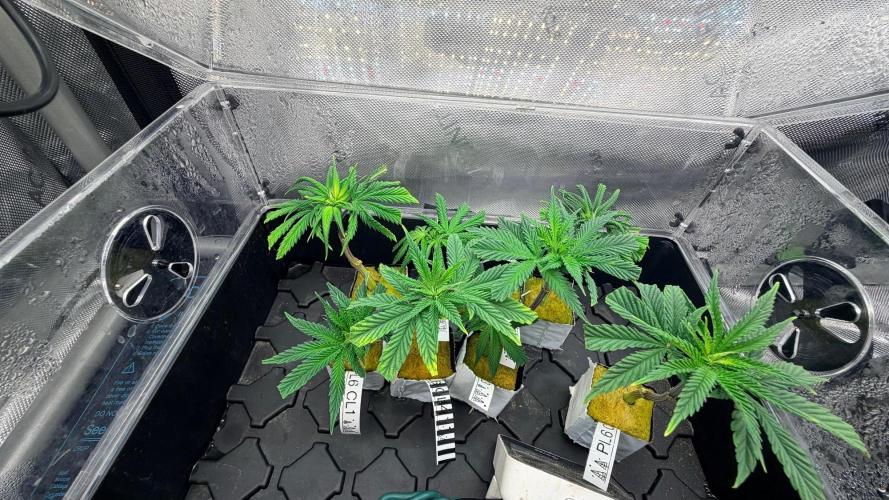
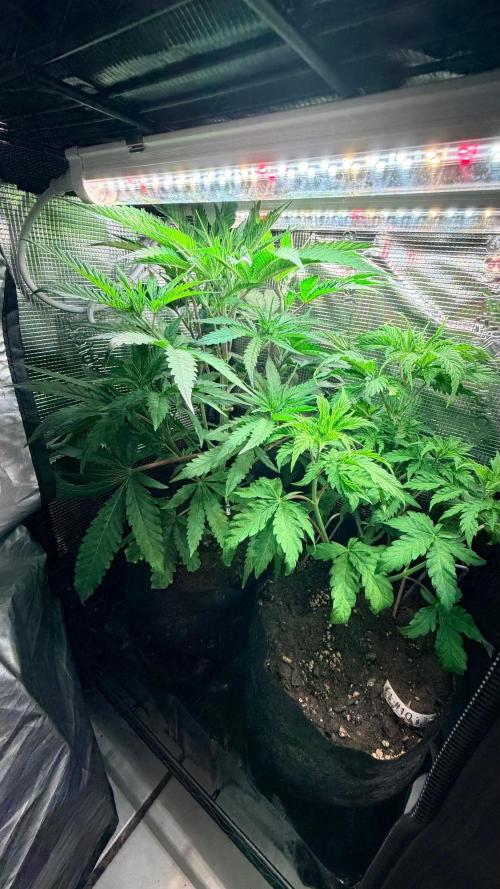
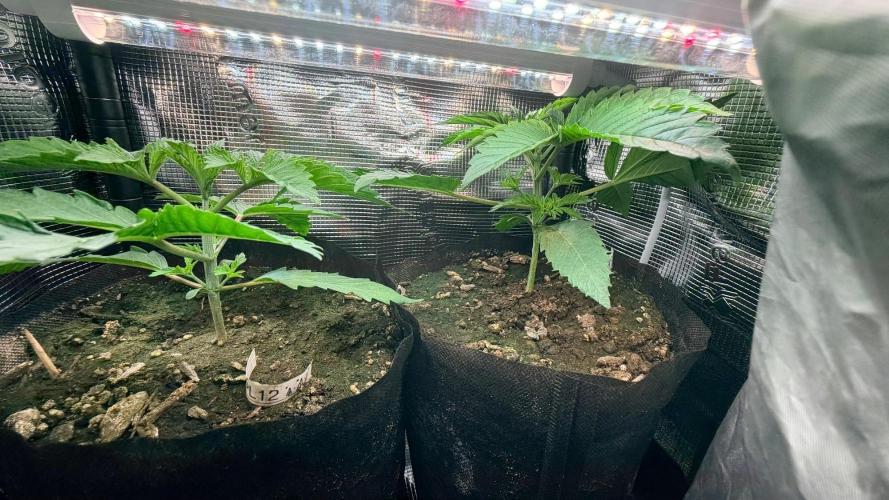
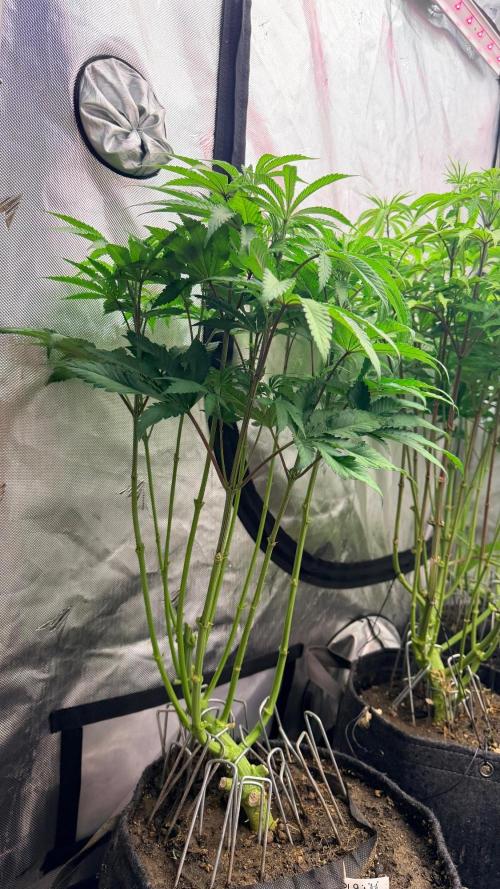
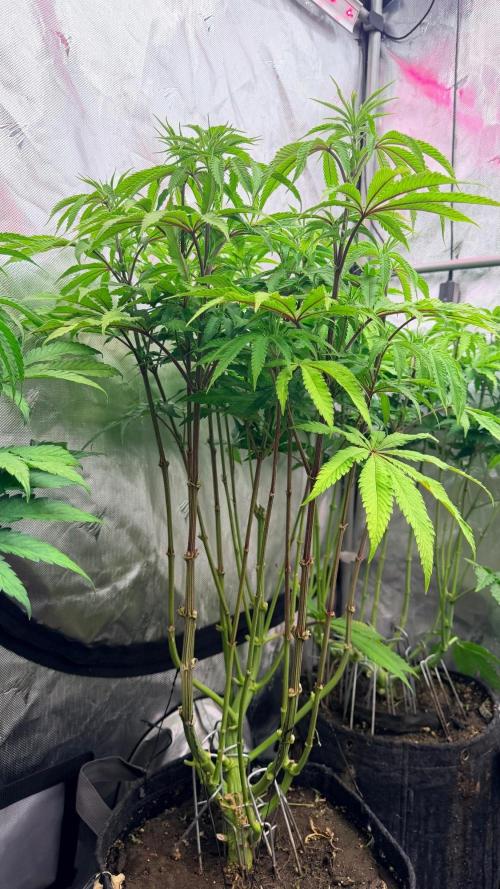
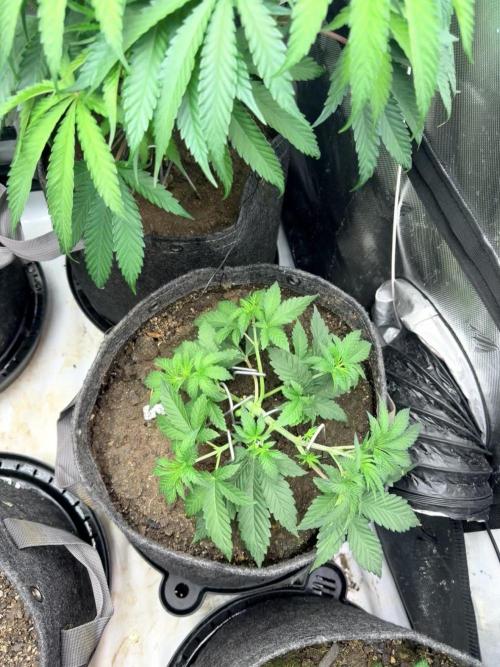
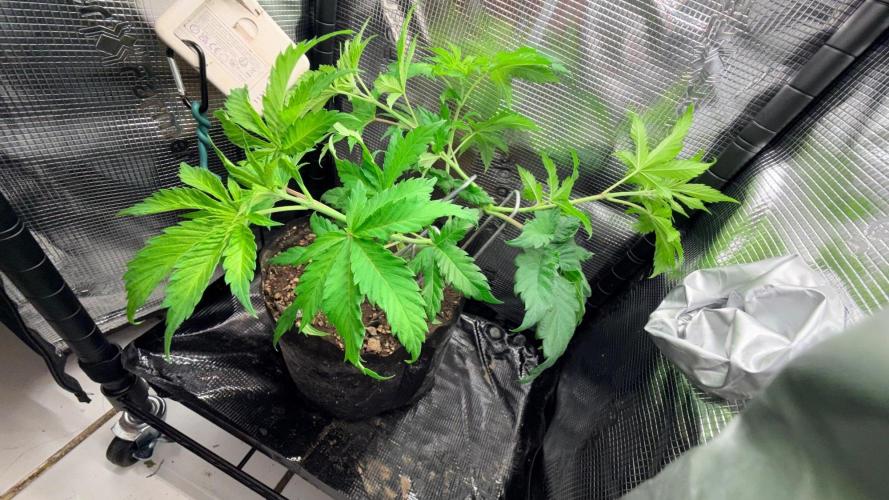
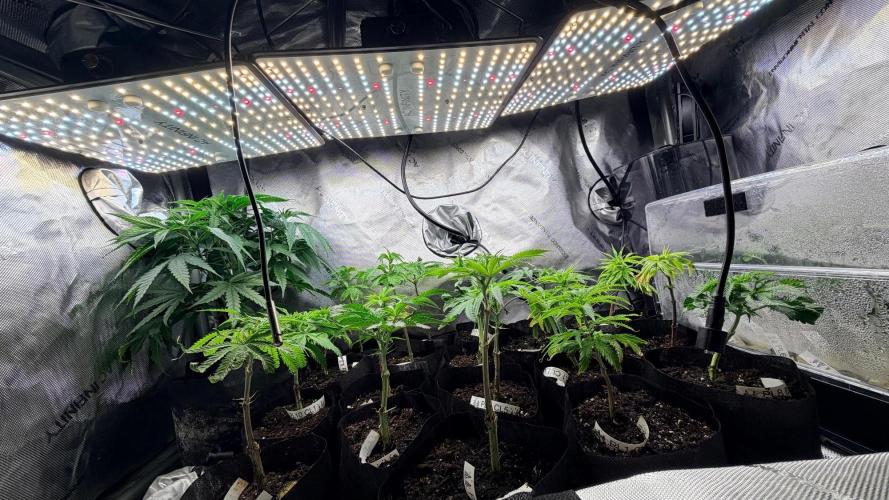
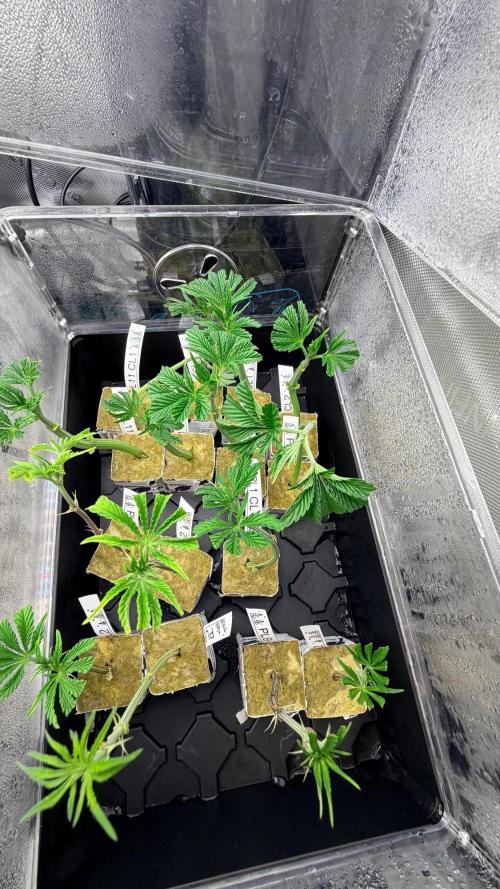
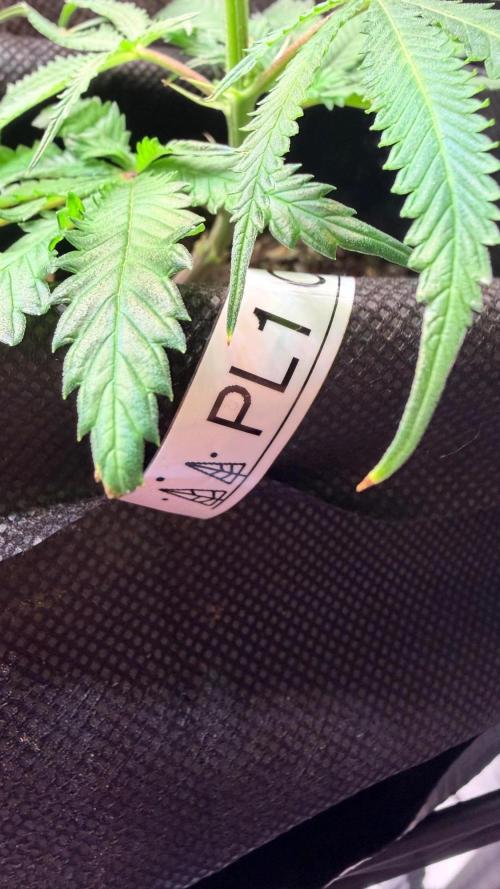
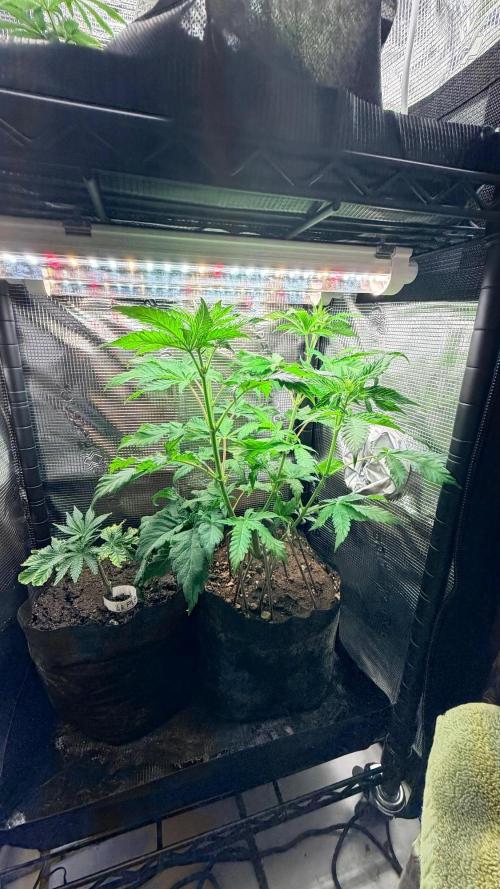
ChillSpace Big week for the Platinum Lantz project! PL #1 is around three weeks old and taking to LST incredibly well. No topping—just bending and spreading—and she has already turned herself into a compact little bush with an even canopy. PL #2 had clearly outgrown the 1-gallon pot, so it was time to transplant. I’m still getting used to transplanting since this is only my second photoperiod plant and I normally start autos in their final pots. The root ball fell apart when I removed the liner, but I stood her back up, filled everything in with fresh soil, and watered it down to settle. Somehow, she barely seemed to notice. We’re also officially welcoming Platinum Lantz #8, #9, and #10! After a few failed germination attempts. All three seedlings are established and moving forward, bringing the Platinum Lantz crew to five plants total. Now the real pheno hunt begins. I’m excited to watch the differences emerge and see which of these five turn out to be the strongest—and, eventually, who’s male and who’s female.
11 likes
6 comments
Share
Used techniques
LST
Technique
Transplantation
Technique
4
Week 4. Vegetation
3mo ago
35.56 cm
Height
20 hrs
Light Schedule
28 °C
Day Air Temp
6.5
pH
70 %
Air Humidity
20 °C
Solution Temp
20 °C
Night Air Temp
18.93 liters
Pot Size
45.72 cm
Lamp Distance
375 PPM
CO₂ Level
Nutrients 3
Pro Core - Athena
Pro Core
1.585 mll
Pro Grow - Athena
Pro Grow
2.642 mll
Balance - Athena
Balance
1.057 mll
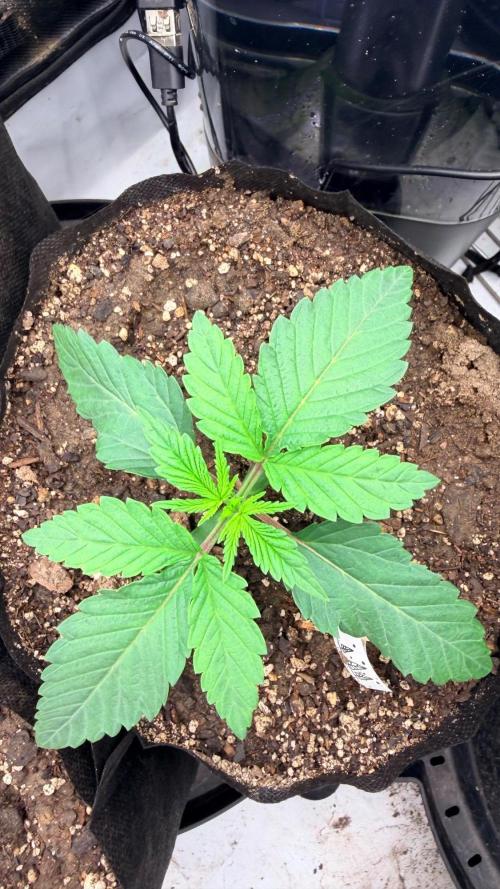
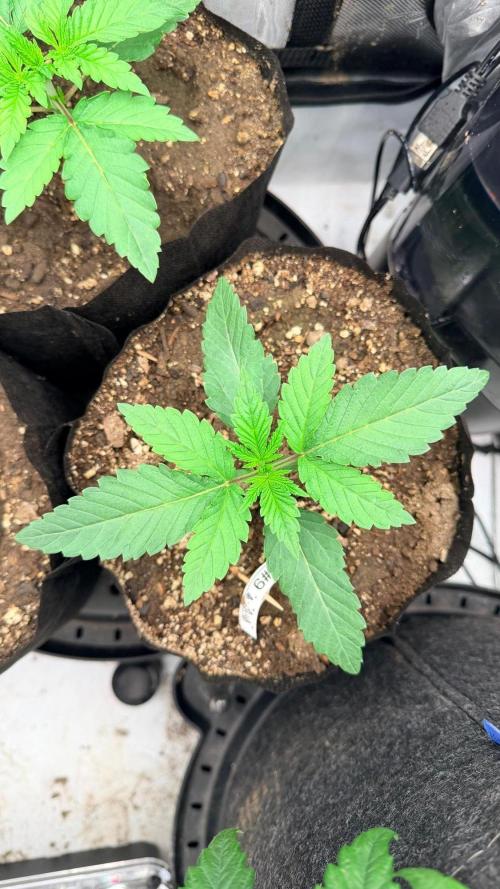
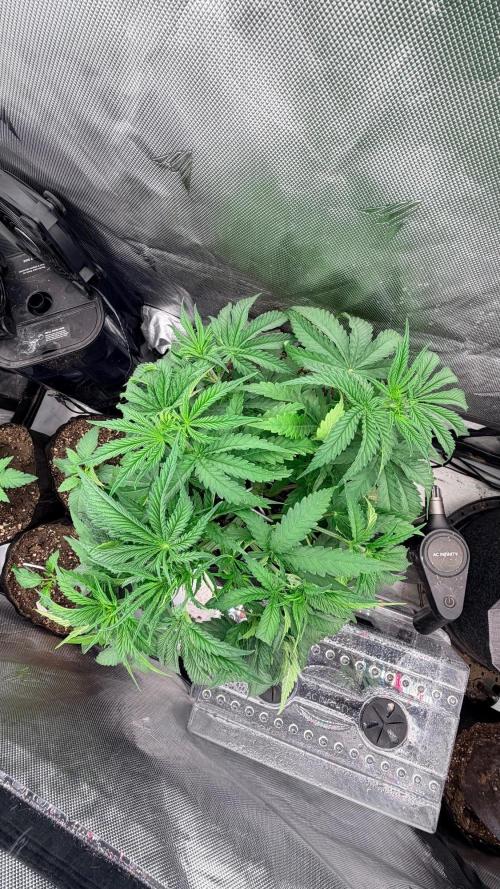
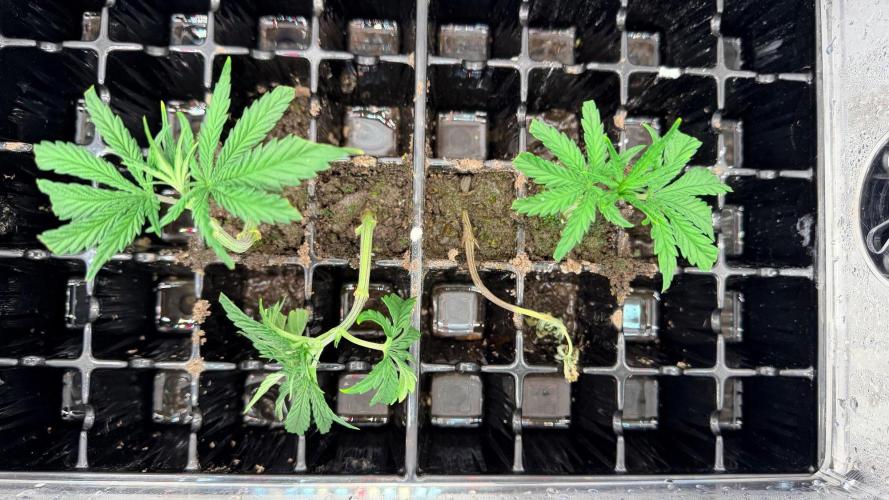
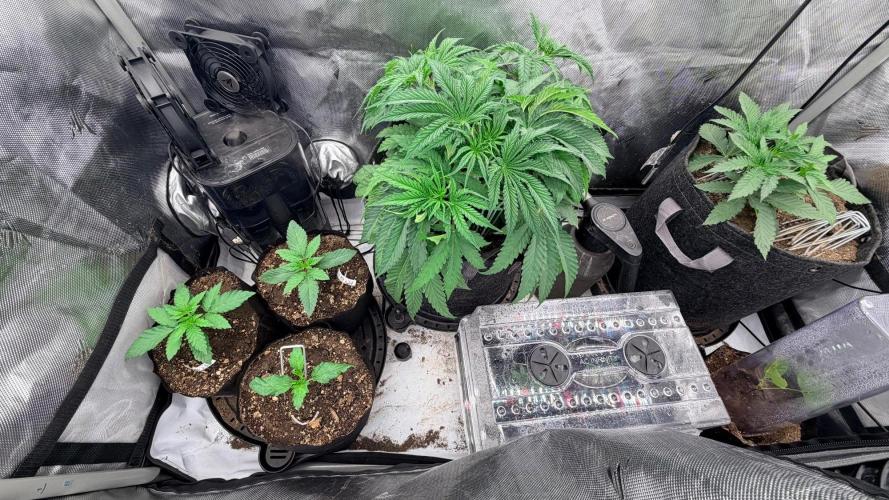
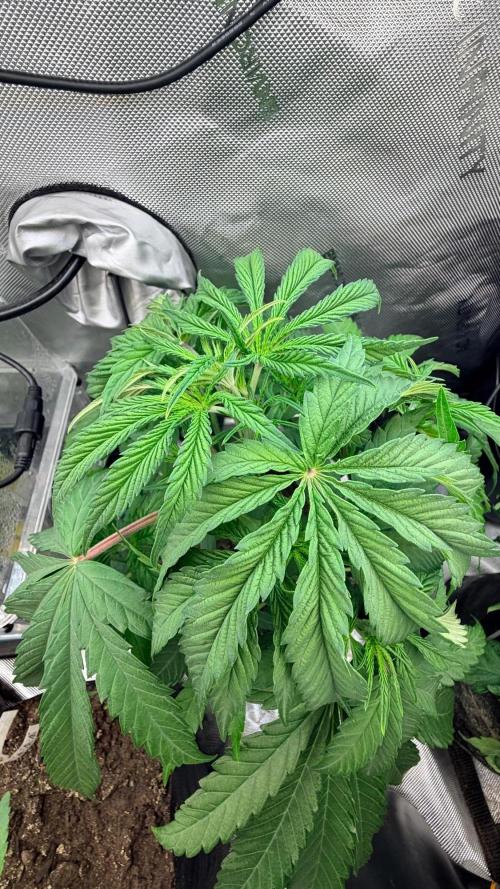
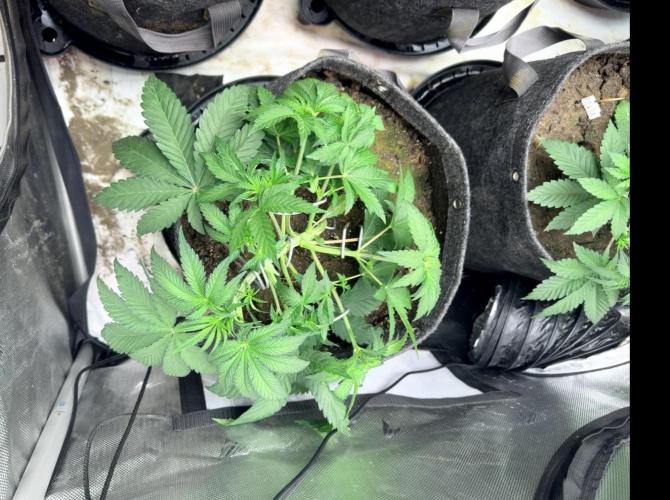
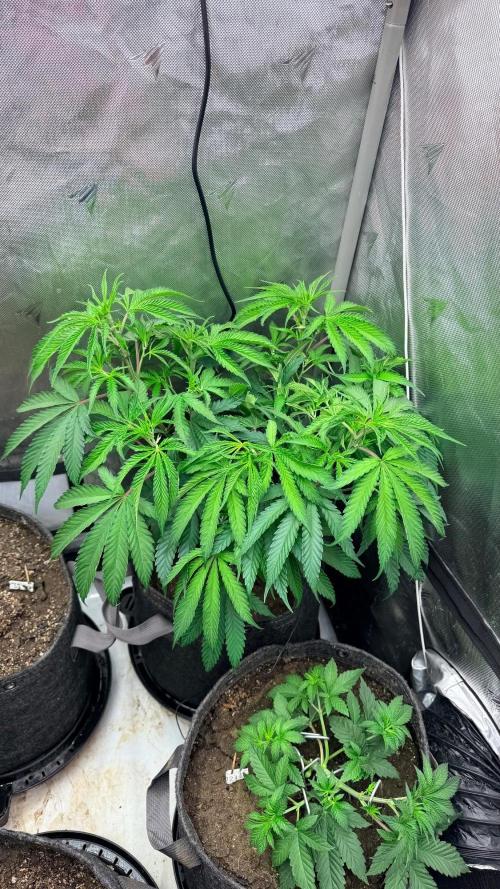
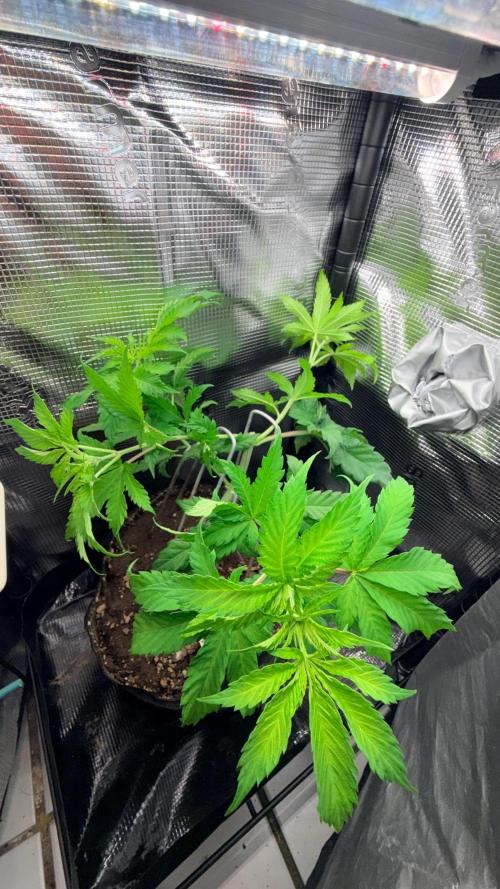
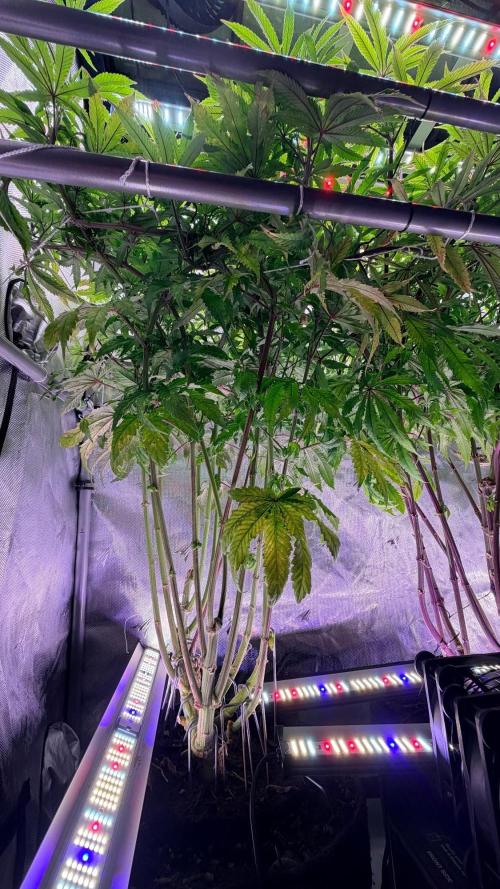
ChillSpace Week 4 with Platinum Lantz, and this project has progressed an incredible amount in a month. At this point I have five living plants from the ten seeds I started, and the differences between them are becoming increasingly obvious. The oldest plant has turned into an absolute bush. Early LST completely changed its architecture, spreading the main stem out and allowing the lateral branches to develop into a dense canopy of competing tops. Looking underneath it now, there is already a substantial framework of branches supporting all of that growth. For a plant only four weeks into this project, I’m extremely happy with the structure it has developed. The younger plants are coming along nicely as well. #6 has now been trained and is beginning the same process of opening up and redirecting growth outward. The others are showing their own differences in vigor, leaf shape and structure, including one particularly strange little plant that has been considerably slower and has produced some unusual growth. It is still alive and growing, though, so for now everybody gets a chance to show what they are. Probably the biggest development since the last update is that I have officially started cloning. I took four cuttings from the older Platinum Lantz plants for my first-ever attempt. Six days later, three are still alive. Two look remarkably good, one is struggling but continues to hang on, and one didn’t make it. Considering I had never cloned a plant before, I’m extremely happy with that result so far. That was an important step for this project because these plants aren’t being grown simply to finish them and move on. I want to be able to preserve individual genetics while I evaluate the original plants. Once the clones are established, I can use them to help determine sex and, more importantly, keep copies of promising individuals while the originals eventually go through flower. That means I can make selections based on the complete plant rather than trying to guess which one will be special from vegetative growth alone. The amount I’ve learned in these first four weeks has honestly been one of my favorite parts of this grow. This is my first serious photoperiod selection and breeding project, and I’ve already gone from germinating seeds to training very different phenotypes, taking my first cuttings, and beginning to preserve individual genetics. There is still a long way to go before I know which of these plants are male or female, which ones will flower the best, or which genetics will ultimately deserve a place in future crosses. Right now I’m just enjoying watching the differences emerge and documenting as much as possible. Four weeks down. Five seed-grown Platinum Lantz still going, three clones still alive, and one increasingly ridiculous bush taking over the middle of the tent. This is getting fun.
6 likes
2 comments
Share
Used techniques
LST
Technique
5
Week 5. Vegetation
3mo ago
35.56 cm
Height
20 hrs
Light Schedule
28 °C
Day Air Temp
6.5
pH
70 %
Air Humidity
20 °C
Solution Temp
20 °C
Night Air Temp
18.93 liters
Pot Size
45.72 cm
Lamp Distance
375 PPM
CO₂ Level
Nutrients 3
Pro Core - Athena
Pro Core
2.378 mll
Pro Grow - Athena
Pro Grow
3.963 mll
Balance - Athena
Balance
1.849 mll
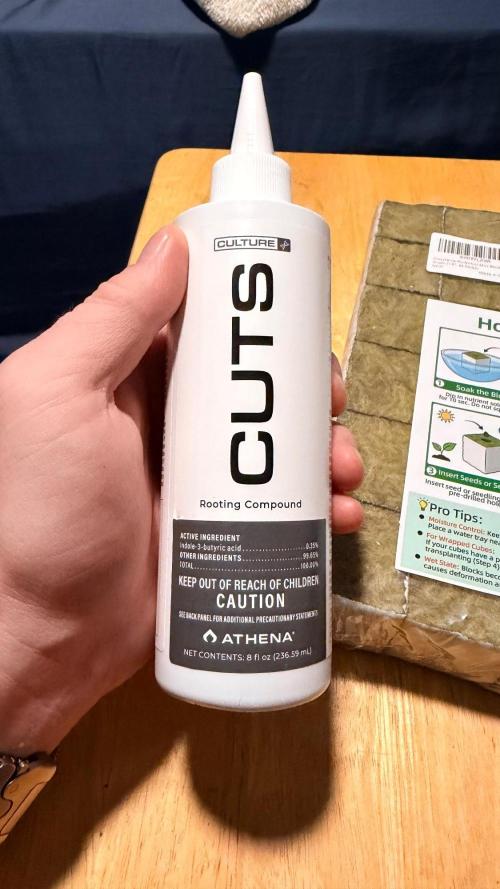
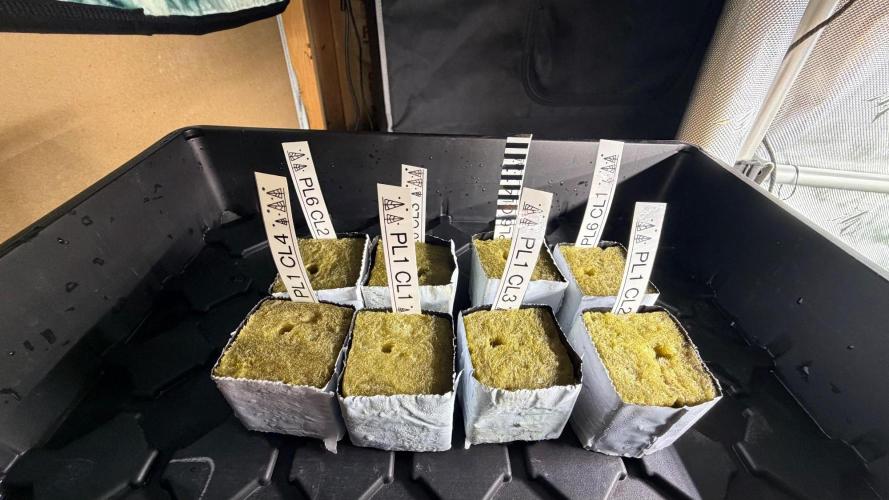
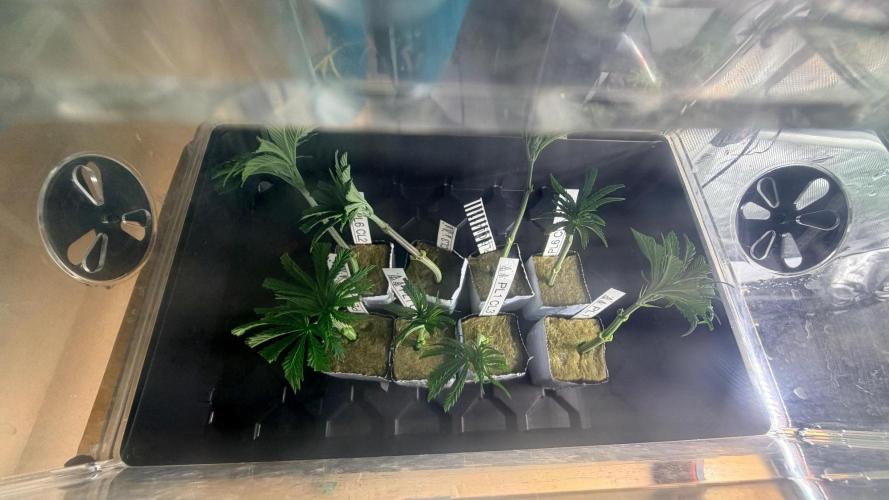
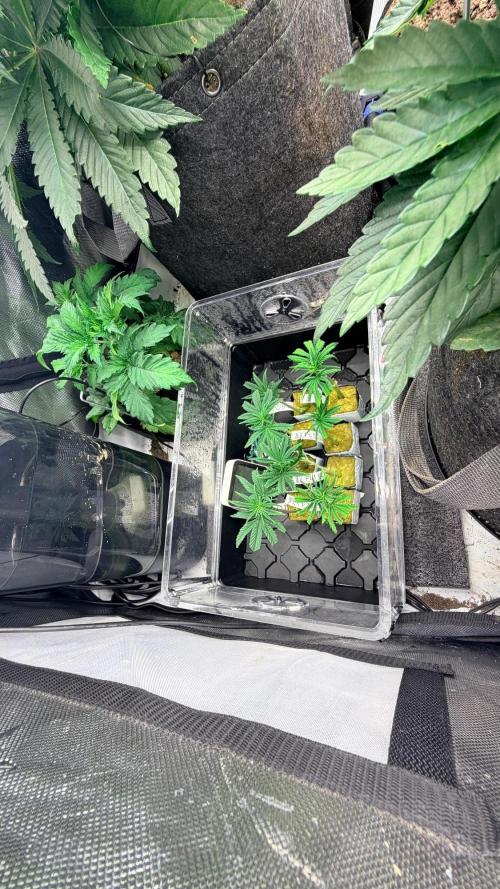
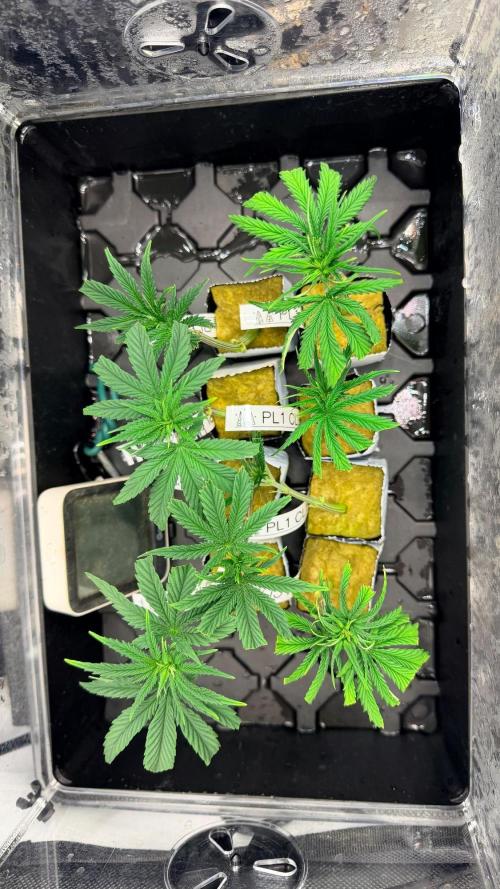
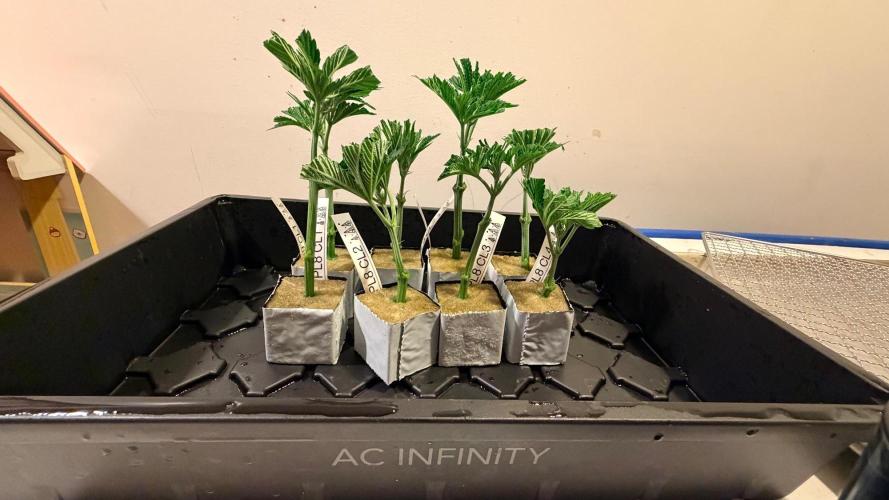
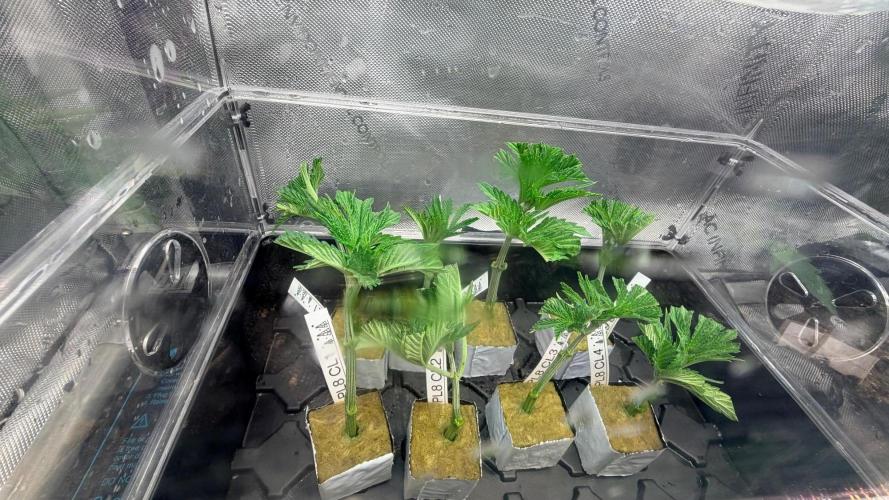
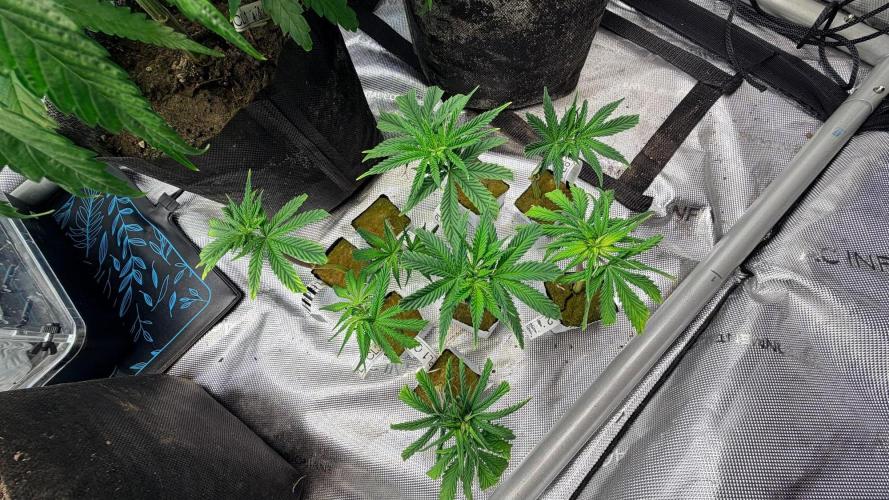
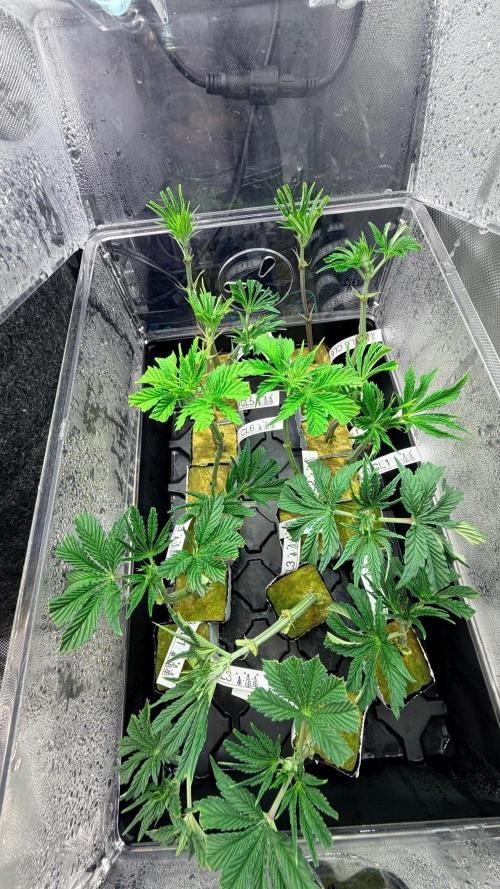
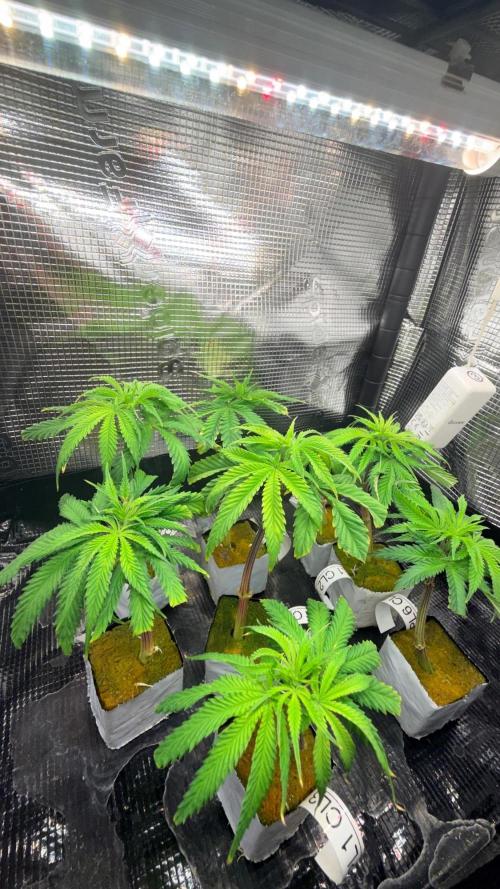
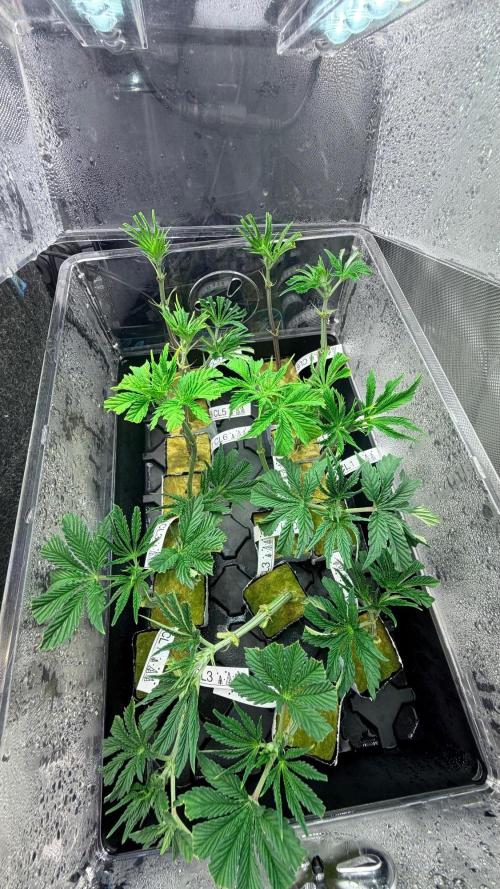
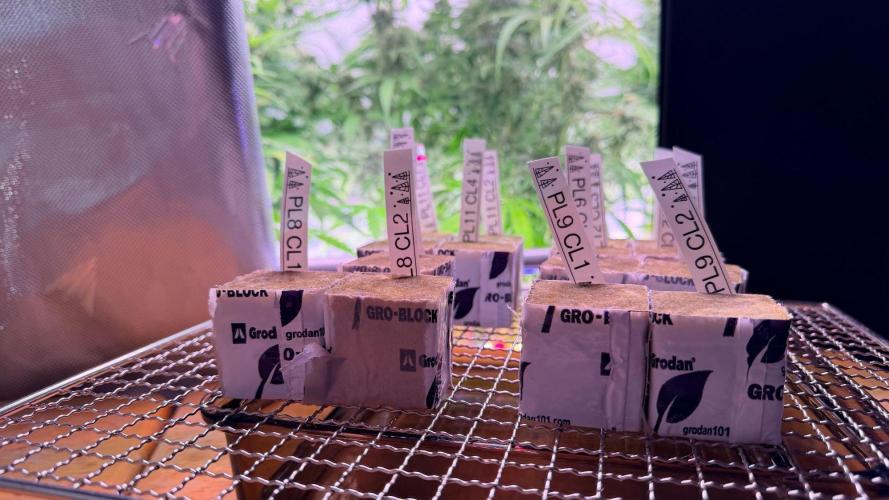
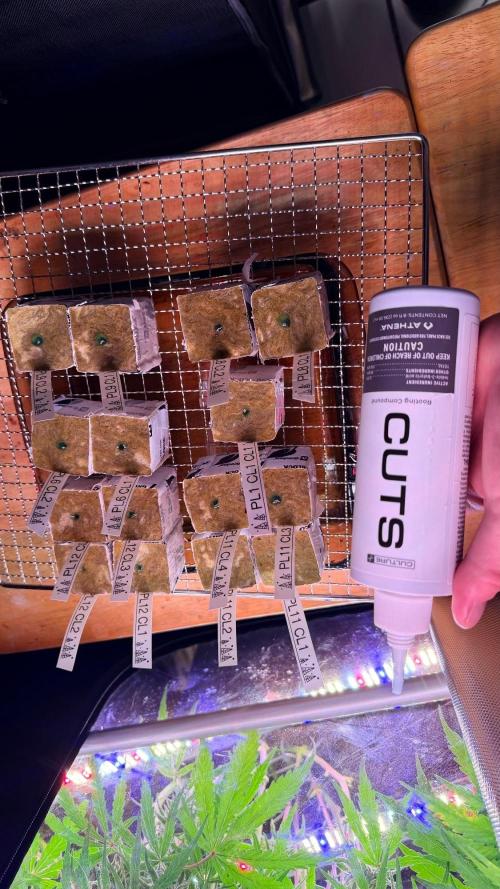
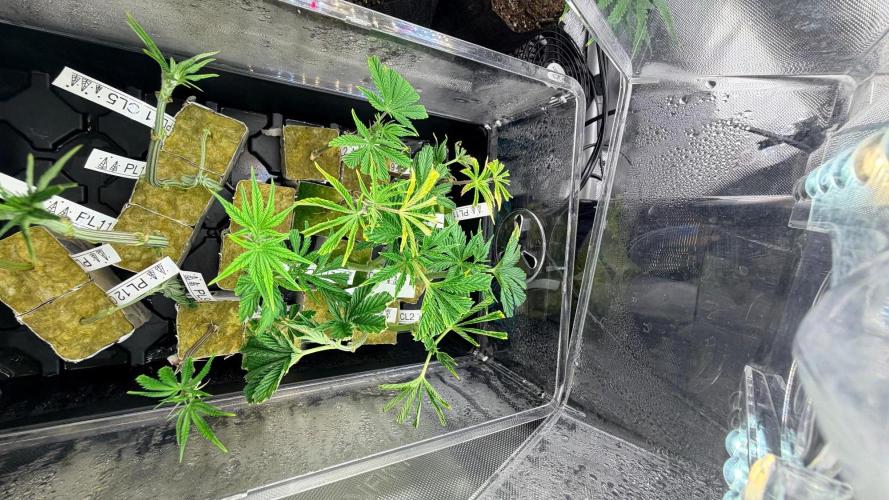
ChillSpace Big week for the Platinum Lantz project. I moved the entire breeding project into the 4x4 under the EVO6 + EVO3, so this tent is officially becoming breeding/selection headquarters. I also completely upgraded my cloning setup. Switched over to rockwool cubes, added Athena Cuts directly to the holes, labeled everything properly, and took 8 new clones from the best branches available. The goal now is to get enough successful clones to sex everyone, preserve the genetics I want, and eventually compare the keepers side-by-side instead of trying to judge plants that have all had different starts. I was pretty aggressive taking cuts from a couple of the plants. They looked rough immediately afterward, but by the next day some had already filled back in enough that you could barely tell what I did. That was pretty damn encouraging. PL8 and PL9 continue to develop well and are still two plants I’m watching closely. The original PL1 clones are hanging around, although at this point I’m assuming only one of those will ultimately make it. PL10 is also somehow still kicking around and will stay until I literally need the space 😂 The three autos — Headbangers Ball, Walter White BX1, and Toof Decay × Walter White — are still hanging out in the back of the 4x4 while the Platinum Lantz project takes over the rest of the tent. At this point I’m less concerned about making every individual mother plant look perfect and much more interested in collecting information, getting viable clones, determining sex, and finding the plants actually worth carrying forward. Once I know what I have, the real comparison can begin. 8 fresh clones taken. New cloning setup online. Entire breeding project consolidated into the 4x4. Now we see who earns a spot!
6 likes
6 comments
Share
Used techniques
LST
Technique
Cloning
Technique
6
Week 6. Vegetation
2mo ago
35.56 cm
Height
20 hrs
Light Schedule
28 °C
Day Air Temp
6.5
pH
70 %
Air Humidity
20 °C
Solution Temp
20 °C
Night Air Temp
18.93 liters
Pot Size
45.72 cm
Lamp Distance
375 PPM
CO₂ Level
Nutrients 3
Pro Core - Athena
Pro Core
2.378 mll
Pro Grow - Athena
Pro Grow
3.963 mll
Balance - Athena
Balance
1.849 mll
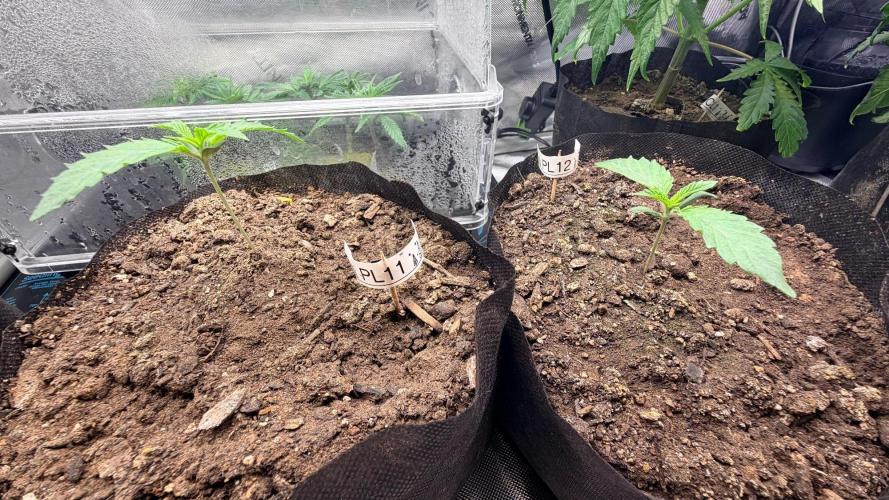
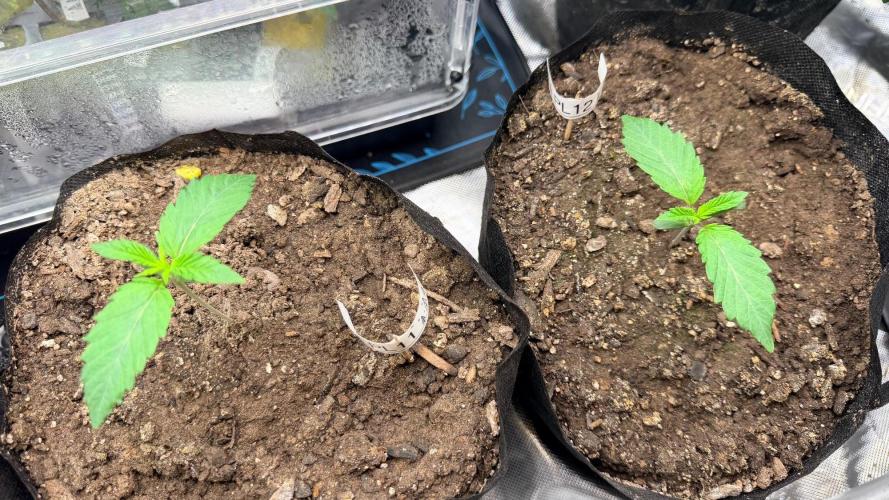
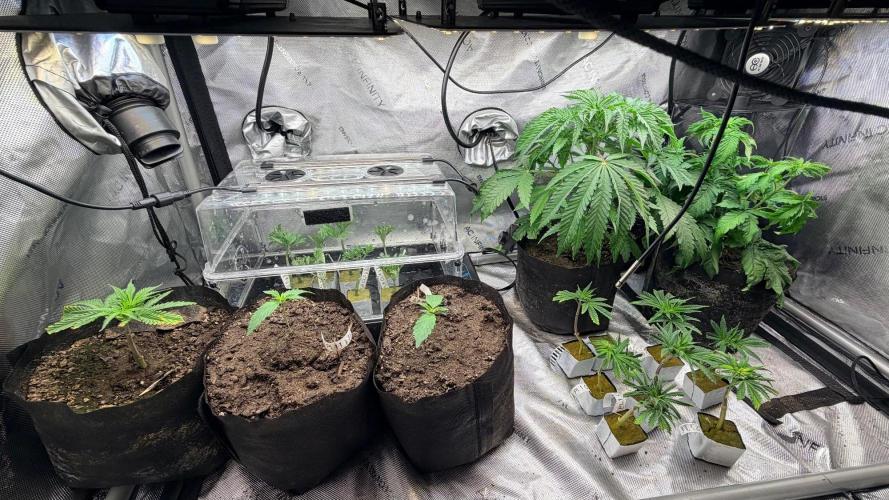
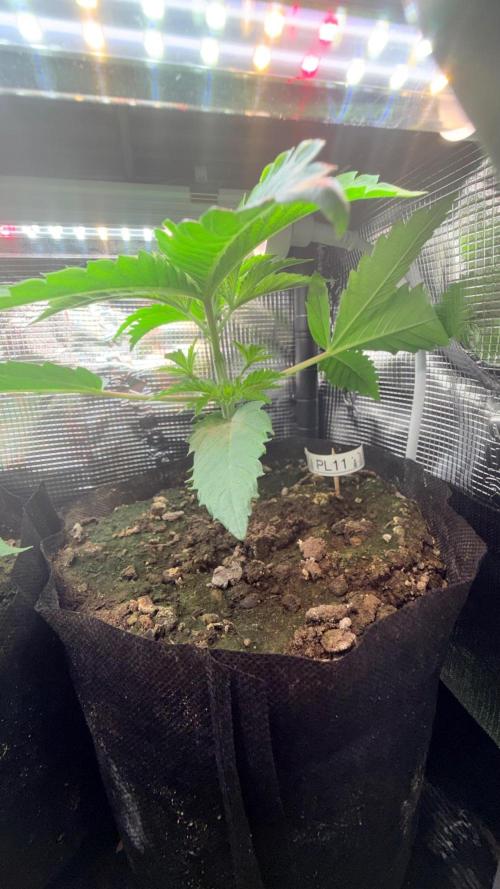
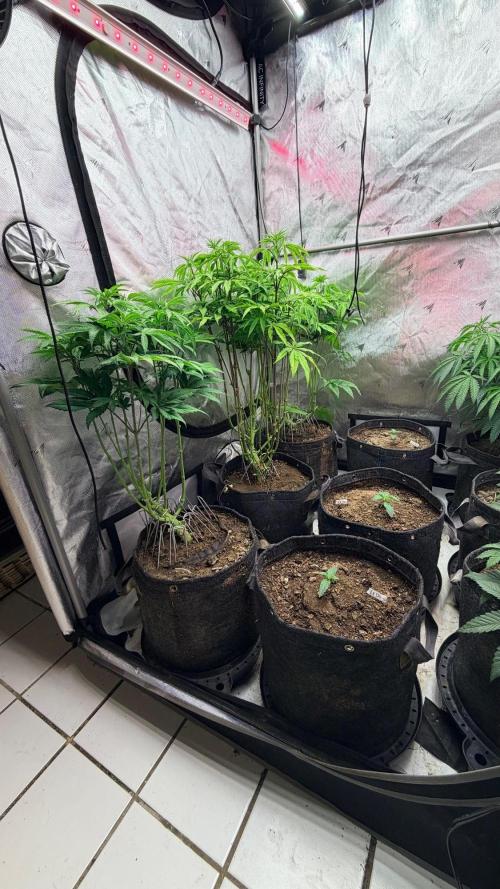
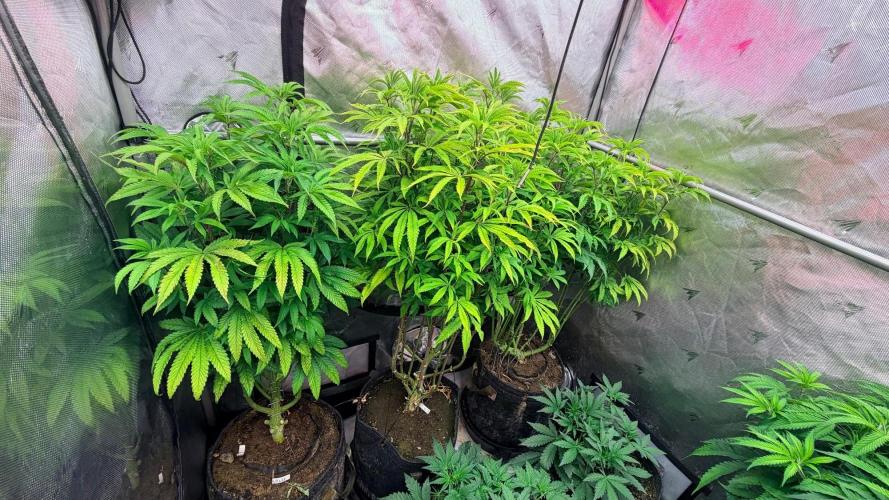
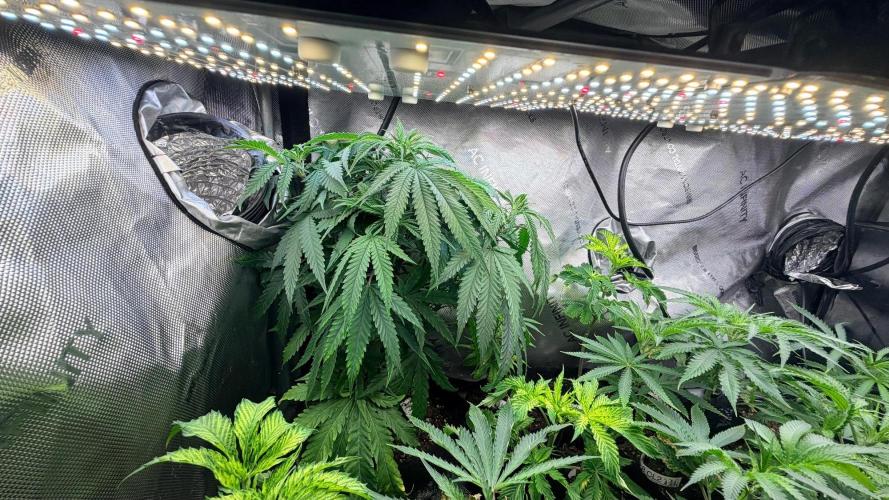
ChillSpace The 4×4 is officially getting crowded, but in a good way. This project has turned into a really cool opportunity to compare several Platinum Lantz plants at different ages and stages of development side by side. PL #1, #6, #8 and #9 are all well established now and showing plenty of differences between them. #8 and #9 continue to look especially strong, while #1 went through a little more abuse from higher PPFD earlier in the run but continues growing well. Training has been almost entirely LST so far, with the goal of spreading each plant out and getting a good look at structure, branching, vigor and recovery before making any serious breeding selections. PL #10 is still hanging around on the side. It has been the oddball of the group from early on, with unusual leaf development and much weaker overall growth, but I decided to keep it alive and see what it does rather than immediately cull it. It has actually responded reasonably well to training, even if it still isn’t giving me many reasons to select it. The biggest news is that PL #11 and #12 are officially above ground and healthy. These were the final two seeds from the pack, and I decided I would rather grow them now than leave two unexplored sets of genetics sitting in storage. Both germinated successfully and are now starting life directly alongside the rest of the hunt. They look absolutely tiny surrounded by their older siblings 😂, but now I’ll eventually have the opportunity to compare every surviving plant from the pack rather than wondering what those last two seeds might have contained. Cloning is also finally becoming a real part of the project. The original PL #1 clone is established and really starting to take off, while the newer batch of cuts from PL #1 and PL #6 currently has 7/8 looking viable. As the other candidates get large enough, I’ll continue taking cuts so I can preserve their genetics and use sacrificial clones for sex testing instead of having to flip the original seed plants early. At this point I’m deliberately trying not to rush selection. I finally have enough individuals growing side by side that differences in vigor, architecture, leaf morphology, branching, training response and overall growth habit are becoming much easier to recognize. Instead of trying to decide too early which plant is “the one,” I want to collect enough information that the strongest candidates eventually separate themselves from the rest. The eventual goal is to breed Platinum Lantz with itself first and produce a large seed population that I can continue selecting through. Just as importantly, this entire run is becoming my learning and training ground for developing an actual breeding process: germinating a population, evaluating individuals, cloning candidates, identifying sex, preserving genetics, making selections and eventually producing the next generation. After Platinum Lantz, we move on to the more exciting packs I’ve picked up for this. By then I won’t be starting from scratch. Everything I learn here — including the mistakes — gets carried directly into those projects. What started as an experiment with a pack of seeds is becoming the foundation for how I want to approach breeding going forward. For now, the goal is pretty simple: keep everything alive, observe everything, document the differences, and let the plants show me what deserves to move forward.
7 likes
comments
Share
Used techniques
LST
Technique
7
Week 7. Vegetation
2mo ago
35.56 cm
Height
20 hrs
Light Schedule
28 °C
Day Air Temp
6.5
pH
70 %
Air Humidity
20 °C
Solution Temp
20 °C
Night Air Temp
18.93 liters
Pot Size
45.72 cm
Lamp Distance
375 PPM
CO₂ Level
Nutrients 3
Pro Core - Athena
Pro Core
2.378 mll
Pro Grow - Athena
Pro Grow
3.963 mll
Balance - Athena
Balance
1.849 mll
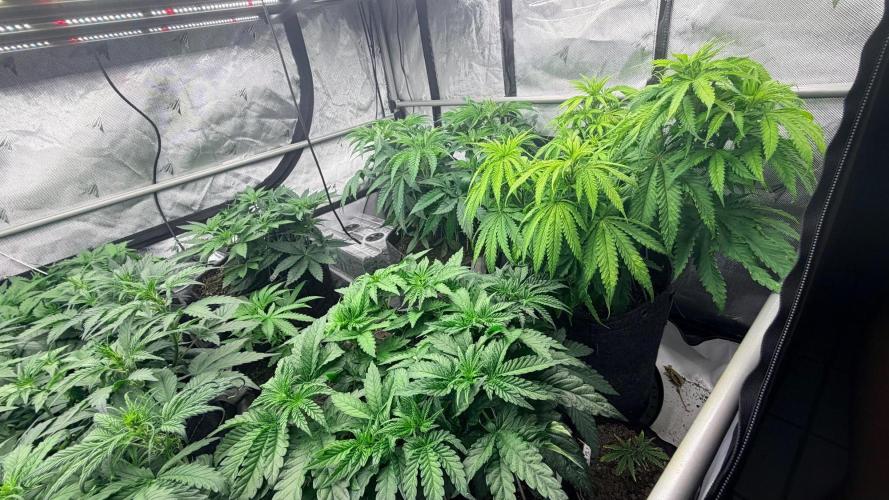
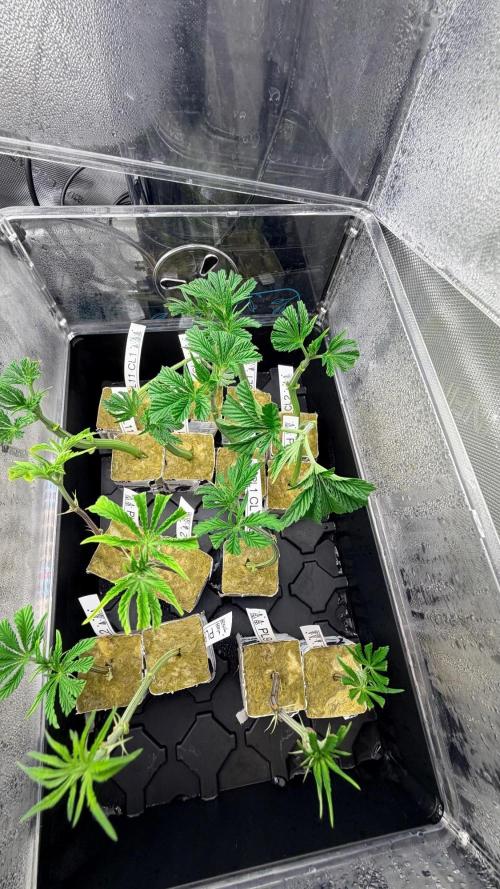
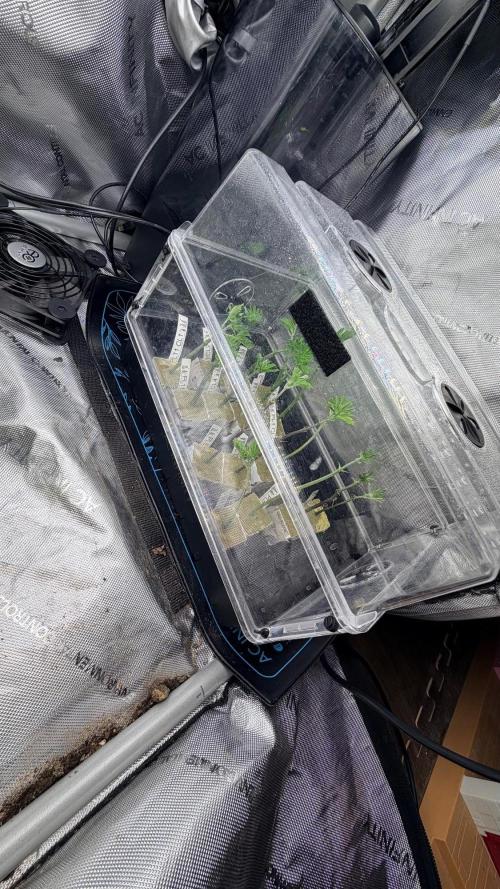
ChillSpace Week 7 was mostly about getting the setup dialed in and giving this project room to develop. The 4x4 has been optimized quite a bit, and the four established Platinum Lantz — #1, #6, #8 and #9 — are filling their space nicely. They’re currently lined up around the three autos running through the center of the tent, so I’ve been able to keep the autos in their prime spots while spreading the PL plants around them and letting everyone use the available canopy space. It’s been really cool having the PLs side by side and seeing the differences in structure, vigor, color and growth habits becoming more obvious as they mature. I also set up a separate 2x2x4 on its side specifically for propagation, which gave the clones and younger plants their own dedicated space. Apparently I’ve gotten the cloning part figured out too, because now I have more clones than I know what to do with lol. Switching to rockwool has been a huge improvement over my first attempt. PL #11 and #12 are also officially above ground and growing, so there’s now a pretty wide age range to compare as this continues. Still no rush to flower anything. Right now I’m enjoying watching them develop, taking clones as needed and getting everything lined up for sex testing and eventually making the actual breeding selections. Seven weeks in and the project is starting to feel a lot more organized and intentional. Now I just need to figure out what the hell I’m doing with all these clones 😂 Edit; took 4 clones each from PL8 & PL9 and evicted the others into the tent. Rockwool is so nice to work with
12 likes
comments
Share
Used techniques
Defoliation
Technique
LST
Technique
8
Week 8. Vegetation
2mo ago
35.56 cm
Height
20 hrs
Light Schedule
28 °C
Day Air Temp
6.5
pH
70 %
Air Humidity
20 °C
Solution Temp
20 °C
Night Air Temp
18.93 liters
Pot Size
45.72 cm
Lamp Distance
375 PPM
CO₂ Level
Nutrients 3
Pro Core - Athena
Pro Core
2.378 mll
Pro Grow - Athena
Pro Grow
3.963 mll
Balance - Athena
Balance
1.849 mll
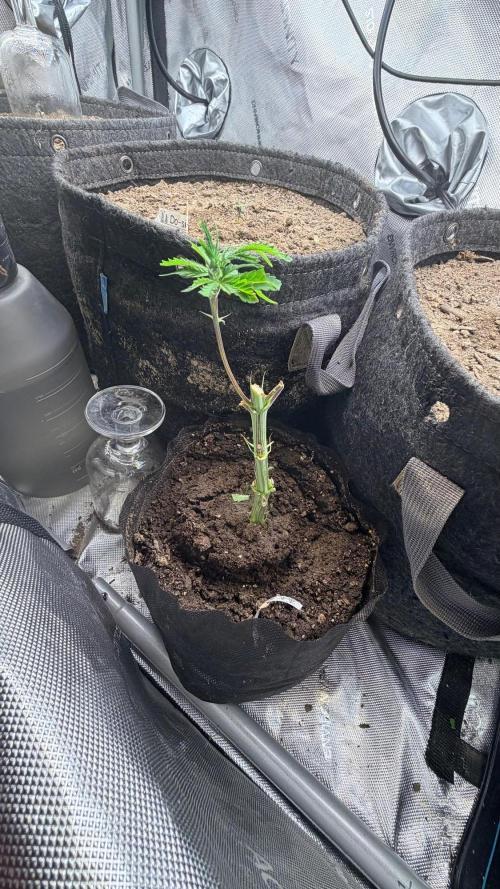
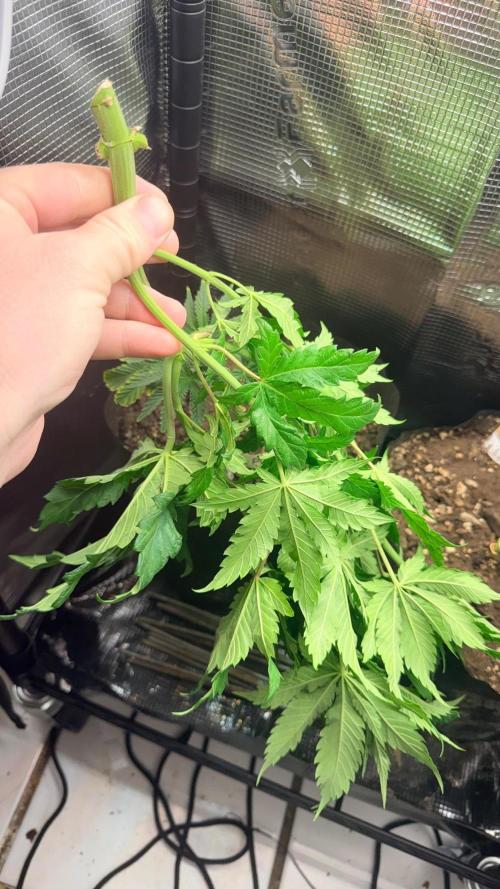
ChillSpace Week 8 was a big one for the Platinum Lantz project. The original PL #1 is now 8 weeks 1 day old, with #6 at 6 weeks 4 days and #8/#9 at about 5 weeks 4 days. #11 and #12 are the babies of the group at 2 weeks old. Even with the age differences, the individual structures are getting a lot more obvious, but I’m still in no hurry to make selections until I actually see them flower or make pollen. Cloning has officially gotten out of control lol. The first #1/#6 clone set is 3 weeks old, and the newer #8/#9 set is 6 days old. I’ve got multiple copies of #1, #6, #8 and #9 now, with one of each selected for sex testing. Rockwool has been working ridiculously well compared to my first attempt, and apparently I’ve gotten cloning figured out because I have more plants than I know what to do with. I’ve had to set up a baby tent and even bought a Spider Farmer 4-shelf rack just for storing clones while I started the next generation of autos. The biggest change was PL #1. Her original clone is now 5 weeks 1 day old, developed a killer root system, and got moved into a 5 gallon and trained out. I decided fuck it — she’s replacing the 8-week-old original #1. Same genetics, fresh roots and a better structure. Naturally I couldn’t just throw the original away, so 2 days ago I turned her into one absolutely ridiculous giant cutting in a 1 gallon pot just for science and laughs 😂. #10 is still my weird little Tiny Lantz. I was tripping on mushrooms the other day and saw her in a different light lol. A lot of her new growth is actually coming in nicely, but I decided cloning would be the real test. If the clones stay tiny, that would be hilarious. Once I took the cuttings and put them with everything else though, they were basically indistinguishable from the others except for the name tags. #11 and #12 are 2 weeks old now and growing nicely, so they’re getting close to needing their 5 gallon homes. Eight weeks in and this is definitely starting to feel like an actual breeding project.
8 likes
comments
Share
Used techniques
Topping
Technique
LST
Technique
Transplantation
Technique
9
Week 9. Vegetation
2mo ago
60.96 cm
Height
20 hrs
Light Schedule
28 °C
Day Air Temp
6.5
pH
70 %
Air Humidity
20 °C
Solution Temp
20 °C
Night Air Temp
18.93 liters
Pot Size
45.72 cm
Lamp Distance
375 PPM
CO₂ Level
Nutrients 3
Pro Core - Athena
Pro Core
3.434 mll
Pro Grow - Athena
Pro Grow
5.548 mll
Balance - Athena
Balance
0.898 mll
ChillSpace Pretty big change this week between the harvest and moving plants around. I moved quite a few things around and decided these Platinum Lantz ladies/dudes really just needed a thorough haircut/lollipop. I took a lot off of them. Lower growth, random branches, extra leaves, basically anything I didn’t really care about keeping. I feel way better about them. Tonight I fed the ladies and did a little bit of training on the two youngest ones, #11 & #12, plus a slight defoliation on PL1 too, mostly just opening her up a little more. Mixed 7 gal RO water at 13 ml/gal Core and 21 ml/gal Grow, then added Balance after at 10% of total nutes. Ended up around 2.1 EC and 6.1 pH. Still waiting on sex results from the clones I’m starting to flip in the sexing tower, so we’ll see what happens from here, but I definitely feel a lot better about where everything is sitting after this week.
6 likes
comments
Share
Used techniques
LST
Technique
Defoliation
Technique
10
Week 10. Vegetation
1mo ago
60.96 cm
Height
20 hrs
Light Schedule
28 °C
Day Air Temp
6.5
pH
70 %
Air Humidity
20 °C
Solution Temp
20 °C
Night Air Temp
18.93 liters
Pot Size
45.72 cm
Lamp Distance
375 PPM
CO₂ Level
Nutrients 3
Pro Core - Athena
Pro Core
3.434 mll
Pro Grow - Athena
Pro Grow
5.548 mll
Balance - Athena
Balance
0.898 mll
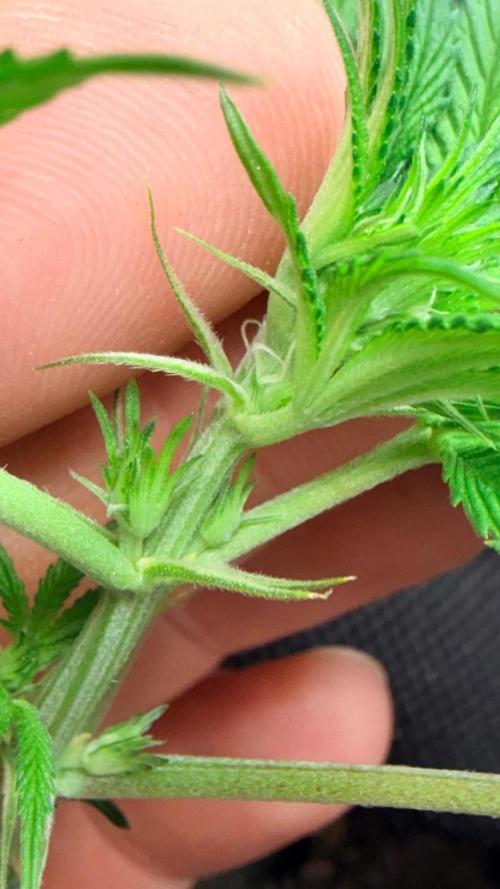
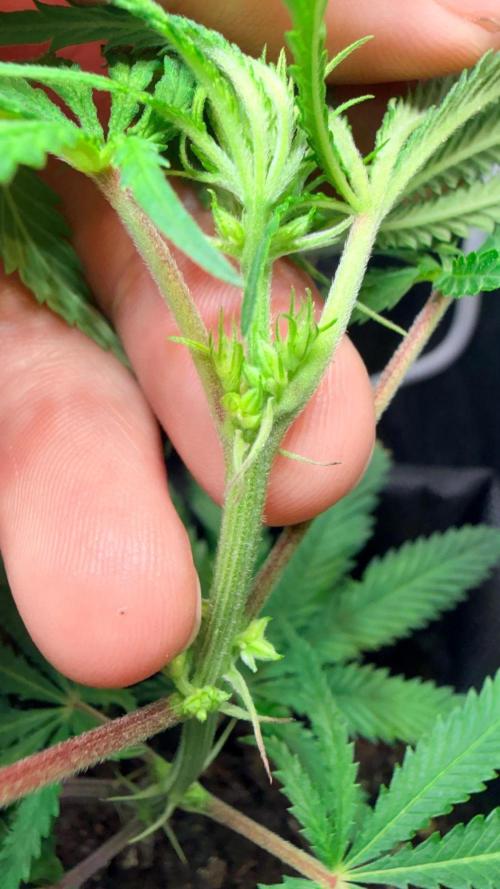
ChillSpace Week 10! It’s been a super busy week, and honestly, a lot has happened with this project. I’ve been taking my time with everything, but things are finally starting to come together, and I’m pretty excited about where it’s all heading! To start, I transplanted a bunch of my existing clones into quarter-gallon fabric bags with Purple Cow IndiCanja soil. I also broke out some Grodan 1.5” rockwool cubes again and took another 15 cuttings. Some are redundant backups, but PL11 and PL12 finally had their first round of clones taken! I actually took some of their best branches because I’m not fucking around with these genetics. 😂 The biggest news this week has definitely been the results from my little sex-testing tower! PL10 was the first confirmed male. Interestingly, it was also the only plant I never upgraded to a 5-gallon pot. PL10 is most likely out of the running, although I still have multiple clones growing. I’m not entirely convinced the genetics are the problem rather than something going on with the original plant or its root system, especially because the clones seem to be performing about equally compared to the others. I’m keeping them around for now to see how they develop before making the final decision to remove him altogether. PL1 was the next confirmed male, and I’m actually really happy about that one! Funny enough, I had already replaced the original mother plant with a particularly vigorous clone. I really like this plant, and having a male with characteristics I already appreciate gives me something interesting to work with for future breeding. One of the biggest things I’ve noticed about PL1 is how well it responds to training. LST has been great, and even some HST, like literally slapping the tops around so they stand back up stronger. 😂 It’s been a fun plant to experiment with. That said, having my first two confirmed plants both turn out male had me starting to wonder if I was about to end up with a tent full of dudes. Thankfully, today changed that! PL6 and PL9 are both confirmed FEMALE! I’m especially excited about PL6 because I still have the original mother plant growing, and she’s been one of the plants I’ve really enjoyed watching develop. PL9 being female is another huge win, and she’s also still the original seed-grown plant! PL8 is still pending. Unfortunately, the original clone I was using to test her died, and I eventually discovered it hadn’t developed any roots. So there’s that, lol. I replaced it with another clone about five days ago, so hopefully I’ll have an answer soon. PL11 and PL12 are also still untested. Outside of the Platinum Lantz project, I harvested another three autoflowers yesterday! Those were some of the last plants included in this diary that weren’t directly related to Platinum Lantz. I probably won’t add a harvest entry for them here since this journal has become much more focused on this particular project. Originally, I was just documenting everything happening in my tents because the beginning of this project was honestly pretty boring, lol. I’ve since started separate diaries for the newer plants. As the autoflower train keeps running, I had to equip another 2×4 specifically for them to keep any production pressure off this project. Along with a 2x2x4 flipped on its side for the clones plus a spider farmer 4 shelf rack I’m using as a sexing tower. I’ve never grown photoperiods before, never taken clones before, and definitely never attempted a breeding project like this, so I’ve intentionally given myself room to experiment and learn without worrying about keeping the harvests coming. If you’re curious about anything else I’ve been growing, those diaries and my threads have plenty of updates! The timing of yesterday’s harvest works out perfectly, too. Once those three finish drying, I’ll be moving my Breaking Teeth & Banging Heads autoflowers into that newer 2×4 finishing tent. That opens up my 2×4 production tent, which means I can finally start flowering some of these Platinum Lantz ladies! The plan is to move PL6 and PL9 into that tent, along with PL8 if her sex test confirms she’s female, and switch them to 12/12. I’ve spent so much time growing, training, cloning, and evaluating these plants that I’m genuinely excited to finally see what they can produce in flower. And the best part is that I already have multiple backup clones of each at varying ages, so I can preserve the genetics while evaluating the originals. That’s really what this whole project has been about for me. Learning to clone successfully, identifying males and females, comparing individual plants, preserving genetics, and eventually getting into some actual breeding and continuation of these lines. Along with returning the lines back to autoflowers through breeding. It’s been a lot of experimenting, some mistakes, and plenty of changes, but I’m learning a ton. And honestly, that’s been one of the most rewarding parts of the whole thing. Week 10: Two confirmed males, two confirmed females, three more results pending, 15 new cuttings, and flowering finally on the horizon! I’m in a really good place with this project right now. 😁
5 likes
3 comments
Share
Used techniques
Transplantation
Technique
Defoliation
Technique
12-12
Technique
11
Week 11. Vegetation
1mo ago
91.44 cm
Height
20 hrs
Light Schedule
28 °C
Day Air Temp
6.5
pH
70 %
Air Humidity
20 °C
Solution Temp
20 °C
Night Air Temp
18.93 liters
Pot Size
45.72 cm
Lamp Distance
375 PPM
CO₂ Level
Nutrients 3
Pro Core - Athena
Pro Core
3.434 mll
Pro Grow - Athena
Pro Grow
5.548 mll
Balance - Athena
Balance
0.898 mll
ChillSpace Another week down for the Platinum Lantz project, and things are getting interesting! I’m seeing some interesting differences in growth, structure, and overall appearance between the different phenotypes, along with plenty of similarities! I will say, this is a pretty good group overall. The older ladies have dealt with some feeding issues and a little neglect on my part, lol, but they’re still kicking! I suspect some of the issues might also be related to the reused soil I’ve been growing them in. The biggest development continues to be the sex-testing project. PL6, PL8, and PL9 have all been confirmed female, which is fantastic news! PL1 and PL10 were confirmed male, while PL11 and PL12 are still awaiting confirmation. It’s exciting to finally start narrowing down my selections and figuring out which plants I’ll be keeping around for future breeding projects! I’ve also been keeping busy with propagation. My older clones are establishing themselves nicely in their quarter-gallon fabric pots, while the newer cuttings are still working on developing roots. It’s been interesting comparing the different generations of clones and seeing how they respond to transplanting and their new environments. Space is definitely becoming an issue, though! Between the original plants, multiple generations of clones, and my other projects sharing the tent, things are getting pretty crowded. Thankfully, the sex-testing results are helping me narrow things down and figure out which plants deserve to stick around. I’m also planning to flower out PL6, PL8, and PL9 once my current autoflowers are ready to move from the Production 2×4 into the Finishing 2×4. These three ladies will take their place in the Production tent, giving me an opportunity to finally see what these genetics can do in flower! I’m especially excited to see how their different structures and growth habits translate into flower development. I also recently started another trio of photoperiod plants, Mystic Rose from Huckleberry Hill Farms! I’m really excited to explore these genetics alongside the Platinum Lantz project, and I’m already planning to use at least one of the plants for future breeding. It’ll be interesting to see what kind of variation these new ladies bring to the table! I’m still taking my time with this project and enjoying the process of learning more about these genetics. It’s been a lot of work, but watching everything come together has made it worth it. Really looking forward to what the next few weeks bring! 🤙
6 likes
comments
Share
12
Week 12. Vegetation
1mo ago
60.96 cm
Height
20 hrs
Light Schedule
28 °C
Day Air Temp
6.5
pH
70 %
Air Humidity
20 °C
Solution Temp
20 °C
Night Air Temp
18.93 liters
Pot Size
45.72 cm
Lamp Distance
375 PPM
CO₂ Level
Nutrients 3
Pro Core - Athena
Pro Core
3.434 mll
Pro Grow - Athena
Pro Grow
5.548 mll
Balance - Athena
Balance
0.898 mll
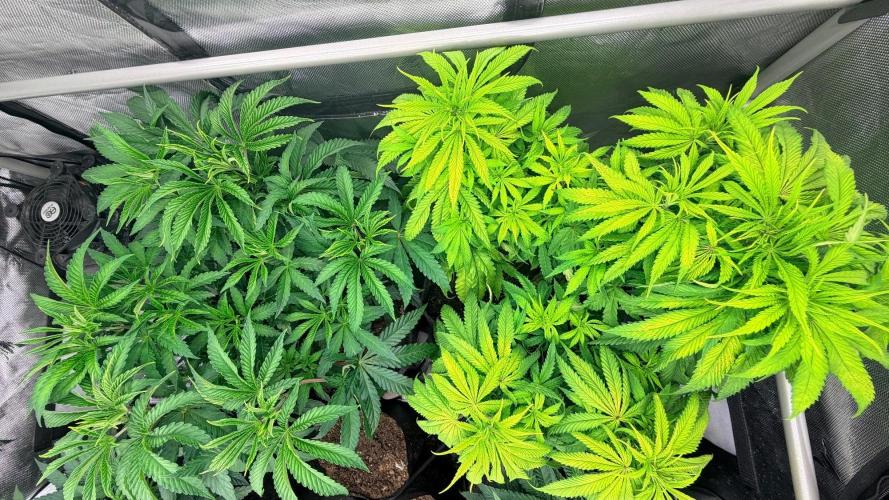
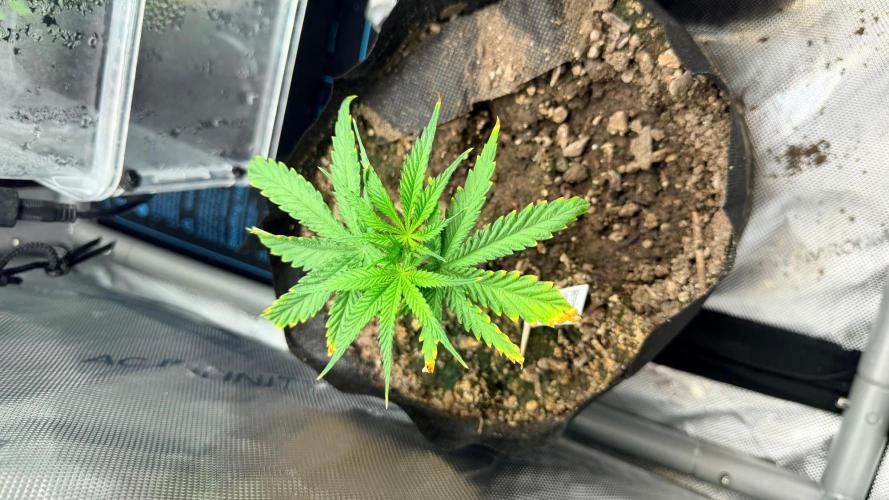
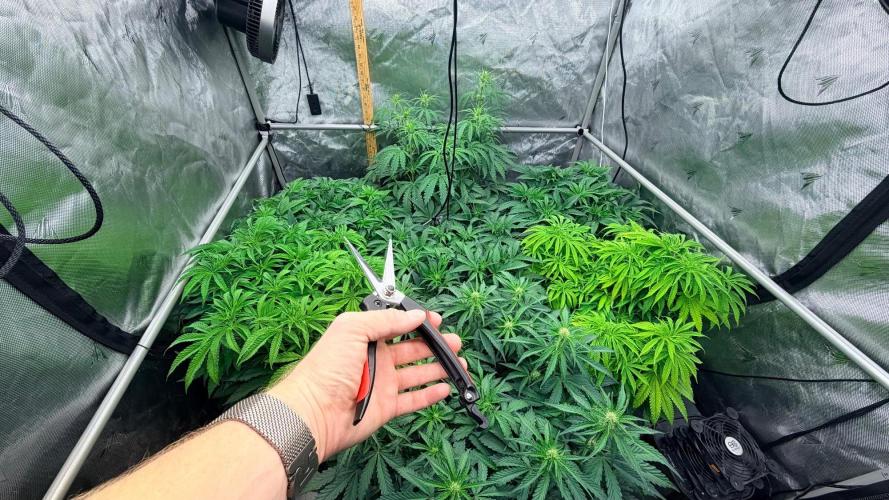
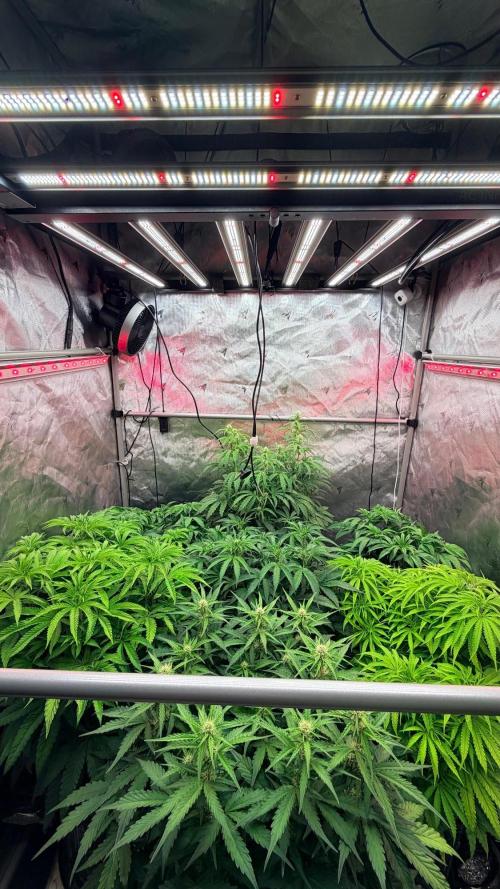
ChillSpace Well, Week 12 has officially arrived, and holy hell, this one has been a real test! There’s been plenty of experimenting, rearranging, and learning, but thankfully, some exciting progress too! The biggest change this week was moving PL6, PL8, and PL9 into my 2×4 production tent. These three had gotten massive for my space, reaching over 3 feet tall from the soil surface. Fitting them into a 2×4 required some creativity, so I decided to try something I’ve never used before: a trellis net. I’ve always avoided nets because I like being able to move my plants around, and dealing with one during harvest has never sounded appealing. Yet here I am, weaving three massive plants into one tangled canopy, which is already starting to feel like a fool’s errand! Harvest is probably going to be a bitch, partly because of the plants’ size, but mainly because of the net. I also doubt I’ll be hanging the plants whole this time, so that’s another variable to figure out. Apparently, every part of this run is becoming a learning experience! The goal was to lower the canopy and spread everything out evenly. I managed to reduce their overall height by roughly a foot, although I underestimated how much bending, twisting, and outright smooshing would be involved. The real test will come when I flip them to flower. I’m still not sure how it will play out, and I may have to sacrifice a branch or two if things get out of hand. Without serious canopy management, these girls would easily outgrow the space. So far, the plants are responding better than expected. Considering how much I had manipulated their structure, I’m impressed with what they’ve tolerated. Day three I relocated a few branches for better balance but the left side just has more growth in general and I’m trying to leave them alone as much as possible. Meanwhile, the 4×4 has become a temporary home for my growing collection of Platinum Lantz clones. Several have gotten larger than expected, so I moved them over to give everyone more room. I’m still not sure what my long-term plans are for all of them, but having options is part of the fun! I also have an older PL1 clone that I had already started bending and training before relocating the others. That one stayed behind in the propagation tent with the younger clones and some seedlings. I moved clones from PL11 and PL12 into my little sex-testing tower, probably a bit earlier than they would have preferred. They’ve experienced some stress, and a few older leaves are looking crispy, but the newest growth appears healthy. For now, I’m giving them time to recover and develop. Another ongoing challenge has been keeping these plants consistently green and healthy. I’ve noticed quite a bit of yellowing, especially compared to my autoflowers, which are green AF under their current conditions! I suspect several factors may be contributing, including excessive DLI. I’m also questioning the growing medium itself. This batch was made using a combination of aged and fresh soil, so without testing it, I don’t know exactly what I’m working with. There’s also a chance I’ve simply been underfeeding them. Honestly, I’m not sure yet. It’s probably a combination of factors, and I’m trying to learn from the differences rather than assume there’s one obvious explanation. These are my first photoperiod plants, after all. While I’ve gained experience growing autoflowers, this has been an entirely different learning experience. I went into this project knowing very little about breeding beyond what I had researched, and now I’m putting some of those ideas into practice. I’m still a complete newbie, but little by little, things are coming together. I don’t expect every project to go this well, and I don’t take the successes for granted. Whether it’s good genetics, favorable circumstances, or just luck, I’m grateful for how things have developed so far.
9 likes
comments
Share
13
Week 13. Vegetation
23d ago
68.58 cm
Height
20 hrs
Light Schedule
28 °C
Day Air Temp
6.5
pH
No Smell
Smell
70 %
Air Humidity
20 °C
Solution Temp
20 °C
Night Air Temp
18.93 liters
Pot Size
45.72 cm
Lamp Distance
375 PPM
CO₂ Level
Nutrients 3
Pro Core - Athena
Pro Core
3.434 mll
Pro Grow - Athena
Pro Grow
5.548 mll
Balance - Athena
Balance
0.898 mll
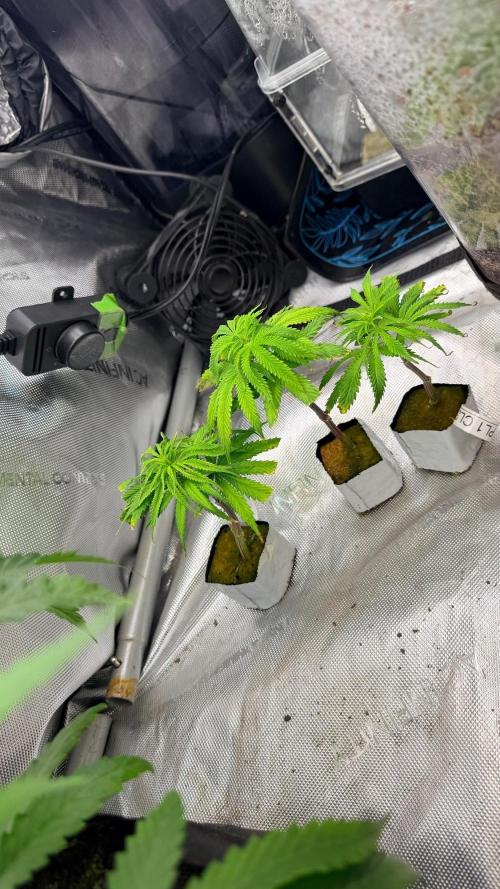
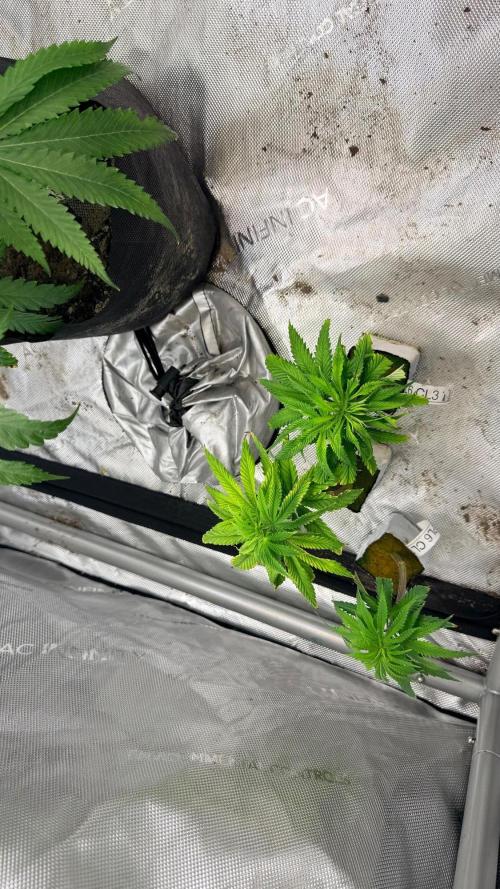
ChillSpace Week 13 is All About Good Vibes and Aroma!! 🍬🌱 🎶 Optional soundtrack for this week’s update: If you want the full experience today, throw this on while you’re reading. 😂🤷‍♂️ https://m.youtube.com/watch?v=6XRZF7bvs9U What an exciting week! Honestly, this might be one of my favorite weeks of the entire project so far. A lot has changed, and I’m feeling more confident and excited about these genetics than ever! First off, my little 12/12 sex-testing tower has been progressing beautifully! The clones aren’t even receiving particularly high PPFD, but they’re flowering surprisingly well. This week I was finally able to get some meaningful aroma observations from PL6, PL8, and PL9 by rubbing the developing trichomes. Holy shit, PL6 smells incredible! It’s this unbelievably sweet, juicy, melon-candy aroma that I genuinely wasn’t expecting. I originally selected Platinum Lantz largely because of its appearance and the potential for beautiful, frosty flowers. I was actually more excited about hunting Caviar initially, but this discovery has completely changed my appreciation for Platinum Lantz! What’s even more interesting is that, now that I recognize that sweet aroma, I’ve started noticing hints of it throughout the other Platinum Lantz plants to varying degrees, including some of the males and even occasionally around the cloning chamber. There’s also a distinct sour onion, radish, almost vegetable-like aroma that shows up throughout the line, especially during stem rubs. It’s not my favorite, lol. Even PL6 has some of that character, but it’s much more in the background compared to that incredible sweetness. These observations have really gotten me thinking about selection and breeding. For a few days, I went back and forth between using my selected male with PL6 or potentially reversing PL6 and pursuing a feminized breeding route. Both approaches have advantages, but ultimately I’ve decided to continue with my original male-to-female crossing plan. I’m still very new to breeding, and I’d rather explore the genetic variation in the next generation before narrowing things down too aggressively. Meanwhile, PL6, PL8, and PL9 officially began their 12/12 flowering cycle on October 28! They’re occupying my 2×4 Production tent beneath the Grand Master LED Tarantula, with additional under-canopy lighting. After all the earlier canopy manipulation, netting, and rearranging, I’ve mostly left them alone since flipping. They’re responding beautifully, and it’s been nice to watch them develop without constantly interfering. I also made some major changes to my vegetative plants. Yesterday I removed and chopped up the older Platinum Lantz plants from the 4×4 and replaced them with clones, giving the project a much-needed reset. PL1, PL6, PL8, PL9, PL10, PL11, and PL12 are now represented in fresh 1-gallon containers, with additional backup clones preserved. One important change was standardizing the potting medium across the plants. Every clone starts in rockwool, which I’ve really enjoyed working with. The cubes make everything easy to handle, move around, and transplant without disturbing the roots too much. From there, I transplant the rooted cubes directly into quarter-gallon pots of Purple Cow IndiCanja before eventually moving everything into 1-gallon containers. For this latest transplant, I mixed up a consistent batch of Pro-Mix HP, worm castings, and a little additional perlite. I also added a Voodoo Juice Plus tablet to the water used to hydrate the medium, introducing some additional beneficial microbes. Previously, I was reusing various soil mixes, and between those inconsistencies and the excessive lighting from an environment optimized more for the autos than the photoperiod plants, some of the older plants developed considerable yellowing. I suspect those growing conditions contributed significantly, so I’m excited to see how the clones perform with a more consistent starting point. PL1 has actually been replaced by its own clone more than once now, which is pretty interesting in itself! Same genetics, just a fresh start. And because apparently I didn’t have enough going on, I’ve also started exploring two additional genetic lines: Caviar from Ridgeline Farms and Paradise Pine from Huckleberry Hill Farms! I initially started four regular Caviar seeds and four Paradise Pine seeds. Then I got excited enough to start the remaining seven Caviar seeds, bringing us to 11 Caviar seeds in total! Mystic Rose is also progressing nicely, with all three feminized seedlings growing. So now I’m exploring four genetic lines simultaneously, with several different breeding and selection projects developing alongside one another. It’s a lot, but I’m genuinely excited about the possibilities! Labels and trackers help a lot, lol. My tracking system has grown to 31 separate entries, which probably says everything about how involved this hobby has become! At the end of the day, I’m still learning, experimenting, making mistakes, and adjusting as I go. But this week really reinforced why I started this project in the first place. Discovering that incredible aroma in PL6 was one of those moments where all the time, patience, and uncertainty suddenly felt worthwhile. I went into this project hoping to find some beautiful genetics worth working with, and now I’m finding things I didn’t even know I was looking for! I don’t need to find the best plant in the world. But I am finding the best plants in my packs!
8 likes
comments
Share
14
Week 14. Flowering
15d ago
81.28 cm
Height
20 hrs
Light Schedule
28 °C
Day Air Temp
6.5
pH
No Smell
Smell
70 %
Air Humidity
20 °C
Solution Temp
20 °C
Night Air Temp
18.93 liters
Pot Size
45.72 cm
Lamp Distance
375 PPM
CO₂ Level
Nutrients 3
Pro Core - Athena
Pro Core
3.434 mll
Pro Grow - Athena
Pro Grow
5.548 mll
Balance - Athena
Balance
0.898 mll
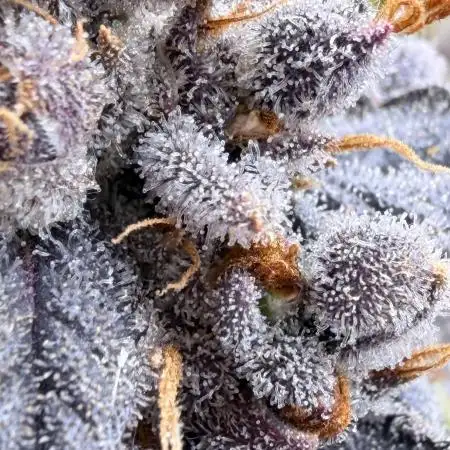
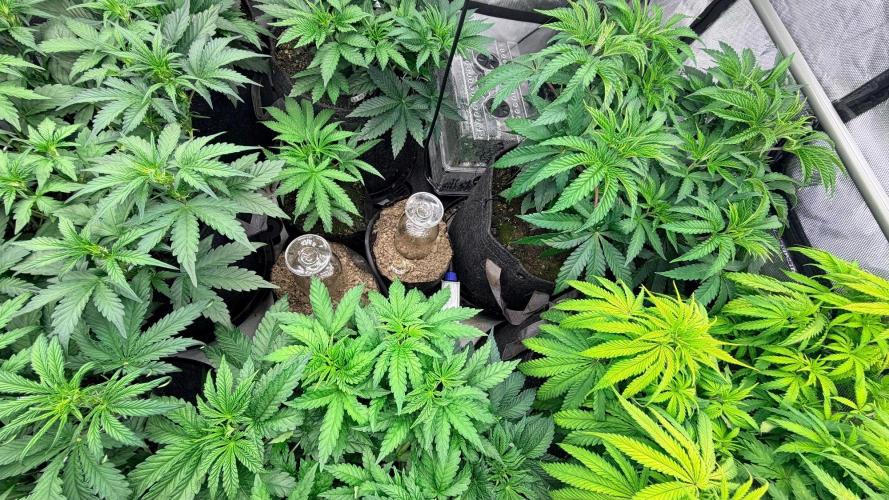
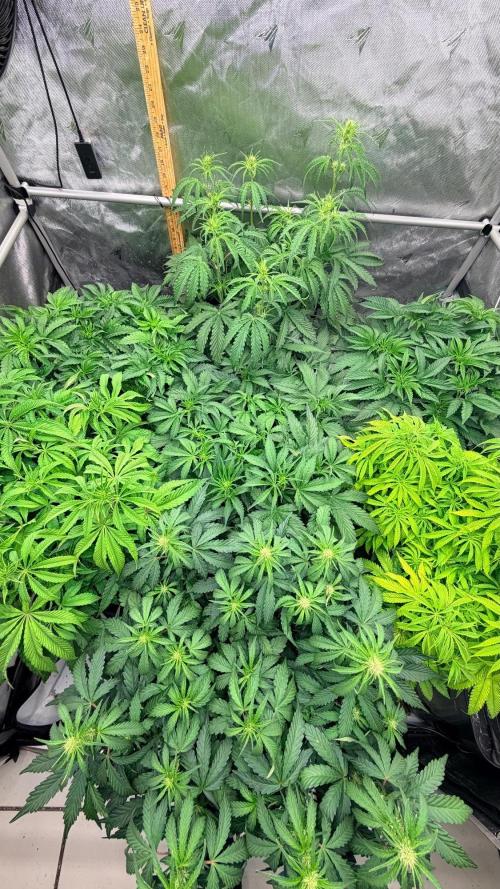
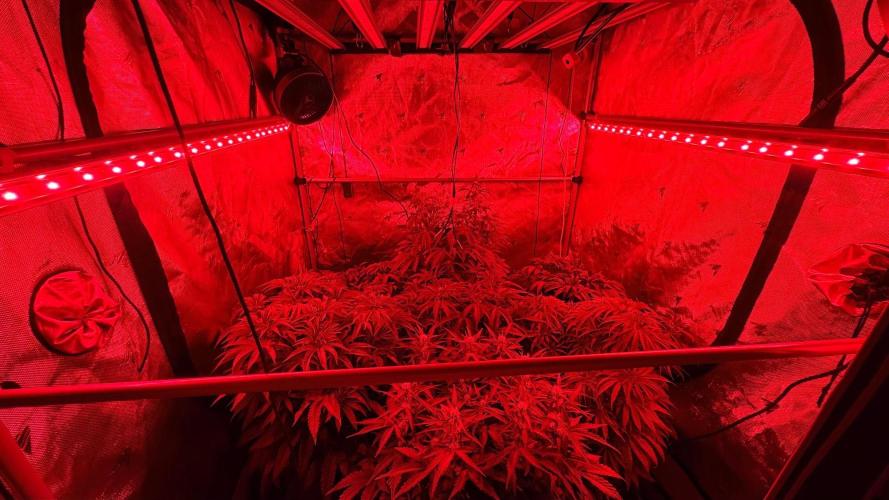
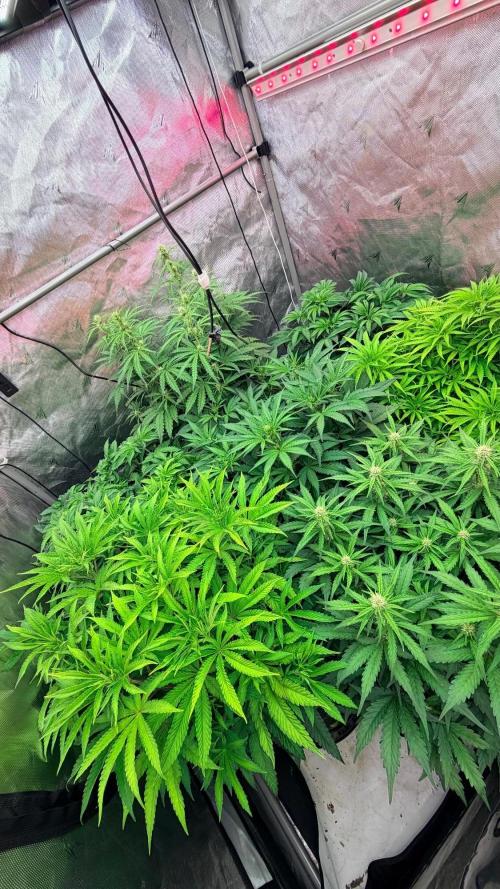
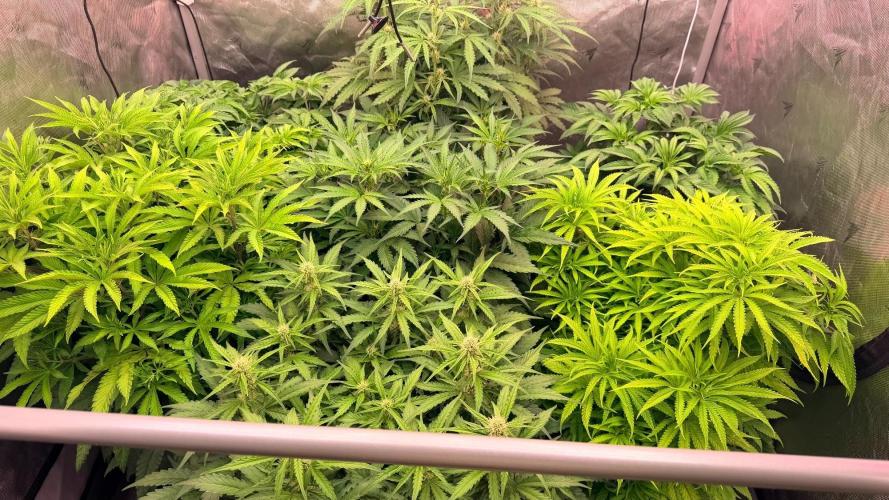
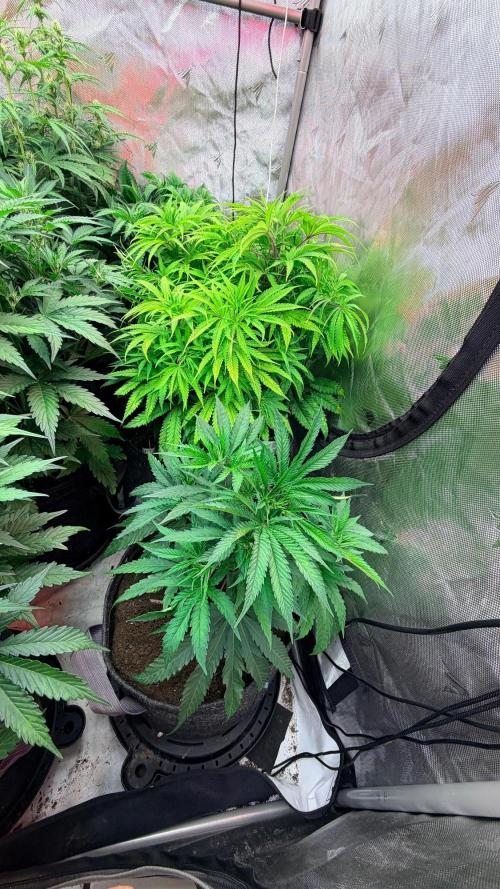
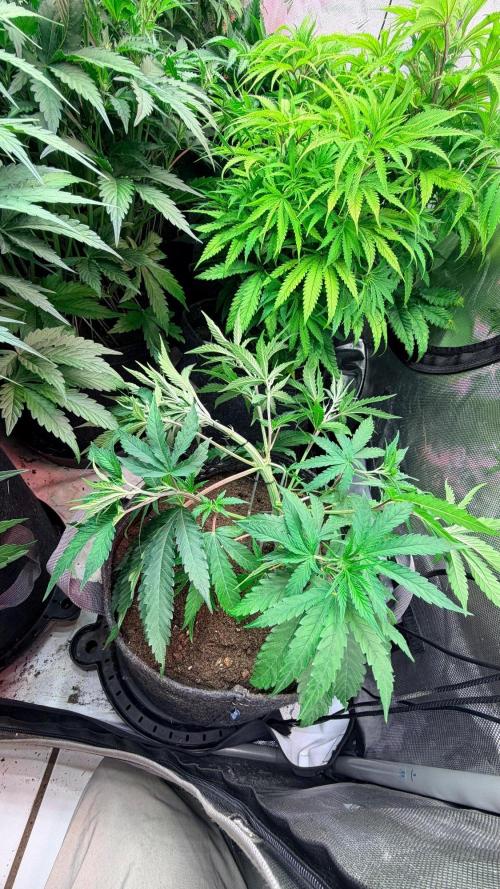
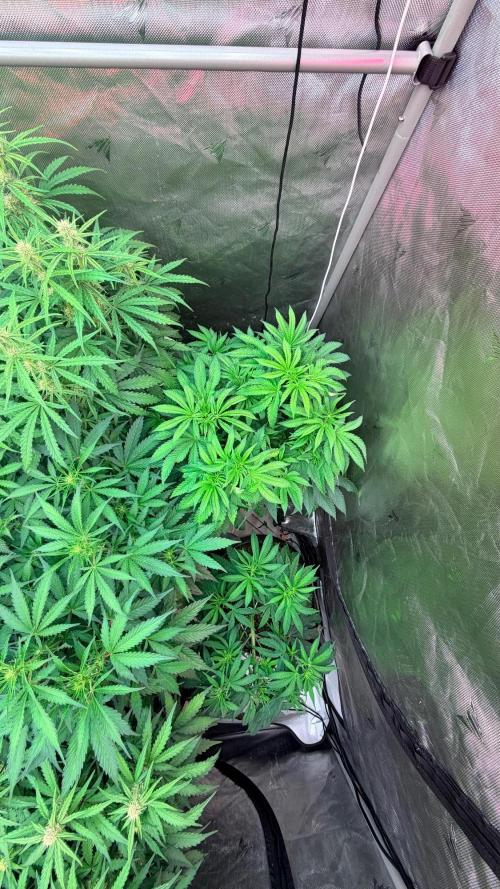
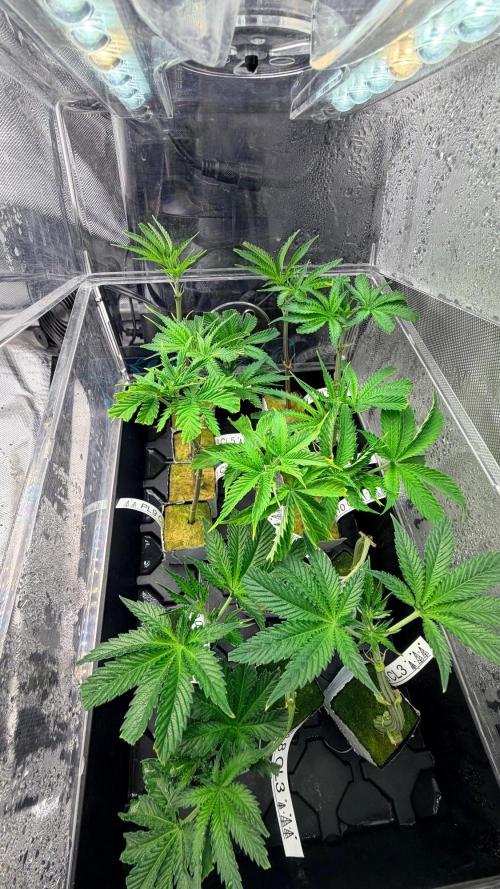
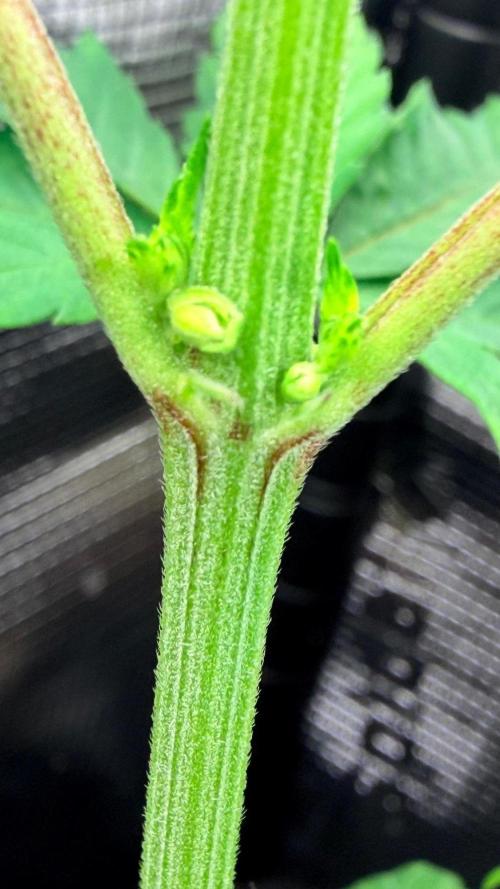
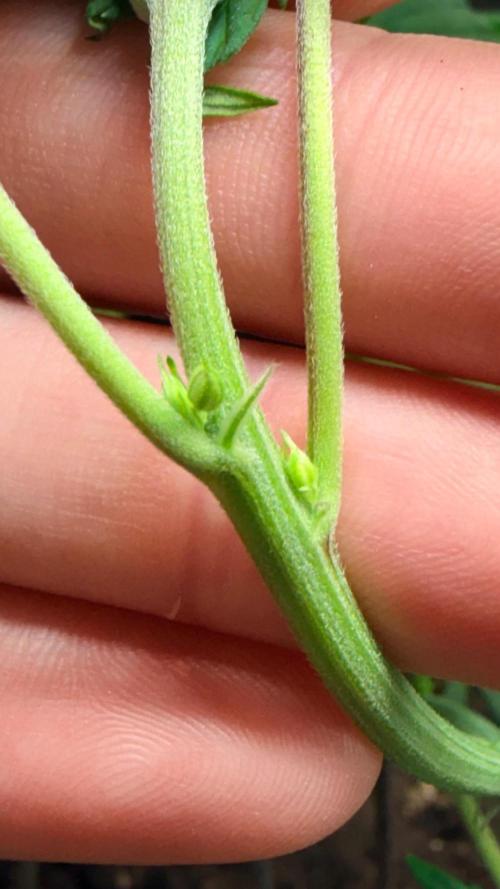
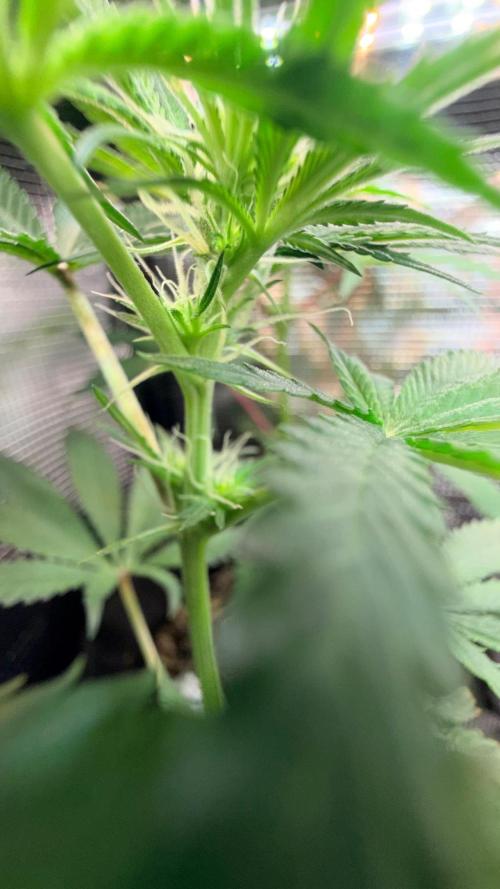
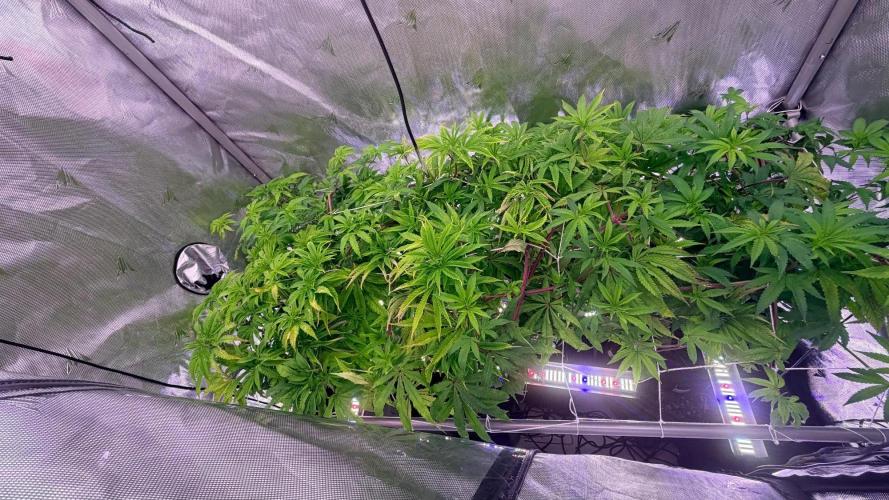
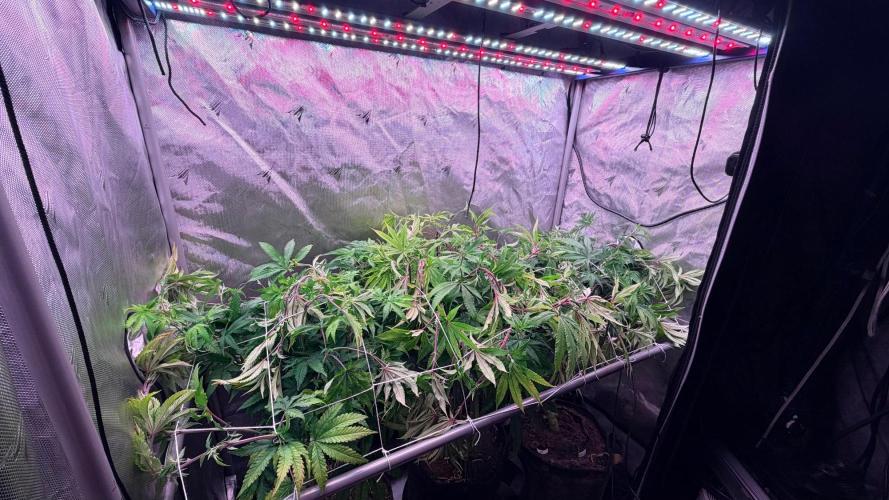
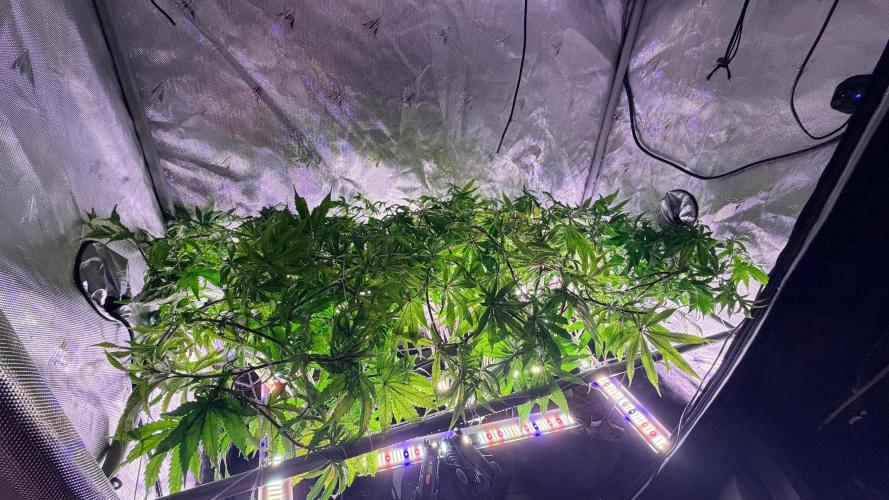
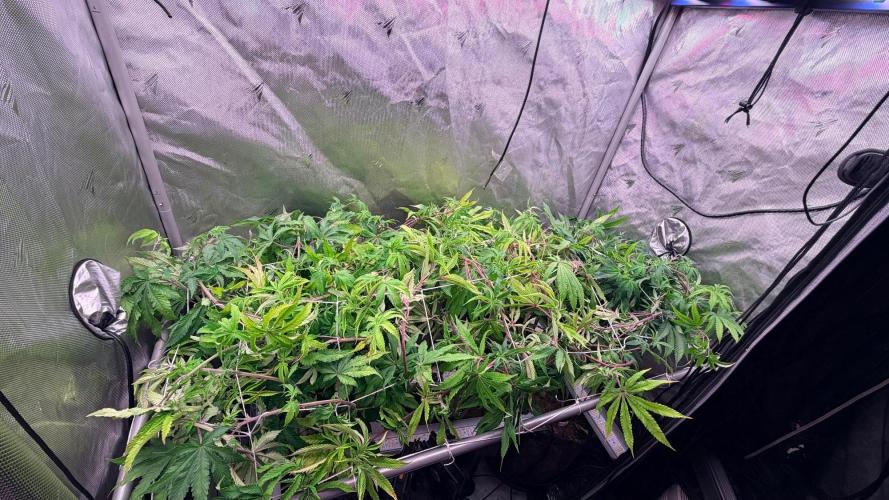
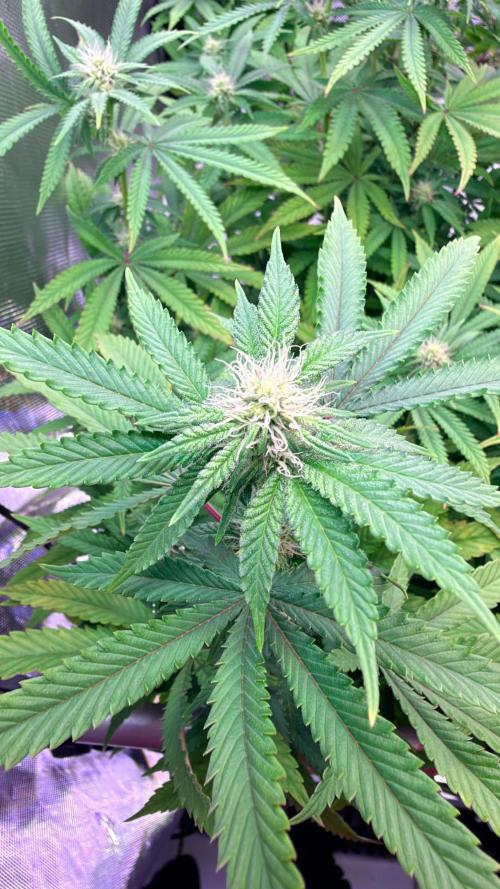
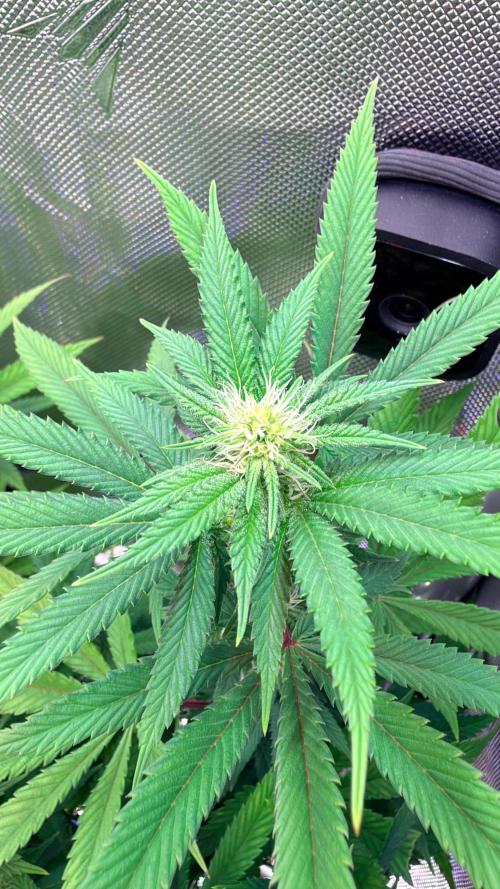
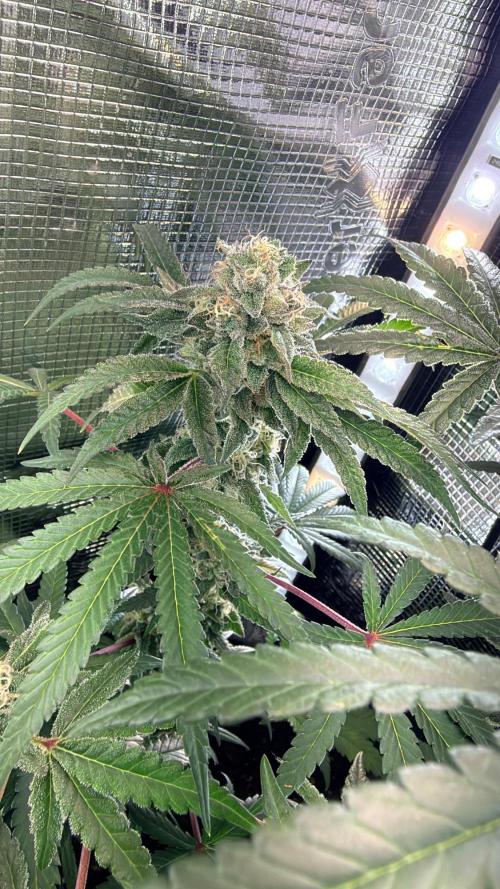
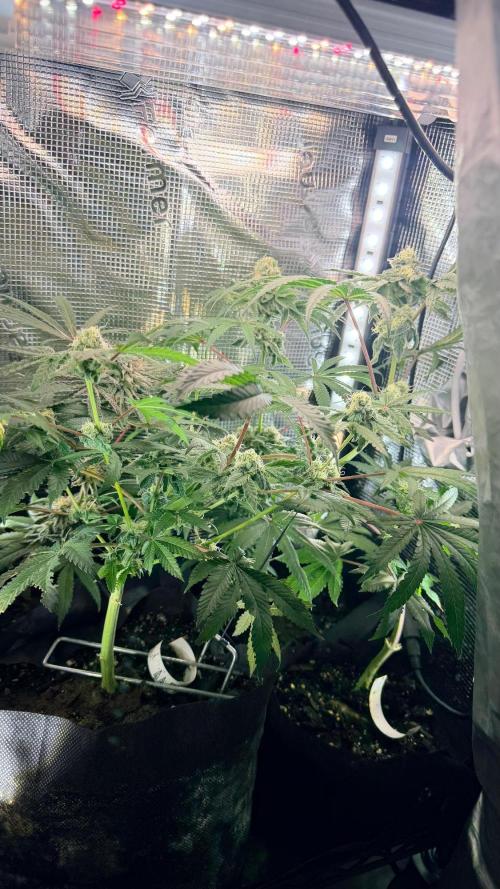
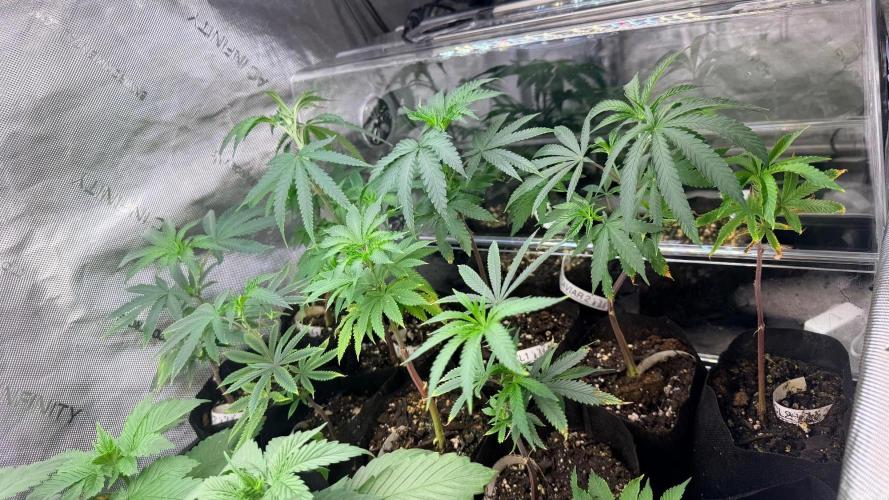
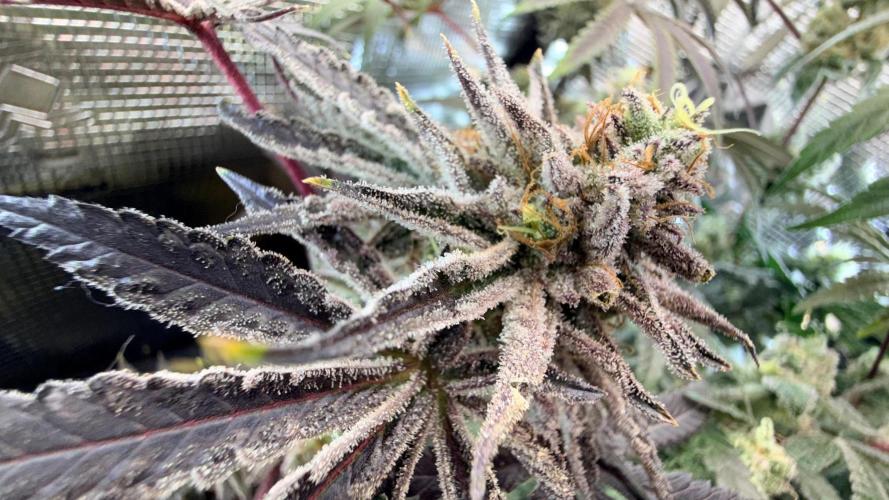
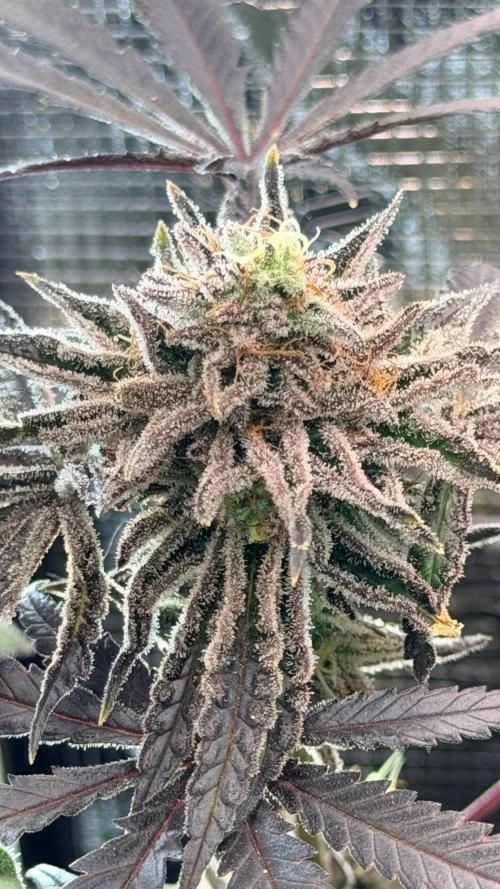
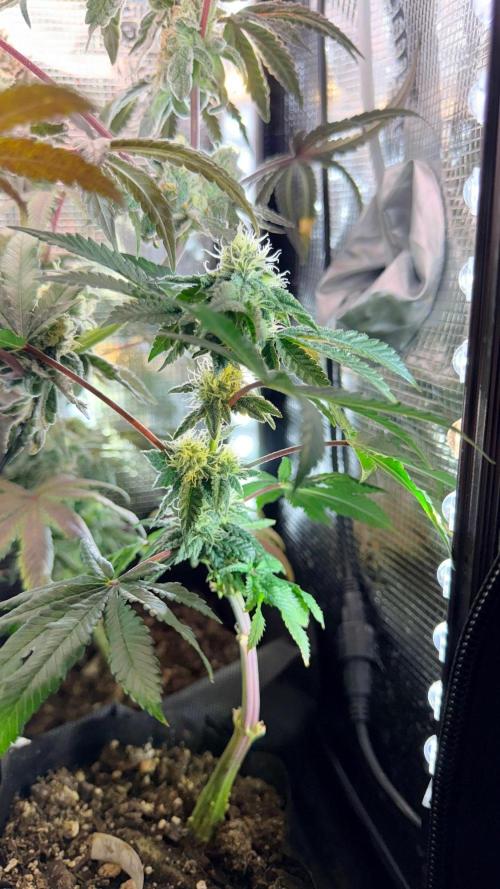
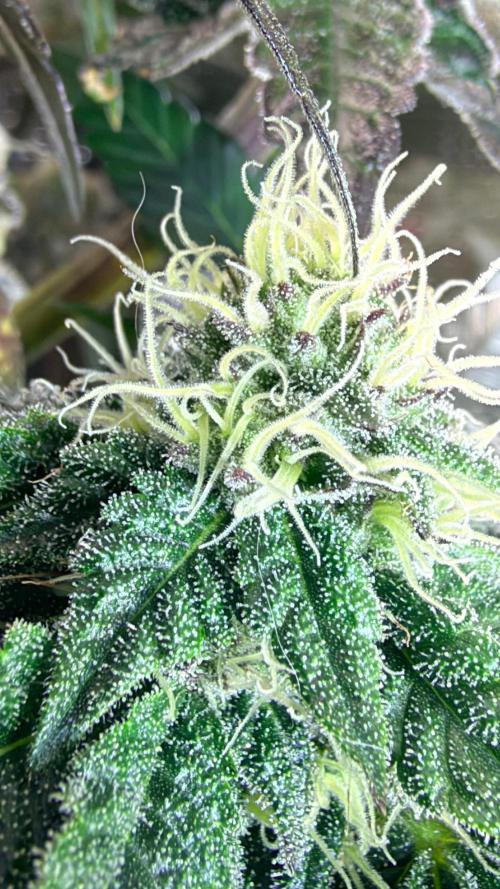
ChillSpace Holy shit, what a week for Platinum Lantz!! This project has come such a long way since I started with my first little photoperiod seedling, not knowing whether I’d even end up with a male worth breeding. Now I’ve got confirmed males, confirmed females, flowering clones, a production tent full of ladies, and a selected male! Things are getting pretty exciting! We have two more confirmed sexes! PL11 is officially male, and PL12 is officially female! That gives us three males, PL1, PL10, and PL11, alongside four females, PL6, PL8, PL9, and PL12. It’s honestly pretty satisfying having the entire surviving population identified after months of growing, cloning, and testing! It could have happened faster, but I’m taking on a lot of new disciplines simultaneously, so I’ve been learning and observing before committing to decisions. PL6, PL8, and PL9 started showing pistils within just eight days! After all the growing, training, transplanting, and eventually mashing these massive plants into a trellis net, it’s incredibly satisfying to see them transition into flower. The canopy has been responding really well, considering everything I put these girls through to squeeze them into that little tent. Excited to Announce PL1 Is Officially My Selected Male! After plenty of consideration, and admittedly only three choices, I’ve decided to move forward with PL1 as my first breeding male! I’ve spent quite a bit of time comparing PL1 & PL10, and more recently PL11. The more I observe them, the more PL1 makes sense. He’s consistently been one of the most vigorous, robust, and easiest plants to work with throughout this project. His branching structure is excellent, he’s handled everything I’ve thrown at him, and most importantly, he’s been remarkably easy to clone. I’ve had multiple generations of PL1 clones now, and he’s consistently made the process feel almost effortless. I didn’t realize just how easy until I started working with PL10 and PL11! In contrast, PL10 has been an interesting little bastard. Historically, he’s appeared weaker, slower, and more sensitive than the others. I think he was around eight weeks into his life before I even took his first clones because of how small and “stupid” he was growing! I considered getting rid of him multiple times, but kept thinking, fuck it, it’s just one plant. He’s not hurting anything. Eventually, he developed some decent branches, and I took three cuttings. Two turned yellow and looked pretty rough, so they got chopped and went into the bin. There was another struggling clone nearby that I assumed was also PL10. I decided that one should go too. But when I picked it up, I realized something, It wasn’t PL10 It was fucking PL6! My favorite female in the entire project! I still killed the shitty PL6 clone, but that immediately made me reconsider how harshly I’d been judging PL10. If even PL6 could produce a struggling clone under similar conditions, maybe I shouldn’t be so quick to blame the genetics. Then I went looking for the third PL10 clone, and almost as if the little bastard knew I was considering getting rid of him, there he was looking absolutely fantastic! Seriously, it has become one of the healthiest-looking clones in my entire collection lol. It has since repeatedly caught my attention. I’ll be admiring how healthy something looks, check the label, and realize it’s fucking PL10 again. One beautiful clone doesn’t suddenly make him an exceptional breeding candidate, but I’m not going to ignore what he’s showing me either. He’s earned himself more time, although I still don’t have the same confidence in him as my foundational breeding male. And Then There’s PL11… Unfortunately, cloning PL11 has been frustrating! For some reason, his cuttings seem more prone to browning and decay than developing roots. Out of the entire pack, I’ve had the least success propagating this one. But I’ve also had considerably less time with him, and I’m perfectly willing to accept that I could be contributing to the problem. He’s staying around for further observation, but PL1 has given me the fewest reasons to question him, and that’s worth something! Rather than crossing PL1 with only one female, I’ve decided to use him across three Platinum Lantz ladies: PL6, PL8, and PL9. I’m particularly excited to see how the same male influences offspring from three females with noticeably different characteristics. Does he contribute consistent structural traits? Will the individual character of each female come through? Could one pairing produce something completely unexpected? Will that incredible aroma I’m discovering in PL6 survive into the next generation? I have absolutely no idea! But that’s exactly why I want to make all three crosses. I’d rather preserve those opportunities now and spend the coming years exploring the seeds than look back wishing I’d made another combination. The Sex-Testing Tower Is Becoming My Favorite Little Experiment! Being able to preview the flowering characteristics of PL6, PL8, and PL9 while keeping their larger counterparts growing has been incredibly useful, and now PL12 has joined the party! PL6 is still the unquestionable standout for me, and holy shit, this plant smells beautiful! The aromas are getting better! She’s gotten to the point where I can put my nose near the flowers and smell her without even touching anything. And when I do rub the developing trichomes, it gets even better! That incredibly sweet, juicy, melon-candy character I mentioned last week has continued developing even further. This is exactly the kind of discovery I was hoping to make when I started exploring! I can’t get this fucking plant out of my mind! 😍 PL8 and PL9 have been slower to develop aromas that really catch my attention, but both are beginning to improve this week. PL9 in particular has become considerably more enjoyable compared with my earlier impressions. They share the same characteristics of PL6 but neither compares to PL6 right now, at least to my nose! But I’m not writing anybody off yet. There’s still an entire 2×4 of flowering ahead, and these are just the flipped baby clones! I pulled out a PL1 clone to begin flowering him for pollen production but immediately ran into another problem. Where do I put him? I do have an unused 3×3 tent, but setting it up properly would mean buying another exhaust system, controller, lights, fans, and everything else. I really didn’t feel like doing all of that just to flower one male clone! So instead, I looked at the empty space underneath my Platinum Lantz ladies. It’s already fully equipped and running 12/12! I conveniently repurposed one of my under-canopy lights to give PL1 his own lighting below the main canopy, allowing him to share the same schedule as the ladies above. So now I’ve got three flowering females upstairs and one little future pollen donor downstairs. The 2×4 Now Has TWO Growing Levels lol. I also ended up using a couple of random golf clubs as crossbars to prevent the tent walls from getting sucked inward by the exhaust and they’re literally the perfect size! Sometimes the most useful grow equipment is apparently sitting in the garage collecting dust. One Important Distinction my breeding style: I’m Not Planning an Open Pollination. PL1 is only sharing the Production tent temporarily while he begins flowering. The plan is to relocate him to a separate space for pollen collection rather than allow him to release pollen throughout the tent and entire house lol. I want to selectively pollinate lower branches on PL6, PL8, and PL9 while preserving the majority of their flowers. Accidental pollination is always possible, but I’m doing everything reasonably possible to prevent it. I’d rather take extra care now than spend months growing seeds without knowing exactly where they came from! With Mystic Rose, Caviar, and Paradise Pine developing alongside this project, keeping my crosses controlled and properly identified is becoming increasingly important. Plus, another project joining the collection, thanks to a previously unannounced pack I was lucky enough to pick up today!!! More on that soon. And it’s pretty cool finally having a selected male beginning his own flowering cycle. Sounds better than saying he’s entering his ballsacking cycle, doesn’t it? 😂 The Cloning Project Continues! Most of my established Platinum Lantz clones are hanging out in the 4×4, just living their best lives while I figure out their long-term roles. I also had some older cuttings in the propagation tent I’d somewhat forgotten about and finally transplanted them into quarter-gallon fabric containers with Purple Cow IndiCanja. Some have definitely seen better days, but after everything I’ve experienced with PL10, I’m interested in giving them a chance before making decisions. Between the standardized soil, multiple generations of clones, and all the individuals I’ve preserved, I’ve got a better foundation for comparing these genetics under more consistent conditions. Looking Back at Where This All Started When I started this project. I’d never grown a photoperiod plant, taken a clone, or selected a male for breeding. Hell, for a while I wasn’t even sure I’d end up with enough surviving Platinum Lantz plants to make meaningful selections! PL2, PL3, PL4, PL5, and PL7 all failed to germinate or emerge successfully, which naturally made me question myself and my methods. I’d been growing autoflowers for years and was accustomed to seeds opening in less than 36 hours at around 77°F, so those back-to-back failures really threw me off. I’ve since adjusted my approach and now germinate everything at approximately 82°F, and I’ve been much happier with the consistency of my results. These weren’t the tiny autoflower seeds I was accustomed to working with. These are some gangster-ass outdoor genetics! It’s pretty wild looking at where things stand now compared to those early frustrations. But thats the purpose of this project! Make all the mistakes now so the real work can begin :) Maybe PL10 will eventually prove I underestimated him. Maybe PL11 has something incredible hiding behind those frustrating cloning attempts. Maybe the best pairing will surprise me completely! And that’s the beauty of all this. I can make the best decisions possible with the information I have, create the crosses, preserve the seeds, and let the results teach me something. With five different projects coming together, there’s an incredible amount of potential to explore. I can work on multiple projects simultaneously, preserve different combinations, and spend years discovering what they have to offer. Full science, no limits! :) Well, maybe a few limits. Apparently tents don’t magically grow larger just because I keep buying seeds. I’ve spent months trying to understand what makes a good breeding parent and whether I’m making the right decisions. And questioned everything multiple times over. But eventually, observation has to turn into action. And honestly, today I’m already multiple projects ahead mentally. Once the decision was made, it freed up a bunch of mental load! I’m finally at the point where I can stop trying to predict everything and start learning from the actual combinations I create. PL6 has already given me one hell of a reason to be excited about what’s possible with these genetics. PL1 has given me a male I genuinely feel confident working with, and the others are still finding ways to surprise me.
6 likes
10 comments
Share
Used techniques
12-12
Technique
15
Week 15. Flowering
7d ago
91.44 cm
Height
20 hrs
Light Schedule
28 °C
Day Air Temp
6.5
pH
Weak
Smell
70 %
Air Humidity
20 °C
Solution Temp
20 °C
Night Air Temp
18.93 liters
Pot Size
20.32 cm
Lamp Distance
638 PPM
CO₂ Level
Nutrients 3
Pro Core - Athena
Pro Core
3.434 mll
Pro Grow - Athena
Pro Grow
5.548 mll
Balance - Athena
Balance
0.898 mll
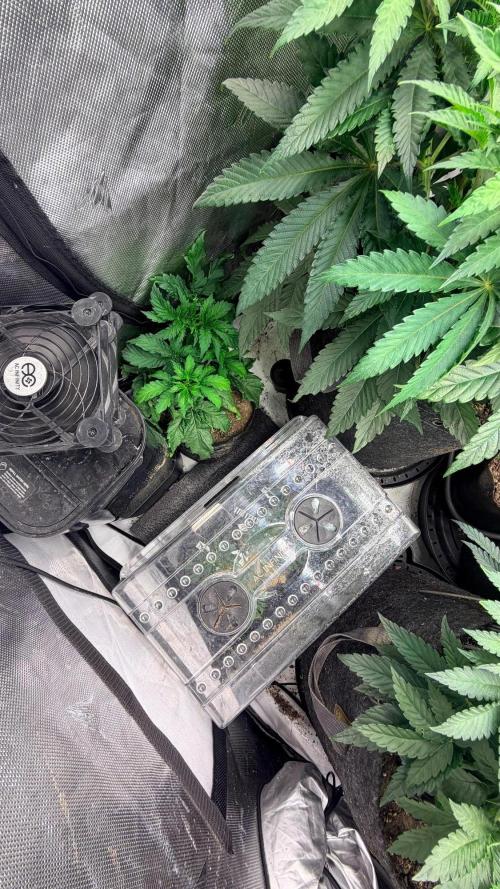
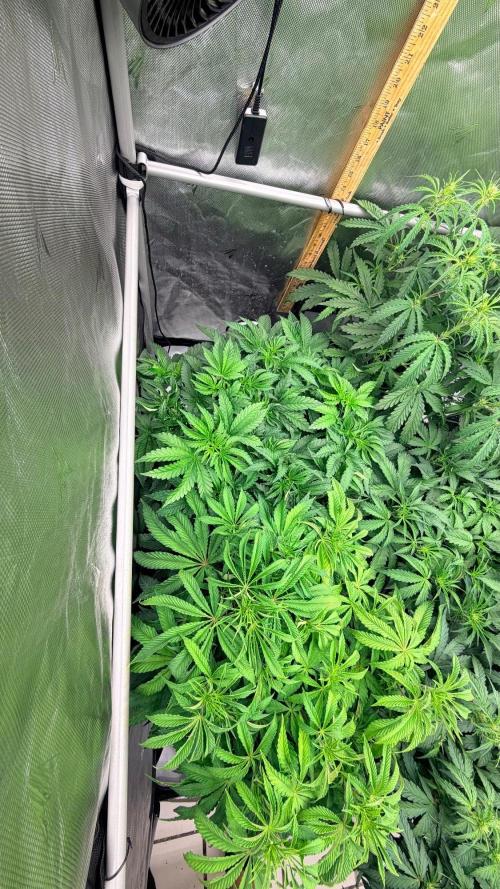
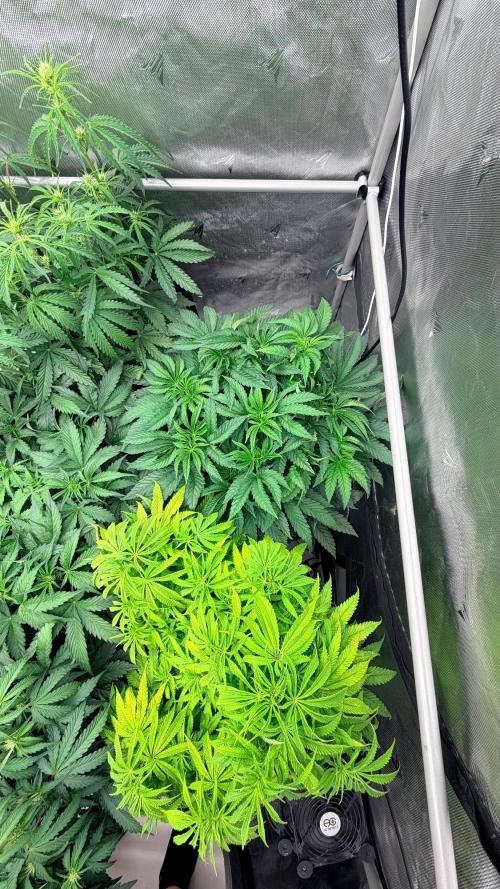
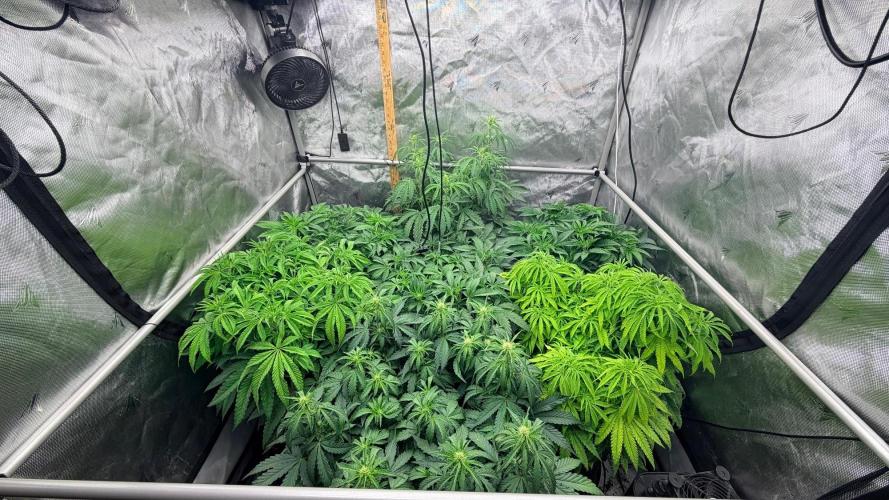
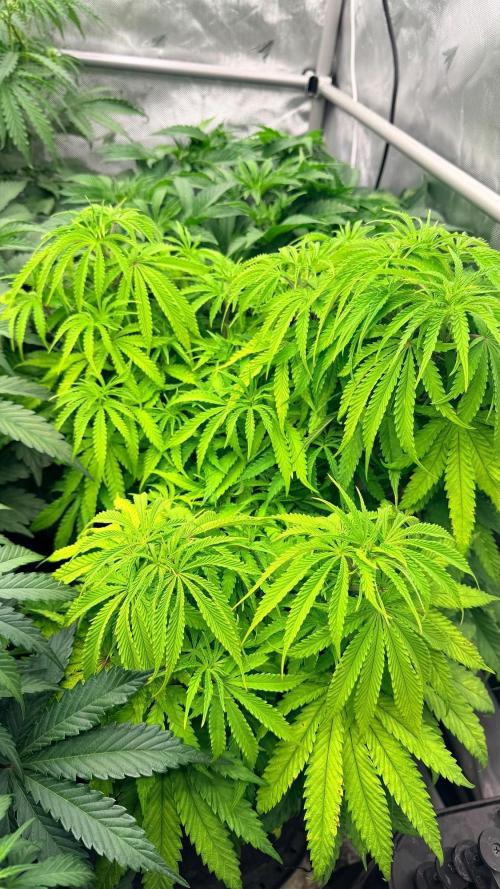
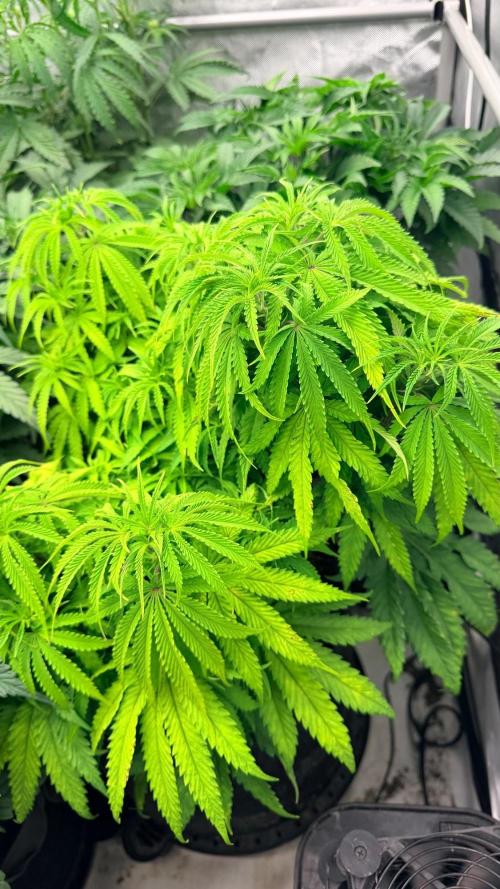
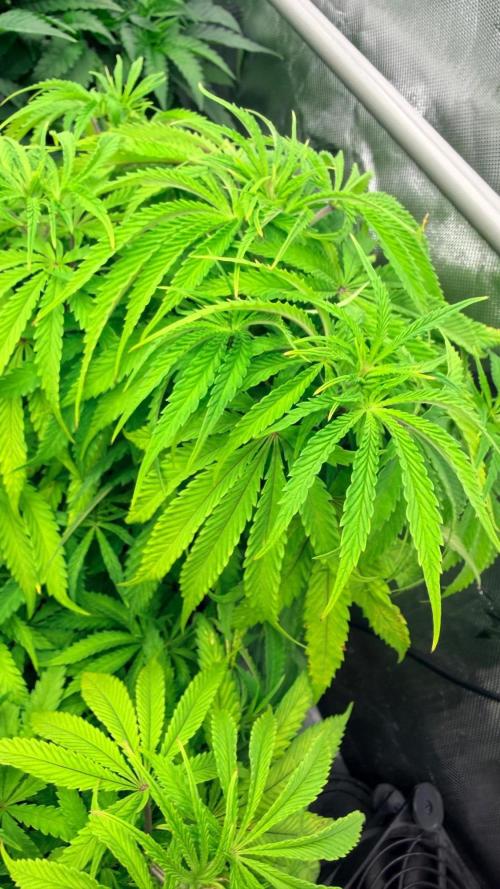
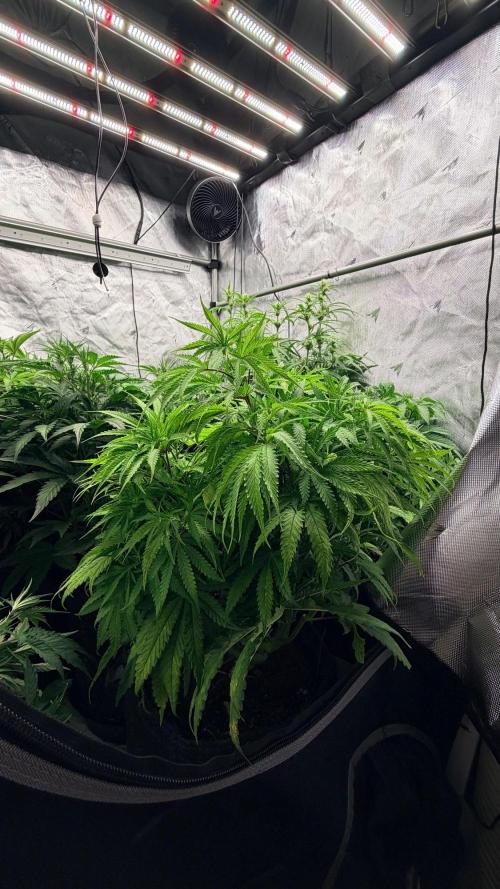
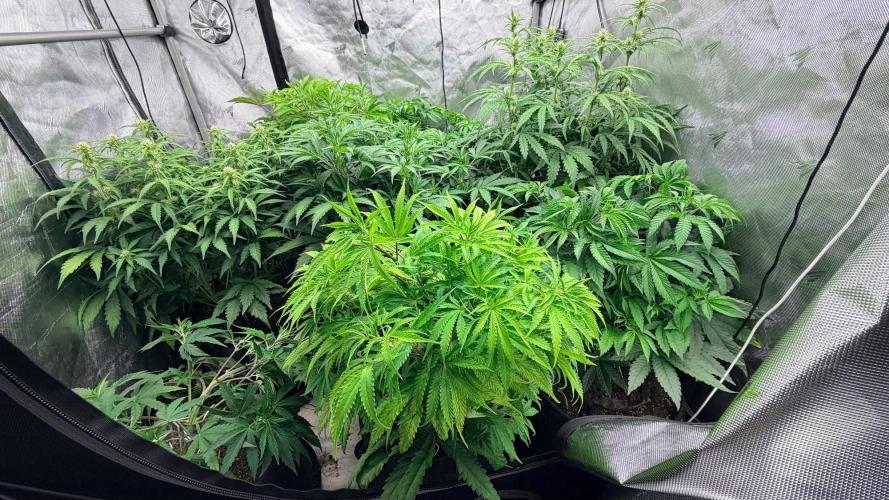
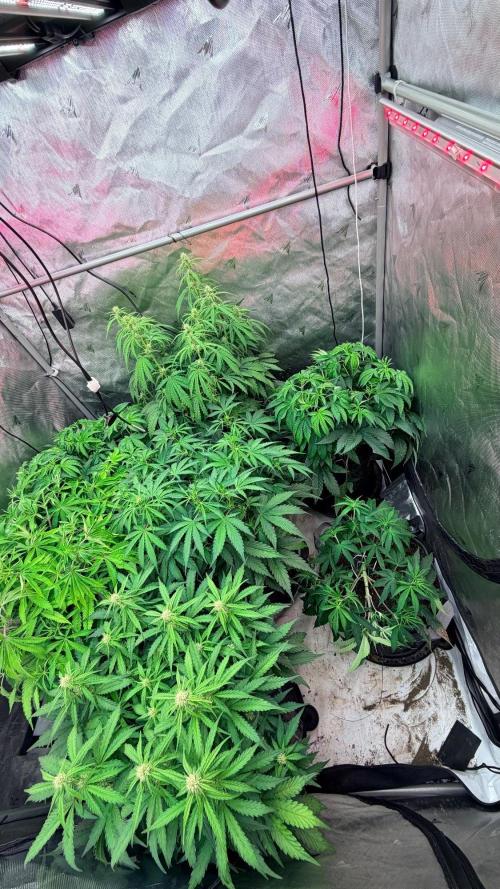
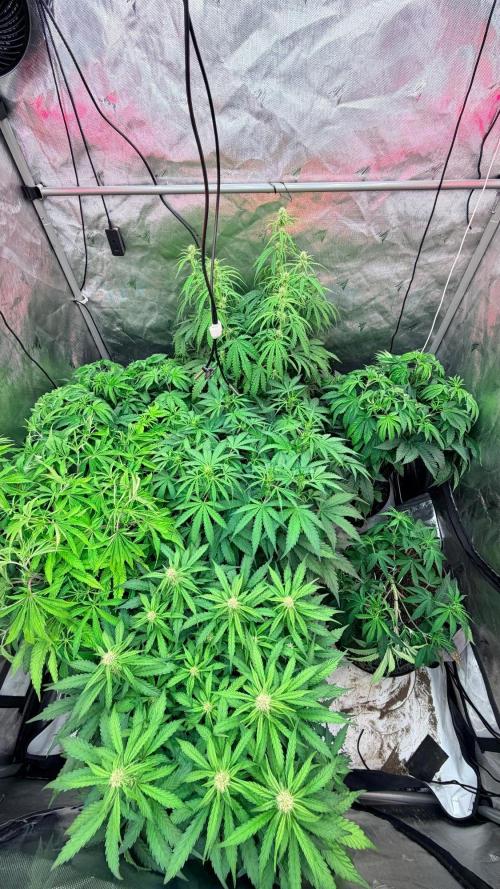
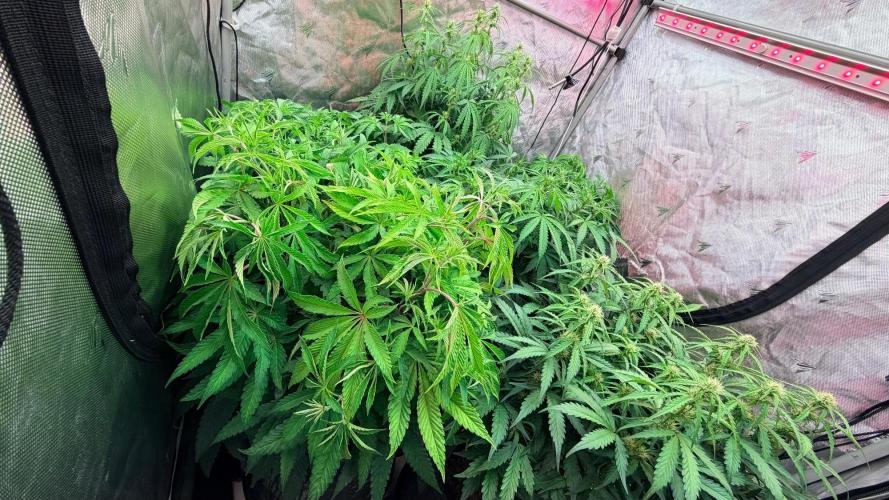
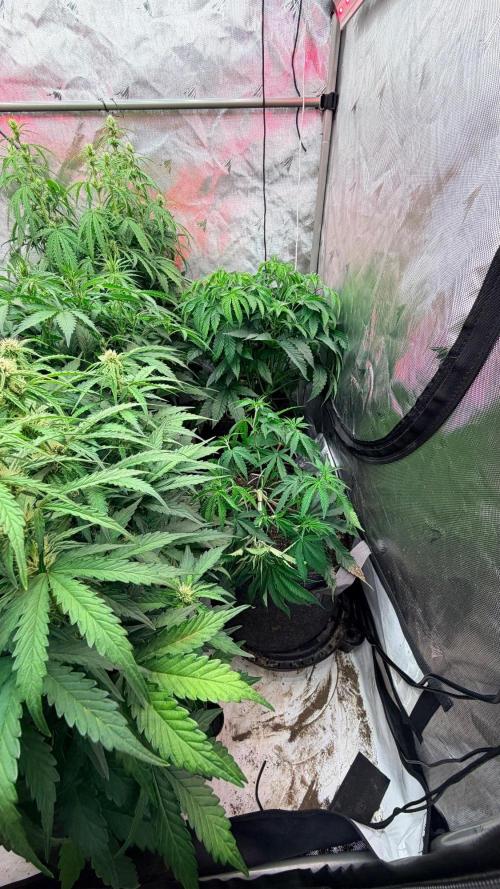
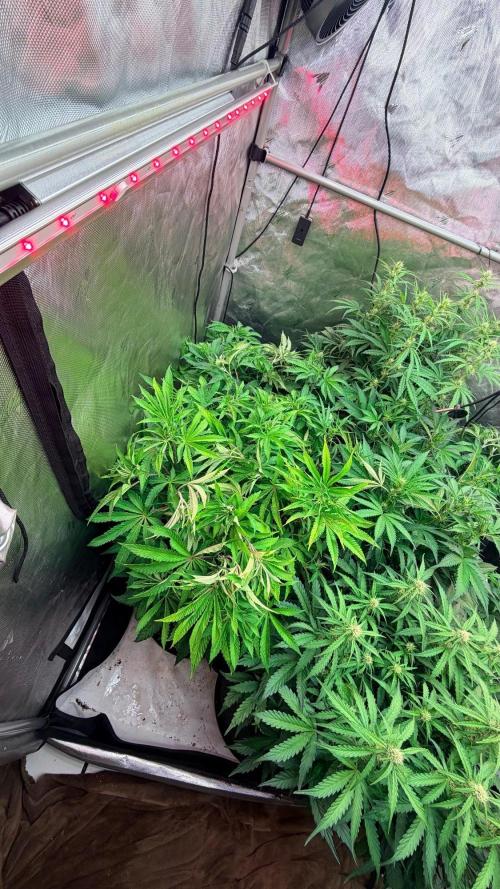
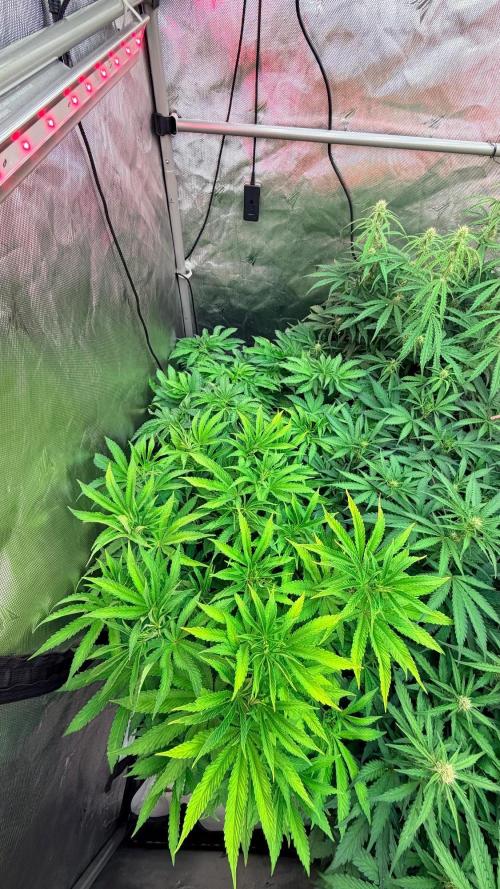
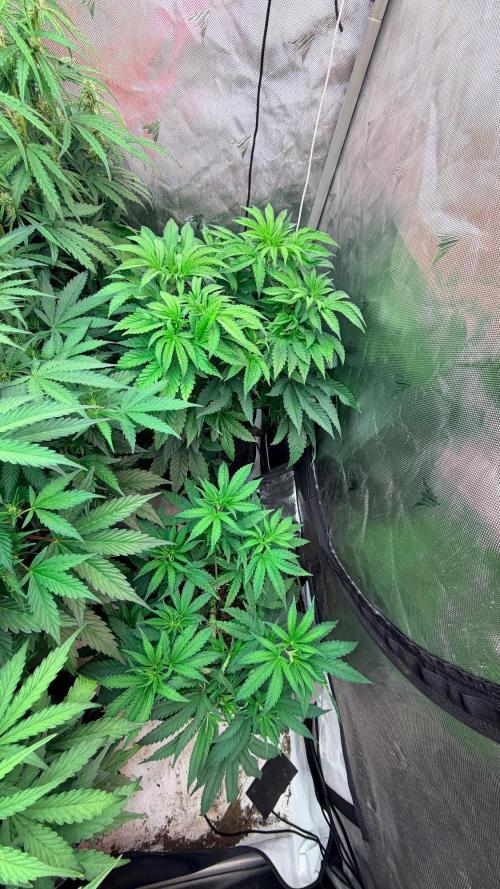
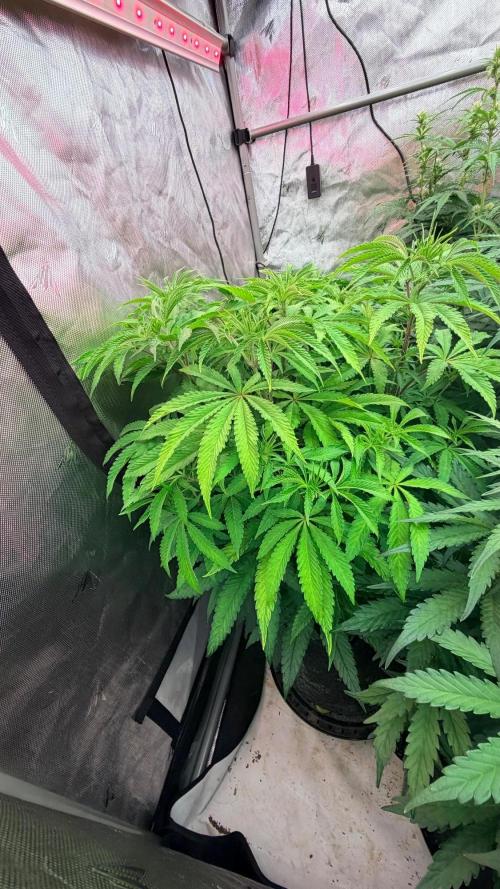
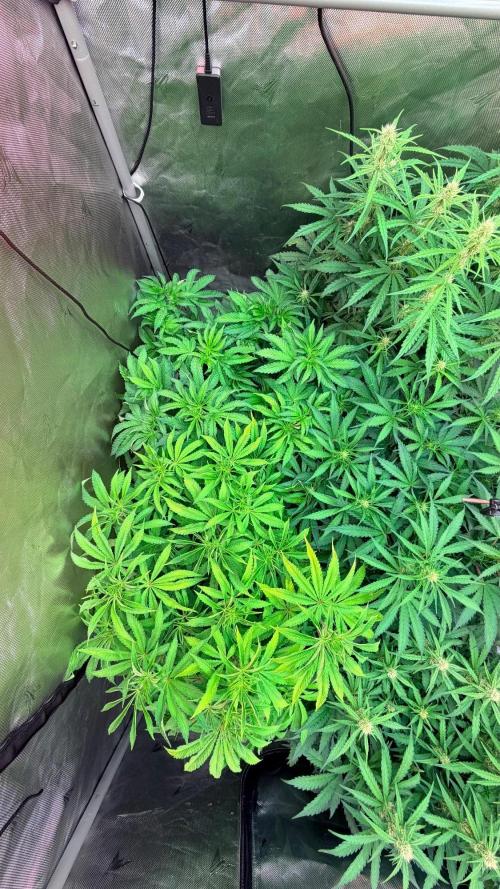
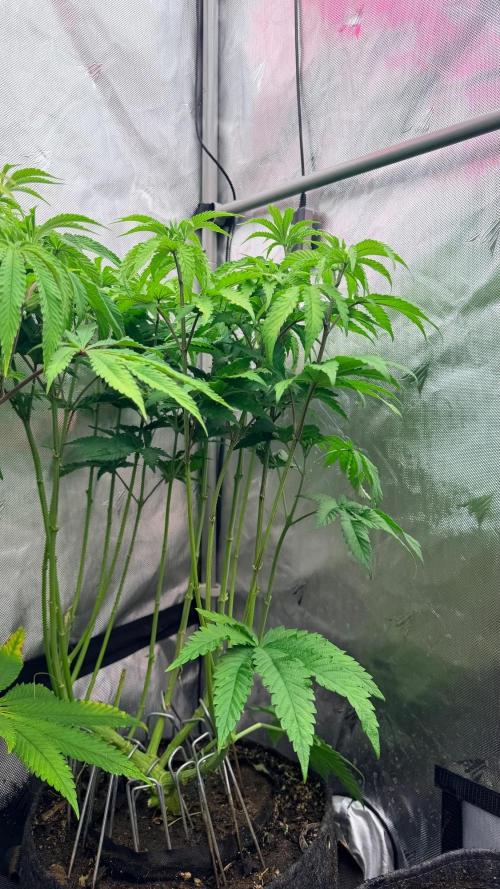
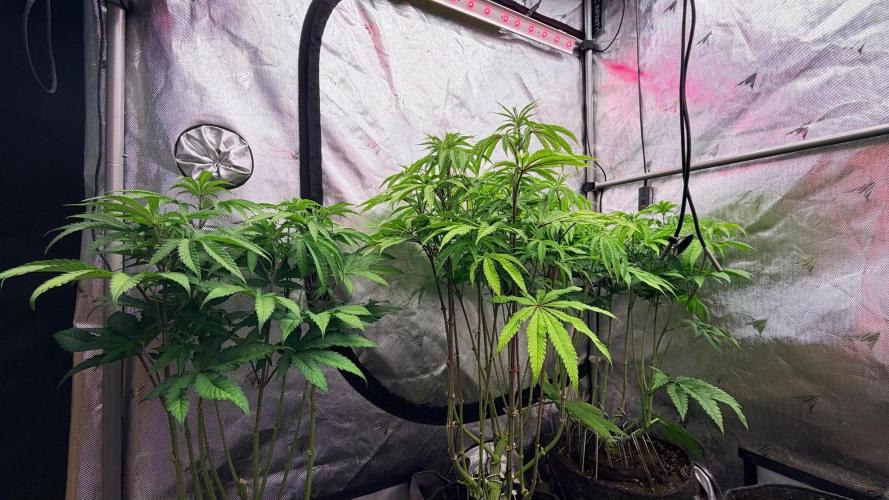
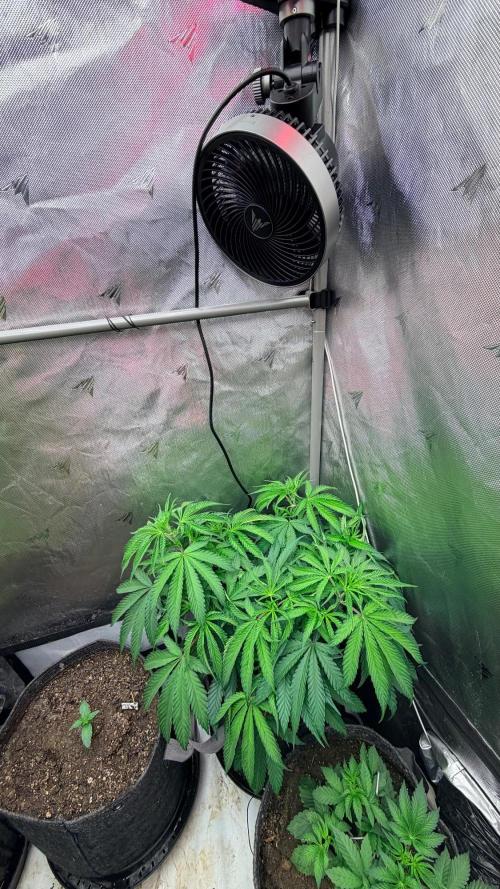
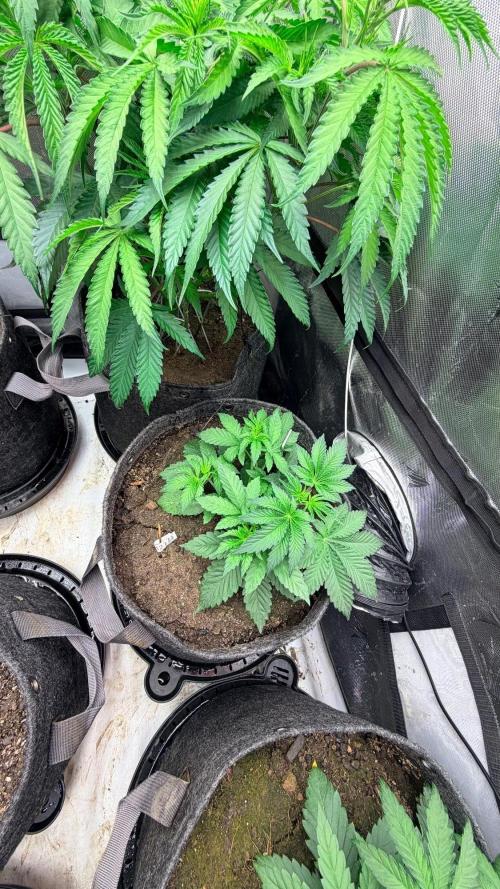
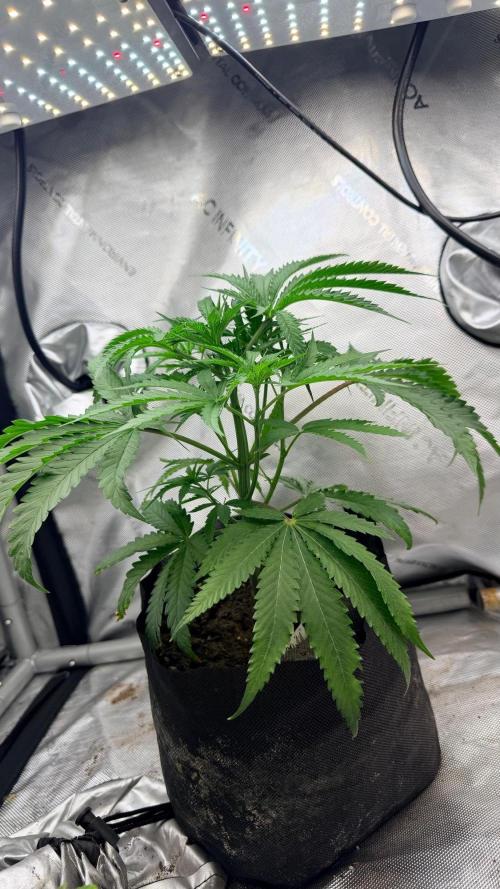
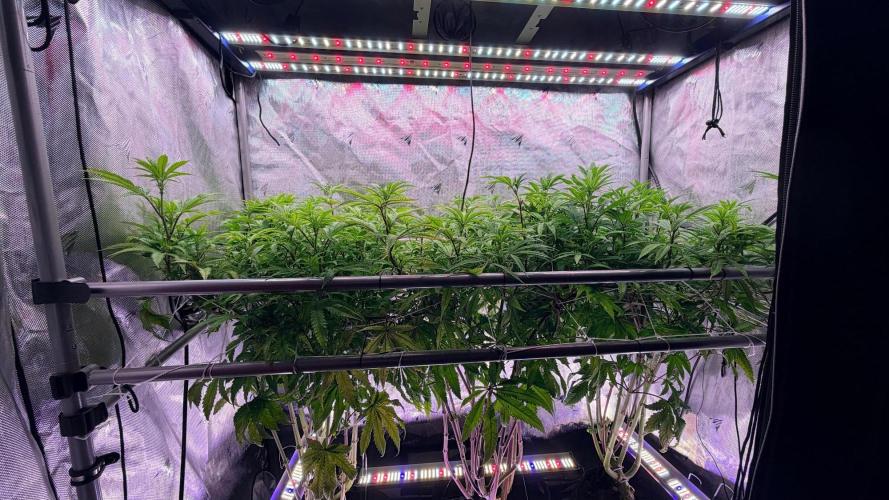
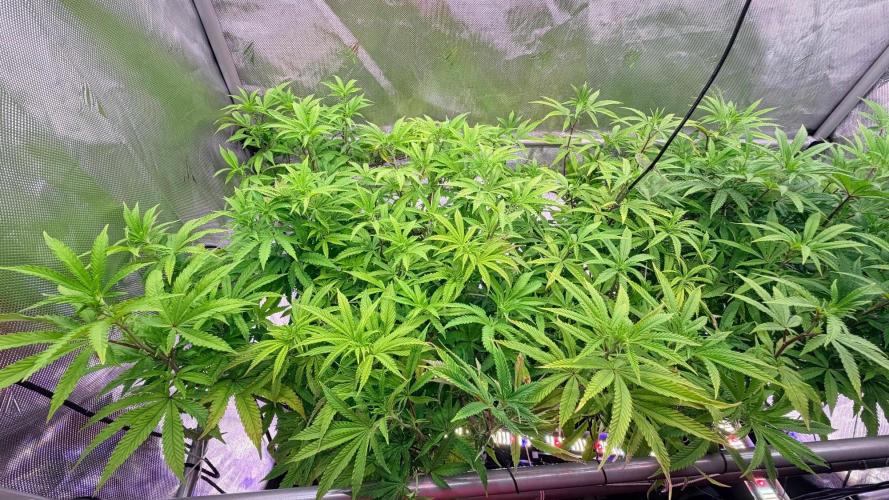
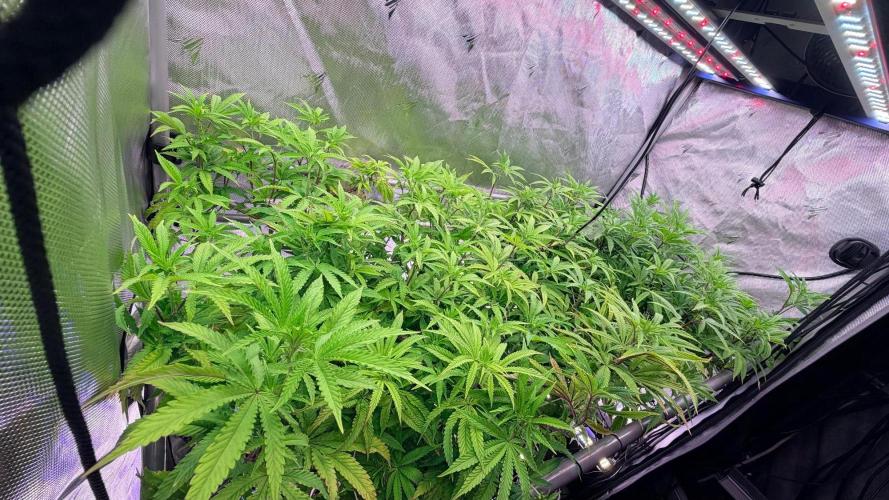
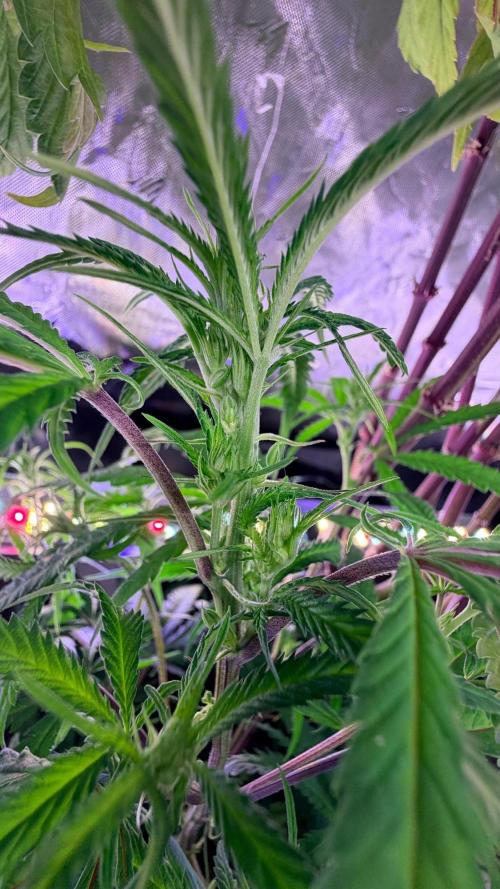
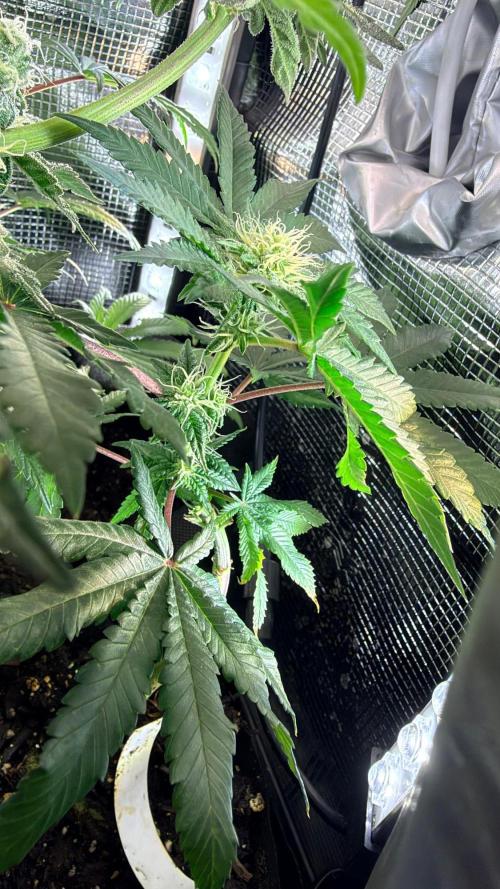
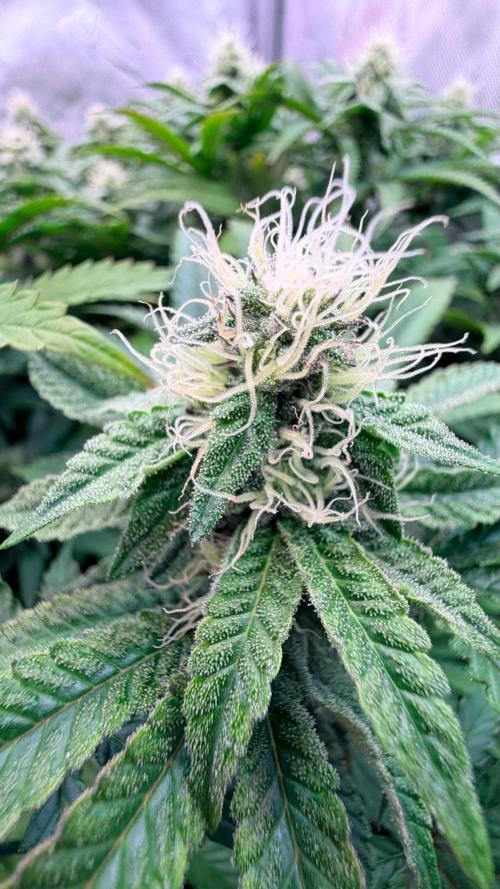
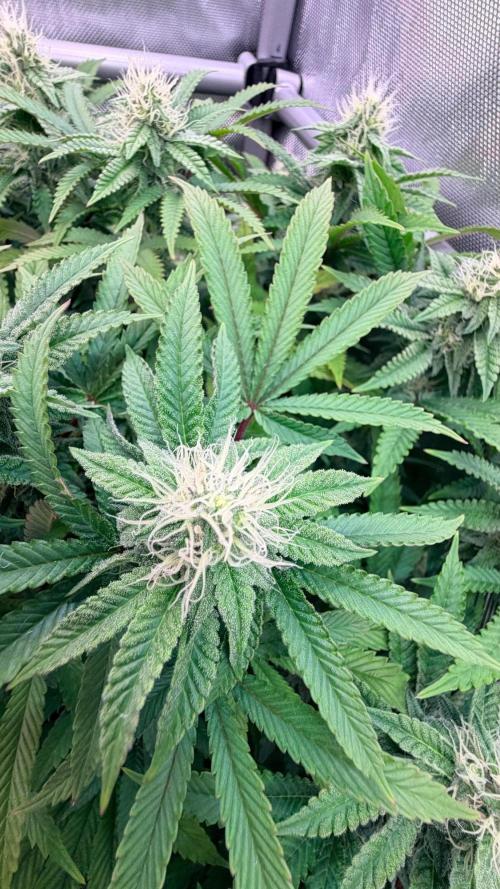
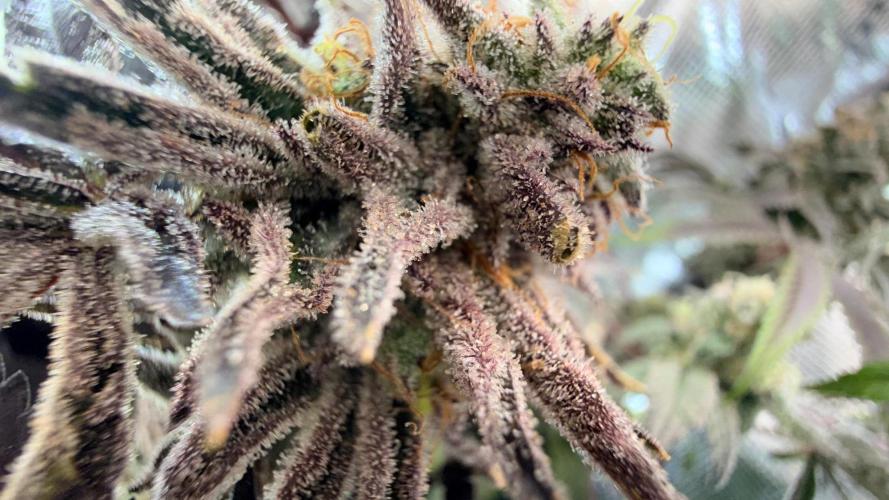
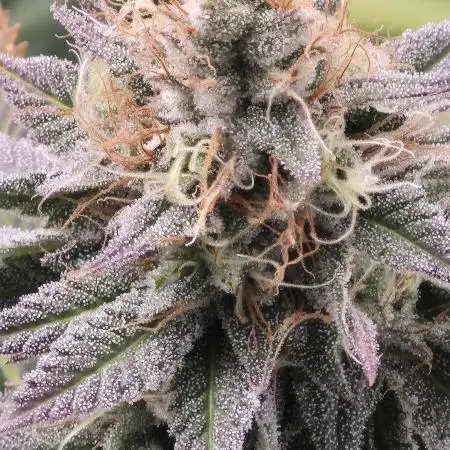
ChillSpace Well, here we are! Week 15, and holy shit, what a transformative week this has been! Between the Platinum Lantz ladies developing their flowers, PL1 approaching pollen production, some fascinating aroma discoveries, and a complete rearrangement of the growing spaces, there’s been plenty to keep me entertained! But the biggest development this week has been a change in how I’m approaching selection. I’ve moved away from the idea of finding one ultimate keeper and breeding everything around that single plant. The idea of growing the same thing for the rest of my life honestly sounds pretty boring, haha! I’ve always loved variety, and I’m discovering that I can appreciate each female for her individual characteristics without constantly declaring one better than another. Unless something is particularly undesirable, I’m happy to preserve different expressions and see what they might contribute to my collection. The males, however, are a completely different story! I’ve been extremely critical of their structure, vigor, propagation performance, and consistency. I want strong foundations for these seed families, and after everything I’ve observed, I think I’ve found a genuine winner in PL1! Week 15 Phenotype Reviews! PL6, PL8, and PL9 are approaching three weeks under 12/12, and watching their flowers develop has been incredible! The stretch has been manageable, and I finally removed the trellis net. It served its purpose, but I wanted to give the branches some freedom during their final stretch. PL8 and PL9 largely maintained their positions, while PL6 stood more upright. She was already taller and originally positioned in the center, so the net wasn’t necessarily optimized for her. Their structures are absolutely wild, haha! I’ll have to get some better pictures! Here’s where each phenotype currently stands: PL6 | Grape Candy, Frost & My Favorite Washer Candidate 🍇 PL6 continues to be my favorite female, particularly for her beautiful early resin production and incredible aroma. Her flowers in the sexing tower are already showing impressive frost, making her my most interesting potential washing candidate of the three, although I’ll have to actually test that! Earlier impressions leaned toward sweet melon and watermelon candy, but her aroma has developed into something much closer to grape candy. I made a hilarious discovery while eating Skittles (candy) this week. I happened to be chewing three grape Skittles and two lemon Skittles together when the flavor suddenly reminded me incredibly strongly of PL6! Naturally, I investigated. One grape and one lemon didn’t reproduce it, and neither did a grape Skittle alone. Interestingly, I don’t smell a separate lemon note in PL6 at all. It’s a unified grape-candy aroma, but that particular candy combination captured something surprisingly close to my impression of her. So maybe raid your kids’ candy stash, chew some Skittles, and look at the pictures! Haha! PL8 | Sweet Candy Mint PL8 is developing that familiar sweet aromatic character I’ve noticed throughout the Platinum Lantz family, but lately I’ve been picking up an interesting touch of mint! It’s subtle, but it gives her something different from her sisters. I’m particularly interested in how her flowering structure and aroma will develop now that the initial stretch is slowing down. She may not have stolen the spotlight from PL6 yet, but she’s showing plenty of characteristics worth preserving and comparing. I’m enjoying seeing how two females from the same family can share a recognizable sweetness while expressing it differently. PL9 | Gas, Papaya & Funky Fruit PL9 has probably undergone the most interesting aromatic transformation so far! Initially, I was detecting spicy, sour, almost onion-like notes. That eventually shifted toward something reminiscent of Fruit Loops, and lately she’s been developing a much gassier profile with recognizable papaya tones. That papaya connection actually explains some of the strange sour-garbage impressions I was getting earlier! Funny enough, I don’t particularly enjoy papaya as a fruit, so this isn’t necessarily an aroma I’m excited about personally. But just because PL9 isn’t my favorite doesn’t mean her unusual characteristics aren’t worth preserving. That funk might contribute something interesting to a future seed family, and I’d rather retain the possibility than eliminate it simply because it isn’t my preferred flavor. She’s becoming a great example of why I’m enjoying this broader approach to female selection. I can recognize that something isn’t necessarily for me while still appreciating the diversity it brings to the collection. PL12 | Compact Structure & Minimal Stretch While some of her sisters have stretched considerably, PL12 has demonstrated remarkably little vertical growth in the sexing tower. Her compact structure and restrained internodal development make her an interesting contrast within the family. Admittedly, tiny plants don’t appeal to me quite as much, haha! I enjoy vigorous growth and substantial structure, so she isn’t necessarily climbing my personal rankings. However, seeing such different growth habits within the same seed population has been incredibly interesting. Her minimal stretch is a distinctive characteristic, and I’m curious to see how her flower development compares with the others as she matures. PL1 | Our Selected Sire! 🏆 PL1 has continued demonstrating exactly why I selected him as my primary breeding male. His vigorous branching, thick stems, symmetrical structure, distinctive ridged foliage, and reliable cloning performance have made him the most compelling candidate. His cuttings have repeatedly shown roots near the rockwool interface around day seven, often extending outside the cubes by approximately day ten. He’s now progressing beautifully through male flowering, with pollen sacs developing rapidly. We’re getting close to the next major milestone! His consistency has been especially valuable throughout this project, and watching him maintain those desirable growth characteristics through multiple rounds of cloning has given me even more confidence in my selection. Obviously, his true breeding value will ultimately be demonstrated by his offspring, but based on everything I’ve observed, he’s absolutely earned his opportunity! PL10 | Healthy Growth, but Nothing Exceptional PL10 has gotten another evaluation through his replacement clone, and he’s actually been growing reasonably well! However, he’s showing considerable stretch, and there simply aren’t many characteristics that make me particularly excited about retaining him as a breeding male. His propagation performance has been acceptable, but his overall structure and consistency haven’t impressed me nearly as much as PL1. He’s not necessarily a terrible plant, and that’s an important distinction. I just haven’t observed anything that makes him particularly compelling as a breeding candidate. With limited space and several males to compare, I need a convincing reason to preserve one, and PL10 hasn’t provided that reason yet. PL11 | Repeated Cloning Failures PL11 has been one of the most disappointing developments in this project. Despite showing some promising structural characteristics, his cloning performance has been consistently poor. I’ve experimented with different cutting sizes, positions, and node locations, including some that should have been ideal, but I still haven’t achieved a single consistently successful cloning run. What’s particularly interesting is that other genetics from those same propagation batches have rooted just fine! Meanwhile, PL11 repeatedly produces failed cuttings, with many developing mold and dying. A few survive, but the overall pattern is difficult to ignore. I can’t conclusively attribute that behavior to genetics, but his repeated failures under conditions where other plants succeed have seriously reduced my confidence in him. I’ve been particularly strict about male selection, and propagation reliability is something I value tremendously. With PL1 demonstrating such consistent performance, I’m finding fewer reasons to keep PL11 in the breeding program. The 4×4 Is Breeding Headquarters Again! I completely reorganized my growing spaces this week, and the established Platinum Lantz clones now occupy the back row of the 4×4! It’s pretty funny looking at those plants and realizing that the original seed-grown individuals are long gone. Everything I’m preserving from those selections is now being carried forward through clones! It’s been a fascinating transition, especially considering how much these plants have already taught me. The original individuals gave me the opportunity to identify their characteristics, and now their replacements are allowing me to continue evaluating and preserving those selections without maintaining the original seed plants indefinitely. I’m really enjoying having the genetics organized in a way that supports the next stages of the project while keeping my options open. Building a Library, Not Just Finding a Winner This is probably my favorite realization of the entire week. I no longer feel the need to rank every female against the others to determine one ultimate keeper. PL6 offers beautiful frost and grape candy, PL8 brings vigor and sweet mint, PL9 contributes unusual tropical funk, and PL12 represents a completely different structural expression. None of them needs to be exceptional in every category to be worth learning from. I’m still willing to make difficult selections, especially with the males, but I don’t need every female to serve the same purpose. Some might contribute desirable aromas, others interesting structures, and some might reveal their real value only after evaluating their offspring. I’m not just searching for one exceptional plant anymore. I’m learning what my genetic library actually contains. That’s becoming the most exciting part of this entire project! I can preserve different Platinum Lantz seed families, document their characteristics, and potentially spend years exploring combinations. Some might turn out incredible, some might be nothing particularly special, and others might surprise the absolute hell out of me! Looking Ahead! The next couple of weeks should be incredible! PL1 is approaching pollen production, and the flowering ladies are revealing more of their individual personalities. I’m particularly excited about creating the first separate Platinum Lantz seed families using PL1 with PL6, PL8, and PL9, then eventually seeing how those offspring compare. Fifteen weeks into this project, I’ve already learned an enormous amount, but I feel like I’m only beginning to scratch the surface. What started as a hunt through 12 regular seeds is becoming an organized collection of Platinum Lantz genetics with all kinds of possibilities! Treasure Genesis is becoming less about finding one treasure and more about discovering everything this genetic family has to offer. And holy shit, I’m having fun doing it!
4 likes
comments
Share
16
Week 16. Flowering
7h ago
91.44 cm
Height
12 hrs
Light Schedule
28 °C
Day Air Temp
6.5
pH
Normal
Smell
70 %
Air Humidity
20 °C
Solution Temp
20 °C
Night Air Temp
18.93 liters
Pot Size
20.32 cm
Lamp Distance
638 PPM
CO₂ Level
Nutrients 3
Pro Core - Athena
Pro Core
3.434 mll
Pro Grow - Athena
Pro Grow
5.548 mll
Balance - Athena
Balance
0.898 mll
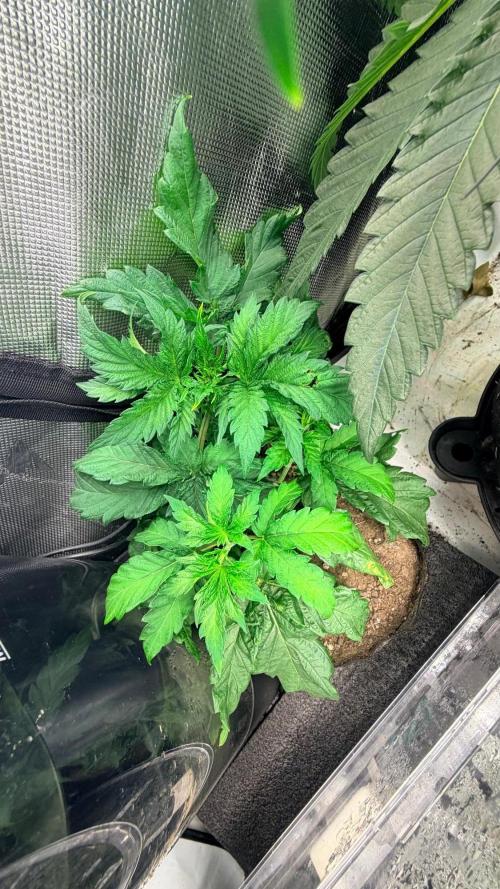
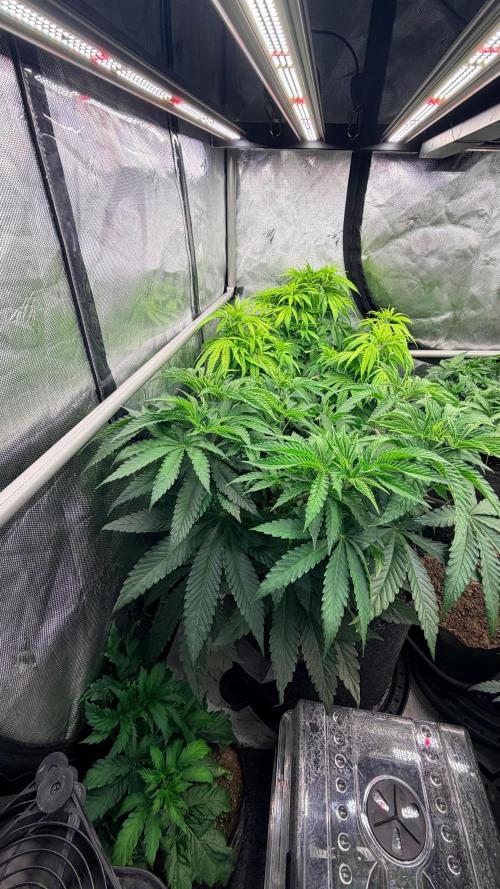
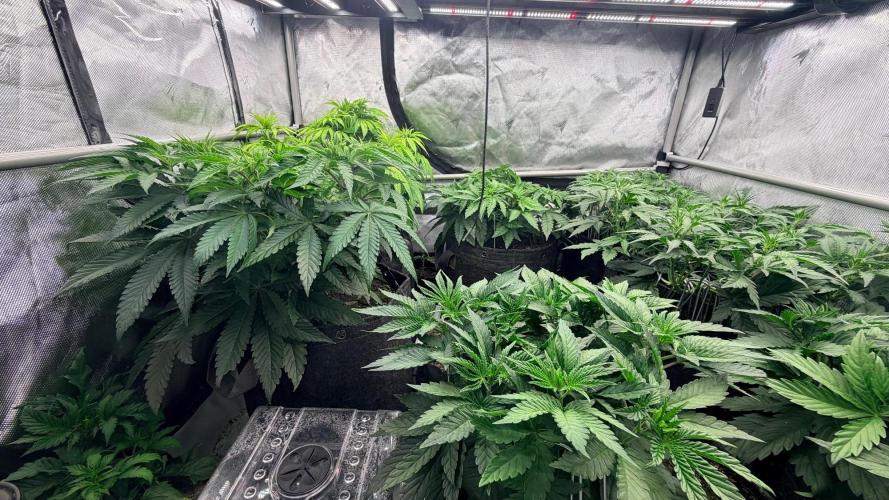
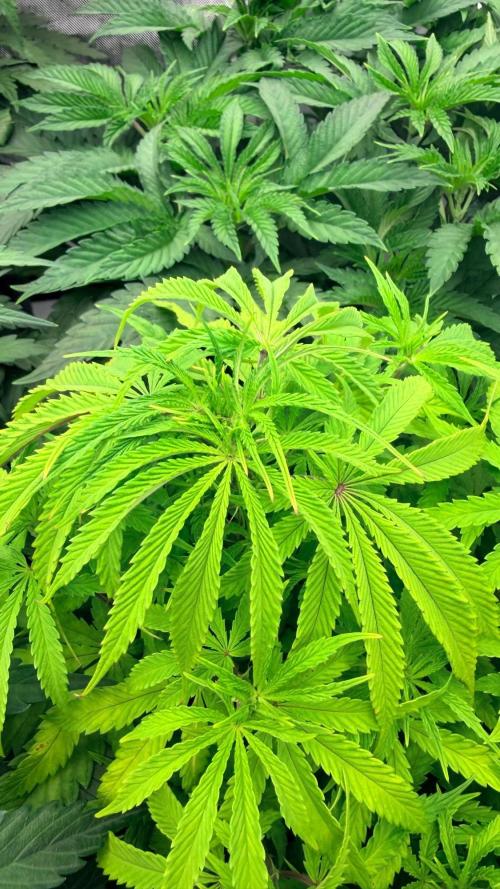
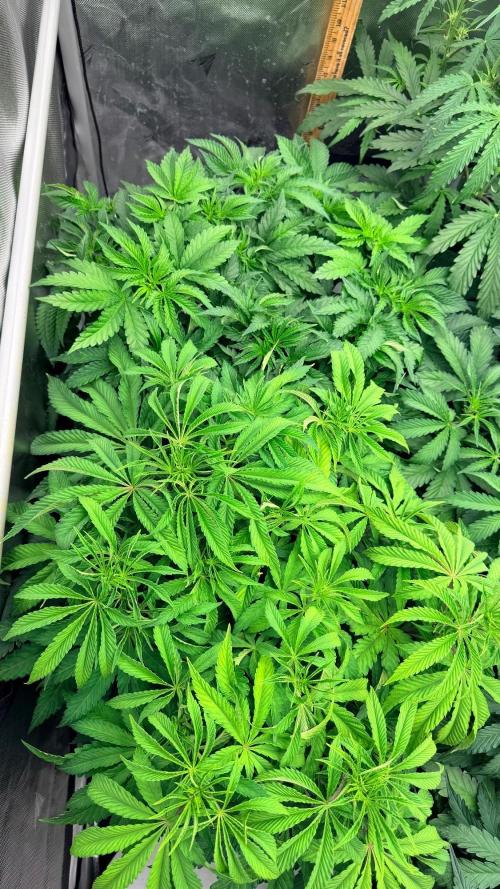
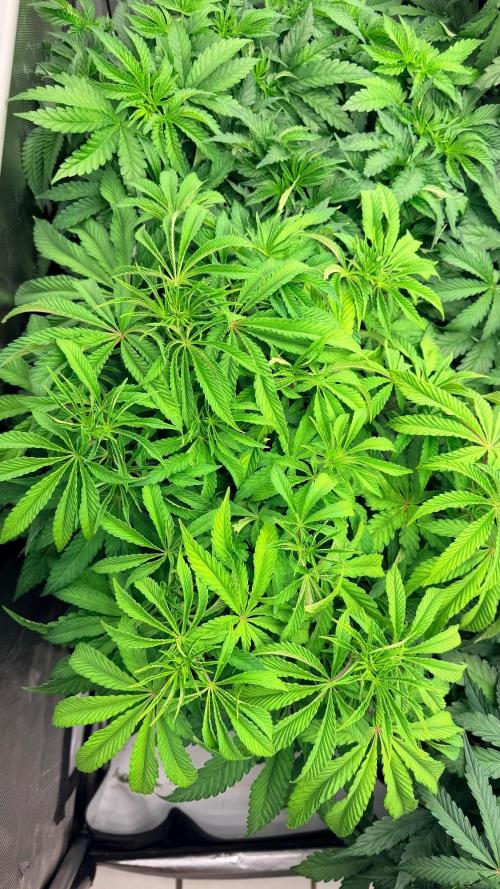
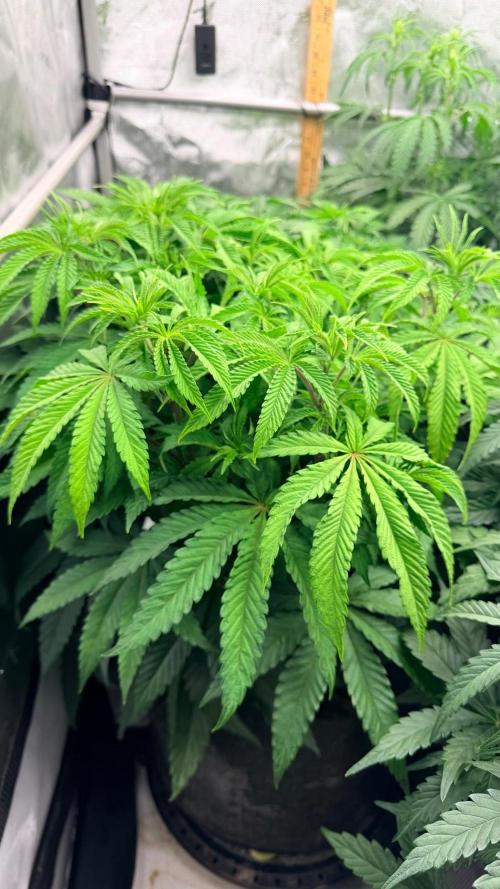
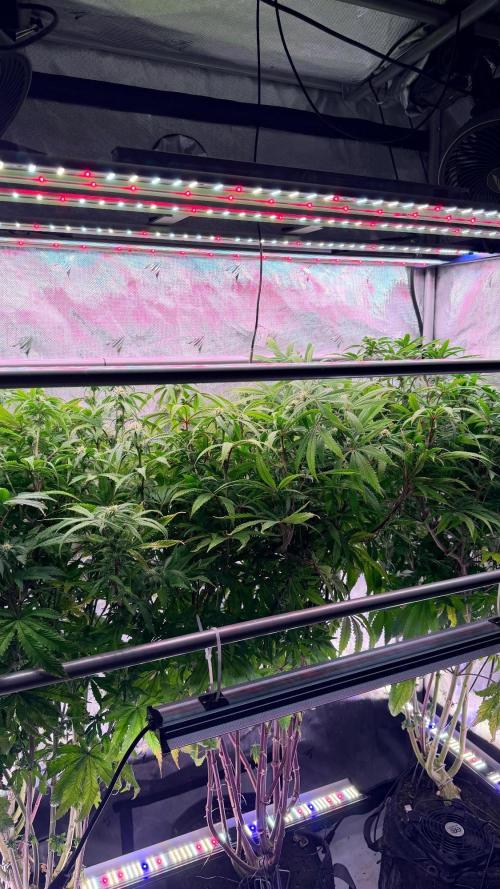
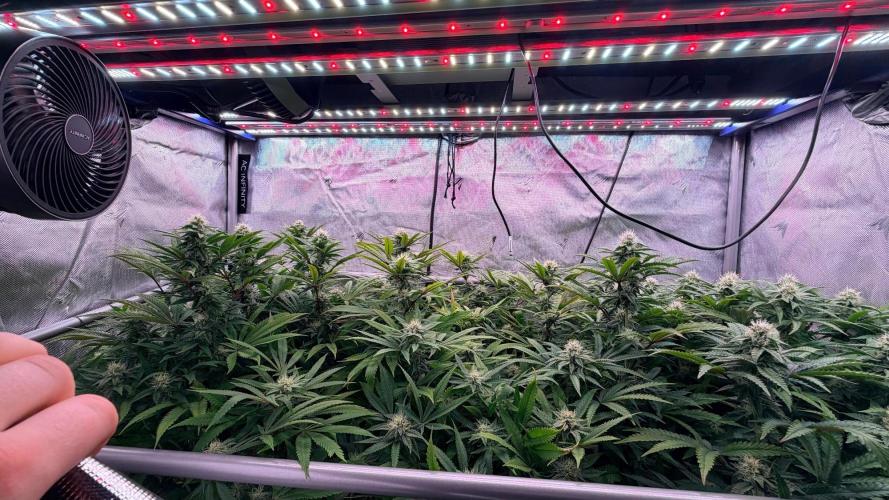
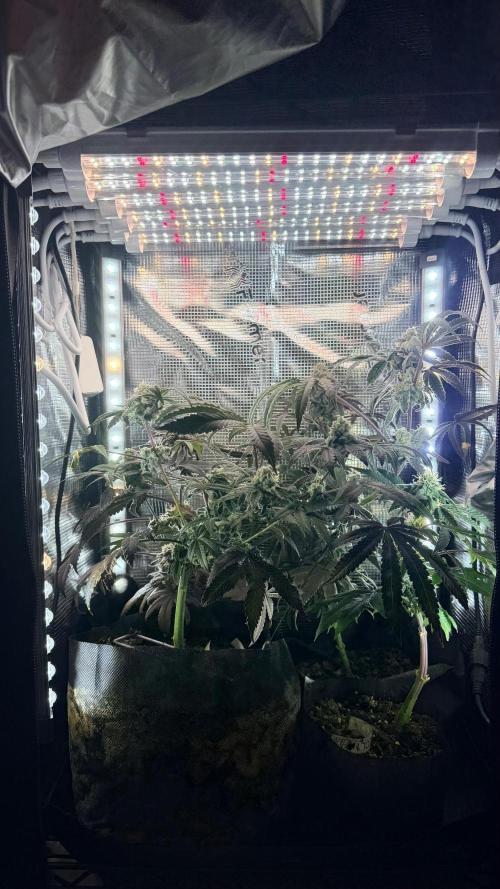
ChillSpace Holy shit, things just keep getting better! I genuinely had no idea what to expect when I started this pack of Platinum Lantz, but I can confidently say this has been one of the best decisions I’ve made since I started growing! I’m so impressed with these genetics that some of my old favorites are starting to seem almost bland in comparison. Seriously, I feel like I’ve been missing out! These plants have completely changed my perspective on what I find exciting about growing, and apparently, I enjoyed the experience so much that I decided six additional genetic projects sounded perfectly reasonable! What could possibly go wrong? For a little perspective, my very first grows were autoflowers. I actually learned about autos versus photoperiods as a teenager and decided autos sounded like the easiest and quickest way to go. Years later, when I finally started growing, I followed that original plan and began with Ethos genetics. While I genuinely enjoyed them, I couldn’t help but notice how many of the plants seemed to taste exactly the same. I definitely wanted to explore more! Eventually, I discovered Fast Buds, which offered a little more variation, although I still experienced quite a bit of that same familiarity. Strawberry Gorilla was the major exception and remains a personal favorite to this day! Then came Mephisto Genetics, and I felt like I had finally opened my horizons! Their genetics introduced a noticeable improvement in diversity, with individual plants offering genuinely different experiences. I thought I had finally discovered exactly what I’d been looking for, and that became my approach to growing for the next few years. But holy shit, Ridgeline Farms has taken that excitement to another level! I don’t mean to take anything away from my previous experiences because they’ve all contributed to getting me here, but these Platinum Lantz plants have introduced me to an entirely different appreciation for genetics and individual phenotypes. Things have gotten pretty interesting with the setup, too! PL1 is currently occupying a 2×2×6 tent that I’ve literally laid on its side for pollen collection. My original 2×4 production tent has essentially been demoted to clone storage, while the 4×4 is housing additional clones that are still getting established. Meanwhile, the 2×4 finishing tent has become my production tent, housing the larger flowering PL6, PL8, and PL9. I’m especially glad I removed the trellis net from the original production tent when I did because having the freedom to move these plants around has turned out to be incredibly valuable! Interestingly, the three larger ladies have been remarkably consistent in their overall growth and development despite their individual differences, and I’m curious to see how that consistency carries through the rest of flowering. One of my favorite little side projects has been the sex-testing tower. After identifying the females, I decided to keep them flowering instead of shutting everything down, and I’m so glad I did! Being able to observe these individual phenotypes in a separate environment has been incredibly valuable. Like a glimpse into the future. The older plants are now around eight weeks since the flip, or roughly six weeks into actual flowering, and they’re getting pretty close to finishing! PL12 is a little behind at approximately four weeks since her flip, but she’s coming along nicely and still has plenty of time to show me what she’s capable of. And the aromas! Holy shit! PL6 has developed an incredible candy-gas profile, and PL9 is somehow even gassier! That sweet candy character I fell in love with early on has continued developing, but now there’s a much more pronounced gassy side to it, which is exactly what I was hoping to find! PL6 is also an absolute frost queen, with some seriously impressive resin coverage. This is my washer! She’s easily become one of my favorites, and every time I check on her, I find another reason to appreciate her! PL9 has been particularly impressive when it comes to flower development, and I’d argue she’s the better flowering plant so far over PL6. PL8 hasn’t quite kept up with the others in my personal rankings, with slightly less aroma, no noticeable gas yet, and somewhat less impressive flower development. That said, I’m certainly not writing her off! There’s still plenty to learn from each of these plants, and that’s a big part of why I’m growing them in the first place. PL12 is also taking her time with aroma development, but considering how much younger she is in flower, I’m not drawing any conclusions just yet. Honestly, the further I get into this project, the more excited I become about what lies ahead. If things are already going this well, I can only imagine what I might discover as I continue exploring the remaining ladies! What started as a single pack of regular seeds and a curiosity about breeding has somehow evolved into seven different genetic lines, multiple dedicated growing spaces, and an entirely new appreciation for the diversity these plants have to offer. Perhaps the most surprising part is that even if I never produced a single seed from this entire adventure, I’d still consider it one of the best decisions I’ve made as a grower. I’m genuinely grateful I decided to explore this side of cultivation because my perspective is changing in ways I never anticipated. It’s no longer just about growing something exceptional and enjoying the harvest. It’s about discovering what makes each individual plant special, understanding the genetics behind it, and having the opportunity to preserve something worth coming back to. I honestly can’t describe how good it feels to be discovering all of this. What started as a curiosity has become something I’m genuinely passionate about, and I feel like I’ve barely scratched the surface of what’s possible. Looking back at where I started and how much my perspective has changed, I couldn’t be more grateful for the experience. And the best part? I feel like I’m only getting started!
1 like
comments
Share

Login

3 comments
Sort by
popularity
popularity
newest
oldest
Littlemans_grows
Littlemans_grows commented1mo ago
all the work can be alot sometimes,but damn sure worth it in the end. can be alot of fun at this point. got the cloning down,all she wrote after that. Great work my friend. pretty much do what you want now. continue a strain,create a new one. lots of fun! good luck,I hope you find the "ones" your looking for. Awesome 👍👍👍👍👍👍👍✌️
ChillSpace
ChillSpace commented1mo ago
@Littlemans_grows, dude hell yeah :) I’m in a good place
Littlemans_grows
Littlemans_grows commented1mo ago
@ChillSpace yes,yes you are! Currently grabbing strains id like to work with myself. Next year's plan 👍.
Enjoying this diary? Follow for more updates!
ChillSpaceChillSpace
Follow Author
OR
Prefer the old Diary view?
Go back to the old Diary view