


Legio XII Α,α (alpha) 2 Ω,ω(omega)


A2O
A2O





Drip
Terracotta Stake
Terracotta Stake

CO2
Microorganisms
Natures Own

Mix
Homemade

Indoor
Room Type
Start at 1 Week
G
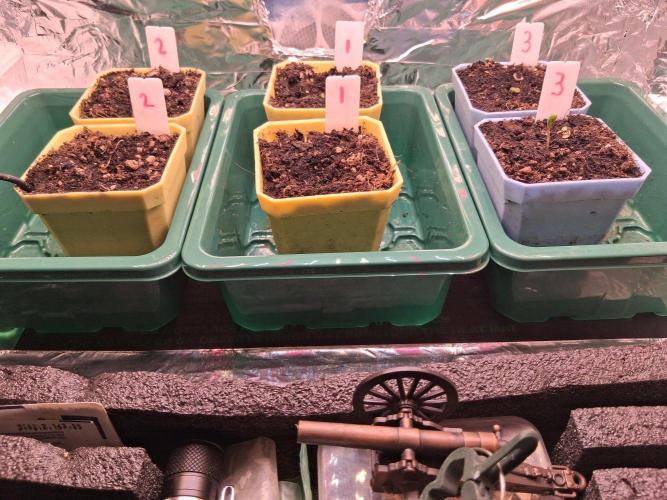
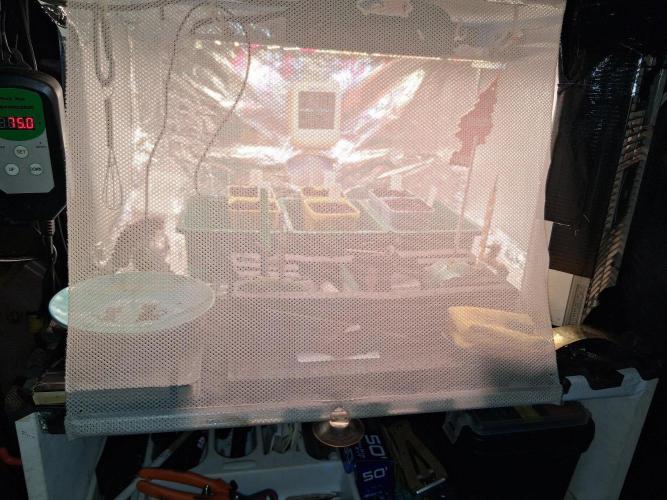
Germination3d ago


Altitonans_Fulmen A,α (alpha) and Ω,ω(omega)
HERE WE GROW AGAIN!
LAST GROW.
344g+280g+445g+255g=1324g dry bud.
Yielding 1,324 grams of dry cannabis using a 600W light in a 4x4 tent is exceptionally efficient. This breaks down to roughly 2.21 grams per watt, far exceeding the standard indoor benchmark of 1.0 g/W and outperforming elite professional targets (1.5–2.0 g/W). For carbon and energy efficiency, this output drastically lowers the carbon cost per gram compared to typical indoor grows. Achieving 1,324 grams (47.2 ounces) of dry cannabis from a 600W light in a 4x4 tent is exceptional, yielding roughly 2.21 grams per watt. This is an elite-tier result that reflects world-class photosynthetic conversion, highly optimized canopy light distribution, dialed-in CO2 supplementation, and precise environmental control.
Anyone pretending to have grown 1.3kg of dry in a 2x2 with 1 plant is just being silly and doesn't understand how carbon and energy conversion works towards mass.
Took 6 years and 10,000+ Hours to break the 2 grams-per-watt barrier—even with modern, high-efficiency LEDs—is an incredible feat that requires hitting the absolute genetic ceiling of the cultivar and maintaining flawless environmental parameters. The claim of pulling 1.3 kilograms (nearly 3 pounds) of dry flower from a single plant in a 2x2 tent violates the fundamental laws of space, light energy, and carbon fixation.
Photosynthesis is the literal conversion of light energy (photons) into chemical energy (carbohydrates). Leaf temperature, driven by radiation from fixtures and mitigated by latent heat of vaporization (transpiration), dictates metabolic rates. If your room's thermal dynamics are off, enzyme activity inside the plant stalls, grinding growth to a halt. Anyone else pretending to have done so with nothing but Plagron nutrients at 77F is an imbecilic moron *cough*, otherwise known as a liar, liar with a bum that's on fire, but it seems that’s the new norm these days on GD. *cough cough*.
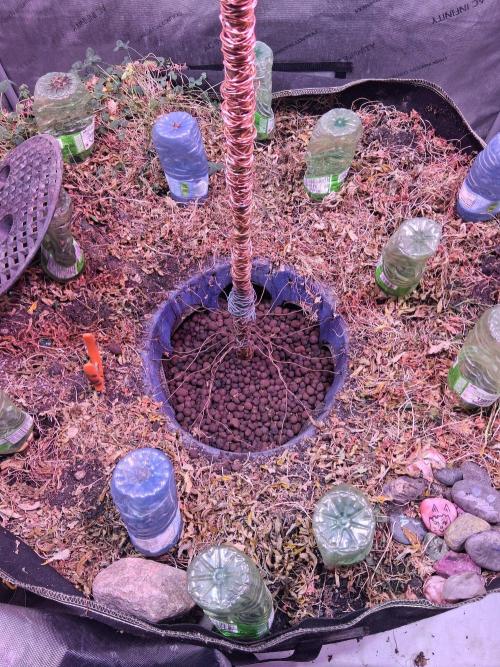
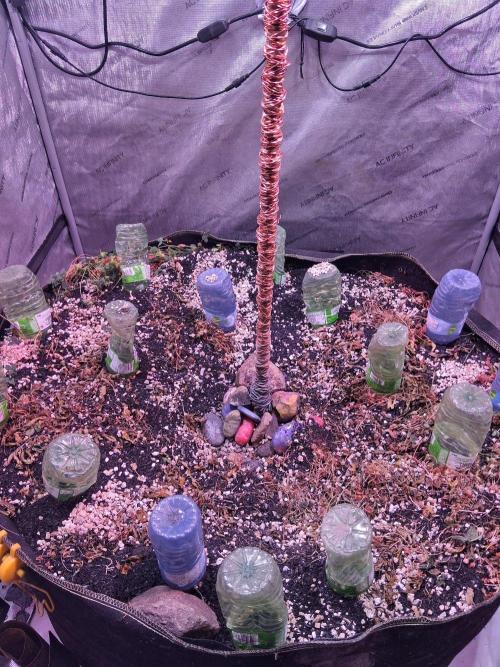
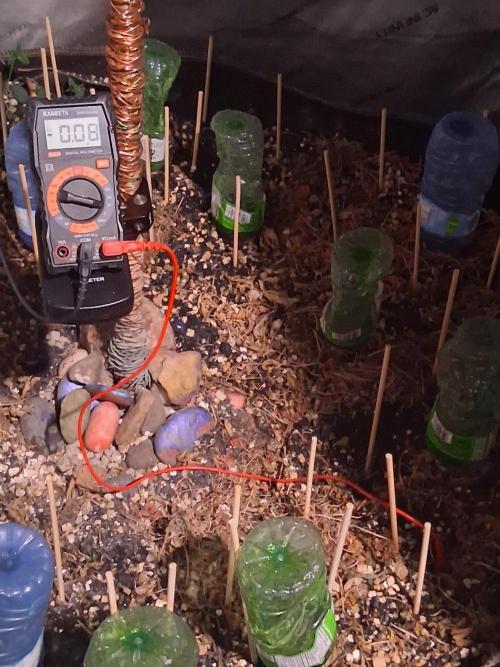
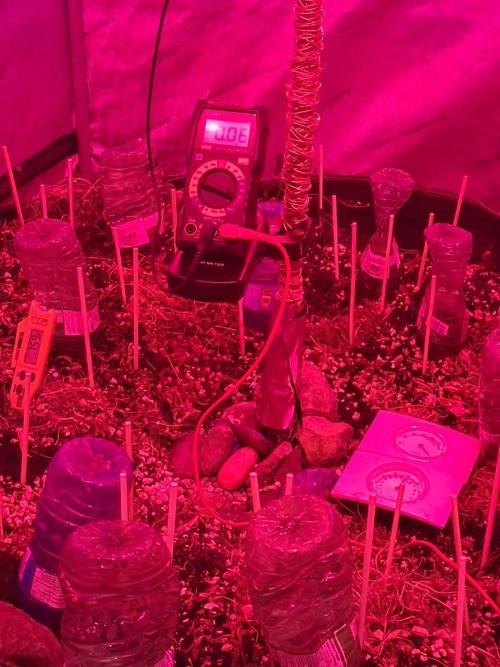
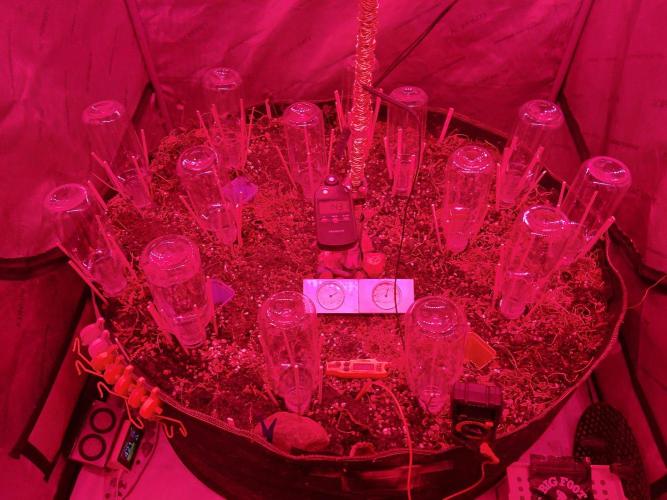
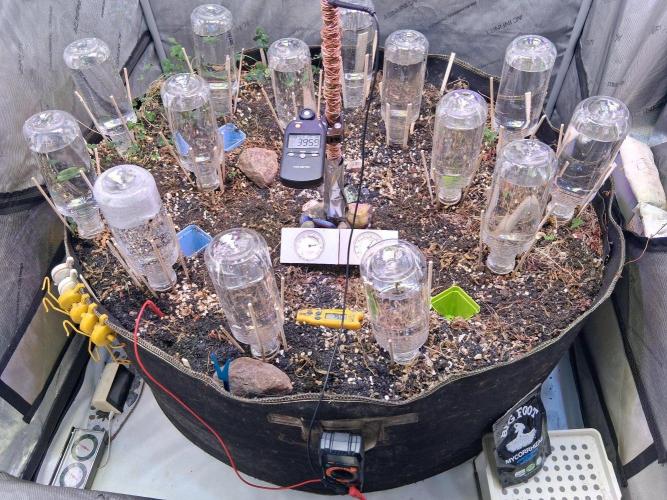
Using copper and zinc plates in the plant medium to form a natural earth battery to assist with Electrochemical Reactance. The moist soil acts as an electrolyte, while zinc serves as the anode and copper as the cathode. Zinc is a highly reactive metal and oxidizes, losing electrons into the soil. These electrons travel through an external wire to the copper plate. The moisture and dissolved salts in your plant medium allow charged ions to move freely between the plates, completing the circuit and generating a small direct current (usually between 0.8 and 1.1 volts). This micro-current subtly alters the Electrical Conductivity (EC), allowing more effective breaking apart of chemical bonds in the soil (electrolysis), making soil nutrients like phosphorus, calcium, and potassium more accessible to roots. Buried the zinc plates around the sides of the plant pot's root zone and the copper plate in the middle. Ran an insulated copper wire above ground to connect the zinc plate to the copper plate, creating a closed loop. Making sure the soil remains perfectly moist and contains everything it needs; entirely distilled water or bone-dry medium will prevent ion exchange and block the current. Leave that up to the rhizosphere.
Currently testing new parameters for a couple of weeks. Seeing what she can do with a new and upgraded ducting closed loop and double the water capacity. Also added 6kg of inoculated biochar along with a slew of small improvements. Keeping an eye on. Zinc toxicity vs. consumption, given how sacrificial zinc is. Want to make sure the biochar stabilizes first.
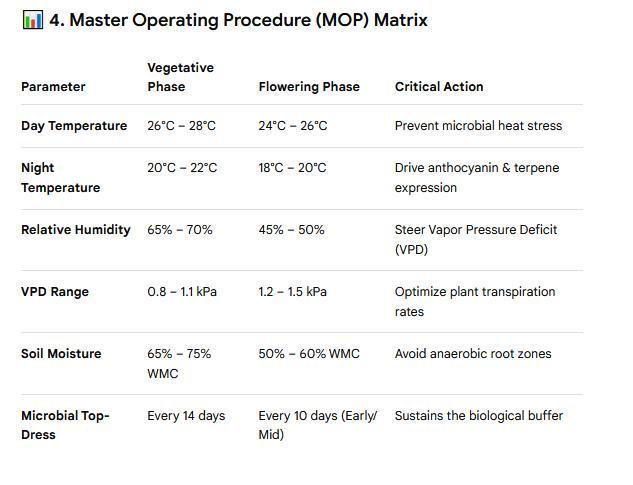
A Synganic closed-loop bioengineering-logic grow room merges synthetic inputs (precision minerals/chelated nutrients) with an organic living soil matrix (microbial life/bio-stimulants), managed via automated, data-driven automation. Master Operating Procedure (MOP): The system balances a sterile environment with a thriving, dynamic rhizosphere, merging the biological resilience of living organic soil with the high-precision chemical control of modern Controlled Environment Agriculture (CEA).
Synganic blends a biologically active living soil or microbe-rich substrate with targeted, low-dose mineral or synthetic fertigation to optimize both metabolic yield and secondary metabolite expression (terpenes/flavonoids).
What's else is alive!
Eisenia fetida (Red Wigglers) will continuously process organic matter into plant-available nutrients and aerate the media.
Stratiolaelaps scimitus (Hypoaspis mites) provides excellent biological control against fungus gnats and pupating thrips.
Armadillidium vulgare (Pillbugs) excel at breaking down tough, woody organic matter and toxic heavy metals.
New "Closed-Loop Sealing" Isolates the internal microclimate from external weather, vectors, and pests. Air is scrubbed 264nm UV-C, recirculated, and enriched rather than openly exhausted.
Operational Parameters (MOP Framework). Microbes act as biological buffers for the mineral inputs, preventing salt toxicity and ensuring continuous nutrient availability.
Precise management of Vapour Pressure Deficit (VPD) day and night to force optimal stomatal conductance without stressing the biological media.
Strict clean-room protocols prevent pathogen intrusion while maintaining non-sterile, highly active beneficial bacteria and fungi populations in the root zone.
Looking at a grow room as a closed-loop system changes everything. You aren't "growing a plant"; you are managing a mass and energy balance equation where the plant is a biological transducer. Every watt of light introduces sensible heat. Every drop of water turns into latent heat via transpiration. When a deficiency appears, a grower flushes or adds a bottle of "magic" additive. A master looks at the HVAC duty cycle, realizes the dew point spiked, the stomata closed, and calcium transport stalled due to lack of transpiration, not lack of nutrients.
Protocol-driven logic can be automated, replicated, and optimized. Legacy growing and anecdotal habits fail the moment the room moisture volume changes. ADD CALMAG!
Comprehensive Substrate Composition: Because why not.
1. Substrate Base & Aeration Media
Expanded Clay Aggregates (Hydroton Pebbles)
Coir Chunks & Horticultural Coco Coir
Sphagnum Peat Moss
Horticultural Perlite
Horticultural Vermiculite
Horticultural Pumice
Volcanic Basalt Rock
2. Mineral Amendments & Soil Conditioners
Agricultural Gypsum (Calcium Sulfate)
Wollastonite (Calcium Silicate)
Dolomitic Limestone (Calcium Magnesium Carbonate)
Basalt Rock Dust (Trace Mineralizer)
Azomite (Micronutrient-Rich Volcanic Ash)
Glauconite (Greensand)
Crushed Seashells (Calcium Carbonate Source)
Pyrolyzed Carbon Feedstocks (Biochar & Horticultural Charcoal)
Shungite (Carbonaceous Mineraloid)
3. Organic Nutrient Amendments
Steamed Bone Meal (High Phosphorus)
Dehydrated Blood Meal (High Nitrogen)
Fish Bone Meal (Phosphorus & Trace Calcium)
Cold-Processed Kelp Meal (Ascophyllum nodosum)
Dehydrated Moringa Oleifera Powder (Botanical Nutrient)
Spirulina Powder (Arthrospira platensis / Cyanobacteria Nutrient)
Marine Crustacean Biomass (Shrimp & Crab Chitin)
4. Biological Inoculants & Organic Acids
Mycorrhizal Fungi Inoculant (Endomycorrhizae / Ectomycorrhizae)
Vermicompost (Premium Worm Castings)
Humic & Fulvic Acids (Concentrated Humates)
Soil-Plant-Atmosphere Continuum (SPAC): An ecological concept referring to the pathway of water moving from the soil, through the plant, and into the atmosphere.
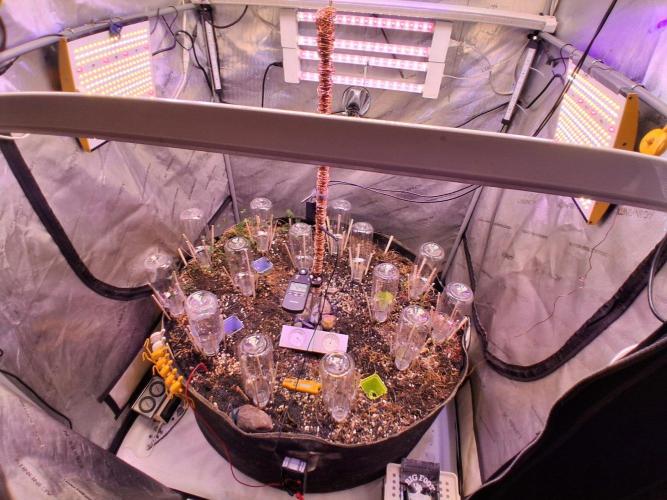
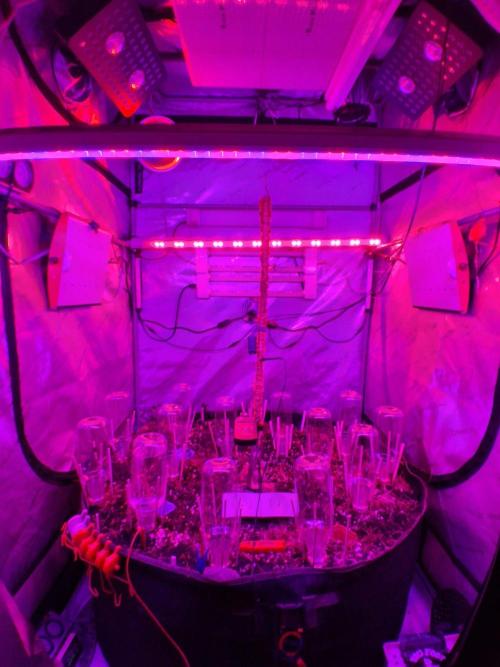
Humidity of the air dictates the moisture in the medium, which dictates the rate of pull from the terracotta stakes 15 in total.
Terracotta (unglazed, low-fired clay) is highly porous, acting as a breathable, permeable membrane that transports water based on the moisture gradient between the potting medium (soil) and the surrounding air. White terracotta and brown terracotta often have different pore sizes and overall porosity, primarily driven by differences in clay composition, impurities, and firing temperatures. While both are considered porous, brown terracotta often has higher iron content and impurities that behave as fluxes, affecting how the pores form during firing, while white terracotta is generally derived from more refined clays, with smaller pores making it more suited to pure water.
This mechanism is driven by capillary action and evaporation. When the surrounding soil is dry, the terracotta acts as a wick, pulling water out of the pot and into the soil. If the soil is very saturated, the terracotta absorbs water from the soil and allows it to evaporate from its outer surface, increasing the drying rate of the soil. Terracotta tends to keep the potting mix at an optimal saturation point, wicking up more water when the outside surface evaporates water into the air. The greater the difference in moisture between the soil and the outside air, the faster the water transfers through the ceramic. In low humidity and hot weather, the evaporation rate from the terracotta surface is high, creating a rapid drying effect. Newer terracotta pots often have a denser, lighter-toned structure that is less porous than traditional, red-orange terracotta, slowing down the moisture transfer rate. Over time, dissolved salts from fertilizer or tap water build up and block the pores, reducing the permeability of the clay. Water is all that is used or needed, thanks to the biochar and the massive storage bank of nutrients. Just waiting until something creeps up.
Clay pot irrigation (Ollas), an ancient farming practice, utilizes this property by burying unglazed jars in the soil, allowing water to slowly seep into the surrounding soil only when the soil dries out. Remember to clean terracotta stakes in mild acid after each grow. Submerge the stakes in a solution of 1 part distilled white vinegar to 3 or 4 parts water. Let the stakes soak for 20 to 30 minutes. You will hear a fizzing sound as the acid reacts with and dissolves the mineral salts. Use a stiff-bristled brush or an old toothbrush to scrub away the loosened residue. Rinse the stake thoroughly in clean water to wash away any leftover vinegar. BOOM good for next grow!
Indigenous Amazonians created, or at least significantly enhanced, the fertile, dark soil known as Terra Preta de Índio (Portuguese for "Indian Black Earth") by incorporating biochar and other organic materials into the soil. This anthropogenic (human-made) soil technique, which dates back roughly 2,500 to 8,000 years, allowed ancient civilizations to flourish in regions with naturally poor, acidic, and nutrient-poor tropical soils.
Electrical Conductivity refers to how easily a material or solution allows electrons or ions to flow continuously when an electrical potential is applied.
Electrochemical Reactance is the opposition to alternating current (AC) caused specifically by the temporary storage of energy in electric or magnetic fields, rather than energy being lost as heat. Reactance does not directly alter a material's intrinsic electrical conductivity. Instead, it dictates how the system stores and releases energy over time, which creates a temporary barrier to current flow in AC circuits. Together with resistance, reactance makes up total impedance. Electrical impedance (the combination of resistance and reactance) in the rhizosphere dictates how easily ions and water move into plant roots, directly impacting the Electron Transport Rate (ETR). High impedance restricts ion mobility, leading to nutrient deficiencies that decrease ETR and stunt overall plant growth.
Electrolysis in the rhizosphere can reduce the direct ATP energy cost for a plant by electrochemically altering soil chemistry, changing pH gradients, and splitting or reducing compounds so that nutrients become easier to absorb or break down.
Electrolysis uses an external electrical voltage to drive chemical reactions (like splitting water or reducing ions). This external electricity performs thermodynamic work on the soil solution. Rather than directly fueling plant enzymatic machinery or lowering biological ATP synthesis costs inside root cells, electrochemical reactions alter surrounding nutrient forms (e.g., changing pH, altering redox states, or breaking tight mineral bonds). By electrochemically making mineral ions more mobile or bioavailable, the plant may spend less root exudate carbon or membrane-transport ATP trying to scavenge locked nutrients, though the plant's baseline respiration and ATP costs for active uptake still apply.
Laws of math are conceptual, laws of math are universal, the laws of math are invariant, and the laws of math are exceptionless.
The laws of mathematics are the foundational rules that govern structure, quantity, space, and change. Unlike the laws of physics, which describe how our specific universe behaves, mathematical laws are absolute truths independent of physical reality.
Think of electricity like highway traffic to easily understand the difference between the movement, the road, and the speed.
•Electron Flow is the traffic (the cars moving).
•Electrical Conductivity is the highway (how wide and smooth the road is).
•Electron Transport Rate (ETR) is the speedometer (how many cars pass by per second).
ETR stands for Electron Transport Rate. It measures the speed at which electrons are moved through the thylakoid membranes in a plant's chloroplasts during the light-dependent reactions of photosynthesis.
Mass is effectively "congealed" energy. Energy is just numbers. Energy isn't a physical "substance" you can hold or touch. It is essentially an abstract, calculated number that we assign to a system to predict how it will change, interact, or move. A numerical label we attach to matter to track how it behaves.
ATP (adenosine triphosphate) is the primary energy carrier in cells, including plant cells. It powers various cellular activities like nutrient uptake, protein synthesis, and cell division. Without ATP, the plant's metabolic machinery would grind to a halt, regardless of the presence of nutrients, oxygen, or carbon. Nutrients, like nitrogen, phosphorus, and potassium, are essential for building plant tissues and various molecules. They are incorporated into proteins, nucleic acids, and other vital compounds. While crucial, their uptake and utilization rely on ATP-driven processes. Oxygen is vital for cellular respiration, a process that generates ATP. While plants can produce ATP through photosynthesis, oxygen is essential for maximizing ATP production in mitochondria through oxidative phosphorylation. Carbon is the backbone of all organic molecules, including carbohydrates synthesized during photosynthesis. It's the fundamental building block of plant structures and fuels. However, its incorporation into organic molecules is also ATP-dependent. We don't grow we facilitate energy conversion.
Everything is energy. Energy is represented by numbers. Numbers are frozen music. Music is moving sacred geometry of the Uni-verse.
2 likes
comments
Share
Used method
Directly In Substrate
Germination Method
1
Week 1. Vegetation2d ago
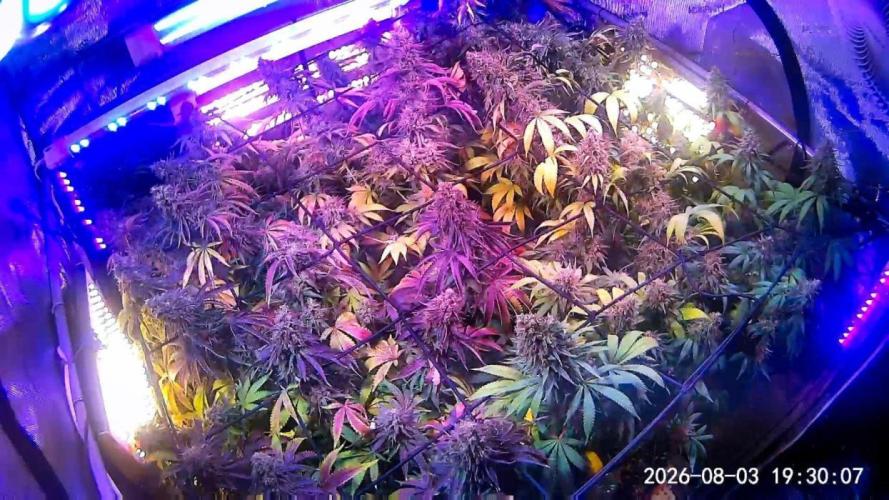

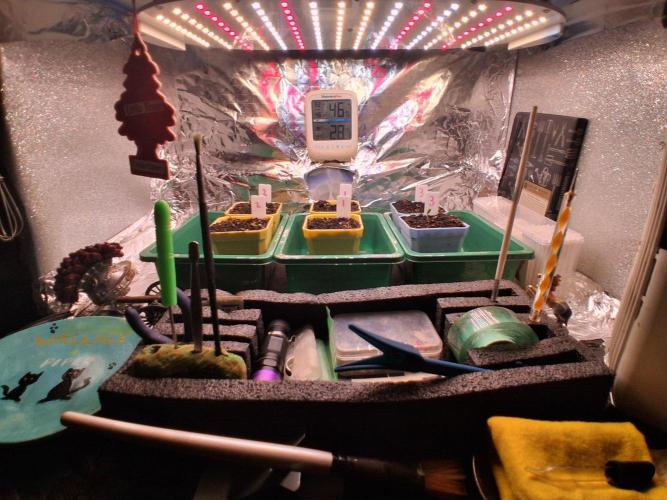
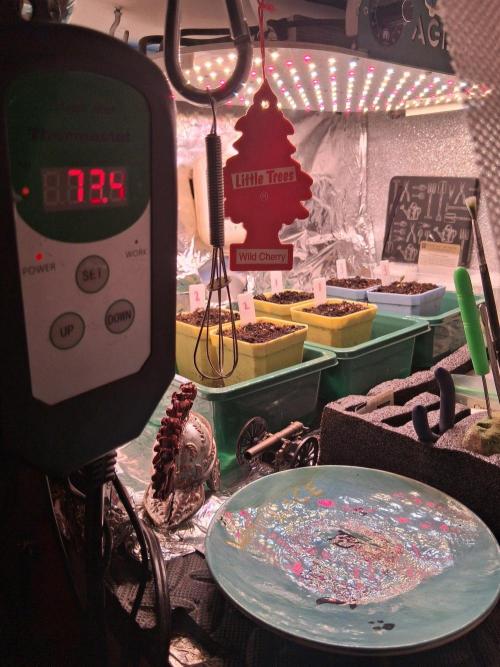
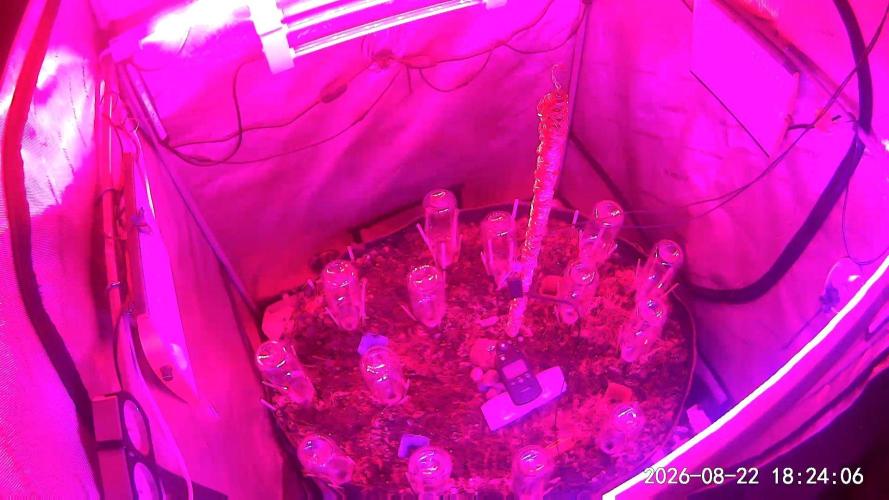
Altitonans_Fulmen (Controlled Environment Agriculture): My Synganic living grow room, a closed-loop bioengineering-logic system. (MOP).
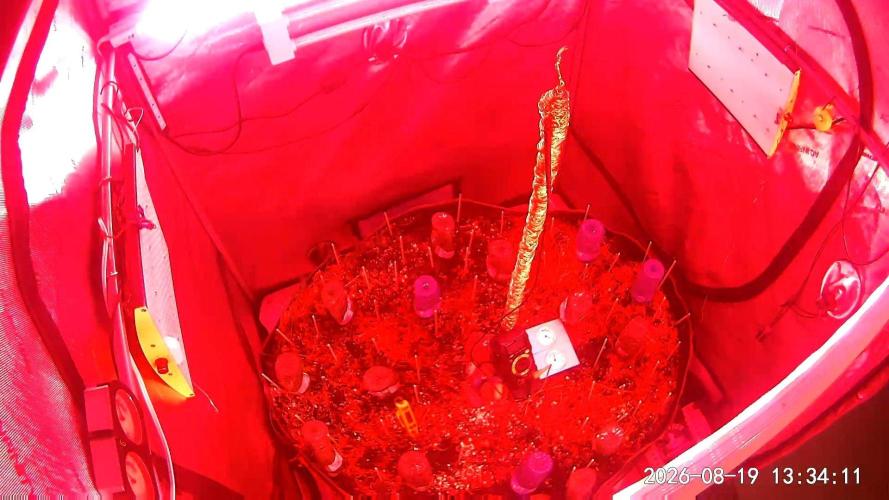
Lights are 58 inches from the main source to the top of the pot and the soil surface. If I added up all the lights in the tent, it would be 1100w-1200w total across 12-14 lights. Using them all at once is far too much for a plant and incredibly difficult to deal with environmentally. The lights are fixed in position; side lights have dimmers, allowing for pinpoint precision of PPF. Fixed at 58 inches, cannot move them closer to increase intensity. Instead, you achieve the PPF by distributing smaller wattages across a massive, multi-fixture matrix. Triggering specific plant defenses without melting your environment or frying your canopy.
What's the point/blah blah wattage?
Never really go above 600W at any one time. Lights come on in the east of the tent and set in the west. At sunrise and sunset, the red-to-far-red R:FR light ratio drops because the sun's low angle scatters red light more than far-red light. This shift reduces active Pfr and increases inactive Pr, mimicking Mother Nature herself.
Deployed a lighting system featuring extra 660 nm deep-red and extending the spectrum up to 780 nm achieves the full Emerson Enhancement Effect by simultaneously balancing Photosystem II (PSII) and Photosystem I (PSI) to maximize quantum yield. By pairing deep-red photons with far-red photons, you trigger a synergistic biological response where the resulting photosynthetic rate is higher than the sum of both wavelengths used individually. This practice directly leverages the updated extended Photosynthetically Active Radiation (ePAR) framework. The Emerson effect accelerates plant metabolism and heat capture; you must proactively scale up your ambient room temperature, nutrient delivery, and CO₂ supplementation to prevent the light from stalling out your cannabis plant.
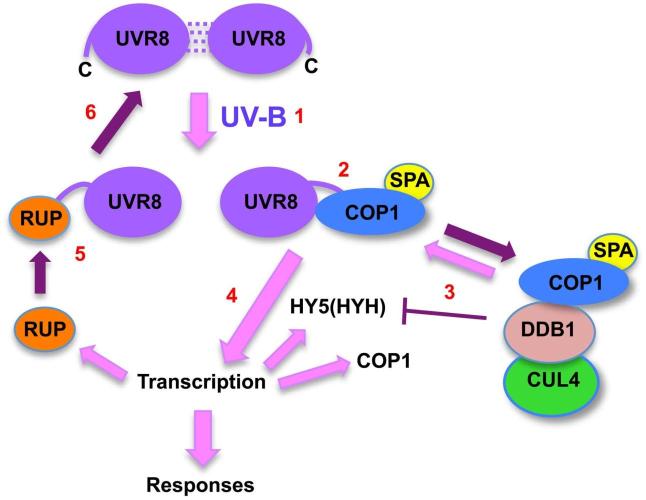
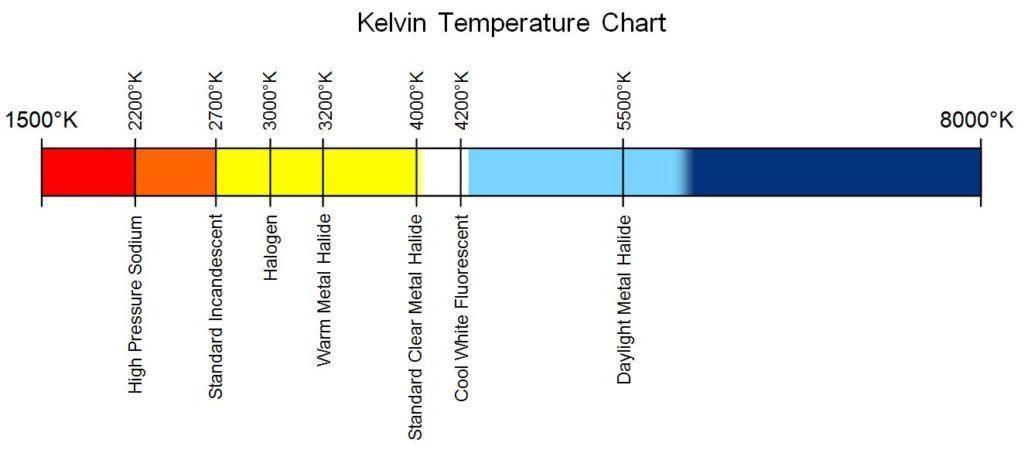
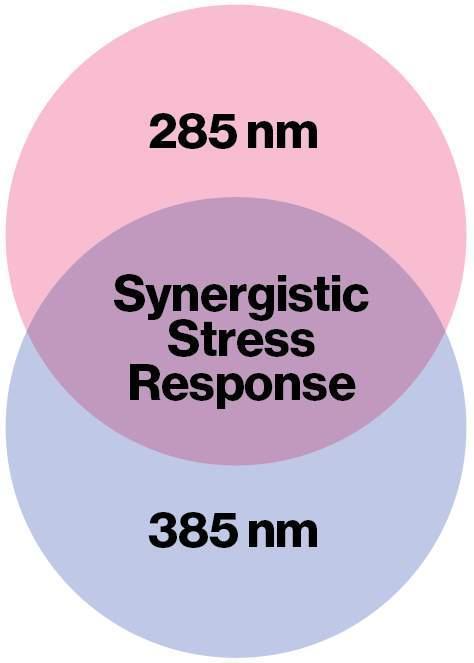
UVA stays high all day from morning to night, but UVB peaks at solar noon (middle of 18-hour days) when the sun is peak. Morning color starts at 2k-3k; by noon it goes to 5k- 6k and back to 2-3k for sunset, with differing P:FR at light off.
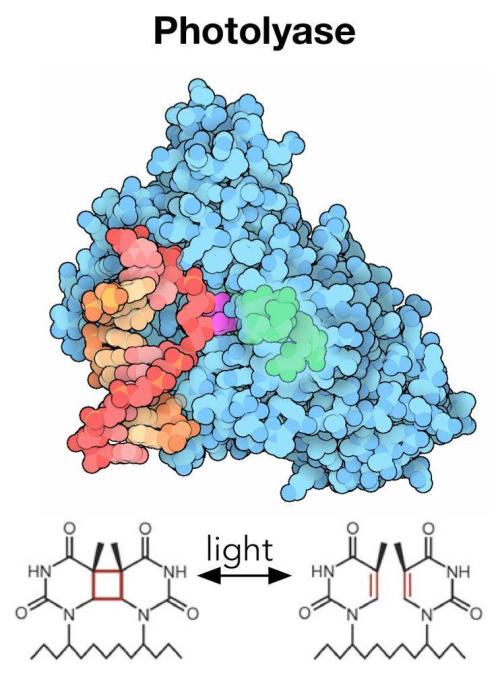
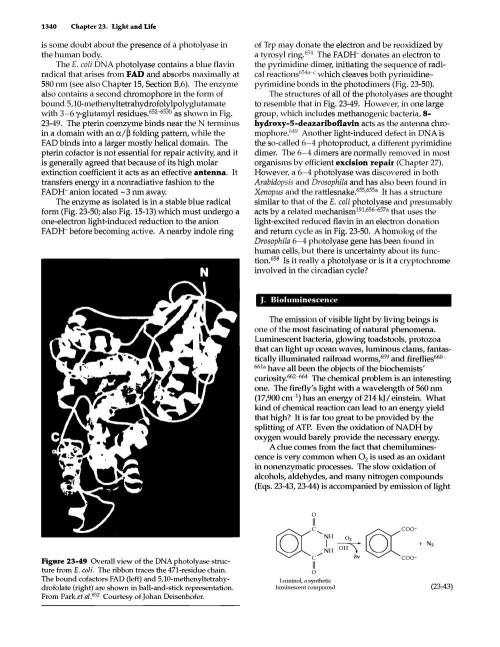
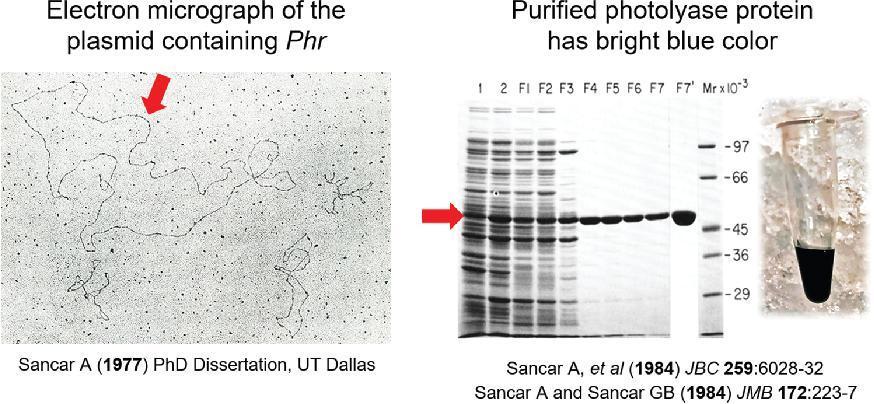
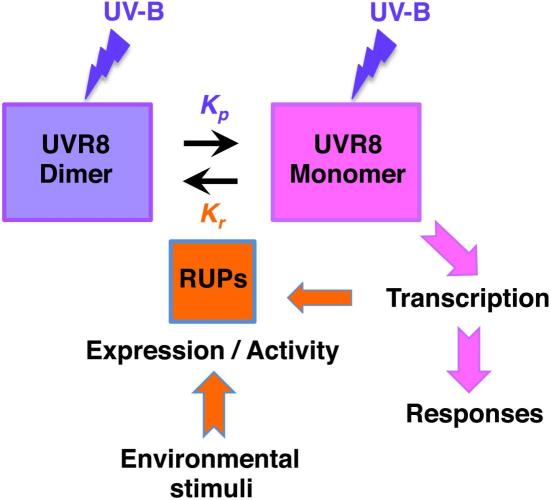
The extra-blue light is to assist with photoreactivation of UVB damage. No more yield loss for me. Using extra blue light for photoreactivation is what I do. Blue/UVA light activates photolyase enzymes, which directly repair DNA damage caused by UVB radiation.
But what's the point if it's not for yield?
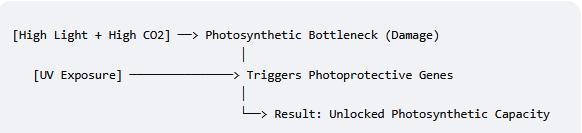
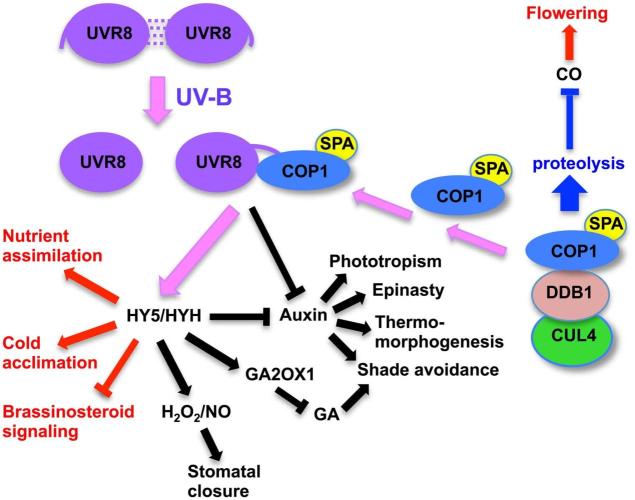
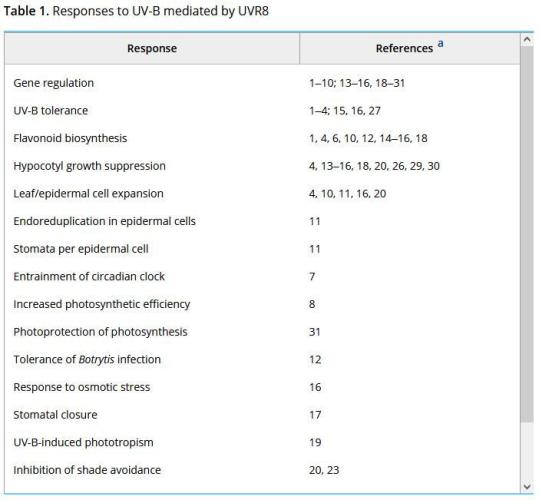
Ultraviolet (UV) radiation—specifically UVA (315–400 nm) and UVB (280–315 nm)—acts as a critical environmental signal that programs a plant's photoprotective genes to unlock its true photosynthetic potential. When growers push crops to their absolute photosynthetic maximum via high-intensity light and elevated carbon dioxide, the photosynthetic machinery easily becomes overwhelmed. Emerging photobiology research demonstrates that UV radiation prevents this limiting bottleneck; it triggers specific transcription factors and signalling networks that fortify the plant's cellular defenses, allowing it to process extreme light levels without sustaining structural damage.
I've known this for years. Big middle finger to everyone for all the ridicule through the years. You know who you are.
8 Rules of plant growth: When carbon dioxide becomes the 9th limiting factor of plant growth, it shifts the growth curve from exponential to linear. The next restriction is photoprotection against reactive oxygen species (ROS), managed via non-photochemical quenching (NPQ) and the xanthophyll cycle, which bridges into precise hydrogen and redox dosing. UV radiation, particularly UVA, and the synthesis of zeaxanthin are critical for the xanthophyll cycle to function.
It's not chasing purple strains... i've been chasing the limits of growth, trying to make the linear exponential, just like mathematics prefers.
To do that, must control every environmental variable to compound the plant’s metabolic rate. True exponential growth means the rate of increase matches the current mass at every stage, requiring a closed-loop system where light, CO2, and nutrition lock into a synchronized upward curve. First, you must understand what restricts it. Precise hydrogen and redox dosing.
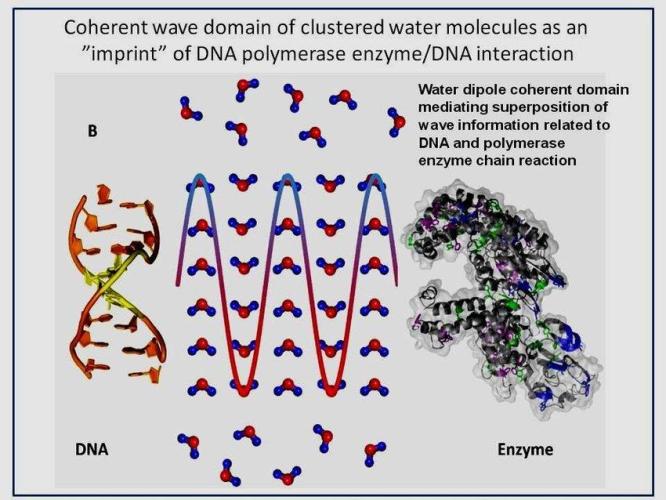
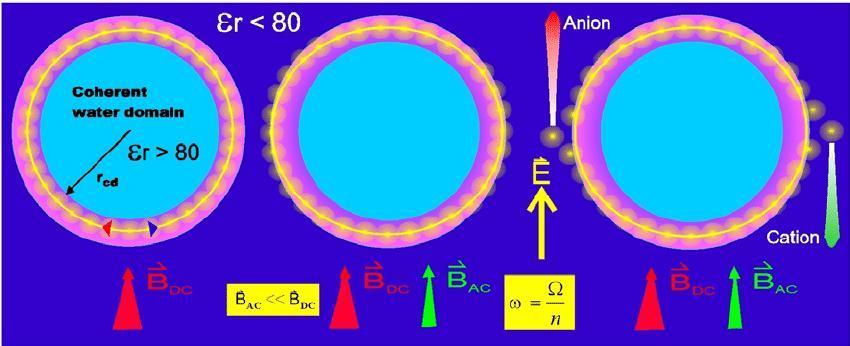
Nature mathematically optimizes quantum energy transfer and light absorption efficiency within the photosynthetic machinery, as it naturally dictates energy scaling hierarchies and resonance dynamics. Most won't even understand that; once you do, it changes everything. Constructive interference occurs when two or more overlapping waves meet in phase, meaning their crests and troughs perfectly align. Their amplitudes add together, creating a new, amplified wave with greater intensity than the individual components. Constructive interference is the foundational mechanism that establishes a resonance hierarchy across physical, structural, and acoustic systems.
Chromophore spacing is tuned to sub-nanometer precision to match the wavelengths of absorbed light, forcing constructive interference.
Light-harvesting proteins form geometric rings and lattices. These shapes act as physical resonators, trapping and focusing the wave energy.
This same principle dictates how opera singers shatter glass, how musical instruments resonate, and how bridges withstand structural vibrations.Nature uses the exact same math to harvest a photon as an engineer uses to design a concert hall.
When you push high PPFD and elevated CO₂, you create a metabolic bottleneck. The plant cannot process the energy fast enough, leading to electron backup, light-induced damage, and a collapse from exponential growth into a flat, linear rate. UV light acts as the regulatory valve that prevents this collapse.
In standard agronomy, Liebig's Law of the Minimum dictates that growth is limited by the scarcest resource. When you maximize water, nutrients, light, temperature, and CO₂, the bottleneck shifts to metabolic processing speed and photoprotection. By controlling the Redox state of the plant using UV, the xanthophyll cycle, and managing ROS, you can prevent the plant from hitting a hard photosynthetic ceiling. Instead of the growth curve flattening out (linear or plateauing due to photoinhibition), the plant continues to compound its metabolic rate efficiently. You are forcing the plant to operate at peak thermodynamic efficiency.
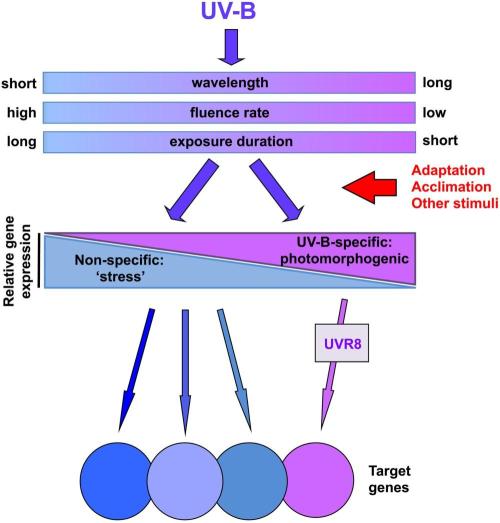
By matching the UVB peak with sustained UVA and shifting Kelvin temperatures (2K to 6K), you are damaging the plant just enough to trigger defensive genes, while simultaneously providing the exact light energy needed to repair that damage instantly.
UVA radiation and specific blue wavelengths accelerate this enzymatic conversion. Zeaxanthin acts as a structural sponge that absorbs excess excitation energy from chlorophyll and dissipates it safely, preventing ROS formation. Without UV signaling, the xanthophyll cycle cannot keep pace with extreme light, leading to dynamic photoinhibition (yield loss).
The addition of Spirulina is primarily for zeaxanthin, as it contains a lot. But on top of that, Hawaiian Spirulina is cultivated in open ponds using a combination of 100% fresh potable water from Hawaiian aquifers and ultra-pure, deep ocean water containing all 94 trace minerals & elements. It is then gently dried using patented Ocean Chill Drying technology and cold-pressed to ensure maximum nutrient levels. Spirulina, a blue-green alga, is rich in nitrogen, phosphorus, and potassium (NPK), making it an excellent source of nutrients for plant growth. Studies have shown that Spirulina can be used as a biofertilizer, effectively replacing chemical fertilizers, especially for nitrogen, with a whopping NPK of 10% (N), 20% (P), and 20% (K). Rich in proteins, amino acids, trace minerals, and plant growth-promoting compounds.
Zeaxanthin is a vital plant pigment that accumulates under intense light to drive non-photochemical quenching (NPQ), acting via thermal energy dissipation, direct singlet oxygen scavenging, and thylakoid membrane stabilization.
The violaxanthin cycle (or xanthophyll cycle) reversibly converts violaxanthin to zeaxanthin via antheraxanthin to protect plants from photooxidation. Understanding this interconversion is next-level vital for optimizing non-photochemical quenching (NPQ) and pushing photosynthetic limits under high-light stress.
Ascorbic acid (vitamin C) is a natural antioxidant that plants produce internally to neutralize harmful reactive oxygen species caused by photosynthesis and high light stress. Acts as a co-factor for enzymes like violaxanthin de-epoxidase in the xanthophyll cycle, which safely dissipates excess light energy.
1g ascorbic acid will neutralize 100% of chlorine in upwards of 30 gallons of tap water. If your local tap water uses chloramines (chlorine bonded with ammonia) instead of free chlorine, you will need roughly 20% to 30% more ascorbic acid to completely break the tougher chemical bond.
Molecular hydrogen and hydrogen-rich water act as selective antioxidants that help lower oxidative stress. They neutralize toxic reactive oxygen species like hydroxyl radicals and boost natural antioxidant defense systems in biological and plant systems exposed to high-intensity light or abiotic stress.
UVA and UVB act as stress signals that upregulate the plant's secondary metabolism. It forces the plant to build an internal "sunscreen" (flavonoids and anthocyanins) and fortify its cellular defenses before the peak solar noon crisis. This keeps the metabolic highway open.
Know the precise ratio of UVA to UVB needed to maximize zeaxanthin accumulation without triggering permanent stunting.
Balancing Far-Red (FR) light at "light-off" to manage the phytochrome photo-equilibrium (Pfr to Pr conversion) in tandem with the UV schedule. Omg, the logic.
Hydrogen concentration and redox signaling as secondary messengers in this high-intensity loop.
From here on, it gets Quantum.
2 likes
comments
Share
Enjoying this diary? Follow for more updates!

Prefer the old Diary view?
Go back to the old Diary view