


El Jardinarino













Fan
Infline Fan / Carbon Filter
Spider Farmer


Contr
GGCS
Spider Farmer GGCS

CO2
CO2
Spider Farmer CO2 system

Mix
Hawaiian Island soil.

Indoor
Room Type
HST
weeks 6-8, 10
Transplantation
weeks 6
SoG
weeks 6
FIMing
weeks 6
LST
weeks 6-10
Topping
weeks 6-7
Defoliation
weeks 6-9
38 liters
Pot Size
5.72 liters
Watering
Start at Harvest
G
Germination2d ago
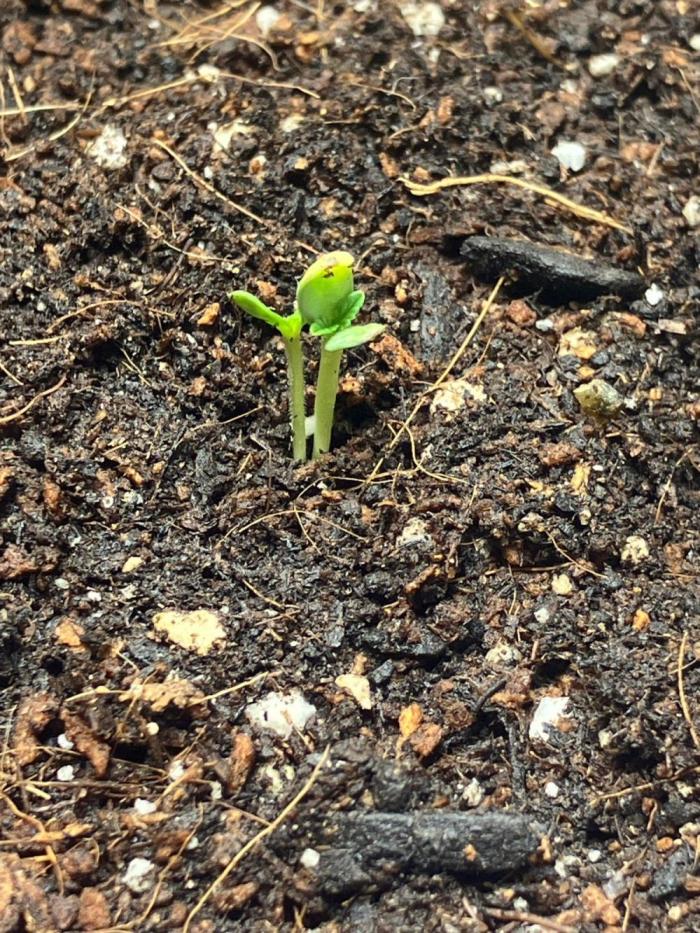
NJCastleHashiraFlame Used a Cannakan. worked great
5 likes
comments
Share
Used method
Other
Germination Method
6
Week 6. Flowering1mo ago
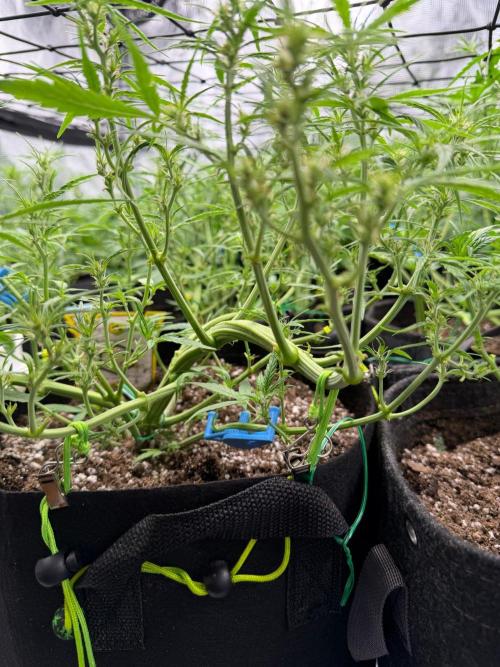
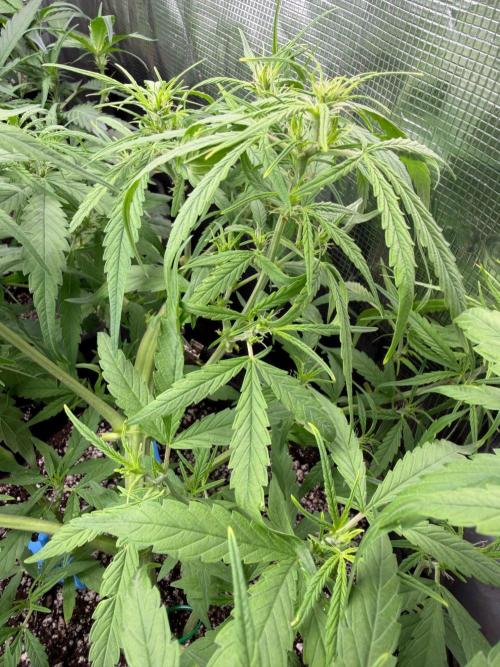

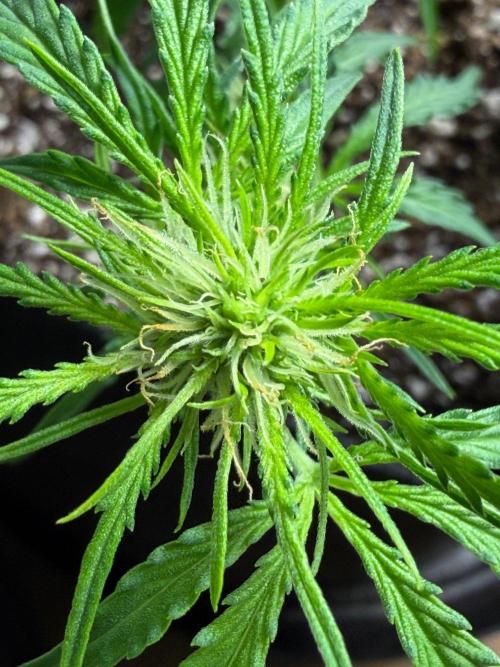
60.96 cm
Height
20 hrs
Light Schedule
25 °C
Day Air Temp
6.8
pH
Weak
Smell
62 %
Air Humidity
24 °C
Solution Temp
26 °C
Substrate Temp
22 °C
Night Air Temp
26.5 liters
Pot Size
3.79 liters
Watering Volume
55.88 cm
Lamp Distance
Nutrients 8

Grow Dots
1.321 mll

Recharge
2.113 mll

Glacial Rock Dust
2.642 mll
NJCastleHashiraFlame I'm grateful everyone is still alive and green. Had some usual obstacles to hurdle like power outages, missed alarms, and straight up forgot to do stuff. Mother Nature is powerful and resilient.😁
3 likes
2 comments
Share
Used techniques
LST
Technique
HST
Technique
Topping
Technique
Defoliation
Technique
Transplantation
Technique
FIMing
Technique
SoG
Technique
Grow Questions
NJCastleHashiraFlamestarted grow question 1mo ago
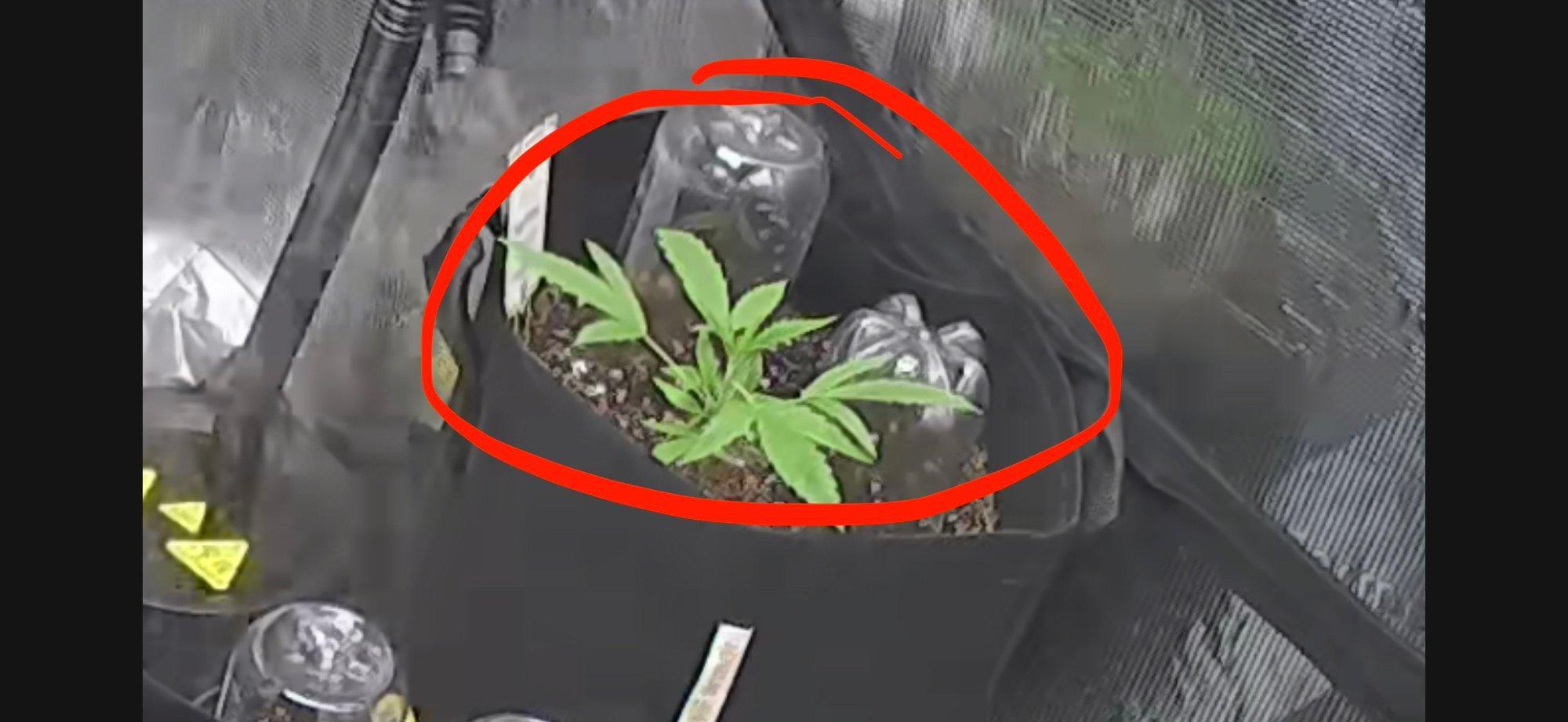
Aloha from Oahu. Does anyone have any experience testing more than one plant to a large pot? Like 3 strains to a 10 gallon pot? I've read the many cons about attempting it, but not too may pros. I decided to test the theory. I have three 10 gallon fabric pots with 3 strains
Solved
3 likes

Altitonans_Fulmenanswered grow question 1mo ago
From a simple mathematical point of view anything is possible, but it would require a low level of metabolic baseline to take 3 in such a small pot.
If you attempt 3 in one pot at a minimum you need 15-20 gallon to make it through 18hours, with any sort of meaningful metabolic temperature. More temp = more cooling = more transpiration = more water.
Its less about what you can and cannot do and far more about realistic expectations. We do not grow, we facilitate energy conversion.
You are asking 3 plants to grow with such small gas tanks they can't even make it to the finish line after 18 hours above 80f.....
You would need to supply water multiple times a day once canopy developed, this can wreak havoc with efficient cellular respiration come nightfall with dense soggy soil. Every carbon molecule split requires 6 molecules of water to do so. Your final harvested plant is 46% carbon, you want fat yield you better give her unlimited access to water tanks.
There is no such thing as too much water, only water that sits too long in the same place. The environment must dictate the level of response. Ideally you want to sorta use pots large enough to hold enough moisture capacity so you only water every 1,2 or 3 days depending on how fast evapotranspiration occurs. Want to build a regular wet dry cycle. Clockwork.
Can't do that with small pots efficiently unless you can dedicate serious time to maintaining the extra work daily to do so. Why water 4x a day when you can do it once, not thay you can't, merely a time thing. Time is money, by week 15 you are pulling your hair out because you missed 1 watering and fried the trichomes off. Oopsy.
Work a synganic living soil in 100 gallon 4x4. Reaching 2.21g/watt. Little more than adding water, I do feed the rhizosphere and use synthetic nutrient delivery to signal autophagic responses that are not so easily initiated using tradiotnal synthetic methods, as they don't work the same way using a rhizosphere and organic nutes.
Using biochar organic biology for structural nutrition while leveraging precise synthetic inputs as chemical triggers rather than primary food sources.
A 4x4 bed holding 100 gallons of soil provides massive thermal and chemical inertia. This scale allows the microbial loop (mycorrhizae, saprophytic fungi, and rhizobacteria) to colonize deeply. When you introduce synthetic delivery, the soil biology prevents salt buildup by processing or binding excess ions, allowing you to reap the benefits of systemic signaling without burning the roots.
Gluck
7
Week 7. Flowering1mo ago





60.96 cm
Height
20 hrs
Light Schedule
25 °C
Day Air Temp
6.8
pH
Weak
Smell
62 %
Air Humidity
24 °C
Solution Temp
26 °C
Substrate Temp
22 °C
Night Air Temp
26.5 liters
Pot Size
3.79 liters
Watering Volume
55.88 cm
Lamp Distance
Nutrients 8
Grow Dots
1.321 mll
Recharge
2.113 mll
Glacial Rock Dust
2.642 mll
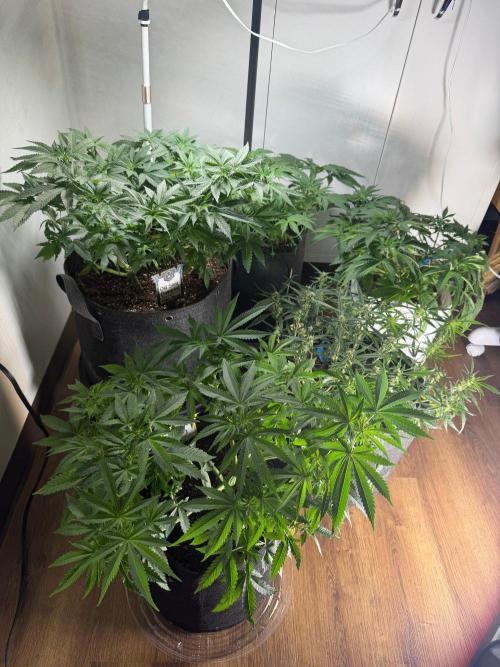
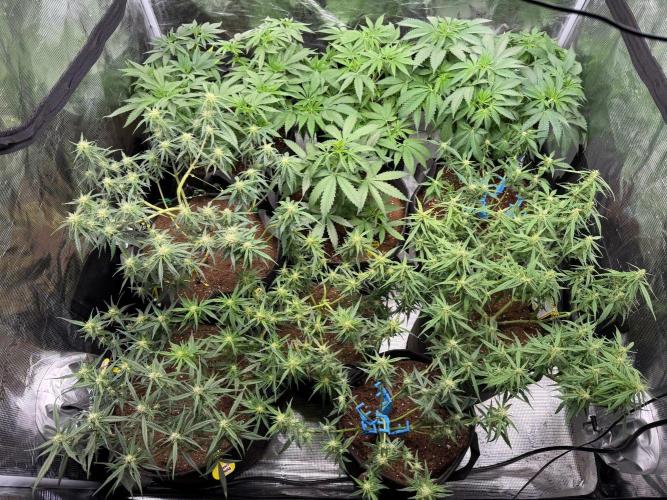
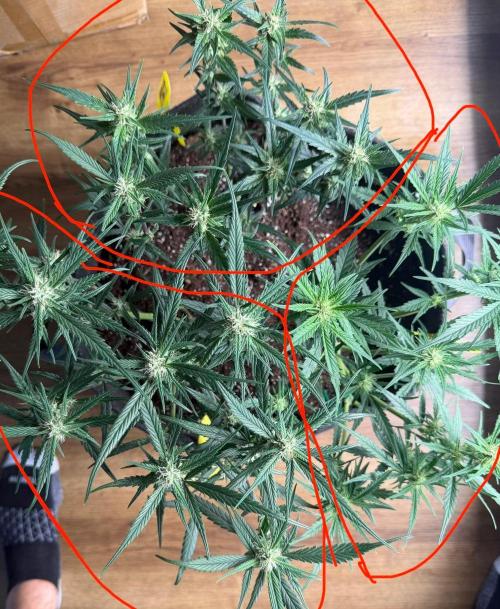
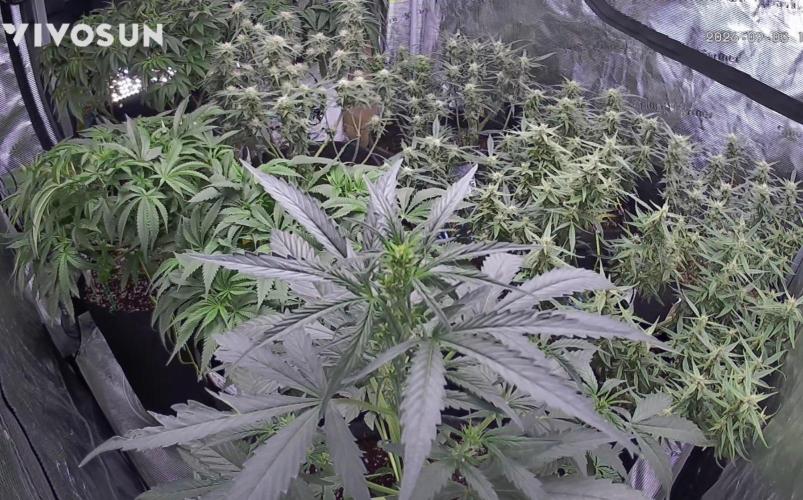
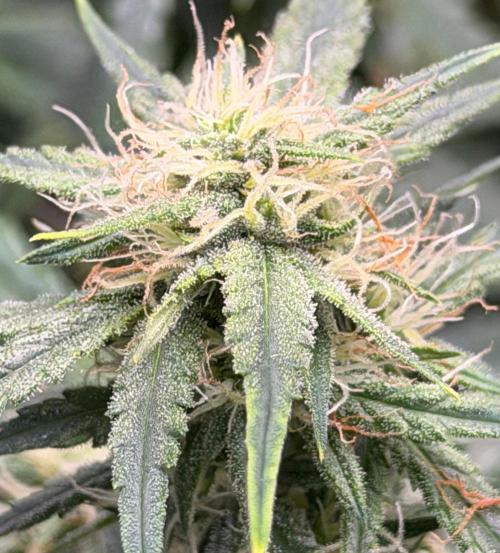
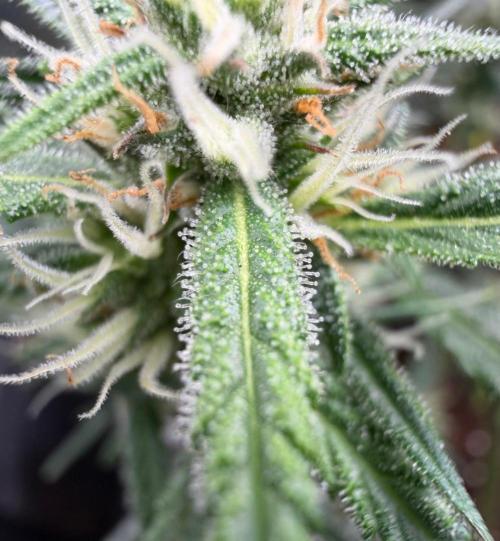
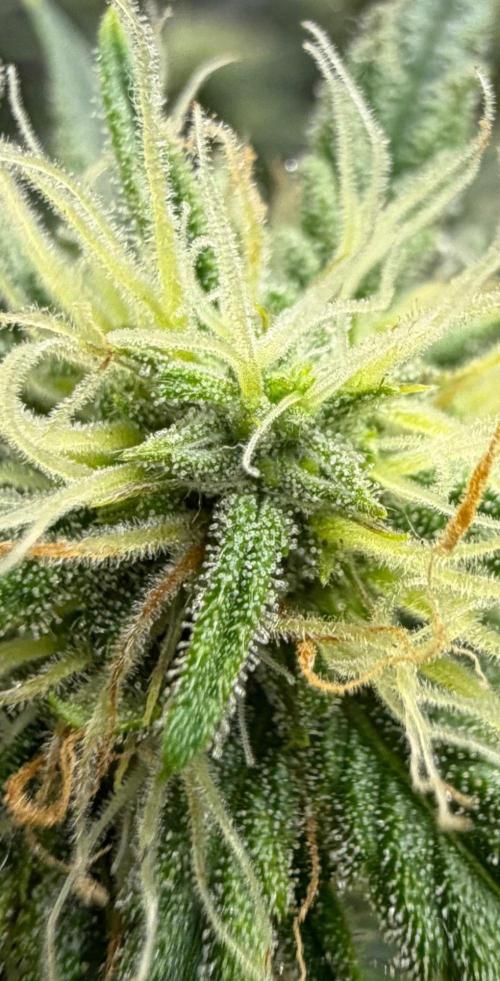
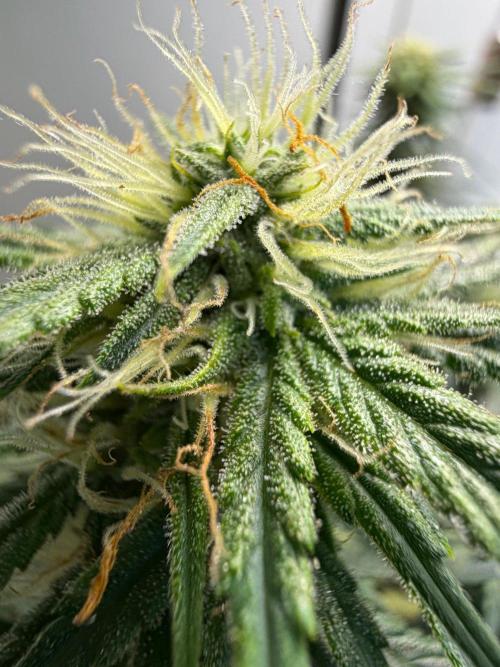
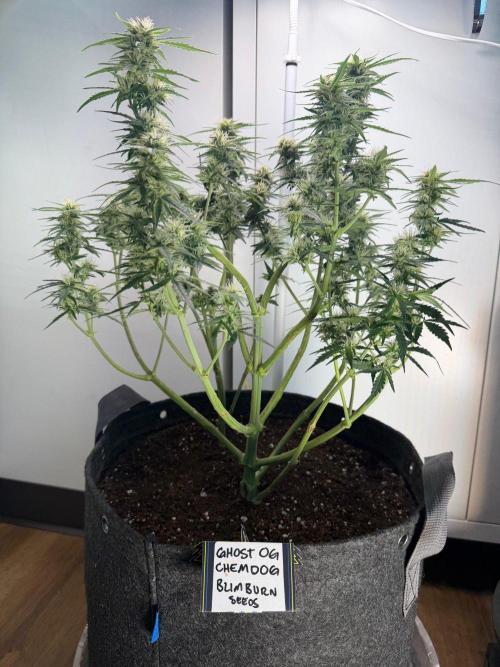
NJCastleHashiraFlame Great week. A lot of theory testing with the under canopy lights and running out of space. All plants are healthy and green. I'm grateful. All the autos are flowering with the exception of the 3 week old CheMACal Romance by DNA Genetics. All the photos are still in veg with the exception of the Rebel Haze #2. It started to flower two weeks ago. Weird, I have the exact same strain in the exact same pot, planted on the exact same day/time, although it's still in veg and big as a elf. Mother Nature does what she likes.
5 likes
comments
Share
Used techniques
LST
Technique
HST
Technique
Topping
Technique
Defoliation
Technique
8
Week 8. Flowering1mo ago
73.71 cm
Height
21 hrs
Light Schedule
24 °C
Day Air Temp
6.2
pH
Strong
Smell
55 %
Air Humidity
24 °C
Solution Temp
23 °C
Substrate Temp
21 °C
Night Air Temp
37.89 liters
Pot Size
5.72 liters
Watering Volume
71.09 cm
Lamp Distance
Nutrients 7
Glacial Rock Dust
1.3 mll

CalMag 2-0-0
1.057 mll

Cronk Micro
4 mll
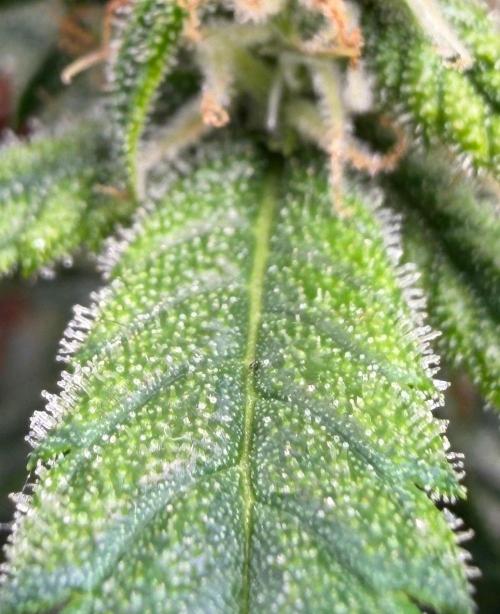
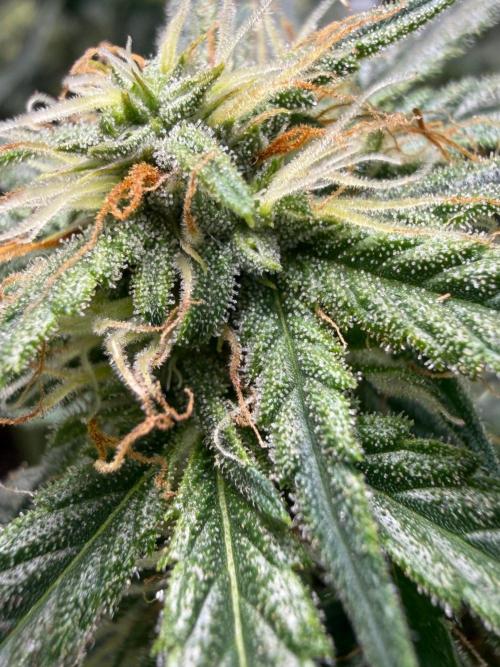
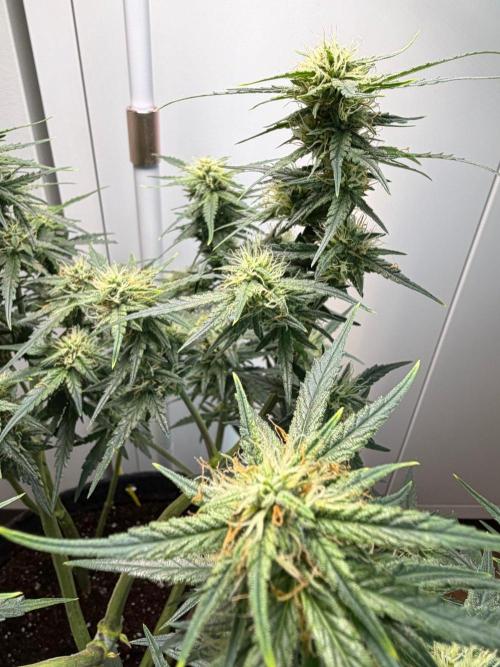
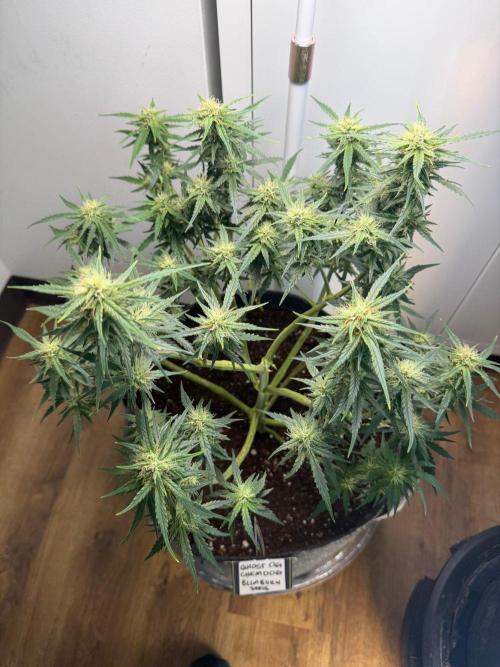
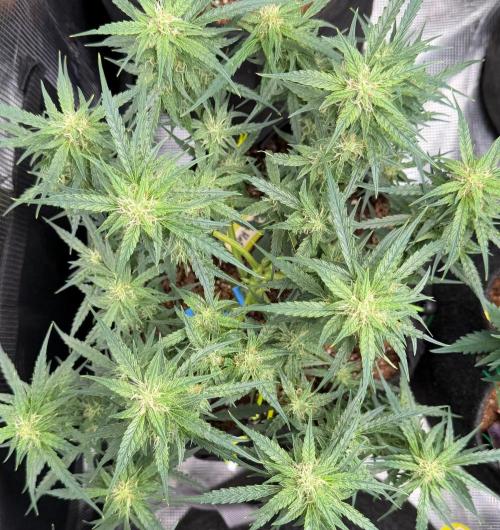
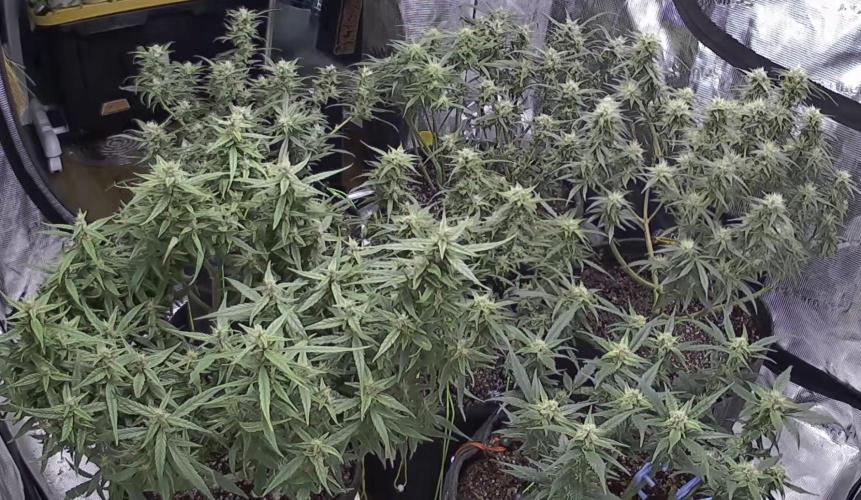
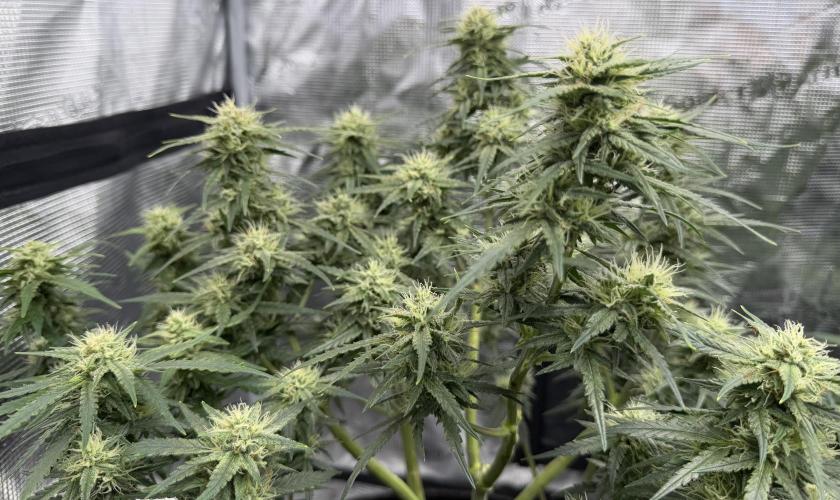
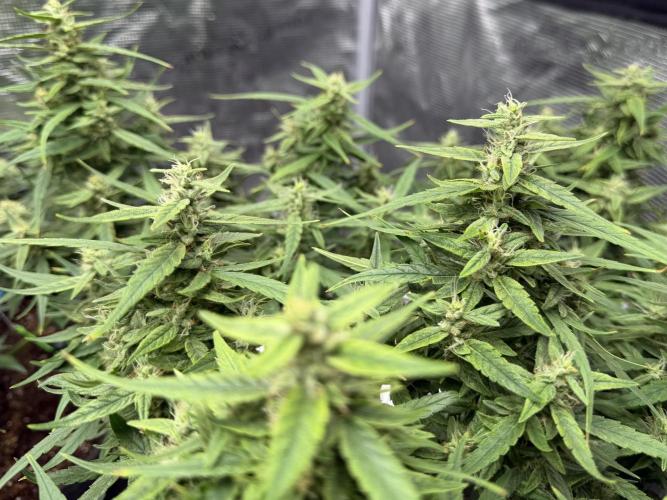
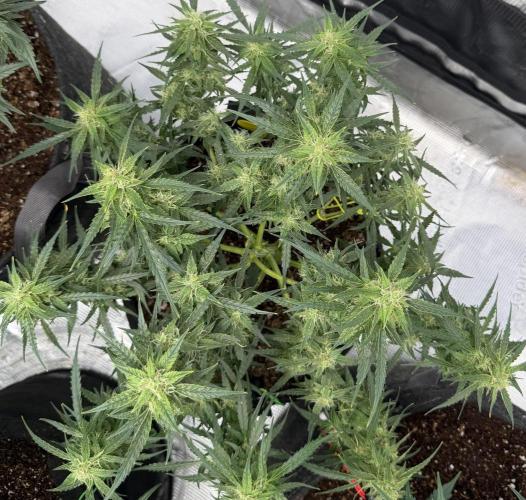
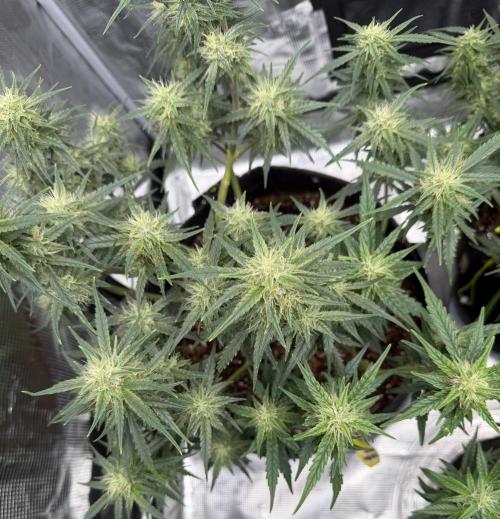
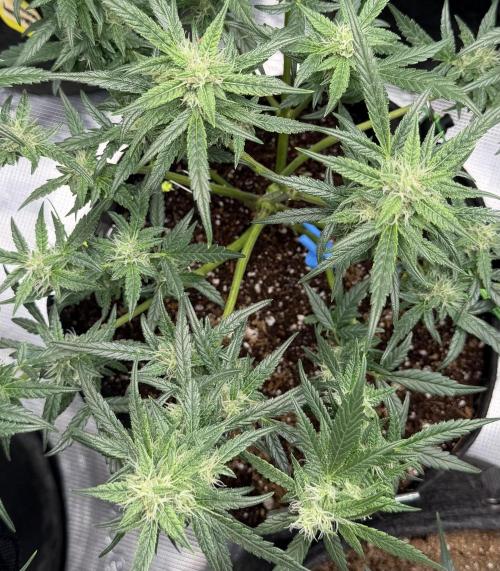
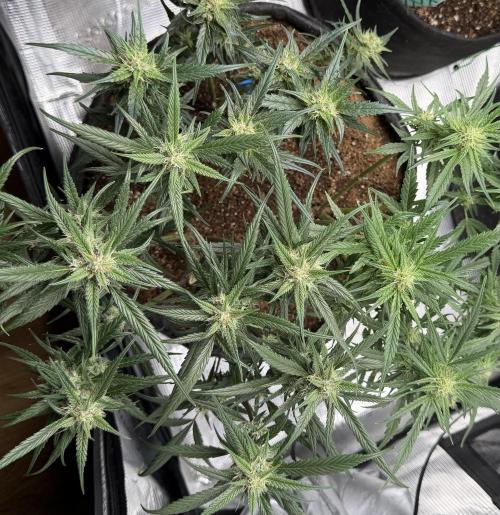
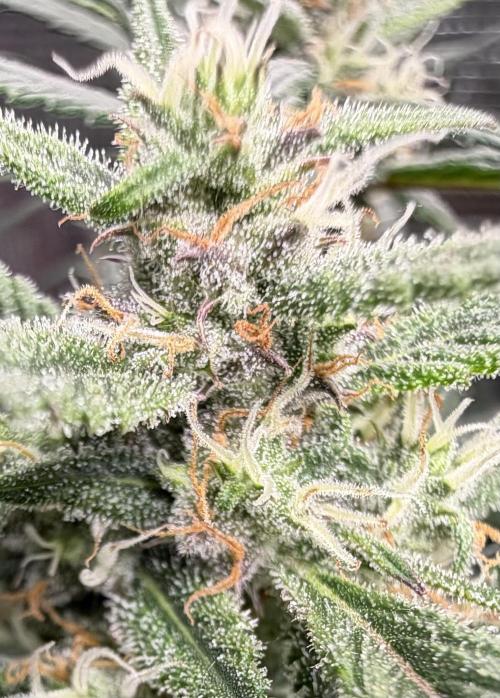
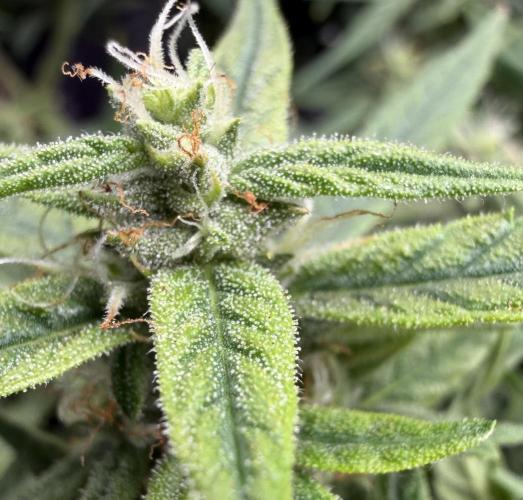
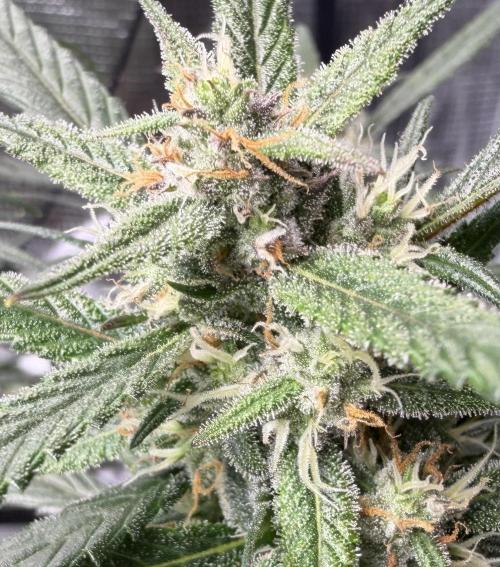
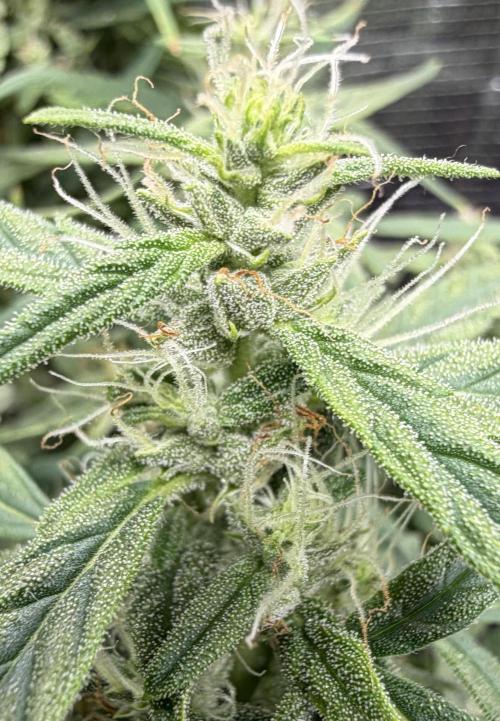
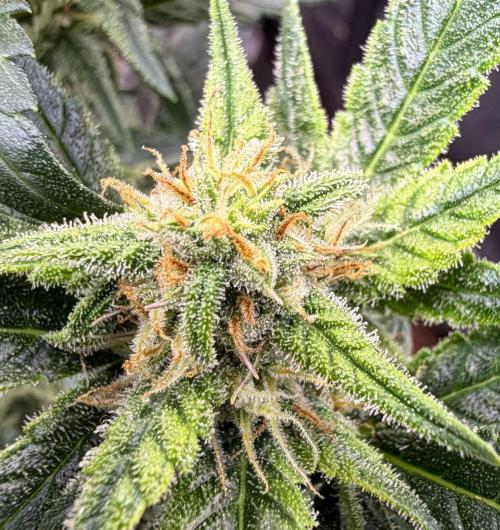
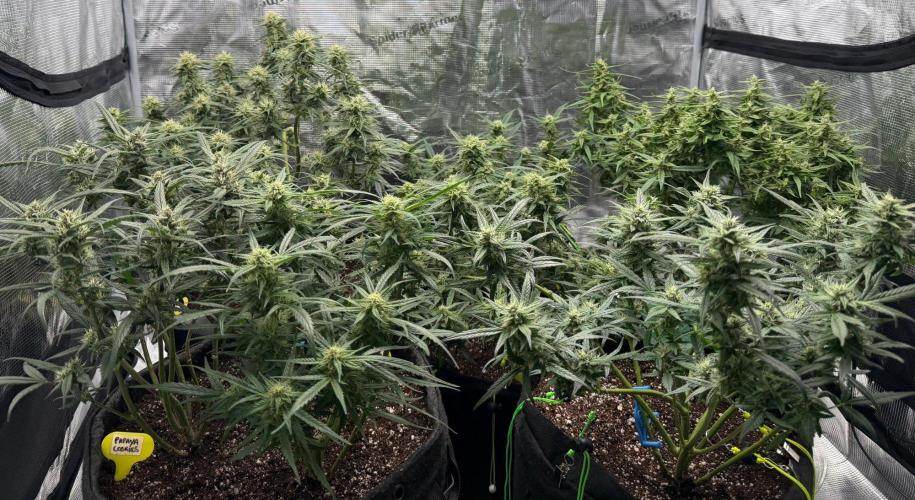
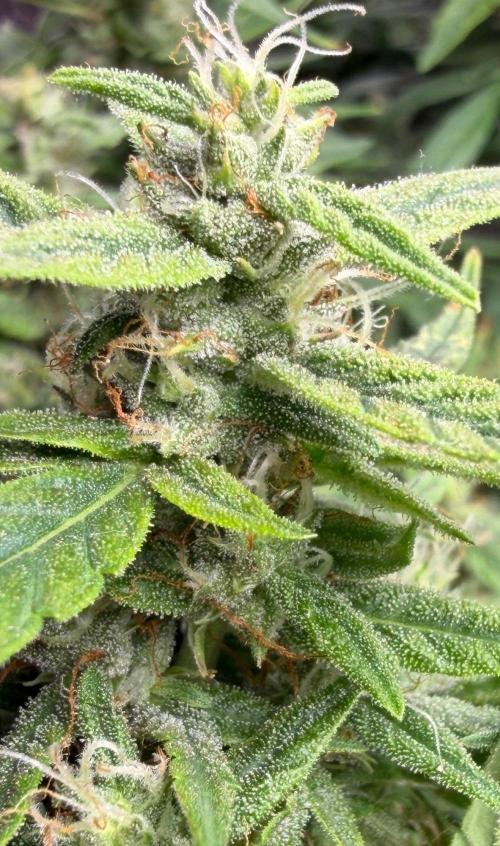
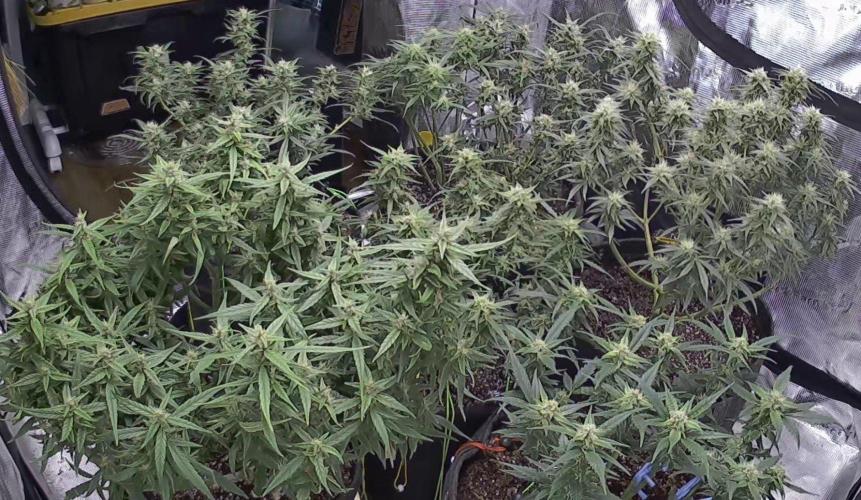
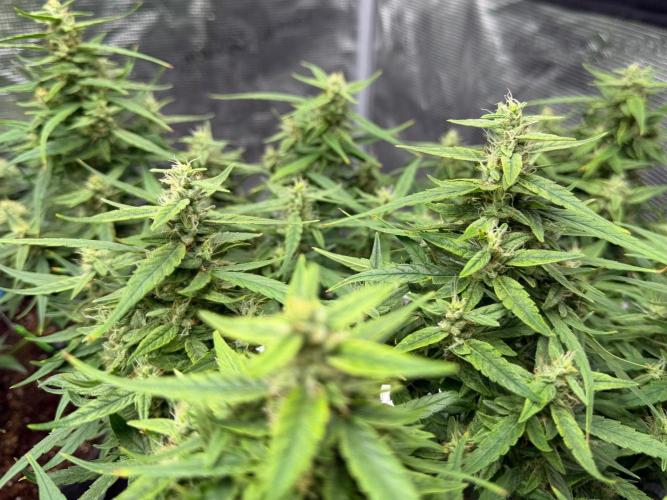
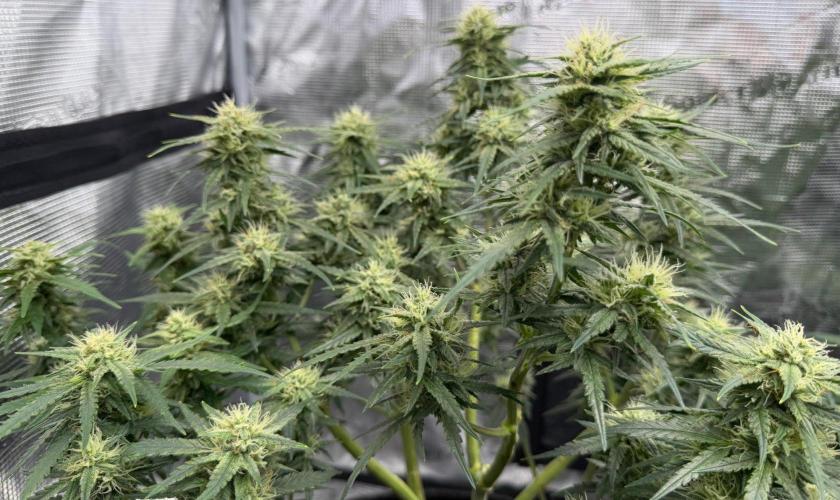
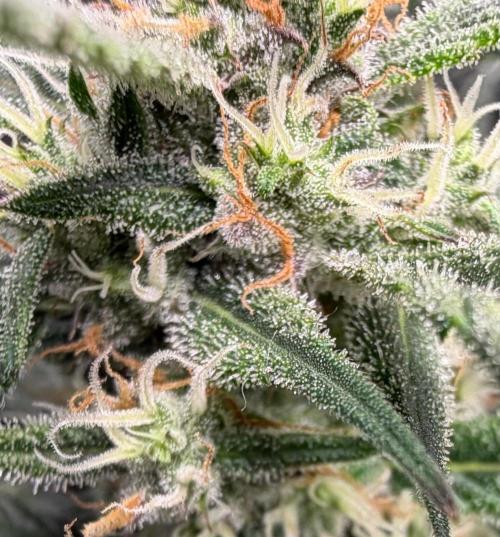
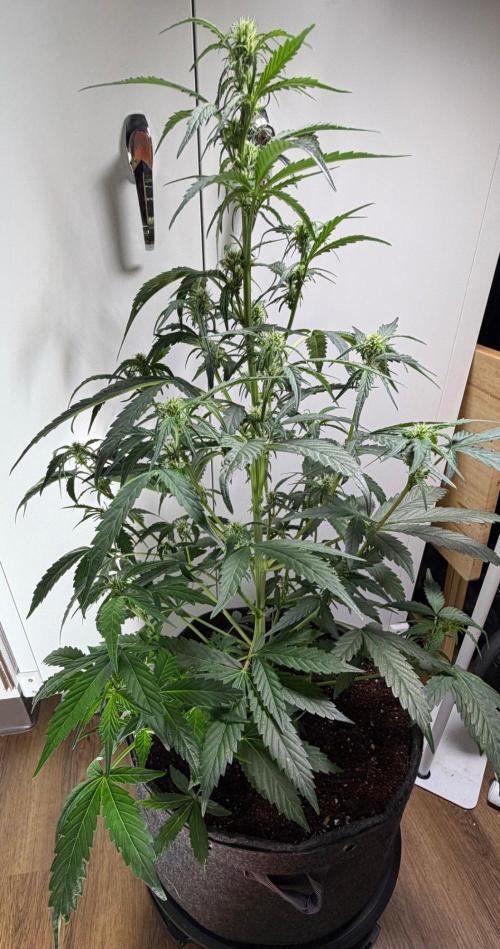
NJCastleHashiraFlame -First Entry-Great week. Plants are still healthy and green and slowly gathering trichomes. Pistils and trichomes still showing there is some time to mature. Stopped applying any further LST methods to all plants. Stems are hardening to a point that LST is no longer the least stressful. No defoliation or trimming. Left the plants alone to flower peacefully. Kept an eye on the temp and humidity, trying to get the tent colder and less humid. Aiming for low 70's temp and mid 50's humidity. I'm having trouble with a dehumidifier and the inline fan/exhaust combo, to keep the humidity down in the tent. I've had to open the tent and let fresh air come in from the house. All while my family is out of the house to mitigate stank problems and possible divorce. lol. Nah. But it stank. Man, humidity is clawing at me. It's gonna be alright.
-Second Entry- 9/10: I had to apply some LST trainers on several of the autos just to prevent mini-climates. The photos got so bushy and large that I had to defoliate lower entire branches. I did this over removing the larger fan leaves to try a different method of defoliation. I saw a grower explain his perspective on YouTube and he removed an entire branches rather than with prospective bud sights rather clipping a bunch of fan leaves. This blew my mind. Although it made total sense. I would usually remove large fan leaves that are blocking airflow or bud sights from light. Never bud sights. The bud sights get a lot of support from the fan leaves below them. A solar panel. If you remove it, you take away from the system. What if you remove the area that is not well lit and will not provide quality buds? It’s clearly taking energy and will not provide something fruitful later. Kind of taxing the system to live. Yes it has bud sights, although they won’t be what you want because of the lack of light and air flow. Is it worth it? Take off the entire branch. Redirect the plants energy to other bud sights. Let’s give it a try.
8 likes
comments
Share
Used techniques
LST
Technique
HST
Technique
Defoliation
Technique
9
Week 9. Flowering23d ago
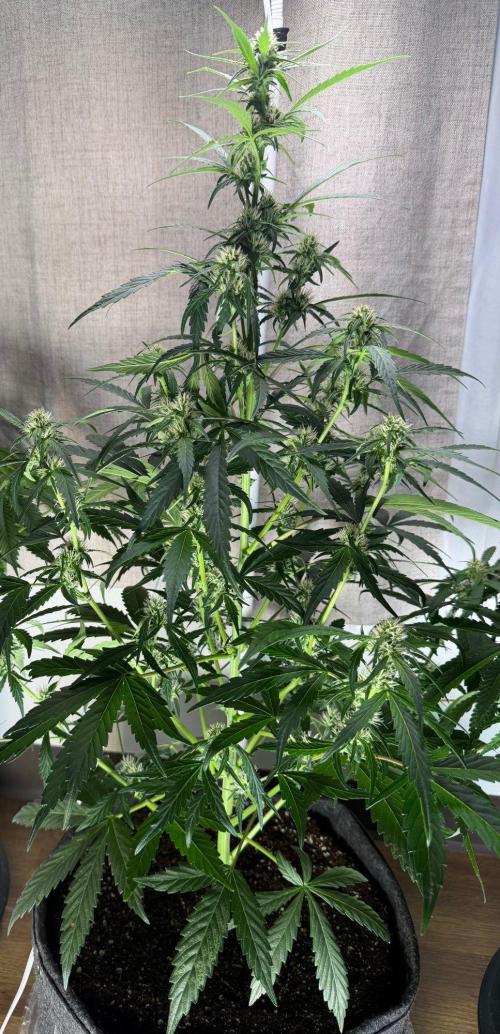
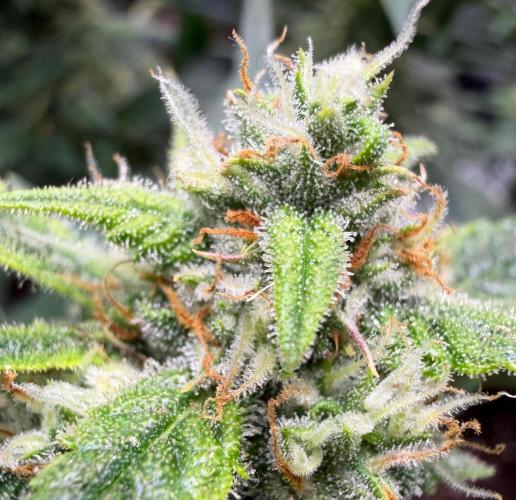
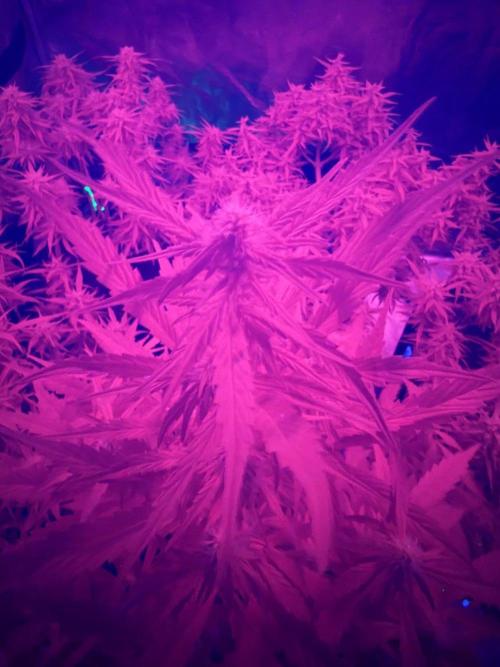
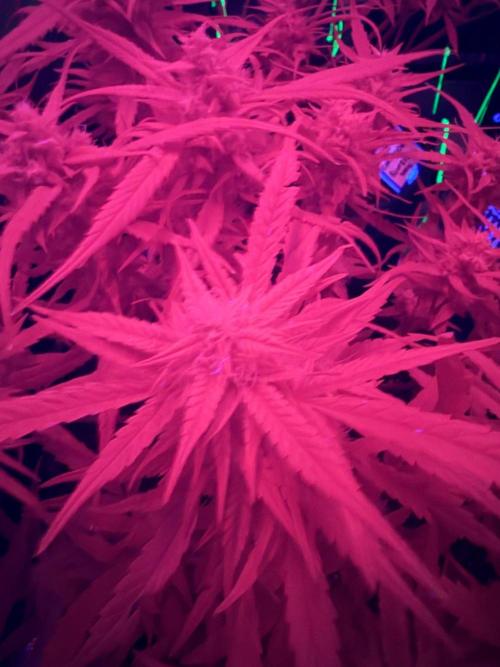
78.7 cm
Height
21 hrs
Light Schedule
25 °C
Day Air Temp
6.0
pH
Strong
Smell
55 %
Air Humidity
24 °C
Solution Temp
23 °C
Substrate Temp
22 °C
Night Air Temp
37.9 liters
Pot Size
5.7 liters
Watering Volume
71.1 cm
Lamp Distance
Nutrients 7
Glacial Rock Dust
1.3 mll
CalMag 2-0-0
1.1 mll
Cronk Micro
4 mll
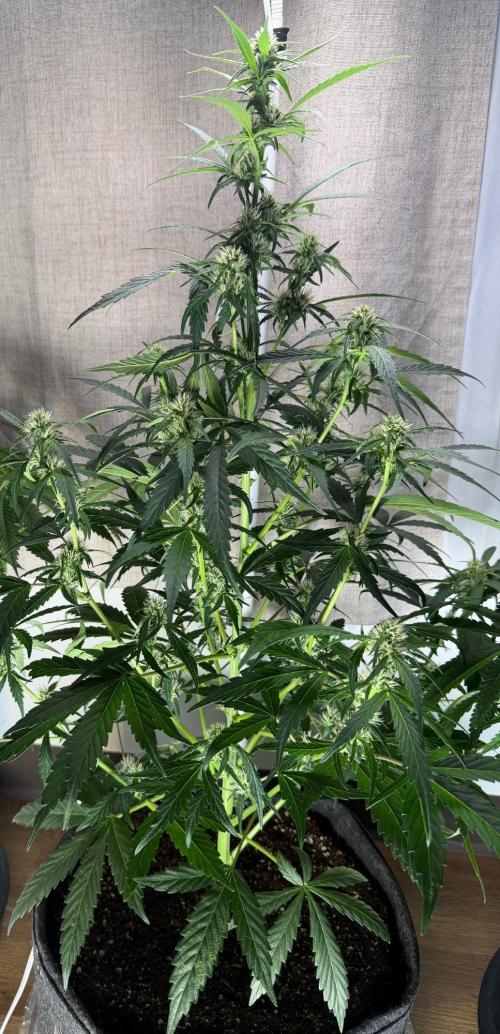
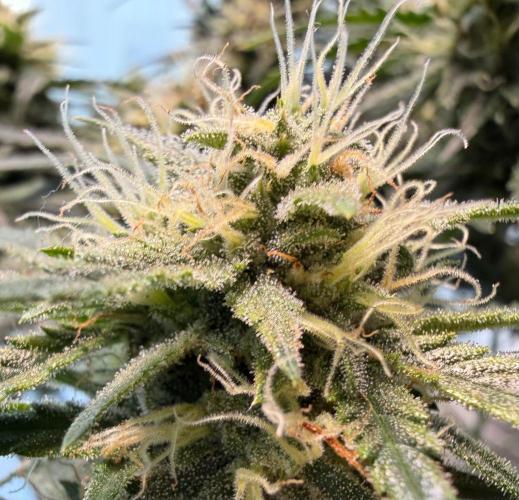
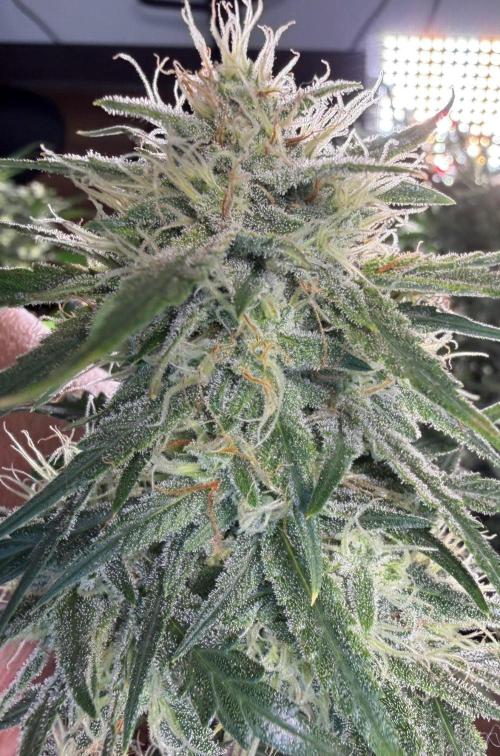
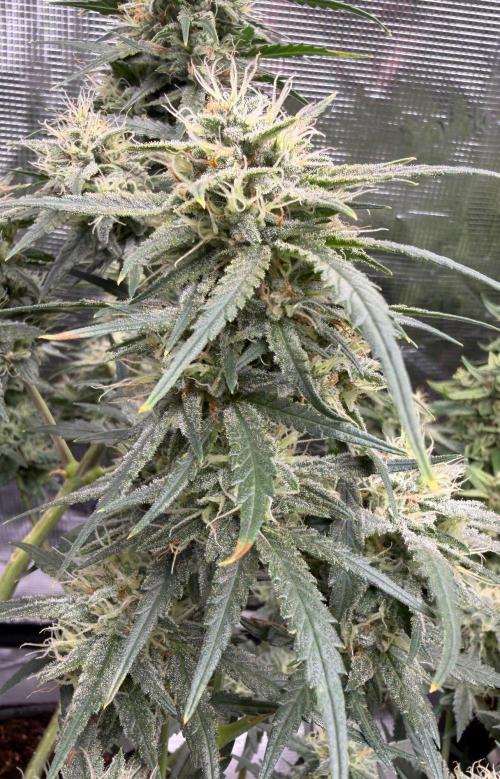
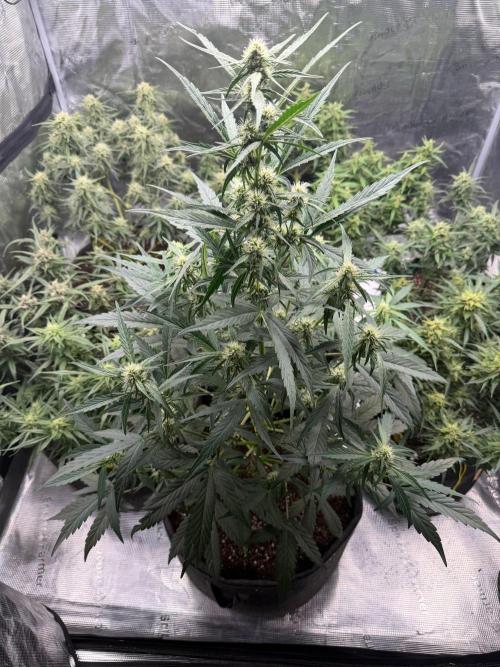
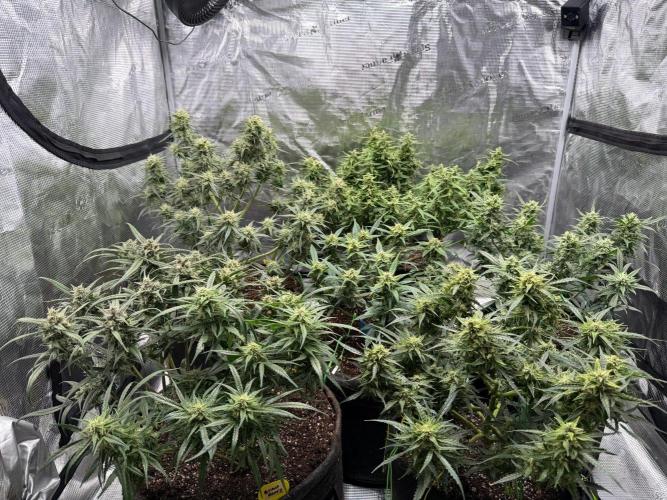
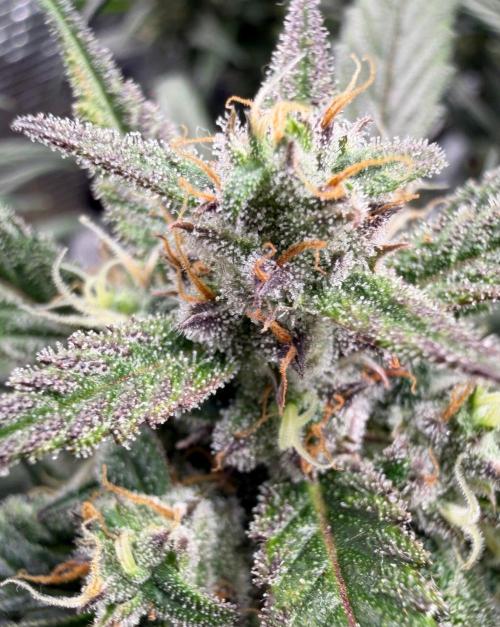
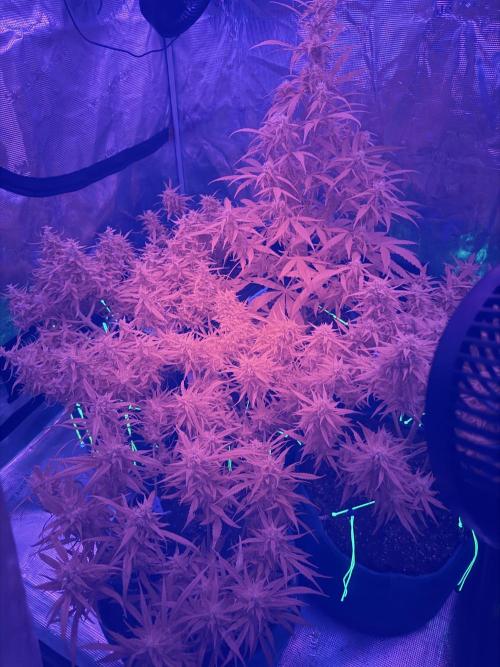
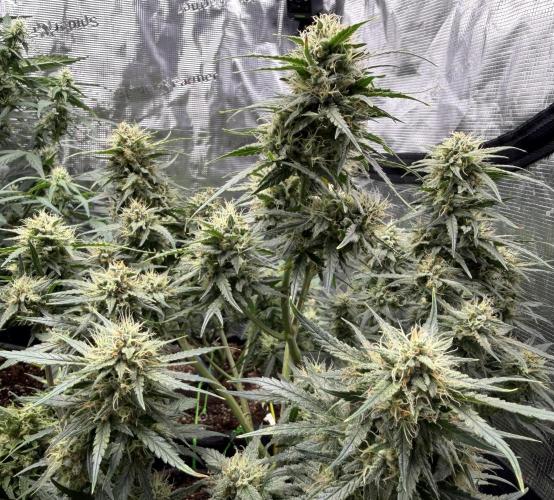
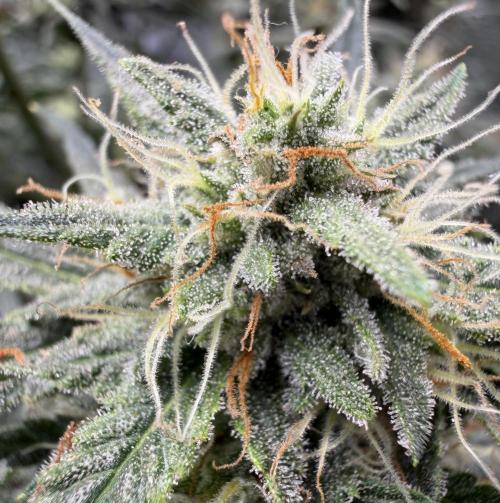
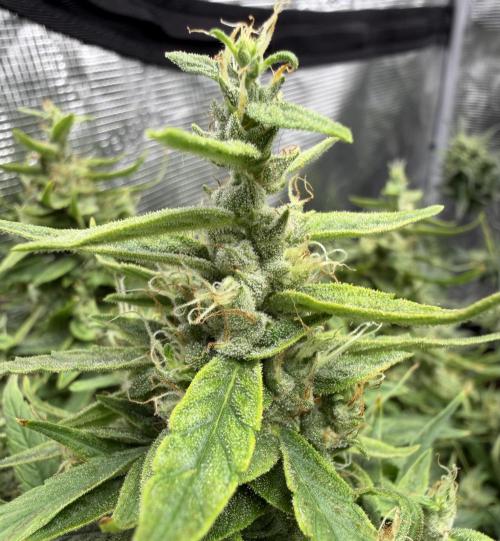
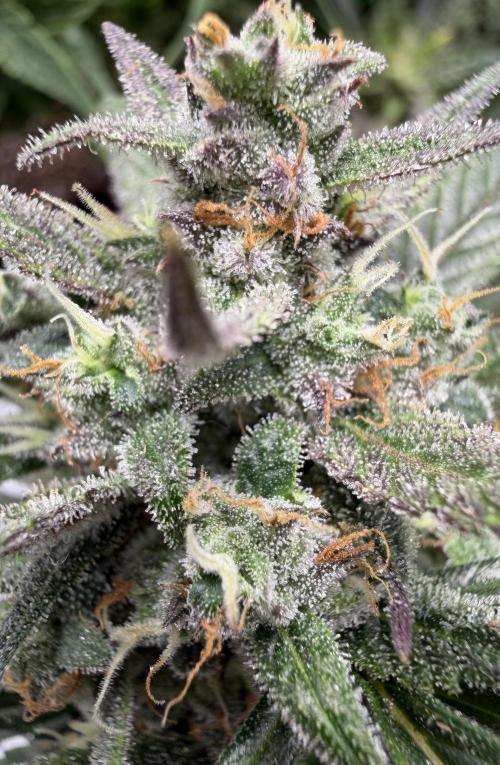
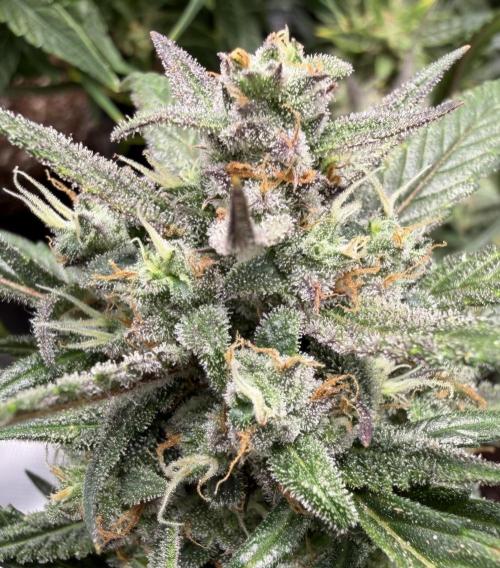
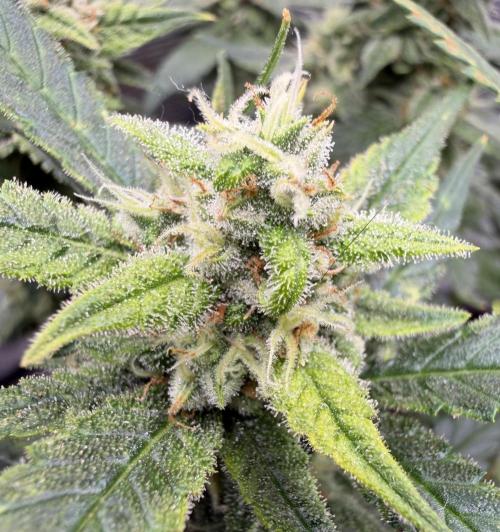
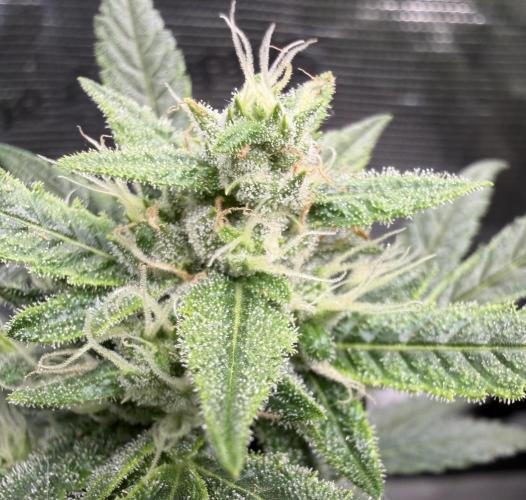
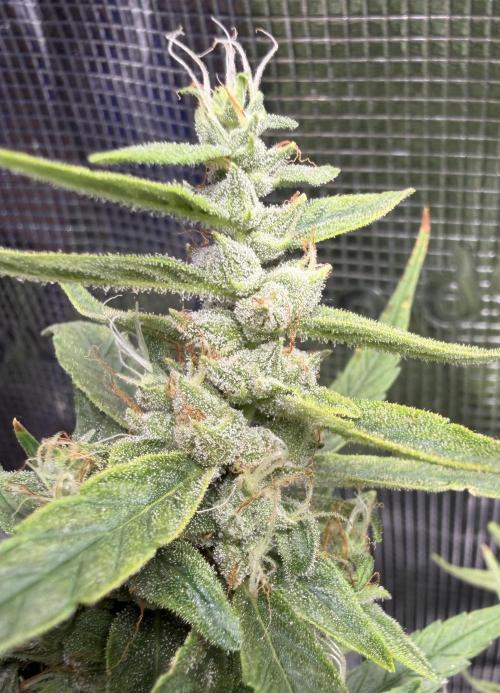
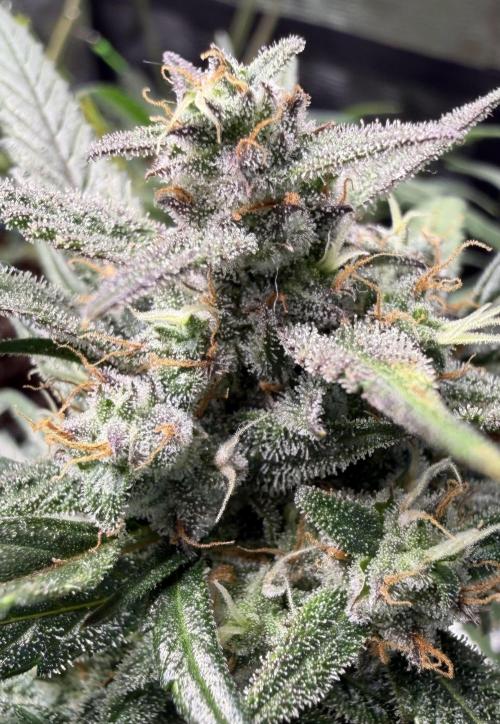
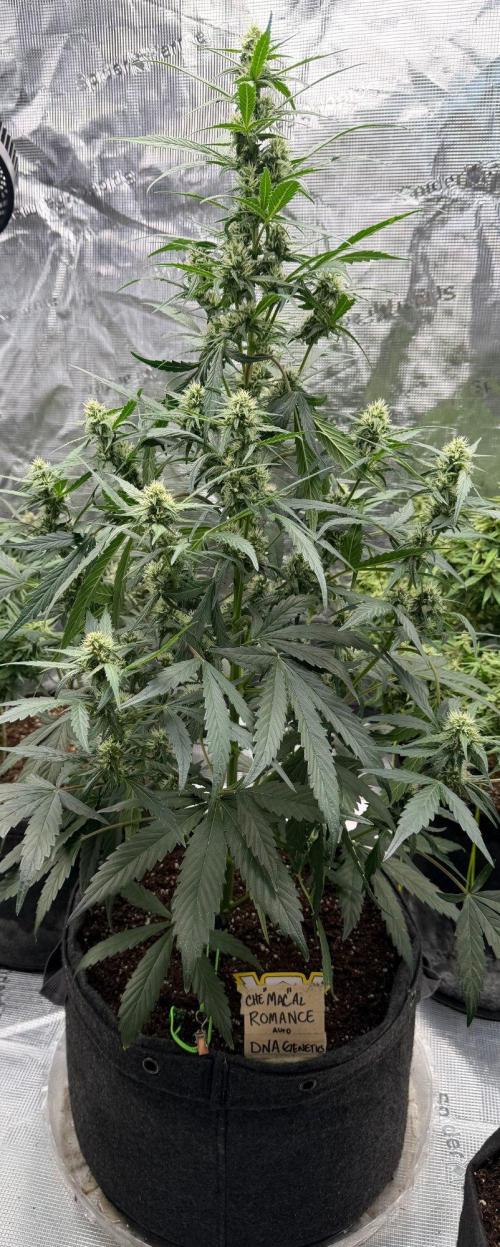
NJCastleHashiraFlame Plants are healthy and gathering trichomes more everyday. Buds are starting to get dense and add more weight. Plants have stopped growing and focused energy on fattening buds and adding frost. The switch to the "Big Bud" 5 part kit by Cronk has really helped the plants sprint through the finish line. The hard part, in my opinion. Getting the buds to fatten up and get stiff. Rock hard buds that look like sugar cookies. I'm going to push it one more week after this. The plants are not where i would like them to be, but they're healthy and I'm grateful. Trichome production has been slow but consistent. If that is a thing. The buds have been slow to add weight as well. Hopefully this week is productive with more UV time. The CheMACal Romance is 4 weeks behind all the others. But it is a monster in the tent at 31 inches. Shitload of budsights and distanced well apart from one another for great air flow. The structure is exactly what you want. It hasn't needed any LST or defoliation. DNA Genetics man. I can understand why their genetics are pricey. Extremely strong genes. You know those ones that you really don't have to do much with. Just feed and watch the crazy growth. Mahalo to all that pay it forward. Keep growing homies!
7 likes
comments
Share
Used techniques
LST
Technique
Defoliation
Technique
10
Week 10. Flowering18d ago
78.74 cm
Height
22 hrs
Light Schedule
24 °C
Day Air Temp
6.0
pH
Normal
Smell
58 %
Air Humidity
24 °C
Solution Temp
23 °C
Substrate Temp
21 °C
Night Air Temp
37.89 liters
Pot Size
5.72 liters
Watering Volume
66.04 cm
Lamp Distance
Nutrients 7
Glacial Rock Dust
1.3 mll
CalMag 2-0-0
1.099 mll
Cronk Micro
4 mll
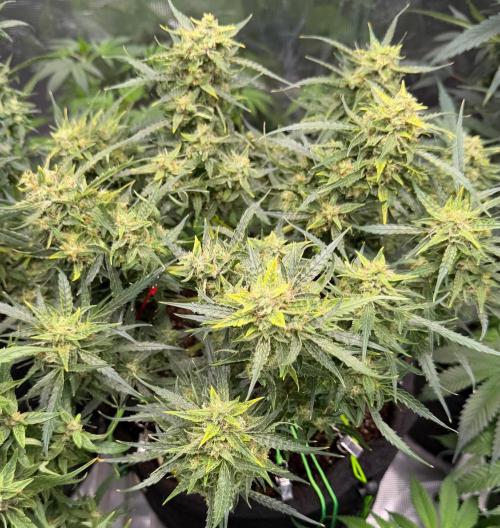
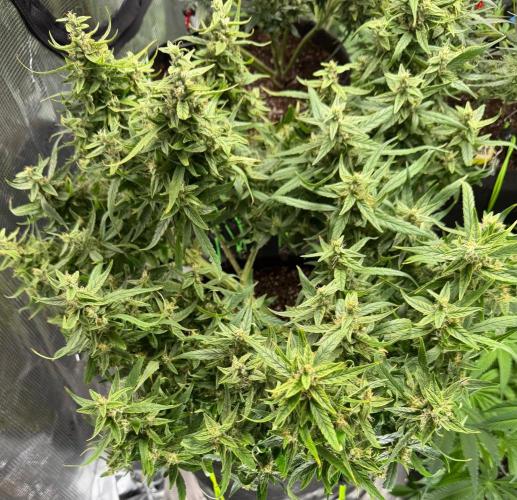
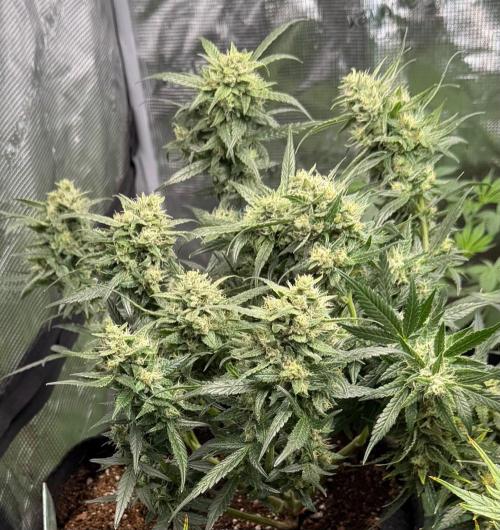
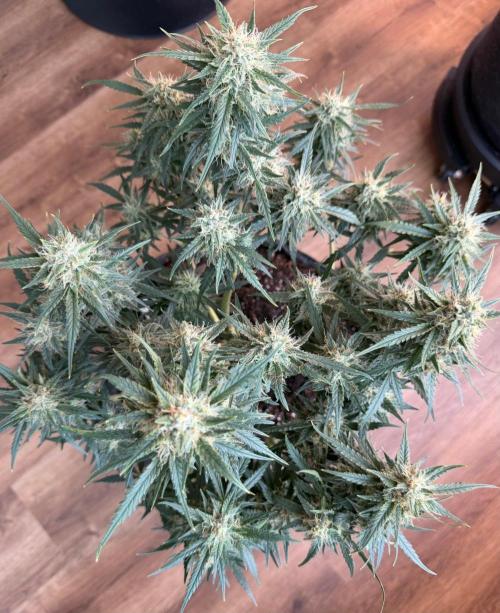
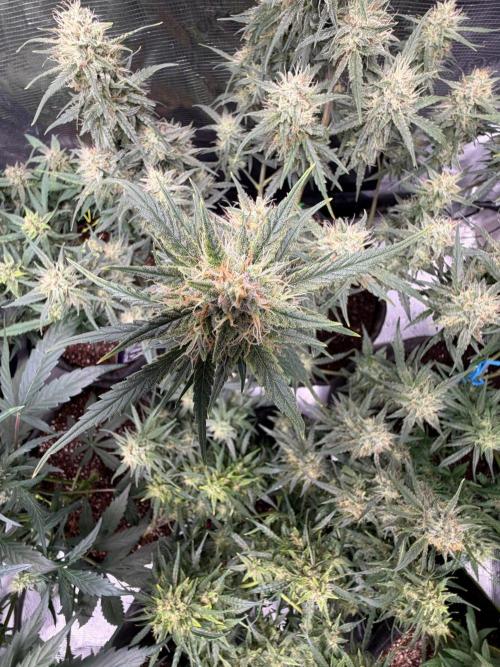
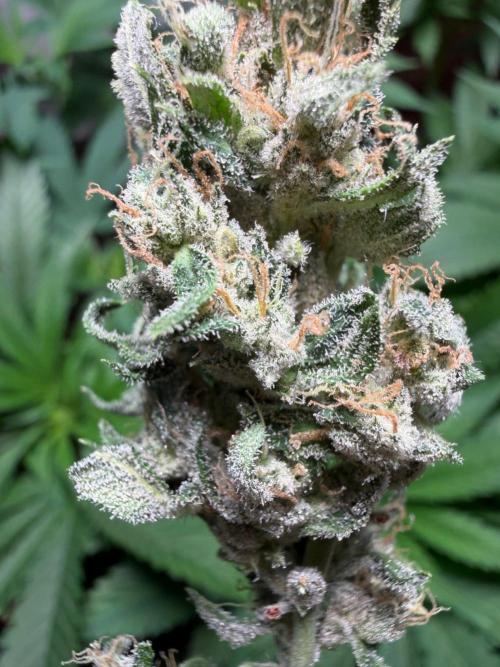
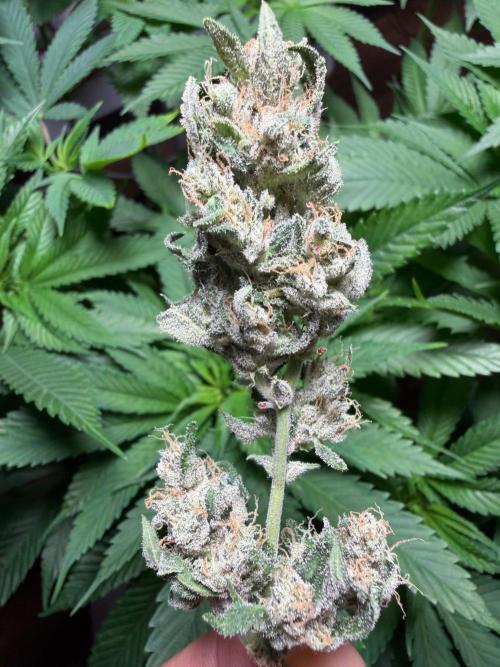
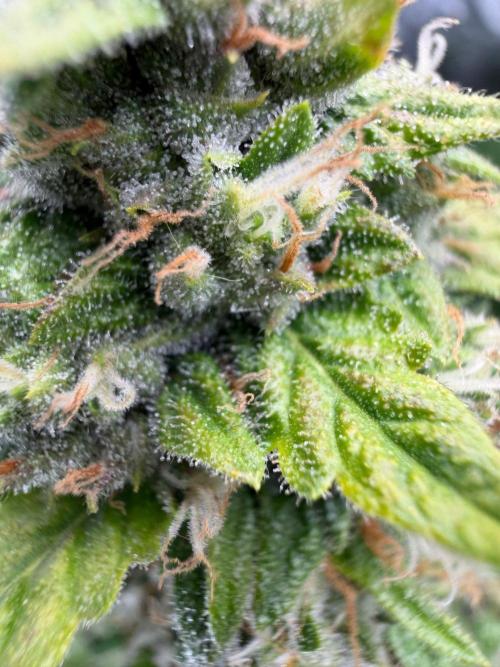
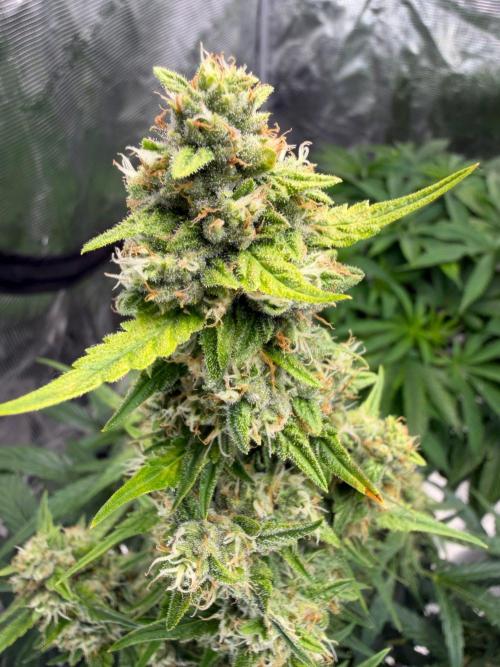
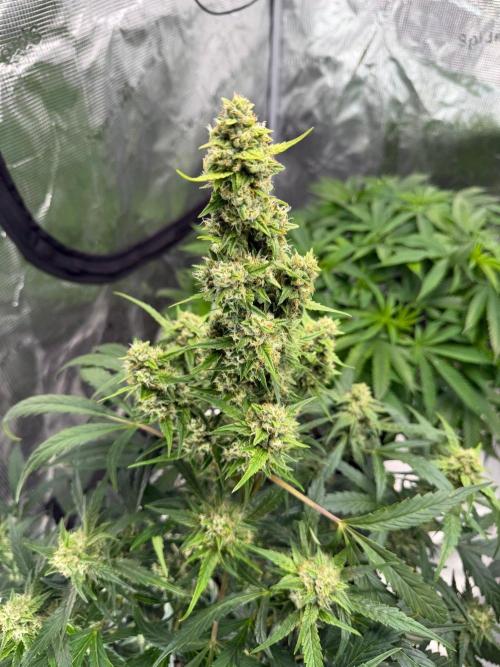
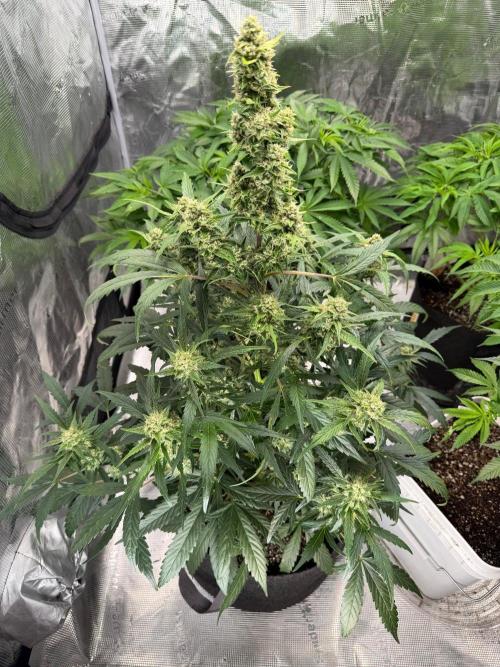
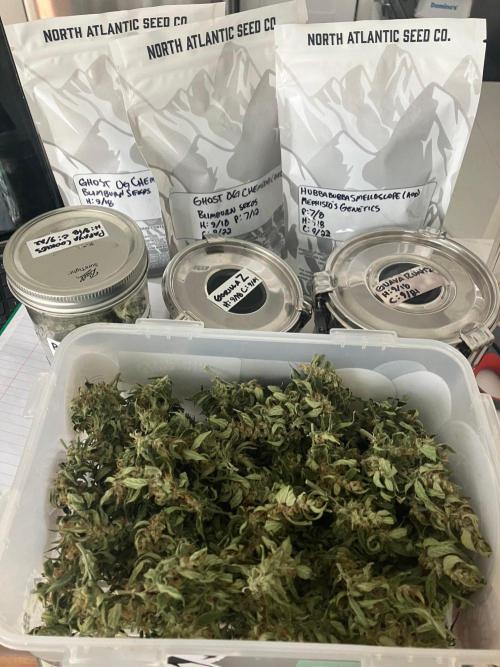
NJCastleHashiraFlame Week 10 is busy. Harvesting the HubbaBubbaSmelloScope, Ghost OG Chemdog, Guava Runtz, Strawberry Gorilla, Papaya Cookies, and Gorilla Z. The Rebel Haze #2 and DeadHead OG have one more week left. The CheMACal Romance has another 3 weeks. Residual harvest attempted. lol. I still have another Rebel Haze #1 in the tent along with OG Sour Durban both by Rebel Grown and a Tom Hill Haze and Hawaii OMG both by Masonic Seeds. These are all photoperiods and will veg out for another 3 weeks. Depending on how they're filling out, may flip to flower earlier than that. Still on Cronk Nutrients Big Bud 5-part kit. The flowering plants really responded well to the nutrient change. I noticed autos are so much more sensitive to nutrients in the seedling and veg stages. The Cronk autoflower line really did a great job with this usual issue in the beginning of the grow. The altered dosing for autoflowers prevented any crazy color shifts in the leaves during the veg state. I also noticed it affected growth strength and trichome production.. I'm excited to see the results soon. The Rebel Haze #2 is an anomoly. It started to flower at week 3 and it's a photo. It was in a tent with all autos and they somehow shamed it into converting into an auto. lol. I messed up and put it in the wrong tent for 3 days like a dumb wiener. But, it never stopped flowering. The plant is only 14 inches tall, although round as it is tall. Fat, stalky bud sights, like little Jaba the Hut's on a stick. The colors have shifted and I can see that the plant has re-directed it's energy in trichome production and foxtailing new pistils and adding bud density. How does one keep that density even after the chop? I understand that the plants must be dry in order to dry out. Does anyone have any watering techniques to make the plant maintain density after harvest? Anyway, I am grateful the plants are healthy and that we share this beautiful gift of life today. Mahalo for sharing your stories. Keep growing.
Second entry: 9/26, I have been busy harvesting the plants one by one. Chop, hang, dark, dry, cure. I was so excited and busy that I didn't even think of photo ops. So working backwards, although I am grateful for the harvests. So far I have taken down Strawberry Gorilla, Papaya Cookies, Gorilla Z, Guava Runtz, Ghost OG Chemdog, DeadHead OG, and Rebel Haze #2. I will provide some photos soon. I did upload some new recent photos of the beastly CheMACal Romance by DNA Genetics. The genetics are so darn strong. Really fun growing it. I did upload a couple photos of the harvested DeadHead OG by Willie's Remedy. It's smells like roadkill in a rubber fire. STANK!!! I'm stoked to smoke test all of them.
5 likes
comments
Share
Used techniques
LST
Technique
HST
Technique
10
Week 10. Harvest13d ago
Happy Harvest Day!


10/10
Rated
This was a great strain. Perfect structure for LST. No need to top or fim. Let it grow and it will get about 3ft tall. It will get as wide as it is tall. The structure provides great air flow and light coverage. This is one of those strains that the genetics alone will get you to harvest as long as you don’t feed it gasoline. Super strong cultivar. I’m harvesting now and getting the trees dried and cured. I’ll be posting the results soon. It’s been a fun experience and I would definitely grow again.
Show more
Translate
Spent 51 days
Ger Veg Flo Har
99.22 g
Bud dry weight per plant
1
Plants
0.41 m²
Grow Room size
Easy
Difficulty

Euphoric, Giggly, Happy
Positive effects

Stress, Anxiety, Depression
Medical effects

Earthy, Woody, Pine
Taste
Height
Day air temperature
Air humidity
PPM
PH
Light schedule
Solution temperature
Night air temperature
Substrate temperature
Pot size
Lamp distance
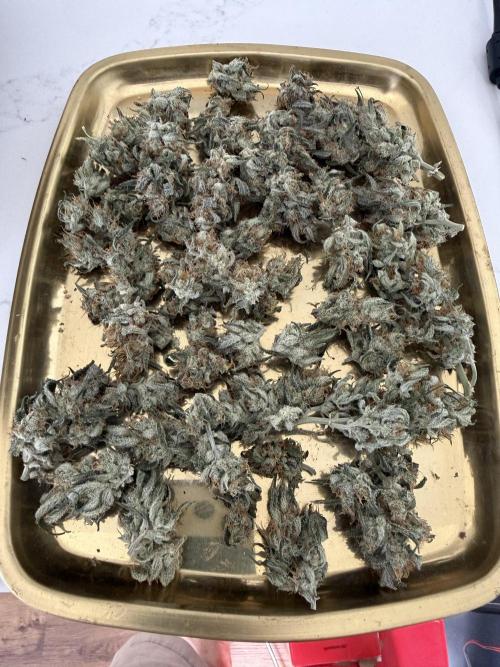
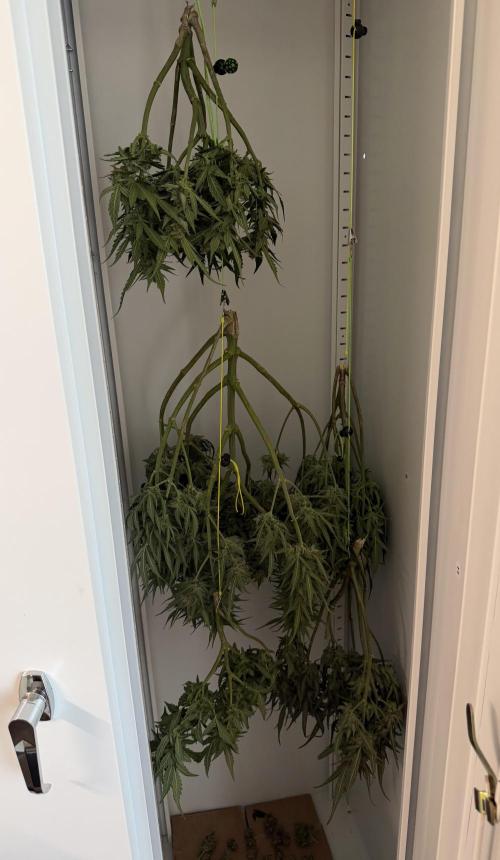
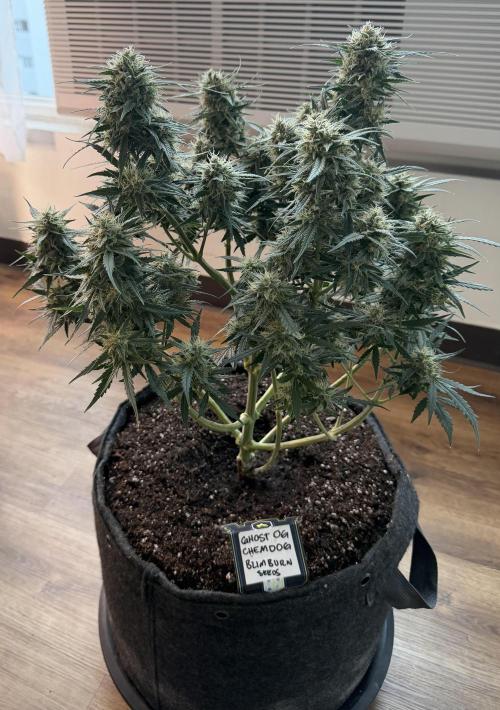
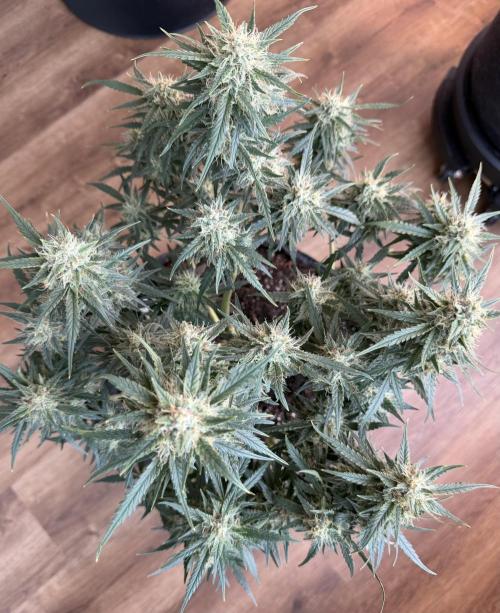
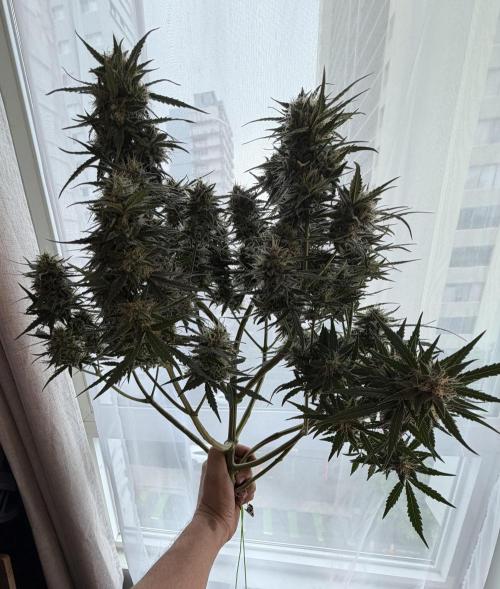
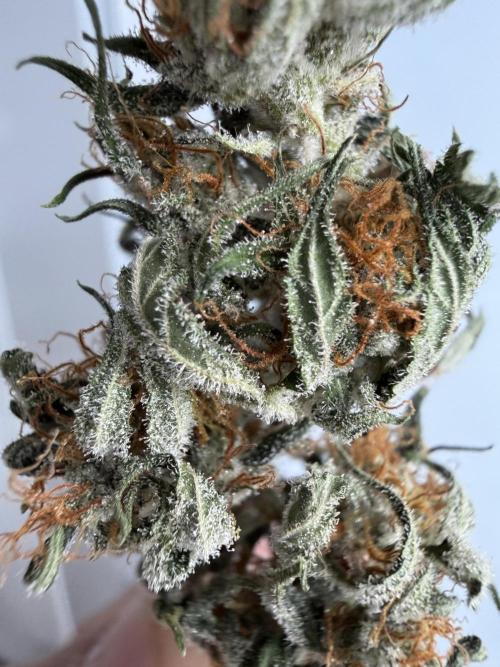
NJCastleHashiraFlame This has been a great experience. Blimburn is a reliable seed bank with quality genetics. The Ghost OG Chemdog is an autoflower and was one of the biggest plants in the tent. Great structure and resilience. Results are even better. Go get some Blimburn Seeds before the ban!!!
10 likes
4 comments
Share
Equipment Reviews




10
Week 10. Harvest13d ago
Happy Harvest Day!

10/10
Rated
Papaya Cookies is a strong plant. It was with 2 other autos in a single 10 gallon fabric pot. It was testing a theory which worked out well. All three phenos made it to harvest and all three’s terpene expression and colors came through strong. They didn’t yield much do to root space, but it was a fun experience. The colors of this beautiful flower are incredible. Purples, pinks, dark green, white, and nuclear green. Beautiful specimen. The taste and aroma are exciting. The papaya sour funk with cookie nuttyness. I like it. But this flower’s main talent is trichome production. This was one of the frostiest plants in the garden. Considering the terpene profile and trichome mass, I would feel comfortable to say that this thing “DUMPS!” FastBuds42 thank you!!!
Show more
Translate
Spent 51 days
Ger Veg Flo Har
56.7 g
Bud dry weight per plant
1
Plants
0.41 m²
Grow Room size
Easy
Difficulty

Creative, Giggly, Uplifted
Positive effects

Pain, Anxiety, Depression
Medical effects

Nutty, Tropical, Herbs
Taste
Height
Day air temperature
Air humidity
PPM
PH
Light schedule
Solution temperature
Night air temperature
Substrate temperature
Pot size
Lamp distance
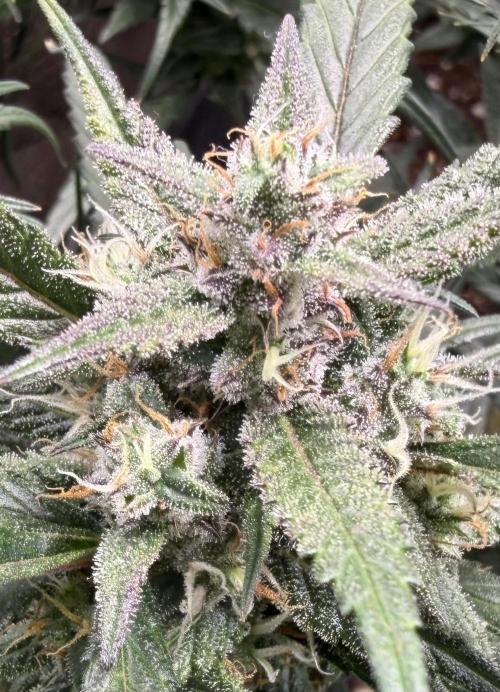
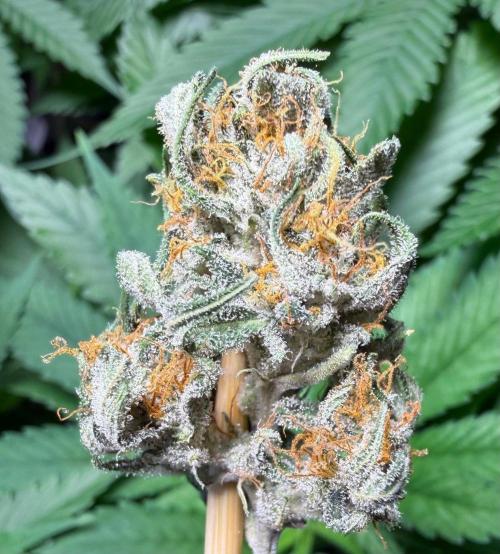
NJCastleHashiraFlame Great experience. I would grow this strain again in its own pot with no LST or defoliation. My tinkering screwed up the yield. Although due to its terpenes and effects, I will definitely grow this again.
6 likes
comments
Share
Equipment Reviews
10
Week 10. Harvest13d ago
Happy Harvest Day!

9/10
Rated
I need to give Guava Runtz another try. It didn't get the full space it needed to fulfill its complete potential. This flower has unique terpene profile and you keep going back for more. Tropical Sour Pucker Fruit. You salivate while inhaling. lol. Really really good terpene mix. I am definitely going to grow this again in a bigger pot by itself. Its aroma and taste are worth a run in some ice hash buckets. Thanks FastBuds!
Show more
Translate
Spent 51 days
Ger Veg Flo Har
56.7 g
Bud wet weight per plant
1
Plants
10.16 m²
Grow Room size
Easy
Difficulty
Height
Day air temperature
Air humidity
PPM
PH
Light schedule
Solution temperature
Night air temperature
Substrate temperature
Pot size
Lamp distance
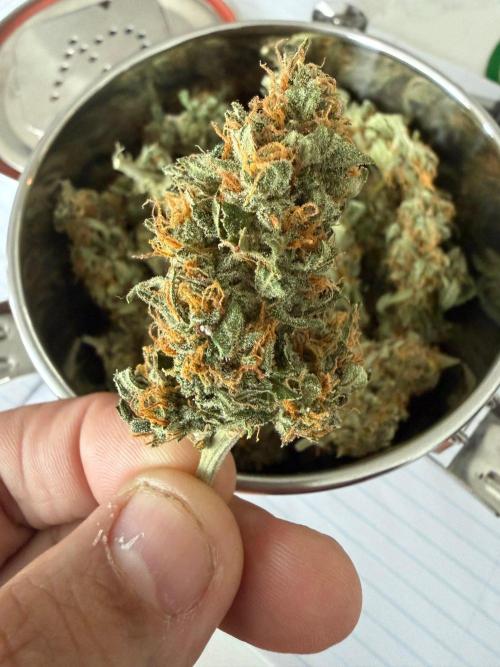
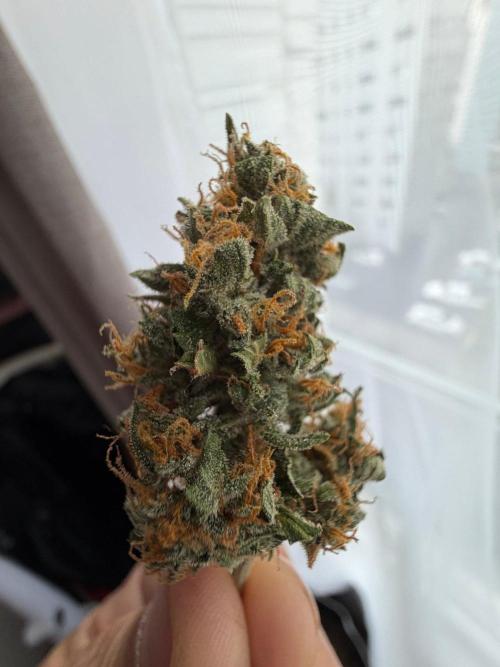
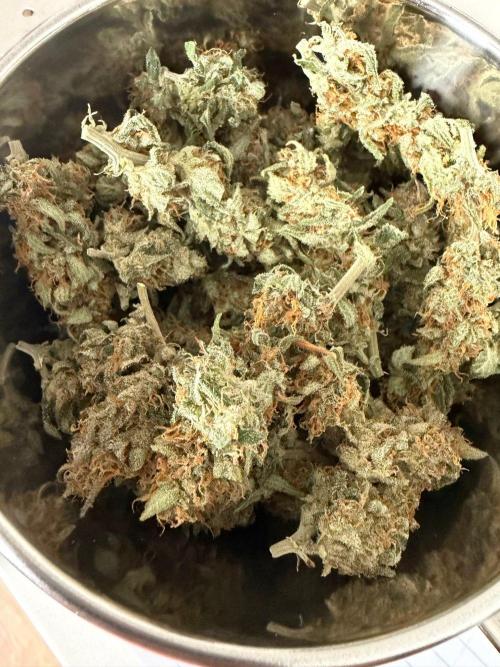
NJCastleHashiraFlame Guava Runtz didn't get a fair shot in the tent so it will be back soon. I'm telling you, the terpenes on this are mouth watering. If you're into stuff like that, dis dat. Even thought the yield was stunted, the strains uniqueness expressed itself heavily. This could be a dumper next time around. I'll have the ice ready. Keep Growing!!!!!!
8 likes
comments
Share
Equipment Reviews
10
Week 10. Harvest12d ago
Happy Harvest Day!
9/10
Rated
Gorilla Z was another strain that was in a 10 gallon pot with 2 other strains testing a theory. It was a lot of fun to watch. Gorilla Z is a strong cultivar that didn’t slow down during growth. It just didn’t have the root space to get massive. It provided almost 2 ounces when dried and is very potent. The aroma is an earthy fruit. Same in the taste. The effects were heavier than the rest. Eye lids heavy and shoulders rested and relaxed. Back pain is gone and anxiety is disappeared. No energy or creativity induced, but still feel great with no worries or anxiety. This is great for evening use for me. GorillaZ didn’t get a fair shot this run and I may grow it again in the future for pain management. FastBuds is the real deal. I’ve grown 4 of their strains and the genetics are top tier. Resilience, vigor, and potency. I haven’t quite captured the protocol for charming the Auto’s to yield massively. I noticed in my tent that anytime I train or defoliate the Autos, growing slows down. Time is not on your side with Autos and if growth slows down, it shows in the end with usually smaller yield. LST trainers or straps with hooks and the bud clips are useful. But any aggressive training set me back. That’s just my opinion. I’ve seen folks do it all and get staggering results from Autos. I’m not there yet, lol. Keep growing!
Show more
Translate
Spent 51 days
Ger Veg Flo Har
56.7 g
Bud dry weight per plant
1
Plants
0.41 m²
Grow Room size
Easy
Difficulty
Euphoric, Relaxed, Sleepy
Positive effects
Stress, Pain, Anxiety
Medical effects
Earthy, Fruity, Herbs
Taste
Height
Day air temperature
Air humidity
PPM
PH
Light schedule
Solution temperature
Night air temperature
Substrate temperature
Pot size
Lamp distance
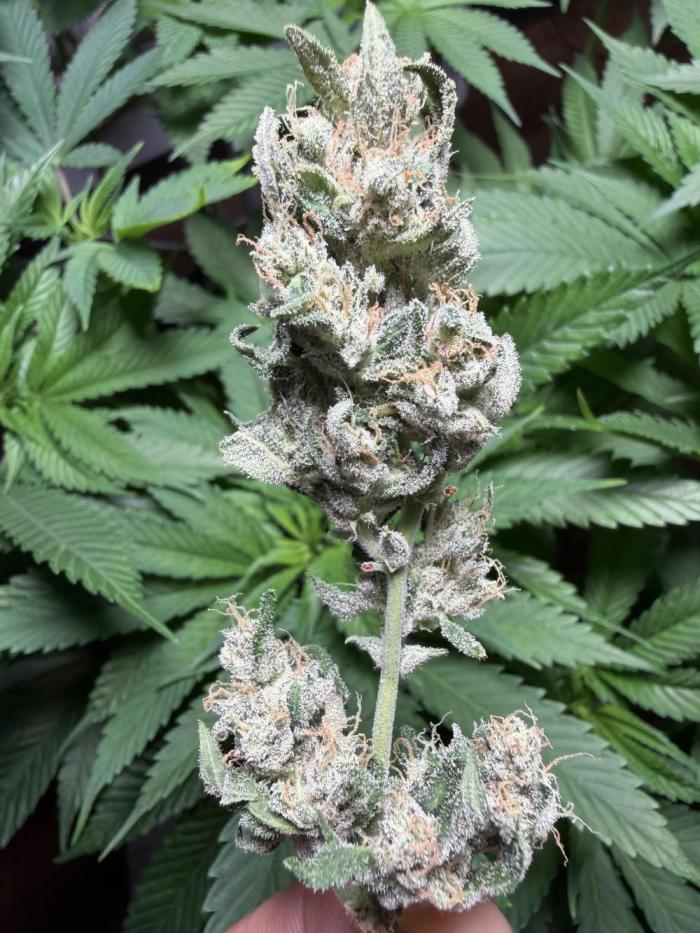
NJCastleHashiraFlame Gorilla Z is a strong cultivar with great resilience. Evening smoke great for stress and pain.
5 likes
comments
Share
Equipment Reviews
10
Week 10. Harvest12d ago
Happy Harvest Day!

10/10
Rated
HBSS grew so vigorously. It looked like an angry kraken. This was the weirdest strain I’ve ever grown. The leaf texture was like shark skin and there growth pattern was abstract like a Jackson Pollock painting. Actually there was no growth “pattern.” Leaves and branches shooting everywhere. It was a jungle. Constant defoliation and LST. It was strong enough to push through the constant defoliation. This was a lot of fun. The hard work paid off because the terpene profile is amazing. The taste is nostalgic. Bubblegum and lavender. And copper pennies. The effects are the highlight for me. Super happy and upbeat with a smile as soon as I exhaled. Ready to go clean whatever. I would definitely grow this strain again and put it in a larger pot. It was in a 5 gal. Gonna need a 10 gallon. Keep growing!
Show more
Translate
Spent 51 days
Ger Veg Flo Har
85.05 g
Bud dry weight per plant
1
Plants
0.41 m²
Grow Room size
Hard
Difficulty

Energetic, Giggly, Happy
Positive effects
Stress, Anxiety, Depression
Medical effects

Berries, Flowery, Fruity
Taste
Height
Day air temperature
Air humidity
PPM
PH
Light schedule
Solution temperature
Night air temperature
Substrate temperature
Pot size
Lamp distance
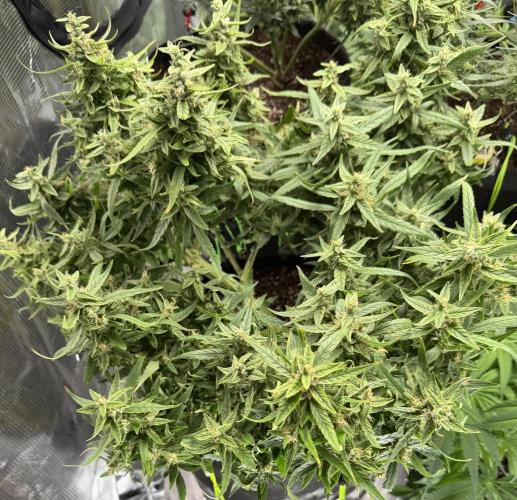
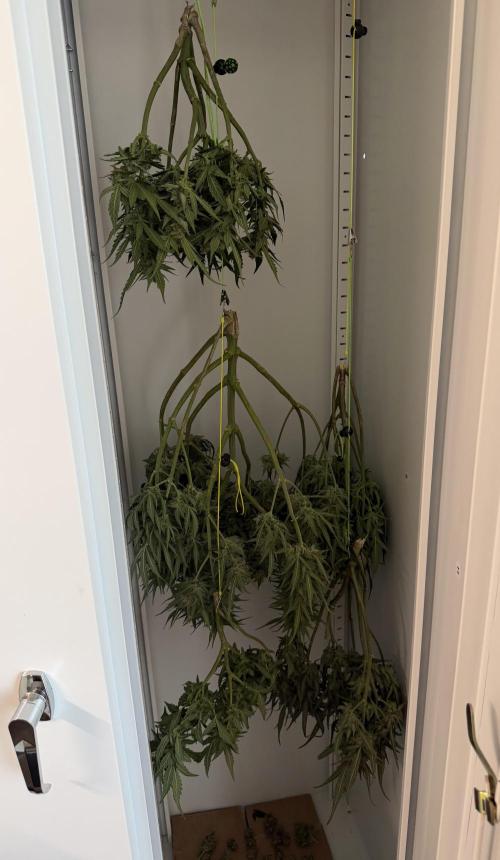
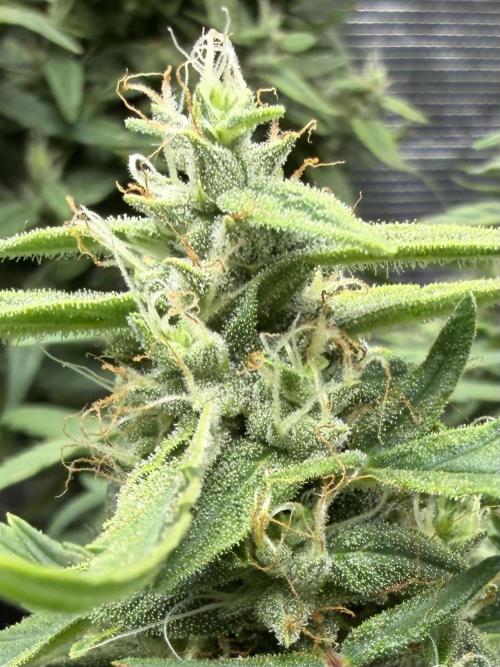
NJCastleHashiraFlame The HBSS hasn’t cured yet, but as soon as it does, I will be sure to upload some pictures. Go get some Mephisto’s Genetics! Fail proof!
6 likes
comments
Share
Equipment Reviews
10
Week 10. Harvest11d ago
Happy Harvest Day!
9/10
Rated
The Strawberry Gorilla was another strain that was in a 10 gallon pot with two other strains. It had to fight for root space and didn't yield much.
I feel the terpene profile was muted due to the stress for root space. This won't be an accurate review of this awesome strain. I've read so much about it and watched tons of videos on the results and they are always great. Large yield, strong terps, strong aroma. Next time, it's getting its own pot. The smoke was enjoyable. Stress alleviation, relaxed shoulders and back, no negative thoughts and no pain. Definitely an evening strain.
Show more
Translate
Spent 51 days
Ger Veg Flo Har
1
Plants
10.16 m²
Grow Room size
Normal
Difficulty
Height
Day air temperature
Air humidity
PPM
PH
Light schedule
Solution temperature
Night air temperature
Substrate temperature
Pot size
Lamp distance
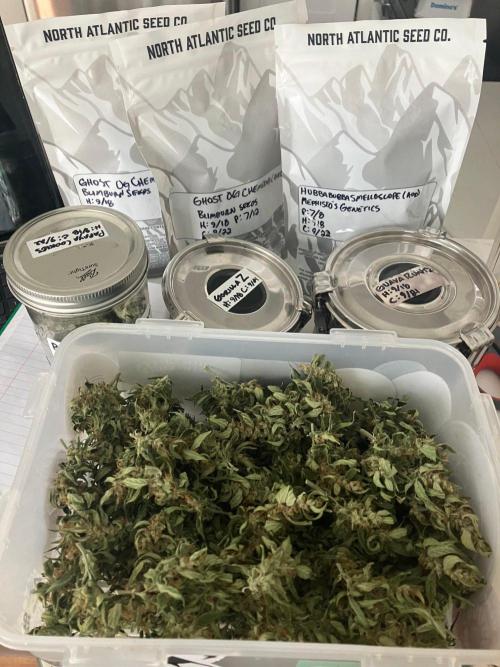
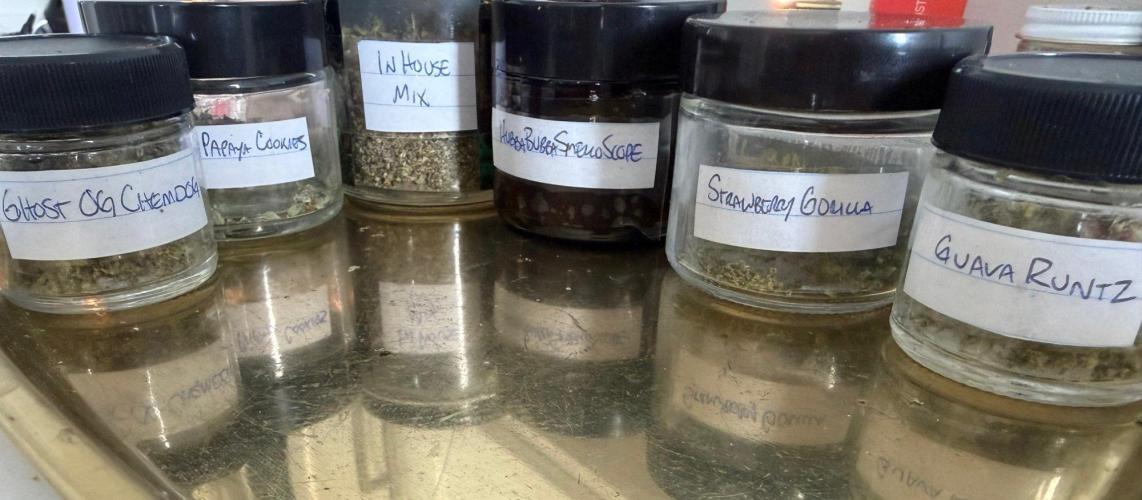
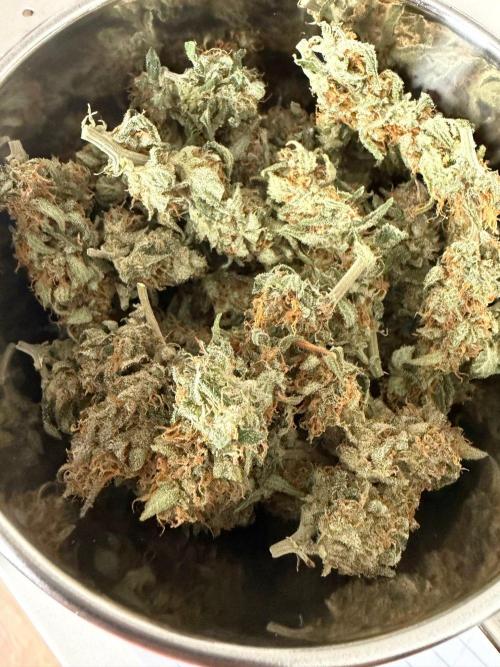
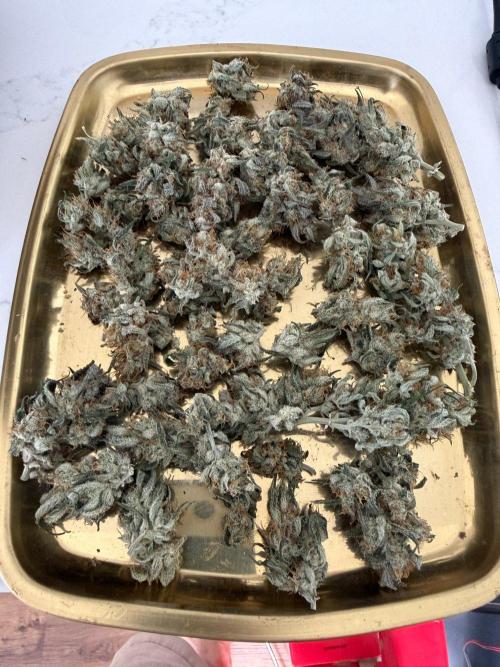
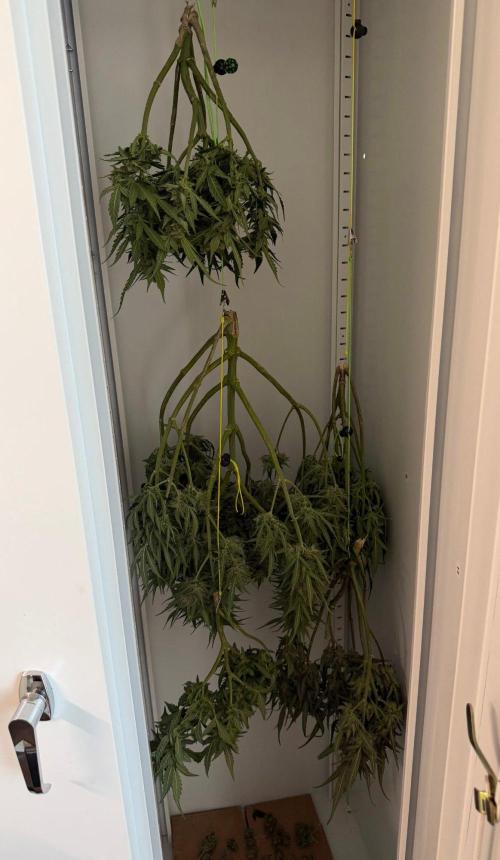
NJCastleHashiraFlame This won't be an accurate review of the Strawberry Gorilla. Next time, it gets its own 7 gallon pot.
5 likes
comments
Share
Equipment Reviews
10
Week 10. Harvest10d ago
Happy Harvest Day!

10/10
Rated
I have a lot of admiration and respect for what Dan Pomeranz and his team does at Rebel Grown. His story is awesome and he is a genuine ganja farmer of the highest caliber. I grew two of the Rebel Haze. One is still in the tent flowering. This one got mixed up in the wrong tent and got autoflower type light schedule. Well, it started to flower along with the other autos in the tent. Amazing. So it flowered prematurely although it finished really solid. It didn't get big at all for a sativa strain, but it stacked bud sights like jabba the hutt. Fat, double chinned, stank buds. The buds are still curing. Smoke report coming soon.
Show more
Translate
Spent 51 days
Ger Veg Flo Har
1
Plants
10.16 m²
Grow Room size
Easy
Difficulty
Height
Day air temperature
Air humidity
PPM
PH
Light schedule
Solution temperature
Night air temperature
Substrate temperature
Pot size
Lamp distance
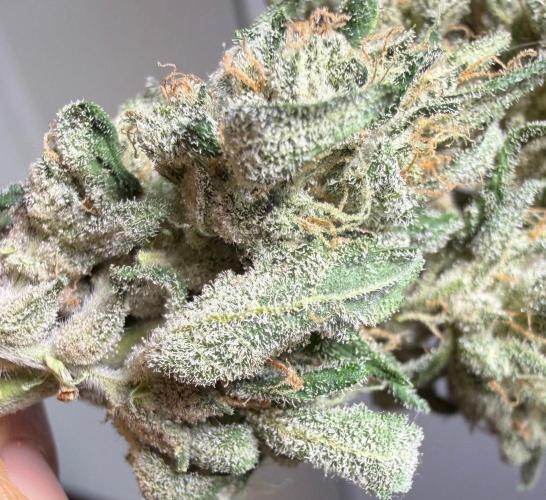
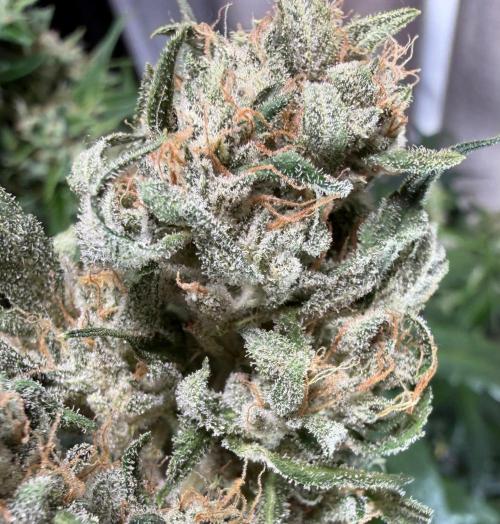
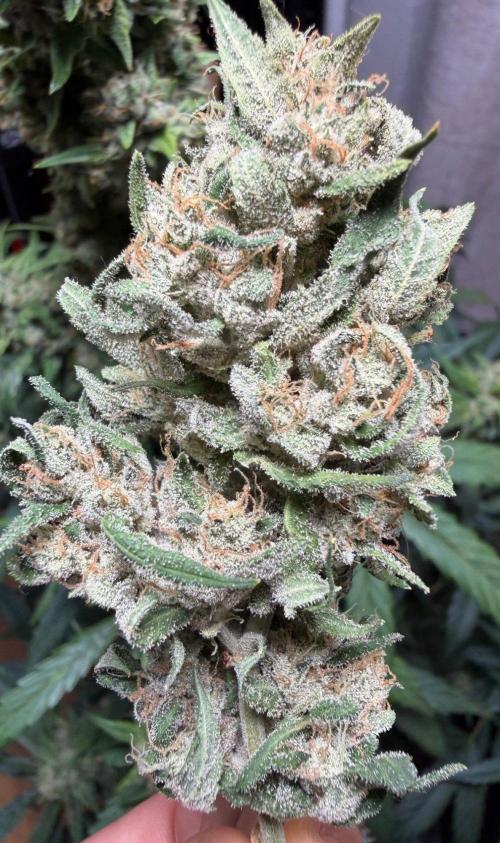
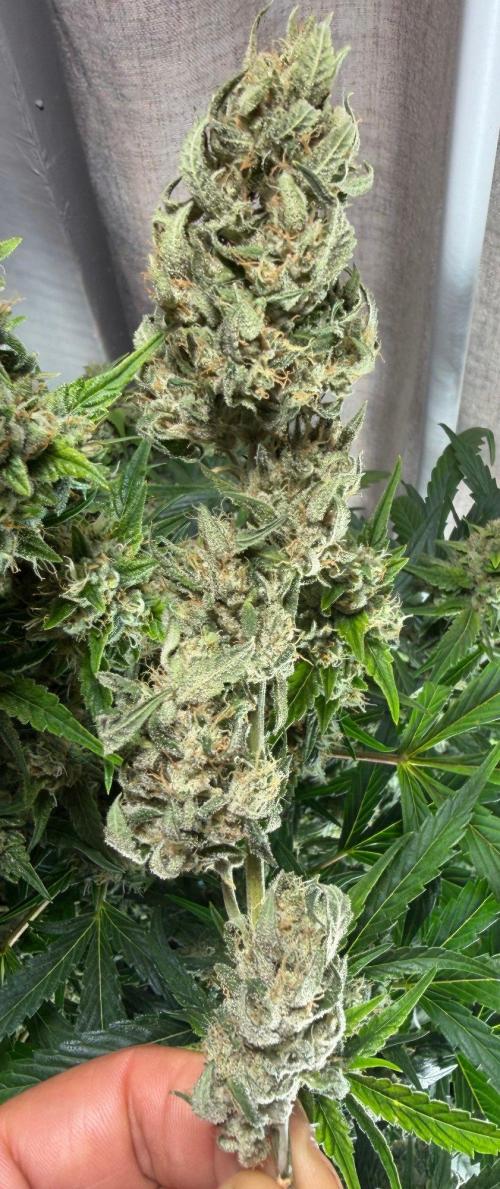
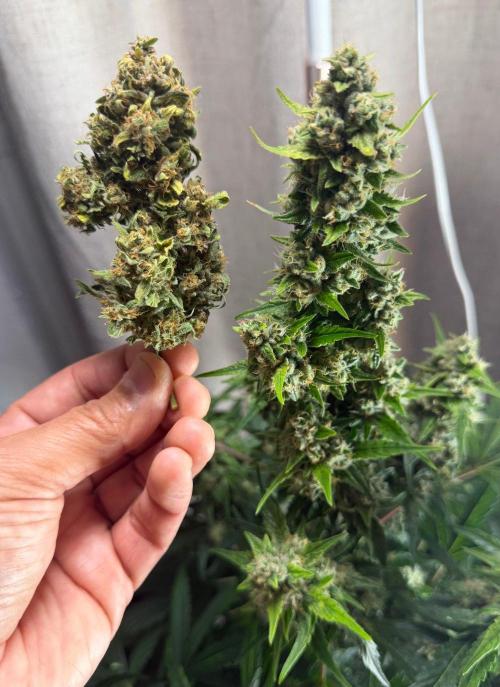
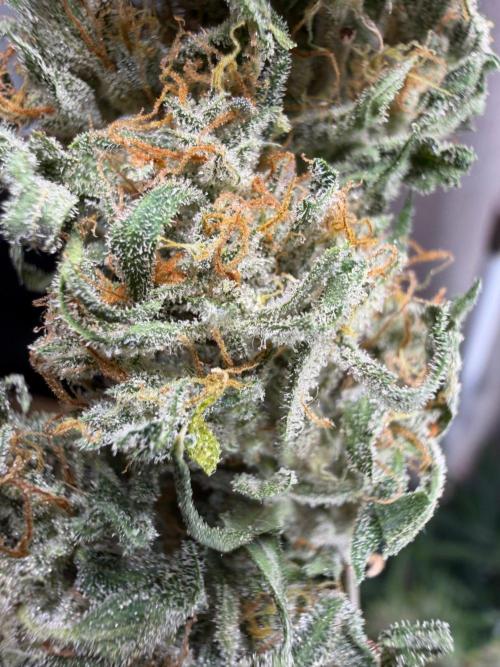
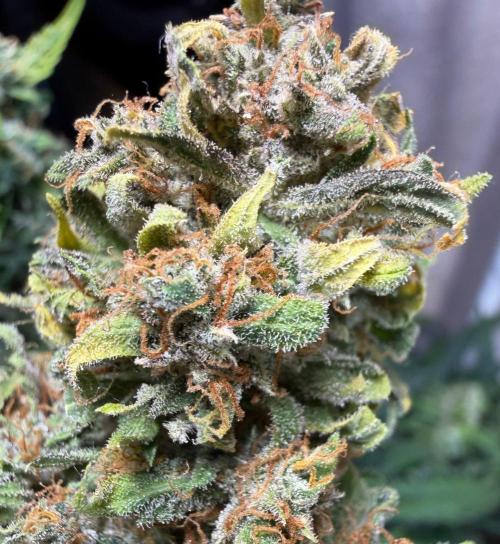
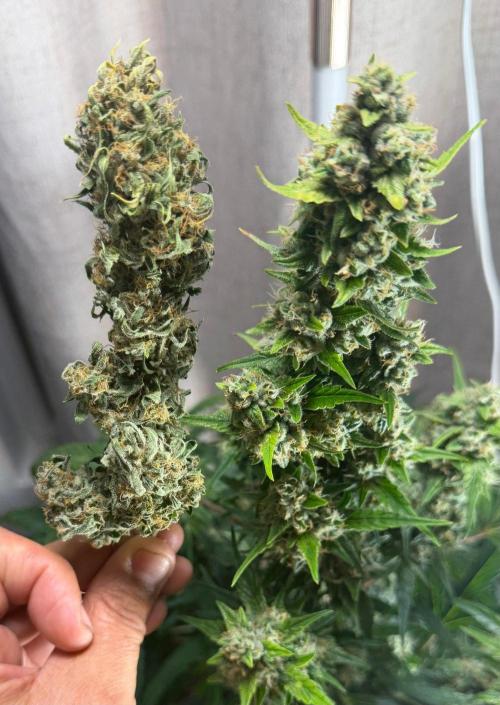
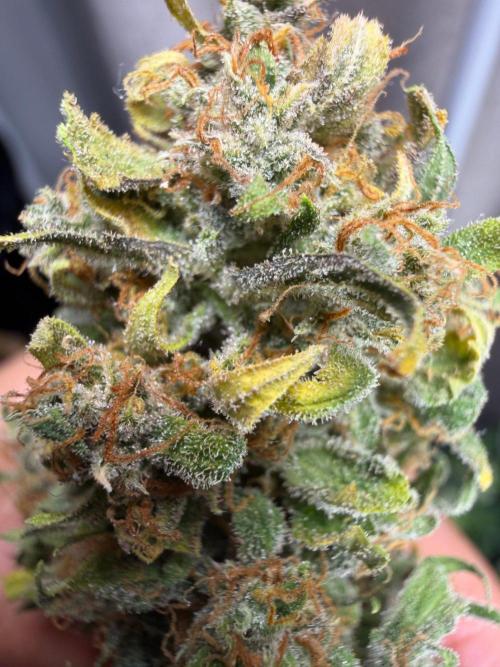
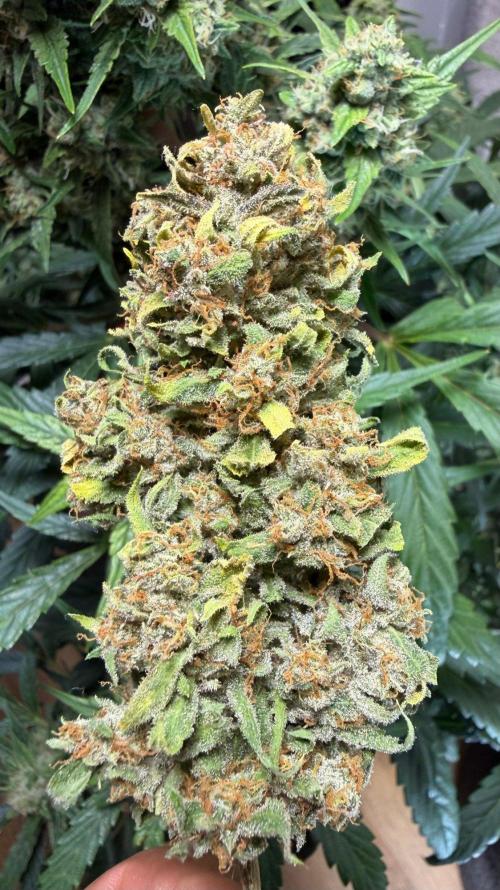
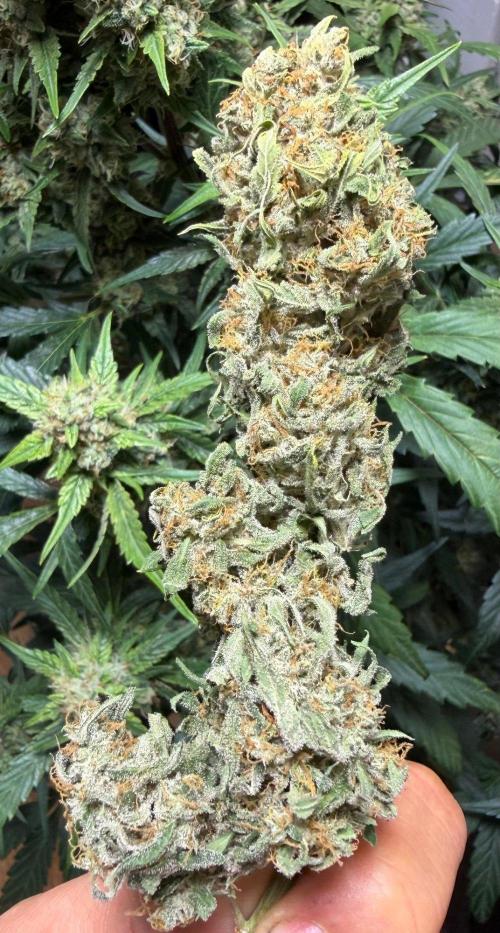
NJCastleHashiraFlame This strain was a lot of fun to watch. It was a mix up but ended in a solid result. The other one is still flowering and will keep posted. Look up Rebel Grown. They got great genetics.
3 likes
comments
Share
Equipment Reviews
11
Week 11. Flowering11d ago
78.74 cm
Height
22 hrs
Light Schedule
26 °C
Day Air Temp
6.0
pH
Normal
Smell
58 %
Air Humidity
24 °C
Solution Temp
24 °C
Substrate Temp
22 °C
Night Air Temp
37.89 liters
Pot Size
5.72 liters
Watering Volume
66.04 cm
Lamp Distance
Nutrients 7
Glacial Rock Dust
1.3 mll
CalMag 2-0-0
1.099 mll
Cronk Micro
4 mll
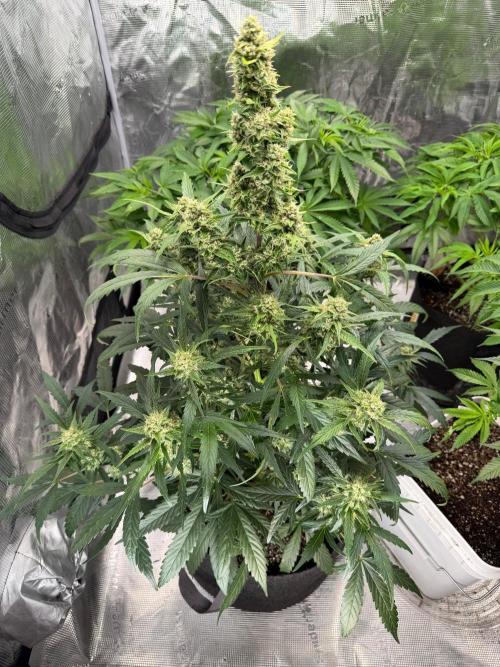
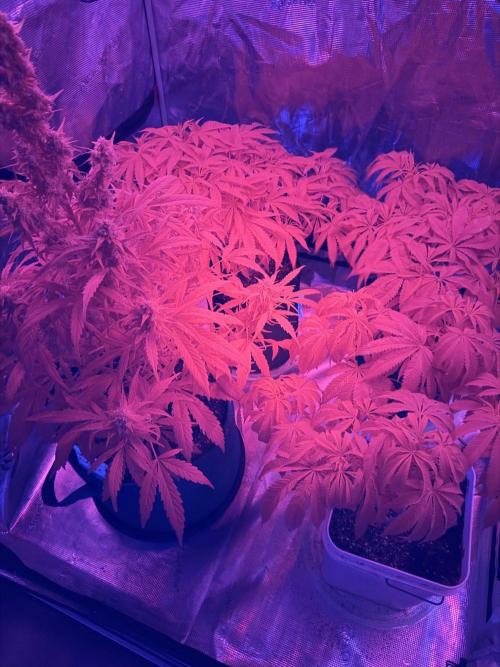
NJCastleHashiraFlame This strain's structure is perfect. No LST or defoliation needed. Feed, water, lights on, lights off, repeat. It is a heavier feeder with drybacks within 24 hours almost every time. I don't see any drastic changes to the flowering state from the UV light increase. Over the past 3 weeks, I've increased the UV light before and after the main lights go off and on. Started at 15 minutes and worked to an hour. So the UV lights go on for an hour before the main lights turn on and an hour after the main lights go out. I'm still testing the theory. ChemRom should be done in 2-3 weeks. We'll see. Keep growing!
7 likes
1 comment
Share
11
Week 11. Harvest2d ago
Happy Harvest Day!

10/10
Rated
DNA Genetics don't lie. These seeds were super strong with explosive growth. I'm stoked for the smoke report soon to follow.
Show more
Translate
Spent 51 days
Ger Veg Flo Har
127.57 g
Bud wet weight per plant
1
Plants
10.16 m²
Grow Room size
Easy
Difficulty
Height
Day air temperature
Air humidity
PPM
PH
Light schedule
Solution temperature
Night air temperature
Substrate temperature
Pot size
Lamp distance
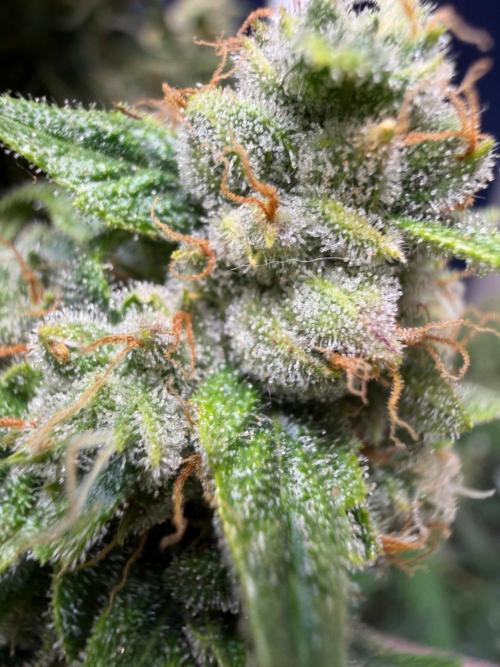
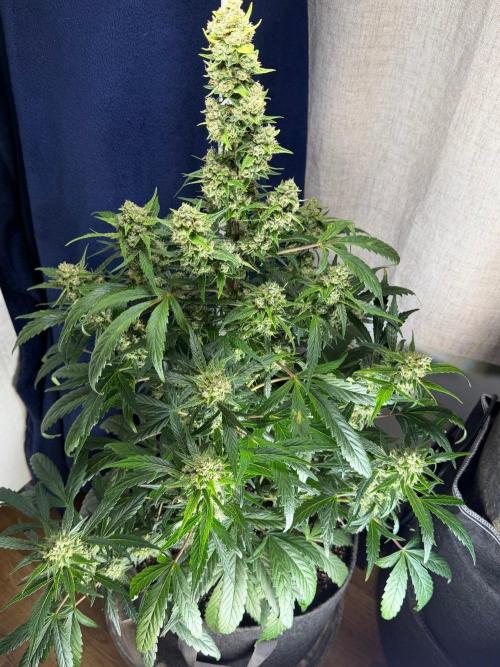
NJCastleHashiraFlame It's been a long haul. This is the final plant in the tent. The last 3 photos ended up being male so had to ditch. This will make the seventh and final strain this run. Going to start up another run in a week or two. Disinfect the tent. Rack and stack the next line of seeds. Re-pot, all that stuff. I'll make sure to provide some pics of the harvest CheMACal Romance. It's chillin in the dark drying out. Keep growing folks!
5 likes
1 comment
Share
Equipment Reviews
8 comments
Sort by
popularity
popularity
newest
oldest
squalino commentedweek 111d ago
congratulations beautiful plant ❤️
likes
squalino commentedweek 1013d ago
congratulations on the harvest. enjoy your tasting ❤️
like 1
NJCastleHashiraFlame commented13d ago
@squalino thank you so much for your words. I greatly appreciate you. Best regards.
like 1

ndsgrow commentedweek 1013d ago
Have fun with the smoke 💚
like 1
NJCastleHashiraFlame commented13d ago
@ndsgrow Thanks! I’m stoked to share with the Ohana and Kupuna. Thanks again.
like 1
squalino commentedweek 119d ago
Congratulations on the harvest. Enjoy! ❤️
like 1

Fast_Buds  commentedweek 61mo ago
Hi there, thank you for running this diary. We look forward to your updates. Happy growing 🌱🌱 & Good luck 😃
like 1
NJCastleHashiraFlame commented1mo ago
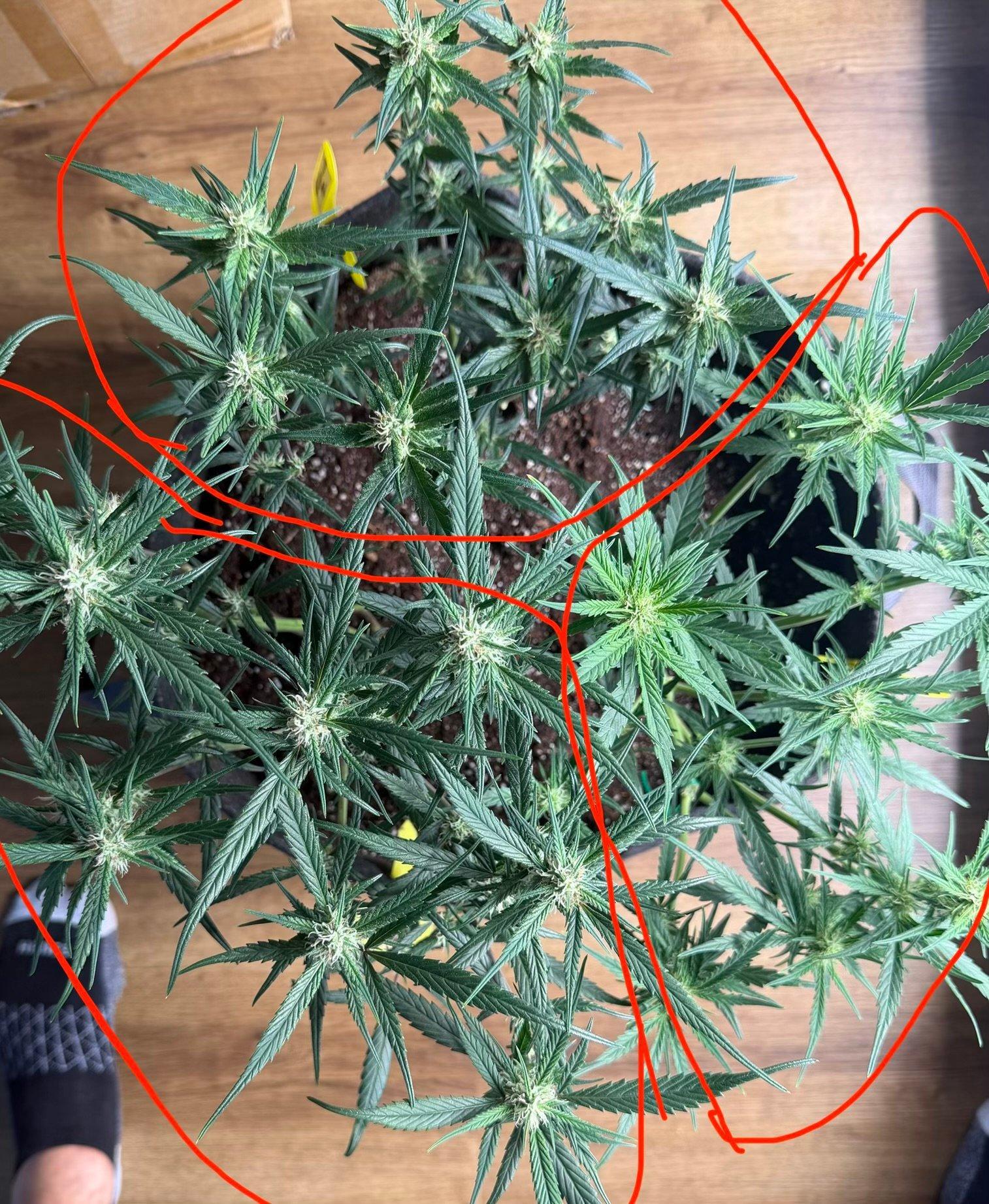
@Fast_Buds, Thank you for your consideration. It's humbling to receive thanks from the Guru's at FastBuds. I watch a lot of Stubbs' tutorial video's. Extremely helpful. Your genetics are awesome. Super resilient. I have 5 of your strains growing in my tent now. 3 of them in one 10 gallon pot. They're currently on week 7 and looking great. In the picture below it goes Gorilla Z on the top, Guava Runtz on the lower right and Papaya Cookies on lower left. I'm thinking due to the space, the plants didn't get to their full yield potential, although it looks like their own unique elements are coming through extremely well. Stem rubs all smell like their own cultivar. It resembles 3 little strain bouquets. This was a theory and a test. The progress continues to defeat the stigma. If you're not worried about the yield being large, this could work out if you're limited in space but still want variety in your headstash. I have a family and am too broke to go to the local "medical" dispensaries here in Oahu. They're good people, but their climate on the island is declining. Nobody can afford their "medical" products. That's another story on its own. Anyway, many thanks to you Smiley and all FastBuds Ohana. Mahalo and much Aloha.
likes

the end.
Enjoying this diary? Follow for more updates!
Prefer the old Diary view?
Go back to the old Diary view