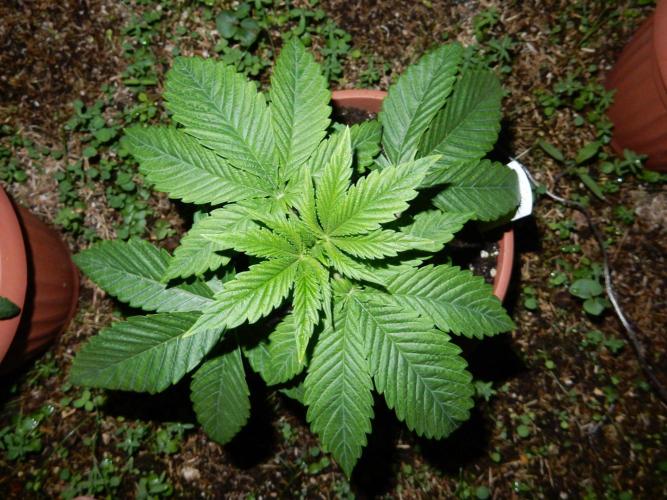
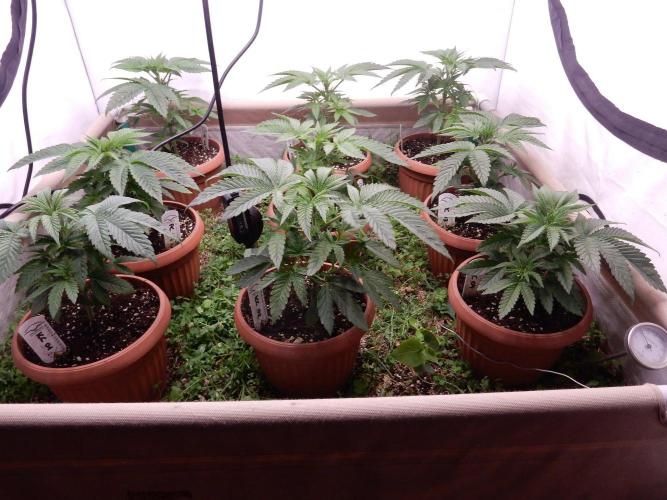
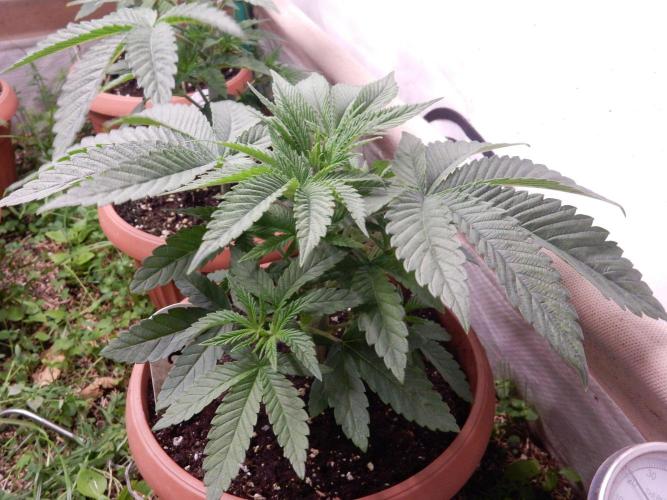
1. Inspecting for Pre-Flowers (No Light Change Needed)
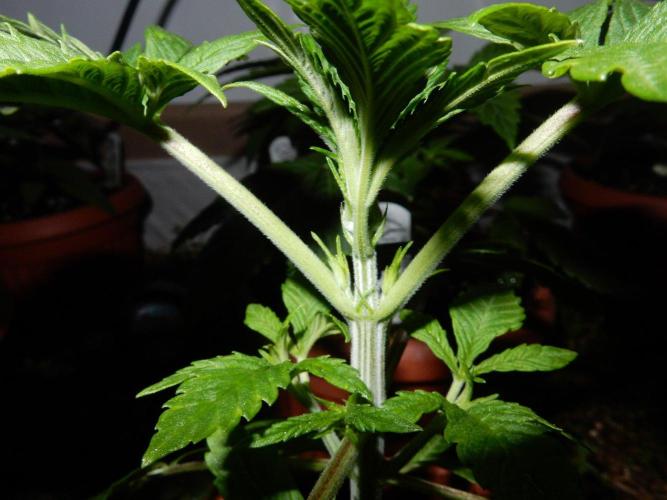
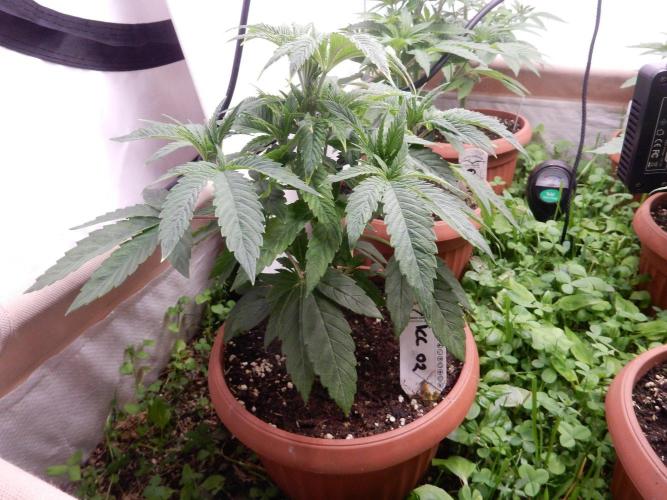
Most photoperiod plants show early sex organs (pre-flowers) at the upper nodes once they reach sexual maturity (usually around the 4th to 6th node, typically 3–6 weeks from seed). Use a jeweler's loupe or magnifying glass to check where the branches meet the main stem:
• Female: Look for a small, teardrop-shaped green calyx with one or two fine white hairs (pistils) emerging from the tip.
• Male: Look for small, round, smooth balls (pollen sacs) that often grow on a tiny stalk, resembling a miniature spade or bunch of grapes, with no white hairs.
2. The "Clone & Flip" Method (Fastest Forced Method)
Instead of flipping your main plants to a 12/12 light cycle—which triggers a growth stretch and forces you to re-veg the females afterward—test cuttings instead:
1. Take one small cutting (clone) from each seedling once they have 4–5 nodes.
2. Label each clone to match its mother plant.
3. Place the clones in a separate small space (even a simple cup of water or rooting cube under a basic light) on a strict 12 hours on / 12 hours off light schedule.
4. The clones will show their sex within 7 to 14 days, allowing you to keep your main mother plants stress-free in vegetative growth until you transplant the confirmed females into your living soil.
3. Early Growth Clues (Less Reliable)
While not 100% accurate on their own, growers often watch for early physical traits before pre-flowers appear:
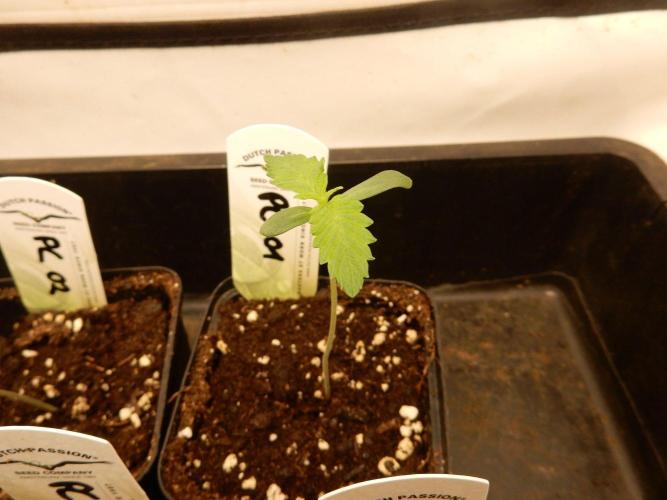
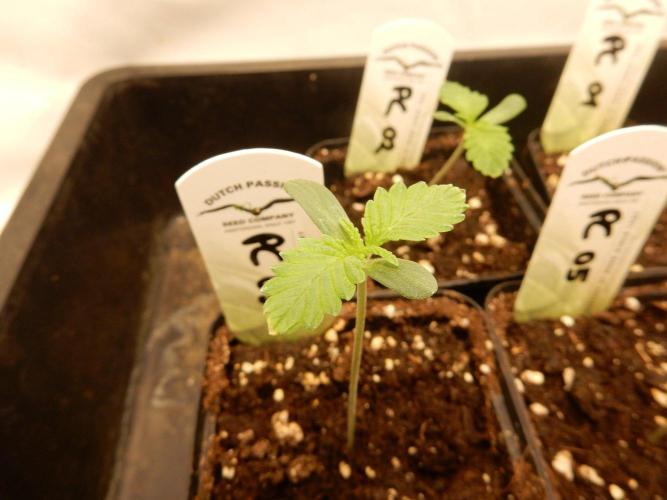
• Males tend to grow taller with thicker stems, wider spacing between nodes, and fewer branches.
• Females generally stay shorter, bushier, and develop denser foliage earlier on.
Best of luck on this adventure