



Ryanstanlay420started grow question 1y ago
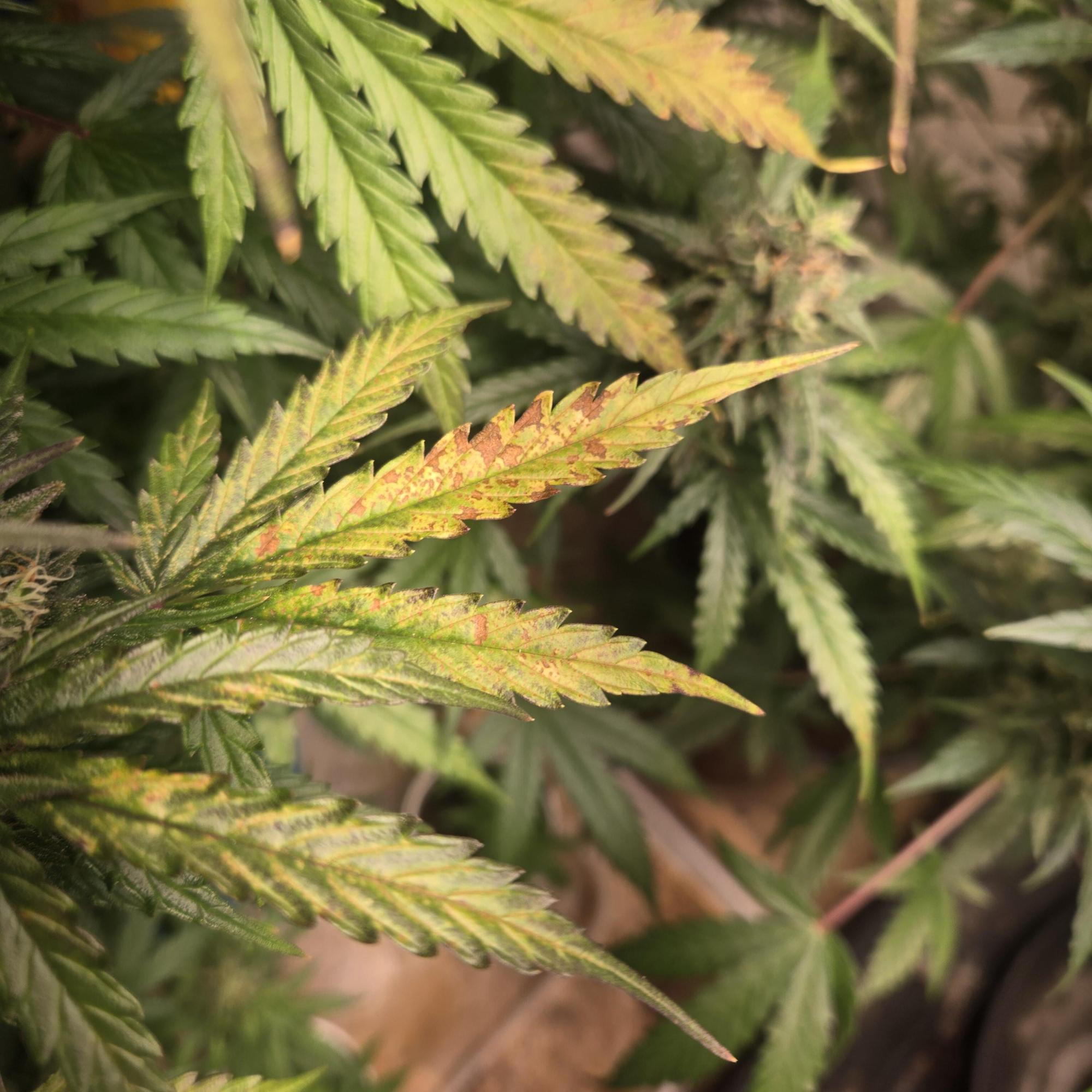
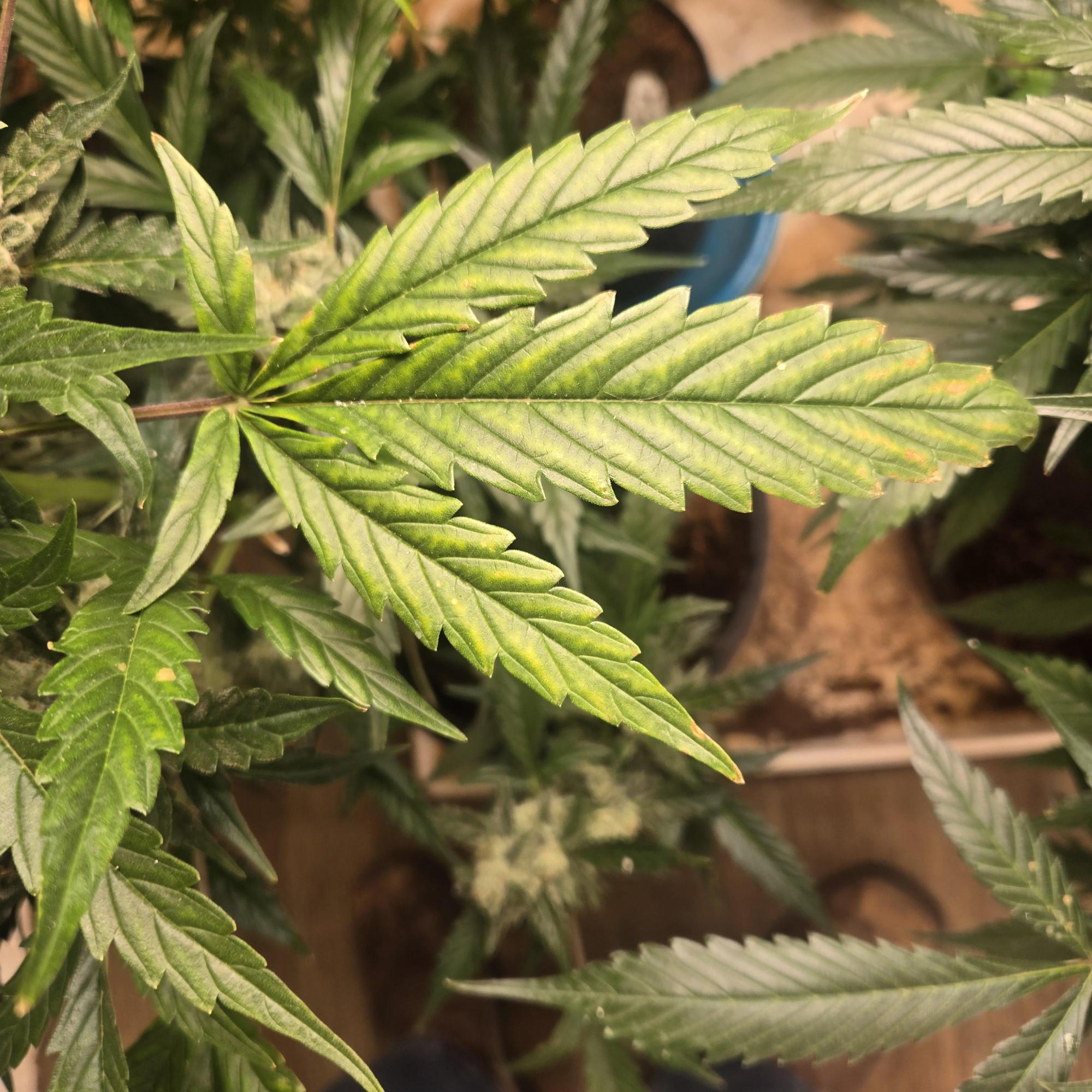
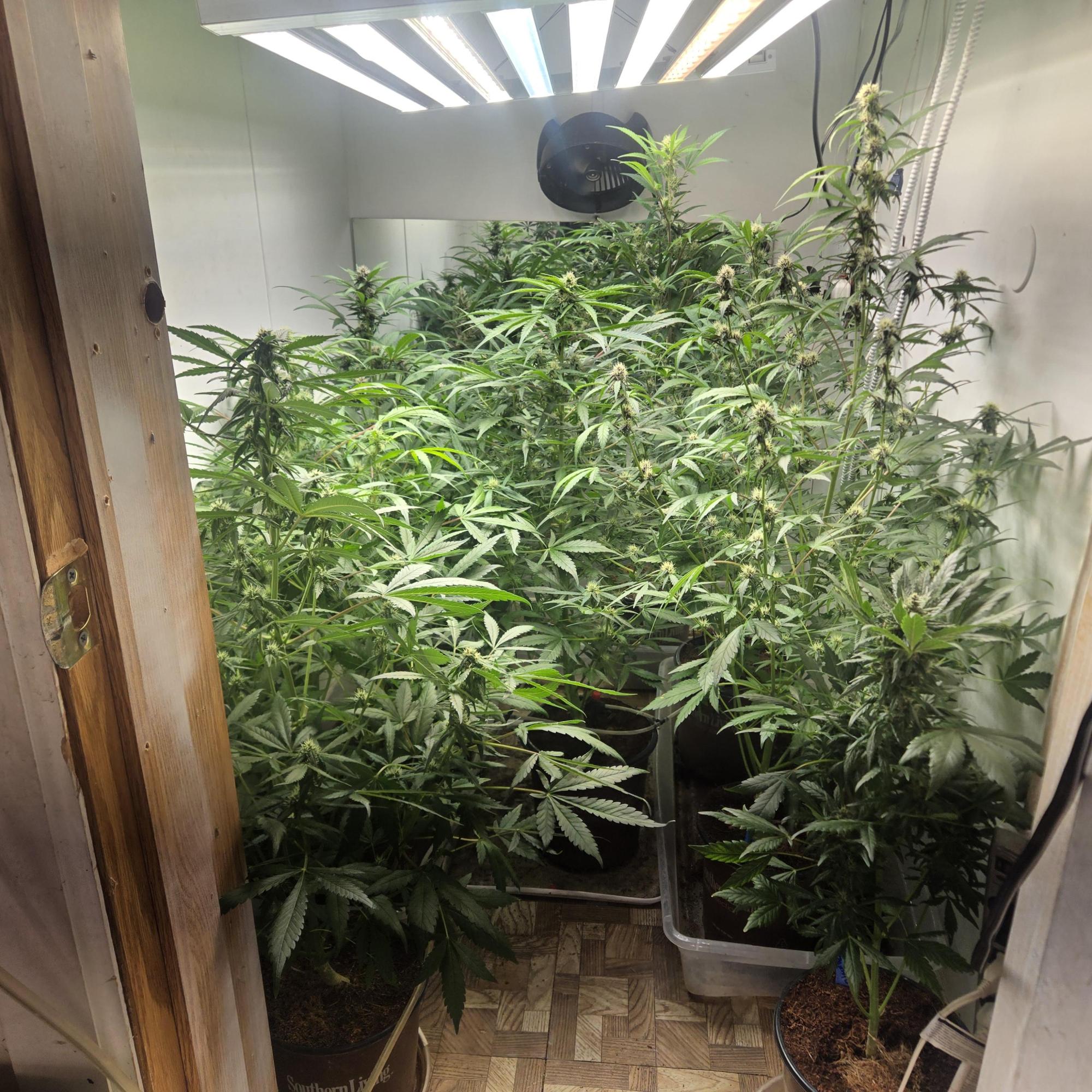
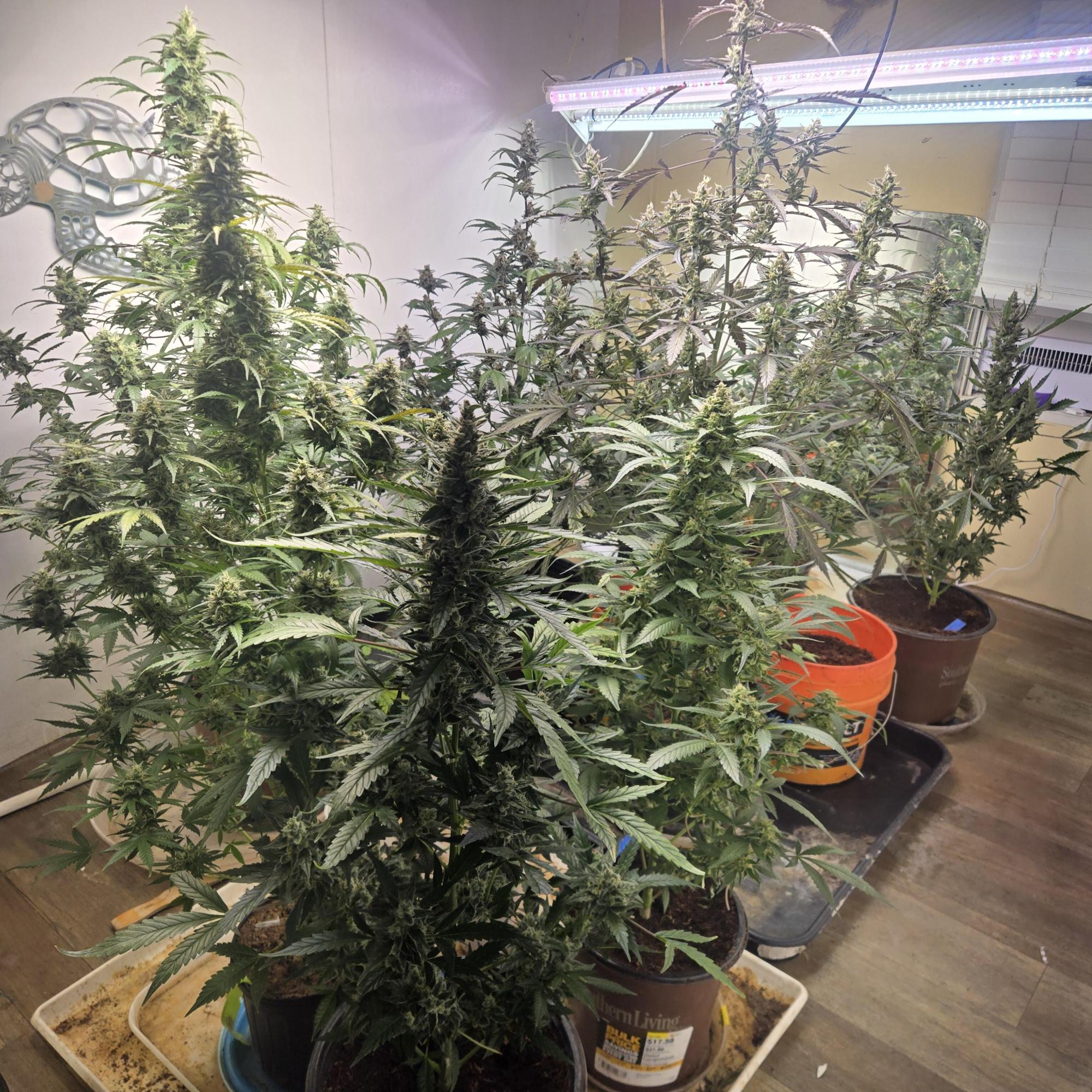
New to the growdiarie. First grow in coco they a month a part. Small issue on my older plant any
knowledge to what it is
im guess low p -k. Maybe or ph. Iv kept the ph to 5.8. 6.2.
Open
likes
Answer

sanibelislanswered grow question 1y ago
growing in coco requires a strict nutrient schedule (Canna) makes a really good product for coco, just mix as directed and apply at each watering, plants love the stuff
likes
Complain

Selkotanswered grow question 1y ago
hey 👋
In my opinion, it’s more of a calcium and magnesium deficiency
I’m growing in 100% coco and I give 2 ml/L of cal-mag at every watering during flowering, which seems to suit them well.
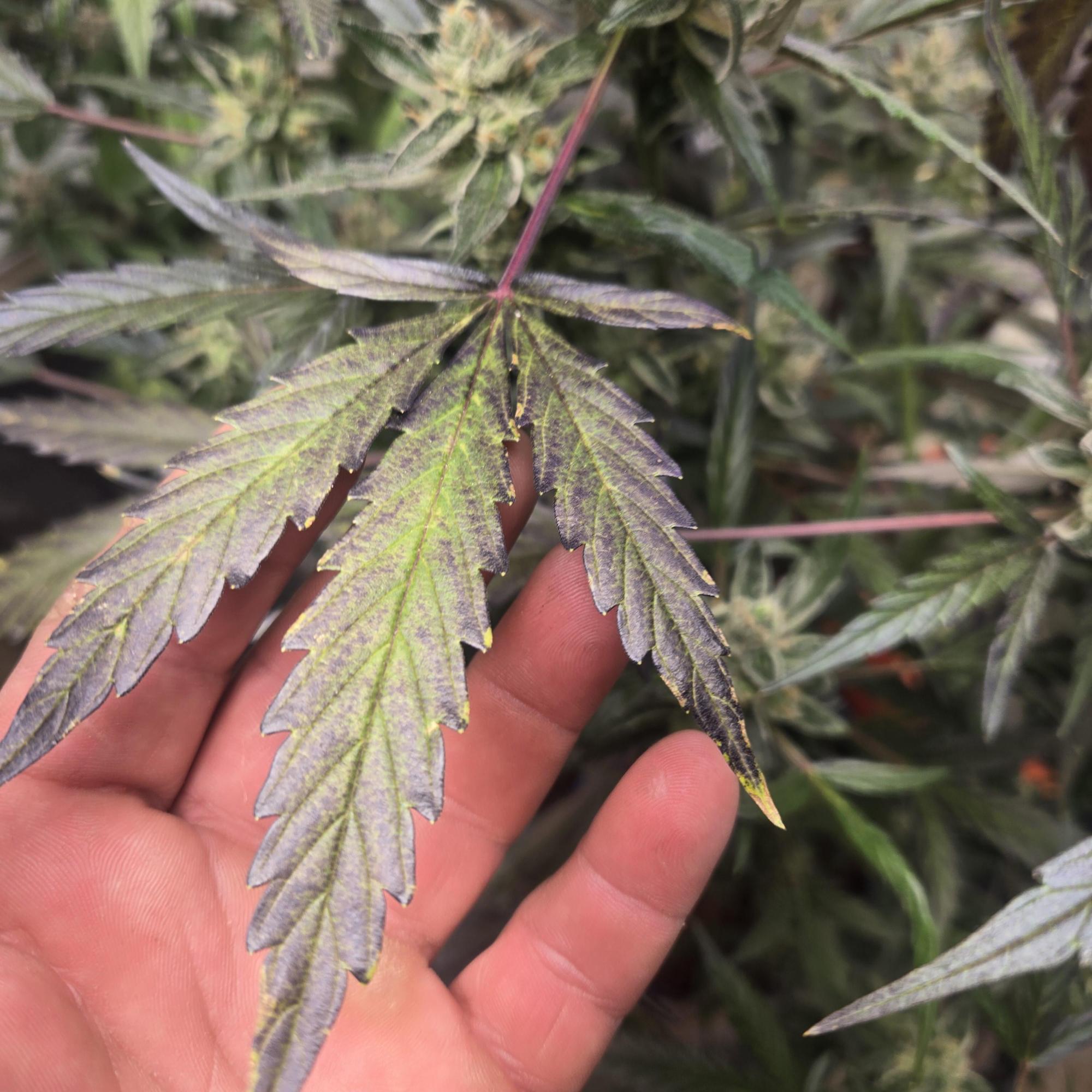
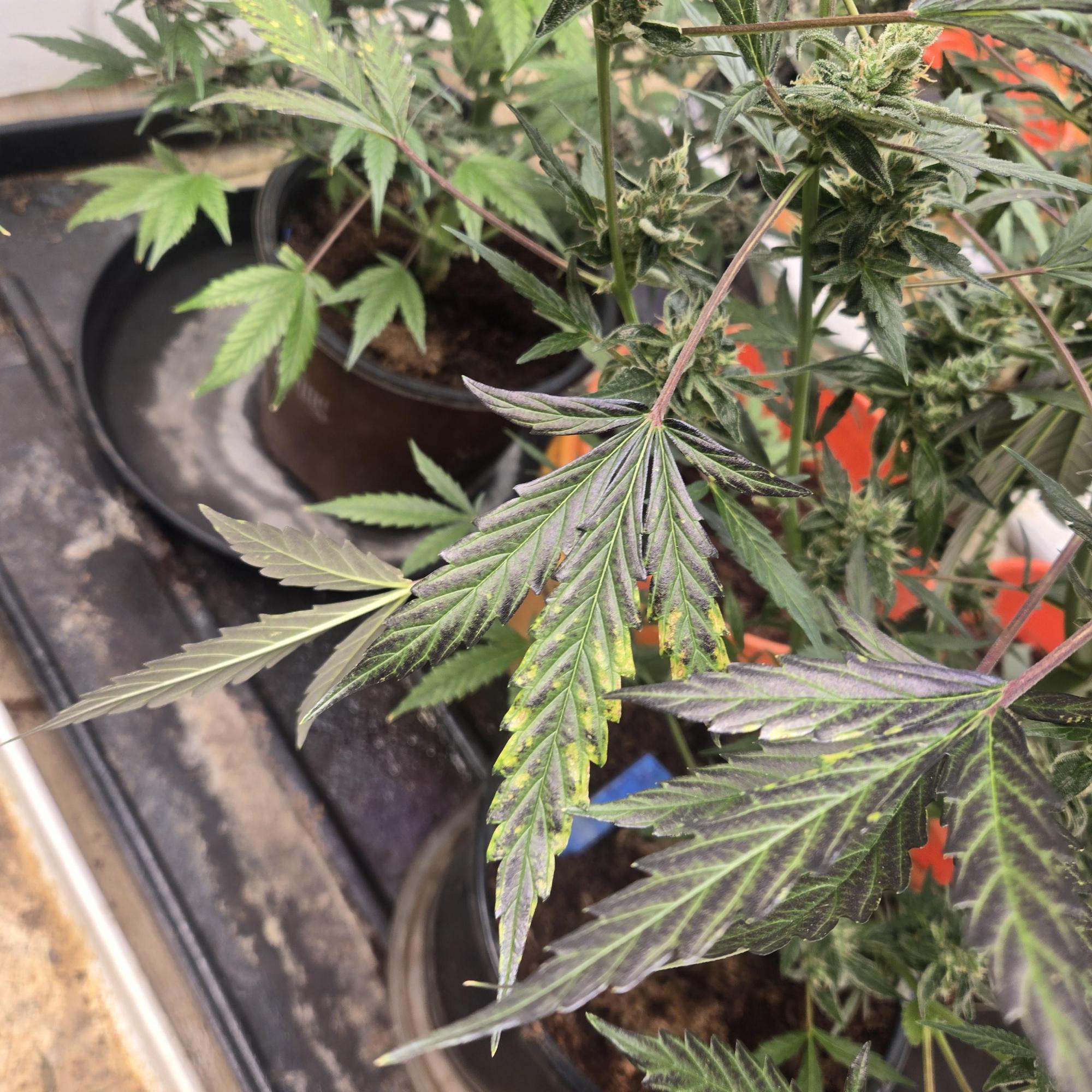
Also check the night temperature, it might be dropping a bit too low (which could explain the dark colors; otherwise it’s simply genetics).
1 like
Complain
00110001001001111Oanswered grow question 1y ago
cocoforcannabis.com -- guides and articles, not the forums... great source for information. The forums are as riddled with bro science as you see anywhere else that is user-submitted information. At the least, their guides and articles avoid the bullshit or are at least honest about what is likely to be bullshit.
1 like
Complain
00110001001001111Oanswered grow question 1y ago
Really need to see how this stuff progresses vs a picture of it after a lot of symptoms have accumulated.
tough to distinguish between senescence / autumn colors and damage caused by an out of balance formula. Probably have some toxicities mixed with a deficiency or two, whic may or may not be related.
Is it dropping below 68F after lights go out (or anytime, really)? That's probably the cause of the purple in the leaves -- autumn colors and caused by same reasons outside. could also be genetics.
picture 4 -- is that more purple or is that a dark glossy leaf? looks like more autumn color related to me, but not 100% certain.
lots of potential causes of what you seein pic 1 and 2. Also, looks a bit glossy, which indicates bit too much N. was it caused by too much N or do you have more than 1 thing going on.. this is where seeing how it progresses helps you eliminate possibiities. Leaf symptoms are not often discrete. Maybe a Ca deficiency mixed in there and too many things cause interveinal chlorosis to point to 1 specific thing with certainty. lockout is always a possiblity too, from soemthing else being dialed up too high.
Check out my ppm breakdown in germination week of any of my 3 recent diaries... compare and if anything is drastically different, consider adjusting. There are free apps and websites that can take your gauranteed analysis labels and spit out a ppm breakdown.. some can even give dosage to hit intended targets etc. Becaues of the complexities of how these nutrients impact each others' availabiity, there's more than 1 way to skin this cat, competently... even if some are techinically better than others, good formulas simply work well on a wide variety of genetics. This plant is not picky. you can have a fertilization method that works well on 90% of plants or more.
just in case a quick review of proper soilless irrigation:
1) fully saturate with 10% runoff, minimum. Always fertilize with a well-balanced diet. Runoff mitigates buildup. Any symptom seen is directly related to formula, not potential buildup. This makes for much easier diagnosis.
2) wait for appropriate dryback and repeat.
You do not choose the volume to give, but you can learn and predict it as you get familiar. You give the volume necessary to get at least 10% runoff. Don't overthink this. Don't get over-sophisticated. Aboutt he only thing you choose is how much dryback to allow - i'd stick to a good wet-dry cycle early on to promote root growth before attempting or experimenting with increased fertigations.
track either you ppm per element or weighted average % of mass from labels relative to dose given. Both will provide baselines and thresholds to avoid deficiencies/toxicities and avoid locking other nutes out. you can better fine-tune your formula for more consistent results. Fertilization is about the culmination of everything you've done since it was a seed. How you treat it early on will impact how you treat it later, so you can't jsut do what other people do 100%. There are local variables and choices that will cause some variance from one garden to the next, but a really good formula should require minimal adjustment from instructions.
likes
Complain

Green_Clawsanswered grow question 1y ago
Hi mate, over all the plants look really good, the odd funny looking leaf doesn't show much and we don't know which plant they belong too or if there on the same plant, all in all everything looks sweet
likes
Complain