


Distance of light

Kadash368started grow question 10mo ago
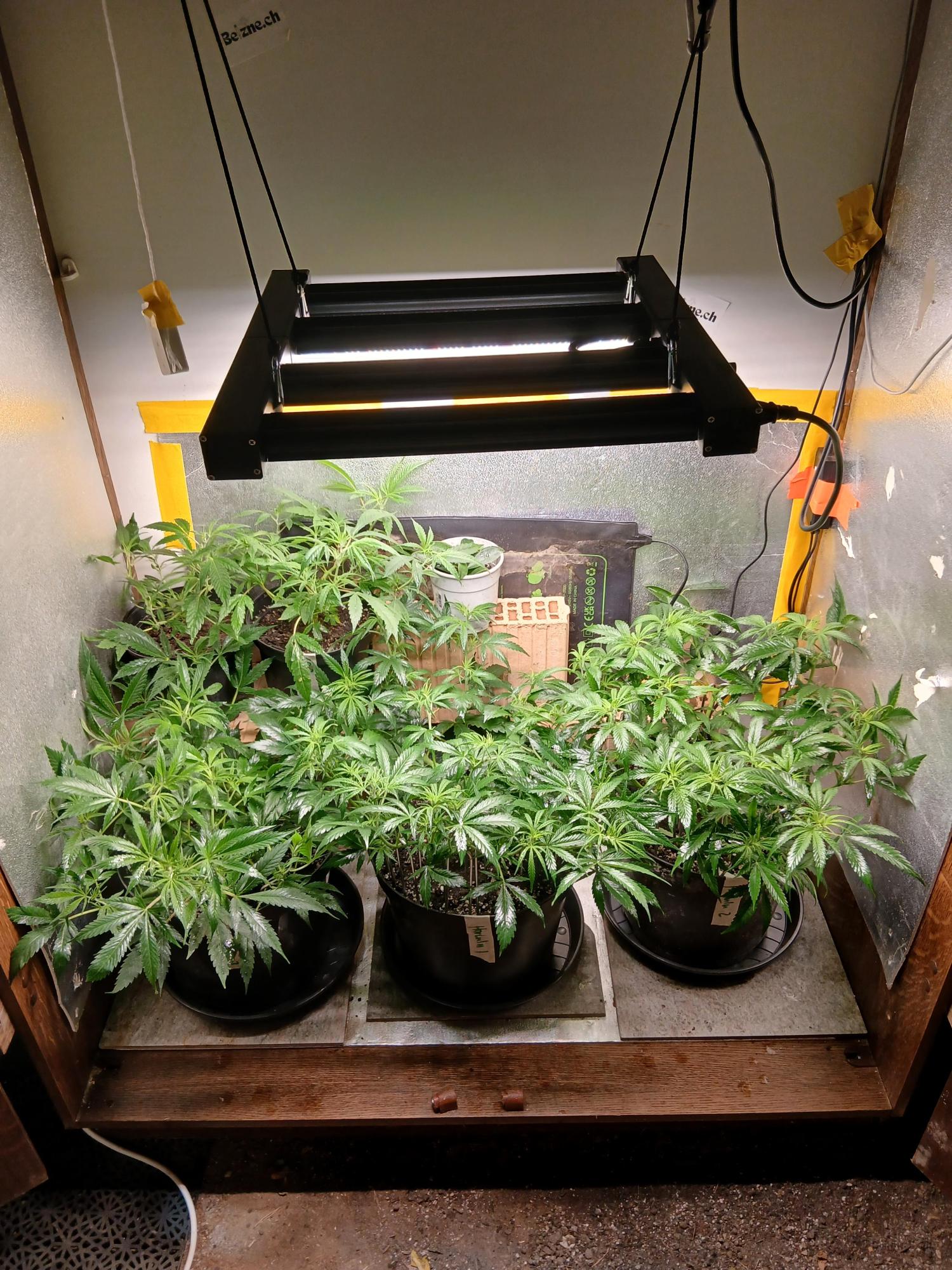
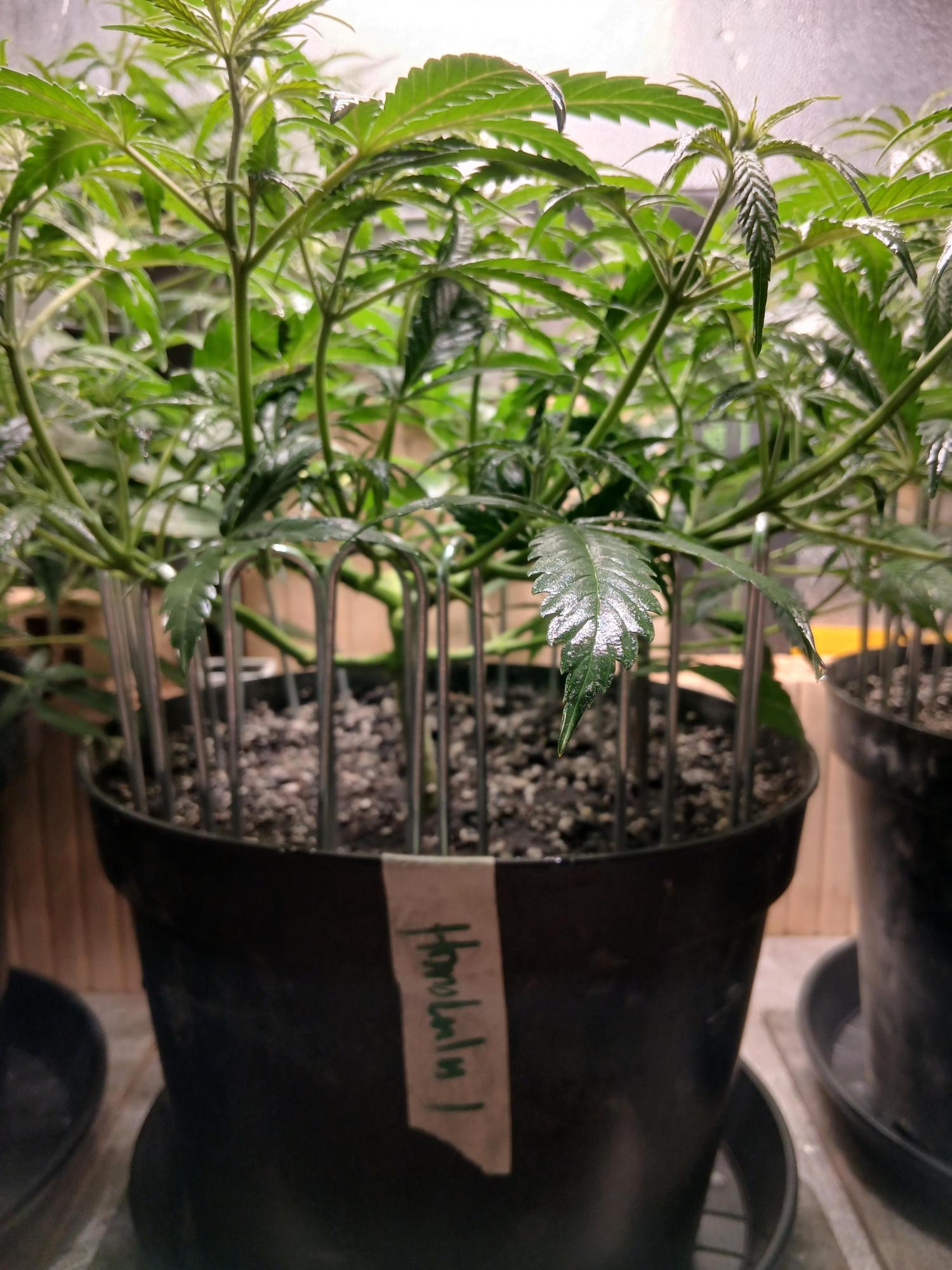
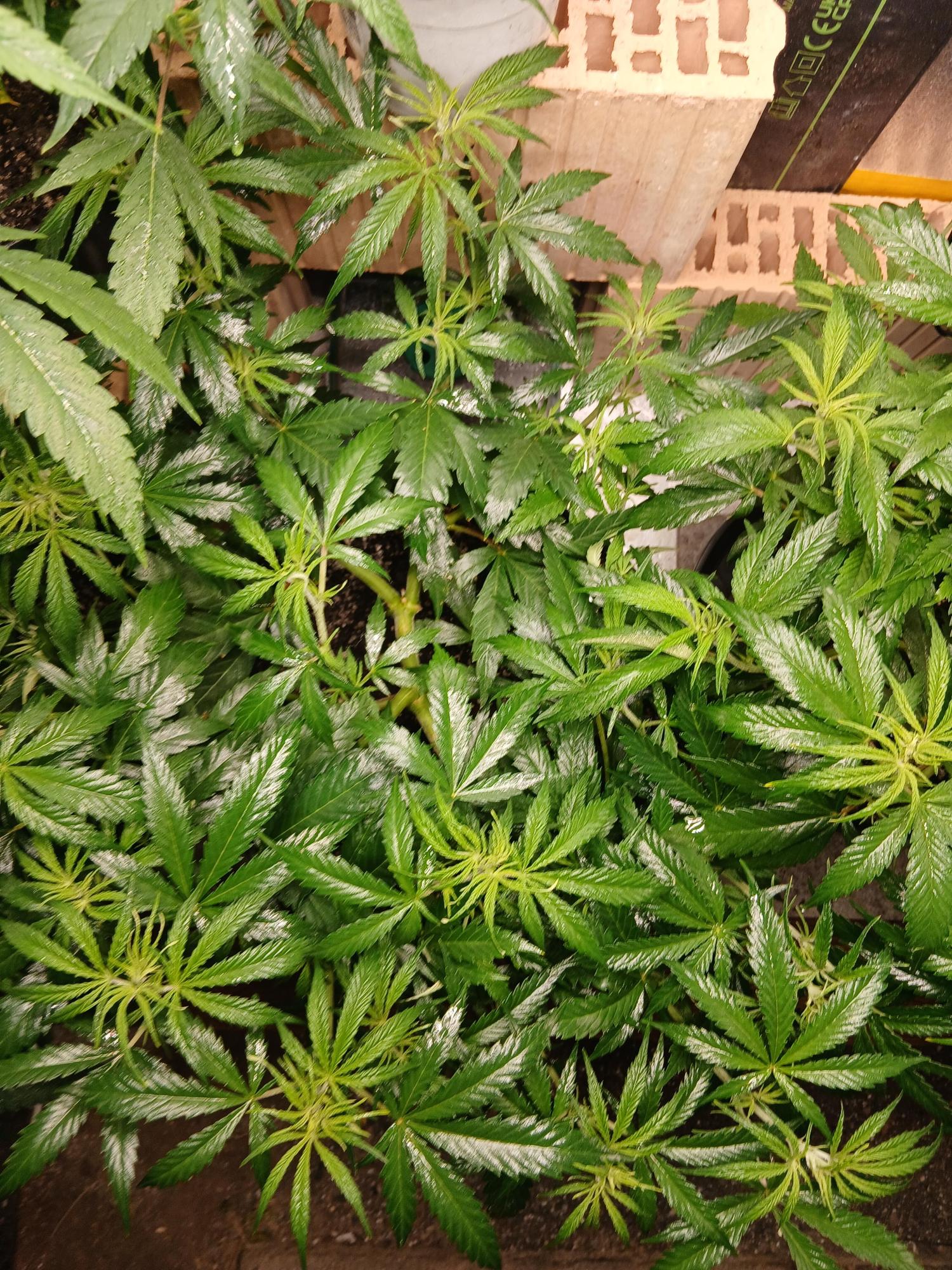
Hello. Can you help me about distance of the light to the plants, its a Baumsohn GL1000 with 100W. Now its about 30cm, Babies are in week 8 slowly growing good, but maybe i can go closer? In one week i will go into flowering, Thanks
Solved
likes
00110001001001111Oanswered grow question 10mo ago
DLI is what matters. You cannot force feed a plant - light or fertilizer. PPFD is rate of photons produced per second per meter-squared. If oyu were trying to figure out how far you'd travel at 50 km/h, you also need time to figure that out, correct? Same with PPFD... PPFD without hours of operation is absolutely useless information. It is a rate per area... need time to know how much energy was provided. That is the 'limit' the plant hits.. how much energy it can use per day.
PPFD makes no sense when these venders say shit like, "X PPFD at 18" .. this depends on other factors and is just an incredibly bad way to perceive it. Light vendors write it up this way to confuse people and make them think they are getting more than what is actually there. It's a number they can fudge because they don't tell you what area the light is focused on and that part of the fucking equation for calculating PPFD, lol. You can make "X PPFD" at any distance be anything you want depending on the area of coverage.. if focused on 1 cm^2, it'd be 10,000x larger, lol, and it wouldn't be technically wrong, but it is absurd and unrealistic in real life garden contexts.
Light hanging distance should be about geometry of coverage. Your coverage area should limited by the umol/s PAR your light produces. Hours of operation need to be considered to fully understand. So, the distance from canopy should be about the least deviation of umol/s PAR reading from center to edge AND not sacrificing overall average. There will always been stronger and weaker spots, but minimizingn that deviation while maintaining overall average across canopy is your best hanging distance. ** with seedlings, you can play around with much lower wattage and get the light much closer to a much smaller area of coverage to save some electricity. that takes a bit more trial and error to dial in. Any cheap light meter can help with this. You don't actually need PPF readings (not ppfd). klux is propoertional.. so central area you peg at 100% and all others relative to that... probably don't want less than 50% at edges/corners.
12 hour operation needs are 150% of 18 hour operation needs. If no other factors are changing, this is 1:1 inversely proportional. Less hours needs more, obviously.
Supposedly, this light produced 290 umol/s PAR (derived from advertised 2.9umol/J efficacy, which may or may not be accurate, these light manufacturer's often lie). Since it's using the LM281B+ chip, it might actually be close to this, but likely a bit less. You'd have to check their diode count and roughly estimated watts per diode... the closer to testing specification on samsung.com, the more closely the data drom samasung.com spec sheets line up with the manufacturer's advertised specs. If run hotter, you get less efficacy, less umol/s PAR, less longevity, more heat... it just means it was made cheaply if they don't adhere to testing paramaters of samsung.com spec sheet.
Let's go with 250 umol/s, it might be more accurate... but you can swap out values easily enough to reword the math. to hit 2.9umol/J with this diode, you probably need to meet or exceed samsung's testing paramaters and have all 5000k chips -- CCT impacts efficacy.
For 18h operation, you want ~600 PPFD. For 12 hour operation you want ~900 PPFD. These are ballpark values, not written in stone. Local variables matter. Some minimal adjustment will be necesary, and much more likely reduced slightly than increased. You'll most likely need a bit less than this, but a good number to use when choosing a light.
250 umol/s PAR / 600ppfd = .42m^2
Don't try to use this light over 18h on an area larger than .42m^2 ...
again, since we are overshooting a few percent, .45m^2 isn't goingn to matter, lol... but don't go too far over and this light will be providing 35-40 DLI to that .42m^2 area if hung at a height that properly covers that footprint -- again, that is more about geometry and taking some readings across canopy than anything else.
We can do easier math for 12h or any hours of operation if one is known (12/18 or 2/3rds) and assuming nothing else changes - still need same optimal hangin distance basedon geometry/best spread of light. .42 * .67 = .28m^2 for 12h operation. So, if you grow photoperiods stick to .28m^2.
If trying to cover a larger area than this, you will have reduced outcomes - larfier buds than what would be produced with near-max DLI. In the case of autoflowers, you can increase hours of operation and that will have a proportional effect on DLI. 18h to 20h is 11.1% more DLI. While it is normally better to have a dark cycle, if your DLI is lacking this will ikely outweigh the cost of a minimal dark cycle. I'd only do that in extreme cases... E.g. any dLI approach "20" is borderline too weak.. i'd absolutely run a light 22h or 24h if my dli was down near 20 over 18h. At 30 DLI over 18h? Probably not, but might still go with 20h or 22h.
You need accurate information to determine a good starting point. Then you need to observe plants and adjust. Local variables matter -- Temp. RH% and ambient CO2 concentration all control how much light a plant can handle per 24 hours. It's not a matter of giving more.. it's a matter of balance between all of these factors.
Read the wiki on DLI.. Everything said here should be understandable at that point. You don't need to know the exact math, but you need to know how it all relates.

DrGruenanswered grow question 9mo ago
Hi .....
When you go into flowering, you can safely get a bit closer (20 cm)......
But always keep a close eye on it, and if there are any burns, move it back.....
Good luck!
likes
Complain
The_Wandereranswered grow question 10mo ago
The manufacturer provides suggestions, follow that.
likes
Complain

Green_Clawsanswered grow question 10mo ago
You could come closer but the outer edges will suffer less light I would leave it there. The leaves arnt praying but sagging slightly so maybe less watering so the roots arnt saturated for as long.
1 like
Complain

Ultravioletanswered grow question 10mo ago
The exact PPFD value varies depending on where the measurement is taken relative to the center of the light. Baumsohn 100w grow light at a distance of 30cm will likely deliver a peak PPFD of somewhere in region of 600-900 µmol/m²/s directly beneath the center.
You doing 12 hours?
60x60x12=43,200 seconds.
Or you doung 18?
60x60x18=64,800 seconds.
43,200seconds X 900ppfd = 38,880,000micromoles = 39 moles = 39DLI
64,800 seconds X 900ppfd = 58,320,000micromoles = 58moles = 58DLI
At 400ppm ambient co2 and a LST of 86F a regular old plant can handle upto 40DLI before it will show signs.
likes
Complain

All_our_small_plantsanswered grow question 10mo ago
Hi, I can only recommend the app Photonen, there you can measure the DLI and PPFD more or less, and thus adjust your lamp. It's not as precise as a professional measuring device, but I use it and it works well. You can then search online for guidelines for the specific stage of your plant and set the app to the hours your lamps are on, and you'll see how much DLI the plants are getting.
1 like
Complain