


Topping for out doors
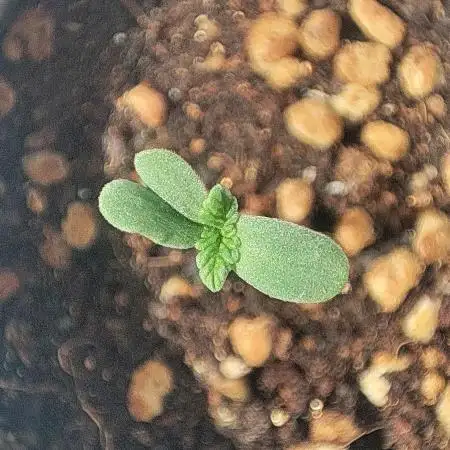
Neo_313started grow question 8mo ago
What is the best topping strategy for outdoorgrowers?"
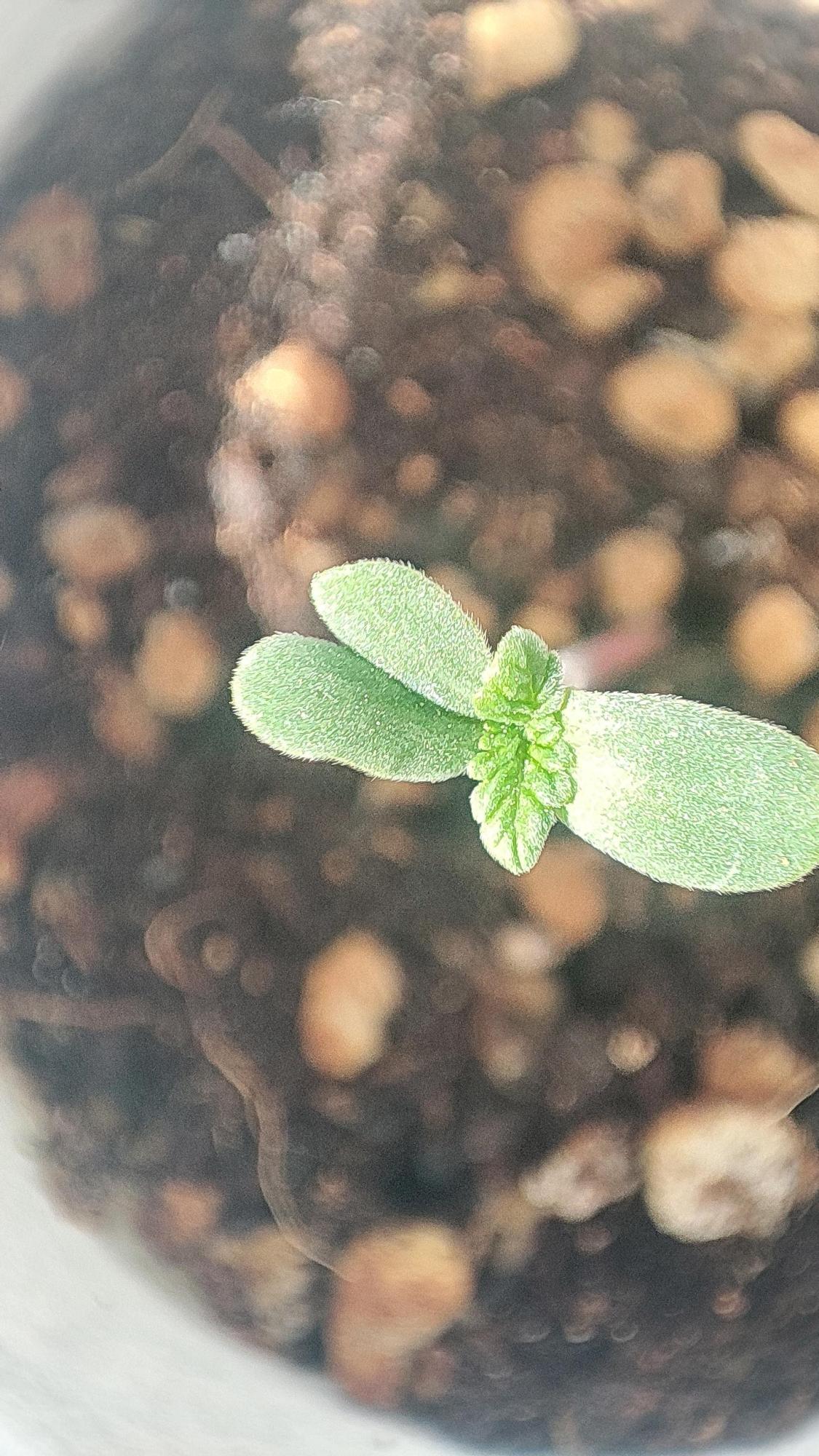
Solved
likes

wolfvbanswered grow question 8mo ago
Salam Neo_313! 👋 Welcome to the great outdoors, Habibi! ☀️
Topping outdoors is a completely different game than indoors. Indoors, we top to make a flat canopy because the LED light doesn't move. Outdoors, the Sun moves across the sky and penetrates everywhere!
Here is the "Modern Engineering" strategy for outdoor topping: 🛠️
The Goal (Mold Prevention): The #1 reason to top outdoors is to prevent "Bud Rot" (Botrytis). If you don't top, you get one massive central cola. In autumn, morning dew or rain gets trapped inside that giant cola, and it rots from the inside out. 💧
The "Bush" Technique: Top your plant early (around the 5th or 6th node). Wait a week or two, and then top those new main branches again. This turns the plant into a bush with 4-8 medium-sized colas instead of 1 giant one. Medium colas dry faster in the wind and survive the autumn rains! 🌳
The Danger (The Wishbone): When you top, the stem splits into a "V" shape. Later in the season, when those branches get heavy with buds, a strong wind or heavy rain can split the plant right down the middle like a wishbone! 🌩️
The Support: Because of that "V" split, you must use a tomato cage, bamboo stakes, or trellis netting around the plant to hold those heavy branches up later in the year. 🏗️
Turn her into a supported bush, and you will have a massive, mold-free harvest! 🚀
Happy Growing! 💚

JUNGLE_B4RNSanswered grow question 8mo ago
Topping between 4th-5th internode. Then let it grow into a tomato cage.
1 like
Complain

Green_Clawsanswered grow question 8mo ago
Potential Pitfalls & Solutions
Outdoor grows face unique challenges that can turn a "monster plant" into a moldy mess if you aren't careful.
The Problem: Structural Failure. Massive buds get heavy, and summer storms or high winds can snap branches like toothpicks.
The Fix: Use the "Double Trellis" method. Stake your plant early, then wrap a cage or netting around it. As the plant grows, use soft ties to support individual heavy colas.
The Avoidance: Don't wait until the plant is leaning. Support should be proactive, not reactive. 🏗️
10 Rules for the Ultimate Outdoor Yield
Sun Mapping: Position plants where they get at least 6–8 hours of direct midday sun. ☀️
Airflow is King: Prune the inner "popcorn" sites (lollipopping) to ensure wind can move through the plant, preventing PM (Powdery Mildew). 💨
Low-Stress Training (LST): Gently tie down the main stalk to create a flat canopy. This breaks apical dominance and tells the plant to grow 10 "main" buds instead of one. ⚓
Top Early & Often: Snipping the main growth tip early creates a bushier structure that can handle more weight. ✂️
Watering Cycles: Water deeply but infrequently to encourage roots to dive deep into the earth. 💧
Mulching: Use straw or wood chips to keep the root zone cool and moist during August heatwaves. 🌾
Pest Management: Release ladybugs or use Neem oil before flowers appear. Once you have sticky buds, your options for sprays disappear. 🐞
Silica Supplementation: Use a silica additive to strengthen cell walls, making branches "bendy" rather than "snappy." 💎
Pot Size Matters: If not planting in-ground, use at least a 20-30 gallon fabric pot. Bigger roots = bigger fruits.
1 like
Complain
00110001001001111Oanswered grow question 8mo ago
The dynamics of outdoors makes such things less than useful. Spread the plant out as best you can. That's all yo have to do. It is swimming in photons from all directions by comparison. So there is no need for a level canopy - merely expose as many leaves to the sun from any angle possible. That's all that is necessary in that regard.
This is about the distance from the sun. This relates to the inverse square law and how light spreads out over distance from the source. For simplicity, the example will deal with a single point of light and not an array of diodes as that makes the math messier but still applying the same way to each and every diode.
Essentially, a single-point light source indoors 18" away will be 1/4 the intensity at 2x the distance. Every time it doubles (n), it's another 1/(sq rt n). So, 54" (3 x 18) away would be 1/9th power compared to 18" distance.
Since the sun is 95million miles away, the difference from the top of the plant to the bottom of the plant is a miniscule distance relative to the total distance to the source and virtually no different in photons/s intensity top-to-bottom. Not only that, you get a lot of diffusion and such from the atmosphere, so even with less direct paths from the sun, many photons are reaching the leaves from indirect vectors. Even a 100' tall plant would be virtually the same amount of at top and bottom. 100 feet / (95 million miles x 5280 feet) is effectively nothing in this context. Fuck, even a 10,000 foot plant wouldn't be a difference in photons/s received. though atmospheric pressure will become a relevant factor at some point, unrelated to dynamics of the sun.
Hence, all the crap indoor growers have to worry about in regard to maximize light is not relevant to outdoor growing. Exposure is obviously still important, lol, but you get the gist, i hope.
1 like
Complain

Organomananswered grow question 8mo ago
Low Stress Training is far better than topping in my opinion.
Outdoors, plants often break at the topping point when heavy in flower and if you get high winds and/or rain.
1 like
Complain

Trichomaanswered grow question 8mo ago
General Advice:
I recommend avoiding topping outdoor plants entirely. Plants naturally develop their best structure outdoors, shaped by thousands of years of evolution, this is particularly true for autoflowering strains as this lowers stress as well.
If You Want a Bushier Plant:
If you’re determined to create a bushier plant, you can mainline it or top it above the 3rd node, but do this indoors first. Wait until the plant is strong and large enough to handle outdoor conditions before moving it outside. Once flowering begins, prune the plant carefully: remove any overly dense bud sites to improve airflow and minimize the risk of mold!
1 like
Complain