


Help thanks
420strainhunterstarted grow question 5mo ago
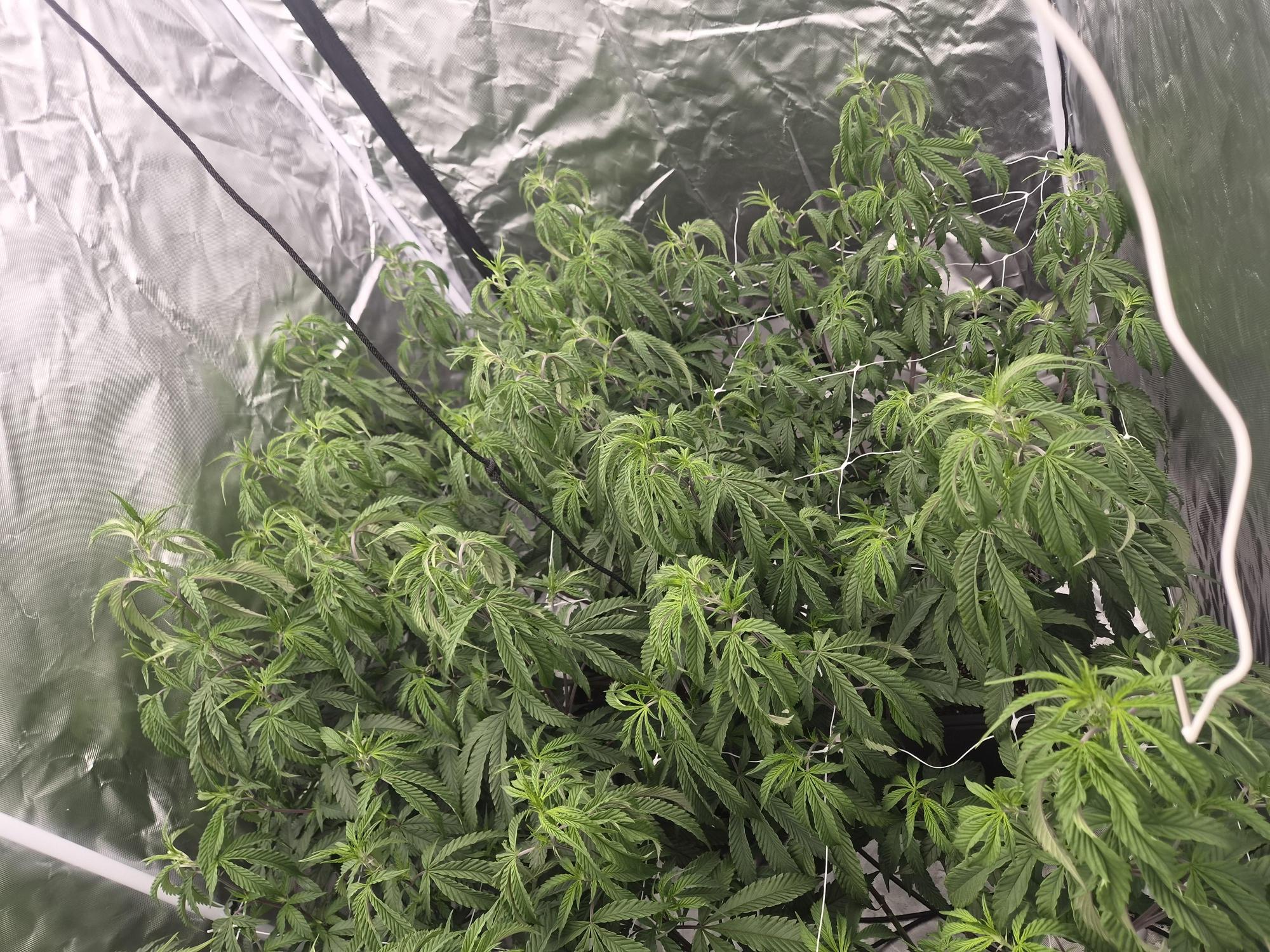
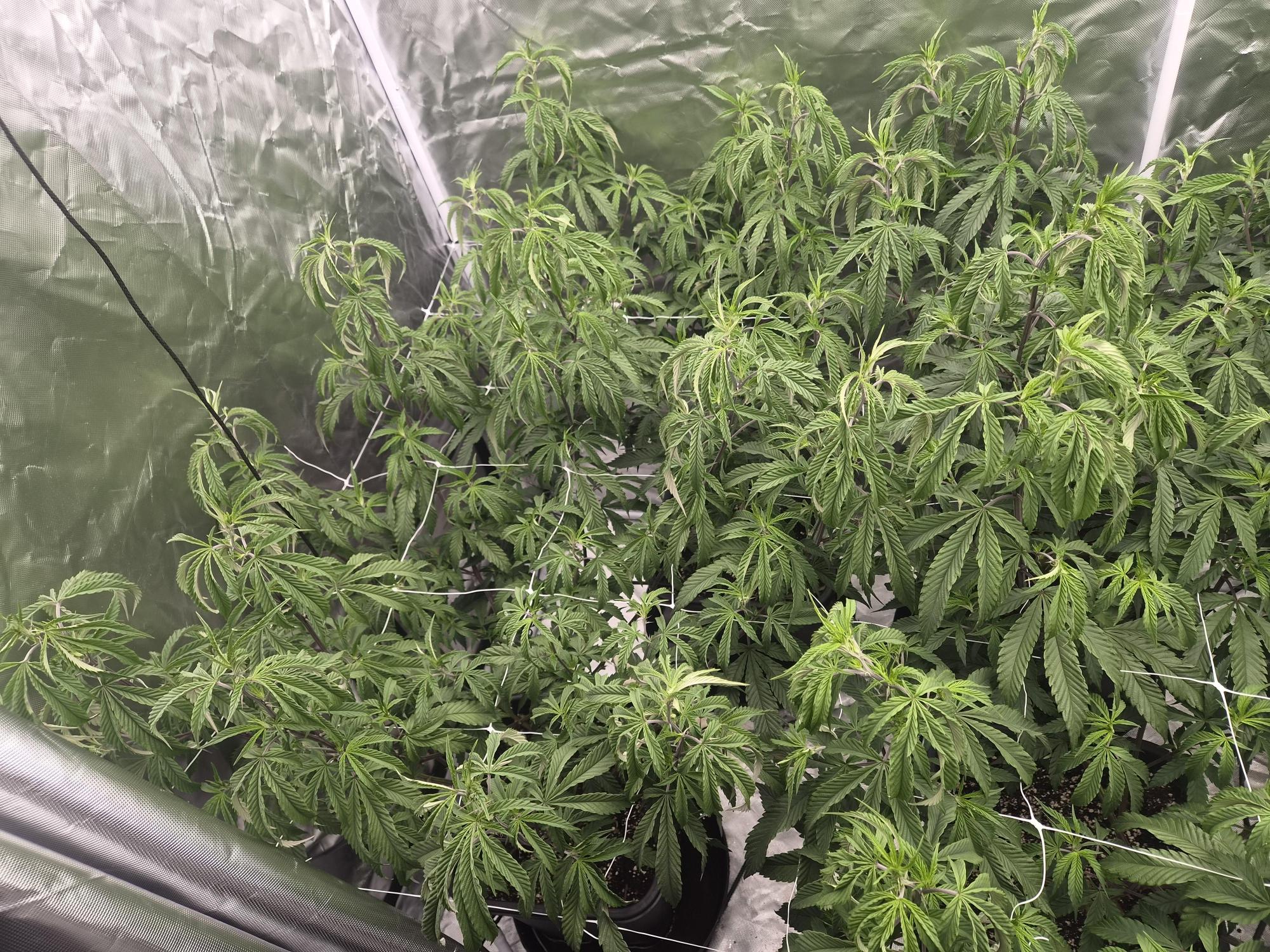
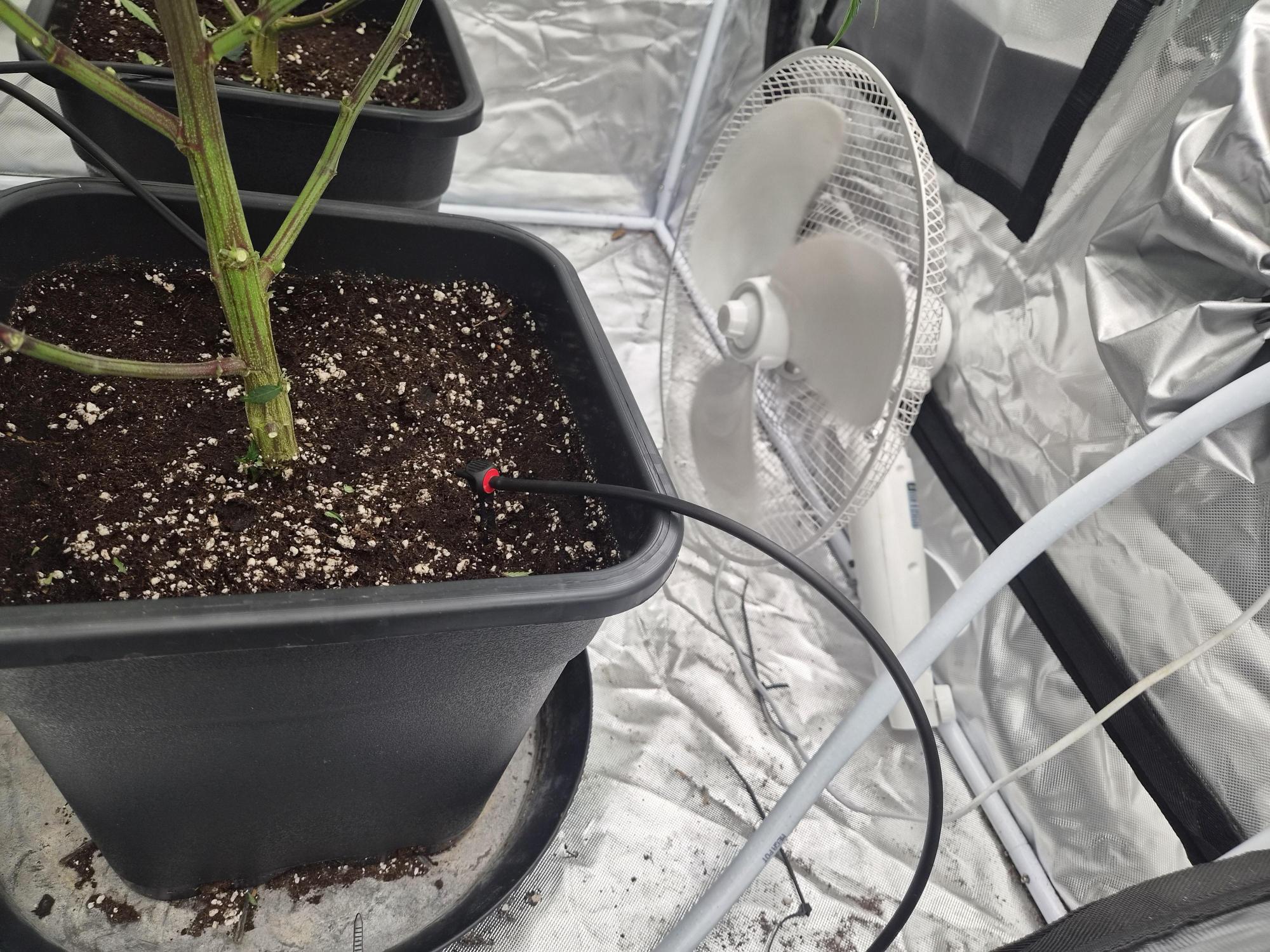
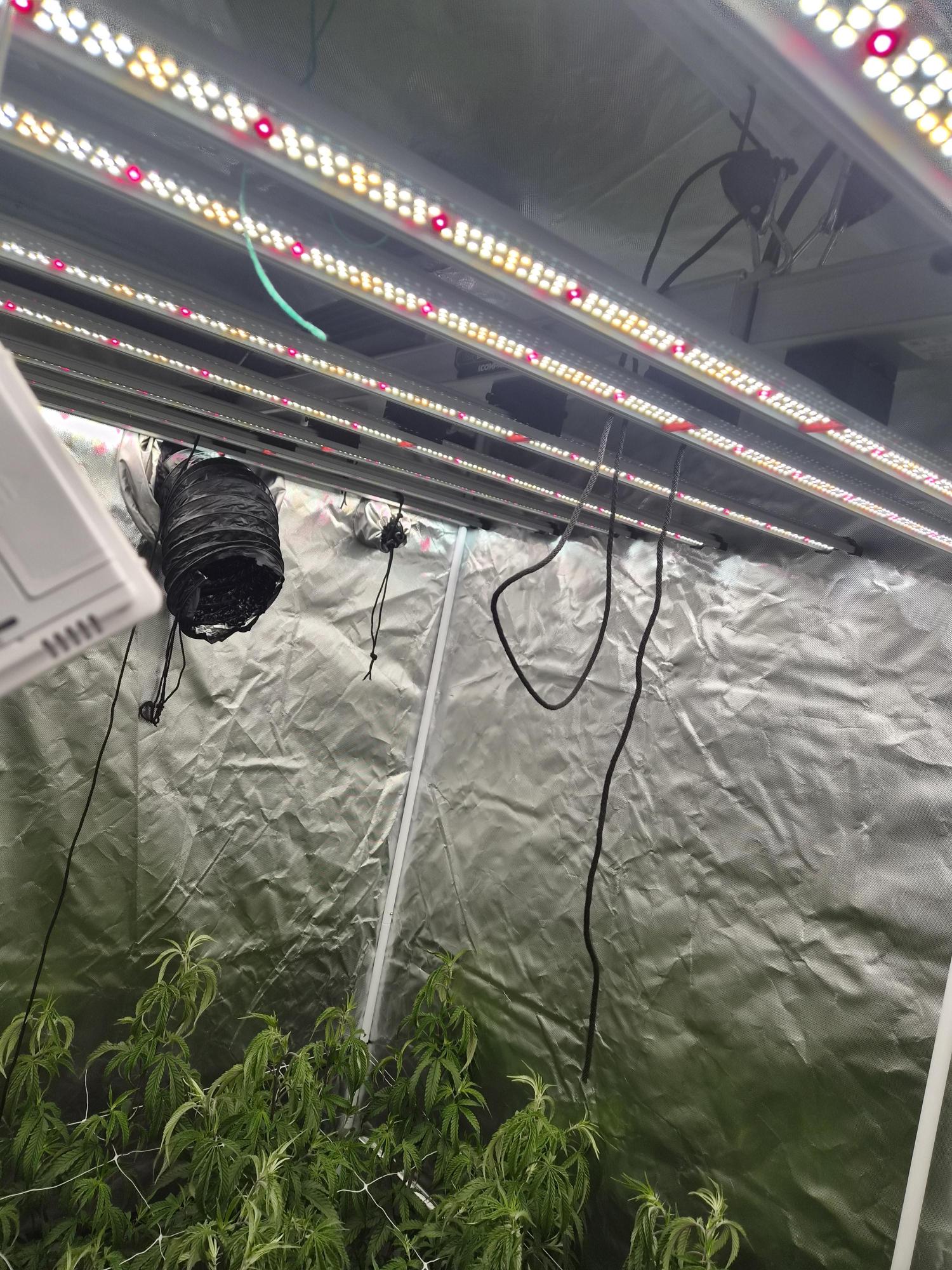
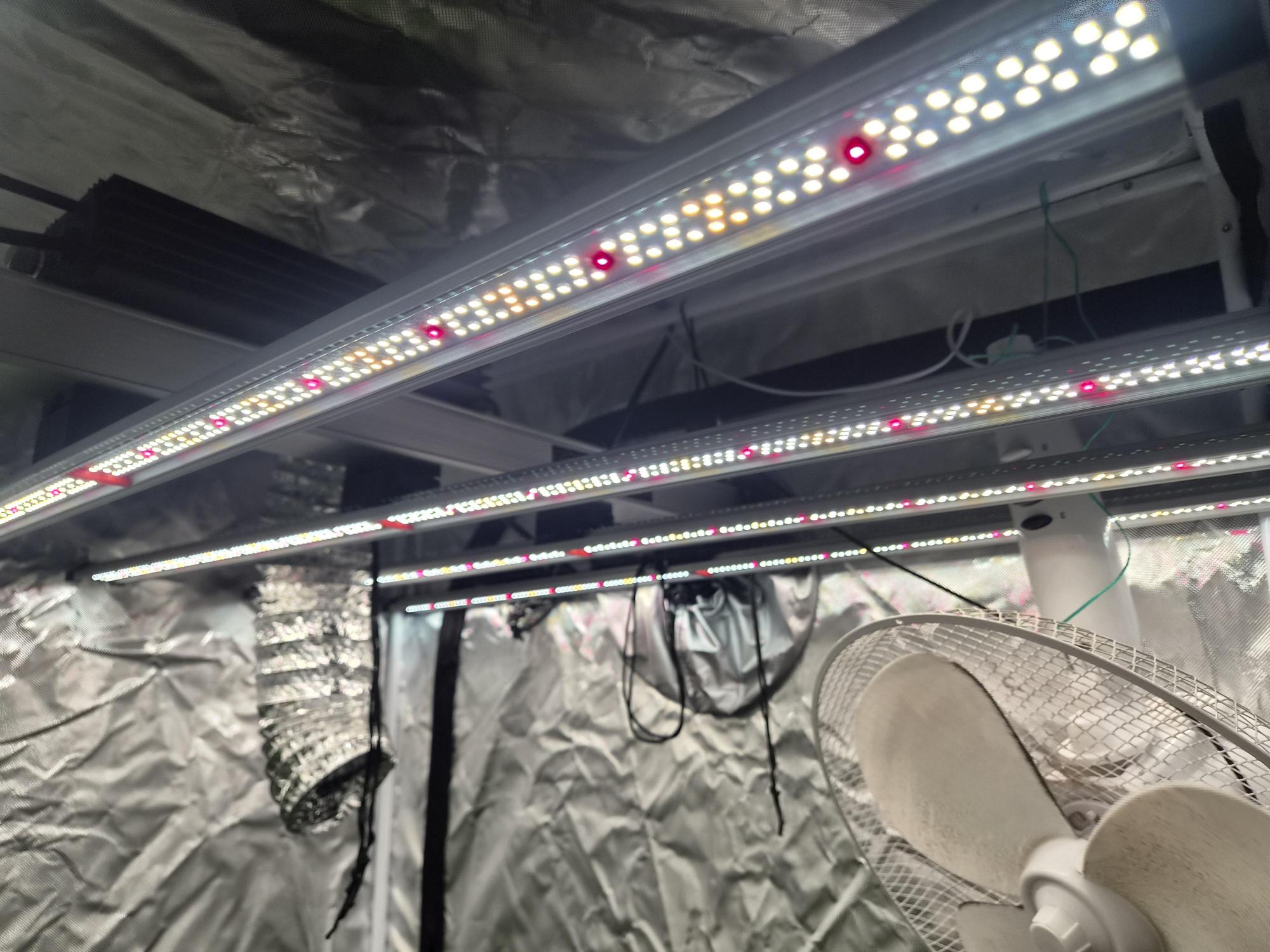
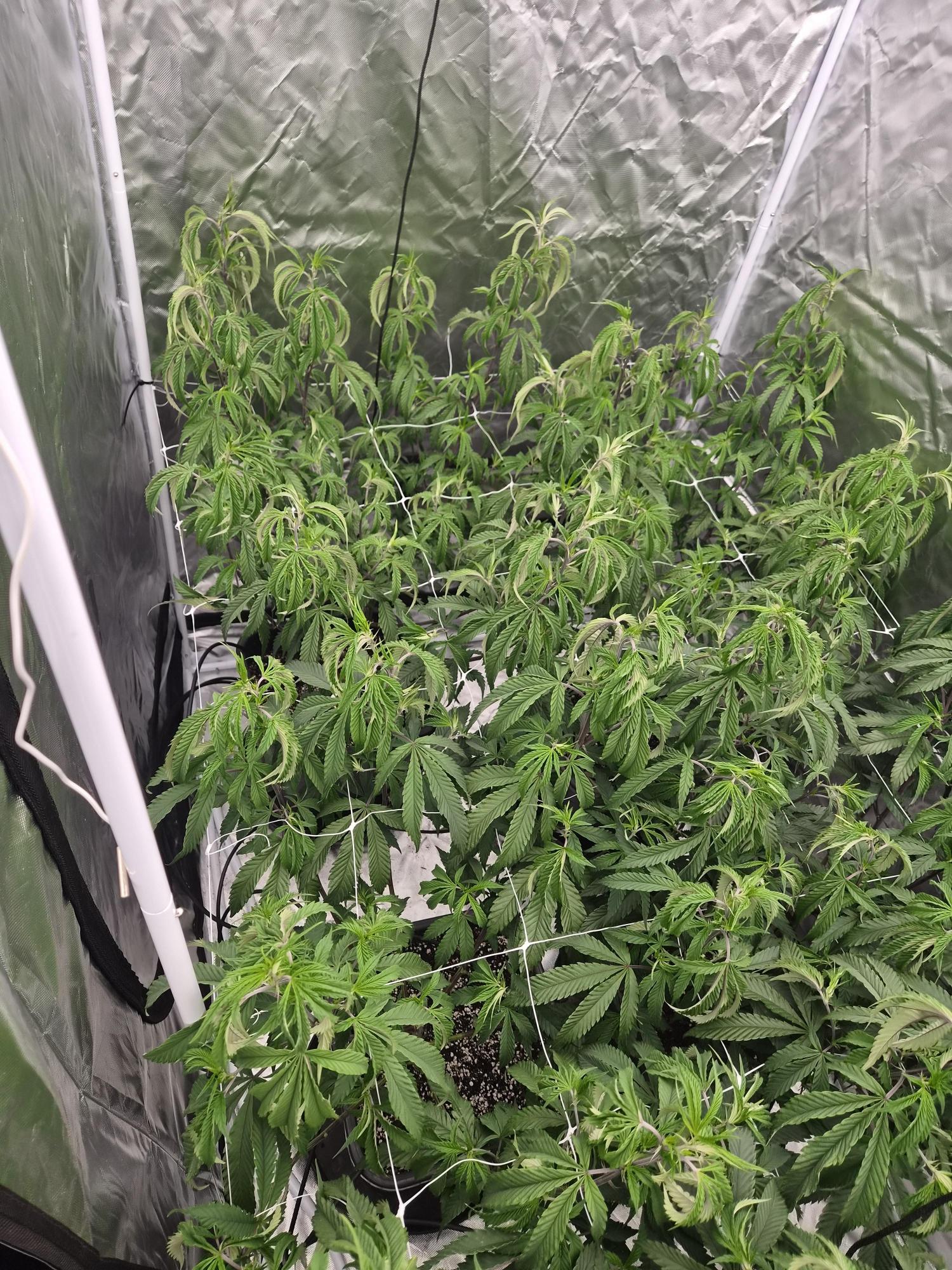
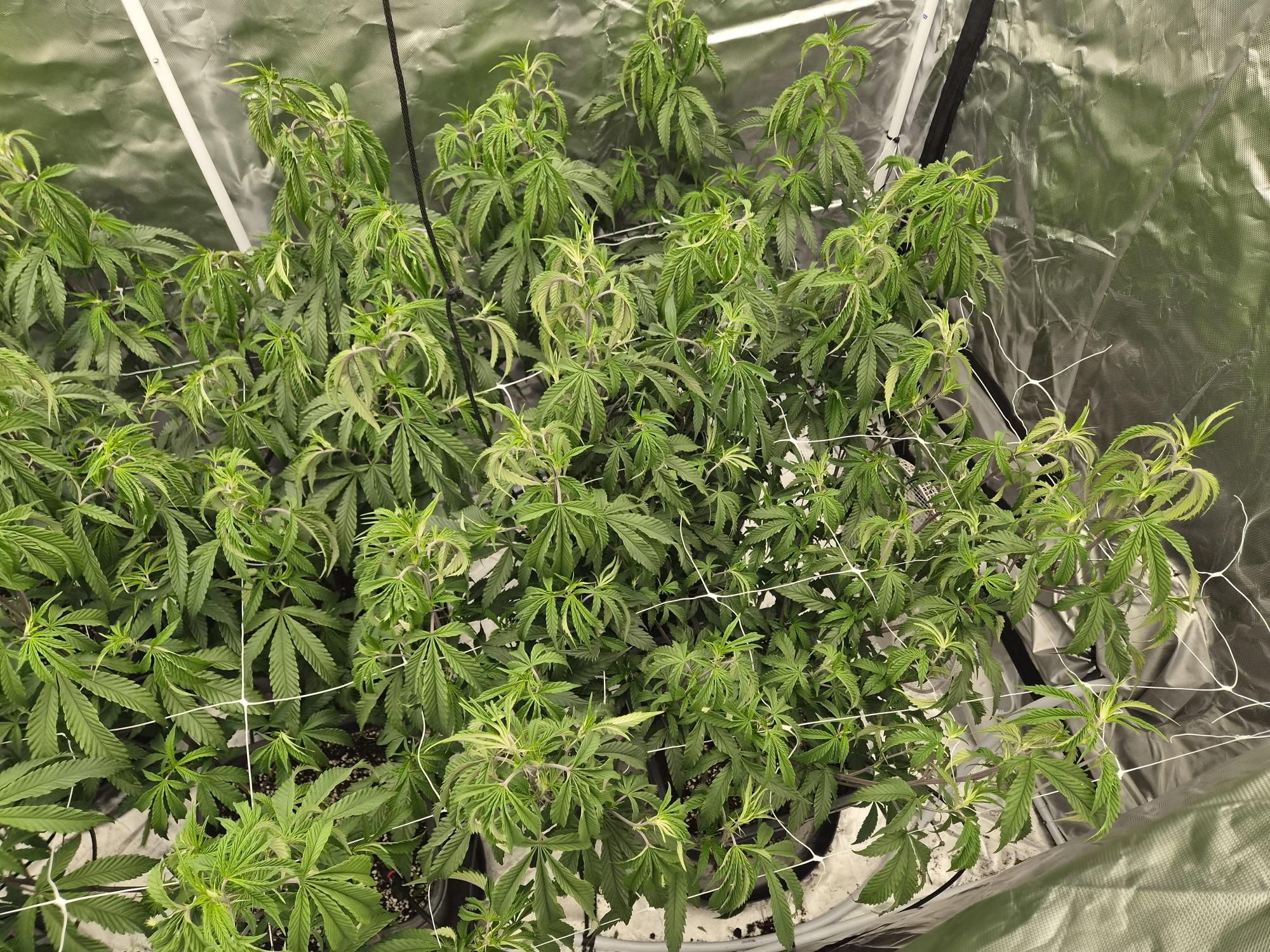
Hi my plants have been like this for 6 week now i have tried everything to get these to recover nothing has worked i have fed them everyday and i have also let them dry out i have flushed with just water i have also halfed the nutrients i reppotted them to 18ltr pots ph is bang o
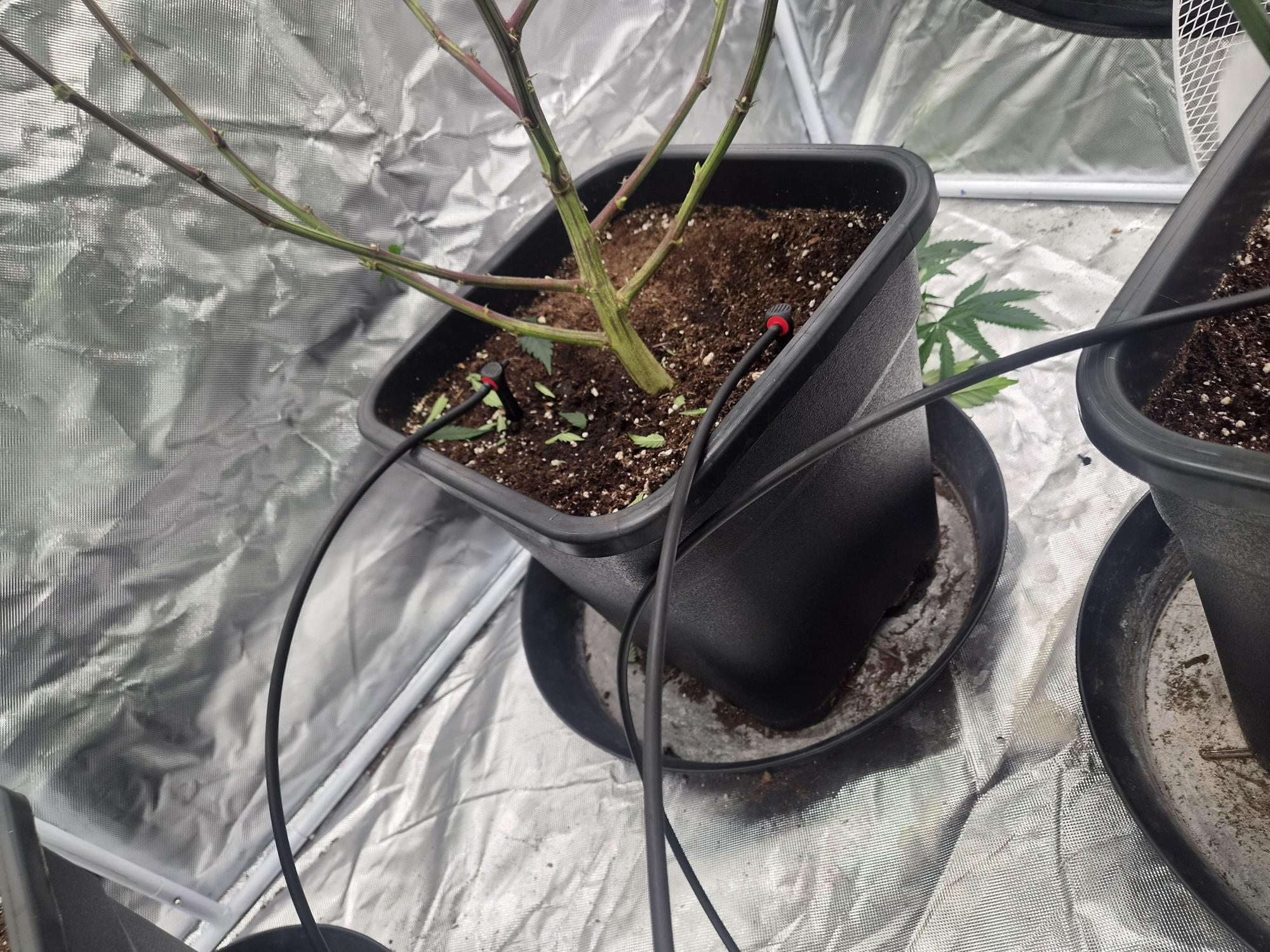
Solved
2 likes

Nocone_Purpleanswered grow question 5mo ago
you’re likely dealing with root rot or biological breakdown that feeding and flushing won’t fix.
The daily feeding actually made it worse — overwatering starves roots of oxygen and kills beneficial microbes. Flushing with plain water stripped what little nutrient buffer was left. Even perfect pH doesn’t help if the roots are already dead.
My advice: stop feeding and flushing immediately. Let the pots dry to 50% moisture and don’t water again for 3-4 days minimum. If roots are salvageable, they need oxygen desperately. If they don’t recover in a week, accept the loss and start fresh with a complete medium change — old soil holds pathogens.
For the next run: feed every 3-4 days (not daily), let soil dry 30-40% between waterings, and dial in watering discipline before nutrients. Root health is foundational — everything else is secondary.
This round is likely unrecoverable, but you’ve learned what not to do. That’s valuable.

AlienScrOGanswered grow question 5mo ago
From what you’re describing, the issue is likely root-zone instability rather than just a visible leaf problem. Drooping or weak lower leaves often point to stress in the root environment — pH fluctuations, inconsistent moisture, or nutrient lockout.
Growing in soil without measurement tools puts you at a disadvantage. Soil is a buffered system, but it’s also less predictable: if pH drifts out of range, nutrient availability drops, and without proper runoff management you can get salt buildup over time. On top of that, managing irrigation “by feel” instead of data leads to constant variability.
Right now, you’re essentially running blind — no sensors, no real feedback, no control over key variables like root-zone moisture, EC trends, or pH stability. That directly impacts how the plant manages water uptake, nutrient transport, and overall metabolism.
If you’re okay with inconsistent results, you can keep going like this. But if you want stability and repeatability, you need control.
A controller with soil sensors (moisture, EC, temperature) changes everything. It allows you to: – Maintain consistent irrigation cycles
– Prevent overwatering or dry-back stress
– Monitor nutrient accumulation trends
– Keep the root environment stable over time
Once the root zone is stable, the plant can properly manage water, CO₂ exchange, and nutrient flow — and that’s where real performance comes from.
In short: the problem is not just the plant, it’s the lack of control in the system.
1 like
Complain

DrGruenanswered grow question 5mo ago
hi...das sieht mir nach Überwässerung aus......
Deine Rettungsversuche haben sie wohl total gestresst.......
Lass sie mal total in Ruhe, ausser Giessen mit etwas Dünger.
Du bekommst sie bestimmt wieder hin ! 👍
Viel Glück
likes
Complain

Philhsyanswered grow question 5mo ago
Plants are stressed from too many changes
Not a nutrient issue it’s root stress
Stop flushing and constant feeding
Water properly then let pots dry until light
Keep EC around 0.8 to 1.2
Keep environment stable
Leave them alone a few days and let roots recover
2 likes
Complain

Heisenherbanswered grow question 5mo ago
I had a similar problem with my gelato auto, she was always droopy, from the 3rd week on she was sad. so I submerged the pot in 6 L of water for 30 minutes. The plant came back to life and now is doing amazing. Sometimes theres too much roots and the plant cant get water in the whole pot. Im guessing bro Im not an expert. your set up looks great. the led is very strong, this also could be the problem, I guess you could dim the led for 30% because of the space. Try submerging one of the plants under water, only the soil, for 20-30min. Good luck brother and hope you can find the issue. Happy grow
1 like
Complain

tjaymanswered grow question 5mo ago
Hi Grower!
It looks to me that they're still very nice colored. they're just stressed out because mostlikely they're OVERWATERED.
let them recover for 1-2 weeks and try not to water them at this time, if you do decide to water the ladies, first put your finger deep inside the soil to feel if its dry or wet.
Have a good grow !
2 likes
Complain

Smokwirianswered grow question 5mo ago
Bro, you are over watering.
Its not coco or rockwool so you cant saturated the substrate/soil.
Plant looks like its on dwc without oxygen.
Plants on soil arent that hungry for water, you should know that, you've grown good plants before mate.
Hope you can fix it, good luck.
1 like
Complain



00110001001001111Oanswered grow question 5mo ago
would help with correct information.. tent size looks inaccurate. so you have 2 680w lights in a 100x200?
watering practes soundn suspect.
running around like a chicken with its head cut off doesn't help either (doing 20 different things and never waiting to see the effect nor enough due dilligence before choosing to do something)... compounding problems more than helping anything.
seperately, 2 drippers for a large pot isn't enough
flushing dilutes rootzone. don't just flush whimsically, because it's very stressful on the plants.
1) fully saturate and if it's 'soilless' you also want 10% runoff waste out the bottom. In either case, best not to let them sit in their piss.
2) wait for appropriate dryback and repeat.
You don't choose the volume. You give what it takes to accomplish the task. Consistent dryback = consistent volume of water learned after the fact. If that sounds foreign, fix those practices first.
if you are running nearly 1400 watts of light in a 100x200, lol, that's likely the cause of the droop, but the information in the dairy is inaccurate, so, it's tough to assume things.
is it 2m^2? only need about 1200 umol/s PAR from all the lights on a 18h schedule. 1800 over 12 hours. still need to adjust to whatever the plant says (node spacing). Just a good spot to start.
1 like
Complain

cangrowzanswered grow question 5mo ago
Hello 420strainhunter! I totally feel your frustration six weeks is a long time to see your girls struggling despite all that effort. Looking at that deep green color and the heavy "clawing" of the leaves, it really points toward a mix of nitrogen toxicity and serious root stress. Feeding every single day, especially in large 18L pots, usually keeps the medium too saturated and starves the roots of the oxygen they need to breathe. Even though you've tried flushing and drying them out, the roots might be too overwhelmed to bounce back quickly. My best advice is to stop the daily feedings immediately and let those pots get bone-dry wait until they feel light as a feather before watering again. They need a "reset" period with plenty of air in the soil to recover from that saturated state.
Happy Growing Growmie🌱
1 like
Complain

JUNGLE_B4RNSanswered grow question 5mo ago
It takes 2 weeks for a plant to recover from overwatering, and you must dim your light by 50%
1 like
Complain

Watts_Growing_Onanswered grow question 5mo ago
6 weeks like this = not a small issue. This is root stress.
Looks like overwatering + too frequent feeding → roots not getting oxygen.
What to do:
• Stop feeding (just pH water)
• Let pots dry properly
• No standing runoff
• Water less often
Less is more right now — let them recover.
1 like
Complain

Diipsanswered grow question 5mo ago
to me, it looks a bit like overwatering.. do you make sure to let the pots dry out inbetween watering and feeds ? that strong droop, but i could be wrong.
likes
Complain