






















Natrona commented9d ago
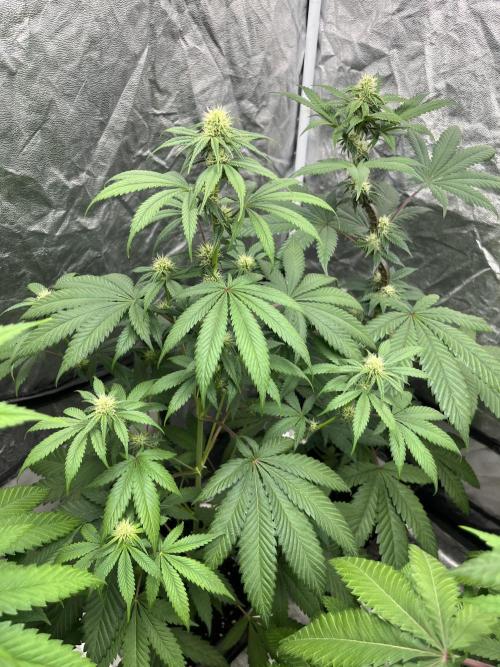
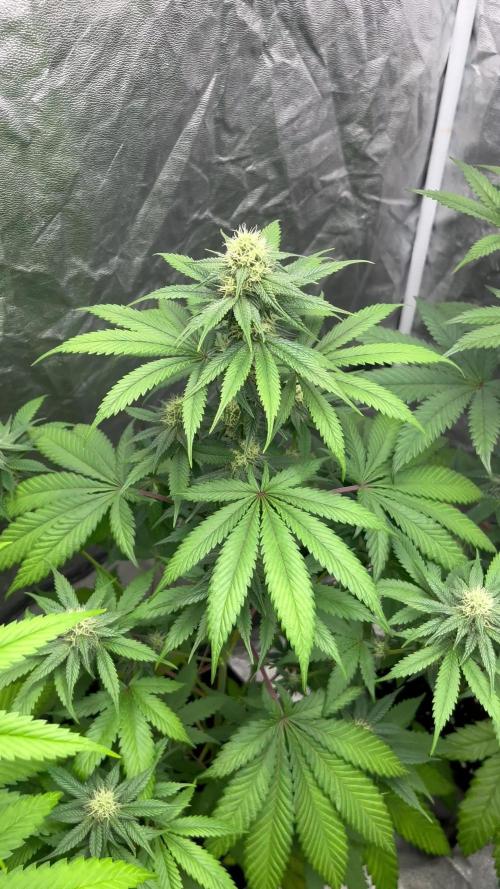
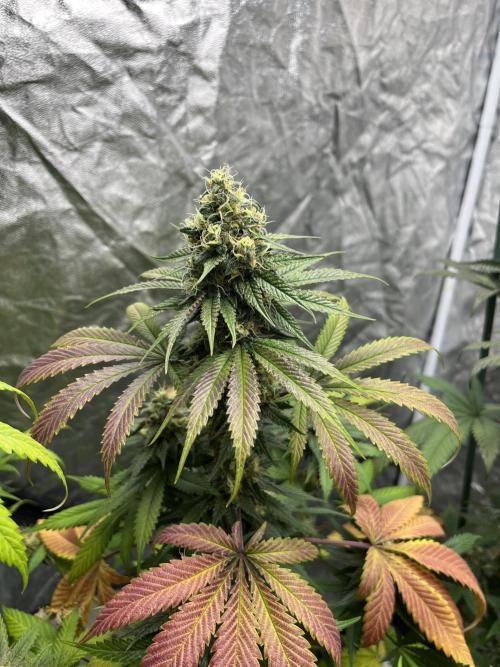
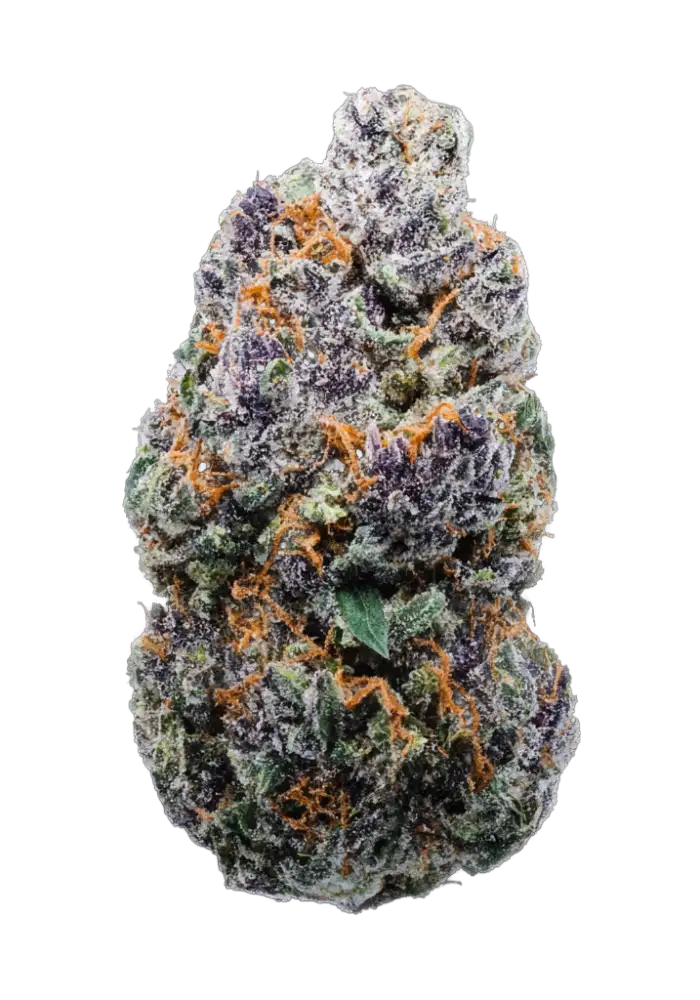
@GrowDiaries Good article. I dont grow many photos, but I can look for these in autoflower form.
likes 6

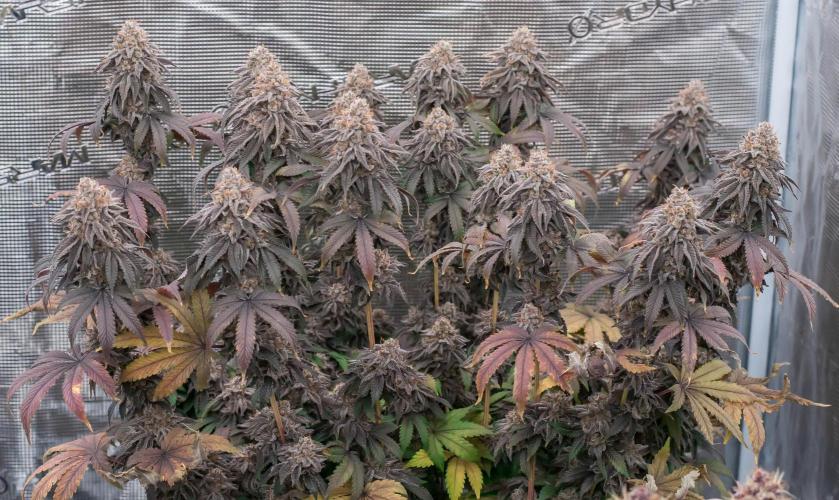
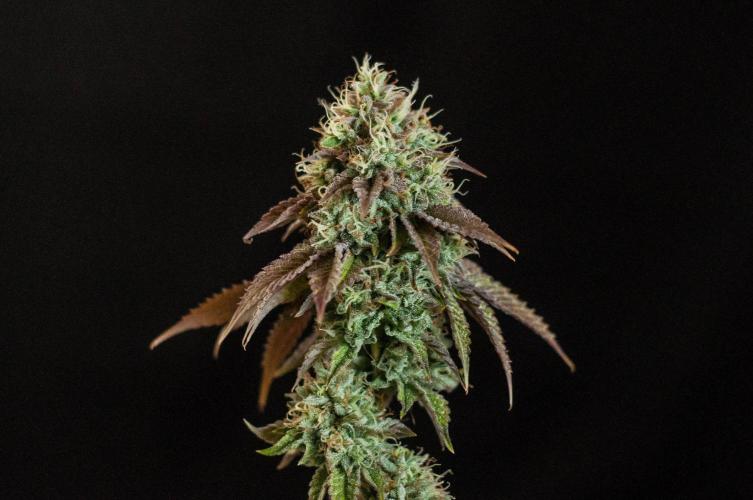
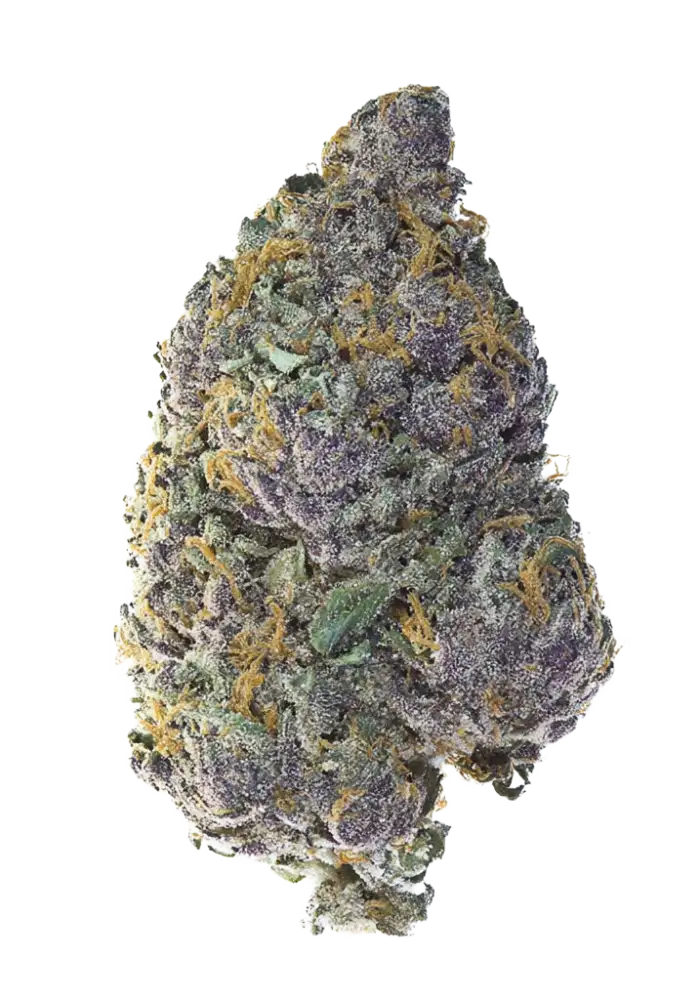
After reviewing thousands of grow diaries over the years, we’ve learned that great indica genetics are difficult to judge by a single metric. Some cultivars produce huge harvests but leave little impression after curing, while others become long-term favorites because of their effects, terpene profile, reliability, or overall flower quality.

That’s why this list looks beyond THC and yield. We considered effects, aroma, grower ratings, completed harvests, diary numbers, and the consistency of community feedback across different environments and cultivation styles. We also paid attention to longevity, separating strains that continue to perform season after season from those driven mainly by short-term hype.
Because very few modern cultivars are pure indicas, this selection includes both indica-dominant strains and indica-leaning hybrids with clearly indica-associated effects, growth traits, or overall character.
The strains are presented in no particular order. Each one has earned its place through a combination of memorable terpenes, reliable performance, strong community feedback, and the ability to leave a lasting impression after harvest.
Blueberry Muffin has been one of the easiest selections for this list because very few photoperiod cultivars have remained so consistently appreciated by growers over the years. Every season brings new releases and new hype, yet Blueberry Muffin continues to appear in hundreds of grow diaries and remains one of the highest-rated photoperiod strains on GrowDiaries, with an average score above 9.2. That's usually a sign that a cultivar has moved beyond novelty and earned its place as a genuine classic.
What impressed our editorial team most wasn’t a single outstanding characteristic, but its consistency. Across a large number of documented grows, the same qualities appear again and again: sturdy structure, dense resin-coated flowers, relatively quick flowering times, and one of the most recognizable terpene profiles in modern cannabis. That distinctive aroma comes through clearly in ProfessorGrow’s diary, where the grower described late flower as bringing “fresh, insanely strong blueberries all over the room” before awarding the finished harvest a 10/10 rating. Plenty of strains promise fruit aromas, but very few become instantly identifiable the moment the jar is opened.
Blueberry Muffin also received recognition in the GrowDiaries Grow Awards 2026, further reinforcing what we've been seeing from the community for years. It's not necessarily the highest-yielding indica on this list, nor the most powerful, but few cultivars combine reliability, aroma, and overall grower satisfaction as consistently.
Grower's Note
Blueberry Muffin is one of those cultivars that rewards patience more than aggressive cultivation techniques. It finishes relatively quickly, develops excellent flower density, and generally shows dependable growth characteristics. We'd simply recommend paying extra attention to airflow during late flower and taking your time with the cure. That's when the famous blueberry pastry aroma really comes to life.
Gorilla Melon earned its place because it consistently delivers the kind of balanced performance that growers appreciate long after the excitement of a new release has faded. It remains one of the highest-rated photoperiod strains in the Fast Buds lineup, holding an average community rating above 9.2 across dozens of documented grows and harvest reports.
One thing we noticed while reviewing those diaries is that growers rarely focus on just one feature. Instead, they tend to describe Gorilla Melon as a complete package: vigorous growth, dependable production, strong resin development, and a distinctive terpene profile. Its response to training also appears repeatedly in the reports. After applying topping and low-stress training, GrowDiaries member DeepRootsGrowTrees noted that the plant was “definitely responding well to training” while continuing to produce fresh growth. Another indoor grower documented vigorous development before shaping the plant into an eight-main manifold, further supporting its reputation as a cultivar that can be trained without losing momentum.
Rather than leaning entirely into earthy gas, Gorilla Melon introduces a sweeter melon-forward character that gives the flowers a distinct identity while preserving the potency and resin production growers expect from Gorilla lineage. It's the kind of balance that explains why it continues to receive consistently positive feedback from both newer growers and experienced cultivators.
Grower's Note
Give Gorilla Melon enough room to develop and it will reward you. The plant naturally forms a broad canopy and responds well to topping and low-stress training, making it easy to shape without sacrificing vigor. Maintaining good airflow through the canopy allows those dense, resinous flowers to finish at their full potential, and by harvest it's easy to understand why this cultivar continues to earn such consistently positive reviews.
Black Cherry Gushers stands out here because the early response from growers has been strong, even if the diary pool is still smaller than some of the more established names in this article. On GrowDiaries, it currently holds a 9.0 rating, and across dozens of diaries and harvest reports the overall impression is clearly positive. That matters to us, especially with newer additions, because strong first-hand feedback usually tells you more than hype ever will.
What we found especially useful while going through those grows was that the feedback wasn’t overly polished or predictable. Some growers describe it as easy to grow, colorful, and packed with aroma, while others mention that it keeps bulking late into flower and may need a little more patience than expected. We actually like seeing that kind of contrast. It usually means there’s real potential there, but also enough personality in the cultivar that growers should pay attention rather than treat it like a copy-paste run.
Its appeal is easy to understand once you look at what growers keep coming back to: dense flowers, serious resin production, strong potency potential, and a flavor profile that feels a little more distinctive than the usual heavy indica selection. That impression comes through clearly in Relentless-Pressure’s completed diary. After awarding the strain 10/10, the grower called it “a run I will never forget” and described the flowers as “massive and dense,” with a “deep cherry sweet” aroma followed by gas on the finish. The dark cherry and berry-candy side gives it a clear identity, while the deeper sweet, piney, earthy notes keep it grounded. For us, that balance is a big part of why it deserves mention. It has the bag appeal people want from a modern indica-leaning hybrid, but it also seems to leave a real impression once growers spend time with it.
Grower’s Note
Black Cherry Gushers looks and behaves like the kind of modern indica hybrid that benefits from a steady hand. Expect thick, aromatic flowers, strong resin coverage, and buds that can keep swelling deep into bloom. We’d pay close attention to humidity in the final stretch and make sure airflow stays consistent around the canopy, because dense flowers always ask for a little extra care. Indoors, it should do best with an even canopy and solid light distribution, and if you give it a bit of patience near the finish line, it has every chance to show why growers are speaking so well of it.
Melonade Runtz was a fairly easy inclusion for this list because it combines strong GrowDiaries feedback with the kind of flavor profile growers keep looking for in newer indica-leaning photoperiods. It holds a 9.1 rating on GrowDiaries, and with dozens of diaries and harvest reports behind it, the picture already feels clear enough to take seriously. That usually matters to us more than launch buzz. When a strain keeps getting good feedback from actual growers, it tends to separate itself pretty quickly.
What stood out most while we were going through those diaries was how often growers came back to the same combination of traits. Strong aroma, resin-heavy flowers, satisfying structure, and a terpene profile that feels very current all show up again and again. One GrowDiaries member, Aleks555, described the plant at 32 days of flowering as having gained “impressive volume,” with buds “absolutely covered in trichomes.” Plenty of modern strains lean sweet, but Melonade Runtz seems to leave a stronger impression because that sweetness comes with real presence in the grow room.
It has that fruity, tropical, candy-like character growers tend to remember, backed by dense flowers and plenty of resin. We also liked the fact that the feedback wasn’t too one-note. Some growers describe it as easy and highly rewarding, while others make it clear that it performs best when the environment is properly dialed in. That feels believable, and honestly more useful. Melonade Runtz doesn’t come across as a difficult cultivar, but it does seem to reward stability. Once those flowers begin to stack and tighten up, the usual late-flower details start to matter more.
Grower’s Note
Melonade Runtz looks like the kind of cultivar that benefits from a calm, consistent approach. It flowers in roughly 9-10 weeks indoors, develops a strong aroma as bloom progresses, and seems to respond well to basic training when you want a more even canopy. We’d pay close attention to temperature consistency, keep airflow moving through the plant in late flower, and make sure odor control is sorted before the room gets loud. If you let it finish properly instead of rushing the harvest, this is the sort of strain that has every chance to show why growers keep speaking so well of it.
Permanent Marker was never especially difficult to justify here because few modern photoperiod strains have made such a strong impression on growers in such a short time. On GrowDiaries, it holds a 9.4 rating, and even with a smaller pool than some of the older favorites in this article, the overall response is strong enough to feel meaningful. That usually tells us a strain is doing more than benefiting from hype. It’s doing something growers remember once the run is over. GrowDiaries member Krisis, who had already grown Permanent Marker before starting a second diary, described it as “still the household favorite” and said it would remain “a staple in the grows.” That kind of repeat interest often says more about a cultivar than first impressions alone.
The grow reports don’t all describe Permanent Marker in exactly the same way, but they tend to lead to a very similar overall impression. Some growers call it a normal grow with average resistance, while others describe easier handling, stronger resistance, and standout flower quality. That kind of variation is actually useful. It suggests Permanent Marker can show different sides depending on the setup, but the terpene profile is the part that keeps leaving an impression. One grower summed it up in a very simple way: “gas, sweet, candy,” which honestly captures the appeal better than a longer description probably could.
What makes Permanent Marker memorable is that it doesn’t smell or feel like just another sweet modern indica hybrid. It has that sharp, gassy, floral, slightly soapy funk that gave it its name and helped separate it from the crowd in the first place. For us, that’s the real reason it works in a list like this. Plenty of strains are potent, and plenty are resinous, but not many feel this instantly recognizable once the flowers are dried, cured, and opened up. It’s the kind of cultivar that seems built more around quality, identity, and overall impact than around simple yield numbers.
Grower’s Note:
Permanent Marker looks like the kind of cultivar that rewards growers who enjoy paying attention to the details. We’d keep the room stable, stay on top of airflow and humidity, and avoid pushing it too hard late in bloom just for the sake of weight. This feels like a strain you grow for the finished flower as much as the harvest itself. If the dry and cure are handled with care, there’s every chance that signature funk will be exactly what people remember.
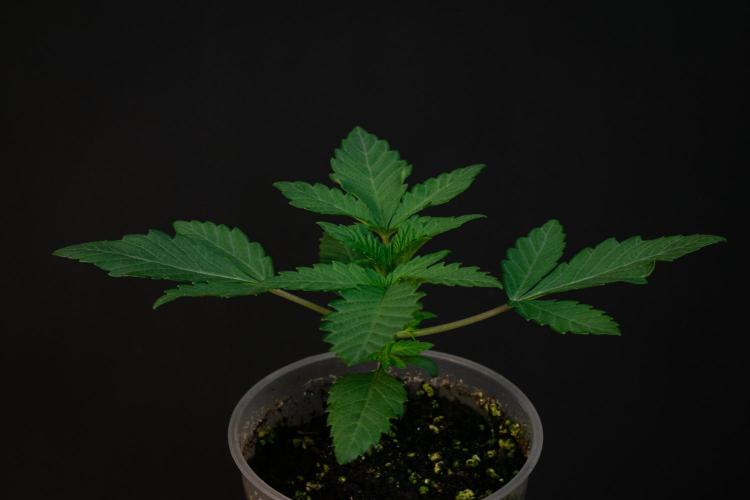
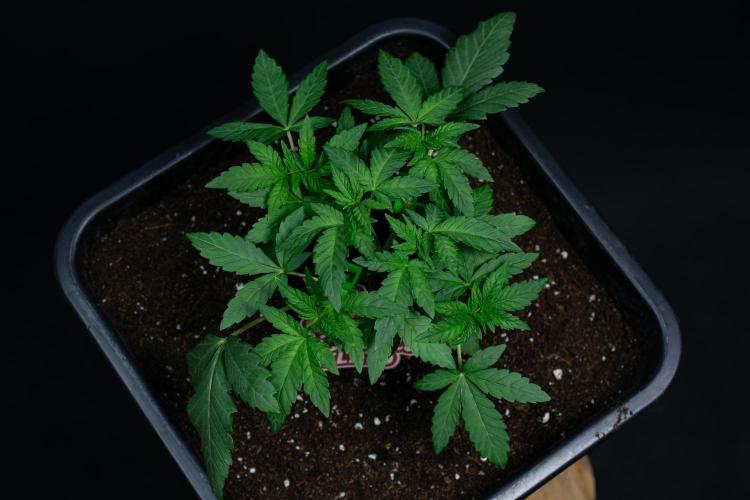
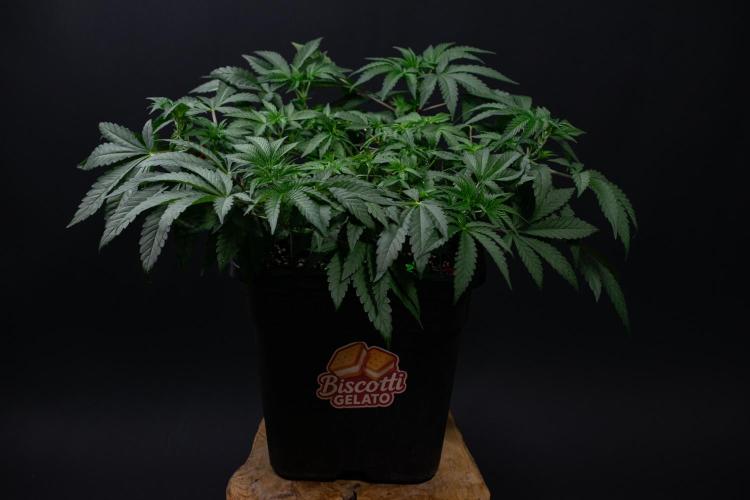
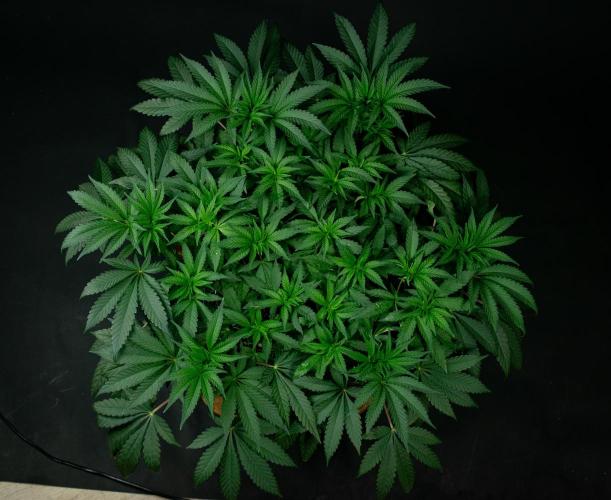
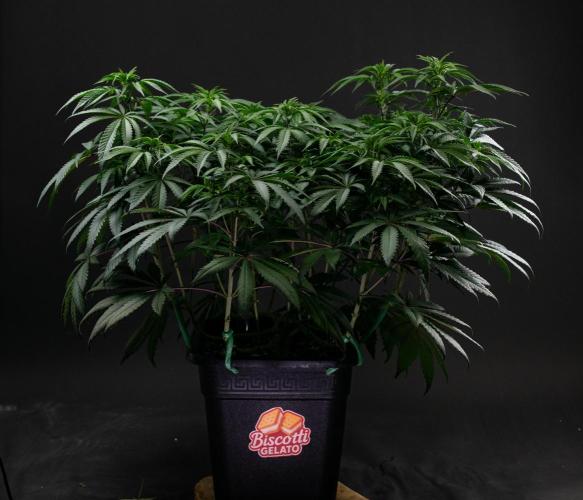
Biscotti Gelato makes sense in this lineup because the early GrowDiaries response has been strong, and the appeal is easy to understand once you spend a little time with the diaries. It holds a 9.0 rating on GrowDiaries, and even though the data pool is still smaller than some of the more established names in this article, the overall tone from growers is already very encouraging. That usually tells us there’s something real behind the first wave of attention.
What makes the feedback around Biscotti Gelato especially convincing is how balanced it feels. Growers speak well of it, but not in that vague, overly polished way that newer strains sometimes get described. One grower called it a great and easy experience, while another mentioned a slight overfeeding issue and still came away impressed enough to say the smoke was extremely enjoyable. We tend to trust that kind of response. It sounds like a cultivar people actually spent time with, rather than one they were trying to flatter.
Its appeal also feels a little broader than simple potency alone. Biscotti Gelato has that rich dessert-style profile growers keep chasing, with sweet cookie, creamier notes, a little citrus brightness, and enough earthy depth underneath to stop it from feeling flat. GrowDiaries member Schnabeldino described its aroma during flowering as “a smell of lemon sorbet,” before later reporting dense, chunky flowers coated in trichomes from top to bottom. That combination of bright citrus aroma and strong flower development fits well with the wider impression growers have shared.
Grower’s Note:
Biscotti Gelato looks like the kind of strain that rewards growers who like to shape a canopy and keep things tidy. It responds well to topping and training, enjoys strong light, and generally needs around 10 weeks of flowering to finish properly. We’d keep feeding moderate rather than aggressive, pay attention to airflow once the flowers start getting dense, and treat the cure as part of the grow rather than an afterthought. That’s usually where the sweeter, creamier side has the best chance to come through.
Gelato 44 feels like a natural fit for this list because it pairs one of the strongest ratings in this article with a profile that still appeals to a lot of indica growers: rich flavor, solid potency, and flowers that look every bit as polished as the name suggests. On GrowDiaries, it currently holds a 9.5 rating, and across dozens of diaries and harvest reports, the response is clearly enthusiastic. That usually gets our attention, especially when a strain is earning that kind of approval without relying on a massive data pool.
What made Gelato 44 interesting as we went through the grows was the contrast in how people describe the run itself. The broader strain notes on GrowDiaries present it as a cultivar that prefers closely controlled conditions, but some growers describe it in much simpler terms, saying the grow was easy, healthy, and very rewarding once flower production got underway. We actually find that kind of split useful. It suggests Gelato 44 can be quite manageable in the right setup, but probably won’t be as forgiving when the environment starts drifting.
The appeal is easy to understand once you look past the name. Gelato 44 leans into that refined dessert side without becoming dull or overly soft. Vanilla, sweetness, fruit, and cream are all part of the picture, but there’s enough citrus, mint, and earthy depth to keep it feeling sharp. That combination of vigor and finished-flower quality comes through clearly in Pot_Portraits’ diary. During late bloom, the grower summed up the flowers with one word - “CHUNKY” - before praising the “super sweet flavors,” “massive flowers,” and generous harvest in the final review. The effect seems to follow the same pattern. It’s relaxing and euphoric, but not in a way that immediately shuts the evening down. For us, that balance is a big part of why it works here. It has the comfort growers want from an indica-leaning hybrid, but it still carries a lighter, more sociable edge than some of the heavier options in this category.
Grower’s Note:
Gelato 44 looks like the kind of cultivar that benefits from a steady room and a bit of attention through bloom. It generally finishes in about 8–9 weeks, responds well to canopy management, and seems best suited to growers who keep temperature, humidity, and airflow reasonably consistent. We’d also keep an eye on branch support once the flowers start putting on weight, then take some care with the dry so the creamier side of the terpene profile has a chance to stay intact.
Cherry Gar-see-ya R1 belongs in this conversation because it has the kind of GrowDiaries presence that’s hard to ignore. It holds a 9.2 rating, and unlike some of the newer entries with only a small pool behind them, this one already has a deep enough run of diaries and harvests to show real consistency in grower interest. That matters to us, because once a strain keeps showing up in that many gardens, patterns start to become much easier to trust.
What gives us confidence here is that growers don’t seem to come back to Cherry Gar-see-ya R1 for just one reason. The same themes keep surfacing from run to run: strong production, heavy resin, dense flowers, and a terpene profile with enough cherry and fuel to stand out in a crowded category. That consistency comes through particularly well in nerdz’s harvest report. After growing more than six Cherry Gar-see-ya plants, the grower rated this run 9/10 and praised its “big dense buds coated in frost.” There’s also a useful split in how people rate the difficulty. The ETHOS product notes present it as suitable for newer growers, while the GrowDiaries strain profile frames it as a more moderately challenging plant. To us, that usually points to a cultivar that is broadly manageable, but only really easy when the basics are handled well.
Its appeal also feels a little more distinctive than the average indica-leaning hybrid. Cherry Gar-see-ya R1 has that resin-heavy, almost extract-friendly character growers tend to notice right away, but it’s the flavor profile that gives it personality. The cherry side keeps it bright, while the diesel, gas, citrus, and earthy sweetness stop it from feeling too simple or too soft. The effect seems to follow the same path, starting on a happier, more euphoric note before settling into something more physical and sedative. For us, that balance is a big part of why it continues to attract attention. It offers weight and production, but it doesn’t come across as generic.
Grower’s Note:
Cherry Gar-see-ya R1 looks like the kind of strain that can be very rewarding as long as the room stays under control. It generally finishes in about 8–9 weeks, has a reputation for strong production, and seems especially well suited to growers who don’t mind supporting heavy branches late in flower. We’d keep airflow strong, stay ahead of odor rather than reacting to it late, and give the plant enough time to finish properly if the goal is to bring out that fuller cherry-gas expression. If resin production is high on your priority list, this is clearly one of the more interesting options in the group.
Slurricane #7 S1 feels like an obvious inclusion here because it lines up almost perfectly with what many growers want from a serious end-of-day indica. On GrowDiaries, it holds a 9.3 rating, and even though the diary pool is still smaller than some of the longer-established names in this article, the overall response is strong enough to stand on its own. Once a strain keeps earning that kind of approval while also showing solid harvest performance, we tend to pay attention.
What makes this one easy to remember is that the appeal is very consistent from grow to grow. Slurricane #7 S1 keeps getting associated with the same cluster of traits: heavy frost, dense flowers, rich flavor, and the kind of effect that clearly leans toward the later hours of the day. That combination comes through clearly in PersonalSmok3s’ diary. The grower rated the strain 10/10, called its trichome production “off the charts,” and noted a “really sweet gassy aroma” as the flowers matured. By harvest, the buds were praised for their potency, solid structure, and smooth, indica-leaning smoke. There’s also a useful bit of contrast in the feedback. The GrowDiaries strain notes present it as a difficult cultivar that does best indoors with careful control, while some grower reviews sound much more relaxed and call it straightforward enough in the right setup. That usually tells us the strain has real quality, but it rewards growers who can keep the room stable and avoid treating it casually.
The terpene profile is a big part of why it still stands out in a crowded field of indica-leaning hybrids. Slurricane #7 S1 has that sweet grape and berry side people expect, but it’s the creamier, gassier edge underneath that gives it more depth. For us, that balance is what separates it from sweeter, softer dessert strains. It feels heavier, darker, and more deliberately nighttime in character. The effect seems to follow the same path, starting with a calm, hazy uplift before settling into deeper physical relaxation and a much sleepier finish. If someone is looking for an indica that really commits to that role, this is exactly the sort of cultivar they usually mean.
Grower’s Note:
Slurricane #7 S1 looks like the kind of plant that rewards patience more than shortcuts. It generally needs a little longer in flower, performs best indoors, and asks for close attention once those dense, resin-heavy buds start building weight. The need for support is worth taking seriously: in the cited diary, the grower had to place a cane through the plant because the branches were beginning to sag under the weight of the buds. We’d give it plenty of airflow, avoid crowding the canopy, and keep humidity under control in the final stretch. It also seems like the kind of strain that benefits from being allowed to finish properly rather than being taken early. That extra time is often where the heavier side of the effect really starts to show.
Persian Pie works well in this lineup because it brings clear indica leanings without feeling overly heavy or predictable. On GrowDiaries, it holds a 9.4 rating, and with dozens of diaries and harvest reports behind it, the overall impression is already well established. That usually matters to us with strains like this. When enough growers keep coming back with positive notes on the same cultivar, you start to get a much better sense of what it really offers beyond the breeder description.
What makes Persian Pie especially appealing is that the feedback has a bit of range without losing consistency. Some growers call it easy to manage and praise its resistance, while others place it more in the normal, middle-ground category. We actually find that reassuring. It suggests a plant with good natural vigor, but not one that behaves exactly the same in every room. That vigor comes through clearly in D33jW’s diary. After awarding Persian Pie 10/10, the grower called it “very strong and tall” and said they had never seen a plant become so frosty. The aroma also earned particular praise, reinforcing the strong terpene character reported elsewhere.
The terpene profile is a big part of why Persian Pie stands out from the usual sweeter indica crowd. Instead of leaning entirely into cream, grape, or candy, it brings together sharp lemon, banana sweetness, earthy depth, and a sour-gassy finish that gives it more lift and personality. For us, that balance is what makes it memorable. The effect seems to follow the same direction, starting brighter and more euphoric before settling into a mellower, more physical kind of relaxation. So while it clearly fits an indica-leaning conversation, it doesn’t come across like a one-note couch-lock strain.
Grower’s Note:
Persian Pie looks like the kind of cultivar that gives back quickly when treated well. It has a reputation for vigorous growth, strong branching, and compact flowers that can stack nicely in a well-managed room. Its tendency to grow tall is also worth considering when planning the canopy, particularly in rooms with limited vertical space. We’d still pay attention to airflow once bloom gets deeper, because tight flowers always deserve a little respect late in the cycle. A steady feed, sensible humidity, and a patient cure should go a long way here, especially if the goal is to let that lemon-banana-gas profile fully open up.
This top 10 is a strong reflection of what modern photoperiod indicas have become. They’re no longer defined by weight and sedation alone. The best of them bring clear flavor definition, strong resin production, dependable structure, louder terpene profiles, and the kind of individuality growers remember long after harvest.
Across this list, that shift is easy to see. Blueberry Muffin leans into nostalgic bakery sweetness, Gorilla Melon and Melonade Runtz push fruit-forward intensity, Permanent Marker and Slurricane #7 S1 go deeper into funk, frost, and nighttime potency, while Persian Pie brings a brighter lemon-banana profile and plenty of vigor in the grow room.
What we like most about this group is that each strain offers its own version of indica appeal. Some are easyrgoing, some ask for a little more precision, and some are built for growers who want the loudest jar in the room once the cure is done. Together, they show just how expressive, terpene-driven, and nuanced modern indica genetics have become.
If you’ve grown any of these cultivars, we’d genuinely love to hear how they performed in your setup. Yield, stretch, aroma, flower density, cure, and smoke report - all of it helps the wider community. Thanks for reading, and as always, we hope your next harvest is sticky, fragrant, and well worth the wait.
