DogDoctorOfficial commented22d ago
😍😍😍 Absolutely fantastic! What a beautiful article! 👏👏👏
Truly honored to see some of my images featured here, thank you for giving them a place in such a great piece! 🙏💚
Growers Love, always! 🌱💚🌱
likes 4
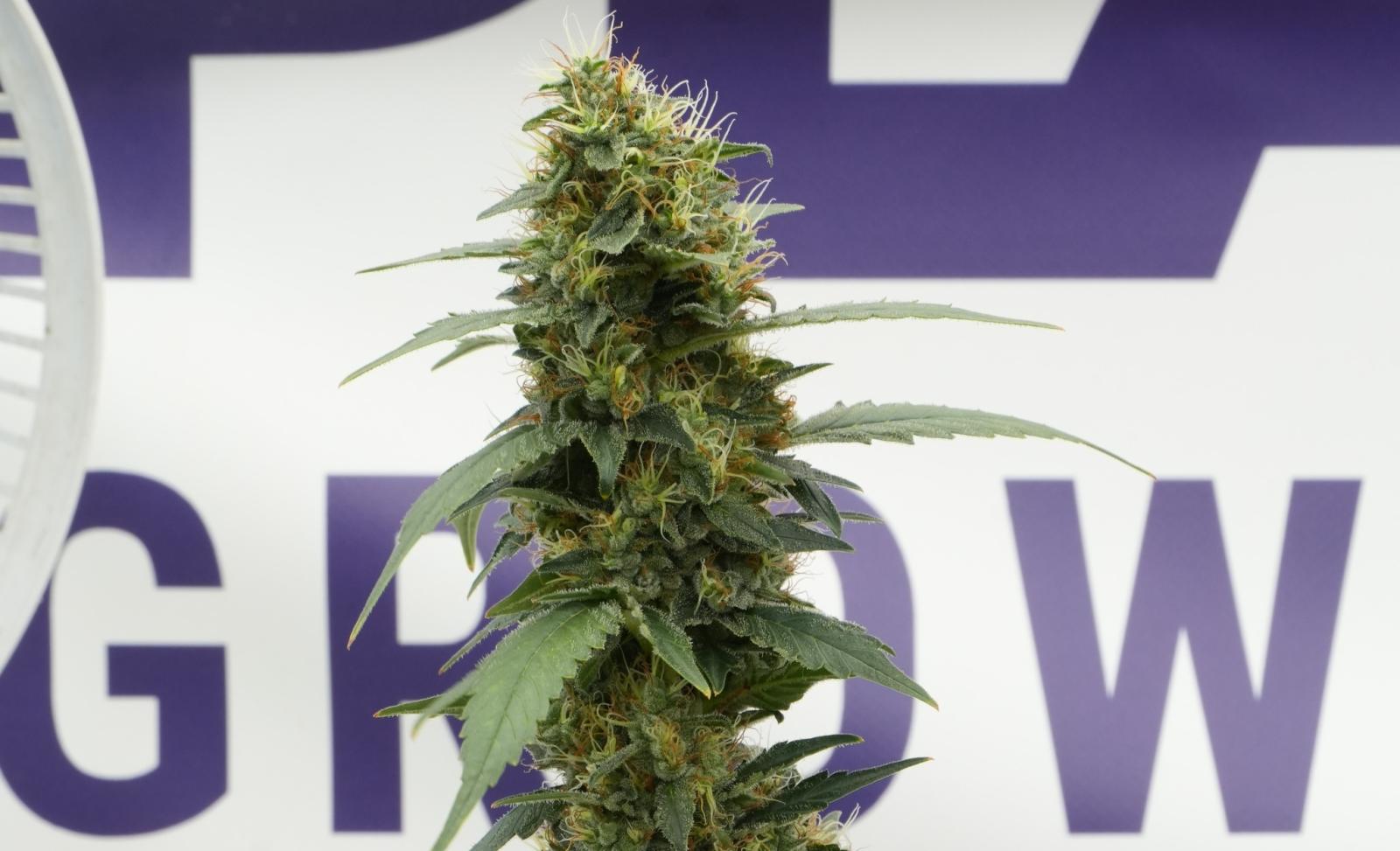
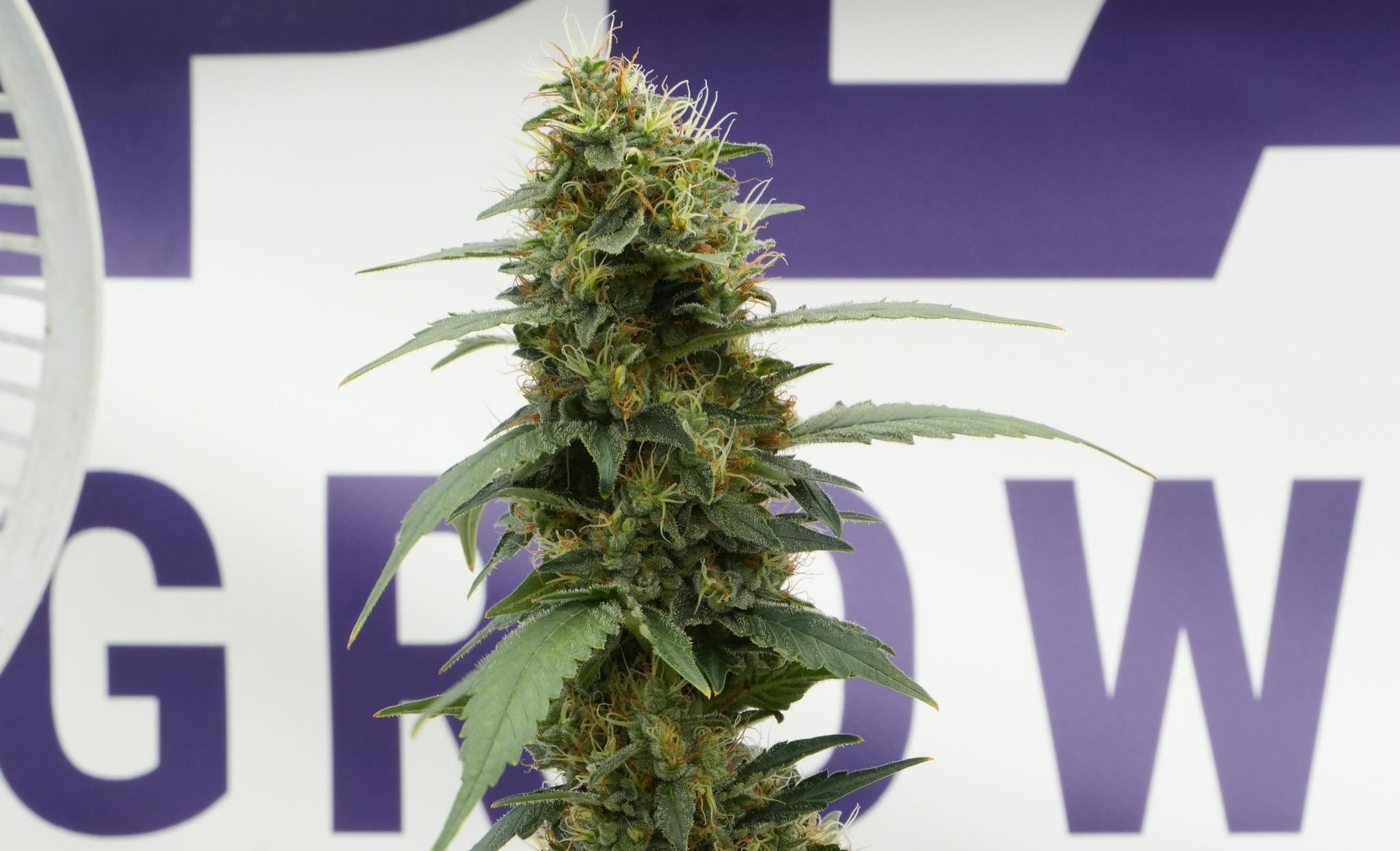
You're deep into flowering. The smell is there, the trichomes are starting to show, but the buds themselves just... aren't filling out. You check them every morning hoping for a difference, and every morning they look about the same as the day before.
This is one of the most common frustrations in the later stages of a grow, and almost never comes down to one single mistake. Bud size is the end result of a long chain of decisions: light, genetics, temperature, root health, feeding, and timing all stack on top of each other. If one link in that chain is weak, the whole structure gets capped, no matter how well you nailed everything else.
Let's go through the real reasons buds stall out, starting with the one most growers underestimate.
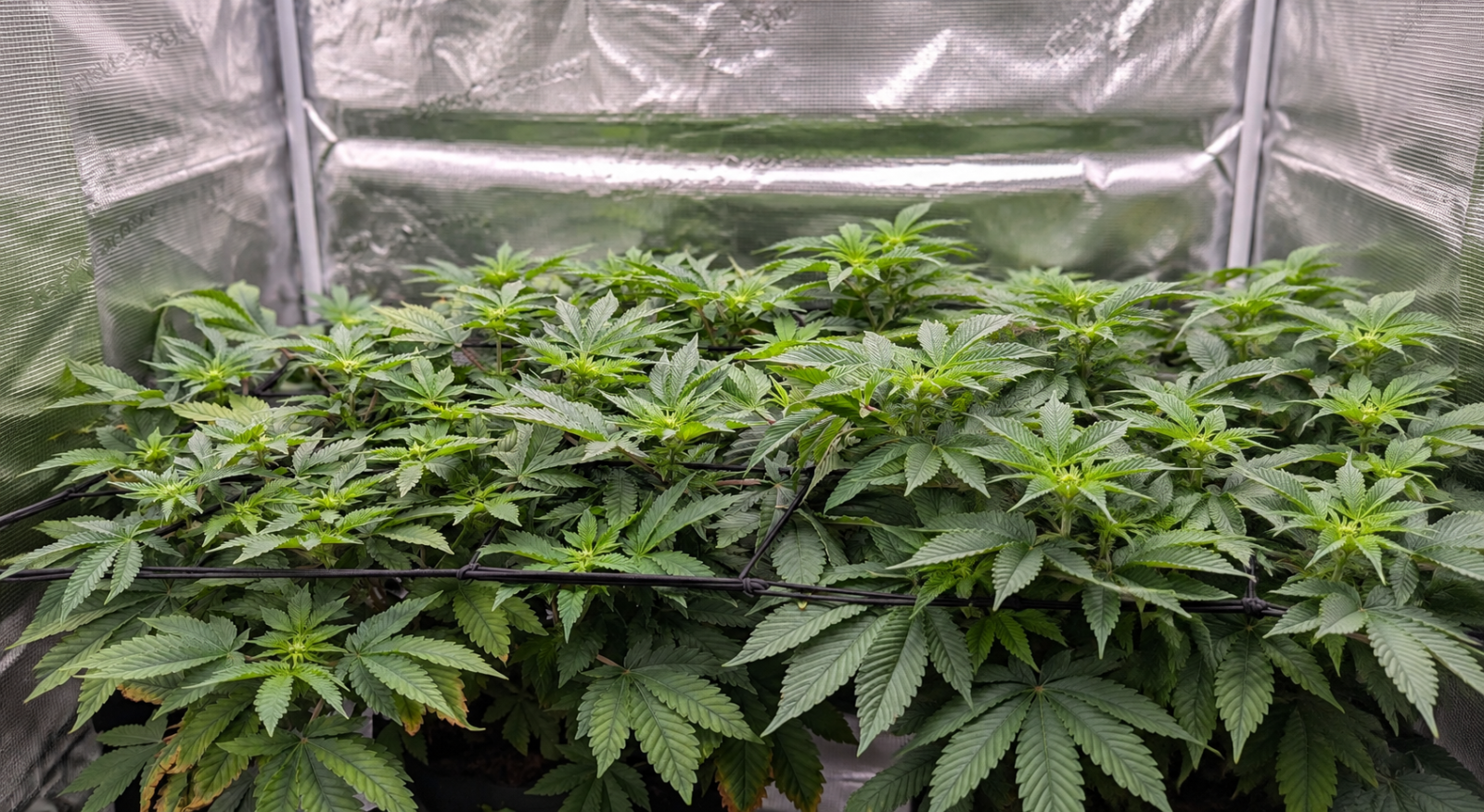
Total wattage gets all the attention, but what actually drives bud size is PPFD (light intensity) at the canopy and how evenly that light spreads across it. A grow can have plenty of light on paper while the lower and inner bud sites still sit in relative shade, never developing the density they're capable of.
During flowering, aim for canopy-level PPFD in the 600–900 µmol/m²/s range for most strains, and make sure your canopy is actually flat. A jungle of uneven heights means some colas hog the light while others stretch underneath, fighting for scraps. Defoliation and LST earlier in the grow exist specifically to prevent this problem before it starts.
This one is uncomfortable, but it has to be said: some genetics simply don't produce huge, dense flowers, no matter what you do. A sativa-leaning landrace bred for resin and effect was never selected for bud weight the way a modern hybrid bred specifically for yield was.
Before blaming your technique, look at what the breeder actually advertises about that specific cut. Phenotype variation between seeds of the same strain is also real. Two plants from the same pack can finish with noticeably different bud structures. If you're chasing maximum size, choosing genetics bred for it will always outperform technique alone.
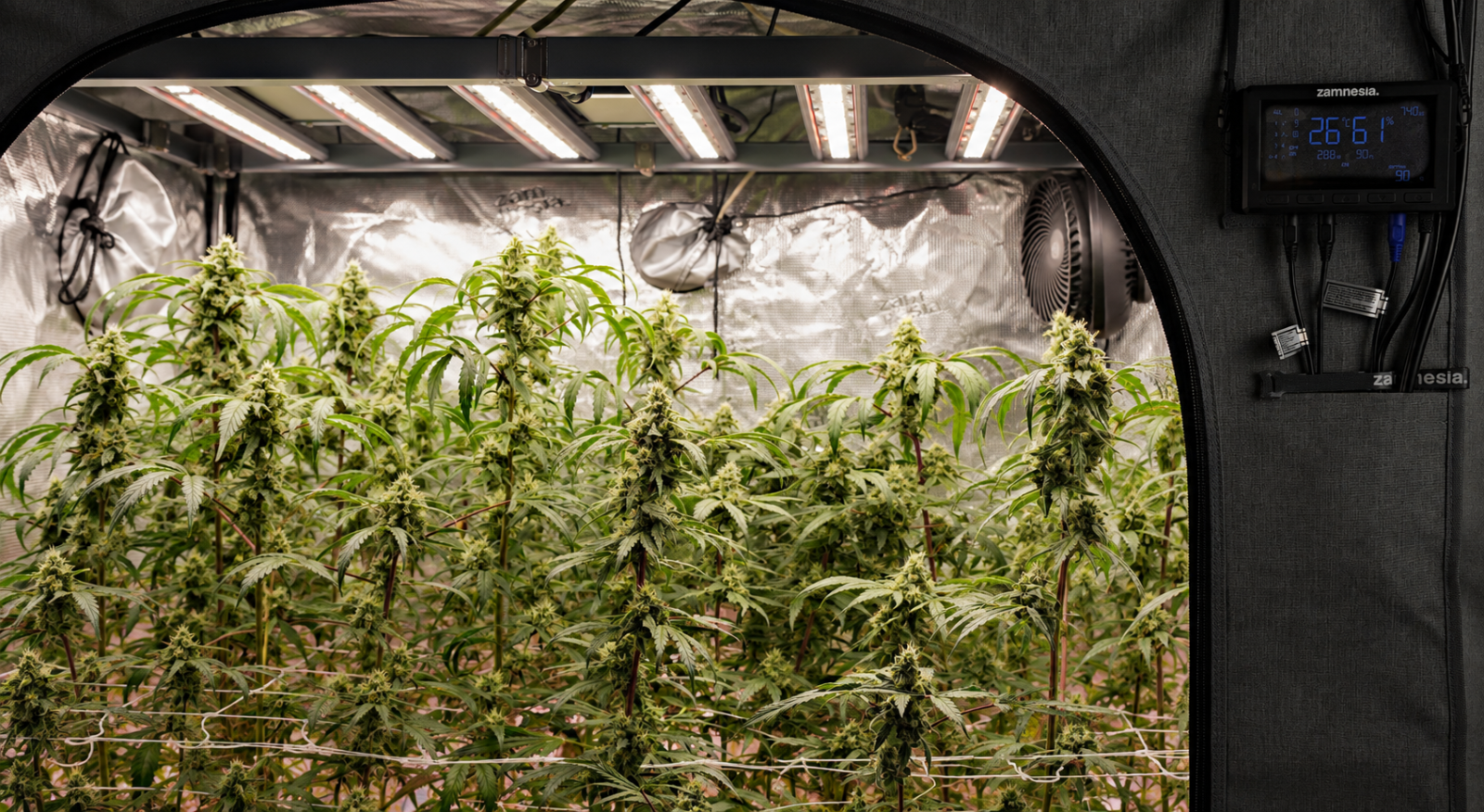
Cannabis plants do most of their flower-building work in a fairly narrow temperature window, generally 20–26°C during lights-on. Push much above that and the plant starts prioritizing survival over expansion; drop too far below it and metabolic processes that drive cell growth slow down.
The bigger issue is usually not the average temperature, but the swing: a tent that hits 28°C at midday and 17°C at night is putting real stress on the plant twice a day, every day. That kind of fluctuation, especially combined with humidity crashes, is one of the most overlooked causes of stalled bud development. A cheap data logger that tracks min/max overnight will often reveal a problem growers didn't know they had.
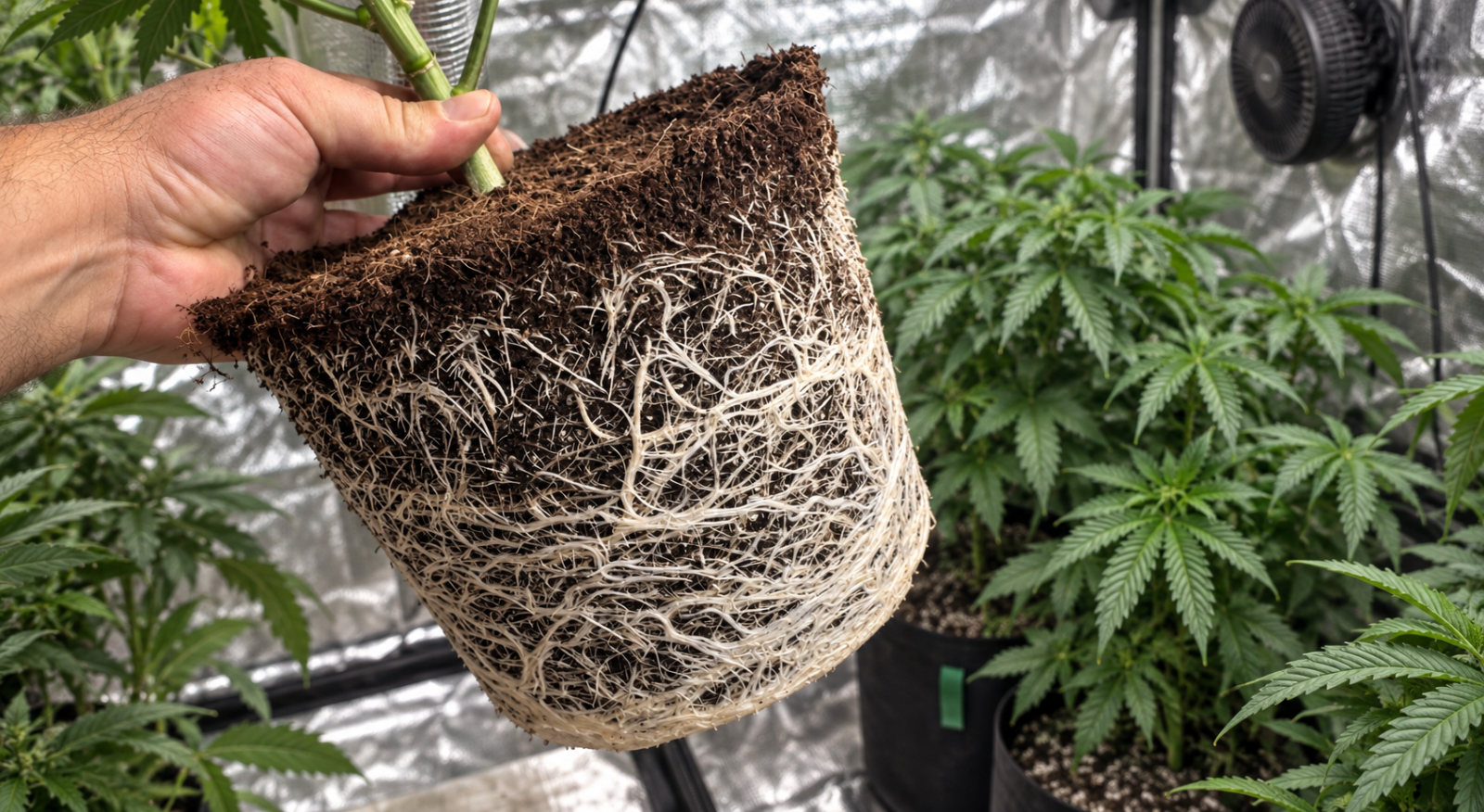
Buds are built from what the roots can deliver. A compacted, oxygen-starved, or pH-locked-out root zone simply can't move enough water and nutrients to support fast flower expansion, even if everything above the soil line looks fine.
Watch for the early warning signs: slower-than-expected uptake, leaves that look slightly tired despite correct feeding, or runoff pH drifting outside 5.5–6.5 (in coco/hydro) or 6.0–7.0 (in soil). Root zone oxygenation matters as much as nutrition here. Products like Power Roots can support healthy root development, but they work best when the basics are right: proper watering, enough oxygen in the medium, and a stable pH range. Overwatering and compacted media are silent yield killers because the damage happens underground, out of sight, well before it shows up in the canopy.
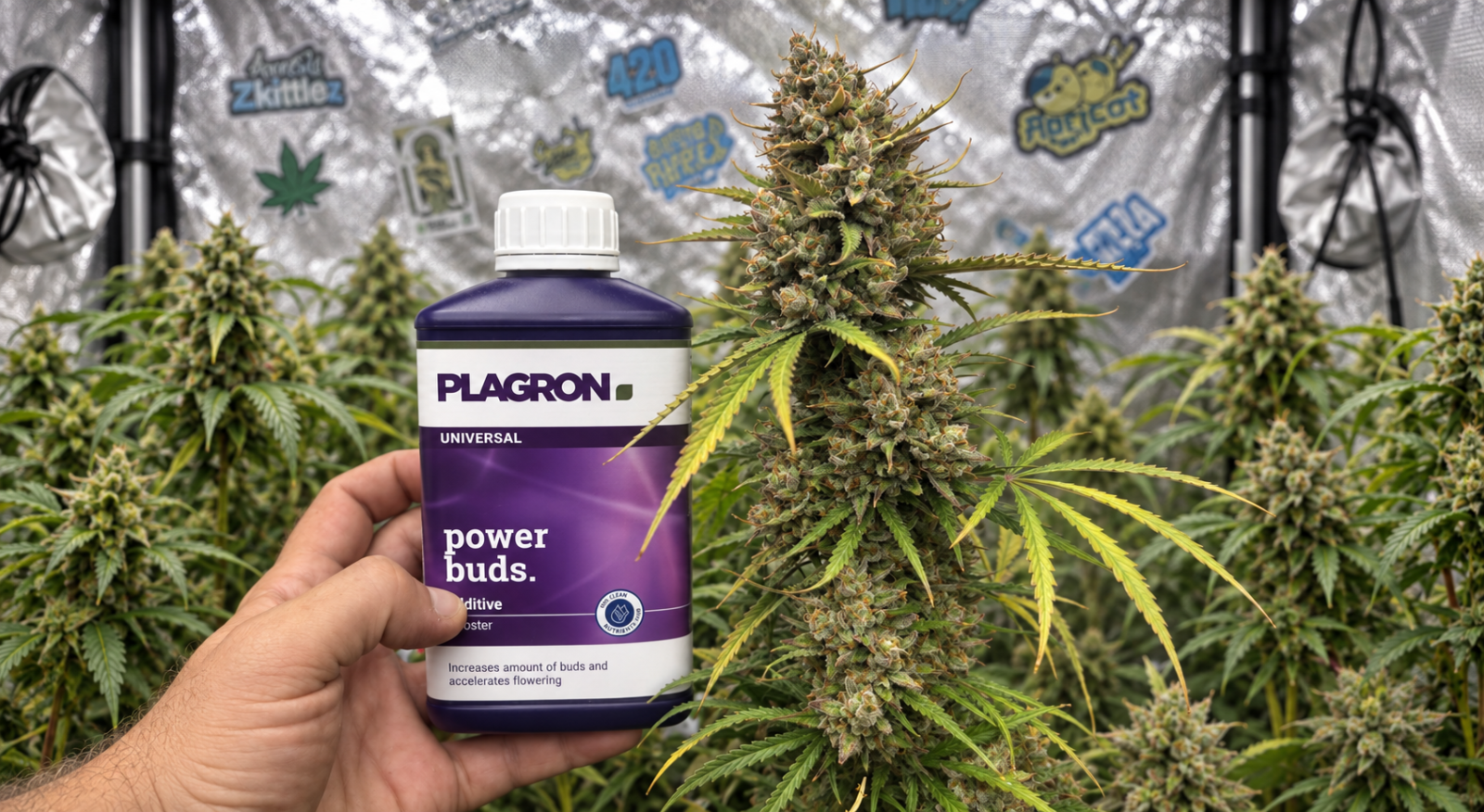
Bloom boosters (PK boosters, bud-hardening additives, and similar products) genuinely do help push bud density and weight in the final weeks, but only if everything above this point is already dialed in. Adding a booster on top of a light deficiency, a root problem, or temperature stress is like flooring the accelerator with the handbrake on. It won't fix the underlying issue, and in some cases an aggressive PK boost on a stressed plant can cause nutrient lockout instead of helping.
Boosters work best as the final 10%, not the foundation. If you've confirmed light, genetics, climate, roots, and base feeding are all solid, products like Power Buds and Green Sensation can help support the flowering phase in different ways: Power Buds is designed to stimulate flower formation, while Green Sensation supports the final bloom phase by improving flowering, resistance, soil life and nutrient transport. Used too early, or as a substitute for fixing a real problem, boosters tend to disappoint.
Bud "stalling" sometimes isn't stalling at all; often it's a grower checking too early. Most photoperiod strains spend the first 3–4 weeks of flowering on structure and site development before the real swell phase kicks in around weeks 5–7. If you're only two or three weeks into flower and judging final size already, you're judging an unfinished product.
The flip side also exists: strains left too long past their finish window can start reabsorbing resources rather than continuing to build, which feels like a stall even though it's actually decline. Knowing your strain's expected flowering length and tracking where you actually are in it prevents both false alarms and missed harvest windows.
That’s where the Grow Schedule Calculator helps. It maps your grow style, substrate, and flowering time into a clear feeding chart, so you know when to adjust nutrition, introduce boosters, and move toward the finish line.
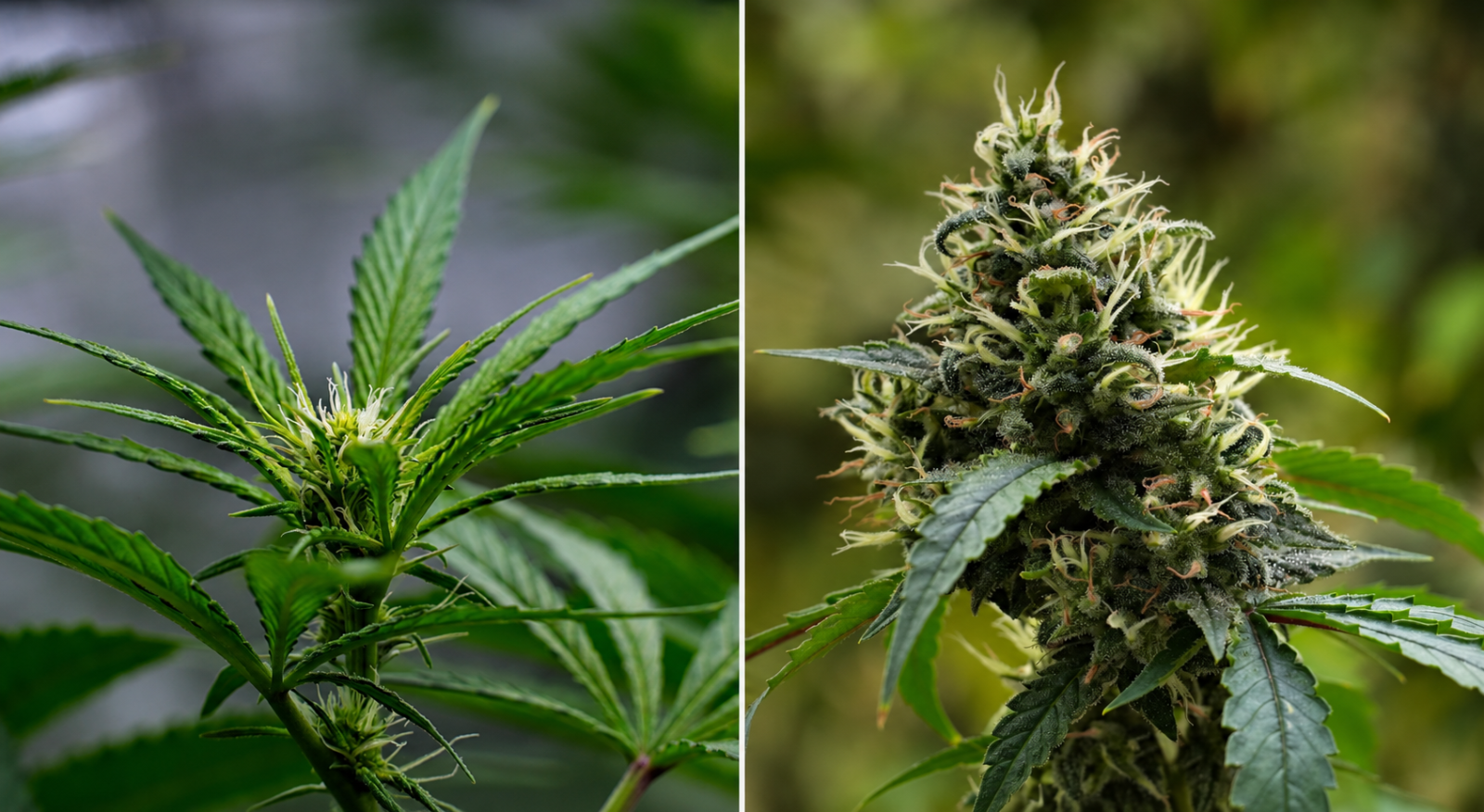
Small buds are rarely caused by one dramatic mistake. They're usually the sum of several small gaps: slightly uneven light, a few degrees of temperature swing, a feeding ratio that didn't shift with the stage, roots that were a little compacted, genetics that weren't built for size in the first place. Go through these seven factors in order, be honest about which ones you haven't actually checked, and fix the foundation before reaching for any booster.
Get light, climate, genetics, and root health right, and time your boosters and harvest correctly. Bud size takes care of itself far more often than growers expect.