The Grow Awards 2026 🏆 








Likes
Comments
Share
@ctm_dzagi
Follow
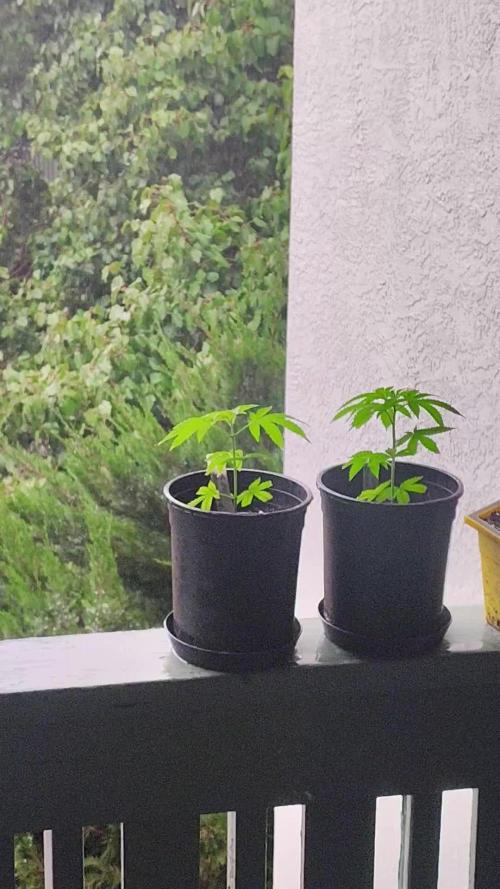
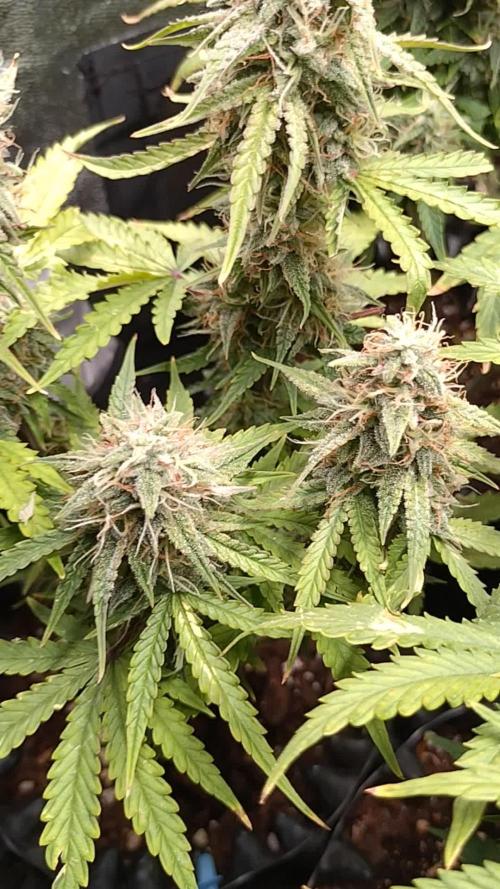
At last I started to drink serious amounts of water, now I’ll be shooting I drank almost all the fan leaves from the main calls
Has shown sexual signs

Likes
12
Share
@Pinhead9169
Follow
This is week 3 with the addition of a purple kush auto (middle) I'm amazed at how well they are doing outside 😊


Likes
6
Share

Likes
5
Share


Likes
43
Share
@TheCannaProphet
Follow
~ GG4 SHERBET FAST FLOWER by FastBuds ~
Well fam, here we go again with another epic strain from FastBuds Fast Flowering stable. After having such tremendous success growing their Gorilla Cookies Fast Flower outdoors last year, I've decided to run another of their fast flowering strains outdoors this year... GG4 Sherbet Fast Flower!
The best description of this awesome cultivar comes directly from my friends at FastBuds which is as follows:
"Bred from extremely potent and flavorful Gorilla Glue and Orange Sherbet genetics, GG4 Sherbet FF (Fast-Flowering) takes all the best traits to the next level, offering a high-yielding strain that can produce up to 600 g/m2 in a 7-week flowering time. This super resilient Indica-leaning hybrid thrives indoors and outdoors, and in all types of climates while producing mouth-watering sweet, fruity, spicy and earthy terps that translate into a delicious sugary hazelnut aroma. Expect an extremely relaxing and overall happy effect that’ll leave you with a huge smile from ear to ear. It’s the perfect strain for growers of all levels of experience seeking low-maintenance yet highly productive photoperiod varieties that deliver quality and quantity without extra effort.
GG4 Sherbet FF grows chunky buds with long dark orange hairs and spade-shaped calyxes that get encrusted with trichomes by harvest time, giving them a gorgeous silvery-white appearance. This medium-sized photoperiod can reach up to 200 cm in height and yields up to 650 g/m2 while developing that typical hybrid structure. GG4 Sherbet FF grows with a stocky, bushy appearance, developing one sturdy main cola and fat side branches that support huge yields without much effort. This super-fast variety produces distinctive light-green buds with a high bud-to-leaf ratio, making your trimming sessions a breeze. It’s a top-notch resin producer that doesn’t need much maintenance and will thrive in almost every climate, rewarding growers of all levels with extremely flavorful resin that makes for outstanding hash end extracts."
________________________________________________________________________________________________________________________________________________________________________________________________________________________________________________________________________________________________________________________
The Setup:
This is going to be an outdoor grow, but I have started the GG4 Sherbet Fast Flower indoors as our weather is still too cold to put her outside (nighttime temp's dipping regularly into the 30's℉).
The plan is simple... let her grow inside under a 19/5 light schedule until the nighttime temperatures stay above the mid 40's℉, at which point she'll be moved outside and transplanted into the soil which I have already setup and inoculated with beneficial microbes, and then let the fun begin!🤪💚
________________________________________________________________________________________________________________________________________________________________________________________________________________________________________________________________________________________________________________________
Weekly Updates:
4/18- Here we go into Week Three for the FastBuds GG4 Sherbet Fast Flower. She's fully acclimated to her outdoor location now and all I'm waiting for is the weather to warm up!
4/20- 🍃HAPPY 420 FAM!🍃
4/22- The GG4 Sherbet FF continues to do well with good color and vigor, considering the cooler weather we're having right now, adding another set of leaves.
4/24- I gave her a good watering today and am getting ready to get some straw to spread over her soil mound to help keep the soil moist and reduce watering frequency.
There's another week for the little GG4 Sherbet FF. I'm really anticipating seeing her take off once our weather gets a bit warmer! Hope to see you next week... 😎


Likes
32
Share
@BigBadLion
Follow
Hey guys! Week 8 for the plant or week 3 of flower! 😍
And holy cow, these girls are growing fast, specially my baby that's on the front. And in fact, since they are so developed I decided to add some PK supplements slightly earlier and see how things go!
On top of that both girls seem to have slightly different phenotypes, one of them is slowly turning purple while the other one is getting purplier leaves and trichomes, which I believe looks beautiful.
I also defoliated and worked on the LST again, I need the lower buds to develop as well!
Anyway, I hope you all enjoy the photos and see you all next week! 😊
Likes
5
Share
@JolliGrowz27
Follow
The Gorilla Gas F1 Fast has stretched an inch everyday so far in the first week. I was measuring everyday at 4:20 pm. I measured early today, I'm sure it'll grow half an inch again by 420. These ladies are stretching a lot so far. I fed the plants this morning with recharge and a little worm castings. My clones have been growing successfully as well. I have 2 clones of Pheno 1 and 2 clones of Pheno 2. The plant I accidentally broke in half has 4 colas now reaching for the light. The plant is smaller so I raised it so the canopy will be almost even. Watching football this morning. My outdoor plants are doing well too. I am growing regular seeds outdoors now. I have found 1 male plant, which is the largest plant outside.

Likes
2
Share
@PhinolaGreen
Follow
9. Woche
Sie bekommen mittlerweile keinen Dünger mehr, ich denke mal, dass die in 1-2 Wochen Rdy sind.
Freue mich schon drauf die dann zu Smoken 😊

Processing
Likes
4
Share
@Venabr96
Follow
Começando a floraçao. As luzes foram trocadas para uma CFL 200W 8k. Ela ira terminar de crescer no modo de floraçao e ira acompanhar sua irma nesta jornada ( ver outro diario )

Processing
Likes
13
Share
@GrowGuy97
Follow
Start of week 5 today, everything seems to be going great! The Gelato OG is by far the biggest plant of the bunch so far but they all seem to be taking well to LST, HST , Topping & defoliation! Will be going in the flower tent as soon as the other ladies harvest so they will probably have atleast 2 to 3 more weeks of veg!

Likes
20
Share
@DeepRootsGrowTrees
Follow
KRITIC AUTO by KANNABIA
Week #7 Overall
Week #4 Flower
This week she's looking and smelling good👍 she has a some nice dense buds on her that have good trichome coverage. Great genetics for a auto flower! Stay Growing!!
Kannabia.com KRITIC AUTO

Processing
Likes
2
Share
@Valedor
Follow
hay que mencionar que las raíces están muy grandes y fuertes, crearon un sistema radicular muy denso, parecen ramas, los troncos están muy grandes y fuertes, ya empiezan a notarse más y más las flores

Processing
Likes
4
Share
@DrewbieDoobieNoobie
Follow
Flip the script to 12/12 waiting on a small tent via amazon to put my MILF in so I do not contaminate the other ladies, clones are hanging in there hope they will be ready to go into flower at 21 days. I just potted up to a 5 gallon fabric pot. They were drinking so much they were dry in 1 1/2 days. gave them a mild feeding and a good watering did not want to give to much trans nuites this week as I just lolly popped and potted up on the same day they look healthy enough to take it but I did not want to over whelm them with the food.
so the plan moving forward it to start spraying MILF A in her own tent while the others flower in the big tent then the clones will move in to the tent and flower for 3 weeks all the while spraying MILF A 2 times a day with the CS the hope is by off setting the clones and the mothers by a week the MILF at 4 weeks while have Feminized Polled sacs that will be ready to sprinkle on the clones the other to mothers will flower to completion be chopped and dried and the clones will go until the seeds are mature with in an extra week or two.
Stay Safe🙏 I will post more pics this week end.
Likes
60
Share
@Roberts
Follow
Alaskan purple is growing great under the Medic Grow Mini Sun-2. she is in heavy bulking now. She is eating, and drinking a lot. 🤞🏻she keeps it up. Looking for a good finish in the contest. Thank you Medic Grow, and Seedsman. 🤜🏻🤛🏻💪🏻❄️🌱
Thank you grow diaries community for the 👇likes👇, follows, comments, and subscriptions on my YouTube channel👇. ❄️🌱🍻
Happy Growing 🌱🌱🌱
https://youtube.com/channel/UCAhN7yRzWLpcaRHhMIQ7X4g
Likes
111
Share
@DogDoctorOfficial
Follow
Harvesting An ELEPHANT !!!
And after 118 day from seed and 101 from wen she started her mix veg/flowering process, i cant say for sure but i am starting to believe that this auto world do veg, then veg and flower in conjunction for a wile and only after they a wile they move to a flowering stage completely but thats another post another day lol today was harvest day for this Auto Elephant from SSSC , and let me tel you she is a delight with huge fruits, so big that i normally cut and hang the all plant and for this i did not take the risk of doing that and getting bud rot , better safe than sorry, so what i broke her in smaller peaces and put it all in the rack.
Now not much to do than waiting for it to get around 10/15% humidity and jar with it all.
This one as you guys can see from the video , this is a full covered in trichomes BIG MAMA and touching her is like touching super glue or something lol i was trying to put all the colas in one picture , but is simply just not possible , they all look great so i selected 4 of them for a true back back ground <3
Thank you Super Sativa Seed Club for this opportunity, i fell like a champion no matter what with this 2 Mamas, much respect on the work you guys did on this Elephant
As always thank you all for stoping by for your love and for it all, i fell humble and honored

Likes
2
Share
@Skinnytalls420
Follow
Again not very happy but still gonna have some clean smoke but not want I wanted tbh
Likes
132
Share
@Crashoverite
Follow
Hi all👨🌾👋
Welcome to my another week update
Hope everyone keeping well 🧑🌾
Week 4
Feb 23 - Feb 29
Very good week. Girls are growing nicely. Finally a bit of work around my babies. On Feb 24 applied LST, girls responded perfectly. Leaves tucking on daily basis. 2 watering with 1L each on Feb 24th (half nutrients dose) and second one on Feb 28 alongside with 2 foliar feedings(100ml water and fish mix). So far this grow is just a pure joy. Both girls are strong and healthy.
Wishing you all a wonderful week✨🍀
Much appreciate all your likes, follows and comments. 🙏💚❤️💜
Peace and love brothers and sisters 👨🌾✌️💚
Links
https://2fast4buds.com/seeds/TROPICANA-COOKIES-AUTO
https://www.biobizz.com/
https://fishheadfarms.com/
Likes
150
Share
@FrenchxFarmer63
Follow
Cette semaine à était très riche en engrais naturelle et en eau !!!!
*Fumier de vache pour les différents apport qu'ajoute cet engrais au fil du temps ,
*Marc de café ,
*Purin d'ortie ,
*Peau de banane
*Cendre de bois
Arrosage tous les jours en petites quantités pour aider à assimiler tous les apports donné
Et voilà que c'est demoiselle ont pris un coup de speed pour la poussée , obligé de continuer le palissage encore à ce stade... Ça grandit , ça grandit !!
Nous sommes fin Juillet , je suis dans l'attente que les jours réduisent pour le passage en floraison naturel grasse à la nuit...
Je ne sais pas si je dois procéder à une grosse défoliation pour les feuilles du dessous sur le principe d'un "Lollipopping" , qu'en dites vous ??
Des avis ?
Des questions ?
Des choses à dire ?
C'est toujours intéressant de discuter sur les différents mode de culture !!
