


Likes
Comments
Share


@TiRobotProds
Follow
Quelques feuilles montrent des brûlures de noix prochain arrosage a l'eau.
13/12 cette dames mesure 104cm continue a s'étirer.
18/12 deux semaines de 12/12 stretch x5 pour cette dame.

Likes
12
Share


@CanadianFillmore
Follow
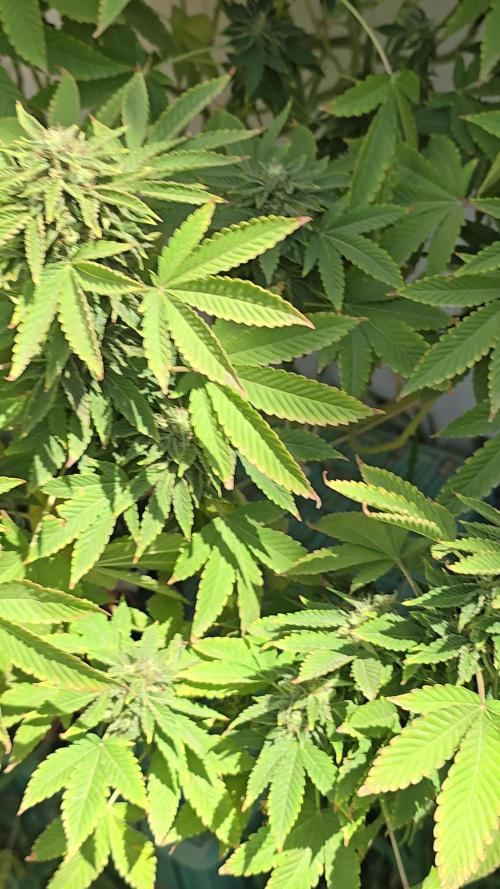
Week 4 begins for Amnesia lemon haze! Lots of nice bud sites developing, and hopefully the stretch is done for this girl. Removed some larger leaves and yellowing ones. Overall the plant looks great. I also increased feeding to 5 liters.
Thanks for looking 👽🔥🌳



Likes
253
Share


@Hologram
Follow
Sticky beast is waiting for some good sunrays so she can break out of my garden!!😎👏👏👏
Garden is smelling real sweet too, thanks to her 😵👌
I love her structure, i have topped her, but LST was not that necessary.. only defoliation, a lil bit..
i love that bc i hate LST, (im not that good in it..😳)
She turned out great, she grew open and wide.. just by herself. 😇👍(maybe also becouse i let her dance in the wind 😎 and move her around a lot)
Lots of bad weather this week(cold and wet, she is in greenhouse a lot).. but luckily her buds are still healthy👌
And dont forget:
FOR ALL MY GROWBRETHREN/SISTREN IS A DISCOUNT CODE: ZAMMIGD2023
happy growing for all ✊

Likes
19
Share


@Wenz004
Follow
So aufgehts mit Fettarschfrau.
Gewählt Samen von Flo. Lasse nur eins von 3 erstmal keimen...also muss 100% Keimrate sitzen🤭...keine Selektion etc...und vor Allem ohne dieses Hopfenzeugs🤭
Kommen aber später sicher nicht in Living soil...obwohl ich Flo sympathisch finde, weiß ich mittlerweile, dass es einfach nur ein riesen Markt ist, mit dem man gut Geld verdienen kann. Mann muss lediglich den Gärtnern gut ins Gewissen reden und mit vielen Fachausdrucken wie "Bodennahrungsnetzwerk" etc. gut umgehen...aber es funktioniert. Wurde übrigens alles bei den Amerikanern abgekuckt...wie fast alles andere auch. Dort natürlich alles viel größer wie es z.B. Jeremy Silva macht (build a soil)...hab übrigens zwei seiner Rezepte ausprobiert...garnicht mal so schlecht aber trotzdem natürlich einfach nur Marketing damit die Kasse gut klingelt und die Gärtner sauberes Gewissen haben...einfach mal selber ausprobieren oder sich ein paar echte Wissenschaftler und Koryphäen anhören...wie den guten alten B.B...z.B. hier
https://youtu.be/qtXa_dAWKXc?si=nXuThrh_BhyvUSHH
Ab 6:14 eben dieses Thema...ansonsten happy growing😃
Kokos getränkt ec 0.7 (davon 60% dest. Wasser 40% Leitungswasser Ausgangs-ec 0.1) und mit Aptus:
All-in-one 1 ml/l
CalMag Boost 4 Tropfen /l
Startbooster 4 Tropfen /l
Regulator 3 Tropfen /l
Gegossen wird mit einer noch leichteren Lösung...geblubbertes Leitungswasser EC 0.4 + 4 Tropfen/l Startbooster
Also gleich der Keimling/Sämling wird beschossen🙆♂️...mal sehen...ist ein Experiment😉
Am Tag 3 die Lampe gewechselt...bin mal gespannt was die neue "CreScience FLUXshield Babo 450C (160W)" so kann☀️
Update!...der Lampenwechsel am Tag3 war schlechte Idee...veg mode von der babo450c ist schließlich auch völlig anderes Spektrum als bei der SF1000
Neustart läuft gut...2ter Samen von Flo ist auch super gekeimt...Bilder folgen bald
Licht ca. 200 mikromol auf den Deckel...drunter weniger
Versuch #2 läuft besser...coco zu scharf getränkt...sieht an der linken Blattspitze letztes Bild...insgesamt löuft die Sämlingsphase zu langsam ab...aber das lag wohl eher an mir
Likes
5
Share


Likes
14
Share


@Mr_Pgrow
Follow
Harvest video Part 4.
Please check it out and let me know what you think.
Peace ✌️
Mr.PersonalGrow
Likes
7
Share

@JuiceboxTerps
Follow
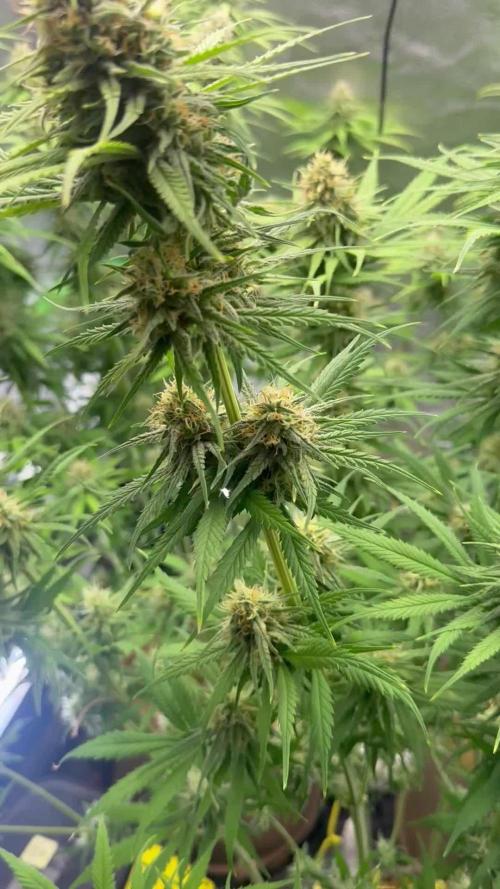
Growing great. Can see the plant really ripening now and started to orange up.
One feeding this week and just some top water and bottom watering with the wicking trays. Dropped rh to 50 during the day.
Switched up the schedule to a 11/13 and gave a quick defoliation.
Vpd- 1.3
Ppfd- 880


Likes
6
Share


@IamCy
Follow
Week 6...........
Getting frosty
Edit: on day 41,I already have amber but it's still packing on weight. I don't know what to do at this point.
Likes
9
Share


@Cannabot
Follow
Happy with her,she's branching out slowly but surely.She's a happy girl,switched over to flowering.Carrying on with lst

Likes
38
Share


@LittleBigTrees
Follow
I've been pulling fan leaves this week .
1. To slow the top down .
2. To encourage side branch growth.
3. So they can remain in very small pots in a small space until I have space to let them grow properly.


Likes
Comments
Share


@Earthsower
Follow
At the end of week four bloom the blackberry moon looks exceptional. The stigmas are tightly Noting up. Her growth has come to end and all her energy is being used to bloom. She has been defoliated where the leaves cover the flower sights. The leaves are beginning to dull. This lady has only grown 2cm this week standing at 78cm ta

Likes
6
Share

@TerpTurtle
Follow
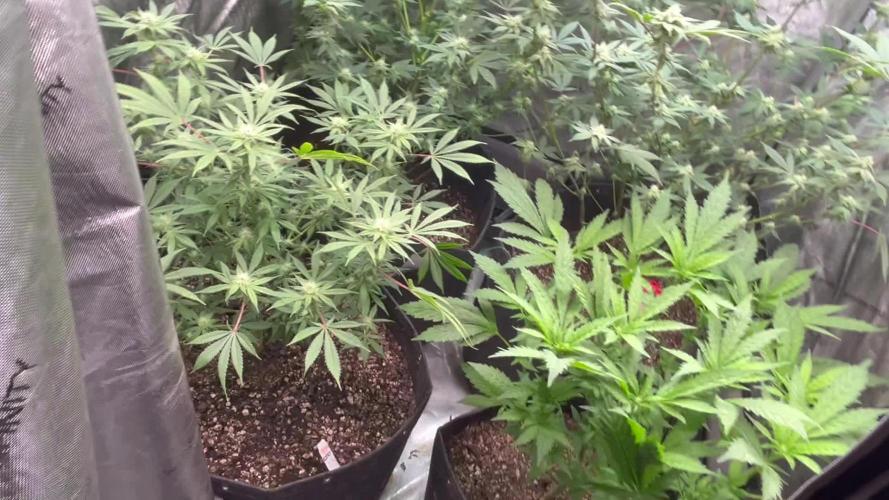
Plants have stopped stretching and started to focus on flower development with pistils reaching
Decent resin production so far in this tent, getting loud with the gassy fruity in your face cat piss smoothie


Likes
10
Share


@Froggman
Follow
They are moving quickly these days! I’m using FF nutrients, then just water, then a mixture of molasses, recharge, and epsom salt, and then water again. Not sure if I’m overdoing it but they seem happy.

Likes
248
Share


@OrganicNature420
Follow
Germination date 🌱 12/07/2021
Day 29 12/08/2021
Strain 🍁 Humboldt Purple Matcha (2nd time
(Sherbinski x HSO)
THC% • Unknown
💡 Mars Hydro FC4800
• Power draw 480W + 5%
• Max coverage 5 x 5
• LED 2070pcsSamsungLM30B1&Osram660nm
• Max Yield 2.5g / watt
• Noise level 0 DB
• Removable Driver +2m cable
• Daisy chain (multiple lights)
https://marshydroled.co.uk/products/mars-hydro-fc-4800-led-grow-light-samsunglm301b-commercial-greenhouse-medical-indoor-kit 🇬🇧
https://www.mars-hydro.com/buy-fc-4800-480w-4x4-energy-saving-full-spectrum-commercial-led-grow-light-mars-hydro-for-sale 🇺🇸
PROMO CODE • (ORG420) DISCOUNT 👍🏻 marshydroled.com
⛺ Mars Hydro 120 x 120 x 200cm
📤📥 AC infinity 6inch
💧 10lt dehumidifier
❄️ 3.1kw air con system
💉 Nutrients GreenBuzzLiquids
Organic Grow Liquid • 1-4ml until 2wk flower
Organic Bloom Liquid • 2-4ml flower stage
Organic More PK • 2-4ml +wk3 of flower
Organic Calmag • 1-2ml/lt whole grow
Fast Plants Spray • first 3days at night lights off
More Roots • 2-5ml veg +2wks flower
Fast Buds • 5ml +wk2 of veg until 1wk flower
Humic Acid Plus • 2-5ml whole grow
Growzyme • 2-5ml whole grow
Big Fruits • 2-5ml flower stage
Clean Fruits • 5ml flush 1wk
Ph powder
Root Gel
Living Organics
PROMO CODE • organicnature420 15% off ✌️🏼
https://greenbuzzliquids.com/
🥥 Growing Media • Coco Coir
Notes 📝
Plants loving life
Happy growing fam ❤️🌱🍁👍🏻

Likes
46
Share

@German_GrowLab
Follow
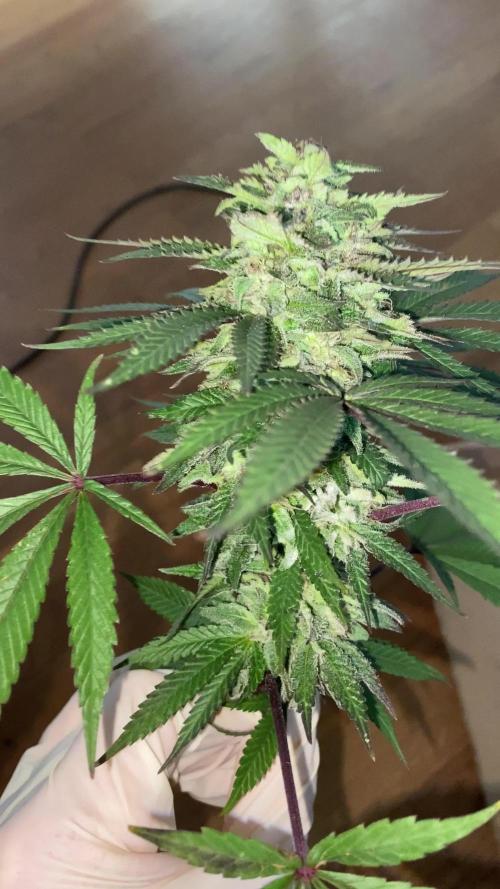
Soooo, nach langem Warten (ich bitte um Entschuldigung, es kam immer irgendwas dazwischen), nun die Ernte! Nachdem ich jetzt alle Sorten verkostet habe, kann ich euch nun mein Fazit präsentieren.
Im Großen und Ganzen bin ich eigentlich ganz zufrieden mit dem Ergebnis, muss aber auch gestehen, dass ich bei der ein oder anderen Strain doch etwas mehr erwartet habe. Bei den nun folgenden Bewertungen möchte ich noch anmerken, dass sich diese rein auf den Outdoor-Anbau der jeweiligen Sorte und nur auf den einen bekannten Phäno beziehen. Man kann grundlegend behaupten, dass sich alle Sorten doch sehr solide geschlagen haben, und das bei diesem … naja, sagen wir mal wechselhaften Sommer. Allerdings merke ich einfach, dass sie lange nicht ihr volles Potenzial ausgeschöpft hatten, was ich immer etwas schade finde. Ich bin trotzdem froh, dieses Projekt durchgezogen zu haben, und gehe mit reichlich neuen Erkenntnissen sowie einem abwechslungsreichen Stash in die besinnliche Zeit.
Was hat mich grundlegend bei den meisten Sorten gestört?
Bei fast allen Sorten, mit Ausnahme der Hella Jelly und der Lemon Tree (wer hätt's gedacht), waren die Terps doch sehr flüchtig. Im Vape kamen sie wirklich gut zur Geltung, wenn man sie allerdings im Joint (pur, versteht sich) geraucht hatte, haben sie oft nach den ersten Zügen an Präsenz verloren, was wirklich schade ist. Dies ist aber wahrscheinlich auf die Anbaubedingungen zurückzuführen und soll den Breedern keinesfalls ihre Qualität absprechen. Wie schon in einem vorigen Kommentar erwähnt, haben sie einfach nicht ihr volles genetisches Potenzial erreichen können.
Ich bin mir des Weiteren auch nicht sicher, ob ich beim nächsten Mal wieder auf die Dryferm-Bags setzen werde. Es war doch ein ziemliches Gefummel, bis man die Blüten ohne Kontakt zueinander in die Beutel verfrachtet hatte. Außerdem hat es meiner Meinung nach die Trocknungszeit eher verkürzt, obwohl ich mich an die Temperatur- und Luftfeuchtigkeitsrange gehalten hatte, was ich auch nicht unbedingt begrüße. Und zu guter Letzt sind sie auch echt nicht billig, wenn man bedenkt, dass ich pro Pflanze teilweise über 4 Beutel benötigt hatte (pro 3 Stk. ca. 25 Euro) und sie laut Hersteller nur dreimal verwendet werden sollten. Das ist doch auf Dauer ein ganz schönes Investment. Aber das sind nur meine 2 Cent zu dem Thema :).
Nach und nach sollten jetzt hier die Erntereports eintrudeln. Ich hoffe, ich schaffe alles heute. Falls nein, seht es mir bitte nach. Falls ihr noch spezifische Fragen zu einer Sorte habt, lasst es mich einfach wissen, dann bekommt ihr noch eine ausführlichere Beschreibung.
PS: Die Filmore-Slim musste ich leider fast komplett entsorgen. Sie hatte die festesten Blüten, die ich je bei einer Outdoorpflanze gesehen habe, was ihr leider zum Verhängnis geworden ist (durchgeschimmelt). Von ihr hatte ich leider keine rauchbaren Blüten. Von der Optik war sie auf jeden Fall ein Champion!
Ich habe von allen Sorten Fresh Frozen in der Gefriertruhe, die ich in der kommenden Zeit wachsen möchte (auch von der Filmore Slim). Also kann ich sie hoffentlich als Konzentrat verkosten.
Das soll es gewesen sein. Ich wünsche euch viel Spaß mit den folgenden Ernteberichten und eine ruhige, besinnliche Weihnachtszeit mit euren Liebsten! Wir hören uns dann hoffentlich im nächsten Jahr wieder, mit vielen neuen spannenden Projekten.
Peace!


Likes
5
Share

@Oldwied
Follow
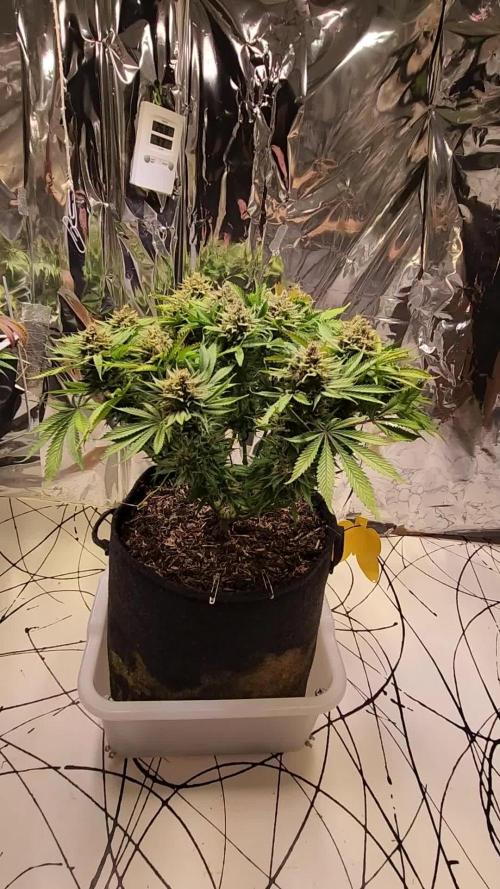
Creamy is having an identity crisis at the end of her life. And she has formed some bananas again. I plucked them all off at the beginning of last week. It's not dramatic, but unfortunately this strain is not stable.
Light Power: 100%
Day 106
Flower day 59
Banane harvest
Defoliation
Day 109
Flower day 62
Last Photosession in Sanlight
