




Likes
Comments
Share

@Organic473
Follow
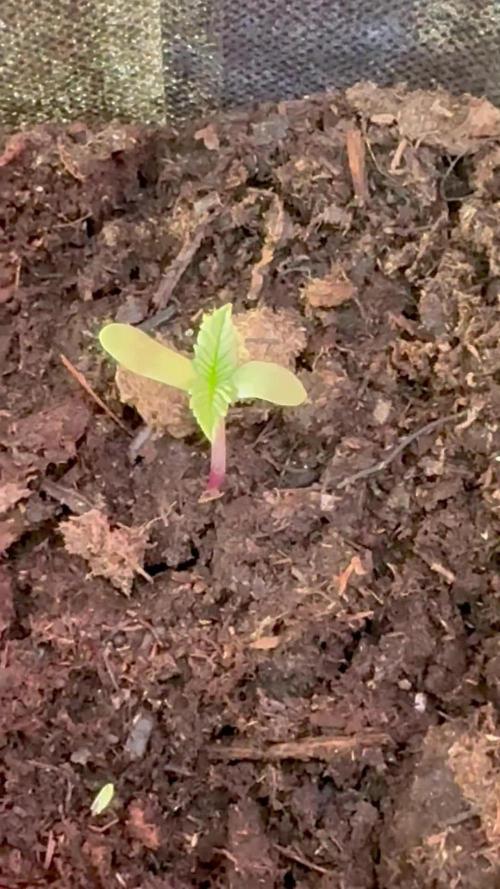
This is my last blue dream seed. I am hoping to flower her in 2027.

Likes
Comments
Share


@VirginiaGrownExotics
Follow
She’s flowering up nicely smooth daily growing in SoHum just add water

Likes
92
Share


@DogDoctorOfficial
Follow
Week 16 Flower: Embracing the Flush & Celebrating the Shine 🌟
It’s week 16 of flower, and a pivotal moment in the grow journey! This week, we’re diving deep into the flush phase, a critical step in achieving those clean, flavorful harvests. 🌿 Switching over to just water with 0.5 ml/L of System Clean marks the start of what I like to call the “So Cal Flush.” We’ll break down the whys behind this practice, the benefits of flushing, and how it sets the stage for smooth, aromatic results. Let’s demystify this important phase together and make sure everyone feels confident implementing it in their own grows.
The Room is Glowing ✨
Every plant in the garden is unique, shining bright under the ThinkGrow LEDs! 🌈 Here’s the lineup of what’s happening:
• Green Papaya: The frost queen herself, dripping with trichomes, setting the frostiest example.
• Punch Pie: Claiming the crown for the fattest buds in the room—absolute monsters in size and density!
• Gorilla Melon: A beauty with mesmerizing red reflections dancing across her leaves.
• Papaya Zoap: Still stealing the show with snowy whites and pristine structure.
This week was a photographer’s dream—I pulled out my Sony and Nikon cameras to capture some jaw-dropping close-ups and unique angles. I’m sharing these shots to highlight the sheer diversity and beauty of these genetics.
Tech in Action: TM+ Pro App 📱
Let’s talk tech for a moment. The TrolMaster ecosystem paired with the TM+ Pro App has been an absolute game-changer. Capturing and sharing real-time data and alerts, it provides peace of mind and full control from anywhere. Whether you’re a seasoned grower or just starting out, this tool simplifies and elevates the entire experience. I’ll share some videos from the app this week to show exactly how it’s helping me stay on top of the grow like never before.
P.S. — A Word on the Ecosystem 🌐
The TrolMaster system is proving to be a standout solution for growers of all levels. Its intuitive design and easy configuration make it perfect for beginners, while offering the advanced customization and precision that experienced growers crave. Whether it’s managing lights, fans, or sensors, this ecosystem has you covered with simplicity and reliability.
A Big Thank You ❤️
None of this would be possible without the incredible support from this community, my sponsors, and Grow Diaries itself. Massive thanks to TrolMaster, ThinkGrow LED, Aptus Holland, ProMix Soil, Cannakan, and the incredible seed banks for making this journey so rewarding. And, of course, a heartfelt shoutout to YOU—the followers, lovers, and haters alike. Your energy keeps this mission alive. 🌟
Let’s keep growing, learning, and sharing the love. 💚 See you next week when we explore even more as we inch closer to harvest day! 🌱 #GrowWithMe #ControlledEnvironment #PositiveVibesOnly
Discount Codes so you can save big on your next check out 💚💚💚
Kannabia - DOGDOCTOR 30% off
SeedsmanSeeds - DOGDOCTOR 10% off
CannaKan- DOGDOCTOR 15% off
terpyz.eu - DOCTOR 15% off
The Neutralizer - PORKIT5-DOG 15% off
Fast Buds - DOGDOCT 15% off
As always thank you all for stopping by, for the love and for it all , this journey of mine wold just not be the same without you guys, the love and support is very much appreciated and i fell honored and so joyful with you all in my life 🙏
With true love comes happiness 💚🙏 Always believe in your self and always do things expecting nothing and with an open heart , be a giver and the universe will give back to you in ways you could not even imagine so 💚
Friendly reminder all you see here is pure research and for educational purposes only
Growers Love to you all 💚💚💚


Likes
22
Share


@bypado_farm
Follow
Day 37:
Watered each plant with 0.8L with nuts
1516 ppm, 3221 us/cm, 3.2 EC
Still giving sensi grow to the gorilla cookies
Day 40:
Watered each plant with 0.8L with nuts
1594 ppm, 3391 us/cm, 3.3 EC
Still giving sensi grow to the gorilla cookies
Did some defoliation
Likes
16
Share


@Naturalist
Follow
Getting down to the final week, will cut in a week if all looks right.

Likes
7
Share

@Kardo
Follow
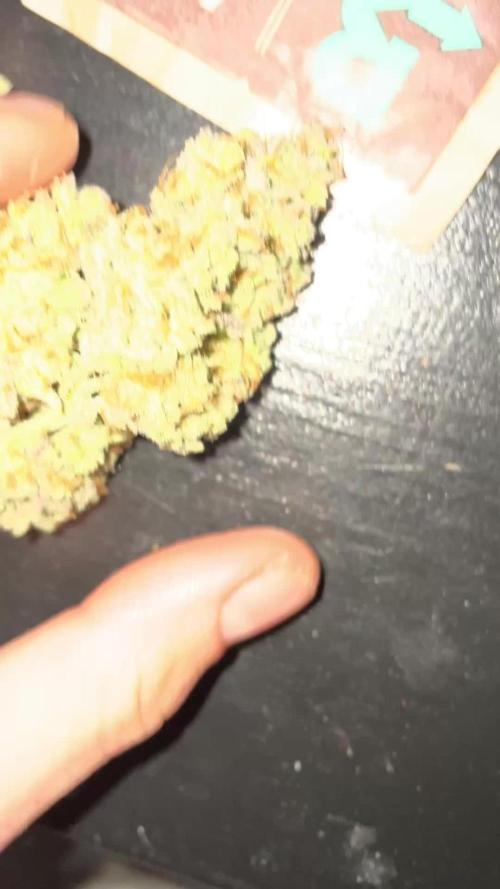
Die Blueberry Sorte war sehr lecker und hat sich definitiv gelohnt sie zu wählen
Likes
11
Share


@FinesseGroup
Follow
Great yield all on all, easy grow from barneys seeds, and grow technology doing there thing as always

Likes
Comments
Share


@Robom069
Follow
Day 39/40 of the adventure, just trimming and letting them cook...


Likes
9
Share


@Staffedition
Follow
Привет друзья.
Наше знакомства продолжается с новым сортом автоцветущих растений от Smail_Seeds сорт ORIGINAL AUTO CHEMZKITTLEZ F1 reg.
Сегодня растению 83 дня.
Растение очень хорошо развилось, ни каких сбоев в генетике не наблюдалось за весь цикл.
Шишки наливаются очень хорошо😀
Так же стрессую, что бы получить пыльцу.
Скоро будут феминизированные растения.
Сорт выводим сами.
Смотри мой профиль, у нас всегда есть что то интересное.
Не забудь поставить лайк❤️, если понравилась как прошла неделя
И читайте наш TELEGRAM: https://t.me/smail_seeds
#Smail_Seeds 😀
Likes
10
Share

@Spider-Genetix
Follow
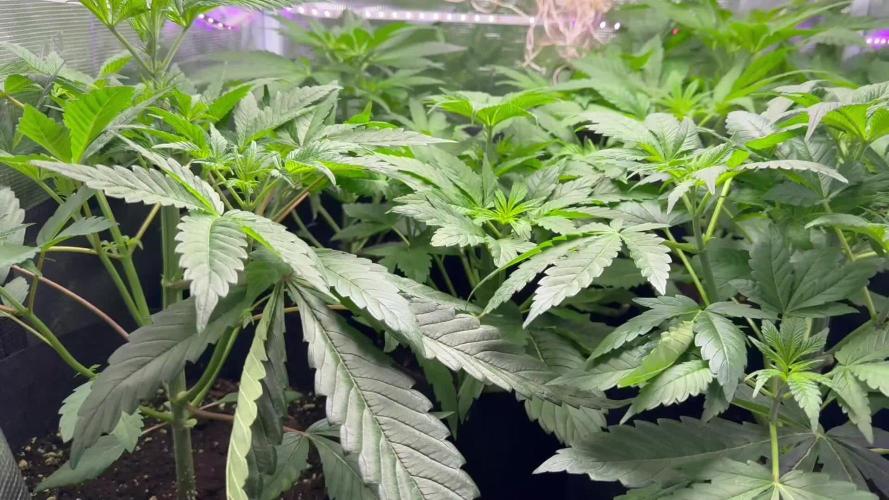
Upload One day earlier as usual, because they grow good and I have no time tomorrow :)
I Took the Pictures directly after the First 12h Dark Phase.
Compare them to last week, they do a Great Job.
Likes
20
Share

@MrGrowDiarie
Follow
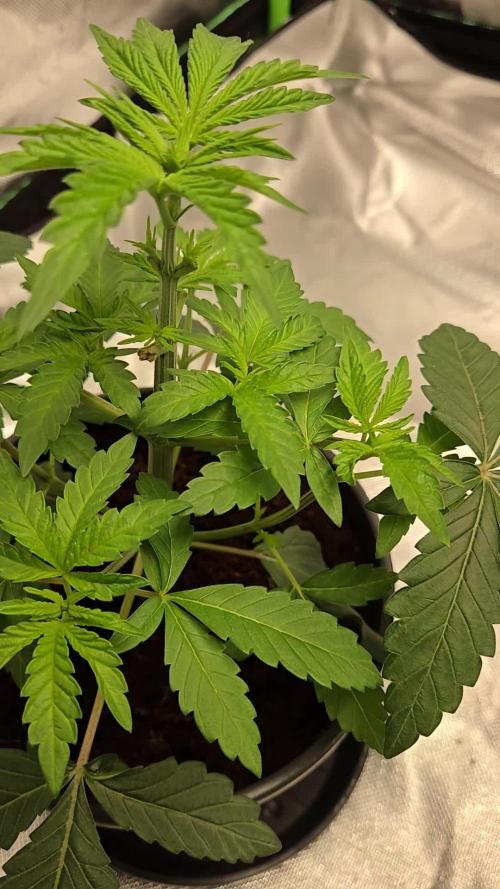
Day 28
Today marks Day 28 since germination and, critically, we are now firmly in the early to mid-flowering phase. The vegetative "stretch" is likely complete or winding down, and the plant is transitioning its energy almost entirely to flower production. This is where the magic really starts to happen!
💦💦💦Week 4💦💦💦
11.10.2025 – Watering 0 ml
12.10.2025 – Watering 0 ml
13.10.2025 – Watering 1000 ml
14.10.2025 – Watering 0 ml
15.10.2025 – Watering 0 ml
16.10.2025 – Watering 2500ml
17.10.2025 – Watering 0 ml

Likes
47
Share


@DreamIT
Follow
⏳🌳The Endless GREEN Garden🌳⏳
____________________________________________________________________________________________
🌳 4.3 ...
🌳 5.3 new photos, last 2/3 weeks and we will greet these dos si dos 33 together. yeah
🌳 6.3
🌳 7.3
🌳 8.3
🌳 9.3
🌳 10.3
____________________________________________________________________________________________
📜👀 A look at the details of what I'm growing 👀📜
✌️Dos-si-Dos 33✌️ 🌞🚜 Barney's Farm 🚜🌞
📋 Details 📋
⚧ Gender
▪️ Feminised
➰ Genes
▪️ 60% Indica / 40% Sativa
🎄 Genetics
▪️ Dos Si Dos x Gelato #33
🚜Harvest
▪️ 800 g/m²
🌷Flowering
▪️ 60 - 65 days
✨THC
▪️28.0%
✅CBD
▪️ N/D
🏡Room Type
▪️ Indoor
🌄Room Type
▪️ Outdoor
🕋Room Type
▪️ Greenhouse
🎂Release Year
▪️ 2019
________________________________________________________________________________
👀📷🥇 Follow the best photos on instagram 🥇📷👀
https://www.instagram.com/dreamit420/
🔻🔻🔻Leave a comment with your opinions if you pass by here🔻🔻🔻
🤟🤗💚Thanks and Enjoy growth 💚🤗🤟

Likes
10
Share


Likes
31
Share

@Growbody
Follow
Hallo und Herzlich willkommen zu meinem neuen Grow mit der Forbidden Runtz double XL Automatic von Grower's Choice. Diese schreiben: "Eine Kreuzung zwischen „Forbidden Fruit“ und „Runtz“. Eine Sorte von Growerschoice mit sehr hohem Terpengehalt. Die Aromen waren das Wichtigste bei der Auswahl und Kreuzung dieser Genetik". Sehr süss und fruchtig soll sie sein, ganz genau mein Fall.
Die URL findet ihr hier:
https://www.growerschoice.nl/de/feminisierte-selbstbluhende-hanfsamen/forbidden-runtz-xl-auto.html#additional
Tag 64: 1,0 Liter Wasser. Die Spitzen der Forbidden Runtz double XL Automatic von Grower's Choice sind voller Blüten.
Tag 66: 1,25 Liter Wasser. Ein neuer Mitbewohner ist eingezogen.
Tag 68: 1,0 Liter Wasser. Gegen die Thripse waren die Florfliegenlarven nicht so effektiv, deshalb gibt's jetzt noch Raubmilben.
Tag 70: 1,0 Liter Wasser.
Schön, dass du dir den Grow angesehen hast. Bleib neugierig und hab ein schönes Pfingstfest 👋😎

Likes
27
Share


@Chubbs
Follow
420 Fastbuds Week 5
Blackberry Auto
What up what up. Weekly updates on these two magnificent girls. They both are showing some really cool colors not only on the flowers but leafs as well. It's been getting cold a few day this week so possibly temperature manipulation. Both seem to be happy and healthy up to this point so continuing with the same routine should work fine. I think I'll add some nutes this coming week to boost flower production and give them a little helping hand. All in all
Happy Growing
Likes
2
Share


@Saintvicious
Follow
Can't Lst this thing enough. Seems like every other day it needs readjusting. Autos are crazy when they start going.
Likes
16
Share


@Archieballs
Follow
Did some defoliation as well as more LST. They are all doing well Ultimate 1 & 2 are further in flower than Ultimate #3 but that is because she was stunted by the use of the Phlizon light at the beginning.

Likes
3
Share


@MicroHidroGrow
Follow
Día 36.
Estamos en 6ta semana. Los esquejes se atrasaron debido a que han sido días muy fríos y no he logrado enraizarlos. Decidí poner el extractor de aire junto con la bomba de aire, así solamente se prende 15 minutos cada hora. Así estoy logrando temperaturas mayores a 24°C en el indoor y así voy a lograr el enraizado. La planta ya tiene un tamaño que ocupa casi todo el indoor. Pero lo importante es que la voy guiando y ya estoy proyectando como va a ir cada rama. El tamaño va a exceder lo que esperaba, pero aún así creo que si logro lo que tengo en mente, voy a sacar muy buenos resultados. Igual no me voy a arriesgar demasiado, así que si contando 10 días desde ahora, no logro que los esquejes enraicen, voy a pasar la madre a floración sola. Cómo pueden ver, las ramas están bastante gruesas, y el la ramificaciones van ganando su lugar cada una. Las raíces son demasiado grandes, aunque sé que voy a poder poner la planta en el sistema de arriba igual, aunque me voy a tener que ayudar de algo para meterlas. Es importante no utilizar las manos, ya que se pueden transmitir muchos hongos.
Voy a seguir actualizando e ir viendo que pasa. Pero ya estamos en los últimos días de crecimiento, haya o no esquejes. Incluso puede que ya pase la planta al indoor de arriba para darle mayor libertad de crecimiento. Esto me va a servir para tlmar en cuenta en la próxima camada que se vendrá. La idea de esto es hacer las cosas rápido, y no en gran tamaño. Pero siendo que ya estoy en el baile, no me queda otra que bailar.
Día 40
Los esquejes no estaban enraizando, así que decidí cambiarlos de lugar y los puse arriba de la luz, donde les da calor y luz tenue. Espero que ahora si agarren.
Y hoy fue el gran día, pasé la planta madre al módulo de arriba. Pero lo voy a dejar una semana más creciendo. De esa forma veo si los esquejes llegan a agarrar a tiempo. Y además tuve un problema en el trasplante. Primero que la planta se hizo más grande que lo esperado, y la raíz también. Cuando la pasé, hubo contacto de la raiz con prácticamente todo lo que había cerca. Sumado a que se enredó en el oxigenador, así que quedó una pidra difusora en la raíz.
Dado el alto riesgo de haberla contaminado con algún hongo, le puse una solución de agua con agua oxigenada, recirculando continuamente, para lavar las raices y de paso bajar el stress de teansplante. Mañana veremos cómo arranca el día.
En el aprendizaje me llevo que en la madre, es mejor hacer un corte en el primer nudo, o dejar las ramas del segundo y quitar las del primero. Y así que queden sólo dos ramas, para luego dejar a los esquejes en el medio. Eso planeo hacer con la próxima variedad.
Entre tanto ahora sólo me preocupa que la raíz no se haya contaminado en el traspaso. Ya en 8 días estaré pasando a floración si no hay esquejes. Si llegan a agarrar, habrá que dar unos días de crecimiento hasta que alcancen a la madre en altura. Pero ya está todo en definición. Ahora sólo queda esperar y seguir guiando a la planta. Ya tengo ganas de poner la próxima, pero falta bastante para eso. Tengo 10 semanas de flora, así que recién en 5 semanas voy a poner la nueva madre.
Likes
1
Share

