




Likes
14
Share


@TeaTime
Follow
This hybrid is the result of crossing an automatic Critical Mass strain from Sweet Seeds´ R&D Department, chosen for its fast flowering and agreeable, intense aroma, with a selected strain of very fast flowering SWS25 (Speed Devil #2 Auto®️).

Likes
123
Share


@MrHightimes
Follow
Listen, when things are going great it feels weird! I'm following my feed chart and watching these beauties unfold! They are starting to smell rich and sparkles are starting to show!!!! I always fret over my babies but really they seem to be killing the game right now! Stay tuned.......
On a side note i'm enjoying the hell outta learning to edit pics in adobe illustrator!!!
__________________________________________________________________
Bit too much Nitrogen and they want MORE cal-mag! Check out my video! Things are going great! I even think I did a good job defoliating!
__________________________________________________________________
Glory Glory to mother nature! A grow gone right is a site to behold!!!!! I look upon my ladies with giddy glee!!! only problem is i'm a bit outta space in the canopy, but thats the best problem to have!!!! Just waiting on the buds to get swoll!!

Likes
8
Share

@all_about_420
Follow
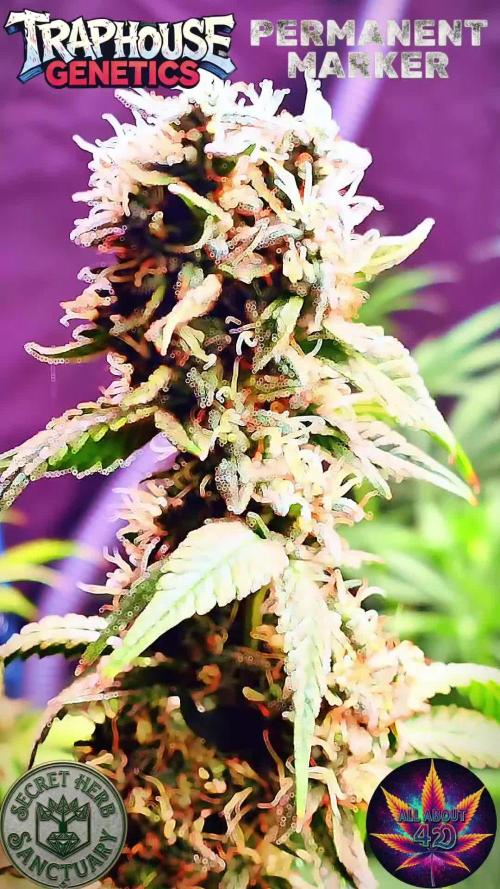
Der Tag der Ernte ist endlich da! Die Verfärbung der Fächerblätter hat ihren Höhepunkt erreicht und die Nährstoffreserven sind vollkommen aufgebraucht. Die Pflanze steht perfekt im herbstlichen Gewand und ist bereit für den Cut. Bis zum Schluss haben die Stützseile die schweren, grazilen Blütenstränge sicher in Position gehalten. Der betörende Duft im Zelt ist überwältigend – jetzt wird das Licht ausgeschaltet und die Schere angesetzt!
Likes
290
Share


@Ferenc
Follow
Crazy week.
Weather has changed went to be more rainy and colder.
Some days were even close to 6 celsius degrees in the night.
We have got more like cloudy some days with some hours of sun but nothing significantly strong light.
She does well, getting dense and the smell is very strong!!!!!!
Like sweet and citrus and like absolutely I feel in my mouth tho....very very very nice!!!!!!
Looking also good maturing she is quite big so i surrounded her from one side with rubbis bag to not be be able to see by my neighbours... obviously not a tomato plant even if she is placed between.... 🤪
She will make it more rain less sun but she is okay.
I also checked the trichomes nice maturing they look milky but apparently they need to mature and the pistils are white anyways I go after the trichomes I think she grew more a bit as well. I am happy ;)

Likes
19
Share


@Mo_Powers
Follow
unfortunately the week didn't go as planned. i discovered mouldy spots on her and decided to harvest part of her earlier. the mould hadn't progressed that far yet, so it wasn't a huge loss. i harvested a total of 101g wet. let's see what the rest of the plant will bring on the scales? from the state of flowering she will certainly need another good 2-3 weeks or even longer, let's see. but she coped well with the partial harvest.

Likes
3
Share


@Mr_nugs_lover_David
Follow
She's looking super gorgeous,I forced her with her sisters on August 3rd into flowering due to the street lights that surround my house,let's see how she how this pheno of Black cherry punch performs! And what type of terpenes we can get 🇺🇲🍒👊💚✌️

Likes
3
Share


@Dico29
Follow
Day 136.... buds are swelling and looking nice, don’t really do much beside chill in my closet with my other plants but all in all it’s great smell and destroys all my chances of smell control, which is very little to a point of non existent

Likes
8
Share

@GreenEldritchGardens
Follow
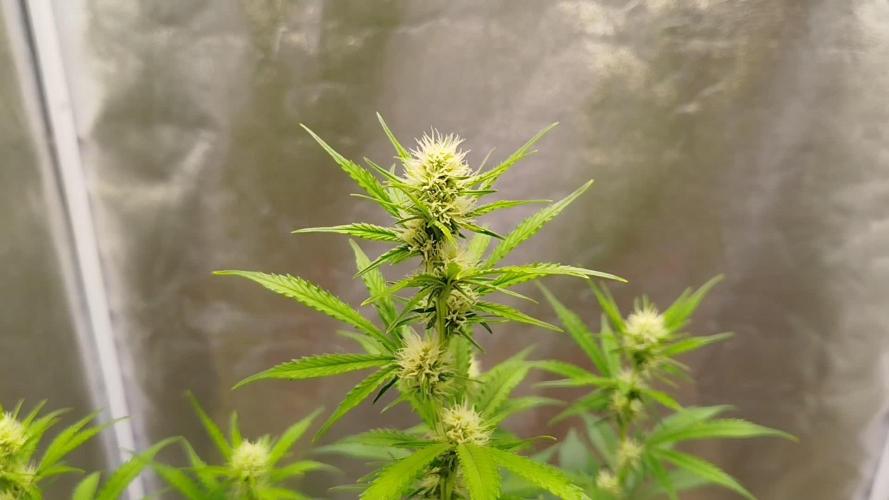
One late stretch even after the lollipop brings her tall into the grow garten.
Had to defoliate a bit more because the amount of leaves and branches to promote airflow, very bushy one.
The smell also is stronger than other plants in the grow, which brings this plant to a place of highlight for sure. The early scent she produces in that cherry vanilla funk that I love in Wedding Cake 🎂
Likes
29
Share


@GrownwithLED
Follow
The 3 THE PURPS plants from BC-BUD-DEPOT grew very nice and healthy. One of the plant turned totally purple in the leaves and in the bud during flowering, she was A BEAUTY! The buds were of average size and are not too dense, but sparkling with trichomes. The FLAVOR is OUTSTANDING...she is DELICIOUS! Her grape- jolly-rancher (=hard-candy) aroma transcends directly into her flavor when smoked. VERY SMOOTH and an ABSOLUTELY DELIGHT on the inhale and the exhale. The 3 plants harvested 156,2 gram dried bud, which is a nice average yield of 52 grams per plant.


Likes
119
Share


@Natrona
Follow
*****DIVINE SEEDS *****
*****OPIUM*****
Sponsored grow
Week 1
Germination April 6. After starting seeds in moist cotton pads, I put the sprouted seed in seed starting soil. Their 5-gallon air pots ready and waiting for the girl's final home.
This week 7-13 consisted of plain ph 6.6-6.9 water only. I gave a capful in the morning and evening.
Until the plants are big enough to go outside, I will be using my AC Infinity tent and equipment. Once outside, I will be watering with well water and recharge and any additional fertilizers or amendments will be determined at that time.
DIVINE SEEDS
***OPIUM***
Divine Seeds developed Opium as a new champion strain, unprecedently powerful and loaded with unbelievable quantities of resin. Certainly, no average genetic base could be behind such brilliant parameters! Several Afghani Indica landraces, recognized as most potent and resinous, were bred together with a mighty Brazilian Sativa which Opium inherits its bright berry taste from. Then a great deal of work followed aiming for the highest THC level and endurability as well as a branchy structure that would provide maximal yields. Now we can proudly title Opium the best Indica you could dream of growing!
Indoors these plants mostly stay mid-height (1.5 m), reaching up to 2.0 m out of doors. Depending on your height limitations, Opium flourishes universally in grow boxes, balconies, green houses and terraces. Due to its Afghani parentage, this strain can stand hot weather if provided enough water and some shadow. Responds well to any training techniques: ScroG and SoG, LST, topping and FIM, supercropping. The start of blooming is marked with a rush of growth, when plants stretch almost 1.4x. Expect heavy colas that often require additional supports. Whilst ripening, Opium gives off a pungent earthy stench with fruity and berry undertones, also a bit of pine. Ready for outdoor harvesting in October.
The stoning psychedelic impact of Opium is like being hypnotized (unless you’ve had too much, then it feels more like a blackout). Stone-lovers will appreciate every minute with Opium: its spicy taste immerses your mind into daydreaming, while the body rests flat. Recreation with this psychedelic Indica means silent tripping from one insight to another. Mighty enough to kill chronical pains, Opium is also medically efficient against insomnia, nausea, appetite disorders, muscle spasms, headaches, irritation, fatigue, panic attacks, epilepsy. Best consumed at night time, the effects keep going for up to 4 hours.
Equipment and nutrients
Pots: 5gallon Air pots
Soil Fox Farm Happy Frog Amended with worm castings, dolomite lime and mychorihiza Recharge
Seeds provided by Divine Seeds
Divine Seeds breeding company
The link to Opium Feminized Seeds
Opium - Divine Seeds breeding company
The link to Opium Auto Seeds
Auto Opium - Divine Seeds breeding company
=================================
Equipment: AC Infinity
CLOUDLAB 844 – Advance Grow Tent 48”x48”x80”
CONTROLLER 69 PRO – Grow Tent Controller
CLOUDLINE LITE 6 - Inline Fan 6"
IONBOARD S44 – LED Grow Light Board 400W
CLOUDRAY S6 – Oscillating Circulation Clip Fan
Carbon Filter 6”


Processing
Likes
5
Share

@Mr_nugs_lover_David
Follow
Amazing clasic amnesia smell, very strong, very sweet and citrus at the same time, cannot wait to to see this buds fully developed what a pleasure to work with this strain. Stay tuned for more of this wonderful strain!! 💚❤️💛👨🌾

Likes
8
Share


@Fort_Wendy
Follow
Week 11
She is having her last weeks now while fattening up her buds. Plant smells really nice and very strong to the fruity-peppery side now, I really like it. Some pistils are still white, so I give her at least another week. The color is really dark purple and gives a good contrast with the green. Really curious about how this weed is going to taste and smell when finally cured.

Likes
26
Share


@PedroAndHisPlants
Follow
My first grow has been a great learning experience, and I couldn’t be happier with the results. From the reliable BioBizz soil and nutrients to the impressive performance of the Spider Farmer SF 1000, everything worked well together. Each component contributed to a successful harvest, and I’m excited to continue experimenting and improving my setup with new gear and techniques.
💚☀️🤙🏼

Likes
2
Share


@I_Identify_As_A_Dan
Follow
Look at those roots!
I also believe I under fed mycorrhiza... because the roots on some of my other plants went insane... go check 😉
Flowers came out super nice too! Very lemony
Will definetely grow again.

Likes
2
Share


@eldruida_lamota
Follow
Que pasa familia, vamos con la cosecha de estas Orange Sherbet Fast Flowering, de FastBuds.
Por dónde empezar, las flores son poco compactas pero van repletas de resina y unos aromas bastante dulces y citricos
Es muy sencilla de cultivar, es de ciclo corto aunque también si le dais una semana más no pasa nada agradecer se agradece al final.
Mars hydro:
Code discount: EL420
https://www.mars-hydro.com/
Agrobeta:
https://www.agrobeta.com/agrobetatiendaonline/36-abonos-canamo
Hasta aquí todo, Buenos humos 💨💨💨
Likes
2
Share


@High_Grade_Dadli
Follow
First set of cutting got a bit of overwater change the container they were in n lef them outside n rain came n soaked dem
.IYKYK fittest of the fittest will survive.. had to cut the mother's again earlier than I would want to jus to ensure we stay on track from the minor setback...also added gorilla #4 to the ship already cut her

Likes
5
Share

@BenandLippisfinest
Follow
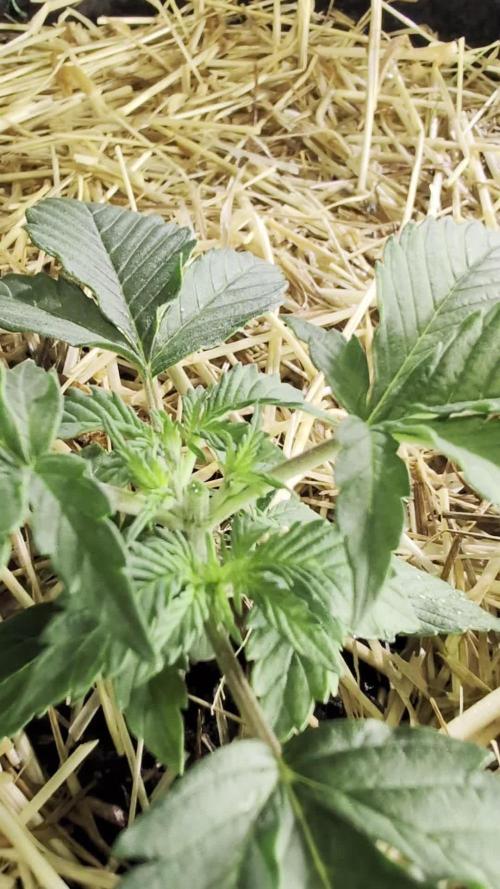
Diese Woche haben wir 2/3 getoppt, die dritte wird nur hart mit LST penetriert. LST müssen alle drei über sich ergehen lassen.
This week we topped 2 out of 3, the 3rd one only gets LST, which will be done on all three.