


Likes
Comments
Share


@Tropicannibis_Todd
Follow
😛 WELL HERE WE ARE AND I CAN SEE THE FINISHING LINE 😛
( OMG THEY SMELLING GREAT ) !!!!!!!
Check out the full grow video on the Harvest update
( DAY 26 AND BOTH NL 1 & NL 2 SHOWED PREFLOWERS )
( DAY 49 AND RESIN PRODUCTION HAS STARTED )
( DAY 57 , EQUIPMENT FAILURE , main FAN , over heated😡 tripped breaker , reset light timers , lost a DAY, REPLACED new Main Fan 😁 back up running 👌)
( DAY 70 DID ITS FINAL FLUSHING TODAY TO GET RID OF ANY BUILDUP )
( DAY 77 AND IT SHOWS A SLIGHT DEFICIENCIE MAYBE A CAL/MAG GETTING CLOSE TO END OF LIFE ) IM ALSO DOING VERY LITTLE, SLIGHT DEFOLIATION
😃NL 1 SHOWS MOSTLY CLOUDY TO MILKY RESIN HEADS , ( 💀 PROBABLY PEAK THC LEVEL 💀 ) TO BE CHOPPED ANY SECOND 😋 .......
😃NL 2 SHOWS MOSTLY CLOUDY TO MILKY RESIN HEADS ( 💀 PROBABLY PEAK THC LEVEL 💀 ) , AMBER IS PERFECT 😃CHOPPED😃
I hope you enjoy my growlog...
(Who the hell is TropiCannibis Todd😎 Well This is not only my FIRST AUTOFLOWER but my FIRST GROW in over 11-12 Years😳 I Grew from 2002-03 TO 2010-11 , I'm back nahnahnahnahnah , Been a fun grow , learned alot , and it looks like I am gonna have a great harvest with some great smoke....... who new 😁 )

Likes
5
Share


@GermGrowFox
Follow
18. November
Die sechste Woche ist angebrochen. Heute keine Einsicht unternommen.
19. November
Die Begleiter kommt so langsam aus der Erde. Sind noch wenige. Spätestens in einer Woche neu nachlegen, falls nicht ausreichend wachsen.
Die drei Damen entwickeln sich prächtig. Stresssymptome durch das schneiden sind kaum noch bemerkbar.
Cookies gelato kommt mit den neuen Hauptrieben sehr gut zurecht. Wachstumstempo hat deutlich zugenommen.
Tropimango sieht deutlich gesünder aus. Auch bei ihr ist endlich mal etwas Tempo im Wachstum spürbar.
Die Runtz fühlt sich aktuell so an als würde sie den Rahmen des Zeltes sprengen wollen, sobald es in den blütestretch geht. Die Triebe haben sehr dicke Stämme, die Blätter sind verhältnismäßig zu den anderen Pflanzen sehr groß. Selbst neu entwickelte Triebe und Blätter starten deutlich größer als ich es bisher gewohnt bin. Aber schaun wa mal was wird… was wird.
Der Fimmingschnitt hat mir einen schrägen Trieb hervorgebracht. Ka was ich damit machen soll. Nächstes Mal halt gerade schneiden 🤝
20. November
Runtz hat ein unglaubliches Wachstumsbedürfnis. Ihre Blätter sind riesig und tiefgrün. Sie verdeckt innerhalb von Stunden erneut ihre anderen Triebe Sie trinkt auch deutlich mehr als die Cookie & Tropi. Hab ihr heute nochmal 3l Wasser mit dem vollem Düngerprogramm zugemutet.
Die anderen beiden kommen gut voran, haben allerdings noch kein Wasser bekommen. Die Töpfe sind noch zu schwer.
Tropimango wuchert in alle Richtungen
Cookies Gelato darf weiterhin an Höhe gewinnen. Ich spiele mit dem Gedanken sie kurz vor dem Wechsel in die Blüte erneut zu toppen. 😅
21. November
Die Cookies gelato wurde mit 3l Wasser versorgt. Zusätzlich gabs noch 1ml power buds von plagron. Kleine Vorbereitung auf die Blüte.
Tropimango hat 2l Wasser mit den normalen düngeschema erhalten.
Runtz wurde gestern mit 3l versorgt, ebenfalls normale düngeschema. Zusätzlich hab ich ihr die großen Blätter genommen, sowie die seitentriebe neu ausgerichtet
22. November
Habe bei der Runtz den schiefen Trieb abgeschnitten. Er ist leider viel zu verstümmelt. Die Idee war dass dieser Trieb dementsprechend der Pflanze Zuviel Energie zieht, die sie an einer anderen Stelle besser investieren könnte. Daher im heute der Schnitt
Cookies Gelato gewinnt an Höhe. Im Verhältnis zur Runtz ist sie unglaublich gut ausgeprägt, ist allerdings auch 14 Tage älter.
Die Tropimango sieht weiterhin merkwürdig aus. Ich kann leider nicht sagen ob ich beim Erde mischen irgendwas falsch gemacht habe. Weiß auch nicht wie ich drauf Einfluss nehmen könnte. Aber sie wächst. Von daher geht’s einfach weiter.
23. November
Die Woche neigt sich so langsam dem Ende zu. Nach ewigem umentwcheiden kam ich jetzt dennoch zu dem Entschluss, die Pflanzen zu Beginn der neuen Woche in die Blüte zu schicken.
Die Cookies gelato hat daher noch ihr letztes topping bekommen. Nachdem sie einen ordentlichen Wachstumsschub bekommen hat, gehe ich von aus dass sie es gut wegsteckt.
Die tropimango gefällt mir immer besser :)
Ich hoffe sie geht in der Blüte nicht unter, da sie eine babygenetik ist.
Runtz (irgendwie hört sich der Name eklig an. Muss da an einen alten Mann denken, der seine Nase hochzieht und dann auf den Boden spuckt) wird so wie sie wird. Der Stamm ist super stabil aber sie ist verhältnismäßig klein für ihr Alter. Dafür produziert sie immer noch riesige Blätter.
Cookies gelato ist nun 39 Tage alt.
Tropimango ist nun 36 Tage alt.
Runtz ist nun 25 Tage alt.


Likes
2
Share


@PatriciaGant
Follow
week number four of the flowering stage more or less. all nutrients are in ger section if not ither mentiond all by manufactures instructions.
Likes
15
Share


@trustno1
Follow
Hi 🙋♂️
Leider hat die Critical Jack ein paar Bananen 🍌 in den Buds…
Egal, kann man nicht ändern. Ich ziehe das jetzt durch.
Die Critical von RQS ist spektakulär. Ich liebe sie
Diese Woche gab es nur noch Wasser
Bis zur nächsten Woche 🙋♂️


Likes
9
Share


@SSKNFbyHAZE
Follow
** COST **
TO RUN
- Used previous ⛺️ setup : 0.00USD
- Monthly electricity : 36.73USD <-- other ladies sharing ⛺️
- 3 Gallon Fabric pot : 0.15USD
- Bonsai wire : Apx. 0.03USD
- Reused soil from last run : 0.00USD
FOR NUTRIENTS
- Jadam Microbial Solution : 0.00USD
- Fermented Plant Juice : 0.00USD
APPLYING
- JMS : 30ml / 1 Litter
- FPJ : 30ml / 1 litter
TOTAL COST : 36.91USD
Throughout the week, I give compost tea, and fermented plant juice once each ^^
Its almost time!!
Trichrome are cloudy, but its hard to find amber Trichromes yet.
According to Fastbuds she will be ready in 4 days ^^;
Hope you guys have a wonderful day today ^^v
*** Please Like, comment & share ***
Highly appreciated -----/-----<@


Likes
37
Share


@MG2009
Follow
GTH SEED #1 in training, just super cropped on one side to even conopy.
The first site im recording will be a clone,it is on back side of plant and will not produce. #2,#3,#4 pics,#2 is stripped of leaves at about 12 inches.
06/16/18
#4 is showing
pre-flowers,#2,#3, no sign yet. #1 check in the morning.
06/19/2018
Still no pre -flowers on #1,#2,#3, #4 however is female so I Fimmed her to encourage side shoots to grow biggest of wider canopy. #1 reacting well to supercropping 20 tops as of today. Praying she is female🙏🙏. She is a stretchy girl in flower 2 to 3 x her vegged height so trying to be low profile as possible.👍
Likes
7
Share


@Zuppler
Follow
Week 10 - Fifth Week of Flower
The Donutz tent is stepping into its fifth week of flower with some exciting developments and a few surprises. The plants are thriving, and the vibes remain immaculate as the grow progresses.
Key Updates:
Purple Phenos: 3-4 of the plants are starting to show stunning purple hues in their buds and sugar leaves. The color shift adds a beautiful contrast to the tent and hints at the unique expressions within the Donutz genetics.
Different Phenotypes: While most of the plants are stacking up nicely, 1-2 phenos are a bit on the thinner side with less bud density. It’s a reminder of the natural variability in genetics, but there’s still time for them to fill out in the coming weeks.
Environment & Care:
Stable Conditions: Temperature, watering (reverse osmosis), and overall care are dialed in perfectly. The plants are enjoying a consistent, stress-free environment with plenty of love.
Healthy Growth: The rest of the tent is looking strong, with vibrant buds and trichome development continuing to ramp up.
Observations:
The purple phenos are a standout feature this week, bringing extra visual appeal to the tent.
Even the thinner phenos are showing healthy structure and potential to develop further before harvest.
Trichome production is increasing, and the tent is starting to radiate that sweet, sticky aroma.
Next Steps:
Continue monitoring the thinner phenos to ensure they’re getting enough light and nutrients.
Maintain stable environmental conditions and nutrient levels to support bud development.
Keep a close eye on trichomes as they mature, watching for any signs of ripening as the grow approaches the final stretch.
The Donutz are flourishing, and the tent is alive with color, aroma, and promise. The Florida Gang grind is paying off big time — the finish line is in sight!

Likes
17
Share


@CanadianFillmore
Follow
Week 3 begins for DS and MD ladies. All four are developing nice bud sites, but the plants have not stretched as much as I was expecting they would by now.
Thank you to Kaoritracy from Mars-Hydro for the TSW2000 light, I am very happy with it's performance.
Thanks for stopping by growfessors 👽🌳💚


Likes
7
Share

@Thomas86
Follow
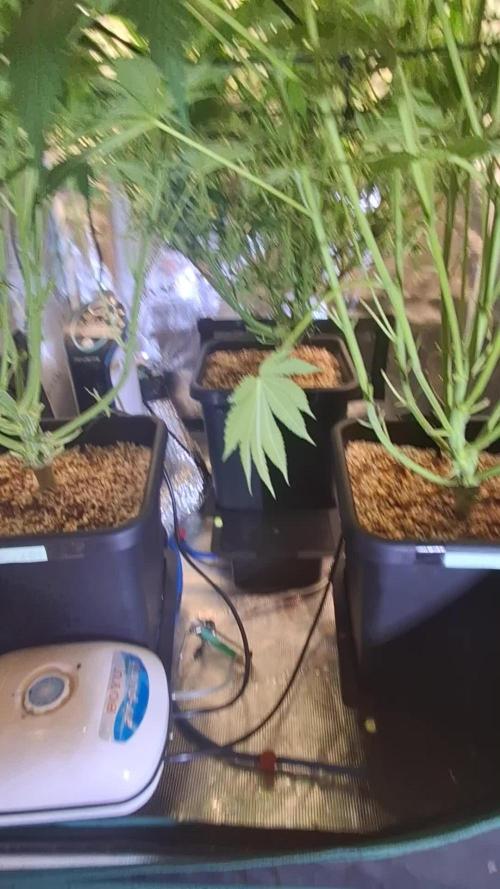
The cherry cola at the front stretched more this week, theres no room left in the tent so hopefully thats its vertical height achieved, had a minor problem with the autopot valve on the banana punch blocked with dirt so I replaced it with a spare, started using pk 13/14 in the rez yesterday, Not much else going on this week, humidity is still high but dropping, hoping the 2 front plants start focusing on bud production this week.
Likes
33
Share


@GrowmieDeLaStreet
Follow
I got the 3 starting seeds from an exchange with a redditor who accidentally pollinated his batch with a male, meaning I didn't start with the best genetic which in the end, probably induced the hermie. It turned out good overall but it did fuck up a lot of things.
I never thought 4 weeks of veg would be too much. They got tall in no time and almost tripled in height during the flowering stretch. Light burn had a significant impact on the trichome production of certain buds.
The mold is on me. I should have controlled the conditions better. I had to throw away 10-15g because of it. And really nothing guarantees I removed it all.
Plant B produced, in the books, a lot less than her sisters and that can be explained by 3 factors:
-Mold attacked it more than the others;
-I probably switched 1 or maybe 5 (who knows...) whole branches when they fell from the rope during the drying;
-I left a lot of tiny popcorn buds that got separated in the ''to be extracted'' jar.
The 3 plants were pretty similar in looks but gave rather different seeds.
A, the hermie, gave a lot of seeds in general but almost half of them were immature or wonky and got discarded;
B, a female, gave a lot of good ones but also quite a few bad ones. The have nice stripes giving them a tiger look;
C, another female, still hasn't been plucked of all it's seeds but the ones I already collected are really big, round and mat.
Plant A pollinated itself. Plant B got helped by me but C didn't received help from me nor the wind and still got hit, a lot less, but still. I'll never underestimate the propagation power of pollen again.
FINAL HARVEST:
PLANT A:
- 91g
- 281 viable seeds
PLANT B:
- 28g
- 297 viable seeds
PLANT C:
- 89g
- 149 viable seeds
167 mixed seeds from ABC
EXTRACT MATERIAL:
- 9g
TOTAL:
217g / 894 seeds
Height by weeks:
1 - 7 cm
2 - 20 cm
3 - 32 cm
4 - 49 cm
Switch
5 - 81 cm
6 - 107 cm
7 - 120 cm
8 - 124 cm
9 - 125 cm
10 - 126 cm
11 - 126 cm
12 - 128 cm
13 - 128 cm
Nice experience overall. A lot of thing could have gone better but the fact is I got a bunch of seeds for future pheno hunting and God knows I'll need to do some to straighten the genetic. See you all then!
Likes
18
Share


@Chubbs
Follow
420Fastbuds
Gelato Auto
Week 1 of Veg
What up grow fam. These 3 have sprouted amazing with no issues. All 3 had popped after 48hrs of being in the soil. Still misting the top soil with my sprayer to keep the soil moist but will start regular manual watering of 500ml every other day this week.
All in all Happy Growing
Likes
18
Share

@BLAZED
Follow
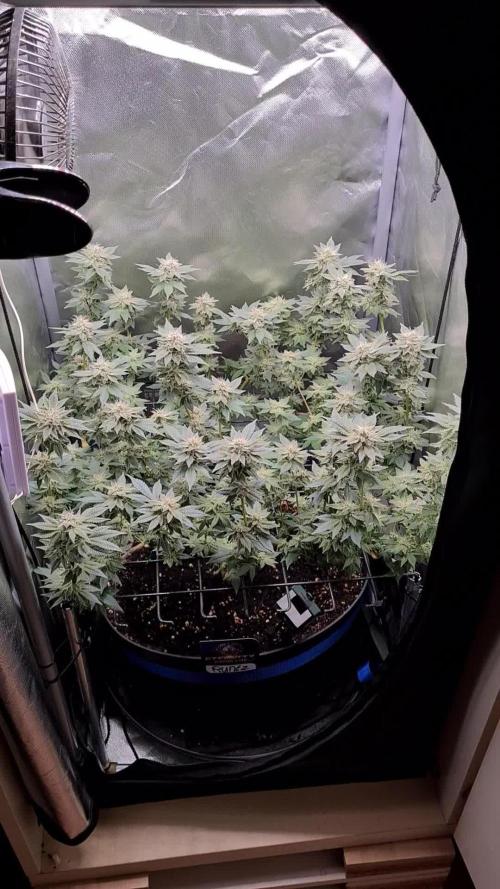
Week 15 (5-5 to 11-5)
5-5
Temps: 18.5 to 23.5 degrees
Humidity: 43% to 61%
Watering: 1000 ml. 1.6 6.2
6-5
Temps: 18.2 to 23.5 degrees
Humidity: 43% to 64%
Watering: 1000 ml. 0.4 6.3
7-5
Temps: 18.6 to 23.6 degrees
Humidity: 45% to 64%
Watering: 1000 ml. 1.6 6.2
8-5
Temps: 18.7 to 23.6 degrees
Humidity: 42% to 60%
Watering: 1000 ml. 0.4 6.3
9-5
Temps: 19.3 to 24.2 degrees
Humidity: 43% to 53%
10-5
Temps: 17.7 to 24.3 degrees
Humidity: 40% to 58%
Watering: 1000 ml. 1.6 6.2
11-5
Temps: 18.5 to 24.9 degrees
Humidity: 40% to 56%
Watering: 2000 ml. 0.4 6.3

Likes
4
Share


@jamaljackson
Follow
About 60 days in now and the plants are done getting taller. Buds are starting to get bigger and everything is starting to get nice and frosty, still have a long way to go on this one I think. I just got done with a res change and filled it back up with more Cropsalt at 3.4 g/Gal Bloom A and 1.74 g/Gal Bloom B. This stuff seems great so far, PH is super stable and the plants seem to like it.


Processing
Likes
6
Share


@Kalosoma
Follow
Bueno, al final las flores desde el tallo medio hacia arriba no han sido polinizadas ... ¡o al menos pocas tendrán semillas!
Porfin los cogollos están empezando a hincharse y definitivamente les daré una semana más de floración. ¿Qué dices? Si teneis algún consejo para mí, lo agradesco mucho!

Likes
4
Share


@SmokeAndChill
Follow
Nun wurde die 2/3 Pflanzen geerntet, die Shiskaberry war an Blütetag 66 soweit und trocknet nun im Kühlschrank


Likes
2
Share


Likes
Comments
Share

@Lebanese_Landrace
Follow
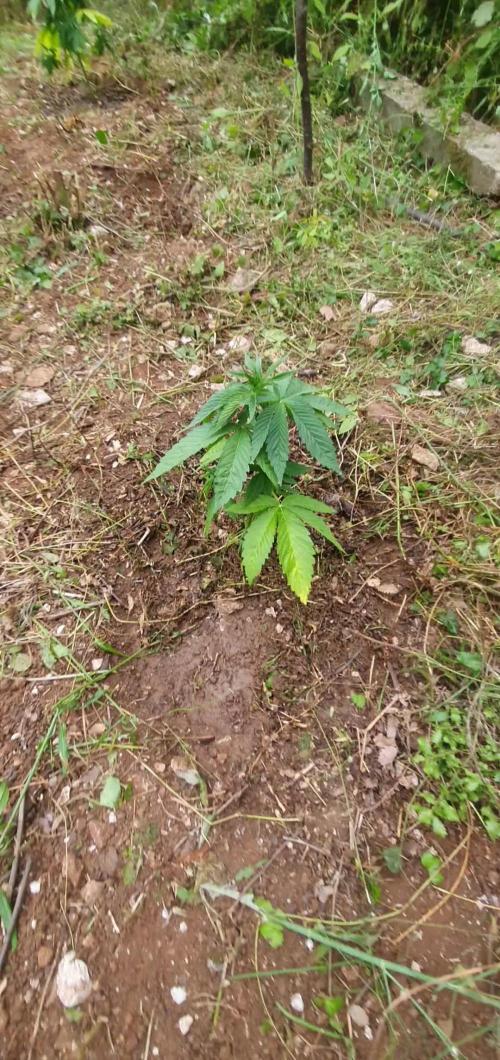
Week 7 June 21 update :
Plants were thirsty this week
Tranplanted directly into soil added some vermi compost and watered 26L of water to each now the real growth begins 🙌🏼 stay tuned growmies
