


Likes
Comments
Share


@Hemposapien
Follow
This is the first week of flower for Tropicana Cookies F2 and Terple. Really excited about this next crop. Thinking it'll be my best yet!


Likes
5
Share

@Chucky324
Follow
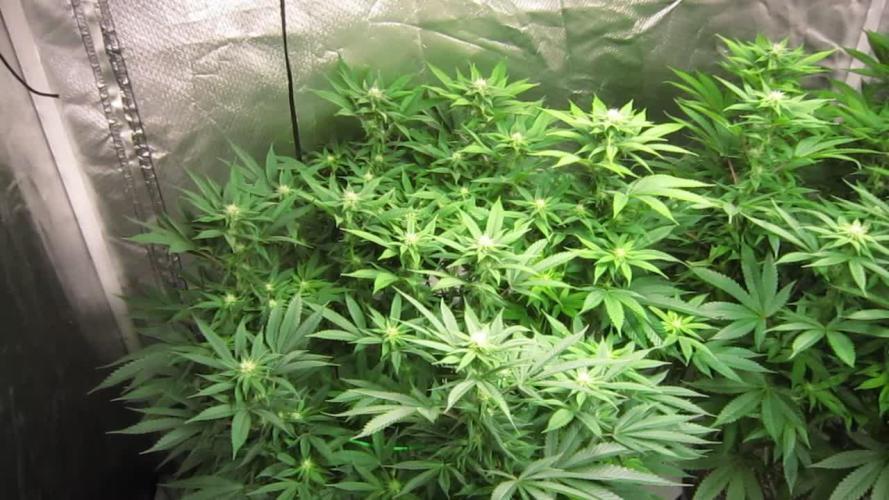
Hello this is the end of week 3 and the beginning of week 4 of flowering.
Got in here and did some trimming up a few days ago.
Got rid of most of the sucker branches and bottom fanleaves that don't get light.
I also trimmed some of the top fanleaves that block the light from reaching into the middle.
The more light a bud site gets the bigger the bud...
I took a lot off so the plant will slow it's growth for a few day, while it heals... but then the resin production will take off.
You can see in the pics the smallest bit of resin starting on the top leaves.
OK. Have Fun.
Chuck.

Likes
4
Share


@DarkVarein
Follow
Smells likes Candy and Orange, really good strain, and hits really hard.
Likes
325
Share


@Metatronix
Follow
Hello to all my friends and usual visitors. Thank you for dropping by and all the likes and comments 👋👋👋 You are the best!
Finally this diary will be almost up to date...maybe one day delay ;))
On october 19 i moved my plants to my 140x142 cm. growroom.
As i'm quite a lazy f##k i did not make any special nutrition feed for the Blue Cheese instead i used to water the plant with the same solution as for the DWC which is three times less then what i should use for a soil mix, thats the reason my Cheese shows yelowing leaves....I promise you i'll get her beck on truck soon ;)
The powerful Mars Hydro TS 1000 is kept at 33 cm from the top of my plants is is running on full power.
That's it for this week folks, have a wonderful week and please come beck visit in three days time 😎😇💪


Likes
6
Share


@ForbiddenBotanist
Follow
Plants looking good, I removed two fan leaves to allow more light to reach the lower branches. Im trying to encourage horizontal growth not vertical so I try to do everything I can to coax the plant outwards and not upwards. I regularly bend the stalks downwards gently with my hands. Watered with fert again this week.
Nothing else to report.
Next grow im definitely gonna try main lining
as always any tips or comments always appreciated
-

Likes
3
Share


@Spankstheedanks
Follow
hey Growies just another week actually on time this time. not much to say still super hot high 90s so my tent stays in the hundreds even with the fans but other then that she's loving everything finally broke the 2 feet mark this will be the last time I defoiliate her till I flip her next month thanks for stopping by see you next week hope you like what you see🙏🌱💪
Likes
3
Share


@High_Grade_Dadli
Follow
Girls are coming along well transplanted set 1&2... seem to be loving it....we getting there
Likes
19
Share


@cubansoldier
Follow
So far the girls are doing okay. I had a little problem with stretching at the beginning which is why you see me supporting them with the yoyos. Next grow I will start with the fluorescent light extremely close. I will grow 2 of these plants with only organic nutrients n the other 3 with synthetic to see which comes out better.

Likes
5
Share


@CannaIGrow
Follow
This plant seems to have grown much denser and better than my first plant. I just got the ac infinity ventilation setup with controller 69 for my 2x2, still trying to learn, hopefully grow #3 goes even better. Stay tuned
Likes
16
Share


@HIAZ_urbanbudfarmer
Follow
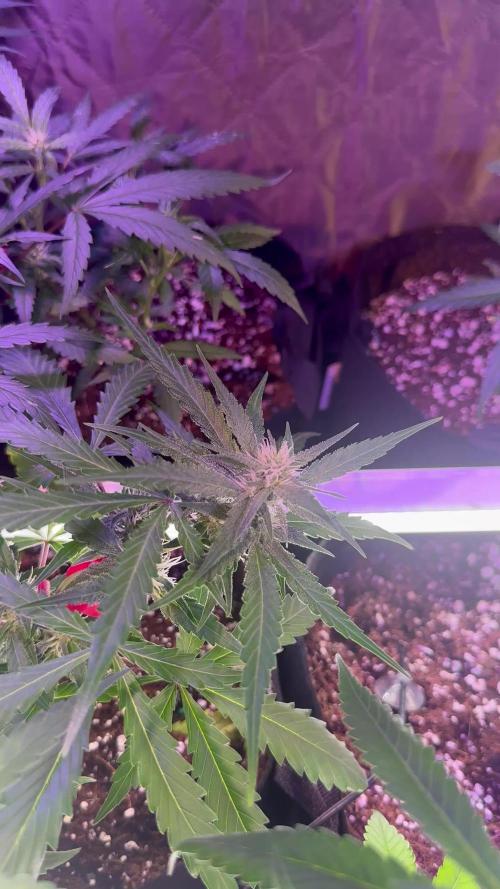
Hello, things are going a lot better with these girls now, nice & healthy & growing well. Set them up in 15 ltr DWC pots upped the nutrients, a little lower than the manufacturers recommendations for week 4. They are around 10 cm tall & have 7 nodes, started LST training, simply bending over & tying down. Lower branches starting to grow up, noticed 1st pistils on pheno 2 yesterday, right on the last day of week 4, so far I've only seen 2 pistils on both branches on the same node. Would have liked them to be bigger before starting to flower, but hopefully they put on some good size during the Flowering stretch. Thanks for checking out my diary, please feel free to leave a comment & some likes would be great so I can progress from apprentice stage , love to all the Gromies👍

Likes
6
Share


@valiotoro
Follow
Super easy trim✂️
The buds are super dense & sticky🤩
For the smell it’s cherry & blackcurrant with a gassy touch the Cherry Cola Diesel ⛽️🍒
Likes
40
Share


Likes
2
Share

@Foxtail89
Follow
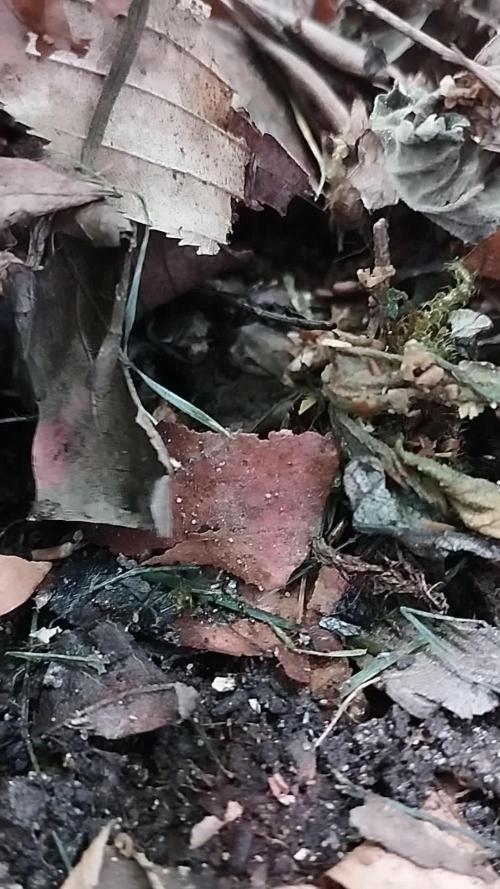
BT32...Zum Glück sehe ich nach wie vor keine Bananen, aber ein paar Pistillen sind braun geworden, könnte eine erfolgte Bestäubung sein, könnte aber auch eine normale Alterserscheinung sein nach 4 Wochen Blüte. Buds könnten schneller wachsen, aber legen doch deutlich zu.
Hatte vor ein paar Tagen etwas Lichtstress, nachdem ich etwas hochgedreht habe (ca. 75%). Gelbe Spitzen und beetende Blätter. Wieder runtergedreht auf ca. 60% Leistung und die Symptome waren am nächsten Tag weg.
Habe ein letztes Mal etwas organischen Topdress gemacht mit Guano, Eierschalen, Urgesteinsmehl in etwas magerer Erde gemischt. Mulch wurde mit neuen Blättern und etwas Rasenschnitt aufgefüllt (Grün:Braun/"N:C" 1:3). Morgen gibt es einen Komposttee (Kompost, Melasse).
Die untersten Blätter sind gestern abgefallen, waren aber nicht komplett gelb leergesaugt, sondern sind vertrocknet. Habe die oberste Schicht recht feucht gehalten, aber den ganzen Topf zu trocken gehalten. Ist ein schmaler Grat zwischen durchgehend feucht (rein organischer Grow mit viel Leben) und übergossen.
Hoffe, die Nährstoffe kommen relativ schnell an. Ab Woche 7 gibt's nur noch Wasser.

Processing
Likes
5
Share


@Rushif90
Follow
Catching up to the Alaskan purple now very bushy have had to tuck and trim quite a few leaves this week by the next morning it’s always twice as full started getting buds this week just the first hairs but right on track the bud blood and igniter work well for helping in transition 2 feeds per week now
Likes
29
Share


@Gc_Dank_Aus
Follow
These ladies were a treat to grow and even better to smoke, looking forward to my next run 👌🤙
Processing
Likes
13
Share


@DrewbieDoobieNoobie
Follow
I think I started flushing to early, back to feeding for 2 more weeks then I will flush, I goofed on the flowering time I did not take into consideration the veg time for 4 weeks so my harvest is more like a month out I see some yellowing in the lower leaves these nugs need to put on some weight so back to feeding. I scrapped the SCROG and the Blue Dream. Some new pics and some new time-lapse. A small tribute to one of the greatest Drummers in the world. RIP Neil Peart. they are starting to smell a little stronger. I hope I did not mess these up gave them a diluted feeding today 1/11/20 and soaked the whole pot till run off, PH was 6.1 PPM was 1780 lets see what happens this week. Trichomes are looking milky and a few amber, I want to see next week if it puts on any more weight, Got a good comment on my question regarding early feeding and stunting the growth Thanks GD Community. I will try not to RUSH these ladies and give them a little more time. 🙏


Likes
11
Share

@World_Breeders
Follow
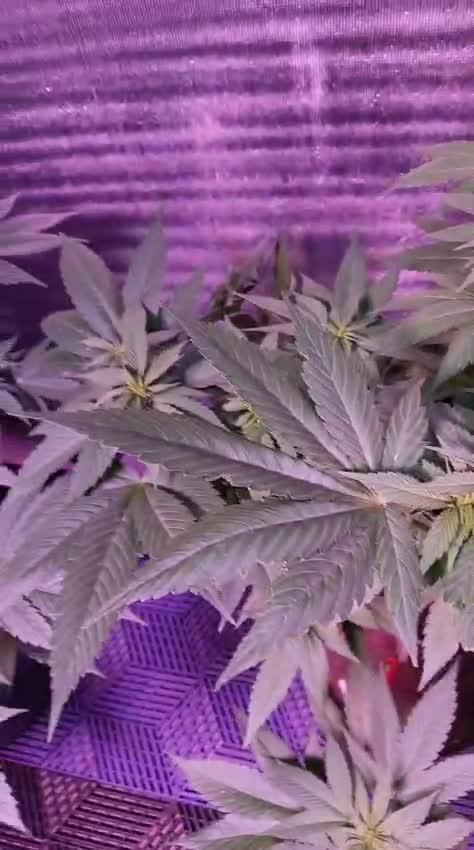
Pink Truffle #1 — Week 2 Flowering
Pink Truffle #1 enters the second week of flowering displaying a vigorous yet controlled stretch, maintaining the compact and well-balanced structure already observed during vegetative growth. Unlike more elongated phenotypes, this plant continues to develop with tighter internodal spacing while steadily increasing the number of active flowering sites throughout the canopy.
The training performed during vegetation has resulted in excellent branch distribution, allowing light to reach both the upper canopy and secondary flowering sites. Multiple tops are developing simultaneously, creating a uniform structure with strong production potential across the entire plant rather than concentrating growth in a few dominant branches.
Flower initiation is now clearly established, with abundant pistil formation visible on all primary and secondary tops. The canopy remains dense but organized, showing an ideal balance between vegetative vigor and floral development. Branches are sturdy and well-positioned, supporting the formation of numerous future colas while maintaining excellent overall symmetry.
One of the most notable characteristics of Pink Truffle #1 at this stage is its efficient use of space. The plant combines strong lateral expansion with moderate vertical growth, creating a productive canopy that maximizes light interception without excessive stretching.
As flowering progresses, Pink Truffle #1 is showing all the traits of a highly promising producer, with excellent structure, uniform flower development, and the potential to generate a canopy filled with dense, evenly developed tops in the weeks ahead. 🌱🔥🍬
Seed: World Breeders
Grower: Piperoots
Likes
6
Share


@IamCy
Follow
Here we are. Week 2. On the Day 8 video, I give my method on how I produce nearly zero larf and huge buds. It's easier than most think 😉
Likes
5
Share


@NewLevelHydroponic
Follow
Everything going great in this new tent spaces is helping alot supper cropping this has really helped alot that and lst with these auto i think there gonna look amazing when there donr tell me what you think