


Likes
Comments
Share


@MG2009
Follow
04/05/2023
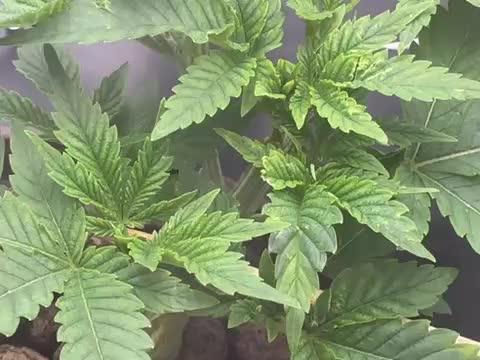
First pic and video of tall grape Skunk,short, and middle (size,)
Lemon OG is kicking ass definitely going to get more of these seeds. Biscotti Skunk I forgot pictures. Fix that when I get home. Something is weird with grape skunk (short one)




Likes
31
Share


@Pedrojuan
Follow
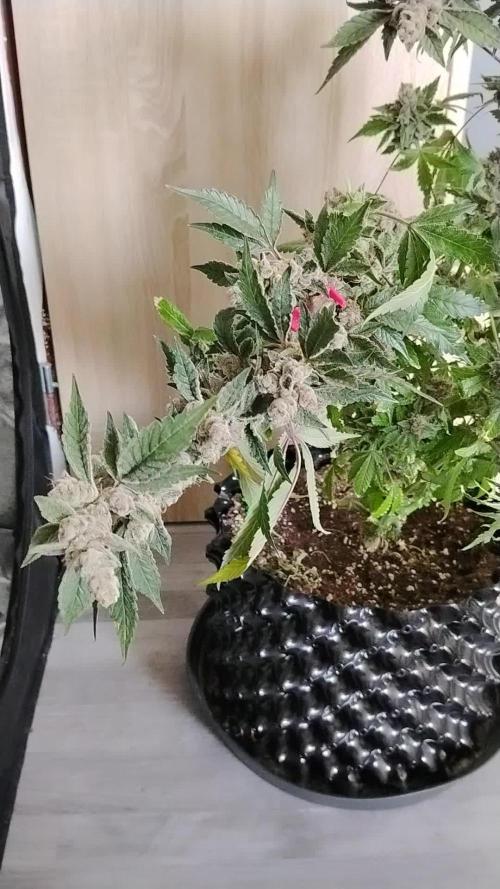
La semana va bien, pocos cambios, e notado que han crecido mucho. Esta semana será el pico de nutrientes para después empezar a bajarlos. Están consumiendo más agua que nutrientes, el EC hace 3 días permanece estable, pero consumen casi 8 litros en 3 días.

Likes
18
Share

@vyndalin
Follow
24.5 -Day 73 of flower is enough for this lady from lot 20.1125. I honestly can’t imagine what she would look like if I had let her grow naturally without any training. And because I really want to know, I germinated one more seed and tossed it on the balcony.
I tasted a small sample from the plant I harvested earlier and it has a very pleasant citrus, almost lime‑like flavor. But I’ll judge the real taste after a month in jars — and longer.
I also harvested the lowers from the Super Boof and the Blue Gelato 41. The buds turned beautifully purple and hardened up nicely. There will definitely be a few joints from those as well.
Overall I’m happy with this run, even though I’m taking a few lessons with me for the next rounds:
Three plants are too much for a 70×70 tent. One plant would be ideal, but I don’t like putting all my eggs in one basket, so I’ll go with two.
- Light was on 80% max with 1200+ ppfd to the nearest buds. She handled that like piece of cake.
I’m buying a dehumidifier (!) and tuning the ventilation. The current setup is technically strong enough, but I sleep right next to it, so I need a compromise between noise and performance. Maybe I’ll 3D‑print some adapters for the light and mount a couple of PC fans on it. I’ll see. Either way, I don’t want to harvest early because of mold.
Now I’ll let them hang in the tent until they dry, then they go into jars. After that, full tent disinfection and we’ll see what’s next. I still have Limoncello and Glookies from Barney’s (mostly sativa and mostly indica). I think I can handle that. But maybe I’ll throw in that S.A.D. F1 Fast Version I have on the balcony. Still deciding.
Anyway — may it grow, bloom, keep the pH steady, and stay mold‑free.💪

Likes
61
Share


@PEAKYPLANTERS
Follow
hey grow friends .... finally my time seems to come .... these beautiful little girls seem to tell me, every day that passes "smoke us" "smoke us" .... bitch bitch guys .. it doesn't seem true .. the dream of a lifetime ...
MY FIRST SEED
MY FIRST GERMINATION
MY FIRST GROW
MY FIRST LAMP
MY FIRST VEGETATION
MY FIRST FLOWERING
WHAT A CHILD SATISFACTION
9 out of 9 .... AND EVEN IF I DON'T HAVE ABUNDANT COLLECTIONS FROM A SINGLE PLANT FOR ME ALREADY AND A SUCCESS TO COMPLETE 9 OF 9
I cultivated it very sparingly and in the end I was repaid quite well ... this and the second week of flush .... fuck how long they take to dry with the led :(

Likes
8
Share


@Ieiogrow94
Follow
Eccoci di nuovo qui!!!
Super eccitato per questa nuova collab con Exotic Seed, team davvero al top, che mi ha dato l’opportunità di testare questa nuova genetica e di condividere i progressi con tutti voi!!!
Come sempre partiamo nei bicchieri per poi travasare.. Questa volta verrà svolto tutto sotto la Lumatek Zeus 465 ProC, mi aspetto molto da questo ciclo!!
Settimana incredibile!!!
Grazie a tutti per il supporto ❤️🍀🔥

Likes
17
Share


@chupacabra80
Follow
привет ребята,все идет хорошо , это от производителя и я так и не понял он цветет 6-7 недель или всего нужно Цветение 42 - 49 дня
??? Генетика
Hulkberry x Diesel Auto
Харвесты
500 г/м²
Цветение
42 - 49 дня
42 - 49 дня
вот такая у нас температура , нет денег нет условии,но не проблема стараюсь как могу ))))))
??? я нечего не трогаю,хочу увидеть полный потенциал )))))))))))))

Likes
35
Share


@eldruida_lamota
Follow
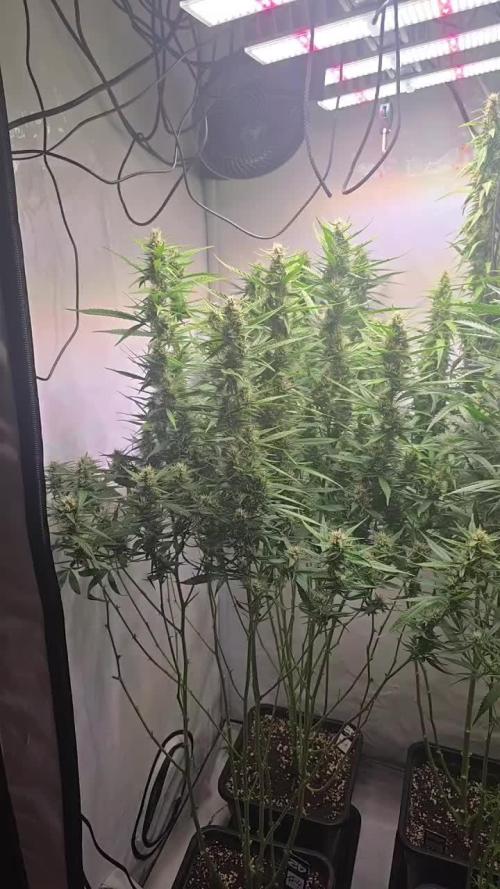
Venga familia, va la décima y última semana de floración de estas Frosted Guava de Zamnesia.
La humedad está en su punto, y la temperatura en 23 grados.
Ph estable entre 6.2 y 6.5 solo agua desde esta semana.
Las flores están madurando bien y desprenden aromas bastante llamativos.
Ya vamos viendo cómo progresan esta última semana, como acaban de madurar.
Os comento que tengo un descuento y para que compréis en la web de Zamnesia de un 20%, el código es ZAMMIGD2023
The discount 20% and the code is ZAMMIGD2023
https://www.zamnesia.com/
Mars hydro:
Code discount: EL420
https://www.mars-hydro.com/
Agrobeta:
https://www.agrobeta.com/agrobetatiendaonline/36-abonos-canamo
Hasta aquí es todo, buenos humos 💨💨💨

Likes
15
Share

Processing
Likes
23
Share

@eldruida_lamota
Follow
Ya en la recta final familia, están apuntito, solo unos días más.
Nuestras lemon kush ya recibieron su lavado de raíces , están sin productos ya solo AGUA.
Controlamos de todas formas el Ph igual y que no baje por debajo de 6,2.
Bestiales estás flores , un olor muy característico con tonalidades cítricas que recuerdan al limón.
Todo un clásico en verdad.
Estos ejemplares carecen de brazos laterales, son óptimas para un SOG desde semilla, pudiendo llenar 16 plantas en metro cuadrado.
Likes
11
Share


@StonedandSteady
Follow
Hang Drying 7-14 days before the #TotalDryYields $ #SmokeSesh's! 63rd Day #HarvestTime 9th week of Flower Update of my Fastbuds 2fast4buds.com Genetics looking Great, Gorgeous, Magnificent, Phat and Finishing out Super Strong! I Applied the #AncientArtofStemSplitting for more #FrostedTerpyBuds on 3/19/22 #Trichomes are Ripened and Ready for Steady! #ChopCity is underway! #FadeTime I Can't wait to Blaze Up these Beauties! I started thier #FlushingPhase on 2/23/2022 with Declorinated Tap Water Ph'd-6.0! I #Lollipopped the Lowers on Sunday 2/6/22 after posting to #GrowDiaries They received thier 5th #Feeding of #DivineSeeds #DivineGrow but this is thier 1st #Feed of #LongFlowering 3.0G. Mixed into a Gallon of water, Ph'd to 6.5 on 2/20/22! #BudzForming into Frosted #ChronicColas w/ #PistilsPoppin everywhere looking Pristine!!! I've been implementing some #LSTtraining at the beginning of 10 week's back by bending them over with #PipeCleaners to the sides of thier pots, pulling down thier side branching and #LeafTuckin the Biggest leaves under each other to Expose the Bud site's and Branches to more lighting w/ some #LiteDefoliation 9 weeks back as well! I introduced the #SpinningStemzStrengthing technique a few weeks ago to thier main Stocks and Side branching to make them Stronger and more Sturdy! They popped in under 24hrs in the wet paper towel method and now that they've busted out of thier ProMix potting mix medium, I've been watering them when dry with around 4 cups or 32 fluid ounces 64 Tbsp 192 tsp 948ml of Declorinated Tap water that's Ph'd to around a 6.4-6.3 using TNB ph Up$Down and watering thier whole pots these past couple of weeks! They're Growing under our Bodacious #BloomPlus1500w with the 150w Done driver in our 2×4.5×7ft. GrowTank Grow Closet with the 18/6 lighting schedule cause Everything needs a little rest! Team #Fastbuds recommends the 20/4 schedule as well!!! Our Grows also get Enhanced with #TNBNaturals The Enhancer with my Special Steady'z mix in their bottles!
Yo!!! Top-Notch and The Finest in AutoFlowers indeed! Let's Grow and Get it In from Team #Fastbuds @fastbuds_genetics on Instagram!!! Check it Out my fellow Growmies and Growmets! I'm very Thankful, Grateful and Appreciate these Fantastic, Famous, Fast-Growing, Flavorful and Fiery genetics! Spectacular and Superb Sponsorship package from my Broski Sir #Santi as I like call him and thier Award-Winning Company full of Great Growers, Bodacious Breeders and Pleasant People from All over the World! Your Strains are Phenomenally Pristine and Perfectly Priced! I Can't wait to Try, Test and Review these Crafted Cannabis Cup strains!!! Thanks Again Everyone and Everybody! I've also learned All sorts of Growing Tipz, Tricks, Techniques and Methods from you and your Detailed- How to Grow Instructional categories on your Website SeedBank! Your a Fantabulous Family and Terrific Team!!! It's my Pleasure and I'll do my Best!!! With the Help of my Broski #GallowGlas420 making my original Masterpiece's! I Made, Perfected and Hope Everyone Enjoys these New Introductions, Mail Call and Outros! I also Hope that Everyone will and Go Spread That Love to you Guys on your other social media's! I'll most definitely have their Link's posted Below⬇️! BudBrothers4-L!!! Cheers Famz!!! Much Props, Topz and Much Love!💯
https://youtube.com/c/FastBudsGenetics
https://instagram.com/fastbuds_genetics?utm_medium=copy_link
https://www.facebook.com/FastBudsMedia/
https://mobile.twitter.com/fast_buds
https://www.reddit.com/r/FastBuds_Family/
https://t.me/fast_buds_genetics
https://es.linkedin.com/company/420fastbuds
Remember "it's 4:20 Somewhere"!!! Bloom Plus BP-4000
CA:https://www.amazon.ca/dp/B08DTDP5FF/ref=cm_sw_r_cp_awdb_imm_86Q7H2D5BGFYB9B6PR9K
US:https://www.amazon.com/dp/B08DTN3B84/ref=cm_sw_r_cp_awdb_imm_4B7XWCAS09M4V3W0AFJH
Bloom Plus BP-2500
CA:https://www.amazon.ca/dp/B08DTCYV9Y/ref=cm_sw_r_cp_awdb_imm_YDNA8G16PH3TB002VKGE
US:https://www.amazon.com/dp/B08DS53THM/ref=cm_sw_r_cp_awdb_imm_SX3AEDKRVAYQECF32BE4
Bloom Plus BP-1500
CA:https://www.amazon.ca/dp/B082XYLHRJ/ref=cm_sw_r_cp_awdb_imm_XEBFV7790EHT53B2J9B5
US:https://www.amazon.com/dp/B082XYLHRJ/ref=cm_sw_r_cp_awdb_imm_MB3PYZEVSQRZY096AB79
BloomPlus Instagram Link:
https://instagram.com/bloomplusled?utm_medium=copy_link
Thanks Again Broski #SmokinPlantaz for Hosting your Bright and Tight Amazon Prime Day #BloomPlus-1500w Giveaway! I'm still Blinded by the Light!!! Lol (Song Pun) it's Ultimately Lit, Extremely Powerful and Brilliantly Bright! I also Love and Appreciate Everyone out here! Please! Go Over and Spread That Love to my Bro's YouTube Channel and Team #BloomPlus on their Instagram! I'll have thier Links posted ⬆️⬇️! BudBrothers4-L!!! Cheers Famz!!! Much Props and Much Pars!💯
SmokinPlantaz YouTube Channel Link: https://youtube.com/channel/UCDKJthWoS6-miAhq_lLb_-w
Likes
37
Share


@Smokwiri
Follow
Welcome to week 7 of my Watermelon candy by Zamnesia seeds.
Zamnesia seeds 10% discount with code GROWITGD
Cleaned out the plant, made some more space for the buds, and have taken some clones.
I had to taken some branches out to prevent popcorn buds.
Zamnesia seeds 10% discount with code GROWITGD
Viparspectra discount:
Amazon: http://url-9.cn/0y9i
Amazon US: https://amzn.to/3e0P2bk
Amazon CA: https://amzn.to/3bTnEJC
Amazon discount Code:
it10smokwiri XS1000 10%
XSsmokwiri XS1500 8%
it20smokwiri XS2000 5%
it40smokwiri XS4000 5%
ViparSpectra 8% DISCOUNT CODE on the viparspectra websites (.com/.eu)
RUFFSELEKTAH
Likes
57
Share


@nonick123
Follow
Día 34 (27/05) Riego con 750 ml H2O + Regulator 0,15 ml/l + P-Boost 0,5 ml/l + CaMg-Boost 0,25 ml/l + TopBooster 0,2 ml/l - pH 6.2
Día 35 (28/05) Riego 750 ml sólo H2O pH 6.2
Día 36 (29/05) Riego con 750 ml H2O + Regulator 0,15 ml/l + P-Boost 0,5 ml/l + TopBooster 0,2 ml/l - pH 6.2
ANDF es superdemandante de Magnesio. Como aún está en preflower, hago una aplicación foliar de sales de Epson a 4 g/L
Día 37 (30/05) Riego 750 ml sólo H2O pH 6.2
ANDF está creciendo muchísimo! Una genética muy potente!
Día 38 (31/05) Riego con 750 ml H2O + Regulator 0,15 ml/l + P-Boost 0,5 ml/l + CaMg-Boost 0,25 ml/I +TopBooster 0,2 ml/l - pH 6.2
Día 39 (01/06) Riego 750 ml sólo H2O pH 6.2
Día 40 (02/06) Riego con 750 ml de Té de Compost de Floración
ANDF no para de crecer y demandar Magnesio! Le aplico 4 gr de Sales de Epsom como Top dress
💦Nutrients by Aptus Holland - www.aptus-holland.com
🌱Substrate PRO-MIX HP BACILLUS + MYCORRHIZAE - www.pthorticulture.com/en/products/pro-mix-hp-biostimulant-plus-mycorrhizae

Likes
78
Share


@1Right_Angle
Follow
June 16th, 2022
- plant had some living soil amended into substrate, plant was fed on the 14th, defoliated a bit, extra support installed due to the punishing winds of the location. More Rain Heat and Humidity are scheduled. See where it goes… she looks Healthy
Likes
13
Share


@CannaIGrow
Follow
Still just been removing leaves blocking bud sites. The plant has had 2 waterings without any nutes due to tds reading. I put 2 cup fulls of new happy frog on top a few days ago so I'm assuming that's why the tds is staying higher for a longer period right now. Plant has some burnt tips probably from the extra nitrogen if I had to guess. Seems to be growing ok and stretching. I added 2 trellis nets to try to help support the bud.

Likes
36
Share


@Salokin
Follow
Hi all,
sorry for the delay, all continues to go very well, she is handling the nutrients very well wit only a very little tip burn. I increased the light a little bit, as I felt that some of the main colas on the side didn't get enough light.
Next week I will probably be able to show the little veg-box I built, since the cuttings are slowly outgrowing their current home.


Likes
6
Share

@DogDoctorOfficial
Follow
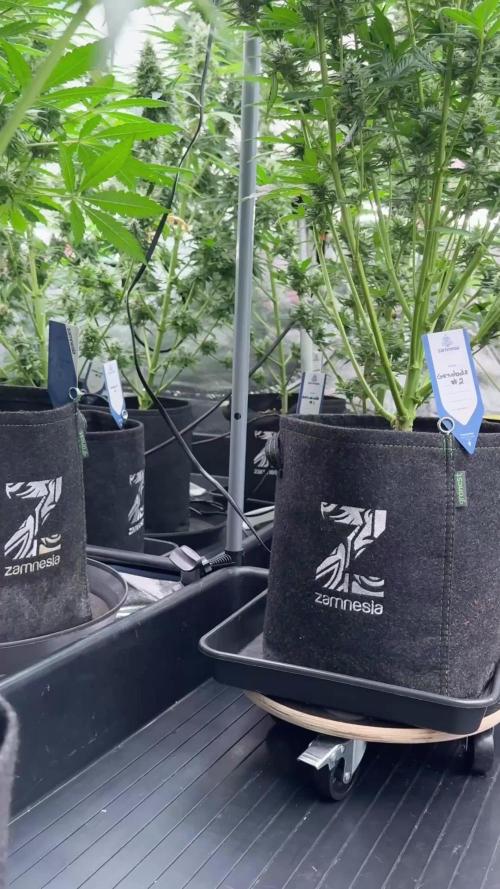
🌸 Week 5 Flower – RollerCoaster Haze 🌸
The RollerCoaster Haze girls are thriving in mid-flower, building structure and stacking buds at an incredible pace. Both phenos are stretching into the canopy with strength, white pistils everywhere, and flower sites developing beautifully. The plants are balanced, vibrant, and showing no signs of stress, just healthy, determined growth.
💧 Nutrition & Feeding
This week we’ve adjusted the recipe, stopping the All-in-One Liquid completely as the soil and pellets still provide plenty of slow-release nutrition. The focus now is on a lean, targeted bloom feed, keeping the roots active without oversaturating. Current recipe (all at 1ml/L):
• Aptus Regulator
• Aptus CalMag Boost
• Plagron Green Sensation
• Plagron Sugar Royal
• Plagron Power Buds
Solution runs steady at pH 6.0–6.1 with EC balanced to complement the soil’s reserves. The results speak for themselves: stalks, roots, and leaves are thriving, and the flowers are coming on strong.
Environment
• Soil Temp: ~24°C
• Room Temp: ~28–29°C
• Humidity: ~65%
• VPD: ~1.3–1.4 kPa
Airflow, extraction, and monitoring keep the conditions stable. Despite the size of these girls, they’re handling the environment perfectly.
💡 Inner Canopy Lighting – ICL300
This week I want to highlight the role of the ICL300 inner canopy lights. These lights are designed to deliver light where traditional overhead fixtures can’t: deep inside the canopy.
Why does this matter?
• As plants stretch and leaves overlap, the lower branches and bud sites often receive far less light. Without supplemental lighting, these inner flowers stay smaller, less dense, and less developed.
• Inner canopy lights like the ICL300 solve this by pushing photons directly into those shaded areas, ensuring the lower and middle buds get the energy they need to bulk up.
Spectrum: The ICL300 units provide a balanced white spectrum with a red push, tailored to maximize flowering response while avoiding heat stress. This means not only are the tops getting stacked, the inner and lower flowers are also swelling, making for a more even, consistent harvest.
The difference is visible already: the RollerCoaster Haze girls aren’t just top-heavy. The mid-canopy sites are developing beautifully, with structure filling out in layers instead of just one dominant top.
🌼 Pistils: White Hairs Everywhere
At Week 5, pistils (the fine white hairs that emerge from each calyx) are one of the clearest signs of flower development. They serve two major purposes:
• Reproduction: pistils are part of the female flower’s reproductive system, designed to catch pollen if it’s present.
• Growth indicator: the color, abundance, and orientation of pistils give us a direct look into the maturity of the flower.
Some genetics push out bright white pistils, while others lean slightly toward cream, yellowish, or even orange tones earlier in bloom. This variation is completely normal and tied to the plant’s lineage.
At this stage, the RollerCoaster Haze girls are full of vigorous white pistils, standing tall and reaching outwards. This shows they are actively building flowers and pushing energy into new calyx formation. It’s also a reminder that this week is about observation: watching how the pistils evolve will tell us not only about maturity, but also about how each pheno expresses itself.
Later on, pistils will darken and curl inward as the calyxes swell, but right now, their abundance and brightness are a clear signal of healthy, strong flowering.
🌱 Observations
• Bud sites are stacking with strong pistil production.
• Inner canopy looks healthy and productive thanks to the ICL300.
• Plants remain lush, green, and full of energy.
• Root systems are still vigorous, visible at the soil surface.
✨ Reflection
Week 5 Flower shows how balance in nutrition, environment, and lighting can work together to create truly explosive growth. By dialing in the recipe, highlighting pistil development, and introducing inner canopy lighting, we’re not only supporting the tops but ensuring that every bud site gets its chance to shine.
The RollerCoaster ride continues, and these girls are carrying us higher every week.
📲 Don’t forget to Subscribe and follow me on Instagram and YouTube @DogDoctorOfficial for exclusive content, real-time updates, and behind-the-scenes magic. We’ve got so much more coming, including transplanting and all the amazing techniques that go along with it. You won’t want to miss it.
• GrowDiaries Journal: https://growdiaries.com/grower/dogdoctorofficial
• Instagram: https://www.instagram.com/dogdoctorofficial/
• YouTube: https://www.youtube.com/@dogdoctorofficial
⸻
Explore the Gear that Powers My Grow
If you’re curious about the tech I’m using, check out these links:
• Genetics, gear, nutrients, and more – Zamnesia: https://www.zamnesia.com/
• Environmental control & automation – TrolMaster: https://www.trolmaster.eu/
• Advanced LED lighting – Future of Grow: https://www.futureofgrow.com/
• Root and growth nutrition – Aptus Holland: https://aptus-holland.com/
• Nutrient systems & boosters – Plagron: https://plagron.com/en/
• Soil & substrate excellence – PRO-MIX BX: https://www.pthorticulture.com/en-us/products/pro-mix-bx-mycorrhizae
• Curing and storage – Grove Bags: https://grovebags.com/
⸻
We’ve got much more coming as we move through the grow cycles. Trust me, you won’t want to miss the next steps, let’s push the boundaries of indoor horticulture together!
As always, this is shared for educational purposes, aiming to spread understanding and appreciation for this plant. Let’s celebrate it responsibly and continue to learn and grow together.
With true love comes happiness. Always believe in yourself, and always do things expecting nothing and with an open heart. Be a giver, and the universe will give back in ways you could never imagine.
💚 Growers love to all
Likes
6
Share


@LokalGrenz
Follow
Some decency showing not sure what or why but other than that is going okay smell is sweet and strong some frost
Likes
7
Share


@Sunstonedgrows
Follow
A tad late, but on Dec 20th we started flower! The pics and video are all from dec 20.
To kick it off we did a small feed (1tbsp) of veg nutrients and over the next few weeks will transition to flower blend.
So far she's taken well to the training and looks very strong overall.
Cheers til next time
-Dj Sunstone
