The Grow Awards 2026 🏆
Likes
Comments
Share
@PINUFLA
Follow
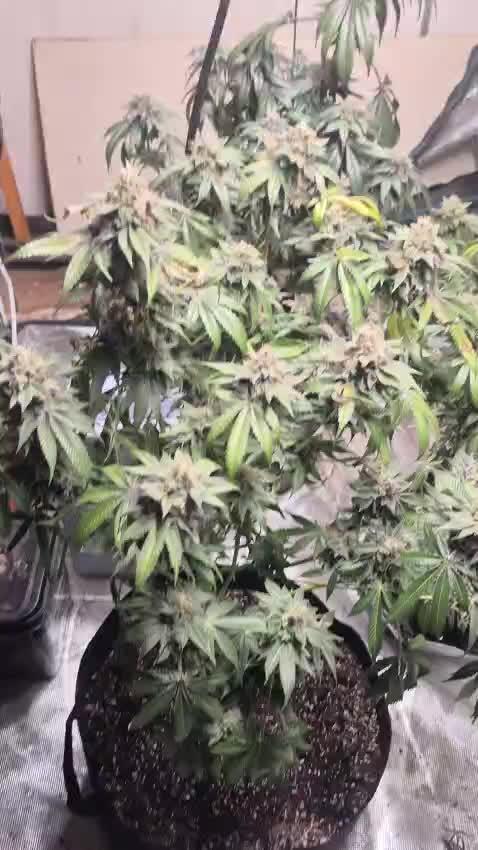
Día: 58 Riego: 800ml x Pl. - SoloTek Bloom 2mlxL - HeavyBud 2mlxL - Vitamax 1mlxL - MonsterBloom 0,3gxL Día: 62 Riego: 1L x Pl. - ProSilicate 1mlxL
Likes
6
Share
Likes
44
Share
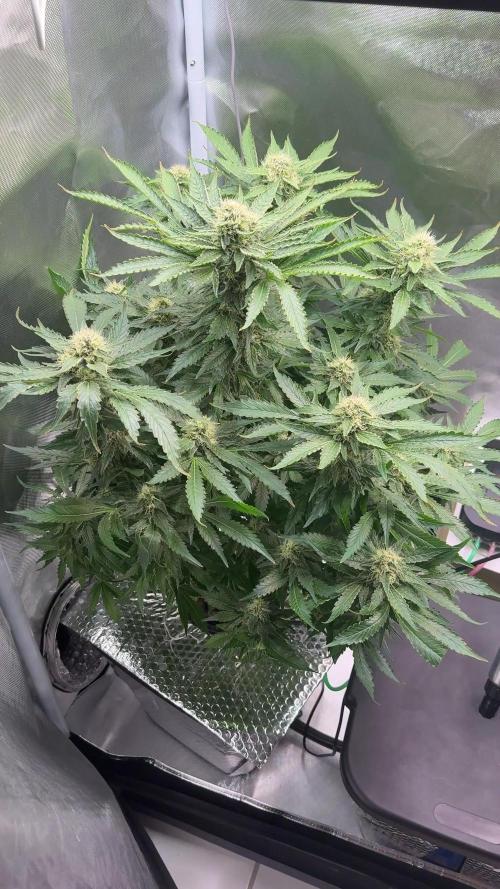
For LIQUIDS & NUTES ******GREEN BUZZ NUTRIENTS***** organic. Also i’m using their LIVING SOIL CULTURE in powder form! MARSHYDRO ⛺️ has large openings on the sides which is useful for mid section groom room work. 🤩 ☀️ MARSHYDRO FC 3000 LED 300W 💨MARSHYDRO 6” in-line EXTRACTOR with speed-variation knob, comes complete with ducting and carbon filter.
Likes
19
Share
Yellow butterfly came to see me the other day; that was nice. Starting to show signs of stress on the odd leaf, localized isolated blips, blemishes, who said growing up was going to be easy! Smaller leaves have less surface area for stomata to occupy, so the stomata are packed more densely to maintain adequate gas exchange. Smaller leaves might have higher stomatal density to compensate for their smaller size, potentially maximizing carbon uptake and minimizing water loss. Environmental conditions like light intensity and water availability can influence stomatal density, and these factors can affect leaf size as well. Leaf development involves cell division and expansion, and stomatal differentiation is sensitive to these processes. In essence, the smaller leaf size can lead to a higher stomatal density due to the constraints of available space and the need to optimize gas exchange for photosynthesis and transpiration. In the long term, UV-B radiation can lead to more complex changes in stomatal morphology, including effects on both stomatal density and size, potentially impacting carbon sequestration and water use. In essence, UV-B can be a double-edged sword for stomata: It can induce stomatal closure and potentially reduce stomatal size, but it may also trigger an increase in stomatal density as a compensatory mechanism. It is generally more efficient for gas exchange to have smaller leaves with a higher stomatal density, rather than large leaves with lower stomatal density. This is because smaller stomata can facilitate faster gas exchange due to shorter diffusion pathways, even though they may have the same total pore area as fewer, larger stomata. Leaf size tends to decrease in colder climates to reduce heat loss, while larger leaves are more common in warmer, humid environments. Plants in arid regions often develop smaller leaves with a thicker cuticle and/or hairs to minimize water loss through transpiration. Conversely, plants in wet environments may have larger leaves and drip tips to facilitate water runoff. Leaf size and shape can vary based on light availability. For example, leaves in shaded areas may be larger and thinner to maximize light absorption. Leaf mass per area (LMA) can be higher in stressful environments with limited nutrients, indicating a greater investment in structural components for protection and critical resource conservation. Wind speed, humidity, and soil conditions can also influence leaf morphology, leading to variations in leaf shape, size, and surface characteristics. Small leaves: Reduce water loss in arid or cold climates. Environmental conditions significantly affect gene expression in plants. Plants are sessile organisms, meaning they cannot move to escape unfavorable conditions, so they rely on gene expression to adapt to their surroundings. Environmental factors like light, temperature, water, and nutrient availability can trigger changes in gene expression, allowing plants to respond to and survive in diverse environments. Depending on the environment a young seedling encounters, the developmental program following seed germination could be skotomorphogenesis in the dark or photomorphogenesis in the light. Light signals are interpreted by a repertoire of photoreceptors followed by sophisticated gene expression networks, eventually resulting in developmental changes. The expression and functions of photoreceptors and key signaling molecules are highly coordinated and regulated at multiple levels of the central dogma in molecular biology. Light activates gene expression through the actions of positive transcriptional regulators and the relaxation of chromatin by histone acetylation. Small regulatory RNAs help attenuate the expression of light-responsive genes. Alternative splicing, protein phosphorylation/dephosphorylation, the formation of diverse transcriptional complexes, and selective protein degradation all contribute to proteome diversity and change the functions of individual proteins. Photomorphogenesis, the light-driven developmental changes in plants, significantly impacts gene expression. It involves a cascade of events where light signals, perceived by photoreceptors, trigger changes in gene expression patterns, ultimately leading to the development of a plant in response to its light environment. Genes are expressed, not dictated! While having the potential to encode proteins, genes are not automatically and constantly active. Instead, their expression (the process of turning them into proteins) is carefully regulated by the cell, responding to internal and external signals. This means that genes can be "turned on" or "turned off," and the level of expression can be adjusted, depending on the cell's needs and the surrounding environment. In plants, genes are not simply "on" or "off" but rather their expression is carefully regulated based on various factors, including the cell type, developmental stage, and environmental conditions. This means that while all cells in a plant contain the same genetic information (the same genes), different cells will express different subsets of those genes at different times. This regulation is crucial for the proper functioning and development of the plant. When a green plant is exposed to red light, much of the red light is absorbed, but some is also reflected back. The reflected red light, along with any blue light reflected from other parts of the plant, can be perceived by our eyes as purple. Carotenoids absorb light in blue-green region of the visible spectrum, complementing chlorophyll's absorption in the red region. They safeguard the photosynthetic machinery from excessive light by activating singlet oxygen, an oxidant formed during photosynthesis. Carotenoids also quench triplet chlorophyll, which can negatively affect photosynthesis, and scavenge reactive oxygen species (ROS) that can damage cellular proteins. Additionally, carotenoid derivatives signal plant development and responses to environmental cues. They serve as precursors for the biosynthesis of phytohormones such as abscisic acid () and strigolactones (SLs). These pigments are responsible for the orange, red, and yellow hues of fruits and vegetables, while acting as free scavengers to protect plants during photosynthesis. Singlet oxygen (¹O₂) is an electronically excited state of molecular oxygen (O₂). Singlet oxygen is produced as a byproduct during photosynthesis, primarily within the photosystem II (PSII) reaction center and light-harvesting antenna complex. This occurs when excess energy from excited chlorophyll molecules is transferred to molecular oxygen. While singlet oxygen can cause oxidative damage, plants have mechanisms to manage its production and mitigate its harmful effects. Singlet oxygen (¹O₂) is considered a reactive oxygen species (ROS). It's a form of oxygen with higher energy and reactivity compared to the more common triplet oxygen found in its ground state. Singlet oxygen is generated both in biological systems, such as during photosynthesis in plants, and in cellular processes, and through chemical and photochemical reactions. While singlet oxygen is a ROS, it's important to note that it differs from other ROS like superoxide (O₂⁻), hydrogen peroxide (H₂O₂), and hydroxyl radicals (OH) in its formation, reactivity, and specific biological roles. Non-photochemical quenching (NPQ) protects plants from damage caused by reactive oxygen species (ROS) by dissipating excess light energy as heat. This process reduces the overexcitation of photosynthetic pigments, which can lead to the production of ROS, thus mitigating the potential for photodamage. Zeaxanthin, a carotenoid pigment, plays a crucial role in photoprotection in plants by both enhancing non-photochemical quenching (NPQ) and scavenging reactive oxygen species (ROS). In high-light conditions, zeaxanthin is synthesized from violaxanthin through the xanthophyll cycle, and this zeaxanthin then facilitates heat dissipation of excess light energy (NPQ) and quenches harmful ROS. The Issue of Singlet Oxygen!! ROS Formation: Blue light, with its higher energy photons, can promote the formation of reactive oxygen species (ROS), including singlet oxygen, within the plant. Potential Damage: High levels of ROS can damage cellular components, including proteins, lipids, and DNA, potentially impacting plant health and productivity. Balancing Act: A balanced spectrum of light, including both blue and red light, is crucial for mitigating the harmful effects of excessive blue light and promoting optimal plant growth and stress tolerance. The Importance of Red Light: Red light (especially far-red) can help to mitigate the negative effects of excessive blue light by: Balancing the Photoreceptor Response: Red light can influence the activity of photoreceptors like phytochrome, which are involved in regulating plant responses to different light wavelengths. Enhancing Antioxidant Production: Red and blue light can stimulate the production of antioxidants, which help to neutralize ROS and protect the plant from oxidative damage. Optimizing Photosynthesis: Red light is efficiently used in photosynthesis, and its combination with blue light can lead to increased photosynthetic efficiency and biomass production. In controlled environments like greenhouses and vertical farms, optimizing the ratio of blue and red light is a key strategy for promoting healthy plant growth and yield. Understanding the interplay between blue light signaling, ROS production, and antioxidant defense mechanisms can inform breeding programs and biotechnological interventions aimed at improving plant stress resistance. In summary, while blue light is essential for plant development and photosynthesis, it's crucial to balance it with other light wavelengths, particularly red light, to prevent excessive ROS formation and promote overall plant health. Oxidative damage in plants occurs when there's an imbalance between the production of reactive oxygen species (ROS) and the plant's ability to neutralize them, leading to cellular damage. This imbalance, known as oxidative stress, can result from various environmental stressors, affecting plant growth, development, and overall productivity. Causes of Oxidative Damage: Abiotic stresses: These include extreme temperatures (heat and cold), drought, salinity, heavy metal toxicity, and excessive light. Biotic stresses: Pathogen attacks and insect infestations can also trigger oxidative stress. Metabolic processes: Normal cellular activities, particularly in chloroplasts, mitochondria, and peroxisomes, can generate ROS as byproducts. Certain chlorophyll biosynthesis intermediates can produce singlet oxygen (1O2), a potent ROS, leading to oxidative damage. ROS can damage lipids (lipid peroxidation), proteins, carbohydrates, and nucleic acids (DNA). Oxidative stress can compromise the integrity of cell membranes, affecting their function and permeability. Oxidative damage can interfere with essential cellular functions, including photosynthesis, respiration, and signal transduction. In severe cases, oxidative stress can trigger programmed cell death (apoptosis). Oxidative damage can lead to stunted growth, reduced biomass, and lower crop yields. Plants have evolved intricate antioxidant defense systems to counteract oxidative stress. These include: Enzymes like superoxide dismutase (SOD), catalase (CAT), and various peroxidases scavenge ROS and neutralize their damaging effects. Antioxidant molecules like glutathione, ascorbic acid (vitamin C), C60 fullerene, and carotenoids directly neutralize ROS. Developing plant varieties with gene expression focused on enhanced antioxidant capacity and stress tolerance is crucial. Optimizing irrigation, fertilization, and other management practices can help minimize stress and oxidative damage. Applying antioxidant compounds or elicitors can help plants cope with oxidative stress. Introducing genes for enhanced antioxidant enzymes or stress-related proteins over generations. Phytohormones, also known as plant hormones, are a group of naturally occurring organic compounds that regulate plant growth, development, and various physiological processes. The five major classes of phytohormones are: auxins, gibberellins, cytokinins, ethylene, and abscisic acid. In addition to these, other phytohormones like brassinosteroids, jasmonates, and salicylates also play significant roles. Here's a breakdown of the key phytohormones: Auxins: Primarily involved in cell elongation, root initiation, and apical dominance. Gibberellins: Promote stem elongation, seed germination, and flowering. Cytokinins: Stimulate cell division and differentiation, and delay leaf senescence. Ethylene: Regulates fruit ripening, leaf abscission, and senescence. Abscisic acid (ABA): Plays a role in seed dormancy, stomatal closure, and stress responses. Brassinosteroids: Involved in cell elongation, division, and stress responses. Jasmonates: Regulate plant defense against pathogens and herbivores, as well as other processes. Salicylic acid: Plays a role in plant defense against pathogens. 1. Red and Far-Red Light (Phytochromes): Red light: Primarily activates the phytochrome system, converting it to its active form (Pfr), which promotes processes like stem elongation and flowering. Far-red light: Inhibits the phytochrome system by converting the active Pfr form back to the inactive Pr form. This can trigger shade avoidance responses and inhibit germination. Phytohormones: Red and far-red light regulate phytohormones like auxin and gibberellins, which are involved in stem elongation and other growth processes. 2. Blue Light (Cryptochromes and Phototropins): Blue light: Activates cryptochromes and phototropins, which are involved in various processes like stomatal opening, seedling de-etiolation, and phototropism (growth towards light). Phytohormones: Blue light affects auxin levels, influencing stem growth, and also impacts other phytohormones involved in these processes. Example: Blue light can promote vegetative growth and can interact with red light to promote flowering. 3. UV-B Light (UV-B Receptors): UV-B light: Perceived by UVR8 receptors, it can affect plant growth and development and has roles in stress responses, like UV protection. Phytohormones: UV-B light can influence phytohormones involved in stress responses, potentially affecting growth and development. 4. Other Colors: Green light: Plants are generally less sensitive to green light, as chlorophyll reflects it. Other wavelengths: While less studied, other wavelengths can also influence plant growth and development through interactions with different photoreceptors and phytohormones. Key Points: Cross-Signaling: Plants often experience a mix of light wavelengths, leading to complex interactions between different photoreceptors and phytohormones. Species Variability: The precise effects of light color on phytohormones can vary between different plant species. Hormonal Interactions: Phytohormones don't act in isolation; their interactions and interplay with other phytohormones and environmental signals are critical for plant responses. The spectral ratio of light (the composition of different colors of light) significantly influences a plant's hormonal balance. Different wavelengths of light are perceived by specific photoreceptors in plants, which in turn regulate the production and activity of various plant hormones (phytohormones). These hormones then control a wide range of developmental processes.
Likes
99
Share
Willkommen Growmies zu meinen neuen Run mit den neuen Fast Flowering Genetiken von 420FastBuds . Danke an dieser Stelle an Fast Buds ❤️💛💚 Gekeimt wird die schöne Orange Sherbet FF direkt in BioBizz light Mix mit einen PH Wert von 6.2 und Angepassten Wasser von 8.3 runter auf ebenfalls 6.2 . Beleuchtet werden Sie mit einer 150w MH . Die Temperatur liegt bei 23 Grad und die Luftfeuchtigkeit liegt zwischen 65-75% . Vielen Dank fürs vorbei schauen und keep Growing ❤️💛💚❤️💛💚❤️💛💚❤️💛💚 Much love GrowWihtFlow
Likes
9
Share
@Hawk97
Follow
In the end it was a pretty good run, i have to say though that, probably due to some early veg stress, one of the plants probably suffered from hermaphroditism and impollinated the others, 5hus resulting in a few seeds here and there. Fortunately nothing major. Thnx everybody for the support and following my first diary, stay tuned cause I'm starting two new more grows, bigger and better. Keep the peace 😉✌️
Likes
32
Share
This girls is extremely bushy, absolutely lost cause lol I have no doubts in flower she will start stretching. Increased watering at 1.8L every 24hrs.
Likes
11
Share
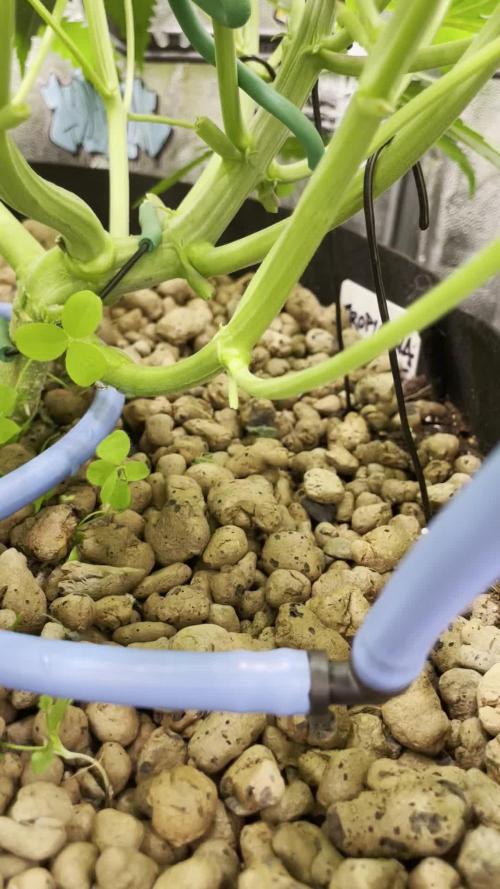
Quite the week, finally got to transplant into a larger container, hopefully the roots open up and explore soon. First round of LST completed as well.
Likes
4
Share
@UrbanBoer
Follow
Home stretch, Lamby is seducing my sense of smell, I am going to harvest on week 26, going to pump nutrients in her her for 5 weeks straight, then the remaining 5! Will be rain water, flush everything that will cause a harsh smoke… plus a month of curing in a jar in darkness. Right now now I want her to bulk up.
Processing
Likes
14
Share
@wolvex
Follow
I am a little bit worried about its flowers size so I've duplicated the green sensation dose from 1mL/L to 2mL/L due I haven't using any other fertilizer apart from the banana (+potato+honey) juice . These photos are intended to take a look at the state of their trichomes, since, according to the variety information, there is only one week left to be harvested (although I do not believe it). Lets see what happens.
Likes
41
Share
Method 🎚️ Medium: 🥥🥥 We ran this one in an even parts soil, compost, coco and purlite mix. The hope was to minimize required nute feedings and maintenance. The addition of nute nuetral coco proved to be somewhat of a mistake and may have contributed to some unnecessary plant stress when she used up all the available natural nutes in the soil and compost. There simply wasn’t enough good stuff in the medium to see her happily through the cycle without extra supplementation. I’d do this again but leave out the coco and layer the compost at the bottom with minimal medium saturation and runoff in early/mid veg. This should achieve better results the next time round. She was entirely untrained and allowed to stretch to her highest height. A better yield definitely would’ve been derived with some topping/mainlining and training but regardless, her freak flag flew high and She went unnoticed by unwanted eyes. We won’t be able to grow high next year due to construction next door so this may be the last time I run a skyscraper outdoor in the rear yard. 1/5 volume emojis for method because there really wasn’t any training. 2/5 coconut emojis- not for the lack of training but due to the unsupportive medium amendments like the coco. Yield🌴🌴🌴 And now the part we all seem to measure with great expectation. The expectation in this case was to pull 9-12oz off this girl and we fell well short of that. For the reasons mentioned above as well as the fact that she was putting at least some of her efforts into seed production too. We spotted it pretty early on in flower and some stalks started showing signs of ball formation that every grower fears. I was really concerned she’d be a full on hermie but this didn’t happen and it seems it was just localized pollination. Probably due to an occasional, randy bumblebee that had come from elsewhere. It’s not all bad at all and we did pull a few seeds off of her that we’ll give a shot to in the future I think👍. Final yield - 7.18oz. I’m never going to complain about a quarter pound off a plant that needed almost no maintenance whatsoever👍. 3 palm tree emojis for not going full hermie and putting out enough of this magically intense bud to share with friends and family👍 Props As always, big shout-out thank you to GD for making this site accessible to us. There’s simply no better way to track a grow day-by-day than this platform. Gotta thank everyone who swung in and rung in with a like or comment too. Some awesome folks on this site for sure. Great discussion and now that the harvest season is coming to a close I hope to be lurking around for interesting potential strains and creepn on everyone else’s plants. Happy grow’n folks - all the plants made it to the chopping block this year so we’re lookn forward to a very relaxing winter.👊😎👊😎👊
Likes
Comments
Share
@Nillenium
Follow
In Woche 5 habe ich via LST probiert die Fläche etwas besser auszunutzen und habe dort, wo junge Triebe verdekt sind, einzelne Blätter entfernt. Mittlerweile zeigt sie auch ihr Geschlecht, so das ich diese Woche als 1. Blütewoche zähle.
Processing
Likes
6
Share
This Do-si-Dos OG is so amazing it's just beutiful to see all that resin very early in flower just shining with the full Mediterranean sun hitting her right directly on those beautiful frosty nuggets,the aroma it's very OG but you can feel sweet tones too,very special OG,can't wait to harvest this girl,I definitely love this strain! 💚🌱💎😍
Likes
16
Share
Mind-expanding and pleasure-inducing, Hypno Seeds presents its autoflowering version of the famous Amnesia Haze, Hazenberg AM Auto. For lovers of Sativa, this quick-growing autoflower cannabis strain will definitely be a big hit. With its incredible earthy flavors and delightfully euphoric effects, like a cannabis mantra, this strain will have you saying its name over and over again. Tech Specs THC 16%-21% CBD 0.40% Flavor Cinnamon, Lime Tree, Patchouli, Sandalwood, Walnut Type 25% Indica / 75% Sativa Flowering 8-9 Weeks From Germination Height 70-130 Cm Effect Corporal, Energy, Extra Sensual, Happy, Sociable Genetics Amnesia Haze X Autoflowering --------------------------------------------------------------------------------------------------------------- Grow Sponsored by MARSHYDRO HIGH EFFICIENCY WHITE LED LIGHT: Newest SMD LED technology provide highest PAR/LUMEN output(743umol@18"), designed to replace a single-ended 250watt HPS; MARS HYDRO TS 1000W Plants Growing lamp makes you get 30% higher yield compare OLD blurple led lights, Max 2.0g yield per wattage (power draw) LOW ENERGY CONSUMPTION GROW LIGHTING : Consuming only 150W with 342 LEDS! It saves up to 50% energy than other led grow lights. Perfect for 2.5x2.5ft,Max coverage 3x3ft. Over 90% light energy can be absorbed by plants; higher intensity and more even coverage in a MARS HYDRO grow tent, reflective area, or by crossing over using multiple TS1000 SUNLIKE FULL SPECTRUM LED INDOOR GROWING: 660-665nm Red IR/3200-4200Knm/5200-6800Knm, infinite close to natural light, best for all plants all stages growing, rapid plant response from seed to flower and increase yield & crop quality‎ HIGH REFLECTIVE & NOISE FREE-Fanless LED GROW SYSTEM design will make your growing life easy and quiet, quickly heat dispersing material aluminum reducing light lost to aisles and walls, increase the light intensity up to 20%, allowing your plants receive more energy and without burning your plants for maximum headroom Get your own at https://www.amazon.de/dp/B07ZVFBR34
Likes
6
Share
Day 48 of flower and day 77 total. Started giving her some Kool Bloom nutes and she's taking it well. Buds have some good looking structure and is packing on weight. I'm going to tie them up for the last few weeks. Looking forward to the finish line!
Likes
30
Share
week intel: we had some dear guests of family from foreign country to meet again after years so i had to make some free space for their stuff therefore girls are going to be gusts too for a week in their neighbors home :D some times unpredicted things happen you must be ready to change at any time , so i moved some and chopped off weak ones stresses : E.C stress around 1.2 3 times per week feeding: replaced b-52 with Bloom base nutrient i feed them 3 times this week with this order : day 1 : i feed them high with base nutrients(calcium & micros (half dose) + Bloom) about 631 ppm - 1.2 e.c to cause a little stress. day 3 : i feed them high dose of Top-Max + Bloom Base nutrient around 600 ppm - 1.2 e.c to let them recover a little but not fully recover still a little stress will caused. day 5 : i feed them high dose of Feeding Booster around 630 ppm - 1.2 e.c to cause stress this last week guide of the week : we are in the final phases of this run , i'm happy about quality but depressed about quantity :D