


Likes
Comments
Share


@GreenQueenz420
Follow
Started low stress training on June 29th in the first video. Second video is July 1st she grew quite a bit since adjusting the stakes. Really looking forward to her training seeing how big she can get.

Likes
5
Share


@Chupus
Follow
the first steps. I put it in a glass of water , later I will transfer it to paper towels . as practice shows, the method is working

Likes
35
Share


@hannabis420
Follow
7/26 can't believe my old pump tested at 1 watt!! when advertised for 5 gal tank, anyways upgraded to 4 watt, keeping the inch between basket and water, flower nutrients dyed everything brown, res ppm stays around 600-700 lower temps 80-90 degrees ph 5 doing a lot of tucking of fan leaves, some stalks are stretching higher then others, adjusting light as needed, keeping light around 12 inches from canopy
7/30 lots of new growth, having to refill res 2-3 times a week about
Likes
65
Share


@Visions
Follow
Wanted to give a shout out to everyone that helped my first growing experience. I believe I have learned so much from all 3 growing experiences especially as a first timer. Good genetics are where the REAL dank comes from. Barneys Farm did not disappoint. These buds grew so smooth I felt like a master grower. I believe this strain could get even bigger results with the right training. I will definitely grow this strain again in 3 gallon pots with lots of HST. With minor training she turned out pretty swell.
The Grow: Growing this strain as I mentioned is practically a damn joke. She responded so well to growing in a solo cup(weeks1-3) that I practically gave her a few ml of water out of a dropper every other day and sometimes 3 days without water. As she grew, I gave some minor training, topped them, and tucked some leaves. I believe with the right training and an extended training regiment in the vegetation cycle for this strain, you could kill yields with this frosty/fast flowering strain. Any defencies I had were quickly cleared with cal-mag. She never actually ran into any problems besides some light burn due to the LEDs being too close in super late flowering. As she grew, her leaves looked more vibrant each day. Her buds simply swelled over time and became so frosty that I have no idea what I am in store for.... She got a good scent around week 3 in flowering and every week after that became more dank smelling each day. She smells like nuts, citrus, skunk, and lemon zest. I believe this strain is a hit when it comes to growing. Overall I'd give her a 10/10 out of any strain I've grown for now. She responds well to any training, nutes, and transplants. This is by far a strong resistant strain. She smells good, grows strongly/quickly, and hopefully the smoke is as good as she smells or eventually tastes. The phantom og is an easy growing strain as I've mentioned several times. I want to also try a better nutrient line(fox farm)for increased results. Not downing the ole OG fox but there is a new line of nutes now days. Until next go on these girls🤘🤤😎
The Dry: These buds are 1 to 2 inches thick. Nice and dense. I love the aroma of citrus and hops they give off. We are currently on day 2 of drying and I can tell yah, these buds smell NOTHING like chlorophyll. This strain is super powerful with terpenes. I believe the cure is gonna give a knock out smell, that's how strong it is. As she is drying, I am drying her at 66 degrees which is nice and cool, a small USB fan at the bottom of the tent. The fan was pointed outwards for the first 2 days. Now going to have it blowing more inwards to the wall to give a little less airflow for 1 to 2 more days the rotate back for a finish on the dry. So far the drying is turning out really pleasant and easy. Day 4 of drying and the outside of the buds are starting to crispn up. Another 2 or 3 days and she should be fully dried. We are now dried and jarred. They are crispy on the outside and the smaller stems snap. They will continue drying as we burp the first couple of days. Ended up taking the buds down at 5 days. Ended up being perfect for these dense nugs!
The Cure: We are idk how many days into the cure. Probably 3 to 4. My roommate and me are taking a smoke now. She weighed at 2 oz give or take. Not the biggest outcome but total harvest between 5 plants all together that includes GD not included, 7 oz which I cant complain. Learning that bigger yields will come from better training. I did however get the sticky icky/trichome regiment down on this girl. I will post more pictures once I get to 2 weeks into the cure. I will say her buds are so good damn sticky. Excuse my language haha but let's be honest, this shit is dried and being rotated/cured and it's what I'd call the sticky shit you'd wish you'd had. 10/10 on quality bud Barney! 🤘 curing is still going well. Very sticky buds as I mentioned earlier. We are weeks or close enough to say these buds have cured up nicely. They have mainted an easy 61 to 62 rh after the first burp. I really over thought this and now its time to perfect the process! The buds turned into hard dense fluffy nugs.( no commas needed).
The Smoke: When you smoke this strain, you feel an earthy taste that initially hits your throat with a hint of diesel on your tongue. Other flavors include berry and nuts which are very prominent in the smoke. The high hits you with a very dry mouth and a slight blur to your eyes. You get a sense of relaxation and happiness with short giggles every now and then. We loaded a huge kied bowl from some of the bowls ard my roommate and I were absolutely blazed. I smoked both phenos and the one phenos that frosted more than she fattened, really knocked me on my ass. 9/10 for a delicious smoke and potent high. The high is perfect for regular smokers especially when you want to change it up. The smells is also amazing in the jar with that nutty, berry, and diesel undertone. As the high hits you with all it's great effects, it hits with a moderate body buzz and strong head high. You'll notice that you cant speak full sentences all the time or you blank out and forget things. Phantom Og is a great evening smoke because once you let the high start climbing down, you start the feel the sandman on your eyes. The highs greatest focal point is the sense of focus. I AM NEO. You may not be able to dodge a bullet but you will kill some time lol. As long as you keep puffing however, you'll always be in a wonderful state of mind. 👽🤞👌
Ups and downs: The ups and down with this grow really derive from my own techniques or any issues or "ups" I had during the grow. Genetically speaking, I had two different phenos of phantom og. The 3 gal fattened much quicker and showed a significant amount of frost while the 1 gal pheno showed double the frost but not as fat of buds. I dont believe this to be a pot size difference obviously. This wasnt a problem but instead I was able to try two different phenos/potency levels based on the new amount of trichomes on the smaller gal. The strain grew extremely well even with higher heat levels and even lower humidity levels during the grow. I never noticed defencies throughout the grow besides the fast amount of water these girls can drink! Make sure you feed these girls nutes in week 3 or 4 or at LEAST start. You'll noticed rapid nitrogen defencies later in growth or any other common decency if you dont start the nute regiment early. I used lst as it shows in the diary. I didnt do much besides topping and pulling some branches but I did learn she responds well to hst. During the veg. Period, I accidentally snapped two branches off each node. Just enough to snap the skin. She recovered quickly without any help(duck tape included) and in return you could see bigger bud growth on the affected branches VS. The branches that were not affected. Phantom Og also produces moderate size buds and can create heavy yields with this training method. This was one of my only downfalls but this grow was for experience. I want to thank everyone for tuning in to my grow. The bud as I said is great for experienced smokers with thc levels of 18% to 24% and a flavor out of this world. After a full report, I will be updating this strain to 9/10. Thanks for looking 💨🤘
UPDATE* 12/9/19 MY FIRST, growing experience won 3rd place in the November 2019 Newbie of the month contest. Thanks everyone that followed and liked 🙏 2020 is going to be a beast🤘
UPDATE* Nebula of @growweedeasy has featured this diary in the 2019 Edition article on growweedeasy.com Thanks everyone for the support☺️

Likes
19
Share


@JoeGrowsGas
Follow
Overall a good harvest yielded pretty well for how short they were and how short it’s grow cycle was so needless to say rhe nugs density made up the weight nugs lookin good!


Likes
66
Share


@nonick123
Follow
Photography Credits @TopShelfStealth23
Método de @TopShelfStealth23 (principalmente) and @nonick123
La cosecha
Cuando todos los tricomas estén de color lechoso y algunos ámbar, debes proceder a cortar las plantas
Elige si hacer manicurado en seco o en húmedo, dependiendo de tu capacidad de controlar la temperatura y la humedad relativa en tu cuarto de secado
Seca las plantas durante 7-10 días colgando boca abajo o sobre una mallado de secado (prefiero la primera opción) hasta que las ramas se partan haciendo un sonido como "clack". Siempre en un sitio oscuro, ventilado pero sin corriente de aire directa sobre las plantas o cogollos.
Luego curalas en botes herméticos de vidrio durante 30 días
Después, ya puedes probarlas!
Disfruta!
Likes
35
Share


@Growshh
Follow
48 darkness then chop! They could go a few days again but I jus dont have the time then...the smell is amazing..the frost 😍

Processing
Likes
7
Share


@x_grower
Follow
Very fast seedling process, seeds stayed soaking for 24h and in the water they were already showing the first white root hair, another 48h in the paper towel and the day I potted them up they showed cotyledons. They took around 11 days to reach third node and complete germination but honestly I belive it could be faster if in better enviroment, mainly the humidity which was low and I transplanted them a day late. From day 5 I started feeding them exact same nutrients and ratio from the first vegetative week but starting at 0.4EC and increasing by 0.1EC/day until 1.1EC

Likes
16
Share


@eldruida_lamota
Follow
Vamos familia, actualizamos la cuarta semana de vida de estas Panty Punch de Seedstockers, salieron 3 una se resiste a tirar adelante, veremos cómo progresan.
Empezamos añadiendo varios productos de la gama de Agrobeta, el tetra 9 fue vía foliar la aplicación.
Temperatura y humedad dentro de los rangos correctos.
Ya realizaré el trasplante correspondiente a 7 litros.
Vamos viendo cómo avanzan estas próximas semanas.
Agrobeta:
https://www.agrobeta.com/agrobetatiendaonline/36-abonos-canamo
Hasta aquí todo, Buenos humos 💨💨💨


Likes
5
Share

@FourTwenty_Plants
Follow
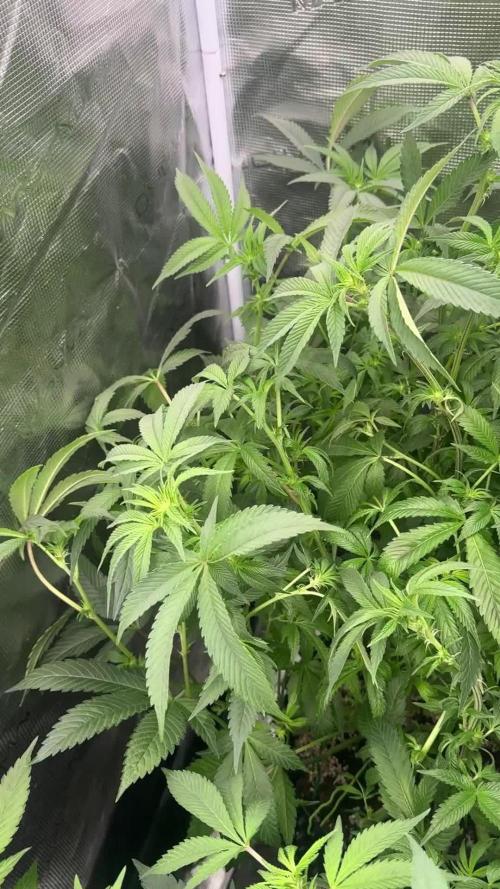
The second defoliation of the bloom phase is done, and she’s already looking overwhelming in the best possible way. The canopy is packed with healthy tops, and opening her up revealed just how many bud sites are developing underneath.
She took the defoliation like an absolute champ and barely seemed to notice it. Within no time she was praying again and pushing fresh growth everywhere.
I’m getting really hyped for the weeks ahead. The structure is exactly where I wanted it to be, and she keeps responding perfectly to everything I throw at her.
One thing she made very clear: she does not appreciate water-only feedings. I gave her plain water once, and she immediately let me know she wasn’t happy about it. Safe to say I won’t be making that mistake again.🙂↕️😂

Likes
Comments
Share


@ScouseCityLX
Follow
Skipped 2 weeks in photos in the diary due to no photos as I was going through a bad time during this grow. This is week 7 of flowers, 17 photos in this one for you, enjoy.

Likes
10
Share


@Northernnewbie
Follow
Today I harvested after about 24 hours with lights turned on. The smell is strong lemon with a hint of mint :) I cant wait to taste her when its dry, and in my opinion it smells and looks good :)
Had some problems with temperature, but with some gear improvements I think I got the right solution for it for next time.
As this is my first try doing this im pretty happy, but ofcourse there is room for improvements :)
Thanks to everyone for checking in on my diary and the likes! :)
Happy growing and peace 🌲✌️
Total dry weight - 338grams 🌲

Processing
Likes
6
Share


@Mr_nugs_lover_David
Follow
She looks extremely healthy and happy let's see how she performs at the end,she's 100% organic grown without any chemicals from bottles. Starting to show the first pistils on August 24th
Likes
24
Share


@Firepharmer
Follow
Update the to a 4x8 this week and added a HLG 300 V2 RSpec with the futur vert FM8 flora max 660watts pumping 960 watts now ..
Every thing is stacking up an fattening up beautiful in week 4 , The frost is coming out like a snow storm now in to week 5 flower ... I’m very impressed with the bud size on the slurricane ix this early on !!


Likes
22
Share

@ElBrujoTHC_Official
Follow
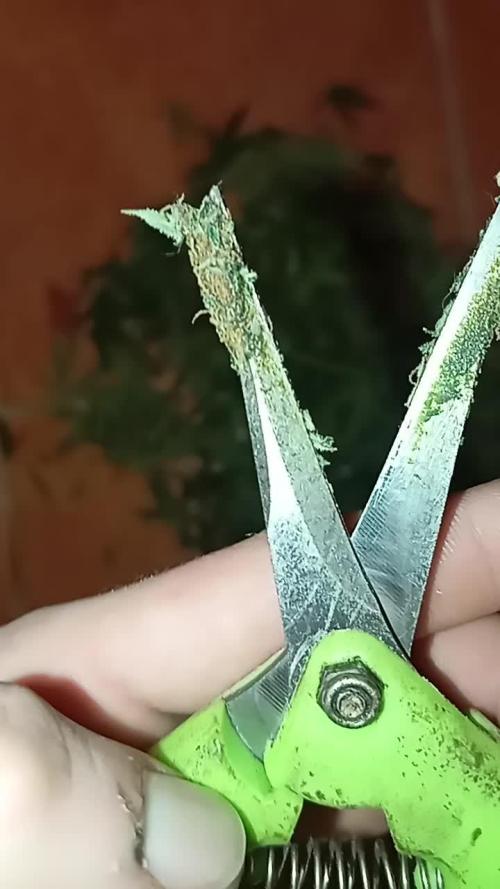
✂️ Harvest Day – Jealousy Diesel Auto (Octogenetica)
Cosecha de las autoflorecientes.
Llega el momento de cosechar las Jealousy Diesel autoflorecientes de Octogenetica.
Aunque sobre el papel esta genética indica un ciclo más corto, en la práctica se ha decidido respetar completamente su ritmo, permitiéndole alargar su ciclo hasta alcanzar el punto de madurez que buscaba.
La cosecha se ha realizado cuando las plantas han mostrado señales claras de maduración real, priorizando calidad y efecto por encima de tiempos teóricos.
🔬 Motivo de la cosecha
La decisión de cortar se ha tomado tras una observación constante de tricomas y del estado general de la planta:
-Tricomas mayoritariamente lechosos.
-Aparición progresiva de tricomas ámbar.
-Pistilos mayoritariamente oxidados.
-Cogollos completamente formados y resinosos.
-Aroma intenso con notas bien definidas.
Aunque podrían haberse cosechado unos días antes, se ha optado por darles el tiempo extra necesario para que la resina terminara de madurar correctamente.
🌱 Estado de las Jealousy Diesel en cosecha
Las autos han llegado a cosecha:
-Tras completar el lavado de raíces.
-Sin signos de estrés.
-Con hojas perdiendo color de forma natural.
-Energía enfocada completamente en las flores.
Este comportamiento confirma que la planta estaba cerrando su ciclo de manera natural y sin bloqueos.
✂️ Proceso de corte
La cosecha se ha realizado con cuidado, respetando la estructura de las flores y minimizando la manipulación para proteger la resina.
A partir de aquí comienza el secado, fase clave para conservar el aroma y la calidad obtenida durante el cultivo.
Muy contento con cómo han respondido estas autos, demostrando que la paciencia también tiene recompensa 🌿🔥

Likes
13
Share

@masterofsmeagol
Follow
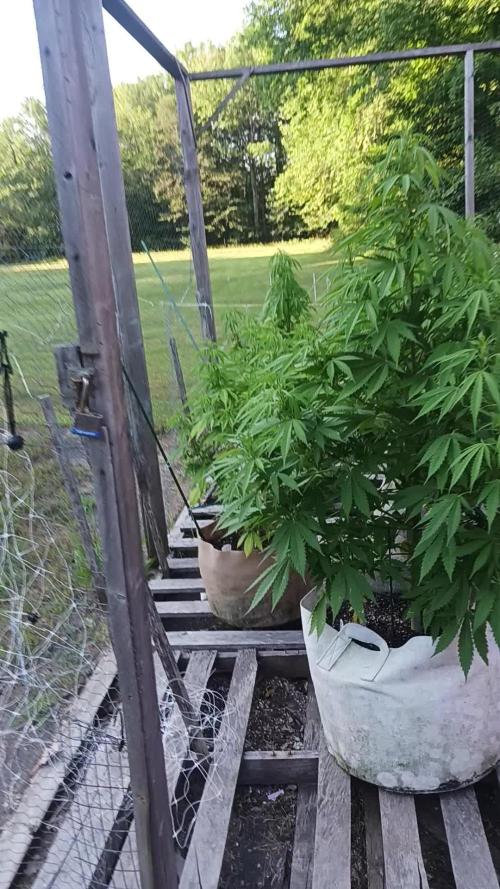
7/13 It's maine-ing out. Overcast and misting. I guess it rained last night but not much. Today is my watering day although I think they could've made it until tomorrow. These drastic temp changes makes it hard to get a STEADY routine in place. I watered everything in the 20's a gallon the 10's 1/2 gallon. The 10th planet in the front was still heavy so I didn't water it. I'll keep an eye on it. Temps are much milder. I noticed a few more septoria leaves on the 10th planet which I promptly defoliated. This pheno is flowering. I could've put this week as flowering as several plants have started. I also saw ONE leaf on my chem dog that had septoria on it. ONE f-ing leaf! I was planning on treating this early anyway so I mixed one gallon of plant doctor 3 tsp gallon/gallon which was the recommendation. I'll monitor this plant and continue treating it the next two weeks. I may do foliar too but the mixture is different. It's a systemic so I don't think that matters as much. Considering getting mulch to protect from spores on the soil. My plants look GORGEOUS. I Hate to use such a nice plant as a guennie pig but I'm not going to sit here and watch it progress. I'm lucky it's really not that bad and that it's on a reveg. There's so many leaves that I would be forced to prune anyway. I'm seeing two MAYBE three leaves a morning but I want to get this under control. Last year u let a plant with septoria go and it finished but went to extracts. I've got a pretty good feeling about this plant doctor. I've used it before with good results. Only time will tell though.🤞
EDIT: WENT OVER AT ABOUT 1PM. ITS 2 NOW AND BLUE SKIES AND SUNNY. IM SUPER GLAD I WATERED AND EVEN MORE SO THAT I APPLIED THE PLANT DOCTOR HOW I DID. THE GIRLS ALL LOOKED AMAZING. THE TENTH PLANET I TREATED WITH PLANT DOCTOR LOOKS THE BEST IVE EVER SEEN IT. I FOUND ON LEAVE DEEP ON THE INTERIOR WITJ A SMALL SPOT BUT ITS SOMETHING IM SURE I MISSED THIS MORNING. IF THIS WORKS THIS GOOD ILL BE APPLYING IT TO EVERYTHING EVEN IF ITS JUST PREVENTATIVE.
7/14 Rained last night andcwas still sprinkling when I went over. Amazingly the 10th planet that I treated with the plant doctorcmix had ZERO visible signs of septoria. I did find one leaf on Mt chem dog and two on my mk ultra with the big leaves. It could've been calcium deficiency but I really doubt it because I think I saw THAT as well. I'm going to wait a day or two and if there are still no negative results and the plant is still looking good I'm going to treat AT LEAST the two others that MAY be infected. It's a systemic and can be used proactively and supposably breaks down into p and k after stimulating immune response. I'll monitor a little longer but as it stands I think I'm going to treat the other two just in case. I also need to start feeding. I've watered a lot more than I normally do so obviously the soil won't last as long. This has been some tricky weather but I'm happy with how things are progressing. I probably should've changed this to the first week of flower as several plants are popping pistols everywhere.
EDIT: WENT OVER AROUND NOON AND MIXED UP TEO GALLONS OF PLANT DOCTOR PLANNING TO TREAT THE TWO PLANTS BESIDE THE 10TH PLANET. EVERYTHING LOOKED SO PERFECT AND TOMORROW IS MY WATER DAY SO I DECIDED TO HOLD OFF AND APPLY IT WHEN IT NEEDS WATER ANYWAY. I DID NOTICE THAT PLANTS SEEM TO BE FLOWERING MORE AGGREWWIVELY THAN BEFORE. THINGS ARE GETTING INTERESTING.
7/15 It was water day. The girls looked great this morning. I watered everything at least a gallon and 1.5 for the thirstier plants. I treated my big fan leaf mk ultra and my chem dog #4 with the same Plant Doctor mix as i did tge 10th planet beside it. I havent seen ANY septoria on that plant since application and it looks better than ever. I watered them with a half gallon of phed water before doing a soul drench with the gallon of Plant Doctor @ 3tsp/gal. I'm not seeing much septoria but plants are starting flower and I want to nip it in the bud. This product can be used preventatively and I went by the guidelines for medical marijuana. It was 70 earlier this morning. I'll update as I go forward.
EDIT: WENT BACK OVER AT 3 AS THE TENPS WERE PIST 90 AND HAD BEEN ALL DAY. I POSTED A SHORT VIDEO BUT EVERYTHING IS LOOKING GREAT. THE PLANT DOCTOR SEEMS TO HAVE HELPED SUBSTANTIALLY. DIDNT FIND ONE SEPTORIA LEAF. STILL IT WILL TAKE A WHILE TO WORK FULLY BUT IM GLAD I DIDNT CHICKEN OUT AND I APPLIED THE RIGHT AMOUNT. IM GOING TO KEEP AN EYE ON THINGS BUT I MIGHT JUST TREAT EVERYTHING PREVENTATIVELY WHICH IS JUST HALF A TSP A GALLON I THINK. IT DEF TRIGGERS A RESPONSE IN THE PLANT. I LOVE IT WHEN SHIT JUST WORKS OYT AND YOU END UP PLEASANTLY SURPRISED. NEXT WATERING ILL PROBABLY DO NUTES. IM DEBATING WHETBER TO TRELLUS OR JUST USE STAKES AND STRINGS ACROSS THE CAGE AS NEEDED. OH WELL. OVER 90 IS TO MUCH FOR ME TO BE OUTSIDE FOR TOO LONG.
7/16 Plant Doctor is doimg its job. I saw a couple septoria leaves on chem dog but it was interior amd I could've missed it. It takes a little bit to get going. I think I'm going to treat the rest of the garden with at least the preventative dose of 1tsp per gallon. I'll wait and see if this keeps it from popping back up. It almost got to 100 yesterday. It was 80 early this morning. I mixed up two gallons of water and gave the thistiest/lightest a half gallon. I'm hoping that will hold everything over until tomorrow which is water day. I'll have to check but I think it might be time to feed too. I def should make sure to treat tjis septoria before focusing on nutes. It says you can mix it with nutes but I'm leary of doing so. I'd rather apply them at seperate times. I'll watch the garden and of I NEED to water I will. I'm hoping what I did will be enough.
EDIT: WENT OVER AROUND ONE. IT WAS 93° WITH SUPER HIGH HUMIDITY. IM GLAD I SPLIT THAT TWO GALLONS WITH THOSE FOUR PLANTS THATS FOR SURE! THEY'D PROBABLY BE DROOPED IF I DIDNT. EVERYTHING WAD PRAYING TO THE SUN GODS. WELL, EVERYTHING EXCEPT THE MK ULTRA IN THE 30 AND THE 10TH PLANET. THEY ARENT DROOPING THEY JUST LOOK NORMAL. THEY ARENT "PRAYING" LIKE THE OTHERS. THEY ARE DEFINATELY A LITTLE LIGHT AND ARE LOOKING FORWARD TO THEIR WATERING. AND THEIR FEEDING. THATS FOR SURE. I WAS SUPER HAPPY WITH WHAT I SAW GOING OVER AND THE GIRLS WILL BE ABLE TO HOLD OUT UNTIL THE MORNING. ONE IN SPECIAL KUSH (WHICH GROW AMAZING AND LARGE HERE) IS IN A 10 AND I EVEN GAVE IT A LITTLE WATER THIS MORNING BUT ITS DROOPY. I COULD STILL FEEL A LITTLE BIT OF MOUSTURE EVEN THOUGH IT WAS LIGHT. IT CAN WAIT UNTIL THE MORNING WITH THE REST. IF IT WAS DROOPING BAD I WOULDA WATERED IT. I DONT GET WHY IM HAVING PROBLEMS FINISHING PLANTS IN 10GAL SMART POTS. YEARS AGO I COULD FINISH SOMETHING IN A 5GAL BUCKET! BUT NOW ITS LIKE THE PLANTS I GROW GET FAR TO BIG TO FINISH FLOWERING ON THESE TINY BAGS. ILL MONITER. HOPFULLY IT WILL BE FINE. IF I HAVE TO I SUPPOSE I COULD CUT THE BOTTOM OFF AND PUT THEM IN THE GROUND OR MORE SUBSTRATE BUT THATS NOT SOMETHING I REALLY WANT TO DO. I CANT WAIT TO SEE YOU THESE GIRLS TURN OUT.
7/17 I'm glad I gave those few plants that extra water. It hit 100 yesterday. Plants made it through it OK. It's 80 at 9am. I watered the garden even though it's supposed to rain with a chance of thunderstorms. Everything got at least a gallon. The mk ultra reveg in the 30 got 2gals as did the thirsty special kush on the end. I've figured out which plants use more water and I try to give them a little more. I also fed today. I was hesitant to feed the plants I treated with plant doctor, but I did anyway. 1tsp grow big 2tsp big bloom .5 tsp calmag. I've noticed pistles coming together on a few plants and forming buds. Next week will definitely be labeled flower. The plants treated with plant doctor LOOK great! I've found a few septoria leaves on a couple other plants. No big deal. I was going to treat the rest of the garden preventatively but if a couple more are infected I'll just add them to the rotation. I just need to make sure I follow-up with the next few treatments. Can't say enough good about this plant doctor.
7/18 Well this fucking sucks. It's 35mph wind gusts and windy as hell. It might've rained last night but if it didn't rain much. I spent the morning "trying" to put up little strong or rope supports to help the girls. I ran a rope across the front of the three on tje back to suppirt them. That one works good. I have one going the other way the entire length which helps support some. Then I took string and ran it around each side of a row for supports. So far no observable damage abd the plants all looked awesome. They've been through a lot and are big tough hardy plants. They'll make it through tjis no problem. I'd be more worried if they had big wet flowers on them but by then I'll have the proper supports and maybe a trellis up. I feel for them this morning and I hope that wind doesn't dry out my bags!
EDIT: SPIDY SENSE STARTED TINGLING AROUND ONE SO I WENT AND CHECKED. I GUESS WILL POWER ALONE WONT MAKE IT SO THE PLANTS MAKE IT TO WATERING DAY. WIND GUSTS HAVE BEEN HIGHER THAN 35MPH AND IVE SEEN REPORTS OF 25MPH SUSTAINED WIND. I DONT KNOW WHAT IT IS HERE BUT IT DRIED OUT SOME BAGS AND WAS TURNINGVPLANTS SIDEWAYS. BOTH 10TH PLANETS (THEY DRINK ALOT OF WATER) AND THE MK ULTRA REVEG WERE BADLY DROOPING. THE REST "MIGHT" HAVE MADE IT UNTIL MORNING BUT WHATS THE POINT? I ALSO HAVE TO LEAVE EARLY TOMORROW TO TAKE THE WIFE TO THE DOCTORS. WHAT I DECIDED ON WAS TO WATER THE PLANTS THAT DRINK THE MOST 2 GALS AND GIVE THE OTHERS TGATXWERENT DROOPING AND LIGHT 1.5. I GAVE THE TWO IN THE TENS A HALF GALLON EACH. THERE ATE TWO PLANTS AT THE BACK (SPECIAL KUSH AND PINK KUSH) THAT I DECIDED TO HOLD OFF AND WATER TOMORROW. I NOTICED SOME LEAVES WITH THE COMMON "IF THE BROWN SURROUNDS YOUR PLANT IS DROWNED" SO IF THE PLANTS HAVE A LITTLE WEIGHT, LOOK GOOD AND HAVE PRAYING LEAVES THEN I SHOULD PROBABLY WAIT TO WATER. THEY ARE ALL GETTING BEATEN TO SHIT BY THIS WIND STORM. IM SURPRISED THERE IS NO DAMAGE. THESE PLANTS ARE VERY STRONG. RESILIENT. I DIDNT WATER THE 50 EITHER AND IM UP IN THE AIR ABOUT WATERING IT TOMORROW.
Edit 2 I went over around six once the wind died down a little. All the plants I didn't water look great. It's jist the reveges that took it the worst and has some fading leaves. I fixed it with nutes but it doesn't fix the leaves already pale. The reverse mostly are the ones seeing any stress from this storm. The large special kush in the front has buds like an inch long now. Soon it will be time to treat with plant doctor again.
7/19 Well that was a ridiculous windstorm that lasted all day. It was 54 when I was there this morning. I watered the two kush's in the back with a gallon and the 60 with a gallon. Now it's 9 and 70 but it's not supposed to be as hot. This weather is crazy. I defoliated some leaves from the 10th planet that I treated first with plant doctor. Tomorrow it's due for its second treatment. The other plants are only a couple days different and are doing good. Next watering I think I may treat everything. It's a small enclosure. That would be the smart move. I'm having some leaves yellow up on two of the plants that reveged. It sucks because I know I've overwatered a little on occasion but that's because it's 100° with strong wind running through my bags and drying them out. I give them their 10% so its not that I'm not giving enough at a time. I've also noticed some random pest damage. I'm considering using citric acid as I have it on hand and it supposably also helps with septoria. If I do it it will be a diy of Dr. Zymes. The way I look at it is these are outdoor plants. This isn't a sterile environment and shit like this is going tp happen. I saw a leaf that was almost totally eaten. Probably jpn beetle or grasshopper/cricket but they certainly got a good meal! I need to spend more time in the garden.


Processing
Likes
15
Share


@Venabr96
Follow
Comecei treinamento lst com cabos de eletrecidade rega sempre com pg 6.3 com agua desmineralizada

Processing
Likes
28
Share


@Budcrack
Follow
New update for week 12, concluding week 8 of flowering:
Hi(gh) Folks! Thanks everyone for your input on my second grow question. I’m going for HighTV’s answer, the SOG with 9x4 main buds. Very nice to get everyone’s input on this, appreciate it!
So another week done! They got their last nutrients Tuesday and on Thursday the 5 early ladies from Hempire got their first round of plain acidulated water. I flushed them a bit on Friday and Saturday to. Now they can dry out for a couple of days. I will flush them for the upcoming week and let them dry out before harvest next weekend. Im counting on them to swell up even further during this week.
As for the rest of the 4 plants from Hempire, 4 from Royal Queen Seeds and 3 from Hy-Seeds, I will treat them as if this is another week 8, and they will get another dose of Flowering nutrients and PK. Then next week I will start to flush them also. I will have 2 full weeks to flush and let them dry out until my planned harvest on Saturday 5 January. I’m not even sure that will be early enough for the 4 RQS’s since they look like they have even more bud-growing to do, before they can start swelling! I will keep an eye on that.
The 5 tall ladies, 2 from Hempire and 3 from Hy-Seeds show the nice thick Kushy buds i’m craving for, can’t wait to see the becoming nice and heavy! On the photos you see the slight diverence between the pheno’s, the left 2 plants grew the popcorn-buds on a stem, and the right ones have nice thick popcornbuds against the stem’s. The other to remaining Hempire plants also show these, apart from the early ladies offcourse. The early birds show a little stretching buds and nice purple colours.
So next week will see the early ladies harvested, I hope?
Look out for my next update and don’t forget to like!
Thanks and see you!


