


Likes
Comments
Share


@Maryjane23
Follow
Ciao ragazzi!!!
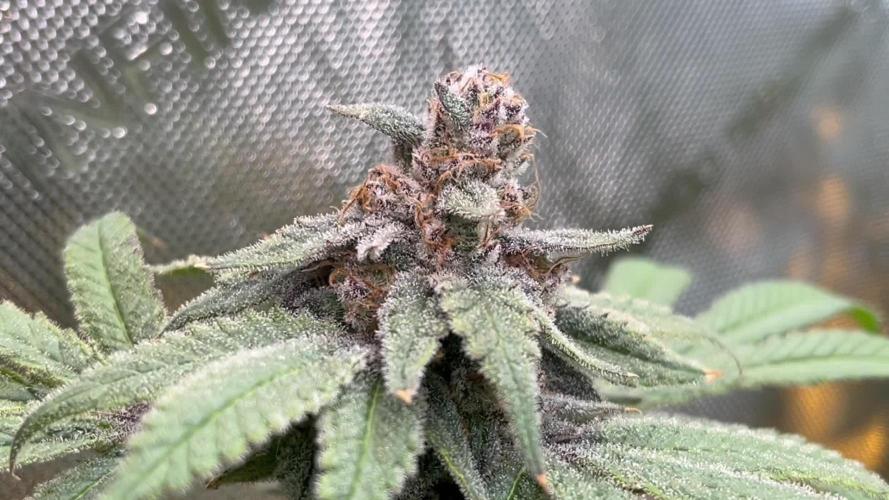
Eccoci e finita la seconda settimana di fioritura le piante hanno smesso di fare lo stretching e hanno iniziato a formare i fiori.
come si vede nel video ho fatto la tecnica chiamata lollipop,ovvero defogliato ed eliminato tutto ciò che non si era ben formato o che non avrebbe preso abbastanza luce.
A livello di fertilizzante ho dato per 1.5 L di acqua
1.5ml di enzimi
2 ml di top bloom
ringrazio per la collaborazione viparspectra adesso è parecchio che utilizzo la loro lampada e devo dire che vedo i risultati. Ottima lampada led nel mio caso sto utilizzando Viparspectra XS2000 in uno spazio di coltura 100x100x200
this well-known brand offers different solutions look at the official website https://viparspectra.eu/
or Search for it on Amazon:
Amazon US: https://amzn.to/30xSTVq
Amazon Canada: https://amzn.to/38udUVe
Viparspectra UE: bit.ly/ViparspectraUE
Viparspectra USA: bit.ly/ViparspectraUS
continuate a seguirmi 💪
lasciate un like 👍
maryjane23😛




Processing
Likes
8
Share


@Max1973
Follow
Day 35 - few pics and vids..... everything going along nicely 👍
This is a pretty big update, so i'll add to it over the next few days, as i
finish building it all....
i'm building these 2 x SS haze, the full tent, just finishing up the setup.....
trimming them, changing solutions to 12/12 and flower.....
changed the exhaust fan and filter setup to the better outside the tent method....
and installed 12v CPU computer fan, lol ("alta9" fits in 4in ducting perfectly), drops wattage on extractor fan.... 10w tops...
got a few kg of active carbon and making/replacing the carbon filter ....
i'll add afew vids of the new setup in afew days...
Day 36 - few pics/vid of new tent setup...... "alta 9" fan :)
post tomorrow after i finish trimmin and settin up night mode etc......
and into tomorrow we go, lol ... Day 37....
slowly getting there..... little bit more to go...
this should make things abit more interesting..... right tank (short babie) has : 19 lts of tap water @18oC + 150 ml -dutch master one gold FLOWER.... 6.4 PH - 1400 PPM
left tank has : 19 lts of tap water @18oC + 50 ml of elements a and 50ml of b and 10 ml of nitro and 20ml of Crystalic (molasses/pot) .... 6.5 PH - 1200 PPM
more pics / vids of the finished tent setup.... roots, transfer, etc... Day 37 is alot of vids of the clean and change to flower.....
edit - day after build noticed left tank (nutrifield) not enough bubbles..... pulled out the 4 air pump and swapped to the 2 x original oxipumps...
much better, also to fix the problem with ph goin high, and bubbles not stirin the mix, was to add another 10ml of crystallic and another 5ml of nitro...
then pumped both tanks with ph down and set em to 5.8-6.2 - both plants have fully recovered from the big trim, and bounced back within 12-24hrs,
post pics/vid in abit.....
Day 39 - made a freaky video... was curious about what the plants would see looking up at the lights...
the lights and buzzing of air compressors and bubbling tank water, and dazzling lights turned out pretty cool in vid editor,
was in selfie mode....
and final vid of the bounceback from trim :)
👍😎


Likes
27
Share


@RDWCGrowing
Follow
6/13/2023
Week 10- Day 1 of Flower (Day 131 overall) (Day 70 of Flower)
Auto Pilot Day 6.. Checked the Trichomes and the bud density and both are looking good.. Definitely needs a little more time for the Trichomes to be where I like, so based on my check I think we are still looking right around the end of the competition 22June to be done and ready for harvest. I do like that the fade is coming in the leaves nicely, so my chart I think is dropping off the Nitrogen exactly like it is supposed to.
6/14/2023
Week 10- Day 2 of Flower (Day 132 overall)
Auto Pilot Day 7.. Decided I would take some contrasting pics today with my light up to 100 and my light all the way on Dim. I hope you enjoy the pics.
6/15/2023
Week 10- Day 3 of Flower (Day 133 overall)
Auto Pilot Day 8.. Decided to take a look at the Trichome's today and Check to see where they are at and honestly if I might ho ahead and start my flush tomorrow and harvest on Sunday.
6/16/2023
Week 10- Day 4 of Flower (Day 134 overall) (Day 74 of Flower)
Today I pulled an Armageddon however instead of darkness they are going to get 48 hours of light. The reason why they are going to get light instead of dark is when I was taking out the netting a lot of the buds were so heavy they fell over and exposed some areas I really want to get some light to... so 48 hours of light at 40% while I watch what should be a beautiful final fade as the plant eats up the last Nutes. If anything goes wrong I can abort take the photos and cut so will pay really close attention to how it is looking over the next 48 hours.
Added 30 Gallons of PH only Water.
Reduced Lighting to 40% removed program time off. 48 hours of light.
6/17/2023
Week 10- Day 5 of Flower (Day 135 overall) (Day 75 of Flower)
I had someone tell me that a few growers had done as I did and Gone Armageddon on the plants. Filling it with PH only and said the plants did not respond well and they were taken out of the comp at the very end because they felt like the pictures just wouldn't come out right. Even though I did go Armageddon, The PPM is at 353PPM with the residue of what was left in the buckets after draining as well as what I am getting from the TAP so I think they are doing good but I am checking them every few hours to see how they seem to be doing and I think they are doing good still and are on track.
I also started prepping the area for the pics tomorrow
T-24 Hours until Chop
6/18/2023
Week 10- Day 6 of Flower (Day 136 overall) (Day 76 of Flower) (Harvest Day)
What a day.. what a day.. what a day.. as I was setting up and trying to figure out how I was going to get my pics #3 stems started breaking, it fell over and other stems broke.. So no really stunning competition photo for her, she had such a nice purple fade.. #2 stayed up in the Tent so that is the one I had to go with to submit for the contest. I wet trimmed them as they went into the tent and they took up three rows hanging in tent. I also decided I wanted to try some so I put a little in the freeze dryer for a 48 hour smoke test.. I will weigh it and add that to my total weight for the plants when it is all done.

Likes
17
Share


@GreenHouseLab
Follow
This stuff packs a nice punch, one pheno showing off those cherry terps its 🔥🔥


Likes
5
Share


@Plants_of_tayoat
Follow
I think that I will make a few mistakes in this stage because I have never know about auto seeds growing knowledge before this time. When I finished germination stage, I planted his in small pot. At 7th day of his age, I changed his from small pot to 5 gallons air pot but seen to be fine.I think he has strong stamina.At 9day old,I feed him Cal-Mag (2-0-0) 2ml/1liter. In this week, I feed him GH Nutrients at 11 day.I’m so exciting in my first time growing 🤭🤭

Likes
7
Share


@Mo_Powers
Follow
the race continues. at the moment both are still on a par. a good 5 cm in growth. there is currently a lot of sunshine and really good temperatures. apart from that, not much has happened yet.

Likes
9
Share

@Mo_Powers
Follow
another week has passed and it is growing and thriving excellently. there has been a lot of sunshine and occasionally the necessary rain from above. it is slowly entering the flowering phase. it has made another good leap in height. i am currently using LST to provide the lower shoots with more sunshine

Likes
6
Share


@Headies
Follow
Upper growth slowed for about a week or two and root developed, but then the top started growing, and branches started forming. Leaves started getting bigger.


Likes
37
Share

@GreenHouseLab
Follow
Stunning smell on this one, great nose and potent smoke to enjoy over the holidays


Likes
25
Share


@DrGanj
Follow
This plant was a dream to grow, wish I'd taken cuts. Halfway through dry at 7 days. Drying at 55 - 60 % RH and 17 - 19 degrees C. I anticipate she'll be done between 10 - 14 days total dry time and I'll then trim and update weights on this Harvest.
133.75g total after trim. She's a nice smoke, very happy.
Likes
6
Share


@KannaGrowing
Follow
Estamos en la última semana para dos de las cuatro variedades, así que a partir de este momento, eliminamos Bio Flores.
Añadiremos al bidón de riego Canna Flush, que nos va a ayudar a lavar bien nuestras raíces, eliminando restos de sales y nutrientes. Buscamos que las plantas gasten sus reservas de las hojas, que poco a poco veremos como pierden verdor, eliminando clorofila, sobre todo las más bajas.
Canna Flush - 20ml por cada 10 litros de agua.
Bajamos la potencia de nuestros balastros a 600w.



Likes
5
Share

@Frumplepuff
Follow
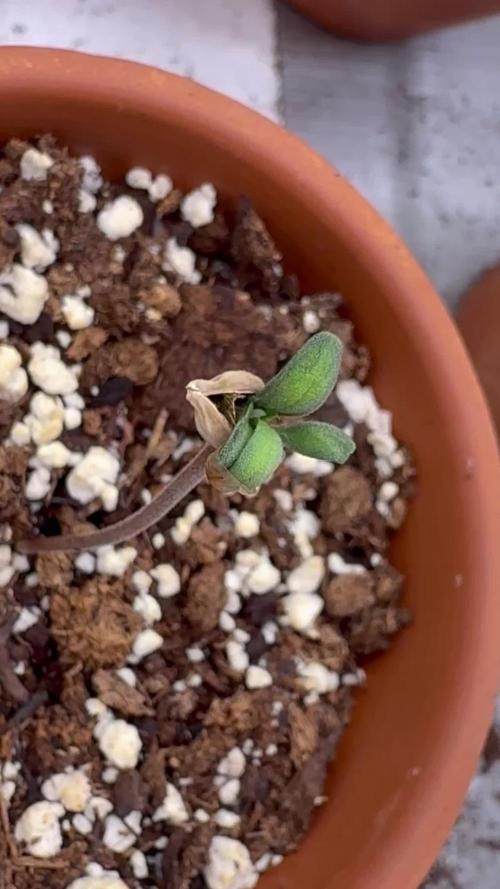
Ah yes the very natural and common 5 leaf seedling to start things off! I’m already so excited. 😭
I’ve decided whatever the outcome of this plant, I’m going to name it the Frumplepuff. I hope it does something as strange and ridiculous as last time.
I have been absent a bit on here because I was lucky enough to have the plant kick start my YouTube account! My purple freak was viewed over 550,000 times 😭 I’m so grateful and excited at the same time. Unreal! ❤️ I’ll make sure to keep grow diaries posted every step of the way!



Likes
39
Share


@J_diaz420
Follow
El día 27 de floración se vuelve a podar brotes bajos y se colocan tutores de varas 👍🍀