




Likes
3
Share


@Lilith81
Follow
Cómo está cambiando el clima mi planta está floreciendo a buen ritmo,espero que no empeore con el invierno ya que no tiene ningún tipo de cubierta ni protección contra las inclemencias del tiempo

Likes
16
Share


@eldruida_lamota
Follow
Esa familia , estamos otra vez y aquí actualizo la quinta semana de floración de las BlueBerry Cheese del banco de semillas ZambezaSeeds.
Estas tienen buen color y el proceso de floración es el correcto su progreso es increíble.
Ahora empezaré a aplicar el ExplotaCogollos de Agrobeta que es Brutal como compacta las flores , palabra.
Que ganas ya de acabar estos proyectos y empezar con cosas serias.
Os adelanto que lo próximo que que viene son Gelato y Lava Cake, y después Titán F1.
Agrobeta:
https://www.agrobeta.com/agrobetatiendaonline/36-abonos-canamo
Mars hydro:
Code discount: EL420
https://www.mars-hydro.com/
Las maximas de temperatura no superan los 26 grados y las mínimas no bajan 20, así que no me puedo quejar.
Los niveles de humedad también son los correctos van entre 50%/65% de humedad relativa.
Por supuesto el Ph lo estamos dejando alrededor de 6.
Hasta aquí es todo, buenos humos 💨💨💨.

Likes
23
Share


@Chi_K24
Follow
This strain of Kings kush is a smelly one, I still can put my finger on the terp profile yet. Almost a kushy herby dank is all I can describe atm.
Growing these plants, I would suggest pruning every second node once you get her into flower since the bugs tend to push up against each other and may cause bud rot. Say ontop of defoliation and try to qork on them on a daily basis rather than lolipoping.
Another key thing is to keep rH in range during flower, I will recomend to set it to 40-50rh in flower. Also if you are growing outdoors, Be sure to cover them up during rain when in flowering, I uses a transparent tarp for the last 5 weeks of flower. Save my plants from 9 huge rain events during the last 5 weeks, my plants would of died from br.
This strain had some decent cold resistance also! She stay alive with with few events of temps getting down to 4 deg c.


Likes
4
Share


@Zugzug
Follow
No food just Water (Grow Dots)
Day 22 Transplant to 3gal pots
Day 23 start of LST

Likes
14
Share


@BushDoctor740
Follow
Well the girls are swelling up and smelling fantastic this week.Noticing the trichomes really building up lately.These papaya cookies are a very resilient strain as I’ve battled heat and humidity for a large portion of the grow and they have been doing great.Its been a blast watching these girls grow and develop.Will update later on in the week also I’m keeping light intensity set at 60 percent power because that’s what seems to make the happiest.Ive tried to pound them with light and added a co2 bag but they did not like the heat or extra light.I used some organic Unsulphured Blackstrap Molasses to add some sugars and a dash of epsom salts for a little more
Magnesium.Ive been back and forth in my brain with the light intensity and Day 52 now set at 80 percent power.Reading some reviews of this strain she is a sun lover I believe so I’m just going to let them have it.Some of the fan leaves are fried some curling and fading but the new growth looks healthy and the buds are looking amazing..I’ll give them a final haircut later on this weekend.Day 55 the buds are maturing the pistols turning bright orange and trichomes building up making some very frosty buds :).I can’t wait to smoke these girls 🥦🔥😎.


Likes
8
Share

@eldruida_lamota
Follow
Que pasa familia, vamos con la cuarta semana de crecimiento de estas Papayton feminizadas de fastbuds.
Vamos al lío ,se trasplantaron en macetas de 7 litros definitivamente.
El ph se controla en 6.0 , la temperatura la tenemos entre 24/20 grados y la humedad ronda el 50%.
El ciclo de crecimiento puse 16h de luz, el foco está al 50% de potencia.
De momento van creciendo a buen ritmo y tienen un buen color, estaban muy bien enraizadas al realizarle el trasplante se notaba la abundancia radicular.
Agradecer a Agrobeta por el kit Gold series que mandaron, siempre os portáis, unos maestros.
- os dejo por aquí un CÓDIGO: Eldruida
Descuento para la tienda de MARS HYDRO.
https://www.mars-hydro.com
Hasta aquí todo, Buenos humos 💨💨💨
Processing
Likes
5
Share


@Deli_Weed
Follow
Va un poco lento el engrosamiento de esos cogollos, pero la planta se ve bien en general, pudo haber estado mejor si hubiera recibido más luz creo yo, pero huele delicioso 😋 y tiene unos colores hermosos, ya quiero ver el resultado final 🌱
Likes
3
Share

@CalGonJim
Follow
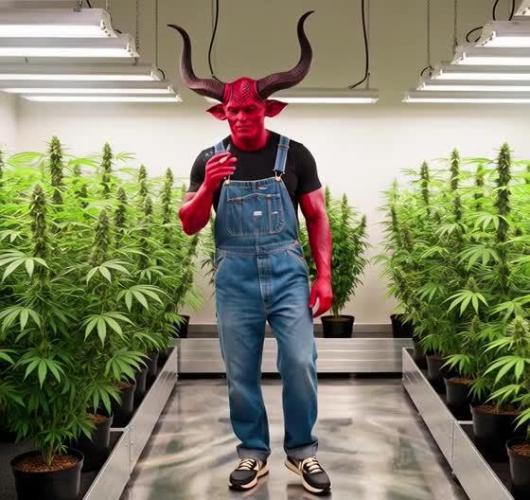
7/28 11am Going to plant Rosetta and Montel this week
7/30 12:47AM Having trouble landing on a theme tonight, full retard mode activated!!!
7/31 1:51 I FOUND A NEW COSTUM IDEA FOR THE GROW ROOM
7/31 2:35AM NO WONDER ALL MY PLANTS DIE....LOOK AT THE COOL GROW ROOM SHIT IM DOING... I MADE A DEVIL WORSHIP VIDEO FOR CHRISTIANS!!!! I AM THE LORD OF DARKNESS AND AWESOMENESS AND OTHER COOL THINGS...😂😈😈😈😈..

Likes
46
Share


@German_GrowLab
Follow
Soooo, nach langem Warten (ich bitte um Entschuldigung, es kam immer irgendwas dazwischen), nun die Ernte! Nachdem ich jetzt alle Sorten verkostet habe, kann ich euch nun mein Fazit präsentieren.
Im Großen und Ganzen bin ich eigentlich ganz zufrieden mit dem Ergebnis, muss aber auch gestehen, dass ich bei der ein oder anderen Strain doch etwas mehr erwartet habe. Bei den nun folgenden Bewertungen möchte ich noch anmerken, dass sich diese rein auf den Outdoor-Anbau der jeweiligen Sorte und nur auf den einen bekannten Phäno beziehen. Man kann grundlegend behaupten, dass sich alle Sorten doch sehr solide geschlagen haben, und das bei diesem … naja, sagen wir mal wechselhaften Sommer. Allerdings merke ich einfach, dass sie lange nicht ihr volles Potenzial ausgeschöpft hatten, was ich immer etwas schade finde. Ich bin trotzdem froh, dieses Projekt durchgezogen zu haben, und gehe mit reichlich neuen Erkenntnissen sowie einem abwechslungsreichen Stash in die besinnliche Zeit.
Was hat mich grundlegend bei den meisten Sorten gestört?
Bei fast allen Sorten, mit Ausnahme der Hella Jelly und der Lemon Tree (wer hätt's gedacht), waren die Terps doch sehr flüchtig. Im Vape kamen sie wirklich gut zur Geltung, wenn man sie allerdings im Joint (pur, versteht sich) geraucht hatte, haben sie oft nach den ersten Zügen an Präsenz verloren, was wirklich schade ist. Dies ist aber wahrscheinlich auf die Anbaubedingungen zurückzuführen und soll den Breedern keinesfalls ihre Qualität absprechen. Wie schon in einem vorigen Kommentar erwähnt, haben sie einfach nicht ihr volles genetisches Potenzial erreichen können.
Ich bin mir des Weiteren auch nicht sicher, ob ich beim nächsten Mal wieder auf die Dryferm-Bags setzen werde. Es war doch ein ziemliches Gefummel, bis man die Blüten ohne Kontakt zueinander in die Beutel verfrachtet hatte. Außerdem hat es meiner Meinung nach die Trocknungszeit eher verkürzt, obwohl ich mich an die Temperatur- und Luftfeuchtigkeitsrange gehalten hatte, was ich auch nicht unbedingt begrüße. Und zu guter Letzt sind sie auch echt nicht billig, wenn man bedenkt, dass ich pro Pflanze teilweise über 4 Beutel benötigt hatte (pro 3 Stk. ca. 25 Euro) und sie laut Hersteller nur dreimal verwendet werden sollten. Das ist doch auf Dauer ein ganz schönes Investment. Aber das sind nur meine 2 Cent zu dem Thema :).
Nach und nach sollten jetzt hier die Erntereports eintrudeln. Ich hoffe, ich schaffe alles heute. Falls nein, seht es mir bitte nach. Falls ihr noch spezifische Fragen zu einer Sorte habt, lasst es mich einfach wissen, dann bekommt ihr noch eine ausführlichere Beschreibung.
PS: Die Filmore-Slim musste ich leider fast komplett entsorgen. Sie hatte die festesten Blüten, die ich je bei einer Outdoorpflanze gesehen habe, was ihr leider zum Verhängnis geworden ist (durchgeschimmelt). Von ihr hatte ich leider keine rauchbaren Blüten. Von der Optik war sie auf jeden Fall ein Champion!
Ich habe von allen Sorten Fresh Frozen in der Gefriertruhe, die ich in der kommenden Zeit wachsen möchte (auch von der Filmore Slim). Also kann ich sie hoffentlich als Konzentrat verkosten.
Das soll es gewesen sein. Ich wünsche euch viel Spaß mit den folgenden Ernteberichten und eine ruhige, besinnliche Weihnachtszeit mit euren Liebsten! Wir hören uns dann hoffentlich im nächsten Jahr wieder, mit vielen neuen spannenden Projekten.
Peace!


Likes
21
Share


@Dunk_Junk
Follow
Wow I'm impressed with her flowers this week!!!!!
They have swollen so much!!!!!!!!!!
On she goes!

Likes
13
Share


@B950501
Follow
This lady has been harvested today! I’ve been checking her trichomes all week as buds were looking plump and very dense. Up till 2 days ago there were no ambers at all, just all milky with a few clear/half clear.
Almost overnight there are quite a few ambers, mostly on the main coal but there are a few on the other bud sites too.
The last time I harvested this strain it gave no high, however, i harvested it with less amber than this lady has.
Smells strong and it’s a fruity, gassy scent.
Buds decent size/big and frosty!
Decided to harvest in branches rather than the whole plant due to the density, I’d rather avoid mold as much as I can.
Wet weight 247g for 1 plant.
Can’t wait to see how this lady turns out after dry and cure!
Will update in a few weeks

Likes
7
Share


@ibbzy
Follow
Just got back from holiday. Few days late on update.
watering system wasn’t too shabby as it was a last minute holiday ahaha.
6 days away in Greece. Lovely.
1x Sweet Mandarine Zkittlez
1x Mimosa Bruce Banner
Ready for harvest. Been put into two days of darkness!
Likes
40
Share

@Kirsten
Follow
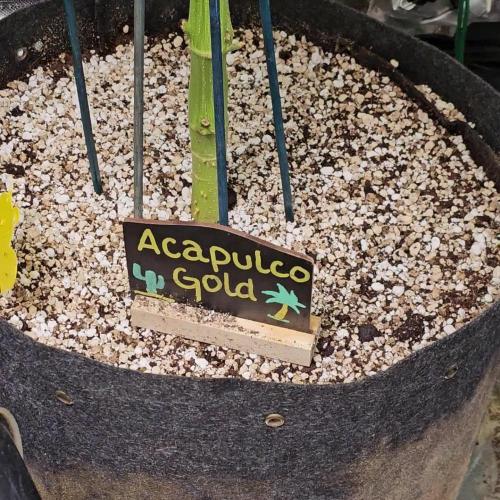
Acapulco, gold has gone absolutely crazy, and we have so many branches. I have lollipoped her this week, too.
She is still stretching, hopefully that's gonna end real soon, because we have no room left in the tent, and we're getting light burn.
I have been moving the plant around to maximise the light exposure and minimise the light stress and heat damage, she has been drinking a fair amount.
I'm just trying to get the fungus gnat population under control with some sticky traps.
Here is what I did this week.
ACAPULCO GOLD Top dress:
🧡 1/2L Canna Coco
🧡 1/3L Perlite
Amendments:
💚 1/4 Cup Diatomaceous Earth
💚 1/4 Cup Ground Cinnamon
💚 1 TSP Ecothrive Grow
💚 1 TBSP Ecothrive Bloom
💚 2 TBSP Ecothrive Life Cycle
💚 1 TBSP Ecothrive Charge
Top dressed 27.8.25.
27.8.25:
I watered with 6.5L of dechlorinated water PH'd to 5.8 with;
💜 1 TSP CAL-MAG
💜 40 ML FLOURISH
💜 1/2 TSP BUD EXPLOSION
💜 1 TSP MEGA CROP PART A
PH: 5.8
PPM: 910
28.8.25:
I watered with 4L of dechlorinated water PH'd to 6.5 with;
💜 1TSP Sea K(elp) Greenleaf Nutrients
PH: 6.5
PPM: 418
29.8.25:
I watered with 4L of dechlorinated water PH'd to 6.5 with;
💜 1ml Trace
PH: 6.5
PPM: 321
31.8.25:
I watered with 4.5L of dechlorinated water PH'd to 6.2 with;
💜 2ml Trace
💜 1 TSP Biosys
PH: 6.2
PPM: 373
Thanks for checking out this week and for hanging out in the comments 😁💚✌️🌱🤞

Likes
8
Share


@Black_Widow
Follow
Привет курильщики
Наступила 5 неделя
Растения выглядят хорошо ,видимо климат для них вполне подходящий
Я решил ускорить процесс зацветания и дал им в питание bio bloom и перевел световое расписание на 12/12
Bruce Banner уже стал зацветать
а Dos si Dos еще нет
У kalachnikova листья широкие как у афганки
Жду с нетерпением попробовать новые сорта


Processing
Likes
19
Share


@GreenhouseGrowing
Follow
Auto Berryblue is going great. I am now in the stage where the buds will start fattening up. I definitely have at least four to five more weeks left. She smells amazing and growing crystals all over.
My other autos are exploding with leaves and bud sights. They are beautiful! Cant wait to see how she buds. I have lots and lots of support. She is gonna have heavy branches. Fingers crossed they continue on there gorgeous road of flowering!
https://youtu.be/UG_GNplZJts
AK74 was the only strain I did a Leaf tuck on and her canopy turned out beautiful! No trimming no training.


Likes
24
Share

@jimay9494
Follow
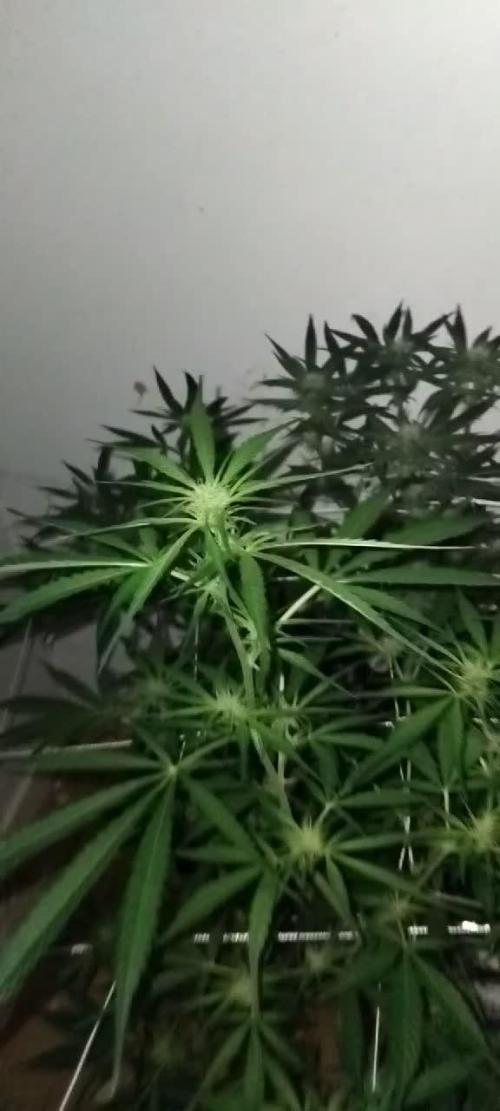
looking lush green buds are stacking today sorted out the slight nitrogen problem
how we looking for a first timer growmies and any tips at the start of week 4 flower day 22 day 57 from seed !

Likes
2
Share

@PapaTerps
Follow
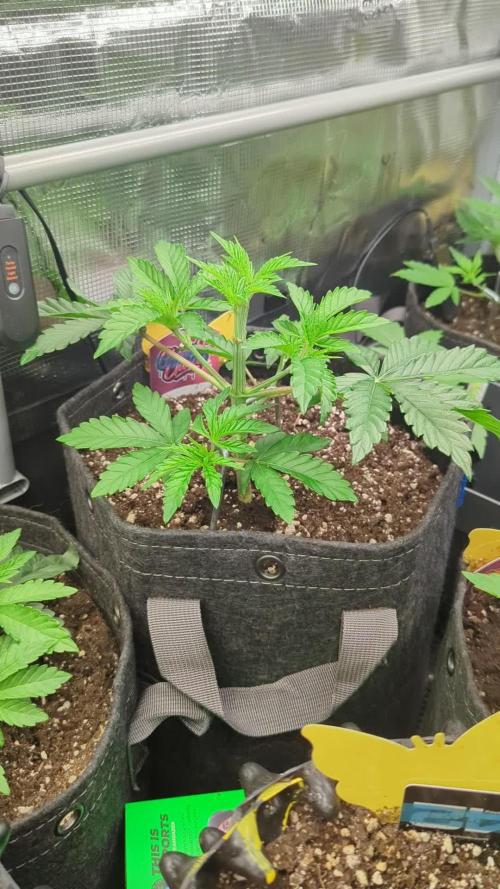
ZkyzcraperZ - N.Y.Ceeds
Day 34 - watered with 1.5L of RO tap water with defined nutrients mixed in order and then pH'd to 6.3. She has made great progress and has developed 9 budsites, so I decided to top her reducing her to an optimal 8 stems 👌🏻 I've also removed some of her fan leaves to improve airflow and light penetration 👍🏻 she'll be left to grow now for a few more days before we start to prepare her for bloom 🙌🏻. I'm really impressed with her veg so far, for an unknown breeder, she has totally outperformed the more expensive brands so far and already looks set for bloom! I'm excited for this ones journey 🙏🏻

