The Grow Awards 2026 🏆
Likes
Comments
Share
8/26 FED TODAY. 2 GALLONS TO THE GARDEN. THE WATERING CAN I USE IS ABOUT A HALF GALLON SO THAT'S WHAT A NORMAL PLANT HAS BEEN GETTING. Wow. What a week I had last week. I'm hoping things are going up from here. It's overcast but we have a 90% chance of rain. Thunderstorms. I'm wondering if I should put my back tarp up. The wind doesnt seem too bad so I'll play it by ear. The remaining plants seem to be doing good to me. I wanted to let the soil dry out but I NEEDED to feed. Buds are popping up everywhere and increasing in size. Earwigs still seemed to lollipop the interior branches (mostly larfy stuff but still). I attached a picture so people can see what I mean. I'm getting hit on all fronts but I'm still kicking! I'll update as I go. Some pictures won't upload. I'll have to do it later. Oh and my ph is on point for once. I tested all plants a bunch of different places and readings were 6.6 to 7.3 at the highest. 8/27 Rained last night but not as bad as I thought it would. We are supposed to have some good weather coming up so I'm hoping my medium will get a chance to dry put. Still liking the liquid kool bloom. I'll up the dose next feed. I'm going to need to do another application of plant doctor this week too. It's about time for a BT application as well. I see moths flying off when I check early in the morning and I've observed some pillar damage. I'm slightly worried about soul going anaerobic. The color of the gdps are too lime green for my liking but our weather has been horrid. I never remember having to deal with shit like this. The branch that was all drooped with fusarium wilt has one (the closest to the stalk) shoot that has repaired itself. That gives me hope but I really should just amputate that branch. I guess I'm just nervous because of the reaction I had last time. Granted I've cut tons and tons of branches off in the past and prune things they didn't have whatever pathogen these do. Septoria is still there on one of the GDPs but it seems to be doing okay. I'm SLIGHTLY worried about the change in color on my big NYCSA. It's lost some of its vibrancy. I think it's kinda normal. I'm sure it has some PM (which I'm hoping plant doctor and the silica will help repress) but I think it will be a heavy yielding plant. Sun's poking out. The little clones I took are exploding in growth. They might not yield much but I'm glad I didn't just chuck them like I was going too. 8/28 Things are still looking good! We got some sunshine yesterday and the sunshine out today. Buds are really starting to form and colas are taking their shape. I'm slightly concerned with the coloring of my NYCSA but it started flowering later than the others so senescence may be behind. I may have lost half this year but looking at other diaries and attitudes of soms others I'm pretty fucking lucky. I didn't have much time this morning so I'll update later. I need to keep up with my IPM and do BT treatment and follow up with a second dose of plant doctor. 8/29 Super rushed morning. Only had time to shake the dew off the plants and snap a couple quick pictures. I lowered the growbig this week. I think that was a mistake. Plants are flowering like crazy. My NYCSA doesn't seem as vibrant green as it was. I may up feeding to twice a week or at least give them a little growbig if I need to water. I want tge medium to stay dry for a while. I also needcto cut that dead branch. I'm just afraid of a situation line before where the whole plant died. My anxiety disorder really hampers my growing ability. I qorry far too much. I should just cut it off right now. I've also seen pillar damage so I'm going to need to do a BT spray. I have the other organocide that's the 3 in 1 but I can't use it in flower. I'll just have to stagger applications. Either that or do another root drench or "sprench" and a foliar with the BT on another day. I have WPM on the garden and I'm pretty sure septoria. This plant was perfect though. I'm afraid it might be getting sick. Either way it'd an extremely resilient strain. The little 9lb kush I have in a 3 gallon is flowering the fastest. It really fuckihgcsucks I lost those massive plants. Judging by this "clone" I took off the other clone (I know) this strain wouldve been the first to finish. EDIT: Went back over to check the medium and do some slight defoliation. I inspected the stalks and the dead branch. The dead branch has a small indent (from breakage, insects or rot) where the branch connects to the stalk. I've seen this before but had no problems. However THIS branch seems to he coming out of the stalk RIGHT where the rot is. I cut the other one off that ENORMOUS 9lb Kush and it was dead a few hours later. I talked to my father who has degrees in biology and forestry (among other things) and he said he couldn't really see the harm in leaving it. I am worried that a cutworm mightve gotten in bit I don't see any evidence of any borer insect. Under that stem there is more "bark" and other stuff but nothing like a borer makes. I'm going back over tonight to treat with either BT or Plant Doctor. Haven't decided which. Probably the plant doctor. 8/30 Didn't have time for pictures. Large NYCSA NOW has fusarium wilt. Either I'm the most unlucky grower in our area or my plants got dosed with fusarium. After the research I've done I've cone to the conclusion that this season will be a complete loss. Maybe the two small separate cuttings will make it through flower. The rest is just a waiting game to see if fusarium kills it before they finish flowering. Even if it doesn't then I don't know if I would want to smoke the flowers. I'm shopping online for grow equipment. I'm going to do some indoor this winter. Wow this feels like a kick in the nuts. I'm a good dude. Like I said I'm just either the unluckily grower around or my plants had a little help. Who knows. EDIT: I treated everything with Pkant Doctor again. I'll feed tomorrow and see if some miracle happens and I actually get something 8/31 I added a few pictures so folks can see what fusarium looks like and how it progresses. As you can see it killed a branch and is progressing to the next and so on until the plant is typically dead. No need to get too scientific on the mechanism of action. I FED 2 gallons today. Still kept growbig low dosing.
Likes
24
Share
@nonick123
Follow
Día 30 (01/07) Riego con 250 ml H20 pH 6,5. Se muestran sedientas 6 días después del topping, las nuevas ramas se están formando rápidamente! Día 31 (02/07) Se muestran saludables y potentes! Día 32 (03/07) Riego con 500 ml H20 pH 6,5 Día 33 (04/07) Las plantas están creciendo muy rápido! Me planteo hacer supercropping o LST en algunas de ellas... Día 34 (05/07) Se muestran sedientas. Las macetas se le empiezan a quedar pequeñas Riego con 250 ml de H20 pH 6,5 Día 35 (06/07) Training session! Aplico LST a todas y supercropping a la OnionOG mutante con 4 colas por nodo Riego con 500 ml H20 pH 6,5 Día 36 (07/07) Riego con 500 ml de Té Vegetativo de Lurpe Solutions Aplico foliarmente Kelp hidrolizado a 0.25 ml/l Ajustes de LST. Están respondiendo estupendamente al entrenamiento! 😍💥 💦Nutrients by Lurpe Solutions - www.lurpenaturalsolutions.com 🌱Substrate PRO-MIX HP BACILLUS + MYCORRHIZAE - www.pthorticulture.com/en/products/pro-mix-hp-biostimulant-plus-mycorrhizae
Processing
Likes
5
Share
@Dunk_Junk
Follow
Another 11cm grown this week. She seems very short and bushy. No idea why, not sure if I've done something wrong along the way.
Likes
31
Share
@Chucky324
Follow
Hello. Got the plants into the main grow room. There is 2 videos . In the first I just sit in the room quitly and turn the camera. you get a sense :) of what it's like in there. In the second I try to describe what's in the room, equipment and maybe a new technique. With the tomato cages I use, and needing the plant to slow down, I twist the stock into a large figure 8. Eventually I take off what is on the lower part of the 8, and just work the top of the 8. About 2 weeks in veg in this room. Then I take clones of everything before I switch to flower. >Carbon dioxide enhancement: I had to make that choice 20 years ago. I could, rent a tank and have my name on a list, at the gas store. Or make my own. They didn't have the small propane tanks like they do today for the blue flame you get when you burn it. I decided on a kerosene lamp burning down as low as it could be without going out. It makes a half blue and half yellow flame. I vent constantly so the small amount of carbon monoxide is not a problem. For the first week you can smell it a bit, but the smell disappears after that. I light the lamp in the morning and put it out at lights out (unless it's bed time). It needs to be put in a place in the room that cant get knocked over (pets, children, ?). I try to use extra attention whenever I use it. It can burn down the place. Be careful Please. >About 17 years ago I thought I'd lower my table by knocking a hole in the cement and dropping my 10 gallon reservoir more. I was able to lower it by 16 inches. Still have to watch the height of some plants though, it worked out well. Watch the video. > Air cleaner: The reason I got a big 8 inch exhaust fan was, I had a bout of powder mildew and needed better a exhaust system. When I plugged it in there was too much air moving. I phoned and asked and the salesman said that a dimmer switch wasn't a good idea. I put one on anyway. Works great. I have the fan barely on in the winter and about half way on in the middle of the summer. I haven't had any powdery mildew since. About 12 years ago I bought a good air cleaner. An ORECK, It has electrified plates that zap any organic particle or spore that come between the plates. Use to grow a Northern Lights that got 6 to 8 ounces per harvest, it grew big buds. Buds as big as my forearm. I had problems with gray mold attaching the buds. But none since I bought the air cleaner. Ya learn as you go.
Likes
107
Share
💩Holy Crap Growmies We Are Back💩 Code Name FBT2309 Well growmies we are at 35 days in and everything is going great 👌 👉 So the low stress training👈 has been going great she's gonna be a big girl, shes in full flowering mode so let the stretch begin 👌 Lights being readjusted and chart updated .........👍rain water to be used entire growth👈 👉I used NutriNPK for nutrients for my grows and welcome anyone to give them a try .👈 👉 www.nutrinpk.com 👈 NutriNPK Cal MAG 14-0-14 NutriNPK Grow 28-14-14 NutriNPK Bloom 8-20-30 NutriNPK Bloom Booster 0-52-34 I GOT MULTIPLE DIARIES ON THE GO 😱 please check them out 😎 👉THANKS FOR TAKING THE TIME TO GO OVER MY DIARIES 👈
Likes
9
Share
@BB_UK
Follow
She is going to be huuuuuge! All branches and stems have risen up and are strengthening daily in order to produce big resin filled flowers! I love her progress as she climbed to the height of the purple punch and soon to stand taller! Can’t wait to have the final weeks approach! Thanks for stopping by buds and chuds 🤩😎💪🏽
Likes
41
Share
Stackn n gettn stinky. Every strain has sum kinda fruity note. The gorilla blue has the most distinct blueberry smell that Ive come across so far. The D has a fruity/floral thing goin on. The wedding cake is given me a fruit cocktail smell and so on amd so on. Started to see fungas gnats. Got cocky from last run amd didnt get nematodes, so mosquito dunks it is. Think im gonna top dress with some of the leftover dirt still in the tote this week and being done with it. Water n recharge til its done.
Likes
34
Share
@RFarm21
Follow
REGAS: 21 e 25 janeiro so com agua. À espera que o solo seque para colher.
Likes
52
Share
Let's realign our cosmic compass and embark on a harvest report for our magnificent Cosmos F1, a pure CBD strain that has taken us on an extraordinary journey. Brace yourself for cosmic revelations and interstellar delights! After an impressive 11 weeks from seed and 7 weeks of flowering, the time has come to witness the cosmic culmination of our efforts. I carefully hung the entire Cosmos F1 plant to dry, allowing the cosmic energy to infuse every inch of this botanical marvel. It's a sight to behold, with majestic branches reaching for the cosmos, reminiscent of a cosmic dancer frozen in time. As our cosmic queen gracefully dries, her vibrant hues continue to amaze. The shades of green, intertwined with delicate hints of purple and gold, are a testament to her genetic splendor. It's as if she has absorbed the cosmic essence of the universe, transforming it into a visually stunning spectacle. Now, let's talk about the cosmic power of CBD. Our pure CBD strain holds the key to a transformative experience. With minimal psychoactive effects, this cosmic treasure offers a realm of therapeutic benefits. It's like a cosmic massage for the mind and body, soothing and relaxing, allowing us to explore the depths of cosmic tranquility. The decision to hang the entire plant for drying is a testament to our dedication to preserving the cosmic integrity of our harvest. By allowing the branches to hang freely, we encourage a slow and controlled drying process, ensuring that the cosmic essence remains intact. It's a ritual that honors the plant's journey, preserving its cosmic magic for us to enjoy. As we eagerly await the cosmic transformation, let us express our gratitude to the celestial forces that have guided us on this cosmic odyssey. The cosmos has aligned to bring us the extraordinary Cosmos F1, a gift from the cosmic garden gods themselves. We extend our heartfelt appreciation to the cosmic harmony orchestrated by @James and Royal Queen Seeds. In the coming days, our dried cosmic buds will be ready for the next stage of our journey. From cosmic concoctions to cosmic culinary delights, the possibilities are infinite. Imagine infusing the cosmic power of CBD into soothing teas, cosmic creams, or cosmic confections. The universe is our canvas, and with our cosmic harvest, we can create cosmic masterpieces. As we bid farewell to our Cosmos F1, let us cherish the cosmic memories we've shared. The vibrant colors, the pure CBD power, and the cosmic connection we've established with the universe. May our future endeavors be as cosmic and awe-inspiring as this one. Until we meet again, my cosmic friends, lets keep exploring the cosmic wonders, nurturing our cosmic gardens, and let the cosmic energy guide our cosmic creations. May our harvest be abundant, our cosmic experiences be enlightening, and our cosmic journey be filled with celestial blessings. As always thank you all for stopping by and for supporting me on this journey, i am super passion about growing and fell blessed to have you all with me on
Likes
53
Share
@Pr3m_85
Follow
Last days with nutes. Peace to all ✌️🏽✌️✌️🏾✌️🏿✌️🏼✌️🏻 Day 59 : started to flush with ph'd water. Day 60 : flush 💦 Day 61 : flush💦 Day 62 : flush💦
Likes
1
Share
@Skull
Follow
Both plants showing preflower would have preferred more size before flower but what can U do. DWC produces plants 2+3 times larger
Likes
5
Share
@BigDaddyK
Follow
I think they have changed the spectrum, I will investigate this .. it seems more vegetive than flower at the moment
Likes
2
Share
@ChiTaN
Follow
Girls are healthy and juicy,getting ready for the light switching,changing pots and also some defo probably 💚🌱
Likes
5
Share
@CalGonJim
Follow
9/15 12AM MONDAY!!! THEY ARE ALL DOING GREAT!!! VERY HEAVY AMINOS YESTERDAY, NO DAMAGE. 9/15 11:24PM. In plant cells, glutathione S-transferases (GSTs) act as transporters, facilitating the movement of anthocyanins from the endoplasmic reticulum (ER) to the vacuole for storage, though their exact mechanism is still being studied. The synthesis of glutathione (GSH) itself occurs in the cytosol of mammalian cells through two ATP-requiring enzymatic steps, while anthocyanins are synthesized via a separate phenylpropanoid pathway 9/15 11:42PM glutathione metabolism glutathione S-transferases plantsThinkingKicking off 5 searchesLooking at 71 sitesPutting it all together In plants, glutathione S-transferases (GSTs) are a diverse family of enzymes integral to glutathione (GSH) metabolism, primarily functioning in detoxification and stress response. The core of this process involves GSTs catalyzing the conjugation of the tripeptide GSH with various toxic compounds, or xenobiotics, making them less harmful and easier to sequester or transport. Glutathione (GSH) metabolism in plants GSH metabolism is a tightly regulated process that maintains cellular redox balance and protects against stress. Biosynthesis: GSH is synthesized in two adenosine triphosphate (ATP)-dependent steps:(gamma )-Glutamylcysteine synthetase (GSH1) joins L-glutamate and L-cysteine to form (gamma )-glutamylcysteine. In Arabidopsis, this enzyme is located exclusively in the chloroplasts.Glutathione synthetase (GSH2) adds glycine to (gamma )-glutamylcysteine to produce GSH. This enzyme is found in both the cytosol and the chloroplasts.Oxidation and reduction: GSH exists in two forms: a reduced monomer (GSH) and an oxidized disulfide dimer (GSSG).Oxidation: In the process of scavenging reactive oxygen species (ROS), GSH is oxidized to GSSG.Reduction: Glutathione reductase (GR) uses NADPH to reduce GSSG back into active GSH, which is essential for maintaining a high GSH-to-GSSG ratio inside the cell.Degradation: Glutathione can be degraded in the cytosol, apoplast, and vacuoles by (gamma )-glutamyltransferases (GGTs) and other peptidases, allowing for recycling of its amino acid components.Transport and compartmentalization: While synthesis occurs in the chloroplasts and cytosol, transporters move GSH and its conjugates throughout the cell, including to the mitochondria, peroxisomes, and vacuoles. Functions of glutathione S-transferases (GSTs) GSTs are a large, ancient gene family with diverse roles that extend beyond detoxification. The primary functions involving GSH are: Detoxification of xenobiotics and heavy metals: GSTs catalyze the conjugation of the thiol group of GSH to a wide range of electrophilic and hydrophobic substrates, including herbicides, pesticides, and heavy metals. The resulting GSH-conjugates are then recognized by ATP-binding cassette (ABC) transporters and sequestered in the vacuole, reducing their cellular toxicity.Protection from oxidative stress: Stress conditions like drought, salinity, and high light increase levels of ROS, which cause lipid peroxidation. 🚨Some GST isoforms have glutathione peroxidase (GPOX) activity, using GSH to reduce toxic lipid hydroperoxides to less damaging alcohols, thereby protecting cell membranes.Defense against pathogens: During pathogen attacks, GST activity increases to detoxify microbial toxins and secondary defense-related compounds. This helps to bolster the plant's resistance response.Metabolism of endogenous compounds: GSTs play roles beyond immediate stress response by participating in the normal metabolic processes of plants. Examples include:Hormone transport: Some GSTs act as binding proteins (ligandins) that transport plant hormones like auxins within the cell.Metabolite transport: Specific GSTs facilitate the transport of important compounds like flavonoids and anthocyanin pigments into the vacuole.Tyrosine degradation: The zeta GST class (GSTZ) catalyzes a critical step in the breakdown of the amino acid tyrosine.Redox signaling: By influencing the GSH/GSSG ratio and interacting with plant hormones, GSTs can regulate cellular signaling pathways that control growth and stress response. 🚨GSTs and plant stress response The expression of many GST genes is highly inducible by various environmental and endogenous cues, making them key players in a plant's ability to adapt to adverse conditions. Abiotic stress: Drought, salinity, heavy metals, and extreme temperatures all trigger increased GST expression, which helps plants manage resulting oxidative damage. Overexpression of specific GST genes has been shown to enhance stress tolerance in transgenic plants.Herbicide resistance: The ability of crops and weeds to detoxify herbicides through GST-catalyzed conjugation is a well-studied example of GSTs in stress adaptation. Herbicide safeners, chemical agents that protect crops from herbicide injury, work by boosting the activity of these GST enzymes.Developmental processes: Studies have linked the expression of certain GST genes to specific stages of plant development, such as fruit ripening, root and stem development, and flower formation. "" 9/16 12:32am AI Overview In plants, phenylalanine is the precursor for anthocyanin synthesis, a process that involves a multistep pathway in which glutathione (GSH) plays a critical role in the transport of the final pigment to the cell vacuole. Phenylalanine initiates anthocyanin synthesis The biosynthesis of anthocyanins begins with the amino acid phenylalanine, which is produced via the shikimate pathway. The conversion process, known as the phenylpropanoid pathway, involves a series of enzymatic reactions: 1. Phenylalanine ammonia-lyase (PAL): This enzyme catalyzes the first committed step of the pathway, converting L-phenylalanine into trans-cinnamic acid. 2. Downstream enzymatic reactions: A series of additional enzymes, such as chalcone synthase and chalcone isomerase, convert the intermediate compounds into unstable anthocyanidins. 3. Glycosylation: Glycosyltransferase enzymes stabilize the anthocyanidins by adding sugar molecules, creating the final, stable anthocyanin pigments. 4. Glutathione is crucial for anthocyanin transport After synthesis, glutathione is essential for transporting anthocyanins for storage. * Glutathione S-transferases (GSTs): These enzymes bind to the newly formed anthocyanins in the cytoplasm. This binding is a key step that facilitates the transport of the anthocyanin-GST complex across the tonoplast (the vacuolar membrane) and into the vacuole. * Vacuolar storage: Once inside the vacuole, the anthocyanins accumulate and provide color to plant parts, such as flowers, fruits, and leaves. * Catalytic role: Recent research has also found that certain GSTs have a catalytic role in anthocyanin synthesis. They can catalyze a dehydration step to form specific anthocyanidins, significantly boosting production in engineered systems. * The process in summary The synthesis and accumulation of anthocyanins involve a coordinated process of multiple steps: 1. Production from phenylalanine: The amino acid phenylalanine enters the phenylpropanoid pathway, where enzymes convert it into the basic flavonoid structures. 2. Formation of anthocyanidins: Further enzymatic modifications produce the colored but unstable anthocyanidins. 3. Stabilization and transport with glutathione: These anthocyanidins are stabilized by glycosylation and then bound by GSTs (which use glutathione). This binding enables their transport into the vacuole for storage and visible pigmentation. 9/15 12:46AM https://pmc.ncbi.nlm.nih.gov/articles/PMC7238016/ 9/16 1:30AM BKO is looking great!!! Conclusion The “butter frosting” resin on Cookie Apple F1, healthy yellow-green fusiform, and Blueberry KO’s pigmented cotyledons show your anthocyanin-glutathione-phenylalanine strategy is working—phenylalanine drives synthesis, glutathione ensures transport. Tweak amino acids to 100–150 mg/L to reduce tip burn. 9/16 3:34am 9/16 4:31AM Anthocyanin glutathione synthesis phenylalanine proline tmg powder relating current project: * Phenylalanine is a precursor: Phenylalanine is an amino acid and the starting point for the phenylpropanoid pathway in plants. * Anthocyanin synthesis: This pathway creates various secondary metabolites, including the flavonoid pigments known as anthocyanins, which give plants their red, purple, and blue colors. * Pathway activation: Multiple enzymes, such as phenylalanine ammonia-lyase (PAL), catalyze the conversion of phenylalanine into the building blocks for anthocyanin. * Anthocyanin and glutathione synthesis * Glutathione S-transferase (GST): This enzyme is crucial for synthesizing anthocyanins in plants. It transports anthocyanins into the cell's vacuole for storage. * Glutathione (GSH) production: Anthocyanins can promote glutathione synthesis in certain cells. For instance, the anthocyanin cyanidin-3-O-β-glucoside (C3G) has been shown to increase the expression of glutamate-cysteine ligase (Gclc), a key enzyme in GSH synthesis. * Antioxidant effect: By upregulating GSH production, anthocyanins contribute to the antioxidant defense system, protecting cells from oxidative stress. * Proline and glutathione synthesis * Shared precursor: In some organisms, the synthesis pathways for proline and glutathione share a precursor molecule called γ-glutamyl phosphate. * Alternative pathway: Research on bacteria and yeast has revealed an alternative, trace pathway where γ-glutamyl phosphate from the proline synthesis pathway can be diverted to produce the glutathione precursor γ-glutamylcysteine. * Oxidative stress response: Studies in mouse oocytes show that supplementing with proline upregulates genes related to glutathione synthesis (Gclc and Gclm), increases glutathione levels, and reduces oxidative stress. * TMG powder, methylation, and homocysteine * Methyl donor: Trimethylglycine (TMG), or betaine, is a potent methyl donor, meaning it provides methyl groups needed for various biochemical processes in the body, including the methylation cycle. * Homocysteine regulation: One of TMG's primary functions is to convert the amino acid homocysteine into methionine. This helps regulate homocysteine levels, which is important for cardiovascular health. * TMG and proline interaction: In plants and some organisms, TMG and proline act as compatible solutes or osmoprotectants, helping cells stabilize against osmotic stress like drought or salinity. However, in human biology, TMG mainly functions through methylation, while proline is involved in different metabolic and antioxidant roles. * How they all relate The listed components are connected through several overlapping metabolic and regulatory pathways: * Anthocyanin synthesis starts with phenylalanine. * Anthocyanins can promote glutathione synthesis via upregulation of key enzymes like Gclc. * Glutathione synthesis can be influenced by the proline synthesis pathway, as they share an intermediate in some contexts. * TMG powder supports the methylation cycle, which helps regulate homocysteine levels. While TMG and proline serve similar protective roles in some organisms, their primary human metabolic functions differ, with TMG focusing on methylation and proline having distinct roles in antioxidant response and metabolism 9/17 217am Die Hard Christmas Grow 9/18, 11:34 AM. I ordered some square saucers that were cartoonishly too small but they fit inside the AC infinity germination kit and they fit with the Bud Cups perfectly really nice so it’s not a total loss. 9/18 11:45AM mix. Foliar Spray, the rest of the mix ec 0.46 Mixed up Aminos first and separate and use 16 oz for foliar spray. Then mixed up: Root: 1 mL/L Connoisseur A & B GROW, .2 mL/L CaliMagic, .2 mL/L Purpinator. Setria Glutathione: 150 mg/L(Brand: Emerald 250mg capsule.) TMG: 150 mg/L = (Brand Nutricost) Phenylalanine: 150 mg/L (Brand Nutricost) Proline: 150 mg/L (Brand Nutricost). 9/18 228PM AI Overview Glutathione influences plant colors by regulating the accumulation of pigmented compounds, primarily anthocyanins. The tripeptide accomplishes this through its role in transporting pigments within plant cells and in protecting against environmental stresses like UV radiation that can cause oxidative damage. Transporting pigments into plant cell vacuoles Glutathione works with a class of enzymes called Glutathione S-transferases (GSTs) to transport pigments like anthocyanins into the vacuole for storage. Anthocyanin transport: In plants with pigmented tissues, such as purple grapes or red flowers, glutathione-conjugated pigments are transported by GSTs across the tonoplast membrane into the vacuole. This process is crucial for the stable accumulation of pigments. Genetic manipulation: Research shows that manipulating specific GST genes can alter a plant's pigmentation. For instance, silencing a particular GST gene in purple grape hyacinths caused their petal color to shift to a lighter shade of purple. Similarly, defective GST genes in carnations resulted in pale-colored flowers. Protecting against UV light and stress Glutathione helps regulate plant pigmentation in response to environmental factors, especially UV-B radiation. Activating flavonoid production: When plants are exposed to UV light, a surge in glutathione triggers the expression of genes involved in producing flavonoids. Flavonoids, including anthocyanins, can act as protective sunscreens for the plant, and their increased synthesis and accumulation can alter visible coloration. Balancing oxidative stress: Intense UV-B radiation increases reactive oxygen species (ROS) in plants, which can cause oxidative damage. Glutathione is a master antioxidant that helps detoxify these ROS, preventing cellular damage that can affect a plant's pigment-producing mechanisms. Indirectly influencing plant colors By regulating cellular redox status and interacting with other molecules, glutathione also affects pigment expression in more indirect ways. The xanthophyll cycle: As part of a plant's antioxidant system, glutathione helps maintain the reduced state of other protective antioxidants like tocopherol and zeaxanthin. Zeaxanthin is a carotenoid pigment involved in the xanthophyll cycle, which helps dissipate excess light energy. Redox signaling: The balance between reduced glutathione (GSH) and oxidized glutathione (GSSG) is a key cellular signal for stress response. A shift in this ratio during environmental stress can influence the production of secondary metabolites like pigments, allowing the plant to adapt. " 9/19 1:41AM AI Overview The key difference is that anthocyanins are the sugar-containing form (glycosides) of pigments, while anthocyanidins are the sugar-free form (aglycones). Anthocyanidins are the foundational molecules, and when a sugar molecule attaches to them, they become anthocyanins, which are more stable and water-soluble, making them the forms found naturally in plants, such as berries and purple vegetables. Anthocyanidin (Aglycone) Structure: The basic, sugar-free molecule of the anthocyanin structure. Location: Not found freely in nature but is the core component that is then glycosylated. Properties: Color changes with pH, being visible in acidic conditions but colorless in basic conditions. Examples: Cyanidin, delphinidin, pelargonidin, peonidin, petunidin, and malvidin. Anthocyanin (Glycoside) Structure: Consists of an anthocyanidin linked to one or more sugar molecules. Location: Found in the vacuoles of plant cells. Properties: Water-soluble and are the pigments responsible for the red, purple, and blue colors in plants. Function: The sugar attached provides stability, allowing for accumulation in plants and providing antioxidant properties. Examples: Cyanidin-3-glucoside and other derivatives like acylated anthocyanins. " 9/19 2:43AM I also saw a good mans immediate accent into Heaven, that perspective matters too. no less angry about it though. 9/19 10AM Heavy Amino spray 250mg each in 1L of Setria Glutathione and Phenylalanine 9/19 10:10PM The sons and daughters of americas real terror organization carried out the last horror show, and the one before that and before that. It's not a foreign country, it's always the anti white anti human black sheets and badges that did this. 9/19 10:43PM AI Overview Phenylalanine and glutathione contribute to plant colors through different biochemical pathways . Phenylalanine is a precursor for the pigments themselves, primarily anthocyanins, while glutathione is involved in the transport and stabilization of these pigments within the plant cell. Phenylalanine: The pigment precursor The source of aromatic compounds: Phenylalanine is an aromatic amino acid and the starting compound for the phenylpropanoid pathway in plants. This pathway produces a vast number of secondary metabolites, including anthocyanins, which give many plants their red, purple, and blue colors. Color enhancement: Research has shown that increasing the amount of available phenylalanine can lead to more intense red coloration in some fruits, such as mangoes and apples. Pathway stimulation: Phenylalanine ammonia-lyase (PAL) is a key enzyme in this pathway that converts phenylalanine into precursors for anthocyanin biosynthesis. An increase in phenylalanine levels stimulates this entire process. Glutathione: The pigment transporter Anthocyanin transport: After anthocyanin pigments are synthesized in the cell's cytoplasm, they must be transported into the central vacuole for storage. Glutathione S-transferases (GSTs) are a family of enzymes that facilitate this process. Color intensity: A functional GST is essential for proper anthocyanin accumulation. Mutations in GST genes can result in a significant decrease in color intensity, as seen in the pale or white flowers of certain gentian mutants. Mechanism of action: The GST binds to the anthocyanin pigment and moves it from the cytoplasm into the vacuole. If the GST is defective, the pigment cannot be transported correctly, leading to a loss of coloration. Summary of interactions The roles of phenylalanine and glutathione are distinct but cooperative in producing plant colors: Phenylalanine provides the essential building blocks for creating the colored compounds (anthocyanins). Glutathione, with the help of GSTs, ensures these colored compounds are correctly moved to their storage location (the vacuole). This cooperative system explains why mutations or deficiencies in either process can lead to reduced or altered coloration in plants." 9/19 10:51PM AI Overview. Trimethylglycine (TMG) supports the production of glutathione, a vital antioxidant . However, there is no evidence to suggest a direct relationship between these supplements, the amino acid phenylalanine, and the colors of plants. The concepts are linked indirectly via complex biological processes. Trimethylglycine (TMG) and glutathione TMG and glutathione are connected through the body's methylation cycle. TMG as a methyl donor: TMG plays a critical role in the methylation process by donating a methyl group, which helps convert the harmful amino acid homocysteine back into methionine. Support for glutathione production: This methylation cycle, which is supported by TMG, is essential for producing glutathione. Glutathione is a powerful antioxidant that protects against cellular damage and is crucial for detoxification. Supplementation considerations: TMG supplements are sometimes taken alongside other supplements to support health, though consultation with a healthcare provider is recommended. Phenylalanine and the methylation cycle Phenylalanine is an essential amino acid, but its role is distinct from the TMG-glutathione process. Essential nutrient: Phenylalanine is a key nutrient for cellular metabolism. Potential interactions: A separate medical study on experimental hyperphenylalaninemia (abnormally high phenylalanine levels) in chicks observed a decrease in other amino acids in the brain, including those involved in the glutathione pathway. This demonstrates how excessive levels of one amino acid can potentially influence others, though this does not represent a typical interaction. Plant colors The connection between the supplements and plant colors is purely conceptual, as the colors are determined by completely different biological processes. Anthocyanins: The colors of many plants, including red, purple, and blue flowers, come from pigments called anthocyanins. Glutathione in plants: While plants contain glutathione as an antioxidant to combat stress, it influences color by regulating the transport and accumulation of anthocyanin pigments, not by being a pigment itself. TMG and phenylalanine in plants: Plants contain TMG, which functions as an osmoprotectant (protecting against osmotic stress). They also contain phenylalanine, but these substances do not directly determine the plant's visible color." 9/19 11:21PM. !!!!!! this was pointless and im dumber for having read it. !!! Light intensity and spectrum affect metabolism of glutathione and amino acids at transcriptional level: https://pmc.ncbi.nlm.nih.gov/articles/PMC6938384/ 9/20 11:08 AM the seedlings and the four autos are doing just great. The amino spray with phenylene and glutathione really had nice effects no burning nice solid growth even seedlings from basil lavender various lettuce all are perfect.🚨🚨🚨👍👍👍👍👍 9/21 2AM I AM BECOME ANTHOCYANID!!! ITS WORKING AND ON A SEEDLING I SEE THE GELATO COLLORS IN BLUEBERRY KO AND THE LEAF SHAPE OF BUBBLES BLUEBERRY,!!!
Likes
3
Share
Hoy es 18 de diciembre el día q la Argentina salió campeón del mundo estoy muy feliz y es una fiesta en toda la Argentina!!!! Vamos que con huevos se puede ! Hoy es lo único q importa , mañana se retoma el cultivo con la mejor de las ganas espero ganar esta copa también!!!!
Likes
4
Share
Likes
9
Share
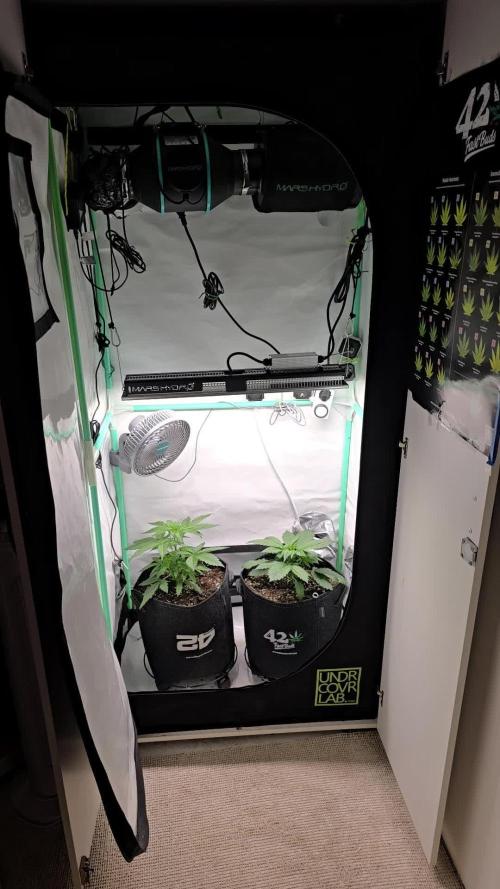
💪ROUGH FEED SCHEDULE💪 VEG Week 1 (day 1-6) : Just 6.5Ph balance H2O Week 2 (day 9) : ( 1ml Micro , 1ml Grow , 1ml Bloom , 2ml B-52 , 2ml Voodoo Juice) / 1 lite H2O Week 2 (day 14) : ( 2ml Micro , 1ml Grow , 1ml Bloom , 2ml B-52 , 2ml Voodoo Juice) / 1 lite H2O Week 3 (day 19) : ( 4ml Micro , 4ml Grow , 4ml Bloom , 2ml B-52 ) / 1 lite H2O Week 4 (day 23) : ( 4ml Micro , 4ml Grow , 4ml Bloom , 2ml B-52 ) / 1 lite H2O FLO Week 5 (day 32) : ( 4ml Micro , 4ml Grow , 4ml Bloom , 2ml Voodoo , 2ml Bud Candy , 2ml Sensizym)/ 1 lite H2O Week 5 (day 38) : ( 4ml Micro , 4ml Grow , 4ml Bloom , 2ml Voodoo , 2ml Bud Candy , 2ml Big bud , 2ml Sensizym)/ 1 lite H2O Week 6 (day 42) : ( 4ml Micro , 4ml Grow , 4ml Bloom , 2ml Voodoo , 2ml Bud Candy , 2ml Big bud , 2ml Sensizym)/ 1 lite H2O Week 6 (day 48) : ( 4ml Micro , 4ml Grow , 4ml Bloom , 2ml Voodoo , 2ml Bud Candy , 2ml Big bud , 2ml Sensizym)/ 1 lite H2O Week 7 (day 52) : ( 4ml Micro , 4ml Grow , 4ml Bloom , 2ml Voodoo , 2ml Bud Candy , 2ml Big bud , 2ml Sensizym)/ 1 lite H2O (👉one time per 5-7days👈) 😏EQUIPMENT USED😎 - CREE CXB3590 COB 3500k (100watt) 💪 - Mars Hydro grow tent (0.6mx0.6mx0.6m) - 4" Duch fan HF-150P I'm a beginer grower 👽 Please LIKE 👍 & FOLLOW ME 🙌