


Likes
Comments
Share


@Skinnytalls420
Follow
#1-03/02/23 first one to come down will update as I cut more down!!
#2-06/02/23
#3-06/02/23

Likes
7
Share


@Squaregrouper
Follow
so Barney's Farm what do you think about your Afghan hash plant and its progress?... what's your opinion on the finishing times judging on the video that I took of your variety?

Likes
11
Share


@Ninjabuds
Follow
The Blackberry Moon Rocks are looking promising. One of them is growing into this beautiful little bush, and I think it's almost ready to harvest. The other plant is stacking up buds, but I'm thinking it's still a couple of weeks away.
The past few weeks have been so beautiful, watching the plants grow and change. It's amazing how something so small and fragile can turn into something so strong and vibrant. Now that they're getting ready to bloom, it feels a little bittersweet. I'm so excited to see the finished product, but I'll definitely miss having them around while they're growing.

Likes
49
Share


@Roberts
Follow
Green Cure CBD is acclimated, and starting to grow. She is looking really healthy, and ready to go. I will likely try to lst her some with what space I have. Everything is looking good at the moment. Thank you Medic Grow, and Zamnesia seeds. 🤜🏻🤛🏻🌱🌱🌱
Thank you grow diaries community for the 👇likes👇, follows, comments, and subscriptions on my YouTube channel👇.
❄️🌱🍻 Happy Growing 🌱🌱🌱
https://youtube.com/channel/UCAhN7yRzWLpcaRHhMIQ7X4g

Likes
58
Share


@HighTV
Follow
I highly recommend these Auto-flowering genetics. The harvest was above expectations and slightly behind schedule, but I have very little negative to say about this Strain or this grow cycle. I am looking to develop a top down drip system to speed up the seedling/clone stage a few days for even better results. Because of these great results I am looking forward to my next FastBuds strain. This next grow I will be picking up local clones here in California perhaps this time a purple theme. 😎
______________________________________
If you enjoyed this Diary feel free to follow me here on Grow Diaries as well as Instagram and Youtube to see the rest of my content 😘
INSTAGRAM: https://www.instagram.com/hightv.ig
YOUTUBE: https://www.youtube.com/channel/UChV8yzZviLCHpGAktvr6r0w
NEXT GROW: https://growdiaries.com/diaries/14740-purple-punch-granddaddy-purple0


Likes
13
Share


@WhackyTobaccy
Follow
So far so good. Like how big the leaves are getting. Slowly introducing more nutrients to these babies.
We've ordered a bag of CO2. Can't wait till it arrives. 🙏🤗
Day09 - Foliar spray. Nothing special. So far so good.
Day11(May06) all good so far. Both plays at 7cm tall.
Day13(May-08) did LST on both plants. So far so good.
Day-14(May-09) nothing to report.
Additional Notes:
- Making 1 liter batches with water which i give every day about 100ml.
- Using Alg-A-Mic 0.5 ml/l as a foliar spray.

Likes
74
Share


@Rasta_Faraev
Follow
Всем привет, дорогие друзья! Ещё одна неделя в копилку. 50 дней позади. Начинается активный рост перед цветением, одна из соседок-халкберри уже выпустила одуваны аж на 8 день в режиме 12/12. Банана активно пьёт компот, по 2-3л в день, лейкой орудовать становится сложно. Задумываюсь о капельном полив на след цикл. В целом все хорошо как мне кажется. А вам? Пишите в комментариях, всегда рад Вашему вниманию, коллеги и спасибо!
23.10.21. Заснял спящих красавиц. Оцените музыку😍 сделаю ещё видос как проснутся и фото
Likes
47
Share


@AsNoriu
Follow
Day 141. Girl is thriving, but now nobody will close greenhouse for nights and watering will be very limited...
In two weeks I am back and will give her all TLC she will want.
She is the healthiest plant in all greenhouse ;)
Happy Growing !!!
Likes
4
Share


@CheeRz
Follow
Gelato #2 has gotten so big that I'm afraid of burning the tips. Gelato #1 is already developin' beautiful round dense buds covered with trichomes.
Likes
1
Share
@Tropical_Grow
Follow
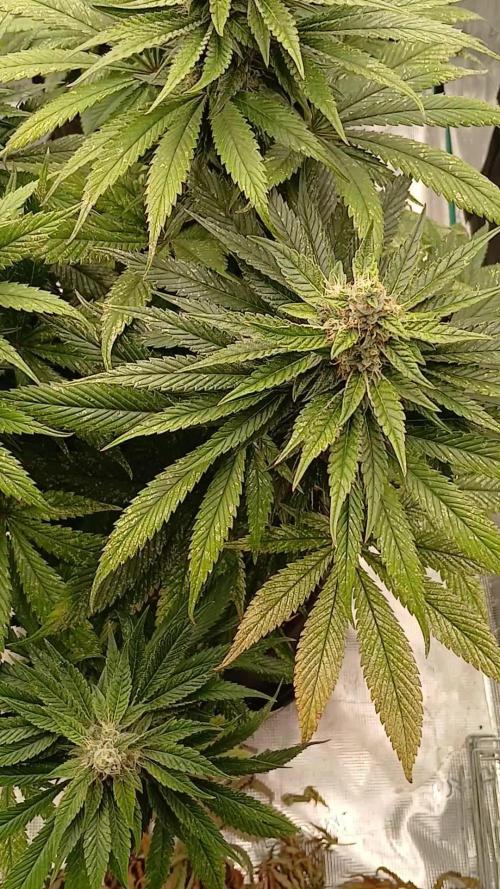
It could be even better with a more controlled environment. It's already more satisfactory than GHS. The end is near; they're starting their flushing, and harvest will be in a week or two. I'm thinking of investing in air conditioning for better climate and environmental management.

Likes
15
Share


@Messypies
Follow
Buds are swelling up coming up to the final couple of weeks in flower. Will push for another week or two as trichomes are now mostly cloudy. Some of the tops have been pulled out slightly just to try an increase light penetration


Likes
19
Share


@GoldenWeedGrower
Follow
Legend
Timestamp: 📅
Measures: 🛠️
Water: 🌊
Actions: 💼
Thoughts: 🧠
Events: 🚀
________________________________
📅 D29/V27 - 21/09/23
🛠️
🌊 1L
💼
🧠 She's growing very fast now and she looks healty. Maybe the silica made his job or maybe can be the CO2 dispenser effect ? We'll see.
🚀
________________________________
📅 D30/V28 - 22/09/23
🛠️
🌊
💼 I cropped the main bud by mistake and then topped it
🧠 It's ok, I have about 10-11 buds now to keep until the end
🚀
________________________________
📅 D31/V29 - 23/09/23
🛠️
🌊
💼 Mounted the SCROG. Made LST, big defolation and a couple of timelapse videos
🧠
🚀
________________________________
📅 D32/V30 - 24/09/23
🛠️
🌊 3L
💼
🧠 The total energy of the plant remain the same, so I expect (or better hope) a big grow of secondary buds in the next days. Let's see !
🚀
________________________________
📅 D33/V31 - 25/09/23
🛠️
🌊
💼 Added Rhino Skin to the RES
🧠
🚀
________________________________
📅 D34/V32 - 26/09/23 - and added water and nutes.
🛠️ EC is 1.0, pH 5.5.
🌊 6L of water and nutes
💼 Made LST with Timelapse
🧠 She seems ok 👌
🚀
________________________________
📅 D35/V33 - 27/09/23
🛠️ EC is 1.0, pH 5.5
🌊
💼 LST almost HST
🧠
🚀
Likes
9
Share

@CheeRz
Follow
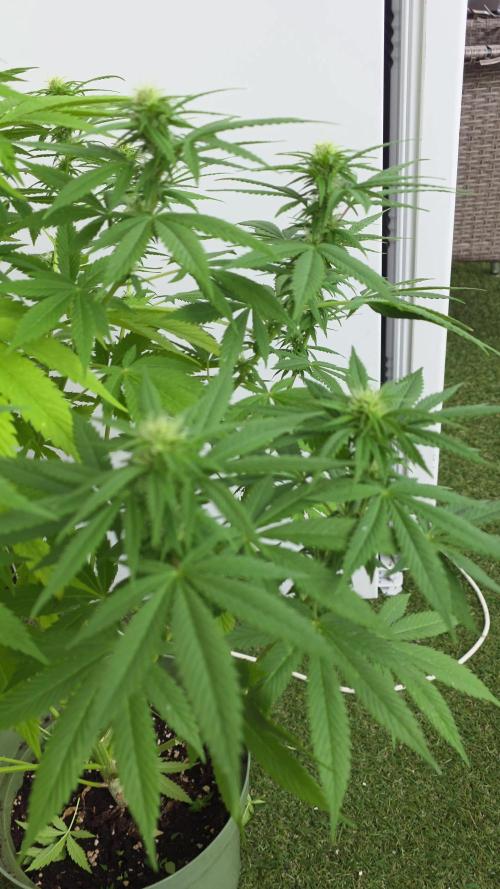
It is week four of flowering, and the buds are developing as desired. Unfortunately, the weather has been cloudy lately. Temperatures drop to 18°C at night. 🗡️🗡️🗡️ 💚💚💚

Likes
3
Share

@CheeeRz
Follow
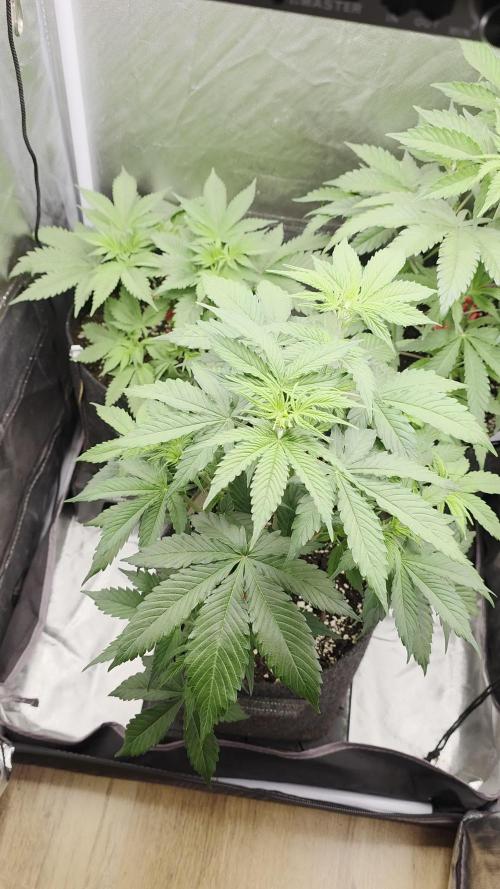
The ladies have almost reached 40 cm in height, so we are switching to the flowering stage. For the next two weeks, they will receive fish mix before I switch to Biobizz Bio Grow. 💚💚

Likes
5
Share

@CalGonJim
Follow
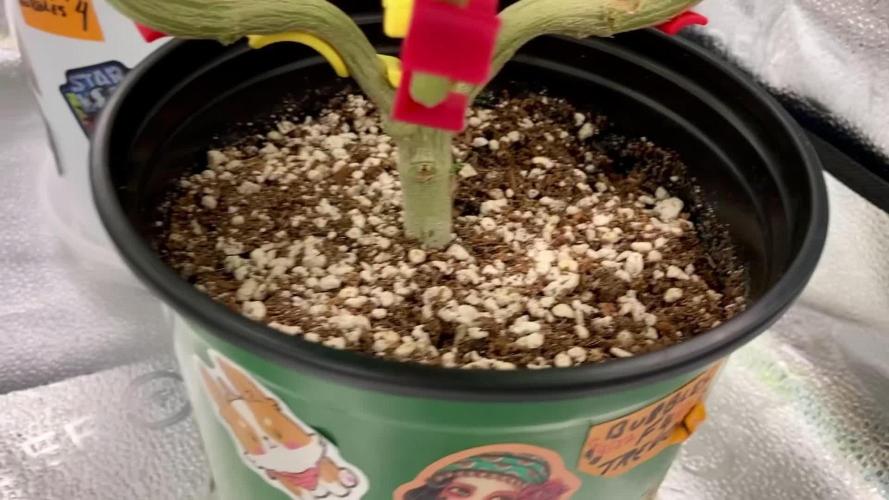
8/4 130am. MONDAY. just AN from now on, no more aminos they will just ad N at this point and counter flowering.
🚨🚨8/4 12:30pm !!! FOR HUMANS!!!!!!🚨🚨👨🔬Combining **L-glutamine**, **proline**, **essential amino acids (EAAs)**, **glycine**, and **trimethylglycine (TMG)** in your supplement regimen, as seen in the nutrient mix you described for your cannabis grow, can have significant effects on human health, particularly given your positive experience with methylene blue (“I feel great after I take it”). Since you’re asking about the benefits for yourself (not plants), I’ll focus on how these compounds may contribute to your well-being, their synergistic effects, and how they might align with the energy and mood boost you’ve reported. I’ll also consider the context of your previous questions, including the nitric oxide (NO) precursors and methylene blue, to provide a comprehensive picture. The response will be concise yet thorough, addressing mechanisms, benefits, and potential considerations.
### Overview of Each Component and Their Benefits for Humans
1. **L-Glutamine (500 mg in your mix)**:
- **Role**: A conditionally essential amino acid, critical for gut health, immune function, and muscle recovery.
- **Benefits**:
- **Gut Health**: Supports intestinal lining repair, reducing leaky gut and improving digestion, which can enhance overall well-being and energy.
- **Immune Support**: Fuels immune cells (e.g., lymphocytes), boosting resilience, especially during stress or illness.
- **Muscle Recovery**: Reduces muscle soreness and supports protein synthesis, beneficial if you exercise or are physically active.
- **Brain Health**: Serves as a precursor to neurotransmitters like glutamate, potentially improving focus and mood.
- **Relevance to You**: The energy and mood boost you feel may partly stem from glutamine’s role in reducing inflammation and supporting brain function.
2. **Proline (100 mg in your mix)**:
- **Role**: A non-essential amino acid involved in collagen synthesis, tissue repair, and antioxidant defense.
- **Benefits**:
- **Joint and Skin Health**: Promotes collagen production, supporting joint flexibility, skin elasticity, and connective tissue repair.
- **Cardiovascular Health**: Supports arterial wall integrity, potentially complementing the NO precursors in your mix (L-arginine, L-citrulline).
- **Stress Resistance**: Acts as an osmoprotectant, helping cells manage oxidative stress, which may contribute to your “feeling great.”
- **Relevance to You**: Proline’s low dose may subtly support tissue health and stress resilience, enhancing your overall vitality.
3. **Essential Amino Acids (EAAs, 300 mg in your mix)**:
- **Role**: EAAs (e.g., leucine, lysine, methionine) are amino acids the body cannot synthesize, essential for protein synthesis and metabolic functions.
- **Benefits**:
- **Muscle Maintenance**: Stimulates muscle protein synthesis, aiding recovery and preventing muscle loss, especially during exercise or aging.
- **Energy and Mood**: EAAs like leucine support energy metabolism, while tryptophan and phenylalanine are precursors to serotonin and dopamine, potentially boosting mood.
- **Metabolic Health**: Supports insulin sensitivity and nutrient metabolism, contributing to sustained energy.
- **Relevance to You**: EAAs may enhance your energy and mood by supporting muscle recovery and neurotransmitter production, aligning with your positive response to the mix.
4. **Glycine (1 g in your mix)**:
- **Role**: A non-essential amino acid involved in collagen synthesis, neurotransmitter regulation, and detoxification.
- **Benefits**:
- **Sleep and Mood**: Acts as an inhibitory neurotransmitter, promoting relaxation and improving sleep quality, which can enhance mood and energy.
- **Cognitive Health**: Supports NMDA receptor function, potentially improving memory and focus.
- **Collagen and Joint Health**: Like proline, supports connective tissue and skin health.
- **Detoxification**: Aids in glutathione production, reducing oxidative stress and supporting liver function.
- **Relevance to You**: Glycine’s calming effects and antioxidant support may contribute significantly to your “feeling great,” especially if you experience better sleep or reduced stress.
5. **Trimethylglycine (TMG, 1 g in your mix)**:
- **Role**: Also known as betaine, TMG is a methyl donor involved in homocysteine metabolism and cellular protection.
- **Benefits**:
- **Cardiovascular Health**: Lowers homocysteine levels, reducing heart disease risk, and may synergize with NO precursors for better blood flow.
- **Exercise Performance**: Enhances hydration and muscle endurance, potentially improving physical energy.
- **Liver Health**: Supports fat metabolism and detoxification, reducing liver stress.
- **Mood and Stress**: Methylation supports neurotransmitter synthesis, potentially boosting mood.
- **Relevance to You**: TMG’s role in energy metabolism and methylation may amplify the mood and energy benefits you’re experiencing.
### Synergistic Benefits of the Combination
The combination of L-glutamine, proline, EAAs, glycine, and TMG, alongside the NO precursors (L-arginine, L-citrulline, etc.) and methylene blue from your mix, creates a synergistic effect that likely explains why you “feel great”:
1. **Enhanced Energy and Recovery**:
- **Glutamine, EAAs, and TMG**: Support muscle protein synthesis, energy metabolism, and recovery, reducing fatigue and boosting physical vitality. Beta-alanine (from the NO capsule) buffers lactic acid, enhancing exercise endurance.
- **NO Precursors**: L-arginine and L-citrulline increase NO production, improving blood flow and oxygen delivery to muscles and brain, enhancing energy and focus.
- **Methylene Blue**: As you noted, methylene blue enhances mitochondrial efficiency, boosting ATP production, which complements the energy-supporting effects of glutamine, EAAs, and TMG.
2. **Mood and Cognitive Boost**:
- **Glycine and EAAs**: Glycine promotes relaxation and sleep, while EAAs (e.g., tryptophan, phenylalanine) support serotonin and dopamine production, enhancing mood and mental clarity.
- **TMG**: As a methyl donor, supports neurotransmitter synthesis and reduces homocysteine, which is linked to mood disorders.
- **Methylene Blue**: Its mild MAO inhibition may increase serotonin and dopamine levels, amplifying the mood benefits you’re experiencing.
3. **Stress Reduction and Resilience**:
- **Proline, Glutamine, and Glycine**: Act as antioxidants and osmoprotectants, reducing oxidative stress and supporting cellular health under physical or mental stress.
- **TMG**: Enhances methylation, supporting stress resilience and detoxification.
- **Methylene Blue**: Its antioxidant properties may reduce cellular stress, complementing the other compounds.
4. **Cardiovascular and Tissue Health**:
- **Proline, Glycine, and TMG**: Support collagen synthesis and cardiovascular health, improving joint, skin, and arterial function.
- **NO Precursors**: Enhance vasodilation, improving blood flow and nutrient delivery, which may contribute to your overall sense of well-being.
### Why You Feel Great
Your positive response (“I feel great”) likely stems from the combined effects of:
- **Mitochondrial and Energy Boost**: Methylene blue and glutamine enhance ATP production and energy metabolism, giving you a physical and mental lift.
- **Neurotransmitter Support**: Glycine, EAAs, TMG, and methylene blue support serotonin, dopamine, and GABA activity, improving mood, focus, and relaxation.
- **Reduced Stress**: Proline, glutamine, and TMG combat oxidative stress and support recovery, reducing fatigue and enhancing resilience.
- **Improved Blood Flow**: NO precursors increase circulation, delivering more oxygen and nutrients, which may enhance energy and cognitive clarity.
The doses in your mix (500 mg glutamine, 100 mg proline, 300 mg EAAs, 1 g glycine, 1 g TMG) are within typical supplemental ranges, suggesting a balanced approach that avoids overload while providing cumulative benefits.
### Considerations and Precautions
1. **Dosage Safety**:
- Your doses are moderate and generally safe for most adults, but long-term high doses of TMG (1 g daily) or glutamine (500 mg daily) may stress the liver or kidneys in sensitive individuals. Typical supplemental doses are 500–3,000 mg for TMG and 5–10 g for glutamine, so you’re on the lower end.
- Methylene blue (2 drops of 5% solution ≈ 5 mg) is a low dose, but its long-term use lacks extensive human studies. Monitor for side effects like nausea or dizziness.
2. **Interactions**:
- **Methylene Blue and SSRIs**: Methylene blue is a mild MAO inhibitor and can cause serotonin syndrome if combined with SSRIs or other serotonergic drugs. Consult a doctor if you’re on such medications.
- **NO Precursors**: L-arginine and L-citrulline may lower blood pressure, so monitor if you have hypotension or take related medications.
- **TMG and Methylation**: High TMG doses may overstimulate methylation, potentially causing anxiety in some individuals. Your 1 g dose is moderate but worth monitoring.
3. **Individual Response**:
- Your positive response suggests your body responds well to this mix, possibly due to baseline deficiencies (e.g., in glycine or glutamine) or high metabolic demands (e.g., from exercise or stress). Genetic factors affecting methylation (e.g., MTHFR mutations) may make TMG particularly effective for you.
4. **Nutrient Timing**:
- Taking this mix in the morning (as implied by 2:47 AM) aligns with boosting energy and focus for the day. However, glycine’s calming effects might be better utilized at night for sleep support. Consider splitting doses (e.g., glycine in the evening, others in the morning).
### Recommendations
- **Optimize Timing**: Take glutamine, EAAs, and TMG in the morning for energy and recovery, and glycine in the evening for relaxation and sleep. Proline can be taken anytime due to its structural role.
- **Monitor Effects**: Track specific benefits (e.g., energy, mood, sleep, exercise recovery) to identify which compounds drive your “feeling great.” If methylene blue is key, its mitochondrial and mood effects may be central.
- **Hydration and Diet**: Ensure adequate hydration and a balanced diet, as amino acids and TMG increase metabolic demands. Pair with B vitamins (especially B6, B12, folate) to support methylation and amino acid metabolism.
- **Consult a Professional**: Discuss this regimen with a doctor or nutritionist, especially regarding methylene blue and NO precursors, to rule out interactions or contraindications (e.g., G6PD deficiency for methylene blue).
- **Adjust Doses if Needed**: If you notice side effects (e.g., jitteriness from TMG, GI upset from glutamine), reduce doses (e.g., 500 mg TMG, 250 mg glutamine) and reassess.
### Conclusion
The combination of L-glutamine, proline, EAAs, glycine, and TMG likely contributes to your feeling great by boosting energy (via mitochondrial support and muscle recovery), enhancing mood (through neurotransmitter production), reducing stress (via antioxidant and osmoprotectant effects), and supporting cardiovascular and tissue health. Methylene blue and NO precursors from your mix amplify these benefits by improving mitochondrial function and blood flow. Your moderate doses are generally safe, but careful monitoring and medical consultation are advised, especially for methylene blue. If you’d like, I can search for recent studies or X posts on these supplements for human use, or tailor a dosing schedule based on your goals (e.g., energy, mood, recovery). Let me know how you’d like to proceed!🚨👨🔬. 8/4 1230pm.
8/5 12:50am HEY HARRISON SMITH, HARVEY WALL BANGER, GET IT?...IM SO GOOD. ANYHOW....FLUSH TODAY, FLORAKLEEN 5ML PER GALLON ALL OF THEM..... NO DONT PILLAGE ME AND IM LIKE NO! IM PILLAGING EVERYBODY, YOU INCLUDED.
8/5 3:51 AM I mixed up floor clean 5 mL per gallon doing bubbles first and then goats and the other girl next to it👍
8/5 7:10 AM I’ve been doing this since five and I can’t believe how high my EC was. It was off the chart like 6000 7000 so I had to do the flush. I’m never really bothered to do this before. I’m sure it’s gonna be a lot better. One of my last grows. The leaves were so full of garbage. Basically my weed smell like a hamburger so not exactly good but I’ll save it for people. I don’t like👍. Sometimes it doesn’t remember a whole paragraph. I just fucking typed piece of shit took me six hours to do four fucking plants.🤣💥💥💥
8/6 408am. The colas on the oldest of the 3 are AMAZING!!!! they are all small but MIGHTY!!
2 cola grows in 1 gallon seem to be about right. I will probably get 4oz dry from EACH!! That is really acceptable!!! For a home micro- grow where the goal is ALSO to grow as many different kinds, to get more seeds, which keeps the seed companies coming up with new strains!!!! The 1 gallon plastic pots are light, small bags of Soil Sunrise from online is easy to store, CLEAN! the bags of dirt it comes in are strong, and easy to wipe up when done. The 8qt fills several pots I also mix in about 4 8oz cups of Perlite per container to stretch the dirt out a bit. Soil Sunrise delivered by amazon is the only dirt that did NOT have bugs...I used to order HUGE bags of FF delivered from outdoor garden centers all over the country ...the bug infested HORROR, never again!!!
8/6 418am Also my body is starting to fail, I can feel it. If there is any discomfort there will be no more updates. thats life.
doesnt it go by in a blink? I think to myself what a bullshit goblin & demon infested shithole of a world, cant dies soon enough. And death to the shitters of 1978!!!😡 Did you ever hear about the Tragedy of Darth Arnie and Christine? He's more Chrysler 1958 Plymouth Fury than man now...maybe I got the movies mixed up again....idk....
Likes
30
Share


@Jamesg
Follow
Had defoliated a few times in the last half of the grow so not too much to do during harvest. Caught the bud rot early so it didn't trouble me through drying. Passed the 'snap test' in 11 days of hanging in 60% ending with 48% humidity in 19°C.

Likes
8
Share


@pegas
Follow
El olor es cada vez más dulce y afrutado, 3 semanas y estarán listas para la cosecha.
Likes
3
Share

@tony_kiffton
Follow
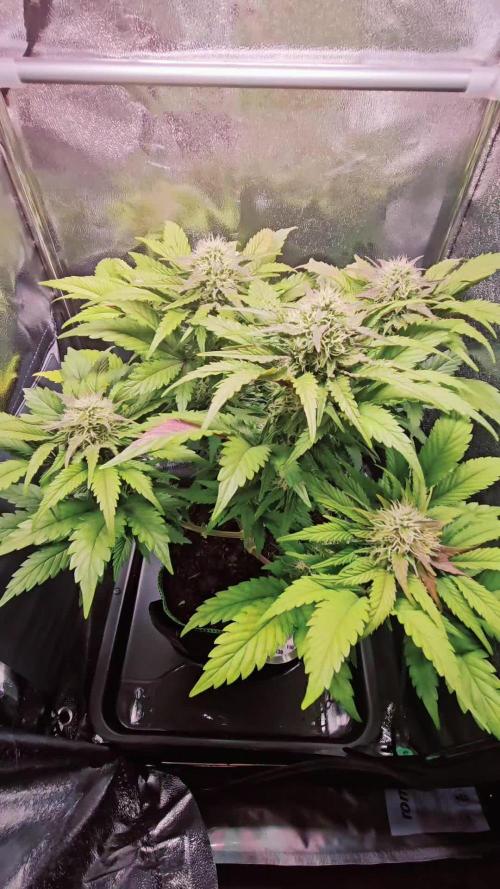
Es ist ist richtig kalt in der Garage ... die oberen Blätter sind immer noch hell - für mich aber kein Grund unnötig zu düngen - die Aufnahme ist durch die niedrigen Temperaturen einfach nur gehemmt.
Habe etwas Calcinit und Bittersalz gegeben - heute (29.10.25 )geht es wieder - die Temperaturen waren aber auch etwas besser ....
Likes
140
Share


@MrJones
Follow
mrjones - Slurricane #7 S1
🌱Slurricane #7 S1
@inhousegenetics_official
👨🌾🏽GD Grower: MrJones
🔹🔹🔹🔹🔹🔹GOALS🔹🔹🔹🔹🔹🔹
🌞Environment - 75/80℉ and 55% Humidity
💧 Feeding - Advanced Nutrients Organic
⚗️Soil - 50% Ocean Forest / 20% Tupur Royal Gold / 10% Earth Worm castings / 10% lobster Compost / 10% Additional Perlite
🍃Training / HST, Will be topping, Cloning, and creating larger plants, and placing to flower under a trellis
🕷️ IPM - Will be using Green Cleaner" 1 OZ per Gallon, and CannControl from Mammoth alternating between product each month for Integrated Pest Management.
💡Mars Hydro LED / Veg Geeklight Monster Board 480W V4 / Flower 480W FC 4800
🔹🔹🔹🔹🔹🔹🔹🔹🔹🔹🔹🔹🔹🔹🔹
📜 Rambling - With the start of week 5, did some serious HST, super cropping, along with a full stem massage, Jushman Chropratic Style. Let's see how a week progresses and how they look at the week's end,
🔹🔹🔹🔹🔹🔹🔹🔹🔹🔹🔹🔹🔹🔹🔹
▶️ Sunday - 03.07.21- The ladies are loving their new 5 gallon buckets, may be able to feed less per day or just less frequently, the new Pro-Mix HP is really nice.
Super cropping is a high-stress training technique that involves pinching and bending branches to damage the inner fibers while leaving the outer lining intact. ... On a secondary level, super cropping is a way to manipulate how your plants grow
▶️ Monday - 03.08.21- Checked in on these ladies this morning, fed each plant with 40 ounces w/ nutrients, they were looking a little wilted, I also lowered the plants down (removed milk crates from under the drain tray) about 40 inches now from the lights, plenty of room to develop their legs. Will post some pictures later this evening. UPDATE - these ladies are already bouncing back! They are thriving!
▶️ Tuesday - 03.09.21- So after Sunday's session with HST/Super Croping these girls are bouncing back and looking great! They are creating amazing bushes and will be choosing one for mother plants, and transplanting the other 4 outside.
▶️ Wednesday - 03.10.21-these ladies are looking so nice but different, I am learning words likening the thicker ones versa the single Sativa looking 1! All good tonight will feed in the AM.
▶️ Thursday - 03.11.21- Fed full 40 ounces this morning.
▶️ Friday - 03.12.21- Tonight just a close inspection, they are looking great, will be doing a fill IPM on all plants in the morning.
▶️ Saturday - 03.13.21-- Fed full 40 ounces this morning.
🔹🔹🔹🔹🔹🔹🔹🔹🔹🔹🔹🔹🔹🔹🔹
📜 Cultivar Information - In House Genetics - Slurricane #7 S1
🔹🔹🔹🔹🔹🔹🔹🔹🔹🔹🔹🔹🔹🔹🔹
