The Grow Awards 2026 🏆
Likes
Comments
Share
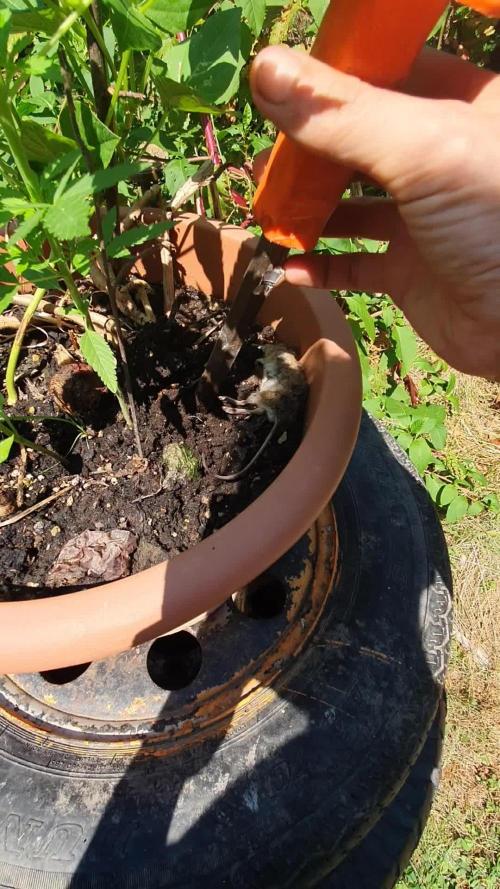
Biological fermentation of guano good! #organic #livingsoi Friendly to nature
Likes
12
Share
@SkunkyDog
Follow
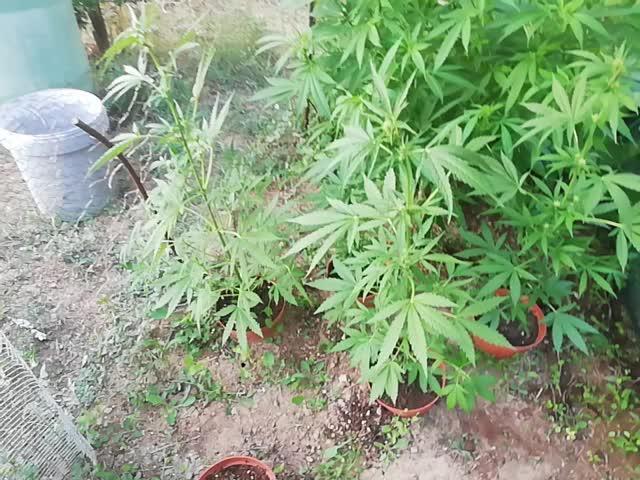
Hallo zusammen 🤙. Habe sie heute geerntet. Wir sehen uns in 3 Wochen mit dem Ergebnis wieder. Bis dann 🤙
Likes
10
Share
@BodyByVio
Follow
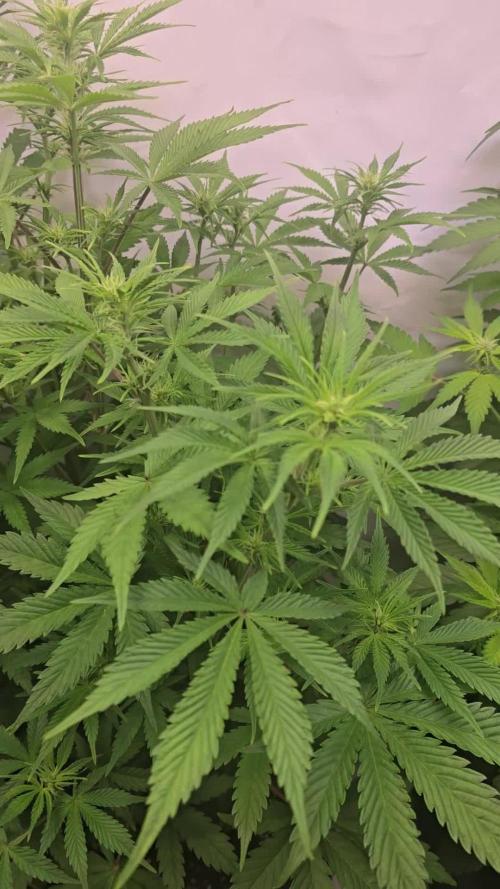
This week I Supercrop all the plants and spred them out over both lights. One more week of Veg and they are ready to explode Check me out on Instagram @growmorestressless
Likes
63
Share
@AsNoriu
Follow
Day 92. In video you can see how brown is Gorilla Max pistils and how sad looking is pale Bunny Gorilla, both girls are drinking fast, so maybe they will finish with decent result, that was two strongest plants, sad ... All other girls are ok, Control garden is huge, side colas , which gets more light caught up tops standing in dark, funny to observe. So many plants bring humidity up, will do defoliation in 4 days on my new days off. Silica and CalMag out. Day 94. Girls are okish, Bunny Gorilla refused to drink pure water, pot was still heavy, i will check in the morning, but she went into some stress or lockdown a bit, but maybe its just my paranoia , morning weighting will show. Defoliation is a must, but i know now, that this time its overcrowded, cant access pots for lifting, max 10 plants and i think for 2 month veging those airpots are too small, i think they have even only like 15 liters of actual soil in them despite 20 liters on price tag, next round i am back to fabric pots , have new 30 liters waiting in dark room for theirs turn. Day 94 Evening. Morning for me, but girls where going to sleep, some pots already ultra light, same mistake in one grow ??? Never !!! ;)))))) All girls got heavy feed, managed to mix up 1000 ppm from 4 components only, huge amounts involved, very hard without BioGrow, think it was too early for sure to take N out. With Bunny was real headache, but at the end she was light as most others... Overthinking not good, better to flow with them. Honestly think such version of grow would be better with single plant or higher electric capacity ... Don't want to move place, so next grow again change of tactics..... ;))))) Toping on 5 nod with mini LST and veg max 5 weeks. Loads of bottom buds are smaller than seed from which they grow. Think to lolitop all that crap. Two days till next watering to make decision ... Day 95. Girls are happier than ever, they needed more food, thats all. Now i think i will do feed/feed/water regime till end of week 8, then heavy flush, its summer at mines and i can do it properly outside. Girls bulk up every day. Thinking to lift Gorillas tonight and all lights as well, Incredible Bulks and Strawberry Cough doing magic in shadow , what will they do with a bit of more light then ??? ;) Day 96. Socialism in my garden ;)))) Cookies are crap, Gorillas are The Joy, all Control Garden makes me wanna sing as well... No more defoliation or lolitoping, they are fattening up and i want to see final weight and nice colours .... Heavy feed at the end of this day or next morning . Happy growing !
Likes
117
Share
Brothers and sisters farmers. My job here is over! the only one and only reason why I prolonged the late release of the end-growth report is just because this plant really deserves !!!!! Strain super super super fantastic !!! I was really struck by everything that is what these powerful super beans have. From growth to smoked! 10/10 Beautiful frosty and rocky nuggets .... mmh just like Peaky His odor is ..... amazing .... and the gems inside show purple nuances. I will still update you on the smoke of these magnificent dolls. Stay on the piece Greetings to all of you, fantastic Weed friends Happy and abundant harvesters
Likes
23
Share
Hey guys :-) The lady has developed very nicely this week 👍. Since there will be space in the flowering tent for the next 10 days and it will then be switched over, I will no longer use any training. I'm looking forward to when the bloom starts :-) Otherwise everything was cleaned and checked. Have fun and stay healthy 💚🙏🏻 👇🏼👇🏼👇🏼👇🏼👇🏼👇🏼👇🏼👇🏼👇🏼👇🏼👇🏼👇🏼 You can buy this Nutrients at : https://greenbuzzliquids.com/en/shop/ With the discount code: Made_in_Germany you get a discount of 15% on all products from an order value of 100 euros. 👇🏼👇🏼👇🏼👇🏼👇🏼👇🏼👇🏼👇🏼👇🏼👇🏼👇🏼👇🏼 You can buy this strain at : https://www.thegratefulseeds.com/shop/feminized-seeds/limited-edition/blue-javaz/ Water 💧 💧💧 Osmosis water mixed with normal water (24 hours stale that the chlorine evaporates) to 0.2 EC. Add Cal / Mag to 0.4 Ec Ph with Organic Ph - to 5.8 - 6.4 MadeInGermany
Likes
48
Share
@Focus420
Follow
11.týden 71 - den kontrola v pořádku 72 - den. Pohnojím všechny holky, kromě blackberry a brooklynu ty už jen vodou s ph - (5,8) 73 - den listy na autech začínají žloutnout. Jdeme do finále 74 den - kontrola trichomu kapesním mikroskopem. Trichomy se zdají být pořád nedostatečně jantarové 75 den - celoročky jsem dnes hnojil 😁 Blackberry gum, auto brooklyn a sleep proplachuji...
Likes
10
Share
@Eauderay
Follow
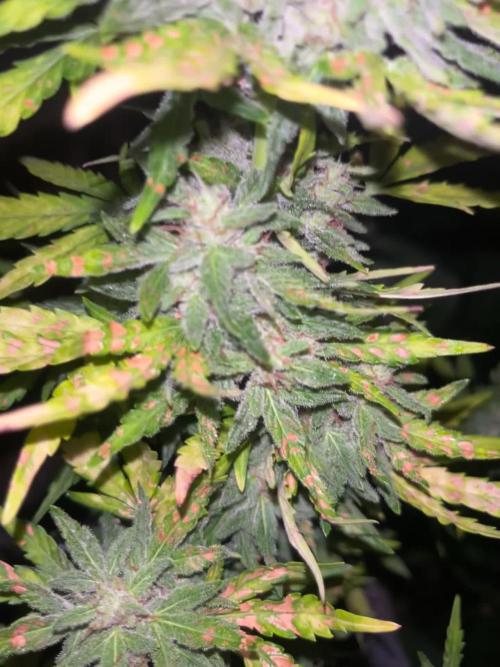
Slowly but surely she is fattening up and is turning yellow with splashes of red/pink, leds were a little too low or hps at the beginning of flowering damaged her fan leafs... Next time I will know better which is the cause. Smallish buds but those are coated with trichomes, sugar leafs too. Going to make some cannabutter! I think 1 or 2 more weeks before harvest depending how she looks, I want her Calyxes to mature fully before chopping her!
Likes
8
Share
@Piro420
Follow
Getting a little crispy on the tops within 1 inch of the light. But all and all plant is healthy happy and starting to smell wonderful. Looking like a full 9 weeks of flower needed.
Likes
55
Share
01/26/22 PH 6.02 TDS 540 Decided to put into bud cycle. Gave 2 quarts recharge. Changed 2/3 nutrient water. Will start on foliar feeding with TPS Canopy Boost at lights out. Will foliar feed approximately every 3-4 days for the next 3 weeks. Will check PH and TDS daily. 01/27/22 PH 6.13 TDS 570 plant grew about 2 inches over night. 01/28/22 PH 6.15 TDS 630 light at 70% power 01/29/22 PH 6.1 TDS 700 tied some branches down. Gave 2 quarts recharge. Will give foliar feeding tonight at lights out. 01/30/22 PH 6.03 TDS 650 added 4 gallons water to reserve tank. Added bloom nutrients. 01/31/22 PH 6.03 TDS 705 02/01/22 PH 6.1 TDS 697
Likes
1
Share
Week 7 of flowering 10/30/24 Changed nutrients to fit week 7 Buds are getting even bigger and thicker. Last week PH drop happened again a couple of days after the major flush. PH in rootzone is getting lower every day. Runoff still at 10-20%, so no salt buldup, EC same as intake or litttle higher. Flushed again with FloraKleen and watered with TriPart Micro, Grow, Bloom with CalMag. Bought Potassium Bicarbonate and Calcium Carbonate as suggested by "Aqua Man", to buffer coco in the future. (https://www.thcfarmer.com/threads/ph-dropping-from-5-8-to-3-9-overnight-what-is-causing-this.87011/post-2329509) changed nutes on 11/2/24, to FinalPart at 1.3 EC. Checking runoff PH and EC daily.
Likes
32
Share
7/11/25 New week babieess😍😍!!!! 7/13/25 Ohhh baby, the Mephisto experiment is cooking so so good right now. I’m actually kind of stunned at how things are evolving, especially with Forum Stomper, a.k.a. Stompy the Comeback Queen. She had kind of a rocky start — I mean, cotyledons were looking funky, and she went all bush-mode on me: dense structure, super tight internodal spacing, real short-stack energy. But oh no no, she wasn’t done. Fast forward to now... Stompy is a straight-up MONSTER. A chunky, thriving beast that just keeps getting bigger — and I know she’s not done yet. She’s officially stretching into flower now. Not just hinting at it — nah, full flowering stretch is underway, and she’s reaching up like she just realized she’s got room to take over the whole tent. I love this part. Today was watering day, and both girls got their special cocktails. First up, Grapey. She drank 4.4 liters of love, with her mix spiked up with BioBloom at 16 ml, Topmax at 12 ml, BioHeaven at 16 ml, Activera at 16 ml, Agamic at 12 ml, and a touch of CalMag at 3.5 ml. She’s hitting flower hard now too, and this brew should set her up to swell up sweet and loud. Going in: pH 6,23, PPM 510 Temp 22,5 °C Runoff: pH 6,47, PPM 1350 Then we’ve got Stompy, the Comeback Queen. She got 4 liters of her own nutrient-rich mix: BioBloom 12 ml, Topmax 10 ml, Activera 12 ml, BioHeaven 12 ml, Agamic 10 ml, CalMag 3.5 ml, and just a whisper of CicaMax at 0.3 ml to finesse that vigor. Oh, and let’s not forget — she also got her guano top dress today. I scooped out one of my little measuring cups, sprinkled it in like fairy dust, and let nature do its thing. This is going to kick the bloom engine into overdrive. Going in: pH 6,22 PPM 485 Temp 22 °C Runoff: pH 6,7 PPM 650 7/17/25 Today Grapey got 4.8 liters of water, going in pH at 6.0, PPM 88, temperature 21.2 degrees Celsius. Runoff was pH 6.8 and PPM 760. Stompy got also 4.8 liters of water, pH going in at 6.0, PPM 106, temperature 21 degrees. Runoff came out pH 6.2 and PPM 2000. Goddamn 😅 but she seems okay with it. I think the next watering will also be just plain water because she has enough there. I will see.😍
Likes
38
Share
@Roberts
Follow
Fruity Pebbles #2 has sprouted and is getting acclimated. So far everything is looking good. She is growing in Athena nutrition while #1 plant is in Blue Planet. Everything is looking good at the moment. Curious to see how the results differ. Thank you ILGM, and Athena. 🤜🏻🤛🏻🌱🌱🌱 Thank you grow diaries community for the 👇likes👇, follows, comments, and subscriptions on my YouTube channel👇. ❄️🌱🍻 Happy Growing 🌱🌱🌱 https://youtube.com/channel/UCAhN7yRzWLpcaRHhMIQ7X4g
Likes
5
Share
@Dsant
Follow
D65 - 23/03 Did a cleanup on the bottom part of the bigger girls, to avoid any issues in these last weeks. Not much to update, just watching them grow and admiring them gaining weight. Aiming for a 80~85 day harvest, so we got around 20 to go.
Likes
34
Share
Yellow butterfly came to see me the other day; that was nice. Starting to show signs of stress on the odd leaf, localized isolated blips, blemishes, who said growing up was going to be easy! Smaller leaves have less surface area for stomata to occupy, so the stomata are packed more densely to maintain adequate gas exchange. Smaller leaves might have higher stomatal density to compensate for their smaller size, potentially maximizing carbon uptake and minimizing water loss. Environmental conditions like light intensity and water availability can influence stomatal density, and these factors can affect leaf size as well. Leaf development involves cell division and expansion, and stomatal differentiation is sensitive to these processes. In essence, the smaller leaf size can lead to a higher stomatal density due to the constraints of available space and the need to optimize gas exchange for photosynthesis and transpiration. In the long term, UV-B radiation can lead to more complex changes in stomatal morphology, including effects on both stomatal density and size, potentially impacting carbon sequestration and water use. In essence, UV-B can be a double-edged sword for stomata: It can induce stomatal closure and potentially reduce stomatal size, but it may also trigger an increase in stomatal density as a compensatory mechanism. It is generally more efficient for gas exchange to have smaller leaves with a higher stomatal density, rather than large leaves with lower stomatal density. This is because smaller stomata can facilitate faster gas exchange due to shorter diffusion pathways, even though they may have the same total pore area as fewer, larger stomata. Leaf size tends to decrease in colder climates to reduce heat loss, while larger leaves are more common in warmer, humid environments. Plants in arid regions often develop smaller leaves with a thicker cuticle and/or hairs to minimize water loss through transpiration. Conversely, plants in wet environments may have larger leaves and drip tips to facilitate water runoff. Leaf size and shape can vary based on light availability. For example, leaves in shaded areas may be larger and thinner to maximize light absorption. Leaf mass per area (LMA) can be higher in stressful environments with limited nutrients, indicating a greater investment in structural components for protection and critical resource conservation. Wind speed, humidity, and soil conditions can also influence leaf morphology, leading to variations in leaf shape, size, and surface characteristics. Small leaves: Reduce water loss in arid or cold climates. Environmental conditions significantly affect gene expression in plants. Plants are sessile organisms, meaning they cannot move to escape unfavorable conditions, so they rely on gene expression to adapt to their surroundings. Environmental factors like light, temperature, water, and nutrient availability can trigger changes in gene expression, allowing plants to respond to and survive in diverse environments. Depending on the environment a young seedling encounters, the developmental program following seed germination could be skotomorphogenesis in the dark or photomorphogenesis in the light. Light signals are interpreted by a repertoire of photoreceptors followed by sophisticated gene expression networks, eventually resulting in developmental changes. The expression and functions of photoreceptors and key signaling molecules are highly coordinated and regulated at multiple levels of the central dogma in molecular biology. Light activates gene expression through the actions of positive transcriptional regulators and the relaxation of chromatin by histone acetylation. Small regulatory RNAs help attenuate the expression of light-responsive genes. Alternative splicing, protein phosphorylation/dephosphorylation, the formation of diverse transcriptional complexes, and selective protein degradation all contribute to proteome diversity and change the functions of individual proteins. Photomorphogenesis, the light-driven developmental changes in plants, significantly impacts gene expression. It involves a cascade of events where light signals, perceived by photoreceptors, trigger changes in gene expression patterns, ultimately leading to the development of a plant in response to its light environment. Genes are expressed, not dictated! While having the potential to encode proteins, genes are not automatically and constantly active. Instead, their expression (the process of turning them into proteins) is carefully regulated by the cell, responding to internal and external signals. This means that genes can be "turned on" or "turned off," and the level of expression can be adjusted, depending on the cell's needs and the surrounding environment. In plants, genes are not simply "on" or "off" but rather their expression is carefully regulated based on various factors, including the cell type, developmental stage, and environmental conditions. This means that while all cells in a plant contain the same genetic information (the same genes), different cells will express different subsets of those genes at different times. This regulation is crucial for the proper functioning and development of the plant. When a green plant is exposed to red light, much of the red light is absorbed, but some is also reflected back. The reflected red light, along with any blue light reflected from other parts of the plant, can be perceived by our eyes as purple. Carotenoids absorb light in blue-green region of the visible spectrum, complementing chlorophyll's absorption in the red region. They safeguard the photosynthetic machinery from excessive light by activating singlet oxygen, an oxidant formed during photosynthesis. Carotenoids also quench triplet chlorophyll, which can negatively affect photosynthesis, and scavenge reactive oxygen species (ROS) that can damage cellular proteins. Additionally, carotenoid derivatives signal plant development and responses to environmental cues. They serve as precursors for the biosynthesis of phytohormones such as abscisic acid () and strigolactones (SLs). These pigments are responsible for the orange, red, and yellow hues of fruits and vegetables, while acting as free scavengers to protect plants during photosynthesis. Singlet oxygen (¹O₂) is an electronically excited state of molecular oxygen (O₂). Singlet oxygen is produced as a byproduct during photosynthesis, primarily within the photosystem II (PSII) reaction center and light-harvesting antenna complex. This occurs when excess energy from excited chlorophyll molecules is transferred to molecular oxygen. While singlet oxygen can cause oxidative damage, plants have mechanisms to manage its production and mitigate its harmful effects. Singlet oxygen (¹O₂) is considered a reactive oxygen species (ROS). It's a form of oxygen with higher energy and reactivity compared to the more common triplet oxygen found in its ground state. Singlet oxygen is generated both in biological systems, such as during photosynthesis in plants, and in cellular processes, and through chemical and photochemical reactions. While singlet oxygen is a ROS, it's important to note that it differs from other ROS like superoxide (O₂⁻), hydrogen peroxide (H₂O₂), and hydroxyl radicals (OH) in its formation, reactivity, and specific biological roles. Non-photochemical quenching (NPQ) protects plants from damage caused by reactive oxygen species (ROS) by dissipating excess light energy as heat. This process reduces the overexcitation of photosynthetic pigments, which can lead to the production of ROS, thus mitigating the potential for photodamage. Zeaxanthin, a carotenoid pigment, plays a crucial role in photoprotection in plants by both enhancing non-photochemical quenching (NPQ) and scavenging reactive oxygen species (ROS). In high-light conditions, zeaxanthin is synthesized from violaxanthin through the xanthophyll cycle, and this zeaxanthin then facilitates heat dissipation of excess light energy (NPQ) and quenches harmful ROS. The Issue of Singlet Oxygen!! ROS Formation: Blue light, with its higher energy photons, can promote the formation of reactive oxygen species (ROS), including singlet oxygen, within the plant. Potential Damage: High levels of ROS can damage cellular components, including proteins, lipids, and DNA, potentially impacting plant health and productivity. Balancing Act: A balanced spectrum of light, including both blue and red light, is crucial for mitigating the harmful effects of excessive blue light and promoting optimal plant growth and stress tolerance. The Importance of Red Light: Red light (especially far-red) can help to mitigate the negative effects of excessive blue light by: Balancing the Photoreceptor Response: Red light can influence the activity of photoreceptors like phytochrome, which are involved in regulating plant responses to different light wavelengths. Enhancing Antioxidant Production: Red and blue light can stimulate the production of antioxidants, which help to neutralize ROS and protect the plant from oxidative damage. Optimizing Photosynthesis: Red light is efficiently used in photosynthesis, and its combination with blue light can lead to increased photosynthetic efficiency and biomass production. In controlled environments like greenhouses and vertical farms, optimizing the ratio of blue and red light is a key strategy for promoting healthy plant growth and yield. Understanding the interplay between blue light signaling, ROS production, and antioxidant defense mechanisms can inform breeding programs and biotechnological interventions aimed at improving plant stress resistance. In summary, while blue light is essential for plant development and photosynthesis, it's crucial to balance it with other light wavelengths, particularly red light, to prevent excessive ROS formation and promote overall plant health. Oxidative damage in plants occurs when there's an imbalance between the production of reactive oxygen species (ROS) and the plant's ability to neutralize them, leading to cellular damage. This imbalance, known as oxidative stress, can result from various environmental stressors, affecting plant growth, development, and overall productivity. Causes of Oxidative Damage: Abiotic stresses: These include extreme temperatures (heat and cold), drought, salinity, heavy metal toxicity, and excessive light. Biotic stresses: Pathogen attacks and insect infestations can also trigger oxidative stress. Metabolic processes: Normal cellular activities, particularly in chloroplasts, mitochondria, and peroxisomes, can generate ROS as byproducts. Certain chlorophyll biosynthesis intermediates can produce singlet oxygen (1O2), a potent ROS, leading to oxidative damage. ROS can damage lipids (lipid peroxidation), proteins, carbohydrates, and nucleic acids (DNA). Oxidative stress can compromise the integrity of cell membranes, affecting their function and permeability. Oxidative damage can interfere with essential cellular functions, including photosynthesis, respiration, and signal transduction. In severe cases, oxidative stress can trigger programmed cell death (apoptosis). Oxidative damage can lead to stunted growth, reduced biomass, and lower crop yields. Plants have evolved intricate antioxidant defense systems to counteract oxidative stress. These include: Enzymes like superoxide dismutase (SOD), catalase (CAT), and various peroxidases scavenge ROS and neutralize their damaging effects. Antioxidant molecules like glutathione, ascorbic acid (vitamin C), C60 fullerene, and carotenoids directly neutralize ROS. Developing plant varieties with gene expression focused on enhanced antioxidant capacity and stress tolerance is crucial. Optimizing irrigation, fertilization, and other management practices can help minimize stress and oxidative damage. Applying antioxidant compounds or elicitors can help plants cope with oxidative stress. Introducing genes for enhanced antioxidant enzymes or stress-related proteins over generations. Phytohormones, also known as plant hormones, are a group of naturally occurring organic compounds that regulate plant growth, development, and various physiological processes. The five major classes of phytohormones are: auxins, gibberellins, cytokinins, ethylene, and abscisic acid. In addition to these, other phytohormones like brassinosteroids, jasmonates, and salicylates also play significant roles. Here's a breakdown of the key phytohormones: Auxins: Primarily involved in cell elongation, root initiation, and apical dominance. Gibberellins: Promote stem elongation, seed germination, and flowering. Cytokinins: Stimulate cell division and differentiation, and delay leaf senescence. Ethylene: Regulates fruit ripening, leaf abscission, and senescence. Abscisic acid (ABA): Plays a role in seed dormancy, stomatal closure, and stress responses. Brassinosteroids: Involved in cell elongation, division, and stress responses. Jasmonates: Regulate plant defense against pathogens and herbivores, as well as other processes. Salicylic acid: Plays a role in plant defense against pathogens. 1. Red and Far-Red Light (Phytochromes): Red light: Primarily activates the phytochrome system, converting it to its active form (Pfr), which promotes processes like stem elongation and flowering. Far-red light: Inhibits the phytochrome system by converting the active Pfr form back to the inactive Pr form. This can trigger shade avoidance responses and inhibit germination. Phytohormones: Red and far-red light regulate phytohormones like auxin and gibberellins, which are involved in stem elongation and other growth processes. 2. Blue Light (Cryptochromes and Phototropins): Blue light: Activates cryptochromes and phototropins, which are involved in various processes like stomatal opening, seedling de-etiolation, and phototropism (growth towards light). Phytohormones: Blue light affects auxin levels, influencing stem growth, and also impacts other phytohormones involved in these processes. Example: Blue light can promote vegetative growth and can interact with red light to promote flowering. 3. UV-B Light (UV-B Receptors): UV-B light: Perceived by UVR8 receptors, it can affect plant growth and development and has roles in stress responses, like UV protection. Phytohormones: UV-B light can influence phytohormones involved in stress responses, potentially affecting growth and development. 4. Other Colors: Green light: Plants are generally less sensitive to green light, as chlorophyll reflects it. Other wavelengths: While less studied, other wavelengths can also influence plant growth and development through interactions with different photoreceptors and phytohormones. Key Points: Cross-Signaling: Plants often experience a mix of light wavelengths, leading to complex interactions between different photoreceptors and phytohormones. Species Variability: The precise effects of light color on phytohormones can vary between different plant species. Hormonal Interactions: Phytohormones don't act in isolation; their interactions and interplay with other phytohormones and environmental signals are critical for plant responses. The spectral ratio of light (the composition of different colors of light) significantly influences a plant's hormonal balance. Different wavelengths of light are perceived by specific photoreceptors in plants, which in turn regulate the production and activity of various plant hormones (phytohormones). These hormones then control a wide range of developmental processes.
Likes
5
Share
What can I say ! Just hit start of week 8 and she is looking lovely 😍 started to up water feed as she is now taking more water daily. Still not sure if this is an auto or i mixed the seeds and this is in fact a photo trainwreck seed but because she shares a tent with an auto i'm having to run 20/4 light schedule till auto is finished and will then flip light to 12/12 just hope she doesn't out grow the tent by that stage ??
Likes
60
Share
@m0use
Follow
This week was good, Did the transplant from 7.5L/2Gal to 28L/7Gal, Stared to do some LST but the main stem broke on two "blue and Red" of the three plants. Kinda sucks but a bit to aggressive, on the third plant "yellow" I also used LST just not as strong and got the shape and placement I was looking for. Will have to wait for the others to heal and then I can try again. IDK how long it will take, but I'll give it a full week. Sucks as the tips will be getting more light then the others. I also ran out of soil so had to make up a half batch as well to top off the pots, got about 8L leftover for transplanting the peppers and what not, tents so full I had to remove the clones and one smaller plant. They are growing in a window now. The extras where Gaia Green All Purpose 4-4-4, Gaia Green Power Bloom 2-8-4, Gaia Green Insect Frass 3-2-4, Gaia Green Seaweed Extract 0-0-17, Bokashi Grains, Epsom Salts, Yeast Powder, Fluvic Acids, Enzymes, Silicon and Multiple Microbes. PH adjusted really low as the amendments have a lot of rock dusts and such, wanted them to be broken down by the time the roots reach em. Watered in with 4L on each container, Should be ok for the first few days, will need to judge how they are doing in a bit and see if their roots are colonizing the new area. no idea how the clones will do outside the tent, Still have them in a plastic bag till I can see roots in the containers they are in. Checking about once a week. My goal is to veg this out for another 3-4 weeks and top it one last time they switch to bloom with a SROG net, should have good coverage and lots of cola sites per plant. Big shoutout to Medic Grow for sponsoring the lighting in my tent, They have provided me with 2x Mini Sun 2's in the 240w configuration, They use the v1 growing spectrum that is a all purpose seed to harvest spectrum so their is no hassle of switching it mid grow. If you interested in learning more about Medic Grow products please visit the web link below. https://medicgrow.com/ https://growdiaries.com/grower/MedicGrowLED