


Likes
Comments
Share


@DisTentAint4Campin
Follow
Growing great I open my tent smells like dead fruit love it 😀 can't wait for these flowers to form and show the true character of this cultivar


Processing
Likes
29
Share


@Crazydaver
Follow
Bit of a difficult start to these girls seeing as this is my first grow and all, but they’re still growing and overall looking pretty healthy, good colour, springy, but I’m suspecting nute deficiency maybe but I’ve upped the food so we’ll see how we do!
Now, when to start topping 🤔...
Puff, puff, pass ✌️

Likes
7
Share


@Drtomb
Follow
Not much for trimming on this plant. Plant is just reaching the upper screen. By the end of the week the plant will have been moved around to fit the squares as best as possible. Stay tuned!
Likes
8
Share


@sellem
Follow
24/03 watered AGAIN after 2 days with 1.5L 5.9 PH 1.5 EC, 5ml/L of Terra Bloom.
So far im really happy with plagron. Just one bottle for grow and one for bloom and the plants look healthy and show no signs of deficencies. really happy with the product. Moreso than biobizz, where i used Grow, bloom, calmag, activera and topmax and still fought deficencies here and there.
I also am conflicted about the trellis net. I like what it does but i think my tent is too full with plants or too small to really enjoy it growing-wise. I cant move the plants and its hard to reach them during watering. So i removed it again. its an on/off relationship with us :D
I also did some more defoliation, PROMISE ITS THE LAST TIME. i took out the plants of the tent for it to better reach the insides of them and made some nice videos of their progress so far.
ALSO: Tent smells really good and overwhelming when i open it! sadly, it escapes pretty fast so ill put "normal" smell on here. but its decent!
Watered again on
27/03, 1.5l 5ml/L Terra Bloom 1ml/L Green Sensation, 5.8 PH 1.7 EC
29/03, 1.5l 5ml/L Terra Bloom 1ml/L Green Sensation, 5.7 PH 1.7 EC

Likes
30
Share

@Roberts
Follow
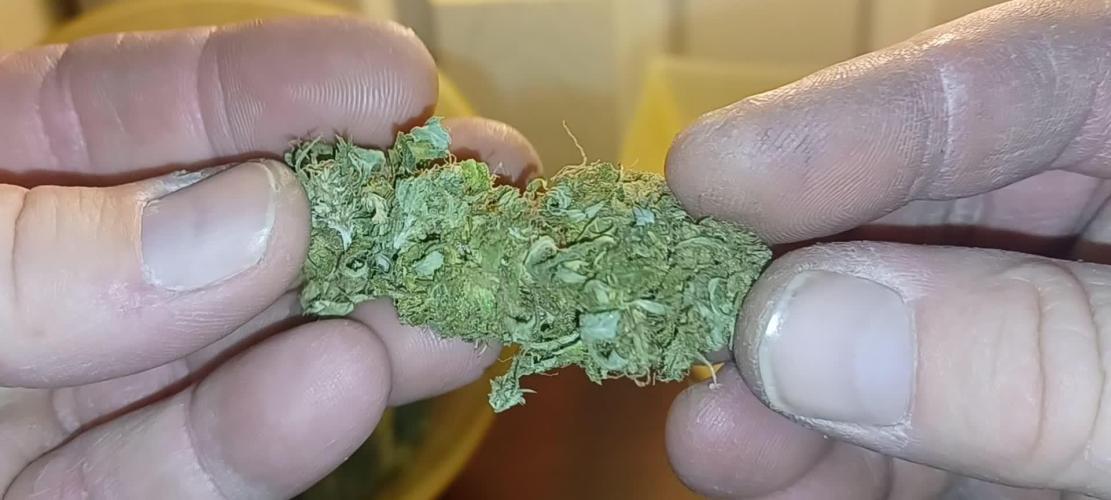
So Melon Gum finished. This was not one of my better grows. I had root rot in flowering. This really messed up what she could of done. It was a 17 week grow I still got a harvest. Thank you Pure Instinto, Athena, and Spider Farmer. 🤜🏻🤛🏻🌱🌱🌱
Thank you grow diaries community for the 👇likes👇, follows, comments, and subscriptions on my YouTube channel👇.
❄️🌱🍻 Happy Growing 🌱🌱🌱
https://youtube.com/channel/UCAhN7yRzWLpcaRHhMIQ7X4g.

Likes
34
Share


@Northern_Ent
Follow
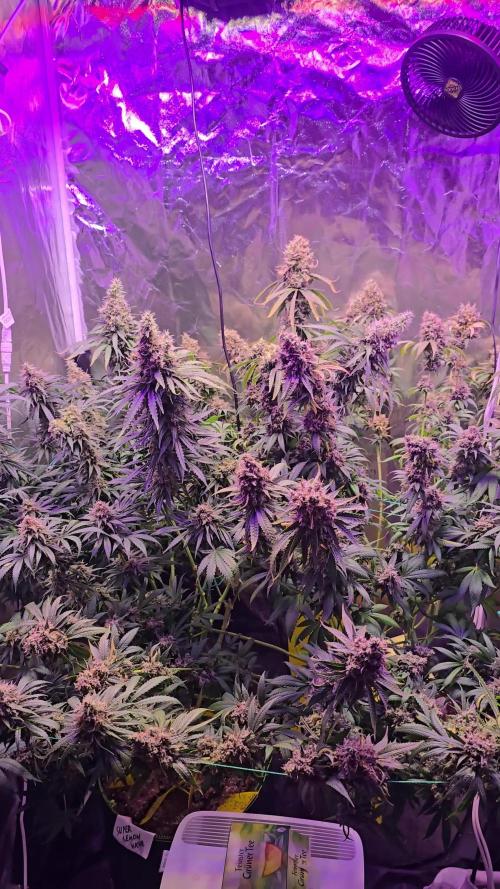
Oct 5: Bruce is doing great. I was getting worried she wouldn’t finish in time but she’s picked up the pace and the weather is still good. Sort of. Hitting zero tonight and high of +3 C tomorrow. After that it’s sunny for two weeks with highs near 20 C.
She’s turned purple the last few days and is putting on weight. 👍👍
She also broke a limb when blown over (again). Removing big fan leaves that are shading bud sites.
Oct 6: she’s beautiful. Removed some large fan leaves that were shading bud. Feels weirdly warm tonight.
Still using the 730 nm far red light for a few seconds at dusk as a bloom booster. Now down to just over 11 h of daylight.
Oct 10: looking good this morning.
Oct 11: been removing fan leaves to get as much light on the buds as possible. Sunlight is weak and low to the horizon but this month continues being unseasonably warm. We’re usually getting quite hard frosts by now but the forecast is warm for another two weeks.
Some nice purple showing from the lowish overnight temps though.
I just checked, and yes, it has been “extremely hot” again for the last 30 days.





Likes
3
Share

@carlitospiratahaze
Follow
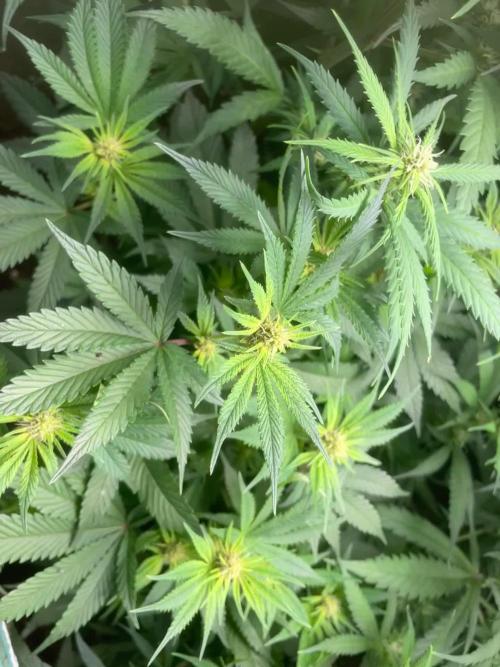
Seguimos otra semana más de seguimiento de nuestra pequeña banana!🍌
Sigue tan espléndida como siempre y parece que toda comida que le de es poco.
No para de comer la glotona.
Supera mis expectativas en cuanto a la alimentación de esta planta,ya sé en el siguiente que haga con esta cepa hasta donde puedo llegar en alimentación.


Likes
17
Share


@RoyColt
Follow
Always R.O Water
Watering the plant 3 times for per week
1st Watering with nutriens. (750 ppm) (06.03.2023) 4 liter
2st Watering with nutriens. (750 ppm) (08.03.2023) 4 liter
3st Watering with only R.O water & CalMag. (300 ppm) (10.03.2023) 4 liter
this time is preflowering.
-Day48 Finally I did some lollipopping and LST. I reduced the ones that can't go up from the below a little bit. And I did empty watering R.O water and CaMg+ Total 300 ppm pH 6.2. Light 700 PPFD.
it will be in full bloom next week💪
Likes
26
Share


@Snacks_for_Argus
Follow
Late to update this week. Was out of town and finally I found some time to update.
I started giving them a healthy dose of KoolBloom to start finish this grow off. Temperature is getting higher and I wish I started these girls 2 weeks earlier, but hindsight is 420.
I think these should be ready by week 9, so i’ll be looking at those trichomes at this stage of the grow. I like mine cloudy. What do you all prefer?


Likes
45
Share


@masterofsmeagol
Follow
8/1 This wad the most fucked up morning ever. Didn't get much time with the girls. I was able to take a few pics when I got back amd a video this morning. Pillars are still around. I killed a couple but I probably should spray BT. I think we got rain last night. Bags are heavy. I defoliated a little bit more on the interior and found some small yellow leaves. Event horizon is still on point to flower first. I NEED to lst and add supports for flower bit I've got a lot of other things going on too. I'm going to TRY to spray BT tonight if weather permits and I should have the supports up this weekend. At least that's what I'm hoping.
8/2 Quickly watered as I had to fix a flat tire to get my wife to the doctor. Gave most a gallon but closer to 3/4 on one event horizon and the sherb pie. Half g for the 10 and I gave the 5 and the 50 a little water. I didn't give the 50 much. That holds water far longer. I'm glad I got it done. It was 90°+ and sunny all day. Earlier everything looked great. I think I'm gonna go check them and maybe add a few pictures.
WENT OVER AND FOUND THE EVENT HORIZON I GAVE A LUTTLE LESS WATER TO, IN THE BACK COMPLETELY DEOOPED OVER AND DRY. I QUICKLY WATERED A GALLON. I CHECKED THE OTHER PLANTS AND SAW A COUPLE THAT "MIGHT'VE STARTED DROOPING BUT WERE LIGHT SO I GAVE ALL THE GMO'S HALF A GALLON. I WATERED THE CONTAINER PLANTS AND THE ONE IN THE 50. BETTER SAFE THAN SORRY. THEY WERE SUPER LIGHT. SOME ARE SHOWING SOME HEAT STRESS BUT I DONT BLAME THEM WHEN ITS PUSHING 100° OUT. I HOPE THIS PLANT WILL PICK UP BUT ILL HAVE TO WAIT UNTIL MORNING TO SEE. I GOTTA GO EAT DINNER AND IT WAS IN ROUGH SHAPE. CANT BELIEVE THIS. ITS THE FURYHEST IN FLOWER TOO. INTERNET TOO SLOW TO UPLOAD
8/3 This morning it was "maineing" out. Basically like raining but more of an alternating mist. The event horizon that looked DEAD is completely recovered! I'm so stoked. I've had a really rough few days but at least I've still got my girls. After this little bit of rain I'll do the supports and a spray of BT for the pillars. I'm noticing more damage and I don't want them arpund when they can burrow into buds.
WENT BACK AT LIKE FIVE. THE 5 GAL WAS DROOPING AND THE 10 WAS DRY AF. OTHERS WERE ALSO LIGHT. I USED 5 GALLONS ON THE GARDEN AS SOME STILL "LOOKED GOOD" BUT WERE DUSTY AND DRY. I ONLY GAVE THE GMO IN THE 30 A HALF GALLON. DIDNT WATER THE ECENT HORIZON IN THE BACK AND THE GMO IN THE FRONT BY THE DOOR ASXTHE LOOKED GOOD AND STILL HAD SOME WEIGHT TO THEM. THIS WAS ANOTHER DAY IN THE 90s THAT WAS SUPPOSED TO HAVE RAINED. LUCKILY IVE GOT THAT INTUITION AND I CAN CHECK. CAMS HELP WITH THAT BUT ITS BEST TO CHECK A FEW TIMES A DAY IN WEATHER LIKE THIS. FAR TO HOT TO SPRAY ANYTHING.
8/4 Chose not to water as we were supposed to get an inch of rain, then a half in and now it says .1in. I'm going to go over and check on the garden and see what they look like. I took pictures but I'll have to wait to upload them.
WENT BACK OVER IN THE AFTERNOON AROUND 2ISH. GMO IN THE FRONT WAS DROOPY. WATERED THAT A GALLON AND IT WAS UP BY THE TIME I LEFT. THE GMO ON THE END (MY CANARY) WAS SUPER LIGHT SO SHE GOT A GALLON. THE EVENT HORIZON I DIDNT WATER YESTERDAY GOT ABOUT 3/4 OF A GALLON AND I WATERED THE ONE IN THE 10 1/2 GALLON. SHOWERS ARE IN THE FORECAST AND EVERYTHING ELSE LOOKED PRETTY GOOD AND WASNT DEAD LIGHT. AS OF 3 EVERYTHING IS GOOD. I IMAGINE ILL PROBABLY NEED TO WATER SOMETHING TOMORROW. IT SUCKS HAVING TO DO THIS SEPERATELY BUT SOMETIMES THATS HOW IT GOES. I DONT EXPECT THESE 90 TEMPS WILL CONTINUE. ALSO NOTICING SOME FADING AS THEY TURN TO FLOWER. DEF NEED NUTES. AND ONCE THE TEMPS GO DOWN I NEED TO SPRAY EITHER BT OR SPINOSID.
8/5 It Rained last night so I didn't need to water. Everything was nice and heavy. Beautiful day today. Hopfully I can do an app of bt tonight. Weather man needs to get things right. It says we got .005in last night but I heard it and it was way more than that. This is a tiny town.
WENT BACK OVER AND FED. EVERYTHING GOT 1.75 PINTS. THE 10 GOT HALF THAT. THE FIVE A LITTLE LESS. I DEFINATELY NEED TO SPRAY FOR PILLARS. I ALSO HAVE A BIT OF DEFOLIATING ON A COUPLE PLANTS THAT I NEED TO DO. USUALLY I'VE LOST TONS OF LEAVES BY NOW. I JUST NEED TO IMPROVE AIRFLOW. THE TRELLIS WILL HELP WITH THAT PLUS SUPPORT. I THINK I MAY BE ABLE TO SPRAY PISSIBLY TONIGHT (DEPENDING ON WEATHER) AND SUPPORTS AND DEFOLIATION THE NEXT FEW DAYS.

Likes
12
Share


@JerMeds
Follow
Going to try video update this week. let me know if you like it.
Day 30, Day 24, Day 17- Good growth this week. Most are budding up. They are still pretty small but happy.
I am feeding them 5-7 gallons distributed between the 10 of them every 2 days or when the coco feels like its starting to drying out.
Outside temps have come down the past week so it has been much cooler lately.

Likes
5
Share


@Kickdrum
Follow
She has left the Sunset Sherberts behind, and deciced to take advantage of the nice and toasty environment. Jedi (her name) has finally broken through. Steady at 21.5-24 C. RH at 65-75% with Spider Farmer Huimidifier and Dehumidifier, shooting for VPD. (day 1)
Let's quickly review the key new components I've planned to integrate or have already:
Circulation Pump - Adding this to the 14L Mars Hydro reservoir will ensure even fresh, circulated-for-a-miniute-every-hour, batch of water (and later nutes) to the auto-drip system, maintaining optimal feeding for my plants when I am away, next week.
Biobizz & BioTabs Supplements - These organic nutrient and microbial products will provide a comprehensive and balanced feeding regimen for my plants.
Auto-Drain Potted Plant Stands - The wheeled, auto-draining stands will simplify watering and prevent any spills or overflows.
Inkbird Humidity Controller - Pairing this with the Spider Farmer humidifier and dehumidifier will allow me to precisely maintain the ideal VPD (Vapor Pressure Deficit) levels.
LST Clips, Trellis Net & Shelves - These will help me maximize my grow space and optimize the plant canopy for optimal light exposure.
Pest Control Strips - An important preventative measure to stay ahead of any potential pest issues.
Smart Soil Sensors - The Zigbee-enabled sensors will provide vital data on soil moisture, temperature, and more, which I can monitor remotely.
Air Purifier/Ion Generator - Ensuring my grow environment has clean, high-quality air circulation.
With all of these elements in place, combined with my existing setup and the automated control via the iGrow app, I'm truly creating a "hands-off" grow operation. (theoretically, with a bro, coming to phiscally check too)....The ability to monitor and adjust key parameters remotely while I'm away in Italy.
Running on Sunrise/set mode(18/6) over the "seedling" scene, in iGrow app, keeping track of DLI and later on, the Adlites will come into play.
Temp at 23.5 and RH is at 60%.
Likes
8
Share


@4F1M6
Follow
Pollination is well underway. The ladies are prego and the seeds are developing very rapidly! A few of the first flowers to get hit have there flower bracts already torn open. Exposing the growing seeds(still very green and immature). They are coating there flowers with protective trichomes like crazy! Sucess.
All three ladies I have in there are heavily seeded! Now I'm watching them work their magic. Producing me some new killer crosses to phenohunt.
The male flowers have been dried and stored. I'm slowly sifting the pollen into a vile. Whenever I get a chance to play with pollen lmfao. I've only made a dent in my freezer bag supply.
Until next update. Happy growing and stay lit fam.


Likes
25
Share


@Densko
Follow
The harvest of the first medusa F1 hybrid at day 93 after germination.
The trichomes were starting to turn amber. I probably could have let her ripen for a bit longer.
I am amazed how fat she has gotten, the weight of the flower is too heavy for the branches. Way to go RQS for breeding such a fast growing autoflower.
She is already in the drying tent for 5 days now at a temperature of 19 °C with a humidity of around 55-60%. I want a nice and slow drying process to preserve the terpenes and cannabinoïds. This will take about 2 weeks in my opinion, when the branches start to give a clean snapping sound when bending.
I will make a harvest blog once the flowers are dried and I have weighed the buds for the yield.
This lady only received some LST and a little defoliation throughout the entire grow. I also dont flush the plant at the end since this myth was debunked by a scientific article. A flush is only needed if you overfed the plant. Dr bruce bugbee also confirmed this.
The dry tent smells of hay/grass, which is logical because the plant still has a lot of chlorophyll inside.
Untill the harvest blog!
Check my other Medusa F1's for the progress of the experiment. I hope to give other people advice in growing these F1 hybrids.
Likes
13
Share


@UnkleSkunk
Follow
We continue ...
start of the week....
The plant continues to grow bigger ...
it has remained low compared to my normal standards, perhaps because I had given it too much water
however many branches full of flowers .....
now we start with the end of fertilization and then start the flush but we evaluate next week
O.T. :someone will ask but MiniMe where is ????? caught !!