


Likes
Comments
Share


@Pokan187
Follow
This week went by well, I will start checking the trichomes on the Runtz at the end of this week. It should be ready for harvest in the next 2 to 3 weeks
The G13 is still smelling like magic, looking majestic.
The GDP buds are starting to put on weight


Likes
1
Share


@420Cannaking
Follow
Germination great success with 100% rate.
Paper towel moistened with bottled water PH6 in combination with heat mat at 33'C.
Produced all very long healthy tap roots Within 24HOURS.
Blackberry Moonrock Auto by Weedseedsexpress.
Proudly supported by Weedseedsexpress.com

Likes
13
Share


@Popothamio
Follow
Esta semana he empezado a regar solo con agua en teoría las plantas son de 55-60 días aproximadamente y el día 19 cumplen 60 días.. aunque los tricomas están 50% blancos y 50%
transparentes espero que maduren un poco más durante esta semana por que ya tienen bastantes signos de carencia en las hojas que les quedan por que se le han caído bastantes también


Likes
8
Share


@oxieg3ngrows
Follow
Day 49 with about 2 weeks left based on her trichomes. She's a little further ahead (maybe a week or 10 days) than the Slurricane and her stank is out of control. It smells like rotten sweet fruit and gas in my entire house from this plant.

Likes
33
Share


@Roberts
Follow
Well the plant died on me during the flush period. So it started drying up. So I am harvesting her. She never was super healthy during the grow. I also had her in a cold room as she grew. So it was far from a perfect environment. Its frosty and looks potent. I will try another Jack Herer at some point. Thank you Spider Farmer, Athena, and ILGM. 🤜🏻🤛🏻💪🏻❄️🌱
Thank you grow diaries community for the 👇likes👇, follows, comments, and subscriptions on my YouTube channel👇. ❄️🌱🍻
Happy Growing 🌱🌱🌱
https://youtube.com/channel/UCAhN7yRzWLpcaRHhMIQ7X4g


Likes
4
Share

@eldruida_lamota
Follow
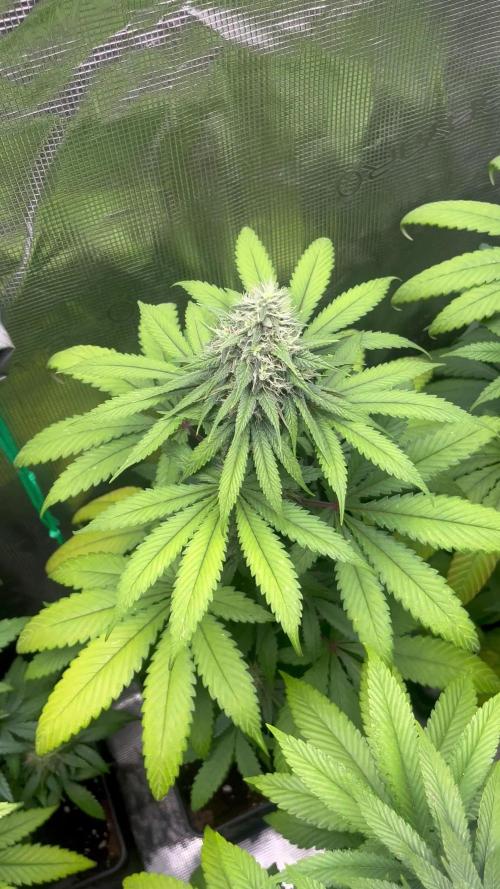
Vamos familia, actualizamos la quinta semana de floración de estas Permanent Maker de Seedstockers.
La temperatura que estuvo entre los 24-26 grados y humedad dentro de los rangos correctos.
En cuanto a las plantas las veo verde sano, estiraron bien y ensancharon bastante también.
Las flores se están llenando de tricomas y van hinchando, por el momento todo correcto, empezamos aportar mega pk y thor de Agrobeta.
Hasta aquí todo lo de esta semana, ya quedan pocas semanas iremos viendo como maduran, buenos humos.
- os dejo por aquí un CÓDIGO: Eldruida
Descuento para la tienda de MARS HYDRO.
https://www.mars-hydro.com
Hasta aquí todo, Buenos humos 💨💨💨


Likes
13
Share

@BalconyBoy
Follow
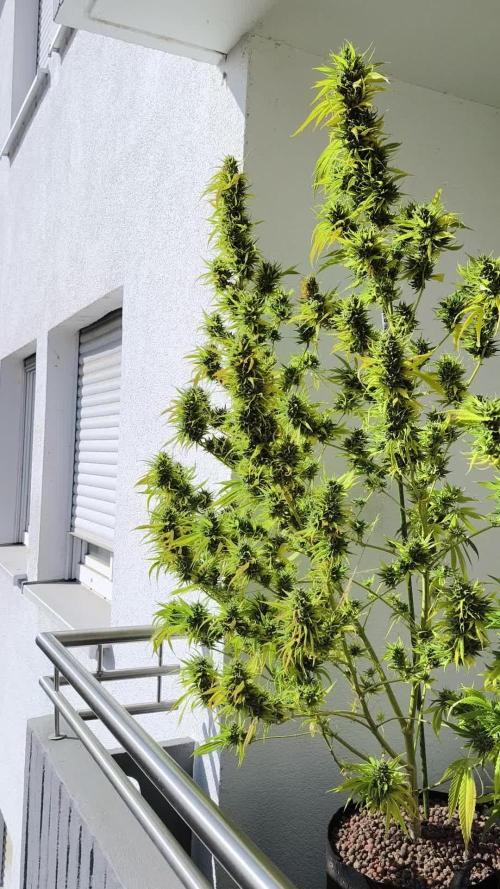
06.10.26 Mit mehr Freizeit hätte ich die Pflanzen wahrscheinlich bereits am 03./04. Oktober geerntet, nun habe ich die letzten Knospen heute Vormittag (06.10.) getrimmt und in den Tiefkühler gepackt. Ein kleiner Teil trocknet nun in einem Umzugskarton um was zum dampfen zu haben bevor im Winter Bubblehasch gewaschen wird. Für den Purpl Pro brauche ich auch ein paar Samples, Ergebnisse gibt es später. Ich war überrascht dass letzten Endes die Jack47 Pflanzen weniger Stretch hatten als die Blueberry Pie Pflanzen die ja mehr Indica Anteile mitbringen. Der Wuchs war relativ kompakt für eine sativa lästige Sorte und auch die Blütenstruktur war nicht so luftig. Beim Ernten war der dominierende Geruch Limonen, ich hoffe immer noch auf Weihrauch Noten im Endprodukt, das könnte ich noch nicht wahrnehmen bisher. Rückblickend hatte ich hier zu Beginn der Blütephase ruhig noch mehr Kleinkram abschneiden sollen. Die Ernte hat deutlich länger gedauert als bei den Blueberry Pies wegen der Mini Buds im unteren Drittel. Mit dem Harzbesatz und dem Ertrag bin ich voll zufrieden, 20% weniger brutto pro Pflanze und nicht ganz so das Trichom Monster wie die Blueberry Pie aber immer noch sehr schön. Es herrscht ja kein Mangel mehr in Bayern und Geschmack und Vielfalt ist mir wichtiger als nur Masse. Ich hoffe es hat euch gefallen mich durch diese überragende Saison auf dem Balkon zu begleiten und künftige Kleinbauern habe Belege für die Tauglichkeit dieser Genetik in Deutschland an der Hand. Ein goldener Herbst wie aus dem Bilderbuch mit kaum Regen hat zu minimalen Botrytis Verlusten von in Summe einer kleinen Hand voll bei beiden Pflanzen geführt. Wobei 70% dieser Verluste von einer einzigen Stelle waren.
Nach dem Waschen werde ich noch Daten zur Ausbeute nachreichen.
Bis zum nächsten Mal!
Processing
Likes
40
Share


@TOTEM
Follow
Overdrive’s kickin in! What a delicious smell! Both the plants are super healthy and look good. Maybe Blue Mystic #1 is some days behind the sister, but not that much. See you next week for (I think) the final nutrients intake before flushing. Yo!


Likes
6
Share


@Growyourown
Follow
Very happy with results from superKs pro nutes techboost foliar spray gonna try nab another sample bottle could very well be adding to or replacing parts of my schedules . Cuttings transferred to 3.5 litre pots rooting nicely growing thick and fast
Likes
6
Share


@masterofsmeagol
Follow
5/11 I DID NOT WATER. A COUPLE LOOKED DRY BUT STILL HAD HEFT AND I COULD FEEL MOUSTURE IN THE SOIL. I should've taken more pictures. I forgot it's a new week. Oh well. I'll be back over and I'm planning to bring the girls outside for the first time if it warms up a little more. It's windy as fuck but I can put them in the garage with the doors open. As long as that's not the direction of the wind. I raised the L.E.D light and lowered the hps. I also TRIED to FIM a 10th planet and an mk ultra. I may have just topped them. We'll see how it turns out before I do anything to the others. Pink kush grows slow and compact. Very similar to my experience with purple punch. I have two plants that have slightly twisted leaves. Nothing else is wrong with anything. Looking at the stippling on the leaf I think it might just be either low humidity or slight wind burn or a combination of the two. Now that I've looked again I think it might just be the first 5 finger leaf on those pink kush that I mat have mistaken. I'll keep an eye out. I feel better having done some research. I'll put some more pictures up and I'll update what it is that I get done.
EDIT: WENT BACK OVER AROUND THREE. EVERUTHING LOOKED GREAT AND THE LEAVES WETE PRAYING ON SOME. I MAY NEED TO WATER SELECT PLANTS TOMORROW. I'LL PLAY IT BY EAR. LOWER THE HPS AND RAISING THE LED WAS A WISE CHOICE I THINK. OH AND THE "TWISTED" LEAF I WAS WORRIED ABOUT IS NOTHING. JUST THE FAN TO CLOSE AND A FOMBINATION OF LOW HUMIDITY AND MINOR HEAT STRESS. ITS BEEN TAKEN CARE OF. I WANTED TO BRING THE GIRLS OUT TODAY. ITS SUNNY AND 60° BUT THE WIND IS WHIPPING! WE'VE GOT GOOD WEATHER COMING UP THOUGH WITH TEMPS IN THE 70'S. I THINK TOMORROW ILL CLEAN/SANITIZE THE CAGE AND WASH/SANITIZE THE GROW BAGS.
5/12 Looking and lifting some of the pots I found some that were pretty much totally dry. I watered the majority of all the plants. If soil was moist I left it alone. If it looked a little dry I gave it a little water. I didn't measure the water but it wasnt even ALL of what I had left from LAST WATERING (which was like a qtr gallon If that). I just don't want to over water. The ones that I went light on last time were the ones that were dry. Plants seem to explode after watering but this wasn't nearly as much. Everything is looking great. It's easy to tell these are all indicas due to the structure and leaf shape. Much different than even the Chem Dog #4 which doesn't LOOK as "indicay" as some of the others. I wanted to bring them outside today but it's only 50 out. I'm not going to make the same mistake as years past and stress the plants. When we get a nice warm day I'll bring them out. Other plants are ready to be topped or fimmed but I haven't done it yet. Also need to clean the cage and wash the bags.
5/13 It's 60° at 9am so I think the girls will be going outside for a little bit. Didn't fully water but I used what was left of the gallon and gave them that. Some are much drier than others. I'll probably give them a full watering tomm. I only gave them a little today because I didn't want them drying out. I FIMMed a Special Kush today. WE'LL see how the hst turns out.
EDIT: WENT AND BROUGHT THE GIRLS OUT FOR FOUR HOURS IN INDIRECT SUNLIGHT. THE TENTH PLANETS WERE THE ONLY ONES THAT LOOKED LIKE THEY HAD AN ISSUE. JUST MINOR HEAT OR LIGHT ISSUES WITH A COUPLE FAN LEAVES. EVERYTHING ELSE SEEMED LIKE THEY SHOT UP IN SIZE. THE LARGER CONTAINERS STILL SEEM KINDA MOIST BUT SOME ARE DRY. I NEED TO GET ON A STABLE WATER SCHEDULE. ITS HARD WITH DUFFERENT PLANTS OF VARYING SIZES. STILL HAVE A LOT OF WORK TO DO.
5/14 One plant was super light today and was a little droopy. I WATERED EVERYTHING TODAY USING APPROX A HALF GALLON. I brought them outside for the second day. I left them out for about 3hrs. It's hot today. I'm still floored that chatgtp gave me exact directions for hardening my plants off at my exact location taking the weather into consideration! That is awesome. They're all doing good. Pink kush is the slow starter this year. Kind of like purple punch was. The only plants that had ANY damage on them was the two 10th planet's and its not really damage. It's just a LITTLE mottling on the leaf and the serrations pointing down. It's weird because this strain did great here last time. The Special Kush #1 and the Pink Kush would probably be fine to leave out soon. Hindu Kush parents make those strains extremely resilient. The one chem dog #4 looks out of place with all tjis big fat indica leaves. I'm hoping the topping and fim-ing will take. It looks like it will.
5/15 Everything is looking great! I have some work to do bit then I'll be over to bring the girls out for a few hours. I'll edit this when I do.
EDIT: BROUGHT THE GIRLS OUT FOR THREE HOURS TODAY. I THOUGHT THE TENP WENT DOWN TO 73 BUT TUAT WAS INDOORS. OH WELL. THEY STILL DID GREAT! THEY WERE ALL LOOKING OUT OF THE LEAN-TO LIKE SUNFLOWERS! THE STRAIGHTEN OUT AFTER BEING UNDER THE GROW LIGHTS. I'M PLANNING TO CONTINUE TO HARDEN THROUGHOUT THE WEEK. STILL NEED TO CLEAN BAGS AND GROW AREA. I HAVE 'A' CAMERA DOWN. TRIED TO FIX IT TODAY BUT I WOULD GET RO THE LAST PART BUT THE CAMERA WOULDNT READ THE QR CODE ON MY PHONE. I EMAILED THE COMPANY BUT IF I DONT HEAR BACK BY TOMORROW AND I CANT FIX IT ILL JUST BUY ANOTHER CAMERA TO ADD TO THE SYSTEM. ITS THE OLDEST CAMERA I HAVE AND ITS DONE ME 5 GOOD YEARS. MAYBE ITS TIME TO RETIRE IT.
5/16 I watered a few of the girls this morning with a small ring around the pot. I brought them outside and am leaving them for 3.5 hours today in the lean-to. They get indirect light without all the wind this way. I'll slowly increase the hours outside until there is enough daylight for them to go outside without revegging. When I put them out I noticed that a few were light and since it was close to 80° I watered most everything. I used under a half gallon. I'll see how they do from here and then move forward. I fixed my down security camera and secured my cage. Now I just need to finish hardening off, clean/sanitize bags/environment and put them in tjeir final homes. I'm not rushing it though. I've learned my lesson with that.
5/17 Plants did great yesterday and were perky and praying this morning. It was HOT yesterday too. Got into the low 80's. It's 57° degrees at 9am and it's overcast and sprinkling. I haven't decided if I'm going to bring the girls out today. It might be a good day to try some direct sunlight. I'll update whatever I decide to do.


Likes
4
Share

@growian420
Follow
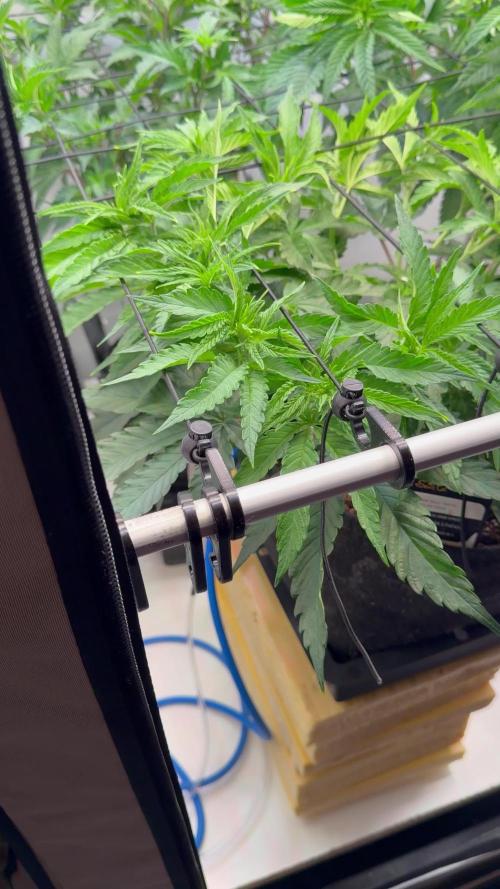
Wir schreiben den 29.9.2026, Tag 1 der Vegi Woche 6.
Am Samstag den 26.9.2026 gab’s wie üblich einen Liter mit FPE, Alfa Boost, Hesi Wurzelkomplex, und etwas SF-Nematoden da die Trauermücken Gang ihr Unwesen Treibt.
Zusätzlich habe ich wieder eine Viertel Tablette BTI im Lauwarmen Wasser gelöst und dem Wassertank beigemischt.
Außerdem hat die Gute noch einen halben Biotab spendiert bekommen.
Heute wurde das DIY SCROG Netz installiert.
Aktuelle Werte im Zelt:
DLI 33
Blatt VPD 1,4
Da ich die nächsten Tage beruflich außer Haus bin darf die Lady jetzt noch bis zum Wochenende ein bisschen Wachsen dann wird die Blüte eingeleitet.
Was soll ich sagen, bisher keine Probleme. Alles läuft wunderbar

Likes
8
Share


@AnnGeneLabs
Follow
Hey Diary! Just wrapped up week 5 of my green project, and we're fully in the blooming stage now! 🌸
Out plant has stretched up beautifully. It seems to be enjoying life just as much as I am.
Here's the weekly rundown:
Automated Watering: This is cool! I've set up an automated watering system that I can control through a Telegram bot. Hello, technology! 🤖💧
Defoliation: Last week, we did some defoliation, trimming off the unnecessary leaves. This helped the plant focus more on flowering. Sometimes less is more, right?
Can't wait to see what the next week brings. Catch you later, GD! 🌿📚
Likes
8
Share


@Canna96
Follow
Hey now, I hope everyone is having a great holiday weekend. This little deformed lady is still going fairly strong, she is not growing quite as fast as the other two autos in the tent, but I think she could still put out some nice flowers. I am still feeding her silica, cal mag, and just veg nutrients. I did top her yesterday on day 34 as she is still not showing many pre flowers, so I just topped her so she doesn't get too tall. I have not done much LST on her yet but I may do some this week.
I did change the Medic grow spectrum to the F1 spectrum this week which is the flower spectrum. I am also running the UV/IR bar for about 75 minutes every day before lights off, and I now have the light cranked up to 100%. I will start to transition to flower nutrients probably next week, depending on how tall she gets and how soon she transitions to flower production.
Not much to do this week except keep the reservoir clean, full, and in the proper PH range. If any colas get crazy higher than the others I will correct, but other than that she can do her thing from here on out.
Thanks for stopping by, Stay Safe and Blaze On!!! 💪
Website: https://medicgrow.com/
https://growdiaries.com/grower/medicgrowled
Likes
10
Share


@TiRobotProds
Follow
Les plantes sont totalement givré,une forte odeur se dégage de la tente je ne serais dire ce que c'est. Une tige c'est brisé sous l'effet de la chaleur par conséquent changement d'ambiance pour ces dames.
- cette semaine j'ai enlevé les petites têtes qui n'allait pas gonflée pour permettre à la plante de rédiger l'énergie vers les colas principaux. Pour finir une des gorilla sherbet a des teintes rougeâtre violet a voir.