


Likes
Comments
Share


@Zeravlab
Follow
Beg of week 1/22/24 - just trying to maintain. Having ph swings. Taking at least 200ml a day sometimes double


Likes
4
Share


@adam_pawloski87
Follow
@twenty20mendocino Ateam R&D Update ~ Let’s Go Day 97 , and day 4 since we did the flip an these girls are looking so amazing! We are shooting pistols an showing signs of female sex! Let’s go Y’all let’s build some big juicy buds!! Hope you all enjoy an have an amazing productive day as well as rest of the week! Peace love positive vibes to y’all Cheers a blaze on 😶🌫️💨💨💨💨 Keep them eyes peeled for next weeks update!!

Likes
29
Share


@Drgreenthumb627
Follow
seems to really want to turn into a bush so i’m just going to let it do its thing!

Likes
12
Share


@2Stones1Bird
Follow
Checkout my Instagram @smallbudz to see the Small budget grow setup for indoor use, low watt, low heat, low noise, step by step.
12/01/2020 - Fed her 1.5l of 6.6PH water with 0,2ml of each: Cal Mag (Atami), Grow, Bloom and Max, and 0,5ml of each: Heaven, Alga-mic and Vera, noticed some run off, I use about 1/4 of the nutrient dosage on the chart, to achieve about 100/150PPM (500 scale).
Now using the perfect PPM worsheet made by Grow Boss.

Likes
11
Share


@Chuckwaggon420
Follow
This week has been time to put on weight!! They are getting so heavy glad put in secondary scrog net.
Have only been doing water so plants can just pull what they want our the soil they are starting to fade on their own. They have some amazing kinda blue tent to the buds. They have a gassy sweet smell to them!
This will be the last week I feel but still see some clear heads and no amber so shall see over next week!!

Likes
4
Share


Likes
52
Share


@Mr_Motalovah
Follow
Still on the hunt for those cosmic snacks, it'll be awhile until I see some fruits but here we are end of week 1..
There's only one but she's popping!
Took a bit longer than the other strains to sprout from soil but as soon as she did you could see some nice strong dark green leaves.
I placed the seeds in 500ml cups with BioBizz Light Mix soil, beforehand I mixed 1 gram of Synergy per 4 liters of soil.
These are live microbes called Mycorrhiza which live in symbiotic association with the roots.
My idea is to leave them in this container for about 14-21 days until the roots develop correctly then transplant them to their final pot which will be an 11L fabric pot.
As the light mix soil comes blended for at least two week of life, no nutrients will be added until after the transplant.
Happy Growing!😃 🌱 🌿 🌲

Likes
8
Share


@STAYINGONMYMAINCBATORUNTWO
Follow
Was a bit worried in the first weeks of flower as the buds formed early but... i was left with the most densest of buds literally hard like arnie in his terminator days lol! I didn’t quite get the amount I expected but defiantly enough! Will defo grow again!
After time went on she developed so much frost literally like diamonds 💎
Resistance was very strong on this one too and drank so much more than the rest had to be smart with watering! I’m the end the result was as intended can’t wait for the next couple of weeks for the flavour to really come out but as of now really reminds me of skittles as you can taste the sweetness but also that cake 🍰 comes right through too and this is before a full cure. Happy growing buddies I say this one is a top one to grow!
Added a few photos since cure! These buds are dense and colorful and fruity! Tastes like it smells until you get a lovely bit of cake come through! Heaven!
High is full body literally one point I felt it in my feet rose to my chest!


Likes
2
Share


@dauntless
Follow
Week 9 started on May 29, 2022
This week is gonna be the last full veg week. I added the flowering HPS light to the side where the cola was injured, plants love the HPS so I figured why not, I'll ned it during flower.
Of course that raised tent temps a full 3-5 degrees, had to change some ventilation parameters, fan speed went up on both in tent, and on the a/c infinity. I also cleaned the screens, and opened another vent at the base. Fans are on.
The plant has done very well. Added Foop spray into the mix and so far so good, I see that it has slightly improved the plant in a short period, and it smells pretty good, took it to the garden for more trials.
Dudes at AutoPot USA fixed my stuff!! Thanks guys. The fix they troubleshooted worked. My res is below 300 ppm and at 69 degrees F
I have Fox Farms Bloom diluted and Bio War Flower crushing the biologicals - after I fixed the leak issue, I figured why not feed her while she gets her finals sea legs for the flower trip ahead.
Nothing crazy, I run stuff diluted, especially when I am dialing my light pre flower, I can't risk burning them with heat or nutes.
I am a tucking fool, a bending fool, and a foop spraying fool this week, you guys are not gonna believe how many fan leaves this thing put out in seven days, and I took off a significant amount mid week 8, I was a bit worried, oh well, never-mind this is White Widow, she doesn't care, all she wants to do is bust outside in jungle in South America

Likes
Comments
Share


Likes
11
Share

@Disten
Follow
23.2
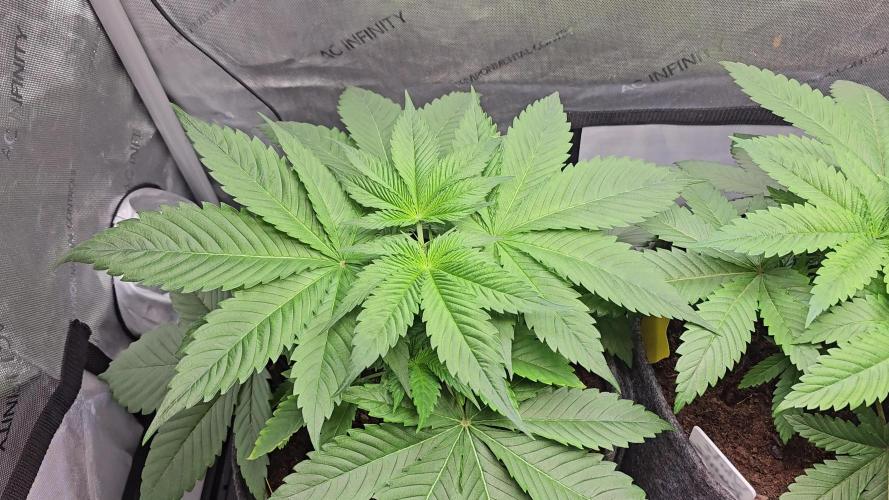
Köpfe sind ab, jetzt wird gewartet wie sie sich machen.
24.2
Keine Panik ich habe absolut gar keine Ahnung was ich hier mache.... also alles wird gut. Irgendwann muss ich es mich ja trauen.😂
26.2
Das toppen vor 3 tagen hat die 3 gar nicht gejuckt sie sind weiter am explodieren, heute wieder paar budclips verteilt ich denke das wars erstmal. Jetzt schaue ich mir an wie sie sich weiter so machen und dann wird nächste Woche auf 12/12 umgestellt.
1.3
Bis jetzt ist noch alles gut. Heute gab es wieder Wasser und diesmal mit Nährstoffen, ich konnte die Pflanzen jetzt locker 4.5 Wochen ohne Dünger in der Canna Terra Professional Plus Erde lassen also locker eine Vegi Phase (15 Liter Topf).
Heute aber wie gesagt mit Nährstoffen und zwar fangen wir ganz ganz klein an bei nur 1/4 der empfohlenen Dosis, gegossen wird pro Topf 4 Liter ich hoffe das damit genug Drain ensteht wenn nicht wird nächstes mal auf 5 Liter erhöht aber mehr nicht. Der EC Wert lag bei EC 0.8 wobei mein Leitungswasser schon EC 0.4 hat ich taste mich da langsam ran. Das ist mein erstes Mal Mineralischer Dünger und mein Herbst Grow mit 3 Autos ging komplett in die Hose konnte nur 2 ernten und die waren naja... hatte mit 3 Lockouts zu kämpfen obwohl ich nie mehr als 1/4 der Stärke verwendet habe. Also wer erzählt Autos wären easy für den Anfang... liebe Breeder das ist BS zumindest mit Mineralischem Dünger, auf Bio/Organisch ok mag das noch gehen das lief meist alles gut bei Autos.

Likes
226
Share


@Kitties_and_Colas
Follow
~_~_~_~_~_~_~_~_~_~_~_~_~_~_~_~_~_~_~_~_~_~_~_~_~_~_~_~_~_~_~_~_~_~_~_~_~_~_~_~_~_~_~_~_~_~_~_~_~_~_~_~_~_~_~_~_~_~_~_~_~_~_~_~_~_~_~_~_~_~_~_~_~_~_~_~_~_~_~_~_~_~_~
9/10/21
😺 It's official, I need a better camera lol but that aside the plants are looking great (maybe a little hungry)..we've started giving just the Big Bud a dash of nitrogen solution of.. this strain eats a lot, our Kush could never handle this type of feeding ...and thank god the stretch is over lol, the mainline in the 6.5gal is almost to my shoulders in height.. I'm still not a huge fan of the node spacing, it's much wider than we like, especially near the base, i'm not sure if full intact colas are in our future but these may surprise us.. the main stalks have really toughened up and should be able to handle any weight they put on in the coming weeks..thanks for reading if you made it this far and happy harvests friends! 💡🌱❤️😽💨
~_~_~_~_~_~_~_~_~_~_~_~_~_~_~_~_~_~_~_~_~_~_~_~_~_~_~_~_~_~_~_~_~_~_~_~_~_~_~_~_~_~_~_~_~_~_~_~_~_~_~_~_~_~_~_~_~_~_~_~_~_~_~_~_~_~_~_~_~_~_~_~_~_~_~_~_~_~_~_~_~_~_~
9/13/21:
😺the plants are looking especially healthy atm, we started adding a little bit of grow solution with bloom about a week ago when their color started to fade, they're now the most perfect shade of green, however we noticed a little clawing on the smallest of the 3 Big Bud..we plan to go back to our regular feeding schedule for flower now that everyone looks good.. there's actually a good amount of nitrogen in our bloom supplement but I guess these are just really hungry plants.. I included a gallon container in one of the pics to provide scale❤️..thanks for reading friends!!
~_~_~_~_~_~_~_~_~_~_~_~_~_~_~_~_~_~_~_~_~_~_~_~_~_~_~_~_~_~_~_~_~_~_~_~_~_~_~_~_~_~_~_~_~_~_~_~_~_~_~_~_~_~_~_~_~_~_~_~_~_~_~_~_~_~_~_~_~_~_~_~_~_~_~_~_~_~_~_~_~_~_~
Likes
5
Share


@Rizza78
Follow
2 weeks to flower in main tent. Red Hot May have had a little nute burn. Lighting is at 628 on Par meter. 78deg avg. Malt was accidentally super cropped. Healing from splitting her branch. Oozecake aka Judy is my prize now. She fought through some mold 1st week. Transplanted her with only 1 node. Then her 2nd transplant to 1 gallon she was stunted for a week.


Likes
2
Share


@KannaGrowing
Follow
Estamos en la tercera semana de crecimiento vegetativo.
Nuestras plantas ya tienen unos 15 centímetros aproximadamente, y han superado la fase crítica.
Recordamos que hasta ahora solo estamos regando con agua, aún no hemos incorporado los fertilizantes.
Seguimos manteniendo la humedad relativa bastante alta, y la temperatura entre 22 y 24ºC.
Pero aumentamos la potencia al 50% de ambas luminarias.
Likes
8
Share

@Merulix
Follow
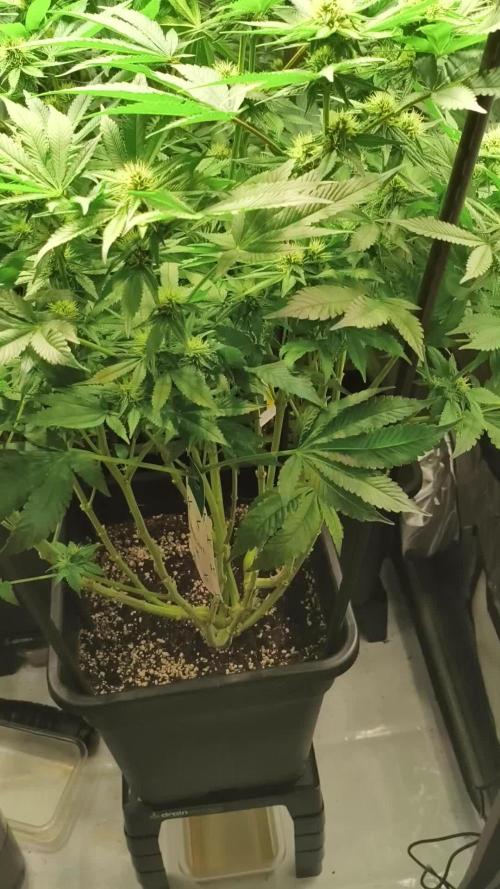
The drain-EC was too high / EC 3.2, Lower leaves started curling and dropping. i had to flush a bit.

Likes
3
Share


@PhantomzWrath
Follow
Think I fed too much water but not sure, it’s been a couple days and medium still feels wet. One of the gorilla cookies is looking terrible and the other looks like it’s kinda starting to show some deficiency that I think might be magnesium deficiency but not sure. Anyone got any suggestions to help?

Likes
5
Share


@Mr_nugs_lover_David
Follow
She's looking very nice on this week, developing a lot of new bud sides so let's see if I can achieve an ideal shape before I flip them into flowering stage. Remember to do that you need to give the plants 12hs or less of light.
She's 100% organic grown with Florians living organics.

Likes
4
Share

@GERGrowDesigns
Follow
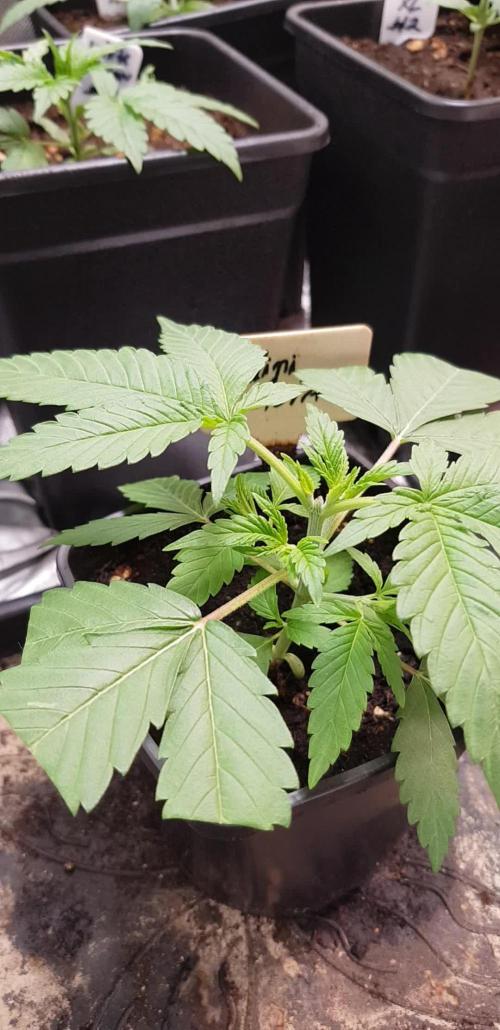
Welcome to Veg Week 3 of Zamnesia Kalini Asia
I'm excited to share my grow journey with you from my
Zamnesia Project . It's going to be an incredible ride, full of learning, growing, and connecting with fellow growers from all around the world!
For this Project , I’ve chosen the Feminized Photo Strain Kalini Asia :
Here’s what I’m working with:
• 🌱 Tent: 120x60x80
• 🧑🌾 Breeder Company: Zamnesia
• 💧 Humidity Range: 60
• ⏳ Flowering Time: 7-8weeks
• Strain Info: 22%THC
• 🌡️ Temperature: 26
• 🍵 Pot Size: 0.5l
• Nutrient Brand: Narcos
• ⚡ Lights : 600W x 2
I would truly appreciate every bit of feedback, help, questions, or discussions – and of course, your likes and interactions mean the world to me as I try to stand out in this exciting competition!
Let’s grow together – and don’t forget to stop by again to see the latest updates!
Happy growing!
Stay lifted and stay curious!
Peace & Buds!

Likes
59
Share


@JeyGanesha
Follow
Un altra settimana è passata e tutto procede bene.per fortuna non ho più trovato nessun nanners 🙏✌️💪..belle piantine mie, continuate così che farete delle belle pannocchie....
30/8/24 gente ho combinato una bella cazzata.pur avendo esperienza, mannaggia a me,mi sono portato a casa dentro il box, il cazzo di ragnetto rosso... fanculo...
Ho già iniziato a ripulire tutto, box e piante con Neem...li sterminerò tutti 😂..
