


Likes
Comments
Share


@eldruida_lamota
Follow
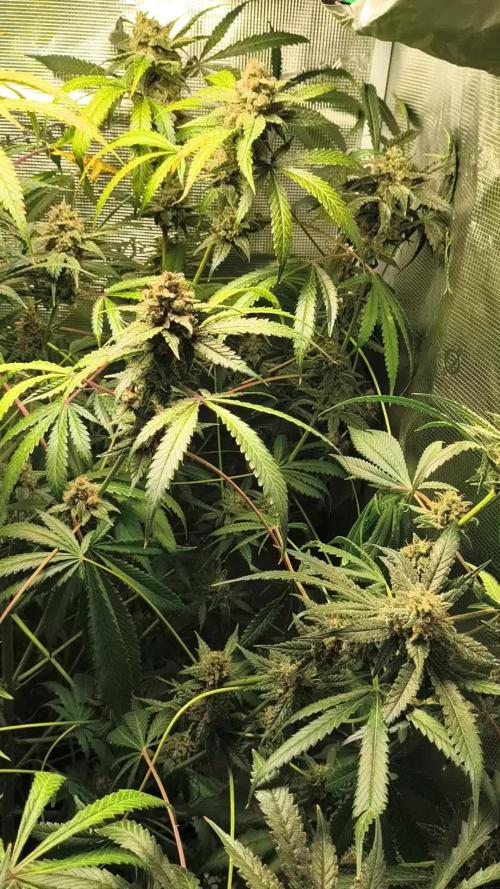
Que pasa familia, vamos con la octava semana de floración de estas Zkittelz de Seeds Mafia.
La humedad está entorno al 50%, y la temperatura la tengo entre los 22/24 grados.
Controlamos en ph en cada riego a 6.2.
Y el agua que utilizo de riego suele estar estancada entre 24 / 36 horas, hasta aquí todo bien, tienen un buen color, ya van progresando y floreciendo a buen ritmo, las flores se están poniendo repletas de tricomas, vemos cómo acaban estas próximas semanas.
Mars hydro:
Code discount: EL420
https://www.mars-hydro.com/
Agrobeta:
https://www.agrobeta.com/agrobetatiendaonline/36-abonos-canamo
Hasta aquí todo, Buenos humos 💨💨💨

Likes
88
Share


@ILoVeThiSpLaNt
Follow
Avevo staccato due cime per pianta delle kmintz. Mantengono quello che sentivo mentre le toccavo. La prima pianta sa di caramelle zkittlez con un fumo che nell aria non è il classico odore di erba ma qualcosa di incensato e mi fa impazzire.La seconda è decisamente più complessa. Zkittlez/frutti di bosco/nocciola/gas. Ho scritto oggi a Ripper Seeds facendo vedere un po di foto e mi hanno detto di tagliarle pure anche se manca qualche giorno rispetto ai 63 dichiarati dalla casa.Ho già ricomprato 5 semi perché le rifarò sicuramente se non il prossimo ciclo quello dopo. Le due Watermelon Zkittlez proseguono la fioritura. A settimana prossima coltivatori 💪🤞

Likes
4
Share

@Eddy568545
Follow
So sorry I wasn't able to keep up with diary been very busy with work and taking care of the kids and of course my lil babies lol had to turn the gorilla cookie to a somewhat outdoor plant but still fed daily with coco nutes and that boy is a beast prob like 3 weeks behind if that outdoors gonna decrease nutes on my indoor cuz she seems about ready can't wait super super sticky

Likes
17
Share


@Starblazer
Follow
Began week 4 yesterday and gave her a defol, she loved it! Her flowers are starting to look really pretty too! Honestly can't wait to harvest this lady.
Likes
12
Share


@ChitownCannaChica
Follow
So this was an outdoor auto that had to endure the craziest temps! From 48 degrees to 95 degrees through its life! Squirrels kept trying to dig up the dirt around it, major humidity swings, rain, hot sun, etx—- so I am very pleased with the results after all that Mother Nature threw at her! Smell is amazing, like bubble gum! And that’s rare that the flavor actually matches the name in cannabis! Not the biggest yield, but not the greatest environment and a small pot! ✌️💚🌿💨
Likes
8
Share


@NorthernGrowsUK
Follow
Fantastic swell this week with signs of second burst of pistols. We have started pk13/14 as we are on the start of week 5 flower. So far this week as shown the most significant and biggest growth with all strains seeming to dense up a lot.

Likes
8
Share


@Satoshiva_Nakamota
Follow
Discovered spider mites on a lower leaf (as you can see on last photo) I carefully removed and burned this leave and after a long, thorough search I did not discover 1 other affected leaf.
Better safe than sorry so I again ordered some bugs to eat the spider mites!

Likes
107
Share


@DogDoctorOfficial
Follow
Greetings, dear plant companions! Can you believe it? Week 17 has unfolded, and our journey with Purple Lemonade Fast Flower reaches its climax—a splendid harvest at day 69. As I stand here, reflecting on the wait and the wonder, let's delve into this momentous update.
The Ultimate Waiting Game <3
Oh, the extra waiting time felt like a lifetime, didn't it? But you know what they say—the best things in life are worth waiting for. And let me tell you, this journey has been an ode to patience and a symphony of anticipation.
A Marvel to Behold <3
Behold our Purple Lemonade in all her glory! If beauty could be bottled, she'd fill an entire garden. Her buds are a testament to love, care, and the dedication poured into this journey. It's like witnessing a masterpiece in horticultural art.
The Trichome Revelation <3
As the days stretched, the trichomes prepared for their moment of glory. And what a sight it was! I took a sneak peek under the microscope, and oh my, the colors and trichome numbers are beyond imagination. It's like peeking into a secret universe of brilliance.
A Full Cycle: The Journey Revisited <3
From seed to this awe-inspiring harvest, our journey has been a symphony of growth, learning, and beauty. Every week, we embraced new lessons, nurtured each phase, and reveled in the miracles of cultivation. The cycle is a testament to our connection with the plant world and the wonders it bestows.
Time to Rest and Reflect <3
Now, our Purple Lemonade enters a period of rest on the drying rack. For about two weeks, she'll transform further, preparing for her final debut. It's a time of patience once again, as flavors deepen, aromas evolve, and magic intensifies.
The Upcoming Full Report <3
In the near future, get ready for a comprehensive report on the fruits of this labor. We'll explore the buds, savor the tastes, bask in the effects, and celebrate the cycle as a whole. It's a chapter that encapsulates the essence of this cultivation journey.
A Thank You to the Community <3
A heartfelt thank you to the @Fast_Buds team for crafting this botanical marvel. @aptus_holland, your support has been integral. And to @grow.diaries and the entire community, your camaraderie has fueled this journey.
Cultivation, Celebration, Connection 💚🌿
As this chapter concludes, let's celebrate the culmination of growth, the dance of patience, and the connection we share with the natural world. From seed to harvest, we've written a story of love and green magic.
Thank you for being part of this journey. Until we reconvene for the final chapter, let's continue to nurture, learn, and celebrate the beauty of plants.
Genetics - Fast Buds Purple Lemonade FF
Ligth - Lumatek ZEUS 465 COMPACT PRO
Food - Aptus Holland
#aptus #aptusplanttech #aptusgang #aptusfamily #aptustrueplantscience #inbalancewithnature #trueplantscience #fastbuds #dogdoctorofficial #growerslove
With true love comes happiness <3 <3 <3 Always believe in your self and always do things expecting nothing and with an open heart , be a giver and the universe will give back to you in ways you could not even imagine so <3 <3 <3
All info and full product details can be find in can find @
https://2fast4buds.com/
https://aptus-holland.com/
https://autopot.co.uk/
https://lumatek-lighting.com/
<3 <3 <3 Growers love to you all <3 <3 <3
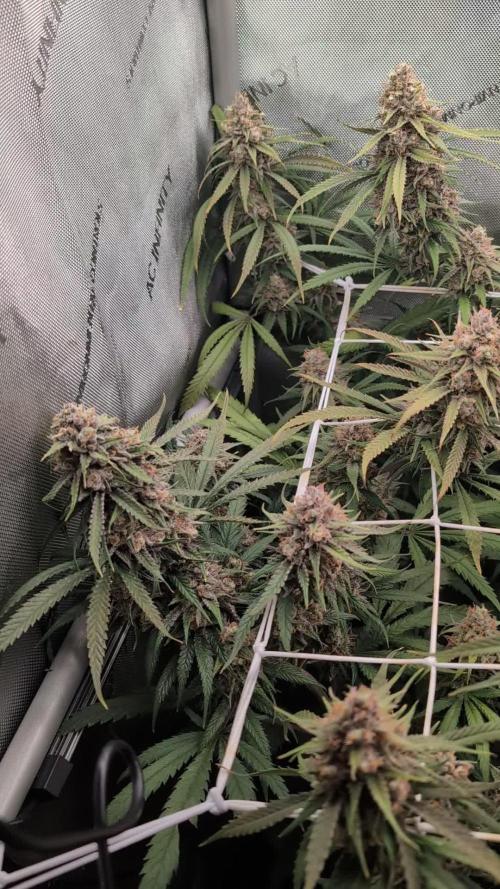
" Arising from a cross between purple and citrus Cali genetics, Purple Lemonade FF (Fastflowering) offers a complex high made up of perfectly balanced cerebral and body effects that are ideal for daytime use. Expect an extremely enjoyable high that boosts your mood while deeply relaxing your whole body and getting rid of muscle pain. This meticulous cross produces up to 550 g/m2 of some of the most beautiful purple buds, with pinkish and reddish hues that will catch everyone’s attention. The beautiful purple buds are ready for harvest in 7-8 weeks and come hand-in-hand with unbelievably sugary citrus terps that are just as refreshing as a cold lemonade on a hot Summer day. It’s the ideal variety for the sweet-tooth stoner seeking strains that deliver both in quality and quantity of resin.
Bud Description
Purple Lemonade FF grows chunky, spade-shaped buds that boast a whole range of pinkish-purple hues with rich, dark orange pistils shooting out of every direction. This variety stands out for the, oftentimes, lilac trichomes that give them a gorgeous pink tint and make for outstanding purple concentrates. The buds give off a delicious tart lemon aroma that reveals a sweeter, more fruity scent as you break the buds open. Definitely a must for flavor chasers and those looking for pungent terpene profiles. Smoke Reports
Purple Lemonade FF offers an effect that’s just as unique as the flavor. Expect a potent uplifting high that gives you that energy boost you need to get things done while 100% happy and stress-free. The effect gradually transforms into a wave that works its way along the limbs and through the muscles, deeply relaxing your body and putting you in the right mindset to go through a busy day with a huge smile on your face. This is an excellent all-day smoke as it not only increases energy but can also help combat chronic pain, migraine and stress. Plant Appearance
This feminized photoperiod variety develops a thick and strong structure, growing a medium-sized main cola with multiple shorter side branches, typical of hybrid strains. Purple Lemonade FF develops fairly short internodal spacing with gorgeous purple buds growing stacked on top of each other, making it the perfect choice for growers of all levels looking to get lots and lots of top-shelf purple weed, as this variety can produce up to 550 g/m2 in a 7-8 week flower cycle.
Grow Tips
This is a super fast feminized photoperiod version that takes approximately 7-8 weeks to flower with a 5-week vegetation cycle,, this means you can have faster harvests by shortening the veg cycle or have a longer veg cycle for bigger yields. Purple Lemonade FF (Fastflowering) makes for a great candidate for growers of all levels as it’s a vigorous strain that will thrive with basic maintenance both indoors and outdoors. This is a resin powerhouse so make sure to have your trim bin close by as all the resinous sugar leaves will make for the most mouth-watering hash and extracts. Flavor
Expect a long-lasting citrus zest that taste just like it smells. Purple Lemonade FF reeks of a delicious blend of sweet fruits and tart citrus that’ll make your mouth water. On the inhale, expect sour flavors that taste just like lemon candy with hints of orange and a really subtle earthy background. And on the exhale, the citrus flavors open up, giving place to a more sugary berry fruitiness that leaves your whole mouth tasting like an extremely sweet weed-infused lemonade.


Processing
Likes
3
Share


@Bankir
Follow
Начинает обрастать трихомами. Понмногу начинаю добавлять рипен. Запах усиливается. Немного проредил листву.


Likes
14
Share


@Mr_BFL
Follow
Salute comrade !
According to the passport, it would be time to harvest, and they look very appetizing.
Not all trichomes are still amber, it will stand for 1 week in a solution with honey and molasses.
5 days of flush, 2 days of the night👌
Likes
Comments
Share

@GERGrowDesigns
Follow
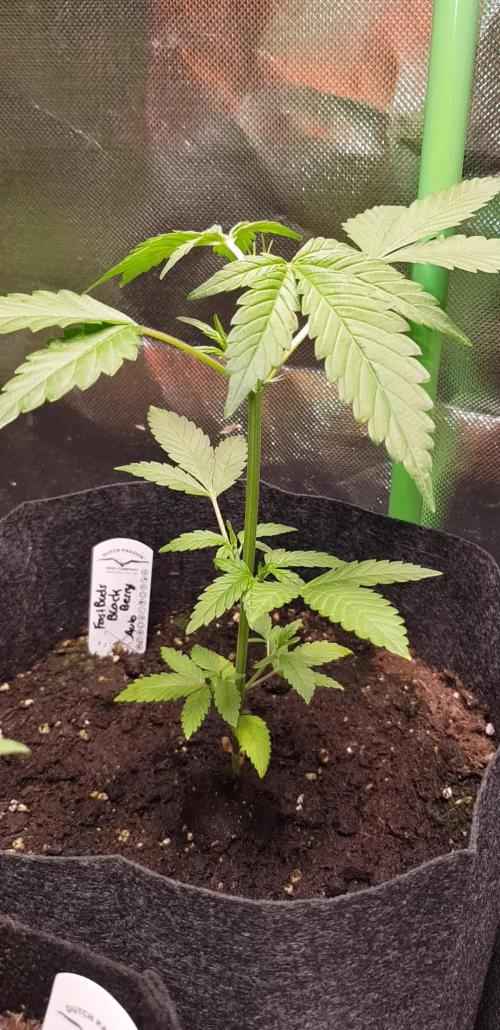
Welcome to Veg Week 3 of Fast Buds Blackberry Auto
I'm excited to share my grow journey with you from my
FastBuds Project . It's going to be an incredible ride, full of learning, growing, and connecting with fellow growers from all around the world!
For this Project , I’ve chosen the Feminized Auto strain Blackberry :
Here’s what I’m working with:
• 🌱 Tent: 120x60x80
• 🧑🌾 Breeder Company: Fast buds
• 💧 Humidity Range: 60
• ⏳ Flowering Time: 9-10 Weeks
• Strain Info: 23%THC
• 🌡️ Temperature: 26
• 🍵 Pot Size: 0.1
• Nutrient Brand: Hy-Pro
• ⚡ Lights : 600W x 2
A huge thank you to Fast Buds for allowing me to try my Best with this amazing collection from Automatic and Photo Strains they managed to Sponsore . Big thanks for supporting the grower community worldwide! Your genetics and passion speak for themselves!
I would truly appreciate every bit of feedback, help, questions, or discussions – and of course, your likes and interactions mean the world to me as I try to stand out in this exciting competition!
Let’s grow together – and don’t forget to stop by again to see the latest updates!
Happy growing!
Stay lifted and stay curious!
Peace & Buds!
Likes
8
Share


@emeraldlabs
Follow
Moving along. Mostly leaving this girl be, haven’t defoliated and trained for a bit now. Still showing some signs of deficiencies, so will once again step up feeding this week.
Video/photos taken 56 days after breaking soil.

Likes
17
Share


@Kirsten
Follow
9.2.25:
The plants had a good watering, they're all still drinking a lot. Which is great, as that means growth, which, at this stage, we desperately need!
I went ahead and gave all the plants a thorough watering each with:
2ltrs of dechlorinated water, PH'd to 6.5 with:-
♡ 4ml of Xpert Nutrients Bloom Booster
♡ 4ml of Xpert Nutrients Cal-Mag amino acids
♡ 4ml Seaweed extract liquid
I don't know how this scrog net is going to work out.
I think the squares are too big. It's elasticated, which I like. However, I'm extremely cautious with watering and moving the net. It's only a matter of time before I break more branches. It's such a hassle with it in there, honestly. I can't get in the tent properly to even check the weight of pots, as it's all weaved through, and again, I will snap branches.
I did have a free net with the tent, which I think was smaller squares. I think I will use some other training next run.
It's really not my kind of setup. I'm too interested in moving things and inspecting the plants constantly.
The net is driving me up the wall. 😣 I'm considering removing it and trying something else, but it's also a bit too late for oldest plants.9.2.25:
Gave the plants another good soak.
I used 2ltrs of dechlorinated water PH'd to 6.4. It contained the following nutrients;
♡ 4ml of Xpert Nutrients Bloom Booster
♡ 4ml of Xpert Nutrients Cal-Mag amino acids
♡ 4ml Seaweed extract liquid
♡ 0.5g of Ecothrive Biosys.
The plants are undergoing explosive growth at this stage, which I'm thrilled by!
Purple Lemonade is turning purplish hues.
Pink Mist has so many bud sites and is looking very healthy.
Do-sì-dos is growing vigorously and looking promising, especially considering all my unfortunate mishaps! 😅
Watermelon also has considerable growth. However, my training has made a mess out of the structure. Which I consider another valuable take away.
Bubble


Likes
4
Share


@Wescoas
Follow
Quick germination. Put seeds into a cup of purified water, let soak for about 12 hours (until they sank) before placing directly into medium. Used smaller containers in the beginning, with zero amendments added to the mixture. Transplanted into permanent home before roots reached the edge, so there was no delay/shock involved.

Likes
14
Share


@BushDoctor740
Follow
Seeds germinated in room temperature water for 36 hours in the dark.Planted today in 3 gal pots with a mix of happy frog and ocean forest soil.Used recharge in the first watering and now I wait for these 9 girls to be born .)
Likes
18
Share


@JeyGanesha
Follow
Prima settimana di fioritura . tutto ok .ma con qualche altra iniziano a spuntare sorprese inaspettate....beh questa è la natura 🤷😂💪👍🙏
Likes
12
Share


@PedroAndHisPlants
Follow
Day 22:
Hey everyone!
Update on the second grow: the plants are looking very healthy and seem to be growing much faster than the first batch. 🌿 I feel like we've already done a lot better with these plants compared to the first grow.
What do you all think? Any thoughts or suggestions?
Day 26 (Second Grow):
Hey everyone!
Exciting news: the plants in our second grow have names now too! 🌿 This will make it easier to identify and keep track of each one, especially if they get moved around. It should also help you all follow along more easily with the pictures we post.
We've built a SCROG (Screen of Green) net for the plants in both grows. For those who don’t know, a SCROG net helps to train the plants to grow horizontally, which maximizes light exposure to all parts of the plant and promotes more even growth. We're using it to ensure all plants get plenty of light and develop a uniform canopy.
Additionally, we've placed a hygrometer among the plants to measure the humidity between the leaves. We've noticed that the humidity sometimes exceeds 70% in those areas.
We're considering whether we need more fans, an intake ventilation system, or if a dehumidifier would be a better option. We're leaning towards adding more fans to improve air circulation, but we'd love to hear your thoughts and suggestions!
Stay tuned for more updates as we continue to watch both grows progress!
Likes
32
Share


@Juschiln420
Follow
Well unfortunately mistakes were made. I didn't release the lst tie downs over time as she grew. So I end up finding the stress spilt the main stem in half right down middle so I used the ties down ties and tied it together and undid all lst tie downs.
When I resumed lst training I used lst clips and don't use tie downs anymore.
6/25
Raised light from 18 to 20
Added water, Ph
Found main stalk was splitting so undid all lst tie downs and taped together
6/26 Added water, ph
6/27
Lst with lst clips instead
Raised light to 24"
Turned light intensity to 100%
Added 5ml cal mag
6/28
6/29
Added 1.6L, 3ml cal mag, 8ml hydroguard
6/30
7/1 nutrients
3/4 Bloom 3gal = 11.3L
Micro 0.75/L=6.4ml
Gro 0.75/L=6.4ml
Bloom 1/L=8.5ml
Cal mag 1.5/L=17ml
Bud candy 1.5L=17ml
Big bud 1.5/L=17ml
Hydroguard 2/gal =6ml
Raised light
7/2 lst, added water