


Processing
Likes
Comments
Share


@GrimbolTheDruid
Follow
*If anyone read through my GDP diary, this is going to be mostly the same stuff.
So, sad day friends. I got spider mites and had to throw all my plants out. This is what I think happened:
About 2-3 weeks ago I noticed some freckling on the lower leaves. I looked at it and thought it might be a cal/mag issue so I added cal/mag that week and went about my business. I saw it about a week later and it wasn't getting any better so I added more cal/mag. This continued for about 2-3 weeks until I finally took off a leaf and examined it under my microscope. I saw little bugs crawling everywhere and my stomach just dropped. My fiance did some quick research while I was panic ripping leaves off (see pictures) and she correctly diagnosed it as spider mites.
I debated with myself and my close friend and ultimately I decided to throw all the plants in my tent away. I know that there are a lot of people who will say that there are things I could have done to make it to harvest but what it came down to is the people I take care of and personal pride. I consider myself a caregiver and I give away product for free that I am not going to use to my family and close friends. I thought to myself "Would you smoke this?" and when my answer was "ehhh, I don't know", I thought about how it would feel giving it away and immediately made the decision to destroy them. I take an immense amount of pride in my product and this hobby and if I am not going to stand behind it I would rather just start over. I grow from my heart (shout out to the Grow From Your Heart Podcast!) to help people and make sure my family is not getting unsafe product from sketchy people. To spray pesticides in flower that may hurt people and have little bug carcasses in there just goes against that in every way and is just wrong in my opinion if you are giving it away to others. If you are the only one smoking it then it is one thing to take that risk but not with your patients. I want my medicine to help people, not create or exacerbate health issues.
It is also important to note that the mites had moved from my flower tent into my veg space and took over my auto berry as well. Damn things are crafty and fast.
So that is why I made the decision to destroy them all after 3+ months of res changes, pruning, and manifolding on a slow vegging strain. Feel free to chime in with your opinion but I do not regret my decision. I threw out my new clones, mother plant, and auto berry I had on my veg side as well. Shout out to all the other growers out there that do the right thing by their patients. Caregivers > Cash croppers.
For anyone curious, I removed everything from my tent and scrubbed it all with a 20% bleach/water solution. All equipment has been wiped down and stored in the garage away from any organic materials. I will give them until tomorrow (2 days) to air out and dry and then I will wipe it down again with bleach and wait another 2 days. Hopefully that will make sure everything is dead and will not come back next grow. That next grow should start in about a week.
It sucks but sometimes it happens and you gotta be ready for it. Lesson learned. Never bring outdoor plants into your indoor garden even if it is after just a day or two. A bunch of people on here and Reddit warned me and I did not listen. Now I have learned the hard way and it feels like when your parents "told you so" haha.
Thanks to everyone who stopped by along the way. Stay tuned for a new grow coming soon. It is going to be some cool new limited edition Mephisto Illuminautos. I am pretty excited.
Good luck out there and always grow from your heart folks.
-Grim

Likes
6
Share


@Mr_nugs_lover_David
Follow
She looks extremely healthy and happy let's see how she performs at the end,she's 100% organic grown without any chemicals from bottles. Starting to show the first pistils on August 24th


Processing
Likes
29
Share


@Hasard
Follow
Hy guys ! Hope you all are doing well ! I am very happy finishing this week 9. The ladies are doing their way. I don't know yet if there still remain 3 or 4 weeks, it will depend. I keep in mind that I will feed them with clear water the last 2 weeks but it is not the case yet. Let's check at the end of next week ( week 10)

Likes
Comments
Share


@Dankmark420
Follow
All 5 seeds germinated nicely🙏🏼
This is our first grow so we are really excited🙌🏼

Likes
79
Share


@Salokin
Follow
Hello Growmies,
Our journey with Epic Buzz by Anesia Seeds, which began with germination on the 20th of January, has quickly progressed to an exciting stage. Just three days into the seedling phase, which started on the 21st of January, the seedlings are already showing promising signs of vigorous growth and health.
Each seedling, displaying a lush green hue, stands uniformly in both color and height, indicating a healthy and robust start. Their growth over the past three days has been remarkable, reaching heights between 5.5 and 6.5 cm. This growth spurt is a clear indication of their strong developmental potential.
The transition to their next stage of growth was marked by a careful transplantation process. As soon as the first tap roots appeared at the bottom of the easy plugs, we moved them to 1-liter airpots. During this process, we treated the easy plugs with Great White, aiding in their root development. The airpots were prepared with Biobizz Light Mix, providing them with the necessary initial moisture. Since then, we've refrained from additional watering to let them settle into their new environment.
Lighting has been a key focus in their care. We've set the light intensity to a gentle 15-20%, which translates to about 150 PPFD. This level ensures that they receive enough light for growth without being overwhelmed, which is crucial at their current seedling stage.
In other exciting developments, the Tent X Controller has arrived. Although it's not yet in the same tent as our Epic Buzz seedlings, its presence is a significant addition to our setup. We've shared an unboxing video to showcase its features and setup process. The controller is now operational, tracking data efficiently. Its performance has been flawless, and any queries we've had have been promptly addressed by an incredibly responsive and helpful support team.
As we look forward, our focus remains on the seedlings as they continue to establish themselves in their new environment. The Tent X Controller, set up in a different location for now, signifies an upgrade in our overall growing setup. We will continue to closely monitor their progress, making adjustments as necessary to ensure they receive the best possible care. We're also eagerly anticipating integrating the Tent X Controller into their environment in the future.
Stay Lifted
Salokin

Likes
2
Share


@LittleBigTrees
Follow
Easy to grow , no real problems .
Was ready in 8 weeks but could have gone another at least .
Next time I will flower for longer to see if there's much difference in that last week to ten days.
You can find these beans at :
Zamnesia.com
20%off code : ZAMMIGD2023

Likes
19
Share

@TrickzGrowz
Follow
Servus Moin!
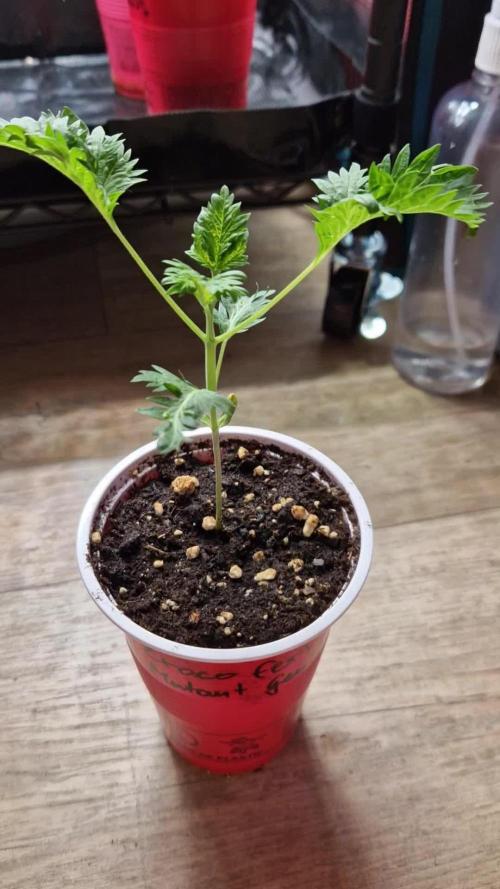
Die Mentha de Croco entwickelt sich super bis jetzt, langsam bildet sie richtige Blätter aus. Die Frage ist nur... warum sieht sie so komisch aus? Ich habe direkt bei Terpyz nachgefragt. Sie sagen, ich habe einen Raptor-Type erwischt. 20% Chance. Die anderen 2 sind Fern-Type. Ich habe auch nocheinmal von den beiden ein Bild eingefügt, aber diese bleiben diesmal aus. Da wird es nochmal separate Diaries geben.

Likes
12
Share


@Naujas
Follow
Well, that day has come, the girl would have been really different if not for the high temperature, strong light, and a huge lack of potassium :( well, everything will be fine next time :) live and learn :) I am satisfied with the result, which is what I need :) got 200 gr of liquid :) gathered a lot of sugar leaf :) they are already in the sweet shop :D I will make an addition!! good growth and success :)

Likes
31
Share


@THCpapa
Follow
Week 12 in the garden, and it's time for some serious plant pampering! The ladies got a trimming fit for royalty, and even a leafy lollipop treat – because who says plants can't enjoy a little sweetness in their lives?
With the flipping of the plants just around the corner, it's like the calm before the botanical storm. I can almost hear the plants whispering among themselves, "Get ready, folks, it's about to get real in here!"
As I prepare for the flip next week, I can't help but marvel at how far my green companions have come. From tiny seeds to leafy giants, it's been a journey filled with laughter, love, and a whole lot of growth.
So, here's to Week 12 – a week of trimming, lollipops, and anticipation for the flip. Stay tuned for more leafy adventures as we enter the next chapter of the garden saga! 🌿🍭


Likes
10
Share


@PEAKYPLANTERS
Follow
Hi guys, what's up? Welcome back to my diaries.
My experience with this pheno has been just amazing and I wish I had a ton of these gems by now!Really very resinous, tight and compact buds .... With spectacular colors and aromas that ... mmmmmm already make you dizzy
I'm sure we'll re-propose this delicious plant on a large scale!


Likes
13
Share


@shwable
Follow
Week 11 and the ladies are doing alright.
I overfed the LSD auto so I only water her for now and wait how she reacts.
Both Runtz Muffin phenos are really frosty already and the smell is amazing💆♂️
Some branches also needed a bit of support so i tied them to the main stem
Likes
19
Share


@STAYINGONMYMAINCBATORUNTWO
Follow
I love this auto so much! I’m scared to defol her at this stage don’t want to trigger any stress until the buds are more formed! But all in all I think I’m in for a great harvest!! My auto training is complete! I know what I’m doing with these girls now!

Likes
4
Share

@RatmanJR
Follow
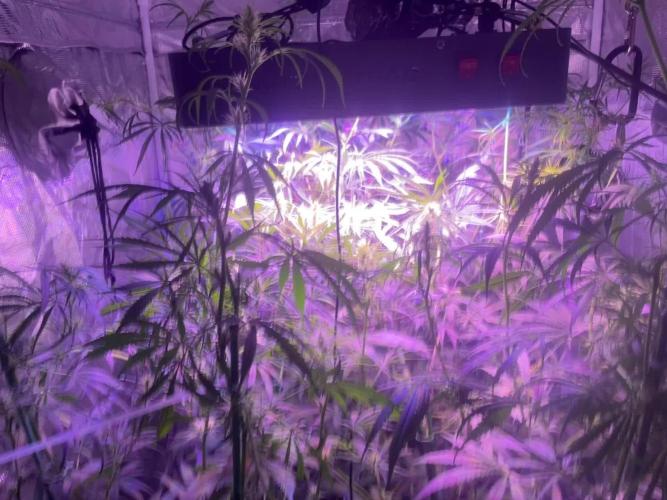
July 12, 28 days since flip
Clones:
So far all 3 remaining clones are growing well. Buds are really starting to form and getting a ton of pistals forming. Plants grew a little bit in the last week.
Ended up doing another aggressive round of super cropping to keep them from burning up. Some of the colas are above the light so may add supplemental lighting but honestly so many bud sites I’m not concerned about getting a large enough sample.
Began to notice some lower leaves dying and some spots on some upper leaves so top dressed both earth boxes with some craft blend, cow cal 24, big 6, some potassium and some epsom salts. Should make her nice and happy again.
At this point going to flower for a few months and drop individual updates as the plants stand out
Mothers and father:
Didn’t end up topping like I said I was going to last week so going to top this week. Just trying to stunt them a bit so they don’t get too large. No major updates other than this
God bless!

Processing
Likes
4
Share


Likes
3
Share


@RunicKevin58675
Follow
Good evening to all growers !! It starts to make a certain smell that is now clearly perceived even outside the growroom... So from next week we will attach the filter you have activated carbon ;D
Likes
8
Share

@GERGrowDesigns
Follow
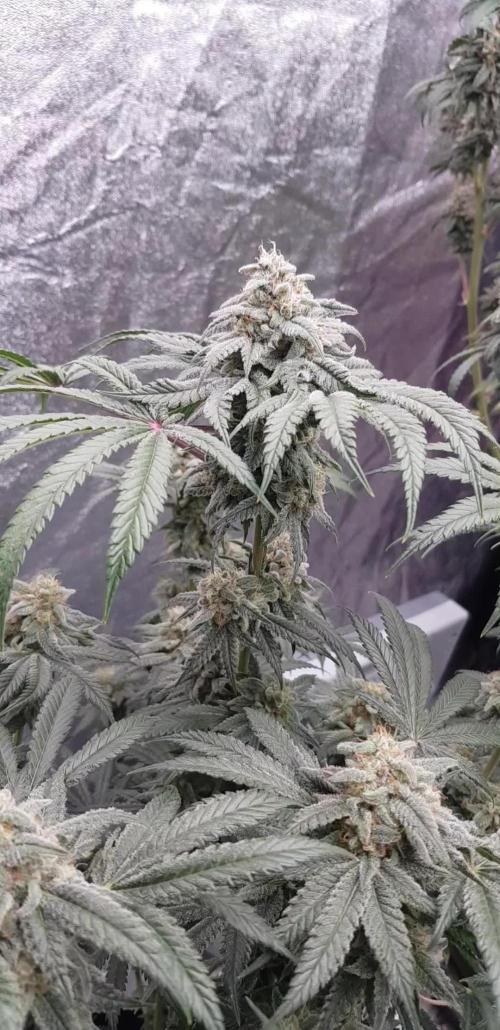
Welcome to Flower week 8 of Fast Buds LemonPaya
I'm excited to share my grow journey with you from my
FastBuds Project . It's going to be an incredible ride, full of learning, growing, and connecting with fellow growers from all around the world!
For this Project , I’ve chosen the Feminized Photo strain Lemonpaya :
Here’s what I’m working with:
• 🌱 Tent: 120x60x80
• 🧑🌾 Breeder Company: Fast buds
• 💧 Humidity Range: 35
• ⏳ Flowering Time: 58 Days
• Strain Info: 30%THC
• 🌡️ Temperature: 26
• 🍵 Pot Size: 16l
• Nutrient Brand: Narcos
• ⚡ Lights : 600W x 2
A huge thank you to Fast Buds for allowing me to try my Best with this amazing collection from Automatic and Photo Strains they managed to Sponsore . Big thanks for supporting the grower community worldwide! Your genetics and passion speak for themselves!
I would truly appreciate every bit of feedback, help, questions, or discussions – and of course, your likes and interactions mean the world to me as I try to stand out in this exciting competition!
Let’s grow together – and don’t forget to stop by again to see the latest updates!
Happy growing!
Stay lifted and stay curious!
Peace & Buds!

Likes
1
Share

@BossberryFarms
Follow
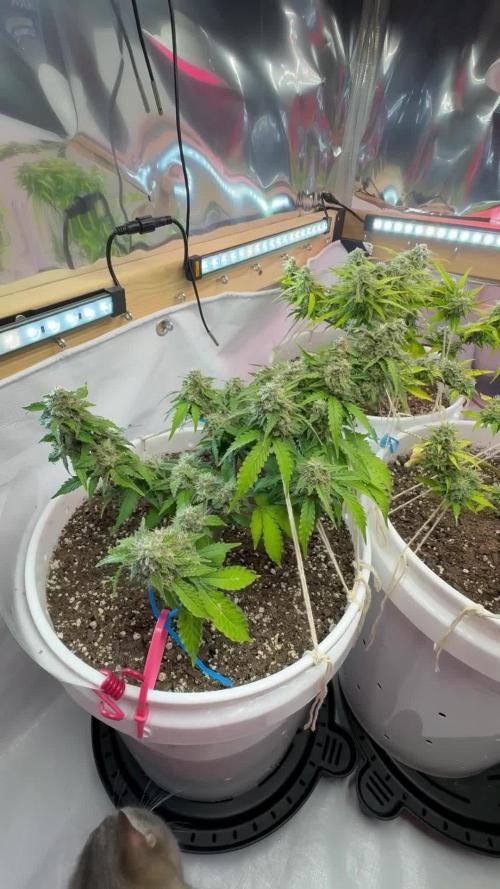
Finally!!!! It’s week 10!!! These should all be finishing up within the next week or so! So excited to get these harvested soon 😍 I started the flushing process on Plant C and will start flushing the other two this week.
Let me know what you think! How many days do you think until harvest time??!

Processing
Likes
39
Share


@G4NJAG4NG
Follow
100419Day 70 flower 28 - switched fully to bloom nutes now and they are all starting to slowly fatten up, they are all turning lovely and frosty and the size of laughing Buddha on the middle is crazy, she is my monster 👌😁
140419 - changed feed to 2.5ml/l bloom 1.5ml/l bud candy and 1ml/l Calmag, half way through flowering and leaves are starting to turn yellow, don't think I have added enough bloom therefore lack of nitrogen in the soil. Buds are increasing in size however.
150419 - I think zkilltez of will be ready soon, trichomes are cloudy with a few amber , began 10 day flush today feeding 4 litres of 7.0 pH water every day now till the 25th which will be harvest day 😎