


@BLAZED
Follow
W15 (9-5 to 15-5)
9-5
Temperature: 24.6 degrees (lights on) 20.3 degrees (lights off)
Humidity: 70% (highest) 46% (lowest)
Watering: None.
No pictures.
10-5
Temperature: 25.2 degrees (lights on) 20.8 degrees (lights off)
Humidity: 67% (highest) 44% (lowest)
Watering: 1000 ml.
11-5
Temperature: 25.4 degrees (lights on) 19.8 degrees (lights off)
Humidity: 67% (highest) 36% (lowest)
Watering: 1000 ml.
No pictures.
12-5
Temperature: 25.9 degrees (lights on) 20 degrees (lights off)
Humidity: 59% (highest) 42% (lowest)
Watering: 1500 ml.
Set the strength of the light to 95%
13-5
Temperature: 26.8 degrees (lights on) 20.9 degrees (lights off)
Humidity: 61% (highest) 47% (lowest)
Watering: 1500 ml.
No pictures.
14-5
Temperature: 27 degrees (lights on) 19.2 degrees (lights off)
Humidity: 68% (highest) 41% (lowest)
Watering: 1500 ml.
15-5
Temperature: 26.1 degrees (lights on) 19.8 degrees (lights off)
Humidity: 67% (highest) 43% (lowest)
Watering: None.


@BlackXwidow
Follow
Updates:
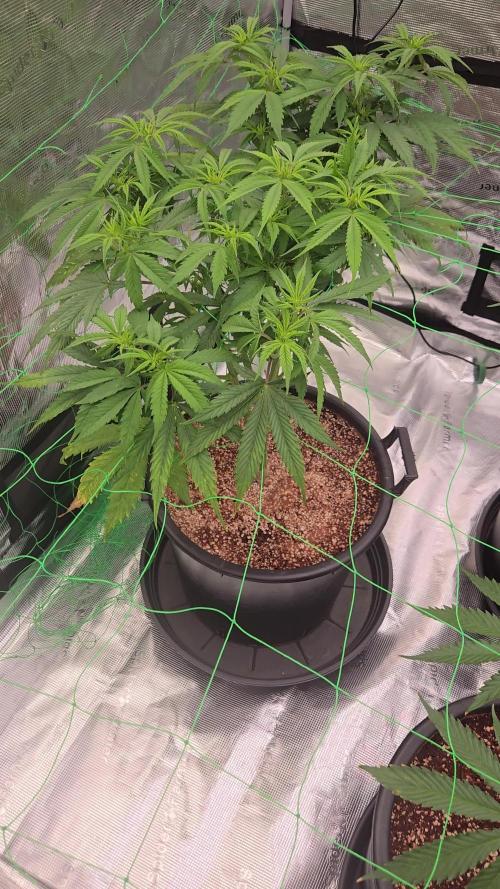
-4 weeks of flower complete.
-La Niña branches are filing in nicely.
-Gorilla candy continues to underwhelm. Runt phenos,lots of long skinny branches. Looks good and smells good though.
-Misnamed the gorilla candy pheno that looked different from the 2 runt phenos. The 3rd one is actually a Gorilla White widow from expert seeds. Explosive veg, big stretch, nice buds, could use more frost early on.
-Looking forward to the La Niña the most ( haze x black widow)
-Started using coast of Maine liquid fertilizer liquid kelp and liquid crab fertilizer.
Feel free to add any questions or comments.



@Growfather1
Follow
Hello everyone,
The plants are finally in flower yippee.
I started using hesi boost and powerzyme and supervit this week.
For now there is much room in the tent and the stretch will close those empty space.
I will post week 8 on Sunday.
Thanks for stopping by and have a nice day.


@Lordviper28
Follow
These lady's have been taking there sweet time initially wat I thought was going to be a ugly one turned into the best and most frosty one I got in tent although none of my ggxwws look the same but two but this strain has grown very good and has one hell of a smell to them...well this week was going good but had one turn hermi on me lucky I caught before it got bad and got it removed before it pollinated my others


@Growing88
Follow
Scusate se ho saltato delle settimane del diario ma ho altre 60 piante a cui stare dietro alle legature dei rami,ho applicato il fimming in fioritura e i fiori sotto si sono gonfiati provate per credere,non dovete tagliare molto ma solo i primi 2 mm del fiore,le piante orange sherbet sono state coltivate in contenitori diversi,uno air pot da 11 lt ed è la pianta già pronta per la raccolta,e l'altra in uno smart pot da 20 lt e la pianta sta ancora crescendo e formando i fiori,bellissima genetica,agli inizi pensavo male per via della grandezza,ma devo dire che è molto resistente e cresce molto se gli dai lo spazio. Grazie Grow diares



@DogDoctorOfficial
Follow
Discount Codes so you can save big on your next check out 💚💚💚
Kannabia - DOGDOCTOR 30% off
SeedsmanSeeds - DOGDOCTOR 10% off
CannaKan- DOGDOCTOR 15% off
terpyz.eu - DOCTOR 15% off
Fast Buds - DOGDOCT 15% off
As always thank you all for stopping by, for the love and for it all , this journey of mine wold just not be the same without you guys, the love and support is very much appreciated and i fell honored and so joyful with you all in my life 🙏
With true love comes happiness 💚🙏 Always believe in your self and always do things expecting nothing and with an open heart , be a giver and the universe will give back to you in ways you could not even imagine so 💚
Friendly reminder all you see here is pure research and for educational purposes only
Growers Love to you all 💚💚💚



@s99mrgreen
Follow
I added more pictures of Super silver haze, she's baby and only 3 weeks to veg. Just showing




@Bread_n_Buds
Follow
Here we are again to tell you about this crazy strain that we found: White Truffle by Zamnesia, worked with a main lining sent into flowering very quickly due to the arrival of the heat. We can spend two and a half months doing main lining but guys it also depends on the times and many other factors, if it were up to me I would always make trees but you have to adapt.
** We remind all users that we grow two plants per strain, one worked with specific techniques and the other left to grow freely this was main lined.
Description // This plant was worked with a main lining, having very irregular internodes it was complicated to decide what to keep and what to leave but in the end the plant is not bad at all. The flowers are very particular we have pure polypeptide flowers that have given us a very particular shape. The resin is also very good and after 48 hours of darkness there is that effect that only the dark finale can give, do not give up on this procedure especially in periods of less resining like summer.
Trichomes and maturation // We did a thorough microscopic analysis 10x (and 10x x 1.6) and noticed a good percentage of milky/lumpy trichomes; The percentage of amber trichomes was also excellent and still a bit transparent, but that's fine for us as we're not crazy about THC oxidation and hyper indica effects around here. Here too some red head trichomes I had mistakenly said that they are a little rarer but obviously I was wrong sorry guys and girls.
Fertilizers and soil // We used the Plagron organic fertilizer range, all the recommended additives and Pro Mix soil, both unfertilized and organic. Calculate the dosage according to your needs on the website
------ https://plagron.com/
The nutrients are available in convenient packs on the Zamnesia website
--------- https://www.zamnesia.io/en/11457-plagron-easy-pack-natural.html
Try this strain, it is one of the best in recent years, with a very high THC level ---- https://www.zamnesia.io/en/11234-zamnesia-gush-mintz-automatic-semi.html
Try this strain, it's an autumnal crazy delight ---- // https://www.zamnesia.io/11184-zamnesia-white-truffle-seeds.html
Zamnesia Brief Description // The product of crossing GG with Peanut Butter Breath, White Truffle boasts a first-class genetic line, taking the best from some of the best American cultivars. And as you'd expect, it has a lot to offer: a high THC content, an irresistible flavor and a relaxing, carefree effect. Oh, and let's not forget that it's incredibly easy to grow too! Buy your seeds today and enjoy easy harvests of delicious, US-grown bud.
And as you'd expect, it has a lot to offer: a high THC content, an irresistible flavor and a relaxing, carefree effect. Oh, and let's not forget that it's incredibly easy to grow too! Buy your seeds today and enjoy easy harvests of delicious, USA-grown bud.
The whole world of growing and more is here at Zamnesia - visit the site for "nature's best" in all shapes and colors.
The new strains are amazing and the old ones are no exception...
-- // www.zamnesia.com


@chupacabra80
Follow
привет ребята,вот срезал мой куст, вроде не плохо вышло?! посмотрим сколько будет весить когда высохнут )))) амнезия мой любимый сорт,как только высохнут отпишусь какой будет результат )))
30,06,2021
вот и результат почти 90 грамм,на весах 40 грамм но это моя доля урожая ,я выращиваю в месте с другом так что моя половина 40 грамм сухих шишек и мы еще и покурили пока шишки подсохли, так что приблизительно у меня получилось 85-90 грамм сухих шишек,шишки выросли толстыми но они не плотные,потому и такой результат, посмотрите мой апельсин у него хорошие плотные шишки , он начал цвести в 60 дней , растение без проблем,кто не любит ждать этот сорт не для него )))
09,07,2021 мой урожай пересох, +35,3 с было очень жарко и я не мог контролировать температуру (( я ожидал результат лучше но не вышло, надеюсь дальше все нормализуется

@Borberad
Follow
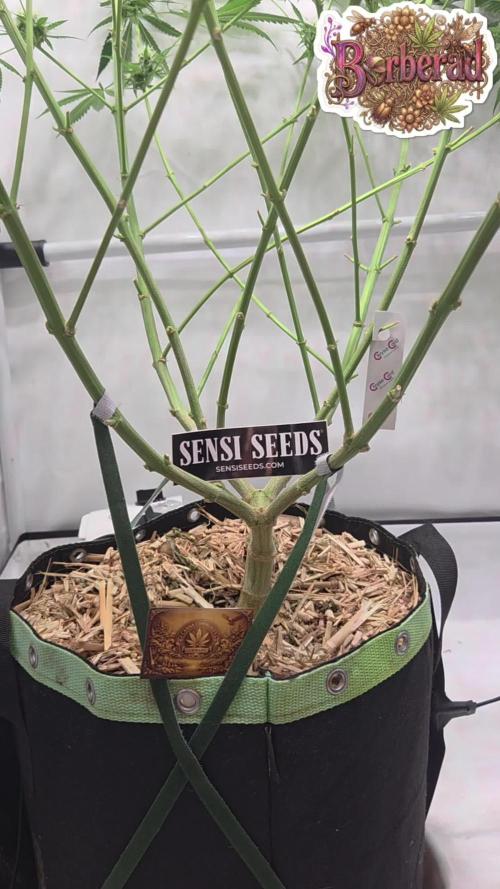
Woche 11
Unser Pflänzchen will uns dicke Buds liefern und dafür gibt sie aktuell noch alles. Cremige Blütenstempel die einen tollen Bubblegum Duft verströmen. Wäre ja ein spannender Pheno wenn uns die OG diesen Duft auch später geschmacklich offeriert.


@Zamzam974
Follow
Bonjour les cultivars 😎 photo de la semaine deux et début de la semaine 3 les petits vont bien
je pense être pas mal niveaux croissance +17 arrosage a l'eau depuis le début sa varie entre 2 et 3 jours l'arrosage... J'ai effectuer le LST YA DEUX JOURS j'espère être dans les temps... Et j'ai monter un peux lampe pour quel s'étire un peut surtout la moby j'avais de mal pour la lst sur la moby cause entre noeud très court j'avais peur d'abîmer les secondaire... Je vais commencer à nourrir la vie microbienne avec de la mélasse de canne sinon tous questions et conseils sont les bienvenu merci bonne culture à tous🎄🎄🎄


@JeyGanesha
Follow
Purtroppo ancora stanno così perché sul balcone non prende tante ore di luce solare diretta.....beh! Ancora c'è tempo per farla crescere fuori poi la metterò a fiorire indoor


@Kirsten
Follow
I've cleaned and disinfected the tent again. It had gotten a little dirty.
I removed the scrog and all the plants for cleaning.
When I returned them to reset, I decided to remove the scrog and use some LST as I'm just so sick of not being able to get in there because of the net.
I added some more LST clips instead.
I rearranged the plants to be more spaced out, and instead of having my 3 Purple Punch plants at the back, where I can't see them at all, moved them to the front of the tent for access to see the trichomes development as they are now very close to harvest. Another week or 2 maybe.
I watered very well, with Do-sì-dos having a whole 4 litres. Some plants did not need water again, so I left them be.


@victortripp
Follow
Week 3 Plant Growth Summary:
Lighting: Increased PPFD from 250 to approximately 350 µmol/m²/s midway through Week 2, aligning with recommended levels for the vegetative stage.
Watering: Conducted three wet-to-dry cycles.
Soil Testing: A slurry test on Day 6 indicated a pH of 6.39 and an EC of 2.9 mS/cm.
Nutrient Introduction: Began adding nutrients at 50% of the manufacturer's recommended levels during the third watering on Day 6. The nutrient solution had an EC of 0.53 mS/cm and a pH adjusted to 5.2. Runoff measurements showed a pH of 6.5 and an EC of 1.97 mS/cm. Optimal pH for nutrient uptake in hydroponic systems typically ranges from 5.5 to 6.5.
Plant Training: Planning to top all plants near the end of Week 4.
Irrigation System: Received all Tray2Grow components. With leaves now reaching the pot edges, plan to activate the system on Day 2 when plants require watering.
Overall, plants are progressing well, with environmental parameters maintained within optimal ranges.




@Ultraviolet
Follow
Yellow butterfly came to see me the other day; that was nice.
Starting to show signs of stress on the odd leaf, localized isolated blips, blemishes, who said growing up was going to be easy!
Smaller leaves have less surface area for stomata to occupy, so the stomata are packed more densely to maintain adequate gas exchange. Smaller leaves might have higher stomatal density to compensate for their smaller size, potentially maximizing carbon uptake and minimizing water loss. Environmental conditions like light intensity and water availability can influence stomatal density, and these factors can affect leaf size as well. Leaf development involves cell division and expansion, and stomatal differentiation is sensitive to these processes. In essence, the smaller leaf size can lead to a higher stomatal density due to the constraints of available space and the need to optimize gas exchange for photosynthesis and transpiration. In the long term, UV-B radiation can lead to more complex changes in stomatal morphology, including effects on both stomatal density and size, potentially impacting carbon sequestration and water use. In essence, UV-B can be a double-edged sword for stomata: It can induce stomatal closure and potentially reduce stomatal size, but it may also trigger an increase in stomatal density as a compensatory mechanism. It is generally more efficient for gas exchange to have smaller leaves with a higher stomatal density, rather than large leaves with lower stomatal density. This is because smaller stomata can facilitate faster gas exchange due to shorter diffusion pathways, even though they may have the same total pore area as fewer, larger stomata. Leaf size tends to decrease in colder climates to reduce heat loss, while larger leaves are more common in warmer, humid environments. Plants in arid regions often develop smaller leaves with a thicker cuticle and/or hairs to minimize water loss through transpiration. Conversely, plants in wet environments may have larger leaves and drip tips to facilitate water runoff. Leaf size and shape can vary based on light availability. For example, leaves in shaded areas may be larger and thinner to maximize light absorption. Leaf mass per area (LMA) can be higher in stressful environments with limited nutrients, indicating a greater investment in structural components for protection and critical resource conservation. Wind speed, humidity, and soil conditions can also influence leaf morphology, leading to variations in leaf shape, size, and surface characteristics. Small leaves: Reduce water loss in arid or cold climates.
Environmental conditions significantly affect gene expression in plants. Plants are sessile organisms, meaning they cannot move to escape unfavorable conditions, so they rely on gene expression to adapt to their surroundings. Environmental factors like light, temperature, water, and nutrient availability can trigger changes in gene expression, allowing plants to respond to and survive in diverse environments.
Depending on the environment a young seedling encounters, the developmental program following seed germination could be skotomorphogenesis in the dark or photomorphogenesis in the light. Light signals are interpreted by a repertoire of photoreceptors followed by sophisticated gene expression networks, eventually resulting in developmental changes. The expression and functions of photoreceptors and key signaling molecules are highly coordinated and regulated at multiple levels of the central dogma in molecular biology. Light activates gene expression through the actions of positive transcriptional regulators and the relaxation of chromatin by histone acetylation. Small regulatory RNAs help attenuate the expression of light-responsive genes. Alternative splicing, protein phosphorylation/dephosphorylation, the formation of diverse transcriptional complexes, and selective protein degradation all contribute to proteome diversity and change the functions of individual proteins.
Photomorphogenesis, the light-driven developmental changes in plants, significantly impacts gene expression. It involves a cascade of events where light signals, perceived by photoreceptors, trigger changes in gene expression patterns, ultimately leading to the development of a plant in response to its light environment.
Genes are expressed, not dictated! While having the potential to encode proteins, genes are not automatically and constantly active. Instead, their expression (the process of turning them into proteins) is carefully regulated by the cell, responding to internal and external signals. This means that genes can be "turned on" or "turned off," and the level of expression can be adjusted, depending on the cell's needs and the surrounding environment. In plants, genes are not simply "on" or "off" but rather their expression is carefully regulated based on various factors, including the cell type, developmental stage, and environmental conditions. This means that while all cells in a plant contain the same genetic information (the same genes), different cells will express different subsets of those genes at different times. This regulation is crucial for the proper functioning and development of the plant.
When a green plant is exposed to red light, much of the red light is absorbed, but some is also reflected back. The reflected red light, along with any blue light reflected from other parts of the plant, can be perceived by our eyes as purple.
Carotenoids absorb light in blue-green region of the visible spectrum, complementing chlorophyll's absorption in the red region. They safeguard the photosynthetic machinery from excessive light by activating singlet oxygen, an oxidant formed during photosynthesis. Carotenoids also quench triplet chlorophyll, which can negatively affect photosynthesis, and scavenge reactive oxygen species (ROS) that can damage cellular proteins. Additionally, carotenoid derivatives signal plant development and responses to environmental cues. They serve as precursors for the biosynthesis of phytohormones such as abscisic acid () and strigolactones (SLs). These pigments are responsible for the orange, red, and yellow hues of fruits and vegetables, while acting as free scavengers to protect plants during photosynthesis.
Singlet oxygen (¹O₂) is an electronically excited state of molecular oxygen (O₂). Singlet oxygen is produced as a byproduct during photosynthesis, primarily within the photosystem II (PSII) reaction center and light-harvesting antenna complex. This occurs when excess energy from excited chlorophyll molecules is transferred to molecular oxygen. While singlet oxygen can cause oxidative damage, plants have mechanisms to manage its production and mitigate its harmful effects.
Singlet oxygen (¹O₂) is considered a reactive oxygen species (ROS). It's a form of oxygen with higher energy and reactivity compared to the more common triplet oxygen found in its ground state. Singlet oxygen is generated both in biological systems, such as during photosynthesis in plants, and in cellular processes, and through chemical and photochemical reactions. While singlet oxygen is a ROS, it's important to note that it differs from other ROS like superoxide (O₂⁻), hydrogen peroxide (H₂O₂), and hydroxyl radicals (OH) in its formation, reactivity, and specific biological roles. Non-photochemical quenching (NPQ) protects plants from damage caused by reactive oxygen species (ROS) by dissipating excess light energy as heat. This process reduces the overexcitation of photosynthetic pigments, which can lead to the production of ROS, thus mitigating the potential for photodamage. Zeaxanthin, a carotenoid pigment, plays a crucial role in photoprotection in plants by both enhancing non-photochemical quenching (NPQ) and scavenging reactive oxygen species (ROS). In high-light conditions, zeaxanthin is synthesized from violaxanthin through the xanthophyll cycle, and this zeaxanthin then facilitates heat dissipation of excess light energy (NPQ) and quenches harmful ROS.
The Issue of Singlet Oxygen!!
ROS Formation: Blue light, with its higher energy photons, can promote the formation of reactive oxygen species (ROS), including singlet oxygen, within the plant.
Potential Damage: High levels of ROS can damage cellular components, including proteins, lipids, and DNA, potentially impacting plant health and productivity.
Balancing Act: A balanced spectrum of light, including both blue and red light, is crucial for mitigating the harmful effects of excessive blue light and promoting optimal plant growth and stress tolerance.
The Importance of Red Light:
Red light (especially far-red) can help to mitigate the negative effects of excessive blue light by:
Balancing the Photoreceptor Response: Red light can influence the activity of photoreceptors like phytochrome, which are involved in regulating plant responses to different light wavelengths.
Enhancing Antioxidant Production: Red and blue light can stimulate the production of antioxidants, which help to neutralize ROS and protect the plant from oxidative damage.
Optimizing Photosynthesis: Red light is efficiently used in photosynthesis, and its combination with blue light can lead to increased photosynthetic efficiency and biomass production.
In controlled environments like greenhouses and vertical farms, optimizing the ratio of blue and red light is a key strategy for promoting healthy plant growth and yield.
Understanding the interplay between blue light signaling, ROS production, and antioxidant defense mechanisms can inform breeding programs and biotechnological interventions aimed at improving plant stress resistance. In summary, while blue light is essential for plant development and photosynthesis, it's crucial to balance it with other light wavelengths, particularly red light, to prevent excessive ROS formation and promote overall plant health. Oxidative damage in plants occurs when there's an imbalance between the production of reactive oxygen species (ROS) and the plant's ability to neutralize them, leading to cellular damage. This imbalance, known as oxidative stress, can result from various environmental stressors, affecting plant growth, development, and overall productivity.
Causes of Oxidative Damage: Abiotic stresses: These include extreme temperatures (heat and cold), drought, salinity, heavy metal toxicity, and excessive light. Biotic stresses: Pathogen attacks and insect infestations can also trigger oxidative stress. Metabolic processes: Normal cellular activities, particularly in chloroplasts, mitochondria, and peroxisomes, can generate ROS as byproducts. Certain chlorophyll biosynthesis intermediates can produce singlet oxygen (1O2), a potent ROS, leading to oxidative damage. ROS can damage lipids (lipid peroxidation), proteins, carbohydrates, and nucleic acids (DNA). Oxidative stress can compromise the integrity of cell membranes, affecting their function and permeability. Oxidative damage can interfere with essential cellular functions, including photosynthesis, respiration, and signal transduction. In severe cases, oxidative stress can trigger programmed cell death (apoptosis). Oxidative damage can lead to stunted growth, reduced biomass, and lower crop yields.
Plants have evolved intricate antioxidant defense systems to counteract oxidative stress. These include: Enzymes like superoxide dismutase (SOD), catalase (CAT), and various peroxidases scavenge ROS and neutralize their damaging effects. Antioxidant molecules like glutathione, ascorbic acid (vitamin C), C60 fullerene, and carotenoids directly neutralize ROS. Developing plant varieties with gene expression focused on enhanced antioxidant capacity and stress tolerance is crucial. Optimizing irrigation, fertilization, and other management practices can help minimize stress and oxidative damage. Applying antioxidant compounds or elicitors can help plants cope with oxidative stress. Introducing genes for enhanced antioxidant enzymes or stress-related proteins over generations.
Phytohormones, also known as plant hormones, are a group of naturally occurring organic compounds that regulate plant growth, development, and various physiological processes. The five major classes of phytohormones are: auxins, gibberellins, cytokinins, ethylene, and abscisic acid. In addition to these, other phytohormones like brassinosteroids, jasmonates, and salicylates also play significant roles.
Here's a breakdown of the key phytohormones:
Auxins: Primarily involved in cell elongation, root initiation, and apical dominance.
Gibberellins: Promote stem elongation, seed germination, and flowering.
Cytokinins: Stimulate cell division and differentiation, and delay leaf senescence.
Ethylene: Regulates fruit ripening, leaf abscission, and senescence.
Abscisic acid (ABA): Plays a role in seed dormancy, stomatal closure, and stress responses.
Brassinosteroids: Involved in cell elongation, division, and stress responses.
Jasmonates: Regulate plant defense against pathogens and herbivores, as well as other processes.
Salicylic acid: Plays a role in plant defense against pathogens.
1. Red and Far-Red Light (Phytochromes):
Red light:
Primarily activates the phytochrome system, converting it to its active form (Pfr), which promotes processes like stem elongation and flowering.
Far-red light:
Inhibits the phytochrome system by converting the active Pfr form back to the inactive Pr form. This can trigger shade avoidance responses and inhibit germination.
Phytohormones:
Red and far-red light regulate phytohormones like auxin and gibberellins, which are involved in stem elongation and other growth processes.
2. Blue Light (Cryptochromes and Phototropins):
Blue light:
Activates cryptochromes and phototropins, which are involved in various processes like stomatal opening, seedling de-etiolation, and phototropism (growth towards light).
Phytohormones:
Blue light affects auxin levels, influencing stem growth, and also impacts other phytohormones involved in these processes.
Example:
Blue light can promote vegetative growth and can interact with red light to promote flowering.
3. UV-B Light (UV-B Receptors):
UV-B light:
Perceived by UVR8 receptors, it can affect plant growth and development and has roles in stress responses, like UV protection.
Phytohormones:
UV-B light can influence phytohormones involved in stress responses, potentially affecting growth and development.
4. Other Colors:
Green light:
Plants are generally less sensitive to green light, as chlorophyll reflects it.
Other wavelengths:
While less studied, other wavelengths can also influence plant growth and development through interactions with different photoreceptors and phytohormones.
Key Points:
Cross-Signaling:
Plants often experience a mix of light wavelengths, leading to complex interactions between different photoreceptors and phytohormones.
Species Variability:
The precise effects of light color on phytohormones can vary between different plant species.
Hormonal Interactions:
Phytohormones don't act in isolation; their interactions and interplay with other phytohormones and environmental signals are critical for plant responses.
The spectral ratio of light (the composition of different colors of light) significantly influences a plant's hormonal balance. Different wavelengths of light are perceived by specific photoreceptors in plants, which in turn regulate the production and activity of various plant hormones (phytohormones). These hormones then control a wide range of developmental processes.

@Topshelf_only
Follow
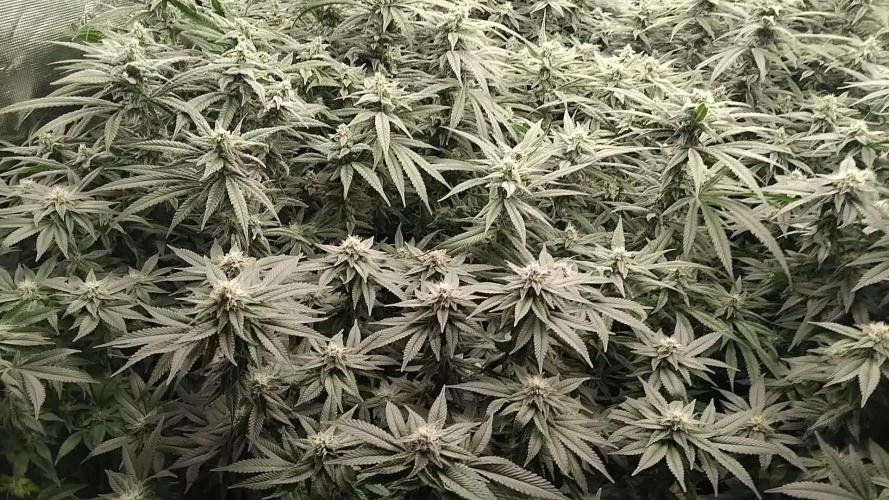
Another straight forward week. Biggest problem i am having is clean my arms every time i do anything. She's a frosty tent. The smell is kicking in too. The grandmommy just smells so good . Been smoking only this pretty much for the last year, packs a punch and tastes amazing. But looking forward to the gelato nice and frosty as well just not quite as much as the gmp


@TrueNorth
Follow
I am absolutely shocked at the bounce back these plants are making, luckily i went with some good genetics! Thank you humboldt!
The ladies are fighting hard threw some tomatoes in there!
