The Grow Awards 2026 🏆 








Likes
27
Share
@eldruida_lamota
Follow
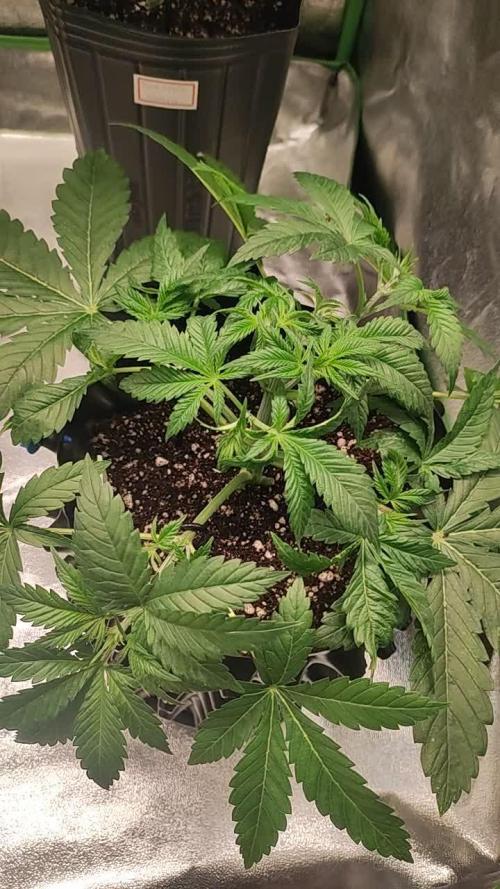
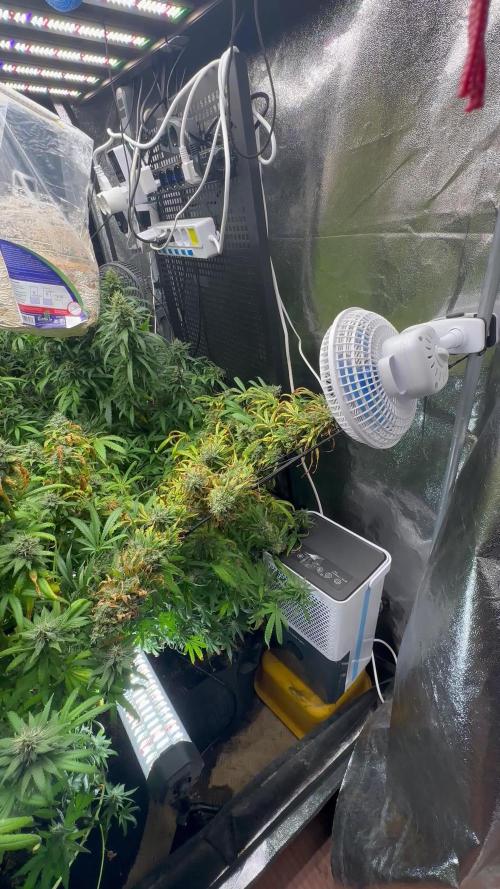
Vamos familia, esto ya va cogiendo de nuevo forma, me encanta esta variedad do sweet dos de sweet seeds es brutal, cepa cruzada x cookies 🍪, es un híbrido que bien cultivado no falla.
.
El ph como siempre 5,8 , la temperatura es óptima, en 22/24 grados de media, y la humedad actualmente está entre el 60/70%.
.
AgroBeta:
0,8 ml x L Piramid , vía radicular.
0,6 ml x L Growth black line , vía radicular.
0,1 gr x L Cancerbero , vía radicular.
0,1 ml x L Tucán , vía radicular.
0,1 ml x L Flash Root , vía radicular.
0,4 ml x L Great Green , vía foliar.
0,05 ml x L Gold Joker, vía radicular.
.
Esto es todo, espero que os vaya gustando el cómo va avanzando esto se ven con buen porte, es un cultivo que si va todo como hasta ahora , va ser increíble.
Muy buenos humos 💨💨💨.

Likes
4
Share

Processing
Likes
25
Share
@parachute
Follow
Alright, now all the girls are in flowering stage and they are doing quite well. Would like to mention again very strong genetics of gorilla,cookies and zkittlez. Wow, they are really showing incredible growth and all the plants are healthy and even has any yellow leaves. They are very resistant to warm temperature ( 28-29 ).
I started using the connoiseur bloom AB and bud candy, and planning to add some of Tarantula/Piranha/Voodo Juice on the 5-6 week and also the Bud Ignitor ( all - Advanced Nutrients). Will see how it works, maybe i will use different combo's for different flowers to analyze which nutrient is better to combine.
Two of 6 Dark Devil's branches and leaves started to get covered by purple color,looking quite unusual.
The Northern Lights are still a mystery for me. Different height, different growth pace, different amount of branches with buds.
I don't have that kind of issues with other 4 strains, all of them ( gorilla,cookies,dark devil,zkittlez) are exactly THE SAME height, showing the same growth pace and all of them are strong and healthy.
Also among 15 seeds of NL i got only 11 germinated properly :( bad statistics. Hope Gorilla and Cookies will work for.
Likes
2
Share
@pepeXI
Follow
Hab heute (31.1) die Apple Fritter aus dem Zelt geschmissen. Kollege ht sich gefreut, hat leider gespargelt, hab sie noch für ihn umgetopft auf 20L. Wird ihr denke ich sehr gut tun wen sie die nächsten Tage gut behandelt wird. Die Apple Fritter geht dafür gut Steil. Hat wie die anderen gute Stickstoffmängel aber die hab ich hoffentlich gelöst bekommen. Jetzt wo auch mehr Platz im Zelt ist wirds denke mal :)
Likes
Comments
Share
@Robom069
Follow
Day 39/40 of the adventure, just trimming and letting them cook...

Likes
42
Share
@Only4passion
Follow
Day23 today I increased the power of the light at 600w 🤩
I took the seek gorilla melon out finally haven’t recover 😢
Day 24 I topped the Two gorilla melon and two of the papaya sherbet 🍀✌️
Day27 all good 👌
All guava auto’s enter in flowering stage first pistil are showing 😎
Likes
11
Share
@ADHDselfmedication
Follow
3 seeds from barneys farm : glue gelato auto.
Diary :
Day 1:
I dug a pit and cleaned my dirt with metal grid and a wheelbarrow & Installed the greenhouse.
Day 2 : I rotated my dirt and added universal soil. 4 x 70l to area of 6m2. I also planted seeds in universal soil without sprouting first.
Day 3 :
I gave water and checked for sprouts. Bought moist meter and dripping hose.
Installed those and making the greenhouse more moisty now.
Feeling : Verry happy for my first time. Lots to learn.. . Excited

Likes
21
Share
@420DeepGrow
Follow
Gracias al equipo de Kannabia Marshydro XpertNutrients y Trolmaster sin ellos esto no sería posible.
💐🍁 Amnesi K - Lemon:
La Amnesi-K Lemon es una semilla formada a partir de un trío de reyes, la Amnesia, la Lemon Skunk y la Jack Herer. Este matrimonio de tres dio lugar a una gran sativa que, con tonos dulces, terrosos y muy cítricos
🌻🚀 Consigue aqui tus semillas:
https://www.kannabia.com/es/semillas-marihuana-feminizadas/amnesi-k-lemon
💡TS-3000 + TS-1000: se usaran dos de las lámparas de la serie TS de Marshydro, para cubrir todas las necesidades de las plantas durante el ciclo de cultivo, uso las dos lámparas en floracion para llegar a toda la carpa de 1.50 x 1.50 x 1.80.
https://marshydro.eu/products/mars-hydro-ts-3000-led-grow-light/
🏠 : Marshydro 1.50 x 1.50 x 1.80, carpa 100% estanca con ventanas laterales para llegar a todos los lugares durante el grow
https://marshydro.eu/products/diy-150x150x200cm-grow-tent-kit
🌬️💨 Marshydro 6inch + filtro carbon para evitar olores indeseables.
https://marshydro.eu/products/ifresh-smart-6inch-filter-kits/
💻 Trolmaster Tent-X TCS-1 como controlador de luz, optimiza tu cultivo con la última tecnología del mercado, desde donde puedes controlar todos los parametros.
https://www.trolmaster.com/Products/Details/TCS-1
🍣🍦🌴 Xpert Nutrients es una empresa especializada en la producción y comercialización de fertilizantes líquidos y tierras, que garantizan excelentes cosechas y un crecimiento activo para sus plantas durante todas las fases de cultivo.
Consigue aqui tus Nutrientes:
https://xpertnutrients.com/es/productos/
📆 Semana 6:
Esta semana ha explotado 💣, los cogollos comienzan a tomar densidad y llenarse de resina, me hubiera gustado aplicar algo mas de nutrientes en la fase vegetativa, la próxima vez será.

Processing
Likes
27
Share
@Stigghiola
Follow
Questa settimana sta andando bene i fiori stanno diventando più grandi, sono tutti pieni di resina ma sono comunque ancora piccolini, speriamo che ingrossino ancora 🤞🏻
Aggiornamento 17 Novembre:
Oggi ho aggiunto una nuova luce di supporto appositamente per illuminare i fiori che sono più indietro rispetto agli altri. La lascerò accesa h24 per vedere se può cambiare qualcosa, nel frattempo alcuni fiori sembra che stiano iniziando ad ingrossare e ad unirsi.
Likes
38
Share
@MadeInGermany
Follow
Info:
Unfortunately, I had to find out that my account is used for fake pages in social media.
I am only active here on growdiaries.
I am not on facebook instagram twitter etc All accounts except this one are fake.
Have fun with the update.
Hey everyone :-).
This week the baby saw the light :).
She came out 2 days ago.
It is sprayed into the main area every day so that the humidity stays at the upper level :-).
Until the main comes down next week, it does not have to be poured but only sprayed :-).
I am very curious how it will develop in the coming week and until then I wish you a lot of fun with the update 😊.
Stay healthy 🙏🏻 and let it grow 🍀👍
You can buy this Strain at :
https://www.zamnesia.com/de/4532-zamnesia-seeds-gorilla-glue-feminisiert.html
Type:
Gorilla Glue
☝️🏼
Genetics:
Chem's Sister x Chocolate Diesel
50% Sativa/50% Indica
👍
Vega lamp:
2 x Todogrow Led
Quantum Board 100 W
💡
Bloom Lamp :
2 x Todogrow Led
Cxb 3590 COB 3500 K 205W
💡💡☝️🏼
Soil :
Canna Coco Professional +
☝️🏼
Fertilizer:
Green House Powder Feeding
☝️🏼🌱
Water:
Osmosis water mixed with normal water (24 hours stale that the chlorine evaporates) to 0.2 EC. Add Cal / Mag to 0.4 Ec Ph with Organic Ph - to 5.5 - 5.8 .


Likes
7
Share
@Ereks007
Follow
It's been a smooth grow year ..I am only using flora nova ...and pro tekt. Silica ..water is from local tap ..filtered with rv filter. There is movement og ,fatso bx1 x wilson, sunset sherbert x Sunday driver x Natrual Born Killer strains ....thanks for viewing
Processing
Likes
9
Share
@Kushizlez
Follow
Slurricane #4
Yield: 34.5g
Smell: 8.5/10 - gassy, deep piney, fuel, earthy,
Bag appeal: 8.510 - slightly leafy/stemy
Crystal coverage: 7.510 - impressed
Ash: 6/10 - flaky, mostly white/grey
Fire holding: 4/10 - stays lit for 10-30 seconds
Smoke: 6/10 - taste is decent
High: 6/10 - indica dom
Comment: looks amazing, smells amazing, tastes nice, burns like shit.
46.5/70 = 66% 👎🗑️

Likes
9
Share
@Bncgrower
Follow
This girl ended up with burnt ends... so I ended up lowering the EC, other than that everything is normal and developing well..
*Update..
Topped and defoliated on 15th July..
Good growing! 🌱🌿🍁


Likes
31
Share
@The_Doctor_Green
Follow
Esta semana he regado solo con oro negro 2ml x litro de agua y organic power 1ml x litro de agua el resto de la semana solo con agua, he medido las ppm y en el drenaje me ha dado 1040.
Me preocupa un poco el color de los tallos de las hojas que están de color morado, pero solo a las de maceta, a la que esta en tierra la veo bien, es mas le he sacado las ramas bajas para que no gaste energía en criar esos coquitos que salen pequeños.


Likes
2
Share
@NewbieLearner
Follow
Very heavy indica. Gets you so freaking stoned its awesome haha. Myself and a few mates already all said this pheno is a definite keeper! huge heads, amazing taste, incredible smell and best of all knocks like a donkey just kicked you😆😂😃
Already got clones growing for the next run! will be growing this strain probably for the next year straight.
Likes
6
Share
@MaestroBud
Follow
Again, only water + Ata Clean. The bud towers are maturing more slowly than COP, but the plant still has energy and the spicy/fruity aromas are becoming more defined. Tall structure, significant yield in sight.
