The Grow Awards 2026 🏆 













Likes
Comments
Share
@GODAXE
Follow
25.08.2024
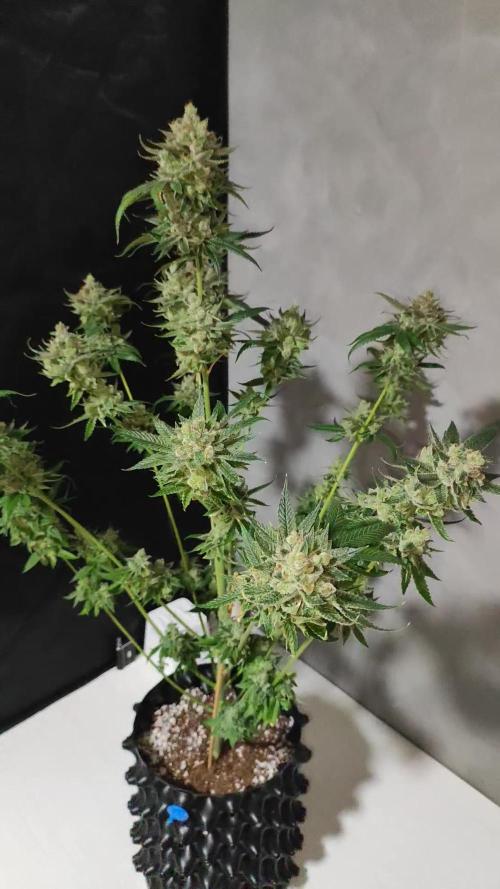
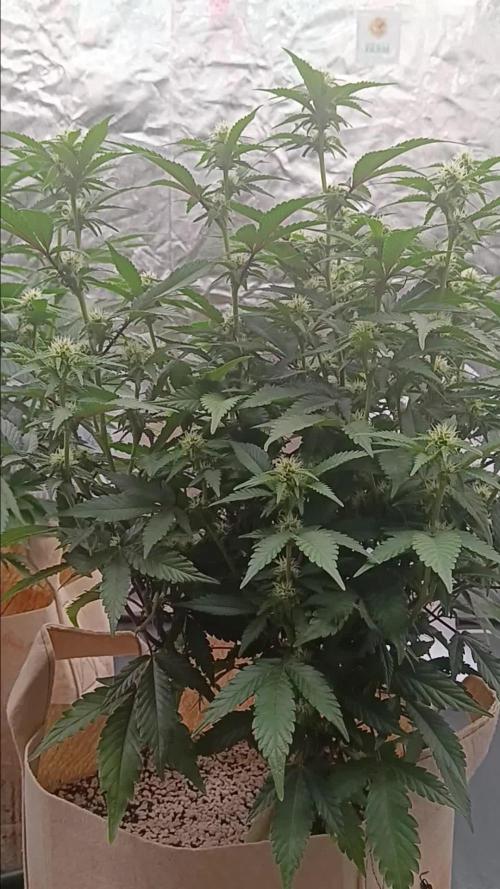
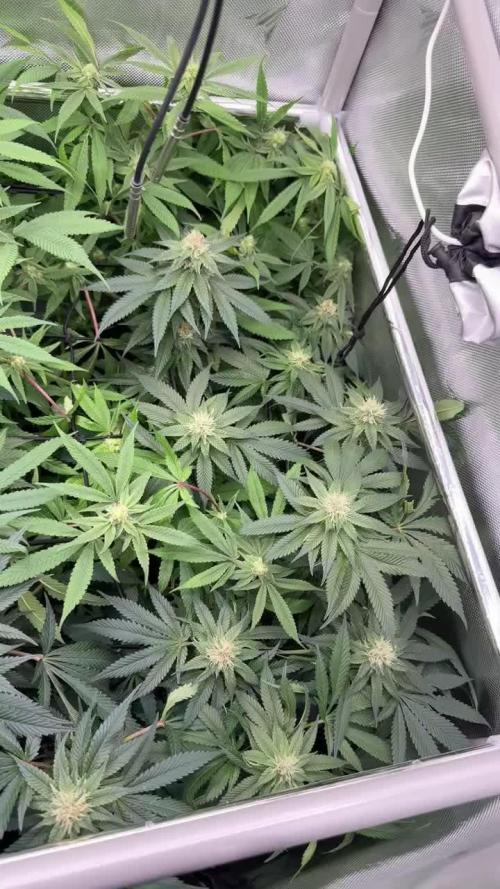
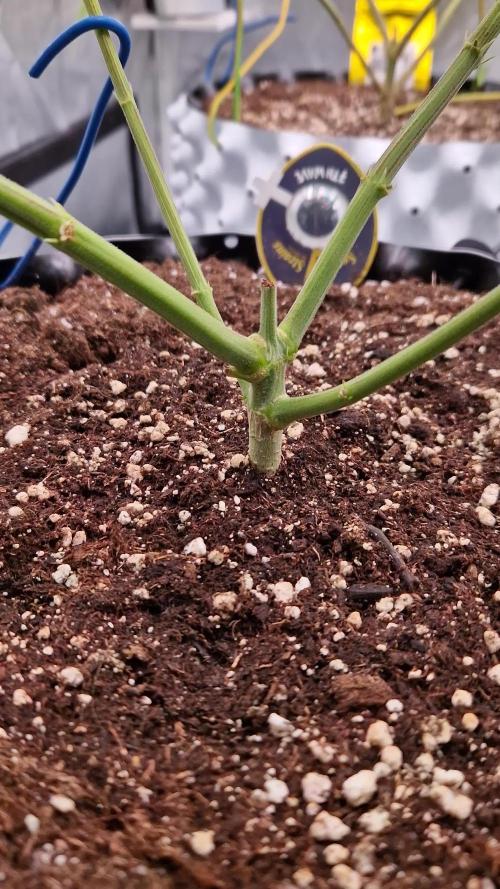
day 14 of flowering.
finally got somme sun after 6 day of rain, the camper berry look fine. showing nice grow and nice flower build up.
the blackberry just look like shooting star in the night sky.
fast berry have start to show dark coloration to, with the night temp getting colder as the summer slowly past by she should have a nice dress by end of september.

Processing
Likes
9
Share


Likes
1
Share
@LAShugars
Follow
Growing fast and strong 💪 May back off on the Silica Gold for a couple waterings. It’s working almost too well.
Likes
19
Share
@Bncgrower
Follow
The aroma of Gelato #41 is simply exceptional, to the point that it fills the entire room with its intense and captivating fragrance. Each cultivation only strengthens my admiration for this strain, which will definitely remain one of my favorites, both for its quality and the sensory experience it provides.
*** Gelato 41 has a sweet and creamy aroma, with notes of vanilla, berries, and a citrus touch. The flavor is smooth and creamy like a dessert, with lemon and mint on the exhale.
Likes
10
Share

Likes
Comments
Share
@Aluka91
Follow
Bueno , es increíble como a pesar de equivocaciones , esta genética se desarrolla sin problemas . Si bien una de las 3 plantas por error mio , quedo un poco mas chica que las demás , tienen un poder de recuperación sorprendente , no esperaba menos de este banco tan reconocido.
Datos :
[25/9] : Se regaron las 3 plantas con 600ml pH: 6.4 / solo agua . Hr : 40% y °C 25.
[27/9] : Se rego con Amazonia 3 plantas pH: 6.5 / 350 ml x planta
[1/10] : 1/10
ph perfect x 2ml
bud candy x 1ml
big bud x 1ml
ph 6.40
planta 3
ph perfect x 1.5ml
bud candy x1.5ml
big bud x 1ml
6.5 ph

Likes
120
Share
@DogDoctorOfficial
Follow
Hello, everyone, and welcome back to our Tropical Tangie's incredible journey! This week marks the end of Week 6 in the flowering stage.
I'm thrilled to report that this week has been nothing short of amazing and has far exceeded my expectations. Our lovely lady is flourishing, with her buds getting plumper and trichomes becoming more mesmerizing by the day. It's a testament to her strength and the care we've poured into her.
I must extend my sincerest apologies for the missing video reports. Regrettably, Grow Diaries is still facing some technical issues that are preventing me from uploading them. Rest assured, as soon as the situation is resolved, I'll share those videos to give you an even closer look at this fascinating journey.
But there's more to share this week! Clones from our Tropical Tangie are coming along beautifully, showcasing the potential for an exciting future,just look at them roots OMG.
And, of course, I've continued to share my medicine with both my plants and my loyal Ninja guardians. A little bit of medicinal love goes a long way in nurturing our botanical companions.
As we move forward, the anticipation for the upcoming weeks is building. There's a sense of excitement in the air as we approach the next stage of this incredible journey. Stay tuned for more, and thank you for being a part of this adventure.
I wish you all a blessed and beautiful week ahead. Until next time!
As always thank you all for stopping by, for the love and for it all , this journey of mine wold just not be the same without you guys, the love and support is very much appreciated and i fell honored and blessed with you all in my life<3 <3 <3
#aptus #aptusplanttech #aptusgang #aptusfamily #aptustrueplantscience #inbalancewithnature #trueplantscience #dutchpassion #dogdoctorofficial #legoninjago #growerslove
With true love comes happiness <3 <3 <3 Always believe in your self and always do things expecting nothing and with an open heart , be a giver and the universe will give back to you in ways you could not even imagine so <3 <3 <3
Friendly reminder all you see here is pure research and for educational purposes only
<3 <3 <3 Growers Love To you All <3 <3 <3
Processing
Likes
23
Share
@MadeInGermany
Follow
Hey everyone 🤗.
This week it has taken up more and more of its fertilizer and has got a nice color.
It also grows very well 👍.
It was topped again this week.
Otherwise everything will continue as before and will continue to be topped 👍.
I wish you a lot fun with the update, stay healthy and let it grow 👍🙏🏻
You can buy this Strain at
https://thecaliconnection.com/seeds/girls-scout-cookies-34.html
You can buy the fertilizer at
https://www.greenbuzzliquids.com/
Type:
Girls Scout Cookies
☝️🏼
Genetics:
GSC Tint Mint
👍
Vega lamp:
2 x Todogrow Led
Quantum Board 100 W
💡
Bloom Lamp :
2 x Todogrow Led
Cxb 3590 COB 3500 K 205W
💡💡☝️🏼
Soil :
Canna Coco Professional +
☝️🏼
Fertilizer:
Green Buzz Liquids :
Organic Grow Liquid
Organic Bloom Liquid
Organic more PK
More Roots
Fast Buds
Humic Acid Plus
Growzyme Big Fruits
Clean Fruits
Cal / Mag
Organic Ph - Pulver
☝️🏼🌱
Water:
Osmosis water mixed with normal water (24 hours stale that the chlorine evaporates) to 0.2 - 0.4 EC. Add Cal / Mag 2 ml per l water every 2 waterings . Ph with Organic Ph - Pulver to 5.8 .

Likes
8
Share
@Lykal
Follow
Esta semana fiz amarras a esticar os ramos para os lados. Está a correr tudo bem

Likes
Comments
Share
@MrOgchemist
Follow
She's turning out pretty nicely, alot of colas .. they might be small but they are enough for me... plants are starting to smell strong.

Processing
Likes
15
Share
@AK1210
Follow
New flowering continues to develop on this lady, she seems to be swelling up day by day.
Yellowing of the fan leaves has started which usually means it's time to flush, I need to check the trichomes to see how amber they appear before I do just in case the flavour or yield could be effected.
Likes
12
Share
@Tootiehobgoblin
Follow
Starting to see some amber trichomes all over the plant maybe %5. Looks like about two weeks from harvest.
Started flush cycle for last week.
Will probably turn the lights off on in a couple days
Likes
4
Share
@soloczek
Follow
The smell is just gorgeous, ppd favorite for sure like a bag of fresh berries. Guzzlerz starts to purple, whole underside of the leafs are black. Purple Coolies Kush behind of all plants but will be very iced


Likes
7
Share
@LoganatorDude
Follow
85 Days from germination to harvest!
Sorry for the lack of accurate information.
Just some pics from finish. Honestly- I never finished the diary so I’m leaving it as is. Was extra sweet and pungent and especially extra frosty. Not to mention fast!

Likes
3
Share
@MicroHidroGrow
Follow
Bueno, para no perder a nadie, el sistema que manejo es con dos indoors en paralelo. Uno en flora y otro creciendo la madre. A la madre la hago crecer hasta sacarle esquejes. Luego pasan al otro indoor, la madre y los esquejes, y ahí comienza la floración. Y ahí mismo comienza la nueva madre en el indoor pequeño.
La variedad es de un banco argentino que no sé si sigue existiendo. Se llama "kali seeds" y la variedad es superhaze. Que en teoría tiene unas 10 semanas de floración.
Día 01. Puse la planta para obligarme a terminar el prototipo. En este caso decidí usar madera de palets y algunas otras cosas que encontré en la calle. Ya casi termino todo, pero me falta armar los cierres. No voy a hacer puertas, dado que no está centrado, así que uso una tela de microfibra que ayuda a opacar mucho y era
mas barata que el blackout. Ademas es impermeable y me sirve para un nuevo mecanismo de seguridad para fugas que quiero implementar. Es bastante simple, pero me soluciona mucho. Hoy no hay mucho más que mostrar. Cuando lo haya terminado voy a ir mostrando como va quedando.
No me voy a enroscar con los tsp. Voy a poner lo que use aca.
Ahora puse un litro de agua con un poco menos de 1g. de Feeding Grow de Greenhouse. Al menos por ahora, ya que tengo que comprar medidores porque los míos ya no dan confianza.
Día 4. Ya estoy terminando de acomodar el indoor. Lo forré con refractario e instalé las "puertas" que en realidad son telas tipo blackout, pero mucho más finitas. Me falta terminar de ordenar la electricidad para que cada sector tenga su timer. Van a ser 3 timer diferentes. Por un lado van a ir luces y ventilaciones de flora (12hs). Por otro lado bombas de aire, bomba de agua y probablemente vientos de floración (15 min/hr). Y por último luz y ventilación del modulo de madres (18hs).
Hice el cambio del depósito, a uno de 5 litros, ya que los próximos 10 dias pienso intentar mantener la misma solución (mantuve la proporción 1g/L de feeding grow). La planta tuvo un ataque de una plaga que fue a sus primeras hojas. Por suerte en el momento puse tierra de diatomeas y parece haberse detenido. Pero se pueden ver los amarillos en las puntas. No me preocupa, dado que en hidroponia esos problemas se resuelven y la planta se recobra enseguida. Ahora igual habrá que ir monitoreando, dado que me había olvidado de desinfectar el indoor, cosa que hice luego de este ataque. Tengo fé que llegando al mes y medio de crecimiento, ya esté en condiciones de cortar unos esquejes.
Día 07. Por el momento el crecimiento viene rápido cómo suele ser en hidroponia. En unos días le voy a estar haciendo el corte apical. La ansiedad me viene ganando, pero sigo con fé. Esta semana tengo que comprar un par de aditivos y medidores que me están faltando. Pero ya está todo encaminado.
Likes
16
Share
@DaddyPrime2
Follow
5/28 I think she's about to go off.
6/2 she's been droopy leafed for a bit. I backed off on nutrients for over a week. I thought it may have been overwatering but at the same time I don't want to kill off the microbe life in my soil right now by letting it get overly dry. I'm more experienced with coco and the dry back is more aggressive and intense and with soil it's a little different and slower but it als9 cant dry back as

Likes
22
Share
@wheedtobeus420
Follow
Day 65 ❄️🎉 she’s so frosty and dense like omg. My all time
Favorite strain so sweet and amazing! Sweet seeds really does it with these pretty ladies.

Likes
20
Share
@TrickzGrowz
Follow
Mega heftig was sie für ein Wachstum hinlegt. Sie holt einfach super auf. Ist schon genauso groß wie die anderen Ladys.
Spraymix alle 2 Tage.

Likes
14
Share
@SebastianFastBuds
Follow
Here we go - My Grow on the Go. I am going to Germinate in the Canna Kan and then transfer directly into the final Pot in my Danf_Box
Processing
Likes
12
Share
@GrowGuy97
Follow
Day 35 - Ladies are way taller than I could have ever imagined & starting to get extremely dark pruple😍 make sure to check back for daily updates & happy growing friends✌️🏼🌱

