


Likes
Comments
Share


@DeepRootsGrowTrees
Follow
MIMOSA ZKITTLEZ FF /
GANJA FARMER
WEEK #13 OVERALL
Week #3 FLOWER
This week she's done stretching just in time she's almost touching the light. She's starting to fill in and get some weight to her buds additionally you can see the trichomes starting to form on her buds! She's absolutely starting to smell good also! Stay Growing!!
Thank you for stopping by and taking a look it's much appreciated!!
THANK YOU GANJA FARMER!!
BUDTRAINER.COM BUD CLIPS
MIMOSA ZKITTLEZ FF /
GANJA FARMER

Likes
3
Share

@Aleks555
Follow
Hello friends! 🌱
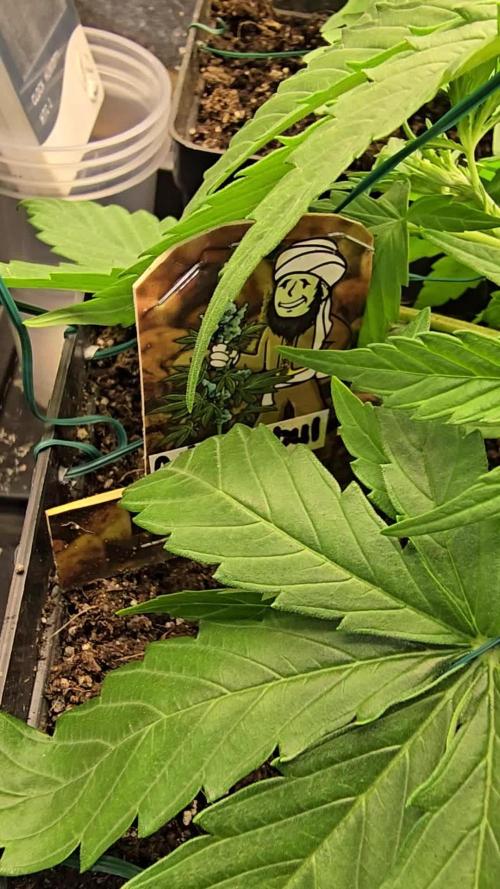
Day 23 — we continued training and tied down our beauty. She is now in a 5L pot and feeling great 👍
Over the past few days, our beauty Auto Kabul #1 has gained a lot of mass. We stretched her out again and gently bent the top to keep an even canopy and improve light distribution.
Temperature — Day: 24–28°C | Night: 20–23°C
Humidity — Day: 65–75% | Night: 65–90%
So far everything looks good — we continue to monitor her progress. More updates coming soon!

Likes
12
Share


@Siriuz
Follow
We started week. 10
Hey there guys I've been super busy
Day 64
Check video
Fed them 1670ppm
Followed by water with lil runoff
Day 65
Check video
Day 66
Outdoors for 3hrs
Rested for 6hrs no lights
Because of blackout
I know it sucks
Humidity 60%
Day 67
Humidity 45%
Got some vids and pics for you guys
She's all good
Buds fattening up
Day 68
Water them a lil bit
0.5l each
Temp 24C
RH 45%
Day 69
Outdoors for a day since we didn't have electricity from 10am til 7pm
Good thing we have sun light right?
And it's very bright but very hot as well
Temp reached 33 Celsius but we had her on sprayed mist until it dried out completely than refresh her again and so
She didn't stress at all shes good
After thar electricity came back and we turn on the setup grow lights ac and all stuff
Back to normal again
Day 70
Same stuff than 69
Nothing wrong all is good
Temp reached 33 then dropped to 24 at night time
Coming up next week last meal nutes

Likes
25
Share


@XperencdGmanXG
Follow
She seems to be doing a lot better since the foliar spray last week. Leaves are a dark green now and the stalks are more malleable due to the silica. Did another Silica foliar spray this week as well. 12 gal of water and it is supposed to rain on them today. Fingers crossed!


Likes
40
Share


@BudXs
Follow
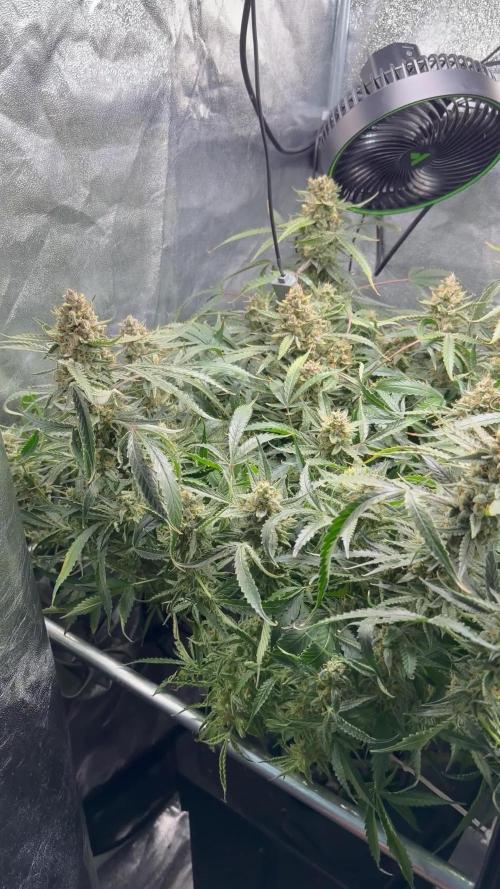
As frosty as can be, but I am disappoint in the size of the buds. Time will tell and I hope she fills out. Two phenos here, both exotic and rock hard.

Likes
5
Share

Likes
139
Share

@GreenHobbit
Follow
🌿 The Hobbit Hole – Woche 11
Woche 11 ist geschafft – und langsam wird es ernst im Hobbit Hole. 🍂
Die drei Damen sind inzwischen deutlich in der späten Blüte angekommen. Das Wachstum spielt praktisch keine Rolle mehr, stattdessen geht es jetzt nur noch um Reife, Trichome und darum, wie lange das Wetter mir noch erlaubt, sie draußen stehen zu lassen.
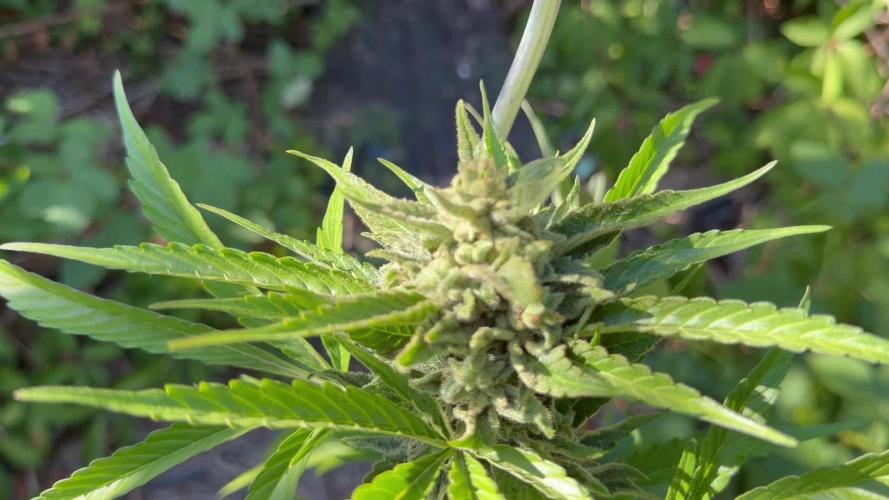
Diese Woche habe ich deshalb nicht nur die Pflanzen und Buds fotografiert, sondern mir auch verschiedene Main- und Seitenbuds unter starker Vergrößerung angesehen. Der Unterschied zwischen den drei Pflanzen wird dabei immer deutlicher.
🌿 Cinderella
Cindy lässt sich von den dreien weiterhin am meisten Zeit.
Ihre Blüten sind inzwischen ordentlich mit Harz überzogen und auch die Pistillen verfärben sich zunehmend, insgesamt wirkt sie aber noch etwas weniger weit als ihre beiden Nachbarinnen.
Die Buds haben weiterhin eine eher offene Struktur und sie wirkt insgesamt noch nicht so „fertig“ wie Purple Punch oder Gelato.
Bei ihr sehe ich momentan keinen Grund zur Eile. Wenn das Wetter mitspielt, darf Cinderella noch eine ganze Weile weiterreifen.
💜 Purple Punch
Purple Punch wird optisch immer interessanter.
Zwischen der dicken Trichomschicht kommen inzwischen wunderschöne dunkle bis lilafarbene Kelche zum Vorschein. Gerade in der Sonne sieht das teilweise wirklich spektakulär aus.
Ihre Buds wirken kompakter und deutlich weiter entwickelt als bei Cindy. Gleichzeitig beginnt auch die Pflanze selbst langsam sichtbar in den Herbstmodus zu wechseln.
Noch ist sie für mich nicht die erste Kandidatin für die Schere, aber sie steht inzwischen klar zwischen Cinderella und Gelato.
🍨 Gelato
Gelato bleibt die Spitzenreiterin – zumindest beim Rennen Richtung Ernte.
Sie zeigt inzwischen das deutlichste Fading der drei Pflanzen und ihre Buds sehen zunehmend ausgereift aus. Viele Pistillen sind bereits braun und eingezogen, die Blüten sind angeschwollen und komplett mit Harz überzogen.
Beim Trichom-Check an verschiedenen Main- und Seitenbuds konnte ich neben vielen milchigen Köpfen auch bereits die ersten eindeutig bernsteinfarbenen Trichome finden. 🔬?
Eigentlich könnte man langsam anfangen, über die Ernte nachzudenken.
Aber genau das werde ich noch nicht tun. 😏
Ich habe keinen Zeitdruck und möchte die Gelato bewusst etwas weiter ausreifen lassen. Mein Ziel ist diesmal nicht der möglichst frühe Erntezeitpunkt, sondern eine deutlich schwerere, entspanntere Wirkung.
Solange die Pflanze gesund bleibt und das Wetter es zulässt, bekommt sie deshalb noch Zeit.
🔬 Trichom-Check
Diese Woche habe ich mehrere Buds jeder Pflanze kontrolliert und nicht nur jeweils einen besonders schönen Mainbud. Dadurch bekomme ich hoffentlich ein etwas realistischeres Bild vom Reifezustand der gesamten Pflanzen.
Besonders bei Gelato zeigen sich inzwischen erste Amber-Trichome, während gleichzeitig noch klare Köpfe vorhanden sind. Der Großteil bewegt sich zunehmend Richtung milchig.
Genau diese Entwicklung möchte ich in den kommenden Tagen weiter beobachten.
🌧️ Jetzt entscheidet auch das Wetter
Und damit kommt langsam der schwierigste Teil eines Outdoor-Grows.
Die Pflanzen können noch Zeit gebrauchen – aber das Wetter muss diese Zeit auch erlauben.
Für die kommende Zeit sieht die Vorhersage deutlich unbeständiger aus. Regen, höhere Feuchtigkeit und schlechtere Abtrocknung werden bei den inzwischen reifen und teilweise recht dichten Blüten zunehmend zum Risiko.
Ab jetzt wird deshalb regelmäßig auf verdächtige Stellen kontrolliert.
Ich werde keine Pflanze nur wegen ein paar Regentagen vorschnell umhauen. Aber zusätzliche Reife ist es natürlich auch nicht wert, dafür am Ende einen schönen Bud an Botrytis zu verlieren.
Das Hobbit Hole geht damit langsam in seine spannendste Phase:
Cinderella darf noch reifen.
Purple Punch kommt näher.
Und bei Gelato läuft ab jetzt der Countdown. ⏳🍨
Noch stehen alle drei.
Mal sehen, ob das am Ende von Woche 12 immer noch so ist. 😏🌿
Likes
19
Share


@420DeepGrow
Follow
Gracias al equipo de Royal Queen Seeds, Marshydro, XpertNutrients y Trolmaster, sin ellos esto no seria posible.
💐🍁 Gelato #44:
Los criadores de Tyson 2.0 criaron Gelato 44 a partir de cepas finas. Al cruzar la Sunset Sherbet y la Thin Mint Girl Scout Cookies, crearon un híbrido de dominancia índica que asesta fuertes golpes en el cuerpo y la cabeza.
Su contenido de THC del 22% crea sinergia con terpenos colocantes para ablandar los músculos
Mantenla hidratada y con una dieta constante y pasará por la fase de floración en unas ocho semanas. Las plantas de interior alcanzan una altura máxima de 120 cm y producen 400-450 g/m², mientras que sus homólogas de exterior alcanzan los 180 cm y producen hasta 600 g por planta.
🚀 Consigue aqui tus semillas:
https://www.royalqueenseeds.es/rqs-semillas-cannabis-tyson/664-dynamite-diesel.html
💡TS-3000 + TS-1000: se usaran dos de las lámparas de la serie TS de Marshydro, para cubrir todas las necesidades de las plantas durante el ciclo de cultivo, uso las dos lámparas en floracion para llegar a toda la carpa de 1.50 x 1.50 x 1.80.
https://marshydro.eu/products/mars-hydro-ts-3000-led-grow-light/
🏠 : Marshydro 1.50 x 1.50 x 1.80, carpa 100% estanca con ventanas laterales para llegar a todos los lugares durante el grow
https://marshydro.eu/products/diy-150x150x200cm-grow-tent-kit
🌬️💨 Marshydro 6inch + filtro carbon para evitar olores indeseables.
https://marshydro.eu/products/ifresh-smart-6inch-filter-kits/
💻 Trolmaster Tent-X TCS-1 como controlador de luz, optimiza tu cultivo con la última tecnología del mercado, desde donde puedes controlar todos los parametros.
https://www.trolmaster.com/Products/Details/TCS-1
🍣🍦🌴 Xpert Nutrients es una empresa especializada en la producción y comercialización de fertilizantes líquidos y tierras, que garantizan excelentes cosechas y un crecimiento activo para sus plantas durante todas las fases de cultivo.
Consigue aqui tus Nutrientes:
https://xpertnutrients.com/es/shop/
📆 Semana 4:
Continuamos la etapa de vegetación, ella se desarrolla muy bien 😎, comienza el buen tiempo, temperaturas agradables para todos.
Esta semana se aplica una solución de trichodermas para una mejor adaptación aunque realmente va genial.
Se mantiene 1/3 de nutrientes Master Root y Master Grow

Likes
60
Share


@Drgreenthumb627
Follow
This strain grew tall and lanky, with very compact and beautiful nugs. the frost that came out is quite incredible and the fruity sweet and piney smells coming off the plant are lovely. i would definitely grow this plant again, it was easily trainable and the node spacing allowed light to penetrate deep into the canopy, maximizing my grow surface area


Likes
3
Share


@dsullivan157
Follow
This strain was given to me in really bad shape because a friend of mine couldn’t take care of it. I didn’t even expect it to live but I nursed it back to help and it was a really unique smell to the buds. It flowered really late but I waited until it was a good time to pick and it turned out really good for my first grow.

Likes
1
Share

@A-C-H
Follow
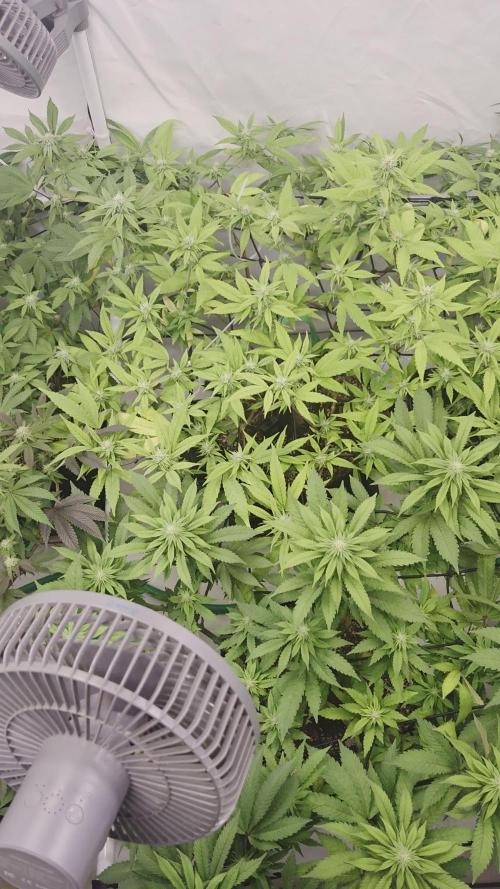
Die Blüte schreitet gut voran, auch wenn ich bei einer meine wild cherries einen Mangel festgestellt habe.
Eine ice rink hat begonnen, ihre Farbe zu verändern .
Likes
26
Share


@Weed_marseille
Follow
Cette semaine les nuriments sont au maximum, seulement P et K.
D'ici une semaine je vais rincer l'ensemble de la culture. Pas de problème recurant, je suis très content des couleurs.

Likes
39
Share


@ThrashedTV_BakedByGlaze
Follow
NEW HEMPER DAB RIG UNBOXING! https://www.youtube.com/watch?v=OtbngkBE6yw
Lots of @GlazedGrow content coming to the new YouTube channel: THRASHED TV 🙏 https://www.youtube.com/c/Christhrash
Cannabis Content + Metal/Music + Interviews & more!
It have been harvested, weighed + curing now. Harvest post coming 🙌
Lights: @ViparSpectraLED XS1000 + P1500
--
Become a @ViparSpectraLED partner for testers and commission here: https://partners.viparspectra.com/create-account?ref=378
Worth the buy: https://www.viparspectra.com/?aff=378&utm_source=affiliate or use discount code GLAZEDGROW.
IG: @GlazedGrow @Glazed_Grow @ChrissThrash @ThrashedShop
YouTube: https://www.youtube.com/c/Christhrash
Twitter: @GlazedTweets @GlazedGrow @ThrashedTV @ThrashedShop
Likes
8
Share


@Jardineiro_Br
Follow
Now é aguardar para ver o peso seco e a potência e sabor dessa variedade , pretendo cultivar ela no inverno acho que o calor derrubou minha produção.
Likes
48
Share


@AsNoriu
Follow
Day 79. 3 liters of phed water goes in.
She smells very fruity tropical, but if you eat fading sugar leaf stem - cheese, heavy, then sweet kush aftertaste deletes cheese ;))) Will be FIRE !!!
Mars hydro TS1000 is doing wonderfull job, this girl is most beautiful from this run and she spent so much time under it.
Happy Growing !!!

Processing
Likes
54
Share


@rhodes68
Follow
1/22 Week 4!
Folded in some CalMag temporarily for a slight def showing up in Jool, foliar of same on all.
Recovering nicely from topping will decide on 2cd later
Jool recovered her normal color in just a few hours after feedings. Can pull the Cal-Mag for a while.
Thought of increasing nuets a tad to 10ml but no need to rush just may have to hit them with Cal-Mag once in a while.
Time to hit the roots again 10ml/gal Kangaroots one feed only
1/25 Leaving in a small amount - 2ml/gal - of Cal-Mag with CocoTek more for peace of mind than anything else
Keeping them small till I have a place to flower then... then we pour it on.
1/27 Continuing to walk the line between keeping them healthy and keeping the size down - working ok so far
Growing nicely although some concern found on Zhaan, feeding pattern on just the two tops shown, no where else.
Nothing seen , sticky trap put up will check often for further.
Not grabbing the Soap just yet see if anything else pokes up
1/28 Sticky trap clean so no flying critters
Think hes right about strange leaves but I want to add I may have done some of this during topping. Just from what I see
Bit of a conundrum the plants are near-ish to the size we wanted to flower them at BUT there is no room at the Inn, (sativas...) so we have one path to getting this done.
Keeping them as small as we can without risking defs for another week then beginning the flowering in the veg tent Moya while the sativa finishes in 2 weeks.
Thats one week of flower in the small tent at best, not sure about that. I swear two tents and one is a 4x4 and still space problems... good to have that problem too 😃
That's the plan but we know there is about a ton of crap that will go wrong like that sativa taking longer.
Re-eval in a week
Feeding remains as before
1/29 Pic and vid to end week no further issues and the tent is now full. Good problem to have but its convinced us that flowering in Moya is problematic
Raised lights to 24" to see if they will go up instead of out for a while.
Defol the bottom end of the plants just a bit in attempt to encourage some vertical growth with that as well.

Likes
17
Share


@Sativa_Juice_Grows
Follow
Growing great.
Drinking a gallon every 2 to 3
days. Posted a bunch from through the week.
shes starting to fill in
the empty spaces in little nugs and
ive never got to watch this day by day
before so im having a great time right now
its off though that she still doesnt smell like much
when you put your nose to her but when you touch some the
leaves or touch the bud itself it smells pretty dank on your fingers
Wondering if it will get louder as she finishes up
Likes
12
Share


@Jays_Not_Here_Man
Follow
Another week has flown by! The girls are doing great, cruise control this week as I have just been monitoring RH and temps. Trying to keep them as low as possible, I’ve been getting as low as 74 during the day and 68 at night.
I finally took a look a look at the trichomes with my jewellers loop, lots of cloudy, and a few amber around the leaves and top colas, but still lot’s of clear trichomes. I’ve ordered myself a wireless/usb digital microscope to assist with the process, and looks like it will be here just in time to determine harvest day. 😎🎄
I started by eliminating the nutrients at the beginning of the week. I typically allow for 3-4 pure water feeds before I harvest, and at the rate they have been drinking, this should be enough to get through the 7-12 days they have before harvest. I don’t flush, but rather “rinse” with normal water amounts, allowing the plant to use up the remaining nutrients in the soil. This also allows me to recover most of the soil from my grows and reuse ♻️ with other soil mix.
There has been great debate and a great deal of bro science out there for many years, but the recent studies suggest there is no difference in end result when it comes to flushing or using nutrients right until the end, if a proper dry and cure is performed. What do you think? What do you prefer to do? Thanks for reading this far, leave me a comment with your preferred method 👊🇨🇦❤️
