


Likes
Comments
Share


@Tweak
Follow
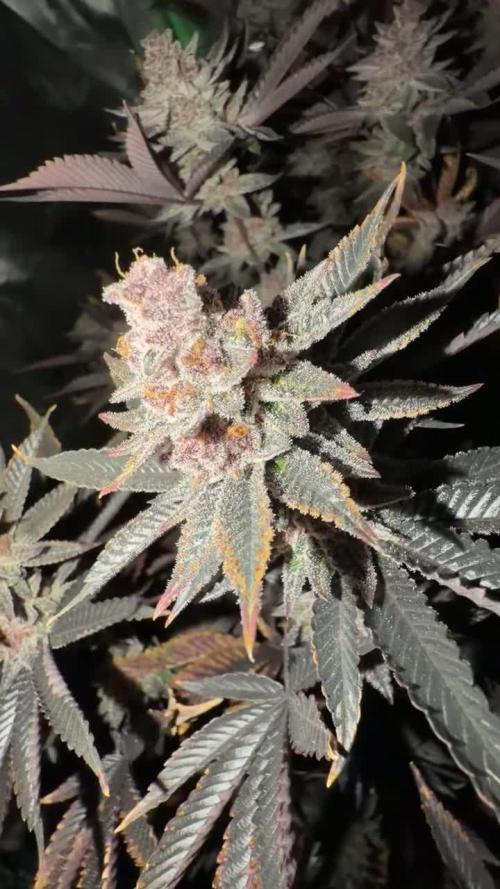
These clones are growing really fast. I have them in a tent enriched with CO2. I’ve been transitioning them to flower slowly (30 min shorter each day till I hit 12/12) I’ll be fully into the stretch next week as I hit 12/12 lighting schedule tomorrow. I built my soil with super soil concentrate so I’m only supplementing silica with silicic acid and a foliage misting with kelp extract. Other than that they get plain well water from me. I’m heading out of town for 5 days starting tomorrow so I’m excited to see the growth they put on in my absence.




Likes
28
Share


@Ferinky
Follow
En esta actualización se incluyen 2 semanas ya que por trabajo me fue imposible añadir la semana anterior.
El día 15 de Agosto recibió la segunda pulverización de Bacillus Thuringiensis para prevenir el ataque de las orugas.
Sigo alternando riego de agua un día con riego de Ascophillum Nodosum al día siguiente. He dejado de regar con Cannazym.
Se aprecia una carencia de nitrógeno.

Likes
2
Share


@Islandgrowbro
Follow
First time using diaries just getting accustomed to everything as a new grower.
Second crop grown these are all clones from that first grow from seeds.
Faced a lot of issues in the first grow was a major learning curve. Produce some average buds. But I think I got a handle of things now.
Feel free to leave a comment tell me what you think!
First batch of clones done right. Still lost a lot due to humidity and moisture but 80/100%.
Planted clones placed under 24/7 light to start the veg. Will replant soon.

Likes
6
Share


@Fullmeltalchemist
Follow
D63/F15 - 11.21 - easily the most vigorous plants in the tent. The passion berry has unbelievable structure and stretch. She stands about 6 inches taller than all the others today. I have 5 more fem'd Passion Berry seeds. 😈Depending on how this one finishes and the bud profile, they might get their own tent next run.
D66/F18 - 11.24 - Little LA sunset that was such a runt for so long is starting to put on buds all nice. Gonna defoliate her in 4-5 days. More pics to come of the big girls tomorrow after they get defoliated 👍
D67/F19 - 11.25 - Defoliation is complete! Everything is looking great!
D69/F21 - 11.27 - the little LA Sunset is looking just dandy, a few more days until the last little defoliation session.

Likes
Comments
Share


@MG2009
Follow
Everything went well More pics of her coming along with weight. I decided that since seeds are popping out, found a couple seeds on the floor, and no need to wait for the fade she served her purpose well. And she brings forth the next Generation !
Red Sky Cake !
Likes
25
Share


@Master_weeda
Follow
Jour42 defolliation and LST
Jour45 defolliation
Jour47 arrosage avec de l'eau ph6.3 à laquelle j'ajoute 1ml par litre d'eau de topmax biobizz
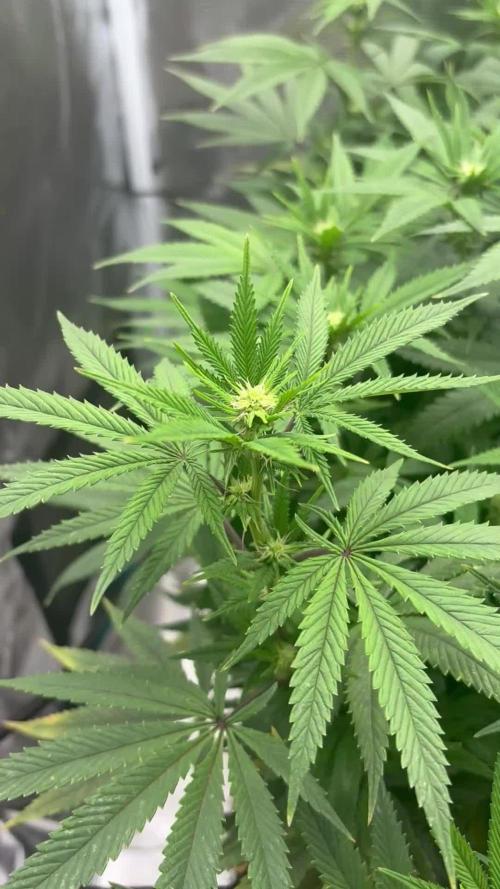
La plante entre maintenant en floraison c'est donc le début du stretch
Explication en anglais
(Stretch explanations more)
EXPOSURE TO LIGHT
One of the main culprits in abnormal stretching of cannabis plants is the lack of light. Plants that are too far from an adequate light source will respond by accelerating stem growth in order to get closer to the lamp themselves. Especially when there are many other plants. A lack of lighting can easily cause overcrowding in a growing chamber, reducing the steady progression of your crop and the distance ratio between your bulbs and your plants.
To address this problem, be sure to provide enough light to your plants to prevent stem growth. At the same time, you should not position your lights too close to your plants either since this would also result in an over-stretching of the stems and in some cases, the loss of your crop.
In addition to the distance between the light source and the plant, the type of light you will use also affects the size of the stretching of your crop. The orange and red lights encourage stretching and result in thinner, larger stems. And conversely, blue light stimulates a growth of thicker stems and a smaller size. When a species is ready to enter the vegetative phase and undergo its most drastic stretching period, metal halide lamps can be used to deter far too long stems.
THE HEAT
Heat is another essential element that can determine the stretch size of your plants during vegetation. Temperatures above 27 degrees push the stems to lengthen more and more and will propel the potential of sativas to push as high as possible. Heat lamps that are positioned too close to plants create an intolerable environment that will grow large, soft plants that will potentially wobble until they fall and lose flowers in its fall.
OTHER CAUSES OF STRETCHING
There are multiple variables that can lead to the stretching of plants beyond what could normally be expected of the plant. Environmental stressors resulting from transplantation (when a plant passes from one pot to another) can cause the plant to return to shock. This will eventually trigger a reaction causing a stretch. Cannabis plants that are not grown in decent conditions or do not receive enough nutrients will respond in a variety of ways and this includes stretching.
Crops that are not spaced far enough apart are likely to stretch to sting the light to other plants. Due to extreme proximity, the plants will fight among themselves to reach the light, forcing them to expand as much as possible throughout the crop.
HOW TO CONTROL STRETCHING DURING FLOWERING
Stretching during flowering, you guessed it, takes place when you move your plants from the vegetation stage to the flowering stage. This is a completely normal reaction, as your plants are preparing to bear the weight of their heads.
Stretching of a plant at the beginning of flowering varies widely; some plants can double in height while others grow only a few centimetres. There are, however, two main variables that can give you at least an idea of how your plants are stretching during flowering, and how much. Here are these two variables:
Variety: Genetics has the greatest impact on the size of your plant. In general, sativa varieties stretch more than indicas and tend to develop long, slender stems.
Light: Some lights, such as HPS, are more likely to encourage stretching. In addition, great distances between your canopy and your lights will cause the plants to stretch as they try to get closer to the light source.
Stretching during flowering usually lasts the first two weeks of the phase. To minimize stretching, keep your lights between 10 (for CFL) and 30 centimetres (for HID) of your canopy. Finally, choose indica varieties if you have a smaller growing space.
HOW TO AVOID STRETCHING
In many cases, you can expect your cannabis plants to stretch during the flowering phase. Keeping that in mind helps to make a plan in case your species ends up growing much more than you could have imagined. If the information is available, get information on the standard size of your species and compare it to the size of your growing space taking into account the necessary distances between the bulbs and the plants.
TRAFFIC
While outdoor crop operations benefit from natural air to naturally limit stretching, indoor crops must assume the maintenance of air circulation within a confined space. Basic ventilation is enough to help the cannabis stems strengthen and become thicker rather than too high. In this way, the plants continue to grow vigorously without reaching heights and at the same time, your tolerance ceiling.
MANUAL INTERVENTION
For growers who want to get their hands dirty, there are physical procedures that can be done to reduce stretching. Similar to the natural effect that the wind has on cannabis plants, manually bending the leaves and stems will cause tiny cracks in the plant's tissues that will cause the plant to focus on regenerating its wounds instead of its vertical growth.
THE TOPPING
Topping is a form of manual intervention on cannabis to influence its performance, shape or size. In essence, topping is a process in which a new node is cut, growing from the plant to reduce its size and create a "v"-shaped notch that will eventually form two heads. Topping may be an effective measure to combat stretching, but it is important not to do so when the flowering phase begins.
In most cases, an abnormal stretch of cannabis plants will not completely destroy your crop. In fact, stretching can indeed help increase your performance. For growers with a growing operation large enough to contain tall plants, stretching can increase the total yield of a species with more vertical space for head formation. In both cases, stretching can easily be planned in advance and there are multiple solutions to help you with this problem which is all too common.
May the force be with you 💪
Likes
25
Share

@Master_weeda
Follow
Stretch 10 centimètres
Jour52 légère defolliation et arrosage avec deux litres d'eau ph6.3
Petit rappel sur le meilleur cycle de lumière pour les autofloraisons
QUEL EST LE PLANNING LUMINEUX OPTIMAL ?
Le cannabis à autofloraison peut survivre avec à peine 5 heures de lumière du soleil par jour. Mais si vous voulez que vos plants s’épanouissent, atteignent le pic de leur puissance et produisent une lourde récolte, ils ont besoin d’au moins 18 heures de lumière par jour. Le planning optimal de lumière pour la culture en intérieur du cannabis à autofloraison est un 20-4 constant pendant tout le cycle de vie. Bien entendu, des plannings de 18-6, 20-2 et 24 heures non-stop ont tous leurs avantages, mais nous avons obtenu les meilleurs résultats avec le planning 20-4.
Les cultivateurs en extérieur peuvent potentiellement lancer la culture dès le printemps. Cependant, nous recommandons toujours de faire germer les graines et de cultiver les jeunes pousses en intérieur sous des lampes artificielles pendant une semaine ou deux pour obtenir les meilleurs résultats. Nous parlerons des options en extérieur plus en détail un peu plus bas.
LE CYCLE DE VIE DU CANNABIS À AUTOFLORAISON
La plus grande différence entre le cannabis à photopériode et à autofloraison est que l’horloge tourne pour une auto dès le moment où la coque de la graine s’ouvre. Le cycle de vie post-germination de la grande majorité des variétés à autofloraison modernes est de 8-12 semaines au total. Au contraire des variétés à photopériode, les autos n’ont pas besoin du planning lumineux courant 12-12 pour faire la transition vers la floraison. Une variété à autofloraison progressera dans son cycle de vie indifféremment du cycle jour-nuit.
CROISSANCE VÉGÉTATIVE ACCÉLÉRÉE
Il est presque impossible de délimiter la phase de la jeune pousse de la croissance végétale avec les variétés à autofloraison de nos jours. De plus, en 30 jours, la plupart exploseront soudainement en phase de floraison. Donner aux autos un bon départ, solide et sain est un facteur critique pour une culture réussie. Beaucoup de choses peuvent se passer pendant une semaine avec un hybride à autofloraison vigoureux en culture. Il n’y a pas non plus beaucoup de temps pour la transplantation. Nous recommandons d’utiliser notre kit de germination ou de planter directement dans les premiers et derniers récipients dès le début. Des pots/récipients en plastique de 10-20 L avec de nombreux trous de drainage au fond sont parfaits. Les Air-Pots sont encore mieux. Beaucoup de cultivateur découvrent à leurs dépens que les petits pots ne sont pas durables pour les hybrides autos modernes plus grands.
Préparez-vous à devoir ajuster quotidiennement votre lampe de culture pour éviter de brûler le feuillage. De plus, tout comme les variétés à photopériode, les conditions environnementales optimales pour les jeunes plants à autofloraison sont des températures entre 20 et 25 °C et une HR dans une fourchette de 50-70 %. En outre, les besoins en nutriments seront considérablement plus faibles que les variétés à photopériode. Il n’y a donc aucune bonne raison de ne pas cultiver bio. Généralement, les autos préfèrent avoir un milieu de culture légèrement fertilisé et bien aéré. Les terreaux légers et/ou le coco sont des substrats fortement recommandés.
La plupart des cultivateurs préfèrent des lampes CFL blanc chaud, LED et MH pour la courte période végétative. Cependant, les lampes HPS à double spectre sont tout aussi efficaces et probablement plus pratiques à utiliser.
FLORAISON RAPIDE ET FÉROCE
Dès que vous pouvez voir les pistils pousser à partir des premières fleurs, vous pouvez vous dire qu’en 45-60 jours, les plants finiront le cycle de floraison et seront prêts à la récolte. Que vous soyez prêt ou non. Mais vous serez prêt, car vous aurez fait les ajustements nécessaires en temps et en heure.
Les apports en engrais de croissance végétative à un dosage faible à moyen seront remplacés par des nutriments pour la floraison et des doses appropriés de compléments et boosters de floraison. Une fois de plus, un régime alimentaire spartiate est recommandé. Pas besoin de changer le planning des lampes, car vous allez suivre votre planning originel jusqu’à la récolte. Mais il faudra vous assurer que les températures ne dépassent pas les 28 °C et vous devez réduire votre HR vers une fourchette plus basse de 40-60 %. Les plants vont s’étirer à des degrés divers. Quoi qu’il en soit, vous devez faire attention et toujours maintenir une distance optimale entre la lampe et la canopée. Un ensemble de cordages ou de crochets réglables rendront la tâche bien plus aisée.
Ne vous imaginez pas que toutes les autos développeront une structure courte de buisson, à moins que le sélectionneur ne donne des données qui le suggèrent.
Naturellement, les deux dernières semaines de floraison devraient être réservées à un rinçage en profondeur du milieu. De l’eau pure, ou une solution de rinçage légère fonctionneront très bien. Quand la majorité des poils ou pistils sur les fleurs auront changé du blanc à l’orange/rouge, vous devriez passer au rinçage. Ne sautez pas cette étape finale critique. Vous méritez les fleurs les plus savoureuses, sans contamination.
COMMENT LES AUTOS RÉPONDRONT AUX TECHNIQUES DE TAILLE ET DE PALISSAGE ?
La réponse courte : très bien ! La plupart des variétés à autofloraison de nouvelle génération répondront très positivement au LST. Et tant que vous taillez tôt, l’étêtage et le fimming peuvent multiplier les tiges de têtes et en plus booster les rendements. De plus, la méthode ScrOG peut être combinée avec toutes ces techniques pour un rendement maximum. Cependant, la culture à grand volume utilisant la méthode SOG est probablement le style de culture le plus populaire à présent. Un nombre croissant de cultivateurs d’autos expérimentent avec les mêmes pratiques courantes de taille et de palissage à haut rendement que les cultivateurs de cannabis à photopériode utilisent.
Les cultivateurs débutants ne devraient probablement pas se lancer dans une taille ou un palissage intensif ou excessif avant d’avoir de l’expérience.
Cependant, plier un peu les pointes de croissance pour créer une canopée plus plate ne peut pas nuire aux rendements. De même, une défoliation minimale pour augmenter la pénétration lumineuse ne stressera probablement pas des plants en bonne santé, tant que vous vous limitez à l’élimination des grosses feuilles nourricières qui font de l’ombre aux sites de floraison.
May the force be with you 💪


Processing
Likes
10
Share


@UrbanFog
Follow
Plants continued to mature this week and all the buds are getting fat they will have there last nutrient feed this week in prep for flushing and harvest next week.
The Lemon Zkittles looks and smells amazing looks amazing. Nearly all the plants look and smell the small, good genetics and breading.
The Cxx is again a very stable genetics and flowered and smells exactly as the last grow did. Good genetics.
The Peyote Cookies and Shishkaberry also grew well and similar, good genetics.
Afghan Kush amazing buds and very earthy smell.classic
The gorilla cookies had a rather large variation in pheno types but all look amazing and each will be a pleasure to smoke.


Likes
16
Share


@Easygroow
Follow
7th week today ,and girls showing that straight away with lost apetite 😄
I'll wait untill they will be proper dry, and onwards from here, only plain water 🤭
Couple buds start showing signs of foxtailing(nothing major yet) ,but that means i have to reduce light a bit.so i just dimmed my both hps from 1kw to 800w and lifted another 10cm upward to reduce the stress a bit.
But buds looks frosty and heavy,can't wait to try them out😍
Likes
8
Share

@GERGrowDesigns
Follow
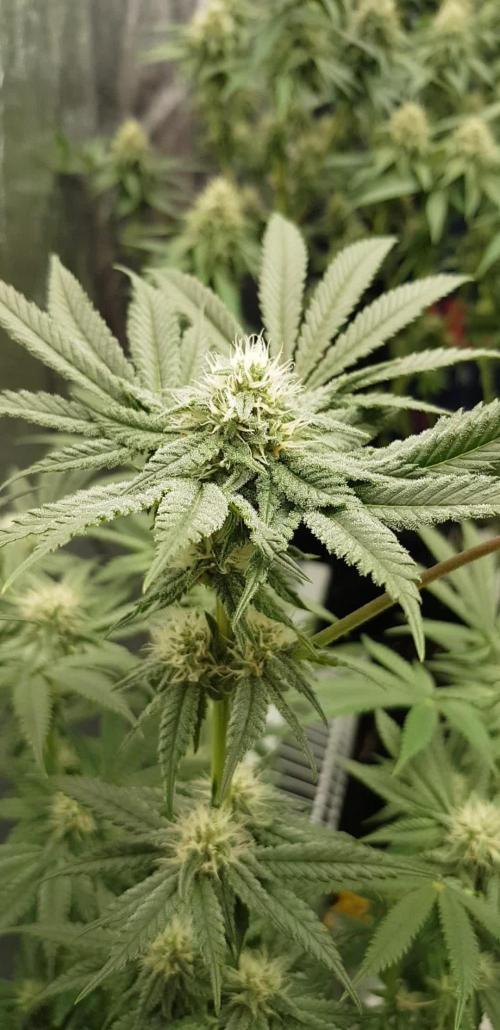
Welcome to Flower week 5 of Fast Buds LemonPaya
I'm excited to share my grow journey with you from my
FastBuds Project . It's going to be an incredible ride, full of learning, growing, and connecting with fellow growers from all around the world!
For this Project , I’ve chosen the Feminized Photo strain Lemonpaya :
Here’s what I’m working with:
• 🌱 Tent: 120x60x80
• 🧑🌾 Breeder Company: Fast buds
• 💧 Humidity Range: 50
• ⏳ Flowering Time: 58 Days
• Strain Info: 30%THC
• 🌡️ Temperature: 26
• 🍵 Pot Size: 16l
• Nutrient Brand: Narcos
• ⚡ Lights : 600W x 2
A huge thank you to Fast Buds for allowing me to try my Best with this amazing collection from Automatic and Photo Strains they managed to Sponsore . Big thanks for supporting the grower community worldwide! Your genetics and passion speak for themselves!
I would truly appreciate every bit of feedback, help, questions, or discussions – and of course, your likes and interactions mean the world to me as I try to stand out in this exciting competition!
Let’s grow together – and don’t forget to stop by again to see the latest updates!
Happy growing!
Stay lifted and stay curious!
Peace & Buds!


Likes
8
Share


@PollenSax
Follow
It's time to harvest the seedless plants.
The pigeons were very disapointed that there were no fem seeds to be had in theses first plants.
The seed mothers need another week to reach the 35 day from pollination mark. You can see seeds in a couple of the photos. They're already turning brown.
The plants are very hard, full and frosty!
They smell like sherbert, and they all look alike.
I'm very pleased:)
Time to get these cleaned up, chopped down, and hung up to dry!


Processing
Likes
7
Share


@SybDarret
Follow
They are 45 and 50 cm
Both of them look pretty, each one is different from the other but they are beautiful 😍
Taller still being fat, her leaves are turning darker and i like it.
The smaller have more branches, so i think in the end they both will yield about the same, or maybe smaller yields more. Let's see.
Both plants don't look like other diaries i've been following 😯
They have a strong fruity sweet smell, But not as strong as PE.
Watered yesterday with nutrients, i'm not sure if keep feeding them or not. I guess if i give them one more week (maybe cut them on feb 11) their colas may gain some weight, specially lower buds.
Added a video of each plant, i hope you enjoy 😺
Likes
201
Share


@JamMAKEcan
Follow
EXOTIC SEEDS EVERY ONE I HAD IS WORTH IT.. Must get more of these.. i already know its a killa...mars hydro frost maker ❤️❤️❤️growing💯💯❤️❤️🏆🏆🏆🏆🏆🏆🏆🏆

Likes
9
Share


@Sato_Growing
Follow
My girls are going perfect they took about 10cm in height and become more bushy.
500-700 ml water per plant every day watering
About 3-4 times i water with nutrients and 3-4 times with water, depends on how many nutrients they want