Likes
Comments
Share
@dwotTV
Follow
Transplanted in the afternoon of 10/23 because they were rooting out of the pucks. Got some humidity dome cups coming tomorrow and another inline fan to handle intake to try to dial in things a bit more. Fugue State #2, in the black pot is still a bit shell shocked, hopefully it opens up soon. Well both #2 and #3 damped off / shell shocked to death, so there's just one left, c'est la vie. #1 is trucking along well and ready for week 2. Sprayed with Neem Oil on 10/24 Fed Light Fox Farms Blend on 10/25 Treated with NemAttack on 10/26

Likes
10
Share
@Raizativa
Follow
Dรญa 97 fue el รบltimo dรญa antes del corte
Likes
25
Share
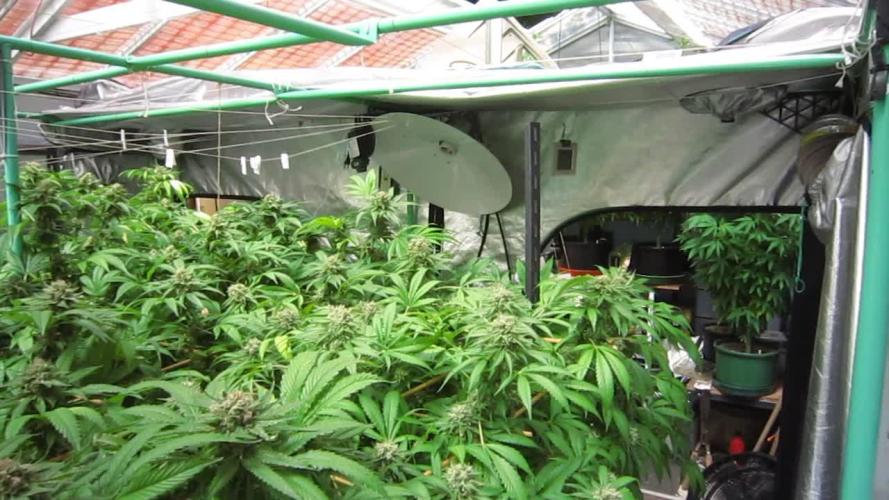
D57 F13 - The week is off to a good start. This lady continues to bush out AND stretch at the same time! I started doing some minimal HST - just to try to keep her going as much "out" as possible, as opposed to "up." D59 F15 - Feeding every other day was just not cutting it anymore, therefore, I started feeding daily this week. There are two other plants in the tent besides this 707 Headband, one Sour Diesel and one Zkittles. So, I'm currently mixing up 12 gal. of nutes in a batch, feeding 6 gal every day - 2 gal/day per plant. Check out the ladies getting fed in the video I included above ;-) Also, I took several pics today; some of those pretty buds getting of to a good start.
Likes
3
Share
Girls are coming on good cant complain still need to do some trimming
Likes
13
Share
Watch the videos.... THIS WAS MY 1ST INDOOR DWC GROW!!! Personally I think I didnt do to bad for making what I thought were crucial mistakes. 2 DAY FLUSH around 10.5 weeks to get salt build up out. Than 200ppm of forabloom. Took plant 1 week to eat up 100ppm and like 1/2 Gal of H2O. They started to change. Maybe bc of the nutrient drop cause premature maturity or it was entering senescence. However did not know it was in its final swell bc i never researched such a thing. Never crossed my mind that it can bud twice. SMH!!! But it had bloom nutes at that time. Than I did a real flush around 11 wks 2 days. Than been flushing and changing res every 5 to 6 days. Lower water to a gallon and dropped to 65Fโฐ and 40% RH for this past week. Temps here in mid-atlantic are fluctuating bad. Gonna be 83 for a few days then drop down to 40s again smh. Did found 2 seedling pods forming soooo yeah. All Fine and Dandy! Gonna empty reservoirs of all H2O tn and let them sit in dark for 1 or 2 days than HARVEST! CLEAR- 20% CLOUDY- 70% JUST MY GUESS WITH MY LOUP AMBER- 10% Bc my 1st grow, did not really know gotta go 2-3wks past breeders date. With sativas, and sativa hybrid dominant strains, I will go Minimum of 13 wks and indica and their hybrid dominant strains, 11 wks. Than add or minus 1 or 2 wks depending on strain and environment conditions. I've seen 60 days flips and autos go for 100 days. I will be at DAY 90 OR 91 WHEN HARVESTED. HAPPY ๐ŸŒฒ๐Ÿ’จ
Likes
10
Share
@nonick123
Follow
๐Ÿš€ 4 clones de Blueberry Pie F1 Fast seleccionados por @stacksfarmz - https://www.instagram.com/stacksfarmz/ ๐Ÿš€ Breeding by @seedsmangenetics - https://www.seedsman.com/eu-en/blueberry-pie-f1-fast-feminised-seeds-sman-blpi-fast-fem ๐Ÿ’ฆ BioTabs 15% DISCOUNT code "GDBT420" biotabs.nl/en/shop/ @biotabs_official ๐ŸŒฑSubstrate PRO-MIX HP BACILLUS + MYCORRHIZAE @promixmitch @promixgrowers_unfiltered ๐Ÿ’ก2 x Mars Hydro FC1500 EVO Led Grow Light (2024 NEW FC 1500-EVO Samsung LM301H 150W LED) - https://marshydro.eu/products/fc1500-evo-led-grow-lights/ - https://www.amazon.de/dp/B0CSSGN5D8?ref=myi_title_dp
Likes
11
Share
@RunWithIt
Follow
Alright, so she had a rather traumatic week. The pics won't show it, but here's what happened. I was supercropping her at the beginning of last week and all but snapped one of her lower branches, off. I taped it up and prayed... full recovery as of this post! The branch was wilting all week and all of a sudden the break point knuckled up and she began carrying on with bud development. She's been drinking nutes like a fuckin' fish. I've been watching the tips for burn, but it seems to be my nutrient regiment is right on the money. No burnt tips, just happy plant. Cheers all! ๐Ÿป 5-6 weeks until the chop! Ya gotta give Ethos a chance. Stellar run, EVERY time.
Likes
6
Share
๐Ÿš‚ 8ร—8 Adventure โ€“ Week 12 ๐ŸŒฟ Cash Express โ€“ Pheno B ๐Ÿšจ When Trouble Knocks: Bud Rot, Staying Calm & Learning From It Hello everyone, and welcome back to another chapter of the 8ร—8 Adventure! ๐ŸŒฑ๐Ÿ’š And this week... Well... Trouble ate the house. ๐Ÿ˜‚๐Ÿšจ But before anyone starts panicking... NO. That's not how we're going to handle this. Because in a room with this many different cultivars and phenotypes, sometimes something happens. And this time... Cash Express Pheno B gave us a little lesson. We found bud rot. ๐Ÿ˜ฌ๐ŸŒธ Am I happy about it? Absolutely not. Did I panic? Absolutely not. And that's Rule Number One. โ”€โ”€โ”€โ”€โ”€โ”€โ”€โ”€โ”€โ”€โ”€โ”€โ”€โ”€โ”€โ”€โ”€โ”€โ”€โ”€โ”€โ”€โ”€โ”€ ๐Ÿšจ Rule Number One: Don't Panic When you discover something like bud rot in a flowering room, the first reaction can very easily be: "Oh shit." ๐Ÿ˜‚ And yes... that's a completely understandable reaction. But panic doesn't help. You need to stop. Look carefully. Confirm what you're actually seeing. And then act. That's exactly what happened here. This was not immediately obvious from the outside. It was hiding. The flower looked perfectly capable of blending into the rest of the plant. But after looking... and looking... and looking again... something didn't feel right. And eventually, experience kicked in. Maybe it's because I've seen enough plants by now. Maybe my eye has become trained. Maybe I'm simply getting better at noticing the little things. Whatever it was... I noticed it. And once I knew something was wrong? There was no hesitation. โ”€โ”€โ”€โ”€โ”€โ”€โ”€โ”€โ”€โ”€โ”€โ”€โ”€โ”€โ”€โ”€โ”€โ”€โ”€โ”€โ”€โ”€โ”€โ”€ โœ‚๏ธ Rule Number Two: Get It Out The affected cola was removed. Straight away. I didn't stand there wondering what might happen. I didn't leave it for another day. I didn't say: "Let's see what it looks like tomorrow." Nope. Out it came. ๐Ÿšจโœ‚๏ธ๐ŸŒธ The goal at that moment was simple: Remove the affected material and prevent the problem from becoming a bigger problem. And once it was removed, I opened it up. That's when the real lesson began. Because from the outside... it wasn't nearly as obvious as it became once the flower was opened. And that's exactly why I wanted to document this. Not because bud rot is fun. It isn't. But because if we're going to document the 8ร—8 Adventure honestly, we have to document the bad moments too. Not just the beautiful frost. Not just the giant flowers. Not just the perfect photographs. Sometimes... we show the ugly stuff. Because that's where people can learn. โ”€โ”€โ”€โ”€โ”€โ”€โ”€โ”€โ”€โ”€โ”€โ”€โ”€โ”€โ”€โ”€โ”€โ”€โ”€โ”€โ”€โ”€โ”€โ”€ ๐Ÿ” What Is Bud Rot? Bud rot is commonly associated with the fungal pathogen Botrytis cinerea. It can develop in dense flowering structures, particularly when moisture becomes trapped inside areas where airflow and drying are limited. And here's the important part: You don't necessarily need to look at your room and think: "Wow, it's extremely humid." for this to happen. A room can have relatively controlled environmental conditions while a dense flower creates its own little microclimate. Inside a thick flower... things can be very different from what your room sensor is telling you. That's why the plant itself still needs to be inspected. The room sensor tells you about the room. The flower tells you about the flower. And sometimes... those are two very different stories. โ”€โ”€โ”€โ”€โ”€โ”€โ”€โ”€โ”€โ”€โ”€โ”€โ”€โ”€โ”€โ”€โ”€โ”€โ”€โ”€โ”€โ”€โ”€โ”€ ๐ŸŒธ What Did I See? This is where I really want to use the photographs from this week. Because the first thing you might notice from the outside isn't necessarily some huge obvious patch of mould. Sometimes the warning signs can be subtle. In this case, there were brownish/discoloured areas that didn't look quite right. The flower wasn't simply progressing uniformly. There was something different happening within the structure. And that is one of the things I want everyone following this diary to take away: LOOK. Actually look at your flowers. Don't just look at the whole plant from three metres away. Don't just look at the beautiful tops. Don't just look at the trichomes. Get your eyes into the structure. Look between flowers. Look at areas that are unusually discoloured. Look for tissue that doesn't seem to fit with the normal progression of the plant. Look for anything that makes you think: "That's not how the rest of this flower looks." That little thought can be important. โ”€โ”€โ”€โ”€โ”€โ”€โ”€โ”€โ”€โ”€โ”€โ”€โ”€โ”€โ”€โ”€โ”€โ”€โ”€โ”€โ”€โ”€โ”€โ”€ ๐Ÿ‘€ The Outside Doesn't Always Tell The Whole Story This was probably the most interesting part for me. From the outside, this problem was surprisingly well disguised. The flower still looked like a flower. It still had its normal structure. It still had all the visual complexity that makes these plants so beautiful. But something was happening inside. Once I opened it... the story became much clearer. And that's why I decided to photograph it. I want people to see both sides. What you might notice with the naked eye... and what you can discover when you investigate further. Because bud rot doesn't always arrive with a giant flashing sign saying: "HELLO, I'M MOULD." ๐Ÿ˜‚ Sometimes it whispers. And that's why observation matters. โ”€โ”€โ”€โ”€โ”€โ”€โ”€โ”€โ”€โ”€โ”€โ”€โ”€โ”€โ”€โ”€โ”€โ”€โ”€โ”€โ”€โ”€โ”€โ”€ ๐Ÿ”ฌ Let's Go Deeper Once the affected cola was opened, the difference became much easier to understand. Healthy flower tissue has a certain consistency and appearance. Rotten tissue doesn't. You may see brown or greyish areas, damaged-looking plant material, unusual discoloration, tissue that appears to be breaking down, or fungal growth associated with the damaged area. And sometimes you'll see something that simply doesn't look like healthy flower anymore. That's the important part. You don't need to become a laboratory scientist. You need to learn what YOUR healthy plants normally look like. Because once you know normal... abnormal becomes much easier to spot. That's something experience teaches you. You look at hundreds of flowers. You photograph them. You handle them. You inspect them. And eventually your brain starts saying: "Wait..." That's what happened here. โ”€โ”€โ”€โ”€โ”€โ”€โ”€โ”€โ”€โ”€โ”€โ”€โ”€โ”€โ”€โ”€โ”€โ”€โ”€โ”€โ”€โ”€โ”€โ”€ โŒ What Bud Rot Is NOT This is also extremely important. Not every brown pistil is bud rot. Not every colour change is mould. Not every damaged leaf means there's an infection. Not every flower that looks different is automatically rotten. Flowers naturally change as they mature. Pistils change colour. Leaves age. Plant tissue can become damaged. Flowers can become darker. Some cultivars naturally develop unusual colours and structures. And photographs can make perfectly normal things look much more dramatic than they really are. So... don't panic at the first brown hair you see. ๐Ÿ˜‚ Look at the whole structure. Compare it with the rest of the flower. Look for tissue damage. Look for unusual discoloration. Look for signs that don't fit the normal maturation pattern. And if you're genuinely unsure? Investigate carefully rather than immediately assuming the worst. โ”€โ”€โ”€โ”€โ”€โ”€โ”€โ”€โ”€โ”€โ”€โ”€โ”€โ”€โ”€โ”€โ”€โ”€โ”€โ”€โ”€โ”€โ”€โ”€ ๐Ÿšจ But When You KNOW It's Rot... That's when we stop debating. Once I was confident that this was a genuine problem... out it came. โœ‚๏ธ๐ŸŒธ No emotional attachment. No: "But it's such a beautiful cola." No: "Maybe she'll recover." Nope. She's gone. Because once a flower is affected, keeping it attached simply because we don't want to lose it isn't a sensible trade. One damaged cola is frustrating. A larger problem spreading through the room is much worse. So the decision was easy. Remove. Remove carefully. Remove immediately. And then inspect what was around it. โ”€โ”€โ”€โ”€โ”€โ”€โ”€โ”€โ”€โ”€โ”€โ”€โ”€โ”€โ”€โ”€โ”€โ”€โ”€โ”€โ”€โ”€โ”€โ”€ After Removal โ€” Don't Forget The Basics Once the affected material is removed, cleanliness matters. Tools should be cleaned appropriately. Hands should be clean. The removed material shouldn't be left sitting around in the grow space. And the affected material? That's waste. Not medicine. Not something to save. Not something to experiment with. If plant material is visibly affected by mould or rot, it isn't something I would consider suitable for consumption. That's an important line. We can be relaxed about a lot of things in this hobby. Mould isn't one of them. ๐Ÿšซ๐ŸŒธ โ”€โ”€โ”€โ”€โ”€โ”€โ”€โ”€โ”€โ”€โ”€โ”€โ”€โ”€โ”€โ”€โ”€โ”€โ”€โ”€โ”€โ”€โ”€โ”€ ๐ŸŒฌ๏ธ How Can Bud Rot Happen In A "Good" Room? This is where things get particularly interesting for the 8ร—8 Adventure. Because this room is not some uncontrolled jungle. We're monitoring temperature. We're monitoring humidity. We're managing airflow. We're managing lighting. We're watching the plants. And we're still pushing the environment toward strong flowering conditions. But the room environment is not the same thing as the microenvironment inside a giant flower. A dense flower can contain tiny spaces where air movement is lower. Moisture can linger. Plant material can be packed tightly together. And the interior can behave differently from the surrounding room. That's why even growers who monitor their environment carefully can still encounter bud rot. It doesn't automatically mean: "Everything was done wrong." Sometimes biology simply finds an opportunity. And this is exactly why inspection remains important. โ”€โ”€โ”€โ”€โ”€โ”€โ”€โ”€โ”€โ”€โ”€โ”€โ”€โ”€โ”€โ”€โ”€โ”€โ”€โ”€โ”€โ”€โ”€โ”€ ๐ŸŒก๏ธ The Current Room The room this week is sitting around: ๐ŸŒก๏ธ Day temperature: ~27ยฐC ๐ŸŒ™ Night temperature: ~25ยฐC ๐Ÿ’ง Relative humidity: ~60% โš—๏ธ pH: ~6.04 โšก EC: ~2.05 mS/cm ๐ŸŒก๏ธ Solution temperature: ~25.2ยฐC ๐ŸŒฑ Substrate temperature: ~26ยฐC ๐ŸŒฌ๏ธ COโ‚‚: ~693 ppm ๐Ÿ’ก Light schedule: 12/12 ๐Ÿ’ฆ Irrigation: ~1.4 L/plant/24h ๐ŸŒฑ Pot size: 15 L We're also continuing with the upgraded Future of Grow lighting setup. Two additional Black Series 600W fixtures are now part of the experiment, currently being controlled at approximately 59% power from the plug. The upper canopy is around the ~1,500 PPFD range. And this is important: I'm not saying these numbers "caused" the problem. I'm saying that even in a carefully managed room, problems can still happen. That's the reality of growing living organisms. โ”€โ”€โ”€โ”€โ”€โ”€โ”€โ”€โ”€โ”€โ”€โ”€โ”€โ”€โ”€โ”€โ”€โ”€โ”€โ”€โ”€โ”€โ”€โ”€ ๐Ÿ’จ VPD, Humidity & Reality This is another area where I think it's important not to oversimplify things. We can talk about VPD. We can talk about relative humidity. We can talk about temperature. We can monitor everything. And we absolutely should. But no environmental number guarantees that a dense flower will never develop a problem. The inside of the flower can have a different microclimate. That's why I don't believe in saying: "My humidity is X, therefore bud rot is impossible." Nothing is impossible. Especially when you're growing dense flowers. The bigger and tighter the flower structure becomes, the more important physical inspection becomes. And that's a lesson I'm happy to repeat. โ”€โ”€โ”€โ”€โ”€โ”€โ”€โ”€โ”€โ”€โ”€โ”€โ”€โ”€โ”€โ”€โ”€โ”€โ”€โ”€โ”€โ”€โ”€โ”€ ๐Ÿ‘๏ธ Prevention Starts With Observation For me, one of the biggest prevention tools is simply knowing your plants. Look at them regularly. Learn what healthy flowers look like. Learn how your particular genetics develop. Know what normal pistil colour changes look like. Know what normal late-flowering leaf changes look like. And then pay attention when something doesn't match. Because prevention isn't only about numbers on a controller. It's also about your eyes. Your nose. Your experience. Your photographs. Your memory. And your willingness to investigate. The more familiar you become with your plants, the easier it becomes to notice when something doesn't belong. โ”€โ”€โ”€โ”€โ”€โ”€โ”€โ”€โ”€โ”€โ”€โ”€โ”€โ”€โ”€โ”€โ”€โ”€โ”€โ”€โ”€โ”€โ”€โ”€ ๐ŸŒฌ๏ธ Airflow Still Matters Dense flowers benefit from good airflow around the plant and through the room. Not because airflow magically makes plants immune to fungal problems... but because stagnant, damp microclimates are exactly the sort of conditions we don't want around dense flowers. So we keep paying attention to airflow. We keep the room moving. We avoid unnecessarily wet conditions around the flowers. We monitor environmental changes. And we inspect. That's the combination. Not one magic trick. Not one number. Not one piece of equipment. A whole system. โ”€โ”€โ”€โ”€โ”€โ”€โ”€โ”€โ”€โ”€โ”€โ”€โ”€โ”€โ”€โ”€โ”€โ”€โ”€โ”€โ”€โ”€โ”€โ”€ ๐Ÿง  Don't Turn One Problem Into Ten Problems This is another important lesson. When something goes wrong, don't suddenly change everything. One cola has a problem? Don't immediately decide the entire room is failing. Don't panic and start changing five environmental variables at once. Don't start throwing random solutions at the plants. Stop. Identify the problem. Remove the affected material. Inspect the surrounding area. Clean up properly. Then continue monitoring. That's what I did here. One problem. One response. And then back to watching the room. Because the other eleven girls don't suddenly become guilty just because one flower had a problem. ๐Ÿ˜‚ โ”€โ”€โ”€โ”€โ”€โ”€โ”€โ”€โ”€โ”€โ”€โ”€โ”€โ”€โ”€โ”€โ”€โ”€โ”€โ”€โ”€โ”€โ”€โ”€ ๐ŸŒฟ And What About Cash Express Pheno B? Well... this is where we have to give this girl a little respect. Because despite this little incident... she is still beautiful. She's still developing. She's still flowering. She's still doing what Cash Express Pheno B has been doing throughout this entire journey. Growing tall. Building flowers. Occupying her space. Doing things her own way. And yes... she gave me one little headache. ๐Ÿ˜‚๐Ÿšจ But one affected cola doesn't erase everything else this plant has done. This is still a beautiful phenotype. And now she's also taught us something. That's part of the adventure. โ”€โ”€โ”€โ”€โ”€โ”€โ”€โ”€โ”€โ”€โ”€โ”€โ”€โ”€โ”€โ”€โ”€โ”€โ”€โ”€โ”€โ”€โ”€โ”€ ๐ŸŒธ One Cola Doesn't Define The Plant I think this is important to say. When you see photographs of the affected flower, it can be easy to let that become the entire story. But it isn't. The 8ร—8 Adventure isn't about pretending everything is perfect. It's about documenting reality. And reality contains both: ๐Ÿ˜ Beautiful flowers and ๐Ÿ˜ฌ Problems. That's growing. Sometimes you get incredible frost. Sometimes you get a plant that surprises you. Sometimes you get a beautiful phenotype. And sometimes... bud rot decides to pay you a visit. You deal with it. You learn from it. And you keep going. โ”€โ”€โ”€โ”€โ”€โ”€โ”€โ”€โ”€โ”€โ”€โ”€โ”€โ”€โ”€โ”€โ”€โ”€โ”€โ”€โ”€โ”€โ”€โ”€ ๐Ÿ“ธ Why I Took These Photos I deliberately photographed this because I think it's valuable education. Not to scare anyone. Not to create drama. And certainly not to say: "Look how bad things can get!" No. Quite the opposite. I want someone looking at this diary six months from now to see these photographs and think: "Okay... THAT is the kind of thing I should be looking for." That's useful. The beautiful photographs are inspiring. But the ugly photographs can be educational. And sometimes... the ugly ones are the ones people remember. โ”€โ”€โ”€โ”€โ”€โ”€โ”€โ”€โ”€โ”€โ”€โ”€โ”€โ”€โ”€โ”€โ”€โ”€โ”€โ”€โ”€โ”€โ”€โ”€ ๐Ÿ”ฌ The 8ร—8 Adventure Isn't A Perfect-Grow Competition This is not a showroom. It's a living room full of living plants. Twelve individual phenotypes. Different genetics. Different flower structures. Different densities. Different responses. And sometimes... different problems. That's why I'm not embarrassed to show this. If anything, I think it's important. Because if we only show perfect plants, people can get the impression that experienced growers never have problems. That's simply not reality. Experienced growers have problems too. The difference is often how quickly they recognize them... and how calmly they respond. โ”€โ”€โ”€โ”€โ”€โ”€โ”€โ”€โ”€โ”€โ”€โ”€โ”€โ”€โ”€โ”€โ”€โ”€โ”€โ”€โ”€โ”€โ”€โ”€ ๐Ÿšจ What To Do If You Find It My approach here was simple: 1๏ธโƒฃ Stay calm. 2๏ธโƒฃ Confirm that what you're seeing is actually abnormal. 3๏ธโƒฃ Inspect the flower carefully. 4๏ธโƒฃ Remove the affected material promptly. 5๏ธโƒฃ Keep affected material out of the grow space. 6๏ธโƒฃ Clean the tools and anything that contacted the affected material. 7๏ธโƒฃ Inspect nearby flowers and dense areas carefully. 8๏ธโƒฃ Continue monitoring the room and the plants closely. 9๏ธโƒฃ Don't panic and start changing everything at once. ๐Ÿ”Ÿ Keep documenting. That's what this diary is for. We're learning as we go. โ”€โ”€โ”€โ”€โ”€โ”€โ”€โ”€โ”€โ”€โ”€โ”€โ”€โ”€โ”€โ”€โ”€โ”€โ”€โ”€โ”€โ”€โ”€โ”€ ๐Ÿ’š The Rest Of The Room Keeps Moving And this is the important part. The rest of the 8ร—8 is still doing what the 8ร—8 does. Growing. Flowering. Developing. Different girls are moving at different speeds. Some are faster. Some are slower. Some are compact. Some are huge. And now we've had our reminder that even a beautiful flowering room can throw you a curveball. That's okay. We deal with it. And we continue. Because the adventure doesn't stop because one cola decided to misbehave. ๐Ÿ˜‚๐Ÿš‚๐ŸŒฟ โ”€โ”€โ”€โ”€โ”€โ”€โ”€โ”€โ”€โ”€โ”€โ”€โ”€โ”€โ”€โ”€โ”€โ”€โ”€โ”€โ”€โ”€โ”€โ”€ ๐Ÿ’ก The Photons Keep Coming The Future of Grow Black Series lighting continues providing the artificial sun for this room. We're still working with the additional two 600W fixtures. We're still controlling their output rather than simply running everything flat out. We're still watching how the different plants respond. And we're still using Lumiflora to add another layer of light deeper into the canopy. Nothing about one affected cola changes the larger experiment. If anything... it gives us another variable to observe. That's what real grows are. Not controlled laboratory experiments where nothing unexpected ever happens. Real plants. Real rooms. Real environmental changes. Real genetics. Real problems. Real learning. โ”€โ”€โ”€โ”€โ”€โ”€โ”€โ”€โ”€โ”€โ”€โ”€โ”€โ”€โ”€โ”€โ”€โ”€โ”€โ”€โ”€โ”€โ”€โ”€ ๐ŸŒธ And Yes... We're Still Going To Make Her Shine Absolutely. Because this girl deserves it. Even with the little bit of trouble she gave us. ๐Ÿ˜‚๐Ÿ’š Cash Express Pheno B is still beautiful. She's still tall. She's still developing. She's still building flowers. She's still showing us her own expression. And now she's also given us an opportunity to talk about something that every flowering grower should understand: Sometimes things go wrong. The important part is what you do next. So I'm not going to hide the ugly side. I'm going to put it right here beside the beautiful side. This is the plant. This is the journey. This is growing. โ”€โ”€โ”€โ”€โ”€โ”€โ”€โ”€โ”€โ”€โ”€โ”€โ”€โ”€โ”€โ”€โ”€โ”€โ”€โ”€โ”€โ”€โ”€โ”€ ๐Ÿ”ฎ Looking Ahead From here... we continue. We'll keep watching Cash Express Pheno B closely. We'll keep inspecting the flowers. We'll keep monitoring the environment. We'll keep paying attention to the dense areas. We'll keep providing stable conditions. And we'll see where the rest of her flowers take us. The affected cola is gone. The lesson remains. And the plant? She's still here. Still growing. Still flowering. Still beautiful. So let's see what she does next. โ”€โ”€โ”€โ”€โ”€โ”€โ”€โ”€โ”€โ”€โ”€โ”€โ”€โ”€โ”€โ”€โ”€โ”€โ”€โ”€โ”€โ”€โ”€โ”€ โค๏ธ Final Thoughts โ€“ A Lesson Hidden Inside The Flower This week wasn't the update I expected to write. ๐Ÿ˜‚ But honestly? I'm glad I can write it. Because this is the part of growing that doesn't always make it into the pretty photographs. Bud rot can happen. Even in a room where you're monitoring your environment. Even when the plants look beautiful. Even when you're doing everything you can to keep the room stable. Dense flowers can create their own little microclimates. And sometimes... fungal problems find an opportunity. The important thing is not to panic. That's Rule Number One. Rule Number Two? Get it out. โœ‚๏ธ๐Ÿšจ That's what we did. I noticed something that didn't look right. I investigated. I found the problem. I removed the affected cola. I opened it. I photographed it. And now we're using that experience to help educate everyone following along. What does it look like? What should you pay attention to? What is normal? What isn't? And what should you do when you find it? That's the value of documenting the entire journey. Not just the wins. Not just the frost. Not just the beautiful macro shots. Everything. And Cash Express Pheno B? She's still shining. One bad cola doesn't define a beautiful plant. It simply gives us one more lesson from her story. ๐Ÿš‚๐ŸŒธ๐Ÿ’š So... no panic. No drama. No hiding. Just learn. Observe. Act when necessary. And keep going. That's growing. And that's the 8ร—8 Adventure. โ”€โ”€โ”€โ”€โ”€โ”€โ”€โ”€โ”€โ”€โ”€โ”€โ”€โ”€โ”€โ”€โ”€โ”€โ”€โ”€โ”€โ”€โ”€โ”€ ๐Ÿ™ Thank You A huge thank you to Zamnesia for giving us these genetics and allowing us to follow these individual phenotypes throughout this entire adventure. Thank you to Plagron for supporting the room with the nutrition we're using throughout flowering. A massive thank you to Future of Grow for providing the Black Series lighting and especially the two additional 600W fixtures we're now testing in the 8ร—8 Adventure. Thank you to Lumiflora for helping us bring additional light deeper into the canopy. Thank you to TrolMaster for helping us monitor and manage the environment behind the scenes. And thank you to everyone following this crazy experiment here on GrowDiaries. This week, you're getting something a little different. Not just beautiful flowers. Not just frost. Not just another perfect macro photograph. You're getting a lesson. You're getting the reality of growing. Because sometimes... Trouble eats the house. ๐Ÿ˜‚๐Ÿšจ But we don't burn the house down. We stay calm. We find the problem. We deal with it. We learn. And we keep growing. Cash Express Pheno B is still here. She's still beautiful. She's still developing. And she's still writing her story. One cola gave us a headache. The rest of the plant? Still shining. ๐Ÿš‚๐ŸŒธ๐Ÿ’š And if there is one thing I hope people take from this week's report: Don't be afraid of problems. Respect them. Learn to recognize them. Act quickly when you need to. And never let one problem convince you that the whole grow is lost. Growing is not about never having problems. It's about learning how to deal with them. And this week... Cash Express Pheno B taught us exactly that. Until next week... Keep your eyes open. Keep your plants close. Keep learning. And let's keep this beautiful girl shining. Growers Love & Happy Growing! ๐ŸŒฑ๐Ÿ’š๐Ÿš‚
Likes
1
Share
@AsNoriu
Follow
Day 78. Humidity keeps very high, all fans on max, extraction exhaust is on 70%. Day 83. Found maybe WPM on one plant, so now all air movement on max of all maxes ;)))) Happy Growing !!!
Likes
4
Share
@NSABND
Follow
Day 43 a new week starts ๐Ÿ’ช๐Ÿ˜ƒ๐Ÿ‘ Day 44 every single Day a little bit more ๐Ÿ˜‹๐Ÿ™๐Ÿ‘
Processing
Likes
8
Share
@Salgeezi
Follow
From the looks of it. I am in early stages of root rot. Plant is not growing as fast as it was at all. It can be a few things. Light penetration into the bucket. My water temps are around 70f. So I think that's okay. I had some extra mylar from a grow I did years ago. Cut pieces to go over the kids hopefully that helps. I took out all additives besides CalMag. They were fouling the rez as usual. Dropping the Ph as usual. I think it's also the cause of the root rot. I have sprayed soaked with h202 and have added it to the reservoir after a cleaning and a water change. Looks a bit better. I'm located in Canada and I cannot find hydroguard anywhere. Which kinda sucks. Any alternatives would be great. Thanks
Likes
12
Share
@Enki_Weed
Follow
Die letzte Woche vor der Ernte gibt's nur noch Wasser, CalMag und einen Tropfen SuperVit. Die Buds sind so schwer, dass die Pflanze schon schrรคg hรคngt, und der Duft ist einfach mega lecker!๐Ÿ˜‹ The last week before harvest will only involve water, CalMag, and a drop of SuperVit. The buds are so heavy that the plant is already leaning to one side, and the scent is just incredibly delicious!๐Ÿ‘
Likes
3
Share
@Oyziphar
Follow
๐Ÿ‘ฝ We had very sunny day this week ๐ŸŒž๐ŸŒž๐ŸŒž, with very hot temperatures ๐ŸŒถ๏ธ๐ŸŒถ๏ธ๐ŸŒถ๏ธ Fourth week of Light Deprivation ๐Ÿ‘‰๐Ÿ‘‰๐Ÿ‘‰๐Ÿ‘‰Every morning at 8:30 am I move the plants to the greenhouse. ๐Ÿ‘‰๐Ÿ‘‰๐Ÿ‘‰๐Ÿ‘‰Every evening at 8:30 pm I move the plants (together with some other strains) inside the growroom (which I don't use in the summer) โžก๏ธ This variety produces quite a few trichomes, and the buds are already getting nice and hard. โžก๏ธ I defoliated the plants โžก๏ธ The plants are making new flowers everyday ๐ŸŒป๐ŸŒป๐ŸŒป, trichomes are appearing, and every day they start to smell stronger ๐Ÿ‘ƒ๐Ÿ‘ƒ๐Ÿ‘ƒ ๐Ÿ‘‰Two times a week I boost the plants with gift of water enriched with OPF 7:2:3 ; Fulvic 25 ; Yuccah ; Biovin liquid ; Earthworm compost extract โญBig Thanks to Luc from Plant Health Solutions / Bioplantenvoeding dot nl โญ Plant #1 ; height : 120 cm Plant #2 ; height : 99 cm
Likes
14
Share
Unseasonably warm, soaking up rays before Fall sets in.
Likes
21
Share
@Rollex420
Follow
Dos Si Dos # 33 ready for drying in the jar, honest weight (53,5g) seeing the structure which was very small I would have expected something less.. but I am very satisfied. the quality of this weed is absolutely at the top, the taste is very well defined.. when smoked it makes your nose tingle,flavor it is mainly pure lemon with a hint of mint in it. even the strong smell induces an entire room in a few seconds without even smoking it yet. I also collected a 0.4g of scissor hash which turned out very well. it is my favorite in this crop because it surprised me in everything both for its unique terpene profile and for its yield that I never expected given its size compared to wedding cakes. the total weight therefore of all three plants is (135.5g) and a total trim of (44.9g) that according to the calculations even of these crops I reached (1g/watt) precisely. (And im not a pro) I am certainly satisfied with that. ๐Ÿ™Œ๐Ÿป๐Ÿ’š
Likes
2
Share
@johntoe
Follow
ใ…ค Blรผtewoche 7: Purple Time! ๐Ÿ’œ Aktuell - 26,8ยฐ | 55,6% RLF | 1,17 kPa Drei Wochen Urlaub, drei Wochen kein Update, dafรผr jetzt der volle Sprung: Die Buds sind richtig dick geworden, die Stempel รผberwiegend orange. Wรคhrend meiner Abwesenheit mussten die Autopots zweimal aufgefรผllt werden, die vier sind ordentlich durstig! Die King's Juice haben krรคftige violette Tรถne gezogen, die MxOP bleiben grรผner, dafรผr glitzert es dort umso stรคrker. Untenrum vergilben die Blรคtter zunehmend, genau wie es sein soll. Was man beim ร–ffnen sofort merkt: Der Geruch ist ordentlich prรคsent! Die MxOP geht klar in die fruchtige Richtung, die King's Juice eher ins Florale. Genau die orangige Duftkeule, auf die ich im ersten Eintrag gehofft hatte ๐ŸŠ Ein Problem gab es doch: Die Abluft lief zu hoch, der Entfeuchter kam gegen die Feuchte nicht an. Abluft runtergeregelt, seitdem passt die RLF wieder. Dazu leicht entlaubt, damit sich in den dicken Buds nichts festsetzt. An den oberen Buds zeigen sich die ersten milchigen Trichome. Ziel ist die Ernte in Blรผtewoche 10, also in etwa drei Wochen, entscheiden werden am Ende aber die Trichome.
Processing
Likes
11
Share
Likes
24
Share
She is already starting to flower, i observed some pistils starting to grow, good news, lets see if the weather stays nice the next couple of weeks. Good luck in the outdoor competition people, hopefully this Runtz gives some nice results just like the strawberry banana did some weeks ago
Likes
17
Share
Animal Mints โ€” Legends of the Frozen North Part 2 โ€” Drying, Trimming & Preserving the Harvest Before we begin, once again, we want to apologize for dividing this harvest into multiple reports. We know it can feel like a long journey to follow week after week, but honestly, this is the only way we can properly document everything in the level of detail that these plants deserve. Harvesting, drying, trimming, curing, resin collection, storage methods, smoke reviewsโ€ฆ all of these stages are part of the final medicine. And instead of rushing through it in one giant post, we prefer to slow down and share every step in the most educational and transparent way possible. So welcome back to the frozen north. This is Part 2. โธป Ten days later, the room had completely changed. The giant living plants we harvested in the previous report had now transformed into hanging medicine. Slowly drying in darkness, at around 18โ€“20ยฐC and roughly 60% humidity, allowing the moisture to leave the flowers gradually instead of forcing them dry too quickly. For the first couple of days, humidity was brought slightly lower to help remove excess external moisture, but after that, conditions stabilized again for the slow dry we love so much. And then came that moment every grower knows. That little click. That beautiful snap in the branches that tells you the plant is finally ready. Not too wet. Not too dry. Just right. And honestlyโ€ฆ after seeing these girls hanging there for days, fully intact, massive branches swinging slowly in the dark, it was finally time to begin the next ritual. Trimming day. โธป Gloves on. Scissors ready. Trim bin prepared. Medicine beside us. Mr. Baggy supervising operations as always. One branch at a time, we carefully broke the plants down by hand, slowly removing each flower from the stems before shaping every nug individually. No rush. No machine trimming. No shortcuts. Just patience, resin, and respect for the plant. And these Animal Mints girls absolutely covered everything in trichomes. The moment trimming started, the gloves became sticky almost immediately. Thick resin building layer after layer until eventually it rolled naturally into small dark hash balls directly from the fingers and gloves themselves. This is one of those little moments we genuinely love about harvest season. That sticky resin coating the gloves is essentially concentrated trichome resin โ€” cannabinoids, terpenes, waxes, oils, and all the aromatic compounds that make the plant what it is. With a little warmth from the hands and gentle pressure, it naturally rolls together into traditional finger hash. Simple. Ancient. Beautiful. And of courseโ€ฆ we also continued our little Moroccan-style โ€œdrumsโ€ with the trim. By gently agitating the dried trim across the screens, we collected an absolutely beautiful amount of dry sift. Bright golden-yellow resin, soft and sandy, full of aroma and life. No exact scale numbers this time โ€” this was more about enjoying the process than chasing statistics โ€” but the quality spoke for itself immediately. Honestly, this type of hash is one of our favorite ways to enjoy the plant. A little inside a joint, slowly melting together with the flower, enhancing both flavor and depth without overpowering the experience. Pure magic. โธป Now letโ€™s talk numbers. And honestlyโ€ฆ these girls performed beautifully. Plant A gave us: 127g Plant B gave us: 247.8g Plant C gave us: 287.9g For dense, compact, heavily resinous flowers grown 12/12 from seed, this is an outstanding result in our eyes. Especially considering the morphology of these plants. This style of growing continues to impress us more and more every single run. The plants remain relatively compact vertically, but the flower production becomes incredibly efficient. Tight node spacing. Massive bud stacking. Heavy trichome production. Strong support structure. Dense flowers without absurd plant height. The frozen north delivered once again. And standing there in the studio holding entire branches in both handsโ€ฆ honestly, it was impossible not to smile. Happy grower moment. โธป Once trimming was complete, the next mission began: Preserving the terpenes. Because harvest means nothing if the cure is bad. So this time we decided to test multiple storage methods side by side. Some flowers went into traditional glass jars โ€” still one of our absolute favorite methods for long-term curing. Stable, simple, reliable, and something we continue to trust deeply. Some flowers went into vacuum-style Zamnesia metal containers, where air can be partially removed while maintaining stable conditions inside. Others went into vacuum plastic containers with pressure-sealed lids. And finally, part of the harvest also went into Grove Bags, since the yield was simply too large not to use multiple preservation systems. Inside several containers we also added 62% humidity control packs. These packs are not โ€œmagic terpene creatorsโ€ or anything like that โ€” they simply help stabilize relative humidity inside the container, preventing flowers from becoming either too dry or too moist during curing. The flowers themselves were already dried correctly before storage. That part is important. Humidity packs are not there to fix bad drying. They are there to help maintain stability afterward. And honestly, one of the most exciting things now will be revisiting these exact same flowers months later to compare how each storage method affected aroma, texture, smoothness, and terpene expression over time. Because curing is alive. Medicine changes. Terpenes evolve. And that journey is part of the magic too. โธป One thing we also want to mention is how much easier trimming became with the curved point Zamnesia scissors. It might sound like a tiny detail, but those curved tips genuinely help reach deep into dense flowers without damaging structure, allowing cleaner trimming while preserving the natural shape of the buds. Small tools. Big difference. โธป By the end of this session, trays were full, jars were packed, hash was collected, gloves were destroyed by resin, and the studio smelled absolutely unreal. pine, diesel and earthy. Animal Mints is looking amazing. And honestlyโ€ฆ looking at those giant trimmed branches in the studio lights, it was one of those moments where you simply stop for a second and appreciate the entire journey from seed to harvest. Because this is more than growing plants. This is preservation of flavor. Preservation of resin. Preservation of time, patience, and intention. โธป But we are still not done. Not even close. The next report will be the final chapter of this frozen journey: the smoke review, terpene breakdown, curing evolution, flavor analysis, effects, and our complete final thoughts on Animal Mints from seed to harvest. And trust usโ€ฆ This girl still has a lot to say. โธป Huge thanks once again to everyone following this journey: Zamnesia for the genetics, Plagron,FOG Lighting, the gear sponsors, the community, GrowDiaries, the growers supporting from day one, the silent followers, the commenters, the critics, the legends, the OGsโ€ฆ And of course, thank you to everyone taking the time to read these reports week after week. The frozen north continues. ๐Ÿ“ก DELETED @ 1K Please stay tuned.we never quit https://www.youtube.com/@TheDogDoctorOfficial NEW ๐Ÿ™ Thank you for your patience and continued support. FOR DISCOUNT CODES AND MORE JUST FOLLOW THE LINK https://website.beacons.ai/dogdoctorofficial ๐Ÿ“ฒ Donโ€™t forget to Subscribe and follow me on Instagram and YouTube @DogDoctorOfficial for exclusive content, real-time updates, and behind-the-scenes magic. Weโ€™ve got so much more coming, including transplanting and all the amazing techniques that go along with it. You wonโ€™t want to miss it. GrowDiaries Journal: https://growdiaries.com/grower/dogdoctorofficial Instagram: https://www.instagram.com/dogdoctorofficial/ YouTube: https://www.youtube.com/@dogdoctorofficial Deleted by Youtube - https://www.youtube.com/@TheDogDoctorOfficial NEW Vimeo : https://vimeo.com/dogdoctorofficial Under construction stay tuned โธป Explore the Gear that Powers My Grow If youโ€™re curious about the tech Iโ€™m using, check out these links: ๐Ÿ”† Lighting & Environmental Control โ€ข Future of Grow โ€” Advanced LED lighting technology https://www.futureofgrow.com/ DISCOUNT CODE: DOG20 โ€ข Lumiflora โ€” Under-canopy LED lighting https://lumiflorade.com/ โ€ข TrollMaster โ€” Environmental controllers and automation gear (past collaboration) โธป Genetics โ€ข Zamnesia Seeds โ€” Genetics used in this project https://www.zamnesia.com/ โธป ๐ŸŒฑ Soil, Substrates, Boosters & Root Support โ€ข Plagron โ€” Substrates, bio mixes, and supportive products https://plagron.com/en/ โธป ๐ŸŽ’ Storage, Curing & Preservation โ€ข Grove Bags โ€” Curing and storage solutions https://grovebags.com/ โธป ๐Ÿ“ธ Photography Equipment & Tools (Not sponsors, but part of my creative toolkit) โ€ข Sony A6700 โ€ข Sony full-frame macro lens + few more โ€ข Stacking photography workflow - learning โ€ข iPhone (for behind-the-scenes shots) As always, this is shared for educational purposes, aiming to spread understanding and appreciation for this plant. Letโ€™s celebrate it responsibly and continue to learn and grow together. With true love comes happiness. Always believe in yourself, and always do things expecting nothing and with an open heart. Be a giver, and the universe will give back in ways you could never imagine. ๐Ÿ’š Growers love to all ๐Ÿ’š ๐Ÿ“ธ P.S. โ€“ The Eye Behind the Lens All photos in this diary (for now โ€” except for the ones showing the camera, which I took with an iPhone) are taken with a Sony A6700 paired with a Sony full-frame macro lens and a few more. Photography is part of the story โ€” itโ€™s how we share the fine textures, the glow, and the quiet details that words canโ€™t always capture. Iโ€™ve also started experimenting with photo stacking โ€” a technique where multiple images, each taken at a slightly different focus point, are layered together to create one perfectly sharp image from front to back. Itโ€™s not digital enhancement or AI; itโ€™s pure photography โ€” a way to reveal the plantโ€™s beauty in microscopic depth, from trichome to petal. Youโ€™ll even see a few shots of "ghost me" capturing the shots โ€” camera, lens, setup โ€” because every grow deserves not just to be cultivated, but documented like art. FOR DISCOUNT CODES AND MORE JUST FOLLOW THE LINK https://website.beacons.ai/dogdoctorofficial NEW DISCORD - Official Server Invite Link : https://discord.gg/ksjAkA5T74
Likes
46
Share
@Daweed83
Follow
So iโ€™ve learned this week that the plant at the back has โ€œfoxtailโ€ buds which is probably due to some sort of light stress. Im not too worried about because apparently the quality isnโ€™t damaged at all. Just very curious on why only one has it out of the 2 peanut butter. Anyway getting closer to harvest. Caaannot wait ๐Ÿ˜๐Ÿ™๐Ÿฝ ๐Ÿ––๐Ÿฝ๐Ÿ––๐Ÿฝ