Likes
Comments
Share


@Cheeba_Inu
Follow
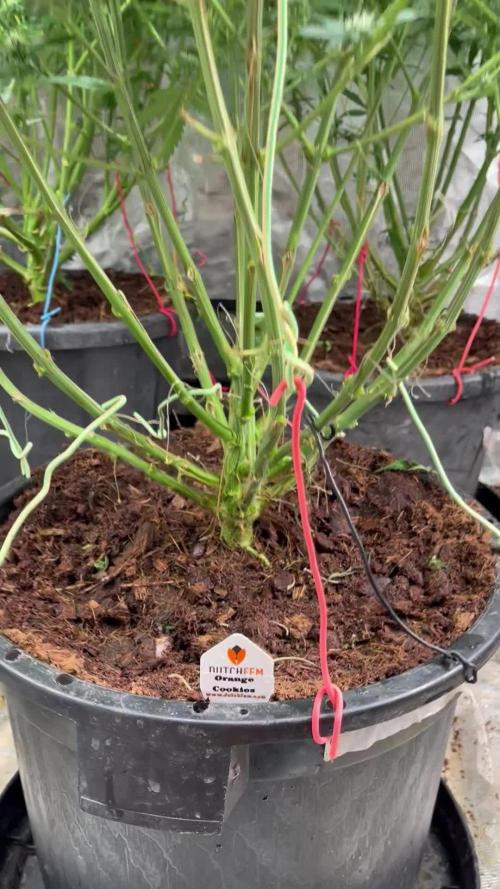
At day 21, the plant is growing extremely bushy with lots of branching. I like a healthy, compact plant, but it is definitely making the LST tricky as there is so much foliage in such a dense space. I am planning on defoliating in the future, but with my LED set up the bottom fan leafs are getting plenty of light so I am going to start slow.
Over week 4 my plan is to really flatten the plant out, and get more room for all the branches coming in. If this kind of growth continues for another week or so, there will be a ton of bud sites when it switches to flowering.
Day 27: upgraded to new tent.


Likes
1
Share

@PhinolaGreen
Follow
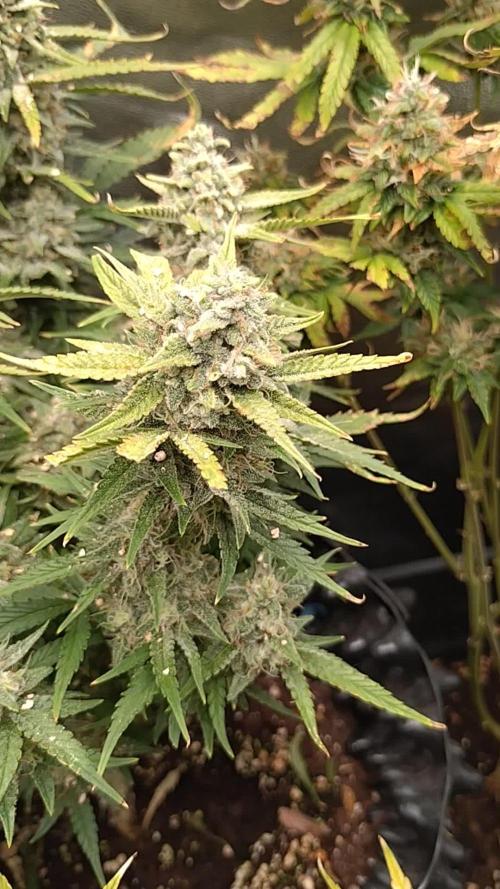
10. Woche Es geht auf die letzten 2 Wochen zu. ChatGPT meinte, es handelt sich bei der Pflanze um den Bonsai-Pheno von Guava Auto Fastbuds. Und sie sieht wirklich wunderschön aus, es lässt sich nur erahnen, wie schwer die fetten Buds am Ende werden. Ist irgendwie schwer einzuschätzen 😄

Likes
38
Share


@Wicked_Stix
Follow
I was going to write something inspirational here, but cant remember. Must be good weed😉


Likes
31
Share


@TheHighentist
Follow
26/6
-Temp 25-27day/22-24night
-52%RH (2+-)
27/6 Water day* plain water 6.1 PH
-Temp 25-27day/22-24night
-52%RH (2+-) *** Had a humidity peak because of a thunder storm 60-70RH for under 24 hours
28/6
-Temp 25-27day/22-24night
-52%RH (2+-)
29/6 Water day*
Gave it a bit extra since im leaving a couple of days
-Temp 25-27day/22-24night
-52%RH (2+-)
30/6
-Temp 25-27day/22-24night
-51%RH (2+-)
1/7
-Temp 25-27day/22-24night
-51%RH (2+-)
2/7
-Temp 25-27day/22-24night
-51%RH (2+-)
I was away from them 29/6 - 2/7, but i gave them early water before leaving which lasted :)
When i came home they had grown beautifully and was looking healhy.
I could moniter the humidity through my Inkbird humidity controller.


Likes
5
Share


@alafmalaf
Follow
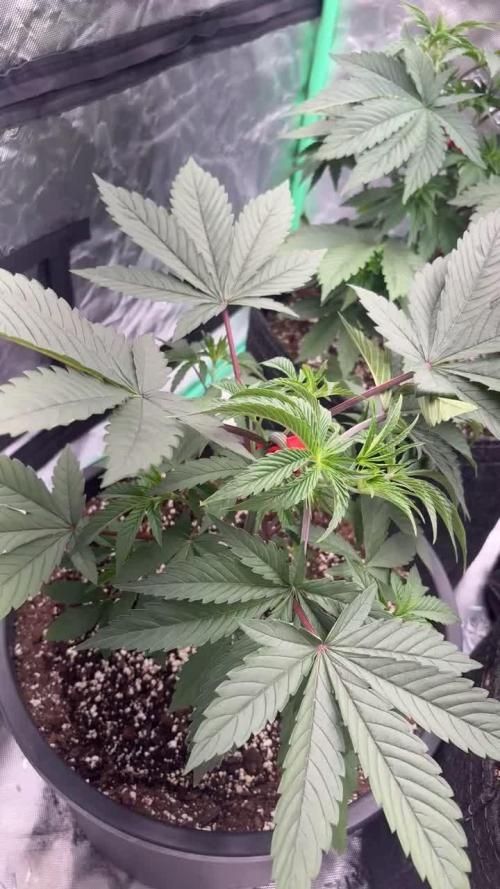
This week I basically gave the certs, fixed the light intensity and got my humidity control system all dialed in. The plants have seen more growth than ever! The seedlings are definitely growing way better than the older plants so I'm not sure what to do now I'm regards to flowering all of them or focusing my energy on a few
Likes
14
Share


@JamieKnolliver
Follow
Grüßt euch Freunde!
Heute ist der vorletzte Tag der Woche 6.
Die Blüten entwickeln sich prächtig und Resin ist ordentlich vorhanden.
Man kann schön sehen wie die Blätter langsam ‚faden‘ .
Ziel ist: am Ende alle übrigen Nährstoffe verbraucht zu haben, sodass wir einen angenehmen smoke bekommen.
Werde daher die nährstoffzufuhr einstellen und sie das verbrauchen lassen, was noch in Boden und Blättern gespeichert ist.
Bin der Meinung, dass davon einfach noch genug gespeichert ist. Wer da andere Erfahrungen gemacht hat, kann das gerne mal kommentieren!
Bis dahin euch allen eine gute Woche !💚

Likes
10
Share


@Dirty_rich
Follow
Una hermosa genética, va destacando un aroma muy agradable que recuerda a su parental “Jack Herer”
Bastante esbelta y alta mide 65 cm a sus 46 días.

Likes
11
Share


@goeser
Follow
17.09.18 | was 4 weeks away, traveling, but my plant (regilar seed) grow well and started to flower.
190cm tall and with flowers. Took my lady ro another spot with more sun and i will start to add blooming fertilizer too
Processing
Likes
12
Share


@li0nhe4rt
Follow
Looking strong for the 2nd week. Looking at repotting this baby this week.

Likes
29
Share


@Reaper
Follow
fresh water 580ppm
ph 6.2
i decided to go a bit lower in ppm as this is an autoflower
stretch starts, there isnt much time left before flower maybe 1 week.
i started counting “day 1” as when the seed popped open thats why it looks like this plant is 1 week behind
day 40: little defoliation
Processing
Likes
21
Share


@LittleBigTrees
Follow
Plucked a few more leaves but other than that just feed them this week including bloom.
Also gave them some rice starch (from boiled rice water collection) on day 42 as a boost for the microbes 👍
Turned the IR off now and turned up to 34000lux
Processing
Likes
23
Share


@eldruida_lamota
Follow
Esa familia, volvemos con nuestras Lemon kush, una cepa fantástica, la que se pueden preparar buenos cultivos desde semilla aprovechando tu espacio por metro cuadrado a 4x4plantas= 16 plantas por metro cuadrado. Llamarlo SOG aún que comencéis con semilla.
(LO RECOMIENDO) por que estos ejemplares no sacan brazos y la verdad que son agradables ver Ramotes centrales llenos de cogollos compactos de arriba a abajo,jurao.
Flores con olores cítricos que recuerdan al limón y no dudo de que sea realmente ese sabor, en el pasado ya e visto cultivar esta cepa y la verdad que el Breeder que me mostró plantas y flores , al fumarla sabía mucho a limón 🙏.
@zambezaseeds , es un banco que nos ofrece gran variedad de semillas, y pronto prepararemos otro proyecto con más geneticas.

Likes
68
Share


@Hawkbo
Follow
This is 10 days after the first video in week one, 2 days since running the co2 and they started to take off in the 5x9. BTW the floraflex nute dosages are grams per gallon since its dry. ALSO notice the no calmag, have seen multiple growers using floraflex with zero calmag and ZERO ISSUES they have even told me personally that they seem to have healthier plants without the calmag which is wild to me (another reason to switch to floraflex). The 4x8 were just transplanted within the past 3 days, no co2 yet. Obviously isn't perfect I wish I had everything at the same exact stage but I had an issue with some of the clones and couldn't wait to start them over so I just transplanted some mothers I had hanging around in solo cups from a few runs ago. The small ones are the new clone strains cherry kush mints frosted apricots and Platinum Gushers. Might have some issues feeding everything evenly as the smaller ones won't be eating as much as soon as the rest. Maybe I'll stop the co2 in the 5x9 and only run in 4x8 to get everything to even out as much as possible before the flip. Next run I'll have to be more organized and prepared but I'm hopeful I can pull off some decent results on this one. The co2 in the tents is a little tricky, would like to hear how some other growers run theirs. Constant exhaust on lowest setting? Exhaust on a timer? No exhaust? Today I'm trying no exhaust at all and see what happens like a sealed room essentially but im thinking of having the exhaust on a timer to run every 2 hours for 15 mins just to refresh the air or every hour for about 5 mins. Got alot of cleanup left to do so don't mind the God damn mess mf.


Likes
8
Share


@DisTentAint4Campin
Follow
Everything chugging along even the kiwi bounced back a little prolly gna chop in a week trichs are where they need to be but now I jus invested in a whole separate setup for perpetual when I go back to photos but for now playing with the autos wich brings me too let me shout out to ganja farmer seeds for letting me do a partnership and them hooking me up with some beans to try so I am currently germanting 3 different cultivars (AUTOS) from ganja farmer seed Co. And I will be doing a diary on each of they're strains in my new system can't wait !!!!
Likes
4
Share


@DmbTexasRanger
Follow
Good finish by cookies elephant trunk. I’m going to take on the elements and finish these outside.
I’m going to fill tents out as dry tents
Dr. Zymes as preventative and active pest control. No BT just 👁️ balled those worms


Likes
50
Share


@DogDoctorOfficial
Follow
🌱 Week 4 Veg: Thriving Despite the Chill 🌟
As we close out Week 4 of veg, I couldn’t be more impressed with how resilient and strong the Zamnesia Runtz are growing! Despite the freezing cold temperatures outside—evident in some snapshots of my frosty mint plants in the veggie garden—these beauties are thriving in their cozy indoor setup.
The Aptus Holland Nutrient Spray: A Deep Dive
This week, I treated the Runtz to a refreshing shower with Aptus Holland’s nutrient spray, a game-changer in plant health and vigor. Let’s break it down:
• What Is It?
Aptus nutrient sprays are foliar feeds designed to deliver essential nutrients directly to the leaves. They provide immediate uptake, bypassing the roots and giving the plant a quick boost in vitality.
• Why Use It?
Foliar feeding is especially beneficial during veg because it enhances nutrient absorption and promotes lush, healthy foliage. It’s also a fantastic way to supplement nutrients if the roots are growing but not yet absorbing nutrients at peak efficiency.
• What Does It Do?
Aptus sprays improve plant metabolism, strengthen cellular structure, and boost resistance to environmental stresses—perfect for battling those colder temps!
• How I Applied It
I used a fine mist to ensure even coverage across all leaves, aiming for the undersides where stomata are most active. Afterward, the plants looked vibrant and energized, ready to keep pushing those gorgeous leaves.
A New Partnership: Grove Bags and TerpLoc Technology
I’m thrilled to announce a new partnership with Grove Bags! Known for their TerpLoc technology, these bags are a true revolution in cannabis storage and curing.
• Why Grove Bags?
Grove Bags are designed to create the perfect microclimate for cannabis. Their TerpLoc technology helps preserve terpenes—the essential oils responsible for the flavor, aroma, and effects of cannabis—by locking them in while allowing oxygen and moisture to escape.
• How They Work
TerpLoc bags combine several unique layers:
• Moisture Control: Maintains ideal humidity levels to prevent over-drying or mold.
• Oxygen Barrier: Blocks excessive oxygen exposure, which can degrade terpenes.
• UV Protection: Shields the buds from harmful light that can alter their chemical composition.
• Why This Matters
For anyone who’s spent months cultivating a crop, ensuring the harvest cures and stores properly is the final crucial step. Grove Bags will play an essential role in preserving the quality and flavor of this Runtz grow, keeping the terps intact for that unforgettable smoke experience.
A big thank you to Grove Bags for joining this journey. I can’t wait to showcase their role in the final stages of this grow!
Photo Magic: Nikon P900 & Sony A6000
Capturing the Runtz in all their glory is part of the journey, and this week’s shots were nothing short of stunning. Using both the Nikon P900 and Sony A6000 allowed for crisp, detailed photos that highlight the beauty of these young plants. From their vibrant green tones to the intricate structure of their leaves, these images tell the story of strength and potential.
Week 4 Veg: What It Means
Week 4 in veg is a critical time in a grower’s journey. By now, the plants have developed a strong root system and are focusing on building structure. This is when:
• Leaf Development Peaks: Bigger leaves mean more photosynthesis and energy production.
• Growth Accelerates: Plants use this time to set the foundation for flowering, with nodes spacing out and stems thickening.
• Preparation for Transplanting: Root systems are expanding, making it the perfect time to plan for a move into larger pots, as we’ll be doing next week!
Looking Ahead
Next week, the Runtz will graduate to larger pots—not their final AutoPot homes yet, but an essential step for continued growth. This transition will help the roots spread further, setting the stage for a thriving flowering phase.
Community & Gratitude
A huge thank you, as always, to my sponsors and supporters:
• Aptus Holland
• Pro-Mix Soil
• TrolMaster Ecosystem
• ThinkGrow LED
• Future of Grow LED
• CannaKan Germination Station
• Zamnesia and Plagron for making this Eternity Cup journey so special
• Ziggi Papers
• And now, our newest partner: Grove Bags
To the amazing Grow Diaries community, you continue to inspire me daily. I’ve been blown away by the incredible work and creativity I’ve seen in other diaries—it’s motivating and humbling all at once. Good luck to everyone; let’s make this journey one to remember! 💚
Final Thoughts
From the frosty outdoors to the warmth of my grow room, these Runtz are proving their resilience and promise. Each week, I’m reminded of why I fell in love with this strain, and the excitement for what’s to come keeps growing.
Stay tuned for Week 5, where we’ll delve into the transplant process, nutrient updates, and more. Let’s keep learning, growing, and sharing the magic together!
Genetics - Runtz https://www.zamnesia.com/6000-zamnesia-seeds-runtz-feminized.html
Nutrients - Plagron https://plagron.com/en/hobby
- Aptus Holland https://aptus-holland.com/
Controls - Trol MAster https://www.trolmaster.eu/
LED - https://www.futureofgrow.com/en
LED - https://www.thinkgrowled.com
Soil - https://www.promixgardening.com/en
Germination - Cannakan https://cannakan.com/?srsltid=AfmBOopXr-inLXajXu3QFgKXCXXos4F1oEvScjMKIB5MR5dk8-GJ-F49
DOGDOCTOR 15% off
Smoking Papers - https://ziggioriginal.com/
Terpene saver - https://grovebags.com/
As always thank you all for stopping by, for the love and for it all , this journey of mine wold just not be the same without you guys, the love and support is very much appreciloved and i fell honored with you all in my life
With true love comes happiness Always believe in your self and always do things expecting nothing and with an open heart , be a giver and the universe will give back to you in ways you could not even imagine so
As always, this is shared for educational purposes, aiming to spread understanding and appreciation for this plant. The journey with nature is one of discovery, creativity, and respect. Let’s celebrate it responsibly and continue to learn and grow together!
Growers Love To you All 💚
#EternityGrowCup #RuntzHunt #GrowersLove #CannabisCommunity #AptusHolland #ProMixSoil #TrolMaster #Zamnesia #Plagron #ZiggiPapers #Grovebags