


Likes
Comments
Share


@Weedwithwes
Follow
Day 84 from seed
Each auto is in different flowering weeks
So post is sorta confusing as my first diary
Sorry!
Everything seems to be doing good.
Just been feeding water since last update.
I will have new lights soon 4800 evo from mars hydro 2024 version planning to harvest the GDP before switching the lights out.
Day 87 swapped the light to the mars hydro 4800 evo 2024 model running 40-50 percent 12-20 inch from cannopies adjusting them slowly to new light and much higher pffd than before

Processing
Likes
22
Share


@DankBudz
Follow
Well a few weeks left and they are starting to fall over.
Gonna be interesting holding then up for another few weeks.
LoL

Likes
7
Share

@Jardineiro_Br
Follow
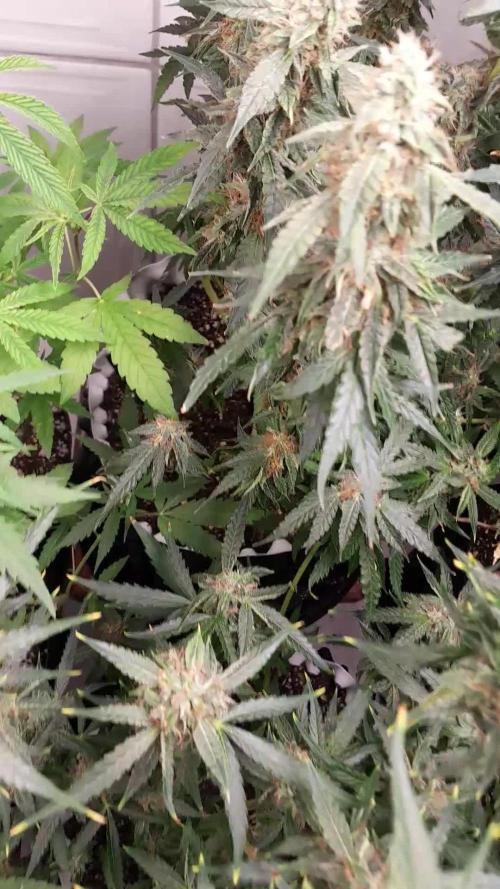
A planta se desenvolveu muito bem estou bem satisfeito com o resultado, aguardando apenas os tricomas ficarem mais um pouco âmbar, mantendo atenção redobrada com fungos nos botões, tive uma pequena ocorrência mas retirei o botão há tempo e não identifiquei contaminação por isso mantive a planta na estufa.
Likes
2
Share

@Jardineiro_Br
Follow
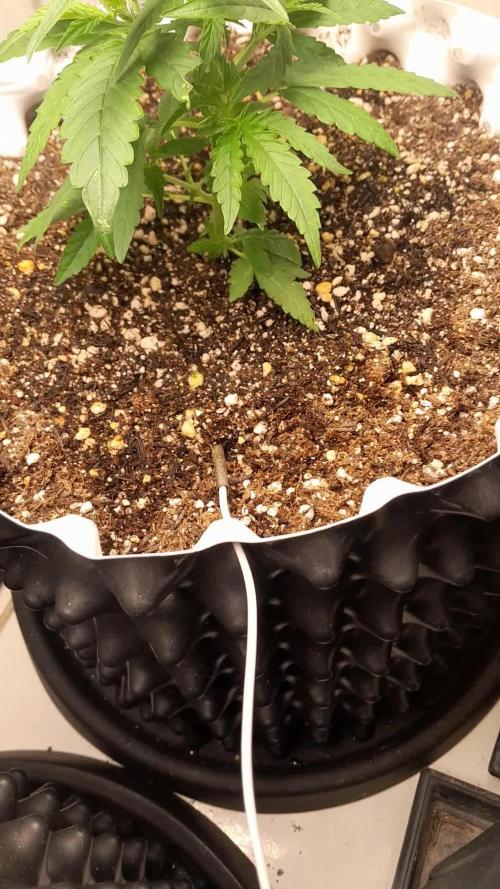
Planta com uma bela cor verde forte , sem sinais de excesso ou deficiências, encontrei um pequeno gafanhotos que veio junto quando trouxe as plantas do quintal. Já retirei ! Fiz uma leve desfoliação.


Likes
12
Share


@iLoveGoodWeed
Follow
End of week the plant received flash clean and soon she will be ready for harvest.

Likes
13
Share


@Greccobudz
Follow
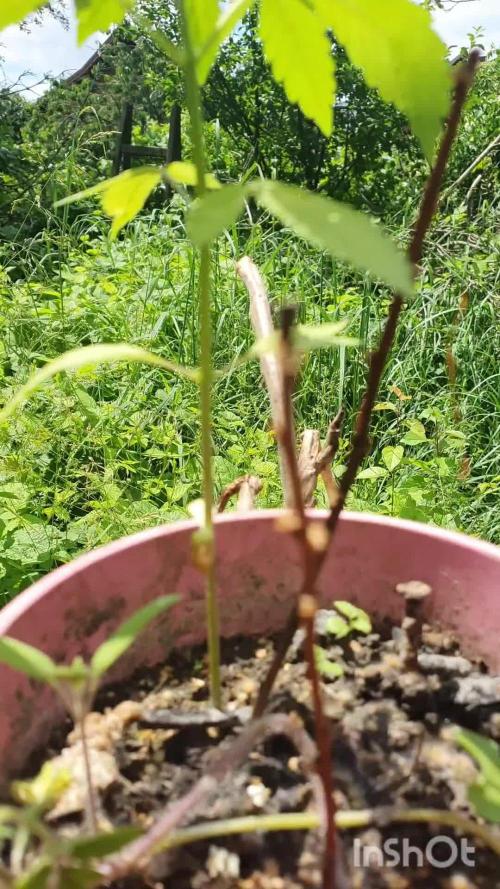
Day 57 and that's a 33.8oz spring water bottle for size reference. Video's are day 58. I'm going to ice water her tonight and then keep her in straight darkness for 72hrs and then harvest. She's a beast for sure. You can definitely see an increase in trichromes in the 4 days of total darkness started with it's 1st and final ice water flush abd no more water for 3 days or untill I harvest.
Likes
3
Share


Likes
67
Share


@Canna96
Follow
This week went pretty well, but I don't have much time for an update as I literally spent all day trimming up the wedding cheesecake, and now I am heading out of town to coach a baseball tournament. She is growing some nice thick colas, and I am still feeding her the same. I included a video for my final Wedding Cheesecake Harvest, hope you enjoy it, if you have any suggestions for music hit me up!
I hope everyone has a great weekend, stay safe, and Blaze On!


Likes
6
Share


@Saltoa
Follow
My light fell on my plants yesterday. , the pot of my plant in the first corner was broken, I bought it in a different pot. In my other plant, 2 branches were broken, I taped one of its branches, it became crippled.
Likes
46
Share


@DogDoctorOfficial
Follow
Hey there, green warriors and cannabis lovers! 🌱🔥 We’re now in week 3 of the flowering stage in our Runtz Battle, and things are really starting to heat up! This week brought an interesting twist as we had to make a strategic adjustment to ensure all our plants are on the same page. Let’s dive into the details and explore how things are progressing.
Week 3 Flowering Progress 🌿✨
Our Runtz plants continue to flourish, and here’s what’s been happening:
• Bud Development 🌸:
• The buds are filling out beautifully, with each day bringing more growth and resin production. The plants are stacking up nicely, with dense flowers forming at multiple sites. The F1 strain remains compact and uniform, showcasing tight, resin-packed bud sites.
• Environmental Stability 🌡️:
• We’re maintaining consistent environmental conditions with a room temperature of 30.3°C, water temperature at 18°C, and humidity at 51%. These stable conditions are key to supporting strong bud growth and overall plant health.
Switching to 12/12: The Light Adjustment 🌟💡
This week, we made a crucial adjustment to our lighting schedule:
• Why the Change? 🌞🌙:
• One of our plants hadn’t yet started flowering, so we made the decision to switch all plants to a 12/12 light cycle. This change is essential to trigger flowering in the plant that was lagging, ensuring it joins the rest of the group in producing those beautiful buds.
• How 12/12 Helps 🌿💡:
• The 12/12 light cycle mimics the natural change in daylight hours as summer transitions to fall, signaling to the plants that it’s time to focus on reproduction (flowering). This shift is a classic technique to ensure all plants in the garden synchronize their flowering process. The reduction in light hours encourages the production of flowering hormones, which will now help the plant that was behind to catch up and start forming buds.
• Impact on the Runtz Plants 🌸:
• The Runtz strains that were already flowering won’t be negatively affected by this change. In fact, the consistent 12/12 cycle can help to further boost their flowering intensity, ensuring that the buds continue to develop fully and evenly.
Nutrient and Care Strategy 🌱💧
Our focus on proper nutrition and environmental care remains a top priority:
• Watering and Nutrients 💧:
• With the Autopots still running smoothly, we’re continuing with Regulator and CaMg Boost in the reservoir. The nutrient-rich soil and organic inputs are keeping the plants well-fed, and the consistent hydration is ensuring steady growth and flower development.
• Lighting and Environmental Control 🌡️:
• The Lumatek Zeus 465 Compact Pro continues to provide powerful, full-spectrum light that supports the flowering process. With the 12/12 schedule in place, the plants are receiving the perfect balance of light and dark, critical for flower development.
• The TrolMaster Hydro-X controller remains essential in managing these conditions, keeping everything dialed in for optimal plant health.
Looking Ahead 🌟🌿
As we move deeper into flowering, the anticipation only grows. The 12/12 light cycle is now in full effect, ensuring all our plants are flowering together. The Runtz strains are on track to produce a stunning harvest, with each plant showcasing its unique strengths.
Stay tuned for more updates as we continue this green journey. The next few weeks are going to be thrilling as we watch these buds fatten up and reach their full potential! 🌟💚
#RuntzBattle #Week3Flower #CannabisCommunity #FloweringStage #LightCycle #12and12 #GreenMagic #LumatekZeus #TrolMasterHydroX #GrowStrong #StayPositive
Germination method 🌱 @thecannakan
Genetics Runtz F1 @zam.nesia Runtz auto @kannabiaglobal
Nutrition
@aptusholland 🌿
@aptus_world 🌎
@aptus_es 🌍
@aptusbrasil 🌱
@aptus_thailand 🌿
@aptus_portugal 🌳
@aptususa_official 🍀
@aptusplanttechnz 🌺
@aptusplanttechaus 🍃
Ambient controls🎮
@trolmaster.eu @trolmaster.eu.support @trolmaster.support @trolmaster.agro
Soil @promix_growers_eur @promix_cannabis
LED - @lumatekeu
Watering- @autopot_usa @autopot_global
Love and attention- @dogdoctorofficial
#aptus #aptusplanttech #aptusgang #aptusfamily #aptustrueplantscience #inbalancewithnature #trolmaster #trolmastereurope #trolmastersecrets #Autopots #RuntzBattle #KannabiaVsZamnesia #GreenJoy
As always thank you all for stopping by, for the love and for it all , this journey of mine wold just not be the same without you guys, the love and support is very much appreciated and i fell honored and so joyful with you all in my life 🙏
With true love comes happiness 💚🙏 Always believe in your self and always do things expecting nothing and with an open heart , be a giver and the universe will give back to you in ways you could not even imagine so 💚
More info and complete updates from all my adventures can be found ⬆️ link in the profile description ⬆️
Friendly reminder all you see here is pure research and for educational purposes only
💚Growers Love To you All 💚


Likes
29
Share


@JeyGanesha
Follow
Inizio Terza settimana di fioritura 💪🕉️💚.. tutto procede come deve .sono sicurissimo che questa layer cake, sarà fantastica....perfetta per la mia patologia...la meglio medicina per me

Likes
3
Share


Likes
52
Share


@GYOweed
Follow
It hasn't liked the transplant I thought but i saw roots coming out the bottom. Flushed it and gave it low strength megacrop.
The other one is fimmed and doing great. I think next time im using less perlite and potting soil jist do ororganic coco light organic ferts and use megacrop from there.
Maybe back to organic at end to rid synthetics.
Roit?
Likes
1
Share


@El_gordito99
Follow
- GERMINAZIONE -
P.S. = Periodo da quando tolgo il seme dall’involucro fino al settimo giorno (una settimana) conterò questa settimana di germinazione a parte e le 5 settimane successive come vegetativa.
Settimane totali dall’innesto del seme: (6 settimane piene prima di girarle in fioritura).
Ciao amici !! Dopo aver tolto i semi di Gorilla Girl f1 fast version di Sweet Seeds dal proprio involucro abbiamo proceduto con l’inserimento di 3 di questi nei soil plug, mentre uno l’abbiamo fatto germinare nella carta/cotone, mantenendo i semi bagnati e umidi per i primi 3/4 giorni, tempo necessario per far “sbocciare” il seme.
Una volta notata l’inizio della plantula abbiamo innestato i soil plug (e il seme singolo) negli appositi vasi, rinvigorendo il terreno con la giusta quantità d’acqua.
(Terreno già concimato una settimana prima)

Likes
30
Share


@Naitik
Follow
The week went well, the plant is developing, but it seemed to me that slowly. In the middle of the week, before going to bed, it wilted, the next day it became cheerful again, now it always fades before turning off the lamp, is this normal ? The plant began to drink more, increased the amount of fertilizer, PM brought to 1010.I keep the PH from 6 to 6.5, I water 2.5 liters of water every 2 days, as the soil dries out.

Likes
Comments
Share

@bigsmoke42069
Follow
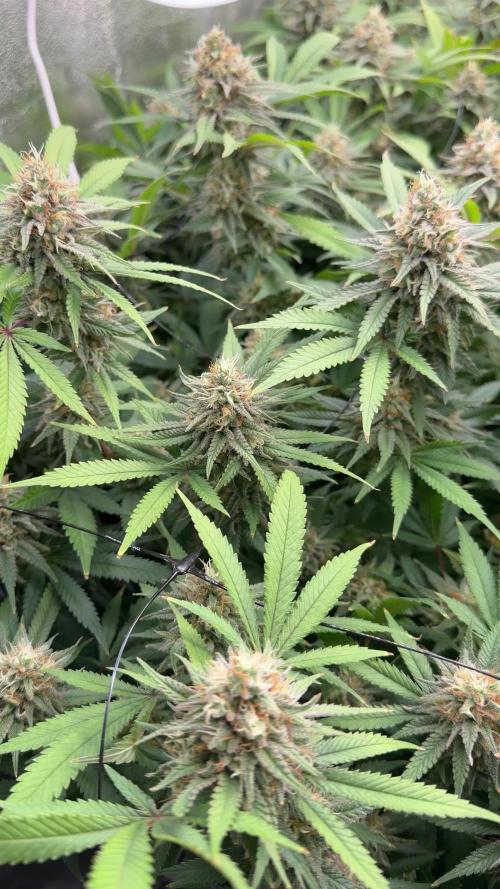
Week 7 (1.11.26--1.18.26)
took photos on 1.12.26
1.11.26
Transitioned to ripen at 1x1

Likes
3
Share

@JeyGanesha
Follow
Quarta settimana di fioritura anche queste runz layer cake sta venendo very strong 😂🙏💪
Likes
Comments
Share


@gr3g4l
Follow
Semana de recuperación , sin estres.
La nº3 pero si que sufrió un par de accidentes , uno pasó al cortar el apical que sin querer corté una de las ramitas que estaban creciendo y luego se partió una de las ramas al poner los dobladores , no me di cuenta hasta pasados dos dias . Terminé cortando esa rama y a seguir.