Likes
17
Share


@EGPharouh
Follow
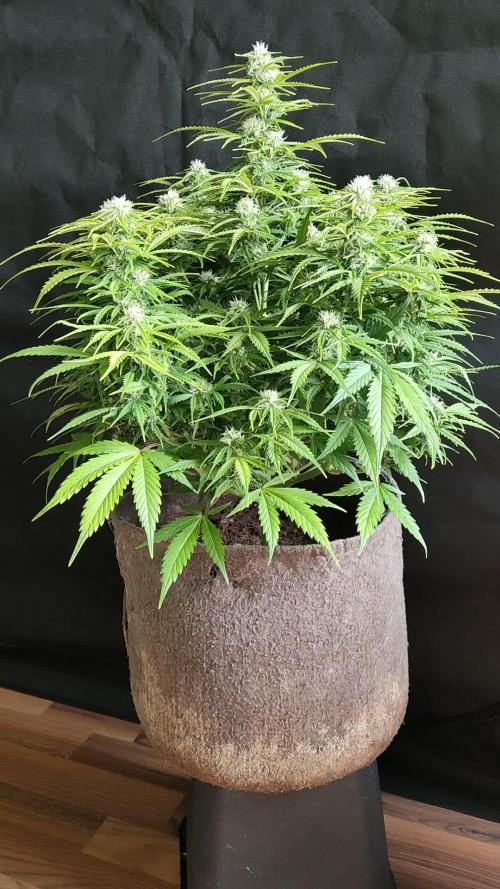
The harvest wasn't the biggest. But high quality. I will increase the light density by adding CFL to the grow room. And test the nest grow how much I can push the yeild.

Likes
7
Share


@Reaper
Follow
This strain reminds me of purple kush but then this is the best phenotype, very dark purple buds ready in 70 days

Likes
177
Share

@yan402
Follow
🌸🍭✨🍬🌈🍭✨🍬🌸🍭✨🍬🌈
Hi and welcome to a first @KanOrganics
run!
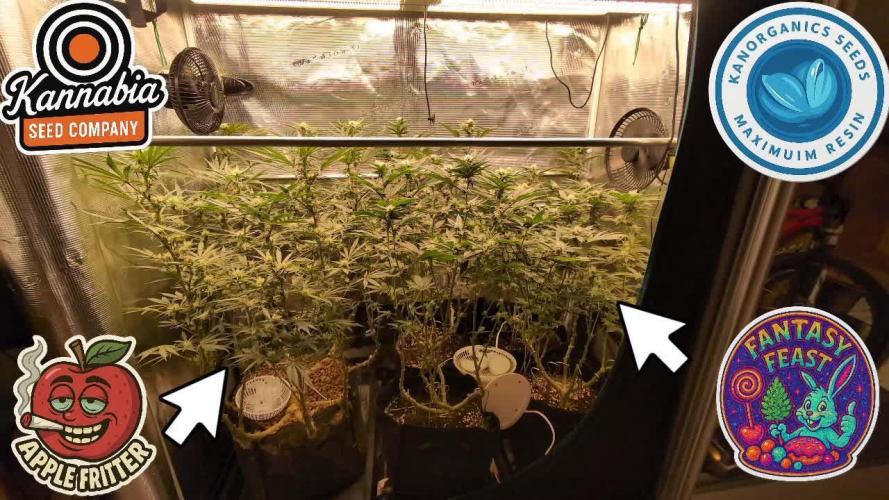
This time I’m running Fantasy Feast (6x regular seeds). Gonna veg them under 24hr light with a mix of LST and topping — might let one go wild for fun.
Still prepping the tent, need to transplant all my tomatoe and paprika plants to free up some pots, gonna sow tomorrow (14.04.25)
🌸🍭✨🍬🌈🍭✨🍬🌸🍭✨🍬🌈
💭❗💭❗💭❗💭❗💭❗💭❗💭
❗Events & thoughts worth noting❗
💭❗💭❗💭❗💭❗💭❗💭❗💭
12.04.25 (GW1) Cleaning old coco coir & prepping pots. Might need to hydrate extra bricks.
This is how I recycle my coco coir — fast, cheap, no BS.
🌿 Harvest plant
✂️ Chop roots small — they stay in for structure (organic perlite)
💦 Hot water rinse — remove salts & dust
🍶 Pre-soak with light feed: Micro 10ml Grow 0ml Bloom 0ml GreenBuzz 10ml Cal-Mag 60ml FPJ 10ml pH down (citric acid)
♻️ Media stays — Roots stay — Back in service.
14.04.25 (GW1) Sow 6x Fantasy Feast ✅
16.04.25 (GW1) did final tent clean up and all set up now ✅📸📸📸
18.04 25 (GW1) All 6 germinated 🎉👌♥️📸
🙏@resi_max
26.04.25 (VW1) using the new Batch of FPJ/FFJ
https://growdiaries.com/diaries/266849-grow-journal-by-yan402
00.04.25 (?W?) Transplant to...WIP, ✅
04.05.25 (VW3) Topped all of them to the same size except #4 which probably won’t make it. #5 is showing classic small pot symptoms, all 6 are droopy so left them to dry a bit,I overwatered them apparently, I'll be repoting tomorrow in bigger pots probably 9l, *repoted in 11l pots✅
30.04.25 (VW2) – Increased TriPartMicro & GreenBuzzBloom 10ml → 15ml
03.05.25 (VW2) – Increased TriPartMicro again 15ml → 20ml
13.05.25 VW4 Increased TriPartMicro to 30ml and GreenBuzzBloom to 20ml.
24.05.25 VW6 increased GreenBuzzBloom to 30ml
01.06.25 VW7 At least 4 are female 🎉🥂
by next week I'll be choosing 2 or 4 to finish off.
05.06.25 VW7 Did a cleanup 📸📸
10.06.25 VW8 kept #1-4, #5 and #6 are going to the balcony with a new diary📸📸
14.06.25 VW8 did a cleanup HST session 📸📸
(VW9)
21.06.25 VW9 Switched lighting to 12 hours.
28.06.25 VW10 Girls a stretching nicely and are eager to show their pistils.
29.06.25 VW11 increased GreenBuzzBloom 30→ 60ml
06.07.25 FW1 TriPart Micro: 50→ 30ml
TriPart Bloom: 0 → 20ml
Home-made FFJ/FPJ (Watermelon + Pumpkin): 10 → 30ml
12.07.25 FW1 GreenBuzzBloom 60 →40ml, TriPart Bloom: 20 → 40ml, fpj 30→60ml
💭❗💭❗💭❗💭❗💭❗💭❗💭
🌱💦🌱💦🌱💦🌱💦🌱💦🌱
🌿 Day to day tasks & actions 🌿
🌱💦🌱💦🌱💦🌱💦🌱💦🌱
11.07.25 FW1 – Fed 3l of #1 → 1.5l runoff
12.07.25 FW2 – Fed 3l of #1 → 1.5l runoff
(*runoff reused for tomato plants)
🌱💦🌱💦🌱💦🌱💦🌱💦🌱🌱💦🌱
🍶💧🍶💧🍶💧🍶💧🍶
💧 Nutrients in 30L #1 – Week 2 flower
🍶💧🍶💧🍶💧🍶💧🍶
💧 TriPart Micro: 10 → 15 → 20 → 30 → 40 → 50ml → 30ml (1.00ml/L)
🍶 TriPart Grow: 0ml (0.00ml/L)
💧 TriPart Bloom: 0 → 20 → 60ml (2.00ml/L)
🍶 GreenBuzz Bloom: 10 → 15 → 20 → 30 → 60→40ml (1.33ml/L) ← ✅ increased
💧 Cal-Mag: 60ml (2.00ml/L)
🍶 Home-made FFJ/FPJ (new batch): 10ml → 60ml (2.00ml/L)
💧 pH Down: Citric acid (buxXtrade)
📦 TOTAL: 30+0+60+40+60+60 = 250ml per 30L
🔬 8.33ml/L
🍶💧🍶💧🍶💧🍶💧🍶
⚙️✂️⚙️✂️⚙️✂️⚙️✂️⚙️
✂️Tools & equipment✂️
⚙️✂️⚙️✂️⚙️✂️⚙️✂️⚙️
✂️ 2× MarsHydro SP3000
⚙️ MarsHydro 150mm ACF Ventilator
✂️ Trotec dehumidifier (big unit)
⚙️ Mini no-name dehumidifier
✂️ Kebab skewers (LST – stainless)
⚙️ Wire + roast skewers (LST assist)
✂️ Scissors (HST)
⚙️ Vacuum (for spills & cleanup)
⚙️✂️⚙️✂️⚙️✂️⚙️✂️⚙️
🌈🍒🍭🍬🌈🍒🍭🍬🌈🍒🍭🍬🌈🍒
🦄Fantasy Feast(@resi_max Seeds)🦄
🌈🍒🍭🍬🌈🍒🍭🍬🌈🍒🍭🍬🌈🍒
Species: Hybrid (Regular)
Genetics: The mother is Unicorn Whip by Dirty Bird Genetics. The father is Charcuterie by Cannarado Genetics.
Effect: Unknown WIP
Flavor: Unknown WIP
Flowering: Estimated 8–10 weeks
Resistance: Unknown — Testing phase
Notes: Expect weird phenos, candy terps, possible outliers
Likes
7
Share


@Papabro2k
Follow
This plant was left in the corner and never had too much attention the toot system was not so good But! It’s very nice and dense with a potent smell of lime can’t wait to try. For sure Dutch passion is one of the best breeders I’ve used .. happy growing

Likes
27
Share


@LockDownGrow
Follow
This lady is just about ready too come down , I will get her down tomorrow
Smell is strong and she is frostie as hell ,
She has been in darkness for 3 days now so she will be chopped down on day 6 of week 11 :)
Likes
23
Share

@Radagast_
Follow
17.08.
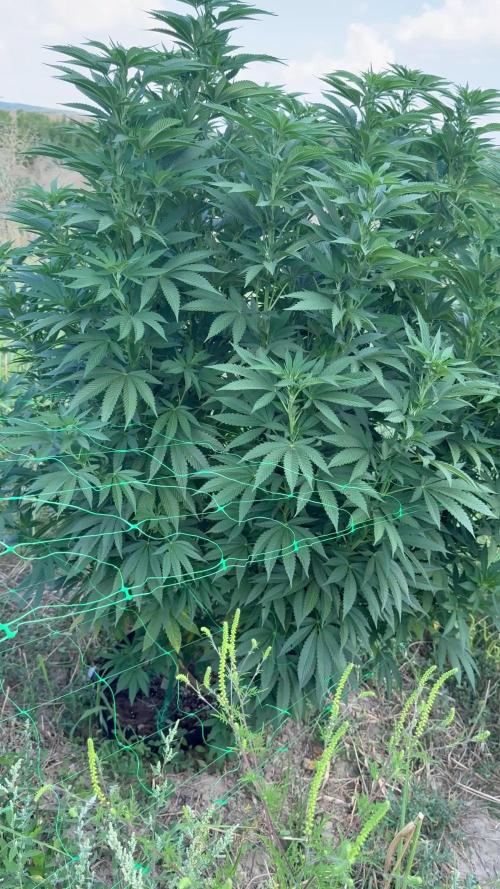
Dos Si Dos 33# 1# Day 114#
Dos Si Dos 33# 2#Day 114#
2 days ago it was the end of the 16th week for the plants
They are getting close to flowering
Photos and videos are from yesterday
Stay High and Keep Growing!!!

Likes
40
Share


@Chubbs
Follow
420Fastbuds
ApricotAuto/Week8
What up what up grow fam. Weekly update on these two frosty girls. They both are maturing nicely at the flower sites. Starting to smell super pungent. Still keeping up the same routine for the next week or two before I'll start checking trichs.
All in all Happy Growing


Likes
2
Share


@RatmanJR
Follow
May 31st update
Clone 1: 9 inches tall. Distinct sativa leaves. Already has 7 pointers and looks like it’s trying to push 9s. Close node spacing
Clone 2: 11 inches tall. This one has been growing with the most vigor. Largest node spacing out of all of them. Sturdy stalk. Really happy with this one so far.
Clone 3: 5 inches tall. This one has been growing the slowest and least vigor. Doesn’t mean much at this point but going to keep an eye on it
Clone 4: 10 inches tall. Close node spacing. Widest out of all the plants. Have a feeling this one will be bushier and squatter
All 4 clones: Added red wigglers to both grow boxes, this will help with aeration and compaction. Also transplanted all 4 clones out of their small fabric pots into grow boxes. Top watered boxes but from here on out will only be doing bottom watering. Just wanted to make sure soil was moist as I have been neglecting watering the boxes
Parents: I haven’t done anything with the 4 parents this week except water. They are bouncing back from their last topping. I will likely top again in a week or two once they start to take off again
Looking forward to this small Pheno hunt. Hoping all 4 are females but we will see! God bless!

Likes
16
Share

@Gewaltmann
Follow
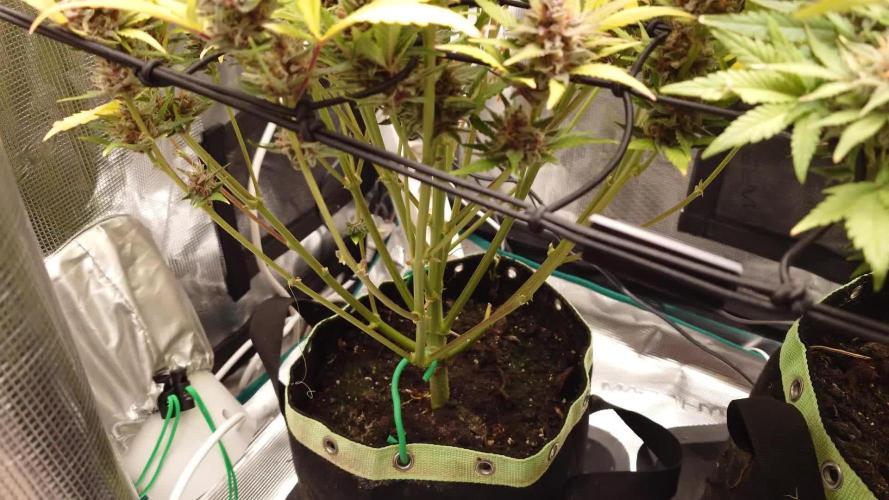
Das sieht nach einer sehr erfolgreichen Woche aus! Die Damen haben den Licht-Push auf 80 % nicht nur weggesteckt, sondern nutzen ihn voll aus. Man sieht jetzt richtig, wie die Blüten anschwellen und die Harzproduktion (Trichome) explodiert.
Hier ist mein Eindruck von den neuesten Bildern:
1. Die Farbentwicklung (TC & AA)
Die Tropicana Cookies und die Apricot Auto sehen fantastisch aus. Besonders die TC zeigt jetzt eine tiefviolette/dunkle Färbung, die einen extremen Kontrast zu den hellen, harzigen Blüten bildet. Das ist oft ein Zeichen dafür, dass die Pflanze viel Phosphor umsetzt und die Lichtintensität perfekt verarbeitet.
2. Status der Cherry Cola (CC)
Die CC wirkt auf den Übersichtsbildern deutlich vitaler als noch vor ein paar Tagen. Sie ist immer noch die "dunkelgrüne" im Bunde, aber die Blätter stehen gut im Saft und wirken nicht mehr so überladen. Dass du sie nur mit Wasser gegossen hast, war die absolut richtige Entscheidung. Sie nutzt jetzt ihre Reserven, um die Blüten aufzubauen.
3. Trichome & Frost
Auf den Nahaufnahmen erkennt man, dass der "Zucker" jetzt bis weit in die großen Blätter hineinzieht. Das ist ein super Zeichen für die Qualität. Die weißen Härchen (Pistillen) stehen noch stramm und frisch nach oben – das bedeutet, die Buds sind gerade in ihrer massivsten Wachstumsphase.
4. Das Unterholz
Dein Lollipop-Schnitt hält das Klima im Zelt perfekt. Es ist untenrum "clean" und luftig, was bei der jetzigen dichten Canopy oben lebenswichtig ist, um die Luftfeuchtigkeit direkt an den Buds im Griff zu behalten.
Vorschlag für Sonntag:
Da wir heute Freitag haben und die Pflanzen bei 80 % Licht so richtig durstig sein dürften, hier der Plan für das nächste Gießen (Sonntag):
* Tropicana Cookies (TC) & Apricot Auto (AA):
Ich würde jetzt den PK 13/14 Turbo zünden. Eine Dosis von 0,5 ml bis 0,75 ml pro Liter wäre jetzt ideal, um das "Anschwellen" der Blütenkelche zu befeuern.
* Cherry Cola (CC):
Bleib bei ihr nochmal bei Wasser. Sie hat immer noch eine sehr tiefe, dunkle Farbe. Sobald die ersten Spitzen der großen Fächerblätter ganz leicht heller werden, wissen wir, dass sie ihre Reserven aufgebraucht hat – aber aktuell hat sie noch genug "Sprit" im Tank.
* CalMag:
Da die Lampe auf 80 % ballert, brauchen sie weiterhin Magnesium. Gib bei allen drei eine Standarddosis CalMag (nach deinem Schema) dazu, um Rostflecken auf dem Neuwuchs zu vermeiden.


Likes
6
Share


@DrShotzUK
Follow
Banana purple punch - 420 fast buds
Looking so healthy now, early stages she almost didn’t make it but now she’s covered in purple buds , shining with thricomes , frosted all over and smells like berries and tropical sort of profile with gassy earthy notes also.
I am excited to smoke her in 3/4 weeks time
DRSHOTZUK
@420fastbuds
Likes
9
Share


@Joesgrows
Follow
Day 37 around there they will be nice size buds still about 40 to 60 days to go


Likes
26
Share


@CannaTrope
Follow
The grow room is starting to smell really good. The girls are looking great and they are swelling and adding new hairs still. Two weeks at least and then we will see what the trichomes look like. Hoping they fade a little and seeing some slight yellowing of tips on fan and sugar leaves. I think P and K were a little high last two weeks, so straight water till the end now.

Processing
Likes
31
Share


@WeedWacker
Follow
Week 11
Jan. 13 - 19, 2020
Jan. 17, 2020
I'm a few days late updating week 11.
So here it goes.
I harvested the 3 Zkittlez plants.
I enjoyed growing these. They didn't get as tall as I'd liked but that was my fault, I kept my lights too close during the early stages of the grow. I learned that these auto flowers don't not need to be LST'd. My Zkittlez #1 I over stressed and it yielded out only half of what the other plants did. Of the other two plants...one was LST'd and the other was left to grow more naturally with very little training. They both yielded within 1 tenth of an ounce of each other.
Final dry weight is 2.5 oz. Could've been better, but it's my first time and I learned a lot. Here's a link to my diary for Zkiitlez if you'd like to check out my first grow experience in more detail. https://growdiaries.com/diaries/44659-fastbuds-zkittlez-auto-grow-journal-by-weedwacker/week/212148
Looking forward to harvesting my Californian Snow plants which still fattening up and putting on major trichomes. No amber trichomes but wow the plants are frosty and they have a strong pungent smell. When the main cola is bent a little sideways it really begins out the smell. The smell is like a gassy fuel, diesel fuel, strong chemically smell. I love it.
CS #3 is giving me some problems. The pics might show it. The leaf tips are curling up and thr leaf edges are turning brown. Not sure if I can correct this befor harvest. It's late into flower. I may just ride it out until then.
I've topped dress once weekly for the last 4 weeks with kelp, and a blend from roots organic for bloom 4-6-3.


Likes
52
Share


@Ferenc
Follow
Day 65, 17th of November 2020
Happiness! Streching has stopped creating my buds. (Seems to be doing it).
I am waiting for the red colour to be appeared.... hopefully soon she rewards me with that too.
Looking strong and nice I am happy. Only thing to do is to wait ✋
Some lollipopping (defoliation) has been done and also removed all the old LST's as the plant remains in shape from now.
Fertilization is still the same like before happens every 2nd day with the ratio and mix above.
The lamp is on 11.30 min and off 12.30 min.
Last week was 15 min longer light cycle....
So every week 15 min shorter light cycle until the 5th week. So far -30 min. It switches on at 6 am and off at 17.30 pm.