


Likes
Comments
Share


@Goldstay87
Follow
Through week 8 she fattening up while swirling well daily. Smells is greatly intensifies each day especially when lights on and she start spreads aroma
The profile is as Fastbuds described in the strain name but my juice mix🥤( terp profile ) just by now is like a bit more strong on a sweet like grape candy and then the sourly lime after. Just smelling it makes me craving already.😮💨👌

Likes
39
Share


@Krisis
Follow
07/23/24. Going into week 4 flower
Not much to report on this week. Slow going pretty much so far, but starting some bud growth now. Stretch seem done, though it was minimal surprisingly. Most bud sites are sitting right below the trellis lol. Have spotted an angry leaf. Looks like potassium deficiency, so I’ll be upping a tad and see how it goes.
Haven’t changed anything else since last updates.

Processing
Likes
28
Share


@GaiaGreenGiant
Follow
New weekly video uploads and more! See what’s happening in the Cabbage Patch! Day 14 Flower! Plants looking very h@ppy. Can’t wait to get in there and give it’s last defoliation.
Day 16 - She’s stacking up nice! Just need to water when dry. She’s on cruise control!
Day 20 - Defoliation video for ya! Cheers 🍻

Likes
17
Share


@Eddjack
Follow
Ci siamo ha fatto vedere i sui primi Peletti . Ho dato una bella pulita alla chioma , togliendo parecchie foglie e ramificazioni inutili, spero respiri meglio e si sviluppi meglio .

Likes
4
Share


@L8bloomr1008
Follow
Did another light defol, top dressed with 284,wc’s, and build a flower. I removed the trellis because I didn’t like not being able to move the girls around so I hope the silica does what it’s supposed to.
The buds are starting to thicken up so stay tuned 🤞🏾


Likes
7
Share


@DenDv1d
Follow
I’m going to start flushing this gorilla, almost all trichomes are milky and I want enough flush before they start leaning towards amber. Buds will probably ripen a bit more this last week as well. It's nice and crisp springweather, perfect to add some more frosting to those budstickles.


Likes
15
Share


@Bread_n_Buds
Follow
And it starts like this. an official collaboration starts with the friends of Zamnesia, from today I will only grow, grow and flower Zamnesia Seeds plants and I really like it.
We are close to a flowering in the extreme heat and therefore we opted to start with 4 very fast F1s, they are not joking guys when they tell you that they are made to be more resistant, stable and fast they are not telling you something false. The girls are super fast, even those from other brands tried in the past are excellent and a sliver and this one from Zamnesia have all it takes to be the best autoflowering on the market.
The Wurlz F1s were also born at the speed of light, 18 hours in water, 24 on land and we were already born, both of us.
Oh yes, a lot of research is being done on autoflowering plants, you have all noticed monstrous improvements compared to Low Rider and subsequent derivatives.
Whoever works best wins and from what I have been able to see so far Zamnesia is working very well. I know, there is a group of sceptics, friends I'm here on purpose, give me a couple of months and we'll see.
Zamnesia is the best online shop in the situation, you can find everything from seeds, to mushroom kits, through vaporizers and a thousand other things https://www.zamnesia.io
Wurlz F1 seeds specifically
https://www.zamnesia.com/10669-zamnesia-seeds-wurlz-f1-automatic.html
Site Description
ZAMNESIA SEEDS - WURLZ F1 HYBRID AUTOMATIC: EFFECTS TO LEAVE YOUR HEAD IN A WHIRL!
As the end product of combining Runtz with Watermelon Candy, Wurlz F1 hybrid Automatic showcases a reliable, uniform, and, above all, easy growing experience. The resulting buds offer mind-blowing flavors and soothing effects, making Wurlz F1 Automatic more than worthy of being on your radar.
GROWING WURLZ F1 HYBRID AUTOMATIC
As an autoflowering strain, it takes just 9–10 weeks for Wurlz F1 Automatic to move from germination to harvest. Fortunately, there's very little required other than a bit of maintenance along the way. This is partly due to the F1 genetics that make this strain robust and uniform, resulting in plants that reach a similar height and provide a similar (large) yield. Moreover, Wurlz F1 Automatic is highly resistant to disease, pests, and other ailments.
Reaching heights of about 65–80cm, Wurlz F1 Automatic is not an overbearing plant and can fit into smaller spaces with zero fuss. Once ready to yield, growers have the potential to see a return in the region of 450–500g/m² indoors and 50–150g/plant outdoors.
AROMAS, FLAVORS, AND EFFECTS OF WURLZ F1 HYBRID AUTOMATIC
After Wurlz F1 Hybrid Automatic wows you with its easygoing growing experience, the best is yet to come: the smoke test. Teeming with terpenes, this cultivar offers a fruity and candy-like flavor tinged with just a little bit of pine for good measure. In terms of effects, Wurlz F1 Automatic is bolstered by 24% THC and a finely tuned array of cannabinoids, making for a soothing, physically relaxing, and, in larger amounts, couch-locking high. So settle in with some of your favorite friends, snacks, and movies; this is relaxation at its finest.

Likes
27
Share


@Stealthman
Follow
After experimenting with various brands of nutrient formulations and concentrations.. the plant is showing improved health. The root zone has become too dense for consistent flood levels even with the same number of seconds for the pump ON cycle. The solution is now fed through the pipe which is reduced to the smaller feeder line to fill the nutrient solution at at the top of the container which is gravity fed back into the reservoir. The original air stone is used to prevent the roots escaping the container and entering into the nutrient tank solution. The only way to remove the roots is to let them dry out and shrink enough for easy withdrawal from the container. The video shows very slow drainage due to the barbed pipe attachement beging submerged below the top of the nutrient level. It was removed to facilitate quicker drainage. I just noticed that I swore in the video as I was still playing with the timer ON setting and had to quickly unplug the electricity manually in order avoid an overflow... 😂
Likes
3
Share


@Mr_nugs_lover_David
Follow
She has become a beautiful little bush full of fat dense nuggets completely covered in fruity and sweet resin glands with some purple no tones in the buds. Love It!

Likes
11
Share


@GREENPHOENIX6262
Follow
*Week 4 Flowering 09/17*
Blimburn - Apple Fritter (1) - 47 Inches
Seedsman - Crititcal +2.0 (1) - 47 Inches
Thus far no issues or concerns - Both plants are growing accordingly and are growing vigorously, Bud-sites are coming in heavy. Still growing in length.
*Week 4 Flowering End of Week 09/23*
Both Apple Fritter/Critical+2.0 have appeared to stop growing in length but have expanded in width in regards to the bud site development.
Bud sites are blooming accordingly and trichome development seems to be coming along nicely as well.
Nute feeds have remained the same/Plain water feeds have increased.
*BACK TENT VIDEO ADDED - Apple Fritter (L) - Critical+2.0 (R) - 09/23*

Likes
3
Share


@PoshGrow
Follow
Welcome to GhostGrow Chapter One by PoshGrow!
🌳 Week #5
2nd week of flowering. Last week LST went as planned, strains recovered fast, so this week I gonna rearange LST and apply home made Scrog net, also I will remove all big fan leaves for better light penetration.
Watering when needed, every other watering I used Fox Farm Big Bloom, Grow Big & Tiger Bloom.
I wont be moving plants around, they will keep their positioning till the end of the grow, so in further pictures I wont put tags with strain names😉✌️
Likes
5
Share

@CalGonJim
Follow
9/15 12AM MONDAY!!! THEY ARE ALL DOING GREAT!!! VERY HEAVY AMINOS YESTERDAY, NO DAMAGE.
9/15 11:24PM. In plant cells, glutathione S-transferases (GSTs) act as transporters, facilitating the movement of anthocyanins from the endoplasmic reticulum (ER) to the vacuole for storage, though their exact mechanism is still being studied. The synthesis of glutathione (GSH) itself occurs in the cytosol of mammalian cells through two ATP-requiring enzymatic steps, while anthocyanins are synthesized via a separate phenylpropanoid pathway
9/15 11:42PM glutathione metabolism glutathione S-transferases plantsThinkingKicking off 5 searchesLooking at 71 sitesPutting it all together In plants, glutathione S-transferases (GSTs) are a diverse family of enzymes integral to glutathione (GSH) metabolism, primarily functioning in detoxification and stress response. The core of this process involves GSTs catalyzing the conjugation of the tripeptide GSH with various toxic compounds, or xenobiotics, making them less harmful and easier to sequester or transport. Glutathione (GSH) metabolism in plants GSH metabolism is a tightly regulated process that maintains cellular redox balance and protects against stress. Biosynthesis: GSH is synthesized in two adenosine triphosphate (ATP)-dependent steps:(gamma )-Glutamylcysteine synthetase (GSH1) joins L-glutamate and L-cysteine to form (gamma )-glutamylcysteine. In Arabidopsis, this enzyme is located exclusively in the chloroplasts.Glutathione synthetase (GSH2) adds glycine to (gamma )-glutamylcysteine to produce GSH. This enzyme is found in both the cytosol and the chloroplasts.Oxidation and reduction: GSH exists in two forms: a reduced monomer (GSH) and an oxidized disulfide dimer (GSSG).Oxidation: In the process of scavenging reactive oxygen species (ROS), GSH is oxidized to GSSG.Reduction: Glutathione reductase (GR) uses NADPH to reduce GSSG back into active GSH, which is essential for maintaining a high GSH-to-GSSG ratio inside the cell.Degradation: Glutathione can be degraded in the cytosol, apoplast, and vacuoles by (gamma )-glutamyltransferases (GGTs) and other peptidases, allowing for recycling of its amino acid components.Transport and compartmentalization: While synthesis occurs in the chloroplasts and cytosol, transporters move GSH and its conjugates throughout the cell, including to the mitochondria, peroxisomes, and vacuoles. Functions of glutathione S-transferases (GSTs) GSTs are a large, ancient gene family with diverse roles that extend beyond detoxification. The primary functions involving GSH are: Detoxification of xenobiotics and heavy metals: GSTs catalyze the conjugation of the thiol group of GSH to a wide range of electrophilic and hydrophobic substrates, including herbicides, pesticides, and heavy metals. The resulting GSH-conjugates are then recognized by ATP-binding cassette (ABC) transporters and sequestered in the vacuole, reducing their cellular toxicity.Protection from oxidative stress: Stress conditions like drought, salinity, and high light increase levels of ROS, which cause lipid peroxidation. 🚨Some GST isoforms have glutathione peroxidase (GPOX) activity, using GSH to reduce toxic lipid hydroperoxides to less damaging alcohols, thereby protecting cell membranes.Defense against pathogens: During pathogen attacks, GST activity increases to detoxify microbial toxins and secondary defense-related compounds. This helps to bolster the plant's resistance response.Metabolism of endogenous compounds: GSTs play roles beyond immediate stress response by participating in the normal metabolic processes of plants. Examples include:Hormone transport: Some GSTs act as binding proteins (ligandins) that transport plant hormones like auxins within the cell.Metabolite transport: Specific GSTs facilitate the transport of important compounds like flavonoids and anthocyanin pigments into the vacuole.Tyrosine degradation: The zeta GST class (GSTZ) catalyzes a critical step in the breakdown of the amino acid tyrosine.Redox signaling: By influencing the GSH/GSSG ratio and interacting with plant hormones, GSTs can regulate cellular signaling pathways that control growth and stress response. 🚨GSTs and plant stress response The expression of many GST genes is highly inducible by various environmental and endogenous cues, making them key players in a plant's ability to adapt to adverse conditions. Abiotic stress: Drought, salinity, heavy metals, and extreme temperatures all trigger increased GST expression, which helps plants manage resulting oxidative damage. Overexpression of specific GST genes has been shown to enhance stress tolerance in transgenic plants.Herbicide resistance: The ability of crops and weeds to detoxify herbicides through GST-catalyzed conjugation is a well-studied example of GSTs in stress adaptation. Herbicide safeners, chemical agents that protect crops from herbicide injury, work by boosting the activity of these GST enzymes.Developmental processes: Studies have linked the expression of certain GST genes to specific stages of plant development, such as fruit ripening, root and stem development, and flower formation. ""
9/16 12:32am
AI Overview
In plants, phenylalanine is the precursor for anthocyanin synthesis, a process that involves a multistep pathway in which glutathione (GSH) plays a critical role in the transport of the final pigment to the cell vacuole.
Phenylalanine initiates anthocyanin synthesis
The biosynthesis of anthocyanins begins with the amino acid phenylalanine, which is produced via the shikimate pathway. The conversion process, known as the phenylpropanoid pathway, involves a series of enzymatic reactions:
1. Phenylalanine ammonia-lyase (PAL): This enzyme catalyzes the first committed step of the pathway, converting L-phenylalanine into trans-cinnamic acid.
2. Downstream enzymatic reactions: A series of additional enzymes, such as chalcone synthase and chalcone isomerase, convert the intermediate compounds into unstable anthocyanidins.
3. Glycosylation: Glycosyltransferase enzymes stabilize the anthocyanidins by adding sugar molecules, creating the final, stable anthocyanin pigments.
4.
Glutathione is crucial for anthocyanin transport
After synthesis, glutathione is essential for transporting anthocyanins for storage.
* Glutathione S-transferases (GSTs): These enzymes bind to the newly formed anthocyanins in the cytoplasm. This binding is a key step that facilitates the transport of the anthocyanin-GST complex across the tonoplast (the vacuolar membrane) and into the vacuole.
* Vacuolar storage: Once inside the vacuole, the anthocyanins accumulate and provide color to plant parts, such as flowers, fruits, and leaves.
* Catalytic role: Recent research has also found that certain GSTs have a catalytic role in anthocyanin synthesis. They can catalyze a dehydration step to form specific anthocyanidins, significantly boosting production in engineered systems.
*
The process in summary
The synthesis and accumulation of anthocyanins involve a coordinated process of multiple steps:
1. Production from phenylalanine: The amino acid phenylalanine enters the phenylpropanoid pathway, where enzymes convert it into the basic flavonoid structures.
2. Formation of anthocyanidins: Further enzymatic modifications produce the colored but unstable anthocyanidins.
3. Stabilization and transport with glutathione: These anthocyanidins are stabilized by glycosylation and then bound by GSTs (which use glutathione). This binding enables their transport into the vacuole for storage and visible pigmentation.
9/15 12:46AM https://pmc.ncbi.nlm.nih.gov/articles/PMC7238016/
9/16 1:30AM BKO is looking great!!!
Conclusion
The “butter frosting” resin on Cookie Apple F1, healthy yellow-green fusiform, and Blueberry KO’s pigmented cotyledons show your anthocyanin-glutathione-phenylalanine strategy is working—phenylalanine drives synthesis, glutathione ensures transport. Tweak amino acids to 100–150 mg/L to reduce tip burn.
9/16 3:34am
9/16 4:31AM Anthocyanin glutathione synthesis phenylalanine proline tmg powder relating current project:
* Phenylalanine is a precursor: Phenylalanine is an amino acid and the starting point for the phenylpropanoid pathway in plants.
* Anthocyanin synthesis: This pathway creates various secondary metabolites, including the flavonoid pigments known as anthocyanins, which give plants their red, purple, and blue colors.
* Pathway activation: Multiple enzymes, such as phenylalanine ammonia-lyase (PAL), catalyze the conversion of phenylalanine into the building blocks for anthocyanin.
*
Anthocyanin and glutathione synthesis
* Glutathione S-transferase (GST): This enzyme is crucial for synthesizing anthocyanins in plants. It transports anthocyanins into the cell's vacuole for storage.
* Glutathione (GSH) production: Anthocyanins can promote glutathione synthesis in certain cells. For instance, the anthocyanin cyanidin-3-O-β-glucoside (C3G) has been shown to increase the expression of glutamate-cysteine ligase (Gclc), a key enzyme in GSH synthesis.
* Antioxidant effect: By upregulating GSH production, anthocyanins contribute to the antioxidant defense system, protecting cells from oxidative stress.
*
Proline and glutathione synthesis
* Shared precursor: In some organisms, the synthesis pathways for proline and glutathione share a precursor molecule called γ-glutamyl phosphate.
* Alternative pathway: Research on bacteria and yeast has revealed an alternative, trace pathway where γ-glutamyl phosphate from the proline synthesis pathway can be diverted to produce the glutathione precursor γ-glutamylcysteine.
* Oxidative stress response: Studies in mouse oocytes show that supplementing with proline upregulates genes related to glutathione synthesis (Gclc and Gclm), increases glutathione levels, and reduces oxidative stress.
*
TMG powder, methylation, and homocysteine
* Methyl donor: Trimethylglycine (TMG), or betaine, is a potent methyl donor, meaning it provides methyl groups needed for various biochemical processes in the body, including the methylation cycle.
* Homocysteine regulation: One of TMG's primary functions is to convert the amino acid homocysteine into methionine. This helps regulate homocysteine levels, which is important for cardiovascular health.
* TMG and proline interaction: In plants and some organisms, TMG and proline act as compatible solutes or osmoprotectants, helping cells stabilize against osmotic stress like drought or salinity. However, in human biology, TMG mainly functions through methylation, while proline is involved in different metabolic and antioxidant roles.
*
How they all relate
The listed components are connected through several overlapping metabolic and regulatory pathways:
* Anthocyanin synthesis starts with phenylalanine.
* Anthocyanins can promote glutathione synthesis via upregulation of key enzymes like Gclc.
* Glutathione synthesis can be influenced by the proline synthesis pathway, as they share an intermediate in some contexts.
* TMG powder supports the methylation cycle, which helps regulate homocysteine levels. While TMG and proline serve similar protective roles in some organisms, their primary human metabolic functions differ, with TMG focusing on methylation and proline having distinct roles in antioxidant response and metabolism
9/17 217am Die Hard Christmas Grow
9/18, 11:34 AM. I ordered some square saucers that were cartoonishly too small but they fit inside the AC infinity germination kit and they fit with the Bud Cups perfectly really nice so it’s not a total loss.
9/18 11:45AM mix. Foliar Spray, the rest of the mix ec 0.46
Mixed up Aminos first and separate and use 16 oz for foliar spray. Then mixed up:
Root: 1 mL/L Connoisseur A & B GROW,
.2 mL/L CaliMagic,
.2 mL/L Purpinator.
Setria Glutathione: 150 mg/L(Brand: Emerald 250mg capsule.)
TMG: 150 mg/L = (Brand Nutricost)
Phenylalanine: 150 mg/L (Brand Nutricost)
Proline: 150 mg/L (Brand Nutricost).
9/18 228PM AI Overview
Glutathione influences plant colors by regulating the accumulation of pigmented compounds, primarily anthocyanins. The tripeptide accomplishes this through its role in transporting pigments within plant cells and in protecting against environmental stresses like UV radiation that can cause oxidative damage.
Transporting pigments into plant cell vacuoles
Glutathione works with a class of enzymes called Glutathione S-transferases (GSTs) to transport pigments like anthocyanins into the vacuole for storage.
Anthocyanin transport: In plants with pigmented tissues, such as purple grapes or red flowers, glutathione-conjugated pigments are transported by GSTs across the tonoplast membrane into the vacuole. This process is crucial for the stable accumulation of pigments.
Genetic manipulation: Research shows that manipulating specific GST genes can alter a plant's pigmentation. For instance, silencing a particular GST gene in purple grape hyacinths caused their petal color to shift to a lighter shade of purple. Similarly, defective GST genes in carnations resulted in pale-colored flowers.
Protecting against UV light and stress
Glutathione helps regulate plant pigmentation in response to environmental factors, especially UV-B radiation.
Activating flavonoid production: When plants are exposed to UV light, a surge in glutathione triggers the expression of genes involved in producing flavonoids. Flavonoids, including anthocyanins, can act as protective sunscreens for the plant, and their increased synthesis and accumulation can alter visible coloration.
Balancing oxidative stress: Intense UV-B radiation increases reactive oxygen species (ROS) in plants, which can cause oxidative damage. Glutathione is a master antioxidant that helps detoxify these ROS, preventing cellular damage that can affect a plant's pigment-producing mechanisms.
Indirectly influencing plant colors
By regulating cellular redox status and interacting with other molecules, glutathione also affects pigment expression in more indirect ways.
The xanthophyll cycle: As part of a plant's antioxidant system, glutathione helps maintain the reduced state of other protective antioxidants like tocopherol and zeaxanthin. Zeaxanthin is a carotenoid pigment involved in the xanthophyll cycle, which helps dissipate excess light energy.
Redox signaling: The balance between reduced glutathione (GSH) and oxidized glutathione (GSSG) is a key cellular signal for stress response. A shift in this ratio during environmental stress can influence the production of secondary metabolites like pigments, allowing the plant to adapt. "
9/19 1:41AM AI Overview
The key difference is that anthocyanins are the sugar-containing form (glycosides) of pigments, while anthocyanidins are the sugar-free form (aglycones). Anthocyanidins are the foundational molecules, and when a sugar molecule attaches to them, they become anthocyanins, which are more stable and water-soluble, making them the forms found naturally in plants, such as berries and purple vegetables.
Anthocyanidin (Aglycone)
Structure: The basic, sugar-free molecule of the anthocyanin structure.
Location: Not found freely in nature but is the core component that is then glycosylated.
Properties: Color changes with pH, being visible in acidic conditions but colorless in basic conditions.
Examples: Cyanidin, delphinidin, pelargonidin, peonidin, petunidin, and malvidin.
Anthocyanin (Glycoside)
Structure: Consists of an anthocyanidin linked to one or more sugar molecules.
Location: Found in the vacuoles of plant cells.
Properties: Water-soluble and are the pigments responsible for the red, purple, and blue colors in plants.
Function: The sugar attached provides stability, allowing for accumulation in plants and providing antioxidant properties.
Examples: Cyanidin-3-glucoside and other derivatives like acylated anthocyanins. "
9/19 2:43AM I also saw a good mans immediate accent into Heaven, that perspective matters too. no less angry about it though.
9/19 10AM Heavy Amino spray 250mg each in 1L of Setria Glutathione and Phenylalanine
9/19 10:10PM The sons and daughters of americas real terror organization carried out the last horror show, and the one before that and before that. It's not a foreign country, it's always the anti white anti human black sheets and badges that did this.
9/19 10:43PM AI Overview
Phenylalanine and glutathione contribute to plant colors through different biochemical pathways
. Phenylalanine is a precursor for the pigments themselves, primarily anthocyanins, while glutathione is involved in the transport and stabilization of these pigments within the plant cell.
Phenylalanine: The pigment precursor
The source of aromatic compounds: Phenylalanine is an aromatic amino acid and the starting compound for the phenylpropanoid pathway in plants. This pathway produces a vast number of secondary metabolites, including anthocyanins, which give many plants their red, purple, and blue colors.
Color enhancement: Research has shown that increasing the amount of available phenylalanine can lead to more intense red coloration in some fruits, such as mangoes and apples.
Pathway stimulation: Phenylalanine ammonia-lyase (PAL) is a key enzyme in this pathway that converts phenylalanine into precursors for anthocyanin biosynthesis. An increase in phenylalanine levels stimulates this entire process.
Glutathione: The pigment transporter
Anthocyanin transport: After anthocyanin pigments are synthesized in the cell's cytoplasm, they must be transported into the central vacuole for storage. Glutathione S-transferases (GSTs) are a family of enzymes that facilitate this process.
Color intensity: A functional GST is essential for proper anthocyanin accumulation. Mutations in GST genes can result in a significant decrease in color intensity, as seen in the pale or white flowers of certain gentian mutants.
Mechanism of action: The GST binds to the anthocyanin pigment and moves it from the cytoplasm into the vacuole. If the GST is defective, the pigment cannot be transported correctly, leading to a loss of coloration.
Summary of interactions
The roles of phenylalanine and glutathione are distinct but cooperative in producing plant colors:
Phenylalanine provides the essential building blocks for creating the colored compounds (anthocyanins).
Glutathione, with the help of GSTs, ensures these colored compounds are correctly moved to their storage location (the vacuole).
This cooperative system explains why mutations or deficiencies in either process can lead to reduced or altered coloration in plants."
9/19 10:51PM AI Overview.
Trimethylglycine (TMG) supports the production of glutathione, a vital antioxidant
. However, there is no evidence to suggest a direct relationship between these supplements, the amino acid phenylalanine, and the colors of plants. The concepts are linked indirectly via complex biological processes.
Trimethylglycine (TMG) and glutathione
TMG and glutathione are connected through the body's methylation cycle.
TMG as a methyl donor: TMG plays a critical role in the methylation process by donating a methyl group, which helps convert the harmful amino acid homocysteine back into methionine.
Support for glutathione production: This methylation cycle, which is supported by TMG, is essential for producing glutathione. Glutathione is a powerful antioxidant that protects against cellular damage and is crucial for detoxification.
Supplementation considerations: TMG supplements are sometimes taken alongside other supplements to support health, though consultation with a healthcare provider is recommended.
Phenylalanine and the methylation cycle
Phenylalanine is an essential amino acid, but its role is distinct from the TMG-glutathione process.
Essential nutrient: Phenylalanine is a key nutrient for cellular metabolism.
Potential interactions: A separate medical study on experimental hyperphenylalaninemia (abnormally high phenylalanine levels) in chicks observed a decrease in other amino acids in the brain, including those involved in the glutathione pathway. This demonstrates how excessive levels of one amino acid can potentially influence others, though this does not represent a typical interaction.
Plant colors
The connection between the supplements and plant colors is purely conceptual, as the colors are determined by completely different biological processes.
Anthocyanins: The colors of many plants, including red, purple, and blue flowers, come from pigments called anthocyanins.
Glutathione in plants: While plants contain glutathione as an antioxidant to combat stress, it influences color by regulating the transport and accumulation of anthocyanin pigments, not by being a pigment itself.
TMG and phenylalanine in plants: Plants contain TMG, which functions as an osmoprotectant (protecting against osmotic stress). They also contain phenylalanine, but these substances do not directly determine the plant's visible color."
9/19 11:21PM. !!!!!! this was pointless and im dumber for having read it. !!! Light intensity and spectrum affect metabolism of glutathione and amino acids at transcriptional level: https://pmc.ncbi.nlm.nih.gov/articles/PMC6938384/
9/20 11:08 AM the seedlings and the four autos are doing just great. The amino spray with phenylene and glutathione really had nice effects no burning nice solid growth even seedlings from basil lavender various lettuce all are perfect.🚨🚨🚨👍👍👍👍👍
9/21 2AM I AM BECOME ANTHOCYANID!!! ITS WORKING AND ON A SEEDLING I SEE THE GELATO COLLORS IN BLUEBERRY KO AND THE LEAF SHAPE OF BUBBLES BLUEBERRY,!!!


Processing
Likes
9
Share


@LittleBigTrees
Follow
Potted up as she was Rootbound
Still only feeding biobizz grow
Likes
12
Share

@D33jW
Follow
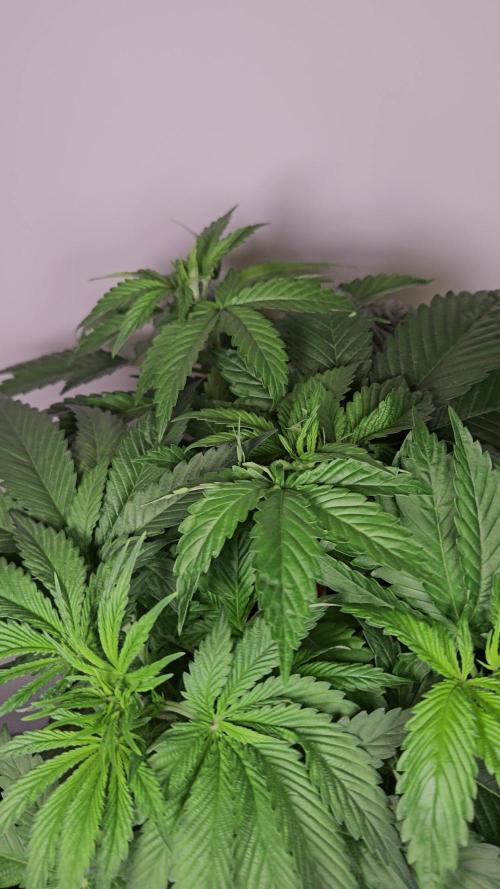
Day 27
I will switch the light to 12/12 so we will start flowering tomorrow.
All is going well she growing very nice and no issues so far.
We are work on large strong stems 💪
VPD is setup on 1.1 now.
Watering 500ml everyday.
Likes
16
Share


@Ziocannabis
Follow
La più grossa è già 85 cm....una vera Gorilla 🦍
Domani cambio una 50 di litri , diciamo che non voglio rischiare di bruciare la pompa sommersa cambiando totalmente l'acqua... sarebbe un problema svuotare l'impianto completamente...dovrei avere un altra pompa che mi aspiri tutti i 65/70 litri che ci sono adesso
Ha superato di un paio di centimetri il metro di altezza una delle Gorilla Cookies...il problema dell' idroponica è che devi per forza fare lo Scrog,a quel punto riesci a tenere l'altezza anche delle altre
Ho cambiato base per la fioritura, molto più indicati..Sensi Bloom A&B Advance nutrients ovviamente .. aggiungo big Bad...
Ora cerco di lasciare le radici scoperte dalla soluzione in modo da indurre uno stress idrico e accelerare la prima fase di fioritura..da 5 a 8 cm. fuori dalla soluzione
Likes
49
Share


@Roberts
Follow
RSV11 is growing fast. I did a solution change on her a few days ago. She got lst and some selective defoliation done today. Even has been going great with her. Nothing more to report. Thank you Terpyz Mutant Genetics, and Spider Farmer. 🤜🏻🤛🏻🌱🌱🌱
Thank you grow diaries community for the 👇likes👇, follows, comments, and subscriptions on my YouTube channel👇.
❄️🌱🍻 Happy Growing 🌱🌱🌱
https://youtube.com/channel/UCAhN7yRzWLpcaRHhMIQ7X4g

Likes
18
Share


@JeyGanesha
Follow
Prima settimana di fioritura . tutto ok .ma con qualche altra iniziano a spuntare sorprese inaspettate....beh questa è la natura 🤷😂💪👍🙏
Likes
7
Share


@SkyNso
Follow
DESCRIPTION:
I have:
2 DWC pots 25l,
2 MarsHydro led 150w and 100w
2 seeds wedding glue auto
1 grower cat 🐈
STRAIN INFO:
WEDDING GLUE AUTO
Indica: 60%
Sativa: 40%
Taste: Earthy, Sweet, Vanilla
THC: Up to 26%
CBD: < 1%
LEGENDS:
📆 Day - 💬 Note -💧 PH - 💦 Ppm - 🍼🌡️ Water temperature -📏 Height - 🌡️ temperature - 🌗 Day/Night hours - 💡 TS1000 power
🍏 AN pH Perfect Connoisseur Grow A/B
🍎AN pH Perfect Connoisseur Bloom A/B
🍬AN Candy Bud
💊AN B-52
⛱️AN Nirvana
🐟 AN Piranha
🥥 AH CalMag
REPORT
📆 22.08.21 (Day 1)
💬 Just borned
💧 6.5 pH
💦 220 ppm
🌡️ 24с°
💧🌡️ 19с°
🌗 24/0 h
💡 20%
---fertilize----
🐟 0.2 ml/l
💊 0.2 ml/l
🍏 0.0 ml/l
🍎 0.0 ml/l
🍬 0.0 ml/l
⛱️ 0.0 ml/l
🥥 0.0 ml/l
📆 23.08.21 (Day 2)
💬 Now it's just growing =)
💧 6.5 pH
💦 220 ppm
🌡️ 24с°
💧🌡️ 19с°
🌗 20/4 h
💡 20%
---fertilize----
🐟 0.2 ml/l
💊 0.2 ml/l
🍏 0.0 ml/l
🍎 0.0 ml/l
🍬 0.0 ml/l
⛱️ 0.0 ml/l
🥥 0.0 ml/l
📆 24.08.21 - 29.08.21 (Day 3-8)
💧 6.4 pH
💦 440 ppm
🌡️ 24с°
💧🌡️ 19с°
🌗 20/4 h
💡 20%
---fertilize----
🐟 1 ml/l
💊 1 ml/l
🍏 0.5 ml/l
🍎 0.5 ml/l
🍬 0.0 ml/l
⛱️ 0.0 ml/l
🥥 0.0 ml/l
📆 30.08.21 (Day 9)
💬 Add fan for "wind". Alisa show her root, Lisa is shy so far ) Raised fertilizer content and up to 50% power LED
💧 6.5 pH
💦 520 ppm
🌡️ 25с°
💧🌡️ 21с°
🌗 20/4 h
💡 50%
---fertilize----
🐟 1 ml/l
💊 1 ml/l
🍏 1 ml/l
🍎 1 ml/l
🍬 0.0 ml/l
⛱️ 0.5 ml/l
🥥 0.0 ml/l
📆 31.08.21-0.3.09.21 (Day 10-13)
💬 TOPING all gilrs
💧 6.5 pH
💦 520 ppm
🌡️ 25с°
💧🌡️ 21с°
🌗 20/4 h
💡 50%
---fertilize----
🐟 1 ml/l
💊 1 ml/l
🍏 1.5 ml/l
🍎 1.5 ml/l
🍬 0.0 ml/l
⛱️ 1 ml/l
🥥 0.0 ml/l
________________________________________________________________________
📆 Day - 💬 Note -💧 PH - 💦 Ppm - 🍼🌡️ Water temperature -📏 Height - 🌡️ temperature - 🌗 Day/Night hours - 💡 TS1000 power
🍏 AN pH Perfect Connoisseur Grow A/B
🍎AN pH Perfect Connoisseur Bloom A/B
🍬AN Candy Bud
💊AN B-52
⛱️AN Nirvana
🐟 AN Piranha
🥥 AH CalMag
Likes
16
Share


@eldruida_lamota
Follow
Vamos familia, hora de cosechar estas gorilla de RoyalQueenSeeds.
No veáis que pinta que tienen las flores están bien formadas y repletas de tricomas.
Estoy deseando probarlas.
El problema han sido las temperaturas las últimas semanas que excedieron los 30 grados.
Aun así salió todo para alante
Agrobeta:
https://www.agrobeta.com/agrobetatiendaonline/36-abonos-canamo
Mars hydro:
Code discount: EL420
https://www.mars-hydro.com/
Hasta aquí es todo , espero que lo disfrutéis, buenos humos 💨💨.
Likes
30
Share

@NoProbation4Weed
Follow
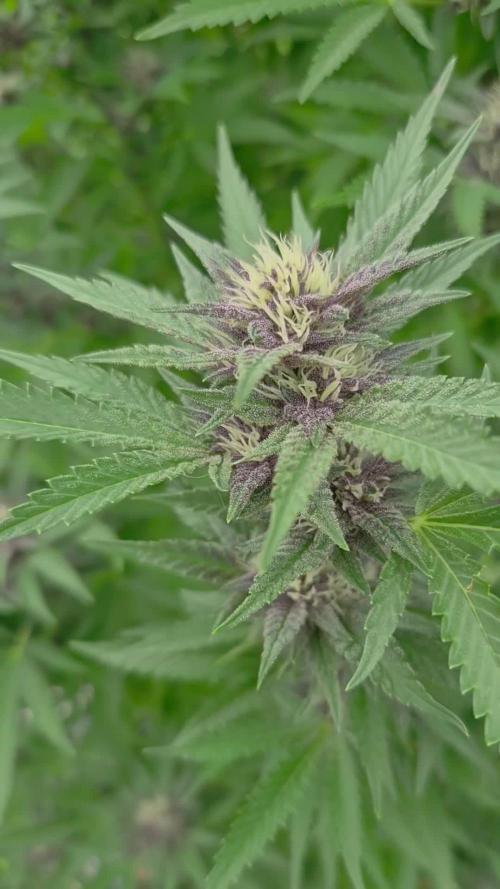
the indoor Plant got harvested and delivered 307g dry. the dry result is frosty, nice dense buds with loads of terpenes. Nice purple colour as well.
The flavour is dark berrys, mintz and cheescake in the background.
Outdoor is is week 4 of flower and the weather is good as well. Its not as warm anymore but at least dry days with sunshine. Today still no signs of powdery mildew or spider mites. She go the final defoliation this week so she can send all her energy into the buds for the last weeks. She is already stinky and you can smell it from far away. Very very intense terps tangy, minty, berry flavours.